Unlock your full potential by mastering the most common Centerpiece Design interview questions. This blog offers a deep dive into the critical topics, ensuring you’re not only prepared to answer but to excel. With these insights, you’ll approach your interview with clarity and confidence.
Questions Asked in Centerpiece Design Interview
Q 1. Describe your preferred design process for creating a centerpiece.
My centerpiece design process is a collaborative journey, starting with a deep understanding of the event. I begin with a consultation, actively listening to the client’s vision, understanding their style preferences, the event’s theme, venue, and budget. This initial phase is crucial for setting the foundation of the design.
Next, I create mood boards, compiling images, color palettes, and textures that reflect the client’s vision. This visual representation helps us refine the concept. Then, I develop a detailed sketch, outlining the centerpiece’s shape, size, floral choices, and any additional elements. I present this draft to the client for feedback. After incorporating any revisions, I source the necessary materials, focusing on quality and seasonality.
Finally, the centerpiece is meticulously assembled, paying close attention to detail and ensuring a harmonious balance of elements. A final review with the client before the event ensures complete satisfaction. This process ensures a personalized and stunning centerpiece that perfectly complements the event.
Q 2. What are the key considerations for choosing flowers and materials for a centerpiece?
Choosing the right flowers and materials is paramount to creating a successful centerpiece. Several key considerations guide my selection. First, I assess the event’s style and theme. A rustic wedding calls for wildflowers and natural elements, while a formal gala might demand elegant roses and orchids.
- Color Palette: The color scheme must align with the overall event aesthetic and the venue.
- Seasonality: Utilizing in-season flowers ensures freshness, reduces cost, and promotes sustainability. For example, sunflowers in summer and amaryllis in winter.
- Flower Types and Textures: A variety of textures and flower types creates visual interest and depth. Mixing large blooms with smaller filler flowers adds layers and complexity.
- Durability: The chosen flowers should withstand the event’s duration. Certain flowers wilt faster than others, influencing my selection.
- Venue: The venue’s size and lighting will dictate the scale and style of the centerpiece. A large ballroom requires bolder, more dramatic centerpieces than an intimate garden setting.
- Budget: The budget significantly impacts material choices. I work with clients to find the perfect balance between quality and cost.
Q 3. Explain how you would adapt a centerpiece design for different venue styles.
Adapting centerpiece designs to different venue styles is crucial for creating a cohesive and impactful overall look. A rustic barn wedding requires a different approach than a modern minimalist event. The key is to understand the venue’s architecture, lighting, and overall ambiance.
For instance, a rustic barn would benefit from wildflowers, wooden elements, and candles, creating a warm, inviting atmosphere. Conversely, a sleek, modern venue might call for clean lines, geometric shapes, and monochromatic color palettes using orchids or calla lilies. I always consider the existing décor and aim to complement, rather than clash, with the venue’s style.
I might adjust the height of centerpieces depending on the ceiling height. Low centerpieces are better for venues with low ceilings to avoid obstructing the view. In contrast, tall centerpieces can create a dramatic focal point in high-ceilinged spaces. The scale and style of the centerpiece must always be proportionate to the venue’s size and character.
Q 4. How do you manage time constraints and deadlines when designing centerpieces?
Time management is essential in centerpiece design. I utilize project management techniques to meet deadlines effectively. Upon receiving a client’s order, I immediately create a detailed timeline, breaking down the entire process into manageable tasks. This includes sourcing materials, creating designs, assembling centerpieces, and delivery.
I prioritize tasks based on urgency and allocate sufficient time for each stage. For example, sourcing unique or specialized flowers often takes longer, so this task is scheduled earlier in the timeline. I utilize project management software to keep track of progress, deadlines, and potential delays. Clear communication with clients about potential scheduling challenges and proactive problem-solving helps prevent delays and ensure timely completion.
Q 5. What software or tools do you use for centerpiece design and visualization?
I leverage several software and tools to enhance my centerpiece design process. Floral design software, such as Floral Design Pro or Adobe Photoshop, allows for precise sketching and visualization of centerpieces. These programs allow for accurate color matching and scaling, ensuring the final product aligns precisely with the client’s vision.
I also use project management software, such as Asana or Trello, to manage my projects, deadlines, and client communication effectively. These tools are particularly useful when handling multiple projects simultaneously. Finally, I rely on online resources such as Pinterest for inspiration and to source new ideas for flower arrangements and decorative materials.
Q 6. Describe your experience working with different floral arrangements styles.
I have extensive experience with various floral arrangement styles. My expertise encompasses classic styles, such as round, cascading, and crescent arrangements. I also specialize in more modern styles, including linear arrangements, which emphasize geometric shapes and lines.
For example, a round arrangement creates a symmetrical, balanced look, while a cascading arrangement creates a flowing, romantic effect. Linear arrangements are more contemporary and are particularly well-suited to modern or minimalist event styles. I adapt my style based on the client’s vision, the event theme, and the venue. I am comfortable working with a wide variety of techniques, and regularly experiment with new styles to stay at the forefront of this ever-evolving industry.
Q 7. How do you handle client feedback and revisions during the design process?
Client feedback is invaluable and an integral part of my design process. I encourage open communication throughout the process. I actively solicit feedback after presenting initial designs, during material selection, and after the final centerpiece is assembled. This allows for adjustments and refinements that ensure the final product meets the client’s expectations.
I handle revisions by carefully reviewing each comment and suggestion, and discussing potential solutions with the client. Some revisions might be simple color changes, while others might involve more significant design alterations. I always aim to be responsive and flexible, ensuring the client feels heard and valued. My goal is to collaborate with clients to create a centerpiece that not only meets but surpasses their expectations.
Q 8. How do you ensure the centerpieces are visually appealing and complement the overall event theme?
Creating visually appealing centerpieces that complement an event’s theme requires a holistic approach. It starts with a deep understanding of the event itself – its style (formal, rustic, modern, etc.), color palette, and overall atmosphere. I begin by collaborating closely with the client to understand their vision. Then, I translate that vision into a design concept, carefully selecting elements – flowers, vessels, linens, candles – that harmoniously work together. For example, for a rustic-chic wedding, I might use wildflowers in mason jars with burlap accents, while a glamorous gala might call for elegant orchids in crystal vases with strategically placed LED lighting. The key is to maintain a cohesive aesthetic where every element enhances the overall impact. I also consider the scale of the centerpieces relative to the venue and tablescape to ensure they are neither overwhelming nor lost in the space. Finally, I always present mood boards and sketches to the client for approval before proceeding, ensuring a shared understanding and avoiding costly last-minute changes.
Q 9. Explain your process for sourcing and selecting high-quality materials.
Sourcing high-quality materials is crucial for creating stunning and long-lasting centerpieces. I establish relationships with reputable local and international floral wholesalers and suppliers. This ensures access to fresh flowers, unique containers, and high-quality decorative elements. My selection process prioritizes quality, durability, and sustainability whenever possible. I meticulously inspect each item for imperfections and freshness, ensuring every element meets my exacting standards. I often incorporate seasonal blooms, as they are generally more affordable and environmentally responsible. For example, I might feature peonies in spring, sunflowers in summer, and dahlias in autumn, taking advantage of nature’s beauty and cost-effectiveness. For non-floral elements, I explore local artisans and craft vendors for unique and handcrafted items, supporting local businesses and adding a personal touch to my designs.
Q 10. Describe a situation where you had to overcome a design challenge with a centerpiece.
At a recent corporate event, the client requested a centerpiece that incorporated their company’s logo – a complex, three-dimensional metallic structure. Simply placing flowers around it would have looked clumsy and unprofessional. My solution involved creating a custom-designed base using clear acrylic to subtly support the logo while allowing the floral arrangements to cascade beautifully around it. The acrylic’s transparency ensured the logo remained the focal point without obscuring the flowers. I chose low-profile, elegant blooms to avoid competing with the logo’s structure and used a color scheme that complemented both the logo and the overall event theme. The result was a sophisticated centerpiece that successfully incorporated the company’s branding without compromising the aesthetic appeal of the floral design.
Q 11. How do you maintain the freshness and longevity of floral centerpieces?
Maintaining the freshness and longevity of floral centerpieces requires a multi-pronged approach. Firstly, I choose flowers known for their durability and long vase life. Secondly, I work with my floral wholesaler to ensure I receive the freshest blooms possible. Thirdly, I properly hydrate the flowers immediately upon arrival, using flower food and appropriate water levels. For the centerpieces themselves, I avoid placing them in direct sunlight or near heat sources, which can rapidly dehydrate flowers. Regularly checking and topping up the water, as well as removing any wilted or decaying petals, helps prolong their life. Additionally, I often utilize techniques like misting the flowers with water to maintain their hydration and prevent drooping. For events lasting multiple days, I might opt for a combination of fresh and silk flowers, ensuring an aesthetically pleasing display throughout the event’s duration.
Q 12. What are some common mistakes to avoid when designing centerpieces?
Several common mistakes can detract from the overall impact of a centerpiece. One is ignoring the scale of the space – overly large centerpieces can overwhelm small tables, while diminutive ones will get lost in larger venues. Another mistake is neglecting the height and visual weight of the arrangement, which can obstruct guests’ views or create an unbalanced look. Failing to consider the color palette and its coordination with the overall event theme is another frequent error. Finally, choosing flowers that are out of season not only limits aesthetic options but also leads to higher costs and shorter vase life. By meticulously planning each aspect of the design, and keeping the overall context in mind, these common pitfalls can be easily avoided.
Q 13. How familiar are you with various flower types, their care, and seasonal availability?
My familiarity with various flower types is extensive. I possess in-depth knowledge of their care requirements, including water needs, ideal temperatures, and sensitivity to light. This knowledge extends to their seasonal availability, allowing me to incorporate the most beautiful and cost-effective blooms based on the time of year. For example, I know that tulips thrive in cooler temperatures and require frequent water changes, while roses need slightly acidic water and prefer indirect sunlight. Understanding this allows me to create designs that are not only stunning but also sustainable and long-lasting. My knowledge also includes identifying different flower varieties, their unique characteristics, and their compatibility within a design, ensuring a harmonious and visually captivating arrangement.
Q 14. How do you calculate the cost-effectiveness of centerpiece designs?
Calculating the cost-effectiveness of centerpiece designs involves a detailed breakdown of all expenses. I begin by compiling a comprehensive list of materials – flowers, containers, linens, candles, etc. – and their respective costs. I then factor in labor costs, including design time, sourcing, and assembly. Finally, I calculate the total cost and divide it by the number of centerpieces to determine the cost per unit. I compare this figure against the client’s budget and explore alternative materials or designs if necessary to optimize costs without compromising quality. For example, I might suggest using locally grown flowers instead of imported varieties or opting for more cost-effective containers to maintain a balance between budget and aesthetic excellence. By tracking these costs across various projects, I can refine my pricing strategies and offer clients transparent and competitive quotes.
Q 15. Describe your experience in managing a team of designers or assistants.
Throughout my career, I’ve led and mentored teams of up to five designers and assistants on various high-profile events. My management style emphasizes collaborative creativity and efficient workflow. I begin by clearly defining the event’s theme, budget, and timeline with the team. We then brainstorm ideas together, assigning tasks based on individual strengths and experience. Regular check-ins and open communication are vital to ensure everyone is on track and any challenges are addressed proactively. For instance, on a recent wedding, I delegated floral arrangements to one assistant, while another focused on candle placement and lighting design. This division ensured a streamlined process and maximized individual talents.
My approach includes providing constructive feedback, offering opportunities for skill development, and fostering a supportive and encouraging environment. I believe in empowering my team to take ownership of their work, leading to increased job satisfaction and high-quality results. I also handle logistical concerns like sourcing materials and managing budgets, allowing my team to concentrate on the creative aspects of the design.
Career Expert Tips:
- Ace those interviews! Prepare effectively by reviewing the Top 50 Most Common Interview Questions on ResumeGemini.
- Navigate your job search with confidence! Explore a wide range of Career Tips on ResumeGemini. Learn about common challenges and recommendations to overcome them.
- Craft the perfect resume! Master the Art of Resume Writing with ResumeGemini’s guide. Showcase your unique qualifications and achievements effectively.
- Don’t miss out on holiday savings! Build your dream resume with ResumeGemini’s ATS optimized templates.
Q 16. How do you incorporate lighting and other elements into a centerpiece design?
Lighting is absolutely crucial in elevating a centerpiece from good to spectacular. It adds depth, drama, and enhances the colors and textures of the floral arrangements and other elements. I often use a combination of ambient lighting, accent lighting, and even uplighting to create a layered effect. Ambient lighting sets the overall mood, accent lighting highlights specific features like a unique flower or a decorative vase, while uplighting creates a dramatic shadow play and adds visual height.
For example, in a recent gala, we used soft, warm ambient lighting to create a romantic atmosphere. Accent lighting was focused on the centerpiece’s tallest elements, which were crystal branches, and uplighting added depth to the dark wood tables. Other elements, like candles, mirrors, and even strategically placed crystals, can also be used to reflect and refract light, enhancing the visual appeal of the entire centerpiece.
The choice of lighting depends on the event’s style and theme. A rustic wedding might call for candlelight and soft string lights, while a modern corporate event might benefit from sleek LED spotlights.
Q 17. How do you ensure the centerpieces are structurally sound and stable?
Structural integrity is paramount. A collapsing centerpiece is a disaster waiting to happen! I ensure stability through several techniques. First, I select sturdy materials – heavy bases for tall centerpieces, floral foam with proper support for larger arrangements, and secure wiring for delicate elements. Second, I consider the weight distribution carefully. Heavier elements should be placed lower, and lighter ones higher to prevent tipping.
For example, if designing a tall centerpiece with long, heavy branches, I’d use a weighted base (perhaps a heavy ceramic bowl or even a weighted metal stand) and ensure the branches are securely anchored within the floral foam. I also consider the table’s surface – if it’s unstable, I may use a small, weighted mat underneath the centerpiece for extra support. Finally, I always perform a final stability check before transport and setup. It’s better to be overly cautious than to deal with a last-minute disaster.
Q 18. What are your strategies for ensuring centerpieces are aesthetically consistent with the event?
Aesthetic consistency is achieved through careful planning and meticulous execution. I start by thoroughly understanding the event’s theme, color palette, and overall style. This information guides every design decision, from the choice of flowers and materials to the shape, size, and placement of the centerpieces. I create mood boards and detailed sketches to visualize the final product and ensure cohesion.
For instance, a rustic-themed wedding might feature wildflowers, burlap, and mason jars, whereas a sophisticated corporate gala might necessitate sleek, modern vases and monochromatic floral arrangements. The same principle applies to the tablecloths, place settings, and overall décor. Every element should work in harmony to create a cohesive and visually appealing experience.
Q 19. Describe your experience with different centerpiece heights and shapes.
My experience encompasses a wide range of centerpiece heights and shapes. Low centerpieces are ideal for intimate settings or when guests need more space on the table. High centerpieces, on the other hand, create a dramatic focal point, often used in larger venues or formal events. The shape also plays a significant role. Round centerpieces offer a classic and balanced look, while linear or asymmetrical designs can add a modern touch.
I’ve designed low, cascading arrangements using trailing ivy and flowers for a romantic feel, and tall, dramatic centerpieces featuring orchids and tall branches for a more glamorous occasion. The key is to select shapes and heights that complement the venue, the table size, and the overall aesthetic of the event. For example, tall centerpieces would be inappropriate for a small, intimate dinner party where conversation is paramount.
Q 20. How do you balance creativity with practicality in centerpiece design?
Balancing creativity and practicality is essential for successful centerpiece design. While creativity drives the initial design process, practicality ensures the design is feasible and meets the event’s requirements. I find the sweet spot through a structured approach. First, I brainstorm a variety of creative concepts, pushing boundaries. Then, I analyze each concept for feasibility, considering factors like budget, availability of materials, time constraints, and logistical challenges.
For example, a wildly creative concept might involve an elaborate sculpture using fragile materials. While visually stunning, this could be impractical if it’s costly, difficult to transport, or susceptible to damage. In such cases, I would modify the design, perhaps using more durable materials or simplifying the structure to achieve a similar effect while ensuring practicality.
Q 21. How do you handle potential allergies or sensitivities to certain flowers or materials?
Addressing allergies and sensitivities is a critical responsibility. I always inquire about any potential allergies or sensitivities when working with clients. This information is crucial in selecting appropriate flowers and materials. Common allergens include lilies, daisies, and certain types of pollen. For materials, I’m mindful of potential sensitivities to certain dyes, glues, or preservatives.
If a client has allergies, I explore alternative options, such as hypoallergenic flowers or non-floral centerpieces. I might use non-allergenic materials like feathers, silk flowers, or decorative fruits. Clear communication and thorough research are vital to ensure a safe and enjoyable experience for all attendees.
Q 22. What are your preferred color palettes and design styles for centerpieces?
My preferred color palettes and design styles are deeply influenced by the event’s theme and the client’s vision. However, I gravitate towards palettes that are both visually appealing and harmonious. I love using a combination of natural tones, like creams, greens, and browns, with pops of brighter colors for accent. For example, a rustic wedding might incorporate muted blush pinks and deep burgundy against a backdrop of wood and greenery, whereas a modern event might feature sleek metallics like silver and gold, paired with deep jewel tones like emerald or sapphire. Regarding design styles, I find myself drawn to both classic elegance – think tall, cascading floral arrangements – and modern minimalism – featuring clean lines and a more sculptural approach with fewer, larger elements. The key is adaptability; the style should complement, not overpower, the overall aesthetic of the event.
For instance, I recently designed centerpieces for a corporate gala that featured a minimalist aesthetic. We used tall, cylindrical vases with single stems of orchids, creating a sophisticated and modern feel. In contrast, for a romantic garden wedding, I opted for lush, overflowing arrangements in vintage-inspired containers, emphasizing texture and a sense of abundant beauty.
Q 23. Explain your understanding of different event styles and their corresponding centerpiece requirements.
Understanding different event styles and their corresponding centerpiece needs is crucial for successful design. A formal black-tie gala demands sophisticated, elegant centerpieces, perhaps featuring crystal accents and classic flowers arranged in structured designs. In contrast, a casual backyard barbecue calls for rustic, relaxed centerpieces, maybe incorporating wildflowers, mason jars, and natural elements like wood slices. A beach wedding would benefit from light, airy centerpieces using seashells, driftwood, and tropical flowers.
- Formal Events: Elegant, symmetrical arrangements using high-quality flowers and refined containers.
- Casual Events: Relaxed, asymmetrical arrangements that incorporate natural elements and textures.
- Themed Events: Centerpieces that reflect the event theme – a Hollywood gala might include glamorous feather boas and sparkling lights, while a rustic barn wedding could feature wildflowers and mason jars.
The scale of the centerpieces also matters. A large ballroom requires grand statements, while a smaller intimate setting calls for more petite arrangements. I always consider the seating arrangements, ensuring that the centerpieces don’t obstruct conversation or views.
Q 24. How would you incorporate sustainable practices into your centerpiece design?
Sustainability is a growing concern, and I wholeheartedly embrace eco-friendly practices in my designs. This begins with sourcing locally grown flowers and foliage whenever possible. This reduces the carbon footprint associated with transportation and supports local businesses. I also prioritize using reusable containers and materials, avoiding single-use plastics and opting for repurposable elements like vintage vases or natural containers. Additionally, I work closely with my clients to explore options like donating flowers after the event to hospitals or nursing homes, extending their beauty and reducing waste.
For example, I recently used reclaimed wood for centerpieces at a rustic wedding, giving them a unique look while reducing environmental impact. I also encourage the use of seasonal flowers, which are naturally more abundant and require less energy to produce. Post-event, we ensured all materials were sorted for recycling or composting.
Q 25. How do you adapt your design approach for various budgets and client preferences?
Adapting my design approach to different budgets and client preferences is essential. I offer a range of options to accommodate various price points, from using more affordable seasonal flowers to selecting less expensive containers. For clients with a lower budget, I may suggest using fewer, but more impactful, floral arrangements, or incorporating more cost-effective elements like candles or foliage. Conversely, for clients with higher budgets, I can incorporate rare or exotic flowers, high-end containers, or unique elements such as crystals or personalized details.
I always discuss budget limitations openly with my clients and collaborate to find creative solutions that achieve their vision without exceeding their financial constraints. Client preferences are crucial. I use mood boards and sample arrangements to ensure the final product aligns perfectly with their taste and style.
Q 26. Describe your experience with creating centerpieces for large-scale events.
I have extensive experience creating centerpieces for large-scale events, including weddings with over 300 guests and corporate galas in expansive ballrooms. The key to success in these situations lies in meticulous planning and efficient execution. This involves detailed site visits, precise measurements, and the development of a comprehensive design plan with a detailed budget breakdown. I also work closely with venue managers and event planners to coordinate logistics and ensure a smooth setup process. This often includes creating a production schedule detailing the timeline of delivery, installation and cleanup. Utilizing a dedicated and experienced team is paramount.
For example, in one large wedding, we designed and installed over 150 centerpieces in a remarkably short timeframe, thanks to a well-coordinated team and a precise logistical plan. We even utilized a color-coded system to ensure quick and accurate placement of individual elements.
Q 27. How do you maintain professionalism and handle unexpected issues during an event setup?
Maintaining professionalism and handling unexpected issues during event setup are vital. I always have a contingency plan in place, including backup arrangements and extra supplies. If unexpected issues arise, such as a damaged centerpiece or a last-minute change in the event layout, my calm and organized approach allows me to quickly assess the situation, find efficient solutions and implement them with minimal disruption. This involves clear and calm communication with clients, event planners and the venue staff.
For instance, once, a significant portion of the flower delivery arrived damaged due to unforeseen weather conditions. By remaining calm, I was able to quickly contact the florist, arrange for replacement flowers, and direct the team to create substitutes while maintaining the overall aesthetic consistency.
Q 28. How do you stay up-to-date with the latest trends and techniques in centerpiece design?
Staying current with the latest trends and techniques is crucial in this ever-evolving field. I regularly attend industry events, workshops, and conferences to stay updated on new designs, materials, and techniques. I actively follow industry publications, blogs, and social media accounts of renowned designers to gain inspiration and keep abreast of new trends. I also explore online resources and attend floral design courses to enhance my skills and broaden my knowledge. Continuous learning is key to ensuring my designs remain innovative and relevant.
For example, I recently incorporated the use of dried flowers in a design, reflecting a current trend in creating environmentally friendly, long-lasting centerpieces, and I regularly experiment with new floral foam alternatives to enhance sustainability.
Key Topics to Learn for Centerpiece Design Interview
- Understanding Design Principles: Explore fundamental design principles like balance, contrast, emphasis, proximity, and repetition. Consider how these principles apply to various design projects.
- Visual Communication & Storytelling: Learn how to effectively convey messages and narratives through visual elements. Practice analyzing successful designs and identifying the storytelling techniques used.
- Typography & Color Theory: Master the art of typography, including font selection, hierarchy, and kerning. Understand color psychology and how color palettes impact mood and perception.
- Layout & Composition: Practice creating visually appealing layouts using grids and other compositional techniques. Analyze how different layouts affect user experience.
- User Experience (UX) & User Interface (UI) Design: Explore the intersection of UX and UI design, focusing on user-centered design principles and creating intuitive interfaces.
- Software Proficiency: Demonstrate your practical skills in relevant design software (e.g., Adobe Creative Suite, Figma, Sketch). Be prepared to discuss your experience and workflow.
- Design Process & Problem-solving: Understand the stages of the design process, from research and ideation to prototyping and testing. Practice tackling design challenges using a structured approach.
- Design Trends & Innovation: Stay updated on current design trends and emerging technologies. Be ready to discuss your understanding of innovative design solutions.
- Portfolio & Case Studies: Prepare a strong portfolio showcasing your best work, and be ready to discuss your design choices and the challenges you overcame in each project.
Next Steps
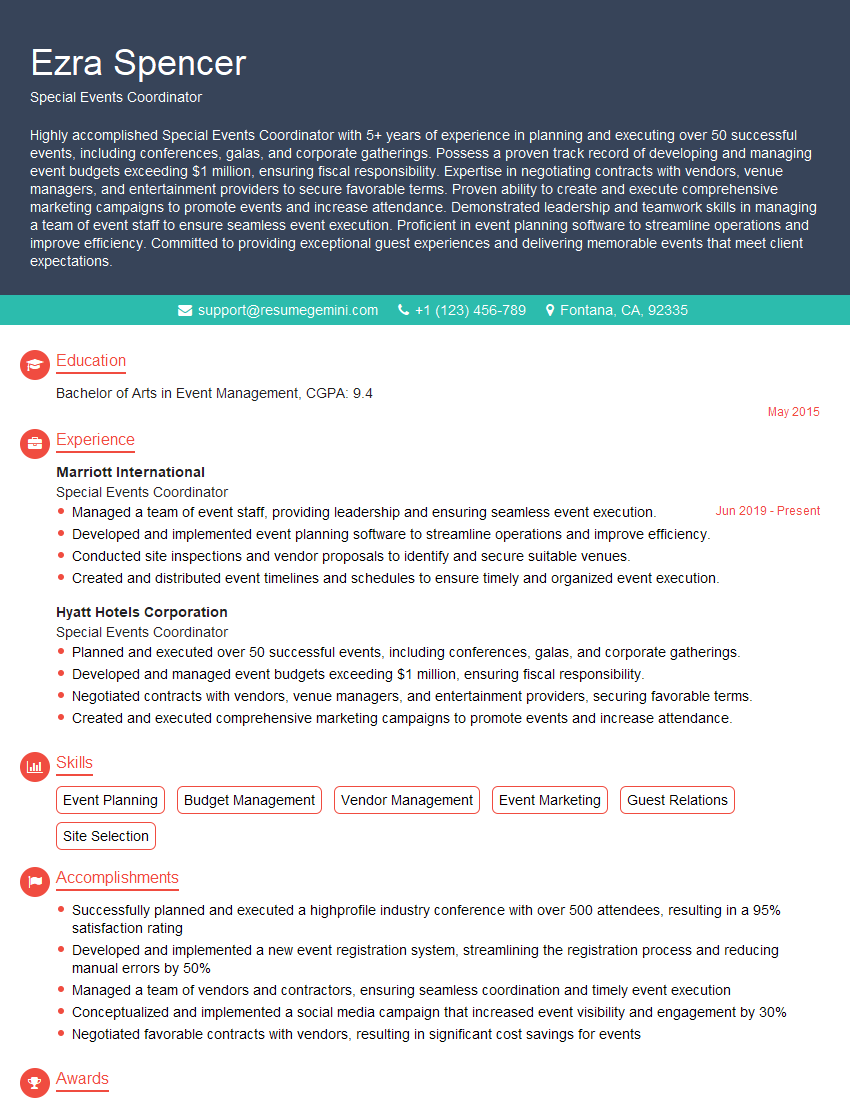
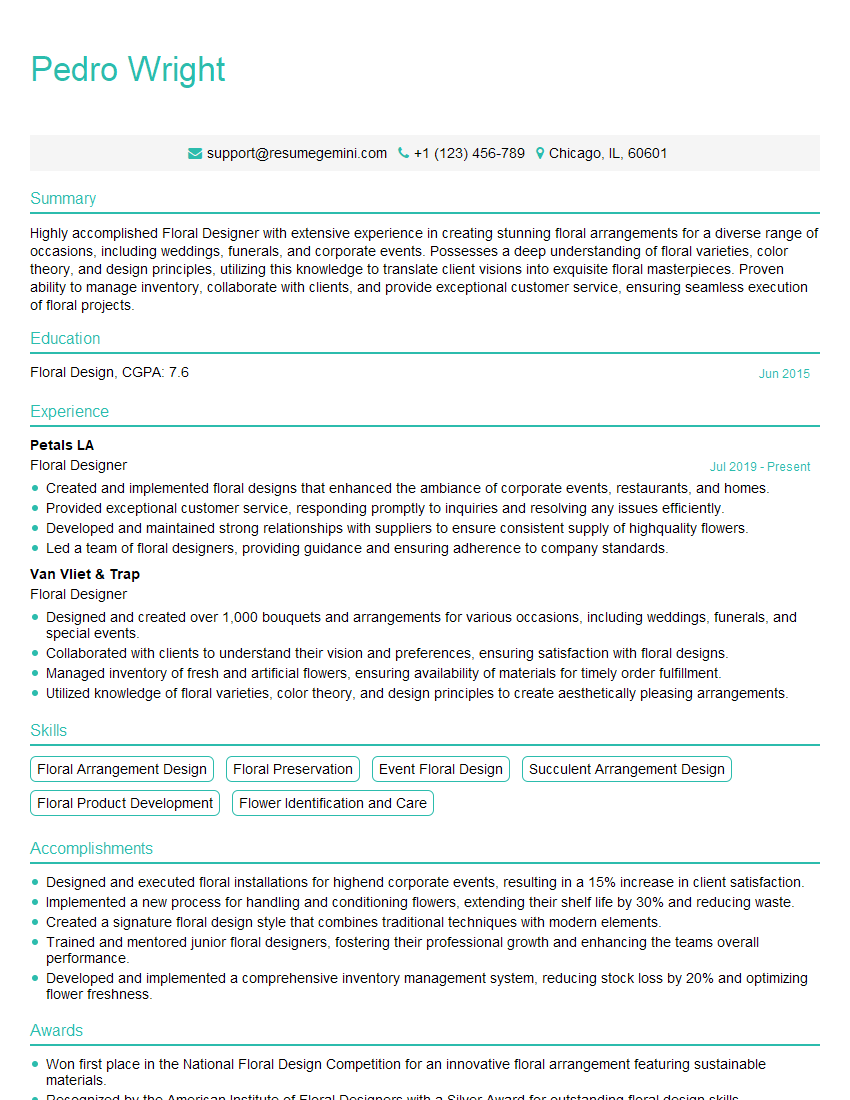
Mastering Centerpiece Design principles significantly enhances your career prospects in the competitive design field. A strong understanding of these concepts demonstrates your skills and readiness for challenging roles. To maximize your chances, create an ATS-friendly resume that effectively highlights your accomplishments and skills. ResumeGemini is a trusted resource to help you build a professional and impactful resume that stands out. Examples of resumes tailored to Centerpiece Design are available to guide you through the process.
Explore more articles
Users Rating of Our Blogs
Share Your Experience
We value your feedback! Please rate our content and share your thoughts (optional).
What Readers Say About Our Blog
Very informative content, great job.
good