Feeling uncertain about what to expect in your upcoming interview? We’ve got you covered! This blog highlights the most important SOPs (Standard Operating Procedures) interview questions and provides actionable advice to help you stand out as the ideal candidate. Let’s pave the way for your success.
Questions Asked in SOPs (Standard Operating Procedures) Interview
Q 1. Explain the importance of Standard Operating Procedures (SOPs).
Standard Operating Procedures (SOPs) are the backbone of any efficient and consistent operation. They’re essentially detailed, step-by-step instructions for carrying out routine tasks. Their importance stems from several key factors:
- Consistency and Quality: SOPs ensure everyone performs tasks the same way, leading to consistent product quality and service delivery. Think of a restaurant – every cook following the same recipe for a dish guarantees uniformity.
- Reduced Errors and Risk: By clearly outlining procedures, SOPs minimize the chance of mistakes, especially in high-risk environments like healthcare or manufacturing. A well-written SOP for handling hazardous materials significantly reduces accidents.
- Improved Efficiency: Clearly defined processes streamline workflows, saving time and resources. Instead of figuring things out each time, employees can refer to the SOP and complete tasks quickly and efficiently.
- Training and Onboarding: SOPs are invaluable for training new employees, providing a clear roadmap for learning the necessary procedures. This speeds up the onboarding process and ensures consistent performance from day one.
- Compliance and Auditing: SOPs are vital for regulatory compliance and easier audits. They provide documented evidence of adherence to standards, regulations, and best practices.
Q 2. Describe your experience in developing and implementing SOPs.
Throughout my career, I’ve been extensively involved in developing and implementing SOPs across various industries. For example, at my previous role in a pharmaceutical company, I led the development of SOPs for clinical trial data management. This involved:
- Needs Assessment: Identifying the specific tasks requiring standardization and understanding the current processes.
- Process Mapping: Creating detailed flowcharts illustrating each step of the process using tools like Visio or Lucidchart.
- Documentation: Writing clear, concise, and unambiguous SOPs, using plain language and incorporating visuals where necessary. We employed a template to ensure consistency.
- Review and Approval: Circulating drafts for review and approval by relevant stakeholders, including subject matter experts and legal teams. This ensured compliance and accuracy.
- Training and Implementation: Conducting training sessions to educate staff on the new SOPs and ensuring their understanding and adherence.
- Monitoring and Evaluation: Regularly monitoring compliance and gathering feedback to identify areas for improvement.
In another project at a tech startup, I focused on creating SOPs for software development and deployment, including version control, testing, and release processes. This demonstrated my adaptability in tailoring SOP development to different contexts.
Q 3. How do you ensure SOPs are current and accurate?
Maintaining current and accurate SOPs requires a proactive approach. I use a combination of strategies:
- Regular Reviews: Scheduling regular reviews (e.g., annually or more frequently depending on the SOP’s criticality) to ensure accuracy and relevance. This includes checking for outdated information, changes in regulations, and technological advancements.
- Version Control: Implementing a version control system (e.g., using a document management system) to track changes, maintain previous versions, and ensure only the most up-to-date SOP is in use. This allows for easy tracking of revisions and facilitates rollback if needed.
- Feedback Mechanisms: Establishing clear channels for feedback from staff, allowing them to report inaccuracies or suggest improvements. This could involve feedback forms, regular meetings, or suggestion boxes.
- Change Management Process: Implementing a formal change management process to ensure that any updates to SOPs are properly reviewed, approved, and communicated to all relevant parties before implementation. This prevents unauthorized changes and chaos.
- Training Updates: Integrating SOP updates into ongoing training programs or delivering targeted refreshers to keep employees informed of any modifications.
Q 4. What methods do you use to communicate SOP updates to staff?
Communicating SOP updates effectively is crucial for ensuring compliance. My approach involves a multi-faceted strategy:
- Email Notifications: Sending email notifications to all affected staff announcing the updates and providing a link to the revised SOPs.
- Intranet/Portal Updates: Posting updated SOPs on the company intranet or a central document management system, making them easily accessible to everyone.
- Training Sessions: Conducting training sessions or workshops for significant updates, especially those involving procedural changes.
- Team Meetings: Discussing updates during team meetings, allowing for questions and clarifications. This fosters open communication and addresses concerns.
- Visual Aids: Using visual aids like infographics or short videos to summarize key changes and make information more digestible.
- Acknowledgement: Requiring staff to acknowledge receipt and understanding of updates, perhaps by signing a document or completing a short quiz. This ensures everyone is aware and accountable.
Q 5. How do you handle discrepancies between an SOP and actual practice?
Discrepancies between SOPs and actual practice are serious and need immediate attention. My approach involves:
- Investigation: Thoroughly investigate the cause of the discrepancy. This may involve interviewing staff, reviewing relevant data, and analyzing the workflow.
- Root Cause Analysis: Use root cause analysis techniques (like the 5 Whys) to identify the underlying reasons for the deviation. Was it a lack of training, unclear instructions, or a systemic issue?
- Corrective Action: Implement appropriate corrective actions to address the root cause. This might include revising the SOP, providing additional training, improving communication, or addressing systemic issues.
- Preventive Action: Develop preventive measures to prevent similar discrepancies from occurring in the future. This might involve implementing stricter controls or improving monitoring processes.
- Documentation: Document the entire process, including the investigation, root cause analysis, corrective actions, and preventive actions. This is crucial for audit trails and continuous improvement.
Q 6. How do you measure the effectiveness of an SOP?
Measuring the effectiveness of an SOP involves a multifaceted approach:
- Compliance Rate: Tracking the adherence rate to the SOP. This can be done through observation, audits, and data analysis.
- Error Rate: Monitoring the error rate associated with the task covered by the SOP. A decrease in errors indicates improved effectiveness.
- Efficiency Metrics: Measuring the time taken to complete the task, resource consumption, and overall productivity. Improvements in these areas suggest a more efficient SOP.
- Employee Feedback: Gathering feedback from employees on the clarity, usability, and effectiveness of the SOP. This provides valuable insights for improvement.
- Customer Satisfaction: In cases where the SOP impacts customer interaction, measuring customer satisfaction can be an important indicator of effectiveness.
- Process Cost: Regularly review and analyze the costs associated with a process to assess the efficiency and optimization of the SOP in relation to the resources consumed.
Q 7. Describe a time you improved an existing SOP.
In my previous role, we had an SOP for processing customer returns that was lengthy, confusing, and inefficient. It involved multiple departments and excessive paperwork. I noticed a significant backlog and low employee morale associated with the process.
To improve it, I:
- Simplified the Process: I streamlined the steps, eliminating redundant ones and consolidating tasks where possible. I used process mapping to visually represent the changes.
- Improved Clarity: I rewrote the SOP using plain language, added visuals (flowcharts, diagrams), and incorporated clear definitions of terms.
- Implemented a Digital System: I proposed and implemented a digital system to automate some steps, reducing manual paperwork and improving accuracy. This involved working with the IT department and training employees on the new system.
- Centralized Communication: I created a single point of contact for all return-related issues, streamlining communication and improving response times.
After implementing these improvements, we saw a significant reduction in processing time, a decrease in errors, and a marked improvement in employee satisfaction. The backlog was cleared, and the entire process became much more efficient and user-friendly.
Q 8. How do you ensure SOPs are accessible to all relevant personnel?
Ensuring SOP accessibility is crucial for effective implementation. We use a multi-pronged approach. First, a central, easily searchable repository is essential. This could be a dedicated internal wiki, a document management system (DMS) like SharePoint or Confluence, or a specialized SOP management software. Secondly, we ensure all relevant personnel have the necessary access permissions to this repository. Role-based access controls help restrict viewing and editing rights to appropriate individuals or teams. Thirdly, we communicate the location of the repository and how to access it clearly through training sessions, emails, and announcements. Finally, we provide regular updates to the repository, ensuring all SOPs are current and easily findable.
For example, in a manufacturing setting, production line workers would need access to the SOPs for their specific tasks, but not necessarily to the marketing department’s SOPs. A well-structured DMS would allow us to create these access groups easily.
Q 9. Explain the role of SOPs in regulatory compliance.
SOPs are the backbone of regulatory compliance. They provide documented evidence that processes are being followed consistently and correctly, meeting the requirements set by regulatory bodies. Imagine a pharmaceutical company; each step in drug manufacturing, from ingredient sourcing to packaging, must adhere to strict regulations like GMP (Good Manufacturing Practices). SOPs detail these steps precisely, ensuring that all activities are traceable and auditable. In the event of an inspection, these meticulously maintained SOPs demonstrate adherence to regulations, minimizing the risk of non-compliance penalties and protecting the company’s reputation.
For instance, a deviation from an SOP must be documented, investigated, and corrected according to a defined procedure, itself outlined in an SOP. This meticulous record-keeping is crucial for demonstrating compliance and continuous improvement.
Q 10. How do you incorporate feedback into the SOP revision process?
Feedback is vital for keeping SOPs relevant and effective. We incorporate feedback through various channels. First, we regularly solicit feedback from users through surveys, informal discussions, and formal review meetings. Second, we track and analyze any issues or problems reported related to an SOP. For example, frequently occurring errors in a specific section of an SOP highlight an area needing improvement. Third, we conduct regular internal audits, checking compliance and identifying areas for refinement. All this feedback is then compiled, analyzed, and used to revise the SOP. We then clearly document these changes and communicate the updated SOP to all stakeholders.
Using a version control system within our DMS allows us to track changes, understand the rationale behind each revision, and revert to previous versions if necessary.
Q 11. How do you handle resistance to change when updating SOPs?
Resistance to change is a common challenge when updating SOPs. We address this by emphasizing the benefits of the changes and involving stakeholders in the revision process. We clearly communicate the reasons for the changes, highlighting how the updated SOPs will improve efficiency, safety, or compliance. We actively solicit input during the revision process, making individuals feel heard and valued. Training and adequate support are essential; we provide thorough training sessions, on-site support, and readily available documentation to facilitate adoption. We also address any concerns or anxieties directly and transparently. Open communication and collaborative problem-solving are key to overcoming resistance.
For example, we might pilot the updated SOP in a smaller team before a full-scale rollout to get valuable feedback and address concerns before wider implementation.
Q 12. What software or tools have you used to manage SOPs?
Over the years, I’ve used various software and tools for SOP management. Earlier, we relied on shared network drives and Microsoft Word, which presented challenges in version control and collaboration. Now, we utilize a combination of tools for better efficiency. We use a dedicated SOP management software which provides features such as version control, workflow management, access control, and automated notifications. Alongside this, we leverage a DMS like SharePoint for central storage and access. Finally, we utilize project management software (like Asana or Trello) to track SOP revision projects and ensure timely completion.
The choice of software depends on the organization’s size, complexity, and specific needs. A smaller company might get by with a DMS and a spreadsheet system, while a larger organization benefits from dedicated SOP management software.
Q 13. How do you ensure SOPs are consistent across different departments?
Maintaining SOP consistency across departments requires a centralized system and a standardized approach. We begin by establishing a central repository (as discussed earlier) accessible to all departments. This repository includes templates and style guides to ensure uniformity in formatting and content. We also define clear roles and responsibilities for SOP creation, review, and approval. Cross-departmental teams review SOPs impacting multiple departments to ensure alignment and eliminate discrepancies. Regular audits and training programs help reinforce consistency across the organization. We also utilize standardized terminology and formatting guidelines to avoid ambiguity and ensure clear understanding across departments.
For example, a standardized process for handling customer complaints should be consistent across customer service, sales, and marketing departments. This requires clear communication and a collaborative approach to SOP development and maintenance.
Q 14. How do you ensure SOPs are user-friendly and easy to understand?
User-friendliness is paramount. We achieve this by writing SOPs in clear, concise language, avoiding jargon unless absolutely necessary and providing definitions when used. We use visuals such as flowcharts, diagrams, and screenshots to break down complex processes into easily digestible chunks. The layout should be logical and intuitive, using clear headings, subheadings, and bullet points. We conduct user testing to ensure readability and identify areas for improvement. Feedback from users guides revisions, ensuring the SOP is easily understood and followed. The target audience should be considered during the creation process; for example, a technical SOP may need a different level of detail and explanation compared to an SOP for a less technical audience.
Think of it like writing a good instruction manual – clear, concise, and easy to follow, using visuals and examples to clarify instructions.
Q 15. What are the key elements of a well-written SOP?
A well-written SOP, or Standard Operating Procedure, is a detailed, step-by-step guide for completing a specific task or process. Think of it as a recipe for success, ensuring consistency and quality every time. Key elements include:
- Clear and Concise Title and Purpose: The SOP should immediately tell the reader what it’s about and its objective. For example, instead of “Cleaning Procedure,” use “Cleaning the Production Line – Machine 3.”
- Scope and Applicability: Define who the SOP applies to and under what circumstances. Is it for all employees or just a specific team? Does it apply only during certain shifts?
- Step-by-Step Instructions: Use numbered steps, ensuring each is clear, concise, and unambiguous. Avoid jargon and use active voice. Example: Instead of “The machine should be turned on,” use “Turn on the machine by pressing the green button.”
- Visual Aids: Diagrams, flowcharts, or photos can greatly enhance understanding, especially for complex processes.
- Safety Precautions: Highlight any potential hazards and necessary safety measures. This is crucial for ensuring employee safety.
- Quality Control Checks: Include steps to verify the quality of the work at various points in the process.
- Record Keeping Requirements: Specify what information needs to be recorded and how (e.g., logs, checklists).
- Review and Approval: Clearly indicate the process for reviewing and approving the SOP, including dates and approvers’ names. This ensures accountability and continuous improvement.
- Version Control: A system for tracking changes and revisions to maintain the most up-to-date version. (This will be elaborated in the next answer)
For instance, an SOP for “Responding to Customer Complaints” would include steps like acknowledging the complaint, investigating the issue, offering a solution, and documenting the resolution. Each step would be clearly defined with clear expectations and potential outcomes.
Career Expert Tips:
- Ace those interviews! Prepare effectively by reviewing the Top 50 Most Common Interview Questions on ResumeGemini.
- Navigate your job search with confidence! Explore a wide range of Career Tips on ResumeGemini. Learn about common challenges and recommendations to overcome them.
- Craft the perfect resume! Master the Art of Resume Writing with ResumeGemini’s guide. Showcase your unique qualifications and achievements effectively.
- Don’t miss out on holiday savings! Build your dream resume with ResumeGemini’s ATS optimized templates.
Q 16. Describe your experience with version control for SOPs.
Version control for SOPs is paramount for maintaining accuracy and preventing confusion. In my previous role, we utilized a dedicated document management system (DMS) that allowed for multiple revisions, tracked changes, and provided a clear audit trail. Every change, from a minor typo correction to a major process update, was recorded, timestamped, and attributed to a specific user.
We used a system where each version was clearly numbered (e.g., v1.0, v1.1, v2.0) and revisions were tracked through change logs explaining the rationale behind the updates. This allowed us to easily revert to older versions if needed and ensure everyone was working with the most current and approved version. Before implementing this system, we faced challenges with multiple versions circulating, leading to inconsistency and potential errors. We also implemented a process where SOPs were reviewed and updated at least annually, or more frequently if there were significant operational changes.
The DMS also allowed for controlled access, ensuring only authorized personnel could edit SOPs. This prevented unauthorized modifications and maintained the integrity of the documents. This process helped prevent confusion, reduce errors, and significantly enhanced efficiency by ensuring everyone worked from the same, approved document.
Q 17. How do you identify and prioritize SOPs for improvement?
Identifying SOPs for improvement requires a proactive approach that combines data analysis with feedback from the workforce. I typically use a multi-pronged strategy:
- Data Analysis: Analyzing process data to identify bottlenecks, inefficiencies, or areas with high error rates. This could involve reviewing quality control reports, production logs, or customer feedback data.
- Employee Feedback: Regularly soliciting feedback from employees who use the SOPs. This could be through surveys, focus groups, or informal conversations. Employees on the ground often have valuable insights into areas that are cumbersome or unclear.
- Audits and Inspections: Conducting regular audits to assess compliance with SOPs and identify areas where the process isn’t working as intended.
- Risk Assessment: Prioritizing SOPs that address high-risk areas or processes with significant potential for error or safety incidents.
Prioritization follows a risk-based approach, with SOPs related to safety, compliance, or those with high impact on efficiency or quality being addressed first. For instance, if data shows a high failure rate in a specific SOP for a critical manufacturing process, it would be prioritized over an SOP with a lower impact. A matrix that weights risk and impact is often used for prioritization.
Q 18. How do you ensure SOPs align with company goals and objectives?
Aligning SOPs with company goals and objectives is crucial for ensuring that all efforts are directed towards achieving the overall strategic direction. This starts with a clear understanding of the organization’s strategic plan. I would then:
- Link SOPs to Key Performance Indicators (KPIs): Ensure that SOPs directly contribute to the achievement of specific KPIs, making it clear how each process supports overarching business goals. For example, an SOP for inventory management might be linked to KPIs such as inventory turnover or stockout rates.
- Regular Review and Updates: Periodically review SOPs to ensure they remain aligned with evolving company goals and objectives. Changes in strategy require corresponding adjustments to processes.
- Cross-functional Collaboration: Involve relevant stakeholders from different departments during SOP development and review. This ensures that the procedures are effective and consistent across the organization.
- Communication and Transparency: Clearly communicate the connection between SOPs and company goals to all employees. This emphasizes the importance of adhering to procedures and fosters a sense of shared purpose.
For instance, if the company’s objective is to reduce manufacturing lead times, SOPs related to production scheduling, material handling, and quality control would need to be reviewed and improved to contribute to that goal. This alignment makes it clear how the daily tasks of employees contribute to the bigger picture.
Q 19. What is your process for training employees on new or revised SOPs?
Training employees on new or revised SOPs is critical for effective implementation. My approach involves a multi-faceted strategy:
- Structured Training Sessions: Conducting formal training sessions that cover all aspects of the SOP, using a combination of presentations, demonstrations, and hands-on practice.
- Interactive Training Materials: Creating engaging training materials, such as videos, interactive modules, or quizzes, to enhance comprehension and knowledge retention.
- On-the-Job Training: Providing supervised on-the-job training where employees can apply their knowledge under the guidance of experienced personnel.
- Knowledge Checks and Assessments: Administering knowledge checks or assessments to ensure that employees understand and can apply the SOP effectively.
- Feedback Mechanisms: Establishing feedback mechanisms to allow employees to provide input and identify any areas of confusion or difficulty. This iterative approach is critical for refining training materials and processes.
- Documentation of Training: Maintaining a record of employee training to ensure compliance and track competency.
For example, when introducing a new safety procedure, we would combine classroom-style training with hands-on practice using simulated scenarios to reinforce safe work habits. This blend ensures comprehensive understanding and skill development.
Q 20. How do you address gaps or inconsistencies in existing SOPs?
Addressing gaps or inconsistencies in existing SOPs requires a systematic approach. I typically follow these steps:
- Identify Gaps and Inconsistencies: Use audits, employee feedback, and data analysis to identify areas where the SOPs are unclear, incomplete, or contradictory. This may involve comparing different versions of SOPs or reviewing historical incident reports.
- Root Cause Analysis: Investigate the root causes of the gaps or inconsistencies to understand why they occurred in the first place. This might reveal shortcomings in the original design, changes in operational procedures that were not reflected in the SOPs, or issues with training.
- Develop Corrective Actions: Develop specific corrective actions to address the identified gaps or inconsistencies. This might involve revising the SOP to include missing steps, clarifying ambiguous instructions, or developing additional training materials.
- Implement Corrective Actions: Implement the corrective actions and communicate the changes to all affected employees. This may involve distributing updated SOPs, providing refresher training, or making changes to the workflow.
- Monitor and Review: Monitor the effectiveness of the corrective actions and review the SOPs periodically to ensure they remain accurate and up-to-date. This iterative process ensures continuous improvement.
For example, if an audit reveals inconsistencies in a production process, we would thoroughly investigate the causes, update the SOP to clarify the correct steps, and retrain employees on the revised procedure.
Q 21. How do you incorporate risk assessment into SOP development?
Incorporating risk assessment into SOP development is crucial for proactively identifying and mitigating potential hazards. I integrate this by:
- Hazard Identification: Identifying potential hazards associated with the task or process covered by the SOP. This involves brainstorming with relevant personnel and reviewing past incidents or near misses.
- Risk Evaluation: Evaluating the likelihood and severity of each identified hazard to determine the overall level of risk. This is often documented using a risk matrix.
- Risk Control Measures: Developing and implementing control measures to reduce the likelihood or severity of each hazard. This could involve engineering controls, administrative controls, or personal protective equipment (PPE).
- Documentation: Documenting the risk assessment process, including identified hazards, risk levels, and control measures, within the SOP itself. This ensures transparency and accountability.
- Regular Review: Regularly reviewing and updating the risk assessment as processes or environments change. This ensures that the SOP continues to effectively manage risks.
For example, an SOP for handling chemicals would include a detailed risk assessment covering potential hazards such as spills, inhalation, or skin contact. The SOP would then outline specific control measures, such as the use of PPE, proper ventilation, and emergency procedures in case of a spill.
Q 22. What metrics do you use to track SOP compliance?
Tracking SOP compliance involves a multi-faceted approach, going beyond simply checking boxes. We need quantitative and qualitative data to get a true picture. Key metrics include:
- Compliance Rate: This is the percentage of times an SOP was followed correctly. We track this through audits, observations, and data analysis from the processes themselves (e.g., machine logs, production records).
- Frequency of Deviations: Identifying the number of times SOPs were not followed highlights areas needing improvement. This helps pinpoint recurring issues and their root causes.
- Time to Compliance: This metric measures how long it takes employees to achieve consistent compliance after training or SOP updates. Longer times indicate potential training gaps or poorly written SOPs.
- Employee Feedback: Gathering feedback through surveys or interviews provides insights into the usability and effectiveness of the SOPs from the employee’s perspective.
- Error Rate: Tracking the number of errors directly attributable to non-compliance with SOPs provides a direct link between SOP adherence and process quality.
For instance, in a pharmaceutical manufacturing setting, we might track the compliance rate for aseptic techniques by reviewing batch records and observing workers. A low compliance rate might suggest a need for retraining or a redesign of the process or SOP.
Q 23. How do you handle situations where SOPs are not being followed?
When SOP non-compliance is detected, a systematic approach is crucial. It’s not about blame, but about improvement. My process typically involves:
- Identifying the Root Cause: We use tools like the ‘5 Whys’ to understand why the deviation occurred. Was it a lack of training, unclear instructions, inadequate resources, or something else?
- Investigating the Severity: Not all deviations are created equal. We assess the impact of the non-compliance – was it a minor issue or a critical one with potential safety or quality ramifications?
- Corrective Actions: Based on the root cause analysis, we implement corrective actions. This could involve additional training, SOP revisions, improved equipment, or changes to the workflow.
- Preventive Actions: We focus on preventing future occurrences. This may involve improved monitoring, better communication, or reinforcing accountability.
- Documentation and Follow-up: All actions are documented, and follow-up is performed to ensure the corrective and preventive actions are effective.
For example, if an employee consistently omits a critical step in a laboratory procedure, we wouldn’t just reprimand them. We’d investigate whether the SOP is clear enough, if they received adequate training, or if there are workflow issues contributing to the problem.
Q 24. Describe a time you had to create an SOP from scratch.
In my previous role, we needed a new SOP for handling customer complaints. The existing process was inefficient and lacked standardization. My approach was:
- Needs Analysis: I interviewed customer service representatives, managers, and reviewed existing complaint data to understand the current process and identify pain points.
- Process Mapping: I created a flowchart depicting the steps involved in handling a complaint, from initial contact to resolution.
- SOP Development: Based on the process map and stakeholder input, I drafted the SOP, ensuring it was clear, concise, and easy to follow. I included specific instructions, decision points, and examples.
- Review and Feedback: I circulated the draft SOP for review and feedback from relevant stakeholders. This iterative process ensured the SOP was accurate, comprehensive, and practical.
- Implementation and Training: After final revisions, I implemented the SOP and provided training to customer service representatives.
The result was a streamlined and efficient complaint-handling process that improved customer satisfaction and reduced response times. The new SOP clearly outlined responsibilities, timelines, and escalation procedures, significantly improving consistency and efficiency.
Q 25. How do you ensure SOPs are regularly reviewed and updated?
Regular review and update of SOPs is paramount to maintain their effectiveness and relevance. We use a combination of approaches:
- Scheduled Reviews: We set up a schedule for regular review, typically annually or more frequently for critical procedures. This ensures that the SOPs remain aligned with current regulations, best practices, and technological advancements.
- Triggered Reviews: SOPs are reviewed and updated whenever changes occur that affect the process they describe, such as regulatory updates, equipment changes, or significant process improvements.
- Version Control: We employ a version control system to track changes, ensuring that everyone is working with the latest version of the SOP.
- Change Management Process: A formal change management process is followed for any SOP update, including approval from relevant stakeholders and communication to affected personnel.
For example, if a new piece of equipment is introduced into a manufacturing process, the relevant SOPs must be updated to reflect its use and any associated safety precautions. Failure to do so could lead to operational inefficiencies, safety issues or non-compliance.
Q 26. How do you maintain a centralized repository for SOPs?
Maintaining a centralized repository for SOPs is crucial for efficient access, version control, and ensuring consistency. We typically use a dedicated document management system (DMS) with features like:
- Centralized Storage: All SOPs are stored in one location, accessible to authorized personnel.
- Version Control: The system tracks different versions of each SOP, allowing for easy retrieval of previous versions if necessary.
- Access Control: Security features ensure that only authorized personnel can access and modify SOPs.
- Search Functionality: Robust search capabilities allow users to quickly find specific SOPs based on keywords or document properties.
- Workflow Management: The system supports the workflow for creating, reviewing, approving, and updating SOPs.
Some examples of DMS software suitable for this purpose include SharePoint, Documentum, or specialized software designed for quality management systems. A well-organized system is crucial to ensure that everyone is using the most up-to-date version of the SOPs.
Q 27. Explain your experience with SOP validation and verification.
SOP validation and verification are critical aspects of ensuring process effectiveness and regulatory compliance. Verification confirms that the SOP accurately reflects the intended process. Validation confirms that the process described in the SOP consistently produces the desired results. My experience encompasses both:
- Verification: This often involves a review by subject matter experts to ensure the clarity, accuracy, and completeness of the SOP. We check for consistency with other relevant documents and regulatory requirements.
- Validation: This is more involved and often requires documented evidence. For example, in a manufacturing setting, we might perform validation runs to demonstrate that the process consistently meets quality specifications. Data from these runs forms part of the validation documentation.
In a previous project involving the development of a new analytical method, we meticulously verified the SOP against established guidelines and then validated the method through multiple test runs. The validation data, including accuracy, precision, and linearity, was documented and reviewed to ensure the method was reliable and reproducible.
Q 28. Describe your approach to documenting SOP development and implementation.
Documenting SOP development and implementation is vital for traceability, regulatory compliance, and continuous improvement. My approach emphasizes a structured and thorough process:
- Development Records: We maintain detailed records of the SOP development process, including meeting minutes, feedback received during reviews, and the rationale behind design choices.
- Change History: A detailed change history is maintained, tracking all modifications made to the SOP, the reason for the changes, and the individuals involved in the approval process.
- Training Records: Documentation of all training delivered on the SOP, including participant attendance and assessment results, is kept for audit trails.
- Validation/Verification Records: Comprehensive documentation of SOP verification and validation activities, including results, data analysis, and conclusions, is essential.
- Audit Trails: The document management system should maintain an audit trail, recording all access, modifications, and approvals related to the SOP.
Maintaining thorough documentation not only assists in audits but also enables us to identify areas for improvement and enhance the overall effectiveness of our SOPs. This detailed history is critical for continuous improvement and troubleshooting any issues that might arise later.
Key Topics to Learn for SOPs (Standard Operating Procedures) Interview
- Understanding SOP Structure and Purpose: Learn how SOPs are organized, their importance in maintaining consistency and quality, and the different types of SOPs used across various industries.
- Developing and Implementing SOPs: Explore the practical steps involved in creating effective SOPs, including identifying needs, gathering information, writing clear instructions, and incorporating visuals for better understanding. Consider the process of review, approval, and updates.
- SOPs and Compliance: Understand the role SOPs play in meeting regulatory requirements and industry standards. Discuss the implications of non-compliance and the importance of documentation.
- Troubleshooting and Problem-Solving with SOPs: Practice identifying potential issues within SOPs and applying problem-solving techniques to improve efficiency and effectiveness. This includes identifying areas for improvement and suggesting revisions.
- Technology and SOPs: Explore how technology (e.g., software, databases) can be integrated into SOPs to enhance efficiency, accessibility, and tracking of adherence.
- Training and Communication related to SOPs: Understand the importance of effective training programs to ensure that employees understand and correctly follow established SOPs. Discuss methods for efficient communication and knowledge sharing regarding SOPs.
- Metrics and SOP Effectiveness: Learn how to measure the effectiveness of SOPs and identify areas for improvement based on data analysis. Discuss key performance indicators (KPIs) relevant to SOPs.
Next Steps
Mastering SOPs demonstrates your commitment to efficiency, compliance, and continuous improvement – highly valuable skills that significantly boost your career prospects. To further enhance your job search, creating an ATS-friendly resume is crucial. A well-crafted resume highlights your skills and experience effectively, maximizing your chances of landing interviews. We recommend using ResumeGemini, a trusted resource, to build a professional resume that truly showcases your abilities. Examples of resumes tailored to SOPs-focused roles are provided to help you get started.
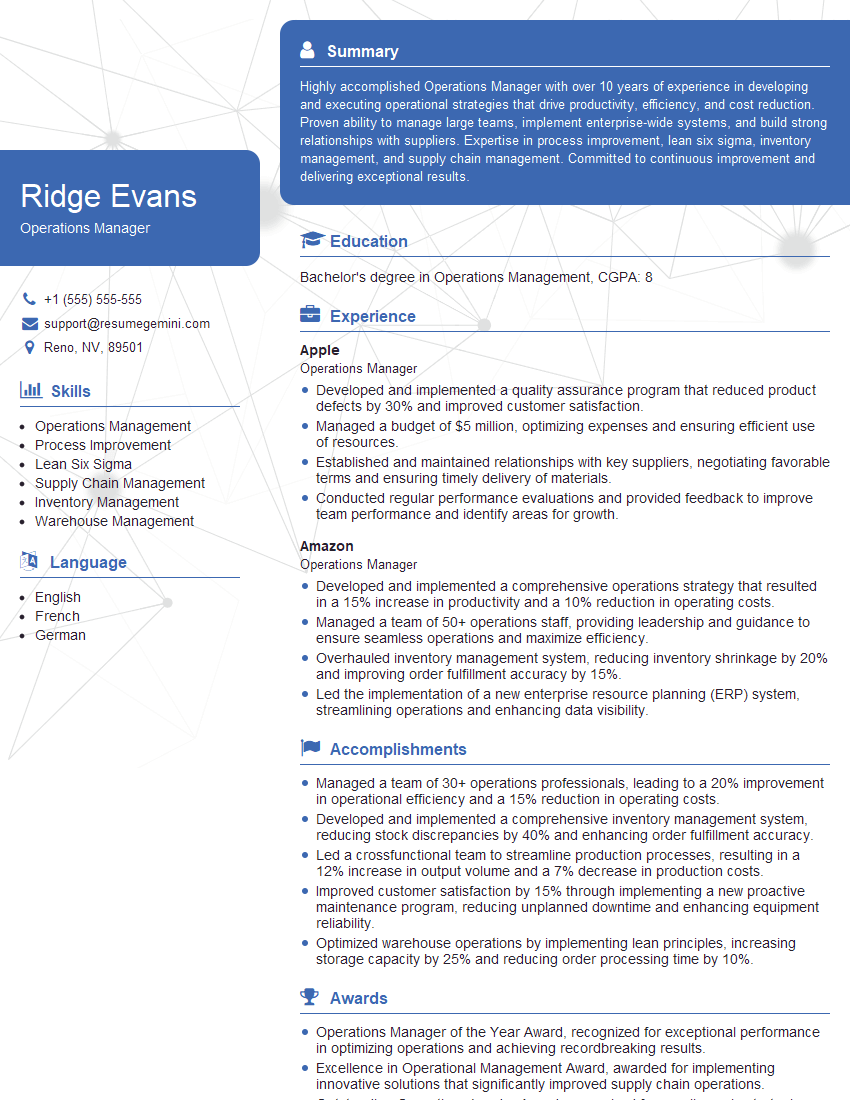
Operations Manager Resume Sample
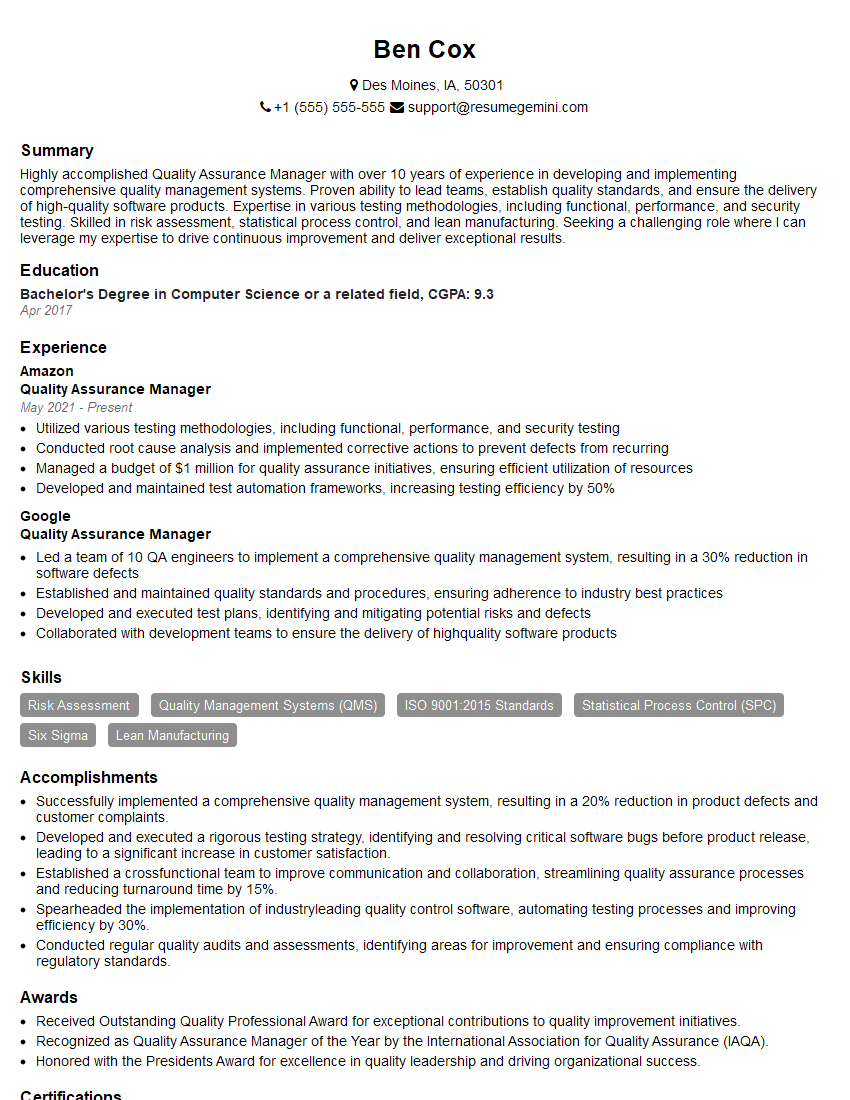
Quality Assurance Manager Resume Sample
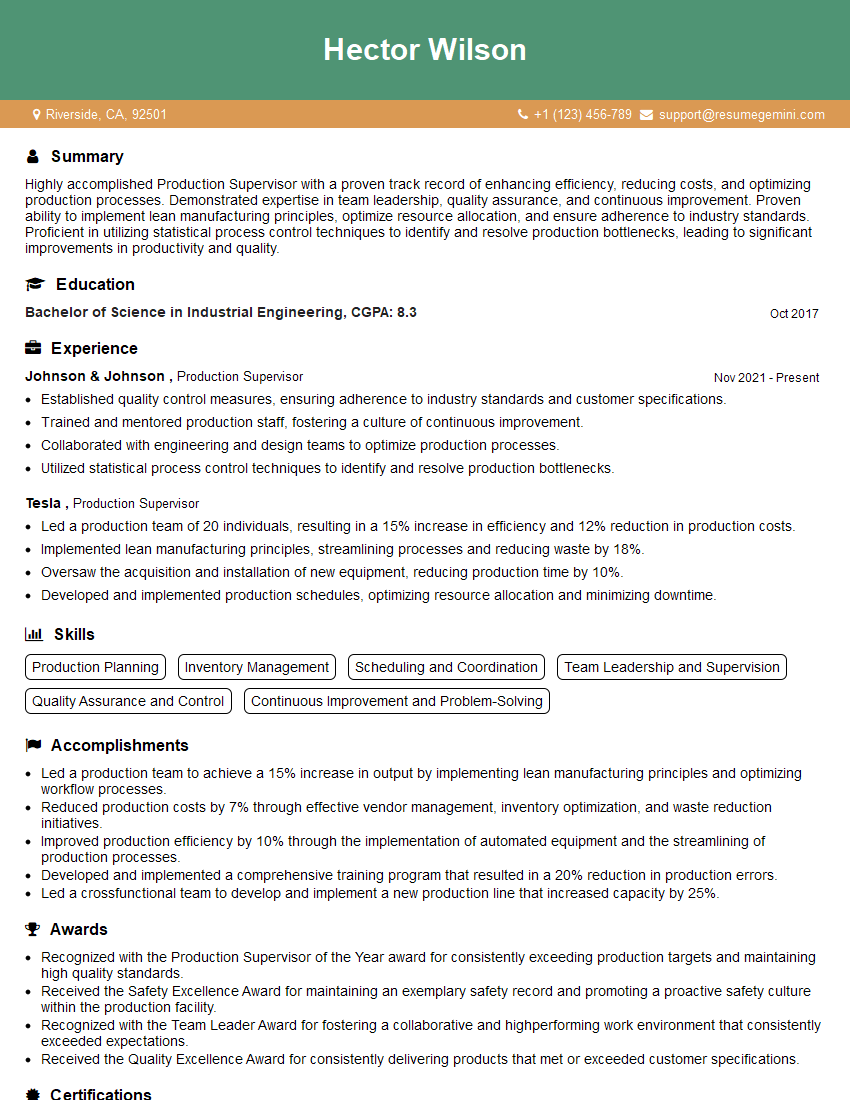
Production Supervisor Resume Sample
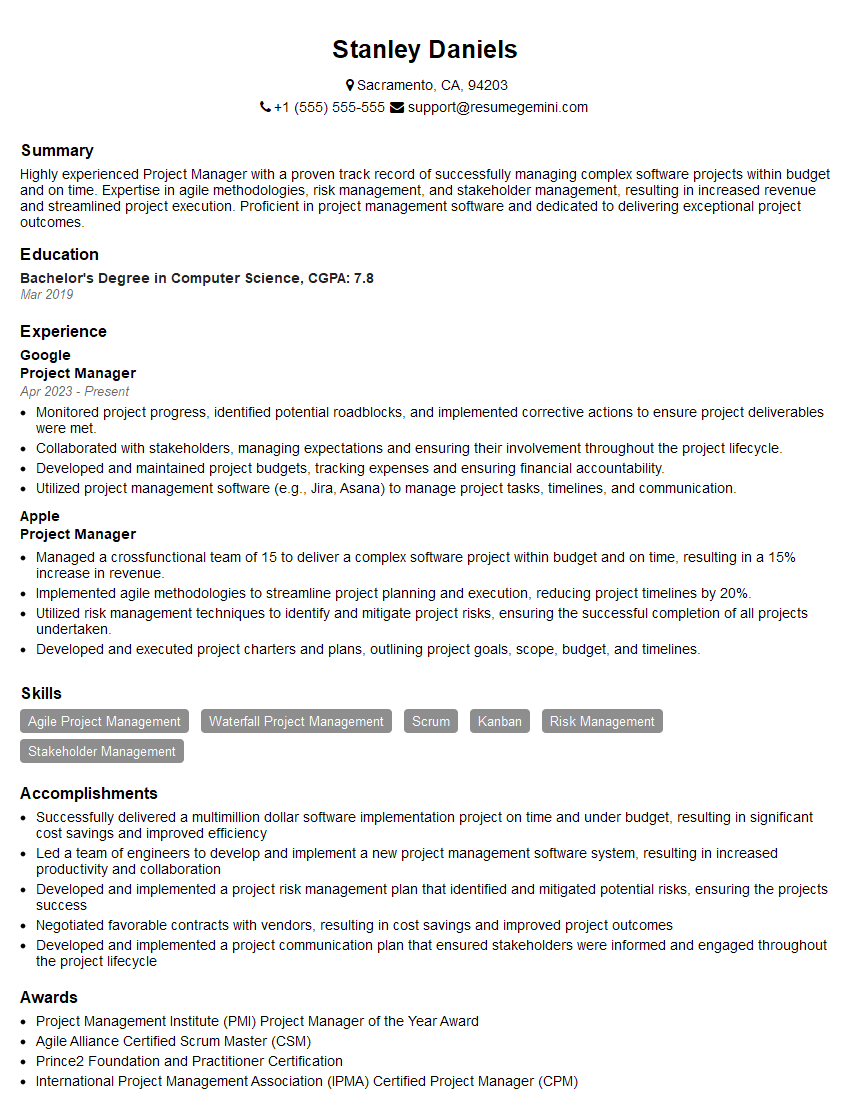
Project Manager Resume Sample
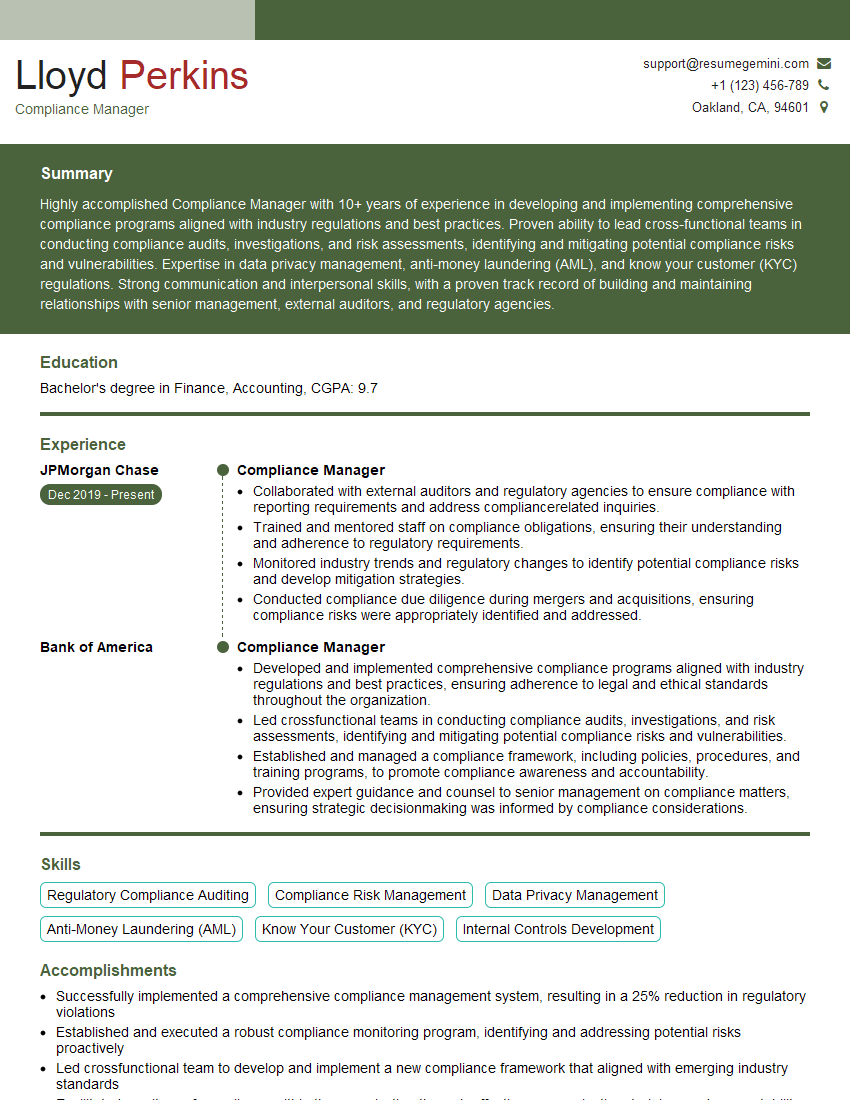
Compliance Manager Resume Sample

Compliance Officer Resume Sample
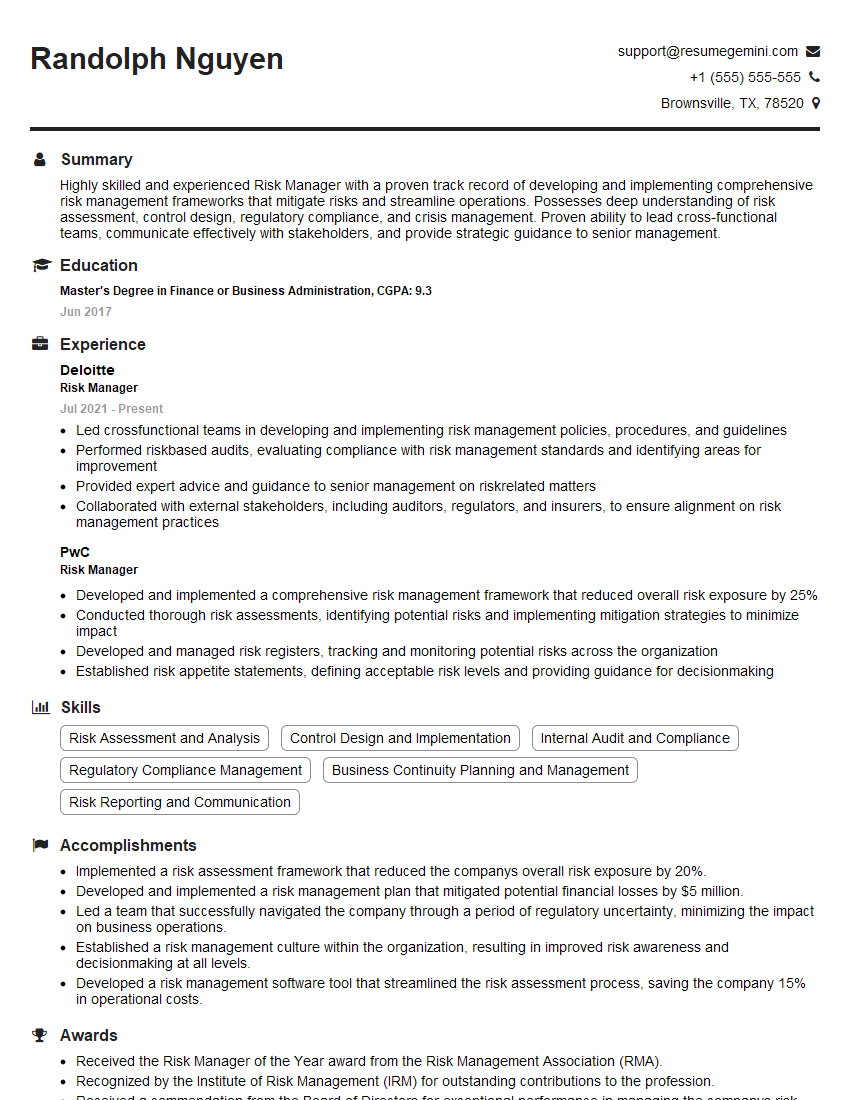
Risk Manager Resume Sample
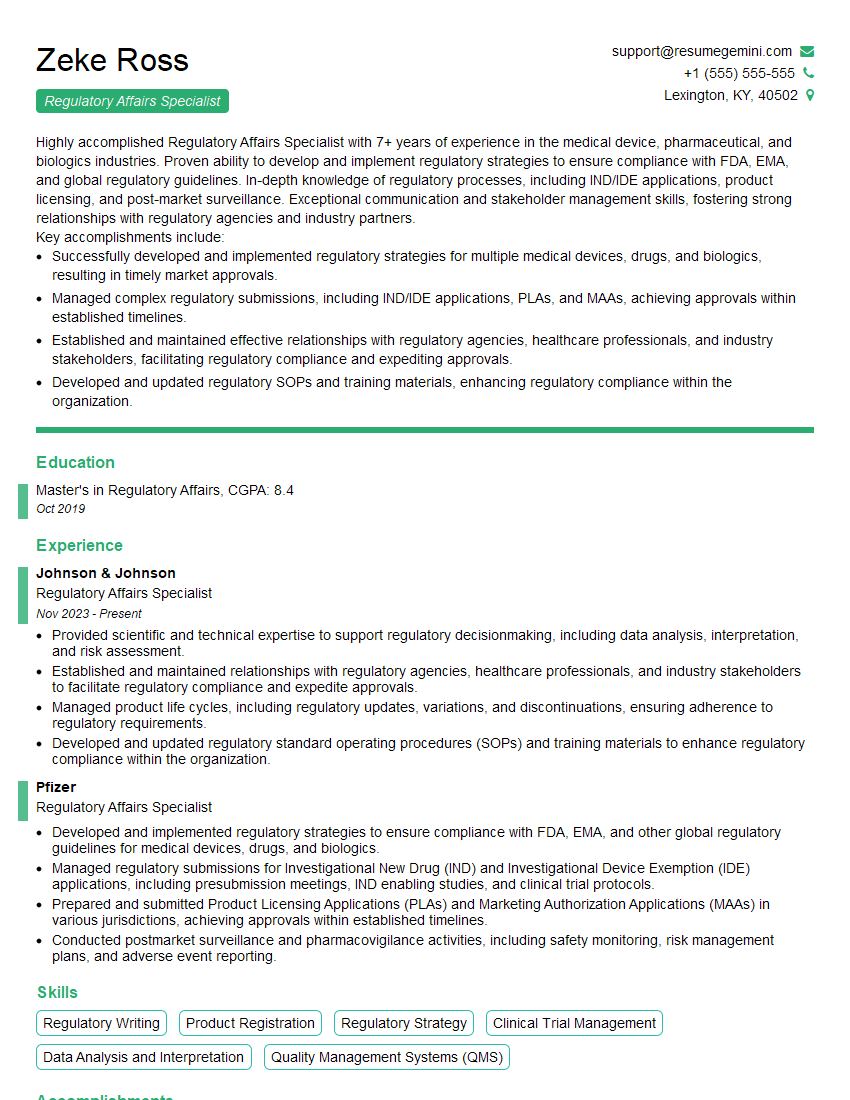
Regulatory Affairs Specialist Resume Sample
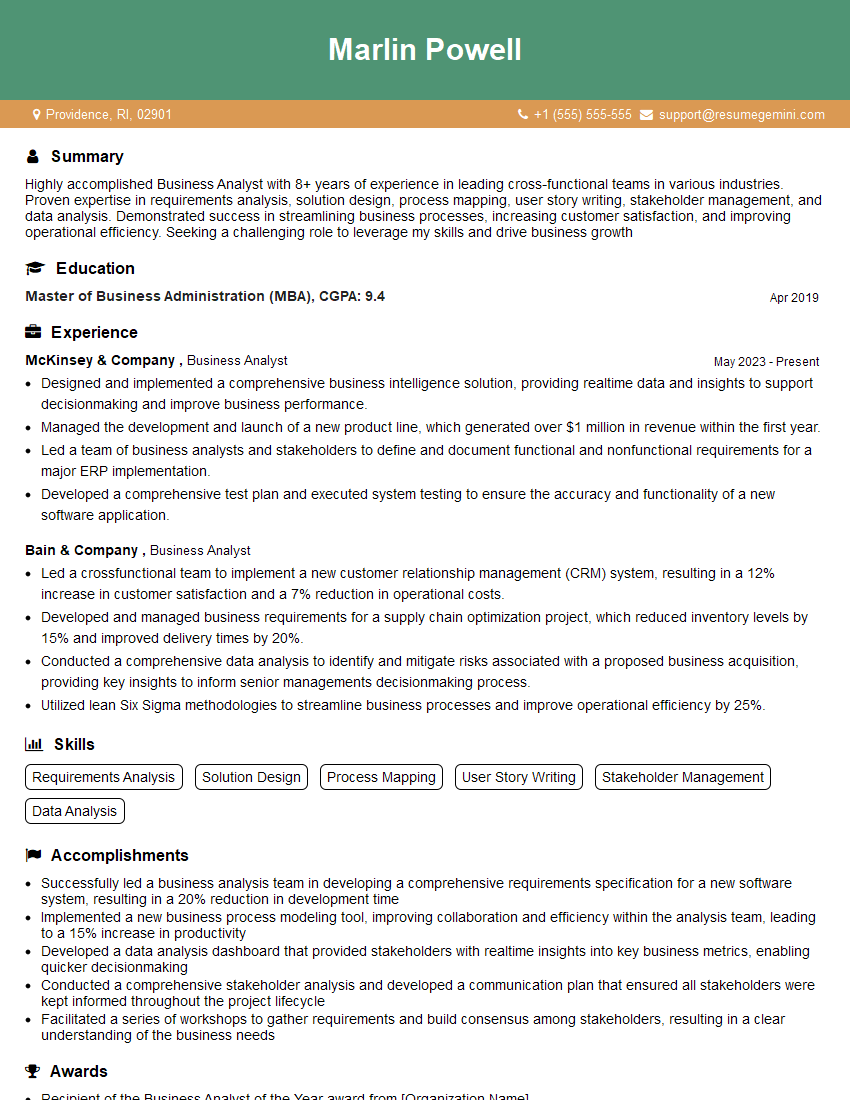
Business Analyst Resume Sample

Training Specialist Resume Sample
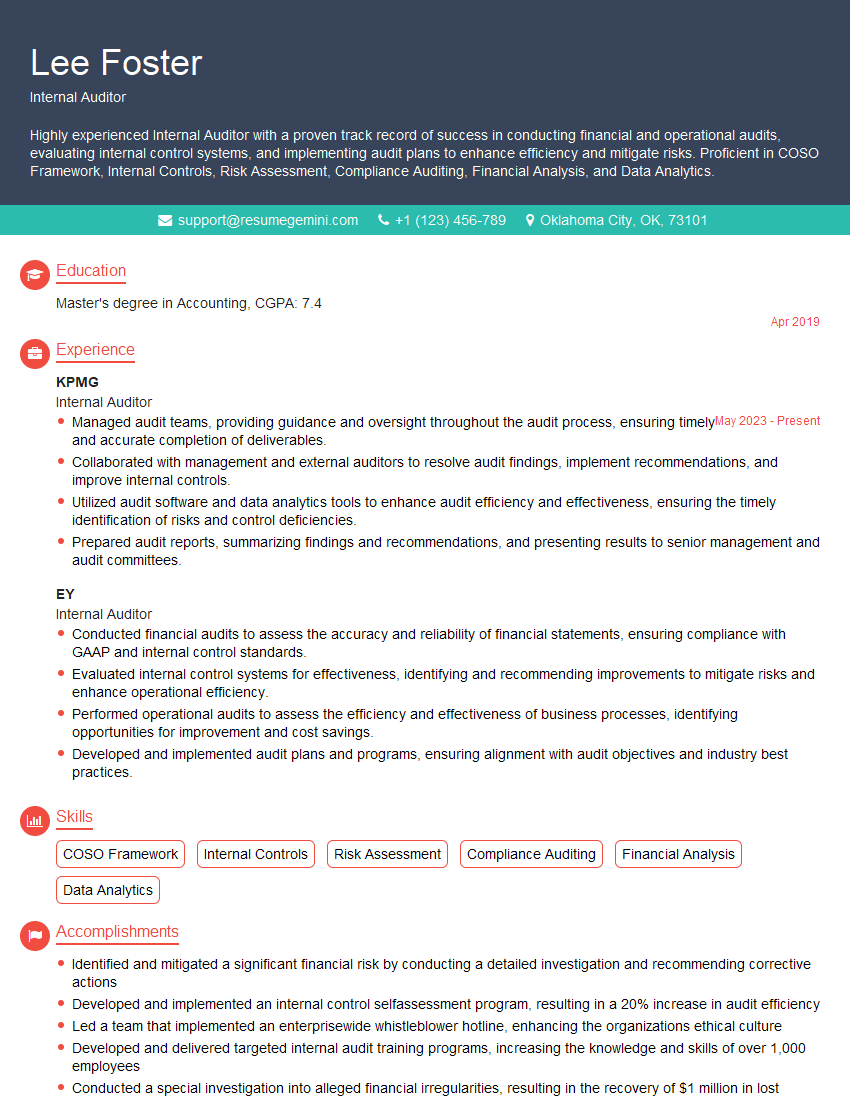
Internal Auditor Resume Sample
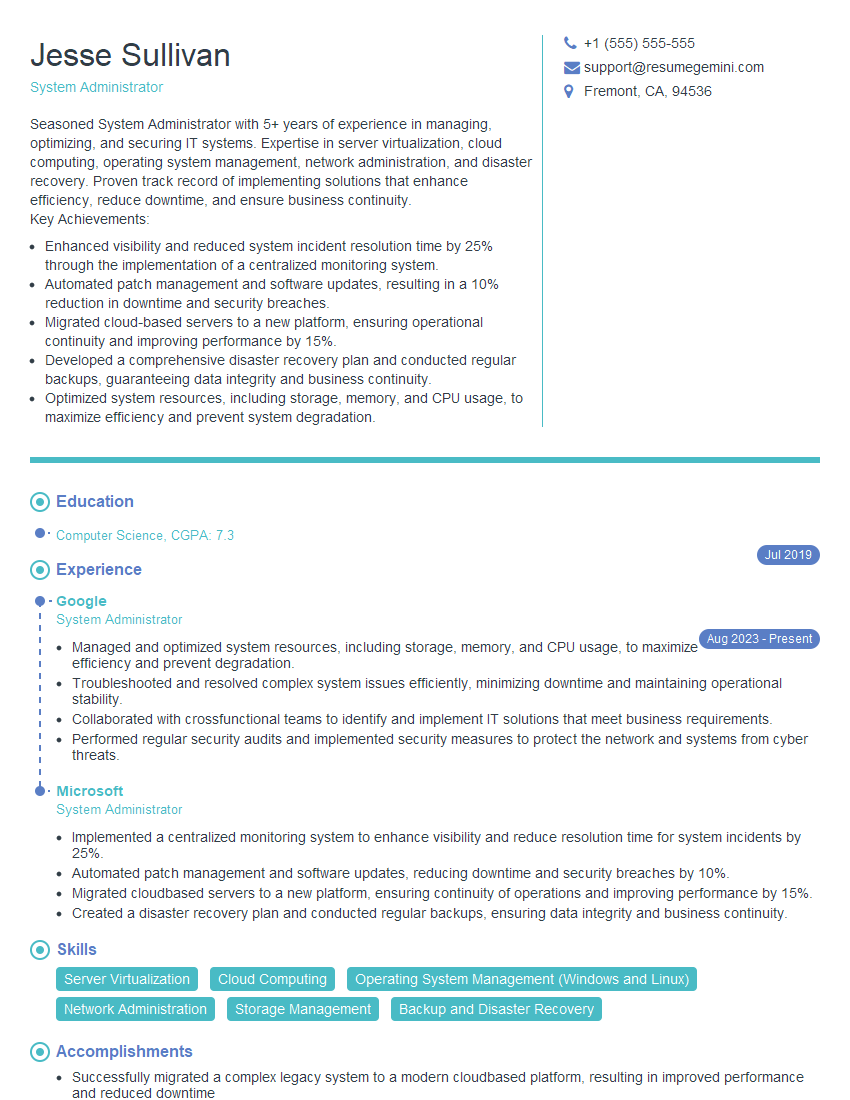
System Administrator Resume Sample
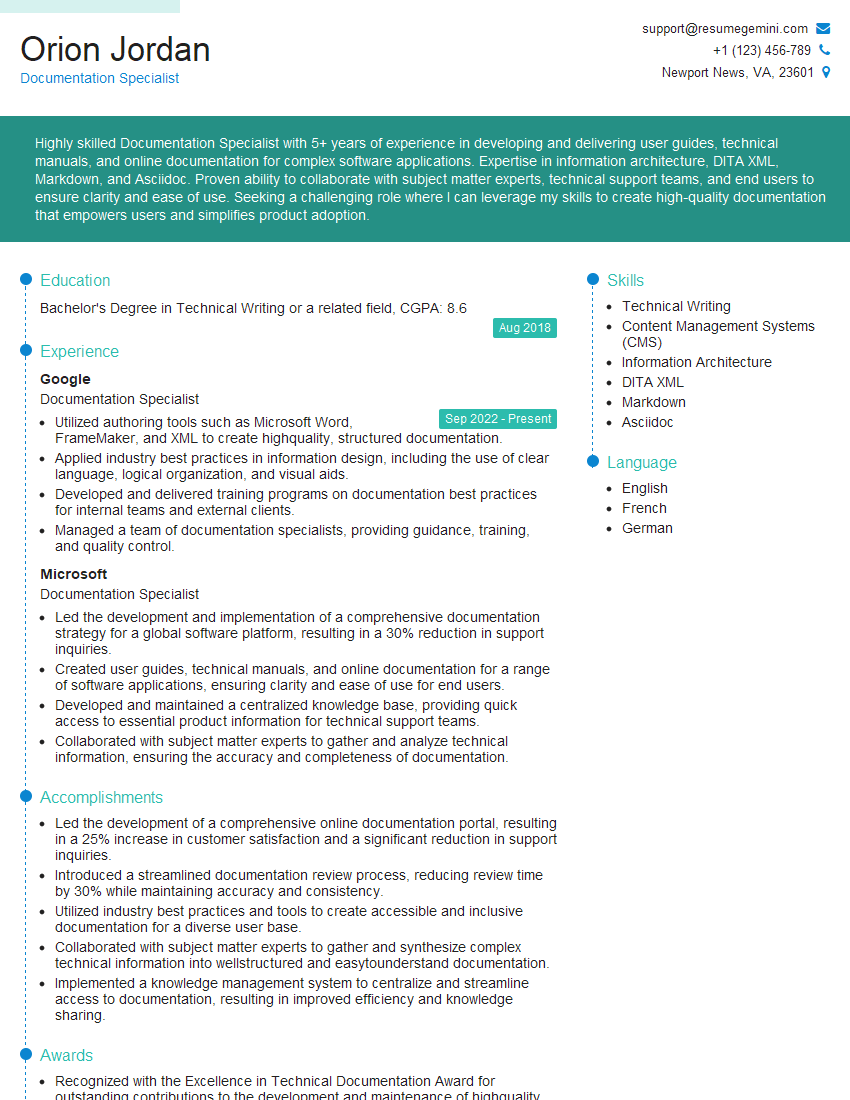
Documentation Specialist Resume Sample
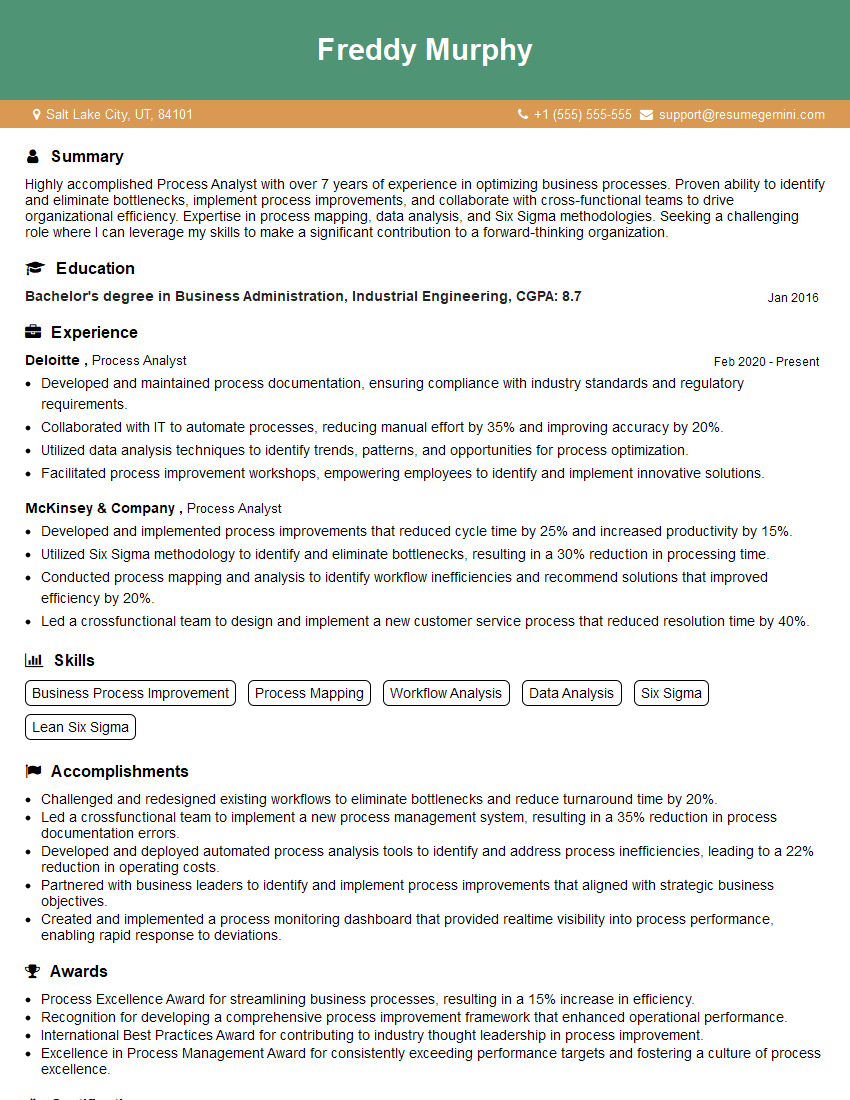
Process Analyst Resume Sample
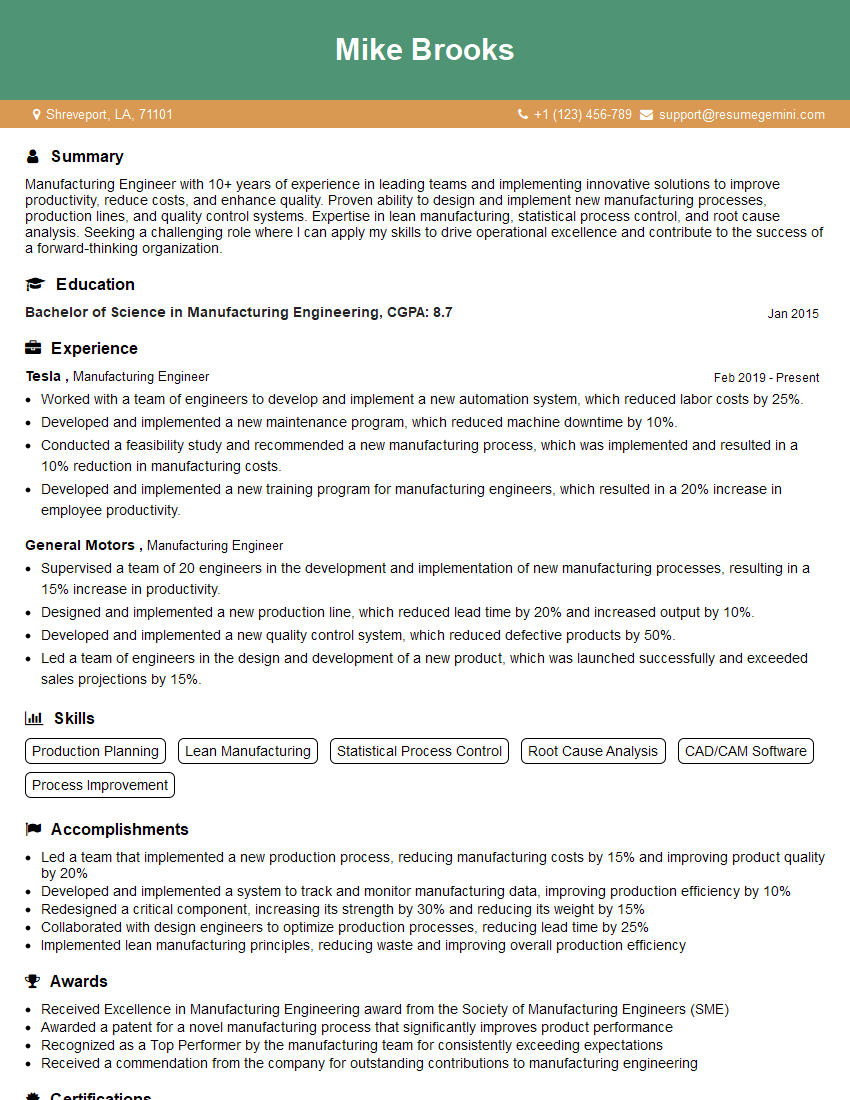
Manufacturing Engineer Resume Sample
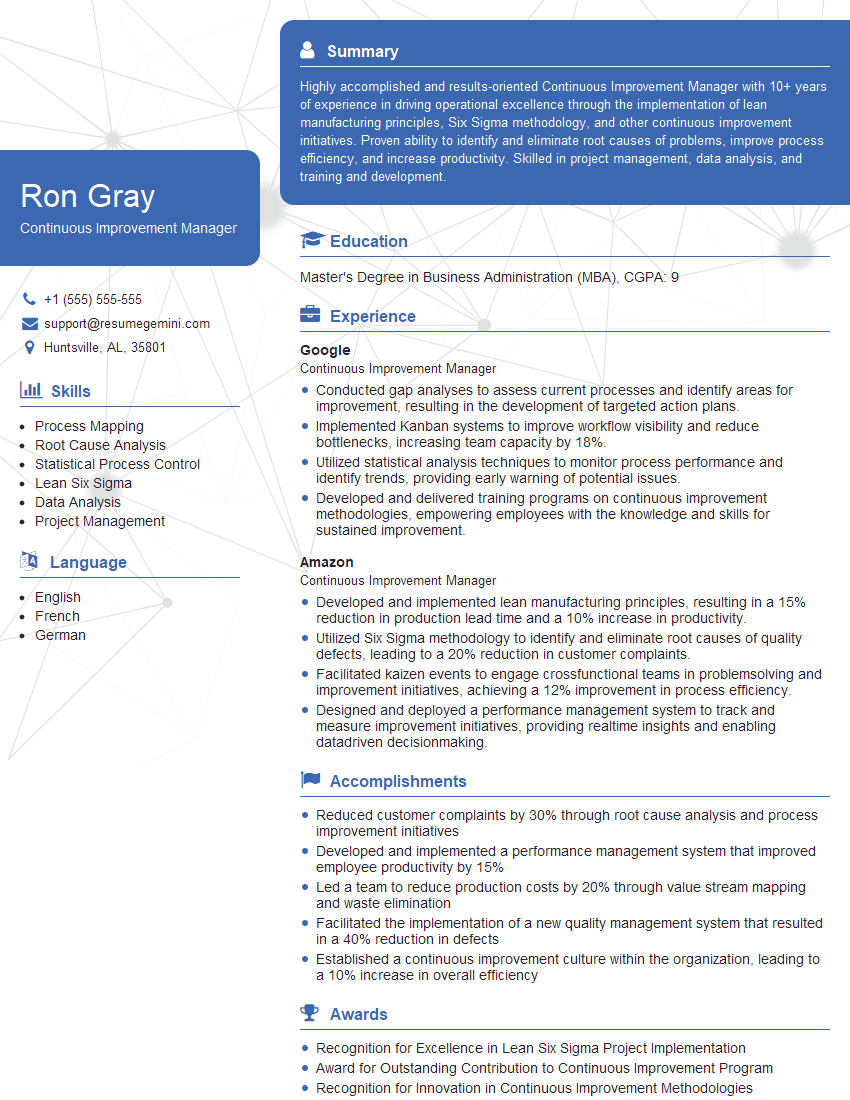
Continuous Improvement Manager Resume Sample
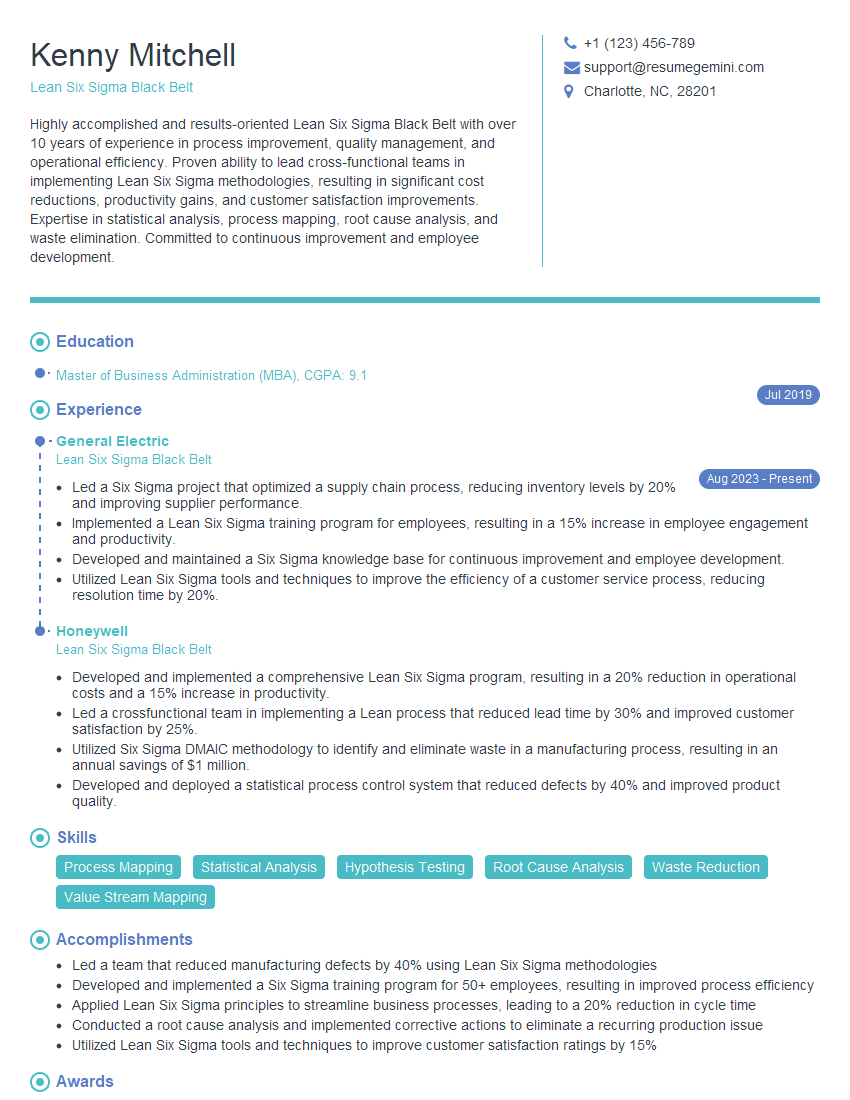
Lean Six Sigma Black Belt Resume Sample

Technical Writer Resume Sample
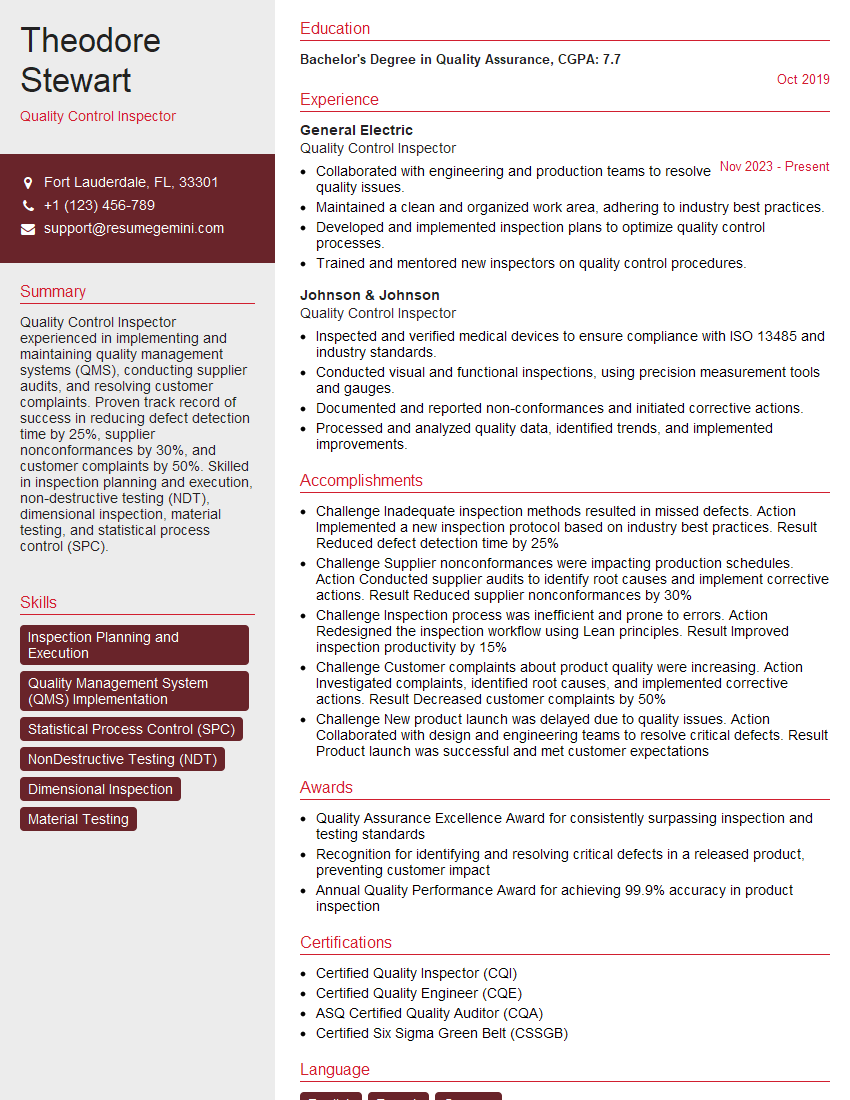
Quality Control Inspector Resume Sample
- Operations Manager
- Quality Assurance Manager
- Production Supervisor
- Project Manager
- Compliance Manager
- Compliance Officer
- Risk Manager
- Regulatory Affairs Specialist
- Business Analyst
- Training Specialist
- Internal Auditor
- System Administrator
- Documentation Specialist
- Process Analyst
- Manufacturing Engineer
- Continuous Improvement Manager
- Lean Six Sigma Black Belt
- Technical Writer
- Quality Control Inspector
Explore more articles
Users Rating of Our Blogs
Share Your Experience
We value your feedback! Please rate our content and share your thoughts (optional).
What Readers Say About Our Blog
Very informative content, great job.
good