The right preparation can turn an interview into an opportunity to showcase your expertise. This guide to Certified Dairy Farm Manager interview questions is your ultimate resource, providing key insights and tips to help you ace your responses and stand out as a top candidate.
Questions Asked in Certified Dairy Farm Manager Interview
Q 1. Describe your experience with dairy herd health management, including disease prevention and treatment.
Dairy herd health management is the cornerstone of a successful and profitable dairy operation. It involves proactive disease prevention strategies and swift, effective treatment when illness occurs. My approach is built on a foundation of biosecurity, vaccination protocols, and diligent observation of individual animal health.
Biosecurity: This encompasses measures to limit the introduction and spread of pathogens. Examples include strict hygiene protocols for personnel and equipment, controlled access to the farm, and prompt disposal of animal waste.
Vaccination: I develop a comprehensive vaccination schedule tailored to the specific diseases prevalent in our region and the age and health status of the herd. This typically includes vaccines against common ailments like mastitis, leptospirosis, and bovine respiratory disease.
Regular Health Checks: Daily observation of the herd is crucial. I look for signs of illness, such as decreased milk production, lameness, changes in appetite or behavior, and unusual discharges. Early detection allows for prompt intervention, minimizing the impact on the animal and the herd.
Treatment: Treatment protocols are strictly followed, adhering to veterinary guidance and considering antibiotic stewardship. Record-keeping is vital to track treatment effectiveness and identify trends in disease occurrence.
For instance, in one farm, we implemented a rigorous cleaning and disinfection protocol for milking equipment and significantly reduced the incidence of mastitis, leading to a noticeable increase in milk yield and a reduction in veterinary costs.
Q 2. Explain your understanding of dairy nutrition and ration balancing.
Dairy nutrition is all about formulating rations that meet the specific nutritional needs of the cows at different stages of lactation and pregnancy. Ration balancing involves carefully calculating the correct proportions of different feedstuffs to achieve the desired energy, protein, mineral, and vitamin levels. I utilize computer software to aid in this process, ensuring accurate formulation.
Understanding the nutritional requirements of cows is essential. For instance, during peak lactation, cows need significantly more energy and protein to support high milk production. Rations might include high-quality forages (like alfalfa hay or corn silage), concentrates (grains like corn or barley), and protein supplements (soybean meal or distillers grains).
We use the principles of nutrient digestibility and bioavailability when formulating rations. For instance, the fiber content must be adjusted for optimal rumen function, while the level of minerals like calcium and phosphorus is crucial for bone health and milk production. Regular monitoring of body condition scores and milk production provides valuable feedback to refine the ration. Analyzing feed samples to determine nutrient composition is also critical for accuracy.
Q 3. How do you monitor and improve dairy farm productivity and profitability?
Monitoring and improving dairy farm productivity and profitability involves a multifaceted approach focusing on key performance indicators (KPIs). These KPIs provide a snapshot of the farm’s overall health and efficiency.
Milk Production: This is a primary indicator tracked daily. Any significant deviation from the expected production needs immediate investigation to identify and resolve potential issues such as poor nutrition, disease, or breeding problems.
Reproductive Performance: Metrics such as conception rates, calving intervals, and days open are carefully monitored. Efficient reproduction is crucial for maintaining herd size and milk production.
Feed Costs: Feed costs represent a significant portion of dairy farm expenses. Efficient feed management, involving ration optimization and minimizing feed waste, is essential for maximizing profitability.
Health Costs: Tracking veterinary costs and disease incidence helps identify areas for improvement in disease prevention programs. A lower incidence of disease translates to reduced costs and increased profitability.
Labor Efficiency: Analyzing labor costs and productivity reveals areas where efficiency can be improved through better work processes or technologies.
Data analysis helps identify trends and patterns which can inform decision-making. For example, if milk production declines despite stable feed costs and apparent good health, we might investigate the reproductive performance to identify potential issues in the breeding program.
Q 4. What are your methods for managing dairy farm labor and personnel?
Managing dairy farm labor effectively requires a combination of strong leadership, clear communication, and employee training. Creating a positive work environment fosters a dedicated and productive team.
Team Building: Regular meetings and open communication channels foster a sense of teamwork and shared responsibility.
Training and Development: Providing ongoing training on best practices in animal handling, milking procedures, and herd health management enhances employee skills and improves efficiency.
Clear Responsibilities: Defining clear roles and responsibilities prevents confusion and ensures that tasks are completed effectively.
Performance Evaluation: Regular performance evaluations offer constructive feedback and opportunities for improvement.
Fair Compensation and Benefits: Offering competitive wages and benefits contributes to employee satisfaction and retention.
For example, at a previous farm, we implemented a cross-training program that allowed employees to gain skills in different areas, increasing flexibility and reducing reliance on any single individual. This also enhanced job satisfaction and contributed to lower employee turnover.
Q 5. Describe your experience with dairy breeding and reproductive management.
Dairy breeding and reproductive management aim to optimize the reproductive performance of the herd, maximizing the number of healthy calves born and minimizing the calving interval. This involves careful selection of breeding sires, utilizing artificial insemination (AI) techniques, and implementing strategies to detect and address reproductive problems early.
Sire Selection: Choosing sires with desirable genetic traits such as high milk production, disease resistance, and good temperament is crucial. Genetic evaluations are used to assess the breeding value of potential sires.
Heat Detection: Accurate and timely heat detection is crucial for successful AI. We use various methods, including visual observation, activity monitors, and hormone testing, to identify cows in estrus.
Artificial Insemination: AI is a widely used technique that allows for genetic improvement and controlled breeding. Proper AI techniques ensure high conception rates.
Reproductive Health Management: Regular reproductive health checks help identify and address problems such as cystic ovarian disease, metritis, and retained placenta. Early intervention is crucial in preventing prolonged infertility.
In one instance, I implemented a program using activity monitors to detect estrus, which improved our heat detection rate by 15%, leading to a noticeable increase in pregnancy rates and a shorter calving interval.
Q 6. How do you ensure compliance with dairy industry regulations and standards?
Ensuring compliance with dairy industry regulations and standards is paramount. This involves staying updated on relevant legislation, implementing appropriate farm management practices, and maintaining detailed records.
Food Safety Regulations: Adhering to food safety regulations, such as those related to antibiotic residue and milk quality, is essential for ensuring safe milk production. This includes maintaining accurate records of antibiotic use and following withdrawal times.
Environmental Regulations: Complying with environmental regulations, such as those related to manure management and water quality, is critical for minimizing environmental impact. We implement best management practices to reduce nutrient runoff and ensure responsible disposal of waste.
Animal Welfare Regulations: Meeting animal welfare standards involves ensuring that cows receive proper care, including adequate nutrition, housing, and veterinary attention. Regular inspections and record-keeping are essential to demonstrate compliance.
Record Keeping: Maintaining detailed and accurate records is crucial for demonstrating compliance. These records should include information on animal health, feed management, milk production, and any other relevant aspects of farm operations.
Regular audits and inspections by regulatory bodies are vital for identifying any compliance gaps and implementing corrective actions promptly. Proactive compliance prevents potential legal issues and maintains a positive reputation within the industry.
Q 7. Explain your knowledge of dairy farm record-keeping and data analysis.
Dairy farm record-keeping and data analysis are essential for informed decision-making and improved farm management. Accurate record-keeping provides valuable insights into various aspects of farm operations, allowing for the identification of trends, strengths, and areas for improvement.
Types of Records: We maintain records on milk production, animal health, breeding performance, feed consumption, and labor costs. These records are typically kept using a combination of computerized systems and manual record-keeping.
Data Analysis: Data analysis involves using software to summarize, visualize, and interpret the collected data. This enables us to identify patterns, trends, and outliers. For example, we might analyze milk production data to identify cows with consistently low yields, allowing for targeted interventions such as nutritional adjustments or veterinary care.
Decision-making: The insights gained from data analysis inform decisions related to feed management, breeding programs, and overall farm management. This allows for optimization of resource allocation and efficient farm operations.
Software and Technology: We utilize various software programs to manage and analyze farm data. These programs often provide features such as reporting, data visualization, and predictive analytics.
For example, analyzing milk production data alongside reproductive performance data can help us understand the impact of certain factors on milk yield. A decline in milk production after calving might indicate the need for improved postpartum care or nutritional strategies.
Q 8. Describe your experience with dairy farm financial management and budgeting.
Dairy farm financial management is the backbone of a successful operation. It involves careful planning, monitoring, and analysis of all income and expenses to ensure profitability and sustainability. This includes creating detailed budgets, tracking production costs (feed, labor, veterinary care), monitoring milk prices and sales, and managing cash flow effectively.
My experience involves developing comprehensive annual budgets, forecasting milk production and revenue based on historical data and market trends, and regularly comparing actual performance against the budget. I utilize various financial software to track expenses, analyze profitability, and identify areas for improvement. For example, I once identified an inefficiency in feed purchasing through detailed cost analysis, leading to a 5% reduction in feed costs annually. I also regularly review debt management strategies, exploring options like refinancing to optimize interest rates and improve long-term financial health.
Beyond budgeting, I’m skilled in evaluating investment opportunities, such as upgrading equipment or expanding the herd. This involves calculating return on investment (ROI) and assessing potential risks. This holistic approach ensures the farm’s long-term financial viability and allows for informed decision-making based on accurate financial data.
Q 9. How do you implement and maintain effective dairy farm safety protocols?
Implementing and maintaining effective dairy farm safety protocols is paramount. It’s not just about complying with regulations; it’s about creating a culture of safety where everyone feels responsible for their own well-being and the well-being of their colleagues. My approach begins with a thorough risk assessment, identifying potential hazards in all areas of the farm, from the milking parlor to the feed storage area.
This risk assessment informs the development of a comprehensive safety plan, including detailed Standard Operating Procedures (SOPs) for all tasks. These SOPs are clearly communicated to all employees through regular training sessions, and we conduct regular safety drills to ensure everyone is familiar with emergency procedures. Crucially, we utilize appropriate Personal Protective Equipment (PPE) such as safety glasses, gloves, and steel-toed boots, and we emphasize the importance of reporting all near misses and incidents. We regularly inspect equipment for wear and tear and promptly address any maintenance needs.
For example, we implemented a new system for handling heavy equipment that reduced the risk of back injuries by 20%, as evidenced by a significant decrease in worker’s compensation claims. This proactive, multifaceted approach to safety ensures a healthier, safer work environment and reduces potential costs associated with injuries and accidents.
Q 10. What is your experience with dairy farm technology and automation?
Dairy farm technology and automation are revolutionizing the industry, and I have extensive experience leveraging these advancements to enhance efficiency and improve overall farm management. I’m proficient in using various technologies, including automated milking systems (AMS), herd management software, and precision feeding systems.
AMS, for example, allows for increased milking frequency, improved udder health, and reduced labor costs. Herd management software enables detailed tracking of animal health records, breeding cycles, and milk production data, facilitating proactive animal care and herd optimization. Precision feeding systems analyze individual cow nutritional needs based on their lactation stage, optimizing feed efficiency and reducing feed waste.
Beyond these specific technologies, I am comfortable with data analysis and interpreting the information generated by these systems to make informed decisions regarding herd health, feeding strategies, and overall farm management. This data-driven approach helps to identify trends and potential problems early on, allowing for timely interventions that prevent larger issues from developing. For instance, through using herd management software, we identified a potential outbreak of mastitis early on, leading to swift treatment and preventing a significant drop in milk production.
Q 11. How do you handle stressful situations and challenges on a dairy farm?
Dairy farming is inherently challenging, and stressful situations are inevitable. My approach to handling these challenges focuses on problem-solving, clear communication, and teamwork. When faced with a crisis – be it an equipment malfunction, an animal health emergency, or a sudden market fluctuation – I prioritize a calm and methodical response.
My first step is to accurately assess the situation, gather relevant information, and identify the root cause of the problem. Then, I assemble a team and clearly delegate tasks based on individual skills and expertise. Open communication is key, ensuring everyone understands their role and the overall plan. Regular updates and feedback loops are essential to maintain momentum and keep everyone informed. For example, during a severe heat wave that threatened the health of our herd, we quickly implemented a cooling strategy, utilizing fans, sprinklers, and adjusting feeding schedules, minimizing stress on the animals and preventing losses. After the crisis, I conduct a thorough post-mortem analysis to identify lessons learned and implement preventative measures to reduce the likelihood of similar events in the future.
Equally important is maintaining a strong and positive team spirit. Open communication and fostering a supportive work environment are crucial in navigating stressful situations collaboratively.
Q 12. Describe your experience with manure management and environmental compliance.
Manure management and environmental compliance are critical aspects of responsible dairy farming. My experience encompasses implementing and maintaining systems that comply with all relevant environmental regulations. This involves careful planning of manure storage, handling, and application, including the use of technologies that minimize environmental impact.
We utilize a combination of strategies, including anaerobic digesters for biogas production (reducing greenhouse gas emissions and generating renewable energy), proper lagoon management to prevent runoff, and precise application techniques to optimize nutrient use and minimize environmental impact. We maintain detailed records of manure application rates and soil testing results to ensure compliance with regulations and optimize fertilizer usage.
Regular monitoring of water quality is crucial. We conduct routine water tests both upstream and downstream from our facilities to ensure we are not contributing to water pollution. For instance, I implemented a new system for manure storage that reduced ammonia emissions by 15% and significantly improved the overall environmental footprint of our operation. This is an ongoing process that demands careful planning and proactive monitoring to ensure long-term compliance and minimize our farm’s environmental impact.
Q 13. Explain your approach to dairy farm sustainability and environmental stewardship.
My approach to dairy farm sustainability and environmental stewardship is deeply ingrained in my management philosophy. It’s not merely about meeting regulations; it’s about proactively minimizing our environmental footprint and striving for long-term environmental responsibility. This involves a holistic approach that considers all aspects of farm operations.
We focus on optimizing resource use, reducing waste, and implementing practices that promote biodiversity. This includes precision feeding to reduce feed waste, improving water efficiency through efficient irrigation systems, and implementing energy-saving measures. We also actively promote on-farm biodiversity by planting hedgerows and creating habitats to support pollinators and other beneficial species.
Regular monitoring of our environmental impact, combined with a commitment to continuous improvement, is central to our sustainability strategy. We regularly review our practices, adapting and updating our methods to reflect new technologies and best practices. For example, we’ve recently transitioned to using renewable energy sources for a significant portion of our farm’s energy needs. This commitment to sustainable practices not only benefits the environment but also enhances the long-term viability and resilience of our farm.
Q 14. How do you manage and resolve conflicts among dairy farm employees?
Managing and resolving conflicts among dairy farm employees requires a proactive and fair approach. Open communication, clear expectations, and a well-defined conflict resolution process are essential. My approach emphasizes fostering a positive work environment where employees feel valued and respected.
I encourage open dialogue and provide opportunities for employees to express their concerns. When conflicts arise, I facilitate discussions in a neutral environment, actively listening to all sides and ensuring everyone feels heard. My goal is to understand the root causes of the conflict and find a mutually agreeable solution. This often involves mediating between parties, helping them to find common ground and develop solutions that address their concerns.
I also emphasize the importance of clear expectations and roles within the team. Providing regular training and ensuring everyone understands their responsibilities minimizes potential misunderstandings and prevents conflicts from escalating. In cases where conflicts cannot be resolved internally, I may seek external mediation or other professional assistance. A well-managed team, with clear lines of communication and a supportive atmosphere, significantly reduces the likelihood of workplace conflicts and promotes a productive and harmonious work environment.
Q 15. Describe your experience with dairy milk quality and handling procedures.
Maintaining high dairy milk quality is paramount. It begins with meticulous hygiene practices throughout the entire process, from milking to storage. My experience involves implementing and overseeing strict protocols to prevent contamination. This includes ensuring proper cleaning and sanitization of milking equipment, using appropriate pre- and post-milking teat dips, and maintaining a clean and well-maintained milking parlor. Regular testing of milk for somatic cell count (SCC) and bacteria is crucial. A high SCC indicates mastitis (udder infection), significantly impacting milk quality and requiring immediate veterinary attention and treatment. Proper cooling is essential, ideally chilling milk to below 4°C (39°F) within two hours of milking to inhibit bacterial growth. We also adhere to strict procedures for transporting and storing milk, utilizing refrigerated tankers and maintaining a consistent cold chain.
For example, on my previous farm, we implemented a new milking system that incorporated a pre-milking teat spray with a broad-spectrum antimicrobial agent, reducing SCC by 15% within three months. This improvement directly translated to higher milk prices and reduced antibiotic usage. Another key component of milk handling is staff training. Regular training sessions ensured consistent application of hygiene protocols and quick identification of any deviations from the established standards.
Career Expert Tips:
- Ace those interviews! Prepare effectively by reviewing the Top 50 Most Common Interview Questions on ResumeGemini.
- Navigate your job search with confidence! Explore a wide range of Career Tips on ResumeGemini. Learn about common challenges and recommendations to overcome them.
- Craft the perfect resume! Master the Art of Resume Writing with ResumeGemini’s guide. Showcase your unique qualifications and achievements effectively.
- Don’t miss out on holiday savings! Build your dream resume with ResumeGemini’s ATS optimized templates.
Q 16. Explain your knowledge of different dairy farming systems (e.g., robotic milking).
Dairy farming systems vary widely, depending on farm size, resources, and management goals. Traditional systems rely heavily on manual labor, while modern farms increasingly utilize automated technologies. Robotic milking systems are a prime example of this technological advancement. These systems automate milking, reducing labor costs and allowing for more frequent milking, which can lead to increased milk production. They also provide individual cow data, such as milk yield and health indicators, enabling more precise management decisions.
Other systems include pasture-based systems, where cows graze on pasture for a significant portion of their feed intake, and confinement systems, where cows are housed indoors year-round. Each system has its own advantages and disadvantages, and the choice depends on factors like climate, land availability, and economic considerations. For instance, pasture-based systems often result in higher animal welfare but may have lower milk yields compared to confinement systems. I’ve personally managed farms utilizing both traditional and robotic milking systems, and the key to success lies in understanding the specific requirements and challenges of each approach.
Q 17. How do you develop and implement a comprehensive dairy farm improvement plan?
Developing a dairy farm improvement plan requires a systematic approach. It begins with a thorough farm assessment, identifying areas needing improvement. This involves evaluating key performance indicators (KPIs) such as milk yield, reproductive performance, feed efficiency, and animal health. Data analysis, using farm records and available software, is critical for identifying bottlenecks and opportunities for improvement.
The next step involves setting specific, measurable, achievable, relevant, and time-bound (SMART) goals. For example, a goal could be to increase milk yield by 10% within one year. The plan then outlines the strategies and actions needed to achieve these goals. This might include investments in new technologies (e.g., improved feeding systems), staff training, genetic selection, or changes to management practices. Regular monitoring and evaluation are essential to track progress, make adjustments as needed, and ensure the plan remains effective. It’s a dynamic process, and periodic review allows for adaptation to changing circumstances and emerging technologies.
Q 18. Describe your experience with dairy cattle genetics and breeding programs.
Dairy cattle genetics and breeding programs play a vital role in improving milk production, animal health, and overall farm profitability. I have extensive experience in selecting and implementing breeding programs that focus on improving economically important traits. These traits include milk yield, milk composition (e.g., protein and fat content), somatic cell count, and fertility. We utilize tools such as genomic selection, which uses DNA information to predict an animal’s genetic merit for various traits, allowing for more accurate breeding decisions.
Artificial insemination (AI) is a commonly used breeding technique, allowing for the introduction of superior genetics into the herd. Choosing sires with high genetic merit for the desired traits is crucial. Furthermore, careful record-keeping and performance monitoring of individual cows are essential to evaluate the effectiveness of the breeding program and make adjustments as needed. For instance, I once implemented a genomic selection program on a farm that resulted in a 5% increase in milk yield within three generations.
Q 19. How do you monitor and control dairy farm expenses?
Monitoring and controlling dairy farm expenses is crucial for profitability. This requires a combination of careful budgeting, accurate record-keeping, and efficient resource management. Detailed tracking of all income and expenses is fundamental, allowing for the identification of cost drivers and areas where savings can be achieved.
Cost categories include feed, labor, veterinary care, breeding, and fuel. Regular analysis of these costs, comparing them to previous periods and industry benchmarks, can highlight potential problems. Strategies for cost control include optimizing feed rations to minimize feed costs while maximizing milk production, negotiating favorable prices with suppliers, and implementing preventative healthcare programs to reduce veterinary expenses. Efficient use of machinery and labor, along with regular maintenance to prevent costly breakdowns, also contribute to reducing overall operating costs. Implementing software solutions to track expenses and production metrics allows for a comprehensive financial overview. For example, using a farm management software can automatically calculate the cost of milk production per liter, highlighting areas for potential efficiency improvement.
Q 20. What strategies do you employ to improve dairy cattle comfort and welfare?
Improving dairy cattle comfort and welfare is not only ethically responsible but also economically beneficial. Comfortable cows are healthier, more productive, and less prone to stress-related illnesses. Strategies for enhancing comfort include providing adequate space, proper ventilation, comfortable bedding, and regular hoof trimming. Access to clean and fresh water is essential, as is ensuring a consistent temperature and humidity in the barns.
A well-designed barn layout that allows for easy movement and access to feed and water is also crucial. Regular monitoring of animal behavior and physical condition, looking for signs of discomfort or illness, is a key element of a successful welfare program. This proactive approach can prevent issues before they escalate into costly health problems. Providing appropriate shade during hot weather and windbreaks during cold weather can contribute significantly to cow comfort, and ultimately, their productivity. For instance, I successfully implemented a stall redesign at a farm, which improved cow comfort and significantly reduced cases of lameness.
Q 21. Explain your experience with dairy farm marketing and sales strategies.
Effective dairy farm marketing and sales strategies are crucial for maximizing profitability. This involves understanding the market dynamics, identifying target customers, and developing a strong brand identity. Direct sales to consumers through farmers’ markets or on-farm sales can provide premium prices and build a strong customer base.
Selling milk to cooperatives or processors often involves negotiating contracts that ensure fair prices. Marketing strategies can include developing a clear brand message emphasizing the quality and sustainability of the dairy products. Leveraging online platforms and social media to connect with consumers and promote farm products is becoming increasingly important. Participating in industry events and building relationships with buyers can also provide valuable opportunities. For instance, on a previous farm, we implemented a direct-to-consumer sales strategy, establishing a strong brand and increasing the farm’s average milk price significantly.
Q 22. How do you utilize data analysis to make informed decisions on the dairy farm?
Data analysis is crucial for optimizing dairy farm operations. We utilize various data sources, including milk production records, feed intake data, animal health records, and reproductive data, to identify trends and make informed decisions. For example, we might use spreadsheets or dedicated farm management software to track milk yields per cow over time. If we notice a sudden decrease in yield for a specific group of cows, we can investigate further. This could involve analyzing feed records to check for nutritional deficiencies, reviewing breeding records to rule out pregnancy issues, or consulting veterinary records to identify potential health problems. We can also use statistical analysis to compare the performance of different cow groups under various management strategies to determine what works best and optimize resource allocation.
Moreover, we use predictive analytics to forecast milk production, anticipate feed needs, and proactively address potential issues. By analyzing historical data and external factors like weather patterns, we can build models to anticipate future challenges and take preventive measures, minimizing losses and maximizing efficiency.
Q 23. Describe your experience with dairy facility maintenance and repair.
Maintaining a dairy facility is critical for both animal welfare and operational efficiency. My experience encompasses preventative maintenance, troubleshooting breakdowns, and coordinating repairs. This involves regular inspections of buildings, milking equipment, storage facilities, and water systems. For example, I’ve implemented a rigorous cleaning and sanitizing schedule for the milking parlor to prevent bacterial contamination and maintain optimal equipment function. When equipment malfunctions, I diagnose the problem, source replacement parts if needed, and oversee repairs, often collaborating with specialized technicians for complex issues. I also manage a preventative maintenance schedule which includes things like lubrication of machinery, cleaning filters, and inspecting electrical wiring to minimize unexpected downtime.
I’ve managed significant projects, including the renovation of a milking system to improve efficiency and cow comfort and the implementation of automated manure management system to improve environmental compliance and reduce labor costs. This also includes regular inspections and repairs to ensure animal housing meets standards of safety and comfort. Documentation of all maintenance and repairs is crucial for tracking costs, ensuring warranty compliance, and improving future planning.
Q 24. What are your strategies for managing dairy farm risks and uncertainties?
Dairy farming is inherently risky, with fluctuating milk prices, weather-dependent forage yields, and animal health challenges. My risk management strategy involves a multi-pronged approach. Firstly, we implement robust biosecurity measures to prevent disease outbreaks, including strict hygiene protocols and quarantine procedures for new animals. Secondly, we diversify income streams. This might involve exploring additional revenue streams such as direct-to-consumer sales, agritourism, or producing value-added products from milk. Thirdly, we utilize risk mitigation strategies like crop insurance and hedging against milk price fluctuations.
Finally, we continuously monitor market trends and economic indicators to anticipate changes in the dairy market and adapt our strategies proactively. Regular risk assessments are conducted, where we identify potential hazards, evaluate their likelihood and potential impact, and develop mitigation plans. This proactive approach helps us to navigate uncertainties and maintain the farm’s financial stability and resilience.
Q 25. How do you ensure the proper functioning and maintenance of dairy equipment?
Proper functioning and maintenance of dairy equipment is essential for efficiency and profitability. We establish a preventative maintenance schedule for all equipment, with routine checks, lubrication, and cleaning. This minimizes breakdowns and maximizes lifespan. We use detailed checklists and documentation to track maintenance activities. For example, milking machines require regular cleaning and sanitization to prevent bacterial growth and maintain optimal function. We also employ specialized cleaning agents to remove milk residue and maintain equipment hygiene.
We train employees on proper equipment operation and maintenance procedures to ensure the tasks are performed correctly. We also invest in regular servicing by qualified technicians for complex equipment, like bulk milk tanks and robotic milking systems. This ensures that all equipment complies with safety standards and regulations and that any problems are identified and addressed promptly. Regular inspections, thorough record-keeping, and proactive maintenance dramatically reduce downtime and extend the life of our equipment, ultimately saving money and improving efficiency.
Q 26. Describe your approach to training and mentoring dairy farm employees.
Employee training and mentoring are paramount to a successful dairy operation. We provide comprehensive training on all aspects of dairy farming, including animal husbandry, milking procedures, equipment maintenance, record-keeping, and safety protocols. This training combines hands-on experience with classroom instruction and mentorship from experienced staff. We use a combination of formal training programs, on-the-job learning, and regular feedback sessions to ensure continuous skill development. We also emphasize the importance of teamwork and communication. We offer opportunities for professional development through workshops, conferences, and further education programs.
Mentorship is a key component of our employee development strategy. Experienced employees guide and support newer team members, fostering a supportive learning environment. This hands-on approach accelerates the learning process and ensures skill transfer within the team. Regular performance evaluations provide feedback and identify areas for improvement. We focus on creating a positive work environment to increase employee morale, retention and overall productivity.
Q 27. Explain your understanding of the economic factors influencing the dairy industry.
The dairy industry is significantly impacted by various economic factors. Fluctuations in milk prices are a major concern, influenced by global supply and demand, consumer preferences, and government policies. Feed costs are another significant factor, directly impacting production costs. The price of feed grains, hay, and other feedstuffs is influenced by weather patterns, global commodity markets, and energy prices. Labor costs also play a substantial role. The availability and cost of skilled labor can significantly affect profitability. Government regulations, such as environmental protection measures and animal welfare standards, can influence operational costs and production practices.
Furthermore, consumer preferences for specific dairy products and the rising demand for organic or sustainably produced milk impact market dynamics and influence pricing. Understanding these factors is critical for making informed business decisions, managing risks, and ensuring the long-term viability of the farm. This includes monitoring market trends, analyzing cost structures, and adjusting production strategies accordingly.
Q 28. How would you address a sudden drop in milk production on the farm?
A sudden drop in milk production requires a systematic and immediate response. The first step involves identifying the cause by analyzing several key areas. This includes reviewing milk production records to determine if the drop is affecting all cows or just a specific group. We also need to evaluate the feed rations to identify any nutritional deficiencies, assessing feed quality, and intake. A veterinary examination is crucial to rule out any health issues such as mastitis, metabolic disorders, or other diseases.
Next, we assess the farm’s environmental conditions. Factors such as heat stress, poor ventilation, or overcrowding can affect milk production. Once the underlying cause is identified, we implement corrective actions. This could involve adjusting the feed ration, treating sick animals, improving farm hygiene, improving animal comfort, or addressing any environmental issues. Regular monitoring of milk production, animal health, and environmental factors is necessary to track progress and ensure that the problem is resolved effectively. This systematic approach helps ensure quick and efficient resolution, minimizes losses, and protects the health and well-being of the herd.
Key Topics to Learn for Certified Dairy Farm Manager Interview
- Dairy Herd Management: Understanding reproductive cycles, breeding strategies, and herd health protocols. Practical application: Developing and implementing a preventative health plan to minimize disease outbreaks and maximize herd productivity.
- Nutrition and Feed Management: Formulating balanced rations, optimizing feed efficiency, and managing feed storage and distribution. Practical application: Analyzing feed costs and making adjustments to maximize profitability while maintaining animal welfare.
- Financial Management: Budgeting, cost analysis, record-keeping, and understanding key financial indicators for dairy farm profitability. Practical application: Developing a comprehensive farm budget and tracking key performance indicators (KPIs) to identify areas for improvement.
- Dairy Farm Operations: Managing labor, equipment maintenance, and facility upkeep. Practical application: Implementing efficient workflow processes to optimize farm operations and minimize downtime.
- Regulatory Compliance: Understanding and adhering to all relevant regulations related to animal welfare, environmental protection, and food safety. Practical application: Implementing and maintaining a robust system for tracking and documenting compliance with all applicable regulations.
- Sustainable Dairy Farming Practices: Implementing environmentally friendly strategies to reduce the farm’s carbon footprint and promote sustainability. Practical application: Exploring and implementing strategies for reducing manure emissions and conserving water resources.
- Problem-Solving and Decision-Making: Demonstrating the ability to analyze complex situations, identify potential solutions, and make informed decisions under pressure. Practical application: Describing how you’ve addressed a significant challenge on a dairy farm, outlining your approach and the outcome.
Next Steps
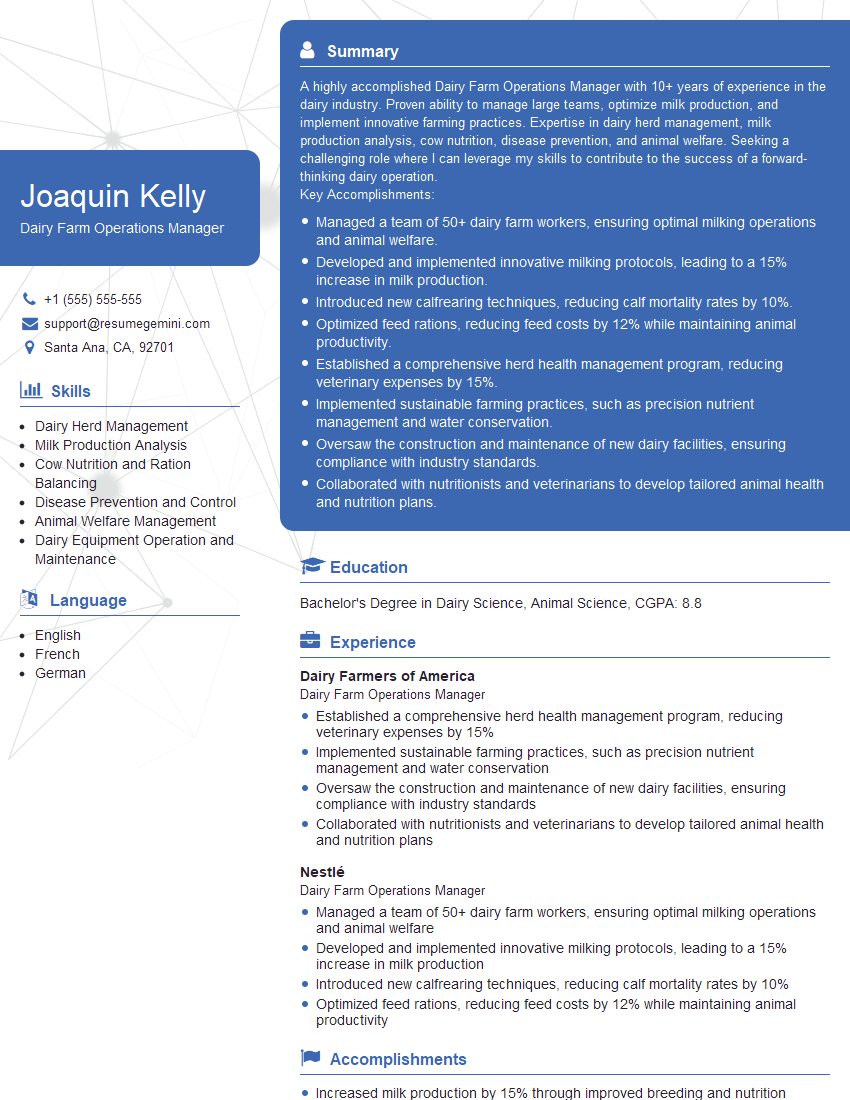
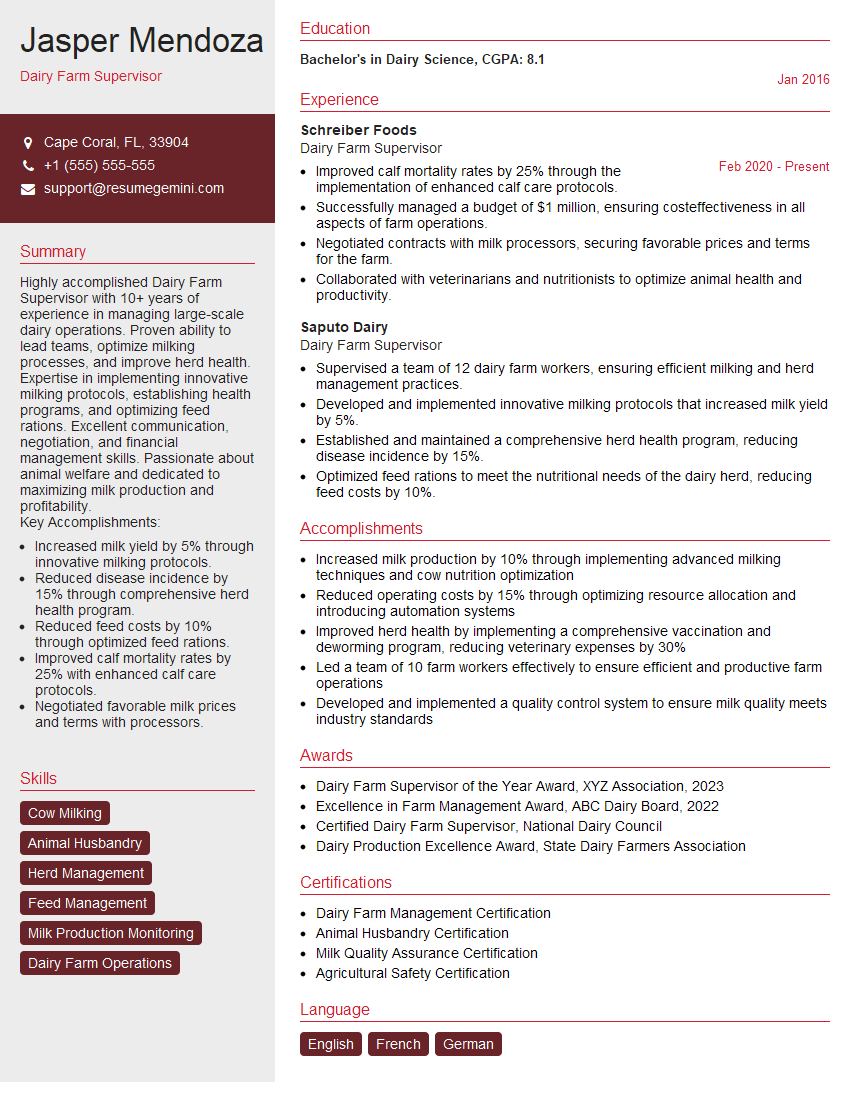
Mastering the Certified Dairy Farm Manager skillset opens doors to leadership roles within the dairy industry, offering significant career advancement and higher earning potential. To maximize your job prospects, it’s crucial to present your qualifications effectively. Creating an ATS-friendly resume is key to getting your application noticed by recruiters. We highly recommend using ResumeGemini to build a professional and impactful resume that highlights your skills and experience. ResumeGemini provides examples of resumes tailored to Certified Dairy Farm Manager positions, helping you showcase your qualifications effectively.
Explore more articles
Users Rating of Our Blogs
Share Your Experience
We value your feedback! Please rate our content and share your thoughts (optional).
What Readers Say About Our Blog
Very informative content, great job.
good