Interviews are more than just a Q&A session—they’re a chance to prove your worth. This blog dives into essential Chemical Mixing and Formula Preparation interview questions and expert tips to help you align your answers with what hiring managers are looking for. Start preparing to shine!
Questions Asked in Chemical Mixing and Formula Preparation Interview
Q 1. Explain the importance of accurate weighing and measuring in chemical mixing.
Accurate weighing and measuring are paramount in chemical mixing because they directly impact the final product’s quality, consistency, and safety. Think of baking a cake: if you use twice the amount of baking powder, you’ll get a completely different (and likely inedible) result. Similarly, in chemical processes, even slight deviations from the specified quantities can lead to variations in the reaction rate, product yield, and potentially hazardous situations.
For instance, in pharmaceutical manufacturing, precise measurements are crucial for ensuring the potency and efficacy of medications. Inaccurate weighing of active pharmaceutical ingredients (APIs) can result in under- or over-dosage, impacting patient safety and treatment outcomes. Using calibrated analytical balances and adhering to strict standard operating procedures (SOPs) are essential for maintaining accuracy.
We use techniques like tare weighing (zeroing the balance with the container) to eliminate the container’s weight from the measurement, and we always perform multiple weighings to minimize errors. We also use appropriate volumetric glassware, ensuring proper calibration and avoiding parallax errors when reading meniscus levels.
Q 2. Describe different mixing techniques (e.g., high-shear, low-shear) and their applications.
Mixing techniques are broadly classified based on the shear forces applied to the mixture. High-shear mixing employs intense shearing forces to break down particles, create emulsions, and disperse solids effectively. Low-shear mixing applies gentler forces, suitable for handling delicate materials or preventing damage to sensitive components.
- High-Shear Mixing: This technique is used to create homogeneous mixtures, especially for viscous fluids and those containing finely dispersed particles. Examples include homogenizers, rotor-stator mixers, and high-speed dispersers. Imagine blending a smoothie – the high speed creates a uniform texture by breaking down the fruit and ice particles. In industrial settings, this is critical for things like creating paints, inks, and food products.
- Low-Shear Mixing: This is suitable when the product is sensitive to excessive shearing forces, such as in the mixing of some pharmaceuticals or biological materials. Low-shear mixing techniques include paddle mixers, ribbon blenders, and slow-speed agitators. This method prevents damage to the product while still ensuring adequate mixing.
The choice of mixing technique depends on factors such as the viscosity of the materials, particle size, desired homogeneity, and the sensitivity of the components being mixed. A thorough understanding of these factors is crucial for selecting the optimal mixing method and achieving the desired product quality.
Q 3. How do you ensure the safety of personnel and equipment during chemical mixing processes?
Ensuring safety during chemical mixing involves a multifaceted approach that prioritizes personnel and equipment protection. This includes adherence to strict safety protocols, the use of appropriate personal protective equipment (PPE), and the implementation of robust engineering controls.
- PPE: This is the first line of defense. Depending on the chemicals involved, this can include lab coats, safety glasses, gloves (chemical-resistant), respirators, and sometimes full body suits.
- Engineering Controls: These include using well-ventilated areas or enclosed mixing systems (e.g., jacketed reactors), implementing emergency shut-off mechanisms, and ensuring proper grounding to prevent static electricity buildup. Fume hoods are essential for volatile or toxic chemicals.
- Safe Operating Procedures (SOPs): These are detailed step-by-step instructions that outline the proper procedures for handling chemicals, operating equipment, and responding to emergencies. Regular training and adherence to SOPs are crucial.
- Emergency Response Plan: A well-defined plan is essential, including clear procedures for handling spills, chemical leaks, fires, and other emergencies. Personnel must be trained in the proper use of emergency equipment such as eyewash stations and safety showers.
Regular equipment maintenance and inspections are also critical to prevent equipment failure and associated hazards.
Q 4. What are the common safety hazards associated with chemical mixing and how do you mitigate them?
Chemical mixing presents several potential safety hazards. Some common hazards include:
- Chemical Reactions: Mixing incompatible chemicals can lead to exothermic reactions (producing heat), potentially causing fires or explosions. For example, mixing strong acids and bases can generate significant heat and corrosive fumes.
- Toxicity: Many chemicals are toxic, and inhalation, skin contact, or ingestion can lead to serious health consequences. Proper ventilation and PPE are crucial to mitigate this risk.
- Flammability: Certain chemicals are flammable or can form flammable mixtures. Avoiding ignition sources and using appropriate safety measures are essential.
- Reactivity: Some chemicals react violently with air, water, or other substances. Proper handling and storage are crucial to prevent accidents.
Mitigation Strategies: These include:
- Chemical Compatibility Assessment: Before mixing, always assess the compatibility of the chemicals to prevent unexpected reactions.
- Proper Ventilation: Ensure adequate ventilation to prevent the buildup of toxic or flammable vapors.
- Appropriate PPE: Always use the appropriate PPE based on the chemicals being handled.
- Emergency Showers and Eyewash Stations: These must be readily accessible.
- Spill Containment Procedures: Establish procedures for handling chemical spills and leaks.
Q 5. Explain the concept of stoichiometry and its relevance to formula preparation.
Stoichiometry is the calculation of the quantities of reactants and products in chemical reactions. It’s based on the principle of the conservation of mass, meaning that the total mass of the reactants equals the total mass of the products. In formula preparation, stoichiometry is essential for determining the precise amounts of each component needed to achieve the desired composition and properties of the final product.
For example, if you are preparing a solution of sodium chloride (NaCl) in water, you need to know the molar mass of NaCl to calculate the mass required to obtain a specific concentration (e.g., 1M solution). The stoichiometric calculations ensure that the correct amount of NaCl is dissolved in the appropriate volume of water to achieve the desired molarity. Inaccurate stoichiometric calculations would lead to a solution with an incorrect concentration, impacting the application and usability of the solution.
We frequently use stoichiometric calculations to determine the correct ratios of ingredients in various formulations, from paints and adhesives to pharmaceuticals and cosmetics. Software programs and spreadsheets are often used to simplify these calculations, but a fundamental understanding of the underlying principles is crucial for accurate and reliable formula preparation.
Q 6. Describe your experience with different types of mixing equipment (e.g., reactors, blenders).
My experience encompasses a wide range of mixing equipment, including various types of reactors and blenders. I’ve worked extensively with:
- Batch Reactors: These are versatile for various mixing applications, allowing for precise control of reaction parameters. I’ve used them for both liquid-liquid and solid-liquid mixing in the production of polymers and pharmaceuticals. The ability to monitor and control temperature, pressure, and agitation speed is crucial for the optimization of reaction yields and product quality.
- Continuous Stirred Tank Reactors (CSTRs): These are ideal for large-scale, continuous production processes. I’ve worked with these reactors in the development of continuous flow chemistry processes, where the reactants are continuously fed into the reactor and the product is continuously withdrawn. The key advantage here is high production capacity and better consistency.
- High-Shear Mixers: As mentioned earlier, these are indispensable for creating homogenous emulsions and dispersions. I’ve used them in the formulation of creams, lotions, and paints.
- Ribbon Blenders: I have experience using ribbon blenders for mixing dry powders and granules. The design of these blenders ensures even mixing of materials with different densities and particle sizes, essential in the production of animal feed and pharmaceutical powders.
The selection of mixing equipment depends heavily on the nature of the materials being mixed, the desired scale of production, and the specific requirements of the process. In each case, thorough understanding of the equipment’s capabilities and limitations is crucial for efficient and safe operation.
Q 7. How do you handle incompatible chemicals during mixing?
Handling incompatible chemicals during mixing requires meticulous planning and execution to prevent hazardous reactions. The first step is always a thorough risk assessment, identifying potential hazards associated with mixing the chemicals. This includes consulting safety data sheets (SDS) for each chemical and understanding their reactivity with other chemicals.
If mixing incompatible chemicals is unavoidable, several strategies can be employed:
- Sequential Addition: Add the chemicals slowly and carefully in a specific order, potentially with cooling or other control measures to manage exothermic reactions. The order of addition is critical and should be determined based on the chemical compatibility.
- Use of Additives: In some cases, adding specific additives can modify the reaction pathway or stabilize the mixture, reducing the risk of unwanted reactions.
- Controlled Environment: Mixing incompatible chemicals should always be performed in a controlled environment, such as a well-ventilated fume hood or a specialized reactor equipped with safety features. This minimizes risks associated with toxic fumes or uncontrolled reactions.
- Separate Mixing Vessels: If possible, consider using separate mixing vessels for incompatible chemicals before combining them in a controlled manner.
- Dilution: Diluting the chemicals before mixing can reduce the intensity of any reaction.
All procedures must be clearly documented, including the rationale for the chosen approach and the safety precautions taken. In case of doubt, it is always safer to consult with a chemical safety expert before proceeding.
Q 8. Explain the importance of maintaining accurate records during chemical mixing and formula preparation.
Accurate record-keeping is paramount in chemical mixing and formula preparation, forming the backbone of reproducibility, quality control, and safety. Think of it as a recipe for a complex dish – without precise measurements and steps, you can’t guarantee the same result every time.
- Traceability: Detailed records allow you to trace the origin of materials, precisely identify the steps taken in a specific batch, and pinpoint potential sources of error if a problem arises. This is crucial for regulatory compliance and troubleshooting.
- Reproducibility: Accurate records ensure that a specific formulation can be recreated identically in the future, whether by the same person or a different one. This is essential for consistency in product quality.
- Safety: Maintaining meticulous records of hazardous materials used, quantities handled, and safety procedures followed is essential for accident prevention and investigation if an incident occurs. It’s a crucial part of risk assessment and management.
- Regulatory Compliance: Many industries have strict regulations requiring detailed documentation of chemical mixing processes. These records are often audited by regulatory bodies.
For example, in a pharmaceutical setting, a missing detail in the batch record could lead to an entire batch being discarded, resulting in significant financial and reputational losses.
Q 9. How do you troubleshoot common problems encountered during chemical mixing (e.g., clumping, incomplete mixing)?
Troubleshooting problems in chemical mixing requires a systematic approach. Let’s consider common issues like clumping and incomplete mixing:
- Clumping: This often occurs when a poorly soluble powder is added to a liquid. Troubleshooting steps include:
- Pre-mixing: Add the powder slowly to a small amount of the liquid, stirring continuously to form a smooth slurry before adding the rest.
- Choosing the right solvent: The solvent’s polarity must match the solute’s. Sometimes, using a different solvent or a solvent blend improves solubility.
- Using dispersing agents: These agents can help prevent aggregation of particles and promote better dispersion.
- Incomplete mixing: This can be due to inadequate mixing time, inappropriate mixing equipment, or high viscosity. Troubleshooting involves:
- Increasing mixing time: Allow ample time for the components to fully blend. Sometimes, increasing the speed of the mixer is needed but this needs to be done cautiously to avoid frothing or splashing.
- Using a more effective mixer: Different mixers (e.g., high-shear mixers, planetary mixers) are suited for different viscosity liquids and applications. Selecting the appropriate equipment is crucial.
- Reducing viscosity: This can be achieved by adjusting the temperature or adding viscosity-reducing agents.
Imagine trying to mix flour and water – simply stirring with a spoon wouldn’t do. You’d need more vigorous mixing to get a smooth batter. Similarly, in chemical mixing, the right method is essential for a successful outcome.
Q 10. What are the different methods for quality control in chemical mixing and formula preparation?
Quality control in chemical mixing is essential to ensure product consistency and safety. Methods include:
- Visual Inspection: Checking for color, clarity, and the absence of clumps or sediment.
- pH Measurement: Determining the acidity or alkalinity of the mixture, crucial for many chemical processes and product stability.
- Density Measurement: Measuring the mass per unit volume, which helps ascertain the correct concentration of components.
- Particle Size Analysis: Determining the size distribution of particles, vital when dealing with suspensions or emulsions.
- Titration: A quantitative analysis technique used to determine the concentration of a specific substance in the mixture, like determining the concentration of an acid using a base titrant.
- Spectroscopic Analysis (UV-Vis, IR): Used to identify and quantify components of a mixture. This is particularly useful for identifying impurities.
- Sampling and Testing: Taking representative samples from different parts of a batch to check for homogeneity, performing tests according to established protocols.
For example, in the food industry, a simple pH test ensures that a product remains within the safe range to prevent spoilage or unwanted chemical reactions.
Q 11. Describe your experience with Good Manufacturing Practices (GMP) in relation to chemical mixing.
Good Manufacturing Practices (GMP) are a set of guidelines designed to ensure that products are consistently produced and controlled according to quality standards appropriate to their intended use and as required by the regulatory authorities. My experience with GMP in chemical mixing encompasses adherence to strict protocols for:
- Equipment Cleaning and Validation: Ensuring that all equipment used for mixing is thoroughly cleaned and validated to prevent cross-contamination and ensure consistent results. This typically involves detailed cleaning procedures and documented validation tests.
- Material Handling and Storage: Proper storage of raw materials to prevent degradation and maintain their quality. This includes appropriate labeling, handling precautions, and storage conditions (temperature, humidity).
- Personnel Training: Ensuring that all personnel involved in mixing are properly trained on GMP principles, safety procedures, and operating procedures. Regular training is crucial to maintaining high standards.
- Documentation and Record Keeping: Maintaining accurate and detailed records of all processes, including raw material specifications, mixing procedures, quality control tests, and deviations from standard operating procedures. This forms an audit trail ensuring compliance.
- Batch Traceability: Maintaining detailed records to trace a batch of material from raw materials to final product, making it possible to investigate any issues encountered.
In my previous role, we implemented a comprehensive GMP system that dramatically reduced batch failures and improved product quality and consistency, resulting in fewer regulatory issues.
Q 12. How do you ensure the consistency of a chemical mixture across multiple batches?
Ensuring consistency across multiple batches relies on a combination of precise procedures and rigorous quality control. Key elements include:
- Standardized Operating Procedures (SOPs): Detailed, step-by-step instructions for each aspect of the mixing process, from material handling and weighing to mixing parameters and quality control tests. This ensures everyone follows the same protocol.
- Precise Weighing and Measuring: Using calibrated instruments and adhering strictly to specified quantities for all components. Even minor deviations can lead to inconsistencies.
- Controlled Mixing Parameters: Maintaining consistent mixing time, speed, temperature, and other relevant parameters. These are often critical to the final product’s characteristics.
- Regular Equipment Calibration: Periodic calibration of mixing equipment and measuring instruments ensures accuracy and prevents gradual drift which can accumulate over time.
- In-process Quality Control Checks: Performing quality control checks at various stages of the mixing process allows for early identification and correction of any inconsistencies.
- Raw Material Quality Control: Using only approved, high-quality raw materials that meet pre-defined specifications. This minimizes the chance of variations arising from raw material differences.
Think of baking a cake: precise measurements and following the recipe are key to achieving the desired result every time. The same principles apply to chemical mixing, but the consequences of inconsistencies can be far more significant.
Q 13. Explain the concept of scale-up in chemical mixing and your experience with it.
Scale-up in chemical mixing refers to the process of increasing the production scale from a smaller lab-scale reaction to a larger industrial-scale operation. This transition often presents challenges because many factors, often overlooked in small-scale reactions, become significant at large scale. My experience with scale-up includes:
- Understanding Mixing Dynamics: The mixing behaviour changes with scale. For example, mixing time may increase disproportionately as the volume increases, requiring different impeller designs or mixing strategies. A small-scale mixer may create good turbulence, whereas the larger-scale equivalent might have dead zones.
- Heat and Mass Transfer: Heat generation and removal become more challenging at larger scales. Exothermic reactions, in particular, require careful consideration of cooling systems to prevent runaway reactions or product degradation. Efficient mass transfer might require innovative designs.
- Pilot Plant Studies: Conducting pilot plant studies using a smaller-scale version of the industrial-scale equipment allows for testing different parameters and optimizing the process before full-scale implementation. This helps mitigate risks and reduces cost.
- Computational Fluid Dynamics (CFD): Employing CFD modeling to simulate mixing patterns and optimize mixer design for efficient mixing at larger scales. This reduces the need for extensive trial-and-error experimentation.
- Process Validation: Once scaled up, thorough validation is essential to ensure that the process parameters and quality attributes of the product remain consistent with smaller scale operation.
Successfully scaling up a chemical process often requires a multidisciplinary team with expertise in chemical engineering, process design, and mechanical engineering to address all these aspects.
Q 14. Describe your experience with different types of chemical reactions (e.g., acid-base, redox).
My experience encompasses a wide range of chemical reactions, including:
- Acid-Base Reactions: These involve the reaction of an acid and a base, often resulting in the formation of a salt and water. I’ve worked extensively with neutralization reactions, which are crucial in many industrial processes, from wastewater treatment to pH control in formulations. For example, neutralizing excess acid in a manufacturing process to prevent corrosion.
- Redox Reactions: These involve the transfer of electrons between species. I’ve worked with oxidation reactions in various applications, including the synthesis of organic compounds and the development of corrosion inhibitors. Controlling the oxidation state of reactants can profoundly affect product yields and quality.
- Precipitation Reactions: These lead to the formation of a solid precipitate. I have experience in developing formulations with controlled precipitation, crucial in areas like pharmaceutical formulation and synthesis of various inorganic materials. This is often used to purify or isolate specific components.
- Complexation Reactions: These involve the formation of complex ions through coordination bonds. I have been involved in the design and optimization of formulations leveraging complexation to improve the stability, solubility, or bioavailability of specific components. This has applications in drug delivery and environmental remediation.
Understanding the stoichiometry and kinetics of these reactions is essential for designing efficient and controlled processes. Each reaction type poses unique challenges in terms of process optimization and safety protocols.
Q 15. How do you handle deviations from established procedures during chemical mixing?
Deviations from established chemical mixing procedures are handled with utmost caution and a strict adherence to safety protocols. My first response is to immediately cease the mixing process. Then, I meticulously document the deviation, including the time, the specific step where the deviation occurred, the nature of the deviation (e.g., incorrect measurement, equipment malfunction), and any observable changes in the mixture. This documentation is crucial for identifying root causes and preventing future occurrences. Depending on the nature of the deviation, I would consult relevant Standard Operating Procedures (SOPs) or experienced colleagues for guidance. If the deviation poses a safety risk, I would immediately initiate the appropriate emergency response procedures outlined in our safety manual. For less critical deviations, a revised procedure might be developed and approved before resuming the mixing process. A thorough investigation is always conducted to understand the underlying reason for the deviation, and corrective actions are implemented to prevent recurrence. For instance, if a deviation stemmed from inaccurate weighing, I would recalibrate the balance and possibly implement additional checks in the future.
Career Expert Tips:
- Ace those interviews! Prepare effectively by reviewing the Top 50 Most Common Interview Questions on ResumeGemini.
- Navigate your job search with confidence! Explore a wide range of Career Tips on ResumeGemini. Learn about common challenges and recommendations to overcome them.
- Craft the perfect resume! Master the Art of Resume Writing with ResumeGemini’s guide. Showcase your unique qualifications and achievements effectively.
- Don’t miss out on holiday savings! Build your dream resume with ResumeGemini’s ATS optimized templates.
Q 16. What is your experience with different types of chemical raw materials (e.g., liquids, solids, powders)?
My experience encompasses a wide range of chemical raw materials, including liquids, solids, and powders. Working with liquids, I’m proficient in handling various viscosities, from low-viscosity solvents to highly viscous polymers. I understand the importance of proper mixing techniques and equipment selection to ensure homogeneity. With solids, I have experience with both granular and crystalline materials, understanding the need for appropriate size reduction techniques (like milling or grinding) if necessary for proper dispersion within a liquid phase. Powders present unique challenges like dusting and potential for agglomeration. I’m experienced in techniques such as slow addition, high-shear mixing, and the use of dispersants to effectively incorporate them into the mixture while minimizing safety hazards. For example, I have successfully integrated highly reactive powdered catalysts into viscous liquid media, ensuring complete dispersion and consistent reaction kinetics. The crucial aspect is always to follow the established SOPs for safe handling and precise measurement of each material type.
Q 17. How do you maintain the accuracy and precision of measurement instruments used in chemical mixing?
Maintaining the accuracy and precision of measurement instruments is paramount in chemical mixing. This involves a multi-pronged approach. Firstly, regular calibration is crucial. We utilize certified standards and follow strict calibration procedures outlined by the instrument manufacturers, documenting each calibration event. Secondly, preventative maintenance is key. This includes regular cleaning and inspection of the instruments to prevent fouling or damage. Thirdly, we employ good laboratory practices (GLP). This encompasses proper handling of instruments, avoiding impacts or sudden temperature changes, and using appropriate protective equipment. For example, we regularly calibrate our analytical balances using certified weights, and our volumetric glassware undergoes periodic verification against calibrated standards. Finally, we conduct routine checks using control samples and compare results with expected values, flagging potential instrument drift or errors. This ensures our measurements are consistently reliable and contributes to the reproducibility of our mixing processes.
Q 18. How do you calculate the concentration of a chemical solution?
The concentration of a chemical solution can be expressed in several ways, most commonly as weight/volume percent (w/v%), volume/volume percent (v/v%), or molarity (M).
- Weight/Volume Percent (w/v%): This represents the grams of solute per 100 mL of solution. For example, a 10% w/v% NaCl solution contains 10g of NaCl in 100 mL of solution. The calculation is:
(mass of solute (g) / volume of solution (mL)) x 100% - Volume/Volume Percent (v/v%): This is used for liquid-liquid solutions and represents the milliliters of solute per 100 mL of solution. A 25% v/v% ethanol solution in water would contain 25 mL of ethanol in 100 mL of solution. The calculation is:
(volume of solute (mL) / volume of solution (mL)) x 100% - Molarity (M): This represents the moles of solute per liter of solution. For example, a 1M NaCl solution contains 1 mole of NaCl in 1 liter of solution. The calculation involves first determining the molar mass of the solute and then using the formula:
Molarity (M) = moles of solute / volume of solution (L)
The choice of concentration unit depends on the specific application and the properties of the solute and solvent.
Q 19. Explain the concept of viscosity and its impact on chemical mixing.
Viscosity is a measure of a fluid’s resistance to flow. In chemical mixing, it plays a crucial role in determining the efficiency of mixing and the homogeneity of the final product. High-viscosity fluids are more resistant to flow, requiring more energy and time to mix thoroughly. Think of mixing honey (high viscosity) versus water (low viscosity). Mixing honey requires significantly more effort. The impact of viscosity on mixing includes:
- Mixing Time: Higher viscosity leads to longer mixing times.
- Energy Consumption: More energy is needed to mix high-viscosity fluids.
- Homogeneity: Achieving a homogeneous mixture can be challenging with high-viscosity fluids, potentially leading to sedimentation or aggregation of components.
Understanding the viscosity of the components involved is essential for selecting the appropriate mixing technique and equipment to achieve the desired level of homogeneity.
Q 20. How do you handle waste materials generated during chemical mixing?
Waste materials generated during chemical mixing are handled according to strict regulatory guidelines and company safety protocols. The first step involves proper segregation of waste based on its chemical properties (hazardous vs. non-hazardous). Hazardous waste is stored in appropriately labeled containers and disposed of through licensed waste disposal companies, ensuring full compliance with all environmental regulations. Non-hazardous waste is often managed internally using environmentally sound disposal methods like recycling or proper landfill disposal. All waste disposal activities are meticulously documented, with records maintained for regulatory audits. We employ practices like minimizing waste generation through optimized mixing procedures and precise measurements, thus reducing our overall environmental impact. For instance, we regularly review our chemical recipes for opportunities to reduce the amount of solvents and other materials used. This is achieved by carefully analyzing the chemical reactions and ensuring that no unnecessary materials are included.
Q 21. Describe your experience with using and interpreting safety data sheets (SDS).
Safety Data Sheets (SDS) are crucial documents that provide comprehensive information on the hazards associated with a particular chemical. My experience with SDS involves using them to:
- Identify Hazards: I thoroughly review the SDS before handling any new chemical to understand potential health, fire, and reactivity hazards.
- Select Appropriate PPE: The SDS guides me in selecting the appropriate personal protective equipment (PPE), such as gloves, eye protection, and respirators, to mitigate exposure risks.
- Develop Safe Handling Procedures: I use information from the SDS to develop safe handling and storage procedures that minimize the risks associated with the chemicals.
- Emergency Response: The SDS outlines appropriate first-aid measures and emergency procedures in case of accidental exposure or spills.
- Waste Disposal: The SDS provides guidance on the proper methods for handling and disposing of chemical waste.
Interpreting SDS information is a core competency for me, ensuring I maintain a safe working environment and comply with all safety regulations.
Q 22. Explain the importance of proper ventilation in chemical mixing facilities.
Proper ventilation in chemical mixing facilities is paramount for worker safety and to prevent the build-up of hazardous vapors and gases. Many chemicals used in mixing processes are volatile, meaning they readily evaporate into the air. These vapors can be toxic, flammable, or even explosive, posing significant risks to personnel. Adequate ventilation ensures that these hazardous substances are diluted and removed from the work area, maintaining a safe and healthy environment.
Effective ventilation systems typically involve a combination of local exhaust ventilation (LEV) – hoods or enclosures directly capturing fumes at their source – and general dilution ventilation – large-scale air exchange systems. The design of the ventilation system depends heavily on the specific chemicals being handled, their toxicity levels, and the quantity used. For example, working with highly volatile solvents like toluene requires a robust LEV system with high airflow rates to effectively capture and remove the vapors, preventing them from reaching the breathing zone of workers. In contrast, a less volatile chemical might only require a well-designed general ventilation system to ensure sufficient air exchange.
Q 23. How do you handle spills and leaks during chemical mixing?
Handling spills and leaks in chemical mixing is critical for safety and environmental protection. The first and most important step is immediate evacuation of the affected area to prevent exposure to hazardous chemicals. The next step is to contain the spill, preventing further spread. This often involves using absorbent materials like spill pads or diatomaceous earth to soak up the liquid. The type of absorbent used depends on the chemical spilled; some chemicals react with certain absorbents, so selecting the correct material is crucial.
After containment, the spill needs to be cleaned up according to the specific chemical’s safety data sheet (SDS). This might involve neutralization using a specific chemical, or simply careful collection and disposal of the contaminated absorbent material. Waste disposal must adhere strictly to local, regional, and national regulations. In larger spills, professional emergency response teams might be needed, especially when dealing with highly hazardous or large quantities of chemicals. For example, a spill of concentrated sulfuric acid requires very careful handling and immediate neutralization with a base like sodium bicarbonate, followed by thorough washing of the affected area to remove all traces of acid. Detailed documentation of the spill, cleanup procedure, and waste disposal is essential for compliance and auditing purposes.
Q 24. What is your experience with process control systems used in chemical mixing?
My experience with process control systems in chemical mixing spans over [Number] years, encompassing both PLC (Programmable Logic Controller)-based systems and more advanced DCS (Distributed Control System) platforms. I’ve worked extensively with systems that monitor and control critical parameters like temperature, pressure, flow rates, and mixing speed, ensuring consistent and repeatable results. These systems allow for precise control of the mixing process, leading to improved product quality and reduced waste.
For example, in one project involving the production of a pharmaceutical emulsion, we implemented a DCS system to control the temperature profiles during the mixing process, ensuring the delicate emulsion remained stable and did not degrade. The system used advanced algorithms to adjust the heating and cooling rates in real-time, based on feedback from multiple sensors. This resulted in a significantly improved product yield and a more consistent final product. Another experience involved the implementation of automated sampling systems linked to the process control system. This automated the quality control process, resulting in more frequent and accurate sampling, enhancing quality assurance significantly.
Q 25. Describe your experience with statistical process control (SPC) in chemical mixing.
Statistical Process Control (SPC) is integral to maintaining consistent product quality in chemical mixing. I’ve utilized SPC techniques like control charts (X-bar and R charts, for example) to monitor key process parameters and identify potential sources of variation. By regularly tracking data points like viscosity, pH, or particle size distribution, we can detect trends and anomalies early, preventing deviations from established specifications.
For instance, in a project involving the synthesis of a polymer, we implemented X-bar and R charts to monitor the viscosity of the final product. By identifying a pattern of increasing viscosity variation, we were able to trace the problem back to a faulty pump delivering inconsistent flow rates of one of the reactants. Addressing this issue improved process stability and ensured consistent polymer viscosity. SPC is not just about identifying problems, it’s also about preventing them. By continuously analyzing process data and applying appropriate control strategies, we minimize deviations and maintain high quality standards, thereby reducing the need for extensive rework or product rejection.
Q 26. How do you ensure the quality and stability of the final product?
Ensuring the quality and stability of the final product involves a multi-faceted approach, starting with meticulous raw material selection and testing. We verify that all incoming materials meet the required specifications before they enter the mixing process. The mixing process itself is tightly controlled using process control systems and SPC as mentioned earlier. This ensures consistent mixing, preventing variations in the final product’s properties.
Following mixing, rigorous quality control checks are implemented. This may involve analyzing the physical and chemical properties of the product, including viscosity, pH, particle size, and purity. Stability testing evaluates the product’s resistance to degradation over time under various storage conditions. For example, a cosmetic product needs to demonstrate stability at different temperatures, humidity levels, and exposure to light. We carefully document all aspects of the manufacturing process and the results of quality control testing to maintain full traceability and support any required regulatory compliance.
Q 27. Explain your understanding of different unit operations involved in chemical mixing and processing.
My understanding of unit operations in chemical mixing and processing encompasses a wide range of techniques crucial for efficient and controlled production. These operations typically involve several stages.
- Mixing: This fundamental step can involve various techniques, from simple impeller mixing to high-shear mixing, depending on the specific requirements of the product. Factors to consider include viscosity, desired homogeneity, and the need to prevent degradation of sensitive materials.
- Heating/Cooling: Temperature control is often critical, achieved through jacketed vessels, heat exchangers, or other temperature control systems. Precise temperature control is essential for many reactions and ensures product quality and stability.
- Filtration/Separation: Removing unwanted solids or impurities through filtration or centrifugation is often necessary. The choice of filtration method depends on the particle size, viscosity, and the nature of the mixture.
- Drying: If the final product requires a certain moisture content, drying may involve various techniques like spray drying, fluidized bed drying, or vacuum drying.
- Packaging: The final step involves packaging the finished product in appropriate containers, ensuring its stability and preventing contamination.
The sequence and specific design of these operations are tailored to each product, considering factors such as reaction kinetics, desired product properties, and regulatory requirements.
Q 28. Describe your experience with cleaning and sanitizing equipment used in chemical mixing.
Cleaning and sanitizing equipment used in chemical mixing are crucial for preventing cross-contamination and maintaining product quality. My experience involves adhering to strict Standard Operating Procedures (SOPs) for each piece of equipment. This typically involves a multi-step process. First, the equipment is thoroughly rinsed to remove any residual product. Next, a cleaning solution appropriate for the specific chemicals used is employed, often followed by a thorough rinse with purified water. For certain applications, a sanitizing step using a validated sanitizing agent is necessary to eliminate microorganisms. The equipment is then thoroughly inspected for cleanliness and any residual cleaning solution.
The cleaning procedure is documented and validated to ensure its effectiveness. In the pharmaceutical industry, for instance, cleaning validation is a stringent regulatory requirement. We would use techniques like swab testing to verify the absence of residues from previous batches, thereby guaranteeing the purity of subsequent batches. The frequency of cleaning also depends on the sensitivity of the product and the potential for cross-contamination. Highly sensitive products necessitate more frequent cleaning to ensure product quality and regulatory compliance.
Key Topics to Learn for Chemical Mixing and Formula Preparation Interview
- Stoichiometry and Calculations: Mastering mole calculations, molarity, and dilutions is crucial for accurate formula preparation. Understand how to convert between different units of measurement and perform calculations involving limiting reagents.
- Safety Procedures and Handling of Chemicals: Demonstrate a thorough understanding of safety protocols, including the use of personal protective equipment (PPE), proper handling of hazardous materials, and emergency procedures. Be prepared to discuss specific safety concerns related to different chemicals and mixing processes.
- Mixing Techniques and Equipment: Familiarize yourself with various mixing techniques (e.g., magnetic stirring, high-shear mixing) and the types of equipment used in chemical mixing, including their applications and limitations. Be ready to discuss the factors influencing mixing efficiency.
- Quality Control and Assurance: Understand the importance of quality control in chemical mixing and formula preparation. Be prepared to discuss methods for verifying the accuracy of mixtures, including titration, spectroscopy, and other relevant analytical techniques.
- Process Optimization and Troubleshooting: Discuss your ability to optimize mixing processes for efficiency and consistency. Be prepared to describe how you would troubleshoot common problems encountered during chemical mixing, such as incomplete mixing or unexpected reactions.
- Understanding Material Safety Data Sheets (MSDS): Demonstrate your ability to interpret and apply information from MSDS to ensure safe handling and disposal of chemicals.
- Good Manufacturing Practices (GMP): If applicable to the role, familiarize yourself with GMP principles and their relevance to chemical mixing and formula preparation.
Next Steps
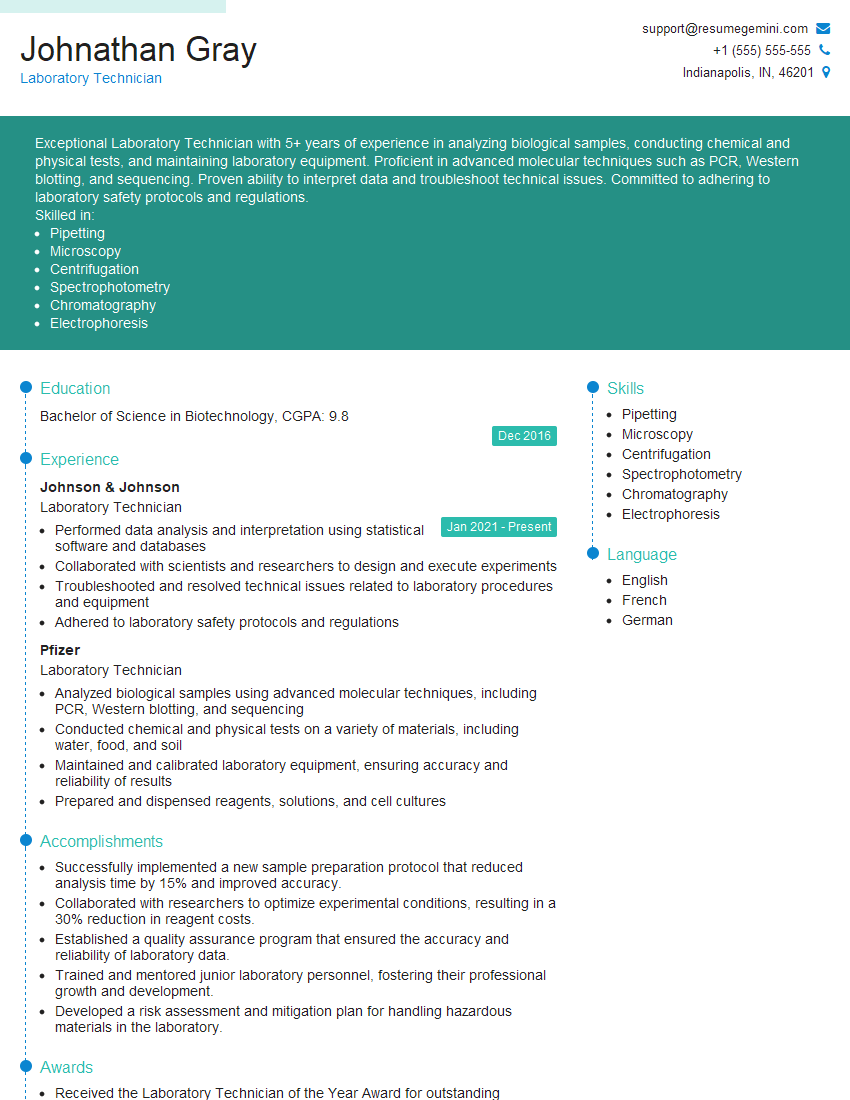
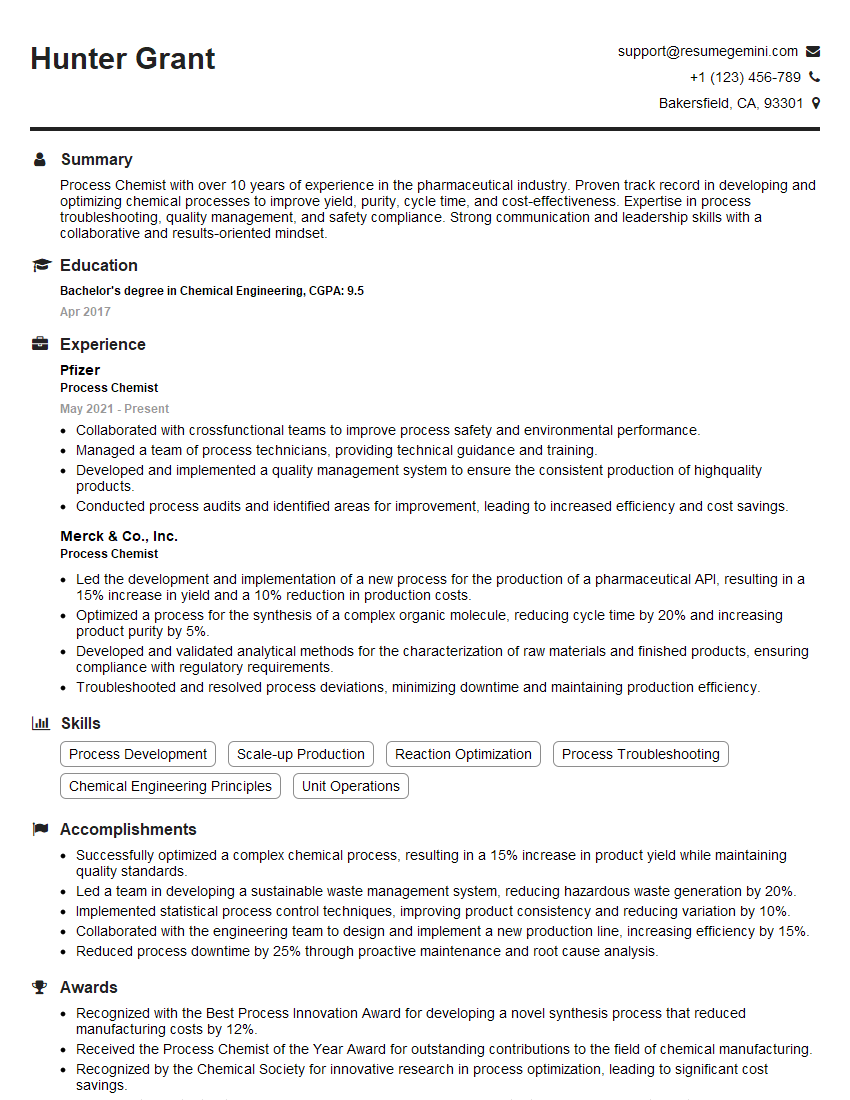
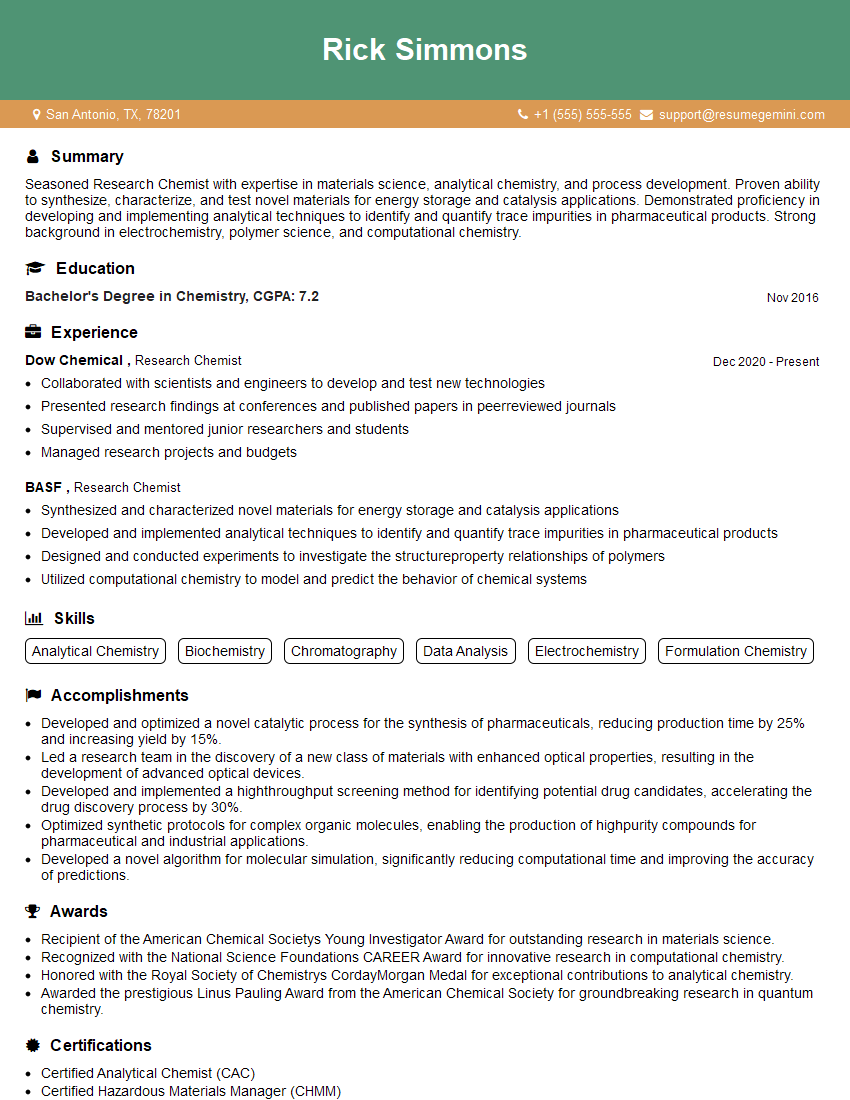
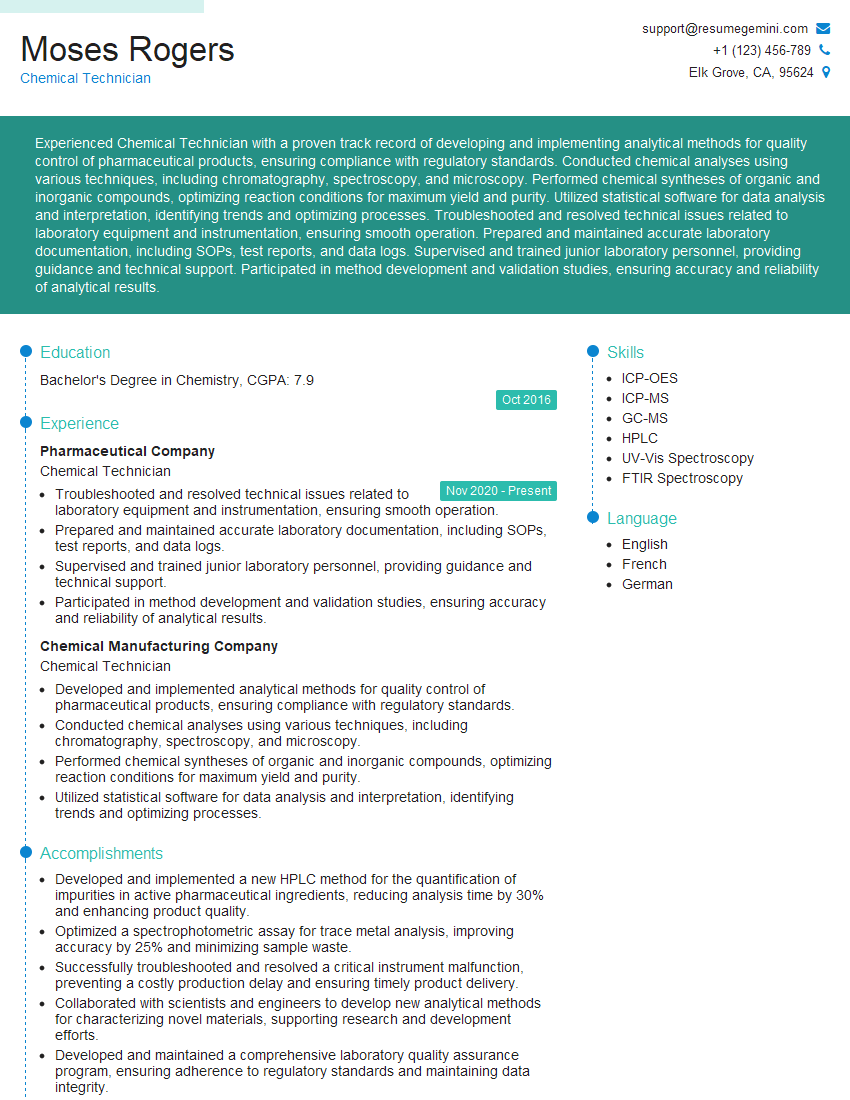
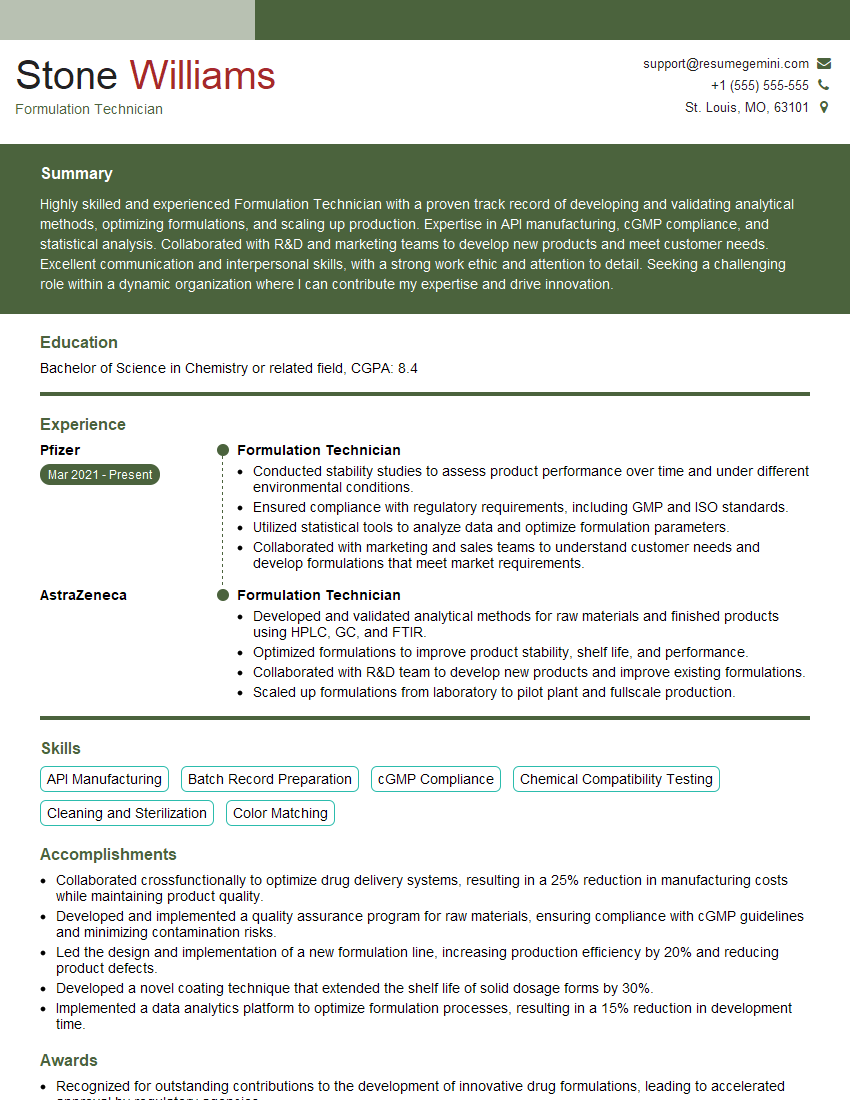
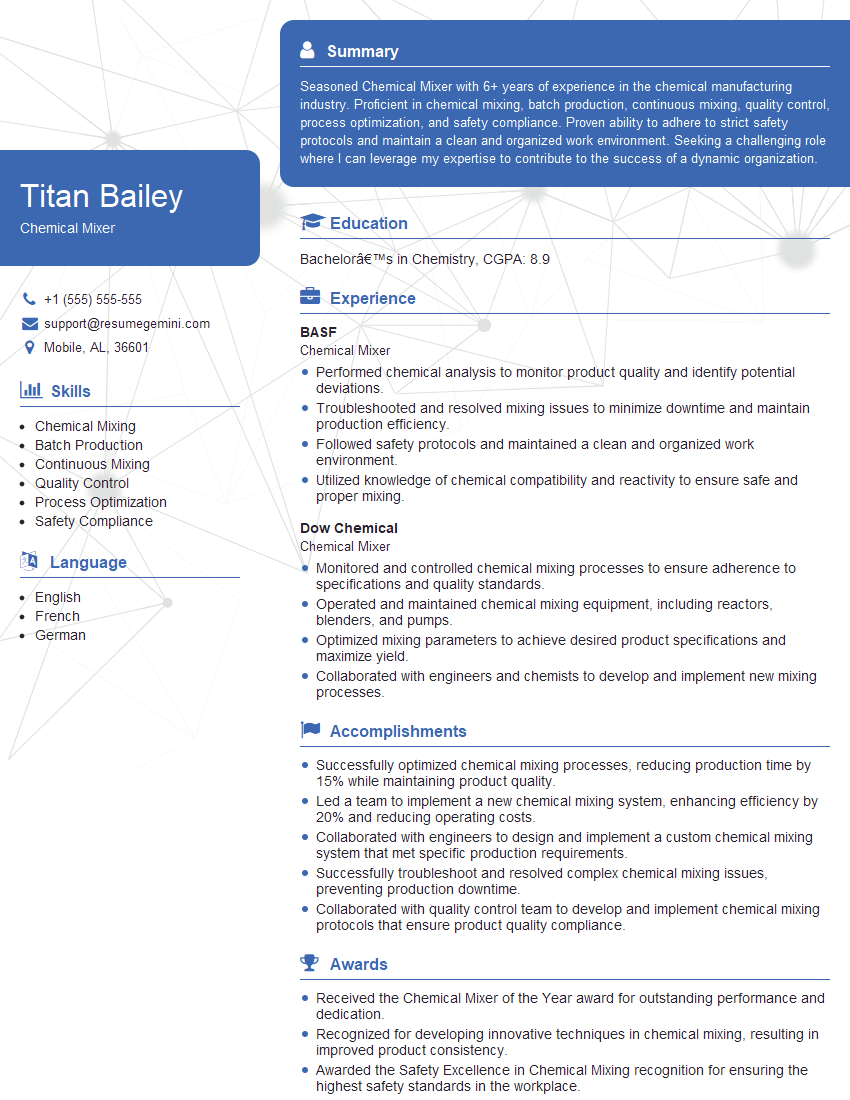
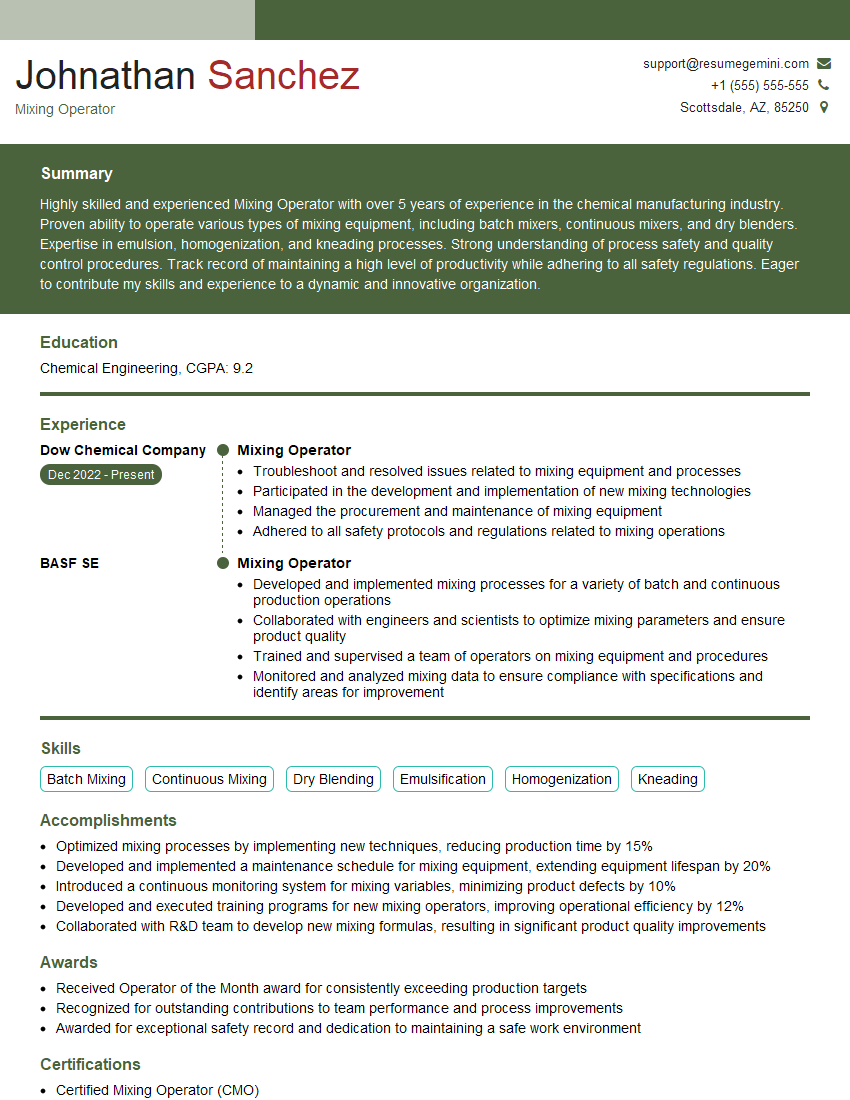
Mastering chemical mixing and formula preparation is essential for career advancement in many scientific and industrial fields. A strong foundation in these skills will open doors to exciting opportunities and increased responsibilities. To maximize your job prospects, creating a compelling and ATS-friendly resume is vital. ResumeGemini is a trusted resource to help you build a professional resume that showcases your skills and experience effectively. ResumeGemini provides examples of resumes tailored to Chemical Mixing and Formula Preparation, giving you a head start in crafting your application materials. Take the next step towards your dream career – build a powerful resume with ResumeGemini today!

Explore more articles
Users Rating of Our Blogs
Share Your Experience
We value your feedback! Please rate our content and share your thoughts (optional).
What Readers Say About Our Blog
Very informative content, great job.
good