Unlock your full potential by mastering the most common Clothing Prototyping interview questions. This blog offers a deep dive into the critical topics, ensuring you’re not only prepared to answer but to excel. With these insights, you’ll approach your interview with clarity and confidence.
Questions Asked in Clothing Prototyping Interview
Q 1. Describe your experience with different fabric types and their impact on prototype construction.
My experience encompasses a wide range of fabric types, from lightweight silks and delicate laces to heavy-duty denim and technical performance fabrics. Understanding a fabric’s drape, weight, texture, and inherent properties is crucial for successful prototyping. For example, a lightweight silk crepe will require a very different approach than a heavy wool twill. The drape of the silk might necessitate adjustments to the pattern’s ease and shaping, while the wool’s thickness may demand a different needle size and sewing technique. I consider factors such as fiber content (natural vs. synthetic), weave structure (plain, twill, satin), and finish (e.g., water-resistant, stretch) when selecting a fabric for a prototype. This impacts not only the construction techniques but also the final fit and aesthetic of the garment. Working with sustainable and ethically sourced fabrics is a priority for me, and I always consider the environmental impact of my material choices. For instance, I’ve recently worked on a project using recycled polyester, which presented its own set of challenges in terms of handling and sewing, requiring careful consideration of the material’s specific properties.
Q 2. Explain your process for creating a prototype from a technical design package.
My process for creating a prototype from a technical design package begins with a thorough review of the design specifications, including the garment’s construction details, measurements, and any special features. Next, I’ll grade the pattern (adjust it for different sizes if needed) and create a sample pattern piece using my chosen CAD software. Then, I meticulously mark the pattern pieces to ensure accuracy. Once this is complete, I lay out the fabric ensuring I optimize the placement to minimize waste. I then cut out the pattern pieces, meticulously following the marked lines. The sewing process follows the technical specifications. I pay close attention to stitch type, seam allowance, and finishing techniques. Throughout the process, I constantly check for accuracy against the technical design package. After assembly, I complete a thorough quality check, carefully noting any adjustments that might be necessary. This iterative process allows me to create a prototype that accurately reflects the designer’s vision.
Q 3. How do you handle fit issues during the prototyping process?
Addressing fit issues is a critical part of the prototyping process. I usually start by fitting the prototype on a dress form or a live model, taking meticulous measurements and noting any discrepancies compared to the original design specifications. This might involve using marking tools to pinpoint areas that need adjustment. Common fit issues include gaping seams, pulling, or areas that are too tight or loose. I address these issues by adjusting the pattern, either by making small alterations directly to the prototype or making more significant changes to the master pattern piece. This often requires an iterative approach, where I make adjustments, re-sew the affected areas, and refit until the desired fit is achieved. Detailed notes are kept at each stage to document the changes and their effects. For instance, I once encountered a significant fit issue in the shoulder area of a blazer prototype; I addressed this by taking in the seam at the shoulder, re-fitting, and then adjusting the sleeve cap to ensure a smooth, comfortable fit across the upper arm.
Q 4. What software programs are you proficient in for pattern making and design?
I am proficient in several software programs crucial for pattern making and design. My expertise includes Adobe Illustrator for creating and manipulating design elements, CLO 3D for 3D garment visualization and virtual prototyping, and Pattern Design Software (e.g., OptiTex, Lectra) for advanced pattern grading and manipulation. The use of these programs allows for efficiency and precision in creating and modifying patterns, significantly reducing the time and resources needed to produce accurate prototypes. For instance, using CLO 3D allows me to quickly visualize different fit adjustments on a virtual model before making physical changes to the pattern, which is a huge time saver and more cost-effective.
Q 5. Describe your experience with various sewing techniques relevant to prototyping.
My sewing skills encompass a wide range of techniques relevant to prototyping. This includes basic techniques such as straight stitching, zigzag stitching, and overlocking, along with more specialized techniques like French seams, flat felled seams, and bound buttonholes. The choice of technique is based on fabric type, garment construction, and aesthetic requirements. For example, I’d utilize French seams for a high-end garment due to their clean finish, whereas a simpler overlock seam would suffice for a less visible seam in a less formal item. My proficiency extends to advanced techniques such as working with knits, applying interfacing, and creating decorative finishes. I am also skilled in using various industrial sewing machines, allowing me to achieve professional quality results and experiment with new techniques to create more efficient and effective prototypes.
Q 6. How do you manage multiple prototypes simultaneously with differing deadlines?
Managing multiple prototypes with differing deadlines requires meticulous planning and organization. I utilize project management tools to track deadlines, assign priorities, and allocate resources effectively. I break down each project into smaller, manageable tasks, focusing on the most time-sensitive elements. I prioritize tasks based on urgency and importance, ensuring that the most critical prototypes are completed first. I also communicate regularly with stakeholders to manage expectations and address any unforeseen issues. For instance, I maintain a detailed spreadsheet to track progress, deadlines, and any potential roadblocks for each prototype. Effective time management and delegation, along with a strong understanding of each project’s specifications, are paramount to success in this demanding area.
Q 7. Explain your understanding of garment construction and its impact on prototyping.
Garment construction is fundamental to successful prototyping. A thorough understanding of the various stages involved – from pattern making and fabric selection to sewing, finishing, and fitting – is critical. Different construction techniques impact the drape, fit, and overall aesthetic of a garment. For example, the choice of seam finish will affect the durability and look of the garment’s interior, and the choice of interfacing will influence the garment’s structure and drape. My knowledge of garment construction allows me to anticipate potential problems during the prototyping phase and make necessary adjustments to achieve the desired outcome. A deep understanding of garment construction techniques allows me to make informed decisions throughout the process, leading to more efficient and successful prototyping iterations. For example, choosing the right type of seam can dramatically impact the durability of a garment, especially during the wear and tear that testing a prototype can generate.
Q 8. How do you ensure the accuracy and consistency of your prototypes?
Accuracy and consistency in prototyping are paramount. I achieve this through a multi-pronged approach starting with meticulous digital pattern making, utilizing industry-standard software like Adobe Illustrator or CLO3D. These programs allow for precise measurements and adjustments, minimizing human error.
Next, I employ detailed technical specifications and checklists for each prototype. This includes fabric type, seam allowances, construction methods, and even the type of thread used. This ensures that every element is standardized and replicable. Finally, I use a combination of physical measurements and quality checks at each stage of the process – from cutting to finishing. For example, I frequently check against the digital pattern to ensure accurate cutting and consistent seam allowances. Any deviations are documented and corrected immediately.
Q 9. Describe your experience with grading patterns for different sizes.
Grading patterns is a crucial skill for ensuring a garment fits a range of sizes. My experience spans several methods, including manual grading where I meticulously adjust pattern pieces based on established size charts, and utilizing specialized grading software which automates much of the process. Software can be quicker for large-scale productions but manual grading helps me better understand the design nuances and potential fit issues at each size.
For example, I’ve worked on projects where we needed to grade a complex tailored jacket across 6 sizes (XS-XXL). Manual grading allowed me to closely monitor the changes in dart placement, sleeve cap height, and other critical design elements across the size range to ensure consistent fit and aesthetics. The software helps accelerate the process, especially for simpler styles, saving valuable time and resources. Regardless of method, quality control is paramount, involving meticulous checks of each graded piece against the master pattern and the specified size charts.
Q 10. How do you identify and resolve construction flaws in a prototype?
Identifying and resolving construction flaws requires a keen eye for detail and a systematic approach. I start by meticulously examining the finished prototype, comparing it against the original design specifications and technical drawings. I look for discrepancies in seam placement, uneven stitching, incorrect fabric manipulation, and poor finishing.
For example, if I notice puckering in a sleeve, I would investigate the cause: it could be insufficient ease in the sleeve cap, improper grading, or a problem with the fabric itself. Once I’ve identified the root cause, I would document the flaw, along with the solution, and then implement the necessary corrections on the next iteration of the prototype. The process involves carefully documenting the issue (with photos if necessary), describing the corrective action, and then implementing and testing that solution on a new sample.
Q 11. What are your preferred methods for documenting prototype changes and revisions?
Comprehensive documentation is essential. I maintain detailed records using a combination of methods. Digital documentation is my preference, using specialized software to track revisions and create detailed technical drawings. These programs often allow for version control, meaning I can see all previous versions and compare changes.
I also create physical records. For example, I annotate patterns directly indicating alterations and include swatches of fabrics and trims used. These physical records are invaluable during production, ensuring all parties involved are aware of the final approved design details. This ensures transparency and traceability throughout the entire process, from initial prototype to final production.
Q 12. How do you maintain quality control throughout the prototyping process?
Maintaining quality control is an ongoing process. It starts with the selection of high-quality materials and extends throughout the entire production cycle. Regular checks are performed at each step, from pattern making and cutting to stitching and finishing. I employ statistical process control techniques to monitor critical aspects of the process. For example, I measure seam allowances and fabric drape at regular intervals to ensure consistency. Any deviations are noted and promptly addressed.
Furthermore, I utilize a ‘first article inspection’ procedure, ensuring the first produced item matches the approved prototype precisely. This early review helps prevent defects from propagating through the entire production run. This proactive approach ensures a high-quality end product.
Q 13. Explain your experience working with different types of closures (zippers, buttons, etc.).
Experience with various closures is a vital part of my skill set. I’m proficient with zippers (both concealed and exposed), buttons (various types and attachment methods), hooks and eyes, snaps, and toggles. My understanding extends beyond simple attachment; I consider the design implications of each closure. For example, a concealed zipper requires precise seam allowance management and careful pressing to ensure a clean finish. While a visible zipper can be a design element in itself.
I carefully select the appropriate closure type based on the garment’s design, functionality, and target market. I consider factors such as durability, ease of use, and aesthetic appeal. Understanding the limitations and strengths of each type ensures the final product performs as expected and looks great.
Q 14. How do you communicate technical details and feedback to designers and other team members?
Effective communication is key. I utilize clear and concise language, avoiding technical jargon whenever possible. I supplement verbal communication with detailed visual aids, such as photographs, annotated sketches, and technical drawings. This ensures everyone understands the issue or change, regardless of their background.
For instance, when communicating feedback on a prototype, I might create a detailed report including photos highlighting areas needing improvement, along with a written explanation outlining the necessary changes. This approach ensures everyone is on the same page and promotes a collaborative problem-solving environment.
Q 15. Describe your experience with creating prototypes for different garment styles (e.g., dresses, pants, jackets).
My experience in clothing prototyping spans a wide range of garment styles. I’ve worked extensively with dresses, from simple A-line designs to intricate ball gowns, mastering techniques like princess seams, darts, and gathering to achieve the desired silhouette. With pants, I’m proficient in constructing various fits, from slim-legged trousers to wide-leg palazzo pants, utilizing different closure mechanisms and pocket styles. Jacket prototyping has involved diverse designs, including tailored blazers, casual denim jackets, and structured coats, requiring expertise in interfacing, padding, and collar construction. Each style demands a nuanced understanding of pattern making, fabric selection, and construction techniques to achieve the intended look and functionality. For instance, a tailored blazer requires precise pattern grading and meticulous seam finishing, while a casual denim jacket prioritizes durability and ease of construction.
I’ve also tackled more challenging designs, including complex draped garments and structured outerwear, requiring advanced pattern-making and construction skills. My experience encompasses both handmade and industrial production methods, allowing me to adapt my approach depending on the project requirements.
Career Expert Tips:
- Ace those interviews! Prepare effectively by reviewing the Top 50 Most Common Interview Questions on ResumeGemini.
- Navigate your job search with confidence! Explore a wide range of Career Tips on ResumeGemini. Learn about common challenges and recommendations to overcome them.
- Craft the perfect resume! Master the Art of Resume Writing with ResumeGemini’s guide. Showcase your unique qualifications and achievements effectively.
- Don’t miss out on holiday savings! Build your dream resume with ResumeGemini’s ATS optimized templates.
Q 16. How do you prioritize tasks and manage your time effectively during peak production periods?
During peak production periods, effective prioritization and time management are crucial. I employ a Kanban-style system, visually tracking tasks on a board categorized by urgency and dependency. This allows me to identify bottlenecks and allocate my time accordingly. I break down complex tasks into smaller, manageable steps, assigning deadlines to each. I utilize time-blocking techniques, dedicating specific time slots to particular tasks to maintain focus and avoid distractions. For instance, I might dedicate the morning to intricate pattern adjustments and the afternoon to machine sewing. Regular communication with the team and project managers ensures everyone is aligned and aware of potential delays. This proactive approach enables me to meet deadlines consistently while maintaining the quality of my work.
Q 17. What are some common challenges you encounter during the prototyping process and how do you overcome them?
Prototyping inevitably presents challenges. One common issue is fabric drape and shrinkage. Unexpected drape can lead to a poorly fitting garment, resolved by careful fabric selection and pre-washing. Shrinkage is addressed by pre-shrinking fabric before cutting and constructing the prototype. Another challenge lies in achieving precise pattern matching, especially with intricate prints or stripes. This is overcome through meticulous pattern placement and careful cutting. Finally, unexpected difficulties can arise with complex construction details. To overcome this, I create detailed construction plans, breaking down complex steps into smaller, manageable segments. This allows for easier troubleshooting and prevents unforeseen issues. I also document my solutions to improve efficiency in future projects.
Q 18. Explain your knowledge of different types of seams and their applications in prototype construction.
Seam selection is critical in prototype construction. My knowledge encompasses a wide array of seam types, each suited for different fabrics and garment styles. For example, a French seam is ideal for fine fabrics, offering a clean, invisible finish, while a flat felled seam is known for its durability and strength, suited to workwear or outdoor garments. Overlock seams, characterized by their neat and stretchy finish, are suitable for knit fabrics. A simple seam is often used for quick prototypes and less visible areas. I select the appropriate seam based on fabric type, garment style, and desired aesthetic and durability. Understanding seam allowances is also critical; different seam allowances are necessary for various stitch types and fabric weights, which ensures consistent results and fitting.
Q 19. How familiar are you with industrial sewing machines and equipment?
I am highly familiar with industrial sewing machines and equipment. My expertise includes both basic and advanced machine operation, including various stitch types and adjustments, speed control, and maintenance. I’m comfortable using different types of sewing machines, such as straight stitch machines, overlock machines (sergers), coverstitch machines, and even specialized machines for specific techniques, such as blindstitching. My knowledge extends to related equipment, including cutting tables, pattern-making tools, and pressing equipment. Proper use and maintenance of this equipment are essential for efficient and high-quality prototyping. I understand the safety protocols associated with industrial machinery and consistently prioritize safe practices.
Q 20. How do you ensure prototypes are created efficiently without compromising quality?
Efficient prototyping without compromising quality requires a strategic approach. First, I use digital pattern-making software to create accurate patterns, which drastically reduces manual time and allows for easy adjustments. I select appropriate fabrics, considering cost, drape, and suitability for the garment style. I plan each step carefully, minimizing waste and unnecessary steps. I utilize time-saving techniques such as using templates or jigs for consistent construction. Lastly, a well-organized workspace significantly aids in efficiency, ensuring tools and materials are easily accessible. A focus on quality is maintained through meticulous attention to detail at every stage of construction, from cutting and stitching to pressing and finishing. Quality control checks are integrated into each step to identify and address potential issues early on.
Q 21. Describe your approach to troubleshooting issues during the prototype fitting process.
Troubleshooting during fittings involves systematic problem-solving. I begin by carefully examining the fit issues, documenting specific areas needing adjustments – this might be through detailed notes and sketches. Then, I analyze the discrepancies, pinpointing whether the issue is related to the pattern, construction, or fabric. For example, pulling or tightness at the seams might indicate a need to ease the seam allowances or adjust the pattern. Bagginess could indicate an incorrect pattern or insufficient fitting. If the issue is with the pattern, I use my pattern-making skills to make precise adjustments. If the problem relates to the construction, I may need to unpick and re-sew certain sections. Through these steps, I iterate on the design until a satisfactory fit is achieved, documenting changes to improve future projects.
Q 22. Explain your experience with using digital tools for pattern making and grading.
My experience with digital pattern making and grading tools is extensive. I’m proficient in software like Gerber Accumark, Optitex, and CLO 3D. These programs allow me to create patterns from scratch, manipulate existing patterns with precision, and efficiently grade them for various sizes. For example, using Gerber Accumark’s marker-making capabilities, I recently optimized the fabric layout for a complex asymmetrical dress, reducing fabric waste by 15% compared to a manual approach. This digital workflow is crucial for streamlining production, ensuring consistency across sizes, and minimizing errors. In CLO 3D, I’ve successfully used the 3D simulation capabilities to preview how fabric drapes and fits on a virtual avatar before committing to physical production, catching potential fit issues early on. This significantly reduces the need for numerous physical iterations and speeds up the prototyping process.
Q 23. How do you ensure that the prototype accurately reflects the designer’s vision?
Ensuring the prototype accurately reflects the designer’s vision is a collaborative process. It begins with detailed discussions and thorough review of the design sketches, technical drawings, and mood boards. I ask clarifying questions to fully grasp the designer’s intent regarding fabric choice, silhouette, construction techniques, and detailing. I then meticulously create a sample, continually checking it against the design brief. For a recent project, the designer envisioned a specific level of ‘slouch’ in a knitted sweater. We discussed yarn weight, stitch structure, and even the potential for pre-washing to achieve the desired drape. Regular feedback sessions throughout the prototyping phase allow for adjustments and ensure that the final prototype matches the design’s aesthetic and technical requirements. Transparency and open communication are key to this success.
Q 24. How do you maintain a clean and organized workspace to facilitate efficient prototyping?
A clean and organized workspace is paramount for efficient prototyping. My strategy involves a few key elements. First, I dedicate specific areas for different tasks – cutting, sewing, pressing, and finishing. Each area has designated storage for tools and materials. Second, I use a color-coded system for organizing fabric scraps and pattern pieces, making it easy to locate specific items. Third, I regularly clean and maintain my equipment, ensuring everything is in optimal working order. Finally, I utilize digital organization tools, such as project-specific folders on my computer to keep track of designs, patterns, and technical specifications. This organized system minimizes time spent searching for materials and tools, allowing me to focus on the creative process. Think of it like a well-stocked and organized kitchen – a professional chef can prepare a complex meal far more efficiently than someone working in a cluttered space.
Q 25. Explain your understanding of different fabric finishes and their effects on garment drape and structure.
Understanding fabric finishes is crucial for successful prototyping. Different finishes impact drape, structure, and hand (the way the fabric feels). For example, a mercerized cotton will have a smoother, more lustrous finish than regular cotton, leading to a more crisp drape. A linen fabric with a stone-washed finish will have a softer, more relaxed drape compared to an untreated linen. Similarly, a stiff interfacing will provide structure to a collar or cuff, while a fusible interfacing offers a more flexible option. Understanding how these different finishes interact with the chosen fabric is crucial for predicting the final garment’s drape and structure. I always research and test different fabric finishes before committing to a specific option for a prototype, ensuring the chosen finish matches the intended look and feel of the design.
Q 26. How do you handle requests for urgent prototype modifications?
Handling urgent prototype modifications requires a flexible and adaptable approach. First, I prioritize the request, understanding the urgency and the specific changes needed. Then, I assess the impact of the changes on the existing prototype. If it involves minor adjustments, I can often implement them immediately. If major alterations are required, I re-evaluate the timeline and communicate any potential delays proactively. Effective communication is crucial in managing expectations. I might need to adjust my workflow, potentially delaying other projects to prioritize the urgent request. Using my digital tools efficiently, like quick pattern adjustments in Gerber Accumark and rapid simulations in CLO 3D, allows me to minimize the time required for modifications.
Q 27. What are your strategies for minimizing fabric waste during the prototyping process?
Minimizing fabric waste is a key aspect of responsible prototyping. I employ several strategies: Firstly, I use computer-aided design (CAD) software for optimized marker making, ensuring efficient fabric layout. Secondly, I carefully plan the cutting process, combining different pattern pieces to reduce waste. Thirdly, I repurpose fabric scraps for smaller components or testing different techniques. For example, scraps from a jacket prototype might be used for making a matching accessory. Finally, I keep detailed records of fabric consumption for each project, helping me estimate fabric requirements more accurately in future projects, thus minimizing waste in the long run. This mindful approach not only saves costs but also contributes to environmentally sustainable practices.
Q 28. Describe your experience with creating prototypes for sustainable or eco-friendly materials.
I have significant experience creating prototypes using sustainable and eco-friendly materials. This includes working with organic cotton, recycled fabrics, Tencel, hemp, and innovative plant-based materials. The process involves understanding the unique properties of these materials, such as their drape, strength, and potential shrinkage. Prototyping with sustainable materials often requires adapting existing techniques or developing new ones. For instance, working with hemp requires a different approach to cutting and sewing compared to conventional cotton. My aim is not only to create functional prototypes but also to explore the creative potential of these sustainable materials, promoting environmentally conscious design practices within the industry. I am particularly interested in exploring innovative bio-based materials and closed-loop manufacturing methods in my work.
Key Topics to Learn for Your Clothing Prototyping Interview
- Pattern Making & Draping: Understanding fundamental techniques, including flat pattern making, draping on a dress form, and manipulating fabric to achieve desired shapes. Consider discussing your experience with various pattern making software and techniques.
- Fabric Selection & Manipulation: Knowledge of different fabric types, their properties (drape, weight, stretch), and how these properties influence design and construction. Be prepared to discuss practical applications like choosing the right fabric for a specific garment and addressing challenges related to fabric handling.
- Construction Techniques: Mastery of various sewing techniques, including stitching methods, seam finishes, and garment assembly. Highlight your experience with different types of sewing machines and specialized tools. Think about how you’ve solved construction challenges in the past.
- Prototyping Process: Understanding the entire prototyping workflow, from initial concept sketches to final prototype, including fitting, adjustments, and revisions. Discuss your approach to iterative design and problem-solving during the prototyping phase.
- Technical Design & Specifications: Ability to create clear and accurate technical drawings, specifications, and measurements. This includes understanding grading, size specifications, and production-ready documentation.
- Sustainability & Ethical Considerations: Demonstrating awareness of sustainable fabric choices, minimizing waste, and ethical manufacturing practices within the prototyping process.
- Digital Prototyping Tools: Familiarity with 2D and 3D design software relevant to clothing prototyping (e.g., CLO3D, OptiTex). Be prepared to discuss your proficiency and experience with these tools.
Next Steps
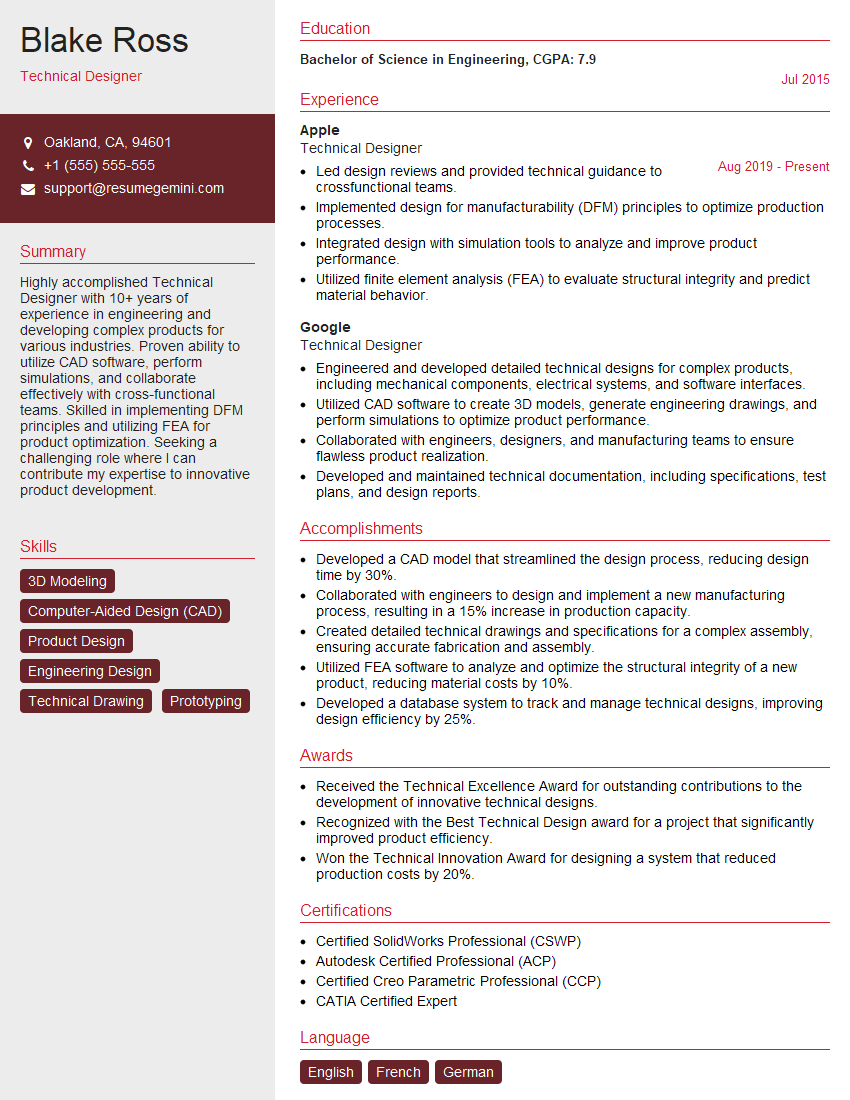
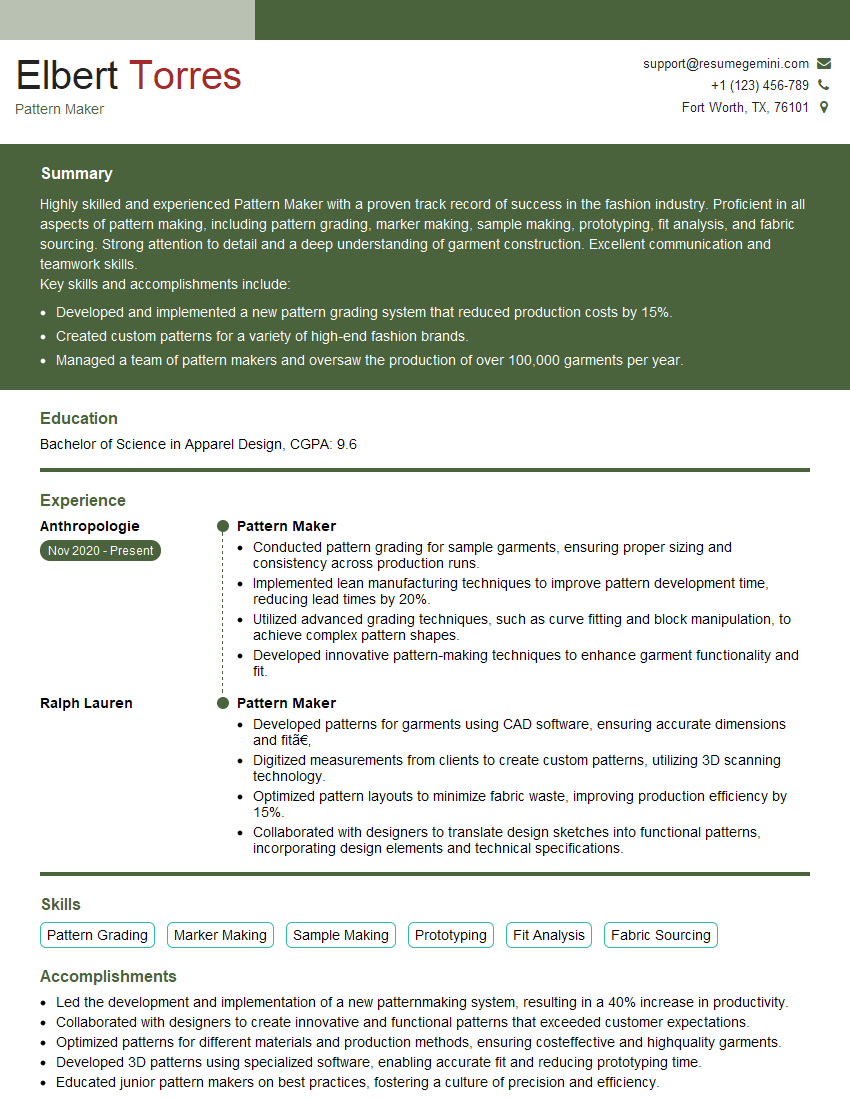
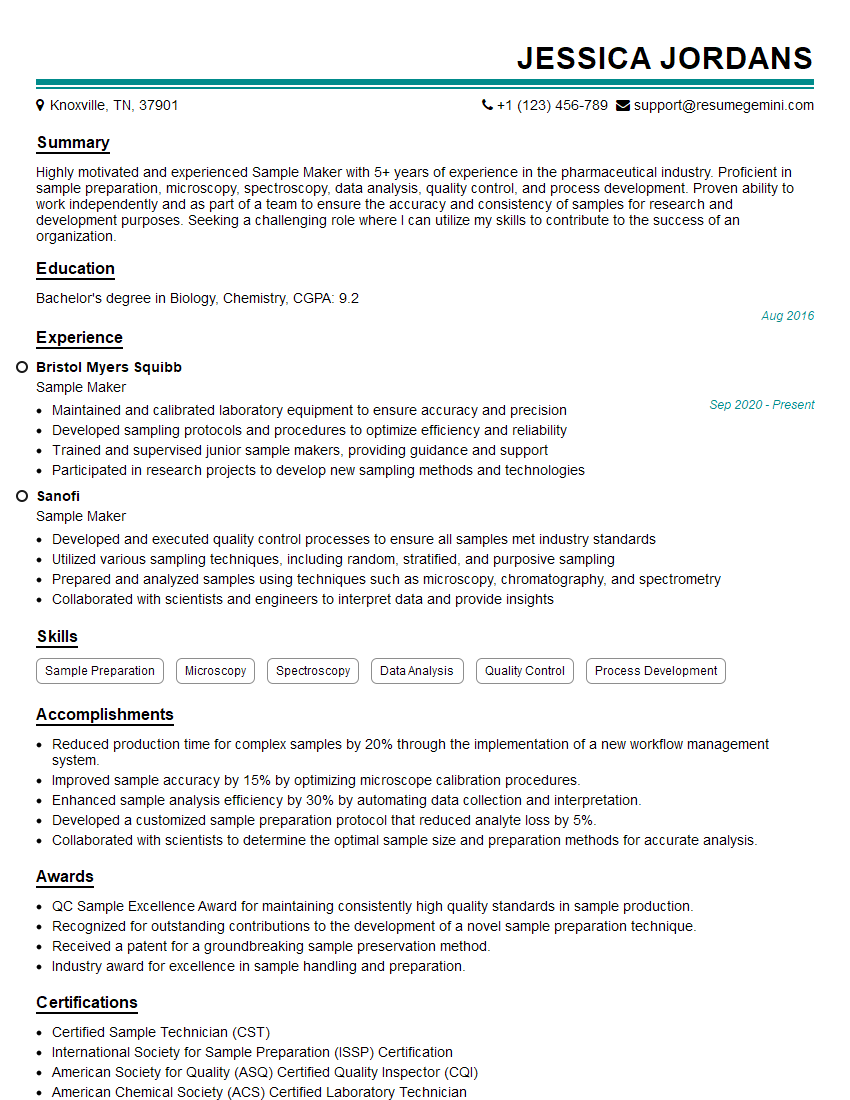
Mastering clothing prototyping is crucial for career advancement in the fashion industry, opening doors to exciting opportunities in design, production, and technical roles. A strong resume is your first impression; make it count! Creating an ATS-friendly resume increases your chances of getting your application noticed. To help you build a compelling and effective resume, consider using ResumeGemini. ResumeGemini offers a powerful toolset for crafting professional resumes, and we provide examples tailored specifically to Clothing Prototyping roles to help you get started.
Explore more articles
Users Rating of Our Blogs
Share Your Experience
We value your feedback! Please rate our content and share your thoughts (optional).
What Readers Say About Our Blog
Very informative content, great job.
good