Cracking a skill-specific interview, like one for Combat Skills, requires understanding the nuances of the role. In this blog, we present the questions you’re most likely to encounter, along with insights into how to answer them effectively. Let’s ensure you’re ready to make a strong impression.
Questions Asked in Combat Skills Interview
Q 1. Describe your experience in hand-to-hand combat techniques.
My hand-to-hand combat experience encompasses a wide range of techniques, primarily focusing on practical self-defense and close-quarters combat. I’ve trained extensively in Krav Maga, a system emphasizing real-world effectiveness and rapid neutralization of threats. This includes strikes, grappling, ground fighting, and weapon defenses against various attack scenarios. My training also incorporates elements of other styles like Muay Thai for striking and Brazilian Jiu-Jitsu for grappling, chosen for their complementary strengths. For example, I’ve practiced extensively the use of ‘knee strikes’ in Krav Maga, leveraging the power of the leg for devastating close-range attacks. Furthermore, I have participated in numerous simulations and training exercises to refine these techniques under pressure, ensuring their efficacy in dynamic and unpredictable situations.
Q 2. Explain your proficiency with various weapon systems.
My proficiency with weapon systems extends across various categories, including firearms, edged weapons, and impact weapons. With firearms, my expertise lies in pistol and rifle marksmanship, including tactical reloading and malfunction clearing. I am proficient with both semi-automatic and automatic weapons, familiar with various calibers and platforms. My training also includes proper weapon safety and handling protocols, essential for minimizing risk and ensuring operational effectiveness. In edged weapons, I’m skilled in knife fighting techniques, emphasizing both offensive and defensive maneuvers. I understand the importance of blade geometry, proper grip, and tactical positioning when utilizing such weapons. Finally, with impact weapons like batons and staffs, I understand the principles of leverage, power generation, and target vulnerability, emphasizing control and precision rather than brute strength. For example, my firearm training includes practice on various shooting stances for both stationary and moving targets, while my edged-weapons training focuses on maintaining a safe distance and utilizing angles to disengage or gain control.
Q 3. Detail your understanding of tactical movement and positioning.
Tactical movement and positioning are crucial for survival and mission success. My understanding centers on the principles of cover and concealment, utilizing terrain and obstacles to minimize exposure to enemy fire. I’m trained in various movement techniques, including low-profile crawling, quick bursts of movement, and utilizing natural cover for concealment. Understanding the principles of flanking maneuvers and creating tactical advantages is also critical. For example, in a building clearing scenario, maintaining awareness of potential ambush points and utilizing controlled movement and communication to minimize risk to the team is paramount. This includes understanding the tactical advantages of high ground and how to effectively use it to both monitor and attack.
Q 4. How would you assess a threat and develop a response plan?
Threat assessment involves a systematic approach. First, I identify the nature of the threat – the number of adversaries, their weapons, their positioning, and their apparent intent. Next, I analyze the environment: Is there cover available? What are the escape routes? Are there any innocent bystanders? Based on this information, I develop a response plan prioritizing safety and mission objectives. This often involves choosing between evasion, engagement, or a combination of both. A simple example is encountering a lone assailant with a knife. If escape is possible, it is the preferred option. If not, a response plan might include defensive techniques to disarm or incapacitate the threat, followed by securing the scene.
Q 5. Describe your experience in close-quarters combat (CQC).
My experience in close-quarters combat (CQC) is extensive, focusing on techniques for confined spaces where traditional tactics are ineffective. This involves a combination of hand-to-hand combat, edged weapon use, and the use of improvised weapons. I’m trained to work in tight spaces, effectively utilize cover in limited areas, and maintain situational awareness under intense pressure. Training scenarios include room clearing, hostage rescue, and vehicle extraction. For example, the use of specific grappling techniques is crucial in CQC to control and subdue a threat in a limited space without the benefit of space for maneuvers.
Q 6. Explain your knowledge of different martial arts styles and their applications in combat.
My knowledge of martial arts styles extends beyond Krav Maga. I understand the strengths and weaknesses of various systems, including Judo for throws and grappling, Aikido for joint locks and throws, and Muay Thai for striking. I recognize that each style offers unique advantages in different combat scenarios. For example, Judo’s emphasis on throws and takedowns is invaluable for creating distance and gaining a positional advantage. This understanding allows me to adapt my techniques based on the specific threat and the environment, effectively selecting and combining the most relevant skills from various disciplines to maximize effectiveness.
Q 7. How do you prioritize targets in a multi-threat environment?
Prioritizing targets in a multi-threat environment requires a rapid assessment of the immediate danger. The most imminent threat, meaning the one posing the most immediate danger to myself or others, takes priority. Factors such as weapon type, proximity, and the threat’s apparent intent are considered. While dealing with the immediate threat, I will continuously assess the remaining threats, adjusting my priorities as the situation evolves. This is not simply a matter of eliminating threats one by one, but a dynamic process of continuous assessment and adaptation to changing circumstances. For example, an armed individual directly aiming a weapon at me takes precedence over an unarmed assailant, even if the latter is closer.
Q 8. Describe your experience in providing self-defense training.
My experience in self-defense training spans over 15 years, encompassing instruction in various martial arts disciplines, including Krav Maga, Judo, and Brazilian Jiu-Jitsu. I’ve worked with diverse populations, from law enforcement personnel and military units to corporate executives and everyday citizens. My approach focuses on practical, effective techniques adaptable to real-world situations, emphasizing de-escalation and avoidance when possible, but providing robust skills for when self-defense is unavoidable. I’ve designed and delivered numerous self-defense workshops and individualized training programs, tailoring my instruction to each student’s specific needs and physical capabilities. I track student progress closely, providing constructive feedback and refining techniques to ensure optimal performance and safety.
For example, I recently worked with a group of female executives who wanted to feel more confident and secure in navigating potentially unsafe situations. We focused on practical awareness, escape techniques, and assertive body language alongside physical self-defense moves.
Q 9. What are the key principles of effective self-defense?
Effective self-defense hinges on several key principles:
- Awareness: Maintaining a constant awareness of your surroundings is paramount. This includes recognizing potential threats and avoiding risky situations.
- Avoidance: The best self-defense is avoiding conflict altogether. This involves situational awareness, de-escalation techniques, and assertive communication.
- De-escalation: When confronted, attempt to de-escalate the situation through calm communication and non-threatening body language. This can often prevent violence.
- Protection: If avoidance and de-escalation fail, prioritize protecting vital areas such as your head and neck. This involves using effective blocking and evasion techniques.
- Disengagement: Once you’ve created an opening, disengage from the confrontation and seek safety. Escape is often the best strategy.
- Proportionality: Use only the force necessary to neutralize the threat. Excessive force can lead to legal complications.
- Legality: Understand the laws surrounding self-defense in your jurisdiction. Self-defense is lawful only when necessary to prevent imminent harm.
Think of it like this: Awareness is your radar, avoidance is your steering wheel, de-escalation is your brake, protection is your shield, and disengagement is your escape route.
Q 10. How do you adapt your combat skills to different environments?
Adapting combat skills to different environments requires flexibility and resourcefulness. My training emphasizes understanding how the environment impacts both your own movements and those of a potential attacker. Key considerations include:
- Terrain: Uneven ground, obstacles, and confined spaces drastically alter fighting dynamics. Training must incorporate these variables.
- Lighting: Low-light conditions necessitate different techniques, often involving grappling or close-quarters combat. Utilizing environmental awareness for advantages becomes crucial.
- Obstacles: Utilizing the environment to your advantage – using obstacles for cover, creating distractions, and utilizing improvised weapons – are critical considerations.
- Weather: Adverse weather such as rain or snow can significantly affect your grip, balance, and visibility. Adaptations in technique and clothing are crucial.
For example, a self-defense technique effective in an open field might be ineffective in a crowded hallway or a narrow alley. My training programs incorporate various environmental challenges to build adaptability.
Q 11. Explain your understanding of escalation of force principles.
Escalation of force is a critical concept in self-defense and law enforcement. It refers to the proportional increase in force used in response to a threat. The principle is to use only the level of force necessary to neutralize the threat, starting with the least intrusive method and escalating only when absolutely required.
The typical escalation would follow this progression:
- Verbal commands (e.g., ‘Stop, police!’)
- Physical control techniques (e.g., restraining holds, pressure points)
- Intermediate weapons (e.g., taser, baton)
- Lethal force (e.g., firearm)
Each level of force must be justified by the level of the threat. For example, if someone is verbally aggressive, lethal force would be disproportionate and unlawful. Conversely, if someone is actively attempting to cause grievous bodily harm, lethal force may be justified to protect oneself or others. Accurate assessment of the situation is critical in determining appropriate force.
Q 12. How do you maintain situational awareness in high-stress situations?
Maintaining situational awareness in high-stress situations requires constant practice and mental discipline. It’s about actively scanning your environment, processing information, and making quick, informed decisions, even under pressure.
- 360-degree scanning: Consciously scan your surroundings, not just what’s directly in front of you.
- Peripheral vision: Train your peripheral vision to detect movement and changes in your environment.
- Active listening: Pay attention to sounds that could indicate a potential threat.
- Body language: Recognize threatening body language in others.
- Mental rehearsal: Regularly practice visualizing potential threats and your responses.
- Mindfulness techniques: Techniques like deep breathing can help manage stress and improve focus.
Imagine you’re walking alone at night. Constantly scanning your surroundings, listening for unusual noises, and being aware of your body language keeps you alert and less vulnerable to surprise attacks.
Q 13. Describe your experience in firearms safety and handling.
My firearms training and experience are extensive. I hold a current firearms instructor certification, and I’ve taught numerous courses on safe handling, storage, and responsible gun ownership. My training emphasizes the four fundamental rules of firearms safety:
- Treat every firearm as if it were loaded.
- Never point a firearm at anything you are not willing to destroy.
- Keep your finger off the trigger until you are ready to shoot.
- Be sure of your target and what is beyond it.
Beyond these rules, my training covers safe storage, cleaning, and maintenance, along with various shooting techniques and legal responsibilities of firearm ownership. I emphasize the importance of regular practice and continuing education to maintain proficiency and safety.
Q 14. Explain your understanding of different types of ammunition.
Ammunition is broadly classified into different types based on several characteristics, including caliber, projectile type, and powder charge. Understanding these differences is vital for safe and effective use of firearms. Some key types include:
- Full metal jacket (FMJ): A common type with a lead core covered in a metal jacket, often used for target practice. These rounds tend to penetrate deeply.
- Hollow point (HP): Designed to expand upon impact, causing greater damage to the target but potentially less penetration.
- Soft point (SP): Similar to hollow points, these rounds are designed to expand but are typically less prone to fragmentation.
- Armor-piercing rounds: Designed to penetrate armor plating, generally restricted for law enforcement and military use.
The choice of ammunition depends on the intended use and legal regulations. Choosing the incorrect ammunition can lead to malfunction or even unsafe conditions.
Q 15. How would you handle a hostage situation?
Hostage situations demand a calm, measured approach prioritizing the safe resolution above all else. My response begins with establishing communication, attempting to understand the hostage-taker’s demands and motivations. This isn’t about confrontation initially, but about de-escalation. Simultaneously, I’d coordinate with law enforcement and other specialists, providing any information gathered to inform their strategy. The goal is to create an environment conducive to negotiation, buying time, and assessing potential tactical options while minimizing risk to the hostages. For example, I’ve worked with negotiators in a simulated bank robbery scenario. We learned the subtle cues a hostage-taker might display and how using active listening can subtly sway their behavior towards peaceful resolution. Ultimately, a multi-faceted approach balancing negotiation, intelligence gathering, and tactical preparedness is crucial.
- Negotiation: Establishing contact, understanding demands, and building rapport.
- Intelligence Gathering: Assessing the hostage-taker’s personality, resources, and potential vulnerabilities.
- Tactical Planning: Developing contingency plans for a variety of scenarios, including a potential assault.
Career Expert Tips:
- Ace those interviews! Prepare effectively by reviewing the Top 50 Most Common Interview Questions on ResumeGemini.
- Navigate your job search with confidence! Explore a wide range of Career Tips on ResumeGemini. Learn about common challenges and recommendations to overcome them.
- Craft the perfect resume! Master the Art of Resume Writing with ResumeGemini’s guide. Showcase your unique qualifications and achievements effectively.
- Don’t miss out on holiday savings! Build your dream resume with ResumeGemini’s ATS optimized templates.
Q 16. Describe your experience in risk assessment and mitigation.
Risk assessment and mitigation are fundamental to any operation. My approach involves a systematic process: identification, analysis, evaluation, and treatment. I start by identifying potential hazards, considering factors like environmental conditions, the threat landscape (both human and natural), and the resources available. Next comes analysis, examining the likelihood and potential severity of each risk. This involves assigning probabilities and assessing the potential impact on mission success and personnel safety. Then, evaluation helps me prioritize risks based on their potential impact. Finally, I develop mitigation strategies to reduce or eliminate risks. This could involve anything from implementing safety protocols and selecting appropriate equipment to developing alternative plans for contingencies.
For example, during a security detail, I once identified a potential sniper threat based on building overlooks in the area. After analyzing the likelihood and potential impact, I proposed counter-sniper measures, including repositioning the protectee and deploying counter-snipers. This proactive approach mitigated the risk effectively. This shows my capacity to move from high-level strategic thinking to hands-on implementation of safety measures.
Q 17. Explain your knowledge of defensive driving techniques.
Defensive driving isn’t just about avoiding accidents; it’s about anticipating threats and maintaining situational awareness. It requires a proactive mindset, constantly scanning the environment for potential hazards—other vehicles, pedestrians, road conditions, and even potential threats. Key techniques include maintaining a safe following distance, anticipating the actions of other drivers, scanning mirrors regularly, and adjusting driving to environmental conditions like weather or traffic. I am also trained in evasive driving maneuvers, such as quick lane changes and emergency stops, enabling me to react effectively to unexpected situations. It’s not about aggressive driving; it’s about controlled and precise maneuvers to enhance safety.
One example is navigating a high-speed chase. Understanding vehicle dynamics and utilizing evasive driving techniques while maintaining control helps ensure safety for both the vehicle occupants and the surrounding public. It’s crucial to prioritize safety and the prevention of accidents. These are essential aspects of a defensive driving mindset.
Q 18. How would you respond to an active shooter situation?
An active shooter situation demands immediate and decisive action. The first priority is to ensure personal safety; ‘run, hide, fight’ is the standard response. If possible, evacuate the area immediately, moving away from the shooter’s location. If evacuation isn’t feasible, find a secure location to hide, locking and barricading doors and staying out of sight. As a last resort, if confronted directly, fight back aggressively and decisively to defend oneself and others. This often involves improvisation using readily available objects as weapons. This is not a passive defense; we aim to disable the threat through any means possible.
In training simulations, I’ve utilized various improvised weapons and practiced close-quarters combat techniques to neutralize a threat, highlighting the importance of training to handle unpredictable and life-threatening situations. The key is quick thinking, adaptability, and aggressive self-defense techniques.
Q 19. Describe your experience in providing first aid and trauma care.
My first aid and trauma care experience is extensive, encompassing both practical application and continuous professional development. I’m proficient in assessing injuries, controlling bleeding, managing airways, treating shock, and stabilizing fractures. My training includes advanced techniques like wound packing, splinting, and the application of tourniquets. I have experience using various medical equipment and procedures, and regularly undergo refresher courses to remain up-to-date on best practices and advancements in trauma care. The goal is swift, efficient intervention to save life and limit long-term damage.
For instance, I once provided immediate first aid to a colleague injured in a training exercise, stabilizing their injuries until paramedics arrived. This required rapid assessment, immediate action to control bleeding, and effective communication with emergency services—all critical components of effective trauma care.
Q 20. Explain your understanding of different types of melee weapons.
Melee weapons encompass a broad range, each with distinct characteristics impacting their effectiveness. Knives, for instance, offer both slashing and stabbing capabilities, while batons are designed for blunt force trauma. Swords, with their variety in length and design, vary in range and impact. Improvised weapons, such as broken bottles or chairs, pose unpredictable threats due to their irregular shape and fragility. Understanding the strengths and weaknesses of each weapon type, and the potential defensive countermeasures available, is essential. Consider the reach, weight, balance and potential for injury when assessing effectiveness and potential countermeasures.
Training involves working with each type, learning their handling, offensive and defensive techniques, and the strengths and limitations of each, emphasizing safety and control. It’s crucial to understand the diverse capabilities and associated risks associated with a wide range of melee weaponry, not just common everyday items.
Q 21. How do you ensure the safety of yourself and others during a combat situation?
Ensuring safety in combat hinges on a combination of proactive measures and reactive responses. Proactive measures include thorough planning, risk assessment, and the use of appropriate personal protective equipment (PPE). This might involve selecting suitable body armor, using cover and concealment effectively, and maintaining constant situational awareness. Reactive measures focus on responding effectively to threats. This requires controlled aggression when engaging the enemy, prioritizing precision over brute force, and utilizing teamwork to maximize effectiveness. Maintaining communication and relying on well-established procedures minimizes risk and maximizes safety for both oneself and teammates.
An example would be clearing a building. Tactical movement, utilizing cover and concealment, and maintaining constant communication with the team are vital for ensuring the safety of everyone involved. Every action must consider the potential risks and the safety of all participants. This approach transforms a potentially chaotic situation into a controlled, coordinated operation, optimizing survival chances.
Q 22. Describe your experience in working under pressure.
Working under pressure is an inherent part of combat skills. My experience has shown me that maintaining composure and focus in high-stress situations is crucial. It’s about controlled breathing, clear thinking, and prioritizing tasks. For example, during a large-scale training exercise simulating a hostage situation, we were faced with unexpected variables – a sudden change in the hostage-taker’s behavior and a malfunctioning communication system. Under this intense pressure, I focused on my immediate priorities: securing the perimeter, establishing communication with the negotiation team, and developing a contingency plan. By breaking down the problem into manageable parts and relying on my training, we successfully resolved the situation without incident.
I’ve learned that effective preparation is key. Thorough training allows me to anticipate challenges and react effectively, reducing the impact of pressure. It’s about building resilience through repetition and learning to trust in my abilities and the abilities of my team.
Q 23. How do you de-escalate a potentially violent confrontation?
De-escalation in a potentially violent confrontation relies heavily on communication and understanding. My approach begins with establishing a calm and non-threatening presence. I speak clearly and slowly, using a calm and respectful tone of voice. Active listening is critical—understanding the other person’s perspective and addressing their concerns is paramount. I avoid aggressive body language, maintaining an open posture and avoiding confrontational stances. I also try to identify what’s triggering the other person’s aggression, whether it’s fear, frustration, or something else.
For example, I once encountered an individual who was becoming increasingly agitated due to a misunderstanding. By actively listening, clarifying the misunderstanding, and offering a reasonable solution, I was able to calm them down and avoid any physical confrontation. Sometimes, offering a simple apology, even if it’s not entirely deserved, can dramatically change the situation. However, I also understand that de-escalation isn’t always possible, and sometimes physical intervention is necessary to protect myself or others. But de-escalation should always be the first priority.
Q 24. Explain your understanding of legal limitations in using force.
My understanding of legal limitations in using force is based on the principle of proportionality and the necessity to use only the minimum force required to overcome resistance. This means the level of force used must be commensurate with the threat level. Excessive force is both illegal and unethical. I am thoroughly familiar with the legal framework that governs the use of force in my area of operation, which includes understanding the differences between self-defense, defense of others, and lawful arrest. I also understand the concept of ‘reasonable force’ – which varies based on the circumstances.
The use of force must always be justified and documented. Any instance of using force must be recorded, including the threat level, the type of force used, and the rationale for its use. Failure to adhere to these legal guidelines can result in serious legal consequences.
Q 25. How would you handle a subject resisting arrest?
Handling a subject resisting arrest requires a measured and controlled approach. My training emphasizes verbal commands, clear and concise instructions, and a firm but controlled physical presence. I would start by re-issuing verbal commands to comply. If resistance continues, I would use appropriate control techniques according to my training and the level of resistance. These techniques might include joint locks, pressure points, or takedowns. The goal is always to subdue the subject safely and effectively, while minimizing the risk of injury to both the subject and myself.
Throughout the process, maintaining situational awareness is critical. This includes being mindful of the surrounding environment and potential threats from other individuals or objects. Effective communication with backup personnel is also essential, keeping them informed of the situation and any developing needs.
Q 26. Describe your experience in team-based combat operations.
My experience in team-based combat operations is extensive. Effective teamwork is crucial for success in any combat scenario. I’ve participated in numerous simulations and exercises that emphasize coordination, communication, and mutual support. We work as a unit, relying on each member’s individual skills and strengths to achieve a common objective.
I’ve learned the importance of clear roles and responsibilities, pre-planned tactics, and continuous communication. In one particular exercise, we successfully neutralized a simulated threat by employing a coordinated flanking maneuver, each team member performing their assigned role perfectly. The success hinged upon prior planning, clear communication, and trust among team members. This experience solidified the importance of teamwork and the potential for a well-coordinated team to exceed the capabilities of the sum of their parts.
Q 27. Explain your understanding of communication protocols in a combat setting.
Communication protocols in a combat setting are paramount. Clear, concise, and unambiguous communication is essential for coordinating actions and ensuring the safety of all personnel. We utilize standardized communication procedures, including specific codes, hand signals, and radio protocols. These protocols minimize misunderstandings, improve response time, and ensure that all members of the team understand the situation and their respective roles.
For instance, we might use pre-defined codes to indicate specific threats, locations, or requests for support. Hand signals are invaluable in situations where vocal communication might be compromised. Radio communication follows strict protocols to ensure clarity and prevent interference. Efficient communication is not merely about transmitting information; it’s about ensuring that the information is received, understood, and acted upon effectively.
Q 28. How do you maintain physical and mental fitness for combat-related roles?
Maintaining physical and mental fitness is an ongoing process, essential for combat-related roles. My physical fitness regime includes regular strength training, cardiovascular exercises, and flexibility workouts. This maintains strength, endurance, and agility, critical for physically demanding operations. I adhere to a healthy diet, ensuring adequate hydration and nutrition to fuel my body and aid in recovery.
Mental fitness is equally crucial. I practice mindfulness and stress-management techniques such as meditation and deep breathing exercises. Regular mental training, such as scenario planning and critical-thinking exercises, helps sharpen decision-making skills under pressure. I also prioritize sufficient rest and sleep, which is critical for both physical and mental recovery. Maintaining both physical and mental fitness is not optional—it’s fundamental to my ability to perform effectively and safely.
Key Topics to Learn for Combat Skills Interview
- Situational Awareness and Threat Assessment: Understanding the environment, identifying potential threats, and making informed decisions under pressure. Practical application includes analyzing scenarios and explaining your decision-making process.
- Defensive Tactics and Techniques: Knowledge of various defensive maneuvers, close-quarters combat (CQC), and escape and evasion techniques. Practical application might involve describing a real-world scenario where these skills were used or could be used effectively.
- Weapon Proficiency and Handling: Demonstrating knowledge of various weapons systems, safe handling procedures, and maintenance. Consider discussing proficiency levels and experience with different weapon types.
- Teamwork and Communication: Highlighting your ability to collaborate effectively within a team, communicate under stress, and follow chain of command. This might involve discussing experiences leading or being part of a team in challenging situations.
- Physical Fitness and Endurance: Emphasizing your physical capabilities and stamina crucial for demanding combat scenarios. You can demonstrate preparedness by discussing your training regime and physical capabilities.
- First Aid and Emergency Medical Response: Demonstrating knowledge of basic first aid, trauma care, and emergency response procedures. Discuss your experience and qualifications in these areas.
- Legal and Ethical Considerations: Understanding the legal framework governing the use of force and the ethical implications of combat actions. This includes understanding rules of engagement and adhering to ethical conduct.
Next Steps
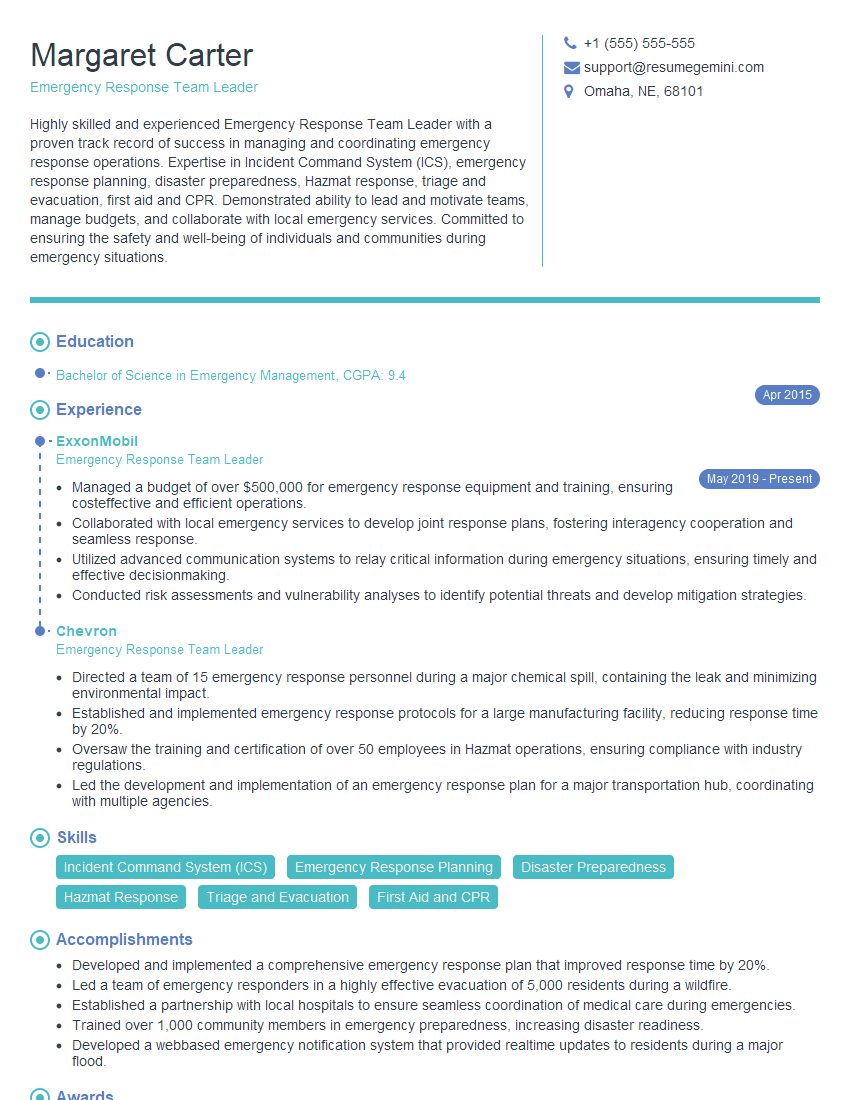
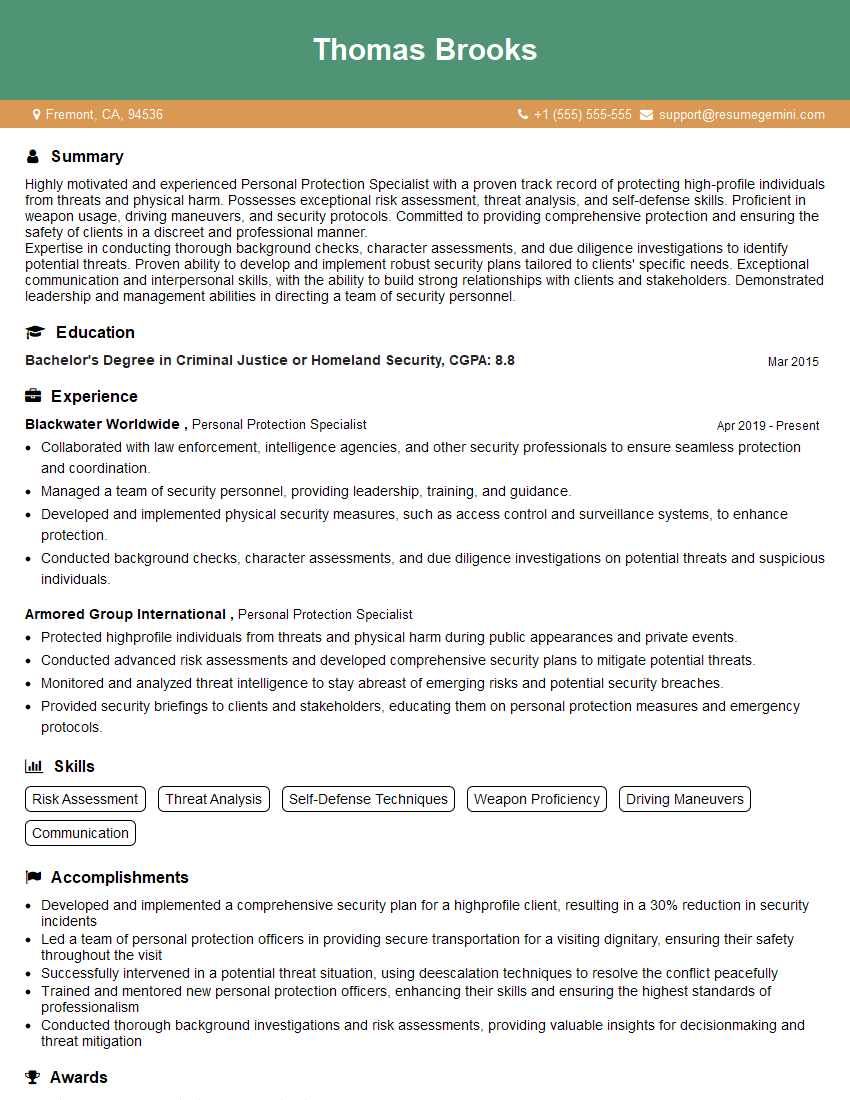
Mastering Combat Skills opens doors to diverse and rewarding career paths, offering opportunities for professional growth and personal fulfillment. To significantly enhance your job prospects, it’s crucial to present your qualifications effectively. Creating an ATS-friendly resume is paramount in ensuring your application gets noticed by recruiters. We highly recommend using ResumeGemini to build a professional and impactful resume that showcases your Combat Skills expertise. ResumeGemini provides tools and resources to create a compelling narrative, and we offer examples of resumes tailored specifically to the Combat Skills field to help you get started.
Explore more articles
Users Rating of Our Blogs
Share Your Experience
We value your feedback! Please rate our content and share your thoughts (optional).
What Readers Say About Our Blog
Very informative content, great job.
good