Interviews are more than just a Q&A session—they’re a chance to prove your worth. This blog dives into essential Knowledge of forest ecology and sustainability practices interview questions and expert tips to help you align your answers with what hiring managers are looking for. Start preparing to shine!
Questions Asked in Knowledge of forest ecology and sustainability practices Interview
Q 1. Explain the concept of forest succession.
Forest succession is the gradual process of change in species composition and community structure in a forest ecosystem over time. Imagine a forest like a relay race: different plant and animal communities take turns dominating the area as conditions change. This process can be triggered by disturbances like wildfires, logging, or volcanic eruptions, but it also occurs naturally as species compete for resources and adapt to environmental shifts.
There are two main types of succession: primary and secondary.
- Primary succession starts from bare rock or a completely disturbed area with no existing soil, like after a volcanic eruption. Pioneer species, such as lichens and mosses, are the first to colonize, slowly breaking down rock and creating soil for other species to follow. This process takes hundreds, even thousands, of years.
- Secondary succession occurs in areas where soil already exists, but the previous vegetation has been removed, such as after a fire or logging. Here, recovery is much faster, with shrubs and fast-growing trees appearing first, followed by longer-lived trees as the ecosystem matures.
Understanding forest succession is crucial for effective forest management. By understanding the natural trajectory of an ecosystem, we can better predict responses to disturbances and design interventions to promote desired outcomes, such as restoring degraded forests or enhancing biodiversity.
Q 2. Describe different forest types and their characteristics.
Forests are incredibly diverse, classified by many factors including climate, dominant tree species, and geography. Some common types include:
- Tropical rainforests: Located near the equator, characterized by high rainfall, high biodiversity, and tall, dense canopies. The Amazon rainforest is a prime example.
- Temperate deciduous forests: Found in mid-latitude regions, characterized by trees that shed their leaves seasonally. These forests are often dominated by oak, maple, and beech trees. Eastern North America has extensive temperate deciduous forests.
- Boreal forests (Taiga): Found in high northern latitudes, characterized by coniferous trees like spruce, fir, and pine, adapted to cold, snowy winters. Canada and Siberia have vast boreal forests.
- Mediterranean forests: Occur in regions with hot, dry summers and mild, wet winters, often featuring drought-resistant trees and shrubs. The Mediterranean Basin is a classic example.
- Mangrove forests: Found in coastal intertidal zones, characterized by salt-tolerant trees that thrive in brackish water. They play crucial roles in coastal protection and nutrient cycling.
Each forest type has unique characteristics in terms of species composition, structure, and ecological functions. Understanding these differences is essential for developing tailored management strategies for specific forest ecosystems.
Q 3. What are the key threats to forest biodiversity?
Forest biodiversity faces numerous threats, many stemming from human activities. Key threats include:
- Deforestation and habitat loss: Clearing forests for agriculture, logging, and urbanization directly reduces habitat for countless species, leading to population declines and extinctions.
- Climate change: Changes in temperature and precipitation patterns, increased frequency and intensity of extreme weather events (e.g., droughts, wildfires) are disrupting forest ecosystems, altering species distributions and increasing stress on vulnerable populations.
- Invasive species: Introduction of non-native species can outcompete native plants and animals, disrupting food webs and ecosystem processes. Invasive insects and diseases can also devastate forests.
- Pollution: Air and water pollution can harm forest health, affecting tree growth, soil quality, and the health of animals and plants.
- Overexploitation: Unsustainable harvesting of forest products, such as timber and non-timber forest products (NTFPs), can deplete resources and damage forest ecosystems.
Addressing these threats requires a multi-pronged approach, including conservation efforts, sustainable resource management, and mitigating climate change.
Q 4. How do you assess forest health?
Assessing forest health involves a holistic approach, integrating various indicators to gauge the overall condition of the ecosystem. This can include:
- Tree health assessments: Examining tree growth rates, crown condition, presence of pests or diseases, and signs of stress.
- Soil analysis: Assessing soil fertility, nutrient levels, organic matter content, and erosion levels.
- Water quality monitoring: Assessing water availability, pH levels, nutrient content, and presence of pollutants.
- Biodiversity surveys: Monitoring the abundance and diversity of plant and animal species to detect changes in species composition and richness.
- Remote sensing: Utilizing satellite imagery and aerial photography to monitor forest cover change, detect disturbances, and assess forest structure.
By integrating data from these different sources, a comprehensive picture of forest health can be obtained. This information is crucial for making informed management decisions, identifying areas requiring intervention, and tracking the effectiveness of conservation efforts.
Q 5. Discuss the role of fire in forest ecosystems.
Fire plays a complex and often essential role in many forest ecosystems. In many forests, fire is a natural process that has shaped the landscape for millennia. It is not simply destructive but can be integral to ecosystem health and biodiversity.
Positive roles of fire:
- Nutrient cycling: Fire releases nutrients locked up in dead organic matter, making them available for plant growth. This can enhance soil fertility.
- Seed germination: Some plant species require fire for their seeds to germinate. Fire can clear the understory, allowing sunlight to reach the forest floor and stimulate seedling growth.
- Reducing fuel loads: Controlled burns can reduce the accumulation of dead organic matter, lowering the risk of larger, more destructive wildfires.
- Maintaining habitat: Some species depend on fire-maintained habitats, such as open woodlands or grasslands within forests.
Negative roles of fire:
- Habitat loss and fragmentation: Uncontrolled wildfires can lead to significant habitat loss and fragment remaining forest patches.
- Soil erosion: Intense fires can damage soil structure, leading to increased erosion.
- Air pollution: Wildfires can produce significant amounts of smoke and air pollutants, which can impact human health and air quality.
Effective forest management often involves carefully planned prescribed burns to mimic natural fire regimes and maintain ecosystem health. This requires careful consideration of factors like fire intensity, season, and ecological conditions.
Q 6. Explain the principles of sustainable forest management.
Sustainable forest management (SFM) aims to balance the economic, social, and environmental values of forests, ensuring that current needs are met without compromising the ability of future generations to meet their own needs. Key principles include:
- Maintaining biodiversity: Protecting and enhancing the diversity of species and habitats within forests.
- Protecting ecosystem services: Ensuring that forests continue to provide essential services such as clean water, carbon sequestration, and climate regulation.
- Sustainable harvesting: Harvesting timber and other forest products at a rate that does not exceed the forest’s capacity to regenerate.
- Protecting soil and water resources: Implementing practices that protect soil quality and prevent erosion, and manage water resources effectively.
- Community involvement: Engaging local communities in forest management decisions to ensure that their needs and rights are considered.
- Adaptive management: Using a flexible, iterative approach to forest management that allows for adjustments based on monitoring and evaluation.
SFM is not a one-size-fits-all approach; it requires adapting to the specific ecological, social, and economic context of each forest. It requires careful planning, monitoring, and evaluation to ensure that its goals are achieved.
Q 7. What are the impacts of climate change on forests?
Climate change is posing significant threats to forests worldwide. The impacts are multifaceted:
- Changes in species distribution and composition: As temperatures and precipitation patterns shift, species are migrating to more suitable habitats or facing increased stress. This can lead to changes in forest composition and ecosystem function.
- Increased frequency and severity of disturbances: Climate change is contributing to an increase in the frequency and intensity of wildfires, insect outbreaks, and storms, threatening forest health and resilience.
- Changes in forest growth and productivity: Rising temperatures and altered precipitation patterns can affect tree growth rates, potentially reducing forest productivity and timber yield.
- Increased susceptibility to pests and diseases: Warmer temperatures and altered precipitation patterns can create more favorable conditions for the spread of pests and diseases, leading to increased mortality in forests.
- Changes in carbon sequestration: Forests play a crucial role in carbon sequestration, but climate change can reduce this capacity, either through increased mortality or reduced growth.
Mitigating the impacts of climate change on forests requires a combination of strategies, including reducing greenhouse gas emissions, improving forest management practices to enhance resilience, and protecting and restoring forest ecosystems. Understanding and addressing the complex interactions between climate change and forests is crucial for ensuring the long-term health and sustainability of these vital ecosystems.
Q 8. Describe various reforestation techniques.
Reforestation, the process of establishing forests on lands that have been deforested or degraded, employs diverse techniques tailored to specific site conditions and goals. These techniques aim to restore ecological functions, improve biodiversity, and provide various ecosystem services.
- Seedling Planting: This traditional method involves planting tree seedlings raised in nurseries. Success depends on species selection appropriate to the climate and soil, proper planting techniques to ensure survival, and ongoing maintenance to protect young trees from herbivores and competing vegetation. For example, choosing drought-resistant species in arid regions or fast-growing species for rapid cover establishment.
- Direct Seeding: This technique involves sowing seeds directly into the ground, often requiring site preparation like scarification or controlled burning to enhance germination. It’s cost-effective but can be less successful than planting seedlings due to predation or unfavorable weather conditions. It’s particularly useful in areas with challenging terrain unsuitable for planting.
- Natural Regeneration: This passive approach encourages natural tree regeneration by protecting existing seed sources and creating favorable conditions for seedling establishment. This might involve controlling grazing pressure, reducing competition from weeds, or managing canopy cover. It’s a cost-effective and ecologically sound method when viable seed sources are present.
- Mycorrhizal Inoculation: This advanced technique involves introducing beneficial fungi (mycorrhizae) to the soil, which improves nutrient uptake by tree roots, enhances seedling establishment, and increases resilience to drought and disease. It is often employed in conjunction with other methods.
- Assisted Natural Regeneration: This approach combines elements of natural regeneration and active intervention. It might involve removing competing vegetation selectively to give native tree seedlings a competitive edge or protecting existing saplings from browsing animals.
The choice of technique depends on factors like budget, available resources, site conditions, and ecological goals. A combination of methods is often employed for optimal results.
Q 9. How do you manage invasive species in forests?
Managing invasive species in forests is crucial for maintaining biodiversity and ecosystem health. Invasive species, which are non-native plants or animals that outcompete native species, can disrupt forest structure, alter nutrient cycles, and reduce overall ecosystem resilience. Management strategies often involve a multi-pronged approach.
- Prevention: The most effective approach is prevention – rigorously inspecting imported materials and implementing strict biosecurity measures to prevent the introduction of new invasive species. This might involve thorough inspection of wood products, vehicles, and equipment entering forested areas.
- Early Detection and Rapid Response: Early detection of new infestations is critical. This involves systematic monitoring of forests, often using remote sensing and ground surveys. Once detected, a rapid response is essential to contain the spread before it becomes widespread. This often involves manual removal or targeted herbicide application.
- Biological Control: Introducing natural enemies of the invasive species, like specific insects or pathogens, can help to control populations. This approach requires rigorous testing and careful management to avoid unintended ecological consequences. For example, using a specific beetle that feeds only on a particular invasive plant.
- Mechanical Control: Physical removal of invasive species, such as hand-pulling, mowing, or cutting, can be effective for small infestations. This is labor-intensive and may require repeated treatments.
- Chemical Control: Herbicides can be used to control invasive species, but careful application is crucial to minimize harm to non-target species and the environment. Targeted application techniques are often preferred to protect native vegetation.
- Integrated Pest Management (IPM): This holistic approach combines multiple control methods, tailoring the strategy to the specific species, site conditions, and management objectives. It often prioritizes prevention and less harmful control options before resorting to more aggressive measures.
Successful invasive species management requires long-term commitment, ongoing monitoring, and adaptive strategies. Collaboration among land managers, researchers, and stakeholders is vital.
Q 10. Explain the importance of forest carbon sequestration.
Forest carbon sequestration, the process by which trees and other vegetation absorb carbon dioxide (CO2) from the atmosphere and store it in biomass (wood, leaves, roots) and soil, is critically important for mitigating climate change. Forests act as substantial carbon sinks, removing CO2—a major greenhouse gas—from the atmosphere.
The importance stems from the fact that increased atmospheric CO2 concentrations are the primary driver of global warming. By sequestering carbon, forests help to regulate the climate and reduce the severity of climate change impacts. The process is vital for:
- Mitigating Climate Change: Forests are essential in reducing atmospheric CO2 levels and slowing down global warming.
- Improving Air Quality: Trees absorb other air pollutants, benefiting human health.
- Protecting Biodiversity: Healthy forests provide habitat for a wide array of species.
- Water Cycle Regulation: Forests play a key role in regulating water cycles and preventing soil erosion.
Protecting existing forests and promoting reforestation and afforestation (establishing forests on lands that have not been forested recently) are crucial strategies for enhancing forest carbon sequestration. Sustainable forest management practices, such as avoiding deforestation and promoting natural forest regeneration, are also essential to maintain this vital ecosystem service.
Q 11. What are the economic benefits of sustainable forestry?
Sustainable forestry practices offer a wide range of economic benefits that extend beyond immediate timber harvesting. These benefits are achieved by balancing ecological, social, and economic considerations in forest management.
- Long-term Timber Production: Sustainable management ensures a continuous supply of timber and other forest products, providing a reliable economic base for communities dependent on forestry.
- Increased Property Values: Well-managed forests with high biodiversity and ecological integrity often command higher property values.
- Ecotourism and Recreation: Healthy forests attract tourists and recreational users, generating income for local businesses and communities. This includes activities like hiking, camping, and wildlife viewing.
- Non-timber Forest Products: Sustainable forestry supports the harvesting of non-timber forest products (NTFPs) such as mushrooms, nuts, medicinal plants, and resins, providing diverse income streams for local populations.
- Carbon Credits and Ecosystem Services Payments: Forests that store significant amounts of carbon can generate income through carbon credit trading schemes or payments for ecosystem services (PES) that compensate landowners for maintaining forest cover and biodiversity.
- Job Creation: Sustainable forestry creates jobs in various sectors, including silviculture, harvesting, processing, and value-added manufacturing.
By investing in sustainable forestry, governments and businesses can secure long-term economic benefits while ensuring the conservation of forest ecosystems and their vital services.
Q 12. Describe the role of GIS in forest management.
Geographic Information Systems (GIS) are indispensable tools in modern forest management. GIS integrates spatial data and analytical tools to support informed decision-making related to various aspects of forest ecology and sustainability. GIS applications in forestry include:
- Forest Inventory and Mapping: GIS enables precise mapping of forest types, tree species distribution, forest cover, and other critical attributes. This information is essential for forest management planning and monitoring.
- Species Distribution Modeling: GIS facilitates the analysis of environmental variables to predict the potential distribution of tree species and other flora and fauna. This helps in planning reforestation and conservation efforts.
- Habitat Suitability Analysis: GIS can be used to assess habitat quality for various species, identifying areas requiring conservation or restoration actions.
- Road Network Planning: GIS supports optimal planning of forest roads, minimizing environmental impact and maximizing accessibility for logging and other forest management activities.
- Wildfire Risk Assessment: GIS helps in analyzing factors contributing to wildfire risk, such as fuel loads, topography, and weather patterns, allowing for targeted prevention and suppression efforts.
- Monitoring Deforestation and Forest Degradation: GIS is crucial for tracking changes in forest cover over time, identifying areas of deforestation or degradation, and supporting enforcement of conservation regulations.
The use of GIS allows for a more data-driven, spatially explicit, and efficient approach to forest management, leading to improved outcomes and better resource allocation.
Q 13. How do you monitor forest health using remote sensing?
Remote sensing technologies, including satellite imagery and aerial photography, play a vital role in monitoring forest health over large areas. These technologies offer a cost-effective and efficient way to assess forest conditions that would be impractical or impossible using ground-based methods alone.
Remote sensing data can be analyzed to detect various indicators of forest health, including:
- Crown Condition: Changes in crown density, color, and shape can indicate stress from pests, diseases, or other factors. Multispectral imagery allows for the detection of subtle variations in vegetation health.
- Biomass Estimation: Remote sensing can estimate aboveground biomass, providing valuable data for carbon accounting and forest inventory.
- Species Identification: Advanced techniques like hyperspectral imaging allow for the identification of individual tree species and their health status.
- Deforestation and Degradation Monitoring: Regular monitoring using satellite imagery allows for early detection of deforestation, illegal logging, and forest degradation.
- Wildfire Detection and Mapping: Remote sensing is crucial for detecting and mapping wildfires in near real-time, supporting fire suppression efforts.
The integration of remote sensing data with GIS enables the development of comprehensive forest health monitoring systems, facilitating the early detection of problems and enabling timely intervention to protect forest ecosystems.
Q 14. What are the challenges in balancing forest conservation and economic development?
Balancing forest conservation and economic development is a major challenge facing many countries. The pressure to exploit forest resources for economic gain often conflicts with the need to protect forest ecosystems and their essential services. Finding a sustainable balance requires careful planning, integrated approaches, and stakeholder engagement.
Key challenges include:
- Conflicting Land Use Priorities: Forests are often needed for agriculture, mining, infrastructure development, and other economic activities, which can lead to deforestation and habitat loss.
- Poverty and Economic Dependence on Forest Resources: In many regions, local communities rely heavily on forests for their livelihoods, and unsustainable practices may result from a lack of alternative income opportunities.
- Lack of Enforcement of Environmental Regulations: Weak governance and inadequate enforcement of environmental regulations can lead to illegal logging, poaching, and unsustainable resource extraction.
- Limited Access to Information and Technology: Lack of access to data and technologies, like GIS and remote sensing, can hinder effective forest management and monitoring.
- Climate Change Impacts: Climate change exacerbates the challenge by increasing the frequency and severity of forest fires, droughts, and pest outbreaks.
Solutions involve promoting sustainable forestry practices, creating alternative income sources for communities dependent on forests, improving governance and enforcement of environmental regulations, investing in forest conservation and restoration, and fostering collaboration among governments, businesses, and local communities. Finding a balance requires integrating economic considerations with ecological sustainability and social equity, acknowledging the complex interplay of factors involved.
Q 15. Explain different forest certification schemes (e.g., FSC).
Forest certification schemes are voluntary programs that ensure sustainable forest management practices. They provide a third-party verification of responsible logging, reforestation efforts, and overall ecological integrity. Think of it like an eco-label for wood and paper products, assuring consumers that the product comes from a well-managed forest.
- Forest Stewardship Council (FSC): The most widely recognized scheme, FSC sets rigorous standards covering environmental, social, and economic aspects of forestry. They emphasize biodiversity conservation, protection of endangered species, and the rights of indigenous peoples. Imagine a rainforest where logging is carefully planned to minimize impact, leaving buffer zones for wildlife and ensuring the long-term health of the forest ecosystem. That’s the ideal FSC-certified forest.
- Programme for the Endorsement of Forest Certification (PEFC): Another significant certification scheme, PEFC focuses on national and regional standards, often reflecting local contexts. This allows for flexibility while still upholding fundamental sustainability principles. For instance, PEFC might have different criteria for a temperate coniferous forest in Canada compared to a tropical hardwood forest in Brazil, acknowledging the unique challenges and opportunities in each region.
- Sustainable Forestry Initiative (SFI): A North American standard, SFI emphasizes responsible forest management practices across the supply chain. It places a strong focus on continuous improvement and stakeholder engagement. This could mean collaborating with local communities to develop forest management plans that benefit both the environment and local livelihoods.
These schemes aren’t perfect, and critiques exist regarding their implementation and effectiveness. However, they offer a valuable tool for promoting sustainable forestry and responsible consumer choices.
Career Expert Tips:
- Ace those interviews! Prepare effectively by reviewing the Top 50 Most Common Interview Questions on ResumeGemini.
- Navigate your job search with confidence! Explore a wide range of Career Tips on ResumeGemini. Learn about common challenges and recommendations to overcome them.
- Craft the perfect resume! Master the Art of Resume Writing with ResumeGemini’s guide. Showcase your unique qualifications and achievements effectively.
- Don’t miss out on holiday savings! Build your dream resume with ResumeGemini’s ATS optimized templates.
Q 16. How do you assess the ecological impact of logging operations?
Assessing the ecological impact of logging requires a multi-faceted approach. We don’t just count trees; we look at the entire ecosystem.
- Pre-logging assessment: This involves detailed surveys of the forest’s biodiversity – flora, fauna, soil health, water quality – to establish a baseline. This might involve identifying endangered species, mapping sensitive habitats, and assessing the overall health of the forest.
- Monitoring during logging: We continuously monitor the impact of logging operations on water quality, soil erosion, and the disturbance of wildlife. This could include using GPS to track logging routes and employing erosion control measures.
- Post-logging assessment: After logging, we re-assess the ecological condition to quantify changes and to determine the effectiveness of mitigation measures. We compare our findings to the pre-logging baseline data.
- Indicators: We utilize various indicators to gauge impact. For example, changes in water quality (turbidity, nutrient levels), species richness and abundance, soil compaction, and regeneration of vegetation are all critical indicators.
Advanced techniques like remote sensing and GIS mapping are increasingly used to monitor large areas and detect subtle changes. The goal is to minimize the negative impacts of logging and to promote forest regeneration, ensuring long-term ecological sustainability.
Q 17. Describe methods for preventing forest fires.
Forest fire prevention is crucial for maintaining ecological integrity and minimizing economic losses. A multi-pronged approach is necessary.
- Fuel management: This involves reducing the amount of flammable material on the forest floor. Techniques include prescribed burns (controlled fires that remove underbrush), thinning dense forests, and creating firebreaks (wide strips of cleared land that act as barriers to fire spread).
- Public education and awareness: Educating the public about fire safety is vital, especially regarding human-caused fires (campfires, discarded cigarettes). Clear signage and public service announcements are crucial.
- Early detection and suppression: Establishing a network of fire towers, employing aerial surveillance, and deploying trained fire crews are critical to quickly containing fires. Rapid response is key to limiting the spread.
- Community involvement: Local communities can play a significant role in fire prevention through active participation in fuel management, fire watch programs, and reporting potential fire hazards.
Effective forest fire prevention requires a proactive, collaborative approach involving government agencies, private landowners, and local communities. Think of it as a layered defense against a significant threat to our forests.
Q 18. Explain the importance of biodiversity in forest ecosystems.
Biodiversity is the cornerstone of a healthy forest ecosystem. A diverse forest is more resilient to disturbances like disease outbreaks, pest infestations, and climate change. Imagine a forest as a team; a diverse team is better equipped to handle challenges than a team with only one or two players.
- Ecological stability: High biodiversity supports complex food webs and ecological processes. A wide variety of plant species contributes to soil health and nutrient cycling, while diverse animal populations ensure pollination and seed dispersal.
- Resilience to disturbances: A more diverse forest is less susceptible to widespread damage from pests or diseases. If one species is affected, others are likely to remain healthy.
- Ecosystem services: Biodiversity underpins essential ecosystem services, such as clean water provision, carbon sequestration, and climate regulation.
- Economic benefits: A biodiverse forest offers various economic benefits, supporting livelihoods through timber production, ecotourism, and the collection of non-timber forest products.
Protecting biodiversity requires a multifaceted approach including habitat conservation, sustainable forestry practices, and the protection of endangered species. It’s an investment in the future health and resilience of our forests.
Q 19. How do you design a forest management plan?
Designing a forest management plan is a complex process requiring careful consideration of multiple factors. It’s like creating a detailed blueprint for the forest’s future.
- Inventory and Assessment: Begin with a thorough inventory of the forest resources, including tree species, age classes, stand structure, and ecological features. This assessment also considers soil type, water resources, and existing wildlife populations.
- Goals and Objectives: Define clear goals for forest management, such as timber production, biodiversity conservation, carbon sequestration, or recreation. These goals should align with broader sustainability objectives.
- Management Strategies: Develop specific strategies to achieve your goals. This may involve different silvicultural practices (e.g., selective logging, clear-cutting, shelterwood systems), reforestation efforts, and measures to protect water quality.
- Monitoring and Evaluation: Implement a monitoring program to track the effectiveness of management strategies. Regular assessments allow for adjustments and improvements to the plan over time.
- Stakeholder Engagement: Engage with local communities, indigenous peoples, and other stakeholders throughout the planning process. This collaborative approach ensures the plan addresses local needs and concerns.
The plan should be adaptive, allowing for adjustments based on monitoring data and changing environmental conditions. A well-designed forest management plan is a crucial tool for ensuring the sustainable use and conservation of forest resources.
Q 20. What are the key considerations for wildlife habitat management in forests?
Wildlife habitat management in forests requires a holistic approach, recognizing the interconnectedness of species and their environment. It’s about creating and maintaining healthy habitats that support diverse wildlife populations.
- Habitat Connectivity: Maintaining corridors of suitable habitat between different areas allows for wildlife movement and genetic exchange. This can involve creating wildlife crossings over roads or restoring degraded habitats.
- Habitat Diversity: Providing a variety of habitats, such as forests, wetlands, and grasslands, caters to the needs of different species. This involves managing forest structure (e.g., creating openings, leaving snags), and maintaining diverse vegetation.
- Predator-Prey Dynamics: Understanding and managing predator-prey relationships is essential for maintaining balanced ecosystems. This might involve protecting key predator species or managing prey populations.
- Species-Specific Needs: Addressing the specific habitat requirements of key species, including endangered or threatened species, is critical. This could involve protecting nesting sites, providing foraging areas, or managing invasive species.
- Monitoring and Adaptive Management: Regularly monitoring wildlife populations and habitat conditions allows for adaptive management strategies to maintain healthy ecosystems.
Effective wildlife habitat management requires collaboration between forest managers, wildlife biologists, and other stakeholders. It’s a long-term commitment to conserving biodiversity and ensuring the survival of wildlife populations.
Q 21. Discuss the role of community involvement in forest conservation.
Community involvement is paramount in forest conservation. Local communities often have intimate knowledge of the forest, its resources, and its challenges. They are the forest’s stewards.
- Traditional Ecological Knowledge (TEK): Indigenous and local communities often possess valuable traditional knowledge about forest ecology and sustainable resource management. Integrating TEK into forest management plans enriches decision-making and promotes culturally appropriate approaches.
- Co-management: Sharing responsibility for forest management between government agencies and local communities empowers communities and fosters a sense of ownership. Co-management arrangements ensure that decisions reflect local needs and priorities.
- Sustainable Livelihoods: Forest conservation efforts should support sustainable livelihoods for local communities. This might involve promoting non-timber forest product harvesting, ecotourism, or other income-generating activities that depend on a healthy forest.
- Conflict Resolution: Community involvement helps in addressing conflicts over forest resources. Open communication and collaborative decision-making processes are key to resolving disputes and ensuring equitable access to resources.
- Capacity Building: Providing training and education to local communities enhances their capacity to participate effectively in forest management and conservation.
By including local communities in forest conservation efforts, we ensure that management practices are sustainable, equitable, and effective. It’s about empowering communities and fostering a shared responsibility for protecting our forests.
Q 22. Explain the concept of ecosystem services provided by forests.
Ecosystem services are the myriad of benefits that humans derive from the natural environment and properly functioning ecosystems. Forests, in particular, provide a vast array of these services, crucial for human well-being and economic prosperity. Think of them as the ‘gifts’ forests give us.
Provisioning services: These are the tangible products we obtain, such as timber, fuelwood, food (mushrooms, berries), medicinal plants, and genetic resources.
Regulating services: These are the benefits obtained from the regulation of ecosystem processes. Forests regulate climate by absorbing carbon dioxide, purify water by filtering pollutants, and control soil erosion, preventing landslides and floods. They also play a vital role in pollination and pest control.
Supporting services: These are the fundamental processes that underpin all other services. Examples include nutrient cycling, soil formation, and primary production (the creation of organic matter through photosynthesis).
Cultural services: These are the non-material benefits that forests provide, including recreation (hiking, camping), tourism, spiritual enrichment, and aesthetic value. They contribute to our sense of place and cultural identity.
For instance, a healthy forest can significantly reduce the cost of water treatment in a downstream city by naturally filtering pollutants, thereby providing a valuable regulating service. Similarly, a forest used for sustainable timber harvesting provides a provisioning service (timber) while simultaneously maintaining its capacity to provide regulating services (carbon sequestration, water purification).
Q 23. How do you assess the water quality impact of forestry practices?
Assessing the water quality impact of forestry practices requires a multi-faceted approach. We need to consider the potential effects of logging, road construction, and other forest management activities on water bodies.
Pre- and post-harvest monitoring: We collect water samples from streams and rivers both before and after logging operations. We analyze these samples for various parameters like turbidity (cloudiness), sediment load, nutrient levels (nitrogen, phosphorus), and the presence of pesticides or herbicides.
Riparian buffer zones: The presence and width of riparian buffer zones (vegetation along waterways) are crucial. These act as natural filters, trapping sediments and pollutants before they reach the water. We assess their effectiveness in mitigating water quality impacts.
Soil erosion assessment: We monitor soil erosion rates using techniques like erosion pins or sediment traps. High erosion rates can lead to increased sediment loads in waterways, degrading water quality.
Remote sensing: Satellite imagery and aerial photography can provide a broader perspective on the impact of forestry practices on water quality, particularly in larger watersheds.
For example, in a recent project, we found that employing selective logging techniques and maintaining wide riparian buffer zones significantly reduced sediment and nutrient levels in streams compared to clear-cut logging practices. This highlights the importance of considering water quality impacts in forest management planning.
Q 24. Describe the effects of deforestation on soil erosion.
Deforestation dramatically increases soil erosion. The forest canopy intercepts rainfall, reducing the impact of raindrops on the soil surface. Forest litter and understory vegetation further protect the soil from erosion. When forests are removed, these protective layers are lost.
Increased rainfall impact: Raindrops directly hit the bare soil, dislodging soil particles. This process, known as splash erosion, is significantly amplified in deforested areas.
Surface runoff: Without the interception and absorption capacity of the forest, rainfall runs off the surface, carrying away loosened soil particles. This is sheet erosion, where a layer of soil is removed.
Gully erosion: Concentrated runoff can carve deep channels in the soil, leading to severe erosion and land degradation. This is particularly pronounced on slopes.
The consequences of deforestation-induced soil erosion are devastating. It leads to loss of fertile topsoil, reduced agricultural productivity, sedimentation of waterways, and increased flooding downstream. For example, the massive deforestation in the Amazon rainforest has resulted in significant soil erosion, impacting water quality and biodiversity in the region. The resulting sediment clogs rivers and reservoirs, impacting hydroelectric power generation and water supply.
Q 25. What are the legal and regulatory frameworks governing forestry in your region?
(Note: This answer will vary depending on the specific region. The following is a generalized example based on many jurisdictions.) Forestry in many regions is governed by a complex interplay of national and regional laws and regulations. These frameworks aim to balance economic interests with environmental protection and sustainable resource management.
National Forest Service (or equivalent): Often, a national agency is responsible for overall forest management policy, including sustainable harvesting practices, reforestation requirements, and protection of endangered species habitats.
Regional or State regulations: Regional or state-level agencies may implement more specific regulations tailored to local ecosystems and land use patterns. These regulations might cover aspects such as logging permits, environmental impact assessments, and water quality protection.
Environmental protection laws: Laws related to clean water, endangered species protection, and air quality often have significant implications for forestry practices.
Private land ownership: Regulations concerning forestry on privately owned lands vary, but often involve compliance with local zoning ordinances and environmental protection laws.
In many regions, there’s a movement towards participatory forest management, engaging local communities and indigenous groups in decision-making processes regarding forest use and conservation. This collaborative approach aims to ensure equitable access to forest resources and sustainable forest practices.
Q 26. Explain the principles of silviculture.
Silviculture is the art and science of controlling the establishment, growth, composition, health, and quality of forests and woodlands to meet the diverse needs and values of landowners and society. It’s essentially the practice of forestry focused on growing trees.
Species selection: Choosing tree species appropriate for the site’s climate, soil conditions, and intended uses.
Site preparation: Preparing the land for planting, including clearing, burning, or other treatments to improve seedling establishment.
Planting and seeding: Establishing new forests through planting seedlings or sowing seeds.
Thinning: Removing some trees to improve the growth and quality of the remaining trees.
Pruning: Removing lower branches to improve timber quality.
Pest and disease management: Protecting trees from insects, diseases, and other threats.
Harvesting: Removing trees in a way that minimizes damage to the remaining forest and promotes regeneration.
For example, a silviculturist might choose to plant fast-growing species like poplar for pulpwood production while employing shelterwood silviculture – gradually removing mature trees to allow for the regeneration of a new generation of trees – to maintain forest cover and biodiversity.
Q 27. How do you adapt forest management strategies to climate change?
Adapting forest management strategies to climate change is crucial for ensuring the long-term health and productivity of forests. Climate change impacts, such as increased temperatures, altered precipitation patterns, and more frequent extreme weather events, pose significant challenges.
Assisted migration: Planting tree species adapted to warmer and drier conditions in areas where suitable species may no longer thrive.
Increased genetic diversity: Promoting genetic diversity within forest stands to improve resilience to climate change impacts.
Improved forest health: Maintaining healthy forests through appropriate silvicultural practices, such as thinning, to enhance their resistance to pests, diseases, and drought.
Reduced fragmentation: Protecting and restoring forest connectivity to allow species to shift their ranges in response to changing climates.
Adaptive management: Implementing flexible management strategies that can be adjusted as new information about climate change impacts becomes available.
For instance, we might shift from planting only traditional species to incorporating species projected to be more tolerant to future climate conditions. We’d also consider changes in wildfire management, recognizing that increasing temperatures and drought may lead to more intense wildfires.
Q 28. Describe your experience with forest inventory and monitoring techniques.
My experience with forest inventory and monitoring techniques encompasses a wide range of approaches, from traditional field methods to advanced remote sensing technologies.
Field measurements: I’m proficient in conducting forest inventories using established protocols, measuring tree diameter, height, and species composition. I use different sampling techniques, including fixed-area plots and point sampling, to obtain representative data from the forest.
Remote sensing: I’ve utilized aerial photography and satellite imagery to assess forest cover, identify areas of deforestation, and monitor forest health. I’m experienced in interpreting various remote sensing data products, including Normalized Difference Vegetation Index (NDVI).
Geographic Information Systems (GIS): I’m adept at using GIS software to integrate and analyze spatial data, creating maps of forest characteristics and visualizing the results of forest inventories and monitoring efforts.
Data analysis: I use statistical methods to analyze forest inventory data, estimate forest biomass and carbon stocks, and assess the impact of forest management practices.
In one project, I used a combination of field data, LiDAR (Light Detection and Ranging) data, and GIS to create a highly detailed three-dimensional model of a forest, allowing us to accurately estimate timber volume and assess potential risks associated with selective logging. This integrated approach ensures accuracy and provides valuable insights for forest management planning.
Key Topics to Learn for a Knowledge of Forest Ecology and Sustainability Practices Interview
- Forest Ecosystem Dynamics: Understanding the complex interactions between biotic and abiotic factors, including nutrient cycling, energy flow, and succession processes. Consider practical applications like predicting forest responses to climate change.
- Sustainable Forest Management Practices: Explore various techniques for harvesting timber, managing forest health (e.g., disease prevention, pest control), and promoting biodiversity. Think about the trade-offs involved in different approaches.
- Forest Conservation and Restoration: Examine strategies for protecting endangered species, preserving old-growth forests, and restoring degraded ecosystems. Be prepared to discuss case studies and their effectiveness.
- Climate Change Impacts on Forests: Analyze how climate change affects forest structure, function, and resilience. Consider mitigation and adaptation strategies. Prepare examples of relevant research.
- Forest Policy and Legislation: Familiarize yourself with relevant national and international policies and regulations related to forest management and conservation. Understand the socio-political context of forest management.
- Data Analysis and Modeling in Forestry: Demonstrate your proficiency in using data analysis techniques to interpret forest inventory data, predict future forest conditions, and evaluate the effectiveness of management practices. Be ready to discuss relevant software or tools.
- Stakeholder Engagement and Communication: Understand the importance of effective communication with diverse stakeholders (e.g., landowners, communities, government agencies) regarding forest management issues. Prepare examples showcasing your communication skills.
Next Steps
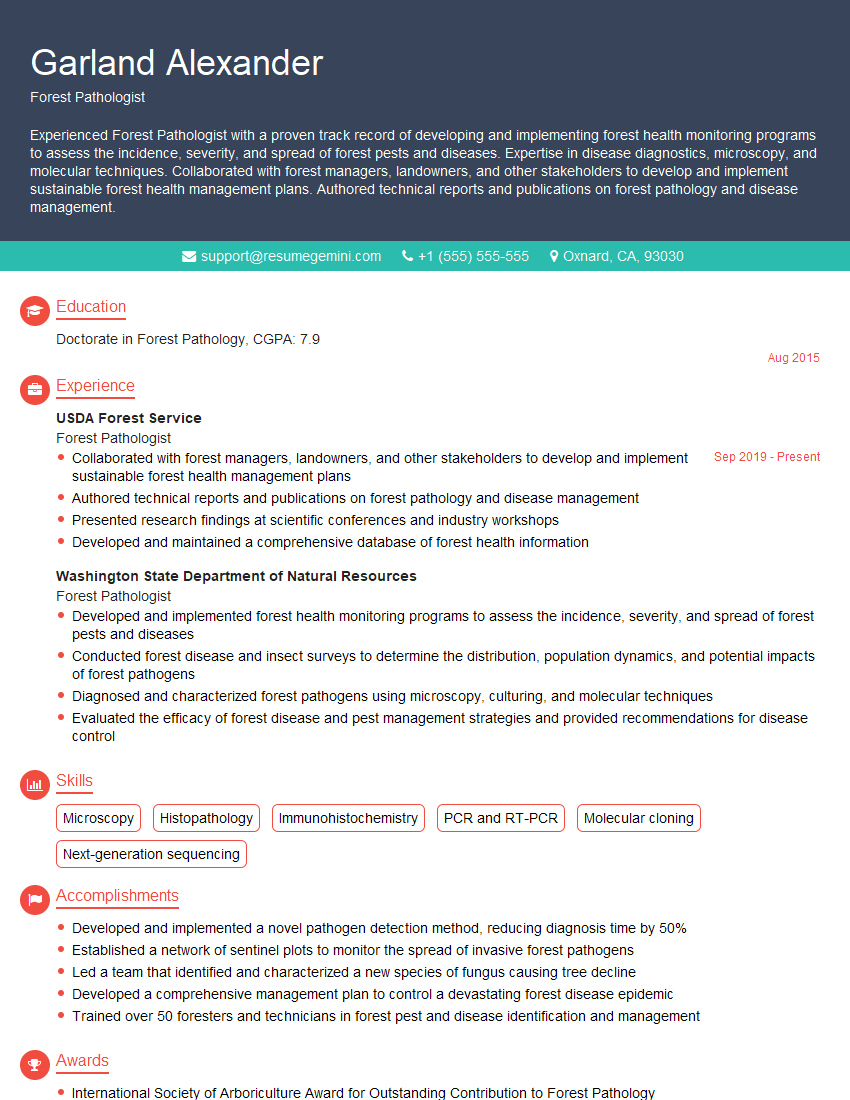
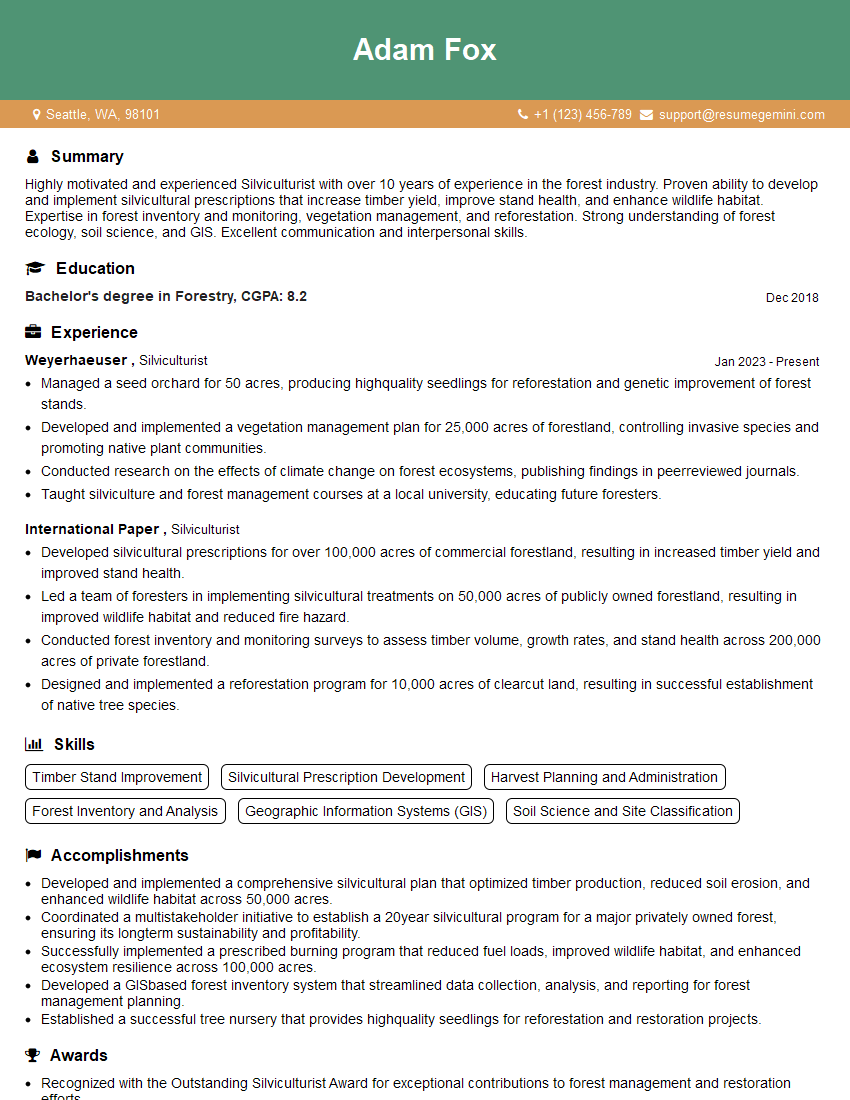
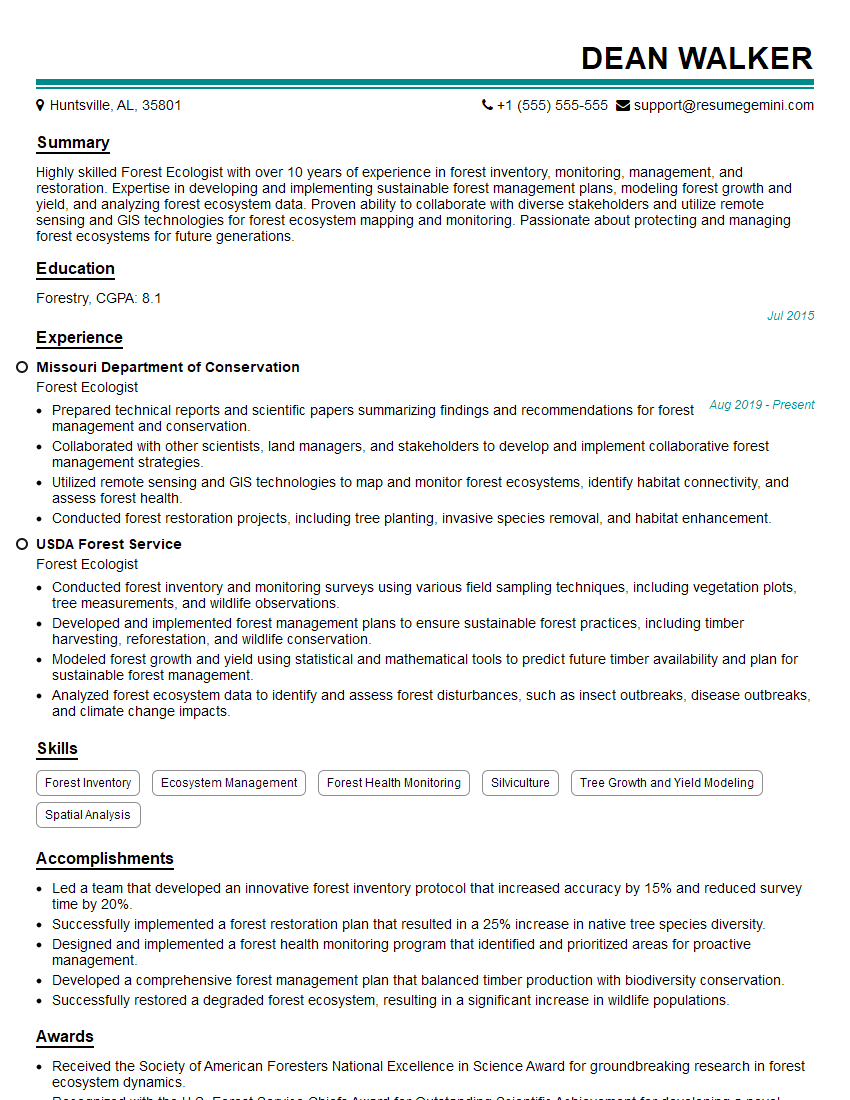
Mastering knowledge of forest ecology and sustainability practices is crucial for advancing your career in this vital field. A strong understanding of these concepts will significantly enhance your interview performance and open doors to exciting opportunities. To maximize your job prospects, create an ATS-friendly resume that highlights your skills and experience effectively. ResumeGemini is a trusted resource that can help you build a professional and impactful resume tailored to the specific requirements of forest ecology and sustainability roles. Examples of resumes tailored to this field are available to help guide your resume creation process.


Explore more articles
Users Rating of Our Blogs
Share Your Experience
We value your feedback! Please rate our content and share your thoughts (optional).
What Readers Say About Our Blog
Very informative content, great job.
good