The right preparation can turn an interview into an opportunity to showcase your expertise. This guide to Combine Adjustments and Calibrations interview questions is your ultimate resource, providing key insights and tips to help you ace your responses and stand out as a top candidate.
Questions Asked in Combine Adjustments and Calibrations Interview
Q 1. Explain the difference between calibration and adjustment.
Calibration and adjustment are often confused, but they are distinct processes. Think of it like this: calibration is like setting a clock to the correct time, while adjustment is like adjusting the clock’s hands to match a slightly off time.
Calibration is the process of comparing a measuring instrument’s readings to a known standard and correcting any systematic errors. It establishes traceability to a national or international standard. The goal is to ensure the instrument provides accurate and reliable measurements within its specified tolerance.
Adjustment, on the other hand, involves modifying the instrument’s internal settings to improve its performance. It may involve fine-tuning components to bring the instrument’s readings closer to the expected values, but it doesn’t necessarily establish traceability. Adjustment is often a necessary step *before* calibration, to bring the instrument within the calibration range. If an instrument is far outside of its tolerance, you’d adjust it first, then calibrate.
Q 2. Describe the process of calibrating a pressure transducer.
Calibrating a pressure transducer involves comparing its readings to a known, accurate pressure source (the standard). Here’s a typical process:
- Prepare the equipment: Gather the pressure transducer, a calibrated pressure source (e.g., a deadweight tester or a calibrated pressure gauge), a data acquisition system (DAQ), and any necessary connection tubing.
- Establish the pressure range: Determine the pressure range you need to calibrate. This depends on the transducer’s operational range and the application.
- Apply known pressures: Apply a series of known pressures from the pressure source to the transducer. Start at zero, then incrementally increase the pressure to several points across the full range, recording both the applied pressure and the transducer’s reading at each point. You want a minimum of 3 points, but more is usually better for better curve fitting and identification of nonlinearity.
- Analyze the data: Analyze the data to create a calibration curve, which shows the relationship between the applied pressure and the transducer’s reading. Most often, it involves linear regression, but sometimes more complex curves are required.
- Apply corrections (if needed): If significant deviations exist between the applied pressure and the transducer’s reading, corrections may be applied either mathematically using the calibration curve or by physically adjusting the transducer’s internal settings, depending on its design.
- Generate a calibration certificate: Document the calibration process, including the date, equipment used, calibration points, results, and any corrections made. This certificate should clearly state the accuracy and uncertainty of the calibration.
Example: Let’s say at 100 PSI applied, the transducer reads 102 PSI. This would be noted in the calibration curve and potentially compensated for during use.
Q 3. How do you identify and troubleshoot calibration errors?
Identifying and troubleshooting calibration errors requires a systematic approach:
- Review the calibration certificate: Check the certificate for any indications of deviations from the expected values beyond the acceptable tolerance.
- Analyze the data: Examine the calibration data points for patterns. A consistently high or low reading across the range might indicate a systematic error. Random errors are more difficult to pinpoint, but often show up as scatter in the data.
- Check the equipment: Verify that all equipment used during the calibration process was properly calibrated and functioning correctly. This includes the pressure source, DAQ, and even the temperature probes.
- Inspect the instrument: Look for any physical damage to the instrument, such as cracks, leaks, or loose connections. These can cause significant errors.
- Repeat the calibration: If the error persists, repeat the calibration procedure to confirm the error and rule out any procedural errors during the initial calibration. Using a different standard can also help to isolate the source of an error.
- Consider environmental factors: Changes in temperature, humidity, or vibration can affect the instrument’s accuracy. Consider how the environment may have contributed to the errors.
For example, if a temperature sensor consistently reads 2 degrees lower than the standard across the entire range, it might indicate a need for recalibration or even replacement of the sensor.
Q 4. What are the common causes of instrument drift?
Instrument drift is the gradual change in an instrument’s output over time, even under constant conditions. Common causes include:
- Temperature changes: Many instruments are sensitive to temperature fluctuations. Components can expand or contract, leading to changes in readings.
- Aging components: Components like capacitors, resistors, and transistors can degrade over time, altering the instrument’s behavior.
- Mechanical wear: Moving parts in the instrument, such as gears or bearings, can wear down, causing inaccuracies.
- Environmental factors: Exposure to harsh environments, such as high humidity or vibration, can degrade components and affect accuracy.
- Power supply variations: Fluctuations in the power supply can also influence instrument stability and drift.
For instance, a pressure gauge might drift upwards over several months due to the aging of a spring mechanism inside.
Q 5. Explain the importance of traceability in calibration.
Traceability in calibration is crucial because it links the measurements performed by your instrument back to nationally or internationally recognized standards. This provides confidence that your measurements are consistent and comparable with those made by other organizations worldwide. Think of it as a chain of custody for your measurement process.
Without traceability, your calibration results would be isolated and lack any objective reference point. Imagine trying to verify the accuracy of your lab’s scale without being able to trace its calibration back to known weights standardized against a national standard. You’d have no external check on its performance.
Traceability ensures the accuracy and reliability of the measurements made using the instrument, minimizing uncertainties and improving the overall quality of the data and subsequent conclusions.
Q 6. What are the different types of calibration standards?
Calibration standards vary depending on the type of instrument being calibrated. Common types include:
- Primary standards: These are the most accurate standards and are used to calibrate secondary standards. They are often maintained by national metrology institutes (NMIs).
- Secondary standards: These are calibrated against primary standards and are used to calibrate working standards or instruments.
- Working standards: These are regularly used to calibrate instruments in a lab or field setting. They are calibrated against secondary standards.
- Reference materials: These are materials with well-characterized properties used to calibrate instruments. Examples include certified reference materials (CRMs).
For example, a primary pressure standard might be a deadweight tester calibrated by a NMI, while a secondary standard could be a calibrated pressure gauge used to calibrate a pressure transducer in the field.
Q 7. How do you ensure the accuracy of a calibration procedure?
Ensuring the accuracy of a calibration procedure is paramount. Here are key aspects:
- Use appropriate equipment: The equipment used for calibration must have an accuracy higher than the instrument being calibrated. This is essential to avoid introducing larger errors than the ones being measured.
- Follow established procedures: Adhere to documented and validated calibration procedures to maintain consistency and minimize human errors. A well-defined procedure also enhances reproducibility.
- Maintain proper environmental conditions: Environmental factors like temperature, humidity, and vibration can affect instrument accuracy. Control these variables as appropriate during calibration.
- Use trained personnel: Calibration should be performed by trained and competent personnel who understand the instrument and the calibration process. They should also understand the calibration uncertainty and how to document it.
- Regularly verify the calibration system: Periodically check the calibration system’s accuracy using a higher-level standard or by participating in proficiency testing programs.
- Proper documentation: Meticulous record-keeping, including detailed documentation of each step of the calibration procedure, is crucial for traceability and ensuring the validity of the results. Calibration certificates are key deliverables.
By meticulously following these steps and maintaining a system of checks and balances, you can have high confidence in the accuracy of your calibration procedures and the reliability of your instruments.
Q 8. Describe your experience with different calibration methods.
Calibration methods vary depending on the instrument type and its application. I’ve extensive experience with several key techniques. For example, comparison calibration involves comparing the readings of the instrument under test against a known standard. This is common for instruments like thermometers or pressure gauges. Then there’s substitution calibration where the standard and the instrument are interchanged to minimize systematic errors. Think of this as comparing weights on a scale – you weigh a standard, then the object, then the standard again, eliminating any error in the scale’s zero point. I also frequently employ functional calibration, which involves testing the instrument’s performance under various operating conditions to verify that it meets specifications. This could include testing a temperature controller across its entire range, verifying accuracy at various set points. Finally, in-situ calibration directly calibrates the instrument while it’s installed and operating in its normal environment, providing a real-world assessment.
- Comparison Calibration: Simple, cost-effective for many instruments.
- Substitution Calibration: Improves accuracy by mitigating systematic errors.
- Functional Calibration: Verifies instrument performance across its operational range.
- In-situ Calibration: Provides a real-world assessment but can be more complex to set up.
Q 9. What software or tools are you familiar with for calibration?
My experience spans various calibration software and tools. I’m proficient with industry-standard software packages like Fluke Calibration software, which allows for automated data acquisition and analysis. This streamlines the process significantly. For more specialized instruments, I’ve used manufacturer-specific software packages, enabling me to interact with the instrument’s internal settings and perform calibration based on the manufacturer’s guidelines. Beyond software, I’m familiar with various hardware tools including precision multimeters, digital thermometers, pressure calibrators, and signal generators – all calibrated regularly, of course, to maintain their accuracy.
Furthermore, I have experience working with calibration management systems (CMS) which handle instrument tracking, calibration scheduling and generate reports – crucial for regulatory compliance. Specific examples include [mention specific software or CMS used, e.g., ‘Calibration Manager’ or ‘LabCal’].
Q 10. How do you manage calibration records and documentation?
Maintaining meticulous calibration records is paramount. I use a combination of electronic and physical records to ensure data integrity and traceability. All calibration data, including instrument details, calibration date, results, and any deviations, is meticulously recorded in a digital database, often a specialized calibration management system (CMS) as mentioned above. This ensures easy retrieval and analysis. These systems generate comprehensive reports, which are essential for audits and regulatory compliance. The physical records – signed certificates, work orders etc. – serve as backup. A robust filing system ensures easy access to these documents, and we maintain a secure archive of historical data to meet long-term requirements. This ensures full traceability in case of any issues. This system makes it easy to generate reports for audits or internal reviews, illustrating that we maintain the integrity and accuracy of our calibration records.
Q 11. Explain the concept of calibration uncertainty.
Calibration uncertainty quantifies the doubt associated with a measurement result. It reflects the range within which the true value is likely to fall. Think of it as the margin of error. It incorporates multiple factors like the accuracy of the calibration standards used, the resolution of the measuring instrument, and the expertise of the technician performing the calibration. A smaller uncertainty indicates higher confidence in the measurement. Uncertainty is expressed as a plus or minus value (e.g., ±0.1°C) and is often calculated using statistical methods, taking into account all sources of error. It’s crucial for determining if an instrument is within acceptable tolerance. For example, if an instrument is calibrated to read 100°C with an uncertainty of ±0.5°C, we can be confident the true value lies between 99.5°C and 100.5°C.
Q 12. How do you handle out-of-tolerance calibrations?
Out-of-tolerance calibrations trigger immediate action. First, we verify the result through repeat measurements. If the instrument remains out of tolerance, we investigate the cause. This might involve checking for damage, examining the instrument’s operating environment, or reviewing the calibration procedure. The instrument is then tagged as ‘out of service’ to prevent its use until repaired or recalibrated. A detailed report documenting the issue, investigation, and corrective actions is generated. Depending on the instrument’s criticality, repair might be undertaken in-house or outsourced to a qualified service center. After repair or recalibration, the instrument undergoes verification testing to confirm it’s within tolerance. Full documentation of the entire process is maintained, and a new calibration certificate is issued. The investigation helps prevent similar future failures by identifying the root cause.
Q 13. Describe your experience with statistical process control (SPC) in calibration.
Statistical Process Control (SPC) is vital for continuous improvement in calibration processes. We use control charts, such as X-bar and R charts, to monitor calibration results over time. This allows us to detect trends and patterns that might indicate a problem with the calibration process itself, not just individual instruments. For example, if a series of calibrations for a specific type of instrument consistently show a positive bias, it suggests a potential issue with our calibration standards or procedures. By using SPC, we can identify these problems early, before they affect the quality of our measurements. Data from SPC charts also aids in optimizing calibration frequencies, reducing unnecessary calibrations while ensuring consistent instrument performance.
Q 14. How do you determine the appropriate calibration frequency for an instrument?
Determining the appropriate calibration frequency depends on several factors including the instrument’s criticality, its stability, its usage, and regulatory requirements. Highly critical instruments used in safety-sensitive applications (e.g., medical devices, safety systems) usually require more frequent calibration. Instruments that are used frequently or subjected to harsh environments may also require more frequent calibrations than those used infrequently and kept in stable conditions. We consider manufacturer recommendations and historical data on the instrument’s stability. We might initially start with a more frequent calibration schedule, then use SPC data to assess the instrument’s stability and potentially extend the interval if appropriate. This ensures that instruments are calibrated often enough to ensure accuracy and regulatory compliance but not so frequently that it adds unnecessary cost and downtime. The balance between these factors requires careful judgment and documentation.
Q 15. Explain the role of preventive maintenance in calibration.
Preventive maintenance is crucial for ensuring the accuracy and reliability of measuring instruments over time. Think of it like regular servicing your car – you don’t wait for it to break down completely; you perform routine checks and upkeep to prevent major issues. Similarly, for calibration, preventive maintenance involves scheduled inspections, cleaning, and minor adjustments to minimize drift and potential failures. This proactive approach reduces the frequency of costly recalibrations and downtime.
- Regular Inspections: Visual checks for damage, wear, and tear on the equipment.
- Cleaning and Lubrication: Removing dust, debris, and applying lubricants as needed to ensure smooth operation.
- Minor Adjustments: Making small tweaks to settings or components to maintain optimal performance within specified tolerances.
For example, in a laboratory setting, regularly cleaning a balance and checking its level prevents inaccuracies caused by accumulated dust or an uneven surface. This simple maintenance task significantly contributes to the long-term accuracy of measurements.
Career Expert Tips:
- Ace those interviews! Prepare effectively by reviewing the Top 50 Most Common Interview Questions on ResumeGemini.
- Navigate your job search with confidence! Explore a wide range of Career Tips on ResumeGemini. Learn about common challenges and recommendations to overcome them.
- Craft the perfect resume! Master the Art of Resume Writing with ResumeGemini’s guide. Showcase your unique qualifications and achievements effectively.
- Don’t miss out on holiday savings! Build your dream resume with ResumeGemini’s ATS optimized templates.
Q 16. Describe your experience with different types of sensors and their calibration.
My experience spans a wide range of sensor types, including temperature sensors (thermocouples, RTDs, thermistors), pressure sensors (strain gauge, capacitive, piezoelectric), and flow sensors (differential pressure, ultrasonic, vortex shedding). Each sensor type requires a unique calibration approach tailored to its operating principle and characteristics.
- Temperature Sensors: Calibration often involves placing the sensor in a controlled temperature bath with known temperature points and comparing its output to the reference temperature. Linearity, accuracy, and stability are key parameters evaluated.
- Pressure Sensors: Calibration usually utilizes a deadweight tester or a calibrated pressure source to apply known pressures and compare the sensor’s response. Hysteresis and repeatability are essential factors in the calibration process.
- Flow Sensors: Calibration frequently involves using a calibrated flow meter or a gravimetric method to measure the actual flow rate and compare it to the sensor’s reading. Factors like flow range and repeatability are important considerations.
I’ve successfully calibrated sensors across various industries, ensuring accurate and reliable data acquisition. For instance, in a pharmaceutical manufacturing environment, precise temperature control is critical. My calibration work guaranteed the integrity of the process by verifying the accuracy of temperature sensors used in crucial stages of drug production.
Q 17. How do you ensure the safety of personnel during calibration procedures?
Safety is paramount during any calibration procedure. My approach involves a multi-layered strategy that prioritizes the well-being of personnel.
- Risk Assessment: A thorough risk assessment is always conducted before starting any calibration activity. This identifies potential hazards and establishes control measures.
- Lockout/Tagout Procedures: Equipment is properly de-energized and locked out using established procedures before any maintenance or calibration is performed. This prevents accidental energization.
- Personal Protective Equipment (PPE): Appropriate PPE is provided and used, including safety glasses, gloves, and other protective gear depending on the specific hazards associated with the instrument or process.
- Training and Competency: Only trained and competent personnel are authorized to perform calibration tasks. They understand the risks, safety procedures, and equipment operation.
- Emergency Procedures: Clear emergency procedures are established and communicated, ensuring quick and appropriate response in case of an accident.
For example, when calibrating high-voltage equipment, we strictly follow lockout/tagout procedures to prevent electrical shocks, and personnel wear appropriate insulated gloves and safety glasses.
Q 18. What are the common regulatory requirements for calibration?
Regulatory requirements for calibration vary depending on the industry and the application. However, some common elements include:
- Traceability to National Standards: Calibration procedures must be traceable to national or international standards to ensure accuracy and consistency.
- Documentation: Detailed records must be kept, including calibration certificates, procedures, and any deviations from the standard.
- Calibration Intervals: Regular calibration intervals are defined based on the instrument’s criticality, stability, and manufacturer’s recommendations.
- Qualified Personnel: Calibration should be performed by qualified and trained personnel.
- Specific Industry Regulations: Industries like pharmaceuticals, aerospace, and medical devices often have more stringent regulations, sometimes requiring accreditation to ISO 17025 or similar standards.
For instance, the pharmaceutical industry adheres to stringent Good Manufacturing Practices (GMP) guidelines, requiring meticulous documentation and frequent calibration of critical process equipment to ensure product quality and safety.
Q 19. Describe your experience with calibration in a regulated industry (e.g., pharmaceutical, aerospace).
I have extensive experience in calibration within the aerospace industry, working on projects involving flight control systems, environmental control units, and sensor systems for aircraft. This sector demands extremely high accuracy and reliability due to safety-critical applications.
In aerospace, calibration often involves specialized equipment and techniques to meet stringent requirements. For example, we used dedicated calibration chambers to simulate high-altitude conditions for accurate sensor calibration. Furthermore, all procedures followed strict documentation requirements, complying with aviation standards like FAA regulations. This rigorous approach guarantees the integrity and safety of aircraft systems.
A key project involved calibrating pressure sensors used in the hydraulic system of a commercial aircraft. Meeting the stringent accuracy requirements was paramount to ensure the safe and reliable functioning of the braking system. The calibration process included meticulous documentation, traceable to national standards, and verification of the results against the manufacturer’s specifications.
Q 20. How do you handle calibration issues that arise during production?
When calibration issues arise during production, a structured approach is essential to minimize downtime and maintain product quality.
- Immediate Investigation: The immediate priority is to understand the root cause of the issue. This might involve examining the calibration data, reviewing the equipment’s operating parameters, or conducting further tests.
- Corrective Action: Once the root cause is identified, appropriate corrective actions are implemented. This could range from minor adjustments to the instrument to complete recalibration or even replacement.
- Impact Assessment: An assessment is conducted to determine the impact of the calibration issue on the produced goods. This might involve inspecting already produced batches to ensure they meet the required specifications.
- Preventative Measures: Once the issue is resolved, preventative measures are taken to avoid similar problems in the future. This could involve improved training, process changes, or more frequent calibration intervals.
- Documentation: All actions taken, including investigations, corrective actions, and preventative measures, are thoroughly documented.
For example, if a temperature sensor in a manufacturing process is found to be out of calibration, we would immediately investigate the cause (sensor drift, faulty wiring, etc.), recalibrate the sensor, check the integrity of past production, and potentially adjust the preventative maintenance schedule for similar sensors.
Q 21. Explain your understanding of calibration certificates.
Calibration certificates are formal documents that provide evidence that a measuring instrument has been calibrated according to a defined procedure. They are crucial for ensuring the traceability and accuracy of measurements.
A typical calibration certificate includes information such as:
- Instrument Identification: Unique identifier of the instrument (serial number, model).
- Calibration Date: Date the calibration was performed.
- Calibration Method: Reference standard and procedures used for calibration.
- Calibration Results: Measured values and uncertainties.
- Calibration Status: Indication whether the instrument passed or failed the calibration.
- Expiry Date: Date when the next calibration is due.
- Accreditation (if applicable): Accreditation information if the calibration laboratory is accredited to a relevant standard.
- Signature and Authorization: Signature and designation of the person responsible for performing and approving the calibration.
These certificates serve as legal and technical evidence of the instrument’s accuracy and reliability. They are often required for regulatory compliance and quality assurance purposes. Think of a calibration certificate like a passport for a measuring instrument – it proves its identity and verifies its fitness for use within the specified parameters.
Q 22. What are the different types of adjustment procedures?
Adjustment procedures can be broadly categorized into two types: manual adjustments and automated adjustments. Manual adjustments involve physically manipulating components or settings of an instrument or system to achieve the desired outcome. Think of tweaking the focus on a microscope or adjusting the tension on a balance scale. Automated adjustments leverage software or control systems to automatically fine-tune parameters based on pre-defined algorithms or feedback loops. For example, many modern analytical instruments use automated self-calibration routines to compensate for drift or environmental changes.
- Manual Adjustments: These are often used for simple instruments or when specific, nuanced changes are required. They may involve turning knobs, adjusting screws, or selecting settings on a control panel. The process often requires a high degree of operator skill and experience to avoid causing damage or miscalibration.
- Automated Adjustments: These offer greater precision, repeatability, and efficiency, especially in complex systems. They minimize human error and often involve software interfaces, sensors, and actuators that automatically make the necessary adjustments. This is common in industrial process control systems and robotic applications.
The choice between manual and automated adjustment depends on factors such as the complexity of the instrument, the required accuracy, the frequency of adjustments, and the availability of automated systems.
Q 23. How do you verify the effectiveness of an adjustment?
Verifying the effectiveness of an adjustment is crucial to ensure accurate and reliable measurements or operations. This typically involves a series of checks and tests that compare the instrument’s performance before and after the adjustment. The methods employed depend heavily on the type of instrument and the adjustment made.
- Pre- and Post-Adjustment Comparisons: The most common method is to perform measurements or tests before and after the adjustment and compare the results. This might involve comparing readings with a known standard, analyzing the output against expected values, or observing the instrument’s behavior under specific conditions.
- Statistical Analysis: For more rigorous verification, statistical methods such as calculating the mean, standard deviation, and other relevant parameters can be used to assess the impact of the adjustment on the instrument’s precision and accuracy. Control charts are frequently utilized to monitor adjustments over time.
- Functional Testing: This involves testing the functionality of the system as a whole to see if the adjustment has corrected any malfunction. For example, after adjusting a pressure regulator, one would verify that the pressure is maintained within the desired range.
Documentation of all pre- and post-adjustment data, along with the adjustment procedure itself, is crucial for traceability and maintaining quality assurance.
Q 24. Describe your experience with troubleshooting complex instrumentation.
My experience with troubleshooting complex instrumentation spans over ten years, encompassing a wide variety of technologies, including high-performance liquid chromatography (HPLC), gas chromatography-mass spectrometry (GC-MS), and various types of industrial process controllers. Troubleshooting complex instrumentation often involves a systematic approach, beginning with a thorough understanding of the system’s functionality and potential points of failure.
A recent example involved troubleshooting a malfunctioning GC-MS system. The initial symptom was a loss of signal intensity in specific mass ranges. My approach was as follows:
- Gather Data: Collected detailed error logs, instrument parameters, and historical data to establish the timeline and context of the problem.
- Visual Inspection: Carried out a visual inspection of all components, including tubing, connections, and detectors, looking for leaks, damage, or other obvious issues.
- System Checks: Verified that gas flows, column temperatures, and other critical parameters were within acceptable ranges. I also checked the integrity of the mass spectrometer vacuum.
- Diagnostic Tests: Ran the manufacturer’s built-in diagnostics to identify potential hardware or software problems.
- Component Replacement: After isolating the issue to a faulty detector, the component was replaced, and the system was recalibrated to restore functionality.
This systematic approach is crucial for efficiently resolving complex instrumentation issues. It minimizes downtime and ensures the accuracy and reliability of the results.
Q 25. Explain your experience with calibration of complex systems.
My experience with calibrating complex systems includes a wide range of methodologies depending on the instrumentation. I’ve worked on calibrating everything from precision balances and spectrophotometers to automated manufacturing equipment and industrial robots. The process generally involves several key steps:
- Understanding the System: Begin by understanding the system’s operational principles, calibration requirements, and associated documentation (manufacturer’s specifications, standard operating procedures).
- Selecting Standards and Procedures: Choosing appropriate traceable standards and calibration procedures are critical. This involves understanding the measurement uncertainty and traceability chain to national standards.
- Calibration Procedure: Executing the calibration procedure precisely, following all documented steps, and making careful observations. This may involve using specialized equipment and software.
- Data Analysis and Documentation: Analyzing the collected data to determine if the instrument meets the specified tolerances. Detailed documentation of the entire process is crucial for traceability and compliance with quality assurance standards. Any adjustments or repairs are recorded.
- Verification: After calibration, verification tests confirm the instrument’s accuracy and performance.
In many instances, complex systems may require specialized software and calibration tools, and adherence to stringent protocols and safety guidelines is paramount.
Q 26. How do you prioritize calibration tasks based on criticality and risk?
Prioritizing calibration tasks based on criticality and risk is a crucial aspect of effective calibration management. A risk-based approach is highly recommended. I use a matrix that considers both the criticality of the instrument and the associated risk of failure:
- Criticality: How essential is the instrument to the overall process or operation? Instruments critical to safety, product quality, or regulatory compliance should receive higher priority.
- Risk of Failure: What is the potential impact of the instrument failing? Consider the consequences of inaccurate measurements or system malfunction. High-risk instruments require more frequent calibration.
This approach helps to prioritize resources and ensures that critical instruments are calibrated regularly, reducing the likelihood of failures and mitigating potential risks. A simple example: a temperature sensor in a critical process will receive higher priority than a less critical instrument like a laboratory pH meter. The use of a risk matrix allows for a systematic, defensible approach to scheduling calibrations.
Q 27. What are your strategies for continuous improvement in calibration processes?
Continuous improvement in calibration processes is achieved through ongoing monitoring, analysis, and adaptation. My strategies include:
- Data Analysis: Regularly analyzing calibration data to identify trends, patterns, and potential areas for improvement. This might reveal issues with specific instruments, procedures, or environmental factors.
- Process Optimization: Streamlining calibration procedures to improve efficiency and reduce downtime. This can involve automating tasks, using more efficient tools and techniques, or optimizing workflows.
- Training and Development: Ensuring that all personnel involved in calibration are properly trained and up-to-date on best practices, new technologies, and regulatory requirements.
- Regular Audits: Conducting regular internal and external audits to assess the effectiveness of the calibration program and identify areas needing improvement. Compliance with relevant standards and regulations is essential.
- Use of Calibration Management Software: Utilizing calibration management software to track and manage calibration data, schedules, and certificates. This improves efficiency, traceability, and reporting.
A proactive and data-driven approach to calibration management enables continuous improvement and enhances the overall effectiveness and efficiency of the process.
Q 28. Describe a time you had to resolve a difficult calibration issue.
One challenging calibration issue involved a complex robotic system used in a high-volume manufacturing process. The system’s accuracy was degrading over time, resulting in a high rate of rejected products. Initial troubleshooting did not reveal any obvious hardware problems. The system used a combination of laser sensors, encoders, and sophisticated control software.
My approach involved a detailed analysis of the calibration data collected over several weeks. We discovered a subtle drift in the laser sensors’ alignment caused by thermal expansion of the mounting brackets. The solution involved designing and implementing a temperature-controlled mounting system to minimize the effects of thermal expansion. This required collaboration with engineering and manufacturing teams. After implementing the solution, we thoroughly recalibrated the system, and the rejection rate significantly decreased. This experience highlighted the importance of considering environmental factors during calibration and the value of a collaborative, multidisciplinary approach to troubleshooting complex problems.
Key Topics to Learn for Combine Adjustments and Calibrations Interview
- Understanding Combine Harvester Mechanics: Grasp the fundamental operational principles of combine harvesters, including the cutting, threshing, separating, and cleaning processes. This forms the bedrock of any calibration discussion.
- Calibration Procedures: Learn the step-by-step procedures for calibrating various combine components, such as the feeder house, threshing cylinder, concave, sieves, and cleaning shoe. Practice explaining the rationale behind each adjustment.
- Loss Monitoring and Adjustment: Understand the importance of monitoring grain losses at different stages of the harvesting process and how to adjust combine settings to minimize losses. This includes both visual inspection and the use of loss monitors.
- Impact of Crop Type and Conditions: Explore how different crop types (e.g., wheat, corn, soybeans) and varying field conditions (e.g., moisture content, crop maturity) necessitate different combine adjustments and calibrations. Be prepared to explain your approach to adapting settings.
- Troubleshooting Common Combine Issues: Familiarize yourself with common problems encountered during combine operation and how adjustments and calibrations can address them. Consider examples such as uneven threshing, excessive grain breakage, or high straw losses.
- Data Analysis and Optimization: Understand how to interpret data from combine monitors and use this data to optimize combine performance and efficiency. This includes analyzing yield data, loss data, and moisture content.
- Safety Procedures and Regulations: Demonstrate knowledge of safe operating procedures and relevant safety regulations related to combine operation and maintenance.
Next Steps
Mastering combine adjustments and calibrations is crucial for career advancement in agriculture and related fields, showcasing your practical skills and problem-solving abilities. A well-crafted resume is your key to unlocking these opportunities. Create an ATS-friendly resume that highlights your expertise and experience. We highly recommend using ResumeGemini to build a professional and impactful resume. ResumeGemini offers tools and resources to help you create a resume that stands out, and we provide examples of resumes tailored specifically to Combine Adjustments and Calibrations to help you get started.
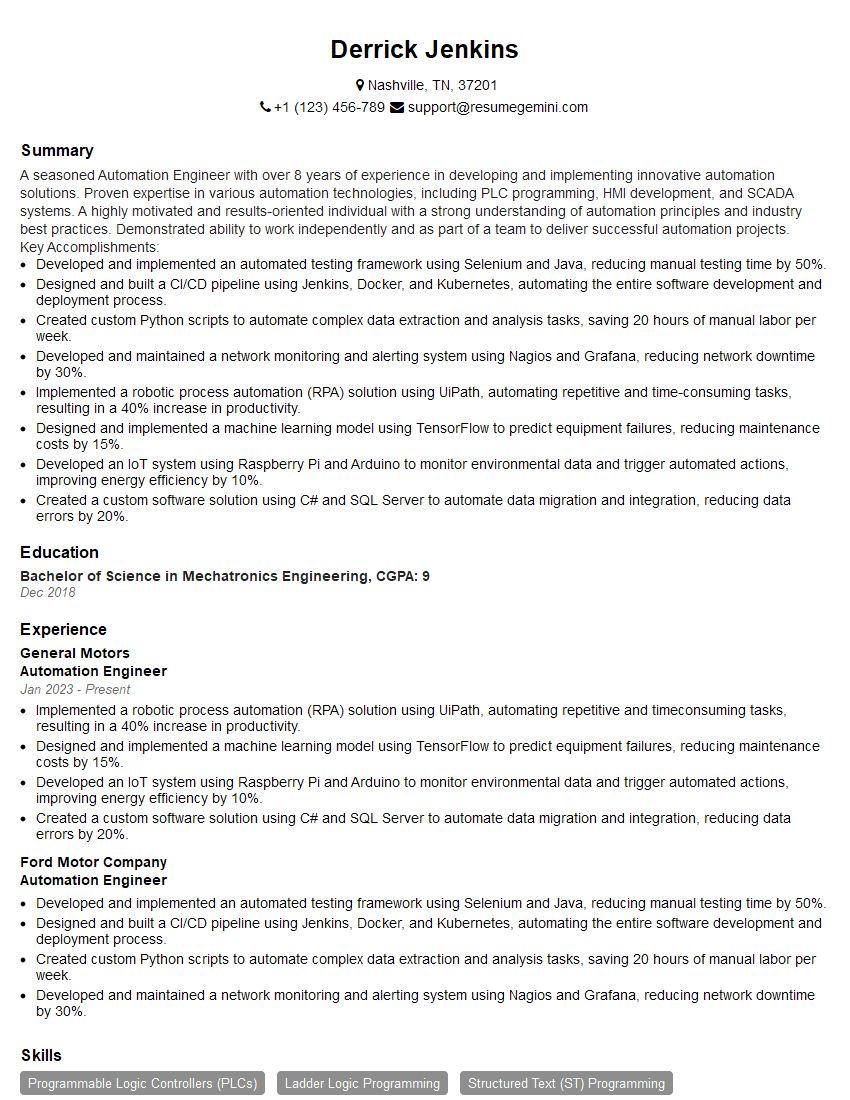
Automation Engineer Resume Sample
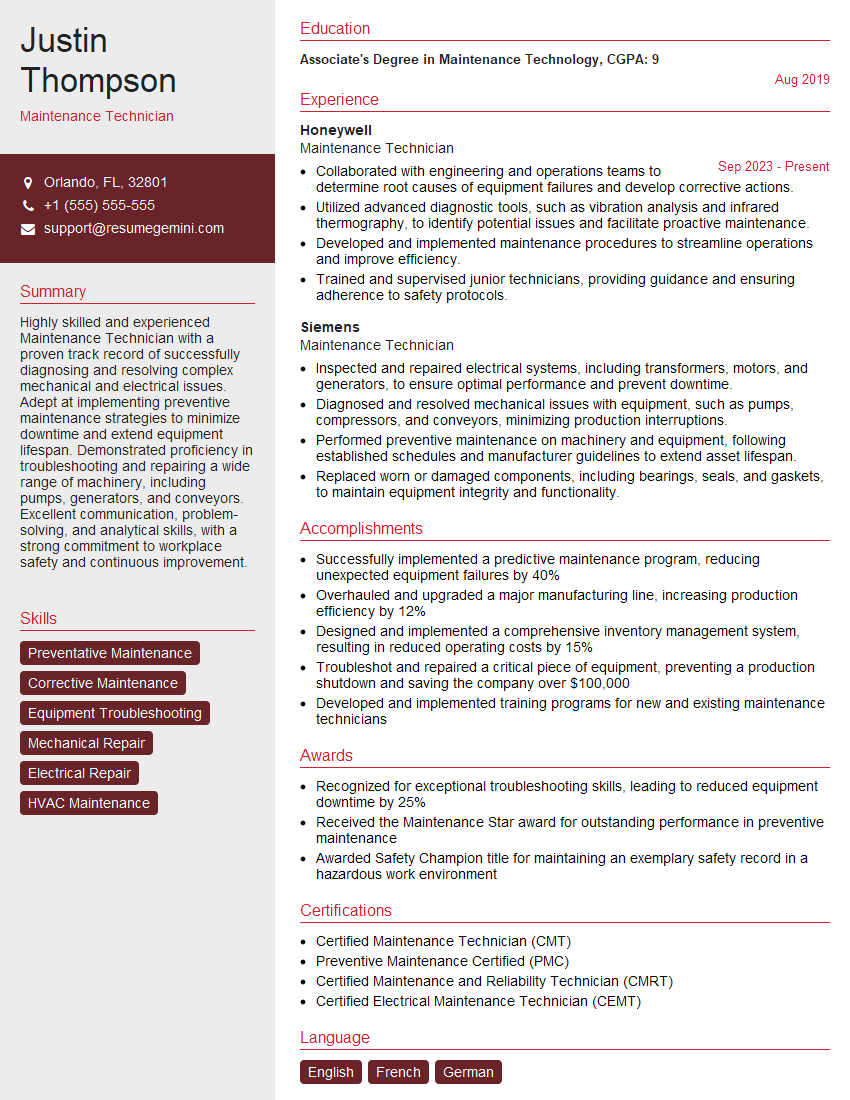
Maintenance Technician Resume Sample
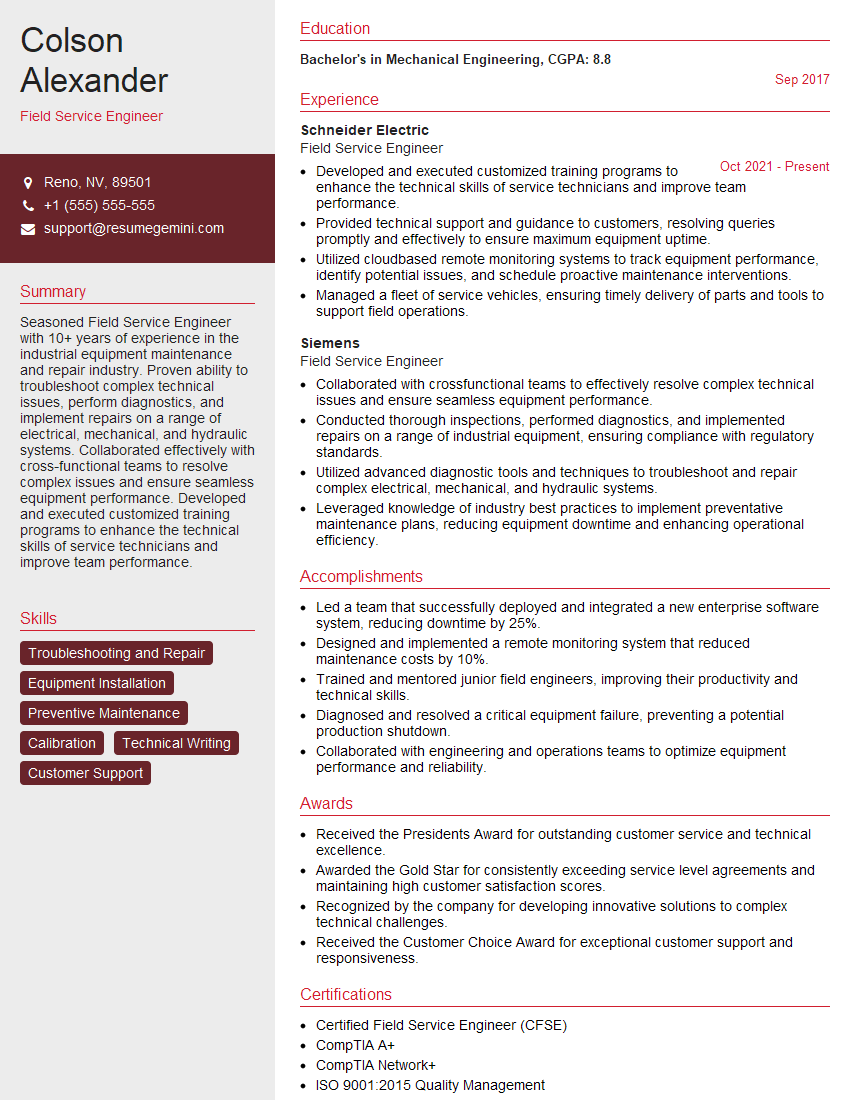
Field Service Engineer Resume Sample
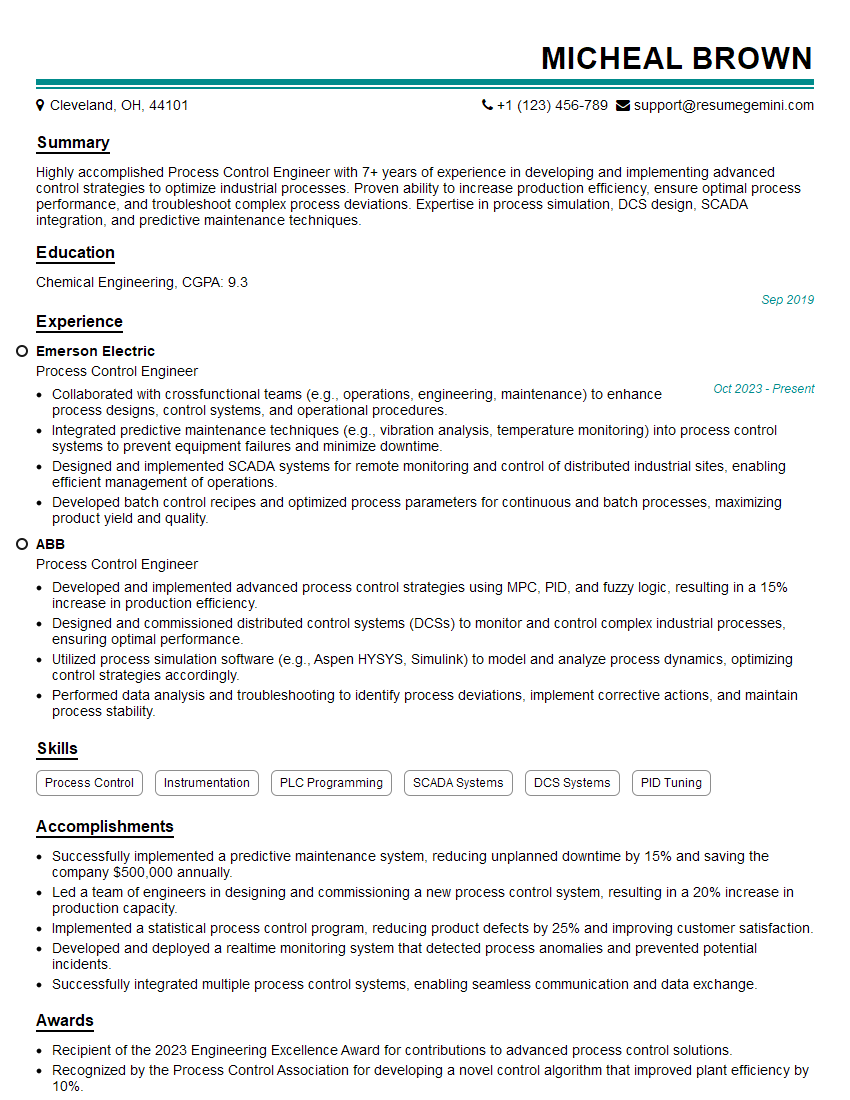
Process Control Engineer Resume Sample
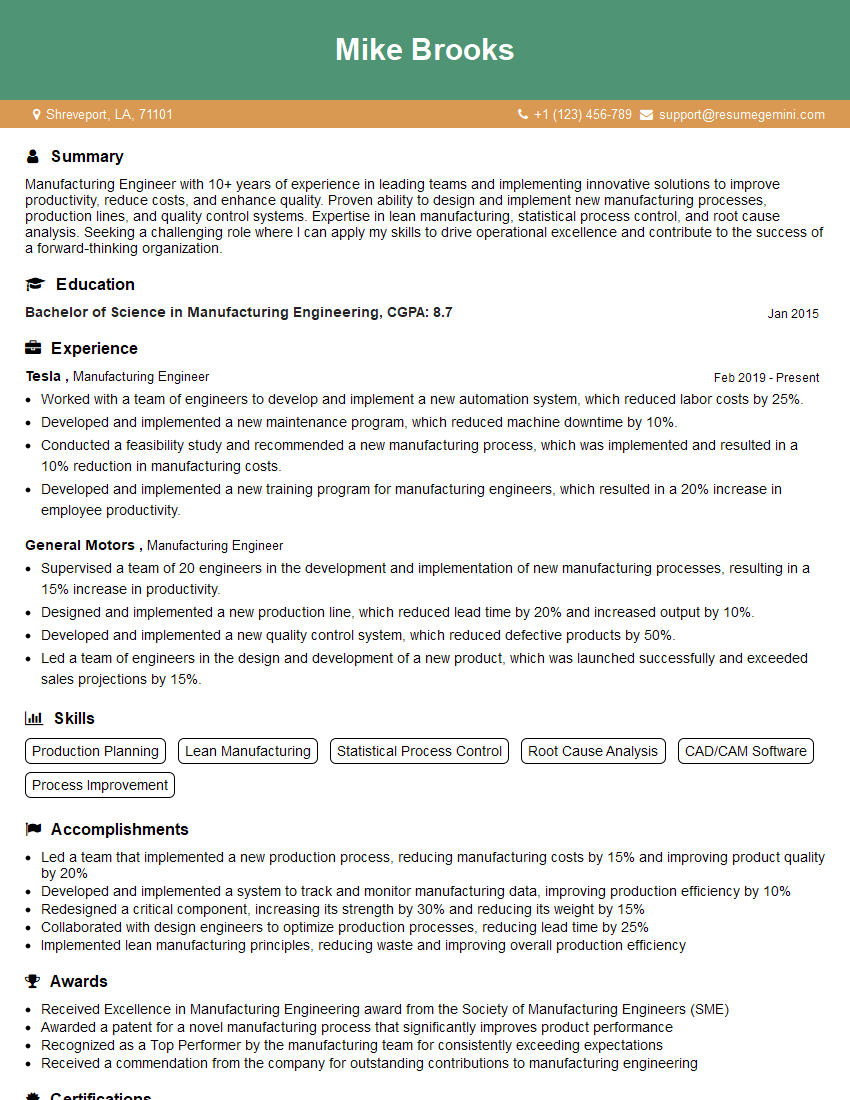
Manufacturing Engineer Resume Sample
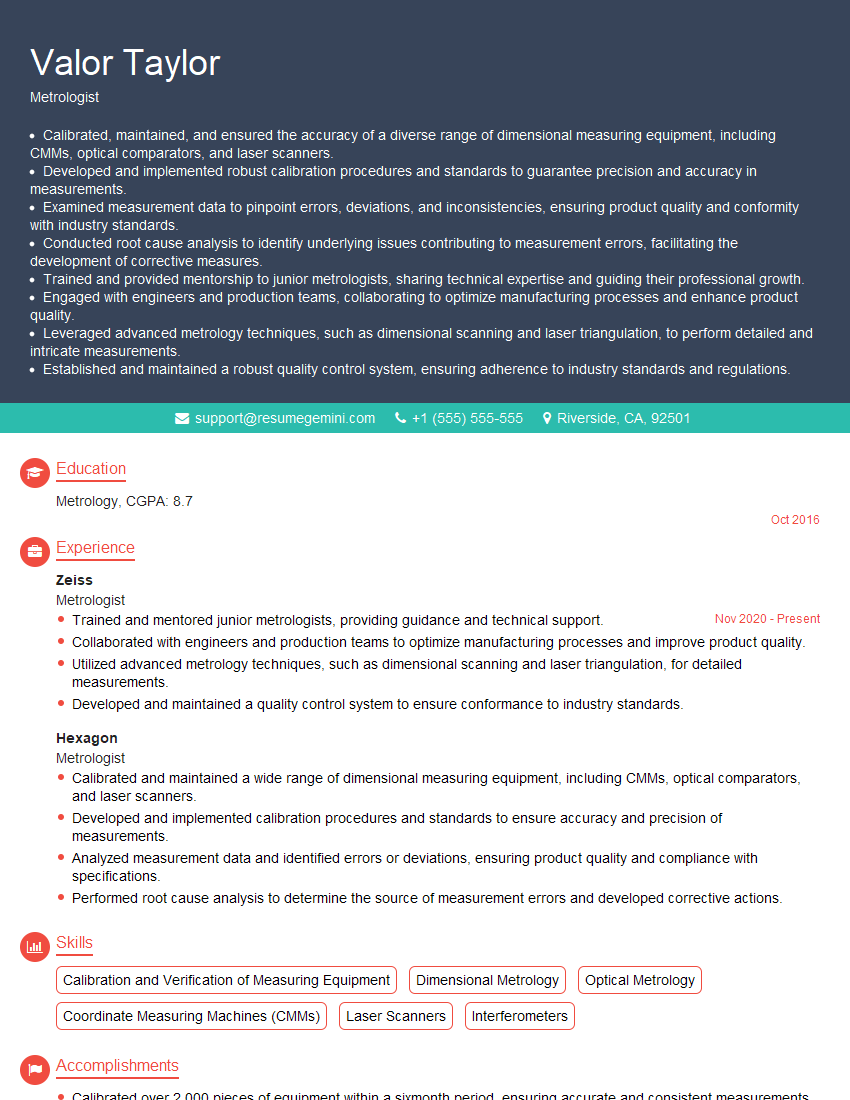
Metrologist Resume Sample
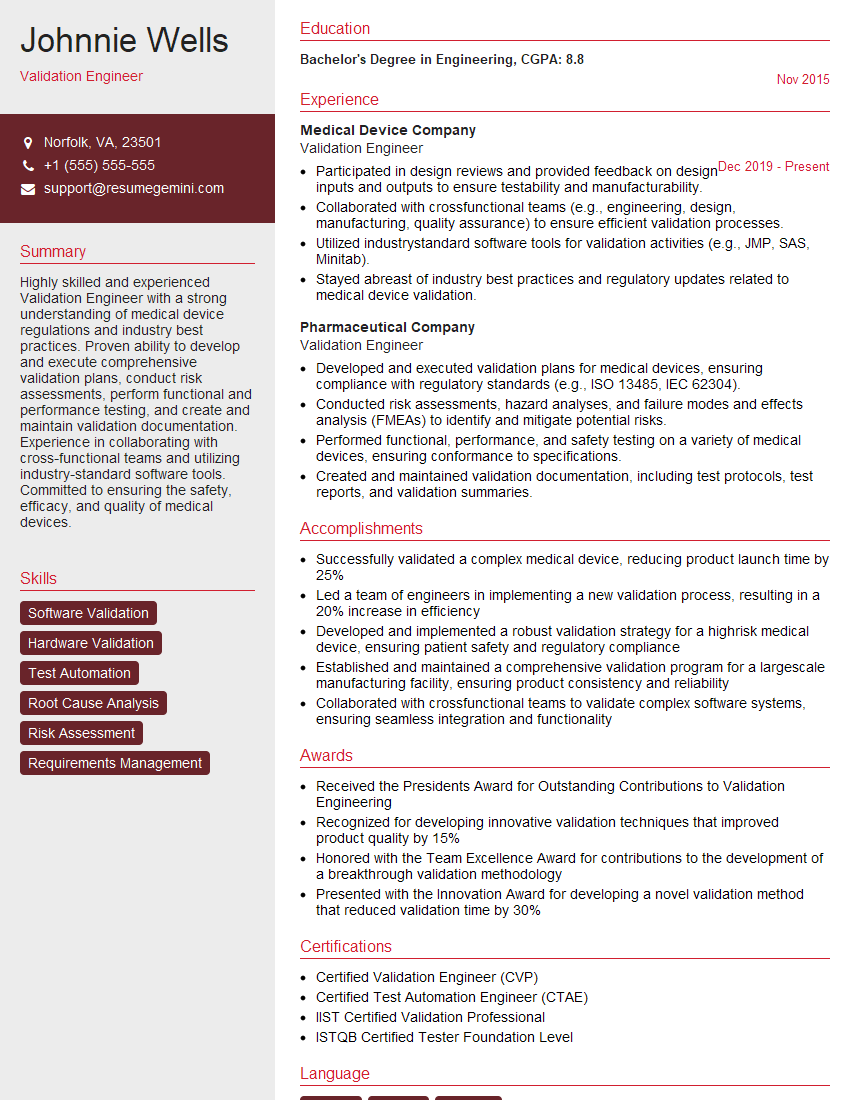
Validation Engineer Resume Sample
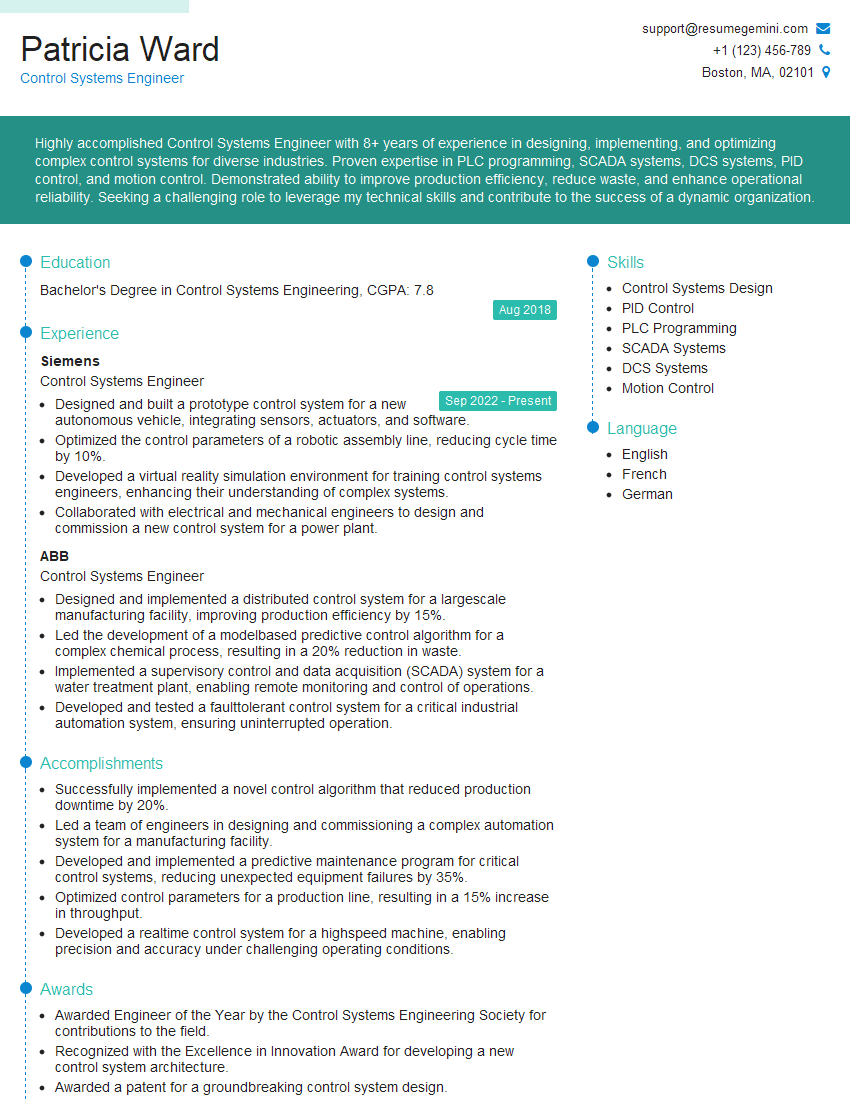
Control Systems Engineer Resume Sample
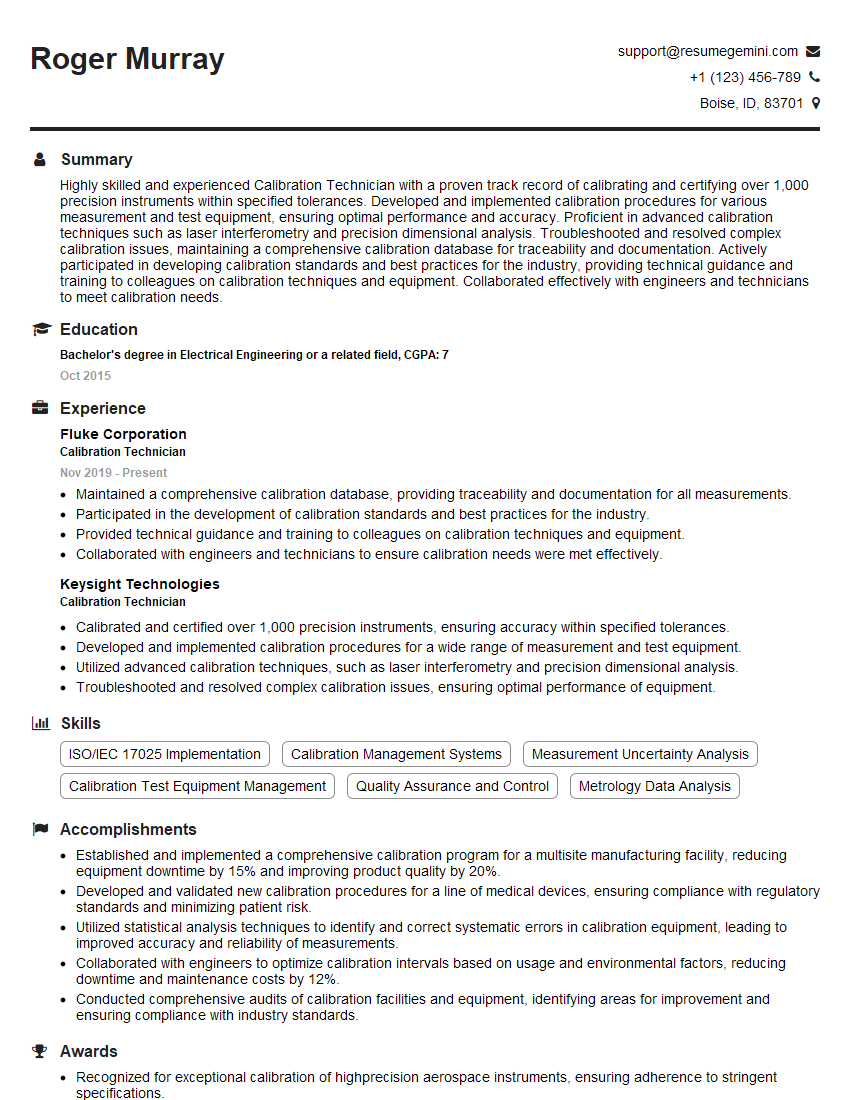
Calibration Technician Resume Sample
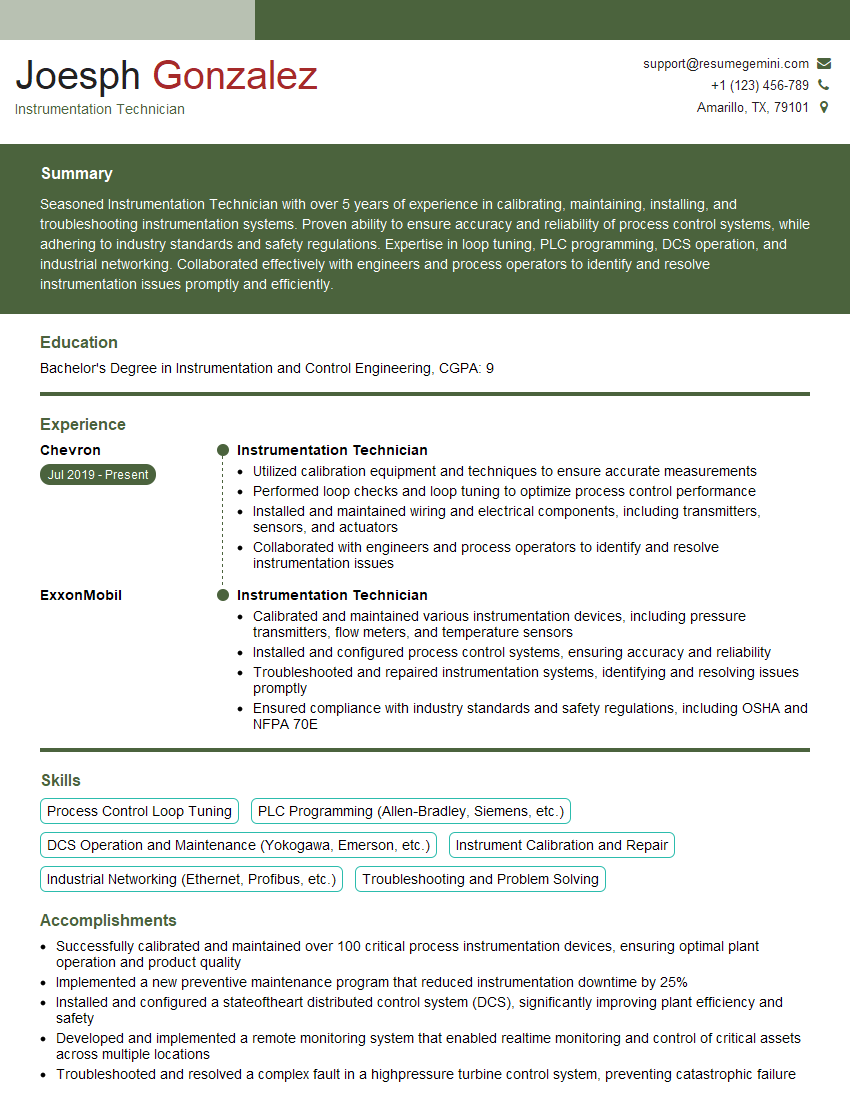
Instrumentation Technician Resume Sample
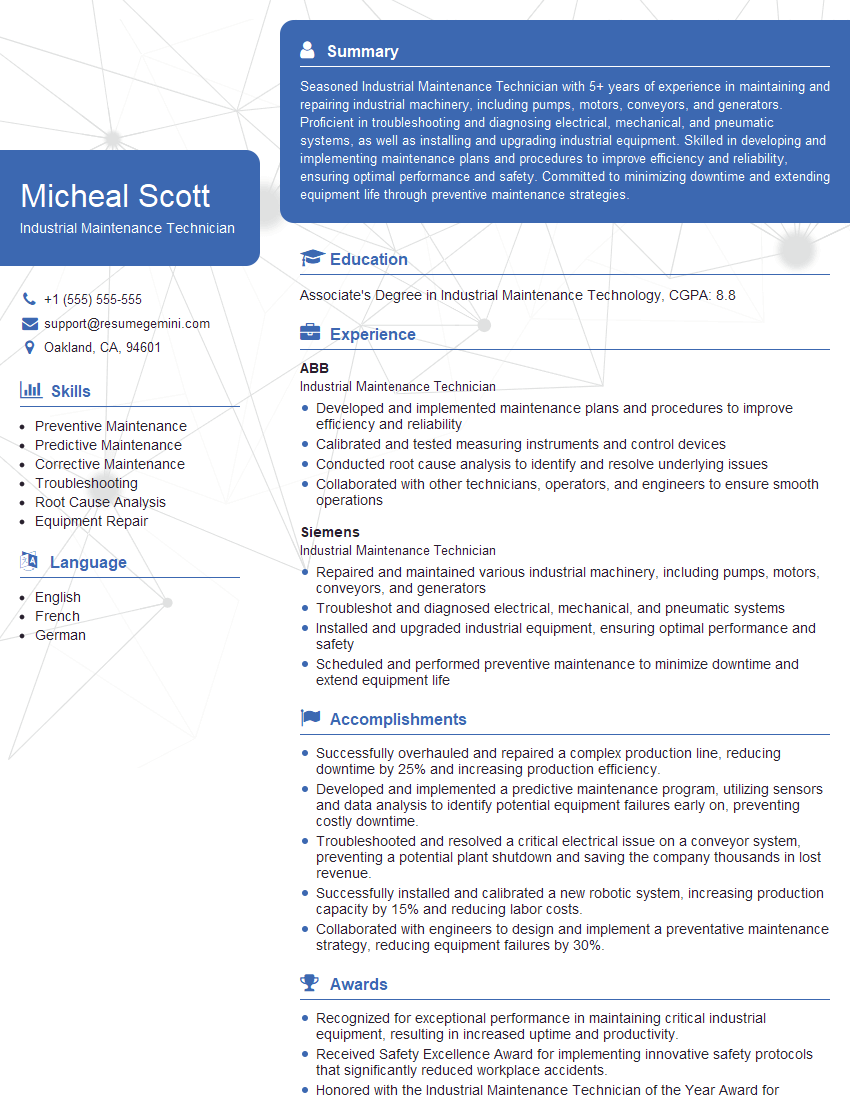
Industrial Maintenance Technician Resume Sample
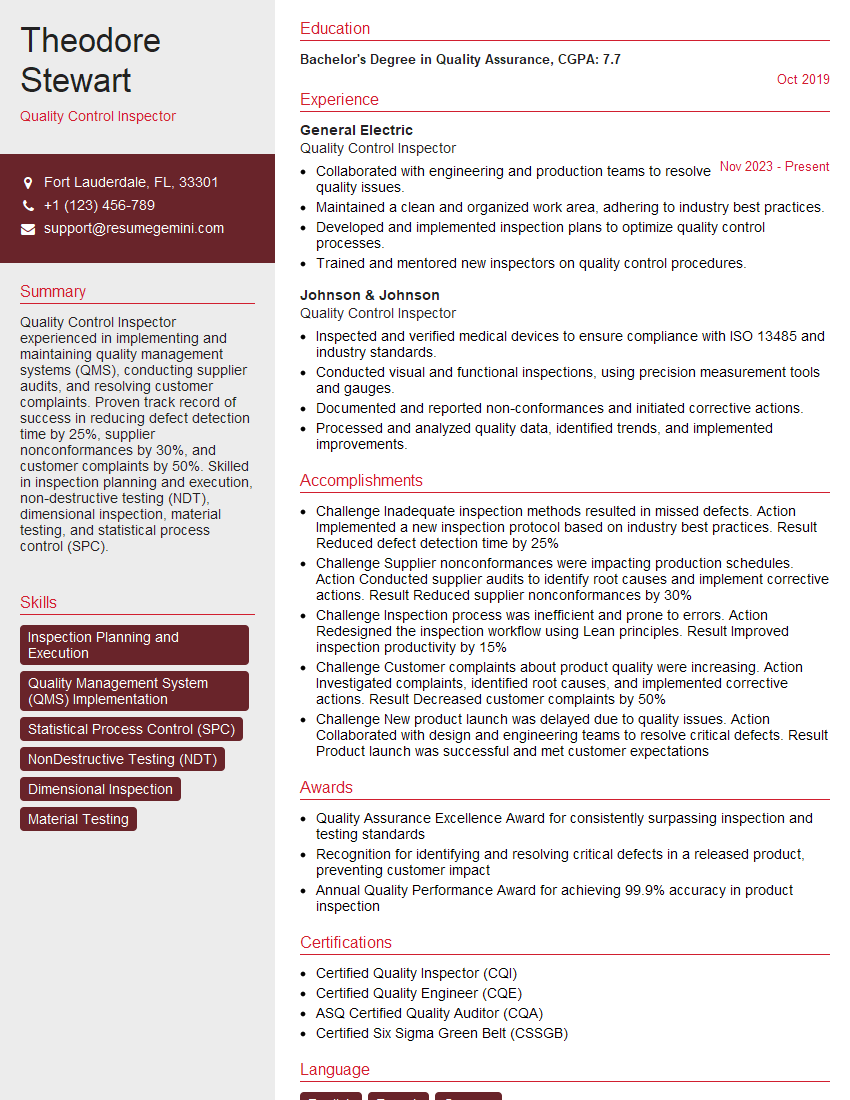
Quality Control Inspector Resume Sample
Explore more articles
Users Rating of Our Blogs
Share Your Experience
We value your feedback! Please rate our content and share your thoughts (optional).
What Readers Say About Our Blog
Very informative content, great job.
good