Cracking a skill-specific interview, like one for Communicating Changes, requires understanding the nuances of the role. In this blog, we present the questions you’re most likely to encounter, along with insights into how to answer them effectively. Let’s ensure you’re ready to make a strong impression.
Questions Asked in Communicating Changes Interview
Q 1. Describe your experience communicating complex changes to diverse audiences.
Communicating complex changes effectively across diverse audiences requires a multifaceted approach. It’s not just about conveying information; it’s about ensuring understanding, buy-in, and ultimately, action. My experience involves translating technical jargon into accessible language, tailoring the message to resonate with different perspectives, and utilizing various communication channels to reach a broad spectrum of employees, from entry-level staff to senior management. For example, in a recent project involving a major software upgrade, I used simplified infographics to explain the technical changes to non-technical staff, while providing detailed documentation and training sessions for the IT team. I also held Q&A sessions to address concerns and foster open dialogue.
I understand that diverse audiences have varying levels of technical understanding, communication preferences, and cultural backgrounds. My approach involves actively listening to diverse perspectives and customizing my messaging accordingly. I’ve found that using storytelling, real-life examples, and visuals greatly enhances understanding and engagement across diverse groups.
Q 2. How do you tailor your communication style to different stakeholder groups?
Tailoring communication style is crucial for effective change management. I assess the needs of each stakeholder group by considering their roles, responsibilities, technical proficiency, and communication preferences. For example, I’d use concise bullet points and data-driven reports for executive stakeholders, while using more visual aids and storytelling for frontline employees.
- Executives: Focus on strategic impact, key performance indicators (KPIs), and concise summaries.
- Managers: Highlight implications for their teams, resources needed, and timelines.
- Employees: Emphasize how the change affects their roles, training opportunities, and potential benefits.
Furthermore, I always consider the preferred communication channels. Some stakeholders may prefer email, others may prefer face-to-face meetings or webinars. Understanding their preferences and catering to them is paramount to successful communication.
Q 3. What methods do you use to assess the effectiveness of your change communication?
Measuring the effectiveness of change communication is essential to ensure the message is resonating and the desired outcomes are being achieved. My approach is multifaceted and involves both quantitative and qualitative methods.
- Surveys and Feedback Forms: These tools provide valuable insights into employee understanding, concerns, and overall satisfaction with the communication process.
- Focus Groups and Interviews: These allow for more in-depth exploration of employee perspectives and identification of potential communication gaps.
- Observation: This involves monitoring employee behavior and adherence to new processes to gauge the impact of the communication efforts.
- Tracking Key Metrics: Monitoring KPIs related to the change initiative (e.g., project completion rates, employee productivity, customer satisfaction) helps to assess the effectiveness of the communication strategy in achieving organizational goals.
Analyzing this data helps identify areas for improvement and ensure the communication strategy is refined and optimized over time.
Q 4. Explain your process for developing a communication plan for a significant organizational change.
Developing a communication plan for significant organizational change is a structured process. It begins with a thorough understanding of the change itself, including its goals, scope, timeline, and potential impact on various stakeholders. The next stage is identifying key messages, tailoring them to specific audiences, and selecting appropriate communication channels.
- Define Objectives and Audiences: Clearly articulate the goals of the communication plan and identify the key stakeholder groups who need to be informed and engaged.
- Develop Key Messages: Craft clear, concise, and compelling messages tailored to the specific needs and understanding of each audience.
- Choose Communication Channels: Select the most effective channels to reach each audience segment (e.g., email, intranet, town hall meetings, videos, newsletters).
- Create a Timeline and Budget: Establish a realistic timeline for the communication rollout and allocate the necessary resources.
- Implement and Monitor: Execute the plan, monitor its effectiveness, and make adjustments as needed based on feedback and results.
A well-defined communication plan minimizes confusion, fosters buy-in, and ultimately improves the success rate of the change initiative.
Q 5. How do you handle resistance to change during a communication process?
Resistance to change is a natural human response. My approach to managing resistance is proactive and focuses on understanding the root causes. This involves open dialogue, active listening, and addressing concerns directly.
- Identify and Understand the Source of Resistance: Determine whether the resistance stems from fear of the unknown, lack of understanding, or perceived negative consequences.
- Address Concerns Openly and Honestly: Provide clear and accurate information, address questions and concerns transparently, and acknowledge legitimate anxieties.
- Involve Stakeholders in the Process: Engage stakeholders in the planning and implementation stages to foster a sense of ownership and collaboration.
- Provide Training and Support: Offer adequate training and ongoing support to help employees adapt to the changes.
- Celebrate Successes: Acknowledge and reward early adopters and successful implementations to motivate others.
The key is to create an environment of trust and collaboration, where employees feel heard and supported throughout the transition.
Q 6. Describe a situation where you had to communicate bad news; how did you approach it?
Communicating bad news requires sensitivity, empathy, and a clear, concise approach. In a recent situation where our company had to announce layoffs, I followed a structured approach:
- Prepare Carefully: I worked with senior management to ensure the message was accurate, consistent, and empathetic.
- Deliver the News Directly and with Respect: I communicated the news to affected employees personally, offering support and resources.
- Be Honest and Transparent: I provided clear explanations for the decision, acknowledging the difficult impact on those affected.
- Offer Support and Resources: I outlined resources available to employees, such as career counseling and outplacement services.
- Follow Up: I ensured that affected employees had access to ongoing support and that communication channels remained open for questions and concerns.
While delivering difficult news is never easy, a thoughtful, compassionate, and transparent approach can help minimize negative impacts and build trust.
Q 7. How do you ensure transparency and open communication during periods of change?
Ensuring transparency and open communication during change is critical for building trust and mitigating resistance. My approach involves multiple strategies:
- Regular Updates and Feedback Mechanisms: Implementing regular communication channels (e.g., newsletters, town halls, Q&A sessions) helps keep employees informed and provides opportunities for feedback.
- Open Door Policy: Encouraging open communication, allowing employees to voice concerns and ask questions without fear of reprisal.
- Two-Way Communication: Actively seeking and responding to feedback from employees to demonstrate that their input is valued.
- Proactive Communication: Addressing potential concerns or challenges before they become major issues.
- Transparent Decision-Making: Explaining the rationale behind key decisions and outlining the processes involved in reaching those conclusions.
Transparency and open communication foster a sense of shared understanding and collaboration, reducing anxiety and building confidence during periods of change.
Q 8. What strategies do you employ to manage rumors and misinformation during organizational change?
Managing rumors and misinformation during organizational change requires a proactive and transparent communication strategy. It’s like fighting a wildfire – you need to extinguish the flames before they spread. My approach involves several key strategies:
Rapid and Accurate Information Dissemination: I prioritize getting the facts out quickly and consistently through multiple channels. This prevents rumors from taking root. For example, during a recent restructuring, we used company-wide emails, town hall meetings, and intranet updates to communicate the rationale, timelines, and impact on employees.
Open and Honest Communication: I create opportunities for two-way communication, allowing employees to ask questions and address concerns directly. This fosters trust and reduces the likelihood of misinformation spreading. This might involve dedicated Q&A sessions or anonymous feedback mechanisms.
Address Rumors Directly: Ignoring rumors allows them to fester. Instead, I address them head-on, acknowledging concerns and providing factual clarifications. For example, if a rumor about layoffs is circulating, I would explicitly address the situation and provide details about the company’s hiring and retention plans.
Identify and Empower Key Communicators: I identify influential individuals within the organization and empower them to be effective ambassadors for the change. These individuals can help shape the narrative and counteract misinformation within their respective teams.
Monitor Communication Channels: I actively monitor social media, online forums, and internal communication channels to detect and address emerging rumors or misinformation promptly. This allows for rapid intervention and correction.
Q 9. How do you measure the success of a change communication initiative?
Measuring the success of a change communication initiative is crucial for continuous improvement. It’s not just about sending out messages; it’s about ensuring they are understood, accepted, and acted upon. My approach involves a multi-faceted measurement strategy:
Employee Surveys and Feedback: Regular surveys and feedback mechanisms gauge understanding and satisfaction levels. We use these to identify areas needing improvement and track progress over time.
Focus Groups and Interviews: In-depth discussions with employees provide qualitative data on their experiences and perceptions of the change communication. This gives insights into nuances not captured by surveys.
Behavioral Metrics: We track changes in employee behavior relevant to the change initiative. For example, improved adherence to new processes or increased participation in training programs indicate effective communication.
Change Management Metrics: Measuring the overall success of the change project itself, including on-time and within-budget completion, can indirectly reflect the effectiveness of communication. Effective communication directly supports project success.
Social Media Monitoring (if applicable): Tracking online sentiment and discussions relating to the change can reveal areas of concern and provide insights into employee perception.
By combining quantitative and qualitative data, we gain a holistic understanding of the communication initiative’s effectiveness and identify areas for refinement.
Q 10. What tools and technologies do you utilize for effective change communication?
Effective change communication utilizes a variety of tools and technologies. The best tools depend on the specific context, but here are some of my favorites:
Project Management Software (e.g., Asana, Monday.com): For centralizing communication, tracking progress, and sharing documents relevant to the change.
Intranets and Collaboration Platforms (e.g., SharePoint, Slack): These facilitate quick updates, discussions, and knowledge sharing amongst employees.
Video Conferencing (e.g., Zoom, Microsoft Teams): For virtual meetings, town halls, and Q&A sessions, ensuring broad reach and engagement.
Email Marketing Platforms (e.g., Mailchimp, Constant Contact): For targeted communication, newsletters, and announcements to specific segments of the workforce.
Survey Tools (e.g., SurveyMonkey, Qualtrics): To collect employee feedback, measure satisfaction, and track understanding of the change initiative.
The key is to use these tools strategically to reach the right audience with the right message at the right time. I always consider accessibility and the preferred communication styles of different employee groups when selecting and using technology.
Q 11. Describe your experience using different communication channels (e.g., email, presentations, meetings).
My experience spans various communication channels, and I tailor my approach based on the message and audience. Each has its strengths and weaknesses:
Email: Excellent for disseminating information widely, but can be impersonal and easily overlooked. I use email for formal announcements, updates, and sharing detailed documents. For instance, I’d use email to distribute the official change management plan.
Presentations: Ideal for conveying complex information visually and engaging a large audience. I use presentations for town hall meetings, team briefings, and explaining intricate details of the change. I always ensure presentations are visually engaging and easy to understand.
Meetings: Essential for two-way communication, fostering collaboration, and addressing questions and concerns directly. I often hold smaller team meetings to gather feedback and discuss specific impacts, while larger meetings serve as a forum for broader announcements and Q&A.
I believe in a multi-channel approach; combining email, presentations, and meetings creates a more comprehensive and impactful communication strategy. For example, a company-wide email announcing a change might be followed by smaller team meetings to address specific concerns and Q&A sessions.
Q 12. How do you prioritize communication needs during a large-scale change project?
Prioritizing communication needs during a large-scale change project requires a structured approach. I use a framework that considers urgency, impact, and audience:
Urgency: Messages with immediate implications for employees, such as deadlines or critical decisions, get top priority. This might involve immediate notifications regarding urgent changes to processes or systems.
Impact: Messages affecting a large number of employees or those with significant consequences (e.g., job roles) receive higher priority than messages with limited scope. For example, a change impacting employee compensation would be higher priority than a minor update to internal software.
Audience: I segment my audience based on their roles, responsibilities, and information needs. For example, senior leadership requires different information than frontline employees. This allows for tailored messages and targeted communication.
I often use a prioritization matrix to visually represent these factors and determine the communication schedule. This ensures that the most critical information is communicated effectively and efficiently.
Q 13. How do you create a compelling narrative to support organizational change?
Creating a compelling narrative for organizational change involves weaving together logic and emotion to connect with employees on a deeper level. It’s about painting a picture of a desirable future and showing how the change contributes to achieving it. My approach follows these steps:
Define the Vision: Clearly articulate the desired future state and the benefits of the change. This provides a clear direction and motivation for employees.
Identify the ‘Why’: Explain the rationale behind the change, connecting it to the company’s overall goals and strategic direction. This provides context and legitimacy for the initiative.
Tell a Story: Use storytelling techniques to make the change relatable and engaging. This can involve case studies, employee testimonials, or even metaphors to help people understand and connect with the change.
Highlight the Benefits: Emphasize the positive outcomes of the change for employees, the company, and customers. This boosts morale and encourages participation.
Address Concerns: Acknowledge and address potential concerns or challenges openly and honestly. This builds trust and demonstrates transparency.
By combining a logical explanation with an inspiring narrative, I can create a compelling message that motivates employees to embrace and support the change.
Q 14. How do you build trust and credibility with stakeholders during change?
Building trust and credibility during change is paramount. It’s about demonstrating authenticity, transparency, and empathy. My approach involves:
Transparency and Open Communication: I share information openly and honestly, even when it’s difficult news. This builds confidence and shows respect for employees.
Active Listening and Empathy: I actively listen to employees’ concerns and address them with empathy and understanding. This shows that their perspectives are valued.
Consistent and Reliable Communication: I provide regular updates and maintain consistency in my messaging. This builds confidence and prevents misinformation.
Demonstrate Competence: I showcase my expertise and knowledge related to the change initiative. This reinforces confidence in the plan and its execution.
Follow Through on Commitments: I keep my promises and follow through on commitments, demonstrating accountability and building credibility.
Building trust is an ongoing process that requires consistent effort and a commitment to open and honest communication. It’s a foundational element for successful change management.
Q 15. How do you adapt your communication strategy based on feedback received?
Adapting my communication strategy based on feedback is crucial for effective change management. It’s an iterative process, not a one-time event. I actively solicit feedback through various channels – surveys, focus groups, informal conversations, and even analyzing communication metrics like email open rates and meeting attendance. This feedback helps me understand what’s resonating, what’s not, and where adjustments are needed.
For instance, if feedback reveals that my initial communication was too technical, I’ll simplify the language and use more visuals in subsequent communications. If I notice a recurring question or concern, I’ll address it proactively in future updates. This iterative approach ensures the message remains clear, relevant, and engaging throughout the change process. Ultimately, adapting to feedback is about being responsive and ensuring communication remains aligned with the needs and understanding of the audience.
Career Expert Tips:
- Ace those interviews! Prepare effectively by reviewing the Top 50 Most Common Interview Questions on ResumeGemini.
- Navigate your job search with confidence! Explore a wide range of Career Tips on ResumeGemini. Learn about common challenges and recommendations to overcome them.
- Craft the perfect resume! Master the Art of Resume Writing with ResumeGemini’s guide. Showcase your unique qualifications and achievements effectively.
- Don’t miss out on holiday savings! Build your dream resume with ResumeGemini’s ATS optimized templates.
Q 16. What is your process for identifying key stakeholders and their communication needs?
Identifying key stakeholders and understanding their unique communication needs is paramount. My process starts with a thorough stakeholder analysis, considering their roles, influence, interests, and communication preferences. This often involves mapping out a stakeholder matrix, visualizing their relationships, and anticipating their potential reactions to the change.
I then use various techniques to gather information about their communication preferences: interviews, questionnaires, observations, and informal discussions. This helps me tailor my communication approach – the channel (email, town hall meeting, one-on-one conversation), the style (formal, informal), and the content (level of detail, frequency of updates) – to effectively reach each group. For example, senior leadership might require detailed reports and concise executive summaries, while frontline employees might benefit from more frequent, less formal updates and opportunities for questions and concerns.
Q 17. Describe your experience with change management frameworks (e.g., ADKAR, Kotter’s 8-Step Process).
I have extensive experience applying various change management frameworks, including ADKAR and Kotter’s 8-Step Process. ADKAR (Awareness, Desire, Knowledge, Ability, Reinforcement) focuses on individual change management, helping individuals understand the need for change, buy-in, acquire the necessary skills, and reinforce new behaviors. I’ve used this framework to guide individual coaching and training programs, ensuring employees are equipped to handle the transition smoothly.
Kotter’s 8-Step Process, on the other hand, is more organization-wide, focusing on creating a climate for change, building a guiding coalition, forming a strategic vision, and sustaining momentum. I’ve applied this in large-scale organizational transformations, using its structured approach to ensure that the change is implemented effectively and sustainably. The choice of framework depends on the scale and scope of the change initiative, and often I’ll integrate elements from both approaches for a holistic strategy.
Q 18. How do you incorporate feedback into your communication strategy?
Incorporating feedback into my communication strategy is a continuous loop. As mentioned before, I collect feedback through multiple channels and then analyze it to identify recurring themes and sentiments. This analysis helps me refine the messaging, adjust the communication channels, and improve the overall effectiveness of my communication efforts.
For example, if feedback reveals that employees are confused about a specific aspect of the change, I will create additional resources such as FAQs, videos, or infographics to clarify the issue. If feedback indicates that communication is too infrequent, I’ll increase the frequency of updates, perhaps introducing regular newsletters or quick updates via a project management tool. Essentially, feedback guides the evolution of my communication plan, making it more responsive and effective over time.
Q 19. How do you address communication challenges related to cultural differences?
Addressing communication challenges related to cultural differences requires sensitivity, awareness, and proactive planning. My approach involves understanding the cultural nuances of the audience. This could involve researching the cultural contexts of different teams or locations, and identifying potential communication barriers such as differing communication styles, language preferences, and varying levels of directness.
To mitigate these challenges, I employ culturally sensitive communication strategies. This might include using visuals and storytelling to convey information more effectively, choosing appropriate communication channels, adapting my communication style to be more inclusive, and ensuring materials are translated accurately. For example, what is considered professional and direct in one culture may be seen as rude or aggressive in another. I use multiple communication methods and obtain feedback to ensure the message is being received as intended.
Q 20. Describe a time you had to overcome a communication barrier during a change initiative.
During a recent organizational restructuring, I encountered a significant communication barrier. While we communicated the changes clearly to management, the message wasn’t effectively cascaded down to the frontline employees. This led to rumors, anxiety, and ultimately, lower morale.
To overcome this, I implemented a multi-pronged approach. First, I organized several town hall meetings specifically designed for frontline employees, allowing them to directly ask questions and express their concerns. Second, I created a dedicated communication channel (an internal forum) specifically for this group, facilitating open discussions and providing immediate answers to their questions. Finally, I trained middle managers in effective communication to ensure they could explain the changes accurately and empathetically to their teams. This combination of direct engagement and improved internal communication helped to alleviate anxieties and restore trust.
Q 21. How do you proactively manage stakeholder expectations during periods of uncertainty?
Proactively managing stakeholder expectations during periods of uncertainty is essential for maintaining trust and engagement. My strategy involves transparency, frequent communication, and realistic expectations. I make sure to regularly communicate, even if there’s no definitive answer. Transparency, however, must be balanced with appropriate sensitivity, avoiding spreading potentially inaccurate information.
For example, I might use language like, “We are currently exploring options X and Y. We anticipate having more information by [date].” This creates transparency without causing unnecessary anxiety. I also make use of regular status updates, using various communication channels to keep stakeholders informed. By consistently communicating and demonstrating understanding for their concerns, I build trust and mitigate potential negative impacts of uncertainty.
Q 22. What is your preferred method for gathering feedback from stakeholders?
My preferred method for gathering feedback from stakeholders is a multi-pronged approach, ensuring diverse perspectives are captured. I utilize a combination of methods tailored to the specific audience and context. This might include:
- Surveys: These are efficient for gathering quantitative data and broad opinions from a large number of stakeholders. I design surveys carefully, using clear, concise language and avoiding leading questions. For example, I might use a Likert scale to gauge satisfaction with communication efforts.
- Focus Groups: These provide qualitative insights through facilitated discussions. Focus groups allow for deeper exploration of individual viewpoints and reveal nuances that surveys might miss. I use a structured approach to guide discussion while allowing for open dialogue.
- One-on-One Interviews: Ideal for in-depth understanding of individual perspectives, especially for key stakeholders or those with complex viewpoints. This allows for personalized feedback and probing questions.
- Feedback Forms: Simple, readily accessible forms, either physical or digital, offer an informal yet effective way to collect ongoing feedback.
- Observation: Direct observation of team behavior and interactions can uncover unstated needs or concerns.
By combining these methods, I create a comprehensive picture of stakeholder needs and concerns, enabling more targeted and effective communication strategies.
Q 23. How do you deal with conflicting information or contradictory messages from different stakeholders?
Conflicting information is inevitable during large-scale change. My approach involves a systematic process to resolve discrepancies and ensure clear, consistent messaging:
- Identify the Conflict: The first step is carefully documenting the contradictory information, specifying the sources and the nature of the discrepancy.
- Investigate the Sources: I investigate each source to determine the basis of their information. Are there data discrepancies? Are there underlying assumptions or differing interpretations of events?
- Facilitate Collaboration: I convene a meeting with the stakeholders involved, creating a safe space for open discussion and collaborative problem-solving. The goal is not to determine a “winner,” but to find common ground and a shared understanding.
- Mediate and Synthesize: I act as a facilitator, guiding the conversation towards a consensus or a mutually agreeable compromise. This might involve identifying underlying concerns and finding solutions that address them.
- Communicate the Resolution: Once a resolution is reached, I clearly communicate the agreed-upon information to all stakeholders, explaining the rationale and addressing any remaining concerns.
This approach prioritizes transparency and collaboration, building trust and understanding among stakeholders.
Q 24. How do you ensure consistent messaging across all communication channels?
Consistent messaging is critical for successful change management. I achieve this through a combination of strategies:
- Centralized Messaging Hub: Developing a central repository for all communication materials (e.g., a shared document, intranet page) ensures all messaging aligns with core principles.
- Template Development: Creating standardized templates for various communication channels (e.g., email, presentations, internal memos) ensures uniformity in tone, style, and branding.
- Communication Style Guide: Developing and adhering to a style guide defines consistent terminology, tone, and formatting. This prevents inconsistencies and ensures clarity.
- Regular Communication Audits: Periodically reviewing all communication channels helps identify inconsistencies and potential areas for improvement.
- Designated Communication Team: Forming a team responsible for reviewing and approving all communications ensures consistent messaging and quality control.
Imagine a company launching a new software; consistent messaging across emails, training materials, and FAQs prevents user confusion and ensures smooth adoption.
Q 25. How do you maintain momentum and engagement throughout a long-term change process?
Maintaining momentum and engagement throughout a long-term change process requires proactive strategies to address potential fatigue and waning interest. Key strategies include:
- Regular Updates and Feedback Loops: Consistent communication provides updates, recognizes progress, and actively seeks feedback, keeping stakeholders informed and involved.
- Celebrate Milestones: Highlighting and celebrating achievements, both big and small, reinforces positive momentum and recognizes the effort invested.
- Interactive Communication: Engaging stakeholders through various interactive channels (e.g., Q&A sessions, online forums) fosters a sense of participation and ownership.
- Storytelling and Case Studies: Sharing real-life success stories and testimonials humanizes the change process and demonstrates tangible benefits.
- Gamification and Incentives: Introducing elements of gamification (e.g., points, badges) or offering appropriate incentives (e.g., recognition, rewards) can boost engagement and motivation.
Consider a large-scale organizational restructuring. Regular updates, celebrating each department’s successful transition, and sharing employee testimonials create a positive and engaging atmosphere.
Q 26. Describe a situation where you had to communicate a complex technical issue to a non-technical audience.
In a previous role, I had to explain a complex database migration to a non-technical executive team. Instead of using technical jargon, I used analogies and visualizations. For example, I described the database as a library, explaining the migration as reorganizing the library for better efficiency. I showed simplified diagrams illustrating the movement of data, comparing the old and new systems. I also focused on the benefits: improved search speed, better data security, and reduced downtime, explaining these in terms of tangible business impact rather than technical specifications. The result was a clear understanding and buy-in from the executive team.
Q 27. How do you use data and analytics to inform your change communication strategy?
Data and analytics play a crucial role in informing my change communication strategy. I use data to:
- Identify Key Stakeholders: Analyzing data on employee demographics, roles, and departments helps tailor communication to specific audiences.
- Measure Communication Effectiveness: Tracking metrics such as open rates, click-through rates, and feedback responses allows for the assessment of communication effectiveness and identification of areas for improvement. For example, low open rates on an email might indicate a problem with the subject line or timing.
- Gauge Stakeholder Sentiment: Analyzing feedback from surveys and focus groups helps gauge overall sentiment towards the change initiative and adapt communication accordingly.
- Segment Audiences: Data segmentation allows for more targeted messaging, ensuring communication resonates with the specific needs and concerns of each audience segment.
- Predict Challenges: Analyzing historical data on similar change initiatives can help anticipate potential challenges and develop proactive communication strategies.
By using data-driven insights, I can create more impactful and effective change communication plans.
Q 28. How do you ensure that your change communication is accessible to people with disabilities?
Ensuring accessibility for people with disabilities is paramount. My approach includes:
- Using Accessible Formats: Providing materials in various formats, including plain text, large print, audio, and Braille, where appropriate.
- Adhering to Accessibility Standards: Following accessibility guidelines like WCAG (Web Content Accessibility Guidelines) ensures digital communication is usable by people with disabilities.
- Providing Alternative Text for Images: All images should have descriptive alternative text so that screen readers can convey the information to visually impaired users.
- Using Clear and Simple Language: Avoiding jargon and using clear, concise language ensures easier comprehension for everyone, including individuals with cognitive disabilities.
- Providing Closed Captions and Transcripts: Including closed captions and transcripts for videos and audio recordings makes information accessible to people with hearing impairments.
Accessibility considerations are not simply about compliance but about inclusion and ensuring that everyone has equal access to information.
Key Topics to Learn for Communicating Changes Interview
- Understanding Your Audience: Tailoring your message to different stakeholders (e.g., executives, team members, clients) based on their needs and communication preferences.
- Crafting a Compelling Narrative: Structuring your communication to clearly articulate the “what,” “why,” and “how” of the change, highlighting benefits and addressing potential concerns.
- Choosing the Right Communication Channels: Selecting the most effective medium (e.g., email, meeting, presentation, intranet) for disseminating information to maximize impact.
- Active Listening and Feedback Mechanisms: Creating opportunities for two-way communication to address questions, concerns, and gather feedback, fostering buy-in and collaboration.
- Managing Resistance to Change: Identifying and addressing potential resistance proactively, using empathy and persuasive communication strategies.
- Measuring the Success of Communication: Establishing key performance indicators (KPIs) to track the effectiveness of your communication efforts and make adjustments as needed.
- Crisis Communication Strategies: Preparing for and effectively handling unexpected challenges or negative reactions to change announcements.
- Ethical Considerations in Communicating Change: Ensuring transparency, honesty, and fairness in all communication related to organizational change.
- Visual Communication Techniques: Using charts, graphs, and other visual aids to enhance understanding and engagement.
Next Steps
Mastering the art of communicating change is crucial for career advancement. Effective communication builds trust, fosters collaboration, and drives successful implementation of strategic initiatives. This skill is highly valued across all industries and levels of seniority. To significantly improve your job prospects, focus on crafting an ATS-friendly resume that showcases your relevant skills and experience. ResumeGemini is a trusted resource to help you build a professional resume that stands out. We provide examples of resumes tailored to highlight experience in Communicating Changes, helping you present your capabilities effectively to potential employers.
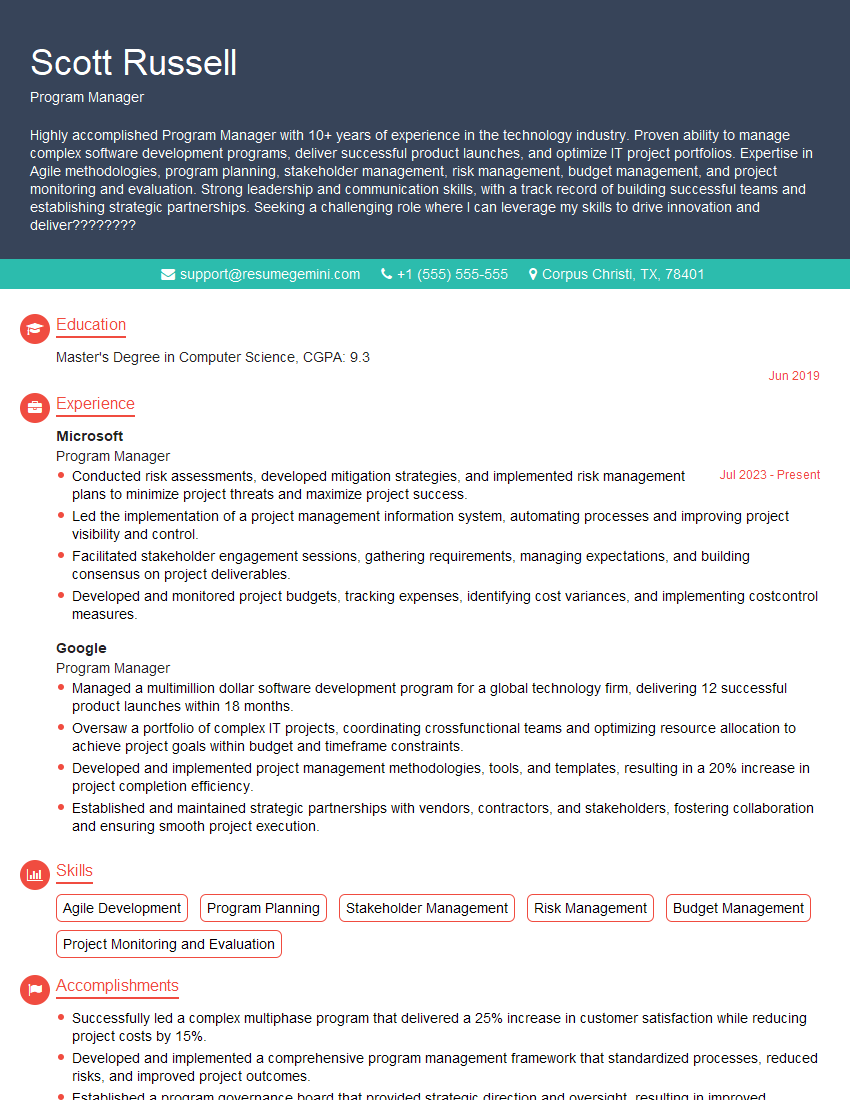
Program Manager Resume Sample

Operations Manager Resume Sample
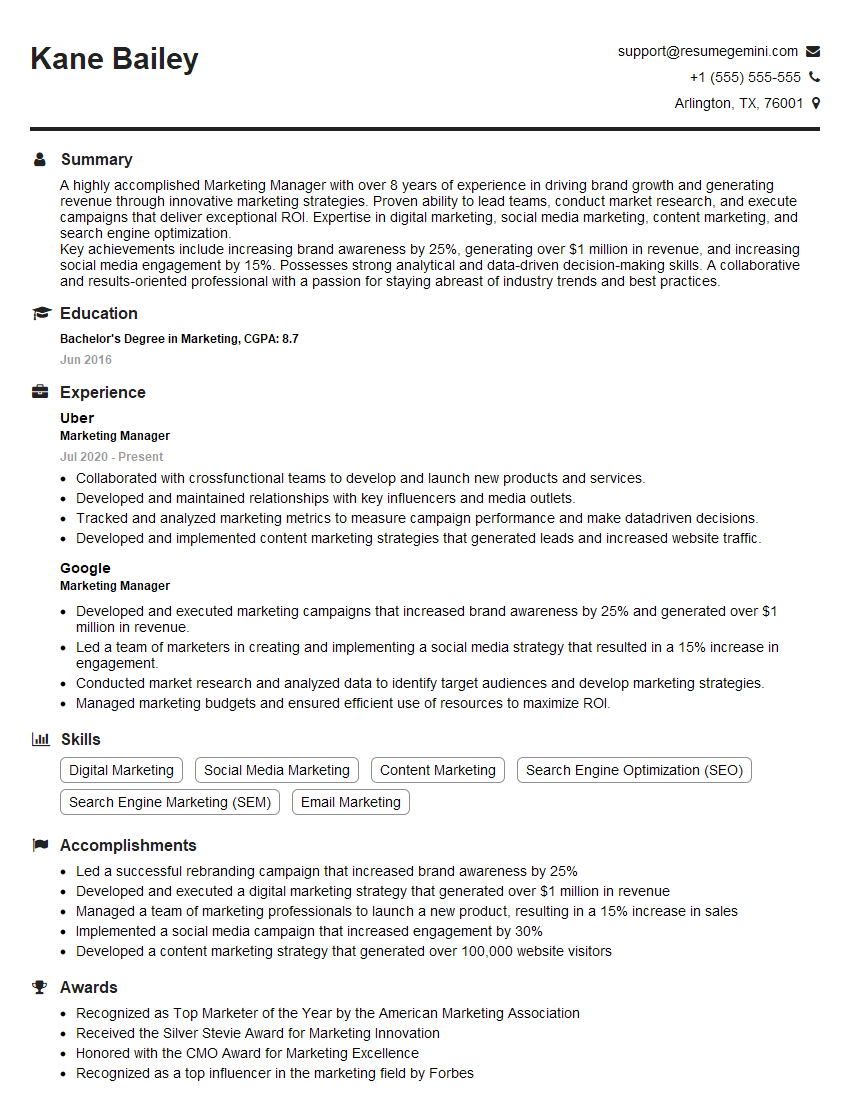
Marketing Manager Resume Sample
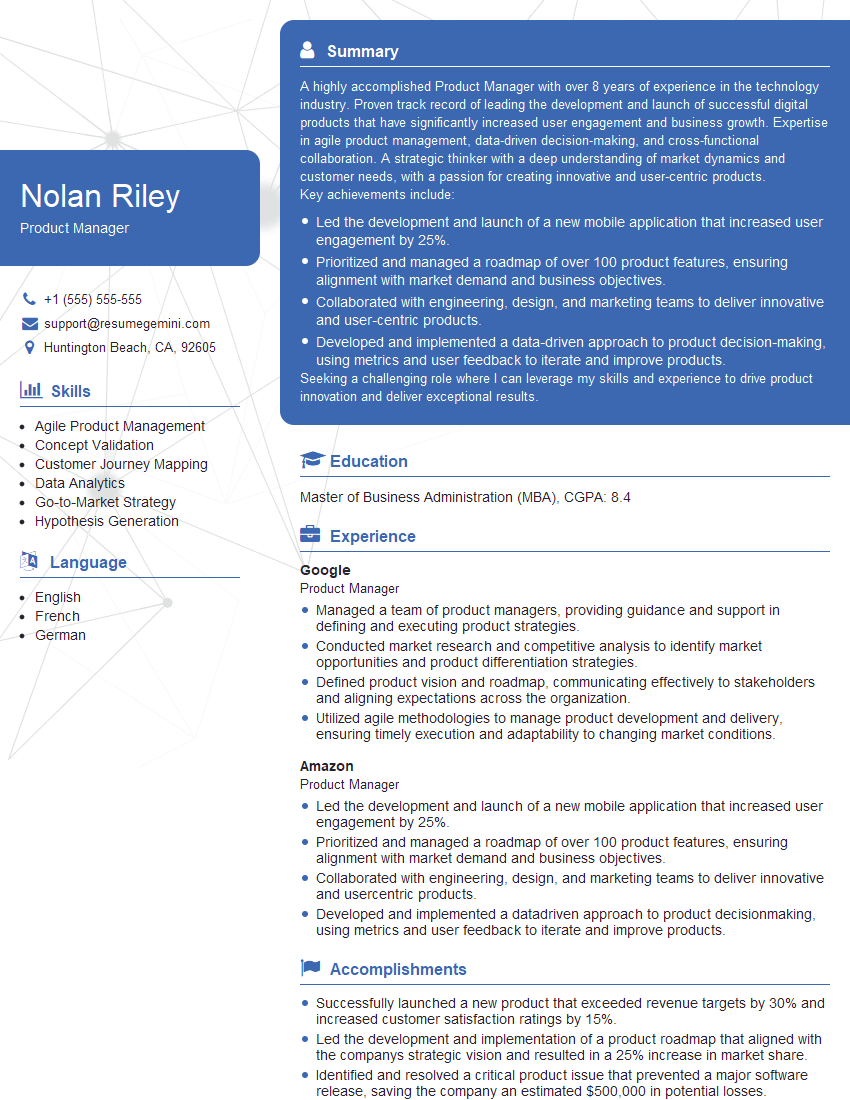
Product Manager Resume Sample

Communications Director Resume Sample

Communications Manager Resume Sample
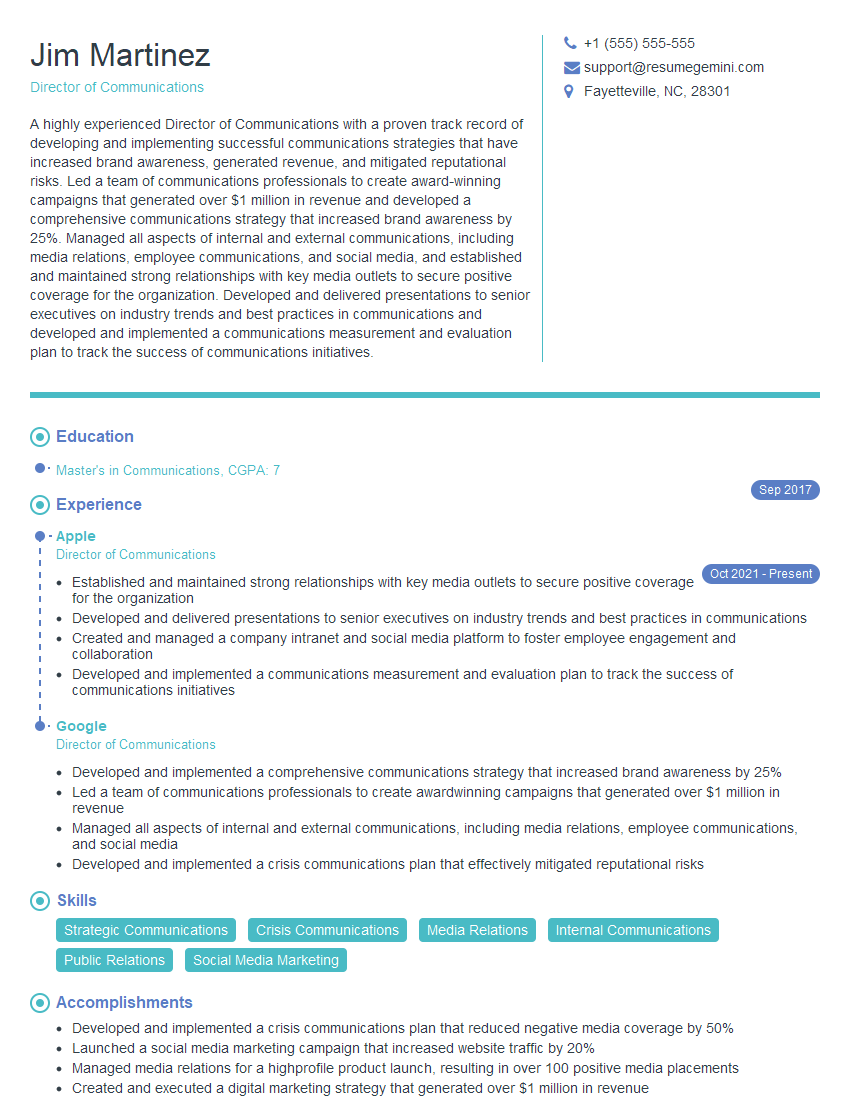
Director of Communications Resume Sample
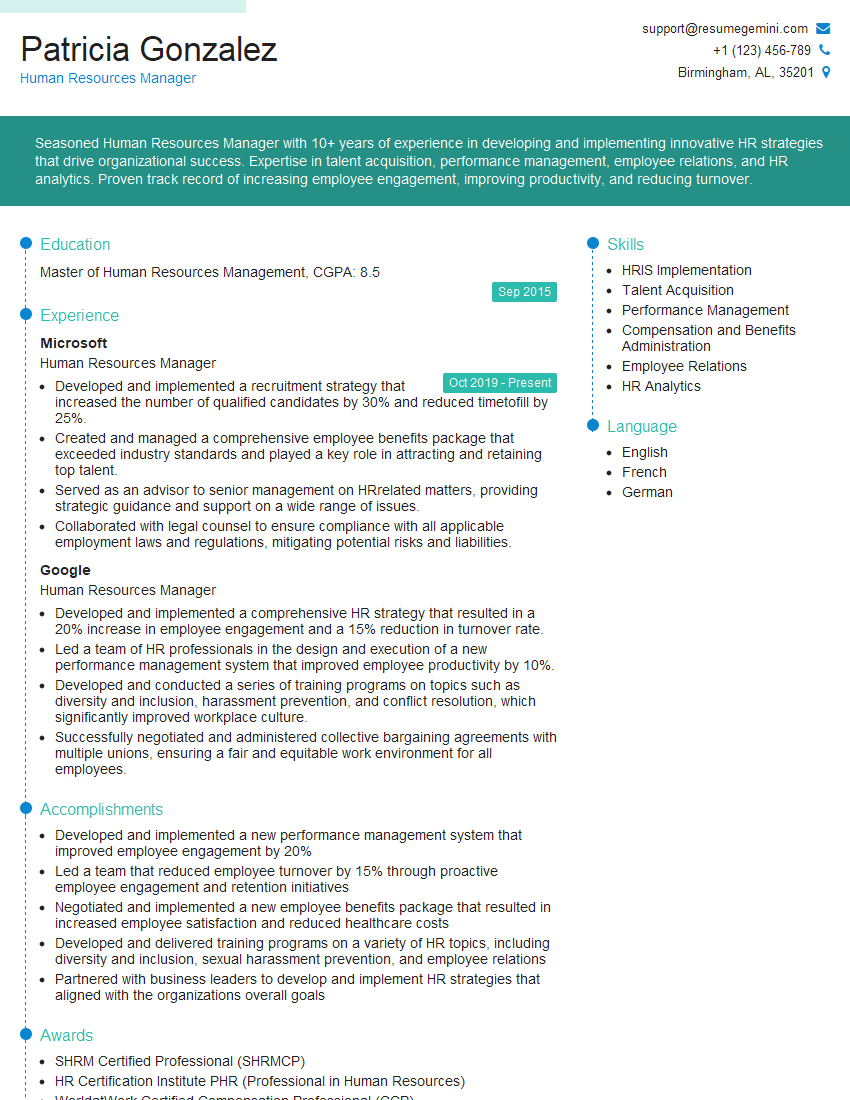
Human Resources Manager Resume Sample
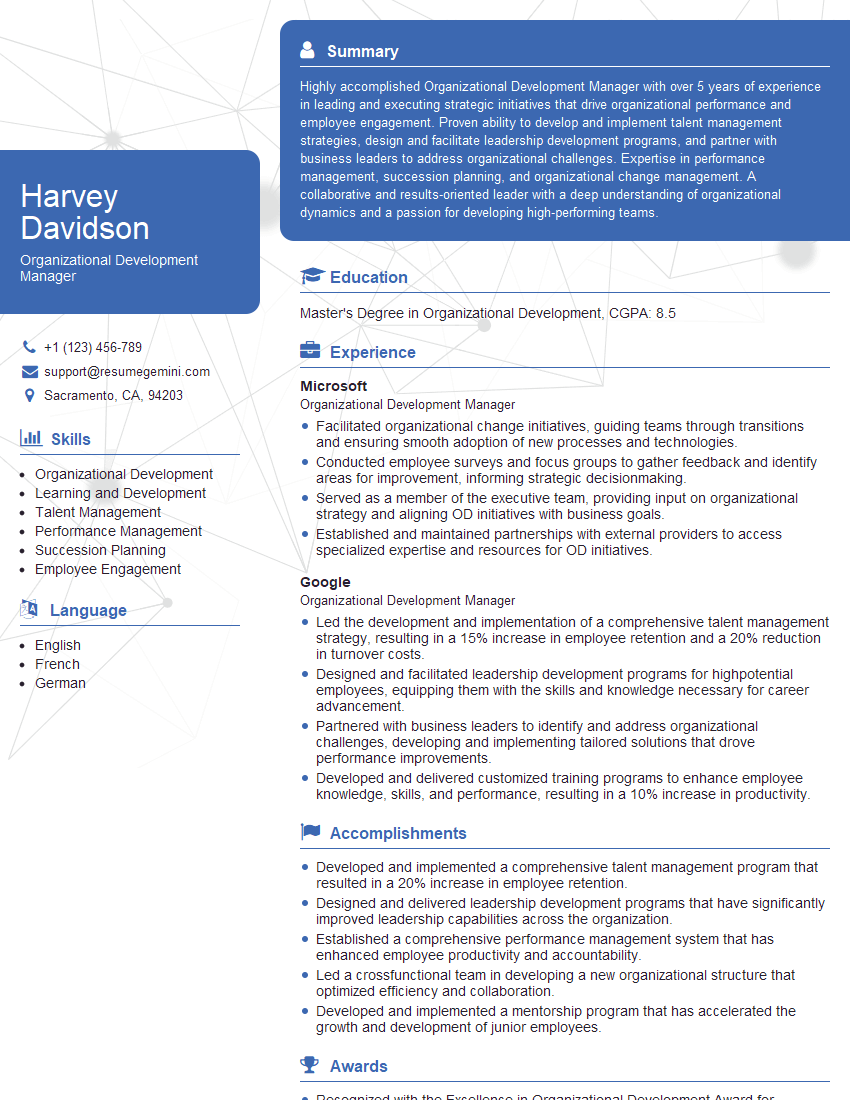
Organizational Development Manager Resume Sample

Project Manager Resume Sample
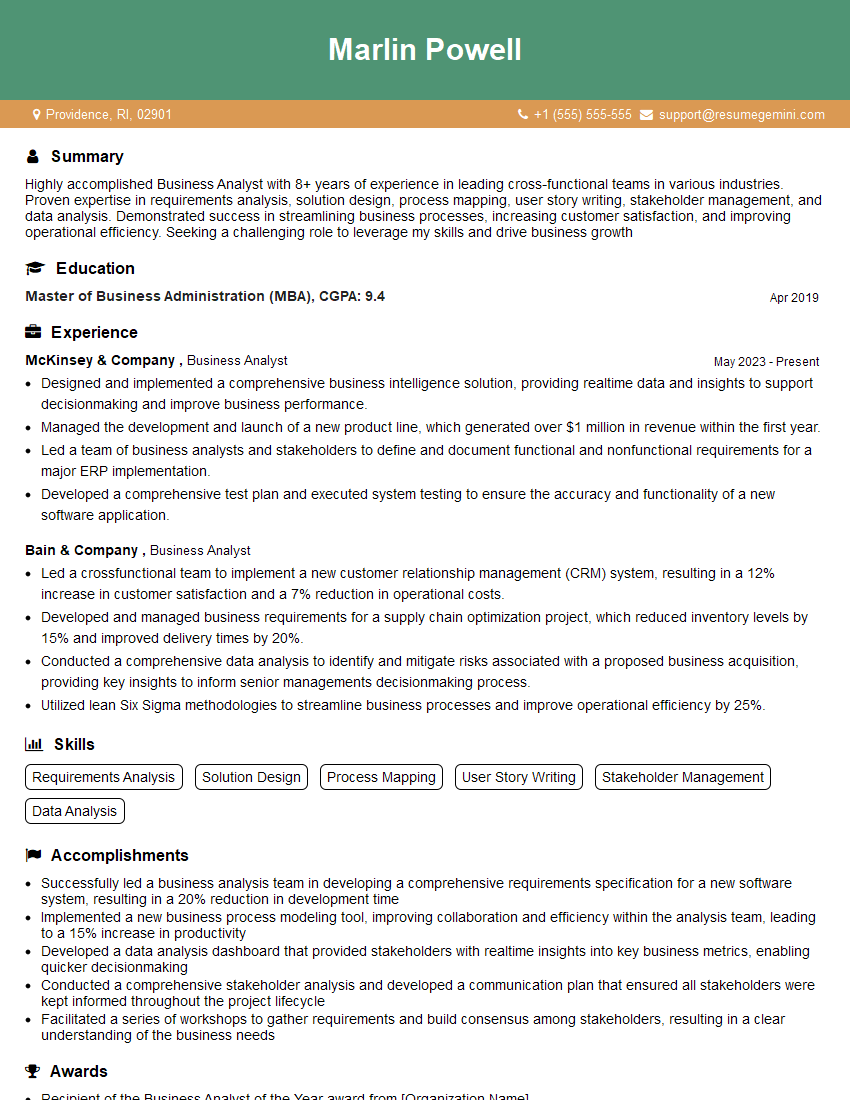
Business Analyst Resume Sample
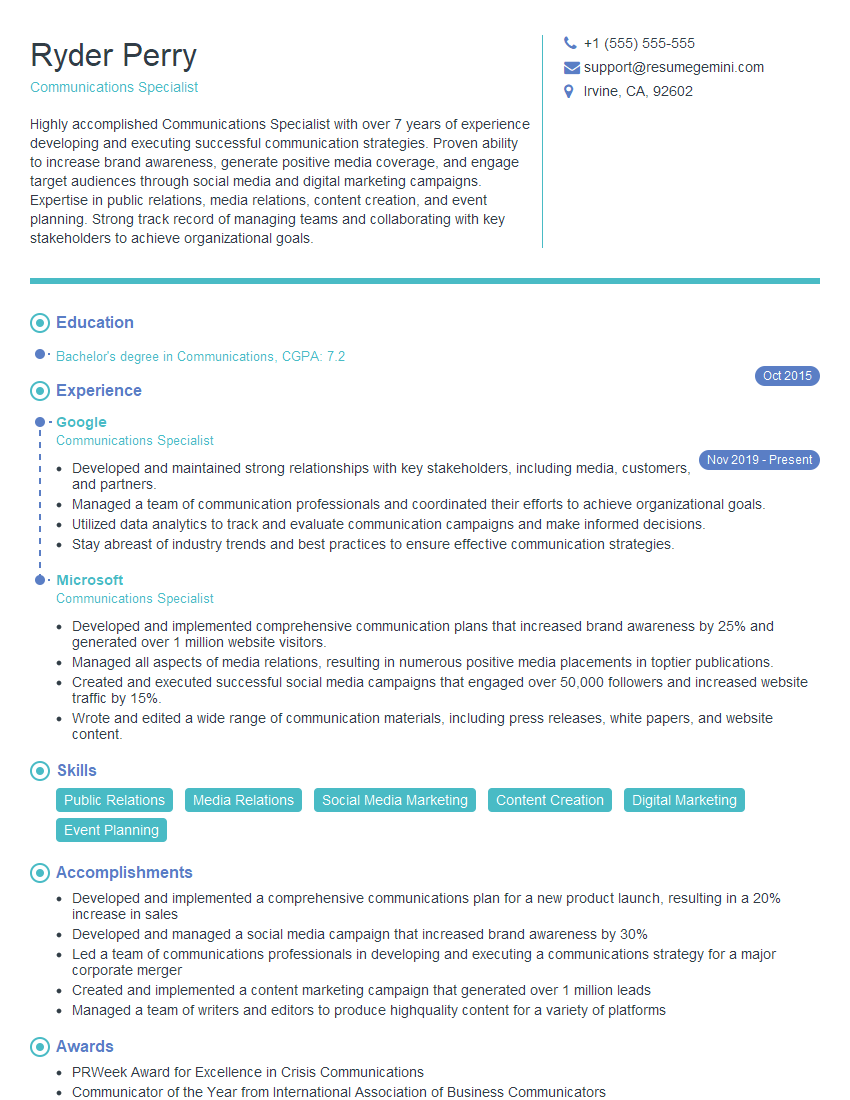
Communications Specialist Resume Sample
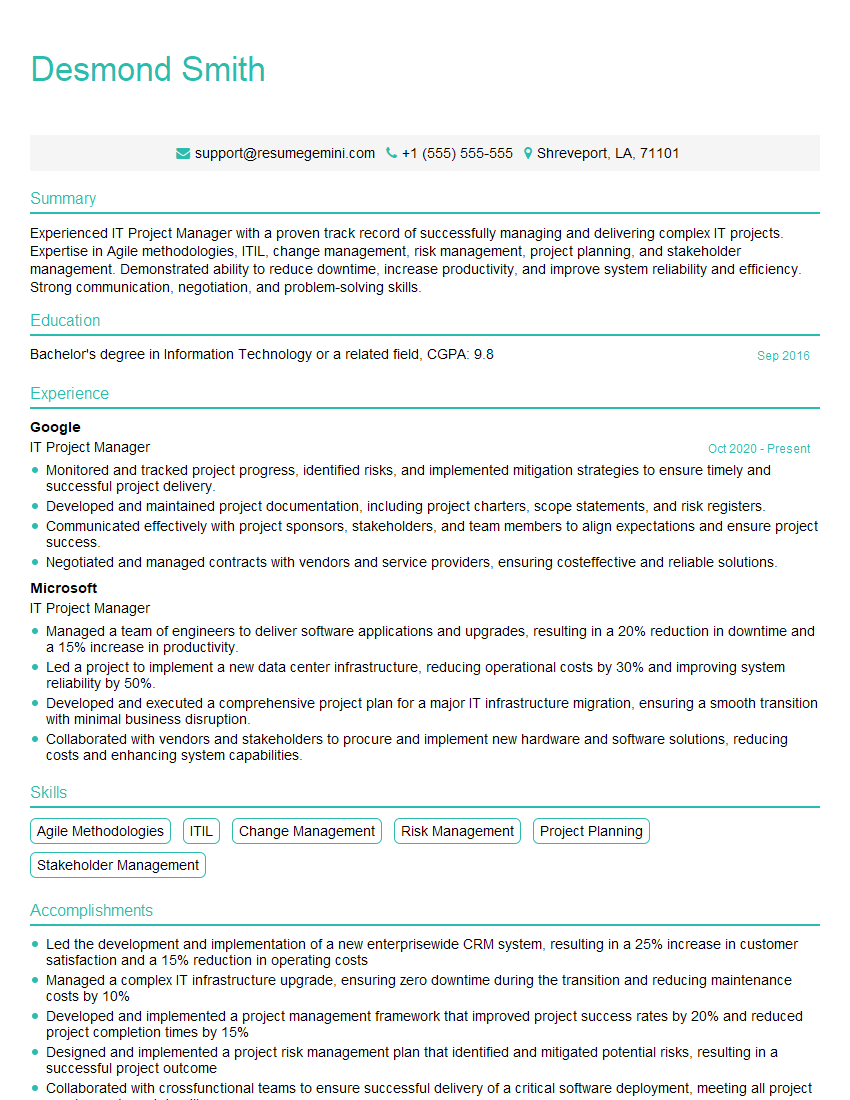
IT Project Manager Resume Sample
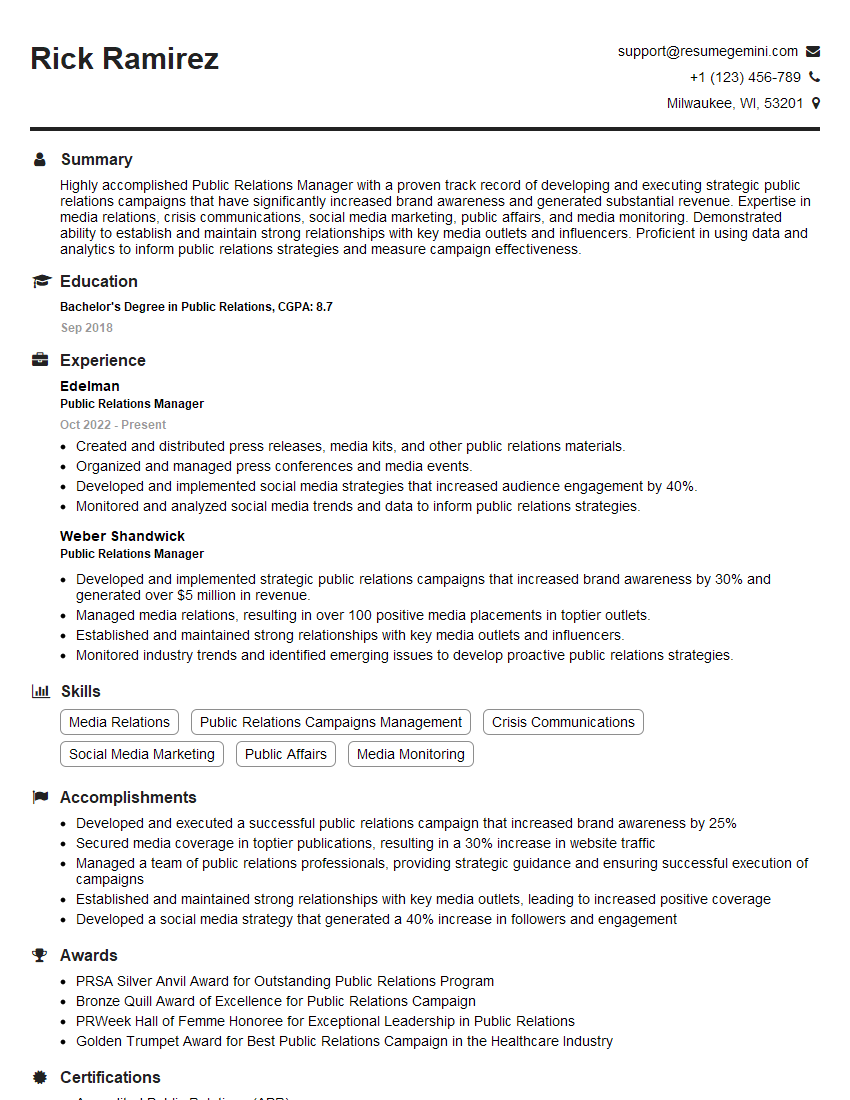
Public Relations Manager Resume Sample
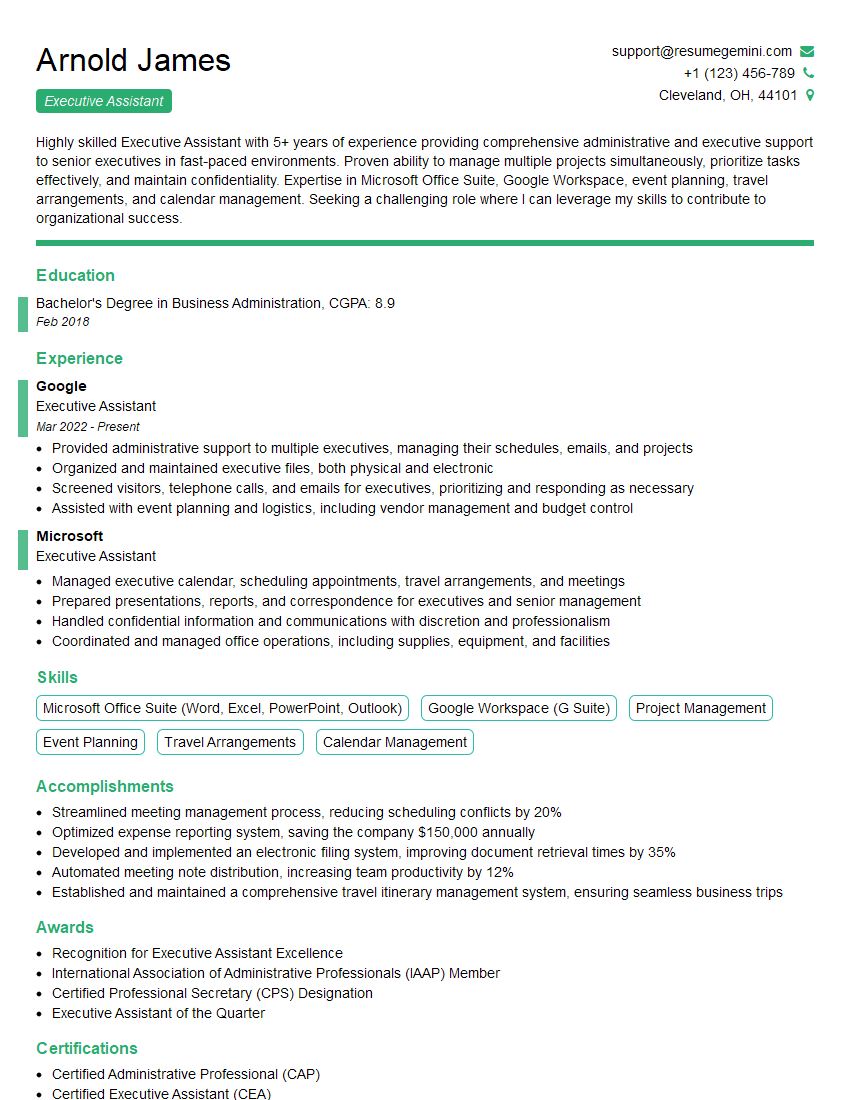
Executive Assistant Resume Sample
- Program Manager
- Operations Manager
- Marketing Manager
- Product Manager
- Communications Director
- Communications Manager
- Director of Communications
- Human Resources Manager
- Organizational Development Manager
- Project Manager
- Business Analyst
- Communications Specialist
- IT Project Manager
- Public Relations Manager
- Executive Assistant
Explore more articles
Users Rating of Our Blogs
Share Your Experience
We value your feedback! Please rate our content and share your thoughts (optional).
What Readers Say About Our Blog
Very informative content, great job.
good