Feeling uncertain about what to expect in your upcoming interview? We’ve got you covered! This blog highlights the most important Compound Miter Sawing interview questions and provides actionable advice to help you stand out as the ideal candidate. Let’s pave the way for your success.
Questions Asked in Compound Miter Sawing Interview
Q 1. Explain the difference between a single bevel and a double bevel miter cut.
The key difference between single and double bevel miter cuts lies in where the angle is created on the workpiece.
A single bevel miter cut involves angling the saw blade to create the miter angle on only one side of the workpiece. Imagine cutting a picture frame: You’d make a single bevel cut on each piece, with the angle facing inward to create the joint. The cut is made with the saw at an angle to the workpiece, but the workpiece itself remains flat against the fence.
In contrast, a double bevel miter cut creates the miter angle by angling the blade and simultaneously tilting the workpiece. Each side of the workpiece is cut at half the desired miter angle, allowing for cleaner and more precise joining, particularly for compound angles. Think of cutting a sharp corner; each side would need to be beveled at half the angle to meet perfectly.
For instance, a 45-degree miter joint could be achieved with a single 45-degree bevel cut on each piece. However, a 30-degree compound miter (say, for a crown molding joint) often necessitates a double bevel, where each piece is cut at 15 degrees to achieve the final 30-degree angle.
Q 2. How do you calculate the correct miter angle for a given application?
Calculating the correct miter angle is crucial for precise joinery. The method depends on the type of joint you’re making.
For simple miter joints (like a picture frame), the miter angle is simply half of the internal angle of the corner you’re creating. For example, a 90-degree corner requires a 45-degree miter angle (90/2 = 45).
Compound miter angles are more complex and require understanding both the miter angle (the angle across the face) and the bevel angle (the angle on the edge). Specialized calculators or online tools are helpful here. You’ll need to know the angle of the wall or surface you’re working with and the angle of the piece you’re cutting to correctly calculate the compound miter and bevel angles. A thorough understanding of trigonometry is helpful, although these online tools eliminate the need for manual calculation.
Many compound miter saws have built-in digital displays, and some even have pre-programmed settings for common applications, making the calculation process much easier.
Q 3. Describe the safety precautions you would take when operating a compound miter saw.
Safety is paramount when using a compound miter saw. Before even plugging it in, I always:
- Inspect the blade: Make sure it’s sharp, properly secured, and free from damage. A dull or damaged blade increases the risk of kickback.
- Clear the area: Remove any obstructions around the saw, ensuring ample workspace and a clear path for the workpiece.
- Use proper PPE: Safety glasses, hearing protection, and a dust mask are essential. Depending on the material, work gloves may also be necessary.
- Secure the workpiece: Always use the miter saw’s fence and clamps to securely hold the workpiece in place, preventing it from moving during the cut.
- Maintain a firm grip: Keep both hands on the workpiece, using a push stick where necessary, and avoid reaching over the blade.
- Never force the cut: Let the saw do the work. Forcing the saw can lead to kickback and injury.
- Disconnect the power: Always unplug the saw after use.
Additionally, I always make sure to understand and follow the manufacturer’s safety instructions specific to my saw model.
Q 4. What are the common causes of kickback on a compound miter saw?
Kickback, a dangerous event where the workpiece is violently thrown back toward the operator, can result from several factors:
- Bind: The most common cause is when the blade binds in the cut, often due to improper clamping, forcing the cut, or using a dull blade.
- Small workpieces: Cutting small, narrow pieces without proper support can easily lead to kickback.
- Improper blade selection: Using the wrong type of blade for the material can lead to binding and subsequent kickback.
- Damaged blade: A chipped or dull blade can increase the risk of binding and kickback.
- Pinch Point: This happens when the material pinches the blade, often near the end of a cut.
By consistently following safety procedures and using the correct techniques, most kickback incidents can be avoided.
Q 5. How do you adjust the blade height and bevel on a compound miter saw?
Adjusting the blade height and bevel is straightforward on most compound miter saws. The blade height is typically adjusted with a lever or knob, usually located near the base of the saw. It’s important to adjust this so the teeth are fully penetrating the workpiece, but not too much to avoid excessive waste and unnecessary strain on the saw.
The bevel is adjusted using a separate lever or knob that controls the tilt of the saw blade. These controls often use calibrated scales and detents for common angles (45 degrees, 30 degrees, etc.) Simply set the desired angle on the scale, and ensure it clicks securely into place. Some more advanced saws allow for precise, fine-tuning of the bevel and miter angles.
Q 6. How do you ensure accurate and precise cuts with a compound miter saw?
Achieving accurate and precise cuts requires attention to detail and proper technique:
- Sharp blade: A sharp blade makes cleaner, more precise cuts. A dull blade will bind, causing inaccuracies and potentially kickback.
- Proper workpiece alignment: Ensure the workpiece is firmly clamped against the fence and aligned correctly with the blade before making the cut. Use push sticks to further stabilize long pieces.
- Accurate angle settings: Double-check that the miter and bevel angles are correctly set before each cut. Pay attention to whether you’re using a single or double bevel.
- Smooth cuts: Avoid forcing the cut, let the saw do the work at a consistent speed. Avoid sudden jerks or movements.
- Test cuts: When working with unfamiliar material or angles, it’s always beneficial to start with test cuts on scrap material to ensure accuracy.
By following these steps, you can dramatically improve the precision and accuracy of your compound miter saw cuts.
Q 7. What types of blades are suitable for various materials (e.g., hardwood, softwood, plastics)?
Blade selection is crucial for optimal performance and safety. Different materials require different tooth configurations and blade materials.
Hardwood: Requires a blade with a higher tooth count (typically 60-80 teeth) and carbide-tipped teeth for smoother, cleaner cuts, reducing chipping and tear-out.
Softwood: Can tolerate blades with fewer teeth (40-60 teeth), but carbide-tipped blades are still recommended for cleaner cuts and longer blade life.
Plastics: Need a blade with a fine tooth count and specifically designed for plastics to avoid melting or chipping. A higher tooth count, similar to hardwood, is usually recommended.
Other Materials: Specialized blades are available for cutting metals, aluminum, and other materials. It’s essential to always select a blade appropriate for the material being cut, for both safety and the quality of the final product.
Q 8. Explain the importance of blade sharpness and how to maintain it.
A sharp blade is paramount in compound miter sawing for several reasons. It ensures clean, precise cuts, minimizing tear-out and splintering, especially crucial when working with fine hardwoods or veneers. A dull blade, on the other hand, requires more force, leading to inaccurate cuts, increased heat generation (potentially damaging the workpiece or blade), and a higher risk of kickback—a dangerous situation where the workpiece is thrown back towards the operator.
Maintaining blade sharpness involves regular inspection and sharpening or replacement as needed. I always visually inspect my blades before each project, looking for signs of damage like chipping or dulling. For minor dulling, I utilize a blade sharpener specifically designed for the type and tooth configuration of my blade, following the manufacturer’s instructions carefully. This is a skill that takes practice to master and doing it incorrectly can damage the blade further. For severely damaged or worn blades, replacement is always the best option. Remember to always disconnect the saw from the power source before any maintenance.
Q 9. Describe your experience with different types of compound miter saws (e.g., sliding, non-sliding).
My experience spans both sliding and non-sliding compound miter saws. Non-sliding saws are excellent for smaller projects and offer a simpler, more compact design. Their capacity is limited by the size of the saw itself. I’ve used them extensively for trim work and smaller moldings where precision and maneuverability are key. Sliding compound miter saws, however, greatly expand cutting capacity, allowing for much larger cuts. This is invaluable when working on larger projects, like cutting crown molding for a room or long baseboards. I find that while the sliding mechanism adds complexity, the increased capacity and capability are worth it for large-scale projects. The added weight and size should be considered based on the workspace available.
Choosing between the two depends heavily on the project and the available workspace. I often keep both types on hand for different needs.
Q 10. How do you deal with a jammed blade?
A jammed blade is a serious situation that requires careful handling. Never attempt to force the blade free while the saw is powered. The first step is always to disconnect the saw from the power source. Then, I assess the situation. Is the jam due to a workpiece caught in the blade, or is there another mechanical issue? If it’s a workpiece, gently try to remove it using appropriate tools, like pliers or a pry bar, taking care not to damage the blade further. If the jam is due to a mechanical problem, such as a binding of the miter or bevel mechanism, I inspect the entire mechanism carefully, lubricating moving parts if necessary, before attempting to free the blade. If I can’t resolve the jam myself after a careful inspection, I immediately seek professional assistance. Never force anything – that could result in further damage or injury.
Q 11. How do you select the appropriate speed and feed rate for different materials?
Selecting the correct speed and feed rate is vital for achieving clean cuts and preventing damage to the blade and the workpiece. Different materials require different approaches. Hardwoods, for instance, often require a slower speed and a more controlled feed rate to avoid burning or tear-out. Softer woods like pine can typically handle higher speeds and slightly faster feed rates. The saw’s manual should provide guidance on appropriate speed and feed rate ranges for various materials. I always start with the lower end of the recommended range and adjust as needed based on the observed cut quality. Overly fast feed rates can lead to rough cuts, while excessively slow speeds can cause burning. Experience plays a crucial role in developing a feel for the optimal speed and feed rate for different materials.
Q 12. What are the signs of a worn or damaged blade?
Several signs indicate a worn or damaged blade. These include: chipped or broken teeth; a dull cutting edge; uneven tooth height; excessive vibration during operation; and burning or discoloration of the cut material. Burn marks are a clear sign of a dull blade, as is excessive heat generation during cutting. If the blade is vibrating excessively, there’s a chance that the blade is warped or damaged. I regularly inspect the blade for these signs and take action—sharpening or replacing—promptly to prevent further damage and ensure consistent, safe operation.
Q 13. How do you maintain the accuracy of the miter saw over time?
Maintaining the accuracy of a compound miter saw is crucial for consistent results. Regular cleaning and lubrication of the moving parts are essential. I always clean debris from the saw after each use. I also check the alignment of the blade frequently. Many saws have alignment features or adjustment screws. For fine-tuning, I might use a square or precision measuring tool. Periodically, I also check the miter and bevel angles for accuracy. A properly functioning saw is the foundation for consistently accurate cuts; without that, the skill of the operator is less relevant.
Q 14. How do you handle different types of wood grain when cutting?
Wood grain significantly impacts cutting. With the grain, cuts are cleaner and easier. Against the grain, tear-out is much more likely. To minimize tear-out when cutting against the grain, I use a slower feed rate, a sharper blade, and may even use a backer board to support the workpiece and prevent splintering. Sometimes, making a slight adjustment to the cut angle can also help. For intricate cuts in figured wood, I might even consider using a finer-toothed blade to enhance precision and minimize damage. Understanding the grain direction is fundamental to producing high-quality cuts.
Q 15. What are some common troubleshooting issues encountered with a compound miter saw?
Troubleshooting a compound miter saw often involves addressing issues with the blade, fence, and motor. A dull blade is a common culprit, leading to poor cuts and excessive burning. Check the blade for damage and replace it if necessary. A misaligned blade can cause inaccurate cuts; this requires careful adjustment using the saw’s alignment mechanisms. Refer to your saw’s manual for precise instructions. A faulty motor might manifest as a lack of power or unusual noises. This could be due to a power supply problem, or even internal motor wear – often requiring professional repair.
Other common problems include binding in the miter mechanism (often from sawdust buildup), loose or broken parts, and inaccurate angle settings. Regular cleaning and lubrication are crucial preventative measures. Always inspect the saw before each use, checking for loose screws, damaged parts and ensuring smooth movement of all mechanisms. For instance, I once had a job where a contractor’s saw was making strange noises. Turns out a small stone had gotten lodged in the miter mechanism, preventing smooth operation. A quick cleaning solved the issue.
Career Expert Tips:
- Ace those interviews! Prepare effectively by reviewing the Top 50 Most Common Interview Questions on ResumeGemini.
- Navigate your job search with confidence! Explore a wide range of Career Tips on ResumeGemini. Learn about common challenges and recommendations to overcome them.
- Craft the perfect resume! Master the Art of Resume Writing with ResumeGemini’s guide. Showcase your unique qualifications and achievements effectively.
- Don’t miss out on holiday savings! Build your dream resume with ResumeGemini’s ATS optimized templates.
Q 16. Explain the importance of using a miter gauge.
The miter gauge is indispensable for making accurate crosscuts, especially at angles. It’s a sliding guide that ensures the workpiece is positioned correctly relative to the blade. Without it, making precise angled cuts becomes incredibly difficult and inconsistent. Imagine trying to cut a picture frame without a proper guide – the joints wouldn’t line up, ruining the entire project. The gauge ensures the cut is perpendicular to the workpiece’s edge for square cuts and at the precise miter angle for angled cuts. It prevents the workpiece from shifting during the cut, leading to clean, accurate results. Different saws offer different miter gauge options with varying levels of adjustability and locking mechanisms – understanding your saw’s specifics is key.
Q 17. How do you ensure proper workpiece support and clamping?
Proper workpiece support is paramount for safety and accuracy. Never attempt to cut a piece that’s too large for the saw’s capacity or unsupported. For larger pieces, I always use outfeed supports, or even a helper to steady the workpiece. These supports prevent the workpiece from tipping or shifting during the cut, leading to inaccurate angles and potential kickback (a dangerous situation where the workpiece is forcefully ejected from the saw). Clamping is equally crucial for smaller pieces, ensuring they stay securely in place. Using clamps or hold-downs prevents movement during the cut, resulting in a much cleaner and more accurate cut. For example, when cutting intricate moldings, I use specialized clamping mechanisms to ensure perfect alignment and stability.
Q 18. How do you perform a test cut before beginning a large project?
Before undertaking a large project, performing a test cut on scrap material of the same type and dimensions is essential. This allows you to check the blade’s sharpness, verify the accuracy of the miter and bevel settings, and ensure the cut quality aligns with your expectations. The test cut gives you a chance to fine-tune the saw’s settings without risking damage to your project materials. I always perform several test cuts, adjusting the settings until I achieve the desired result. This is particularly crucial when working with expensive or difficult-to-replace materials, allowing for adjustments and preventing costly mistakes. This preventative step has saved me from numerous rework and material waste situations.
Q 19. What are the limitations of a compound miter saw?
Compound miter saws, while versatile, have limitations. Their cutting capacity is restricted by the blade size and the saw’s design. Very large or thick workpieces might be beyond their capabilities. Furthermore, complex curves or intricate shapes are beyond the scope of a miter saw. For these, you would need a bandsaw or router. The saw is primarily designed for straight cuts and angled cuts, not complex curves. Additionally, the accuracy of the cuts is dependent on the saw’s condition, blade sharpness, and the operator’s skill. Improper setup or technique can lead to inaccurate cuts, regardless of the saw’s capabilities. Remember, this tool excels at specific tasks but isn’t a one-size-fits-all solution.
Q 20. How do you handle different joint types (e.g., miter, bevel, lap)?
Different joint types require different settings on the compound miter saw. A miter joint requires adjusting the miter angle, while a bevel joint involves setting the bevel angle. For a simple miter joint, like in a picture frame, both pieces would be cut at complementary angles (e.g., 45° and 45°). Bevel joints add another layer of complexity, adjusting the blade’s angle to create angled cuts on the workpiece’s face. Lap joints, on the other hand, don’t directly involve miter or bevel angles on the saw, but it might be used to prepare pieces for the joinery. Accurate calculations are crucial for all these joint types, and you must ensure the correct angles are set before starting the cut. I often use a protractor or digital angle finder to double-check my settings, ensuring precision.
Q 21. Describe your experience with various fence adjustments and stop systems.
My experience with fence adjustments and stop systems is extensive. The fence needs precise alignment to ensure accurate cuts, especially when making repetitive cuts. Many saws have fine-tuning mechanisms allowing for minute adjustments. I’ve worked with saws featuring both simple and complex stop systems. Simple systems use a mechanical stop, while more advanced ones include digital readouts and positive stops for precise repeatability. Accurate fence alignment is crucial for repeated cuts; even slight misalignment can accumulate into significant errors when making several cuts. For example, when constructing a cabinet, the precision of the fence is critical to ensure the cabinet’s doors and drawers fit perfectly. The stop systems aid in making multiple identical cuts, speeding up the process and maintaining consistency.
Q 22. How do you clean and maintain a compound miter saw?
Cleaning and maintaining your compound miter saw is crucial for its longevity and accurate performance. Think of it like regularly servicing your car – preventative maintenance saves you headaches (and money!) down the line.
Blade Cleaning: After each use, carefully brush off sawdust and debris from the blade using a soft brush. For stubborn residue, use a blade cleaner specifically designed for this purpose. Never use harsh chemicals.
Dust Removal: Compound miter saws produce a lot of dust. Regularly remove sawdust from the saw’s base, around the blade, and inside the motor housing using a compressed air canister or a shop vacuum with a brush attachment. Pay close attention to the miter detents and bevel gears, ensuring they’re free of obstructions.
Lubrication: Depending on your saw’s model, some moving parts might require lubrication. Refer to your owner’s manual for specific lubrication points and the type of lubricant recommended. Over-lubrication can be as detrimental as under-lubrication.
Blade Tightness: Always check that the blade is securely tightened before each use. A loose blade is a safety hazard and can lead to inaccurate cuts.
Inspection: Regularly inspect the saw for any signs of damage, wear, or loose components. Pay particular attention to the fence, the miter and bevel adjustments, and the power cord.
Following these steps will keep your compound miter saw running smoothly and accurately for years to come.
Q 23. What safety equipment should always be used when operating a compound miter saw?
Safety should always be your top priority when operating any power tool, and a compound miter saw is no exception. Think of it like wearing a seatbelt in a car – it’s non-negotiable.
Eye Protection: Safety glasses or a face shield are absolutely essential. Flying debris from the blade can cause serious eye injuries.
Hearing Protection: Earplugs or earmuffs are recommended to protect your hearing from the loud noise generated by the saw.
Dust Mask: A dust mask is crucial, especially when working with hardwoods or materials that produce fine dust. Inhaling sawdust can be harmful to your respiratory system.
Gloves: Work gloves provide protection for your hands from splinters and sharp edges.
Proper Clothing: Wear close-fitting clothing to prevent it from getting caught in the blade. Avoid loose sleeves, ties, or jewelry.
Clear Workspace: Ensure that your workspace is clean, organized, and free of obstructions. A cluttered workspace increases the risk of accidents.
Never operate the saw if you are tired or under the influence of drugs or alcohol. Always follow the manufacturer’s safety instructions.
Q 24. What are the different types of miter saw blades and their applications?
Miter saw blades come in various types, each designed for specific applications. Choosing the right blade is critical for achieving clean, accurate cuts.
General-Purpose Blades: These are the most common type and suitable for cutting a wide range of materials, including hardwoods, softwoods, and plywood. They typically have a moderate tooth count and are a good all-around choice.
Fine-Tooth Blades: These blades have more teeth, resulting in smoother, cleaner cuts, ideal for fine woodworking projects or cutting veneer. However, they cut slower.
Coarse-Tooth Blades: These blades have fewer teeth and are designed for faster cutting of rough materials or dimensional lumber. They may produce a rougher cut.
Abrasive Blades: Used for cutting non-ferrous metals, plastics, and other materials that are difficult to cut with standard blades.
Specialty Blades: There are also specialty blades designed for specific materials like laminates, melamine, or plastics. Always select a blade appropriate for the material being cut to ensure optimal performance and prevent damage to the blade or material.
Always check the blade’s specifications to ensure compatibility with your saw and the materials you will be cutting. Remember, a dull blade is a dangerous blade.
Q 25. Explain the concept of compound angles in miter sawing.
Compound miter sawing refers to the ability to cut at both a miter angle (the angle across the width of the board) and a bevel angle (the angle along the length of the board). Imagine a picture frame: you need miter cuts on the corners, and often bevel cuts on the edges for a more decorative look.
Miter Angle: This is the angle at which the blade is rotated horizontally. It’s used for creating angled cuts, such as the cuts needed to make a picture frame. A 45-degree miter angle, for example, creates a 45-degree angle on each piece which will meet to form a right angle when joined.
Bevel Angle: This is the angle at which the blade is tilted vertically. It allows you to make angled cuts on the face of the workpiece, creating a sloped edge or chamfer. A common application would be creating a decorative edge on crown molding.
Compound Angle: This combines both miter and bevel angles in a single cut, allowing for complex angles and shapes. A classic example is cutting the intricate angles needed for a multi-sided crown molding installation. Understanding these angles is crucial for achieving precise and accurate cuts in many woodworking projects.
Q 26. How do you accurately measure and mark materials for miter cuts?
Accurate measurement and marking are fundamental to precise miter cuts. A simple mistake in measurement can ruin an entire project.
Measuring: Use a high-quality measuring tape and a combination square or speed square to ensure accuracy. Always double-check your measurements before making the cut. For complex angles, a protractor or digital angle finder can be invaluable.
Marking: Use a sharp pencil or marking knife to make clear, precise marks on your material. A good quality pencil allows for easy removal of the marking without affecting the cut. For larger projects, use a marking gauge to ensure consistent marking.
Transferring Marks: When working with multiple pieces, always transfer marks carefully to ensure consistent angles across all pieces. A simple but effective method is to use a block of wood as a template, marking the angle on the block and then transferring the marked block to each workpiece.
Clamps: Securely clamp your material to the saw’s fence before making the cut. This prevents movement and ensures a clean, accurate cut.
Practice makes perfect. Start with simpler cuts to hone your skills and build confidence before tackling complex angles. Remember that precision is key in miter sawing.
Q 27. Describe a time you had to troubleshoot a problem with a compound miter saw. What was the issue, and how did you resolve it?
I once encountered a situation where a compound miter saw wouldn’t turn on. It had been working perfectly earlier that day, so it wasn’t an immediate case of a broken motor. I followed a systematic approach to troubleshooting.
Checked the Power Source: The most obvious check – I ensured that the power cord was properly plugged into a working outlet. It’s amazing how often this simple issue is overlooked.
Inspected the Circuit Breaker: I checked the circuit breaker to make sure it hadn’t tripped. This is particularly important on older circuits or if other power tools were running concurrently.
Examined the Power Cord and Connections: I carefully inspected the power cord for any damage, paying close attention to where the cord enters the saw’s body. A damaged cord could be a safety hazard, requiring replacement.
Checked the On/Off Switch: I thoroughly examined the on/off switch and tested it multiple times. Sometimes, a simple switch problem is behind a no-start situation.
Investigated the Internal Components: It turned out that the issue was not with the power source or switch. After careful examination (with the saw unplugged!) I found a loose connection in the internal wiring. I contacted our maintenance team to repair it since working with the internal wiring requires specialist skills.
This experience reinforced the importance of a methodical approach to troubleshooting, ensuring safety is never compromised when dealing with power tools. This is why regular maintenance is so important for prolonging the lifespan of the equipment.
Q 28. How would you train a new employee on the safe and efficient use of a compound miter saw?
Training a new employee on a compound miter saw involves a multi-stage process emphasizing safety and proficiency.
Safety First: Begin by reviewing all safety regulations and the proper use of personal protective equipment (PPE). This includes eye protection, hearing protection, and dust masks. This shouldn’t be a brief overview, but rather a discussion where questions are encouraged.
Tool Familiarization: Thoroughly explain the saw’s components, their functions, and proper operation, emphasizing how each part contributes to accuracy and safety. Show them how to adjust miter and bevel angles, and how to ensure the blade is securely fastened.
Practical Demonstration: Demonstrate proper techniques, starting with simple cuts and gradually increasing complexity. Show them how to properly position and clamp the material, emphasizing the importance of using the fence for consistent cuts.
Hands-on Practice: Provide supervised practice time, starting with scrap material to build confidence. Gradually introduce different types of wood and cuts. Observe their technique and offer constructive feedback.
Troubleshooting: Explain common problems and how to address them. Teach them how to identify a dull blade, a loose blade, or other potential issues and when professional help is needed.
Regular Review: Implement a system for periodic reviews and check-ins to ensure they retain knowledge and skills. A quick quiz and a practical demonstration once a month would be highly beneficial.
Consistent reinforcement and ongoing support are essential for ensuring safe and efficient operation. Remember, a well-trained employee is a safe and productive employee.
Key Topics to Learn for Compound Miter Sawing Interview
- Understanding the Compound Miter Saw: Familiarize yourself with the different components, their functions, and safety mechanisms. This includes blade types, adjustments, and maintenance procedures.
- Angle Calculations and Adjustments: Master the mathematics behind compound miter cuts. Practice calculating angles for various applications, including crown molding, picture frames, and complex joinery. Understand the difference between miter and bevel angles.
- Material Selection and Preparation: Learn about appropriate wood types and their properties for different projects. Understand how wood grain orientation impacts cutting accuracy and safety. Practice techniques for proper material preparation, including squaring and sizing.
- Cutting Techniques and Best Practices: Develop proficiency in safe and efficient cutting techniques. This includes proper workpiece clamping, feed rate control, and blade selection based on material type and thickness. Understand the importance of smooth, controlled cuts to avoid tear-out.
- Troubleshooting and Problem Solving: Be prepared to discuss common problems encountered during compound miter sawing, such as inaccurate cuts, blade binding, and kickback. Develop strategies for identifying and resolving these issues.
- Safety Procedures and Regulations: Demonstrate a thorough understanding of all relevant safety regulations and best practices for operating a compound miter saw. This includes proper personal protective equipment (PPE) usage and safe work habits.
- Advanced Techniques (Optional): Explore more advanced techniques such as using dado blades, creating complex profiles, and working with different materials beyond wood (if applicable to your target roles).
Next Steps
Mastering compound miter sawing is a valuable skill that opens doors to numerous opportunities in woodworking and construction. A strong understanding of this technique showcases precision, problem-solving skills, and a commitment to safety – all highly desirable traits in skilled trades. To maximize your job prospects, creating an ATS-friendly resume is crucial. ResumeGemini is a trusted resource to help you build a professional and effective resume that highlights your skills and experience. They even offer examples of resumes tailored to Compound Miter Sawing expertise, giving you a head start in your job search. Take the next step towards your career goals today!

Production Manager Resume Sample

General Contractor Resume Sample

Project Manager Resume Sample

Estimator Resume Sample
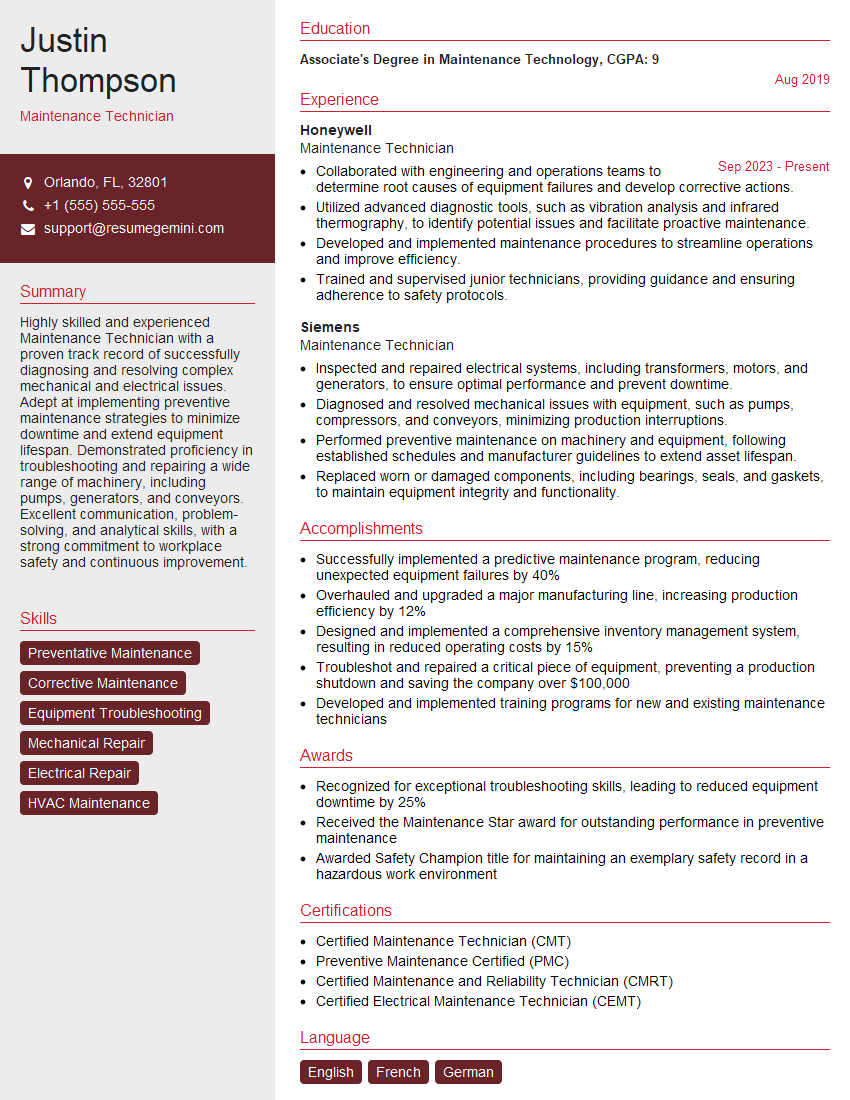
Maintenance Technician Resume Sample

Manufacturing Technician Resume Sample

Furniture Maker Resume Sample

Machine Operator Resume Sample

Site Supervisor Resume Sample

Finish Carpenter Resume Sample

Cabinet Maker Resume Sample

Construction Worker Resume Sample
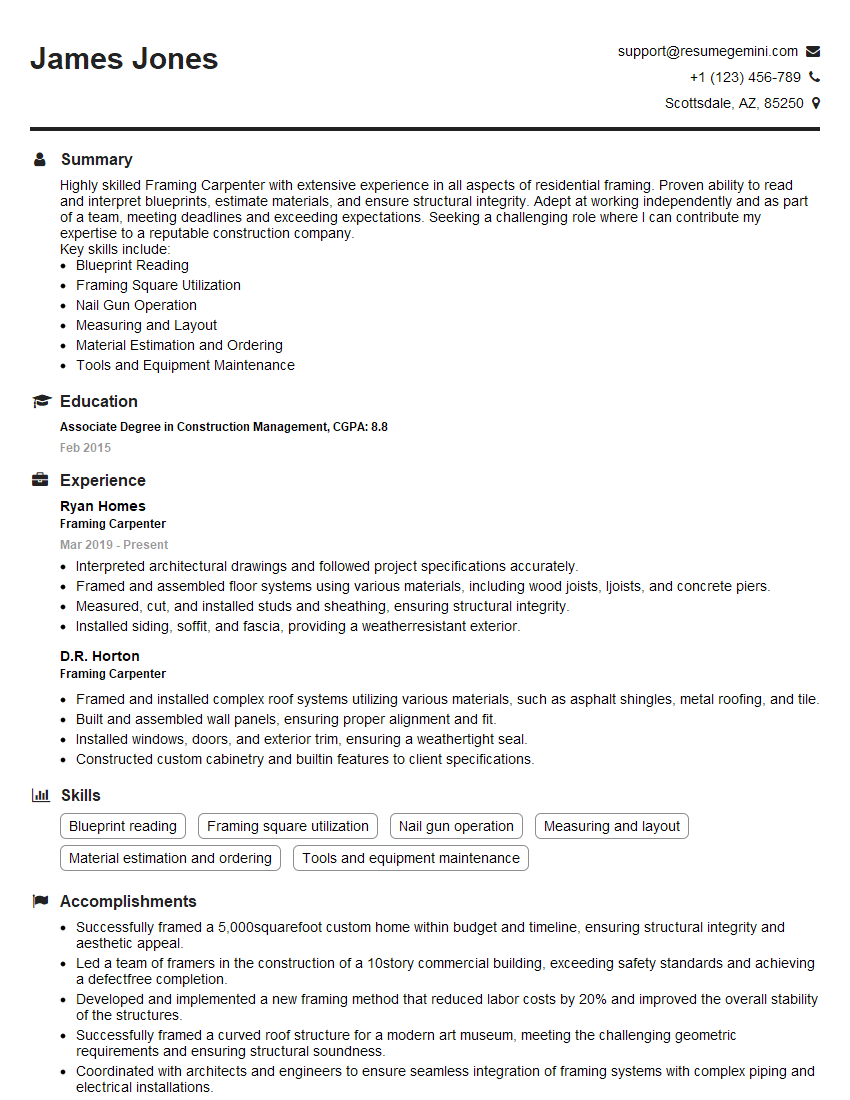
Framing Carpenter Resume Sample

Apprentice Carpenter Resume Sample

Carpenter Resume Sample

Journeyman Carpenter Resume Sample

Shop Foreman Resume Sample

Industrial Mechanic Resume Sample

Wood Machinist Resume Sample

Quality Control Inspector Resume Sample
- Production Manager
- General Contractor
- Project Manager
- Estimator
- Maintenance Technician
- Manufacturing Technician
- Furniture Maker
- Machine Operator
- Site Supervisor
- Finish Carpenter
- Cabinet Maker
- Construction Worker
- Framing Carpenter
- Apprentice Carpenter
- Carpenter
- Journeyman Carpenter
- Shop Foreman
- Industrial Mechanic
- Wood Machinist
- Quality Control Inspector
Explore more articles
Users Rating of Our Blogs
Share Your Experience
We value your feedback! Please rate our content and share your thoughts (optional).
What Readers Say About Our Blog
Very informative content, great job.
good