Unlock your full potential by mastering the most common Content Monetization Strategies interview questions. This blog offers a deep dive into the critical topics, ensuring you’re not only prepared to answer but to excel. With these insights, you’ll approach your interview with clarity and confidence.
Questions Asked in Content Monetization Strategies Interview
Q 1. Explain three distinct content monetization models and their suitability for different content types.
Content monetization employs various models to generate revenue from online content. Three prominent models are:
- Subscription Model: Users pay a recurring fee for access to exclusive content. This works well for high-value, niche content like in-depth research reports, expert tutorials, or premium online courses. Think of Netflix or Masterclass – they offer curated content behind a paywall. The success hinges on providing consistent, high-quality content that justifies the subscription cost.
- Advertising Model: Revenue is generated through displaying ads on the content. This is suitable for high-traffic websites or blogs with broad appeal. Think of news websites or popular blogs that incorporate banner ads, video ads, or interstitial ads. The key here is to balance ad density with user experience. Too many ads can drive users away.
- Freemium Model: Offers a basic version of the content for free, with premium features or content available through a paid subscription or one-time purchase. This model is excellent for apps, software, or websites with both free and paid tiers. Think of Spotify or many mobile games. It allows you to attract a large user base with the free content while monetizing a smaller segment with the premium offering. The challenge lies in designing a compelling free offering that entices users to upgrade.
Q 2. How would you measure the ROI of a content monetization strategy?
Measuring the ROI of a content monetization strategy requires a multifaceted approach. It’s not just about the money earned, but also the cost involved in creating and distributing the content. Here’s a breakdown:
- Calculate Revenue: This is the total income generated from your chosen monetization methods (subscriptions, ads, affiliate sales, etc.).
- Determine Costs: Include content creation costs (writing, editing, design, video production), marketing & promotion expenses, platform fees (e.g., website hosting), and any personnel costs involved.
- Calculate Net Profit: Subtract your total costs from your total revenue.
- Calculate ROI: Use the formula:
(Net Profit / Total Investment) * 100%. This gives you the percentage return on your investment.
For example, if you invested $10,000 and earned $20,000, your ROI is 100%. However, consider the time invested as well. While a high ROI is great, a lower ROI with significant time investment might not be as effective as a slightly lower ROI with less time invested. Always consider your opportunity cost!
Q 3. What metrics would you track to assess the success of a subscription-based content model?
For a subscription-based model, key metrics to track include:
- Conversion Rate: Percentage of free users who convert to paid subscribers. A higher conversion rate indicates a successful marketing strategy and attractive content offering.
- Churn Rate: Percentage of subscribers who cancel their subscriptions. A low churn rate shows high user satisfaction and retention.
- Customer Lifetime Value (CLTV): Predicts the total revenue generated by a single subscriber throughout their subscription period. High CLTV indicates a valuable subscriber base.
- Monthly Recurring Revenue (MRR): Total revenue generated from subscriptions each month. It’s a critical indicator of the model’s financial health.
- Average Revenue Per User (ARPU): Average revenue generated per user. Tracking ARPU helps optimize pricing and product bundles.
Regularly monitoring these metrics allows for data-driven adjustments to the content, pricing, and marketing efforts to maximize the model’s success.
Q 4. Describe your experience with affiliate marketing and its potential for content monetization.
Affiliate marketing is a powerful content monetization tool. It involves promoting other companies’ products or services and earning a commission on each sale made through your unique affiliate link. My experience encompasses selecting relevant affiliate products that align with my content and audience. For example, if my content focuses on travel, I might partner with travel agencies or booking platforms. I ensure ethical disclosure by clearly indicating affiliate links to maintain trust with my audience.
Successful affiliate marketing requires:
- Niche Selection: Focus on a specific niche where affiliate products are readily available and align with your content.
- Targeted Content: Create high-quality content that naturally incorporates affiliate links, providing genuine value to your audience.
- Performance Tracking: Monitor click-through rates and conversion rates to assess the effectiveness of your affiliate partnerships and optimize your strategies.
Ethical practices are crucial. Transparency is paramount to building trust with your audience, ensuring the long-term success of your monetization strategy.
Q 5. How do you balance content quality with monetization efforts?
Balancing content quality with monetization is a delicate act. The key is to prioritize user value. Monetization should be a natural extension of the value you provide, not an intrusive element that detracts from the user experience.
Strategies for maintaining this balance include:
- Integrate Monetization Strategically: Don’t force ads or affiliate links into your content. Instead, weave them seamlessly into the user experience. Think of product placements in films – they work when done naturally.
- High-Quality Content First: Always prioritize producing valuable, engaging content. A strong foundation of excellent content is the cornerstone of any successful monetization strategy.
- User Feedback: Regularly solicit and analyze user feedback. This helps identify what aspects of your monetization strategy are working well and where adjustments are needed.
- A/B Testing: Experiment with different monetization approaches (e.g., ad placement, affiliate program selection) to optimize revenue generation without negatively impacting user experience.
Essentially, the best monetization strategy is one that users barely notice because it adds to their overall experience, not detracts from it.
Q 6. What strategies would you employ to increase user engagement and subsequently improve monetization?
Increasing user engagement is directly linked to improved monetization. Higher engagement translates to more time spent on your platform, leading to more ad impressions or increased conversion rates for paid content.
Strategies to boost engagement include:
- Interactive Content: Incorporate polls, quizzes, comments sections, and Q&A forums to encourage participation and foster a sense of community.
- Personalized Recommendations: Use data to suggest relevant content to users based on their past behavior. This increases the likelihood of users consuming more content.
- High-Quality Visuals and Design: An aesthetically pleasing platform with clear navigation improves user experience and encourages engagement.
- Community Building: Create opportunities for users to interact with each other and with you (e.g., social media groups, online forums). A strong sense of community increases loyalty and engagement.
- SEO Optimization: Improve your search engine optimization (SEO) to drive more organic traffic to your content.
By making your content more engaging, you improve the user experience, which in turn leads to better monetization results.
Q 7. Explain the differences between programmatic advertising and direct ad sales.
Programmatic advertising and direct ad sales are two distinct approaches to selling ad inventory.
- Programmatic Advertising: This is an automated process where ad space is bought and sold through real-time bidding (RTB). Advertisers use algorithms to target specific audiences and bid on ad impressions. This approach offers efficiency and scale, especially useful for large publishers with significant ad inventory. The downside can be lower ad prices compared to direct sales, but this is offset by greater reach and efficiency.
- Direct Ad Sales: This involves directly negotiating ad deals with individual advertisers. This approach allows for higher ad rates, better control over ad placement, and stronger relationships with advertisers. It’s a more personalized approach that suits premium publishers or those with specialized audiences. However, direct ad sales require more time and effort to secure deals and manage advertiser relationships, and might not be suitable for smaller publishers or sites with less targeted audiences.
The best choice depends on the publisher’s size, audience, and goals. Larger publishers often use a combination of both programmatic and direct sales to maximize revenue.
Q 8. How would you approach the monetization of a blog with a niche audience?
Monetizing a niche blog requires a deep understanding of your audience and their needs. It’s not about throwing ads everywhere; it’s about integrating revenue streams that feel natural and valuable to your readers. The key is to offer something they’re willing to pay for, or that indirectly benefits you through increased engagement and brand loyalty.
Affiliate Marketing: Partner with companies offering products or services relevant to your niche. For example, a vegan food blog could promote vegan cookbooks or kitchen appliances. Transparency is key – clearly disclose affiliate relationships.
Sponsored Posts: Carefully select brands that align with your blog’s values and audience. Ensure sponsored content is high-quality and doesn’t feel intrusive. Focus on building genuine partnerships, not just one-off deals.
Selling Digital Products: Create and sell ebooks, online courses, templates, or printables related to your niche. This requires upfront effort, but can create recurring revenue streams.
Memberships/Subscriptions: Offer exclusive content, community access, or early access to posts for paying members. This creates a loyal audience willing to support your work directly.
Coaching/Consulting: If you have specialized knowledge, offer coaching or consulting services related to your niche. This can be a high-value revenue stream.
Remember to analyze your audience’s demographics, interests, and purchasing behavior to tailor your monetization strategy. A/B testing different approaches is vital to optimize results.
Q 9. How do you identify and prioritize potential revenue streams for a specific content platform?
Identifying revenue streams starts with a thorough content audit and market research. We need to understand the platform’s strengths, audience demographics, and engagement patterns. Prioritization involves a careful assessment of potential ROI and alignment with the overall brand strategy.
Framework for Identifying and Prioritizing Revenue Streams:
Audience Analysis: Understand their demographics, interests, pain points, and purchasing behavior. What are they already spending money on?
Content Audit: Analyze existing content to identify high-performing pieces and topics with monetization potential.
Competitor Analysis: Examine how competitors in your space are monetizing their content. What’s working for them? What can you learn from their successes and failures?
Platform Capabilities: Explore all the platform’s built-in monetization features (e.g., ads, subscriptions, affiliate programs).
Revenue Stream Evaluation: Assess each potential stream’s potential ROI, implementation complexity, and alignment with the brand’s long-term goals. Prioritize those with the highest potential for both short-term and long-term revenue.
For example, a podcast might prioritize sponsorships, merchandise sales, and premium content subscriptions based on audience size and engagement. A YouTube channel might focus on ad revenue, channel memberships, and affiliate marketing.
Q 10. Describe a time you had to adapt a content monetization strategy due to changing market conditions.
During the early days of the pandemic, I was managing a blog focused on travel. As international travel came to a standstill, our ad revenue plummeted. Our initial strategy relied heavily on display ads related to travel deals and bookings. We had to pivot quickly.
We adapted by:
Shifting Content Focus: We started producing content on virtual travel experiences, travel planning for the future, and budget-friendly domestic trips. This kept our audience engaged despite the limitations.
Exploring New Revenue Streams: We launched an online course on travel photography and partnered with brands offering virtual tours and online travel planning tools. This expanded our monetization beyond display ads.
Building Community: We fostered a stronger community through interactive content, live Q&A sessions, and social media engagement. This helped retain our audience despite reduced travel opportunities.
This adaptation showed the importance of flexibility and diversifying revenue streams. Reliance on a single monetization method is risky, especially in volatile market conditions.
Q 11. What are some common challenges in content monetization and how do you overcome them?
Common challenges in content monetization include low audience engagement, difficulty attracting advertisers, high competition, and the need to maintain audience trust.
Low Audience Engagement: This can be addressed through creating high-quality, engaging content that caters to the audience’s needs and interests. Using analytics to understand audience behavior and preferences is crucial.
Difficulty Attracting Advertisers: Building a strong brand reputation and demonstrating significant audience engagement is essential to attract quality advertisers. Niche audiences can sometimes be harder to target, requiring a more focused approach to outreach.
High Competition: Differentiation is key. Focus on providing unique value and building a strong brand identity. Concentrate on a specific niche to reduce direct competition.
Maintaining Audience Trust: Transparency is crucial. Clearly disclose affiliate relationships, sponsored content, and any potential conflicts of interest. Prioritize audience value over maximizing revenue.
Overcoming these challenges requires a proactive and adaptable approach, always putting the audience first and continuously analyzing the results to improve the monetization strategy.
Q 12. Explain the concept of a freemium model and its potential benefits and drawbacks.
The freemium model offers a basic version of a product or service for free while charging for premium features or access. Think Spotify’s free vs. premium service or a game with in-app purchases.
Benefits:
Wider Reach: The free version attracts a large user base, providing potential for upselling to the premium tier.
Viral Growth: Free access encourages sharing and word-of-mouth marketing.
Data Collection: Free users provide valuable data that can be used to improve the product and target premium features effectively.
Drawbacks:
Lower Revenue per User: A significant portion of users may remain on the free tier.
Balancing Free and Paid: Finding the right balance between offering enough free value to attract users and enough premium features to justify the paid subscription is crucial.
Support Costs: Supporting a large free user base can be costly.
Success with the freemium model depends on creating compelling premium features that provide significant value to users. It’s essential to carefully analyze user behavior to optimize conversion rates from free to paid users.
Q 13. How would you design a tiered subscription model for a content platform?
Designing a tiered subscription model requires understanding your audience’s needs and willingness to pay. Different tiers should offer varying levels of access and features, increasing in value with each level.
Example Tiers for a Content Platform:
Basic (Free): Limited access to content, ads displayed, basic features.
Premium: Ad-free experience, access to all content, priority customer support, exclusive content, and early access to new releases.
VIP: All Premium features plus exclusive community access, webinars, and personalized coaching.
Key Considerations:
Pricing: Research competitor pricing and assess audience willingness to pay for each tier.
Feature Differentiation: Ensure each tier provides demonstrably distinct value. Avoid creating tiers that are too similar.
Upselling and Cross-selling: Design the tiers to allow for easy upgrades or add-ons.
Continuously analyzing user behavior and feedback is essential to optimize the tier structure and pricing over time. This might include A/B testing different pricing models or adding new tiers based on user demand.
Q 14. What are your thoughts on the ethical considerations of content monetization?
Ethical considerations in content monetization are paramount. It’s crucial to balance revenue generation with responsible practices and audience trust.
Transparency: Clearly disclose all monetization methods (ads, sponsorships, affiliate links) to maintain audience trust and avoid misleading practices.
Data Privacy: Handle user data responsibly, complying with all relevant privacy regulations.
Clickbait and Misleading Content: Avoid using sensationalized headlines or misleading content to drive clicks or views. Prioritize providing accurate and valuable information.
Harmful Content: Refrain from monetizing content that promotes hate speech, violence, or other harmful behaviors.
Fair Compensation: Ensure fair compensation for contributors and creators if applicable.
Ethical content monetization is not just a matter of compliance but a commitment to building a sustainable and trustworthy relationship with your audience. Long-term success depends on maintaining this trust.
Q 15. How do you integrate analytics data to inform your content monetization decisions?
Integrating analytics data is crucial for making informed decisions in content monetization. It allows us to move beyond guesswork and optimize strategies based on real user behavior. I typically utilize platforms like Google Analytics, and potentially specialized tools depending on the platform (e.g., YouTube Analytics for a YouTube channel). My process involves:
- Identifying Key Metrics: I start by defining the most important metrics relevant to our monetization goals. This might include things like click-through rates (CTR) for ads, conversion rates for subscriptions or purchases, average revenue per user (ARPU), and bounce rates on landing pages.
- Segmenting Data: Analyzing data in isolation rarely provides a full picture. I segment the data by various factors such as demographics, traffic source, device type, and content type to understand which user groups are most responsive to different monetization strategies. For example, if we find that users from a specific referral source have a much higher conversion rate on a paywall, we can tailor our marketing efforts to attract more from that source.
- A/B Testing Analysis: A/B testing (discussed in more detail in the next question) provides critical data on which monetization methods perform best. Analyzing this data within Google Analytics or a dedicated A/B testing platform lets us identify successful approaches and refine underperforming ones. For example, if an A/B test on ad placement shows one location consistently outperforms another, we’ll adjust placement across the board.
- Attribution Modeling: Determining which marketing channels are most effective in driving monetizable actions is essential. By utilizing multi-touch attribution models, we get a better understanding of the user journey and the role each touchpoint played in a conversion. This allows for efficient marketing spend allocation.
By consistently monitoring these metrics and adapting our strategies, we ensure that our content monetization efforts are always data-driven and optimized for maximum efficiency.
Career Expert Tips:
- Ace those interviews! Prepare effectively by reviewing the Top 50 Most Common Interview Questions on ResumeGemini.
- Navigate your job search with confidence! Explore a wide range of Career Tips on ResumeGemini. Learn about common challenges and recommendations to overcome them.
- Craft the perfect resume! Master the Art of Resume Writing with ResumeGemini’s guide. Showcase your unique qualifications and achievements effectively.
- Don’t miss out on holiday savings! Build your dream resume with ResumeGemini’s ATS optimized templates.
Q 16. Explain your experience with A/B testing in the context of content monetization.
A/B testing is an indispensable part of my content monetization workflow. It allows for controlled experimentation, enabling us to compare different versions of a webpage or ad format to determine which performs best. I’ve extensively used A/B testing for optimizing:
- Paywall Design: Testing different paywall messaging, pricing tiers, and trial options to maximize conversions. For instance, we might test a headline that emphasizes value versus a headline that focuses on cost savings.
- Ad Placement and Format: Determining the optimal location and size of ads to minimize user disruption while maximizing revenue. We might A/B test different ad placements—above the fold versus below the fold—or experiment with various ad formats like banners versus native ads.
- Call-to-Action (CTA) Buttons: Improving the effectiveness of CTAs by testing different wording, colors, and placement. Simple changes in button copy, such as switching from ‘Subscribe’ to ‘Join Now,’ can significantly impact conversion rates.
- Email Marketing: Testing subject lines, email content, and call-to-actions to optimize email campaign performance. Testing email open rates is critical for improving subscriber engagement with your monetization efforts.
My approach to A/B testing involves defining a clear hypothesis, selecting a suitable sample size, tracking relevant metrics, and using statistical significance tests to ensure the results are reliable. I usually utilize tools such as Optimizely or Google Optimize for implementing and managing A/B tests effectively.
Q 17. What strategies would you use to improve the conversion rate of a paywall?
Improving paywall conversion rates requires a multifaceted approach focused on providing value and enhancing the user experience. Here’s my strategy:
- Offer a compelling free tier: Provide enough valuable content for free to entice users to upgrade. This could include a limited number of articles per month, or access to only specific content categories.
- Highlight value propositions: Clearly communicate the benefits of a paid subscription. Focus on features like ad-free access, exclusive content, early access to new releases, and improved user experience. Instead of solely stating the price, lead with value.
- Offer different subscription tiers: Cater to various needs and budgets by providing multiple pricing options. A basic, standard, and premium plan might work best to allow users to choose what best fits them.
- Optimize the paywall design: Use clear and concise language, visually appealing designs, and a seamless checkout process. Avoid making the paywall appear overly intrusive or confusing.
- Personalize the experience: Use data to tailor the paywall message and offers to individual users based on their browsing behavior and engagement with the content.
- A/B test different versions: Continuously test different paywall designs, messaging, and pricing to optimize conversion rates. As mentioned before, experimentation is key to identifying what works best for your audience.
- Implement a freemium model: If appropriate for the content, offering a combination of free and paid content can encourage gradual engagement and increase the likelihood of users subscribing.
By focusing on building trust, offering a superior experience, and continuously optimizing the paywall, conversion rates can be significantly improved.
Q 18. How would you implement a robust affiliate program for a content site?
Implementing a robust affiliate program involves careful planning and execution. The key is to select the right partners and provide them with the tools and support they need to succeed.
- Partner Selection: Identify relevant websites and influencers whose audience aligns with your target demographic. Ensure they maintain a positive brand image and strong engagement metrics.
- Commission Structure: Determine a fair and attractive commission rate for affiliates. This could be a percentage of sales, a fixed amount per sale, or a combination of both. You should also offer tiered commissions based on performance.
- Tracking and Reporting: Use a dedicated affiliate marketing platform (e.g., ShareASale, CJ Affiliate) or integrate a tracking system into your website. This ensures accurate tracking of affiliate referrals and provides detailed reports to partners.
- Promotional Materials: Provide affiliates with high-quality marketing materials, including banners, links, and email templates. Regularly update materials to reflect current promotions and offers.
- Communication and Support: Maintain open communication with affiliates. Provide timely support and address any issues or concerns they may have. An effective affiliate management program is crucial.
- Compliance: Ensure your affiliate program complies with all relevant advertising regulations and disclosure requirements. Transparency and honesty are paramount for success.
By carefully selecting partners, offering attractive incentives, and providing strong support, a successful affiliate program can significantly expand your reach and increase your revenue streams.
Q 19. Describe your experience with using different ad networks and their respective advantages and disadvantages.
I have experience with several ad networks, including Google AdSense, Media.net, and Ezoic. Each has its advantages and disadvantages:
- Google AdSense: Widely used, easy to implement, and offers a large pool of advertisers. However, the revenue per thousand impressions (RPM) can be variable and sometimes lower compared to other networks. It is a good starting point for many websites.
- Media.net: A strong alternative to AdSense, known for its contextual advertising and higher RPMs in some niches. It can require more stringent website content guidelines than AdSense.
- Ezoic: A more sophisticated platform that uses AI to optimize ad placement and revenue. It typically requires a higher level of website traffic to qualify, but it can yield higher revenue per pageview than simpler networks. It utilizes advanced analytics and testing, enhancing monetization capabilities.
The best ad network depends on factors such as your website’s traffic volume, niche, and content quality. I often recommend testing multiple networks concurrently to determine which performs best for a particular site. It’s often a good idea to have a few networks running simultaneously for maximum yield.
Q 20. How do you analyze the performance of various content monetization channels?
Analyzing the performance of various content monetization channels requires a structured approach. I usually focus on these key aspects:
- Revenue Generation: Track the actual revenue generated by each channel (e.g., ad revenue, subscription revenue, affiliate revenue). It’s critical to distinguish between gross and net revenue, accounting for platform fees and other expenses.
- Cost of Acquisition: Consider the costs associated with each channel, including marketing expenses, platform fees, and development costs. This helps in calculating the ROI (Return on Investment) for each channel.
- Conversion Rates: Monitor the conversion rates for each channel. For example, how many users clicking on ads convert into sales or subscriptions? Analyzing this data helps understand which channels are most efficient at driving conversions.
- Audience Engagement: Analyze user engagement metrics for each channel, such as time spent on page, click-through rates, and bounce rates. High engagement often correlates with higher monetization potential.
- Scalability: Evaluate the scalability of each channel. Can it sustain growth and increase revenue as your audience expands? Some channels may reach a saturation point where further growth is limited.
By regularly analyzing these metrics and comparing them across channels, I can identify high-performing channels and areas for improvement. This data-driven approach ensures that our monetization efforts are focused on the most effective strategies.
Q 21. How would you approach content monetization for a YouTube channel?
Content monetization for a YouTube channel offers a variety of approaches. My strategy would involve a combination of these:
- YouTube Partner Program (YPP): Joining the YPP is a fundamental step, enabling monetization through pre-roll, mid-roll, and display ads. Optimizing video content for ad revenue includes careful placement of ad breaks, adhering to YouTube’s guidelines, and focusing on viewer retention.
- Channel Memberships: Offering exclusive perks to channel members in exchange for a monthly fee provides a recurring revenue stream. This creates a strong connection with loyal viewers.
- Super Chat & Super Stickers: These features allow viewers to pay to have their messages highlighted during live streams, boosting engagement and revenue. Promoting these features during streams is crucial.
- Merchandise Shelf: Creating and promoting branded merchandise provides an additional revenue stream. This can range from t-shirts to mugs, depending on the channel’s branding and audience.
- Affiliate Marketing: Partnering with relevant brands and promoting their products or services can generate commissions. This requires careful selection of partners aligned with the channel’s audience and values.
- Sponsorships: Collaborating with brands on sponsored content offers a significant revenue potential. Transparency and clear disclosure are critical for maintaining audience trust.
- Crowdfunding: Platforms like Patreon offer a way to receive recurring donations from dedicated fans in exchange for exclusive content or perks. This builds community engagement and generates a direct income stream.
The optimal approach will depend on the channel’s content, audience, and overall goals. A balanced strategy combining several of these methods is often most effective.
Q 22. What strategies would you suggest to improve the user experience while incorporating monetization?
Improving user experience while monetizing content is a delicate balancing act. The key is to make monetization feel seamless and unobtrusive, even beneficial, to the user. This requires a strategic approach that prioritizes value exchange.
- Non-intrusive Ads: Instead of aggressive pop-ups or auto-playing videos, opt for native advertising that blends seamlessly with the content. Think sponsored articles or subtly integrated banner ads that are visually appealing and relevant to the user’s interests. For example, a cooking blog might feature sponsored content from a kitchen appliance brand, provided the product aligns with the blog’s theme.
- Value-Added Content: Offer premium content behind a paywall or as part of a membership. This creates a clear value proposition: users pay for exclusive access to higher-quality or more in-depth content. Think of a podcast offering bonus episodes or ad-free listening to paying subscribers.
- Personalized Recommendations: Use data to show users relevant content and offers. This ensures ads and premium content suggestions are not just random but tailored to individual preferences, thus making the experience more enjoyable and less intrusive.
- User Feedback Mechanisms: Regularly solicit user feedback on the advertising experience and the overall site design. This helps identify pain points and opportunities for improvement, keeping the user at the heart of the monetization strategy.
- Transparency and Control: Be upfront about how you monetize your content. Offer users options to customize their ad experience, perhaps choosing to view fewer ads in exchange for a small fee or by selecting specific ad categories they find relevant.
Ultimately, successful content monetization hinges on a strong understanding of your audience and their preferences. It’s about providing valuable content in a way that respects the user’s time and attention.
Q 23. How do you forecast the revenue potential of a specific content monetization strategy?
Forecasting revenue for a content monetization strategy requires a multi-faceted approach. It’s not an exact science, but a well-informed estimate is achievable through careful analysis and realistic projections.
- Audience Analysis: Start by defining your target audience – demographics, interests, online behavior, etc. This allows you to estimate potential reach and engagement.
- Monetization Model Selection: The chosen model (advertising, subscriptions, affiliate marketing, etc.) significantly impacts revenue potential. Research comparable sites/content to gauge average revenue per user (ARPU).
- Traffic Projections: Based on historical data or realistic growth forecasts, estimate website or content viewership. This can involve analyzing website analytics, social media engagement, and projected marketing campaign success.
- Conversion Rate Estimation: For models like subscriptions or e-commerce, estimate the percentage of visitors who will convert into paying customers. This requires understanding user behavior and the effectiveness of your calls to action.
- Pricing Strategy: For paid content, decide on a pricing structure that’s competitive yet profitable. Consider various pricing tiers to cater to different user needs and budgets.
- Cost Analysis: Factor in the costs associated with your content creation, platform maintenance, marketing, and other operational expenses.
By combining these elements, you can create a realistic revenue forecast. It’s important to remember that this is a projection; regular monitoring and adjustment are crucial to adapt to changing market conditions and user behavior.
Q 24. Explain your understanding of different advertising formats and their effectiveness.
Advertising formats vary widely in their effectiveness, depending on factors such as content type, audience, and placement. Choosing the right format requires careful consideration.
- Banner Ads: These are traditional rectangular ads placed on websites. While widely used, their click-through rates are often low. Effectiveness can be boosted with targeted advertising and compelling visuals.
- Native Ads: These ads are designed to blend seamlessly with the surrounding content, improving user experience and click-through rates. Examples include sponsored posts, in-feed ads, and recommended content.
- Video Ads: Pre-roll, mid-roll, and post-roll ads are common, offering high engagement potential. However, overly long or intrusive ads can negatively impact user experience.
- Interstitial Ads: Full-screen ads displayed between screens or content sections. These can be disruptive if not implemented carefully.
- In-App Ads: Common in mobile apps, these ads can be banner, interstitial, or rewarded video ads. They’re highly contextually relevant but need careful placement to avoid interrupting the user flow.
Effectiveness is measured by metrics like click-through rate (CTR), conversion rate, and cost per thousand impressions (CPM). A/B testing different ad formats and placements is crucial to optimize for the best performance.
Q 25. How do you stay current with the latest trends in content monetization?
Staying current in content monetization requires a proactive and multi-pronged approach.
- Industry Publications and Blogs: Following reputable industry publications, blogs, and newsletters is crucial for staying informed about new trends and technologies. This includes keeping up with updates in search engine optimization (SEO) as it is closely tied to successful monetization.
- Conferences and Webinars: Attending relevant conferences and webinars provides networking opportunities and insights into cutting-edge strategies.
- Competitor Analysis: Regularly analyzing the monetization strategies of successful competitors in your niche provides valuable insights and benchmarks.
- Data and Analytics: Continuously monitoring website analytics and user data reveals trends and informs strategic adjustments.
- Experimentation: Regularly testing new monetization strategies, even on a small scale, allows for quick adaptation to changing user preferences and market dynamics.
Staying informed is an ongoing process that requires dedication and a continuous learning mindset.
Q 26. How would you manage the legal and compliance aspects of a content monetization strategy?
Legal and compliance aspects of content monetization are critical and often overlooked. Failing to comply with regulations can lead to serious legal consequences.
- Copyright and Intellectual Property: Ensure all content used is either original or legally licensed. This includes images, videos, music, and text. Properly attributing sources and obtaining necessary permissions is essential.
- Data Privacy: If you collect user data, comply with regulations like GDPR and CCPA. This involves obtaining consent, providing transparency about data usage, and ensuring data security.
- Advertising Regulations: Adhere to advertising regulations regarding disclosures, transparency, and targeting practices. This often involves clearly labeling sponsored content and avoiding misleading or deceptive ads.
- Terms of Service and Privacy Policy: Clearly outline your terms of service and privacy policy, outlining user rights, responsibilities, and how you handle user data. These documents should be legally sound and easy for users to understand.
- Tax Compliance: Understand and comply with tax regulations regarding revenue generated from content monetization. This can involve reporting income and paying applicable taxes in your jurisdiction.
Seeking legal counsel when needed is crucial, especially for complex monetization strategies or when dealing with international audiences.
Q 27. Describe your experience with building and managing a membership community.
My experience with building and managing membership communities centers around creating a vibrant ecosystem that fosters engagement and encourages retention. It involves a structured approach encompassing:
- Community Platform Selection: Choosing the right platform (e.g., Discourse, Mighty Networks, Circle) depends on community size, desired features, and budget.
- Content Strategy: Developing a regular schedule of engaging content—exclusive articles, videos, webinars, Q&A sessions—is crucial for retaining members.
- Community Management: Active moderation and participation are key to fostering a positive and supportive environment. Responding to member queries promptly and encouraging interaction is essential.
- Member Onboarding: A clear and engaging onboarding process helps new members quickly integrate into the community and understand its value proposition.
- Feedback Mechanisms: Regularly soliciting member feedback through surveys, polls, or direct interaction allows for continuous improvement and customization.
- Tiered Membership Levels: Offering different membership tiers with varying levels of access and benefits helps cater to diverse user needs and budgets.
Success depends on building a sense of community, fostering relationships among members, and consistently delivering value. It’s not just about providing content, but creating a space where people connect, collaborate, and find support.
Q 28. How would you leverage data to personalize the content monetization experience for different user segments?
Leveraging data to personalize the content monetization experience for different user segments is crucial for maximizing revenue and improving user satisfaction. This involves a data-driven approach:
- User Segmentation: Divide your audience into meaningful segments based on demographics, interests, behavior, and engagement patterns. This might include segmenting by age, location, content consumption patterns, or purchase history.
- Personalized Content Recommendations: Use data to recommend relevant content, including both free and paid options. This ensures users see offers that genuinely align with their interests.
- Targeted Advertising: Display ads relevant to each segment’s interests. This improves click-through rates and conversion rates compared to generic ad displays.
- Personalized Pricing and Offers: Offer different pricing tiers or promotional deals based on segment behavior and value. This can include offering discounts to loyal members or premium features to high-value users.
- A/B Testing: Continuously test different personalization strategies to optimize for the best performance. This involves comparing different versions of ads, recommendations, or offers to see which resonate most with each segment.
By using data to understand your audience better, you can create a more relevant and engaging experience, ultimately leading to higher monetization success and enhanced user satisfaction.
Key Topics to Learn for Content Monetization Strategies Interview
- Subscription Models: Understanding various subscription models (freemium, premium, tiered), their advantages and disadvantages, and how to choose the right model for different content types and audiences. Practical application: Analyzing the success of different subscription models for a specific niche and proposing improvements.
- Advertising Revenue: Exploring different advertising formats (display ads, video ads, sponsored content), optimizing ad placement for maximum revenue, and understanding the implications of various ad networks and platforms. Practical application: Developing a comprehensive advertising strategy for a blog or website, considering audience demographics and content type.
- Affiliate Marketing: Understanding affiliate marketing principles, selecting appropriate affiliate programs, and tracking performance metrics. Practical application: Creating a detailed affiliate marketing plan, including selection criteria, performance goals, and reporting mechanisms.
- eCommerce Integration: Strategies for integrating content with eCommerce platforms to drive sales, such as product reviews, influencer marketing, and targeted content promotion. Practical application: Developing a content strategy to boost sales for a specific product line.
- Content Licensing and Syndication: Understanding licensing agreements, negotiating fair terms, and distributing content across various platforms to maximize reach and revenue. Practical application: Analyzing the potential revenue streams from content licensing and syndication for a specific piece of content.
- Metrics and Analytics: Mastering key performance indicators (KPIs) for content monetization, such as CPM, CPC, CPA, conversion rates, and churn rate. Practical application: Interpreting analytics data to identify areas for improvement in a content monetization strategy.
- Legal and Ethical Considerations: Understanding copyright laws, disclosure requirements, and ethical considerations related to advertising and affiliate marketing. Practical application: Developing a compliance plan to ensure all monetization activities are legal and ethical.
Next Steps
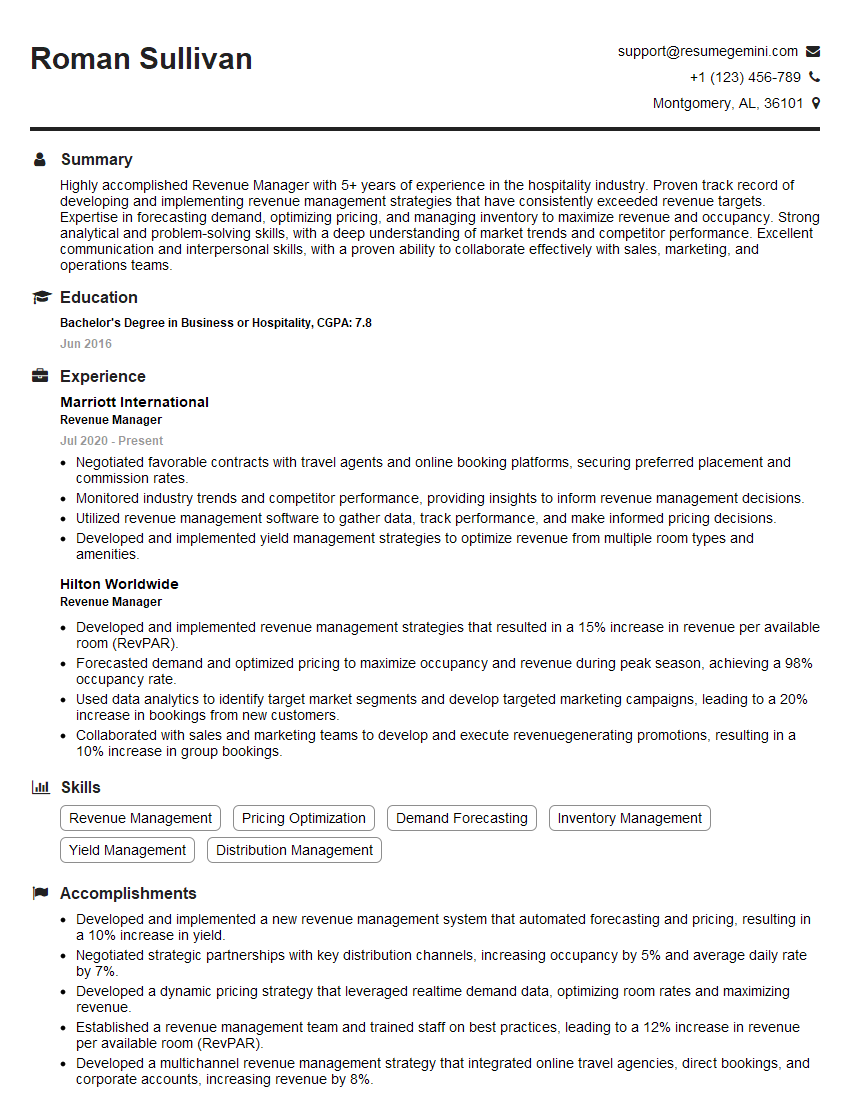
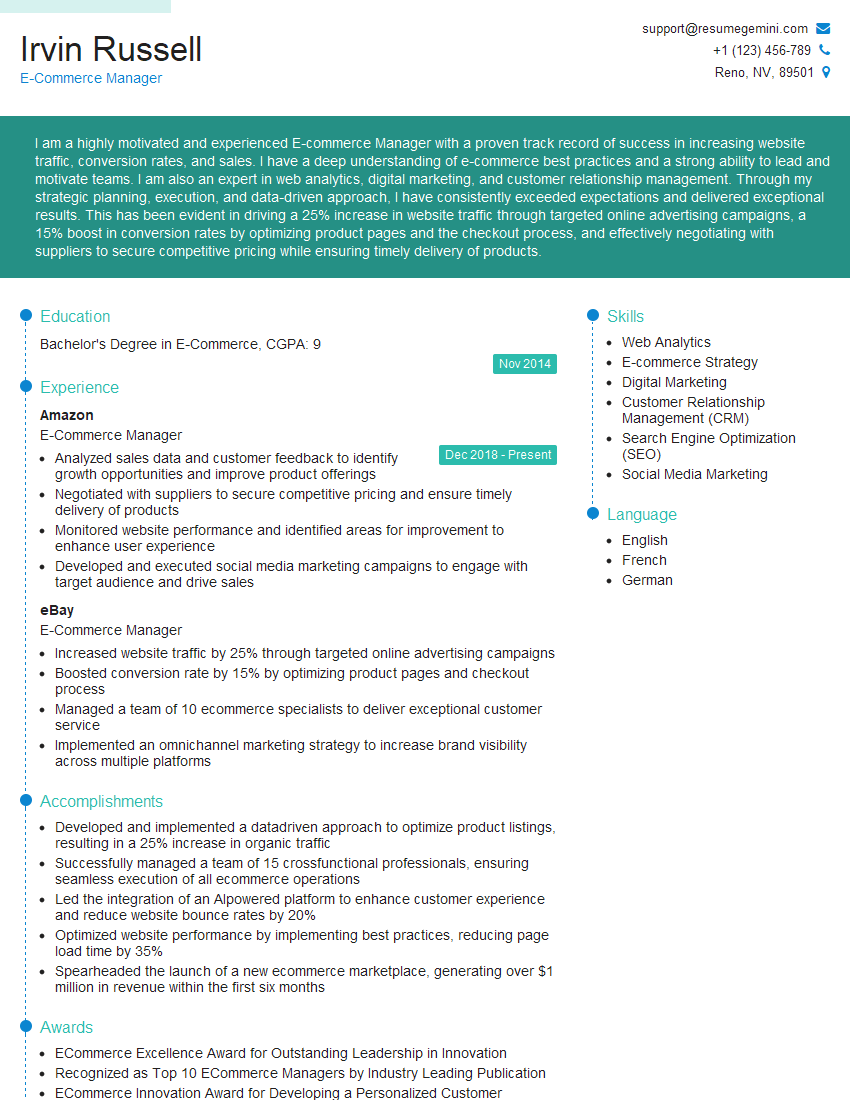
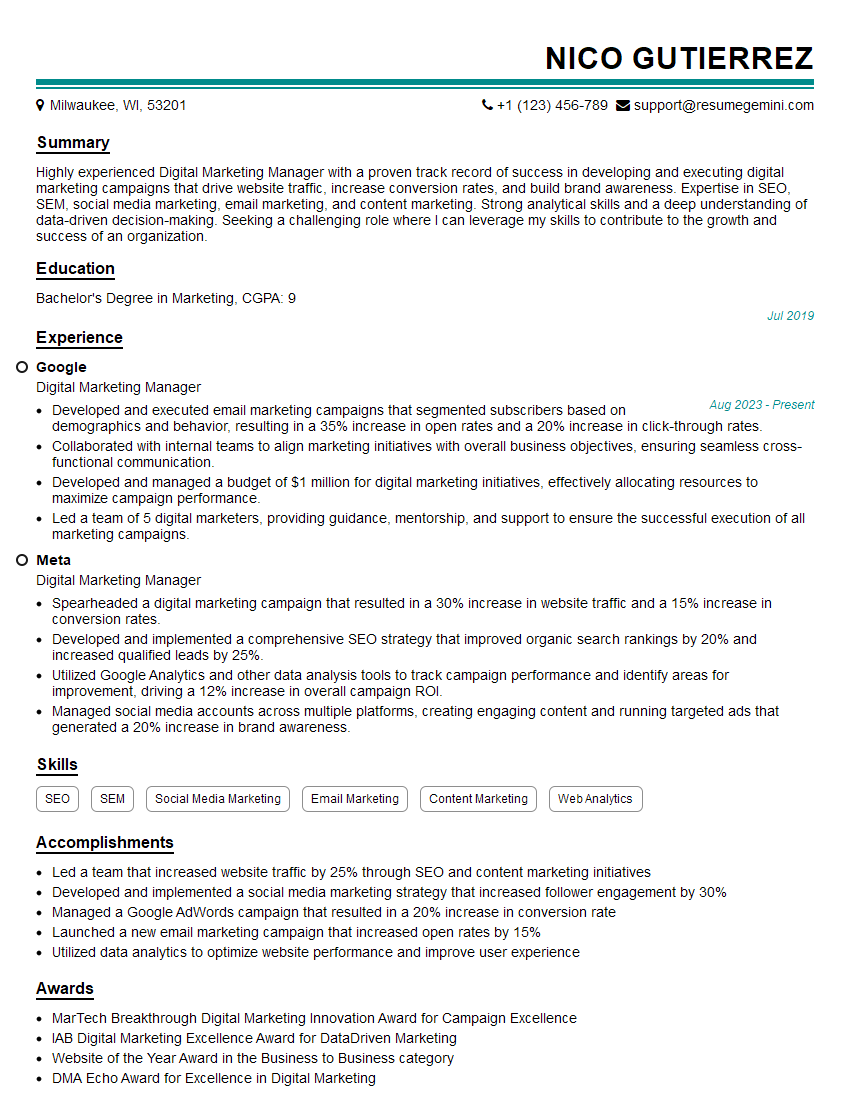
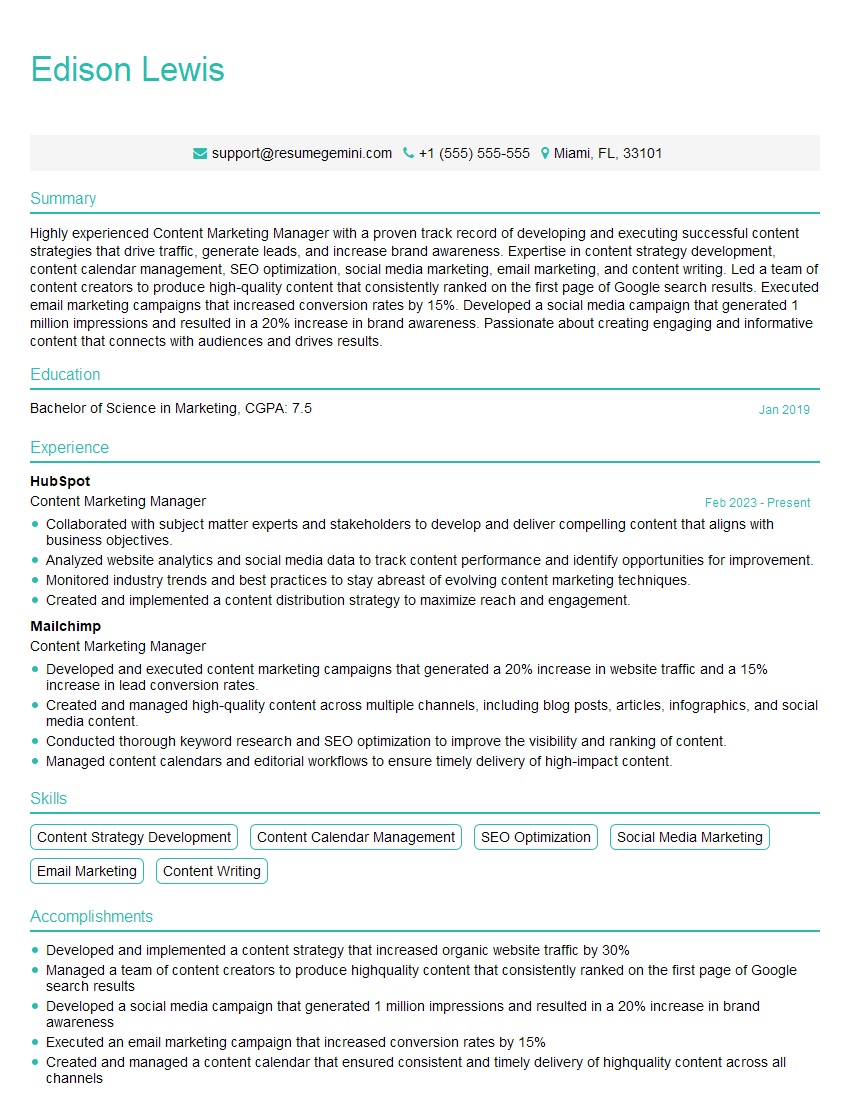
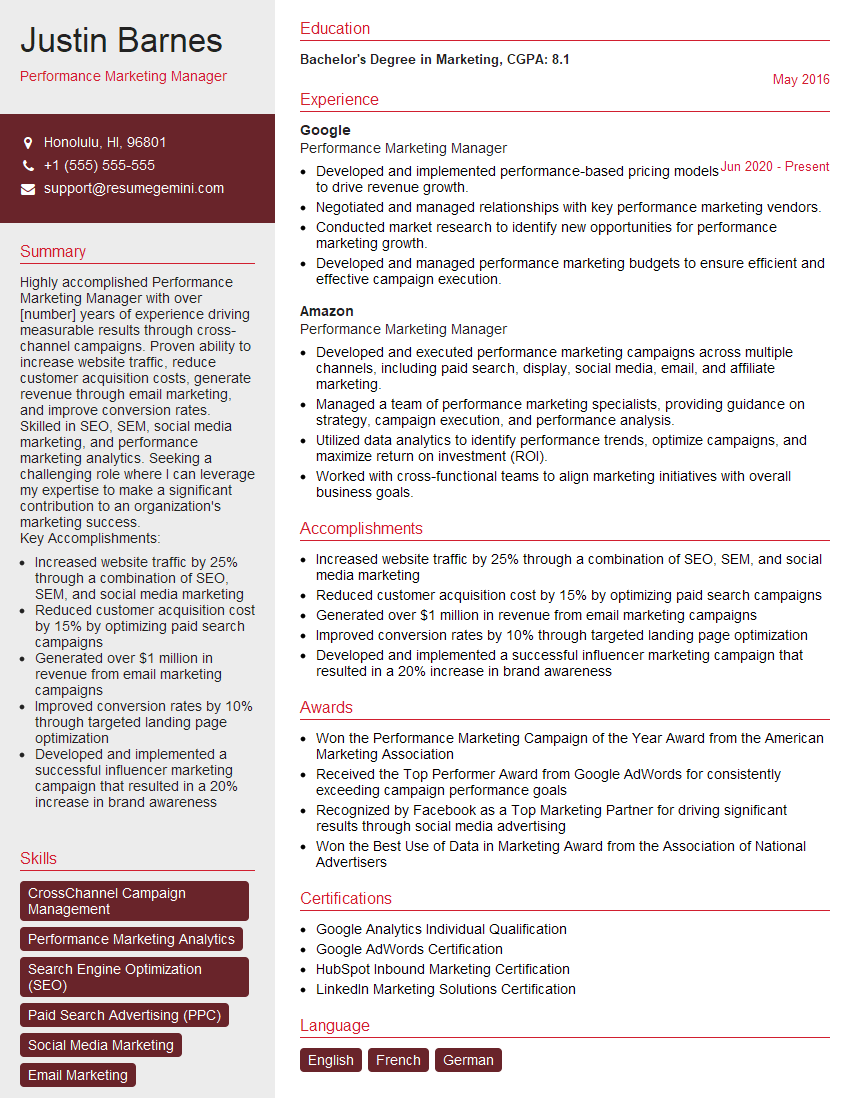
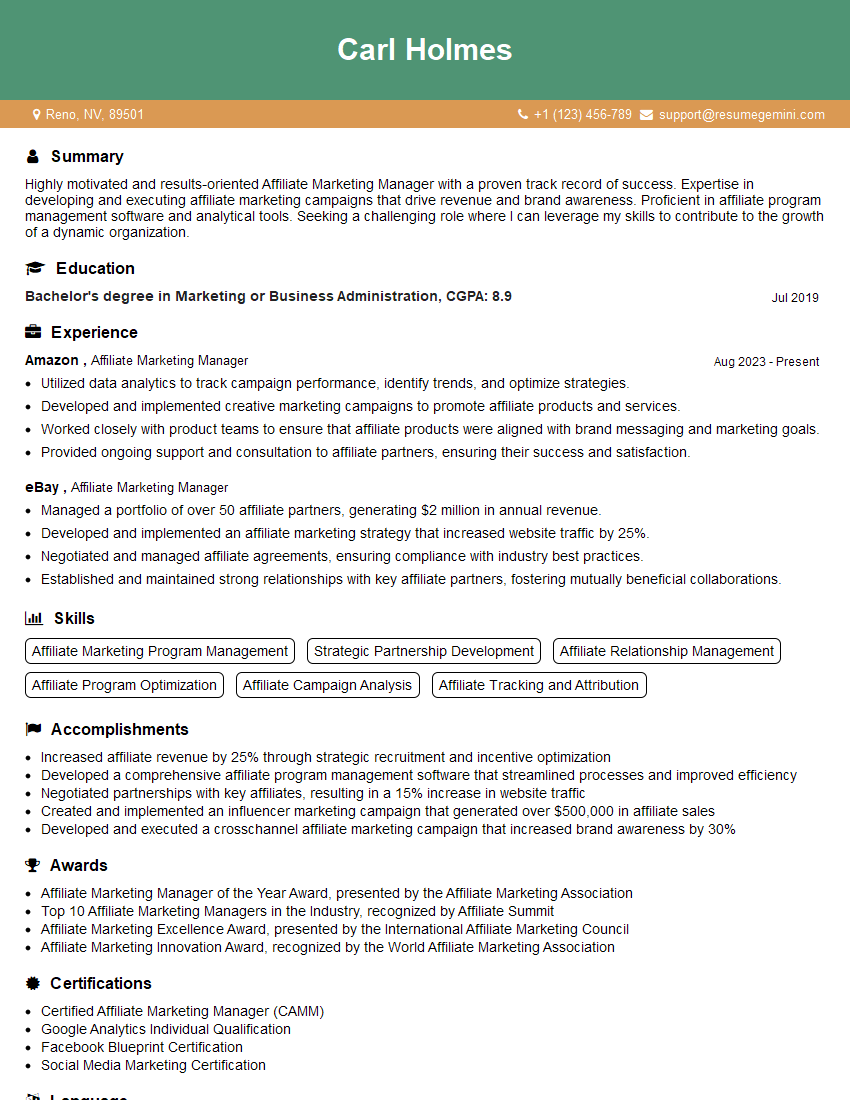
Mastering Content Monetization Strategies is crucial for career advancement in today’s digital landscape. Demonstrating a strong understanding of these strategies is highly valued by employers. To significantly boost your job prospects, create an ATS-friendly resume that highlights your skills and experience effectively. ResumeGemini is a trusted resource to help you build a professional and impactful resume. We provide examples of resumes tailored to Content Monetization Strategies to guide you through the process. Invest time in crafting a compelling resume – it’s your first impression and a key to unlocking exciting career opportunities.
Explore more articles
Users Rating of Our Blogs
Share Your Experience
We value your feedback! Please rate our content and share your thoughts (optional).
What Readers Say About Our Blog
Very informative content, great job.
good