Every successful interview starts with knowing what to expect. In this blog, we’ll take you through the top Cotton Warehouse Management Software interview questions, breaking them down with expert tips to help you deliver impactful answers. Step into your next interview fully prepared and ready to succeed.
Questions Asked in Cotton Warehouse Management Software Interview
Q 1. Explain your experience with different Cotton Warehouse Management Software systems.
My experience encompasses a variety of Cotton Warehouse Management Software (CWMS) systems, from legacy on-premise solutions to modern cloud-based platforms. I’ve worked extensively with systems like ABC Warehouse Solutions, XYZ Cotton Management, and even customized in-house solutions. My experience includes not only using these systems but also configuring, customizing, and troubleshooting them. For example, at my previous role, we transitioned from a rudimentary spreadsheet-based system to ABC Warehouse Solutions. This involved data migration, user training, and process optimization, ultimately resulting in a 20% increase in operational efficiency.
Each system has its strengths and weaknesses. Legacy systems often lack the scalability and integration capabilities of cloud-based solutions, while cloud-based systems can sometimes be less customizable and may present security concerns. Understanding these nuances is key to selecting and effectively utilizing a CWMS. My experience allows me to evaluate these factors objectively and recommend the best solution for a specific warehouse’s needs.
Q 2. Describe your experience with inventory tracking and management in a cotton warehouse.
Inventory tracking and management in a cotton warehouse is critical, given the commodity’s value and susceptibility to degradation. My experience involves the entire lifecycle, from receiving bales to shipping finished products. This includes accurate recording of bale identification numbers (using RFID or barcodes), quality attributes (grade, staple length, micronaire), storage location, and handling history. We utilize a first-in, first-out (FIFO) inventory management system to minimize storage losses and ensure the timely shipment of high-quality cotton. I am proficient in using various inventory management techniques, including cycle counting and stock rotation, to prevent discrepancies between physical inventory and system records.
For instance, at one warehouse, we implemented a system using RFID tags on each bale. This allowed for real-time tracking and automated inventory updates, significantly reducing manual labor and human error.
Q 3. How do you ensure data accuracy within a Cotton Warehouse Management System?
Data accuracy is paramount in a CWMS. We achieve this through a multi-pronged approach. First, we utilize barcodes or RFID tags for accurate identification and tracking of each bale from the moment it arrives. Second, we implement rigorous data validation rules within the system to prevent entry errors. This might include checks on bale weights, quality grades, and storage locations. Third, we conduct regular cycle counts to verify the system’s inventory against physical stock. Any discrepancies are investigated and corrected immediately, and processes are adjusted to prevent recurrence.
Furthermore, we use automated reconciliation processes wherever possible. For example, integrating the weighing scales directly to the system ensures that weight data is captured accurately and automatically. Regular system audits and staff training also play a significant role in maintaining data accuracy.
Q 4. What are the key performance indicators (KPIs) you monitor in a cotton warehouse?
Key Performance Indicators (KPIs) in a cotton warehouse focus on efficiency, accuracy, and cost-effectiveness. These include:
- Inventory Turnover Rate: Measures how quickly cotton is processed and shipped.
- Order Fulfillment Rate: Indicates the percentage of orders shipped on time and accurately.
- Storage Costs per Unit: Tracks warehouse operational expenses.
- Inventory Accuracy: Represents the percentage of inventory correctly reflected in the system.
- Throughput Rate: Measures the volume of cotton processed per unit of time.
- Damage Rate: Tracks the percentage of bales damaged during storage or handling.
Monitoring these KPIs allows for proactive identification of areas for improvement and helps optimize warehouse operations.
Q 5. Explain your experience with warehouse automation and its impact on cotton handling.
My experience with warehouse automation shows its transformative impact on cotton handling. Automation solutions, such as automated guided vehicles (AGVs) for bale transportation, automated stacking systems for high-density storage, and RFID-based tracking systems, significantly improve efficiency and reduce labor costs. AGVs, for example, can operate 24/7, reducing reliance on human labor for repetitive tasks, leading to increased throughput and improved safety. Furthermore, automated systems reduce manual errors, resulting in improved inventory accuracy and less damage to the cotton.
However, implementing automation requires careful planning and integration with existing systems. We must consider factors like the warehouse layout, the type of cotton handled, and the budget constraints. A phased approach is often recommended to minimize disruption during implementation. The ROI from automation is substantial, paying for itself within a few years through increased efficiency and reduced labor costs.
Q 6. How do you handle discrepancies between physical inventory and system records?
Discrepancies between physical inventory and system records are addressed through a systematic investigation process. This starts with a thorough cycle count to confirm the extent of the discrepancy. We then analyze the data to identify possible causes, such as data entry errors, damaged barcodes, or theft. Each potential cause is investigated, and corrective actions are implemented to prevent recurrence. This may involve retraining staff, improving data validation processes, or enhancing security measures.
For example, if a discrepancy points towards theft, we might enhance security cameras and access controls. If errors are due to damaged barcodes, we’d transition to a more robust tracking system, such as RFID. A well-documented investigation process is crucial to identify the root cause and prevent future discrepancies. Accurate documentation ensures traceability and accountability.
Q 7. Describe your experience with implementing new warehouse management software.
Implementing new warehouse management software requires a well-defined plan and a phased approach. This includes:
- Needs Assessment: Defining the warehouse’s specific needs and requirements.
- Software Selection: Evaluating different software options and selecting the best fit.
- Data Migration: Transferring existing data to the new system accurately.
- System Configuration: Customizing the software to meet specific business processes.
- User Training: Educating staff on how to use the new system.
- Go-Live and Support: Launching the new system and providing ongoing technical support.
Successful implementation requires strong project management, effective communication, and close collaboration between IT, warehouse staff, and vendors. Thorough testing is crucial to ensure the new system functions correctly before going live. Post-implementation review helps identify any areas for further improvement and optimization.
Q 8. What are the common challenges in managing cotton inventory, and how have you addressed them?
Managing cotton inventory presents unique challenges due to its perishable nature, bulkiness, and susceptibility to damage. Common issues include inaccurate inventory counts leading to stockouts or overstocking, inefficient storage leading to wasted space and increased handling costs, and difficulties in maintaining quality and preventing spoilage.
In my previous role, we tackled these by implementing a robust Cotton Warehouse Management System (WMS). This involved a multi-pronged approach: Firstly, we upgraded our tracking system from a manual, paper-based process to a real-time, barcode-based system integrated with the WMS. This drastically reduced data entry errors and provided accurate, up-to-the-minute inventory visibility. Secondly, we optimized warehouse layout using the WMS’s space planning tools, consolidating similar grades of cotton and prioritizing high-demand items for easier access. Finally, we introduced regular cycle counting procedures (detailed further in answer 6) to ensure inventory accuracy and promptly identify discrepancies.
For example, before implementing the WMS, we regularly experienced discrepancies of up to 5% in our inventory count, leading to production delays and dissatisfied customers. After implementation, this error rate dropped to less than 1%, significantly improving operational efficiency and profitability.
Q 9. How do you ensure the quality and safety of stored cotton?
Ensuring the quality and safety of stored cotton is paramount, as degradation can significantly impact its value and usability. This requires a multi-faceted approach combining environmental controls, proper handling, and diligent monitoring.
We utilize a Cotton WMS with features allowing for precise tracking of bale characteristics (e.g., moisture content, grade, origin). The system helps us maintain optimal storage conditions – controlling temperature and humidity to prevent deterioration and pest infestation. Regular inspections using moisture meters and pest control measures are crucial. Furthermore, the WMS allows us to monitor and manage the ‘first-in, first-out’ (FIFO) principle to ensure that older cotton bales are processed first, minimizing spoilage risk. Proper stacking and handling techniques are also implemented to prevent damage during storage and retrieval. Think of it like carefully storing fine wine; you wouldn’t leave it in direct sunlight or at extreme temperatures.
Q 10. How familiar are you with various cotton grading standards and their integration with WMS?
I am very familiar with various cotton grading standards, including those established by organizations like the USDA and international cotton associations. Understanding these standards is crucial for accurate inventory management, quality control, and pricing.
A Cotton WMS should seamlessly integrate with these standards. This involves the ability to input and store grading information (fiber length, strength, micronaire, color, etc.) for each bale. The system can then use this data for various functions, such as generating reports on inventory by grade, facilitating the sorting and segregation of cotton bales based on quality, and generating pricing reports based on grade and market value. For example, our WMS allowed us to automatically generate reports showing the inventory levels of specific grades, enabling us to make informed decisions about purchasing and sales based on market demand and price fluctuations.
Q 11. Explain your experience with using reporting and analytics tools within a Cotton WMS.
Reporting and analytics are integral to effective cotton inventory management. A well-designed Cotton WMS provides a powerful suite of tools for generating various reports and conducting data analysis.
My experience involves using WMS dashboards to track key metrics such as inventory levels, warehouse occupancy, turnover rates, and cost of goods sold. We also used the system to generate reports on cotton quality, identifying trends and potential issues. For instance, we might generate a report showing the average moisture content of bales over time, identifying potential storage problems. Furthermore, the analytical capabilities help in forecasting demand, optimizing storage space, and identifying areas for process improvement. Advanced analytics, potentially using machine learning, can predict future trends in cotton prices and demand, allowing for more proactive inventory management and better pricing strategies.
Q 12. How do you manage warehouse space optimization for cotton bales?
Warehouse space optimization is crucial for maximizing efficiency and minimizing storage costs. For cotton bales, this involves strategic planning and utilization of available space.
Our approach typically involves using the WMS’s space management capabilities. This allows for the creation of detailed warehouse maps, assigning specific locations to bales based on grade, demand, and other factors. We often utilize algorithms within the WMS to optimize the placement of bales, minimizing travel distances for picking and reducing handling time. Techniques such as block stacking and maximizing vertical space are employed where possible. Regular audits and adjustments to the storage layout, based on data analysis from the WMS, ensure continued efficiency. For example, by using the WMS’s space optimization feature, we were able to increase storage capacity by 15% without expanding the warehouse itself.
Q 13. Describe your experience with cycle counting and its importance in cotton inventory management.
Cycle counting is a crucial inventory control technique involving the regular counting of a subset of inventory items. It’s a more efficient alternative to a full physical inventory count and helps in early detection of discrepancies.
In our cotton warehouse, we employed a cycle counting system integrated with the WMS. This involves randomly selecting a portion of the inventory (e.g., a certain number of bales per week) for physical counting and comparing the results with the WMS records. Any discrepancies are immediately investigated and corrected. The frequency and scope of cycle counting are adjusted based on the item’s value, turnover rate, and risk of loss. For instance, high-value or perishable items might be counted more frequently. The WMS assists in scheduling cycle counts, tracking discrepancies, and generating reports to monitor the accuracy of inventory records. Regular cycle counting helps us minimize inventory errors, improve overall inventory accuracy, and ultimately streamline operations.
Q 14. How do you ensure efficient receiving and shipping processes in a cotton warehouse?
Efficient receiving and shipping processes are vital for maintaining the smooth flow of goods and minimizing delays. A well-designed Cotton WMS plays a crucial role in this.
Our system automates key aspects of receiving, including the generation of receiving documents, barcode scanning of incoming bales, and real-time updates to inventory records. This minimizes manual data entry errors and streamlines the process. For shipping, the WMS creates accurate shipping labels, manages order fulfillment based on available inventory, and generates shipping documentation. Integration with transportation management systems (TMS) can further optimize logistics and provide real-time tracking of shipments. Careful planning of loading and unloading zones, efficient use of equipment (forklifts, etc.), and clear communication with transporters are also essential components. By implementing these measures, we significantly reduced processing time for both receiving and shipping, improving customer satisfaction and minimizing delays.
Q 15. What are the best practices for maintaining accurate stock rotation in a cotton warehouse?
Accurate stock rotation, often called FIFO (First-In, First-Out), is crucial in cotton warehousing to minimize storage costs and prevent quality degradation. Cotton’s susceptibility to pest infestation and deterioration necessitates careful management of its age.
- Implementing a robust WMS: A Cotton WMS should automatically track the arrival and location of each bale, assigning a unique ID and recording its characteristics (grade, weight, date of arrival). This forms the foundation of FIFO tracking.
- Designated storage zones: Organize the warehouse into zones based on arrival dates. Newer bales should always be placed in designated areas, pushing older bales towards shipping zones.
- Barcode scanning and RFID: Employ barcode or RFID technology to accurately track bales throughout their journey, eliminating manual errors and ensuring real-time visibility into stock levels and location.
- Regular stock audits: Conduct periodic physical stock counts to verify the WMS data and identify discrepancies. These audits should be meticulously documented and reconciled with the system.
- Reporting and analytics: Leverage the WMS’s reporting capabilities to monitor stock rotation effectively. Identify slow-moving or aging bales promptly and implement strategies for their prioritisation. For example, create reports highlighting bales nearing their optimal storage lifespan.
For instance, in a scenario with limited space, prioritizing the dispatch of older bales prevents spoilage and associated financial losses. The WMS can automatically suggest optimal picking lists to adhere strictly to FIFO.
Career Expert Tips:
- Ace those interviews! Prepare effectively by reviewing the Top 50 Most Common Interview Questions on ResumeGemini.
- Navigate your job search with confidence! Explore a wide range of Career Tips on ResumeGemini. Learn about common challenges and recommendations to overcome them.
- Craft the perfect resume! Master the Art of Resume Writing with ResumeGemini’s guide. Showcase your unique qualifications and achievements effectively.
- Don’t miss out on holiday savings! Build your dream resume with ResumeGemini’s ATS optimized templates.
Q 16. How do you handle peak seasons and increased demand in a cotton warehouse?
Peak seasons demand strategic planning and efficient resource allocation. Over-preparation is key.
- Demand forecasting: Analyze historical data and market trends to predict peak demand accurately. This allows for proactive resource scaling.
- Staffing adjustments: Temporary staff recruitment and cross-training of existing employees can handle increased workload. Clear roles and responsibilities ensure smoother operations during peak periods.
- Optimized warehouse layout: A well-designed layout minimizes travel time and maximizes storage capacity. This is particularly important during peak times.
- Improved processes: Streamline receiving, storage, and shipping processes to increase throughput. This may involve automating some steps or optimizing workflows.
- Warehouse capacity planning: Evaluate the warehouse’s storage capacity and consider renting additional space if necessary to accommodate the surge in inventory.
- Vendor management: Maintain strong relationships with transport providers to ensure timely delivery and collection of cotton bales.
Think of it like a restaurant during the lunch rush. They have extra staff, streamlined orders, and possibly even expanded seating. Similarly, cotton warehouses need to be prepared for increased demand through proactive planning and resource optimization.
Q 17. Describe your experience with integrating a Cotton WMS with other enterprise systems.
Integrating a Cotton WMS with other enterprise systems is essential for end-to-end visibility and efficient operations. I’ve successfully integrated WMS systems with ERP (Enterprise Resource Planning), CRM (Customer Relationship Management), and transportation management systems (TMS).
- ERP Integration: This integration enables seamless data flow between the warehouse and financial systems. Real-time inventory updates allow for accurate accounting and financial reporting. For example, the WMS updates the ERP with inventory movements, allowing for accurate cost accounting for each bale.
- CRM Integration: Connecting the WMS with the CRM allows sales teams to access real-time inventory information, improving customer service and order fulfillment. Customers can receive accurate information regarding order status and estimated delivery times.
- TMS Integration: Integrating with TMS systems optimizes transportation scheduling and routing, improving efficiency and reducing logistics costs. The WMS provides the TMS with details about the location and quantity of cotton bales to optimize picking and dispatch.
- API utilization: Using APIs (Application Programming Interfaces) is key for smooth integration. It ensures real-time data exchange between different systems, minimizing manual data entry and reducing errors. For instance, a well-designed API ensures that an order placed in the ERP is automatically reflected in the WMS, initiating the picking process.
In one project, integrating the WMS with the ERP reduced manual data entry by 70%, leading to significant time and cost savings. Accurate inventory data also improved sales forecasting, resulting in better inventory management and reduced stockouts.
Q 18. How do you maintain data security and integrity within a Cotton WMS?
Data security and integrity are paramount in a Cotton WMS. Breaches can lead to financial losses, reputational damage, and legal issues. My approach involves a multi-layered security strategy:
- Access control: Implement role-based access control (RBAC) to restrict access to sensitive data based on user roles and responsibilities. Only authorized personnel should have access to specific functionalities within the system.
- Data encryption: Encrypt data both at rest and in transit using industry-standard encryption algorithms. This protects data from unauthorized access even if a breach occurs.
- Regular backups: Implement a robust backup and disaster recovery plan to ensure data availability in case of system failures or unforeseen events. Regular testing of backup and recovery procedures is crucial.
- Auditing and logging: Track all user activities and system events. This creates an audit trail that helps identify potential security breaches and investigate suspicious activities. The logs should be regularly reviewed and analyzed.
- Security awareness training: Educate warehouse personnel about data security best practices, including password management, phishing awareness, and safe data handling procedures.
- Compliance with regulations: Ensure compliance with relevant data protection regulations, such as GDPR or CCPA, depending on the location of the warehouse and the nature of the data stored.
For example, using two-factor authentication adds an extra layer of security, minimizing the risk of unauthorized access even if usernames and passwords are compromised.
Q 19. How do you handle damaged or substandard cotton bales?
Handling damaged or substandard cotton bales requires a structured approach to minimize losses and maintain inventory accuracy.
- Clear identification: Upon discovery, damaged bales must be clearly identified and marked as such within the WMS. This prevents accidental shipment or processing of substandard cotton.
- Segregation: Damaged bales should be segregated from good quality bales to prevent contamination. Designated storage areas should be set aside specifically for damaged goods.
- Quality assessment: A thorough assessment must be conducted to determine the extent of the damage and the feasibility of remediation or salvage. The findings should be documented in the WMS.
- Disposition decisions: Based on the assessment, decisions about the disposition of damaged bales are made – repair, sale at a discounted price, or disposal. The decision should be documented within the WMS.
- Inventory adjustment: The WMS must be updated to reflect the changes in inventory after disposal or re-classification of damaged bales.
- Root cause analysis: An investigation should be launched to determine the cause of the damage and implement measures to prevent recurrence. This is crucial for continuous improvement in warehouse operations.
For instance, if moisture damage is found, the WMS may automatically flag similar bales from the same shipment or storage location for immediate inspection. This proactive approach helps to prevent further damage and losses.
Q 20. Explain your experience with different warehouse layout configurations and their impact on efficiency.
Warehouse layout significantly impacts efficiency. I have experience with various configurations, including:
- Block stacking: Suitable for low-volume, high-variety storage. It’s simple but may not be space-efficient for high-volume operations.
- Drive-in/drive-through racking: Ideal for high-volume storage of similar products. Access is from one side (drive-in) or both (drive-through), increasing efficiency.
- Narrow aisle racking: Maximizes storage space by using narrower aisles, often requiring the use of narrow-aisle forklifts. It demands a higher initial investment, but it provides significant space-saving benefits in the long run.
- Very narrow aisle racking (VNA): Similar to narrow aisle but even more space-saving, requiring specialized equipment. However, it is more expensive.
The choice depends on factors like volume, variety of cotton types, available space, budget, and equipment. A poorly designed layout can lead to increased travel times, congestion, and reduced throughput, directly impacting operational costs. For instance, using drive-in racking for a warehouse with a high turnover of different cotton types would be inefficient compared to block stacking, leading to higher picking times and reduced overall efficiency. Conversely, using block stacking for a large-volume warehouse with limited space is inefficient compared to narrow aisle racking.
Q 21. How do you manage and train warehouse personnel on using Cotton WMS?
Training warehouse personnel on the Cotton WMS is crucial for its effective utilization. My approach involves a multi-phased training program:
- Needs assessment: I start by assessing the specific training needs of the warehouse staff based on their roles and responsibilities. This ensures that the training is targeted and relevant.
- Modular training: I break down the training into manageable modules, focusing on specific functionalities of the WMS. This makes it easier for staff to absorb information and master the system gradually.
- Hands-on practice: The training includes ample hands-on practice sessions using a simulated environment or a dedicated training system. This allows staff to apply their learning in a risk-free setting.
- Ongoing support: I provide ongoing support and assistance to warehouse staff after the initial training is completed. This includes creating readily available documentation and a help desk system to address their queries.
- Regular refresher courses: I implement regular refresher courses to ensure that staff remain updated with new features and best practices. This keeps them engaged with the system and maximizes its benefits.
- Gamification: Incorporating gamification elements, such as quizzes or challenges, can make the training more engaging and effective.
For example, we might start with basic modules on login procedures, data entry, and basic reporting, before moving to more advanced features like inventory management and task management. Continuous feedback and assessment ensure the training’s effectiveness and address any skill gaps promptly.
Q 22. What are the benefits and drawbacks of cloud-based vs. on-premise Cotton WMS solutions?
Choosing between cloud-based and on-premise Cotton Warehouse Management Systems (WMS) depends heavily on your specific needs and resources. Cloud-based solutions offer scalability, accessibility, and reduced upfront costs. Imagine it like renting an apartment – you pay monthly, and the landlord handles maintenance. On-premise systems, however, provide greater control and customization, similar to owning a house. You have complete control but are responsible for all maintenance and upgrades.
- Cloud-Based Benefits: Lower initial investment, accessibility from anywhere with an internet connection, automatic updates and maintenance, scalability to accommodate fluctuating needs.
- Cloud-Based Drawbacks: Reliance on internet connectivity, potential security concerns (though reputable providers have robust measures), less control over customization and system configurations, potential vendor lock-in.
- On-Premise Benefits: Greater control over data security and system configuration, no reliance on internet connectivity, potentially more customization options.
- On-Premise Drawbacks: Higher upfront investment, ongoing maintenance costs, need for dedicated IT staff, limited scalability without significant investment.
For a smaller cotton warehouse with limited IT resources, a cloud-based solution might be preferable. A large operation with stringent security requirements and a need for highly specific configurations might favor an on-premise system. The optimal choice hinges on a thorough cost-benefit analysis considering factors like warehouse size, budget, IT expertise, and security needs.
Q 23. How do you use data analytics to improve warehouse operations in a cotton setting?
Data analytics plays a crucial role in optimizing cotton warehouse operations. By analyzing data from various sources – including WMS, inventory tracking systems, and even weather data – we can identify bottlenecks, predict demand, and improve efficiency. For example, analyzing historical data on cotton bale arrival times, storage locations, and order fulfillment times can reveal patterns and inefficiencies.
Specific applications include:
- Predictive Maintenance: Analyzing equipment usage data can predict when maintenance is needed, preventing costly downtime.
- Inventory Optimization: Analyzing historical demand and storage patterns allows us to optimize inventory levels, minimizing storage costs and preventing stockouts.
- Process Improvement: Identifying bottlenecks in the workflow, such as slow picking processes or inefficient storage layouts, allows for targeted improvements.
- Quality Control: Analyzing data on bale quality and storage conditions helps to identify and mitigate risks of degradation.
Tools like business intelligence dashboards and reporting software provide visual representations of key performance indicators (KPIs), making it easy to identify areas for improvement. For instance, a dashboard could highlight slow-moving inventory, enabling proactive strategies like targeted sales promotions or strategic re-location of bales.
Q 24. Describe your experience with RF scanning and mobile device usage in a cotton warehouse.
RF scanning and mobile devices are indispensable in modern cotton warehouse management. Imagine trying to manage thousands of bales manually – a nightmare! RF scanners, integrated with the WMS, enable real-time tracking of cotton bales throughout the warehouse. Mobile devices, such as handheld scanners or tablets, empower workers to perform tasks like receiving, putaway, picking, and shipping with unprecedented efficiency.
My experience includes:
- Implementing and managing RF scanning systems: This involves selecting appropriate hardware, configuring the system to integrate seamlessly with the WMS, and training warehouse staff on its usage.
- Optimizing mobile device workflows: Designing efficient workflows to minimize the number of scans required for each task and reducing manual data entry.
- Troubleshooting and resolving issues: Addressing technical problems with scanners, mobile devices, or the WMS integration, ensuring minimal disruption to warehouse operations.
- Data analysis from mobile devices: Analyzing data collected by mobile devices to identify areas for improvement and track key performance indicators (KPIs).
For example, using a mobile device equipped with an RF scanner, a worker can scan a bale’s barcode upon arrival, automatically recording its details in the WMS. This eliminates manual data entry, reduces errors, and provides real-time visibility into inventory levels.
Q 25. How do you ensure compliance with regulatory requirements related to cotton storage and handling?
Compliance with regulatory requirements is paramount in cotton warehousing. This includes adhering to guidelines on pest control, fire safety, environmental regulations, and labor laws. The specifics will vary based on location and the type of cotton being handled (organic, conventional, etc.).
Ensuring compliance involves:
- Staying updated on regulations: Regularly reviewing and understanding all relevant local, national, and international regulations.
- Implementing appropriate procedures: Developing and implementing documented procedures to ensure compliance with regulations related to storage, handling, and pest control.
- Maintaining accurate records: Maintaining meticulous records of all activities related to cotton storage and handling, including inventory tracking, pest control treatments, and safety inspections.
- Regular inspections and audits: Conducting regular internal inspections and audits to identify any non-compliance issues and promptly address them.
- Employee training: Providing comprehensive training to warehouse staff on all relevant safety and regulatory requirements.
For example, maintaining precise records of pesticide applications is crucial for compliance with environmental regulations. Regular inspections ensure adherence to fire safety codes, reducing risks and protecting the warehouse and its valuable inventory.
Q 26. How do you optimize picking and packing processes in a cotton warehouse?
Optimizing picking and packing processes is vital for efficient warehouse operations. This involves strategic planning, technology integration, and continuous improvement methodologies.
Key strategies include:
- Strategic Warehouse Layout: Designing the warehouse layout to minimize travel time for picking, using techniques such as slotting optimization (placing frequently picked items in easily accessible locations).
- Batch Picking: Picking multiple orders simultaneously to reduce the number of trips through the warehouse.
- Wave Picking: Grouping orders into waves based on delivery schedules to optimize picking efficiency.
- Voice-Directed Picking: Using voice-recognition technology to guide workers through the picking process, freeing their hands and minimizing errors.
- Automated Guided Vehicles (AGVs): Utilizing AGVs to automate the transportation of goods within the warehouse, reducing labor costs and improving efficiency.
- Packing Optimization: Utilizing optimal packaging materials and techniques to minimize wasted space and protect the cotton bales during shipping.
Imagine using a wave picking system where all orders for a specific delivery route are picked together. This minimizes travel time, improving overall efficiency. Continuously monitoring and analyzing picking and packing times allows for data-driven adjustments to further refine these processes.
Q 27. How do you troubleshoot and resolve issues within a Cotton Warehouse Management System?
Troubleshooting and resolving issues within a Cotton WMS requires a systematic approach. It’s akin to diagnosing a medical problem – you need to gather information, analyze the symptoms, and then apply the appropriate treatment.
My troubleshooting process involves:
- Identifying the Problem: Clearly defining the issue, gathering information from users, and checking system logs for errors.
- Reproducing the Problem: If possible, trying to reproduce the issue to isolate the cause. This is particularly important for intermittent problems.
- Analyzing System Logs: Examining system logs for error messages or unusual activity that might indicate the source of the problem.
- Checking Data Integrity: Verifying the accuracy and completeness of data within the system, as data errors can lead to various issues.
- Testing Solutions: Testing potential solutions in a controlled environment before implementing them in the production system.
- Escalation: If the problem cannot be resolved internally, escalating the issue to the vendor or a higher-level support team.
For example, if orders are not being picked correctly, I would check the picking lists for errors, verify data integrity, review system logs for any errors related to picking, and perhaps even test the RF scanners to ensure they are functioning properly. A systematic approach ensures efficient problem resolution.
Q 28. Describe your experience with using barcode scanning and RFID technology in a cotton warehouse.
Barcode scanning and RFID (Radio-Frequency Identification) technology are vital for accurate and efficient tracking of cotton bales. Barcodes offer a cost-effective solution, while RFID provides enhanced capabilities, particularly in high-volume environments.
My experience includes:
- Barcode Scanning: Implementing and managing barcode scanning systems, ensuring proper barcode placement on bales, and integrating barcode data with the WMS.
- RFID Technology: Implementing and managing RFID systems, which involve attaching RFID tags to bales and using RFID readers to track their location and movement within the warehouse. RFID offers more efficient inventory tracking, particularly in high-density storage.
- Data Integration: Integrating barcode and RFID data with the WMS to provide real-time visibility into inventory levels and location.
- Data Analysis: Analyzing data collected via barcode and RFID systems to identify bottlenecks and improve warehouse operations.
Imagine using RFID to track bales as they move from receiving to storage and finally to shipping. This provides real-time inventory visibility, reducing manual counts and minimizing errors. While barcodes are suitable for many applications, RFID excels where high-speed, high-volume tracking is essential, providing a major advantage for large cotton warehouses.
Key Topics to Learn for Cotton Warehouse Management Software Interview
- Inventory Management: Understanding the intricacies of tracking cotton bales, including receiving, storage, and dispatch processes. Consider the impact of different inventory valuation methods and their implications.
- Warehouse Layout and Optimization: Analyze the efficient arrangement of cotton bales within the warehouse, considering factors like accessibility, airflow, and pest control. Explore strategies for maximizing storage space and minimizing handling time.
- Quality Control and Traceability: Learn about implementing systems to track cotton quality parameters throughout the entire warehouse process, from receiving to shipping. Understand the importance of maintaining accurate records for traceability and compliance.
- Reporting and Analytics: Explore the various reports generated by the software and how they are used for decision-making. This includes inventory levels, stock movement, and performance metrics. Be prepared to discuss key performance indicators (KPIs) relevant to cotton warehousing.
- Integration with other systems: Understand how the Cotton Warehouse Management Software integrates with other business systems, such as ERP or accounting software. Be prepared to discuss data exchange and potential integration challenges.
- Security and Access Control: Discuss the importance of security protocols to protect sensitive data within the software. Familiarize yourself with user roles and permissions.
- Problem-Solving and Troubleshooting: Prepare to discuss how you would approach and resolve common issues that might arise within the software, such as data discrepancies or system errors.
Next Steps
Mastering Cotton Warehouse Management Software significantly enhances your career prospects in the agricultural and textile industries. It demonstrates valuable technical skills and a deep understanding of supply chain management. To maximize your job search success, it’s crucial to create an ATS-friendly resume that effectively showcases your abilities. We strongly recommend using ResumeGemini to build a professional and compelling resume tailored to the specific requirements of Cotton Warehouse Management Software roles. Examples of resumes optimized for this field are available to help guide you. Take the next step towards your dream career today!

Operations Manager Resume Sample
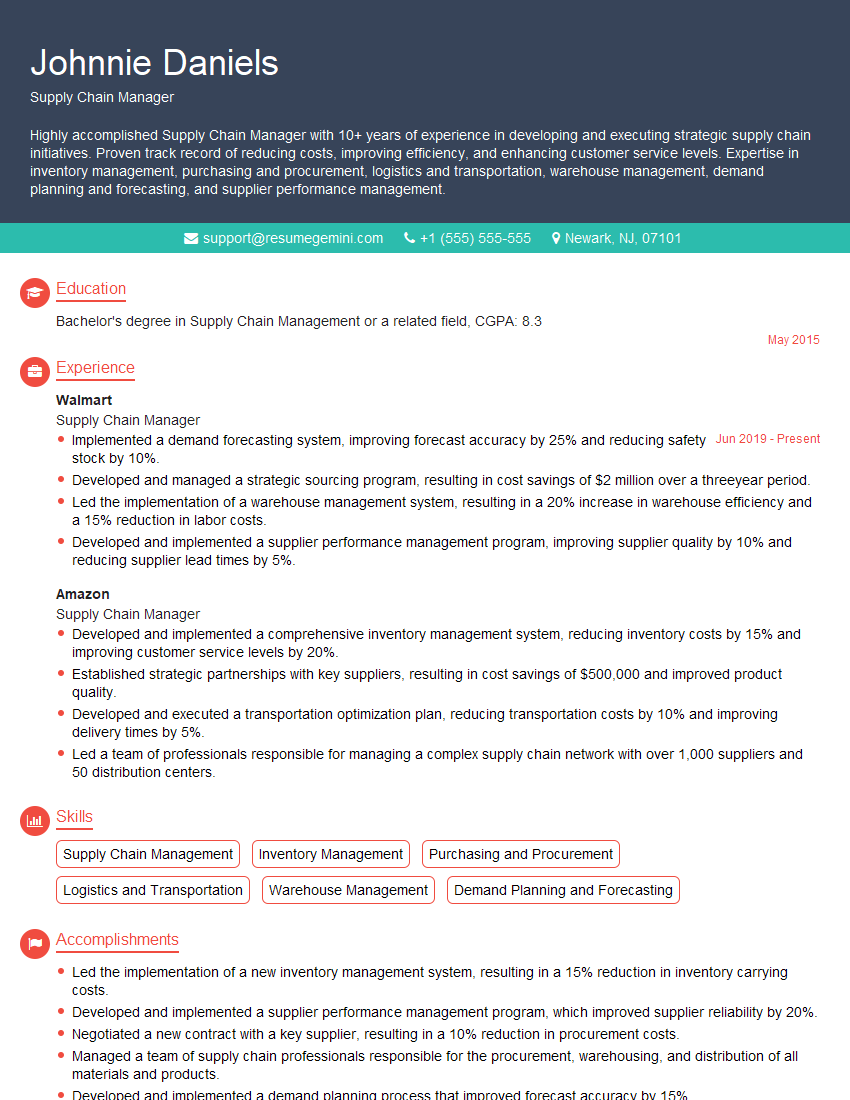
Supply Chain Manager Resume Sample
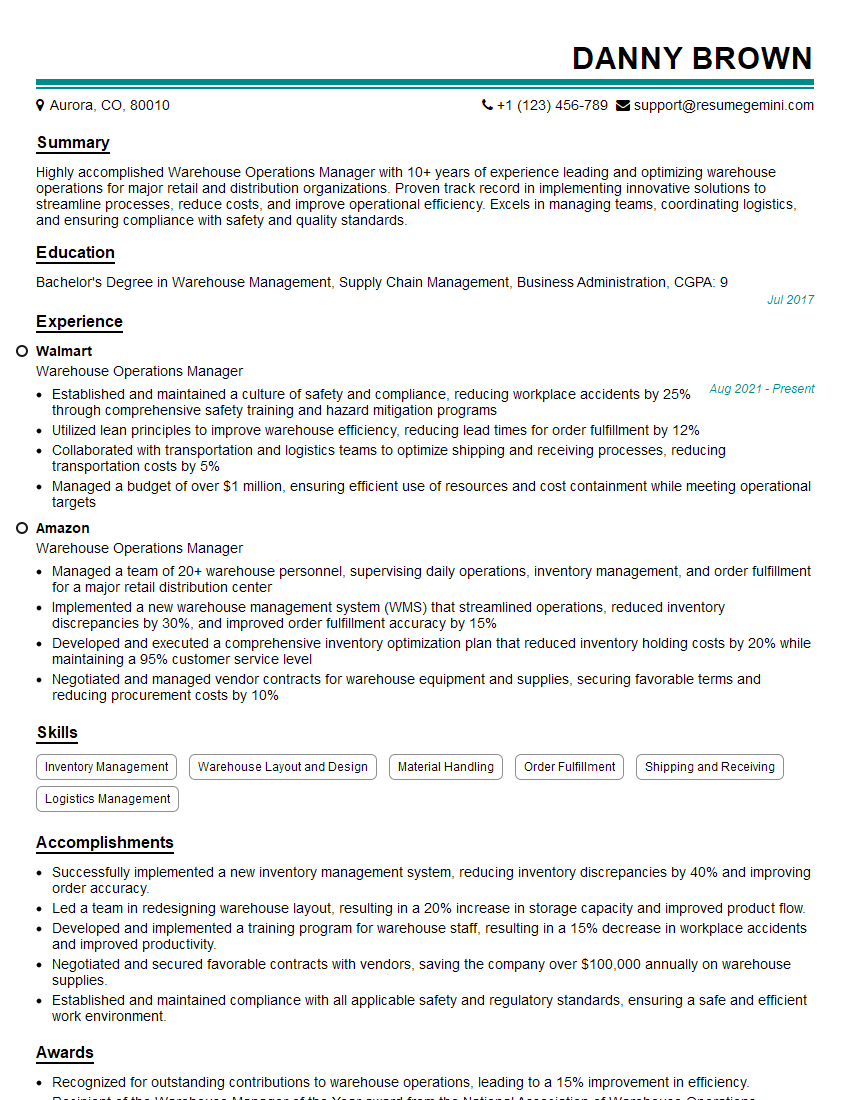
Warehouse Operations Manager Resume Sample
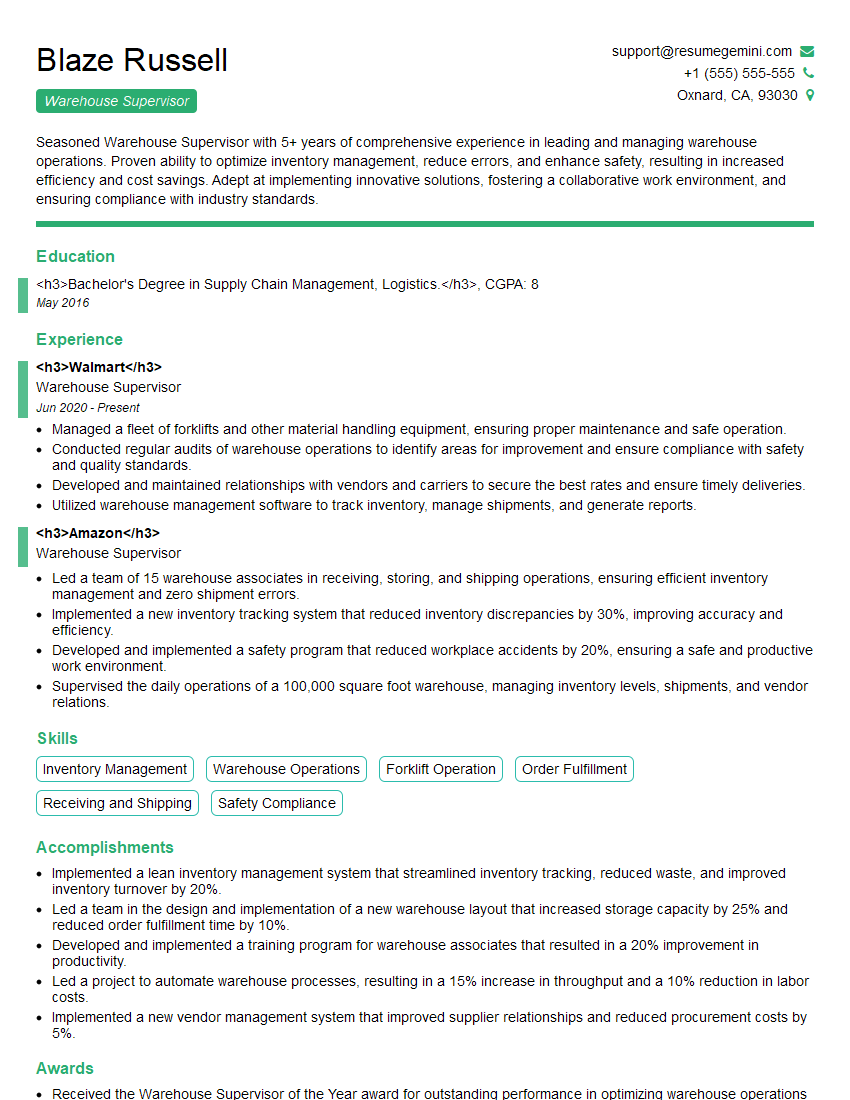
Warehouse Supervisor Resume Sample
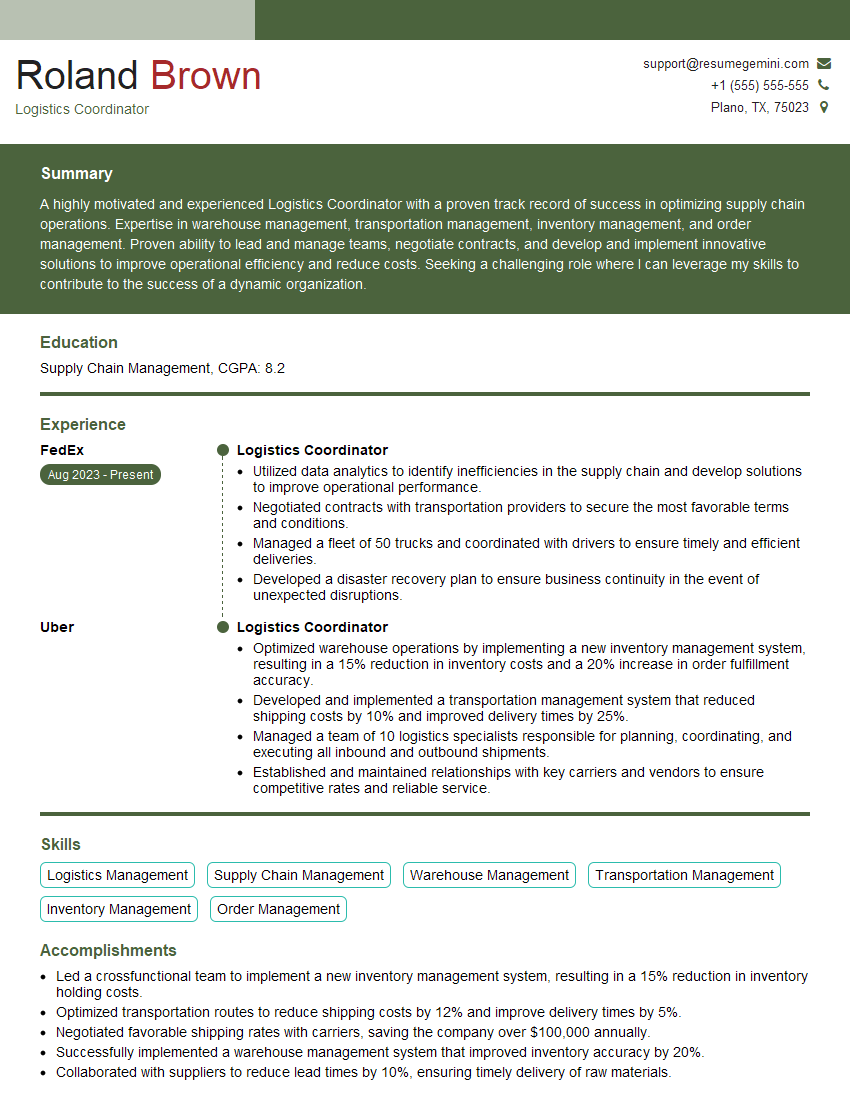
Logistics Coordinator Resume Sample
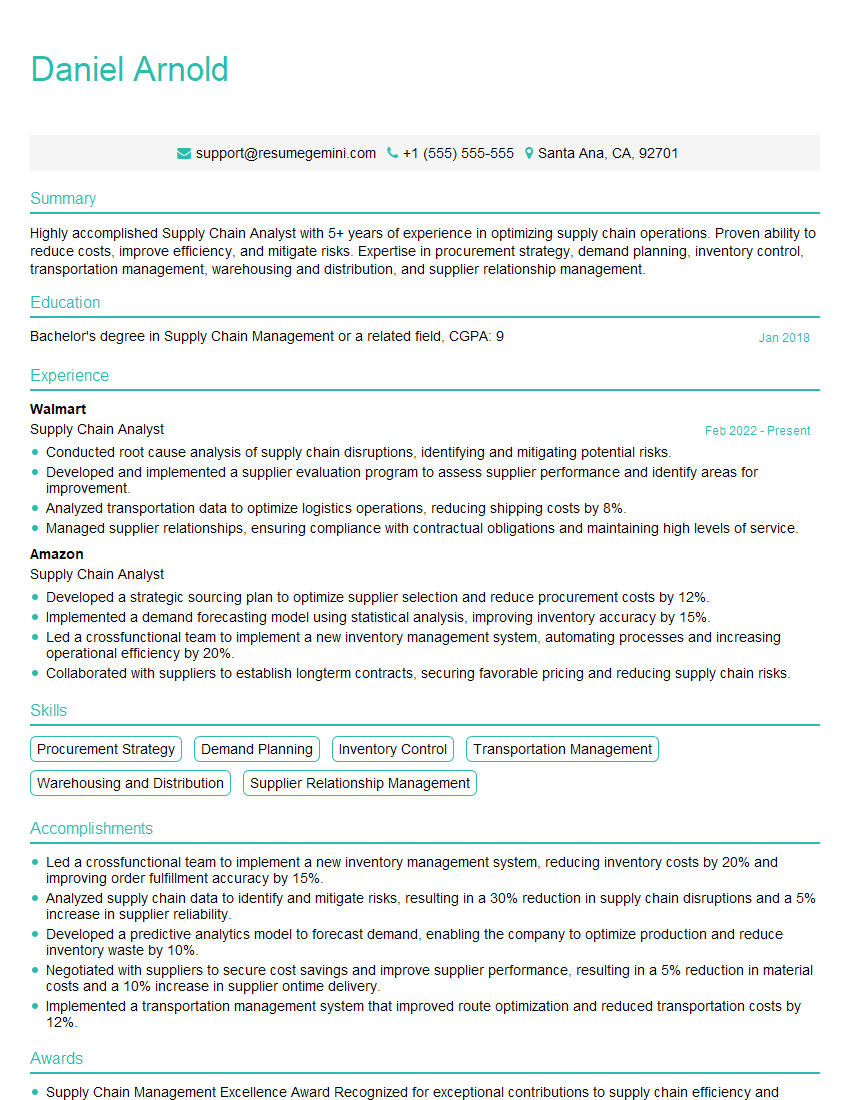
Supply Chain Analyst Resume Sample
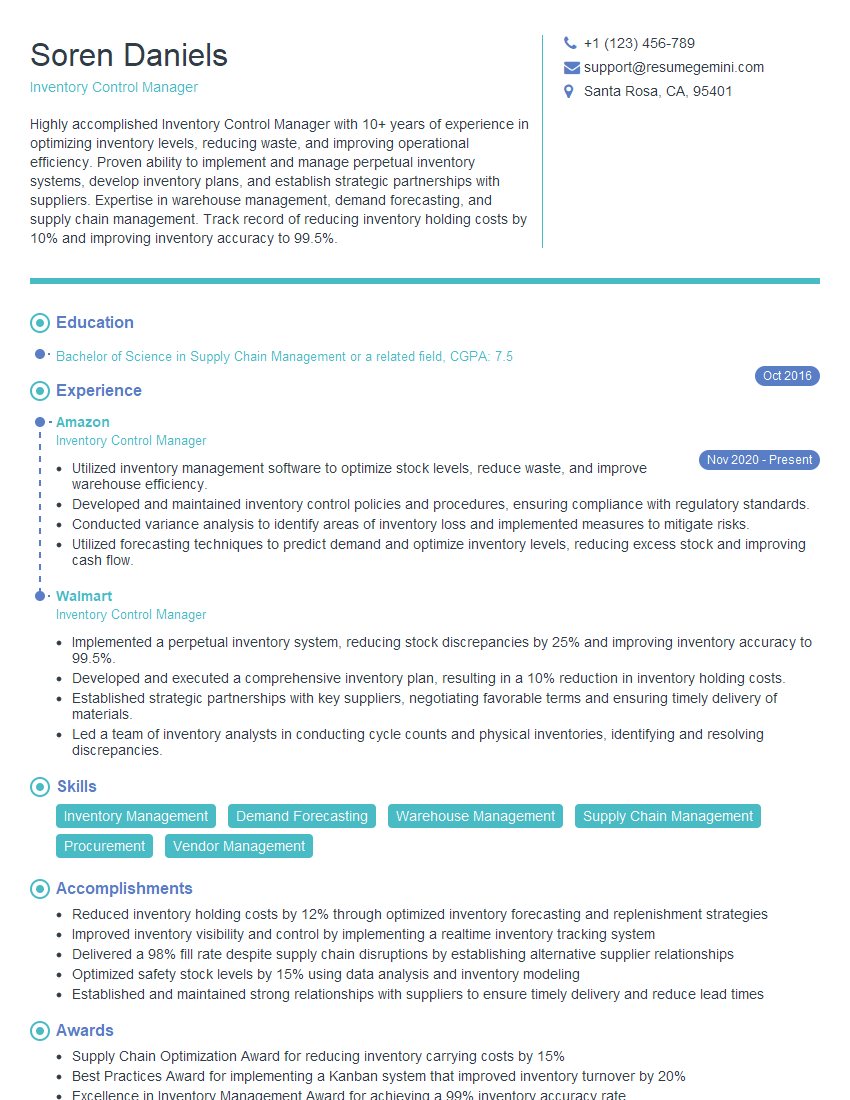
Inventory Control Manager Resume Sample

Inventory Control Specialist Resume Sample
Explore more articles
Users Rating of Our Blogs
Share Your Experience
We value your feedback! Please rate our content and share your thoughts (optional).
What Readers Say About Our Blog
Very informative content, great job.
good