Interviews are more than just a Q&A session—they’re a chance to prove your worth. This blog dives into essential Critical Process Parameter (CPP) Identification interview questions and expert tips to help you align your answers with what hiring managers are looking for. Start preparing to shine!
Questions Asked in Critical Process Parameter (CPP) Identification Interview
Q 1. Define Critical Process Parameter (CPP).
A Critical Process Parameter (CPP) is a process parameter whose control within predefined limits is essential to ensure that a product consistently meets its predetermined quality attributes.
Think of it like baking a cake. The oven temperature is a process parameter. If the temperature fluctuates wildly, your cake might burn or remain undercooked, impacting its quality. If controlling the oven temperature is crucial to consistently baking a perfect cake, then oven temperature is a CPP for that baking process.
Q 2. Explain the difference between a CPP and a Critical Quality Attribute (CQA).
While both CPPs and Critical Quality Attributes (CQAs) are vital for product quality, they represent different aspects of the manufacturing process.
CPP: A process parameter directly influencing the CQA. It’s something you control during the manufacturing process (e.g., temperature, pressure, mixing time).
CQA: A physical, chemical, biological, or microbiological property or characteristic that should be within an appropriate limit, range, or distribution to ensure the desired product quality (e.g., potency, purity, particle size).
For example, in pharmaceutical tablet manufacturing, the compression force (CPP) directly impacts the tablet hardness (CQA). Controlling the compression force ensures tablets meet the required hardness specifications.
Q 3. How do you identify potential CPPs in a manufacturing process?
Identifying potential CPPs requires a systematic approach. It begins with a thorough understanding of the process and the product itself.
Process Mapping: Document every step of the manufacturing process, identifying all parameters involved.
Process Understanding: Analyze the scientific rationale behind each step. Which parameters are most likely to affect the product’s critical quality attributes?
Risk Assessment: Utilize tools like Failure Mode and Effects Analysis (FMEA) to identify potential process failures and their impact on CQAs. This helps prioritize which parameters to investigate further.
Previous Data Analysis: Review historical process data, looking for trends or variations that correlate with changes in product quality. This can highlight potential CPPs.
Subject Matter Expert (SME) Input: Engage experienced engineers and scientists to leverage their knowledge and experience to identify critical parameters.
For instance, in a fermentation process, potential CPPs might include temperature, pH, dissolved oxygen, and nutrient feed rate.
Q 4. Describe the methods used to determine the criticality of a process parameter.
Determining the criticality of a process parameter involves assessing its impact on CQAs. This is often done through experiments.
Design of Experiments (DOE): This statistical approach allows for the systematic investigation of multiple parameters simultaneously, determining their individual and interactive effects on CQAs. This is the gold standard for determining criticality.
Process Simulation and Modeling: Computer simulations can predict the impact of parameter changes on product quality. These are useful for scenarios where experiments are costly or time-consuming.
Data Analysis of Historical Data: Analyzing historical data, using techniques like regression analysis, can provide insights into the relationships between process parameters and product quality. However, this approach can be limited due to confounding factors.
If a parameter’s variation outside its specified range significantly affects the CQA, then it’s classified as a CPP. For example, a DOE might reveal that a minor change in reaction temperature drastically alters the potency of a drug, establishing temperature as a CPP.
Q 5. What are the regulatory requirements for CPP identification and control?
Regulatory requirements for CPP identification and control vary depending on the industry and product type. However, the underlying principle remains consistent: ensuring product quality and consistency.
Pharmaceuticals (FDA): The FDA’s guidance documents emphasize the importance of robust process control, including the identification and control of CPPs. They require thorough documentation and justification for the selected CPPs.
Biologics (EMA): Similar requirements apply to biologics under the European Medicines Agency (EMA), emphasizing process understanding and control strategy.
Good Manufacturing Practices (GMP): GMP principles universally stress the need for well-defined processes and the control of parameters crucial to product quality.
Failure to properly identify and control CPPs can lead to regulatory scrutiny, product recalls, and reputational damage.
Q 6. How do you design experiments to assess the impact of CPPs on CQAs?
Designing experiments to assess the impact of CPPs on CQAs often involves Design of Experiments (DOE). This statistical approach helps efficiently and effectively evaluate the effects of multiple CPPs and their interactions.
Defining Objectives: Clearly state the experimental goals. What is the desired level of understanding of the CPP-CQA relationship?
Selecting DOE Type: Choose a suitable DOE design (e.g., full factorial, fractional factorial, central composite design) based on the number of CPPs and the desired level of detail.
Defining Parameters and Levels: Specify the CPPs to be studied and their ranges (levels). These should encompass the expected operational range and any potential excursions.
Experimental Runs: Conduct the experiments according to the DOE design. Ensure rigorous control of experimental conditions.
Data Analysis: Analyze the collected data using statistical methods to determine the effects of each CPP on the CQAs. This might involve ANOVA (Analysis of Variance) or regression analysis.
For instance, a fractional factorial DOE could investigate the effects of temperature, pressure, and mixing time (CPPs) on the particle size and potency (CQAs) of a drug product.
Q 7. Explain the concept of Design of Experiments (DOE) in CPP identification.
Design of Experiments (DOE) is a crucial statistical tool for CPP identification. It allows researchers to systematically investigate the impact of multiple process parameters on product quality in a highly efficient manner.
Systematic Approach: DOE provides a structured approach, avoiding the limitations of a ‘one-factor-at-a-time’ approach, which can miss interactions between parameters.
Efficiency: DOE designs minimize the number of experiments needed to achieve a desired level of understanding. This saves time and resources.
Statistical Analysis: DOE employs statistical techniques to analyze data, quantify the effects of CPPs, and assess the significance of these effects. This helps to identify truly critical parameters.
Model Building: DOE can lead to the development of predictive models that relate CPPs to CQAs. These models can be used for process optimization and control.
In essence, DOE facilitates a deeper understanding of the process, enabling informed decisions about CPP control and ultimately leading to higher product quality and process robustness.
Q 8. What statistical methods are used in CPP identification and analysis?
Identifying Critical Process Parameters (CPPs) relies heavily on statistical methods to analyze process data and determine which variables significantly impact product quality and consistency. We utilize several key techniques:
Design of Experiments (DOE): DOE, like factorial designs or response surface methodology, systematically varies process parameters to observe their effect on the output. This allows us to identify the most influential CPPs and understand their interactions.
Regression Analysis: This statistical method helps establish a mathematical relationship between CPPs and critical quality attributes (CQAs). Linear regression is commonly used, but more complex models may be needed depending on data complexity. For example, we might use multiple linear regression to understand how temperature, pressure, and mixing time affect the final product’s purity.
Principal Component Analysis (PCA): PCA is valuable for reducing the dimensionality of large datasets. When dealing with numerous process variables, PCA can help identify the most important underlying factors affecting product quality, thereby simplifying CPP identification. Imagine analyzing a process with 20 parameters – PCA helps us reduce this to a smaller set of principal components that explain most of the variation.
ANOVA (Analysis of Variance): ANOVA helps determine if there are statistically significant differences in CQAs across different levels of process parameters. This helps to confirm the impact of a suspected CPP.
Control Charts: While not directly used for *identification*, control charts are crucial for *monitoring* CPPs once identified. Shewhart charts, CUSUM charts, and EWMA charts are frequently used to track CPPs and detect deviations from established setpoints.
The choice of statistical method depends on the specific process, data characteristics, and the goals of the analysis. Often, a combination of these methods provides the most comprehensive understanding.
Q 9. How do you handle unexpected deviations in CPPs during manufacturing?
Unexpected deviations in CPPs demand immediate attention and a structured response. Our approach involves:
Immediate Investigation: We initiate a thorough investigation to understand the root cause of the deviation. This involves reviewing process logs, operator observations, and potentially conducting further experiments.
Impact Assessment: We assess the impact of the deviation on product quality and patient safety (if applicable). This may involve analyzing out-of-specification (OOS) results and evaluating the risk associated with releasing the affected batches.
Corrective Actions: Based on the root cause analysis, we implement corrective actions to prevent recurrence. This might involve adjusting process parameters, improving operator training, modifying equipment, or updating Standard Operating Procedures (SOPs).
Preventive Actions: In addition to corrective actions, we develop and implement preventive actions to strengthen the process and minimize the likelihood of future deviations. This could involve enhancing process monitoring, implementing advanced process control systems, or strengthening change control procedures.
Documentation: The entire investigation, corrective actions, and preventive actions are meticulously documented, ensuring complete traceability and facilitating continuous improvement.
For example, if a significant temperature fluctuation was observed, we might investigate the malfunctioning heating system, implement a backup heating system, revise SOPs for temperature monitoring, and introduce alarms to alert operators to critical temperature deviations.
Q 10. Describe your experience with risk assessment techniques in CPP identification.
Risk assessment is integral to CPP identification. We utilize techniques like Failure Mode and Effects Analysis (FMEA) and Hazard Analysis and Critical Control Points (HACCP) to systematically evaluate the potential impact of process variations.
FMEA helps identify potential failure modes of each process parameter and assess their severity, occurrence, and detectability. This allows us to prioritize parameters based on their potential risk to product quality. A high-risk parameter, with a high severity, high occurrence, and low detectability, would be immediately flagged as a potential CPP.
HACCP is particularly relevant in industries like pharmaceuticals and food, where safety is paramount. It focuses on identifying critical control points (CCPs) – steps in the process where control is essential to prevent hazards. These CCPs often directly correspond to CPPs.
We use a risk matrix, combining severity, probability, and detectability scores, to visually prioritize potential CPPs. This ensures that we focus our resources on the parameters with the greatest potential impact on product quality and safety.
In practice, we often combine these methods with subject matter expert input and historical data to create a comprehensive risk assessment.
Q 11. Explain the role of process analytical technology (PAT) in CPP identification.
Process Analytical Technology (PAT) plays a transformative role in CPP identification by providing real-time or near real-time data during manufacturing. Instead of relying solely on end-product testing (which is often delayed and destructive), PAT allows for continuous monitoring of critical process parameters.
Examples of PAT tools include:
- Spectroscopy (e.g., NIR, Raman): Provides rapid, non-destructive analysis of material properties.
- Chromatography (e.g., HPLC, GC): Offers detailed compositional analysis.
- Imaging (e.g., microscopy, image analysis): Enables visualization of process events.
- Sensors (e.g., temperature, pressure, pH): Provide continuous monitoring of key process parameters.
PAT data can be used in conjunction with statistical methods (like those described in answer 1) to quantitatively link CPPs to CQAs. This allows for a more precise understanding of the process and improved control. For instance, real-time NIR spectroscopy data during a reaction can instantly reveal changes in reactant concentrations and product formation, allowing for immediate adjustments to maintain optimal conditions.
Q 12. How do you establish and maintain control strategies for CPPs?
Establishing and maintaining control strategies for CPPs is crucial for ensuring consistent product quality. This involves several steps:
Setting Control Limits: Based on historical data and process capability studies (discussed further in answer 6), we define acceptable ranges for each CPP. These control limits are often represented on control charts.
Implementing Control Procedures: We develop detailed procedures for monitoring CPPs, including frequency of measurement, acceptable deviation thresholds, and corrective actions to be taken in case of out-of-limit conditions.
Implementing Feedback Control: Advanced process control (APC) systems can automatically adjust process parameters to maintain optimal conditions. This ensures continuous and precise control of CPPs, even in the presence of minor disturbances.
Continuous Monitoring and Review: We regularly monitor CPPs and review control strategies, adapting them as needed to reflect changes in the process, raw materials, or equipment.
Deviation Management: A robust system for managing deviations from control limits is necessary. This includes procedures for investigation, corrective actions, and preventive actions (as detailed in answer 2).
A well-defined control strategy integrates real-time monitoring, automatic adjustments, and regular review to ensure consistent and reliable process performance. For example, a temperature CPP might be controlled by a PID (Proportional-Integral-Derivative) controller which automatically adjusts the heating system based on the measured temperature and the setpoint.
Q 13. What is the significance of process capability studies in CPP management?
Process capability studies are essential for assessing the ability of a process to consistently produce products that meet specifications. In the context of CPP management, these studies help determine:
Process Variability: Capability studies quantify the inherent variability of the process around the target value for each CPP. This helps determine the natural variation of the CPP and allows us to set realistic control limits.
Process Capability Indices (Cp, Cpk): These indices provide a numerical measure of process capability relative to specifications. A Cp or Cpk value greater than 1 indicates that the process is capable of meeting specifications. These indices help assess whether adjustments to the process are necessary to achieve desired performance regarding the CPP.
Optimization Opportunities: By analyzing capability studies, we can identify opportunities to reduce process variability and improve process efficiency. This may involve changes to equipment, procedures, or operator training.
For example, a capability study might reveal that a certain CPP’s variability is excessive, leading to a low Cpk value. This would indicate a need to investigate the sources of variation and implement improvements to bring the process within the desired capability range.
Q 14. How do you document and validate the CPP identification process?
Documentation and validation of the CPP identification process are critical for regulatory compliance and demonstrating the robustness of the manufacturing process. Our approach involves:
Detailed Protocols: We develop detailed protocols outlining the methods used for CPP identification, including statistical analyses, risk assessments, and data analysis techniques. These protocols are reviewed and approved before implementation.
Data Integrity: Maintaining data integrity is paramount. We employ robust data management systems, ensuring data accuracy, traceability, and security throughout the identification process. This includes clear documentation trails, version control, and audit trails.
Validation of Analytical Methods: Any analytical methods used for measuring CPPs must be validated according to regulatory guidelines. This includes demonstrating accuracy, precision, linearity, and range.
Review and Approval: The CPP identification process and its results undergo rigorous review and approval by subject matter experts, ensuring scientific rigor and alignment with regulatory requirements. This often involves internal audits and documentation reviews.
Change Control: Any changes to the CPP identification process or control strategy must be managed through a formal change control system. This prevents unintended alterations that could impact product quality.
This rigorous documentation process ensures that the CPP identification process is well-defined, transparent, and auditable, building confidence in the reliability and consistency of the manufacturing process.
Q 15. Describe your experience with process monitoring and control systems.
My experience with process monitoring and control systems spans over 10 years, encompassing various technologies and applications within the pharmaceutical and biotech industries. I’ve worked extensively with systems like MES (Manufacturing Execution Systems), SCADA (Supervisory Control and Data Acquisition), and advanced process control (APC) platforms. This includes hands-on experience with data acquisition, real-time monitoring of critical process parameters (CPPs), alarm management, and deviation investigation. For example, in a recent project involving a bioreactor, I implemented a real-time monitoring system using SCADA that tracked parameters like temperature, pH, dissolved oxygen, and agitation speed. This allowed us to identify and address deviations promptly, preventing potential batch failures. I’m also proficient in statistical process control (SPC) techniques and their implementation using software like JMP or Minitab, enabling effective process capability analysis and ongoing monitoring.
Beyond system usage, I possess a deep understanding of the underlying principles of process automation and control, including feedback control loops, PID tuning, and regulatory compliance requirements like 21 CFR Part 11. My expertise extends to designing and validating process monitoring systems to ensure data integrity and reliability.
Career Expert Tips:
- Ace those interviews! Prepare effectively by reviewing the Top 50 Most Common Interview Questions on ResumeGemini.
- Navigate your job search with confidence! Explore a wide range of Career Tips on ResumeGemini. Learn about common challenges and recommendations to overcome them.
- Craft the perfect resume! Master the Art of Resume Writing with ResumeGemini’s guide. Showcase your unique qualifications and achievements effectively.
- Don’t miss out on holiday savings! Build your dream resume with ResumeGemini’s ATS optimized templates.
Q 16. How do you troubleshoot process issues related to CPP deviations?
Troubleshooting CPP deviations begins with a systematic investigation using a structured approach. This typically involves:
- Data Review: Examining historical process data for trends, patterns, or anomalies related to the CPP deviation. This often involves using statistical process control (SPC) charts to identify shifts in the process mean or increased variability.
- Root Cause Analysis: Employing tools like fishbone diagrams or 5 Whys to identify the underlying cause of the deviation. For example, a deviation in temperature might be traced back to a faulty sensor, incorrect setpoint, or malfunctioning heating/cooling system.
- Process Understanding: Leveraging a deep understanding of the process and the interdependencies between different parameters. This often requires reviewing process flow diagrams, SOPs (Standard Operating Procedures), and scientific literature.
- Experimentation (if necessary): Conducting designed experiments (DOE) to systematically investigate the impact of suspected factors on the CPP. This might involve altering process parameters in a controlled manner to determine their effect on the final product quality.
For instance, if a deviation in the fill weight of a pharmaceutical product was observed, a thorough investigation might reveal a problem with the filling machine’s calibration, the accuracy of the weighing scale, or the consistency of the input material. The chosen corrective action would then be targeted towards the root cause, rather than simply addressing the symptom.
Q 17. Explain your understanding of process robustness and its relation to CPPs.
Process robustness refers to a process’s ability to consistently produce a high-quality product or service despite variations in input materials, environmental conditions, or operating parameters. CPPs are inherently linked to robustness because they are the parameters that significantly influence the final product’s quality attributes. A robust process is less sensitive to changes in its CPPs, reducing the risk of product defects or failures.
For instance, a robust fermentation process might show consistent yields even if there are minor variations in temperature or pH. In contrast, a non-robust process would be highly sensitive to small changes in CPPs, resulting in unpredictable outcomes. Identifying and controlling CPPs is critical to establishing and maintaining process robustness. Techniques like Design of Experiments (DOE) are often employed to assess and improve process robustness by identifying the most influential CPPs and their optimal operating ranges.
Q 18. How do you incorporate CPP information into the manufacturing process?
CPP information is incorporated into the manufacturing process in several ways:
- Process Monitoring: CPPs are continuously monitored using appropriate sensors and data acquisition systems. This data feeds into real-time process control systems and SPC charting for early detection of deviations.
- Setpoints and Limits: Acceptable ranges (setpoints and limits) for each CPP are defined based on process understanding and validation studies. These limits are programmed into the process control systems to automatically trigger alarms when deviations occur.
- Process Control Strategies: Advanced process control (APC) strategies can be implemented to automatically adjust CPPs based on real-time feedback. This helps to maintain the process within the desired operating range and minimize variability.
- Quality Control: CPP data are used to assess product quality, identify trends, and troubleshoot process issues. This often involves integrating CPP information into batch records and other quality documentation.
- Process Improvement: Analysis of CPP data helps to identify areas for process improvement, such as reducing variability or enhancing robustness.
For example, in a tablet compression process, the target weight, hardness, and disintegration time are CPPs. These parameters are continuously monitored during the process, and the machine is automatically adjusted to maintain these parameters within pre-defined ranges. Deviations are flagged, triggering investigations and corrective actions.
Q 19. Describe a situation where you identified a previously unknown CPP.
During the development of a novel protein purification process, we initially focused on CPPs like temperature and pH, which are commonly considered critical in such processes. However, during routine process runs, we observed unexplained variations in protein yield despite maintaining these parameters within their previously established ranges. Through a systematic investigation using DOE and careful analysis of process data, we discovered that the concentration of a specific buffer component, previously thought to be inconsequential, had a significant impact on the protein yield. Further investigations confirmed that this buffer concentration was a previously unknown CPP. By including this parameter in the process control strategy and optimizing its concentration, we significantly improved the consistency and yield of the purification process.
Q 20. How do you communicate CPP information to relevant stakeholders?
Communicating CPP information effectively involves a multi-faceted approach, targeting various stakeholders with tailored information.
- Technical Teams: Detailed reports and documentation including data analysis, statistical summaries, and root cause analyses are shared with process engineers, scientists, and quality control personnel. This often involves presentations and regular process review meetings.
- Management: Summarized reports focusing on key performance indicators (KPIs) related to CPPs are provided to management. These reports highlight the status of the process and any potential risks or opportunities for improvement.
- Regulatory Agencies: CPP information is documented meticulously to meet regulatory requirements (e.g., in validation reports and batch records). This ensures compliance and transparency.
I often use a combination of written reports, presentations, and interactive dashboards to effectively communicate CPP information. For example, interactive dashboards allow stakeholders to visualize process data in real time, providing a clear understanding of the process’s current state and highlighting any potential issues.
Q 21. What are the potential consequences of not properly identifying or controlling CPPs?
Failure to properly identify and control CPPs can lead to several serious consequences:
- Product Quality Issues: Inconsistent product quality, leading to defects, reduced efficacy, or safety concerns. This can result in product recalls, customer complaints, and reputational damage.
- Increased Variability: Greater variability in the manufacturing process, making it more difficult to consistently meet product specifications. This can lead to increased waste, higher production costs, and longer lead times.
- Regulatory Non-Compliance: Failure to adequately control CPPs can lead to non-compliance with regulatory requirements, resulting in warning letters, fines, or even production shutdowns.
- Safety Hazards: In some cases, uncontrolled CPPs can lead to hazardous conditions, posing risks to personnel or the environment.
- Financial Losses: The cumulative effect of product failures, regulatory actions, and increased production costs can result in significant financial losses.
In short, neglecting CPP management can jeopardize the entire manufacturing process, leading to serious financial, reputational, and safety risks.
Q 22. How do you ensure consistent control of CPPs across different manufacturing batches?
Ensuring consistent control of Critical Process Parameters (CPPs) across different manufacturing batches is paramount for product quality and consistency. This involves a multi-faceted approach combining robust process understanding, meticulous documentation, and rigorous monitoring.
Firstly, a thorough understanding of the process is crucial. We need to identify all the CPPs – those parameters that significantly influence the final product quality. This typically involves a combination of Design of Experiments (DOE), process capability studies, and risk assessments like Failure Mode and Effects Analysis (FMEA). Once identified, we establish tightly controlled operating ranges for each CPP, documented in detailed Standard Operating Procedures (SOPs).
Secondly, robust process monitoring and control systems are essential. This could involve real-time data acquisition from sensors, automated control systems, and regular manual checks. We use statistical process control (SPC) charts to monitor the CPPs and detect any deviations from the established ranges. Out-of-specification results trigger investigations and corrective actions, ensuring the root cause is identified and addressed. For example, if the temperature during a critical reaction consistently drifts outside its acceptable range, we investigate the heating system, sensor accuracy, or even the operator procedures.
Finally, we implement rigorous change management protocols. Any changes to the process, equipment, or raw materials must be thoroughly evaluated for their potential impact on the CPPs and approved through a change control process. This ensures consistent control even during updates or improvements.
Q 23. Describe your experience with change management related to CPPs.
My experience with change management related to CPPs emphasizes a structured and risk-based approach. Changes, even seemingly minor ones, can impact the process and the product. Therefore, we follow a rigorous procedure that includes a thorough risk assessment, impact analysis on the CPPs, and validation of the modified process.
For instance, during a recent project, we implemented a new mixing system. We conducted a thorough risk assessment identifying potential impacts on mixing time and homogeneity – both CPPs in our process. We then established acceptance criteria for these parameters following the changes. Pilot runs were executed and data carefully analyzed against these criteria. Only after successful validation, including statistical analysis demonstrating equivalent or improved process capability, was the change implemented on the manufacturing floor.
Detailed documentation is key. This includes change control records, validation reports, and updated SOPs reflecting the changes. This ensures transparency, traceability, and auditability. This meticulously documented approach helps to quickly trace any issues back to their source and maintain regulatory compliance.
Q 24. Explain the role of continuous improvement in CPP management.
Continuous improvement plays a vital role in CPP management. It’s not enough to simply identify and control CPPs; we need to constantly strive for better control, leading to higher quality, improved efficiency, and reduced variability.
This involves several strategies. First, data analysis, as discussed later, can reveal areas for optimization. For example, analyzing historical data may reveal a correlation between ambient temperature and a specific CPP, allowing us to improve control by implementing environmental controls. Second, Lean Six Sigma methodologies can be used to systematically identify and eliminate sources of variation in the process. Third, process automation can enhance control and reduce the potential for human error. Implementing automated systems for critical steps enhances precision and reduces variability.
Regular review of the CPP control strategy is also critical. We conduct periodic audits to evaluate the effectiveness of our controls and identify opportunities for improvement. This systematic, data-driven approach to continuous improvement ensures that our CPP control strategy remains relevant and effective over time.
Q 25. How do you leverage data analytics to improve CPP control strategies?
Data analytics is instrumental in enhancing CPP control strategies. By leveraging data from various sources – process sensors, manufacturing execution systems (MES), and quality control testing – we can gain valuable insights into process behavior and identify opportunities for improvement.
We use statistical methods like SPC, multivariate analysis (e.g., PCA), and machine learning algorithms. SPC charts help us monitor CPPs for deviations. Multivariate analysis helps identify correlations between multiple CPPs and product quality attributes. Machine learning models can predict potential process deviations or product quality issues based on historical data, allowing for proactive interventions. For instance, by analyzing historical data on reaction temperature, time, and yield, we can create a predictive model that alerts us to potential problems before they impact product quality.
Data visualization tools create dashboards providing real-time process monitoring and facilitating swift decision-making. This enables efficient identification of trends, patterns and anomalies, leading to better preventative measures. This data-driven approach moves beyond reactive problem-solving to proactive process optimization.
Q 26. Describe your experience with regulatory inspections related to CPPs.
My experience with regulatory inspections related to CPPs highlights the critical importance of comprehensive documentation and transparent processes. Inspectors scrutinize our procedures for identifying CPPs, our control strategies, and the data we collect to demonstrate consistent control.
We maintain detailed records of all CPP identification activities, including risk assessments, process capability studies, and validation reports. We meticulously document our control strategies, SOPs, and deviation investigations. Data integrity is paramount; we ensure the accuracy, reliability, and traceability of all process and quality data. Our documentation demonstrates a clear understanding of the process, the critical parameters that impact quality, and our ability to consistently control them.
During inspections, we proactively present our documentation and data, answering questions transparently and demonstrating our commitment to regulatory compliance. A strong focus on quality systems, training, and continuous improvement strengthens our readiness and reduces inspection anxieties. A well-documented, data-driven approach consistently passes scrutiny and provides confidence.
Q 27. How do you adapt CPP identification and control strategies for new products or processes?
Adapting CPP identification and control strategies for new products or processes requires a systematic approach that mirrors the initial CPP identification but with a focus on scaling and knowledge transfer.
We begin with a thorough understanding of the new process or product. We define the critical quality attributes (CQAs) and then use process mapping, FMEA, and DOE to identify the CPPs that significantly impact those CQAs. The initial phase of development and scale-up often leverages Quality by Design (QbD) principles, ensuring that design and development stages already incorporate robust process understanding and control. This approach significantly minimizes the risks and uncertainties associated with later-stage modifications.
Once the CPPs are identified, we establish control strategies including acceptable ranges, monitoring methods, and process control systems. We conduct thorough validation studies to demonstrate that the chosen controls are effective. We leverage knowledge gained from previous products and processes to improve efficiency. This iterative process of development, validation and continuous improvement is key to successful product launch and effective long-term CPP control.
Q 28. Describe a time you had to justify the cost of implementing a CPP control strategy.
In one instance, we needed to justify the cost of implementing an advanced process analytical technology (PAT) system for monitoring a critical reaction temperature. The existing method relied on manual sampling and offline analysis, leading to delays and potential variations in product quality.
To justify the investment, we developed a cost-benefit analysis. We quantified the potential costs associated with product failures due to temperature excursions, including the cost of waste, rework, customer complaints, and potential regulatory penalties. We compared these costs against the implementation cost of the PAT system, considering factors like equipment purchase, installation, validation, and ongoing maintenance. Furthermore, we projected the cost savings from improved process efficiency and reduced waste.
Our analysis clearly showed that the long-term benefits of improved product quality and reduced costs significantly outweighed the initial investment in the PAT system. The enhanced control and real-time monitoring significantly reduced deviations, leading to less product waste and faster turnaround times. This data-driven approach allowed us to successfully justify the investment and demonstrate its positive return on investment.
Key Topics to Learn for Critical Process Parameter (CPP) Identification Interview
- Defining Critical Quality Attributes (CQAs): Understand how to clearly define the critical quality attributes of your product or process and their impact on patient safety or product efficacy.
- Process Understanding: Develop a strong grasp of the entire manufacturing process, including all unit operations and their interactions. Practice explaining complex processes concisely and effectively.
- Risk Assessment Methodologies: Familiarize yourself with various risk assessment techniques (e.g., FMEA, fault tree analysis) used to identify potential process failures and their impact on CQAs.
- Data Analysis for CPP Identification: Master the use of statistical tools and techniques (e.g., Design of Experiments (DOE), process capability analysis) to analyze process data and identify key parameters impacting CQAs.
- Relationship between CPPs and CQAs: Clearly articulate the relationship between identified CPPs and their direct impact on maintaining the desired CQAs. Be prepared to justify your selection of CPPs.
- Control Strategies for CPPs: Discuss various control strategies (e.g., in-process testing, real-time monitoring, automated control systems) to ensure CPPs remain within acceptable limits.
- Regulatory Considerations: Understand relevant regulatory guidelines (e.g., ICH Q6, FDA guidelines) and their implications for CPP identification and control.
- Case Studies and Practical Examples: Prepare to discuss real-world examples of CPP identification and control, demonstrating your practical application of theoretical concepts.
- Troubleshooting and Problem-Solving: Practice applying your knowledge to hypothetical scenarios involving process deviations and explaining your approach to identifying root causes and implementing corrective actions.
Next Steps
Mastering Critical Process Parameter (CPP) identification is crucial for advancing your career in pharmaceutical development, manufacturing, or quality control. It demonstrates a deep understanding of process control and risk management, highly valued skills in these industries. To maximize your job prospects, focus on creating a compelling and ATS-friendly resume that highlights your expertise. ResumeGemini is a trusted resource to help you build a professional and impactful resume that showcases your skills effectively. Examples of resumes tailored to Critical Process Parameter (CPP) Identification are available to further guide your efforts.

Operations Manager Resume Sample

Quality Control Manager Resume Sample

Production Supervisor Resume Sample

Compliance Officer Resume Sample
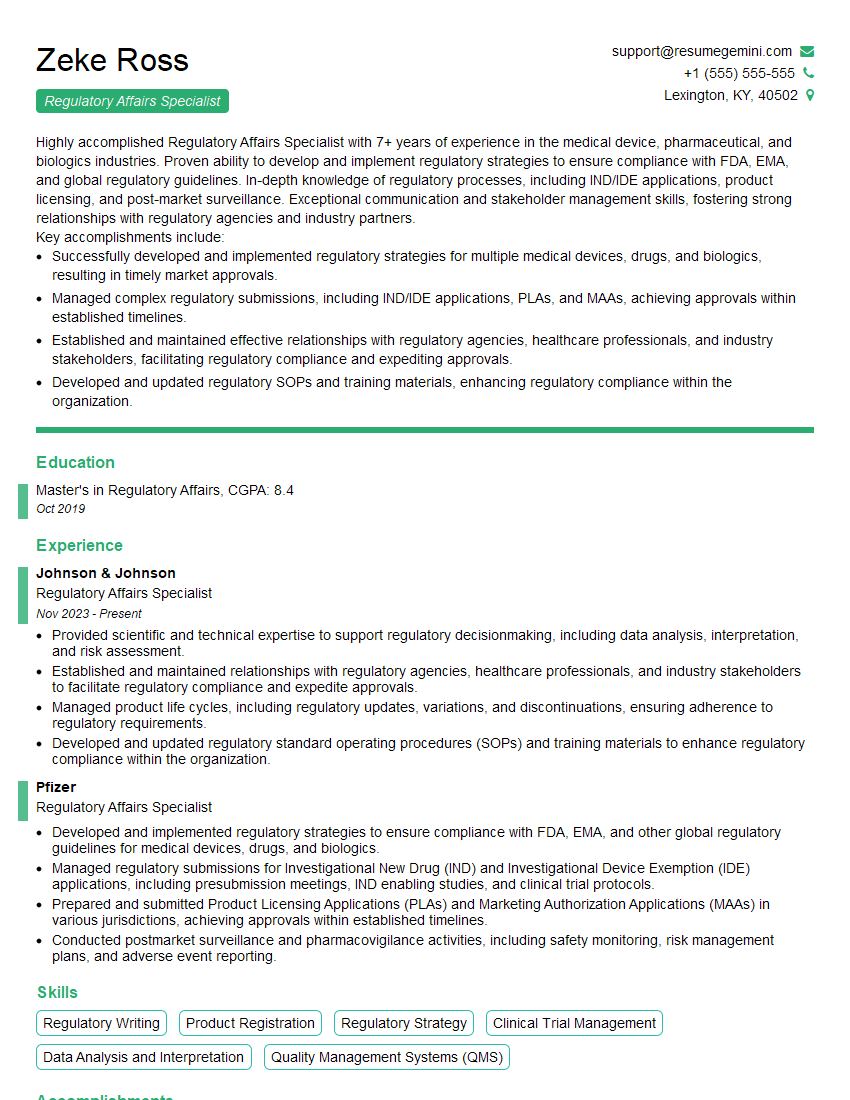
Regulatory Affairs Specialist Resume Sample

Technical Project Manager Resume Sample
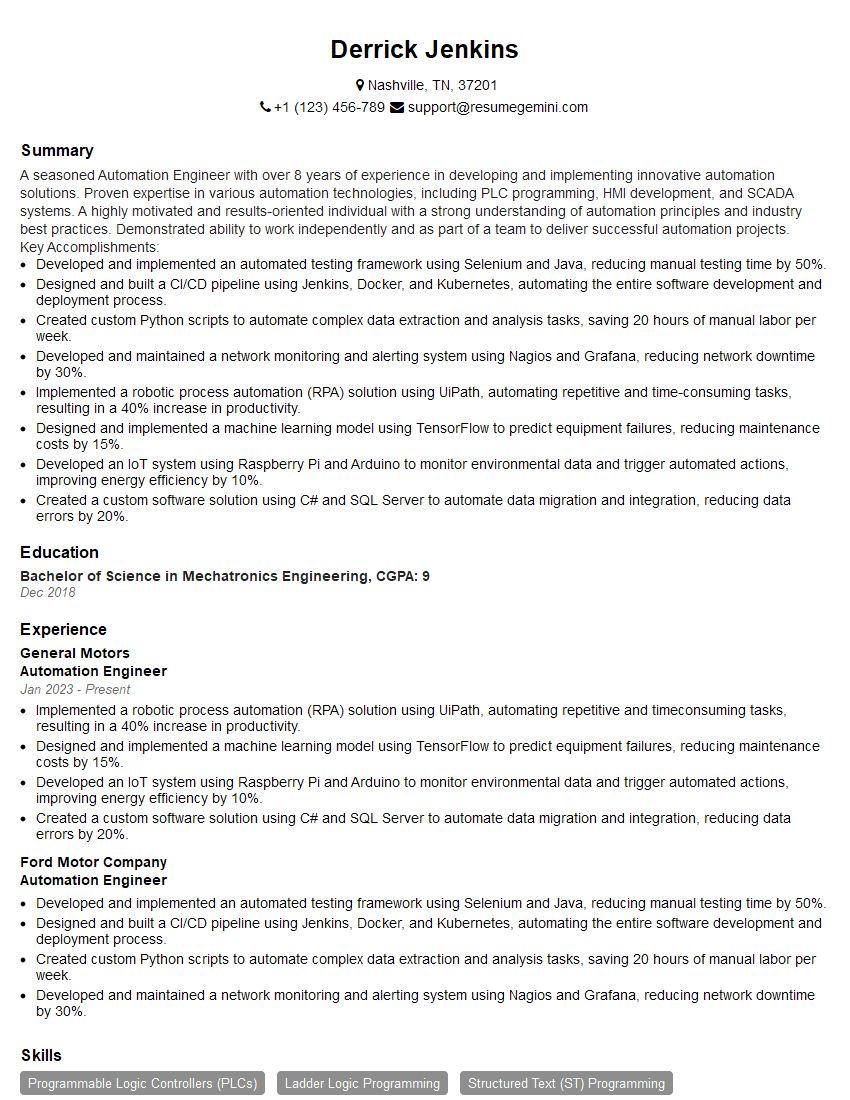
Automation Engineer Resume Sample
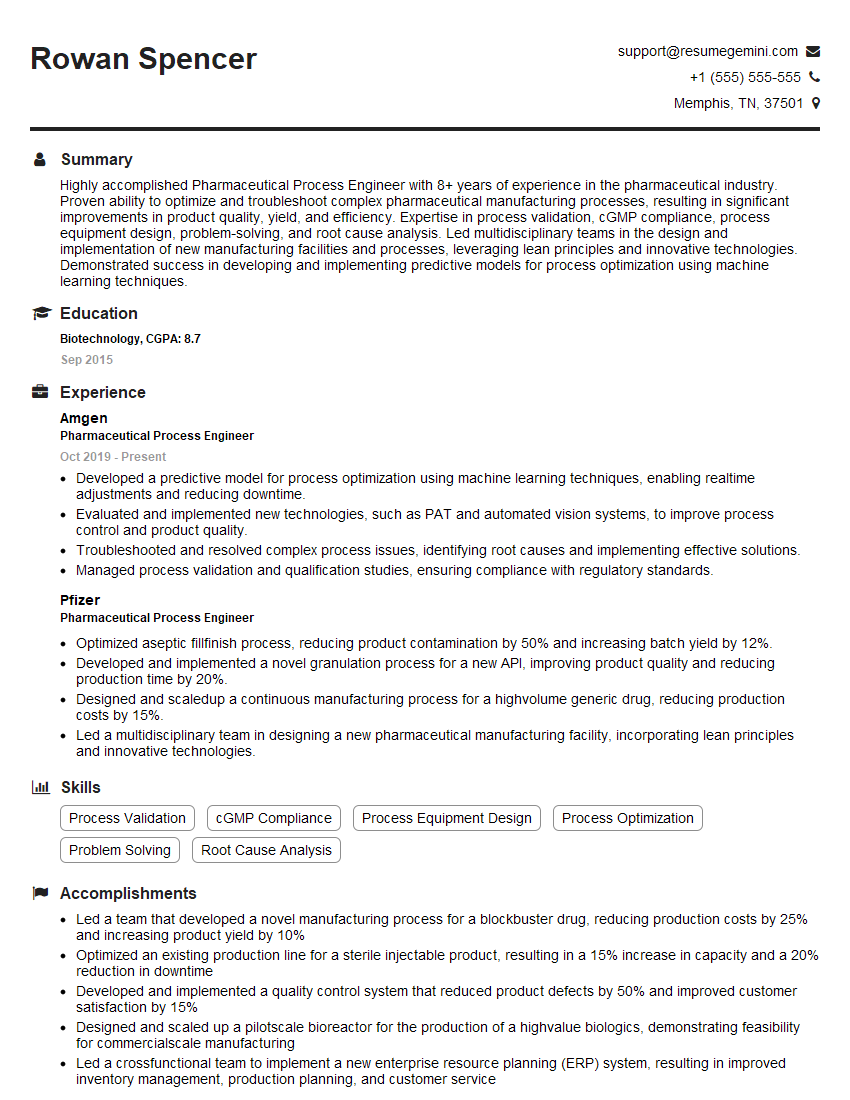
Pharmaceutical Process Engineer Resume Sample
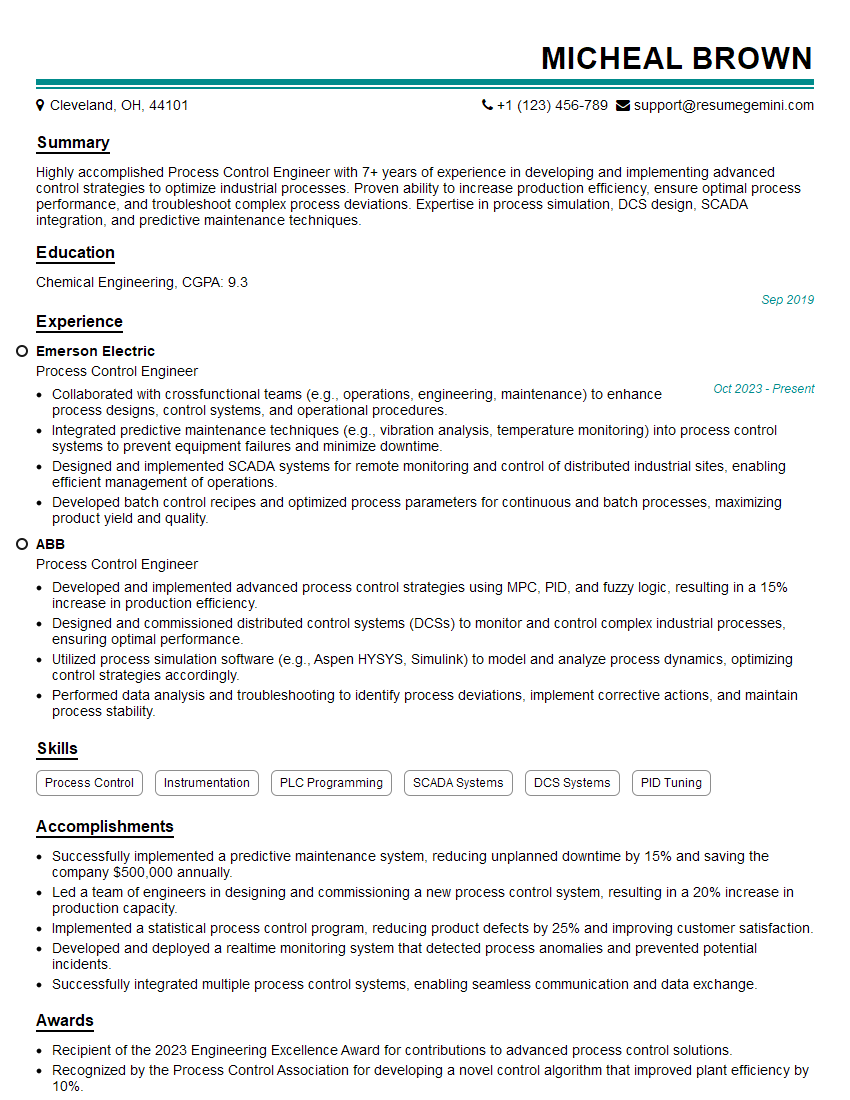
Process Control Engineer Resume Sample

Quality Assurance Engineer Resume Sample
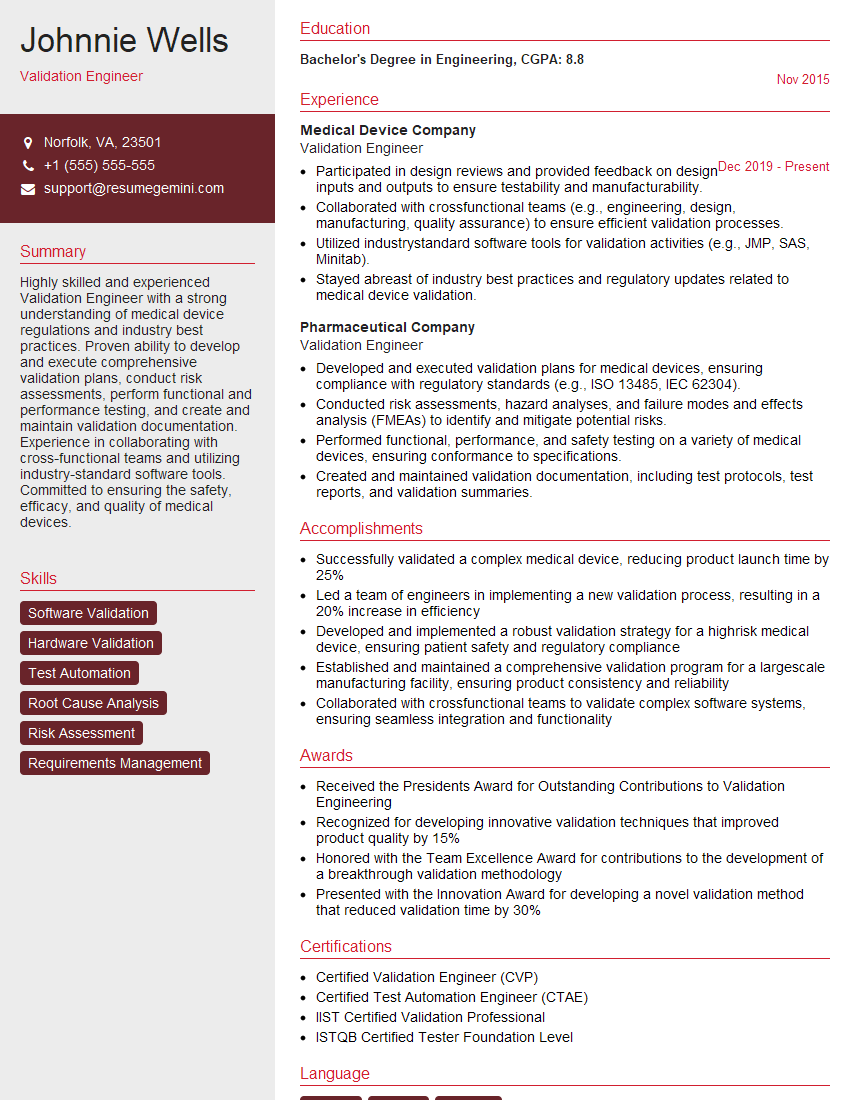
Validation Engineer Resume Sample
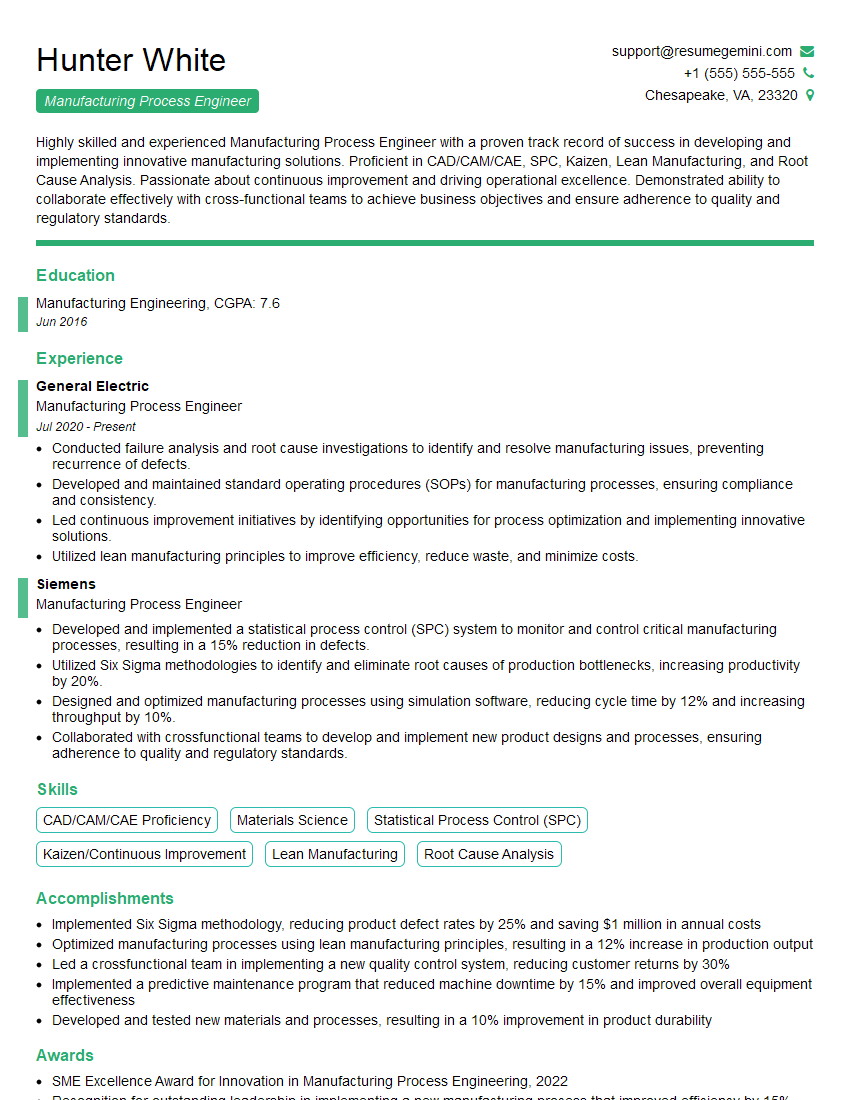
Manufacturing Process Engineer Resume Sample

Analytical Chemist Resume Sample
- Operations Manager
- Quality Control Manager
- Production Supervisor
- Compliance Officer
- Regulatory Affairs Specialist
- Technical Project Manager
- Automation Engineer
- Pharmaceutical Process Engineer
- Process Control Engineer
- Quality Assurance Engineer
- Validation Engineer
- Manufacturing Process Engineer
- Analytical Chemist
Explore more articles
Users Rating of Our Blogs
Share Your Experience
We value your feedback! Please rate our content and share your thoughts (optional).
What Readers Say About Our Blog
Very informative content, great job.
good