The thought of an interview can be nerve-wracking, but the right preparation can make all the difference. Explore this comprehensive guide to Crop and Livestock Production interview questions and gain the confidence you need to showcase your abilities and secure the role.
Questions Asked in Crop and Livestock Production Interview
Q 1. Explain the principles of crop rotation and its benefits.
Crop rotation is the practice of planting different types of crops in a planned sequence on the same piece of land over several growing seasons. It’s like giving your soil a balanced diet! Instead of repeatedly planting the same crop, which depletes specific nutrients, you cycle through various plant families.
- Benefits:
- Improved Soil Health: Different crops have different nutrient needs. Rotating crops helps prevent nutrient depletion and maintains soil fertility. For example, legumes (like beans and peas) fix nitrogen in the soil, benefiting subsequent crops.
- Pest and Disease Management: Rotating crops disrupts the life cycles of many pests and diseases, reducing their populations and minimizing the need for chemical control. A pest adapted to corn, for instance, will struggle to survive when the field is planted with soybeans the following year.
- Weed Control: Some crops naturally suppress weeds better than others. Rotating with these “cover crops” can reduce weed pressure.
- Increased Yields: By improving soil health and reducing pest pressure, crop rotation can lead to higher yields over time.
- Reduced Erosion: Different crops have varying root systems, which can improve soil structure and reduce erosion.
Example: A common rotation might be corn (heavy feeder), soybeans (nitrogen fixer), and wheat (moderate feeder). This sequence helps maintain soil health and minimizes pest buildup.
Q 2. Describe different irrigation methods and their suitability for various crops.
Irrigation is the artificial application of water to land to assist in the production of crops. Choosing the right method depends on factors like crop type, soil type, water availability, and budget.
- Surface Irrigation: Water flows over the land by gravity. Simple and inexpensive, but inefficient and can lead to runoff and erosion. Suitable for level land and crops tolerant to flooding, like rice.
- Sprinkler Irrigation: Water is sprayed through sprinklers, mimicking rainfall. More efficient than surface irrigation and suitable for various crops and terrains, but requires more infrastructure and energy.
- Drip Irrigation: Water is delivered directly to the plant roots through a network of tubes and emitters. Highly efficient, minimizes water waste, and reduces weed growth. Ideal for high-value crops like vegetables and fruits.
- Subsurface Irrigation: Water is applied below the soil surface through buried pipes. Highly efficient, reduces evaporation, and minimizes weed growth. Suitable for crops with shallow roots, and requires careful design and installation.
Suitability Examples: Rice thrives under flooded conditions (surface irrigation), while tomatoes are sensitive to excess water and benefit from drip irrigation. Citrus orchards often use sprinkler irrigation, balancing efficiency with the needs of a large area.
Q 3. How do you manage pest and disease control in crops?
Pest and disease control is crucial for successful crop production. An integrated pest management (IPM) strategy is the most effective approach, combining various methods to minimize reliance on chemical pesticides.
- Cultural Control: Practices like crop rotation, proper tillage, and appropriate planting density can help prevent pest and disease build-up. Think of it as creating an environment less hospitable to pests.
- Biological Control: Using natural enemies like beneficial insects or microorganisms to control pests and diseases. Introducing ladybugs to control aphids is a classic example.
- Mechanical Control: Physical removal of pests or weeds, such as hand-picking insects or using traps. This is labour intensive but effective for small-scale operations.
- Chemical Control: Applying pesticides as a last resort, when other methods are insufficient. Choosing selective pesticides and adhering strictly to application instructions is vital to minimizing environmental impact.
Example: In managing potato blight, a fungal disease, cultural control includes using blight-resistant varieties, proper spacing for good air circulation, and timely harvesting. Biological control might involve using specific bacteria to suppress the fungus. Chemical control, if necessary, would be done only after considering other options and adhering to strict guidelines.
Q 4. What are the key factors influencing livestock feed efficiency?
Feed efficiency in livestock refers to the amount of feed required to produce a unit of animal product (e.g., meat, milk, eggs). Improving feed efficiency is crucial for profitability and sustainability.
- Animal Genetics: Animals with superior genetics tend to convert feed into product more efficiently. Breeding programs focus on selecting and breeding animals with desirable traits, including feed efficiency.
- Feed Quality and Composition: The nutritional content of the feed directly affects efficiency. Providing a balanced diet with appropriate levels of protein, energy, vitamins, and minerals is crucial. Poor quality feed leads to inefficient conversion.
- Animal Health and Management: Healthy animals are more efficient at utilizing feed. Good management practices, including proper hygiene, vaccination, and parasite control, contribute to improved feed efficiency.
- Environmental Factors: Temperature, humidity, and housing conditions can affect feed intake and efficiency. Stressful environments lead to reduced feed intake and lower productivity.
Example: Dairy cows fed a balanced ration with high-quality forage and supplements will produce more milk per unit of feed consumed compared to cows fed low-quality or unbalanced rations.
Q 5. Explain the importance of soil testing and its application in crop production.
Soil testing is the analysis of a soil sample to determine its chemical, physical, and biological properties. It’s like getting a health check for your soil! This information is vital for making informed decisions about fertilizer application, crop selection, and overall soil management.
- Application in Crop Production:
- Nutrient Levels: Soil tests reveal the levels of essential nutrients (nitrogen, phosphorus, potassium, etc.) available to plants. This information guides the application of fertilizers to ensure optimal plant growth without over-fertilizing (which can be costly and harmful to the environment).
- Soil pH: Soil pH affects nutrient availability. Soil testing identifies the pH and guides liming (adding calcium carbonate) if the soil is too acidic, or adding sulfur if it’s too alkaline, thus optimizing nutrient uptake by plants.
- Soil Texture and Structure: Soil tests provide information about soil texture (sand, silt, clay) and structure, which influence water holding capacity and aeration, crucial for root growth. This helps guide soil management practices like tillage or drainage.
- Organic Matter Content: Soil organic matter is a key indicator of soil health. Testing reveals organic matter levels and guides management practices to improve soil structure, water retention, and nutrient availability.
Example: A soil test reveals low phosphorus levels. Based on the test results, the farmer can apply the correct amount of phosphorus fertilizer, maximizing crop yield and minimizing waste.
Q 6. Describe various livestock breeding strategies and their advantages.
Livestock breeding strategies aim to improve animal productivity, health, and other desirable traits. Several approaches exist, each with its own advantages.
- Mass Selection: Selecting and breeding animals based on their overall performance. Simple and cost-effective, but progress can be slow.
- Pedigree Selection: Selecting animals based on their ancestry, aiming to maintain desirable traits through generations. Helpful in preserving specific genetic lines, but less effective in identifying superior animals that may not have a strong pedigree.
- Progeny Testing: Evaluating the performance of an animal’s offspring to assess its breeding value. More accurate than mass selection but time-consuming.
- Artificial Insemination (AI): The process of artificially introducing semen into the reproductive tract of a female animal. Allows for wider use of superior sires and better genetic progress, reducing the need for maintaining many breeding males.
- Embryo Transfer (ET): The process of collecting and transferring embryos from a superior female to recipient females. Allows for multiple offspring from a single superior female in a short time span.
Advantages Summary: Mass selection is simple; pedigree selection preserves lines; progeny testing is accurate; AI widens superior sire use; ET multiplies superior females’ offspring.
Q 7. How do you monitor and manage livestock health?
Monitoring and managing livestock health is essential for maintaining productivity and animal welfare. A proactive approach is key.
- Regular Health Checks: Routine inspections to detect early signs of illness or injury. This includes visual checks for unusual behavior, lameness, or lesions, and regular weighing to monitor growth.
- Vaccination Programs: Preventive vaccinations protect against common diseases. Vaccination schedules should be tailored to the specific diseases prevalent in the region.
- Parasite Control: Regular deworming and parasite control programs minimize the impact of internal and external parasites on animal health and productivity.
- Record Keeping: Maintaining detailed records of animal health, including vaccinations, treatments, and any observed illnesses. This helps track disease trends and make informed management decisions.
- Veterinary Consultation: Consulting with a veterinarian for diagnosis and treatment of illnesses and injuries. Veterinary advice is crucial for effective disease management and animal welfare.
Example: Regular weighing of calves helps identify those that are not growing at the expected rate, indicating potential health problems that need further investigation.
Q 8. Discuss different methods of livestock waste management.
Livestock waste management is crucial for environmental protection and operational efficiency. Effective strategies minimize pollution, recover valuable resources, and improve overall farm sustainability. Methods vary depending on scale and resources, but generally fall into these categories:
Composting: This aerobic process breaks down organic waste into a nutrient-rich soil amendment. It requires careful management of moisture and temperature. For example, a well-managed compost heap can turn manure into valuable fertilizer, reducing the need for synthetic alternatives.
Anaerobic Digestion: This process uses bacteria to break down organic matter in the absence of oxygen, producing biogas (primarily methane) that can be used for energy generation and digestate, a nutrient-rich byproduct similar to compost. Think of it like a natural bioreactor generating both energy and fertilizer.
Lagoons: These are large, open-air ponds where wastewater is stored and allowed to decompose naturally. They are relatively low-cost but require large land areas and pose risks of water pollution if not properly managed. Proper lining is critical to prevent leakage.
Solid-Liquid Separation: This involves separating the solid and liquid components of manure, allowing for easier handling and processing of each fraction. The solid component can be composted or used as bedding, while the liquid can be treated and used for irrigation (with caution). This method minimizes storage space needed for raw waste.
Direct Application to Fields: Manure can be applied directly to fields as fertilizer, but careful planning is needed to avoid nutrient runoff and soil contamination. Precise timing and application methods are key to environmental responsibility.
The choice of method often depends on factors such as the size of the operation, climate, local regulations, and available resources. A holistic approach often integrates multiple techniques for optimal results.
Q 9. What are the key considerations for selecting appropriate livestock breeds?
Selecting appropriate livestock breeds is critical for maximizing productivity and profitability. Key considerations include:
Climate Adaptation: Breeds must be suited to the local climate. A breed adapted to hot, humid climates will likely struggle in cold, harsh conditions, impacting health, growth rates and reproductive efficiency. For example, heat-tolerant breeds are essential in tropical environments.
Disease Resistance: Selecting breeds with inherent resistance to prevalent diseases in the region minimizes health problems and reduces veterinary costs. This is crucial for both economic and animal welfare reasons.
Productivity Traits: Consider traits like milk yield (for dairy animals), meat quality and growth rate (for beef cattle), egg production (for poultry), or wool yield (for sheep). Breed selection should align with specific production goals.
Feed Efficiency: Choosing breeds that convert feed efficiently minimizes feed costs, a major expense in livestock production. Breeds known for their ability to thrive on readily available feed sources should be preferred.
Market Demand: Consider the market demand for the specific products produced by the breed. This includes factors like meat type, carcass characteristics, milk composition, or wool fiber type.
Management Considerations: Breeds vary in their temperament, ease of handling, and overall management requirements. Select breeds that suit your farm’s management capacity and infrastructure.
A thorough understanding of breed characteristics and local conditions is essential for making informed choices. Consultation with breed experts or agricultural extension services can provide valuable guidance.
Q 10. Explain the concept of integrated pest management (IPM).
Integrated Pest Management (IPM) is a holistic approach to pest control that emphasizes prevention and minimizes the use of pesticides. It aims to maintain pest populations below economically damaging levels while protecting the environment and human health. IPM strategies are based on a thorough understanding of the pest and its environment.
Key components of IPM include:
Monitoring: Regularly monitoring pest populations to detect early infestations. This might involve visual inspections, traps, or other detection methods.
Cultural Controls: Using farming practices to prevent or suppress pest problems. Examples include crop rotation, proper sanitation, and choosing pest-resistant varieties.
Biological Controls: Utilizing natural enemies of pests, such as predatory insects, parasitic wasps, or beneficial nematodes. Introducing natural predators is a biological form of pest control.
Physical Controls: Using physical barriers or methods to exclude or remove pests. This might involve using screens, traps, or handpicking pests.
Chemical Controls: Using pesticides only as a last resort and only when other methods have proven ineffective. When used, this is done with targeted application and minimal environmental impact.
IPM requires a systematic approach and ongoing monitoring. It is a proactive strategy that prevents large-scale pest outbreaks and minimizes reliance on environmentally damaging pesticides. Think of it as a layered defense against pests, prioritizing non-chemical solutions first.
Q 11. How do you assess the economic viability of a crop or livestock operation?
Assessing the economic viability of a crop or livestock operation requires a thorough analysis of costs and revenues. This involves:
Estimating Production Costs: This includes all expenses associated with production, such as land costs, seeds or livestock, feed, labor, fertilizer, machinery, and other inputs. A detailed budget is essential.
Estimating Revenue: This involves forecasting the quantity and price of products to be sold. Market research and price projections are crucial. It helps to consider potential fluctuations in market prices.
Calculating Profitability: Key indicators include net income (revenue minus total costs), return on investment (ROI), and break-even analysis. A detailed financial model is needed to assess various scenarios and risks.
Analyzing Financial Statements: Review income statements, balance sheets, and cash flow statements to assess financial health and identify areas for improvement. Understanding financial statements is vital for long-term success.
Risk Assessment: Identifying potential risks, such as weather events, disease outbreaks, market fluctuations, and their potential impact on profitability. Risk mitigation strategies are essential.
Tools like farm management software can significantly aid in data collection, analysis, and forecasting. A thorough economic analysis is essential for making informed business decisions and ensuring the long-term sustainability of the operation. It’s essentially like creating a business plan tailored to the specifics of agriculture.
Q 12. Describe your experience with precision agriculture technologies.
My experience with precision agriculture technologies spans several years, encompassing various applications. I’ve worked with:
GPS-guided machinery: Using GPS-based systems for precise application of inputs, such as fertilizer and pesticides, minimizing waste and optimizing resource use. This improves efficiency and minimizes environmental impact.
Variable rate technology (VRT): Implementing VRT systems for applying inputs based on site-specific needs, determined through soil analysis or remote sensing. This allows tailored inputs per specific area based on its requirements.
Remote sensing and aerial imagery: Utilizing drones and satellite imagery for monitoring crop health, identifying stress areas, and assessing yield potential. This provides real-time data for informed decision-making.
Farm management software: Employing farm management software to integrate data from various sources, analyze information, and make better-informed decisions on inputs and management practices. This improves data management and integration significantly.
Sensor technology: Utilizing soil moisture sensors and other sensors to monitor environmental conditions and adapt management practices accordingly. This allows for optimized irrigation and other timely actions.
These technologies have significantly improved efficiency, reduced input costs, and enhanced the sustainability of crop and livestock operations. Data analysis is key, and combining technology with traditional agricultural knowledge leads to improved and data-driven decisions.
Q 13. How do you ensure the sustainability of crop and livestock production systems?
Ensuring the sustainability of crop and livestock production systems requires a multi-faceted approach that considers environmental, economic, and social factors. Key strategies include:
Soil Health Management: Implementing practices that improve soil fertility, such as crop rotation, cover cropping, and reduced tillage. This ensures long-term soil productivity and health.
Water Management: Efficient irrigation techniques, such as drip irrigation or rainwater harvesting, to conserve water resources. Careful and controlled water usage is crucial for sustainability.
Nutrient Management: Precise application of fertilizers to minimize nutrient runoff and environmental pollution. Smart fertilization techniques reduce environmental impacts.
Pest and Disease Management: Implementing IPM strategies to reduce reliance on synthetic pesticides and protect biodiversity. Natural methods are prioritized and used as effectively as possible.
Livestock Management: Implementing sustainable livestock practices, such as rotational grazing, improved manure management, and appropriate animal welfare measures. This promotes better livestock health and environmental stewardship.
Biodiversity Conservation: Creating habitats to support beneficial insects and pollinators. This can include habitat creation and protection measures.
Climate Change Adaptation: Selecting climate-resilient crops and breeds, implementing drought-resistant practices, and reducing greenhouse gas emissions from agriculture. This is crucial for long-term sustainability in a changing climate.
Sustainability is a continuous process requiring adaptation and innovation. It involves creating resilient systems capable of meeting the needs of the present without compromising the ability of future generations to meet their own needs.
Q 14. What are the challenges of organic farming, and how do you overcome them?
Organic farming presents several challenges, but many can be effectively addressed:
Weed Control: Weed pressure is higher in organic systems due to the absence of synthetic herbicides. Solutions involve mechanical weed control, crop rotation, cover cropping, and the use of organic mulches.
Pest and Disease Management: Organic farmers rely on cultural practices, biological control agents, and allowed organic pesticides, which can be less effective than synthetic options. Thorough monitoring and integrated strategies are essential.
Lower Yields: Initially, organic systems may yield less than conventional systems. However, with proper management, yields often improve over time, offsetting any initial differences.
Market Access and Premium Prices: Access to markets that value organic produce is essential, often requiring certification and adherence to strict standards. Premium prices can offset higher production costs.
Labor Requirements: Organic farming often demands more labor compared to conventional farming due to greater reliance on manual weeding, pest control, and other practices. Efficient labor management is key.
Overcoming these challenges requires knowledge, experience, and adaptability. By adopting innovative strategies and focusing on long-term soil health and system resilience, organic farmers can build profitable and sustainable operations.
Q 15. Discuss the importance of record-keeping in crop and livestock production.
Record-keeping is the backbone of any successful crop and livestock operation. It’s not just about tracking expenses; it’s about making informed decisions, ensuring efficiency, and ultimately, maximizing profitability. Think of it as a farm’s memory – it allows you to learn from past successes and mistakes.
- Financial Tracking: Detailed records of income (from sales, grants, etc.) and expenses (seeds, fertilizer, labor, machinery, veterinary care) are crucial for tax purposes and for understanding your farm’s financial health. I use spreadsheet software to meticulously track every transaction, categorizing them for easy analysis. This allows me to identify areas for cost reduction and to project future income.
- Production Records: This includes yield data for crops (tons/acre, bushels/acre), livestock production (milk yield, weight gain, number of offspring), and the use of inputs like fertilizer and pesticides. Analyzing these trends helps determine optimal planting densities, fertilizer application rates, and livestock management strategies. For example, if I notice a decline in milk production in a specific herd, I can investigate factors like feed quality or health issues.
- Inventory Management: Tracking the quantity and quality of seeds, feed, supplies, and livestock is essential for efficient resource allocation and preventing shortages. I use a combination of physical inventory checks and a digital inventory system to maintain an accurate record.
- Compliance and Auditing: Accurate records are vital for meeting regulatory requirements related to food safety, environmental regulations, and traceability. They also provide evidence for audits and insurance claims. Maintaining detailed records significantly reduces stress when facing regulatory inspections.
In essence, robust record-keeping allows for proactive management, better planning, and increased profitability. It’s the foundation for making data-driven decisions, which is crucial in today’s competitive agricultural landscape.
Career Expert Tips:
- Ace those interviews! Prepare effectively by reviewing the Top 50 Most Common Interview Questions on ResumeGemini.
- Navigate your job search with confidence! Explore a wide range of Career Tips on ResumeGemini. Learn about common challenges and recommendations to overcome them.
- Craft the perfect resume! Master the Art of Resume Writing with ResumeGemini’s guide. Showcase your unique qualifications and achievements effectively.
- Don’t miss out on holiday savings! Build your dream resume with ResumeGemini’s ATS optimized templates.
Q 16. Explain the impact of climate change on crop and livestock production.
Climate change presents significant challenges to both crop and livestock production. The effects are multifaceted and can dramatically impact yields and overall farm productivity. We’re seeing more frequent and intense extreme weather events – droughts, floods, heatwaves – disrupting planting schedules, damaging crops, and stressing livestock.
- Increased Temperatures and Droughts: Higher temperatures reduce crop yields, especially for heat-sensitive crops like lettuce and tomatoes. Droughts lead to water shortages, impacting irrigation and reducing crop growth. Livestock suffer from heat stress, impacting their productivity and health.
- Changes in Rainfall Patterns: Erratic rainfall patterns make it challenging to plan planting and irrigation schedules. Too much rain can lead to flooding and soil erosion, while insufficient rain can severely hamper crop growth and livestock grazing.
- Pest and Disease Outbreaks: Changing climate conditions can alter the distribution and prevalence of pests and diseases, impacting both crops and livestock. Warmer temperatures can extend the growing season for certain pests, increasing the risk of infestations.
- Increased frequency of extreme weather events: This includes stronger hurricanes, hailstorms and wildfires can severely damage crops and infrastructure, leading to significant financial losses.
Adaptation strategies are crucial. This includes selecting drought-resistant crop varieties, implementing efficient irrigation systems, employing climate-smart agricultural practices, and diversifying livestock breeds to enhance resilience. Investing in weather monitoring technology and crop insurance can also help mitigate some of these risks.
Q 17. How do you manage labor and resources effectively in a farm operation?
Effective labor and resource management is crucial for farm profitability. It involves optimizing the use of human resources, machinery, and other inputs to maximize output while minimizing costs. It’s a balancing act of planning, delegation, and efficient utilization.
- Labor Management: This involves careful planning of tasks, scheduling, and the efficient allocation of personnel. I utilize seasonal workers effectively during peak periods like planting and harvesting. Training and clear communication are essential to ensure tasks are performed correctly and safely. In addition to direct farm labor, I’ve increasingly relied on technological solutions for automation and to improve efficiency.
- Resource Allocation: Efficient use of water, fertilizer, pesticides, and fuel is vital for both environmental sustainability and economic viability. Precision agriculture technologies like GPS-guided machinery and variable-rate application helps to optimize input use and minimize waste.
- Technology Integration: Farm management software can assist with scheduling, inventory control, and record-keeping, streamlining operations and freeing up time for strategic decision-making. I use software to analyze data and identify areas for improvement in resource allocation.
- Outsourcing: Strategic outsourcing of certain tasks, such as custom harvesting or specialized services, can be cost-effective and efficient, especially for smaller farms.
A well-structured approach to labor and resource management, coupled with the strategic adoption of technology, is vital for creating a thriving and sustainable farm operation.
Q 18. Describe your experience with different types of farm machinery and equipment.
My experience encompasses a broad range of farm machinery and equipment, from traditional tools to sophisticated precision agriculture technology. This experience is vital for efficient and productive farming.
- Tractors and Implements: I have extensive experience operating various sizes of tractors, along with their associated implements, including ploughs, harrows, cultivators, planters, and harvesters. I understand the importance of regular maintenance and preventative servicing to avoid costly breakdowns during crucial periods.
- Irrigation Systems: I’m proficient in managing center pivot irrigation, drip irrigation, and other water management systems. This includes installation, maintenance, and optimization to ensure efficient water use.
- Precision Agriculture Technology: I’ve worked with GPS-guided machinery, variable-rate technology for fertilizer and pesticide application, and yield mapping systems. These technologies provide significant improvements in efficiency and resource management.
- Livestock Handling Equipment: I’m familiar with various types of livestock handling equipment, including chutes, scales, and automated feeding systems, ensuring animal welfare and safety while improving efficiency.
Knowing how to properly use and maintain this equipment is not just about efficiency, it’s also about worker safety and minimizing environmental impact. Regular maintenance and training are key factors for ensuring optimal performance and longevity of the equipment.
Q 19. How do you handle unexpected events or challenges in crop and livestock production?
Unexpected events are inevitable in agriculture. Having a proactive approach to risk management is key to minimizing their impact. This involves a combination of preparedness, adaptability, and strategic decision-making.
- Risk Assessment: Regularly assessing potential risks, such as weather events, pest infestations, disease outbreaks, and equipment failures, is crucial. This involves understanding the specific vulnerabilities of your operation and developing contingency plans.
- Contingency Planning: Developing plans for dealing with different scenarios is vital. This could involve having backup power sources, alternative water sources, or insurance policies to cover potential losses.
- Adaptability: Being flexible and willing to adjust plans as needed is critical. This might involve switching to alternative crops if weather conditions are unfavorable or adjusting livestock management strategies in response to disease outbreaks.
- Problem-Solving Skills: Being able to quickly identify problems, assess their severity, and develop effective solutions is essential. I’ve learned to rely on a combination of my own experience, consulting with experts, and leveraging online resources.
A proactive approach to risk management, coupled with robust problem-solving skills, allows for more resilient and sustainable agricultural operations. It’s about expecting the unexpected and being prepared to adapt.
Q 20. What are the key regulations and compliance requirements in your area?
Regulations and compliance requirements vary significantly by location, but generally include environmental protection, food safety, animal welfare, and labor laws. Strict adherence to these regulations is critical for maintaining a legal and ethical operation.
- Environmental Regulations: These relate to pesticide use, water management, soil conservation, and waste disposal. Understanding and complying with these regulations is crucial to protecting the environment and ensuring sustainable farming practices. This often includes proper documentation and record-keeping of pesticide applications, fertilizer use, and water usage.
- Food Safety Regulations: Maintaining high standards of food safety is paramount. This involves adhering to regulations related to harvesting, handling, processing, and storage of agricultural products to minimize the risk of contamination. This often involves regular inspections and testing.
- Animal Welfare Regulations: These regulations cover livestock housing, handling, and transportation, ensuring humane treatment and preventing animal cruelty. These often require specific infrastructure, training, and record-keeping.
- Labor Laws: Compliance with labor laws regarding wages, working conditions, and employee safety is essential. Understanding and adhering to these requirements protects both the employees and the employer.
Staying informed about the constantly evolving regulatory landscape is essential. This involves active engagement with relevant government agencies and industry organizations, participation in training programs, and utilizing readily available resources to ensure ongoing compliance.
Q 21. Describe your experience with marketing and selling agricultural products.
Marketing and selling agricultural products requires a comprehensive understanding of market dynamics, customer needs, and effective sales strategies. It goes beyond simply producing a high-quality product; it’s about connecting with buyers and ensuring a profitable outcome.
- Market Research: Understanding market trends, prices, and consumer preferences is crucial for making informed decisions about what to produce and how to sell it. I regularly analyze market reports, attend industry events, and maintain connections with buyers to keep abreast of market conditions.
- Direct Sales: Selling directly to consumers through farmers’ markets, farm stands, or community-supported agriculture (CSA) programs allows for direct customer interaction, building relationships and potentially achieving higher prices.
- Wholesale Sales: Selling to wholesalers, retailers, or food processors involves establishing reliable relationships and negotiating fair prices. Understanding contract terms, logistics, and delivery is crucial.
- Value-Added Products: Processing agricultural products into value-added items, such as jams, cheeses, or prepared meals, can increase profit margins and create unique market opportunities. It requires additional skills and investment but can be highly rewarding.
- Branding and Marketing: Developing a strong brand identity and utilizing effective marketing techniques, including social media and online platforms, is essential for reaching a wider audience and promoting sales. A strong brand narrative focusing on quality, sustainability, and ethical practices can attract discerning customers.
Successful marketing involves building relationships, understanding your customers’ needs, and strategically adapting your sales approach based on market feedback and evolving conditions.
Q 22. Explain your understanding of different livestock feeding strategies.
Livestock feeding strategies are crucial for maximizing animal health, productivity, and profitability. They vary greatly depending on factors like the animal species, age, production stage (e.g., growth, lactation), and available resources. Broadly, we categorize them as:
- Pasture-based systems: Animals graze freely on pastures, providing a natural and cost-effective feeding method. However, this can be limited by pasture quality and availability, particularly during droughts. We often supplement with hay or other feeds to ensure nutritional balance.
- Concentrate-based systems: Primarily utilize commercially manufactured feeds, such as grains (corn, soybeans), protein meals (soybean meal, cottonseed meal), and mineral supplements. These systems offer precise nutritional control and rapid growth but are generally more expensive. For example, in intensive dairy farming, cows receive a carefully balanced ration tailored to their milk production levels.
- Mixed systems: Combine pasture grazing with supplemental feeding of concentrates, balancing cost-effectiveness with nutritional optimization. This approach is very common, adapting to seasonal changes in pasture availability.
- Total Mixed Ration (TMR): A complete feed delivered as a single mix, often for dairy cows, incorporating forages, grains, and other components in specific proportions. This ensures uniform intake and minimizes selective feeding.
Choosing the right strategy requires careful consideration of feed costs, animal requirements, environmental conditions, and available labor.
Q 23. How do you ensure animal welfare in livestock production?
Animal welfare is paramount in ethical and sustainable livestock production. It goes beyond simply providing food and water; it involves ensuring the animals’ physical and psychological well-being. My approach involves:
- Providing appropriate housing: This includes ensuring sufficient space, adequate ventilation, protection from the elements, and comfortable resting areas. For example, pigs need access to substrates to root in, to satisfy their natural behaviors.
- Implementing proper hygiene and health management: Routine health checks, vaccinations, and prompt treatment of illnesses are crucial. Maintaining clean and sanitary environments minimizes the risk of disease outbreaks and reduces suffering.
- Minimizing stress: This includes avoiding overcrowding, providing access to fresh water, and managing handling procedures carefully to reduce fear and pain. For instance, slow and gentle herding methods are preferred over harsh techniques.
- Monitoring animal behavior: Regular observation helps detect signs of illness, distress, or discomfort. Abnormal behavior, such as excessive vocalization or changes in appetite, should be investigated promptly.
- Ensuring access to appropriate feed and water: Animals should always have access to clean and palatable water and a balanced diet that meets their nutritional needs. A lack of essential nutrients will affect animal health and wellbeing.
I am a strong advocate for following industry best practices and adhering to relevant legislation on animal welfare.
Q 24. Discuss your experience with different types of fertilizers and their application.
My experience encompasses a wide range of fertilizers, each with its own advantages and disadvantages. The choice depends on soil type, crop needs, and environmental considerations. I’ve worked extensively with:
- Nitrogen (N) fertilizers: Urea, ammonium nitrate, and anhydrous ammonia are commonly used. These are crucial for plant growth but need careful management to prevent environmental problems like runoff and greenhouse gas emissions.
- Phosphorus (P) fertilizers: Superphosphate and diammonium phosphate (DAP) improve root development and flowering. P is less mobile in the soil, so placement during planting is essential for optimal uptake.
- Potassium (K) fertilizers: Potassium chloride (muriate of potash) and potassium sulfate enhance disease resistance and improve fruit and vegetable quality. Similar to phosphorus, potassium’s mobility is low, making placement important.
- Organic fertilizers: Compost, manure, and biosolids provide nutrients and improve soil structure. They are excellent for soil health and sustainable agriculture. I have used them in combination with chemical fertilizers to provide balanced soil nutrition.
- Micronutrient fertilizers: These include zinc, boron, iron, and manganese, which are essential for plant health in trace amounts. Deficiencies can significantly impact yields, so soil testing and targeted applications are important.
Application methods range from broadcasting to banding, side-dressing, and fertigation (applying through irrigation). Precision agriculture techniques using GPS and sensors allow for more targeted and efficient fertilizer use.
Q 25. What are the different methods for harvesting crops?
Crop harvesting methods vary greatly depending on the crop type and scale of operation. Some common techniques include:
- Manual harvesting: Used for high-value crops or small-scale farming where labor costs are manageable. It allows for selective harvesting, but it is labor-intensive and slow.
- Mechanical harvesting: Combines, reapers, and other machinery are used for large-scale operations to increase efficiency and reduce labor costs. Examples include the use of combines for wheat and corn harvesting and potato harvesters for potato harvesting.
- Selective harvesting: Involves hand-picking or using specialized equipment to harvest only mature or high-quality produce, common in orchards and vineyards. This approach requires more labor but maximizes product quality.
- Direct harvesting: Certain crops, like some vegetables, can be harvested directly by machines without any intermediate steps, increasing efficiency and productivity.
Proper harvesting techniques are essential to minimize losses, maintain product quality, and ensure timely delivery to market. The timing of harvest is crucial, as it directly impacts yield and quality.
Q 26. Explain your understanding of genetic improvement in livestock.
Genetic improvement in livestock aims to enhance desirable traits, leading to increased productivity, improved disease resistance, and better product quality. Key methods include:
- Artificial selection: Breeders select animals with favorable traits for breeding, gradually improving the genetic makeup of the herd over generations. This is a traditional method used to improve desirable traits in animal populations.
- Artificial insemination (AI): Allows for the widespread use of superior genetics from elite sires, increasing the rate of genetic progress. It’s cost-effective and allows for the controlled introduction of specific traits into the breeding program.
- Embryo transfer (ET): Multiple embryos from superior females can be transferred to recipient females, significantly increasing the reproductive potential of elite animals. This method is especially valuable for animals with high genetic merit.
- Genetic engineering: Although still under development, gene editing technologies hold potential for targeted improvements in livestock traits such as disease resistance or feed efficiency. These are advanced techniques, and their use is closely monitored given ethical considerations.
- Genomic selection: Uses DNA markers to predict an animal’s genetic merit, enabling more accurate selection decisions based on comprehensive genetic information. This leads to significant improvements in breeding efficiency.
Genetic improvement programs are essential for sustainable livestock production, balancing the need for increased productivity with considerations of animal welfare and environmental impact.
Q 27. How do you evaluate the quality of livestock products?
Evaluating the quality of livestock products involves assessing various factors, depending on the specific product. For example:
- Meat quality: Evaluated through parameters such as tenderness, juiciness, flavor, color, and marbling (fat distribution). These are often assessed through sensory evaluation and instrumental measurements.
- Milk quality: Assessed for fat content, protein content, somatic cell count (indicating udder health), and bacterial load. Regular testing and adherence to hygiene standards are crucial for maintaining high milk quality.
- Egg quality: Evaluated based on shell strength, albumen height (thickness of egg white), and yolk color. Grading standards are often used to categorize eggs into different quality classes.
- Wool quality: Assessed for fiber diameter, length, strength, and crimp (wave pattern). Wool quality is critical for textile manufacturing.
In addition to physical characteristics, traceability and processing practices are important aspects of quality evaluation. Clear labeling and adherence to food safety regulations are essential for building consumer confidence.
Q 28. Describe your experience with risk management in agriculture.
Risk management in agriculture is critical due to the inherent variability of weather patterns, market fluctuations, and disease outbreaks. My approach involves a multi-faceted strategy:
- Crop diversification: Planting a variety of crops reduces the impact of losses from specific crop failures or pest infestations. This spreads risk over multiple crops.
- Integrated pest management (IPM): Utilizes a combination of biological, cultural, and chemical methods to control pests, minimizing reliance on chemical pesticides and reducing environmental risks. Careful monitoring is essential to identify the most appropriate approach for managing pest pressures.
- Weather forecasting and risk assessment: Utilizing weather data and climate projections helps predict potential weather-related risks and enables informed decision-making regarding planting schedules, irrigation, and crop protection. This helps to minimize the negative impact of drought, frost or excessive rain.
- Insurance and hedging: Crop insurance protects against losses from unforeseen events, such as hailstorms or droughts. Hedging strategies in the commodity market can mitigate price volatility.
- Financial planning and budgeting: Careful financial management ensures sufficient resources are available to manage unexpected expenses and weather potential market downturns. This requires detailed planning and regular monitoring of income and expenditure.
Proactive risk management is crucial for ensuring the long-term sustainability and profitability of agricultural operations. It’s not just about reacting to problems; it’s about anticipating and mitigating potential risks before they arise.
Key Topics to Learn for Crop and Livestock Production Interview
- Crop Production: Soil science fundamentals (soil types, nutrient management, soil testing); Crop physiology (plant growth stages, photosynthesis, nutrient uptake); Crop management practices (planting, irrigation, fertilization, pest and disease management); Sustainable crop production techniques (integrated pest management, precision agriculture).
- Livestock Production: Animal nutrition (feed formulation, digestibility); Animal breeding and genetics (selection, artificial insemination); Animal health and disease management (prevention, diagnosis, treatment); Sustainable livestock practices (pasture management, manure management).
- Integrated Crop-Livestock Systems: Understanding the synergy between crop and livestock production; Designing efficient and sustainable integrated systems; Optimizing resource utilization and minimizing environmental impact.
- Farm Management & Economics: Budgeting and financial planning; Risk management; Market analysis and pricing strategies; Record keeping and data analysis; Farm safety and regulations.
- Practical Applications: Analyzing soil test results to determine fertilizer needs; Developing a livestock feeding program; Implementing pest control strategies; Evaluating the economic viability of different farming practices; Troubleshooting common problems in crop and livestock production.
- Problem-Solving Approaches: Diagnosing crop and livestock health issues; Developing solutions to production challenges; Utilizing data analysis to improve efficiency and profitability; Adapting to changing environmental conditions and market demands.
Next Steps
Mastering Crop and Livestock Production opens doors to a rewarding career with significant growth potential in a vital industry. A strong resume is crucial for showcasing your skills and experience to potential employers. To maximize your job prospects, create an ATS-friendly resume that highlights your key qualifications and achievements. ResumeGemini is a trusted resource that can help you build a professional and impactful resume. We provide examples of resumes tailored to Crop and Livestock Production to guide you in crafting your own compelling application materials.
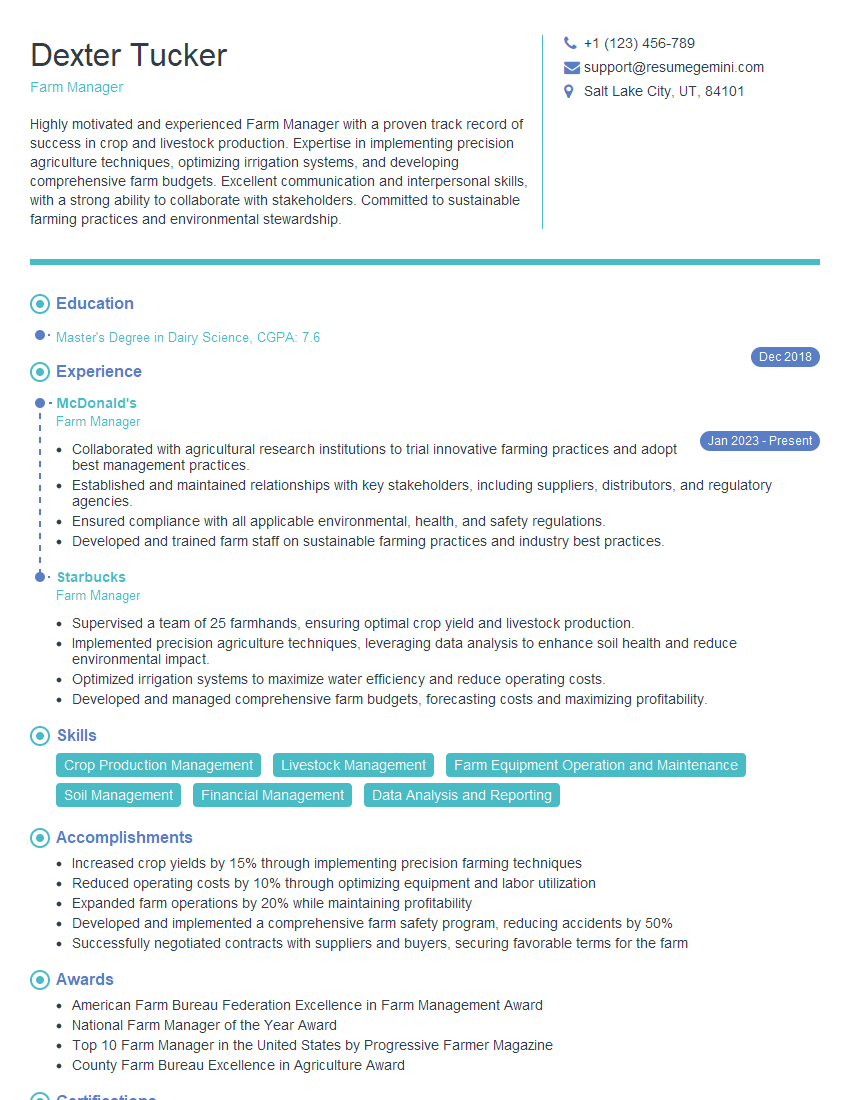
Farm Manager Resume Sample
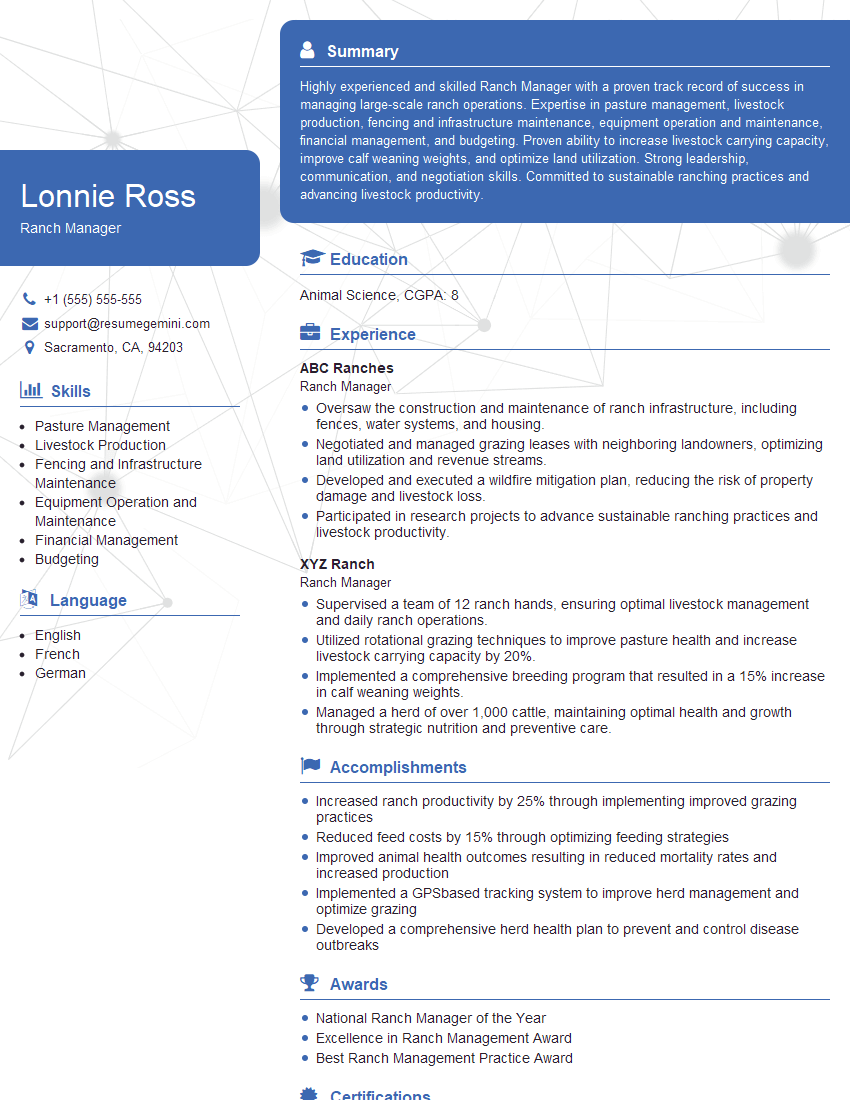
Ranch Manager Resume Sample
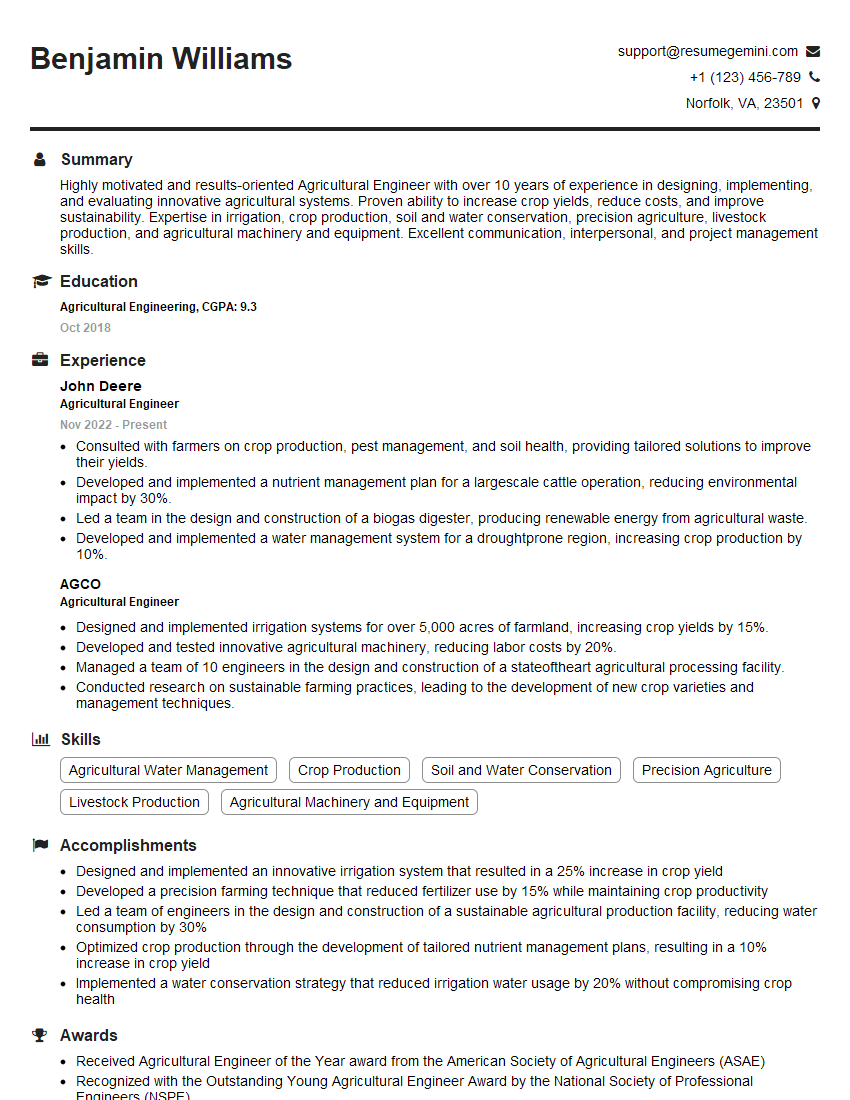
Agricultural Engineer Resume Sample
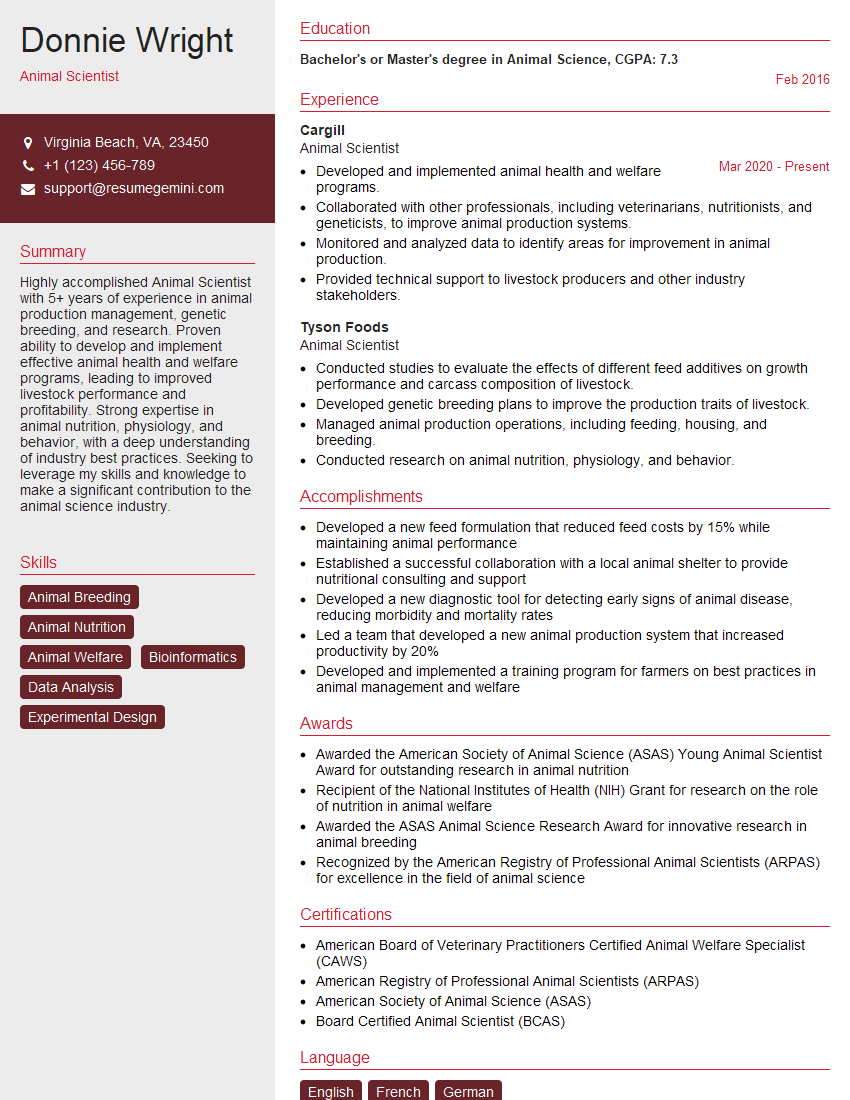
Animal Scientist Resume Sample
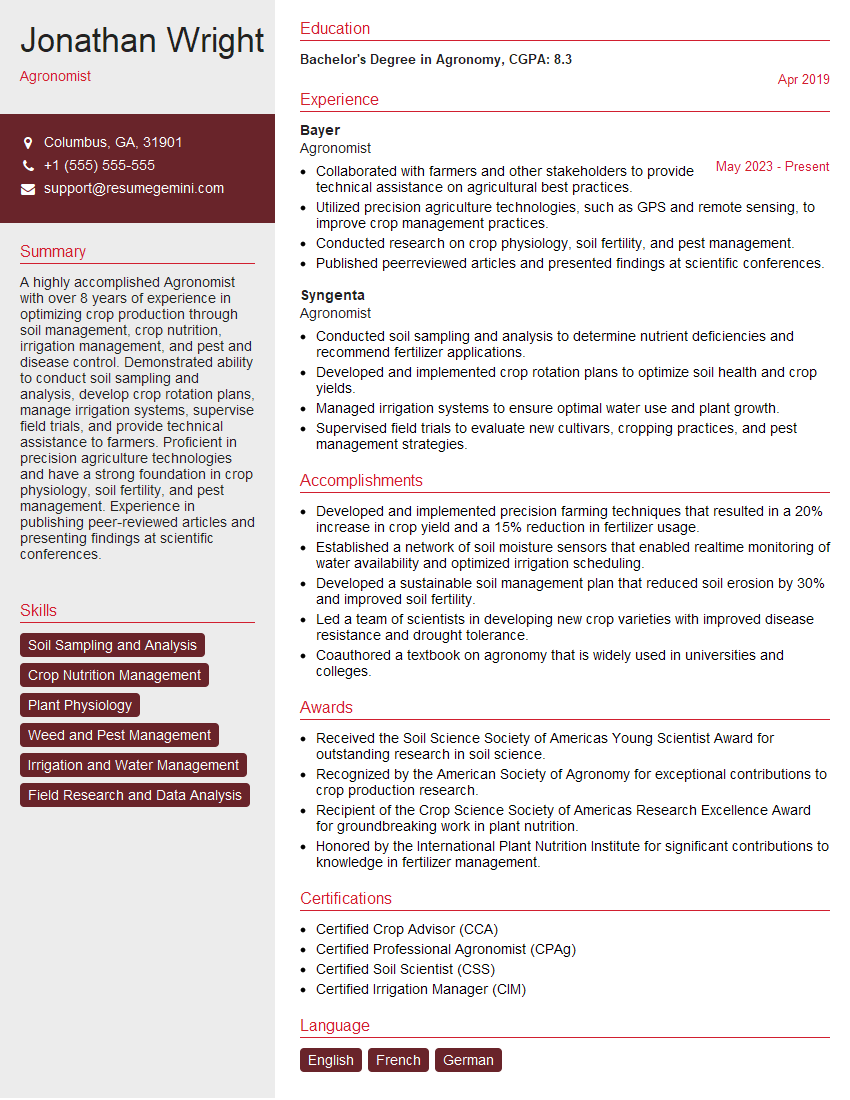
Agronomist Resume Sample

Soil Scientist Resume Sample
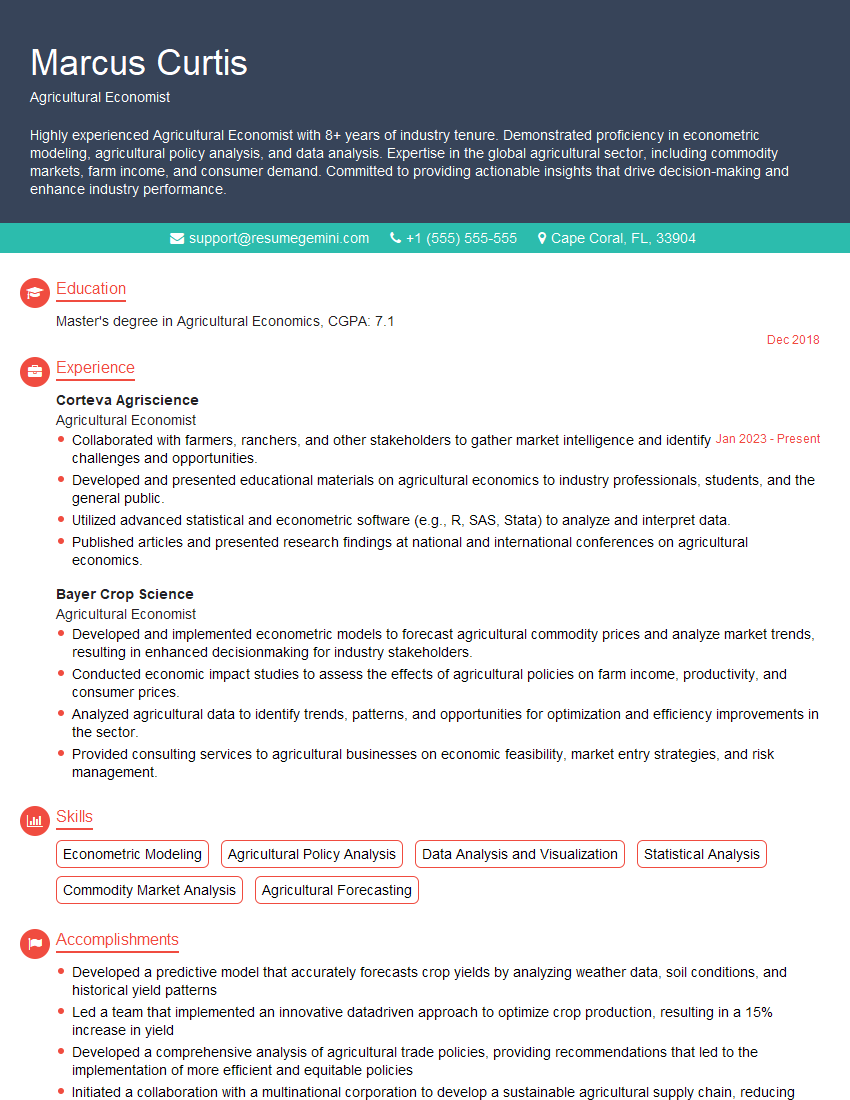
Agricultural Economist Resume Sample
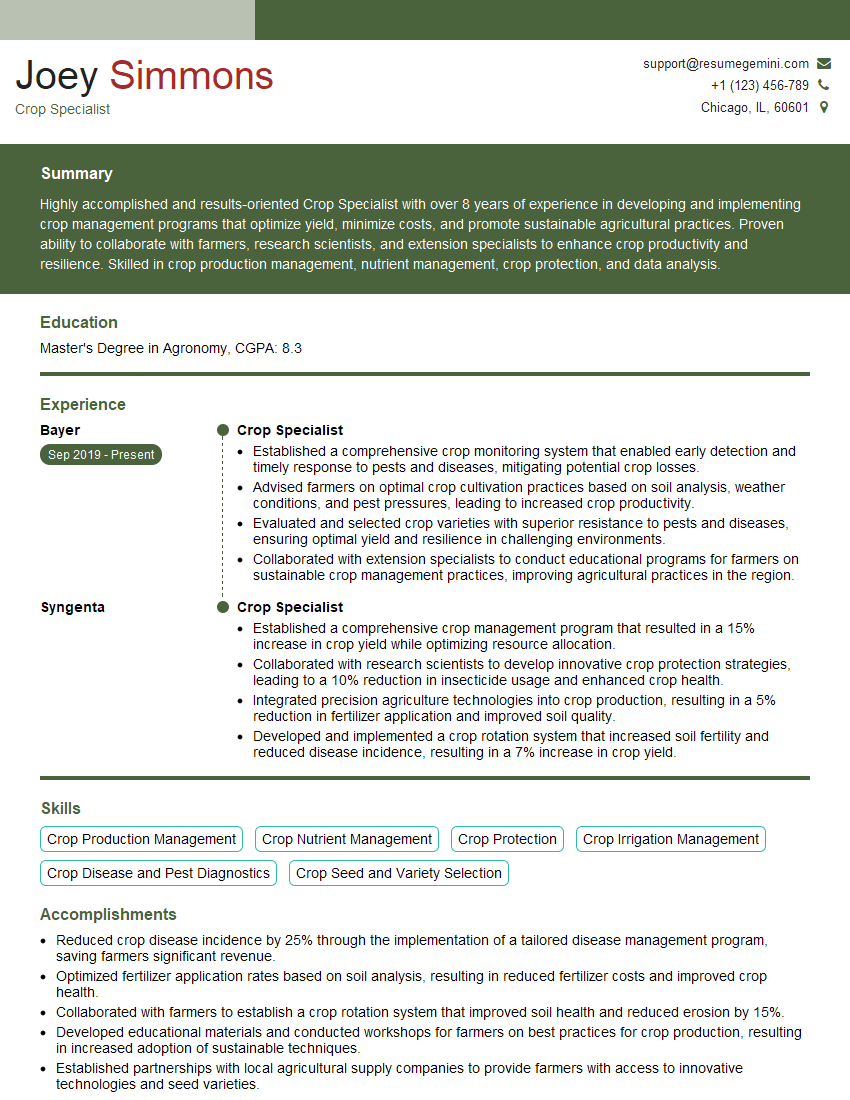
Crop Specialist Resume Sample
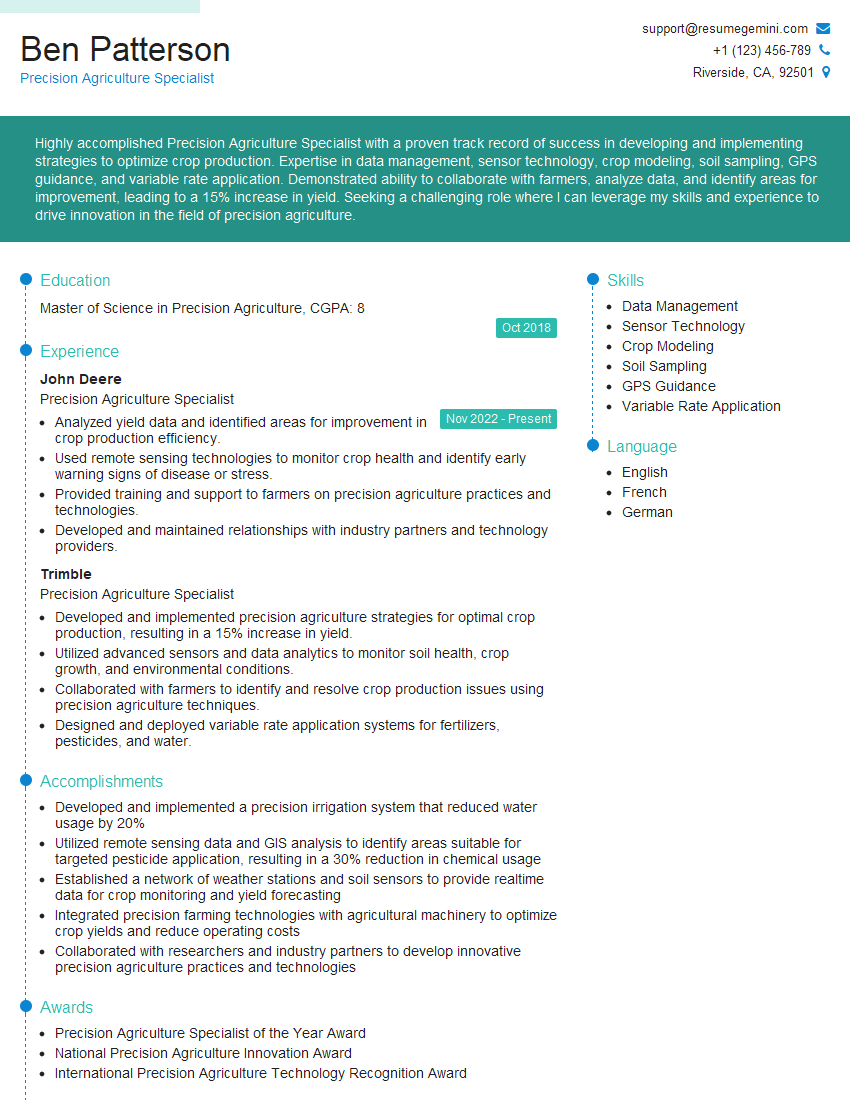
Precision Agriculture Specialist Resume Sample
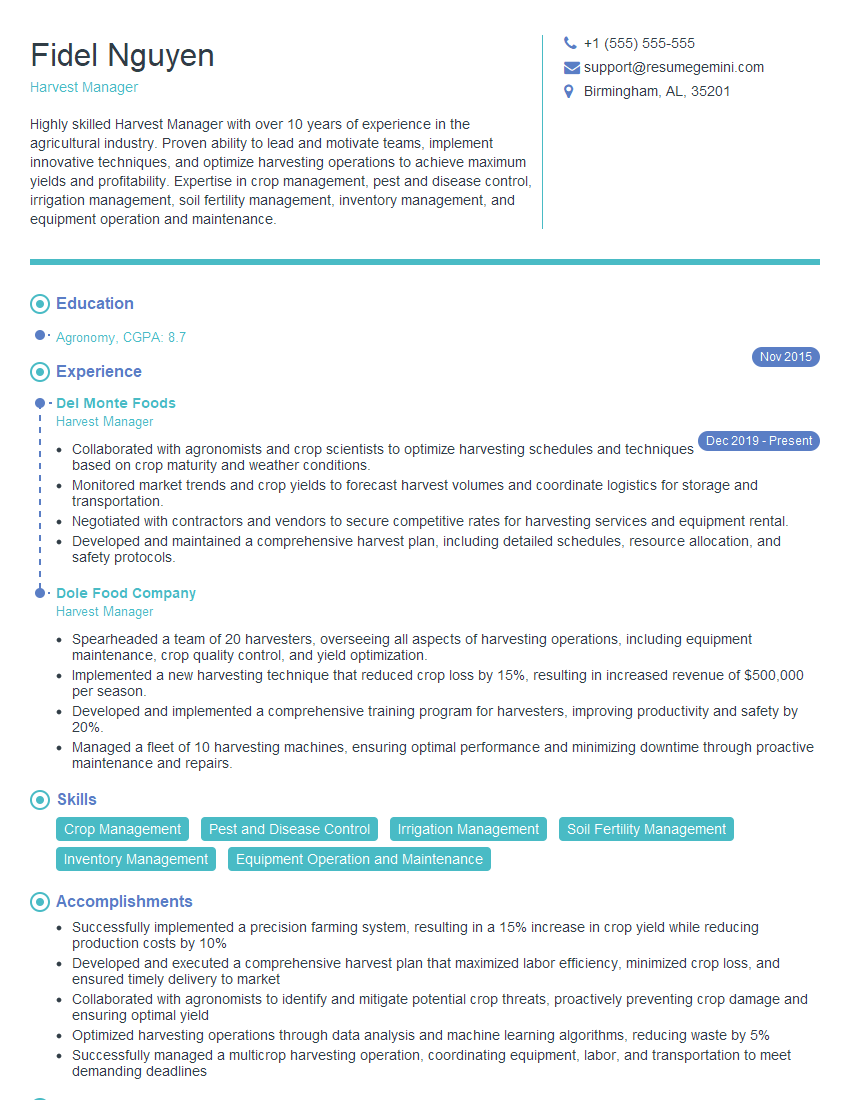
Harvest Manager Resume Sample
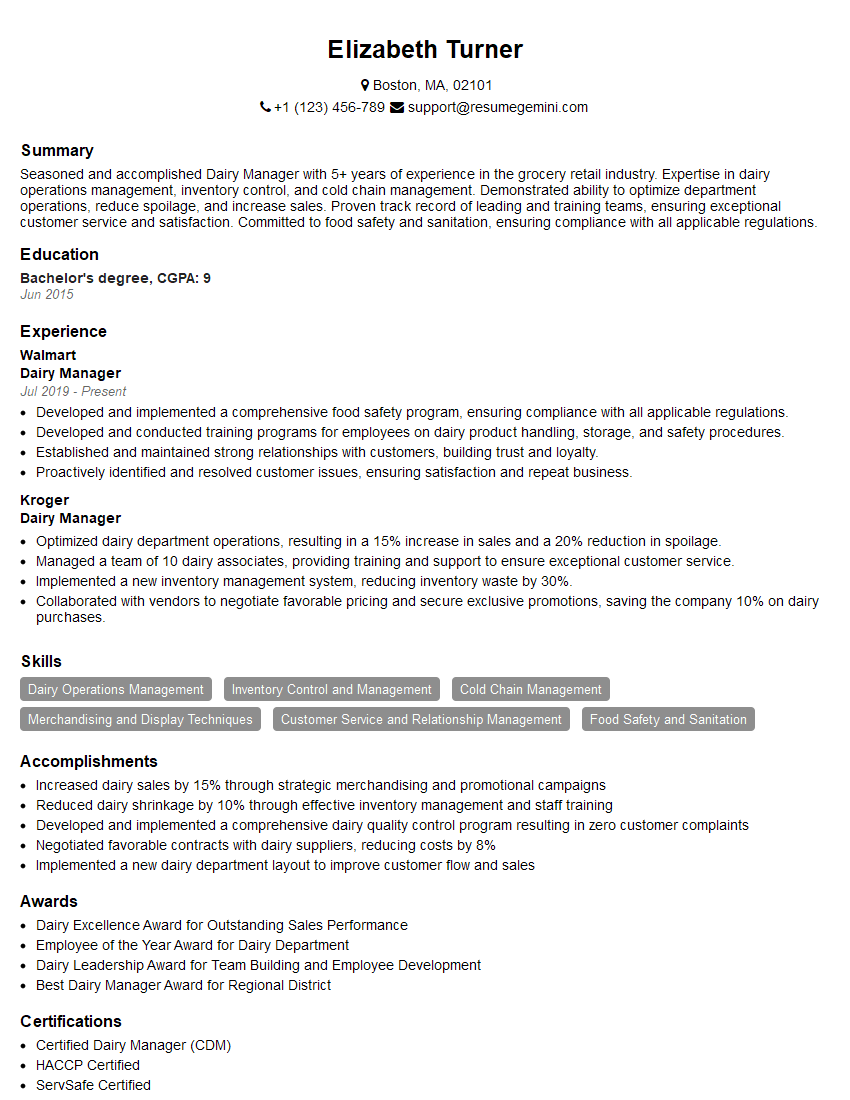
Dairy Manager Resume Sample
Explore more articles
Users Rating of Our Blogs
Share Your Experience
We value your feedback! Please rate our content and share your thoughts (optional).
What Readers Say About Our Blog
Very informative content, great job.
good