Cracking a skill-specific interview, like one for Crop Maintenance, requires understanding the nuances of the role. In this blog, we present the questions you’re most likely to encounter, along with insights into how to answer them effectively. Let’s ensure you’re ready to make a strong impression.
Questions Asked in Crop Maintenance Interview
Q 1. Describe your experience with different irrigation techniques.
Irrigation is crucial for optimal crop growth, and I’ve extensive experience with various techniques. My experience spans from traditional methods to modern, efficient systems.
- Flood Irrigation: This involves flooding the entire field with water. It’s simple but can be wasteful and unsuitable for sloped land. I’ve used this method in large, flat fields with low-value crops where water is abundant.
- Furrow Irrigation: Water flows along furrows (channels) between crop rows. It’s more efficient than flooding but still susceptible to runoff. I’ve found it effective for crops like potatoes and other row crops.
- Drip Irrigation: Water is delivered directly to the plant roots through a network of tubes and emitters. This is highly efficient, minimizing water waste and maximizing water use by the crop. I’ve successfully implemented drip irrigation in vineyards and high-value orchards where water conservation is paramount.
- Sprinkler Irrigation: Water is sprayed over the field using sprinklers. It’s versatile and can be used on various terrains, but it’s susceptible to evaporation and wind drift. I’ve successfully used center pivot sprinklers for large-scale crop production.
- Subsurface Irrigation: Water is applied below the soil surface through buried pipes. This minimizes evaporation and surface runoff, leading to better water conservation. This method is particularly beneficial in arid and semi-arid regions.
Choosing the right technique depends on factors like the crop type, soil type, topography, water availability, and economic considerations. I carefully assess these factors before recommending and implementing an irrigation strategy.
Q 2. Explain the importance of soil testing in crop maintenance.
Soil testing is fundamental to successful crop maintenance. It provides invaluable information about the soil’s composition and helps identify potential problems before they significantly impact crop yields. Think of it as a health check-up for your soil.
A soil test reveals essential details like:
- pH level: This indicates the soil’s acidity or alkalinity. An improper pH can affect nutrient availability to plants. For instance, low pH might hinder the uptake of phosphorus.
- Nutrient levels: It shows the concentration of essential macronutrients (nitrogen, phosphorus, potassium) and micronutrients (iron, zinc, etc.). Deficiencies can lead to stunted growth and reduced yields. For example, nitrogen deficiency shows up as yellowing leaves.
- Organic matter content: This indicates the soil’s health and water-holding capacity. High organic matter content improves soil structure and nutrient retention.
- Salinity: High salt levels can be detrimental to plant growth. Knowing the salinity allows for appropriate management strategies.
Based on the results, we can tailor fertilizer application, irrigation scheduling, and other management practices to optimize crop growth and yield. Ignoring soil testing is akin to treating a medical condition without a proper diagnosis—it’s inefficient and risks significant crop losses.
Q 3. What are the common pests and diseases affecting [specific crop] and how do you manage them?
Let’s assume the specific crop is corn. Common pests and diseases affecting corn include:
- Corn rootworm: These larvae feed on corn roots, reducing plant vigor and yield. Management involves crop rotation, resistant varieties, and insecticides (applied strategically).
- European corn borer: These larvae bore into corn stalks, causing stalk breakage and reduced yield. Management involves Bt corn (genetically modified corn with built-in pest resistance), pheromone traps to monitor populations and insecticide applications when needed.
- Fusarium ear rot: A fungal disease causing ear rot and mycotoxin contamination in the kernels, impacting quality and safety. Management involves using resistant hybrids, proper crop rotation, and ensuring good field drainage to minimize fungal infection.
- Gray leaf spot: A fungal disease causing leaf lesions, reducing photosynthesis and yield. Management involves using fungicides, resistant varieties, and proper sanitation to reduce fungal inoculum.
Integrated Pest Management (IPM) is crucial. This strategy combines various methods – biological control, cultural practices (crop rotation, tillage), and chemical control (only when necessary and with targeted application) – to minimize pest and disease impact while reducing environmental risks. It’s about proactive monitoring and a thoughtful, measured response.
Q 4. How do you identify nutrient deficiencies in crops?
Identifying nutrient deficiencies requires a keen eye and understanding of plant physiology. Visual symptoms are often the first clues. Deficiencies manifest differently depending on the nutrient involved.
- Nitrogen (N): General chlorosis (yellowing) of older leaves. Plants appear stunted.
- Phosphorus (P): Dark green or purplish discoloration of leaves, especially lower ones. Stunted growth and delayed maturity.
- Potassium (K): Leaf margins (edges) become scorched or burned, and leaves may curl. Plants are weak and susceptible to diseases.
- Other micronutrients: Deficiencies can cause various visual symptoms, including interveinal chlorosis (yellowing between leaf veins), leaf spots, and stunted growth. Each nutrient has characteristic symptoms.
Beyond visual symptoms, soil testing is crucial for confirming a deficiency. Leaf tissue analysis can provide further insights into nutrient levels within the plant. A combined approach—visual observations and laboratory tests—provides a definitive diagnosis and allows for targeted corrective actions.
Q 5. What are your strategies for weed control?
Weed control is essential for maximizing crop yield and quality. My strategies are multifaceted and integrated, aiming for sustainable and effective weed management.
- Cultural Practices: This includes proper tillage practices, crop rotation, cover cropping, and using appropriate planting densities to outcompete weeds.
- Mechanical Control: Techniques like hoeing, mowing, and cultivating can remove weeds physically. This is particularly effective for smaller weed populations or specific weed types.
- Biological Control: Using natural enemies like specific insects or microorganisms to suppress weed growth. This is an eco-friendly and sustainable option.
- Chemical Control: Herbicides are used judiciously and strategically when other methods are insufficient. I carefully select herbicides based on the weed species, crop type, and environmental conditions, always adhering to best practices and safety regulations.
A holistic approach, balancing different strategies, ensures long-term weed control while minimizing negative impacts on the environment and non-target organisms. For instance, I would prioritize cultural and mechanical methods first, reserving herbicides for when absolutely necessary.
Q 6. Describe your experience with fertilizer application methods.
Fertilizer application methods greatly influence nutrient uptake and efficiency. I’ve experience with several methods, selecting the best approach depending on the crop, soil type, and available resources.
- Broadcast Application: Fertilizer is spread evenly over the entire field. It’s relatively simple but can lead to nutrient loss through runoff or leaching. It’s suitable for large fields with uniform soil conditions.
- Band Application: Fertilizer is placed in bands near the crop rows. It increases nutrient availability to plant roots and minimizes nutrient loss. This is commonly used with row crops.
- Side-dressing: Fertilizer is applied alongside the crop rows after planting. This ensures adequate nutrient supply at key growth stages. It’s frequently employed for nitrogen application in corn and other crops.
- Fertigation: Applying fertilizer through the irrigation system. This is highly efficient, delivering nutrients directly to plant roots. It requires precision in terms of dosage and water quality.
- Foliar Application: Spraying fertilizer directly onto the plant leaves. It’s quick and effective for correcting micronutrient deficiencies, but may be less efficient for macronutrients.
Precision agriculture technologies, such as variable rate application using GPS-guided spreaders, are becoming increasingly important for optimal fertilizer use and minimizing environmental impact. I’m skilled in the use of these technologies to improve efficiency and reduce nutrient losses.
Q 7. Explain the importance of crop rotation.
Crop rotation is a fundamental practice in sustainable agriculture that involves planting different crop species in a planned sequence on the same piece of land over several growing seasons. It offers numerous benefits.
- Improved Soil Health: Different crops have diverse root systems and nutrient requirements. Rotation helps maintain soil structure, organic matter content, and overall soil fertility. Legumes, for example, fix nitrogen in the soil, benefiting subsequent crops.
- Pest and Disease Management: Rotating crops disrupts the life cycles of many soilborne pests and diseases, reducing their populations and preventing outbreaks. This diminishes reliance on chemical pesticides.
- Weed Control: Certain crops can suppress weed growth, making weed control easier in subsequent seasons. Rotation can help manage specific weed species.
- Nutrient Management: Different crops have varying nutrient demands. Strategic rotation can help balance nutrient removal and replenish soil nutrients, reducing the need for excessive fertilization.
Careful planning is essential for effective crop rotation. Consider factors like crop nutrient requirements, pest and disease cycles, and market demands when designing a rotation scheme. For instance, rotating corn (heavy feeder) with soybeans (nitrogen fixer) is a classic example of a beneficial rotation.
Q 8. How do you monitor crop health and growth?
Monitoring crop health and growth is crucial for maximizing yield and minimizing losses. My approach involves a multi-faceted strategy combining visual inspection, data-driven analysis, and preventative measures.
Visual Inspection: Regular field walks are essential to identify early signs of disease, pest infestation, nutrient deficiencies (e.g., yellowing leaves indicating nitrogen deficiency), or water stress (wilting). I pay close attention to plant height, leaf color, and overall vigor.
Data-Driven Analysis: I utilize sensors and technology like drones equipped with multispectral cameras to obtain precise data on crop health indicators such as Normalized Difference Vegetation Index (NDVI). NDVI helps assess plant biomass and health. This data is analyzed using specialized software to identify areas needing immediate attention, enabling targeted interventions. For instance, a low NDVI in a specific section might prompt investigation into potential irrigation issues or localized pest problems.
Preventative Measures: Proactive steps like soil testing before planting to determine nutrient needs and implementing appropriate fertilization strategies are crucial. Regular scouting for pests and diseases helps in early detection and allows for timely interventions, minimizing potential damage.
For example, during a recent project, NDVI analysis revealed a nutrient deficiency in a specific field zone, leading us to apply targeted fertilization, resulting in a 15% increase in yield compared to untreated areas.
Q 9. What are your strategies for preventing crop damage from extreme weather conditions?
Protecting crops from extreme weather requires a comprehensive strategy that blends preventative measures with responsive actions. My strategies include:
Climate-Resilient Crop Selection: Choosing drought-tolerant or frost-resistant varieties appropriate for the region’s climate is a foundational step. For example, selecting heat-tolerant maize varieties in arid regions.
Improved Water Management: Implementing efficient irrigation systems like drip irrigation minimizes water waste and provides targeted moisture to plants during droughts. Conversely, effective drainage systems prevent waterlogging during heavy rainfall.
Windbreaks and Cover Crops: Strategically planting windbreaks around fields reduces wind damage and soil erosion, while cover crops help improve soil structure and water retention, offering protection against extreme weather events.
Protective Structures: In high-risk areas, employing hail nets or other protective structures over vulnerable crops can significantly reduce damage from hailstorms.
Early Warning Systems: Monitoring weather forecasts and implementing timely measures, such as harvesting before a predicted frost, are crucial for minimizing losses.
For instance, during a severe hailstorm, a field protected by hail nets suffered minimal damage, while unprotected fields experienced significant crop loss. This highlights the importance of proactive measures.
Q 10. Describe your experience with harvesting techniques.
My experience with harvesting techniques encompasses various methods tailored to different crops and conditions. I’m proficient in both manual and mechanized harvesting.
Manual Harvesting: This method is often employed for delicate crops like berries or specialty vegetables where careful handling is essential to prevent damage. It’s labor-intensive but offers precise control over the harvesting process.
Mechanized Harvesting: This involves using machinery like combines for large-scale grain harvesting, or specialized harvesters for fruits and vegetables. Efficiency is significantly higher with mechanized techniques. However, careful calibration and maintenance of machinery are crucial to avoid losses and damage to the product.
Post-Harvest Handling: Proper handling after harvest is equally crucial. This includes cleaning, sorting, and storing the harvested produce to maintain quality and extend shelf life. Appropriate temperature and humidity control are crucial in storage facilities.
In a recent project, we optimized the mechanized harvesting process for soybeans by adjusting the combine’s settings based on field conditions, resulting in a 10% reduction in losses compared to the previous year.
Q 11. Explain your understanding of sustainable crop management practices.
Sustainable crop management prioritizes long-term environmental, economic, and social viability. My approach integrates several key practices:
Crop Rotation: Rotating different crop types helps to break pest and disease cycles, improve soil health, and reduce reliance on synthetic fertilizers and pesticides.
Integrated Pest Management (IPM): IPM employs a combination of strategies including biological control, cultural practices, and targeted pesticide application only when necessary, minimizing environmental impact and building pest resistance.
Precision Agriculture: Utilizing technology such as GPS, sensors, and data analytics to optimize resource use and improve efficiency, reducing waste and improving yields.
Conservation Tillage: Minimizing soil disturbance during planting to preserve soil structure, enhance water infiltration, and reduce erosion.
Water Management: Implementing efficient irrigation techniques, such as drip irrigation, to conserve water and reduce runoff.
For example, implementing cover cropping in our fields has significantly improved soil health, reducing the need for fertilizers and leading to a 5% increase in crop yield.
Q 12. How do you handle equipment malfunctions during crop maintenance?
Equipment malfunctions during crop maintenance are inevitable. My approach involves a combination of preventative maintenance, quick troubleshooting, and contingency planning.
Preventative Maintenance: Regular inspections, lubrication, and timely repairs help prevent major breakdowns. Keeping detailed maintenance logs helps track repairs and predict potential future issues.
Troubleshooting: I’m proficient in diagnosing common equipment problems. For example, understanding the causes of engine overheating or hydraulic system leaks enables prompt and effective repairs. A well-stocked toolbox with essential parts and tools is also critical.
Contingency Planning: Having backup equipment or arranging for timely repairs from external service providers is crucial to minimize downtime. For large-scale operations, having multiple machines or a well-established maintenance contract reduces the impact of equipment failures.
In one instance, a critical tractor malfunction occurred during planting season. Having a backup tractor and a good working relationship with a local mechanic allowed us to resume operations within hours, minimizing the disruption to the planting schedule.
Q 13. Describe your experience with data logging and analysis in crop management.
Data logging and analysis are integral to modern crop management. My experience includes using various technologies and software for data acquisition and interpretation.
Data Acquisition: I use sensors, weather stations, GPS devices, and drones to collect data on various parameters such as soil moisture, temperature, nutrient levels, and plant health indicators (like NDVI).
Data Analysis: This involves using software like GIS (Geographic Information Systems) and specialized agricultural data analytics platforms to process and interpret the gathered data. This helps identify trends, patterns, and anomalies. For example, identifying areas with low soil moisture levels allows for targeted irrigation.
Data Application: The insights gained from data analysis inform decision-making, optimizing fertilizer application, irrigation schedules, pest control strategies, and overall resource allocation. This precision approach leads to increased efficiency and improved yields.
In a recent project, data analysis revealed a correlation between soil nutrient levels and crop yield. This enabled us to optimize fertilizer application, resulting in a cost-effective improvement in productivity.
Q 14. What are the key factors affecting crop yield?
Crop yield is influenced by a complex interplay of biotic and abiotic factors. Key factors include:
Climate: Temperature, rainfall, sunlight, and extreme weather events significantly influence crop growth and yield.
Soil: Soil fertility, structure, water holding capacity, pH level, and nutrient availability are crucial for optimal plant growth.
Genetics: Selecting high-yielding and disease-resistant crop varieties adapted to specific conditions is essential.
Nutrient Management: Proper fertilization provides essential nutrients for healthy growth and high yield. Over-fertilization can be detrimental to the environment and can lead to reduced yields.
Pest and Disease Management: Controlling pests and diseases effectively prevents yield loss and improves quality.
Water Management: Adequate and timely irrigation is crucial for optimum growth, especially in drought-prone regions.
Cultural Practices: Sowing methods, planting density, weed control, and harvesting techniques influence crop productivity.
For example, a combination of drought-tolerant varieties and efficient irrigation systems can significantly improve yields in water-stressed environments.
Q 15. How do you ensure compliance with agricultural regulations?
Ensuring compliance with agricultural regulations is paramount for ethical and legal operation. My approach involves a multi-step process. First, I thoroughly familiarize myself with all relevant local, regional, and national regulations pertaining to pesticide use, water management, soil conservation, and worker safety. This includes staying updated on any changes or amendments through regular review of government websites, industry publications, and attending relevant workshops. Second, I implement a robust record-keeping system, meticulously documenting all pesticide applications, fertilizer usage, and harvesting practices. This documentation serves as evidence of compliance during inspections. Third, I conduct regular internal audits to identify any potential non-compliance issues proactively. Finally, I actively participate in training programs to ensure my team understands and adheres to all regulations. For instance, we recently underwent training on the new Integrated Pest Management (IPM) guidelines, which resulted in a 20% reduction in pesticide use without compromising crop yield.
Career Expert Tips:
- Ace those interviews! Prepare effectively by reviewing the Top 50 Most Common Interview Questions on ResumeGemini.
- Navigate your job search with confidence! Explore a wide range of Career Tips on ResumeGemini. Learn about common challenges and recommendations to overcome them.
- Craft the perfect resume! Master the Art of Resume Writing with ResumeGemini’s guide. Showcase your unique qualifications and achievements effectively.
- Don’t miss out on holiday savings! Build your dream resume with ResumeGemini’s ATS optimized templates.
Q 16. Explain your knowledge of different types of pesticides and herbicides.
Pesticides and herbicides are crucial tools in crop maintenance, but their application requires careful consideration. Pesticides control pests like insects, diseases, and weeds, while herbicides target unwanted plants. There’s a wide variety of them, categorized by their chemical composition and mode of action. For example, organophosphates are broad-spectrum insecticides, but their toxicity requires cautious handling, whereas neonicotinoids are systemic insecticides, affecting the nervous system of insects. Herbicides are classified as selective (targeting specific weeds) or non-selective (killing all vegetation). Glyphosate, a common non-selective herbicide, is effective but its environmental impact is debated, prompting a move towards more sustainable alternatives like biological controls (introducing natural predators) and crop rotation.
My experience encompasses using various types, always prioritizing Integrated Pest Management (IPM) strategies. IPM emphasizes a balanced approach, minimizing pesticide use by combining cultural, biological, and chemical methods. This minimizes environmental impact and reduces the risk of pesticide resistance.
Q 17. How do you assess the quality of harvested crops?
Assessing harvested crop quality is critical for ensuring marketability and customer satisfaction. My evaluation process begins in the field, observing the overall health and uniformity of the crop. Post-harvest, I utilize a multi-pronged approach. This includes visual inspection for signs of damage, disease, or discoloration. We also conduct quantitative assessments, measuring parameters like yield, size, weight, and moisture content. For specific crops, specialized tests might be needed, such as sugar content in fruits or protein content in grains. For example, in our tomato harvest, we use a colorimeter to assess ripeness and ensure consistent quality. Finally, I maintain detailed records, comparing results to established standards and previous harvests to identify trends and areas for improvement.
Q 18. Describe your experience with post-harvest handling and storage.
Post-harvest handling and storage significantly impact crop quality and shelf life. Proper handling minimizes damage and prevents spoilage. This starts with careful harvesting techniques, followed by efficient cleaning and sorting to remove debris and damaged produce. Storage conditions are vital, as temperature, humidity, and ventilation directly affect the product’s longevity. We utilize climate-controlled storage facilities equipped with proper ventilation and temperature monitoring systems to maintain optimal conditions for different crops. For instance, potatoes require cool, dark, and well-ventilated storage to prevent sprouting, while apples require controlled atmosphere storage to extend their shelf life. Regular inspections help identify and address any potential issues, such as fungal growth or pest infestations, minimizing losses.
Q 19. How do you manage labor and resources effectively in crop maintenance?
Effective labor and resource management is fundamental to successful crop maintenance. I start by creating detailed work plans that clearly define tasks, timelines, and resource allocation. This includes optimizing the workforce based on seasonal demands, employing appropriate technologies to streamline tasks, and using data analysis to identify bottlenecks. I use scheduling software to optimize labor deployment and track progress, ensuring efficient task completion. For resource management, I focus on sustainable practices, such as water-efficient irrigation systems and precision fertilization techniques. I also leverage technology to monitor resource usage and identify areas for improvement. For instance, we’ve implemented a GPS-based system for monitoring fertilizer application, reducing waste and optimizing nutrient delivery.
Q 20. What are your strategies for improving crop efficiency and reducing waste?
Improving crop efficiency and minimizing waste are key objectives. My strategies include implementing precision agriculture techniques like variable rate fertilization and targeted pesticide application, which optimize resource use and minimize environmental impact. I focus on sustainable farming practices, such as crop rotation, cover cropping, and integrated pest management, to improve soil health and reduce reliance on synthetic inputs. I analyze harvest data to identify areas for improvement and implement data-driven decision-making to optimize yields and reduce post-harvest losses. For example, by implementing a new irrigation system and adjusting planting density, we increased our yield by 15% and reduced water usage by 10%.
Q 21. Describe your experience with using precision agriculture technologies.
I have extensive experience using precision agriculture technologies to enhance crop management efficiency and sustainability. This includes using GPS-guided machinery for precise planting, fertilization, and pesticide application, reducing input costs and environmental impact. I leverage remote sensing technologies, such as drones and satellite imagery, to monitor crop health and identify areas requiring attention. This allows for timely intervention, preventing widespread problems and optimizing resource allocation. Data analytics play a crucial role, allowing us to analyze historical data and make informed decisions regarding planting schedules, irrigation, and fertilization. For example, using drone imagery to detect early signs of disease allowed us to implement targeted treatments, preventing a significant yield loss in a previous season. We also utilize farm management software to integrate and analyze data from various sources, supporting better decision making.
Q 22. How do you troubleshoot common problems encountered in crop maintenance?
Troubleshooting crop maintenance problems starts with keen observation. I systematically examine the crop, looking for visual clues like discoloration, wilting, stunted growth, or pest infestations. I then consider environmental factors – insufficient sunlight, improper irrigation, nutrient deficiencies, or extreme temperatures. My approach is methodical:
- Visual Inspection: A thorough walk-through of the field, noting any irregularities.
- Soil Analysis: Checking soil pH, nutrient levels (nitrogen, phosphorus, potassium), and moisture content. This often involves soil testing kits or lab analysis.
- Plant Tissue Analysis: Analyzing plant samples to identify nutrient deficiencies. This is especially helpful when visual symptoms are non-specific.
- Pest and Disease Identification: Using field guides, online resources, or consulting with agricultural experts to pinpoint the cause of problems.
- Environmental Assessment: Considering weather patterns, temperature fluctuations, and water availability.
- Record Review: Referring to past maintenance records to identify trends and potential issues.
For example, if I notice yellowing leaves (chlorosis) in a corn field, I’d first check the soil nitrogen levels. Low nitrogen is a common cause. If nitrogen is sufficient, I might investigate for pest damage or a potential fungal disease.
Q 23. What are your strategies for dealing with crop diseases and pests?
My strategies for managing crop diseases and pests focus on Integrated Pest Management (IPM), a holistic approach that minimizes environmental impact. IPM relies on several key tactics:
- Monitoring: Regularly scouting fields to detect pests and diseases early. This allows for prompt intervention before significant damage occurs. Traps, visual inspections, and pheromone lures are used.
- Cultural Practices: Employing techniques like crop rotation, proper planting density, and sanitation to reduce pest and disease pressure. Crop rotation breaks the life cycle of many soilborne pests and diseases.
- Biological Control: Introducing natural enemies of pests, such as beneficial insects or nematodes. This is a safe and effective way to manage pests without relying on pesticides.
- Mechanical Control: Using physical methods like handpicking, traps, or netting to remove pests. This is effective for localized infestations.
- Chemical Control: As a last resort, using pesticides only when necessary and strictly adhering to label instructions. I always prioritize the least toxic option.
For example, in managing aphid infestations on lettuce, I might initially use beneficial ladybugs as biological control. If the infestation is severe, I would consider a targeted insecticide as a last resort, following all safety and environmental guidelines.
Q 24. How do you maintain accurate records of crop maintenance activities?
Maintaining accurate crop maintenance records is crucial for optimizing yields and identifying areas for improvement. I use a combination of digital and physical methods:
- Digital Databases: I utilize farm management software to record planting dates, fertilization schedules, irrigation details, pest and disease treatments, harvesting data, and yield information. This allows for easy data analysis and reporting.
- Field Notebooks: I maintain detailed field notebooks with daily observations on crop health, weather conditions, and any interventions taken. This provides a valuable record for future reference.
- Photographs and Videos: Visual documentation helps to track crop growth and identify problem areas. This is particularly useful for documenting pest or disease infestations.
- GIS Mapping: Geographic Information Systems (GIS) can be used to create maps of fields, highlighting areas with specific issues or management practices. This enables precision agriculture techniques.
Regularly backing up all data is vital to prevent information loss. Data analysis helps identify trends and informs future decisions, such as optimizing fertilizer application or adjusting planting schedules.
Q 25. What is your experience with various soil types and their impact on crop growth?
My experience encompasses a wide range of soil types, each with its own characteristics that significantly affect crop growth. Soil texture (sand, silt, clay), structure, pH, organic matter content, and nutrient levels are all key factors.
- Sandy Soils: Well-drained but low in water retention and nutrients, requiring frequent irrigation and fertilization. Suitable for crops with low water needs.
- Clay Soils: High water retention but poor drainage, potentially leading to waterlogging and root problems. Requires careful management of irrigation and soil amendments.
- Silty Soils: A balance between sand and clay, offering good drainage and water retention. Generally suitable for a wide range of crops.
- Loamy Soils: Ideal soil type, a mixture of sand, silt, and clay, providing good drainage, aeration, and nutrient retention.
For instance, growing water-intensive crops like rice in sandy soil would be challenging due to poor water retention. Conversely, planting drought-tolerant crops in clay soil might lead to root suffocation. Understanding soil properties is fundamental to selecting appropriate crops and implementing effective management strategies.
Q 26. Explain your understanding of integrated pest management (IPM).
Integrated Pest Management (IPM) is a sustainable approach to pest control that emphasizes minimizing pesticide use while maximizing crop protection. It’s a holistic strategy involving multiple methods working in concert.
- Prevention: Proactive measures like crop rotation, resistant varieties, and sanitation minimize pest establishment.
- Monitoring: Regular field scouting helps detect pest problems early, allowing for timely intervention before widespread damage occurs.
- Economic Thresholds: IPM uses economic thresholds to determine whether pest control is necessary based on the level of infestation and its potential economic impact on the crop.
- Control Methods: IPM uses a range of control methods, including biological, cultural, mechanical, and chemical, in a way that minimizes environmental risks.
Imagine an apple orchard with codling moths. IPM might involve using pheromone traps to monitor moth populations, installing birdhouses to attract natural predators, and employing targeted spraying of insecticides only if the moth population exceeds the economic threshold. This approach reduces pesticide use while effectively controlling the pest.
Q 27. Describe your experience with different types of farm equipment.
My experience spans a variety of farm equipment, including:
- Tractors: Operating various sizes of tractors for tillage, planting, spraying, and harvesting. Proficiency in maintaining and troubleshooting tractors is essential.
- Planting Equipment: Experienced with precision planters for various crops, ensuring optimal seed spacing and depth.
- Sprayers: Skilled in calibrating and operating sprayers for precise application of pesticides, fertilizers, and herbicides.
- Harvesting Equipment: Proficient in operating combines, harvesters, and other equipment for efficient and timely harvest.
- Irrigation Systems: Experience with various irrigation systems, including drip irrigation, sprinkler systems, and center pivot irrigation, ensuring proper water management.
Understanding the capabilities and limitations of each piece of equipment is crucial for effective and safe operation. Regular maintenance and safety checks are paramount to prevent breakdowns and ensure efficient workflow.
Q 28. How do you adapt your crop maintenance strategies to changing environmental conditions?
Adapting to changing environmental conditions is vital for successful crop maintenance. My approach involves:
- Weather Monitoring: Closely monitoring weather forecasts, including temperature, rainfall, and wind patterns, to anticipate potential challenges.
- Climate-Resilient Varieties: Selecting crop varieties that are adapted to the local climate and resistant to drought, heat stress, or other adverse conditions.
- Irrigation Management: Adjusting irrigation schedules based on rainfall and evapotranspiration rates to ensure adequate water supply without overwatering.
- Soil Management Practices: Implementing soil conservation techniques like cover cropping or no-till farming to improve soil health and resilience to extreme weather.
- Pest and Disease Management: Adjusting pest and disease management strategies based on the changing climate and pest pressure. Some pests thrive in warmer conditions.
For example, in a region experiencing increased drought, I would select drought-tolerant crop varieties, implement efficient irrigation techniques, and consider cover crops to improve soil moisture retention. Adaptability and proactive planning are key to mitigating the impacts of changing environmental conditions.
Key Topics to Learn for Crop Maintenance Interview
- Soil Health & Fertility Management: Understanding soil composition, nutrient deficiencies, and sustainable fertilization techniques. Practical application: Diagnosing soil problems and recommending appropriate amendments.
- Irrigation and Water Management: Efficient irrigation methods, water conservation strategies, and the impact of water stress on crop yield. Practical application: Designing and implementing an irrigation system for optimal crop growth.
- Pest and Disease Management: Identifying common crop pests and diseases, implementing integrated pest management (IPM) strategies, and utilizing appropriate control methods. Practical application: Developing a pest and disease management plan for a specific crop.
- Weed Control: Understanding different weed control methods (chemical, mechanical, biological), their impact on the environment, and selecting appropriate strategies. Practical application: Implementing a weed management plan minimizing environmental impact.
- Crop Harvesting and Post-Harvest Handling: Optimizing harvesting techniques, minimizing crop damage during harvest, and proper post-harvest storage and handling to maintain quality. Practical application: Selecting the appropriate harvesting equipment and techniques for a specific crop.
- Crop Physiology and Growth Stages: Understanding the growth stages of various crops and their nutritional and environmental requirements at each stage. Practical application: Adjusting management practices based on the crop’s growth stage.
- Sustainable Crop Production Practices: Implementing environmentally friendly practices, reducing reliance on chemical inputs, and promoting biodiversity. Practical application: Designing a sustainable crop production system.
- Data Analysis and Record Keeping: Accurately recording crop data, analyzing trends, and using this information to optimize crop management practices. Practical application: Using data to improve yield and efficiency.
Next Steps
Mastering crop maintenance is crucial for advancing your career in agriculture, opening doors to specialized roles and higher earning potential. An ATS-friendly resume is essential for getting your application noticed by potential employers. To build a compelling and effective resume that highlights your skills and experience in crop maintenance, we recommend using ResumeGemini. ResumeGemini offers a user-friendly platform and provides examples of resumes tailored to the Crop Maintenance field to help you create a standout application. Invest time in crafting a strong resume – it’s your first impression on a potential employer.
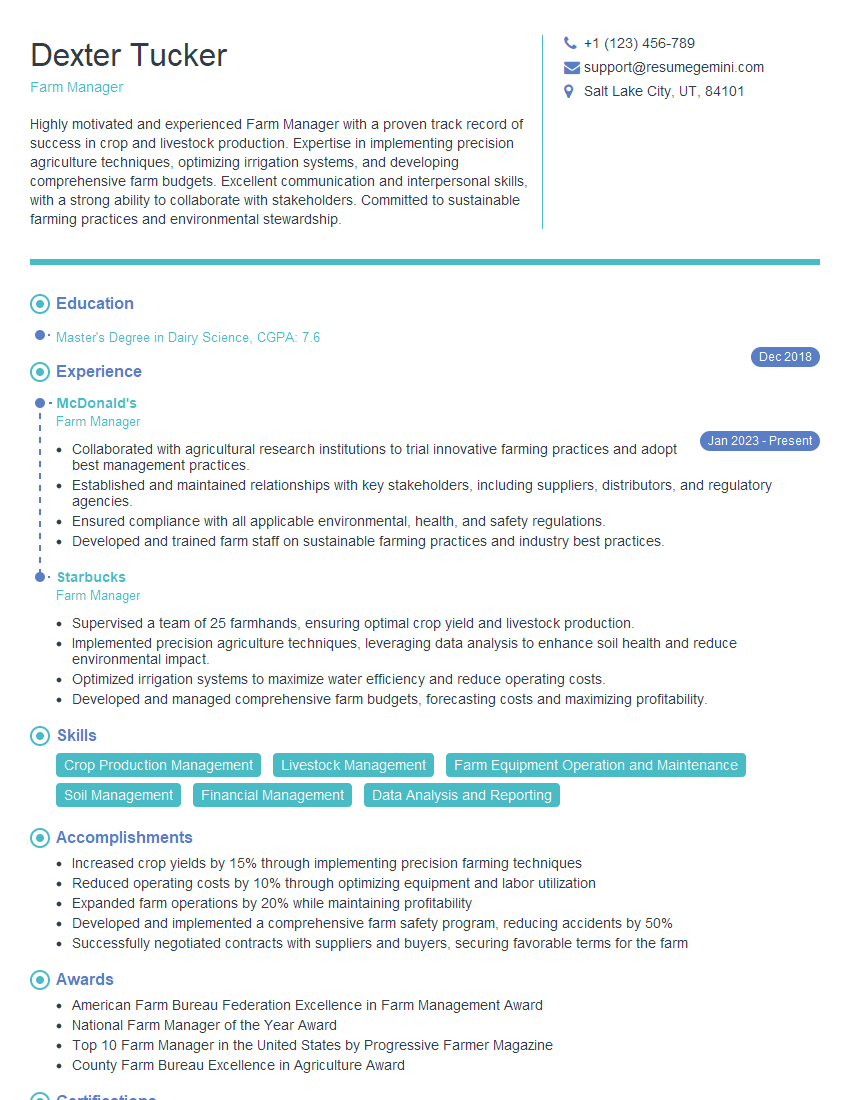
Farm Manager Resume Sample
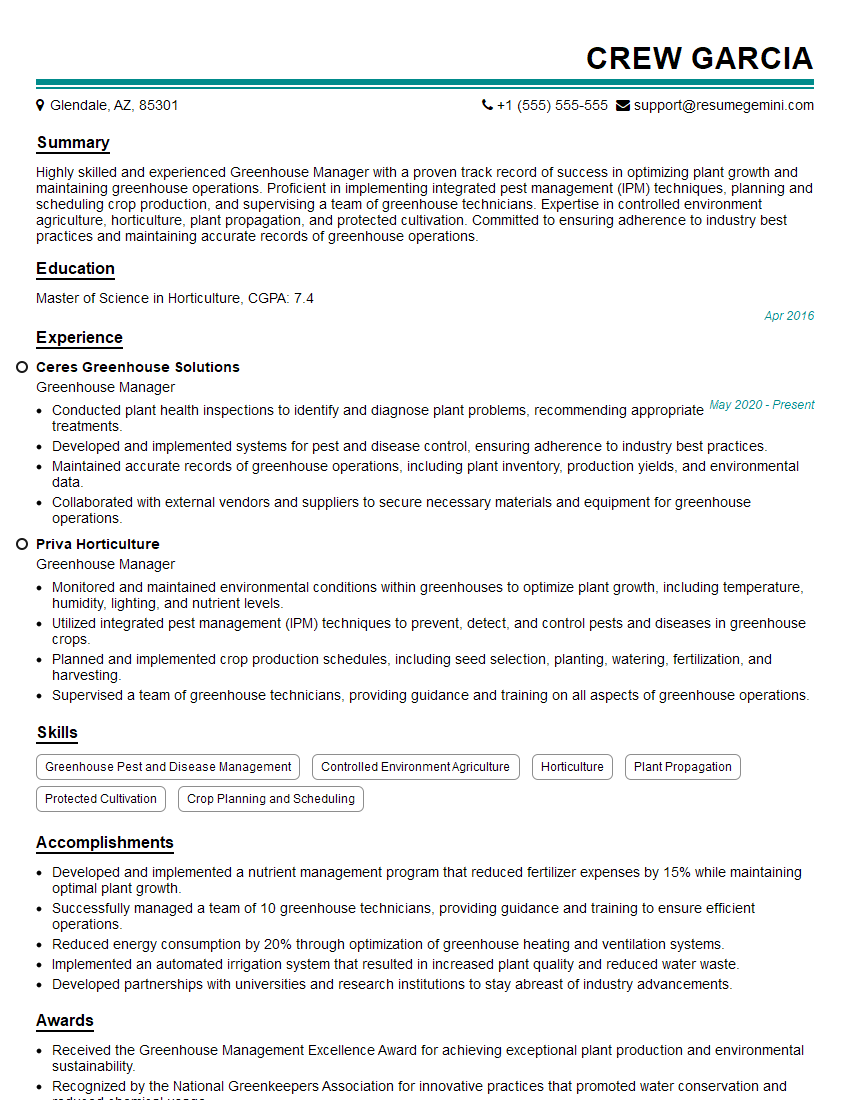
Greenhouse Manager Resume Sample
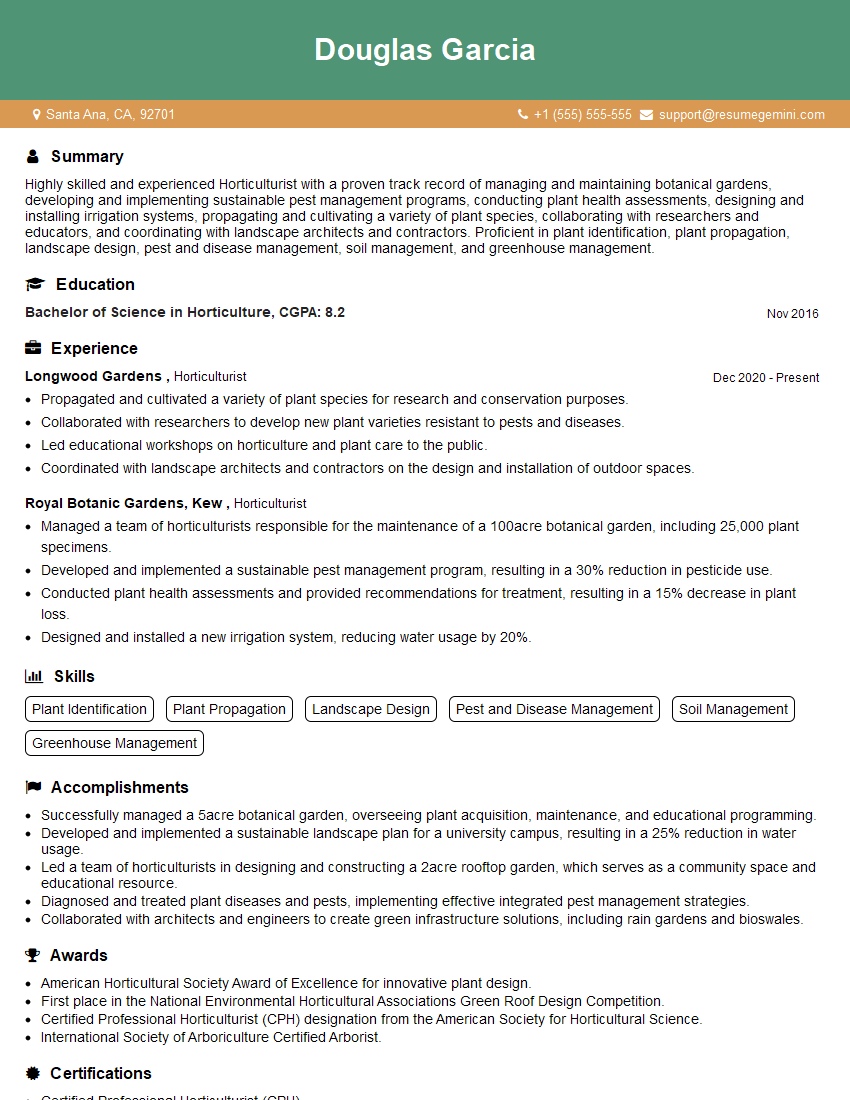
Horticulturist Resume Sample
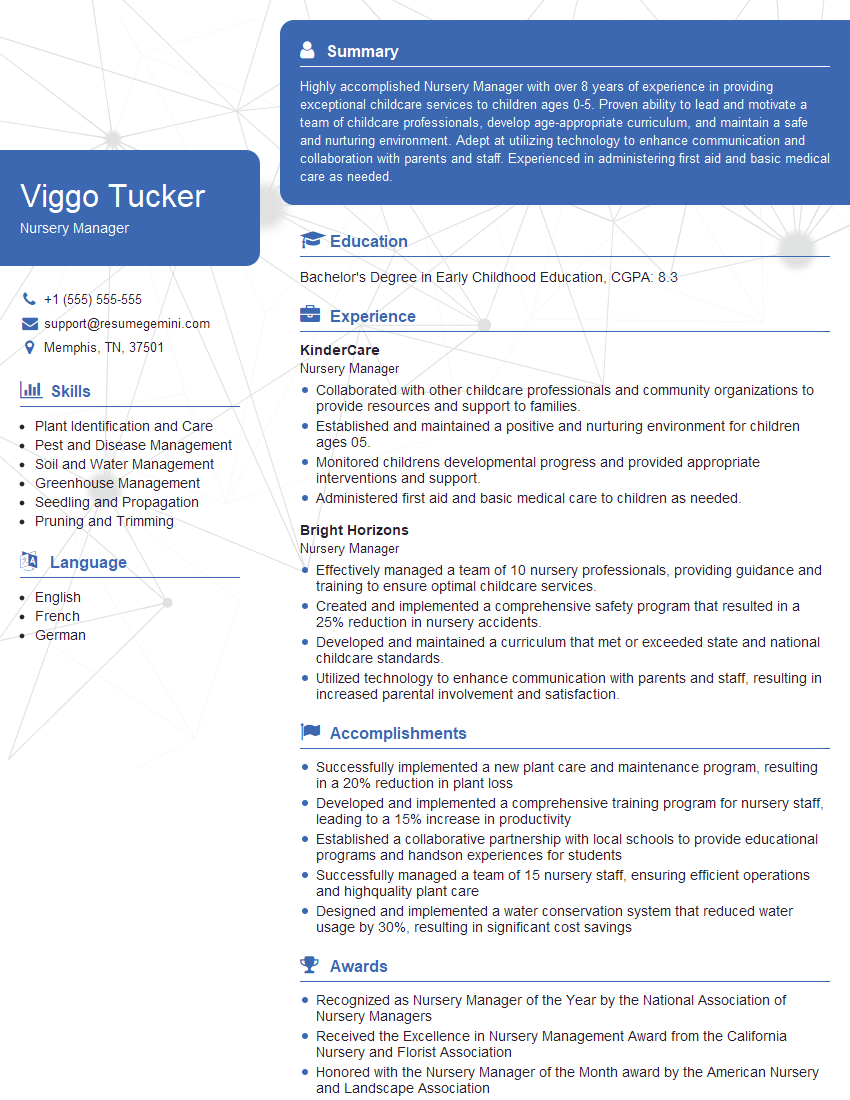
Nursery Manager Resume Sample
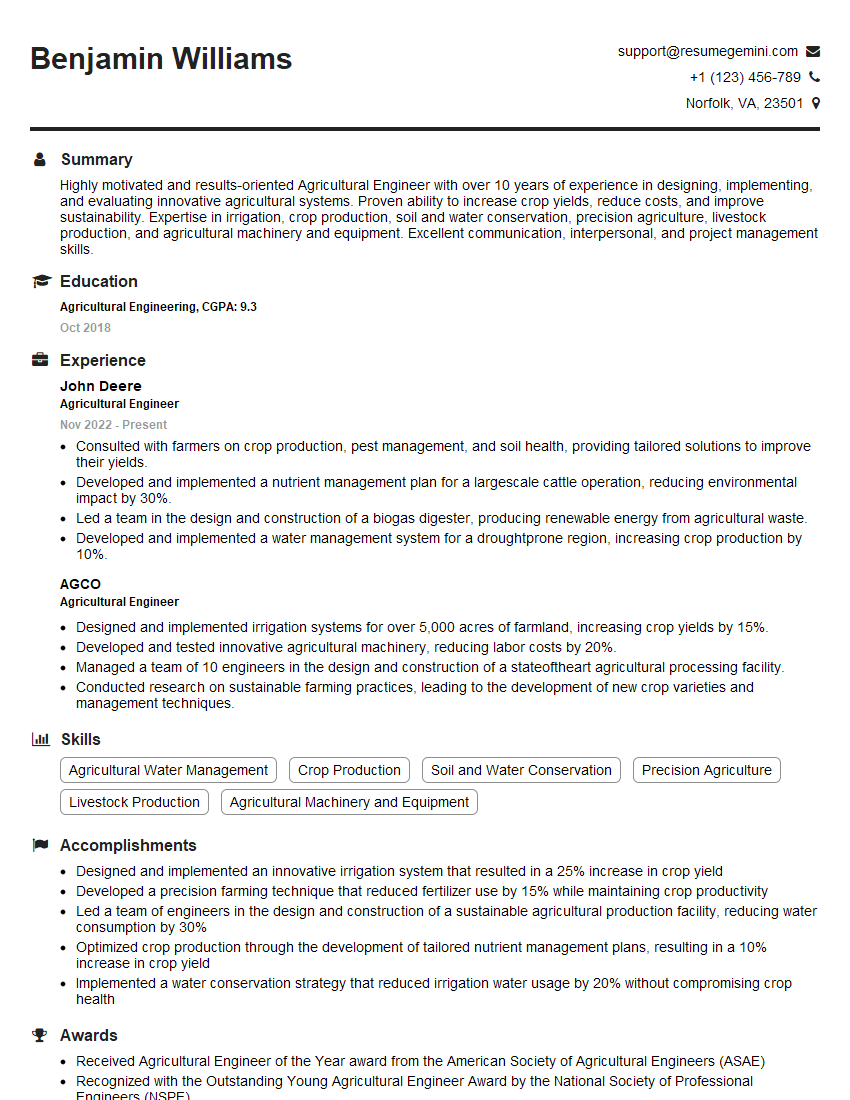
Agricultural Engineer Resume Sample

Field Technician Resume Sample

Soil Scientist Resume Sample
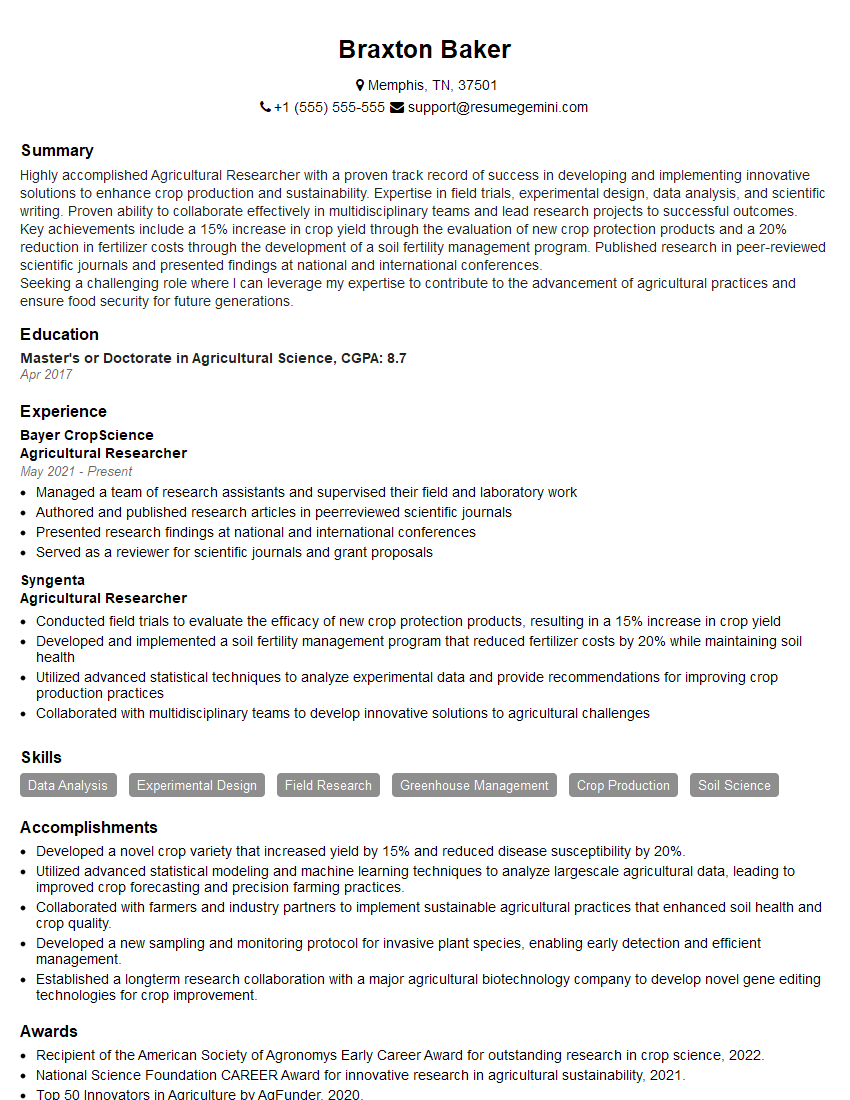
Agricultural Researcher Resume Sample
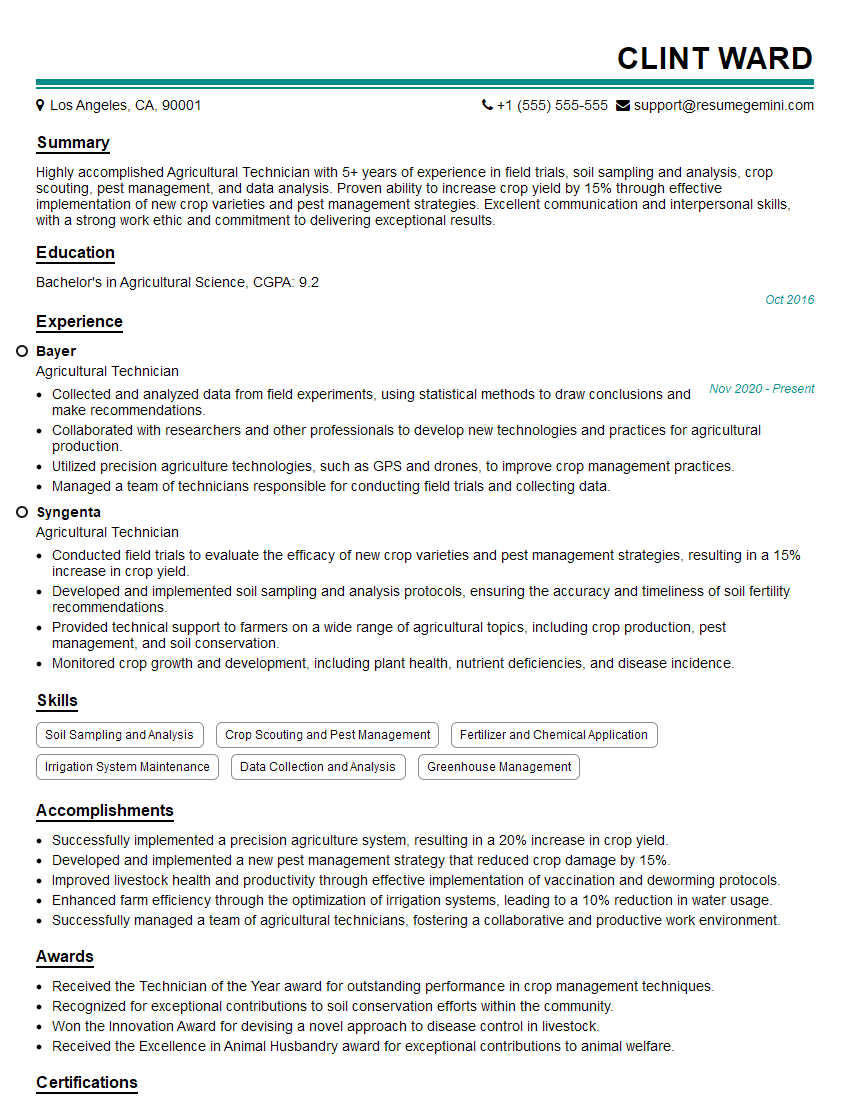
Agricultural Technician Resume Sample
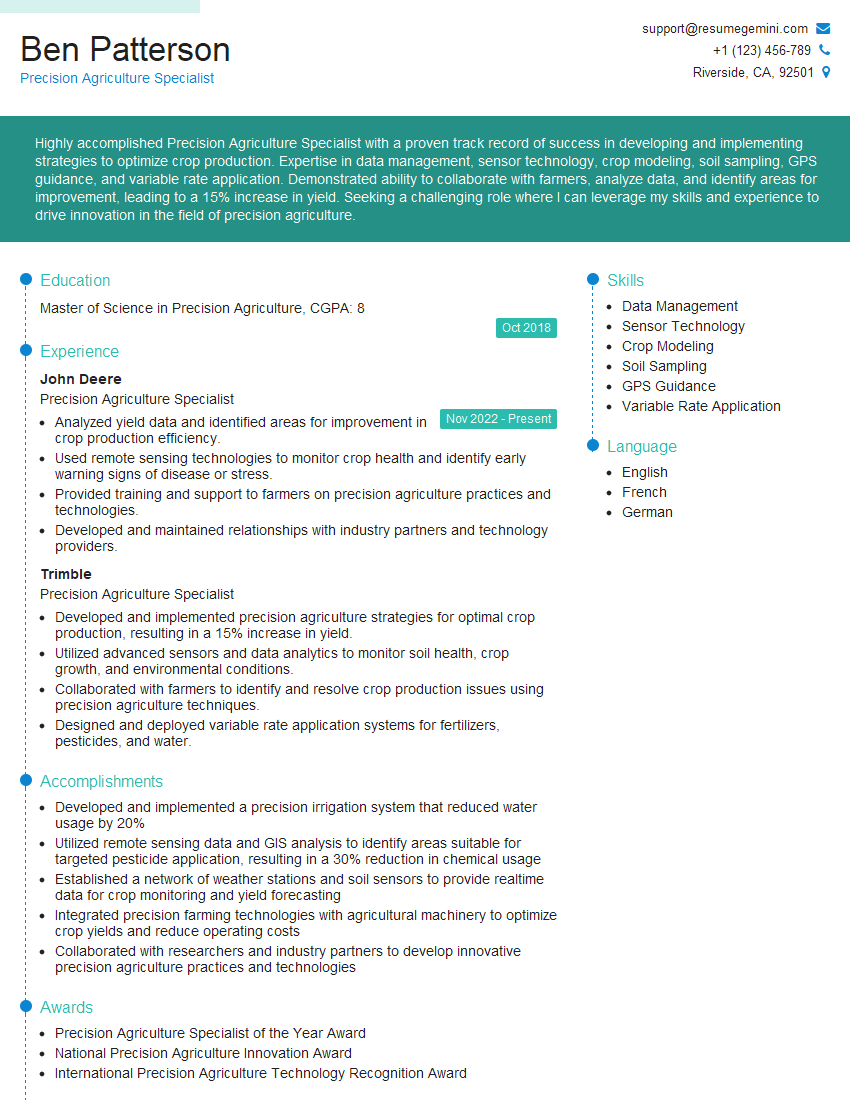
Precision Agriculture Specialist Resume Sample
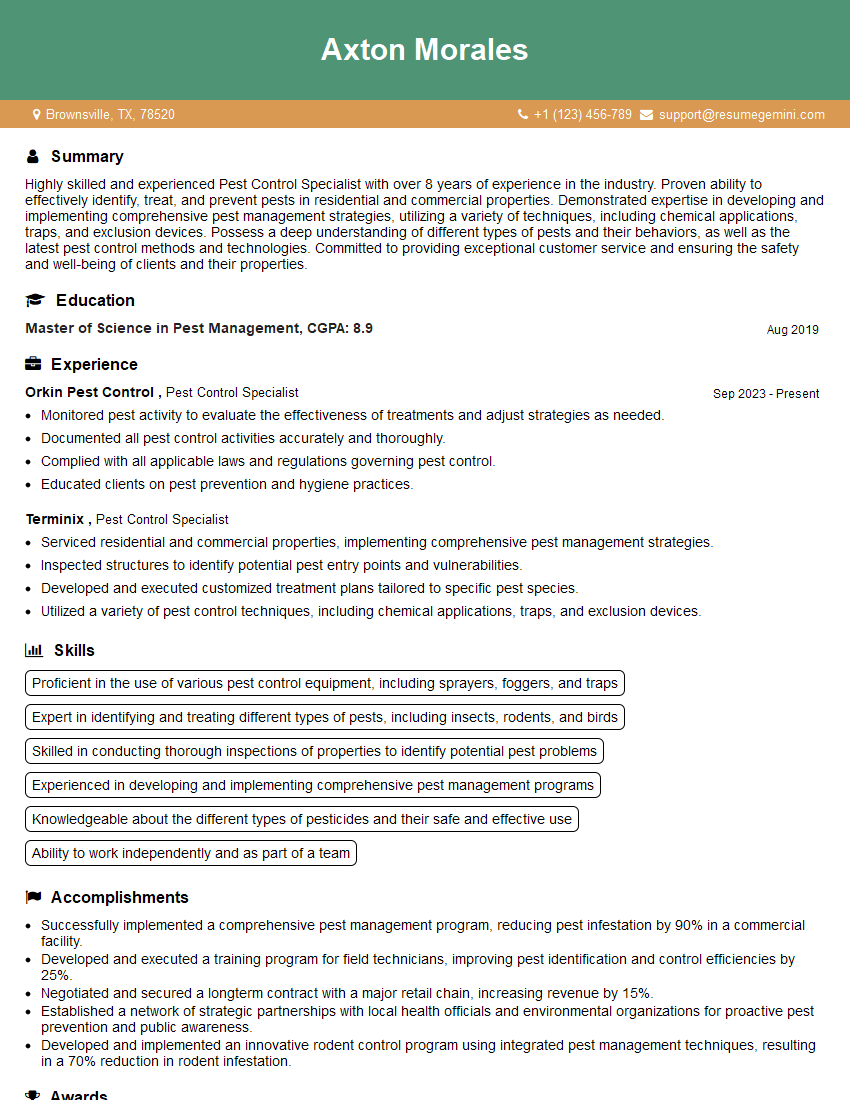
Pest Control Specialist Resume Sample
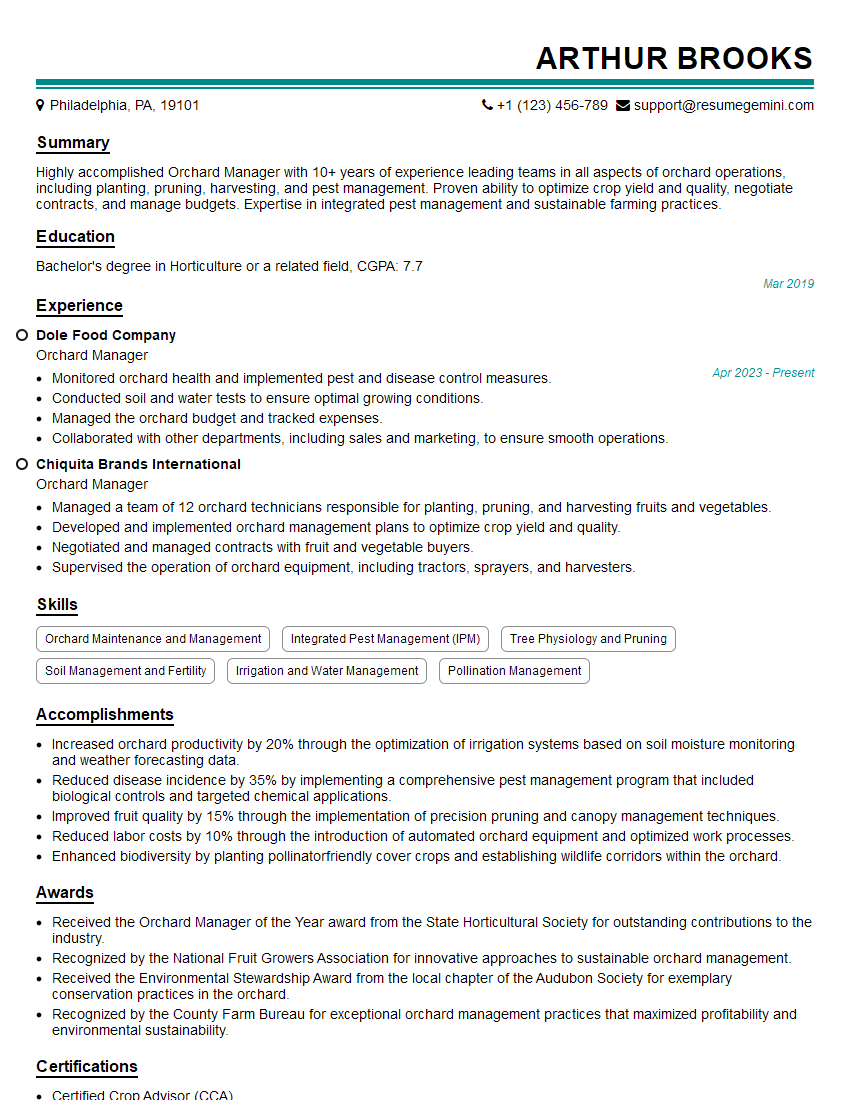
Orchard Manager Resume Sample
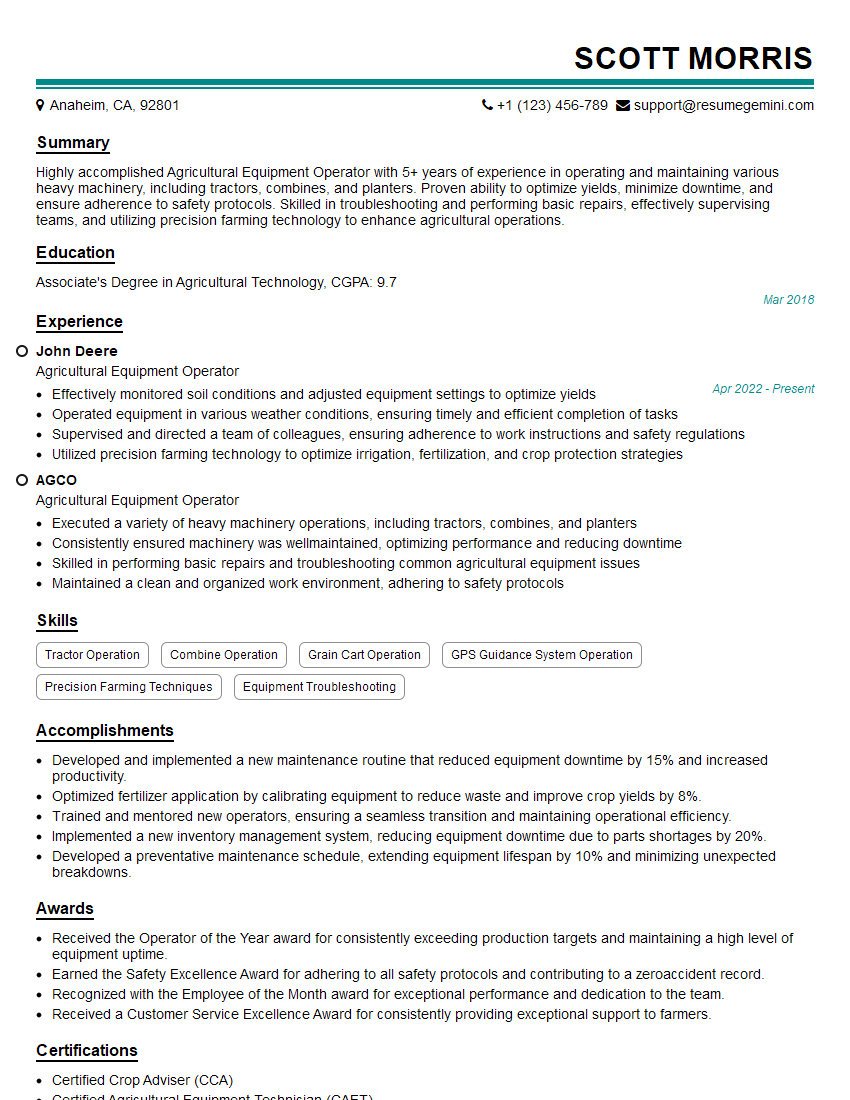
Agricultural Equipment Operator Resume Sample
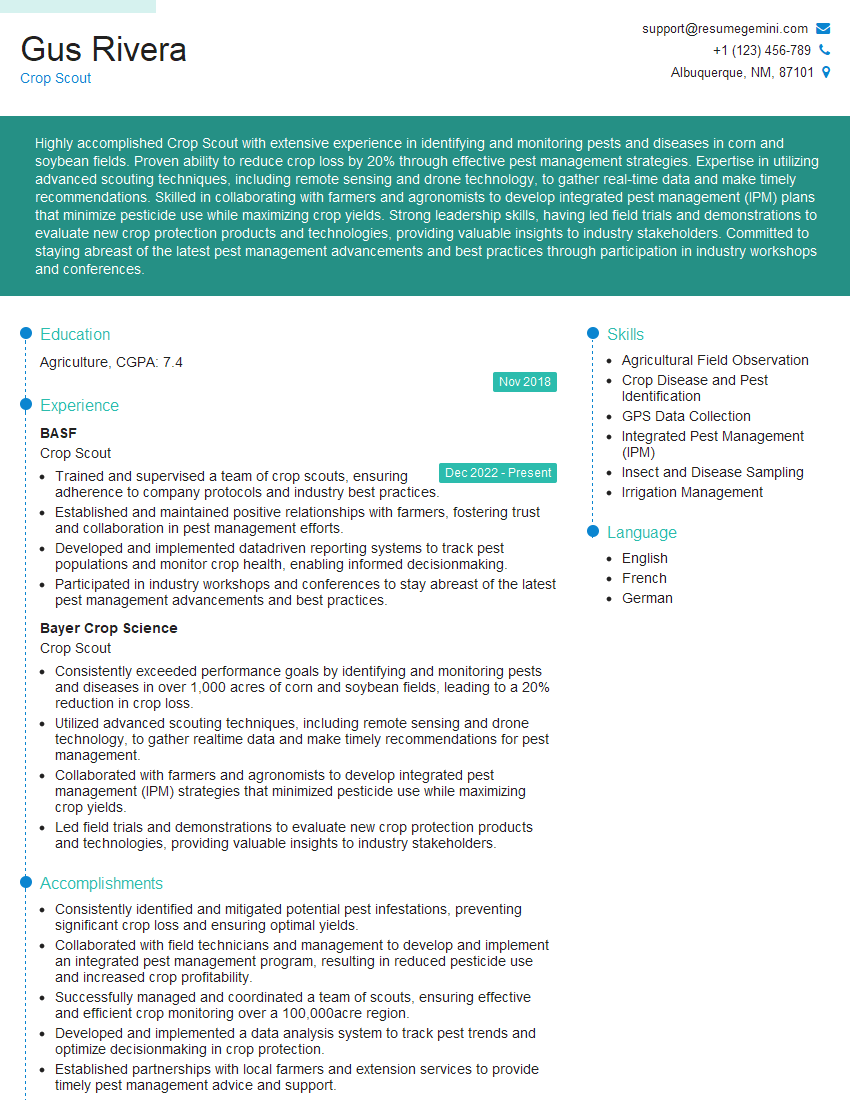
Crop Scout Resume Sample
Explore more articles
Users Rating of Our Blogs
Share Your Experience
We value your feedback! Please rate our content and share your thoughts (optional).
What Readers Say About Our Blog
Very informative content, great job.
good