Every successful interview starts with knowing what to expect. In this blog, we’ll take you through the top Cushioning and Dunnage interview questions, breaking them down with expert tips to help you deliver impactful answers. Step into your next interview fully prepared and ready to succeed.
Questions Asked in Cushioning and Dunnage Interview
Q 1. What are the key considerations when selecting cushioning materials?
Selecting the right cushioning material is crucial for protecting goods during transit. The key considerations revolve around the product’s fragility, the transportation method (truck, air, sea), environmental conditions, and cost.
- Fragility of the product: Extremely delicate items need high-impact absorption, while more robust items require less protection. Think about the difference between shipping a ceramic vase versus a metal toolbox.
- Type of transport: Air freight experiences more jarring movements than sea freight, requiring more robust cushioning. Truck shipping falls somewhere in between.
- Environmental conditions: Extreme temperatures or humidity can affect cushioning materials. For example, some foams might lose their effectiveness in high heat, while others might absorb moisture.
- Cost: Balancing protection with cost-effectiveness is critical. Using excessive high-end cushioning is wasteful, while using insufficient cushioning is risky.
- Sustainability: More and more, businesses are considering the environmental impact of their packaging, favouring recyclable and biodegradable materials.
A thorough risk assessment is often the first step, helping to determine the specific needs of your product and shipping method.
Q 2. Explain the differences between various cushioning materials (e.g., foam, air bags, void fill).
Cushioning materials offer a range of properties. Let’s compare some common types:
- Foam: Comes in various densities and types (e.g., polyurethane, polyethylene). Offers good impact absorption and is relatively inexpensive. Density is key – high-density foam provides superior protection.
- Air Bags: Inflatable bags that conform to the product’s shape, providing excellent void fill and shock absorption. They are lightweight and readily customizable. However, they require inflation equipment and are more expensive than some foams.
- Void Fill: Materials like loose-fill peanuts, bubble wrap, or shredded paper fill empty spaces in the packaging. They are cost-effective but offer less consistent protection than foam or airbags. Loose-fill can also contribute significantly to waste.
- Cellular materials: Expanded Polypropylene (EPP) and Expanded Polystyrene (EPS) are lightweight, reusable, and offer excellent impact protection, often utilized for high-value or delicate products.
The choice depends on the specific needs. A fragile vase might benefit from foam or airbags, while a box of books could use void fill. It’s frequently about combining multiple techniques for ultimate protection.
Q 3. How do you determine the appropriate amount of cushioning for fragile goods?
Determining the right amount of cushioning is crucial. It’s not about using as much as possible, but using the optimal amount to prevent damage.
A common method is drop testing. This involves dropping a packaged product from various heights to simulate real-world conditions. You then evaluate the damage, adjusting the cushioning until you achieve an acceptable level of protection. This requires specialized equipment and expertise.
Another method is using packaging design software that simulates the forces acting on the product during transit. These programs use sophisticated algorithms and data input (like weight, fragility, and transport mode) to calculate the necessary cushioning.
A rule of thumb is to ensure the cushioning material is sufficient to completely absorb the energy from a potential impact. This involves considering the height of the drop, the weight of the item, and the material’s crush resistance.
Q 4. Describe different types of dunnage and their applications.
Dunnage refers to materials used to secure cargo within a container, preventing shifting and damage. Types include:
- Wooden dunnage: Blocks, beams, and boards provide structural support and bracing. They are strong and durable but can be heavy and require proper treatment for international shipping to prevent pest infestations.
- Plastic dunnage: Reusable and often lighter than wood, plastic dunnage includes pallets, corner boards, and edge protectors. They offer good strength and hygiene but can be more expensive upfront.
- Inflatable dunnage: Air-filled bladders or bags conform to the shape of the cargo, filling voids and preventing movement. They are lightweight, space-saving when deflated and can be custom-sized.
- Fiberboard dunnage: Cardboard or composite panels used for lightweight bracing and cushioning. They offer good protection for lighter products but have limited strength compared to other options.
Application varies depending on cargo type and container. Heavy machinery might need robust wooden dunnage, while lighter goods can be secured with inflatable dunnage or fiberboard.
Q 5. What are the regulations and standards related to packaging and shipping hazardous materials?
Regulations for hazardous materials are stringent and vary by country and region. Key governing bodies include the International Maritime Organization (IMO), the International Air Transport Association (IATA), and the Department of Transportation (DOT) in the US. These regulations cover everything from packaging materials and labeling to handling and transportation procedures.
The regulations generally require:
- Specific packaging: Hazardous materials must be packaged in UN-approved containers designed to withstand the stresses of transport and prevent leaks or spills.
- Clear labeling: Packages must be clearly labeled with hazard symbols, UN numbers, and other identifying information.
- Shipping documents: Detailed shipping papers are required, listing the type and quantity of hazardous materials being shipped.
- Training and handling: Those handling hazardous materials need appropriate training to ensure safe handling and prevent accidents.
Non-compliance can lead to severe penalties, including fines and legal action. It’s crucial to consult the relevant regulations and seek expert advice when shipping hazardous materials.
Q 6. How do you design dunnage to optimize space utilization within a container?
Optimizing space utilization is essential for cost-effectiveness in shipping. Careful dunnage design is key.
Strategies include:
- Modular dunnage: Using standardized, reusable dunnage units that can be configured to fit different cargo sizes and shapes. This reduces waste and improves efficiency.
- Custom-designed dunnage: Creating dunnage specifically tailored to the dimensions of the cargo. This approach maximizes space utilization but requires more design and manufacturing time.
- 3D modeling and simulation: Using software to visualize the placement of cargo and dunnage within the container, optimizing space and ensuring stability. This allows virtual testing and adjustments before physical implementation.
- Fill voids strategically: Employing void fill materials effectively to prevent movement. This ensures that gaps between items are properly cushioned and secured.
Proper planning and design, potentially aided by software, are essential for efficient space utilization.
Q 7. Explain the importance of proper dunnage placement to prevent shifting during transport.
Dunnage placement is crucial for preventing cargo shifting. Improper placement can lead to damage or even container collapse.
Key principles:
- Secure the heaviest items first: These should be placed at the bottom of the container, providing a stable base.
- Distribute weight evenly: Avoid concentrating weight in one area. This can create unbalanced forces and lead to shifting.
- Use blocking and bracing: Strategically position blocks and braces to prevent lateral movement. Corner bracing is particularly important.
- Fill voids properly: Use void fill materials to prevent gaps and stabilize smaller items.
- Check for stability: Before closing the container, carefully inspect to ensure that the cargo is securely fastened and unlikely to shift during transport.
Imagine a stack of books: without proper bracing, they might topple over. Dunnage provides the structural support to keep everything in place.
Q 8. What are the environmental considerations for choosing cushioning and dunnage materials?
Environmental considerations are paramount when selecting cushioning and dunnage materials. We must consider the entire lifecycle, from material sourcing and manufacturing to disposal. This involves evaluating the carbon footprint, recyclability, and biodegradability of each option.
- Recycled content: Prioritizing materials with high recycled content reduces reliance on virgin resources and minimizes landfill waste. For example, using recycled paperboard or plastic foam is a significant step towards sustainability.
- Biodegradability and compostability: Choosing biodegradable or compostable materials like cornstarch-based foams or mushroom packaging reduces environmental impact after use. These options break down naturally, minimizing their long-term effects on landfills and ecosystems.
- Manufacturing processes: Consider the energy consumption and emissions associated with the manufacturing process of the chosen materials. Materials with lower energy demands during production are environmentally preferable.
- Transportation efficiency: Lighter-weight materials often result in lower transportation costs and reduce the overall carbon footprint associated with shipping.
- Toxicity: Some cushioning materials may release harmful substances during manufacturing or disposal. Selecting materials with low toxicity profiles and proper disposal methods is crucial.
In practice, we often create a weighted scoring system to compare different materials based on these factors. A material might score highly on recyclability but poorly on biodegradability, allowing for a balanced evaluation based on our client’s priorities.
Q 9. How do you calculate the required cushioning thickness for a specific product?
Calculating cushioning thickness is a crucial step in protective packaging design. It’s not a simple formula, but rather an iterative process combining calculation and testing. The required thickness depends on several interacting factors:
- Product fragility: How much force can the product withstand before damage occurs?
- Shock and vibration levels during transit: This depends on the type of transport (truck, air, sea) and the duration of the journey.
- Cushioning material properties: Each material has a unique force-deflection curve (how much it compresses under a given force). This information is usually provided by the material manufacturer.
- Acceleration levels experienced during drops: This is closely related to the shock and vibration considerations mentioned earlier.
We often use specialized software (I’ll discuss this in a later question) that allows us to input these parameters and simulate the packaging’s performance under various conditions. We begin with an initial estimate based on industry guidelines and then refine this through testing – often starting with small scale tests before large-scale production. In some cases, we might utilize empirical formulas available in packaging handbooks, but these are always validated with physical testing.
A simplified approach might involve using a basic drop test to find the minimum cushioning height that prevents product damage. We would incrementally increase the cushioning thickness until the product survives the drop test. However, for complex products or high-value items, sophisticated simulation software and comprehensive testing are essential.
Q 10. Describe your experience with different types of packaging testing (e.g., vibration, drop tests).
My experience encompasses a wide range of packaging tests, each designed to simulate different aspects of the transportation process:
- Vibration testing: This involves subjecting the packaged product to controlled vibration profiles that mimic those experienced during transport. We use vibration tables that can generate various frequencies and amplitudes. The goal is to ensure that the packaging system prevents resonance that could damage the product.
- Drop tests: These are some of the most common tests. We drop the packaged product from various heights onto different surfaces (e.g., concrete, wood) to assess its ability to withstand impacts. High-speed cameras and accelerometers are frequently used to capture the event and quantify the forces experienced.
- Compression testing: We determine how much force is required to compress the cushioning material to a certain extent. This informs our understanding of the material’s ability to absorb and distribute shock.
- Climate testing: This assesses the packaging’s performance under varying temperature and humidity conditions. It’s crucial to ensure the materials remain protective and functional throughout various climates.
- ISTA tests: I’m proficient in various ISTA procedures, which provide standardized tests tailored to specific transport modes.
I’ve worked with both in-house testing equipment and outsourced labs. Data analysis from these tests helps to validate the packaging design, identify weaknesses, and make necessary improvements before full-scale production and deployment.
Q 11. How do you address challenges related to cost optimization in cushioning and dunnage selection?
Cost optimization is a critical aspect of cushioning and dunnage selection. It’s not just about choosing the cheapest material; it’s about finding the most cost-effective solution that still ensures adequate product protection. My approach involves:
- Material selection: Comparing the cost-effectiveness of various materials considering their performance characteristics, availability, and recyclability. Sometimes, a slightly more expensive but more durable material can lead to lower overall costs by reducing damage claims and improving product lifespan.
- Design optimization: Minimizing material usage without compromising protection. This may involve employing efficient nesting strategies, using custom-designed inserts, or implementing void fill solutions that perfectly fit the product.
- Negotiating with suppliers: Developing strong relationships with suppliers to secure favorable pricing and potentially explore options for bulk purchases.
- Lifecycle cost analysis: Considering not just the initial material cost but also the potential costs of damage, insurance, and disposal. A slightly more expensive, environmentally friendly material might reduce the overall lifecycle cost.
- Waste reduction strategies: Implementing efficient processes to reduce waste during packaging production and minimize the need for excess material.
For example, I once helped a client switch from expensive custom-molded foam to a combination of less expensive corrugated board and recycled paper void fill, resulting in a 20% cost reduction without impacting product protection.
Q 12. What software or tools are you familiar with for designing and analyzing packaging?
I’m proficient in several software and tools for packaging design and analysis. These include:
- CAD software (e.g., SolidWorks, AutoCAD): Used for creating 3D models of products and packaging, allowing for accurate visualization and dimensioning.
- Finite Element Analysis (FEA) software (e.g., ANSYS, Abaqus): Used for simulating the behavior of packaging under various loads and conditions, predicting stress levels and potential failure points. This is particularly useful for complex products or demanding transportation scenarios.
- Specialized packaging design software: Various software packages are specifically designed for packaging engineers, providing tools for calculating cushioning requirements, generating packing lists, and optimizing packaging designs.
- Spreadsheet software (e.g., Microsoft Excel): Used for data analysis, cost calculations, and tracking the performance of different packaging designs.
The choice of software depends heavily on the complexity of the product and the specific needs of the project. For simple products, a spreadsheet and basic CAD software might suffice. However, for complex products requiring extensive analysis, FEA software is invaluable.
Q 13. Explain your understanding of the ISTA standards.
ISTA (International Safe Transit Association) standards provide a series of rigorous and standardized test procedures designed to evaluate the ability of packaging to protect products during transportation and handling. These standards are widely recognized and accepted within the packaging industry. Understanding ISTA is critical because it allows for consistent, reliable testing and comparison across different designs and materials. The standards provide:
- Specific test procedures: ISTA publishes detailed procedures for a range of tests, including vibration, drop, compression, and climate testing. These procedures outline the test parameters, equipment requirements, and acceptance criteria.
- Standardized packaging configurations: ISTA provides guidelines for preparing packages for testing, ensuring consistency and comparability.
- Certification programs: Companies can obtain ISTA certification to demonstrate that their packaging meets specific standards.
My experience includes designing packaging to meet various ISTA procedures, depending on the product’s fragility and the expected transportation conditions. For example, a product destined for air freight might require compliance with a more stringent ISTA test compared to one shipped by truck. Adherence to ISTA standards promotes customer confidence and helps prevent product damage during transit.
Q 14. How do you ensure the durability and integrity of packaging during shipping?
Ensuring the durability and integrity of packaging during shipping requires a multi-faceted approach:
- Material selection: Choosing robust and durable materials capable of withstanding the rigors of transportation. This includes considering the material’s strength, stiffness, resistance to moisture and temperature extremes, and tear strength.
- Design optimization: Designing the packaging to distribute forces effectively during impacts and vibrations. This often involves incorporating features like reinforced corners, internal supports, and shock-absorbing components.
- Proper closure and sealing: Ensuring the package is securely closed and sealed to prevent contents from shifting or escaping. This might involve using adhesives, straps, or other securing methods.
- Testing and validation: Conducting thorough testing to validate the packaging’s performance under various conditions (as discussed earlier). This provides assurance that the packaging can withstand the expected stresses of the shipping process.
- Proper handling and labeling: Providing clear and concise instructions for handling and storing the packaged goods, alerting handlers to fragile contents or specific handling requirements, and utilizing appropriate labeling.
- Monitoring and feedback: Regularly reviewing the performance of the packaging in the field and making adjustments based on damage reports and feedback from customers. This iterative approach helps to continuously improve the packaging design.
For example, we might reinforce a cardboard box by adding extra layers of corrugated board in high-stress areas or use specialized corner protectors to minimize damage during impacts. A thorough understanding of the entire shipping process, including handling techniques and environmental factors, is essential for designing effective and durable packaging.
Q 15. Describe your experience with different types of packaging for different modes of transport (e.g., air, sea, road).
My experience spans various packaging solutions tailored to different transportation modes. For air freight, where weight is a premium, I prioritize lightweight yet robust materials like inflatable dunnage bags and custom-fit foam inserts. These minimize weight penalties while ensuring product protection against the stresses of air travel, such as rapid changes in altitude and pressure. For sea freight, where exposure to moisture and harsh conditions is a major concern, I utilize waterproof corrugated cardboard, vapor barriers, and specialized coatings to prevent water damage and corrosion. Pallet stabilization using strong strapping and dunnage is also crucial. Road transport requires a focus on vibration and impact resistance. Here, I often use shock-absorbing materials such as honeycomb cardboard or polyethylene foam, and I carefully consider pallet construction and securement methods to prevent shifting during transit.
- Example: For a delicate piece of electronics shipped by air, I’d use a custom-fit foam insert inside a lightweight corrugated box, then place the box within a larger carton filled with void-fill peanuts to absorb shock.
- Example: Shipping furniture overseas by sea involves heavy-duty wooden pallets, waterproof packaging, and desiccant packs to control humidity.
Career Expert Tips:
- Ace those interviews! Prepare effectively by reviewing the Top 50 Most Common Interview Questions on ResumeGemini.
- Navigate your job search with confidence! Explore a wide range of Career Tips on ResumeGemini. Learn about common challenges and recommendations to overcome them.
- Craft the perfect resume! Master the Art of Resume Writing with ResumeGemini’s guide. Showcase your unique qualifications and achievements effectively.
- Don’t miss out on holiday savings! Build your dream resume with ResumeGemini’s ATS optimized templates.
Q 16. How do you handle unexpected damage during shipment?
Unexpected damage necessitates a swift and thorough response. My first step is a complete assessment of the damage, including photographic documentation. This helps determine the cause of the damage and whether it’s due to inadequate packaging, rough handling, or inherent product fragility. I then contact the carrier to file a claim, providing all relevant documentation, including the original shipping manifest, damage photos, and the cost of replacement or repair. If the damage is due to insufficient packaging, I’ll analyze the process to identify weaknesses and improve future packaging designs. For example, if a product experiences breakage, it might necessitate reinforcing the packaging with additional internal bracing or a different cushioning material.
Customer communication is crucial. I keep the customer updated on the claim process and the anticipated resolution, managing expectations throughout the process.
Q 17. How do you stay updated on the latest trends and regulations in packaging and shipping?
Staying current in this dynamic field requires continuous learning. I actively participate in industry trade shows and conferences, such as those hosted by the Institute of Packaging Professionals (IoPP). I subscribe to industry publications and journals, and I follow leading packaging companies and research institutions. Regulatory compliance is also a priority, and I regularly check updates from organizations like the International Air Transport Association (IATA) and the International Maritime Organization (IMO) for changes to shipping regulations and dangerous goods handling guidelines. Online courses and webinars are also valuable tools for staying ahead of the curve in new material technologies and sustainable practices.
Q 18. What are your preferred methods for securing loads during transport?
Secure load methods depend heavily on the product, the mode of transport, and the distance shipped. Common techniques include using stretch wrap to secure individual items to pallets and shrink wrapping for multiple items. For heavier or oddly-shaped loads, I would use securement straps, corner boards, and blocking and bracing to prevent shifting or tipping. The key is to distribute weight evenly and eliminate any points of potential weakness. In some cases, load bars or specialized containers might be necessary. The selection process considers the product’s weight, dimensions, and fragility, together with the expected handling and environmental conditions during transit.
Q 19. How do you assess the risk of damage during transportation?
Risk assessment starts with understanding the product’s fragility and the transportation environment it will face. Factors like the product’s weight, dimensions, and material properties are considered. We analyze the fragility of the product by performing drop tests or vibration tests. The transportation method (air, sea, road), duration, and handling methods will all influence the risk profile. Environmental factors such as temperature fluctuations, humidity, and potential exposure to water or rough handling during loading and unloading are equally crucial. I employ a structured risk assessment matrix that incorporates all these factors to give a quantitative measure of the risk of damage. High-risk products might require enhanced cushioning, specialized packaging, and extra handling precautions.
Q 20. Describe your process for selecting the right cushioning material for a specific product and its destination.
Selecting cushioning material requires careful consideration. Factors include the product’s fragility, weight, shape, and the environmental conditions during transit. For fragile items, I would consider high-density foams like polyurethane or polyethylene. For lightweight items, void-fill materials such as peanuts or inflatable bags may suffice. For temperature-sensitive products, insulated packaging with thermal cushioning would be employed. The destination also plays a crucial role. For long-distance shipments involving potential rough handling, more robust cushioning is needed. For example, air-cushioning systems are perfect for filling voids within a package, while molded foam inserts provide a customized fit and added security. I also consider the material’s environmental impact and whether it can be recycled or reused.
Q 21. How do you balance the need for adequate protection with cost-effectiveness in packaging design?
Balancing protection with cost-effectiveness requires a thorough understanding of the product and the transportation process. It involves finding the most efficient materials and design while minimizing unnecessary spending. We may opt for readily available, less expensive materials when appropriate, such as corrugated cardboard, or explore reusable packaging solutions. This could reduce waste and costs in the long run. However, cost should not compromise the integrity and safety of the product. Detailed analysis of historical damage rates and cost-benefit analysis can help determine the optimal balance between protective measures and overall packaging costs. This iterative process leads to optimization through innovative designs and material selection, without jeopardizing product safety and integrity.
Q 22. Explain the importance of using proper labeling and marking on packages.
Proper labeling and marking on packages are crucial for efficient and safe handling throughout the entire supply chain. Think of it like addressing a letter – without the correct address, it won’t reach its destination. Clear labeling ensures the package arrives at the right place, on time, and undamaged.
- Identification: Labels must clearly identify the contents, weight, dimensions, and handling instructions. This prevents misidentification and improper handling.
- Destination: Accurate recipient information (name, address, contact details) is essential for seamless delivery. This includes the correct postal code and any special delivery instructions.
- Hazard Communication: For hazardous materials, labels must comply with relevant regulations (like GHS – Globally Harmonized System) indicating potential dangers and handling precautions. This protects handlers and prevents accidents.
- Tracking: Unique identification numbers (barcodes, RFID tags) enable efficient tracking and tracing throughout the shipment journey.
For example, a mislabeled package of fragile electronics could easily be mishandled, leading to damage and costly returns. Clear, concise labeling minimizes these risks.
Q 23. What are your strategies for reducing packaging waste?
Reducing packaging waste is a critical aspect of sustainable business practices and minimizing environmental impact. My strategies focus on optimizing packaging design, material selection, and waste management processes.
- Right-sizing: Using the smallest package appropriate for the product minimizes void fill and reduces material usage. We analyze product dimensions and shipping requirements to determine optimal packaging size.
- Sustainable Materials: Prioritizing recycled and recyclable materials, such as corrugated cardboard made from recycled fiber or biodegradable void fill, significantly reduces waste. We actively explore options for compostable or easily recyclable materials.
- Minimizing Void Fill: Using efficient void fill solutions – such as custom-fit inserts or inflatable air pillows – reduces the amount of filler required to protect the product, which lessens waste and transportation costs.
- Reusable Packaging: Where feasible, exploring the use of reusable containers or pallets can significantly reduce waste over multiple shipping cycles.
- Efficient Waste Management: Establishing a robust system for sorting, recycling, and disposal of packaging waste ensures responsible waste handling and reduces landfill contributions.
For instance, a recent project involved redesigning a packaging system, switching to smaller boxes and optimized void fill. This resulted in a 15% reduction in packaging material usage and a significant decrease in transportation costs.
Q 24. Describe a situation where you had to solve a challenging packaging problem.
One challenging situation involved shipping a large, oddly-shaped piece of industrial equipment that was both fragile and heavy. The standard packaging solutions were inadequate; they either offered insufficient protection or were prohibitively expensive.
My solution involved a multi-stage approach:
- Custom-designed Crate: We designed a custom-built wooden crate with internal bracing and shock-absorbing foam inserts to protect the equipment’s vulnerable areas. This tailored design provided superior protection for the unusual shape.
- Strategic Void Fill: We utilized a combination of foam-in-place filling and inflatable air pillows to fill the remaining voids within the crate, further enhancing shock absorption.
- Secure Fastening: The equipment was securely fastened inside the crate using specialized straps and tie-downs to prevent movement during transit.
- Exterior Protection: The crate’s exterior was reinforced with heavy-duty strapping and labeled clearly with comprehensive handling instructions.
This solution protected the equipment during transit, preventing damage and ensuring its safe arrival at its destination. The project demonstrated the importance of adapting packaging solutions to individual product requirements and considering the specific challenges involved.
Q 25. How do you ensure compliance with international shipping regulations?
Compliance with international shipping regulations is paramount to avoid delays, penalties, and legal issues. My approach focuses on proactive research, meticulous documentation, and continuous monitoring of evolving regulations.
- Research: We thoroughly research the specific regulations for each destination country, considering factors such as hazardous materials regulations, customs requirements, and import/export restrictions.
- Documentation: All necessary documentation, including shipping manifests, certificates of origin, and hazardous material declarations (if applicable), are prepared accurately and completely before shipment. We use standardized templates to minimize errors.
- Labeling: Packages are clearly and accurately labeled according to international standards and regulations, including the use of appropriate hazard symbols and markings.
- Partnerships: We maintain strong relationships with customs brokers and freight forwarders who possess deep expertise in navigating international shipping regulations. They provide guidance and support throughout the process.
- Continuous Monitoring: We regularly monitor changes in regulations and update our processes accordingly to ensure ongoing compliance.
For example, when shipping lithium batteries, we adhere strictly to the IATA regulations for dangerous goods, ensuring proper packaging, labeling, and documentation to prevent shipment delays or rejection.
Q 26. How do you manage inventory of cushioning and dunnage materials?
Efficient inventory management of cushioning and dunnage materials is crucial for ensuring timely fulfillment and minimizing storage costs. We use a combination of methods for effective inventory control.
- Inventory Tracking System: We use a computerized inventory management system to track stock levels, monitor consumption rates, and predict future demand. This helps to optimize ordering and minimize waste.
- Regular Stock Audits: Periodic physical audits of our inventory verify accuracy and identify discrepancies between recorded and actual stock levels. This ensures the integrity of our inventory data.
- Just-in-Time Ordering: We utilize a just-in-time ordering system to minimize storage space required for bulk materials while ensuring we have sufficient stock to meet immediate needs. This reduces storage costs and minimizes waste from obsolescence.
- Designated Storage Area: We maintain a dedicated and organized storage area for cushioning and dunnage materials to facilitate easy access and tracking. Proper organization reduces handling time and prevents material damage.
- FIFO System: We use a first-in, first-out (FIFO) system to ensure older materials are used before newer ones, minimizing the risk of material degradation or obsolescence.
This comprehensive approach allows us to maintain adequate stock levels while preventing overstocking and ensuring the timely availability of necessary packaging materials.
Q 27. What are your strategies for preventing pilferage?
Preventing pilferage – the theft of goods during transit – requires a multi-layered approach combining physical security measures with robust tracking and documentation.
- Tamper-Evident Seals: Using tamper-evident seals on packages provides visual confirmation of any unauthorized access. This acts as a deterrent and helps identify potential theft.
- Secure Packaging: Employing strong and secure packaging, such as reinforced cartons and sturdy straps, makes it more difficult for thieves to access the contents.
- Hidden Tracking Devices: In high-value shipments, covert tracking devices can provide real-time location and movement information, aiding in the recovery of stolen goods.
- Surveillance and Security: Utilizing security cameras and other surveillance systems in warehouses and transportation hubs helps deter theft and provides evidence in case of incidents.
- Insurance: Securing appropriate cargo insurance protects against financial losses in case of pilferage.
For example, during the shipment of valuable electronics, we use tamper-evident seals combined with GPS tracking and insurance to minimize the risk and mitigate financial losses in case of theft.
Q 28. Describe your experience working with different types of packaging machinery.
My experience encompasses a range of packaging machinery, from basic manual equipment to sophisticated automated systems. This broad experience enables me to select the optimal machinery for diverse packaging requirements and production volumes.
- Corrugated Board Machines: I’m proficient with various types of corrugated board converting machines, including die-cutters, folder-gluers, and printers. This allows us to create custom-sized cartons and boxes efficiently.
- Void Fill Systems: I have experience with various void fill systems, including automated air pillow machines, foam-in-place systems, and loose-fill dispensing equipment. The selection depends on product fragility and volume.
- Strapping and Palletizing Systems: I’m familiar with both manual and automated strapping and palletizing machines, enabling efficient securing of packages and optimized pallet loading for efficient transportation.
- Automated Packaging Lines: My experience includes working with fully automated packaging lines incorporating multiple machines – from carton erectors and fillers to sealers and labelers – for high-volume production environments.
For instance, in a high-volume operation, we implemented a fully automated packaging line, significantly increasing throughput and reducing labor costs while maintaining consistent packaging quality. Understanding the capabilities and limitations of different types of machinery is key to optimizing packaging processes.
Key Topics to Learn for Cushioning and Dunnage Interview
- Material Selection: Understanding the properties of various cushioning and dunnage materials (e.g., foams, papers, air-filled systems) and their suitability for different products and transportation methods. Consider factors like impact resistance, moisture resistance, and cost-effectiveness.
- Design Principles: Applying engineering principles to design effective cushioning and dunnage systems. This includes understanding shock absorption, vibration damping, and load distribution. Think about how to minimize product movement during transit.
- Packaging Optimization: Explore techniques for optimizing packaging designs to minimize waste, reduce costs, and enhance product protection. This includes efficient space utilization and material selection.
- Testing and Validation: Familiarize yourself with different testing methods used to evaluate the effectiveness of cushioning and dunnage systems. This could involve drop tests, vibration tests, or compression tests. Understanding how to interpret results is crucial.
- Regulations and Standards: Learn about relevant industry regulations and standards related to packaging, transportation, and product safety. Knowing the regulations for your specific industry is vital.
- Sustainable Practices: Explore environmentally friendly cushioning and dunnage options and the importance of sustainable packaging in the industry. This includes recyclability and biodegradability.
- Cost Analysis: Understand how to conduct a cost analysis of different cushioning and dunnage options, balancing protection with cost efficiency. This includes material cost, labor cost, and potential damage costs.
Next Steps
Mastering cushioning and dunnage principles is crucial for career advancement in logistics, supply chain management, and manufacturing. A strong understanding of these concepts demonstrates your commitment to product protection and efficient operations, making you a valuable asset to any organization. To significantly increase your chances of landing your dream role, focus on crafting an ATS-friendly resume that highlights your skills and experience effectively. ResumeGemini is a trusted resource that can help you build a professional and impactful resume tailored to the specific requirements of Cushioning and Dunnage roles. Examples of resumes optimized for this field are available to help guide you.

Operations Manager Resume Sample
Supply Chain Manager Resume Sample
Distribution Center Manager Resume Sample
Transportation Manager Resume Sample
Warehouse Manager Resume Sample
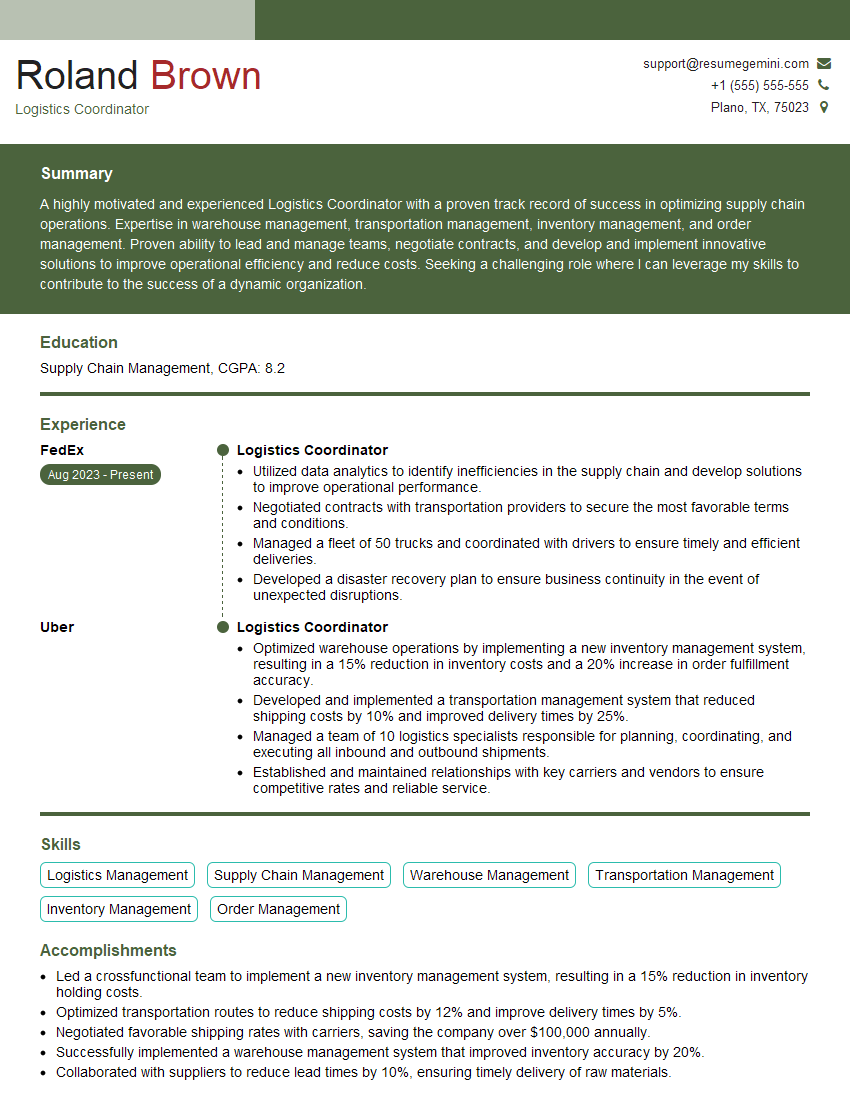
Logistics Coordinator Resume Sample
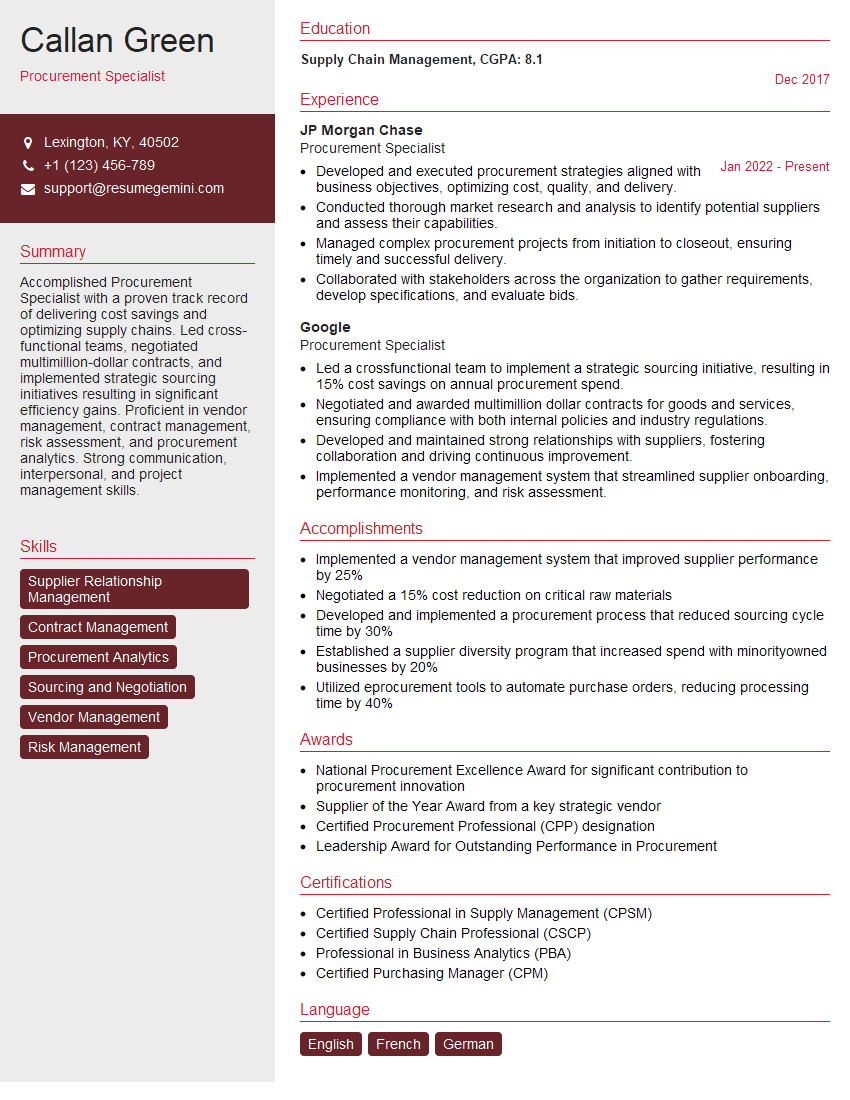
Procurement Specialist Resume Sample
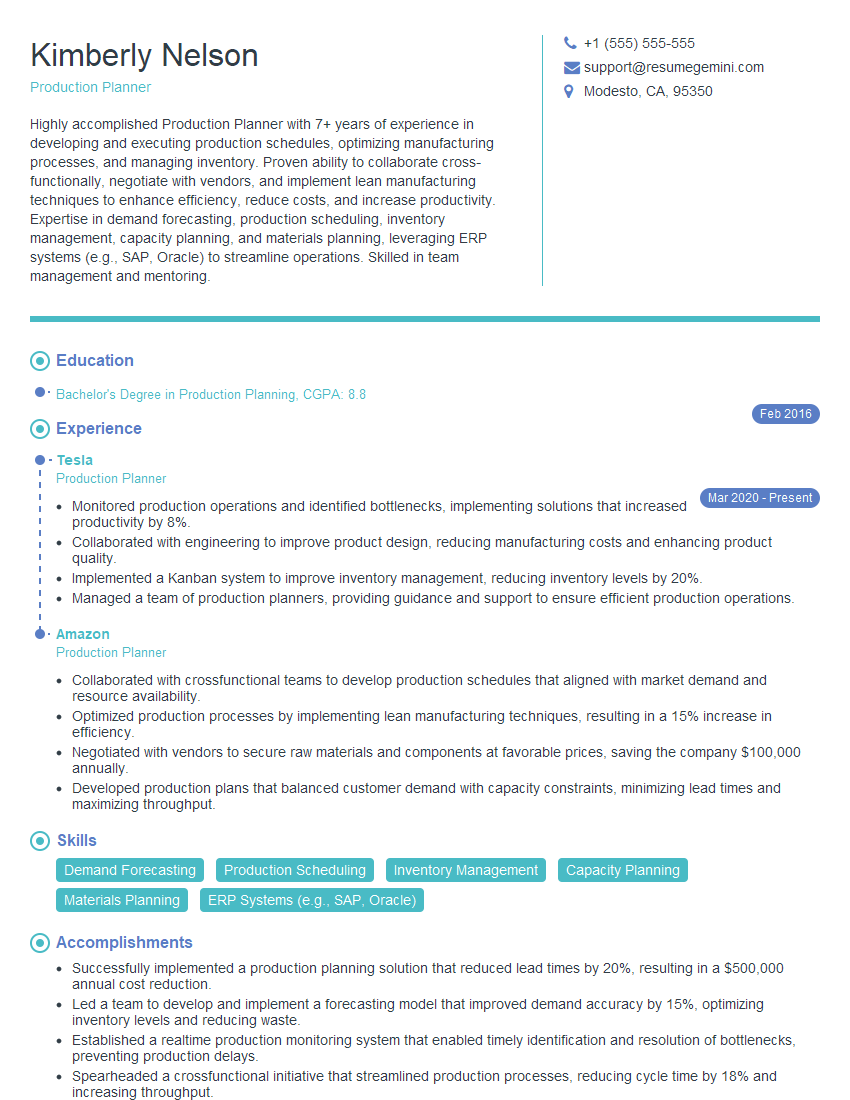
Production Planner Resume Sample
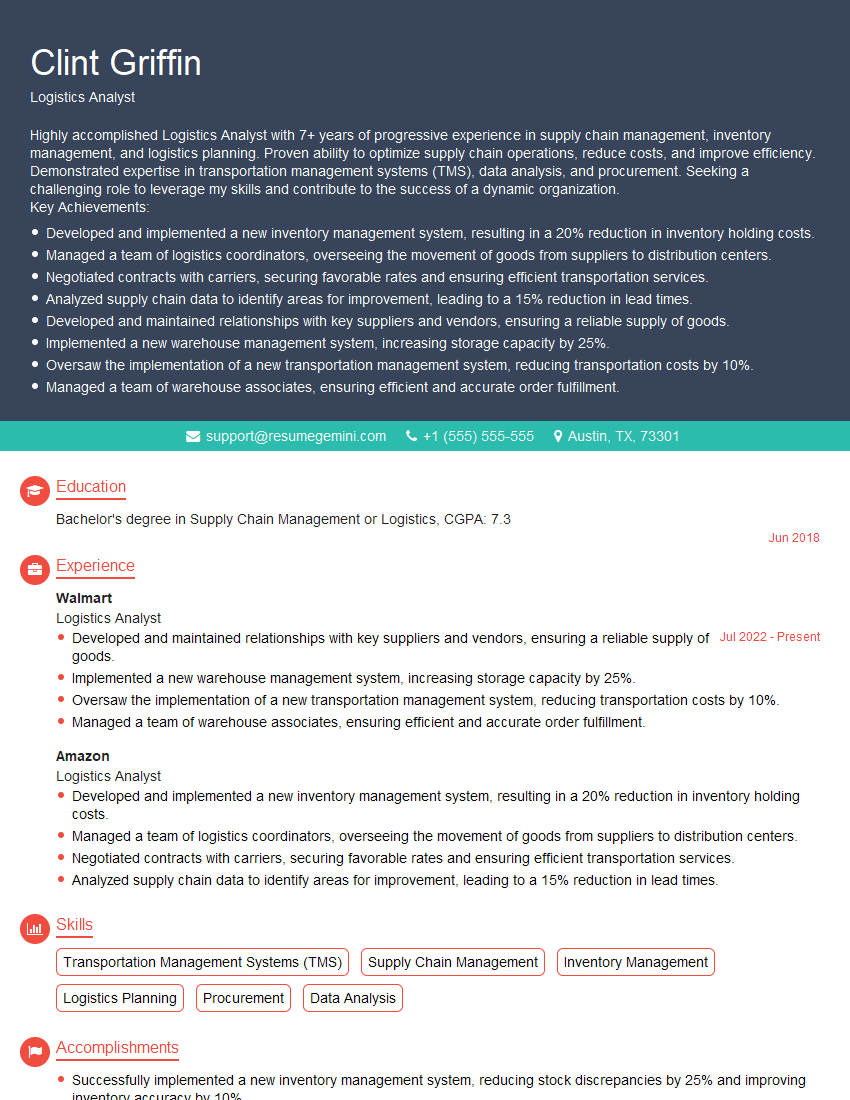
Logistics Analyst Resume Sample
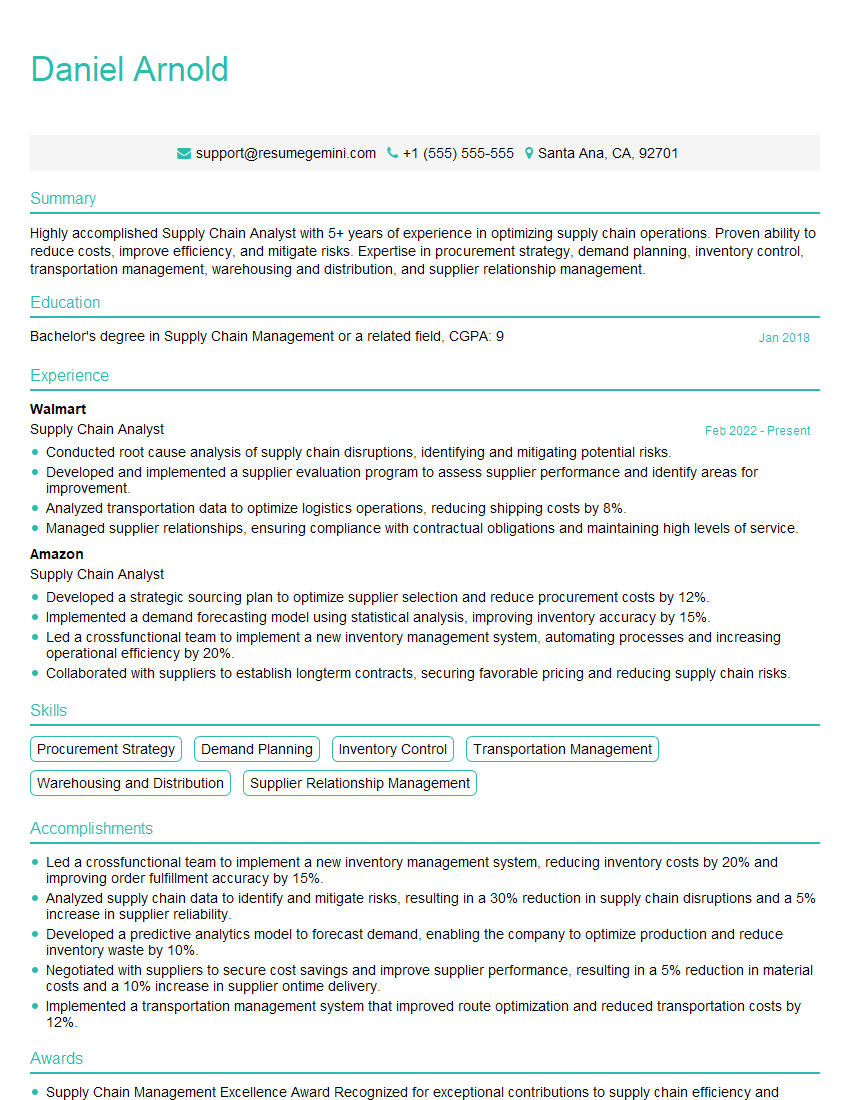
Supply Chain Analyst Resume Sample
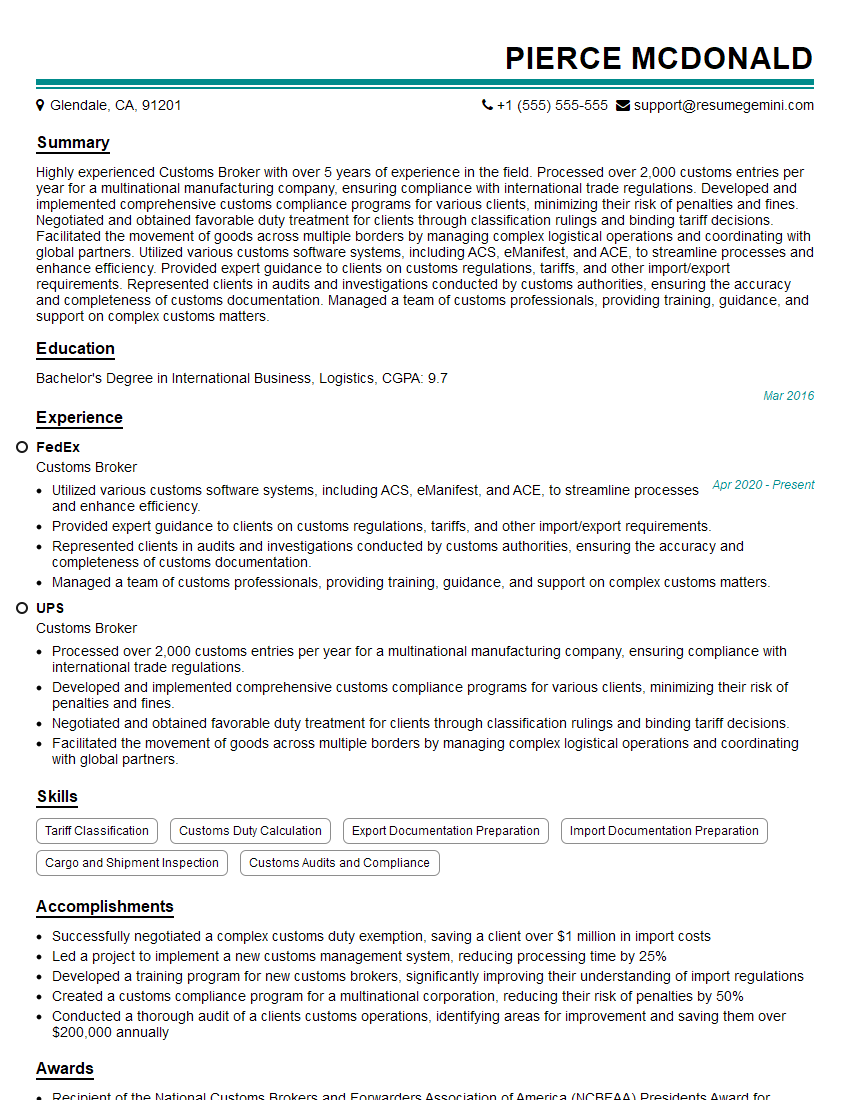
Customs Broker Resume Sample
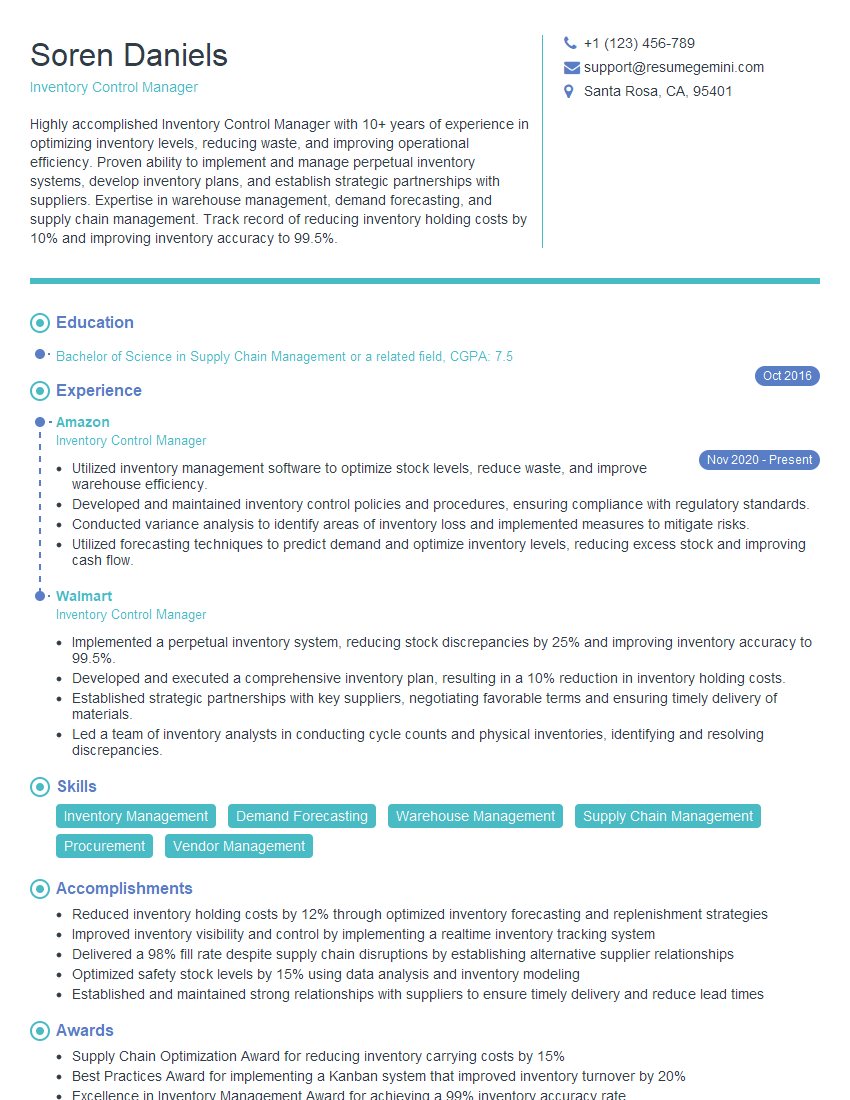
Inventory Control Manager Resume Sample
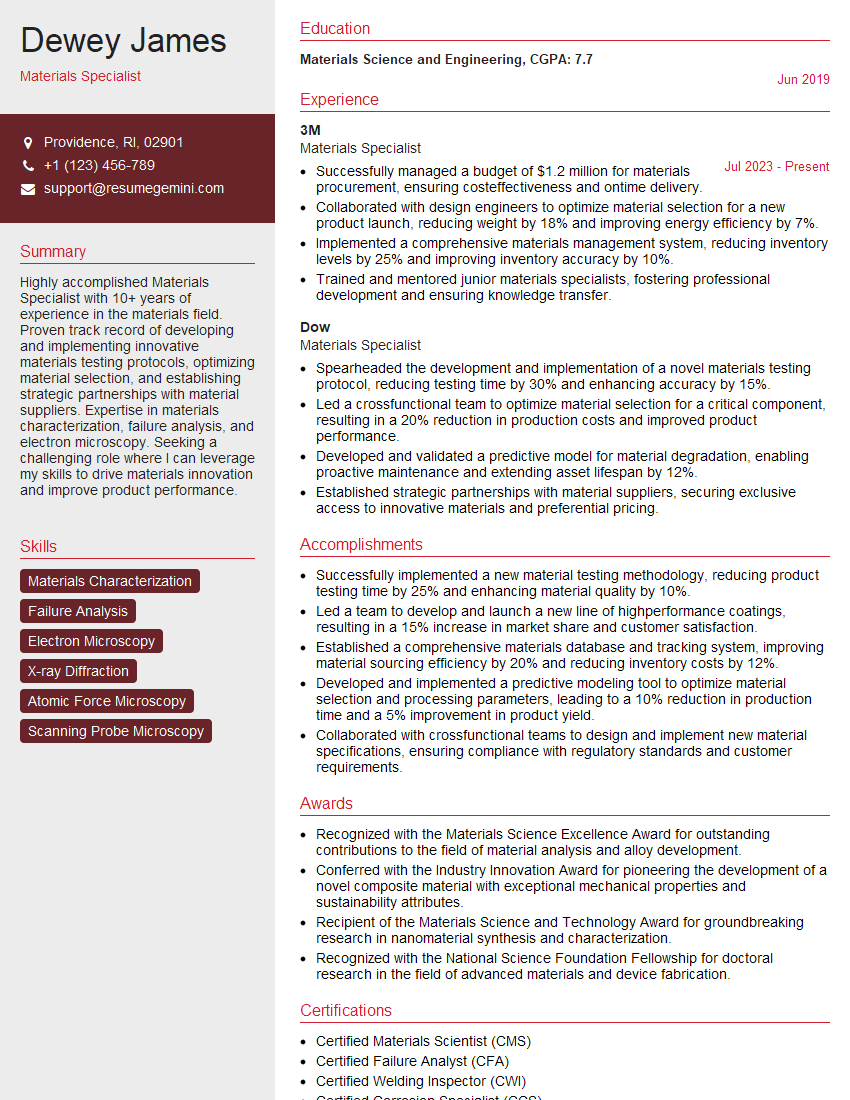
Materials Specialist Resume Sample
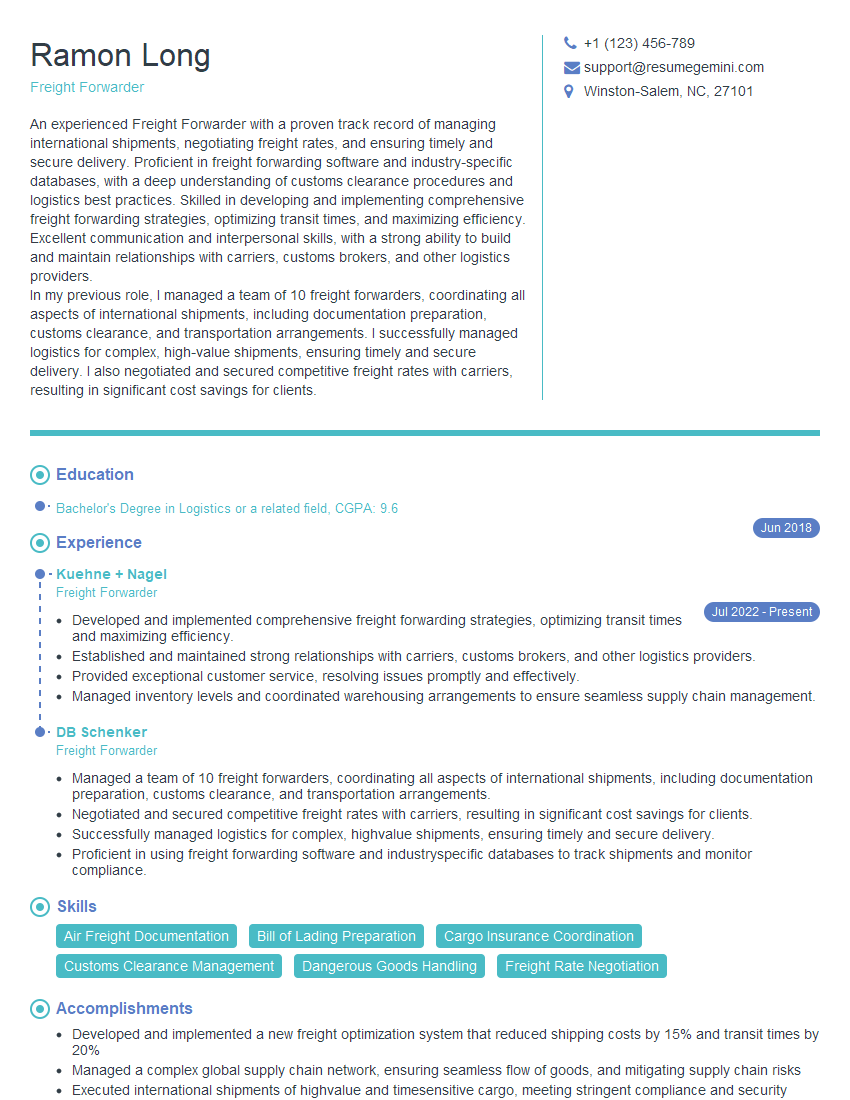
Freight Forwarder Resume Sample
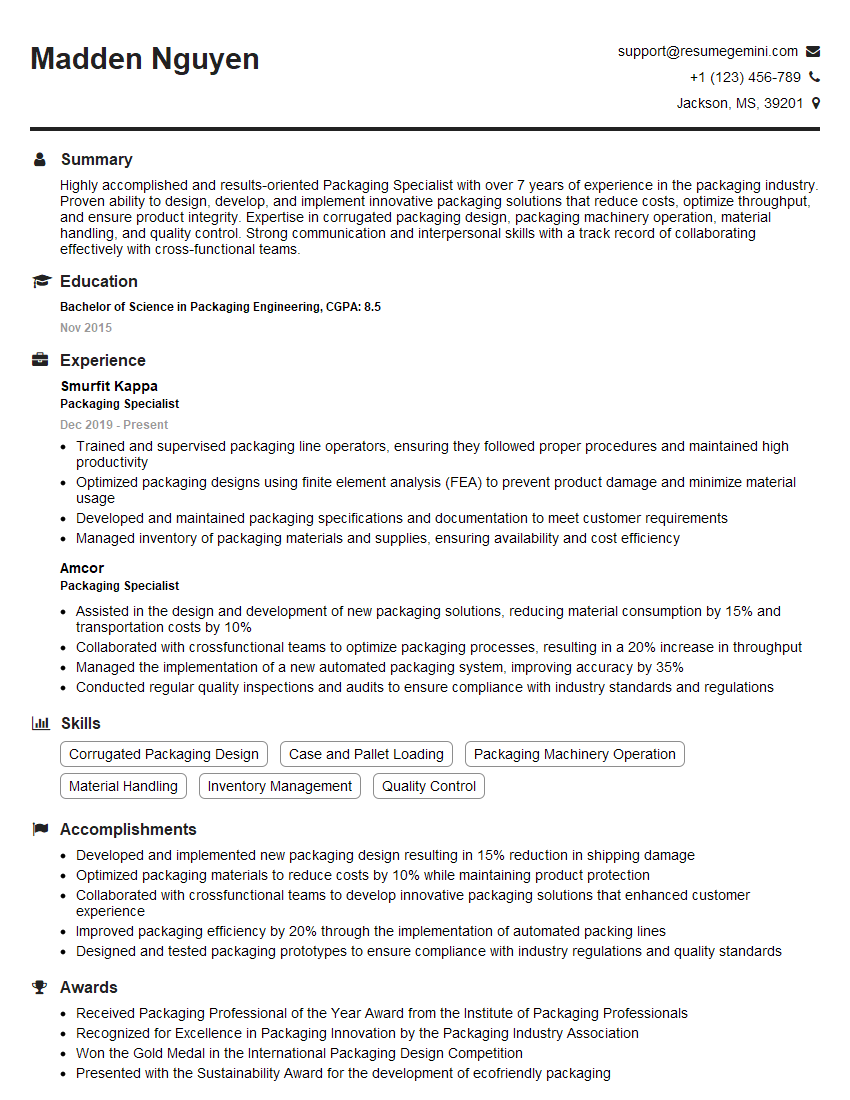
Packaging Specialist Resume Sample

Quality Control Inspector Resume Sample
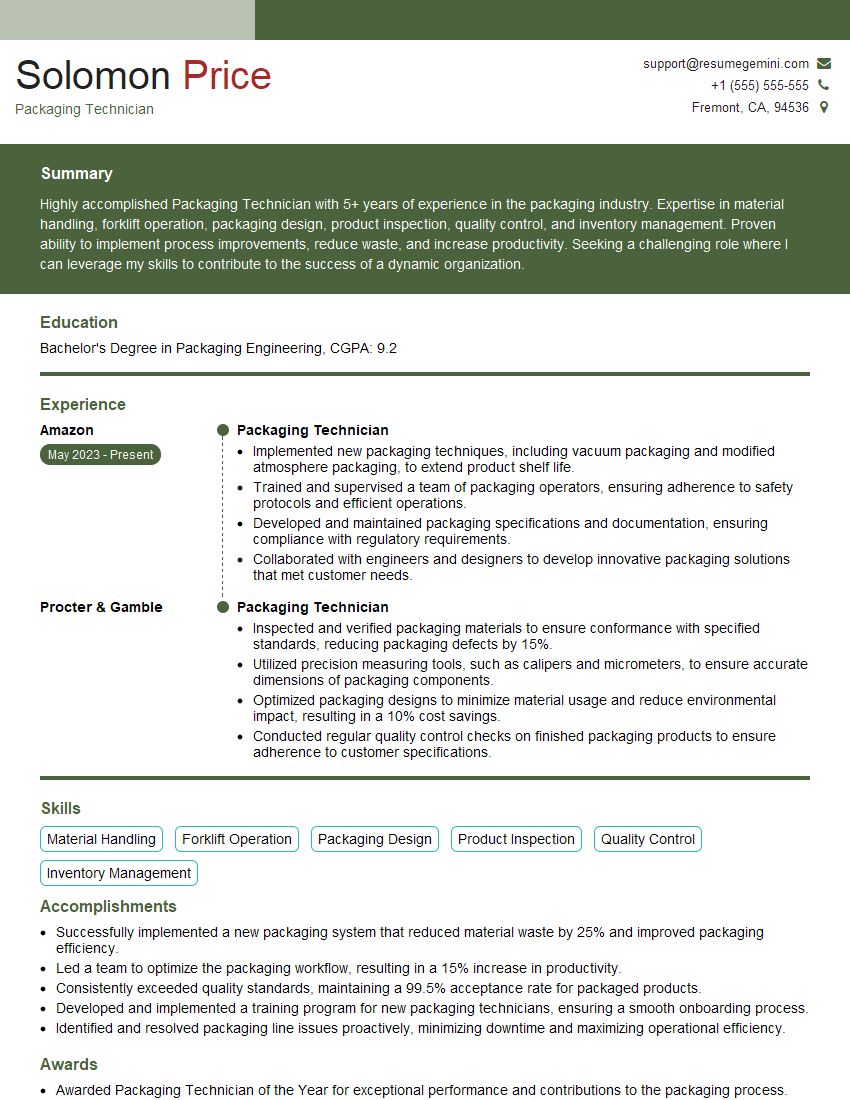
Packaging Technician Resume Sample
- Operations Manager
- Supply Chain Manager
- Distribution Center Manager
- Transportation Manager
- Warehouse Manager
- Logistics Coordinator
- Procurement Specialist
- Production Planner
- Logistics Analyst
- Supply Chain Analyst
- Customs Broker
- Inventory Control Manager
- Materials Specialist
- Freight Forwarder
- Packaging Specialist
- Quality Control Inspector
- Packaging Technician
Explore more articles
Users Rating of Our Blogs
Share Your Experience
We value your feedback! Please rate our content and share your thoughts (optional).
What Readers Say About Our Blog
Very informative content, great job.
good