The thought of an interview can be nerve-wracking, but the right preparation can make all the difference. Explore this comprehensive guide to Debeaking and Wing Trimming interview questions and gain the confidence you need to showcase your abilities and secure the role.
Questions Asked in Debeaking and Wing Trimming Interview
Q 1. What are the different methods of debeaking?
Debeaking, the partial removal of a bird’s beak, is performed primarily to reduce aggressive pecking behaviors that can cause injury and feather damage within poultry flocks. Several methods exist, each with its own advantages and disadvantages. These include:
- Infrared (heat) debeaking: Uses infrared heat to cauterize the beak.
- Hot-blade debeaking: Employs a heated blade to cut the beak.
- Surgical debeaking: A more precise method, often involving local anesthetic and surgical instruments, used less frequently.
The choice of method often depends on factors like flock size, available resources, and the expertise of the operator. Larger commercial operations often utilize infrared or hot-blade methods for efficiency, while smaller operations or those with special needs might opt for surgical debeaking.
Q 2. Describe the procedure for infrared debeaking.
Infrared debeaking uses a specialized device that emits infrared heat to cauterize the beak. The process typically involves the following steps:
- Restraint: The bird is gently but firmly restrained to minimize stress and ensure safety.
- Positioning: The beak is positioned correctly within the debeaker’s jaws.
- Heating: The infrared heat is applied for a precise, pre-determined time, which varies depending on the bird’s age and size. This cauterizes the tissue, sealing the blood vessels and minimizing bleeding.
- Cooling: After the debeaking, the area is allowed to cool. Some systems include cooling mechanisms to hasten this process.
- Monitoring: Post-procedure observation is crucial to ensure the bird is recovering well and there are no complications.
It’s essential to follow the manufacturer’s instructions meticulously for the specific debeaker being used, as the settings and timings can vary significantly.
Q 3. What are the advantages and disadvantages of hot-blade debeaking?
Hot-blade debeaking uses a heated blade to cut the beak, providing a clean cut.
- Advantages: It’s generally faster than infrared debeaking and can be very effective in reducing pecking. It is also usually less expensive to implement initially.
- Disadvantages: The risk of excessive bleeding is higher compared to infrared debeaking, and if not performed precisely, it can lead to more pain and potential infection. The procedure also requires more skill and experience to perform correctly to minimize complications.
Think of it like this: infrared debeaking is like a controlled burn, while hot-blade debeaking is more like a precise cut. Both can be effective, but the latter requires greater precision and skill from the operator.
Q 4. What are the critical aspects of proper wing trimming technique?
Wing trimming, the shortening of primary flight feathers, aims to reduce the bird’s ability to fly long distances or escape. This is often used in situations where birds need to be contained, such as in free-range systems to prevent them from escaping the farm. Proper technique involves:
- Selecting the correct feathers: Only the primary flight feathers should be trimmed, and only the outer portion that’s not crucial for balance should be removed.
- Sharp, clean instruments: Using sharp scissors or specialized wing trimmers is critical for a clean cut that minimizes pain and stress and reduces the risk of infection.
- Even trimming: Both wings should be trimmed symmetrically to maintain balance and flight capability.
- Trained personnel: The procedure should only be done by trained personnel who understand avian anatomy and welfare.
Improper trimming can lead to impaired flight, imbalance, and increased susceptibility to injury. Think of it like trimming the wings of an airplane — an uneven trim would affect its stability and flight.
Q 5. How do you ensure the welfare of birds during debeaking and wing trimming?
Ensuring bird welfare during debeaking and wing trimming is paramount. Key aspects include:
- Minimizing stress: Gentle handling, proper restraint, and swift procedures minimize stress. Creating a calm and quiet environment helps.
- Pain management: While localized anesthetics aren’t routinely used in commercial operations for debeaking, in some cases, such as surgical debeaking, they are essential. Post-procedure pain relief isn’t commonly used outside of research contexts.
- Post-operative care: Providing access to food and water, appropriate temperature, and clean housing post-procedure are essential for recovery.
- Regular monitoring: Observing birds for signs of distress, such as lethargy, abnormal behavior, or infection, is vital. Immediate veterinary attention should be sought if complications arise.
- Training: Personnel should be adequately trained in the correct procedure and welfare protocols to ensure consistent humane practices.
Remember, the goal is to minimize the procedure’s negative impact on the bird’s well-being while achieving its intended purpose. The balance must always favor minimizing pain and stress.
Q 6. What are the potential complications associated with debeaking?
Potential complications associated with debeaking include:
- Bleeding: Excessive bleeding can occur, especially with hot-blade debeaking, if the procedure is not performed correctly.
- Infection: If the beak is not properly cauterized or if the wound is contaminated, infection can occur.
- Pain and discomfort: The procedure can cause pain and discomfort, although modern methods and proper techniques aim to minimize this.
- Difficulty eating and drinking: Improper debeaking can affect a bird’s ability to eat and drink normally, leading to malnutrition and dehydration.
- Abnormal beak growth: In some cases, the beak might grow abnormally after debeaking, requiring further intervention.
Proper technique, appropriate equipment, and experienced personnel can significantly reduce the likelihood of these complications.
Q 7. How do you manage pain and stress in birds during these procedures?
Managing pain and stress involves a multifaceted approach:
- Rapid and efficient procedures: Minimizing the duration of the procedure significantly reduces stress and discomfort.
- Proper restraint: Gentle, efficient restraint is critical to minimize stress and avoid injury to the bird.
- Post-procedure care: Providing optimal housing, food, and water reduces stress and promotes recovery. In research settings, pain medication may be used under careful veterinary supervision.
- Trained personnel: Competent operators performing procedures swiftly and efficiently are crucial.
- Environmental considerations: A calm environment with appropriate lighting and temperature helps minimize stress.
A key aspect is prioritizing humane handling practices throughout the entire process. The emphasis is always on minimizing pain and distress. Ongoing research focuses on improving pain management and stress reduction strategies.
Q 8. What are the signs of infection after debeaking or wing trimming?
Recognizing signs of infection after debeaking or wing trimming is crucial for the bird’s well-being. Infection can manifest in several ways, depending on the severity and location. Early detection is key to prompt treatment.
- Swelling and redness: Significant swelling around the beak or wing trim site indicates inflammation, a common sign of infection. The area might be visibly red and hot to the touch.
- Discharge: Pus or other discharge (clear, yellow, or green) emanating from the wound is a clear indication of infection. This may be accompanied by a foul odor.
- Bleeding: While minor bleeding is expected immediately after the procedure, continued or excessive bleeding is concerning and could suggest infection.
- Lethargy and loss of appetite: Infected birds often appear listless, exhibiting a decrease in activity and appetite. They may also be difficult to rouse.
- Abnormal behavior: The bird might show signs of discomfort or distress, such as repeatedly touching or pecking at the affected area.
Example: A chick showing significant swelling and yellowish discharge around its beak after debeaking requires immediate veterinary attention, likely involving antibiotic treatment.
Q 9. What is the appropriate age for debeaking and wing trimming?
The optimal age for debeaking and wing trimming is a subject of ongoing debate, with ethical considerations weighing heavily. There’s no universally agreed-upon age, as the procedure’s necessity and timing depend on various factors including breed, management practices, and the bird’s overall health.
Generally, debeaking is typically performed on young birds, ideally within the first week of life, when the beak is still soft and the procedure is less stressful. Delaying the procedure can make it more painful and increase the risk of complications. Wing trimming is often performed on older birds, possibly at several weeks of age, and is often tailored to the individual bird’s need and housing system.
Important Consideration: The best approach is to minimize the necessity of these procedures through improved management practices, such as providing adequate space, enrichment, and a balanced diet. Always consult with an avian veterinarian to determine the most appropriate time based on your specific circumstances.
Q 10. What are the legal and ethical considerations related to debeaking and wing trimming?
Debeaking and wing trimming raise significant legal and ethical concerns. Legality varies considerably by region and jurisdiction. Some countries have outright bans or strict regulations on the procedures, while others allow them with certain conditions. Ethical concerns primarily revolve around animal welfare, as these are mutilating procedures that can cause pain and stress.
- Animal Welfare Acts: Many countries have animal welfare acts that govern procedures performed on livestock. Compliance with these regulations is crucial to avoid legal repercussions. These acts often require pain relief and proper post-operative care.
- Best Practices: Even when legal, it is crucial to adhere to best practices that minimize pain and stress. This includes using appropriate equipment, employing skilled personnel, and providing proper pain management (where permissible and advised by a veterinarian).
- Alternatives: The focus should always be on exploring and implementing alternative management techniques to reduce the need for debeaking and wing trimming. This could involve adjusting flock density, providing environmental enrichment, or implementing selective breeding programs.
Example: In some European countries, debeaking is restricted or banned except under strict veterinary supervision, while in other areas it’s more commonly practiced with less stringent regulations.
Q 11. How do you maintain the equipment used for debeaking and wing trimming?
Maintaining debeaking and wing trimming equipment is paramount to ensure the procedure’s safety and effectiveness and to prevent cross-contamination and the spread of disease.
- Thorough Cleaning and Disinfection: After each use, equipment should be meticulously cleaned using a suitable detergent and hot water. This is followed by disinfection using a broad-spectrum disinfectant approved for veterinary use. Follow manufacturer’s instructions precisely.
- Regular Inspection and Maintenance: Regularly inspect the equipment for any damage, wear, or malfunctions. Replace any worn or broken parts immediately to maintain optimal performance and bird safety.
- Sterilization (If Applicable): For certain types of equipment, autoclaving or other sterilization methods may be necessary to completely eliminate microorganisms.
- Proper Storage: Store equipment in a clean, dry, and protected place to prevent damage and contamination.
Example: A properly maintained hot-blade debeaker will have a consistently clean and sharp blade, ensuring a precise and less traumatic cut. Improperly maintained equipment could lead to uneven cuts, increased pain, and increased infection risk.
Q 12. What are the safety precautions to follow when performing these procedures?
Safety is paramount when performing debeaking and wing trimming. Both procedures present potential risks to both the birds and the operator. Strict adherence to safety protocols is essential.
- Proper Restraint: Securely restrain the bird to prevent injury to both the bird and the operator. Use appropriate restraint techniques that minimize stress and discomfort for the bird.
- Personal Protective Equipment (PPE): Always wear appropriate PPE including gloves, eye protection, and possibly a face shield. This protects against accidental injury from the bird and from potential exposure to blood or other bodily fluids.
- Sharp Equipment: Handle sharp instruments with extreme care. Ensure they are properly maintained to minimize the risk of accidents.
- Hygiene: Maintain strict hygiene protocols to prevent the spread of diseases.
- Training: Only trained and experienced personnel should perform these procedures. Improper technique can lead to serious complications.
Example: Using a properly fitted restraint device prevents the bird from struggling and potentially injuring itself or the operator during the procedure.
Q 13. How do you assess the effectiveness of debeaking and wing trimming?
Assessing the effectiveness of debeaking and wing trimming involves both immediate post-procedure observation and long-term monitoring of bird behavior and health.
- Immediate Post-Procedure Observation: Observe for signs of excessive bleeding, swelling, or other complications immediately following the procedure.
- Healing Process: Monitor the healing process, noting the rate of healing, the presence or absence of infection, and any behavioral changes associated with discomfort or pain.
- Reduced Feather Pecking/Cannibalism: The effectiveness of debeaking is primarily evaluated by observing whether it reduces feather pecking or cannibalism within the flock.
- Bird Behavior: Observe the bird’s overall behavior for signs of stress, lethargy, or other abnormal behaviors.
- Mortality Rate: Monitor mortality rates within the flock to determine if the procedure has any negative impact on bird health and survival.
Example: If feather pecking significantly decreases after debeaking, and the birds show no signs of infection or distress, the procedure can be considered effective. However, if feather pecking persists or other issues arise, the management practices should be reassessed.
Q 14. How do you handle birds that are difficult to restrain?
Handling birds that are difficult to restrain requires patience, skill, and appropriate techniques to minimize stress and injury to both the bird and the handler.
- Proper Restraint Methods: Use appropriate restraint methods based on the bird’s size and temperament. This might involve using specialized poultry-restraint devices or seeking assistance from another person.
- Calm and Gentle Approach: Approach the bird calmly and gently. Avoid sudden movements that might frighten or agitate the bird.
- Minimize Stress: Reduce stress factors to the extent possible. Work in a quiet environment, keeping noise and distractions to a minimum.
- Teamwork: If the bird is particularly difficult to handle, seek assistance from a colleague or experienced handler. Teamwork can improve safety and control.
- Sedation (When Appropriate): In some cases, a veterinarian might recommend sedation to make the procedure safer and less stressful for the bird. However, this requires careful consideration and should only be done under veterinary guidance.
Example: If a bird is consistently resisting restraint, it may be necessary to work with a smaller number of birds at a time or to adjust restraint techniques.
Q 15. What are the alternative methods to debeaking and wing trimming?
Alternatives to debeaking and wing trimming focus on preventing the behaviors that necessitate these procedures. These methods prioritize bird welfare and aim to minimize stress and pain. They’re not always a complete replacement, particularly in high-density commercial settings, but they significantly reduce the need for these procedures in many cases.
Environmental Enrichment: Providing ample space, perches, dust baths, and foraging opportunities reduces boredom and stress, which are major contributors to feather pecking and cannibalism. Think of it like giving children plenty of toys and activities to prevent disruptive behavior.
Selective Breeding: Breeding birds with calmer temperaments and a reduced propensity for aggressive behavior can significantly minimize the need for beak trimming. This is a long-term solution that requires careful selection of breeding stock.
Nutritional Management: Ensuring a balanced and complete diet, rich in essential nutrients, can reduce pecking behavior often caused by dietary deficiencies. Think of it as addressing the underlying cause of the problem, rather than just treating the symptom.
Improved Management Practices: Careful monitoring of bird health, flock density, and environmental conditions, alongside prompt intervention at the first sign of pecking, can prevent escalation into widespread cannibalism. This proactive approach is crucial in preventing the need for further interventions.
Distraction Techniques: Introducing objects or materials that distract birds from pecking at each other can help break the cycle of aggression. This can include placing hanging objects or providing alternative pecking substrates.
Career Expert Tips:
- Ace those interviews! Prepare effectively by reviewing the Top 50 Most Common Interview Questions on ResumeGemini.
- Navigate your job search with confidence! Explore a wide range of Career Tips on ResumeGemini. Learn about common challenges and recommendations to overcome them.
- Craft the perfect resume! Master the Art of Resume Writing with ResumeGemini’s guide. Showcase your unique qualifications and achievements effectively.
- Don’t miss out on holiday savings! Build your dream resume with ResumeGemini’s ATS optimized templates.
Q 16. What are the post-operative care requirements for birds?
Post-operative care for birds after debeaking or wing trimming is crucial for their recovery and well-being. The focus is on minimizing pain, preventing infection, and ensuring proper healing. The specific care depends on the procedure and the bird’s overall health.
Pain Management: Depending on the severity of the procedure, analgesics (pain relievers) may be administered for a short period to alleviate discomfort. This is especially important in the immediate aftermath.
Infection Prevention: Maintaining clean and sanitary conditions is critical. The wound site should be monitored for signs of infection such as swelling, redness, or discharge. Antibiotics may be administered if infection occurs. Clean water and food are paramount.
Nutritional Support: Providing easily accessible, palatable food and water is vital for the bird’s recovery. Soft feed or mash can be beneficial in the initial stages, particularly for birds with beak trimming. Adequate hydration is crucial.
Monitoring: Careful observation of the birds is essential to detect any complications or signs of distress. This includes monitoring their eating habits, activity levels, and overall behavior.
Stress Reduction: Minimizing stress during recovery is important. This might involve providing a quiet environment and minimizing disruptions to the flock.
Q 17. How do you prevent cannibalism in poultry?
Preventing cannibalism in poultry requires a multi-faceted approach targeting both the underlying causes and the symptoms. It’s a complex issue that demands careful attention to detail.
Reduce Stress: Overcrowding, sudden changes in environment, temperature fluctuations, and poor ventilation can all increase stress levels leading to pecking and cannibalism. Providing enough space, maintaining optimal temperatures, and ensuring proper ventilation are crucial.
Improve Nutrition: Deficiencies in essential nutrients can trigger pecking behavior. A well-balanced diet containing the necessary vitamins and minerals is essential. Adding certain nutritional supplements can also be beneficial.
Early Detection and Intervention: Monitoring the flock regularly for any signs of pecking is crucial for early intervention. Quickly removing injured birds and addressing the root cause of the problem can prevent escalation.
Environmental Enrichment: Distraction techniques like providing foraging materials, perches, and dust baths can help divert attention away from pecking. This improves the birds’ welfare.
Debeaking/Wing Trimming (as a last resort): While not ideal, debeaking and wing trimming might be considered as a last resort when other methods fail, but should always be done by a trained professional under veterinary supervision, and only after exhausting all other avenues.
Q 18. What is the impact of debeaking on bird behavior?
Debeaking can have significant impacts on bird behavior, both positive and negative. While it reduces pecking, it also impairs natural behaviors and potentially reduces welfare.
Feeding Behavior: Debeaked birds may struggle to eat efficiently, especially with certain types of feed. This can lead to reduced feed intake, affecting growth and overall health. They might take longer to eat and may miss out on adequate nutrition.
Foraging Behavior: Their ability to forage naturally for food is impaired, impacting their natural instincts and potentially leading to stress.
Social Interactions: Debeaking can affect social dynamics within the flock, as beak-related communication is lost. This can potentially increase stress and alter social hierarchies.
Preening Behavior: Debeaking can interfere with preening, impacting plumage health and increasing susceptibility to parasites.
Pain and Distress: While modern debeaking techniques are designed to minimize pain, it remains a stressful procedure that causes discomfort and potential post-operative pain.
It’s vital to weigh the benefits of reduced pecking against the potential negative impacts on bird behavior and welfare before deciding on debeaking. The aim is always to minimize the need for this procedure.
Q 19. Describe your experience with different types of debeaking equipment.
My experience encompasses various debeaking equipment, each with its own advantages and limitations. The choice of equipment depends on factors such as bird age, flock size, and available resources.
Infrared Debeaker: This method uses a heated blade to cauterize the beak, minimizing bleeding and pain. It’s relatively quick and efficient, suitable for large flocks. However, the precision needs to be carefully managed to avoid excessive tissue removal.
Hot Blade Debeaker: Similar to the infrared, this uses a heated blade but without the cauterizing effect. It requires more skill and precision to prevent excessive bleeding. It is less commonly used now due to infrared advances.
Guillotine Debeaker: This is an older method involving a sharp blade to cut the beak. It’s less common now due to the risk of excessive bleeding and the greater potential for pain. It is generally avoided due to welfare concerns.
Proper training and experience are crucial to use any debeaking equipment effectively and ethically. The emphasis is always on minimizing pain and maximizing precision.
Q 20. How do you ensure that your debeaking and wing trimming techniques are consistent?
Maintaining consistent debeaking and wing trimming techniques is paramount for ensuring bird welfare and preventing complications. Consistency reduces variations in pain, healing time, and overall bird health.
Standardized Procedures: Develop and strictly adhere to a written standard operating procedure (SOP) outlining the step-by-step process for each technique. This ensures everyone follows the same method.
Regular Training and Supervision: All personnel involved should receive thorough training and regular refresher courses. Experienced professionals should supervise those with less experience.
Equipment Calibration and Maintenance: Regularly check and calibrate the debeaking equipment to ensure it’s functioning correctly. Proper maintenance prevents malfunctions that could lead to inconsistent results.
Quality Control Measures: Implement quality control measures, such as regular checks of the birds after the procedure, to identify any deviations from the standard and make necessary adjustments.
Record Keeping: Maintain detailed records of each procedure, including the date, bird identification, equipment used, and any observations. This allows for tracking, trend analysis, and continuous improvement of the techniques.
Q 21. What are the common mistakes made during debeaking and wing trimming?
Common mistakes during debeaking and wing trimming often stem from inadequate training, improper equipment use, or neglecting post-operative care.
Excessive Tissue Removal: Removing too much beak tissue can lead to significant pain, difficulty eating, and increased risk of infection.
Incorrect Blade Angle or Pressure: Improper technique can cause uneven cuts, pain, and unnecessary bleeding.
Insufficient Anesthesia or Analgesia: Inadequate pain management during and after the procedure increases bird suffering.
Poor Hygiene Practices: Lack of hygiene can lead to infections at the wound site, potentially resulting in serious complications.
Neglecting Post-Operative Care: Failure to monitor birds for complications and provide adequate care post-procedure can affect healing and overall bird health.
Preventing these mistakes requires comprehensive training, regular supervision, and a commitment to following standardized procedures. A focus on bird welfare must always be paramount.
Q 22. How do you record and track debeaking and wing trimming procedures?
Accurate record-keeping is crucial for both animal welfare and legal compliance. We use a dedicated logbook, often digital, to meticulously document each procedure. This includes the date, time, bird identification (band number or flock ID), the type of procedure (debeak or wing trim), the specific technique used, the individual performing the procedure, and any observations about the bird’s immediate post-procedure condition. We also include details like the type of equipment used and any complications encountered. Think of it like a surgical record for each bird. This detailed record allows us to track trends, identify potential issues, and demonstrate adherence to best practices to auditors or inspectors. For example, if we notice a higher-than-usual incidence of post-procedure complications in a specific flock, we can investigate the underlying cause, perhaps adjusting our techniques or equipment.
Furthermore, many farms integrate this data into larger management systems for complete traceability, linking individual bird health records with flock-level performance data.
Q 23. How do you comply with regulations related to animal welfare and debeaking?
Compliance with animal welfare regulations related to debeaking and wing trimming is paramount. We strictly adhere to all relevant local, national, and international guidelines. This starts with ensuring all personnel are adequately trained in the proper procedures, emphasizing the importance of minimizing pain and distress. We use approved equipment, maintained in perfect working order, and we always utilize appropriate pain relief methods as recommended by veterinary professionals. These methods can include local anesthetics or analgesic treatments, depending on the bird’s age and the procedure’s extent. Regular audits of our processes and records ensure continued compliance. We also maintain open communication with our veterinary advisors to ensure our practices remain up-to-date with best practices and evolving regulations. For instance, many regulations dictate the age at which debeaking can be performed to minimize stress on the young birds. Ignoring these regulations can lead to penalties and damage to the farm’s reputation.
Q 24. What are the different types of wing trimming?
Wing trimming techniques vary depending on the goal and bird species. The most common are:
- Tip trimming: Only the tips of the primary flight feathers are clipped. This reduces flight distance but allows the bird to still maintain some maneuverability. This is often preferred for birds that still need to forage within the enclosure.
- Partial trimming: A portion of the primary flight feathers are trimmed. This reduces flight capability more significantly than tip trimming. It is typically done for birds that might create safety hazards by flying away from their designated areas.
- Complete trimming: All primary flight feathers are removed. This renders the bird flightless. This is rarely done and only in very specific circumstances, and usually requires consultation with a veterinarian.
The choice of technique depends on factors like the bird’s breed, age, and the specific needs of the farming operation. We always prioritize the least restrictive method that effectively achieves the desired outcome while minimizing the impact on the bird’s overall well-being.
Q 25. How do you determine the appropriate amount of wing trimming to perform?
Determining the appropriate amount of wing trimming is critical and depends on several factors. We consider the bird’s breed, age, and the specific housing and management system. For example, birds in free-range systems might require more extensive trimming to prevent escapes, while those in enclosed barns might need only minimal trimming or none at all. It’s a balancing act between limiting flight to prevent escapes and injury and ensuring the bird can still perform natural behaviors like foraging and accessing feed and water. We often consult with avian veterinarians to establish standardized procedures based on these factors. We avoid excessive trimming, which could lead to impaired balance, difficulty thermoregulation and stress. In essence, we aim for the minimal amount of trimming necessary to achieve the desired outcome.
Q 26. What are the potential risks associated with improper wing trimming?
Improper wing trimming can lead to a range of adverse effects. Excessive trimming can severely impact a bird’s ability to fly, potentially affecting its foraging, mating, and predator avoidance abilities. This can lead to increased stress, starvation, and even death. Injury to the wing during the procedure itself is another risk, with potential for infection and bleeding. Asymmetry in trimming – where one wing is trimmed differently than the other – can disrupt the bird’s balance and coordination, potentially leading to injuries from falls or collisions. Improper technique can also damage the underlying muscles and bones, leading to long-term disabilities. In essence, it requires extreme care, skill, and precision to prevent complications.
Q 27. How do you assess the bird’s response after debeaking and wing trimming?
Post-procedure assessment is vital. Immediately after debeaking or wing trimming, we closely observe each bird for signs of bleeding, stress, or pain. This includes monitoring for signs like excessive vocalization, ruffled feathers, reluctance to move, or difficulty accessing feed and water. We carefully examine the treated area for any signs of infection. In the days following the procedure, we monitor for changes in behavior, feed intake, and overall health. Any concerns are immediately reported to our veterinary advisor. This proactive monitoring is crucial for early intervention and prevents potential complications. We use a standardized post-procedure checklist to ensure consistency and thoroughness.
Q 28. How do you train others in the safe and proper procedures for debeaking and wing trimming?
Training new personnel is a crucial part of ensuring safe and consistent practices. We implement a structured training program comprising both theoretical and practical elements. The theoretical component covers animal welfare regulations, the principles of debeaking and wing trimming, equipment use, and recognizing signs of pain and distress. The practical component involves hands-on training under the supervision of experienced personnel, with emphasis on proper technique, safety precautions, and post-procedure care. We use a competency-based approach, ensuring that individuals demonstrate proficiency before performing procedures independently. Regular refresher training is also incorporated to maintain skills and address any changes in techniques or regulations. We document all training sessions and competency assessments to maintain records of personnel proficiency and training compliance. Think of it like surgical training for poultry.
Key Topics to Learn for Debeaking and Wing Trimming Interview
- Poultry Anatomy and Physiology: Understanding beak and wing structure, function, and nerve pathways is crucial for safe and effective procedures.
- Debeaking Techniques: Mastering various debeaking methods (e.g., hot-blade, infrared) including equipment operation, safety protocols, and post-procedure care.
- Wing Trimming Techniques: Understanding different wing trimming methods, appropriate trimming lengths, and minimizing stress on the birds.
- Pain Management and Anesthesia: Familiarize yourself with best practices for minimizing pain and stress during procedures, including the use of analgesics and appropriate restraint techniques.
- Biosecurity and Hygiene: Understanding and implementing strict hygiene protocols to prevent the spread of disease during and after the procedures.
- Post-Procedure Monitoring and Care: Learning to identify and address potential complications, and providing appropriate post-operative care for the birds.
- Legal and Ethical Considerations: Understanding relevant regulations, animal welfare guidelines, and ethical implications related to debeaking and wing trimming.
- Practical Application: Consider case studies analyzing successful and unsuccessful procedures, understanding potential challenges and solutions.
- Problem-Solving: Prepare to discuss how you would handle unexpected situations, such as equipment malfunctions or bird reactions during procedures.
Next Steps
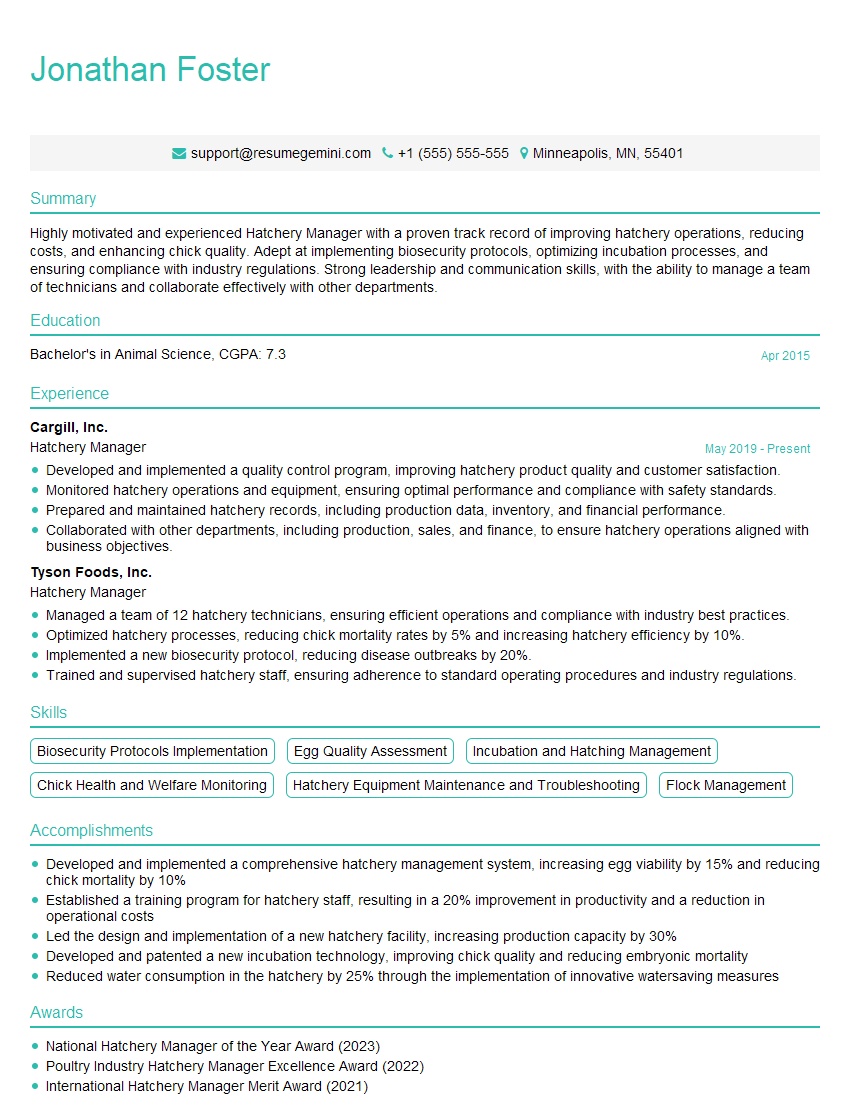
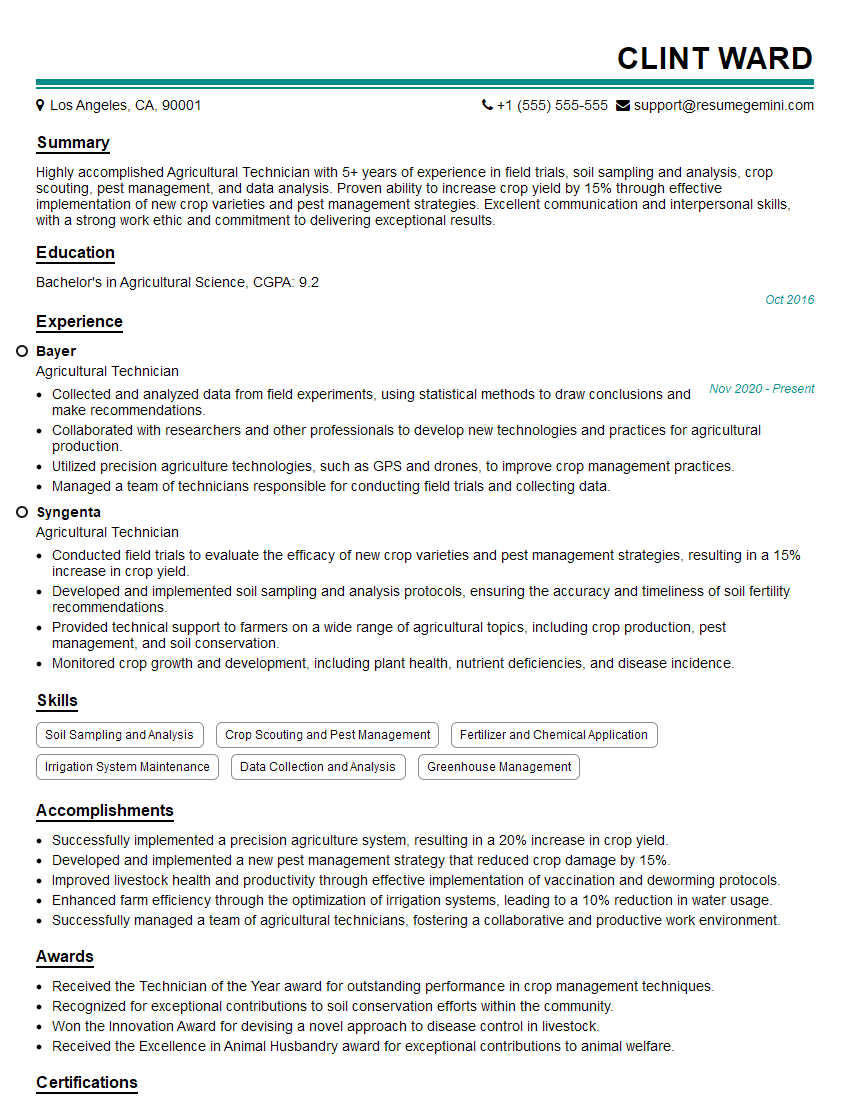
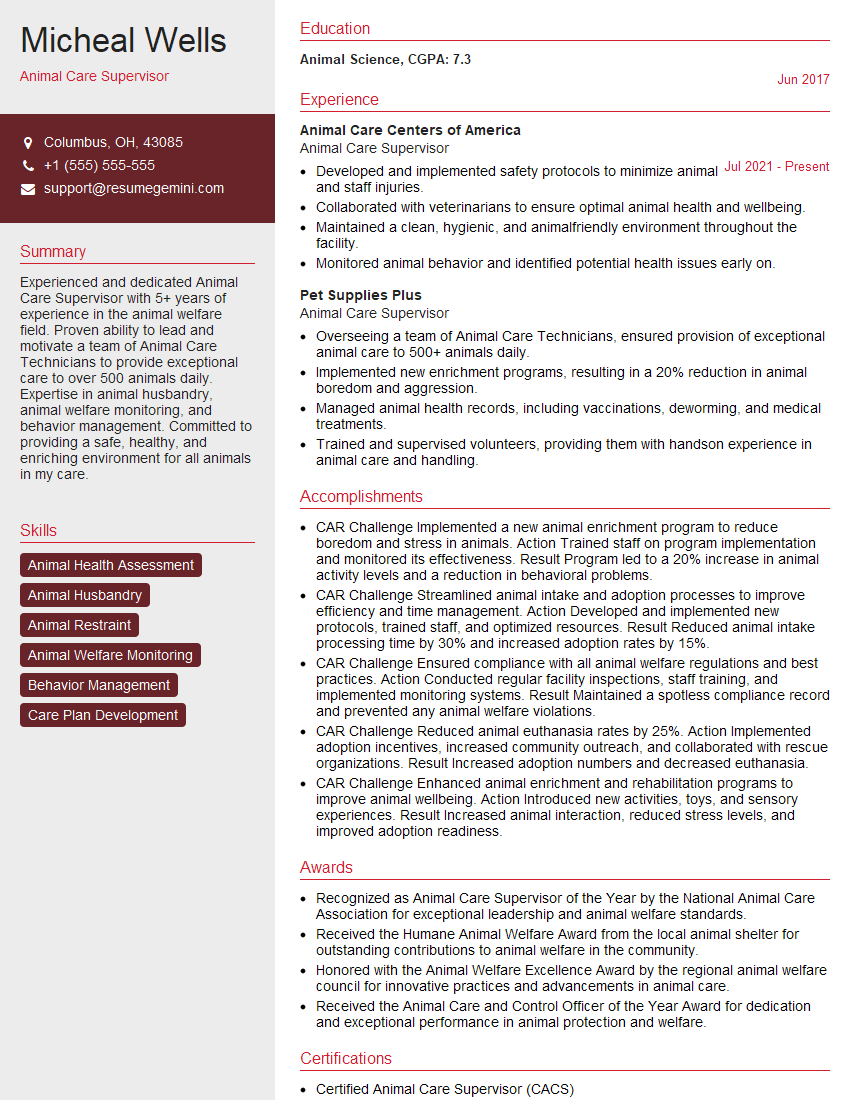
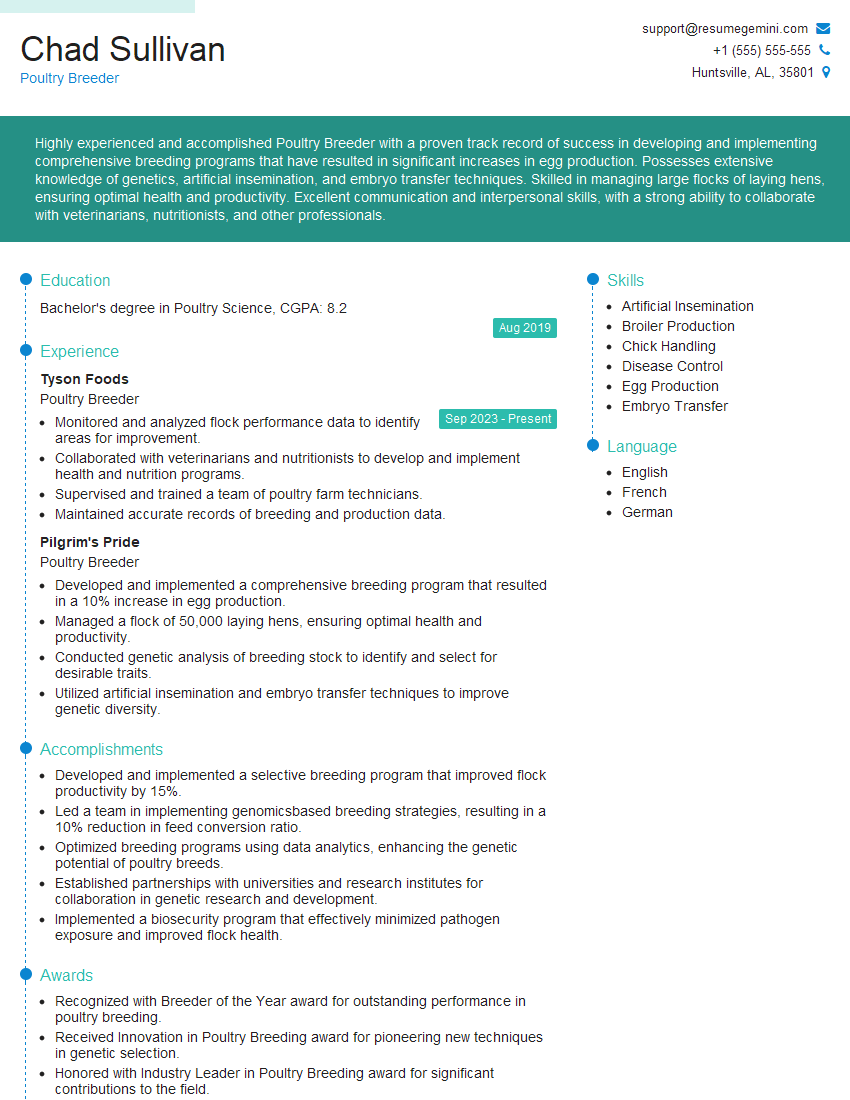
Mastering debeaking and wing trimming techniques opens doors to rewarding careers in poultry farming and animal welfare. A strong understanding of these procedures demonstrates your commitment to animal care and efficiency. To significantly increase your chances of landing your dream role, creating a compelling, ATS-friendly resume is essential. ResumeGemini is a trusted resource to help you build a professional resume that highlights your skills and experience effectively. We provide examples of resumes tailored specifically to Debeaking and Wing Trimming roles to help guide you through this process. Invest time in crafting a strong resume – it’s your first impression with potential employers!
Explore more articles
Users Rating of Our Blogs
Share Your Experience
We value your feedback! Please rate our content and share your thoughts (optional).
What Readers Say About Our Blog
Very informative content, great job.
good