Interviews are more than just a Q&A session—they’re a chance to prove your worth. This blog dives into essential Debt interview questions and expert tips to help you align your answers with what hiring managers are looking for. Start preparing to shine!
Questions Asked in Debt Interview
Q 1. Explain the difference between secured and unsecured debt.
The core difference between secured and unsecured debt lies in the presence of collateral. Secured debt involves a lender providing funds in exchange for a specific asset pledged as collateral. If the borrower defaults, the lender has the right to seize and sell this asset to recover the debt. Think of a mortgage: your house serves as collateral. If you fail to repay the loan, the lender can foreclose on your property. Unsecured debt, on the other hand, doesn’t require any collateral. Credit cards and personal loans are prime examples. If you default on an unsecured loan, the lender may pursue legal action to recover the funds, but they lack the ability to seize a specific asset. The risk for the lender is higher with unsecured debt, leading to typically higher interest rates.
In essence, secured debt offers the lender a safety net, reducing their risk of loss. Conversely, unsecured debt exposes the lender to a greater risk, influencing the terms of the loan agreement.
Q 2. Describe the various types of debt instruments.
The financial world offers a rich variety of debt instruments, each designed for different purposes and risk profiles. Some key examples include:
- Bonds: These are essentially IOUs issued by corporations or governments. Investors lend money in exchange for fixed interest payments and the eventual return of principal. There are many types, including corporate bonds, government bonds (like Treasury bonds), and municipal bonds.
- Loans: These encompass a broad category, ranging from mortgages and auto loans to personal loans and business loans. Loans are typically structured with specific repayment schedules and interest rates.
- Notes: Similar to loans, notes are promissory instruments representing a debt obligation. They can be short-term or long-term.
- Leases: These are agreements where one party gains the right to use an asset owned by another party in exchange for periodic payments. Operating leases and finance leases are common types.
- Commercial Paper: This is a short-term unsecured promissory note issued by corporations to raise short-term funds.
Understanding the nuances of each instrument is crucial for effective debt management and investment strategies. The choice depends heavily on the borrower’s needs and the lender’s risk tolerance.
Q 3. What are the key ratios used in debt analysis?
Analyzing debt involves employing several key financial ratios that offer insights into a borrower’s ability to meet their obligations. Some of the most critical include:
- Debt-to-Equity Ratio: This measures the proportion of a company’s financing that comes from debt versus equity. A high ratio suggests higher financial risk.
- Times Interest Earned Ratio: This indicates a company’s ability to cover its interest expense with its earnings before interest and taxes (EBIT). A lower ratio indicates a greater risk of default.
- Debt Service Coverage Ratio (DSCR): This assesses the ability of a borrower to meet their debt obligations using the net operating income of the property used as collateral. Important for real estate loans.
- Current Ratio: This measures a company’s ability to pay its short-term liabilities with its short-term assets. A low ratio suggests potential liquidity problems.
- Quick Ratio: Similar to the current ratio, but it excludes inventory from current assets, providing a more conservative measure of liquidity.
Analyzing these ratios in conjunction with other financial data provides a comprehensive picture of a borrower’s financial health and their ability to manage their debt.
Q 4. How do you assess the creditworthiness of a borrower?
Assessing creditworthiness involves a thorough evaluation of a borrower’s ability and willingness to repay their debt. This assessment typically involves a multi-faceted approach, including:
- Credit History: Examining past credit behavior, including payment history, credit utilization, and the number of open accounts. Credit scores (like FICO scores) are a common metric.
- Financial Statements: Analyzing income statements, balance sheets, and cash flow statements to understand the borrower’s financial position and capacity to service debt. This is crucial for businesses.
- Collateral: Evaluating the value and liquidity of any assets pledged as collateral for secured debt. Appraisals are often necessary.
- Character: Assessing the borrower’s reputation, track record, and overall management capabilities. This is often subjective and relies on background checks and references.
- Capacity: Evaluating the borrower’s ability to generate sufficient cash flow to meet their debt obligations. This involves projecting future cash flows and comparing them to debt service requirements.
- Conditions: Analyzing the economic environment and the specific circumstances surrounding the loan request.
A holistic evaluation, combining quantitative data with qualitative judgment, is essential for accurately assessing creditworthiness and minimizing the lender’s risk.
Q 5. Explain the concept of debt covenants.
Debt covenants are clauses within a loan agreement that impose restrictions on the borrower’s actions. These restrictions are designed to protect the lender’s interests by reducing the risk of default. Think of them as rules the borrower must follow. Examples include:
- Financial Covenants: These relate to the borrower’s financial performance, such as maintaining a minimum debt-to-equity ratio, minimum liquidity ratios or restrictions on dividend payouts.
- Operational Covenants: These relate to the borrower’s business operations, such as restrictions on mergers or acquisitions or requirements to maintain certain levels of insurance coverage.
- Maintenance Covenants: These require the borrower to maintain certain assets or operational capabilities.
Breaching a covenant can have serious consequences for the borrower, potentially leading to default and accelerated repayment of the debt. Covenants are carefully negotiated and tailored to the specific circumstances of each loan agreement.
Q 6. What is a debt-to-equity ratio, and what does it indicate?
The debt-to-equity ratio is a crucial financial metric that measures the proportion of a company’s financing that is attributed to debt compared to equity. It’s calculated as:
Debt-to-Equity Ratio = Total Debt / Total Equity
This ratio provides insights into a company’s financial leverage and risk. A higher debt-to-equity ratio indicates that a company is using more debt financing relative to equity financing. This can suggest increased financial risk, as a larger portion of the company’s assets are financed by debt obligations that must be repaid. However, a moderate level of debt can be beneficial, as it can allow a company to invest in growth opportunities. The optimal ratio varies depending on industry, company size, and economic conditions. A high ratio might signal potential financial distress, while a very low ratio might suggest underutilization of debt financing.
Q 7. How do you calculate the weighted average cost of capital (WACC)?
The weighted average cost of capital (WACC) represents the average rate a company expects to pay to finance its assets. It’s a crucial metric for evaluating investment projects and determining a company’s overall cost of capital. The calculation takes into account the cost of different financing sources, weighted by their respective proportions in the company’s capital structure. The formula is:
WACC = (E/V) * Re + (D/V) * Rd * (1 - Tc)
Where:
E= Market value of equityD= Market value of debtV= E + D (Total value of the firm)Re= Cost of equityRd= Cost of debtTc= Corporate tax rate
The WACC is used as a discount rate in discounted cash flow (DCF) analysis to evaluate the profitability of potential investments. A lower WACC indicates that a company is financing its assets at a lower average cost, implying a higher potential for profitability.
Q 8. What is the impact of rising interest rates on debt servicing?
Rising interest rates directly impact debt servicing by increasing the cost of borrowing. Imagine your debt as a loan; higher interest rates mean you pay more each month for the same amount borrowed. This is because the interest component of your monthly payment, which is calculated as a percentage of the outstanding principal, increases proportionally with the interest rate.
For example, if you have a $100,000 loan at a 5% interest rate, your monthly payment will be lower than if the interest rate jumps to 7%. This increased cost can significantly strain borrowers’ budgets and affect their ability to meet their debt obligations, potentially leading to defaults or financial distress. Businesses may need to restructure their debt or reduce other expenses to offset this increase.
The impact is felt most acutely by borrowers with variable-rate loans, where interest rates adjust periodically, unlike fixed-rate loans where the rate remains constant throughout the loan term. Governments and central banks closely monitor the impact of interest rate changes on debt servicing levels to gauge the overall health of the economy.
Q 9. Explain the concept of debt restructuring.
Debt restructuring involves modifying the terms of an existing debt agreement to make it more manageable for the borrower. Think of it as renegotiating the terms of a loan to improve affordability or reduce the risk of default. This often involves extending the repayment period, lowering the interest rate, reducing the principal amount, or converting the debt into equity.
Several factors trigger debt restructuring, such as financial distress, economic downturns, or changes in market conditions. For example, a company facing declining revenues might negotiate with its lenders to extend the repayment period of its loans to ease the pressure on its cash flow. Restructuring can involve negotiations between the borrower and lenders, often facilitated by financial advisors or restructuring specialists. The process is complex and requires careful consideration of various factors, including legal and regulatory requirements.
Successful debt restructuring can prevent bankruptcy, give companies time to recover, and preserve jobs. However, it can also involve significant costs and may lead to a loss of control for the borrower. The outcome depends heavily on the willingness of the lenders to cooperate and the borrower’s ability to demonstrate a viable recovery plan.
Q 10. Describe different debt repayment strategies.
Different debt repayment strategies depend on the type of debt, the borrower’s financial situation, and their risk tolerance. Common strategies include:
- Debt Snowball Method: This prioritizes paying off the smallest debts first to build momentum and motivation. It’s psychologically rewarding but may not be the most financially efficient.
- Debt Avalanche Method: This prioritizes paying off the highest-interest debts first, minimizing the total interest paid over time. It’s financially efficient but may be less motivating in the early stages.
- Debt Consolidation: This involves combining multiple debts into a single loan, often with a lower interest rate. It simplifies payments but may extend the repayment period.
- Balance Transfer: This involves transferring high-interest debt to a credit card with a lower introductory interest rate. It provides short-term relief but requires careful management to avoid accumulating new debt.
- Negotiating with Creditors: This can involve requesting lower interest rates, reduced monthly payments, or a debt settlement. Success depends on the creditor’s willingness to negotiate.
The best strategy depends on individual circumstances. Financial advisors can help individuals develop a personalized debt repayment plan that aligns with their financial goals and risk tolerance.
Q 11. How do you evaluate the risk associated with different types of debt?
Evaluating the risk associated with different types of debt requires a multifaceted approach. Key considerations include:
- Creditworthiness of the borrower: Higher credit ratings indicate lower risk, as the borrower is more likely to repay the debt. This can be assessed using credit scores, financial statements, and other relevant data.
- Type of debt: Secured debt (backed by collateral) carries lower risk than unsecured debt (not backed by collateral). Senior debt (priority claim in bankruptcy) is less risky than subordinated debt (lower priority claim).
- Interest rate and repayment terms: Higher interest rates and shorter repayment periods can increase risk, especially in a volatile economic environment. Variable interest rates introduce additional uncertainty.
- Covenants and restrictions: The terms of the loan agreement, including covenants and restrictions on the borrower’s activities, can impact the risk profile of the debt.
- Market conditions: Economic conditions and market volatility can affect the borrower’s ability to repay the debt. For example, during a recession, the default risk of corporate bonds may increase significantly.
Sophisticated models, such as credit scoring algorithms and discounted cash flow analysis, are used to quantify and compare the risk across different debt instruments.
Q 12. What are the key considerations when structuring a debt financing transaction?
Structuring a debt financing transaction requires careful consideration of several key factors:
- Purpose of financing: The intended use of the funds will influence the type of debt and the structuring of the transaction. For example, acquiring another company typically involves leveraged buyouts, whereas building a new factory might require long-term project finance.
- Maturity and repayment schedule: This must be aligned with the borrower’s cash flow projections and risk profile. Shorter maturities reduce risk but might limit flexibility, while longer maturities reduce immediate repayment pressure but increase the risk of interest rate changes.
- Interest rate and fees: Negotiating favorable terms requires understanding market conditions and the borrower’s creditworthiness. Fixed vs. variable rate also requires close examination.
- Covenants and restrictions: These clauses protect the lender’s interests by placing restrictions on the borrower’s actions. These need careful negotiation to ensure they don’t unduly restrict the borrower’s operations.
- Security and collateral: Providing collateral reduces the lender’s risk and can lead to more favorable terms. However, this ties up the borrower’s assets.
- Legal and regulatory compliance: The transaction must comply with all applicable laws and regulations, including disclosure requirements and anti-fraud provisions.
Experienced financial professionals are crucial in navigating these complexities and ensuring a successful debt financing transaction. A poorly structured transaction can lead to significant financial distress for the borrower.
Q 13. Explain the concept of leverage and its impact on a company’s financial health.
Leverage refers to the use of debt to finance a company’s assets or operations. Think of it as using borrowed money to amplify returns (or losses). A company with high leverage has a large proportion of its assets financed by debt, while a company with low leverage relies more on equity financing.
The impact of leverage on a company’s financial health is a double-edged sword. On one hand, it can amplify returns during periods of growth, allowing for faster expansion and higher profitability. On the other hand, it increases financial risk because the company has higher fixed debt obligations (interest payments) that must be met even if revenues decline. During economic downturns, high leverage can quickly lead to financial distress or bankruptcy if the company is unable to service its debt.
Analyzing a company’s leverage typically involves calculating ratios like the debt-to-equity ratio, debt-to-asset ratio, and times interest earned ratio. These ratios provide insights into the company’s ability to meet its debt obligations and its overall financial stability. Excessive leverage can make a company vulnerable to economic shocks and potentially lead to its downfall.
Q 14. How do you analyze a company’s debt profile?
Analyzing a company’s debt profile involves a thorough examination of its debt structure, maturity profile, and the associated risks. The process typically includes:
- Reviewing financial statements: Analyzing balance sheets to identify the types of debt (short-term, long-term, secured, unsecured), their amounts, and maturity dates. Analyzing income statements to evaluate the company’s ability to service its debt.
- Calculating key debt ratios: Evaluating leverage ratios such as debt-to-equity ratio, debt-to-asset ratio, and interest coverage ratio to assess the company’s financial risk.
- Analyzing the debt maturity profile: Examining the timing of debt repayments to identify potential refinancing risks. A large concentration of debt maturing in the near term indicates higher refinancing risk.
- Assessing the terms of debt agreements: Reviewing loan covenants, interest rates, and other terms to understand the obligations and restrictions placed on the company.
- Considering market conditions: Evaluating the impact of prevailing interest rates, economic conditions, and market sentiment on the company’s debt servicing capacity.
By systematically analyzing these aspects, a comprehensive picture of the company’s debt profile emerges, allowing for a thorough assessment of its financial strength and potential risks. This analysis is critical for investors, creditors, and other stakeholders making informed decisions about the company.
Q 15. What is the difference between a term loan and a revolving credit facility?
The core difference between a term loan and a revolving credit facility lies in their flexibility and repayment structure. A term loan is a fixed amount of money borrowed for a specific period, with a predetermined repayment schedule (e.g., monthly installments over five years). Think of it like a mortgage: you borrow a lump sum and pay it back in regular chunks over time. The interest rate is usually fixed for the loan’s duration.
In contrast, a revolving credit facility, like a credit card, provides a line of credit that you can borrow from and repay multiple times within a specific period. You only pay interest on the outstanding balance. You can borrow up to your credit limit, repay some, and borrow again, as long as you remain within the agreed-upon terms. Interest rates on revolving credit are often variable, adjusting with market conditions.
Example: Imagine a small business needs funding. A term loan might be suitable for purchasing equipment; the business borrows a set amount to purchase a machine and repays it in fixed installments. A revolving credit facility would be better for managing short-term cash flow needs; the business can borrow money as needed to cover expenses and repay it as cash flow improves.
Career Expert Tips:
- Ace those interviews! Prepare effectively by reviewing the Top 50 Most Common Interview Questions on ResumeGemini.
- Navigate your job search with confidence! Explore a wide range of Career Tips on ResumeGemini. Learn about common challenges and recommendations to overcome them.
- Craft the perfect resume! Master the Art of Resume Writing with ResumeGemini’s guide. Showcase your unique qualifications and achievements effectively.
- Don’t miss out on holiday savings! Build your dream resume with ResumeGemini’s ATS optimized templates.
Q 16. What are the common methods used to forecast future debt payments?
Forecasting future debt payments involves a combination of historical data, projected financial performance, and economic assumptions. Common methods include:
- Historical Analysis: Reviewing past debt payment patterns to identify trends and seasonality. This provides a baseline for future projections.
- Pro Forma Financial Statements: Developing projected income statements, balance sheets, and cash flow statements to estimate future cash flows available for debt servicing. This helps assess the ability to meet future debt obligations.
- Debt Service Coverage Ratio (DSCR): Calculating the DSCR (Net Operating Income / Total Debt Service) to assess the ability to cover debt payments. A higher DSCR indicates a greater capacity to handle debt.
- Regression Analysis: Using statistical methods to identify relationships between debt payments and relevant factors (e.g., revenue, operating costs). This can help predict future debt payments based on projected values of these factors.
- Sensitivity Analysis: Testing the impact of different scenarios (e.g., changes in interest rates, revenue growth) on projected debt payments. This helps assess the risk associated with forecasts.
Example: A company might use historical debt payments, projected revenue growth of 10%, and a conservative estimate of operating expenses to project its debt service capacity over the next five years using pro forma financial statements and DSCR analysis.
Q 17. Describe your experience with debt modeling.
My debt modeling experience spans various scenarios, including leveraged buyouts, restructuring, and financial forecasting. I’m proficient in using spreadsheet software (like Excel) and specialized financial modeling tools to build comprehensive models. My models typically incorporate key assumptions about interest rates, revenue growth, operating costs, and capital expenditures. I’ve developed models for both individual companies and entire portfolios of debt instruments. I carefully validate the model’s outputs against industry benchmarks and historical data to ensure accuracy and reliability. A key component is scenario planning; my models incorporate different economic outlooks (optimistic, pessimistic, and base case) to assess debt sustainability under various conditions. This allows for a more nuanced understanding of potential risks and opportunities.
For instance, in one project, I built a complex model for a distressed company to assess different restructuring strategies. This involved testing various debt repayment plans to determine the optimal approach for maximizing shareholder value while ensuring creditor satisfaction. The models helped to effectively communicate the financial implications of different options to stakeholders involved in the restructuring process.
Q 18. How do you identify and mitigate debt-related risks?
Identifying and mitigating debt-related risks requires a proactive and multi-faceted approach. Key steps include:
- Comprehensive Due Diligence: Thoroughly assessing the borrower’s creditworthiness, including their financial health, cash flow generation, and industry dynamics. This includes reviewing financial statements, conducting industry analysis, and performing credit scoring.
- Stress Testing: Evaluating the borrower’s ability to repay debt under adverse economic conditions (e.g., recession, industry downturn). This involves adjusting key assumptions in financial models to reflect pessimistic scenarios.
- Diversification: Spreading investments across different debt instruments and borrowers to minimize the impact of potential defaults. This reduces the overall risk exposure.
- Hedging: Using financial instruments (e.g., interest rate swaps, credit default swaps) to protect against potential losses from changes in interest rates or credit quality.
- Covenant Monitoring: Closely tracking the borrower’s compliance with debt covenants (e.g., maintaining certain financial ratios). This provides early warnings of potential issues.
Example: A lender might require a borrower to maintain a minimum debt-to-equity ratio as a covenant. Regular monitoring of this ratio would alert the lender to any potential issues and allow for proactive intervention before a default occurs.
Q 19. What is your experience with financial reporting related to debt?
My experience with financial reporting related to debt is extensive. I’ve been responsible for preparing and reviewing financial statements, including disclosures related to debt instruments, such as bonds and loans. This includes ensuring compliance with relevant accounting standards (e.g., IFRS, GAAP). I have expertise in preparing debt schedules, analyzing debt covenants, and disclosing material information about debt obligations in accordance with regulatory requirements. I am also well-versed in using accounting software to track and manage debt transactions. My experience covers a wide range of industries and organizational structures. I’m comfortable working with both internal and external stakeholders, explaining complex financial information clearly and concisely.
For example, I’ve prepared financial statements for companies undergoing debt restructurings, ensuring accurate and transparent reporting of the changes in their debt obligations.
Q 20. Explain the concept of default risk.
Default risk, also known as credit risk, is the probability that a borrower will fail to meet its debt obligations (e.g., miss loan payments, fail to repay a bond). The likelihood of default depends on several factors, primarily the borrower’s financial health and the economic environment. A borrower with weak financial performance, high leverage, and limited cash flow is at a higher risk of default. Similarly, macroeconomic factors like recessions can increase default risk across the board.
Example: A company with high debt levels, declining profitability, and weak cash flow is at a significantly higher risk of default than a company with low debt, strong profitability, and abundant cash flow. If an economic recession hits, even financially strong companies may face higher default risk due to decreased demand and tighter credit markets.
Q 21. How do you use financial statements to assess a company’s debt capacity?
Financial statements are crucial for assessing a company’s debt capacity. I use key ratios and metrics derived from the balance sheet, income statement, and cash flow statement to understand a company’s ability to take on additional debt without jeopardizing its financial health.
- Debt-to-Equity Ratio: This ratio (Total Debt / Total Equity) indicates the proportion of financing from debt versus equity. A high ratio suggests a higher reliance on debt and therefore potentially higher risk.
- Interest Coverage Ratio: This ratio (EBIT / Interest Expense) measures the ability to cover interest payments with earnings before interest and taxes. A low ratio signals difficulty in meeting interest obligations.
- Debt Service Coverage Ratio (DSCR): As mentioned earlier, this ratio measures the ability to cover all debt service payments (principal and interest). A DSCR below 1 indicates the company is not generating enough cash to cover its debt obligations.
- Cash Flow from Operations: Analyzing the cash generated from the company’s core operations is critical. Strong operating cash flow provides a cushion for debt repayments.
- Leverage Ratios: Combining several metrics like Debt-to-Asset Ratio, Debt-to-Capital Ratio, to provide a holistic perspective on the company’s leverage and risk profile.
By analyzing these ratios in conjunction with an understanding of the company’s industry, competitive landscape, and management team, I can form a comprehensive assessment of its debt capacity. It’s crucial to remember that no single ratio tells the whole story; a comprehensive analysis of the financial statements is necessary for a robust assessment.
Q 22. What is your experience with different debt valuation methods?
Debt valuation involves assessing the fair market value of a debt instrument. Different methods are employed depending on the type of debt and available information. My experience encompasses several key approaches:
- Income Approach: This method discounts future cash flows (interest payments and principal repayment) expected from the debt instrument to its present value. This is particularly useful for valuing bonds or loans with predictable cash flows. For example, valuing a corporate bond involves estimating future coupon payments and the principal repayment, then discounting them using an appropriate discount rate reflecting the risk associated with the bond.
- Market Approach: This compares the subject debt to similar debt instruments that have recently traded in the market. This is effective when comparable debt exists. For instance, when valuing a bank loan, we’d look at similar loans traded in the secondary market, adjusting for differences in terms and credit quality.
- Asset Approach: This method focuses on the value of the assets securing the debt. This is crucial for secured debt like mortgages or asset-backed securities. The value of the underlying collateral (e.g., real estate) is estimated and used to assess the debt’s value. For example, determining the value of a mortgage would involve appraising the property securing the loan.
I’ve successfully applied these methods in various scenarios, including valuing distressed debt, performing due diligence on loan portfolios, and advising on mergers and acquisitions involving substantial debt obligations.
Q 23. How do you manage conflicting priorities when dealing with debt issues?
Managing conflicting priorities in debt situations often requires a structured approach. For example, a distressed company might need to balance immediate liquidity needs with long-term debt restructuring. My strategy typically involves:
- Prioritization Matrix: I create a matrix that ranks stakeholders’ interests (e.g., creditors, equity holders, management) and their corresponding priorities. This helps visualize trade-offs and identify the most critical issues.
- Negotiation and Communication: Open and transparent communication with all stakeholders is crucial. I actively negotiate to find mutually acceptable solutions, emphasizing win-win outcomes whenever possible. For example, I might negotiate with creditors to extend repayment terms in exchange for increased interest rates or equity.
- Scenario Planning: I develop multiple scenarios to anticipate potential outcomes and prepare contingency plans. This helps mitigate risks and ensure a robust solution even if unforeseen events occur.
- Data-Driven Decision Making: All decisions are based on thorough financial analysis and modeling. This allows for informed choices and demonstrates credibility to stakeholders.
Effectively navigating these conflicts involves skillful diplomacy and a thorough understanding of the financial intricacies of the situation.
Q 24. Explain your experience in using debt management software or systems.
My experience with debt management software includes extensive use of platforms like Bloomberg Terminal, FactSet, and bespoke internal systems. These systems are invaluable for tracking debt portfolios, analyzing credit risk, managing covenants, and automating reporting.
Specifically, I’m proficient in using these systems to:
- Portfolio Monitoring: Track maturity dates, interest rates, and credit ratings of debt instruments.
- Risk Assessment: Analyze credit risk and stress test portfolios against various economic scenarios.
- Compliance Reporting: Generate reports for regulatory compliance and internal management.
- Data Analysis: Utilize advanced analytical tools to identify trends and make informed decisions about debt strategy.
These systems significantly increase efficiency and reduce manual error, enabling effective management of even large and complex debt portfolios.
Q 25. Describe your experience with negotiating debt terms.
Negotiating debt terms requires a combination of strong analytical skills and persuasive communication. My approach involves:
- Thorough Preparation: Before negotiations, I thoroughly analyze the debtor’s financial position, assess the market conditions, and develop a range of potential negotiation outcomes.
- Understanding Counterparty Needs: I strive to understand the creditor’s motivations and concerns. This helps tailor the negotiation strategy and identify mutually beneficial solutions.
- Value Creation: I focus on creating value for both parties. This might involve structuring creative financing solutions, offering collateral, or making concessions in exchange for favorable terms.
- Strategic Concessions: I identify areas where concessions can be made strategically to secure more favorable terms in other aspects of the negotiation.
For example, in one case, I negotiated a debt restructuring for a struggling business by extending the repayment period and reducing the interest rate in exchange for increased equity participation for the lender. This preserved the business while protecting the creditor’s interests.
Q 26. How do you stay current with changes in debt markets and regulations?
Staying current in the dynamic debt markets and regulatory landscape requires a multifaceted approach. I regularly engage in:
- Industry Publications: I subscribe to leading financial publications like the Financial Times, Wall Street Journal, and specialized journals on credit and debt markets.
- Conferences and Webinars: I attend industry conferences and participate in webinars to stay abreast of the latest trends, regulations, and best practices.
- Networking: I actively network with colleagues and industry professionals to exchange information and insights.
- Regulatory Updates: I monitor regulatory changes from bodies like the SEC (in the US) or equivalent regulatory bodies internationally, ensuring compliance with all relevant laws.
This continuous learning process is crucial to adapting my strategies and providing accurate and up-to-date advice.
Q 27. Describe a challenging debt-related situation you’ve encountered and how you resolved it.
One challenging situation involved a distressed real estate investment trust (REIT) facing impending defaults on several large loans. The value of their underlying properties had significantly declined due to an unforeseen downturn in the market. The challenge lay in preventing a fire sale of assets, which would have resulted in significant losses for both the REIT and its creditors.
My approach involved:
- Comprehensive Financial Analysis: I conducted a thorough analysis of the REIT’s financial position, including a detailed valuation of its assets and liabilities.
- Negotiation with Creditors: I initiated negotiations with the creditors, highlighting the potential benefits of a restructuring over immediate liquidation. This involved demonstrating that a restructured REIT would likely generate higher returns for creditors in the long run.
- Restructuring Plan: I developed a comprehensive restructuring plan that included extending loan maturities, reducing interest rates, and potentially converting some debt to equity.
- Securing New Financing: We also identified potential sources of new financing to support the REIT’s operations during the restructuring period.
The successful negotiation of a comprehensive restructuring plan prevented a fire sale and preserved value for all stakeholders. The REIT was ultimately able to recover and resume profitable operations.
Q 28. What are your strengths and weaknesses in managing debt?
My strengths in managing debt lie in my strong analytical skills, my ability to navigate complex negotiations, and my deep understanding of financial markets and regulations. I’m a strategic thinker who can develop creative solutions to challenging situations. I’m also a highly effective communicator, able to explain complex financial concepts clearly to diverse audiences.
A potential area for development is further enhancing my familiarity with certain specialized debt products in emerging markets. While I have a broad understanding of debt instruments globally, continuous learning in this area would make me even more versatile and effective.
Key Topics to Learn for Debt Interview
- Debt Structuring: Understand different types of debt (senior, subordinated, secured, unsecured), their characteristics, and implications for a company’s capital structure. Consider practical applications like choosing optimal debt instruments for various financing needs.
- Credit Analysis: Master the fundamentals of credit risk assessment, including financial ratio analysis, cash flow forecasting, and covenant compliance. Explore real-world scenarios such as evaluating the creditworthiness of a potential borrower.
- Debt Valuation: Learn to value different types of debt securities using discounted cash flow techniques and comparable company analysis. Understand the impact of interest rates, credit spreads, and other market factors on debt valuations.
- Debt Restructuring and Workout: Familiarize yourself with the processes involved in restructuring distressed debt, including negotiation strategies, legal frameworks, and potential outcomes. Analyze case studies to understand practical applications.
- Debt Markets and Regulations: Understand the dynamics of the debt capital markets, including the role of various market participants (e.g., banks, investment banks, rating agencies). Explore relevant regulations and their impact on debt issuance and trading.
- Financial Modeling (Debt Focus): Develop proficiency in building financial models that incorporate debt financing, including debt amortization schedules, interest expense calculations, and leverage ratios. Practice building models for different debt structures.
- Leveraged Buyouts (LBOs): If relevant to your target role, understand the financing structures used in LBO transactions and their impact on the target company’s capital structure and risk profile.
Next Steps
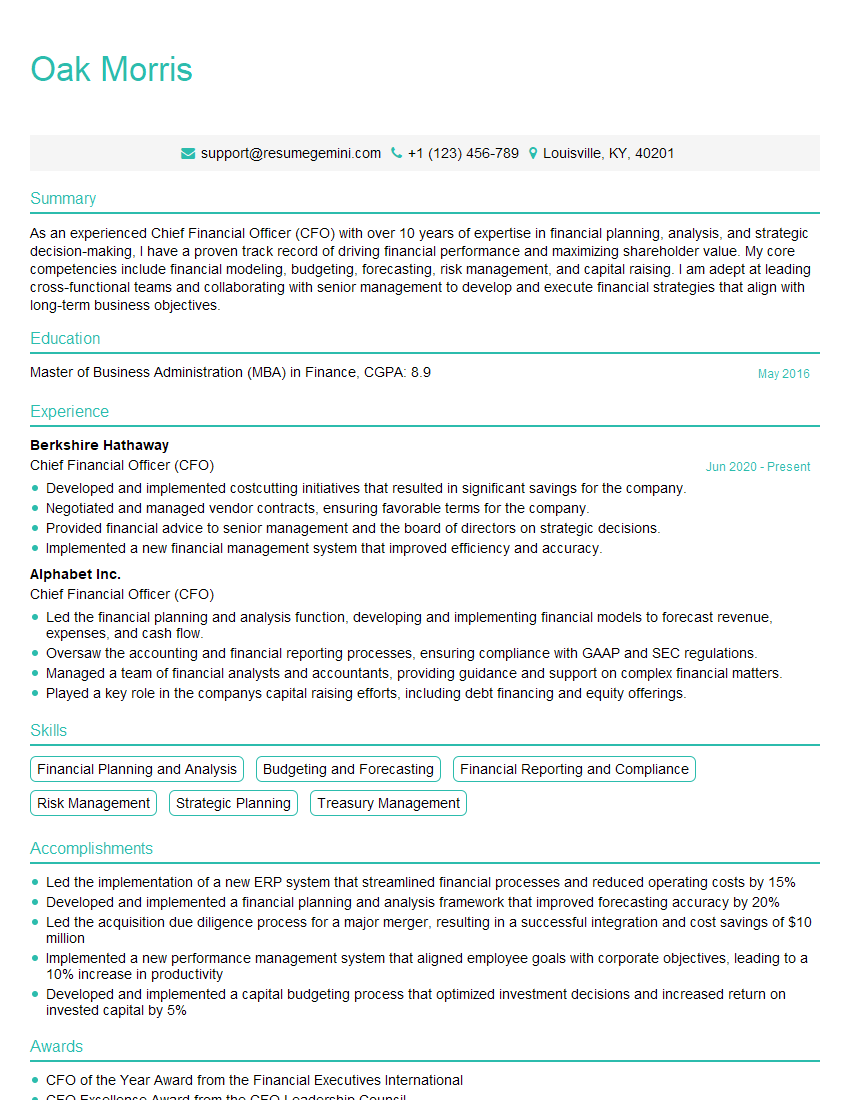
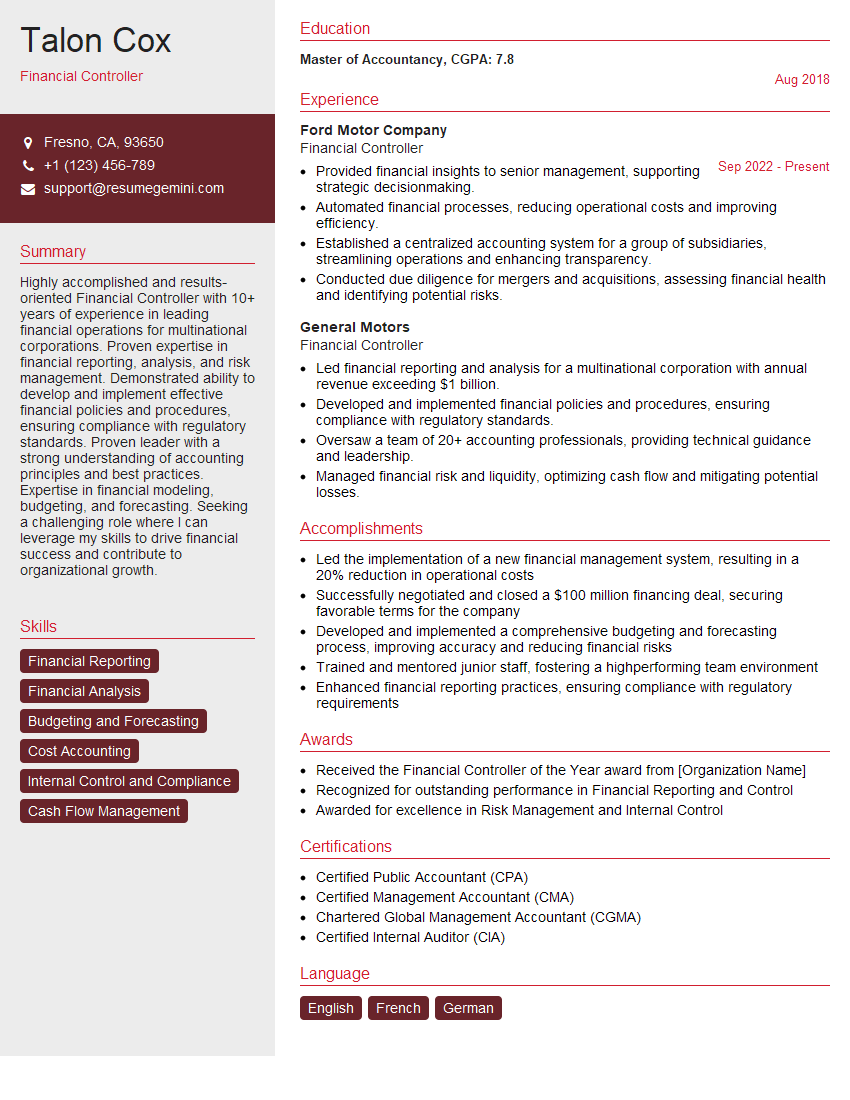
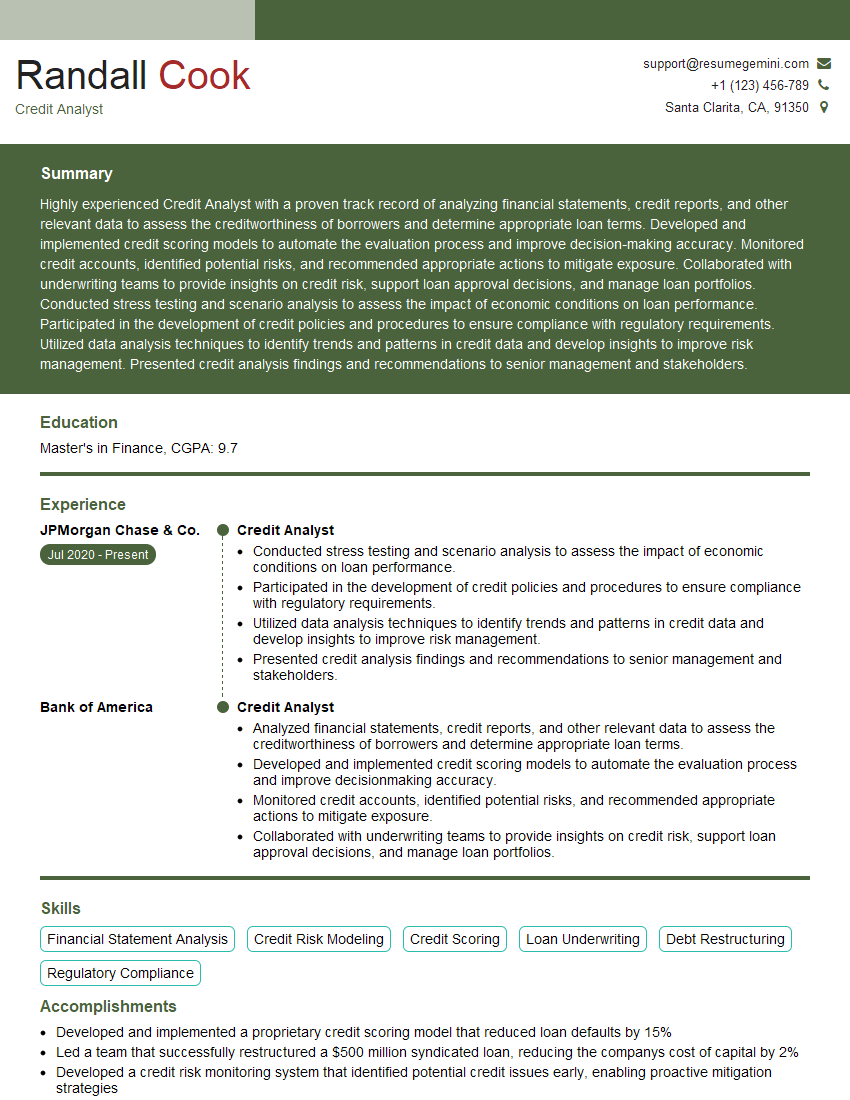
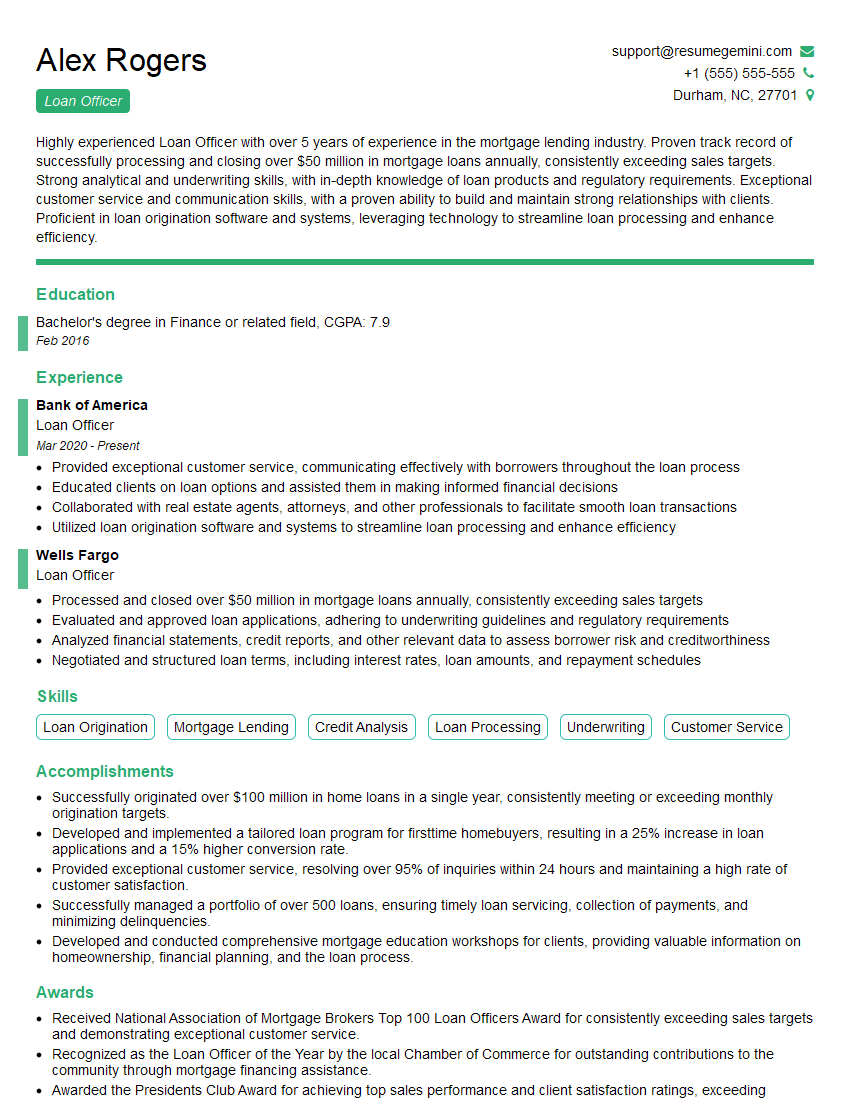
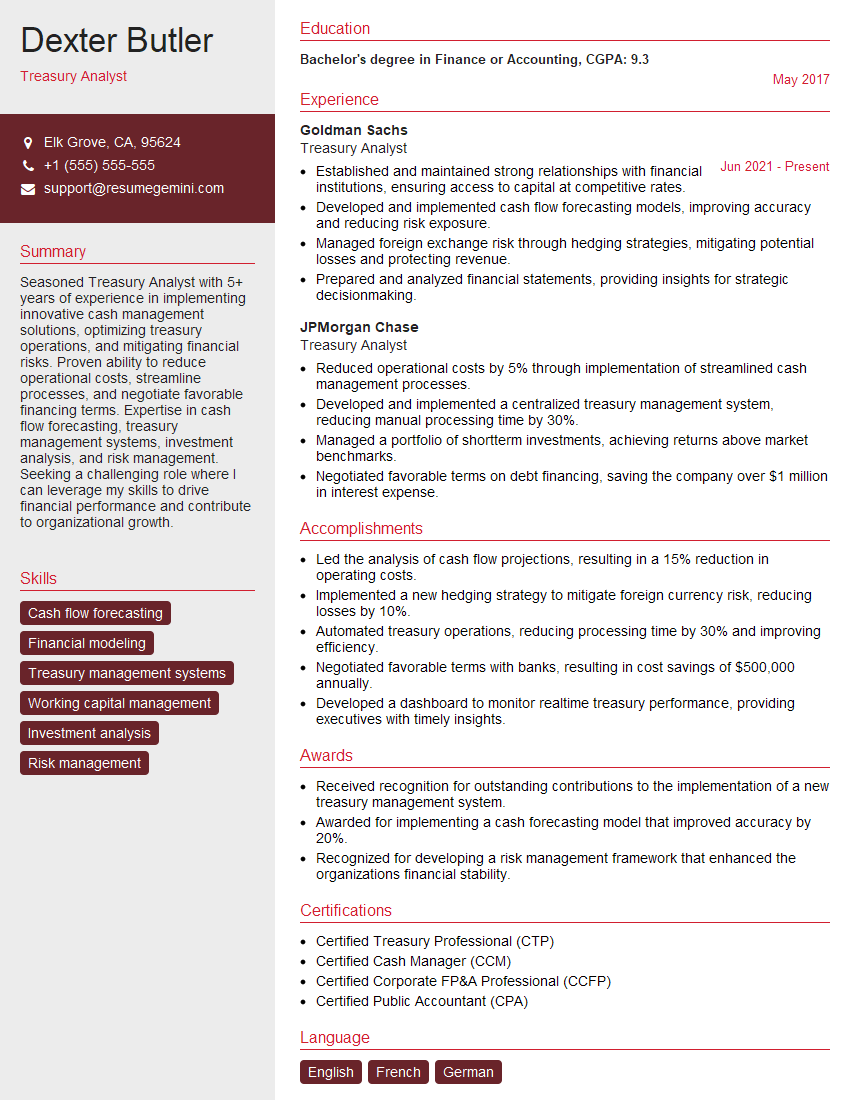
Mastering debt-related concepts is crucial for career advancement in finance, opening doors to exciting opportunities in investment banking, corporate finance, and credit analysis. To significantly increase your chances of landing your dream role, create an ATS-friendly resume that highlights your skills and experience effectively. ResumeGemini is a trusted resource to help you build a professional and impactful resume that stands out from the competition. Examples of resumes tailored to Debt roles are available to guide your resume-building process, ensuring you present your qualifications in the most compelling way.
Explore more articles
Users Rating of Our Blogs
Share Your Experience
We value your feedback! Please rate our content and share your thoughts (optional).
What Readers Say About Our Blog
Very informative content, great job.
good