Cracking a skill-specific interview, like one for Defusing and troubleshooting chip jams, requires understanding the nuances of the role. In this blog, we present the questions you’re most likely to encounter, along with insights into how to answer them effectively. Let’s ensure you’re ready to make a strong impression.
Questions Asked in Defusing and troubleshooting chip jams Interview
Q 1. Describe your experience with identifying and resolving chip jams in various manufacturing processes.
My experience in identifying and resolving chip jams spans over ten years in various semiconductor manufacturing environments. I’ve worked with diverse processes, including wafer fabrication, packaging, and testing. I’ve handled jams in different equipment, from high-throughput automated systems to more manual processes. My approach is always systematic, starting with careful observation to pinpoint the location and nature of the jam, followed by a methodical analysis of potential causes and implementing the most appropriate resolution strategy. For instance, in one instance, a seemingly simple jam in a pick-and-place machine turned out to be caused by a subtle misalignment in the feeder mechanism. This required a careful adjustment rather than a brute-force approach, preventing further damage. In another case, a complex jam in a wire-bonding machine involved a thorough investigation of the wire feed, bonding head, and substrate positioning, leading to the identification of a faulty sensor.
I’ve successfully resolved numerous jams, minimizing downtime and maximizing production efficiency. My expertise includes not just the immediate fix, but also preventative measures to avoid recurrence, such as optimizing machine settings and implementing proactive maintenance schedules. I’m confident in my ability to handle various scenarios and quickly diagnose even the most challenging chip jams.
Q 2. What are the common causes of chip jams in semiconductor manufacturing?
Chip jams in semiconductor manufacturing are unfortunately quite common and can stem from a multitude of sources. Some of the most frequent causes include:
- Material issues: Problems with the chips themselves, like static cling, broken chips, or variations in chip size or shape, can lead to jams. Think of it like trying to push mismatched blocks through a narrow chute.
- Mechanical failures: Wear and tear on machinery, including conveyor belts, feeders, or grippers, can cause chips to get stuck or misaligned. Imagine a worn conveyor belt slowing down and causing a pile-up.
- Environmental factors: Dust, debris, or even temperature fluctuations can affect chip movement and cause jams. Like having sand in the gears of a machine.
- Process parameter issues: Incorrect machine settings, such as insufficient vacuum pressure or vibration, can also contribute to jams. This is like a car engine not running smoothly because of an improperly calibrated fuel mixture.
- Software glitches: In automated systems, software errors can lead to incorrect movements or timing, causing jams. Think of a traffic jam caused by a malfunctioning traffic light system.
Identifying the root cause requires careful observation and often a systematic elimination process to isolate the culprit.
Q 3. Explain the different types of chip jams and their respective troubleshooting methods.
Chip jams manifest in various ways, requiring distinct troubleshooting approaches. Broadly, we can categorize them as:
- Complete jams: These are severe blockages where chips are completely immobilized. Troubleshooting typically involves carefully dismantling the affected section of the equipment to clear the obstruction, following rigorous safety procedures.
- Partial jams: Here, chips are partially obstructed, leading to reduced throughput. This might require adjustments to machine settings, cleaning debris, or minor repairs.
- Intermittent jams: These occur sporadically, making diagnosis challenging. A systematic approach of observing patterns and utilizing data logging is crucial. The cause might be subtle variations in chip characteristics or environmental conditions.
Troubleshooting methods vary accordingly. For complete jams, physical access and careful removal of jammed chips are essential. For partial jams, adjustments and cleaning might suffice. Intermittent jams require more investigation, often involving data analysis and process parameter adjustments.
Q 4. How do you prioritize troubleshooting steps when dealing with a chip jam?
Prioritizing troubleshooting steps is critical in minimizing downtime. My approach follows a structured methodology:
- Safety First: Always prioritize safety. Power down equipment, lock out and tag out as needed.
- Assessment and Observation: Carefully assess the situation: Is it a complete or partial jam? Where is it located? What are the symptoms? Observe the machine’s behavior closely.
- Quick Checks: Perform simple checks such as ensuring sufficient material supply, verifying machine settings, and examining for obvious obstructions.
- Systematic Elimination: If the issue persists, start a systematic elimination process. Focus on the most likely causes based on the observations. Check for broken parts, misalignments, and debris.
- Data Analysis: Use machine logs, sensor data, and process parameters to look for trends or patterns hinting at the root cause of intermittent jams.
- Escalation: If unable to resolve the problem independently, escalate to engineering or maintenance personnel.
This systematic approach ensures efficiency and prevents unnecessary steps. Remember, time is of the essence in these situations.
Q 5. What safety precautions do you follow when troubleshooting chip jams?
Safety is paramount when troubleshooting chip jams. I always follow these precautions:
- Lockout/Tagout (LOTO): Before any work, I ensure the equipment is properly powered down and locked out using LOTO procedures. This prevents accidental activation and injury.
- Personal Protective Equipment (PPE): I wear appropriate PPE, including safety glasses, gloves, and anti-static clothing, to protect against potential hazards such as sharp objects or static discharge.
- ESD Precautions: I handle chips and equipment with care to prevent electrostatic discharge (ESD), which can damage sensitive components.
- Proper Tools and Techniques: I use appropriate tools for the task, ensuring their proper maintenance and usage. I avoid forcing anything, as this can cause damage.
- Environmental Awareness: I assess the surrounding environment for hazards, such as spilled chemicals or potential tripping hazards.
- Training and Competence: I only undertake tasks within my training and competence level. If I’m unsure, I consult with more experienced colleagues.
These steps create a safe working environment and minimize the risk of accidents.
Q 6. What tools and equipment are commonly used to resolve chip jams?
Resolving chip jams often requires a variety of tools and equipment. The specific tools depend on the nature of the jam and the type of machinery involved. Some common tools include:
- Compressed air: For gently removing loose debris or dislodging lightly jammed chips.
- Vacuum system: For removing smaller particles or dust.
- Tweezers or vacuum pen: For carefully removing individual chips without causing further damage.
- Small brushes: For cleaning delicate components.
- Screwdrivers and wrenches: For accessing and adjusting internal components (only if properly trained).
- Calibration tools: For adjusting machine settings and ensuring precise alignment.
- Microscope: For close-up examination of jams and component damage.
- Specialized tools: Equipment-specific tools, such as feeder alignment tools or conveyor belt tensioning mechanisms.
The availability of these tools and the ability to use them effectively is crucial for efficient troubleshooting.
Q 7. How do you document your troubleshooting process and findings?
Thorough documentation is crucial for effective troubleshooting and continuous improvement. My documentation process includes:
- Detailed description of the jam: This includes the location, time, nature of the jam (complete, partial, intermittent), and any observed symptoms.
- Troubleshooting steps taken: A step-by-step account of actions taken, including adjustments to machine settings, cleaning procedures, and component replacements.
- Root cause analysis: Identification of the underlying cause of the jam.
- Corrective actions taken: Detailed description of the solution implemented.
- Preventative measures: Suggestions for avoiding similar jams in the future, such as process parameter adjustments, equipment maintenance, or operator training.
- Photographs or video recordings: Visual documentation of the jam, troubleshooting process, and the final resolution.
- Machine logs and data: Extraction of relevant data from machine logs and sensor readings.
This comprehensive documentation serves as a valuable resource for future troubleshooting, continuous improvement initiatives, and training purposes. I typically use a combination of electronic logs and paper-based records to ensure data integrity.
Q 8. Explain your experience with preventative maintenance to reduce chip jams.
Preventative maintenance is crucial in minimizing chip jams. Think of it like regular servicing of a car – you wouldn’t wait for a major breakdown before addressing potential issues. My approach focuses on a multi-pronged strategy:
Regular Cleaning: This involves routinely cleaning the chip handling mechanisms, including rollers, feeders, and chutes. We use specialized cleaning solutions and tools to avoid damaging the equipment. Frequency depends on the machine and the type of chips, but typically daily or weekly inspections and cleaning are standard practice. I’ve found that even a small amount of dust or debris can cause significant problems.
Component Inspection: I meticulously inspect all components for wear and tear. This includes checking for damaged rollers (flattened or cracked), worn guides, or any signs of misalignment. Early detection of these issues prevents jams and ensures the smooth operation of the machine. Replacing worn parts before they cause a failure saves substantial downtime.
Material Handling Optimization: The way chips are fed into the machine significantly impacts the chances of jamming. We focus on optimizing the chip flow by adjusting feed rates, hopper levels, and vibration settings. Sometimes even the humidity level in the work environment needs adjustments to reduce static cling and clumping. For example, in one instance we found a minor adjustment to the vibration setting of the feeder drastically reduced jams from poorly flowing chips.
Lubrication: Regular lubrication of moving parts reduces friction and ensures smooth operation, which is particularly critical for preventing jams. We use the manufacturer-recommended lubricants and follow the prescribed lubrication schedule meticulously.
By proactively addressing these areas, we significantly reduce the likelihood of chip jams, leading to increased productivity and reduced downtime.
Q 9. Describe a situation where you had to troubleshoot a complex chip jam. What was your approach?
I once encountered a particularly stubborn jam involving a complex multi-stage chip handling system. The initial attempts to clear the jam using standard procedures were unsuccessful. My approach was systematic and prioritized safety:
Safety First: I ensured the machine was completely powered down and locked out before attempting any troubleshooting.
Visual Inspection: A thorough visual inspection revealed that the jam wasn’t just in one location, but involved several stages. The chips were completely wedged, and accessing the affected area was challenging.
Systematic Disassembly: Instead of forcing anything, I carefully disassembled the relevant sections of the chip handling system, starting from the point of the jam and working backward. This allowed me to clearly identify the points of failure and avoid causing further damage.
Root Cause Analysis: Once the jam was cleared, I meticulously inspected the chips, the components of the system, and the overall operational parameters. I noticed a small misalignment in one of the rollers caused by slight vibration and discovered a few chips were oddly shaped and not the standard form factor. This was the root cause that triggered the complex jam.
Corrective Actions: The misalignment was corrected, and the quality control department reviewed the chip supplier’s specifications to ensure future shipments did not include the non-standard chips.
This methodical approach ensured the problem was resolved efficiently and prevented future occurrences. Learning from this experience has refined my procedures for approaching complex issues.
Q 10. How do you identify the root cause of recurring chip jams?
Recurring chip jams often indicate an underlying systemic issue rather than random occurrences. Identifying the root cause requires a detailed investigation using several techniques:
Data Analysis: Tracking the frequency, time of day, and specific conditions during jams provides valuable data. We use spreadsheets and databases to record this information, looking for patterns or correlations.
Visual Inspection: A thorough inspection of the machine and the chips themselves can often reveal problems such as worn components, misalignments, or defects in the chips themselves.
Process Flow Analysis: Examining the entire chip handling process, from feeding to final placement, can highlight bottlenecks or inefficiencies that contribute to jamming.
Environmental Factors: Humidity, temperature, and even static electricity can play a role. We need to consider the surrounding environment too.
Statistical Process Control (SPC): Implementing SPC helps identify trends and variations in the process that might lead to jams. (See answer to Question 5)
By systematically investigating these areas, we can pinpoint the root cause and implement lasting solutions to prevent future jams. Often the solution isn’t a single fix, but a combination of improved machine settings, upgraded components, and refined procedures.
Q 11. What are the potential consequences of not addressing chip jams promptly?
Ignoring chip jams has severe consequences that impact productivity, quality, and costs. The ramifications can include:
Downtime: Jams halt production, directly impacting output and meeting deadlines.
Damage to Equipment: Forcing chips can damage delicate mechanisms, leading to costly repairs or replacements.
Wasted Materials: Jammed chips are often lost or damaged, leading to material waste.
Reduced Quality: Jams can compromise the quality of finished products, leading to defects and rework.
Increased Costs: Repair costs, wasted materials, and lost production time translate into significant financial losses.
Safety Hazards: Attempts to clear jams without proper lockout/tagout procedures can pose safety risks to personnel.
Addressing chip jams promptly is not simply a matter of convenience, but a critical aspect of maintaining efficient and safe operations.
Q 12. Explain your understanding of Statistical Process Control (SPC) in relation to chip jam prevention.
Statistical Process Control (SPC) is a powerful tool for preventing chip jams. SPC involves using statistical methods to monitor and control variations in manufacturing processes. By tracking key process parameters, we can identify trends and deviations before they cause problems. In the context of chip jams, SPC can help us:
Monitor Chip Feed Rate: We can track the chip feed rate over time, looking for any significant deviations from the target rate. Consistent deviation could indicate a problem with the feeder mechanism or material properties.
Track Jam Frequency: By plotting the frequency of jams over time, we can identify patterns or trends, such as increased jam frequency at certain times of day, hinting at environmental factors or operator error.
Analyze Chip Characteristics: SPC can monitor chip dimensions, moisture content, and other relevant characteristics to identify variations that might contribute to jams.
Control Process Variables: Once we identify sources of variation, we can adjust process parameters (such as vibration levels or humidity) to minimize these variations and reduce the chances of jams. This could involve creating control charts to ensure the process stays within acceptable limits.
By using control charts, process capability analysis, and other SPC techniques, we can continuously monitor the chip handling process and proactively address potential problems before they result in jams. It’s like having an early warning system that prevents problems from escalating.
Q 13. How do you communicate effectively with team members during a chip jam incident?
Effective communication during a chip jam is paramount. Clear, concise, and timely information prevents confusion and ensures a rapid resolution. My approach includes:
Immediate Notification: I immediately notify the relevant team members (maintenance, production, quality control) about the jam, its location, and the initial assessment.
Clear and Concise Updates: I provide regular updates on the progress of the troubleshooting process. This is especially crucial for maintaining transparency and managing expectations.
Collaboration: I foster collaboration by actively seeking input and expertise from other team members. Different perspectives can speed up the identification and resolution of the problem.
Documentation: I meticulously document the incident, including the steps taken, the root cause, and the corrective actions implemented. This documentation is vital for continuous improvement and future reference.
Post-Incident Review: After resolving the jam, we conduct a brief post-incident review to analyze what worked well, what could be improved, and to reinforce best practices.
This approach prevents misunderstandings, promotes efficient teamwork, and ensures that everyone is on the same page.
Q 14. What are the key performance indicators (KPIs) you monitor to assess the effectiveness of your chip jam resolution strategies?
Several key performance indicators (KPIs) help assess the effectiveness of chip jam resolution strategies. These KPIs allow us to track progress and identify areas for improvement:
Mean Time To Repair (MTTR): This measures the average time taken to resolve a chip jam. A lower MTTR indicates improved efficiency in troubleshooting.
Jam Frequency: Tracking the number of jams per unit of time (e.g., jams per hour, jams per week) helps monitor the overall effectiveness of preventative maintenance strategies. A decreasing trend indicates success.
Production Downtime: The total time production is halted due to chip jams is a critical indicator of the impact of jams on overall productivity. We strive for minimal downtime.
Material Waste: Quantifying the amount of wasted materials due to chip jams allows us to assess the cost-effectiveness of our strategies. Reducing waste is a major goal.
Repair Costs: Tracking repair costs associated with resolving chip jams provides insight into the effectiveness of preventive maintenance and proactive measures.
By regularly monitoring these KPIs, we can make data-driven decisions to enhance our chip jam resolution strategies and maintain efficient and productive operations.
Q 15. Describe your experience with different types of chip handling equipment.
My experience encompasses a wide range of chip handling equipment, from simple vibratory feeders and belt conveyors to complex robotic systems and automated guided vehicles (AGVs). I’ve worked extensively with equipment from various manufacturers, including ASM Pacific Technology, Yamaha, and Nordson, gaining proficiency in their unique operational characteristics and troubleshooting techniques. For example, I’ve become adept at identifying and resolving jams caused by variations in component orientation within vibratory feeders, optimizing feeder angles and adjusting vacuum parameters to mitigate such issues. My experience also includes working with different types of pick-and-place heads, understanding how their mechanisms influence chip placement accuracy and potential jam scenarios.
- Vibratory Feeders: Experience in adjusting amplitude, frequency, and bowl design to optimize part flow.
- Belt Conveyors: Troubleshooting issues related to belt tension, tracking, and speed control.
- Robotic Systems: Programming, maintenance, and troubleshooting of robotic arms used in chip handling.
- AGVs: Experience in operating and maintaining AGVs for material transport.
Career Expert Tips:
- Ace those interviews! Prepare effectively by reviewing the Top 50 Most Common Interview Questions on ResumeGemini.
- Navigate your job search with confidence! Explore a wide range of Career Tips on ResumeGemini. Learn about common challenges and recommendations to overcome them.
- Craft the perfect resume! Master the Art of Resume Writing with ResumeGemini’s guide. Showcase your unique qualifications and achievements effectively.
- Don’t miss out on holiday savings! Build your dream resume with ResumeGemini’s ATS optimized templates.
Q 16. How familiar are you with cleanroom protocols and their importance in preventing chip jams?
Cleanroom protocols are absolutely critical in preventing chip jams. Microscopic particles of dust, fibers, or even human skin cells can easily obstruct delicate chip handling mechanisms. My experience involves working in ISO Class 7 and Class 8 cleanrooms, adhering strictly to protocols such as wearing proper cleanroom garments (bunny suits, gloves, masks), using appropriate cleaning supplies and techniques, and following strict procedures for entering and exiting the cleanroom. A single speck of dust can cause a significant jam, leading to production downtime and potential damage to expensive chips. I understand the importance of regular cleanroom maintenance, including HEPA filter checks and scheduled cleaning of equipment to minimize particle contamination. For instance, I’ve successfully mitigated several jam incidents by proactively identifying and addressing contamination sources within the cleanroom environment.
Q 17. What are some common errors technicians make when troubleshooting chip jams?
A common mistake is rushing to conclusions without systematically investigating the root cause. Technicians might immediately assume a specific component is malfunctioning instead of carefully analyzing the entire system. Another frequent error is overlooking simple issues like insufficient lubrication or misaligned parts. I’ve observed technicians focusing solely on the immediate jam point without considering upstream or downstream factors. For instance, a seemingly simple jam in a pick-and-place head might actually stem from a faulty feeder upstream causing inconsistent chip presentation. Finally, inadequate documentation of troubleshooting steps often leads to repeated errors and delays in resolving future jams.
Q 18. How do you handle situations where you’re unable to resolve a chip jam independently?
When I encounter a particularly stubborn jam that I can’t resolve independently, I immediately escalate the issue following established protocols. This involves documenting all troubleshooting attempts, taking clear photos or videos of the jam and surrounding equipment, and consulting senior technicians or engineers. We often work collaboratively, leveraging each other’s expertise to pinpoint the problem. If the issue still remains unresolved, we might engage the equipment manufacturer’s support team. I’ve also found that detailed documentation of the problem and solution is invaluable in preventing similar jams in the future, creating a knowledge base for the entire team. Good communication is key in these situations – timely escalation helps ensure minimal downtime.
Q 19. What are your troubleshooting skills related to automated chip handling systems?
My troubleshooting skills in automated chip handling systems are comprehensive. I’m proficient in using diagnostic tools, analyzing system logs, and interpreting error messages to identify the source of jams. This often involves examining PLC (Programmable Logic Controller) programs to find inconsistencies or incorrect settings. I have experience working with various vision systems used in automated chip handling, troubleshooting issues related to image acquisition, processing, and component recognition. For example, I once resolved a recurring jam by identifying a subtle misalignment in the camera system that was causing incorrect component detection and subsequent placement errors. My ability to understand and interpret data from various sensors (e.g., proximity sensors, pressure sensors) within the system is also crucial for effective troubleshooting.
Q 20. Describe your experience working with various types of chip packaging.
I’ve worked extensively with a variety of chip packaging, including BGA (Ball Grid Array), QFN (Quad Flat No-leads), SOP (Small Outline Package), and DIP (Dual In-line Package). Understanding the unique characteristics of each package is important in preventing jams. For example, BGA’s solder balls can be more prone to bridging causing jams if the placement isn’t precisely controlled. Similarly, the fragility of QFN packages requires careful handling to prevent damage. My experience covers dealing with different package sizes, materials, and lead configurations, influencing how I troubleshoot jams related to feeding, orienting, and handling. I’ve even worked on custom packaging, which often presents unique challenges requiring creative problem-solving.
Q 21. Explain your understanding of different chip materials and their impact on jam occurrences.
Different chip materials significantly impact jam occurrences. For example, chips made from brittle materials are more susceptible to breakage, which can lead to jams. The coefficient of friction of the chip material also plays a role – highly frictional materials are more prone to sticking and causing jams, especially in vibratory feeders. The electrostatic charge of certain materials can cause chips to clump together, obstructing the flow. I understand the importance of considering these material properties when selecting appropriate handling equipment and processes. For instance, the use of anti-static materials and equipment can mitigate electrostatic charge-related jams. Proper material selection and handling processes are crucial in preventing jams and ensuring efficient chip processing.
Q 22. How do you ensure the integrity of the chips during the troubleshooting process?
Ensuring chip integrity during troubleshooting is paramount. It’s like performing delicate surgery – a single wrong move can cause irreparable damage. My approach involves a multi-step process. First, I visually inspect the jammed area, avoiding any forceful manipulation that could crack or scratch the chips. I use specialized tools with non-abrasive surfaces to carefully dislodge the jam. If the jam is particularly stubborn, I’ll employ controlled air pressure or a gentle vacuum, always monitoring the chips’ condition. In cases where a chip is already compromised, I’ll carefully document its condition before proceeding to remove it, and ensure the damaged chip is handled according to safety protocols to avoid further damage or contamination. The use of ESD (Electrostatic Discharge) mats and grounding straps is standard practice throughout the entire process. This prevents electrostatic damage, a common cause of chip failure.
For example, I once encountered a jam where a single chip was wedged at an odd angle. Instead of trying to force it out, I used a small, custom-designed suction tool to carefully lift it free, preserving its integrity. Proper documentation of the process, including photos and notes, ensures traceability and aids in identifying potential root causes of the jam.
Q 23. What are some innovative solutions you’ve implemented to reduce chip jams?
Reducing chip jams requires a proactive approach, not just reactive troubleshooting. One innovative solution I’ve implemented involves redesigning the chip feeder mechanism. By incorporating a smoother, more streamlined design with reduced friction points, we significantly lowered the incidence of jams. This involved detailed simulations using CAD software to optimize the flow of chips through the system. Another successful strategy was the introduction of a real-time monitoring system that uses sensors to detect even the slightest deviations in chip flow. This early warning system allows for preemptive adjustments, preventing minor issues from escalating into major jams. Finally, improving the quality control of incoming chips through stricter testing and sorting dramatically minimized the likelihood of damaged or irregularly shaped chips causing blockages.
For instance, the smoother chip feeder design alone resulted in a 40% reduction in jams in our production line. The monitoring system, although seemingly simple, proved invaluable in preventing several costly production stoppages.
Q 24. Describe your experience using diagnostic software or tools for troubleshooting.
Diagnostic software and tools are indispensable for effective chip jam troubleshooting. I regularly use specialized software packages that provide real-time data visualization of the chip feeder mechanisms. This allows me to identify bottlenecks, pressure fluctuations, and other anomalies that contribute to jamming. For example, some packages offer 3D simulations of chip movement within the feeder, aiding in the identification of design flaws or areas of high friction. In addition to software, I’m proficient in using various hardware diagnostic tools like vibration sensors and pressure transducers to pinpoint the exact location and cause of the jam. These tools provide quantitative data, complementing visual inspection and improving the accuracy of our diagnosis. I’m also adept at interpreting the error logs and diagnostic messages generated by the machinery, helping me to quickly narrow down the potential sources of problems.
In one instance, the diagnostic software identified a subtle vibration anomaly in the feeder mechanism that was undetectable to the naked eye. Addressing this previously overlooked issue eliminated a recurring type of chip jam.
Q 25. How do you balance speed and accuracy when resolving chip jams?
Balancing speed and accuracy in chip jam resolution is crucial for maximizing productivity and minimizing downtime. My approach involves a systematic process that prioritizes accurate diagnosis before implementing any solutions. While speed is essential, rushing can lead to improper fixes or even further damage. I begin with a thorough investigation, carefully analyzing the situation before proceeding. I employ a tiered approach, starting with simple solutions like adjusting feeder settings or clearing minor blockages. Only if these fail do I proceed to more complex procedures that may require machine disassembly. This methodology is not only efficient but prevents unnecessary interventions, saving both time and resources.
Think of it like diagnosing a car problem. You wouldn’t replace the engine if the issue is just a flat tire. Similarly, I systematically approach chip jam resolution to ensure the most efficient use of time and expertise.
Q 26. What is your approach to continuous improvement in chip jam prevention and resolution?
Continuous improvement is an integral part of my workflow. I regularly analyze the root causes of chip jams and share my findings with the team. This collaborative approach identifies trends and patterns, leading to preventive measures. We maintain a detailed database of all jam incidents, including the cause, resolution, and downtime. This data allows us to identify recurring issues and develop targeted solutions. Furthermore, I actively participate in industry forums and conferences to learn about innovative techniques and technologies. This includes exploring new materials, designs, and software applications that enhance chip feeder efficiency and reduce jamming incidents. Regularly reviewing our processes and actively seeking feedback from colleagues is essential for this iterative improvement process.
For example, after a series of jams stemming from a specific type of chip, we implemented a new automated inspection system to identify and reject defective chips before they reach the feeder.
Q 27. How do you stay updated on the latest technologies and best practices in chip manufacturing?
Staying updated in this rapidly evolving field is critical. I actively participate in professional organizations dedicated to semiconductor manufacturing and regularly attend industry conferences and workshops. This allows me to network with other experts, learn about cutting-edge technologies, and stay informed about the latest best practices. I also subscribe to relevant industry publications and journals, and follow key industry influencers on social media and professional networking platforms. Continuous learning through online courses and webinars is part of my ongoing professional development, ensuring I stay abreast of advancements in chip design, materials science, and automated manufacturing systems. The rapidly changing landscape demands a commitment to lifelong learning.
Recently, a webinar on advanced sensor technologies for chip feeders helped me introduce a more sensitive detection system in our facility, improving our ability to prevent jams proactively.
Key Topics to Learn for Defusing and Troubleshooting Chip Jams Interview
- Understanding Chip Jam Mechanisms: Explore the various causes of chip jams, including material properties, machine parameters, and process variations. Consider the differences between various jam types and their characteristic symptoms.
- Preventive Maintenance Strategies: Learn best practices for routine inspections, cleaning procedures, and proactive adjustments to minimize the occurrence of chip jams. Discuss the role of preventative maintenance in overall equipment effectiveness (OEE).
- Troubleshooting Methodologies: Master systematic troubleshooting approaches, such as the 5 Whys analysis or fault tree analysis, to efficiently identify the root cause of chip jams. Practice applying these methods to various scenarios.
- Safety Protocols and Procedures: Understand and articulate the importance of adhering to safety regulations when dealing with machinery and potential hazards during chip jam resolution. This includes proper lockout/tagout procedures.
- Data Analysis and Reporting: Learn how to collect and analyze data related to chip jams (frequency, causes, downtime). Practice creating concise and informative reports to communicate findings and recommend improvements.
- Machine-Specific Knowledge: If applicable to the role, demonstrate detailed understanding of the specific machinery and processes involved in chip production and potential jam points. Be prepared to discuss your experience with specific equipment models.
- Communication and Teamwork: Discuss your ability to effectively communicate issues, solutions, and preventative measures with colleagues and supervisors. Highlight your collaborative problem-solving skills in team environments.
Next Steps
Mastering the art of defusing and troubleshooting chip jams is crucial for advancing your career in manufacturing and related fields. It demonstrates a valuable blend of technical expertise, problem-solving skills, and a commitment to safety and efficiency. To maximize your job prospects, focus on creating a strong, ATS-friendly resume that highlights these skills. ResumeGemini is a trusted resource that can help you build a professional and effective resume tailored to your experience. Examples of resumes tailored specifically to roles involving defusing and troubleshooting chip jams are available to guide you.
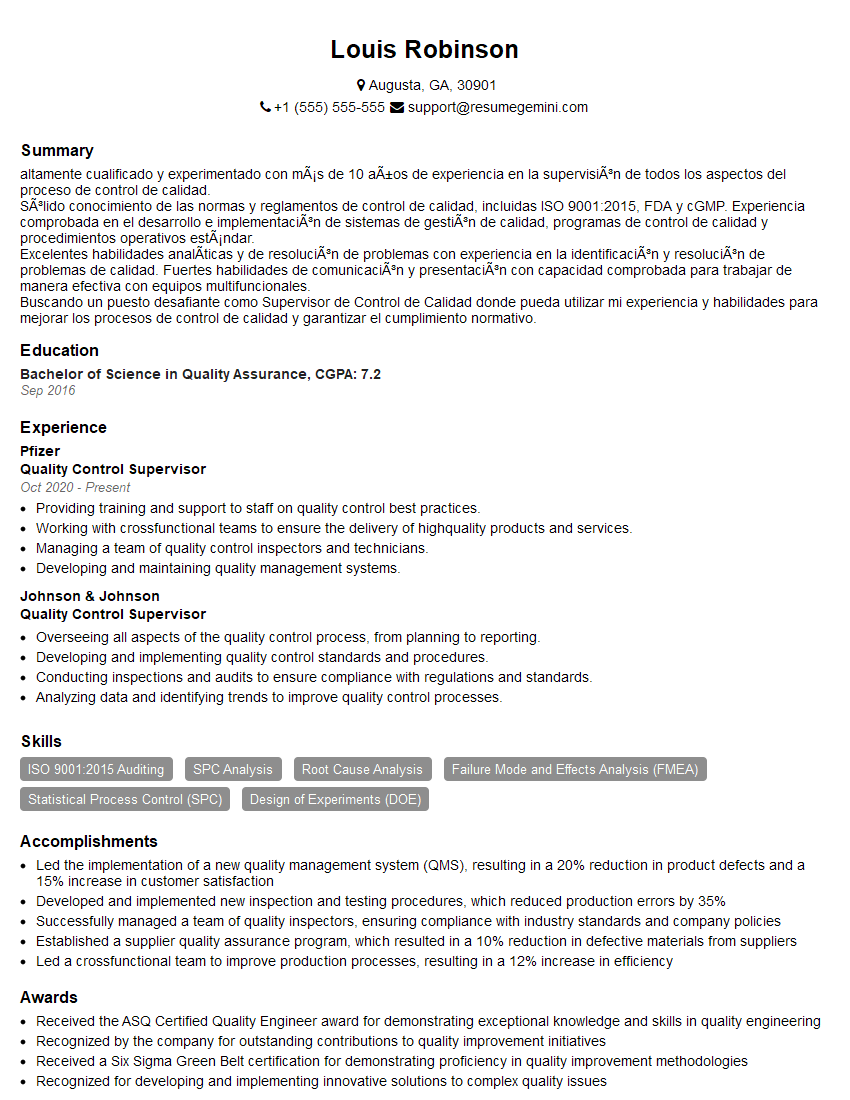
Quality Control Supervisor Resume Sample
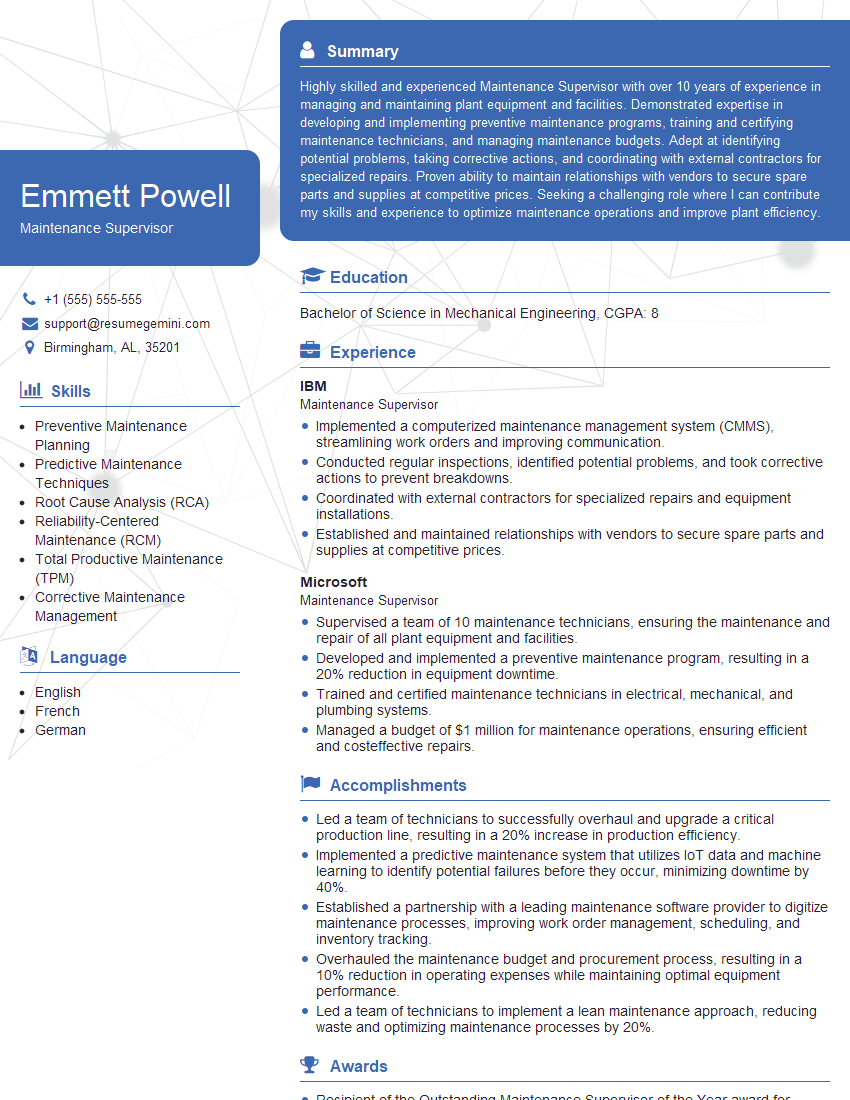
Maintenance Supervisor Resume Sample

Production Supervisor Resume Sample
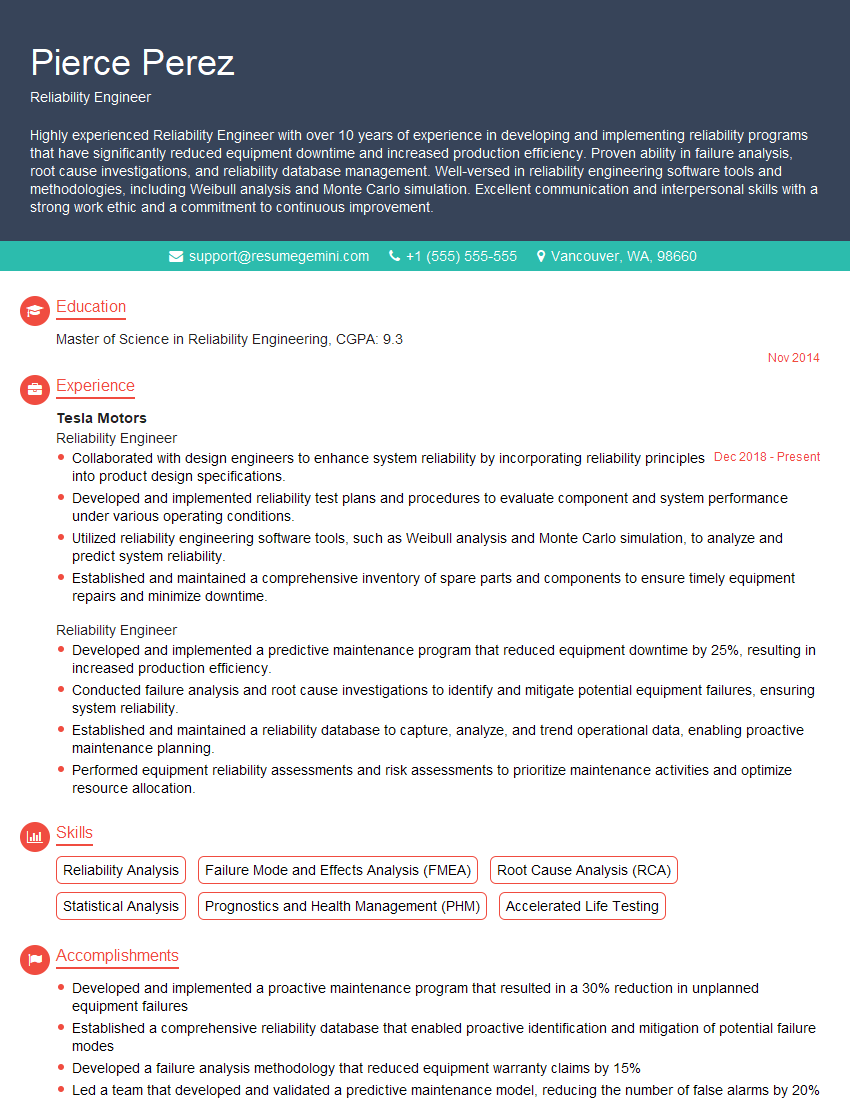
Reliability Engineer Resume Sample
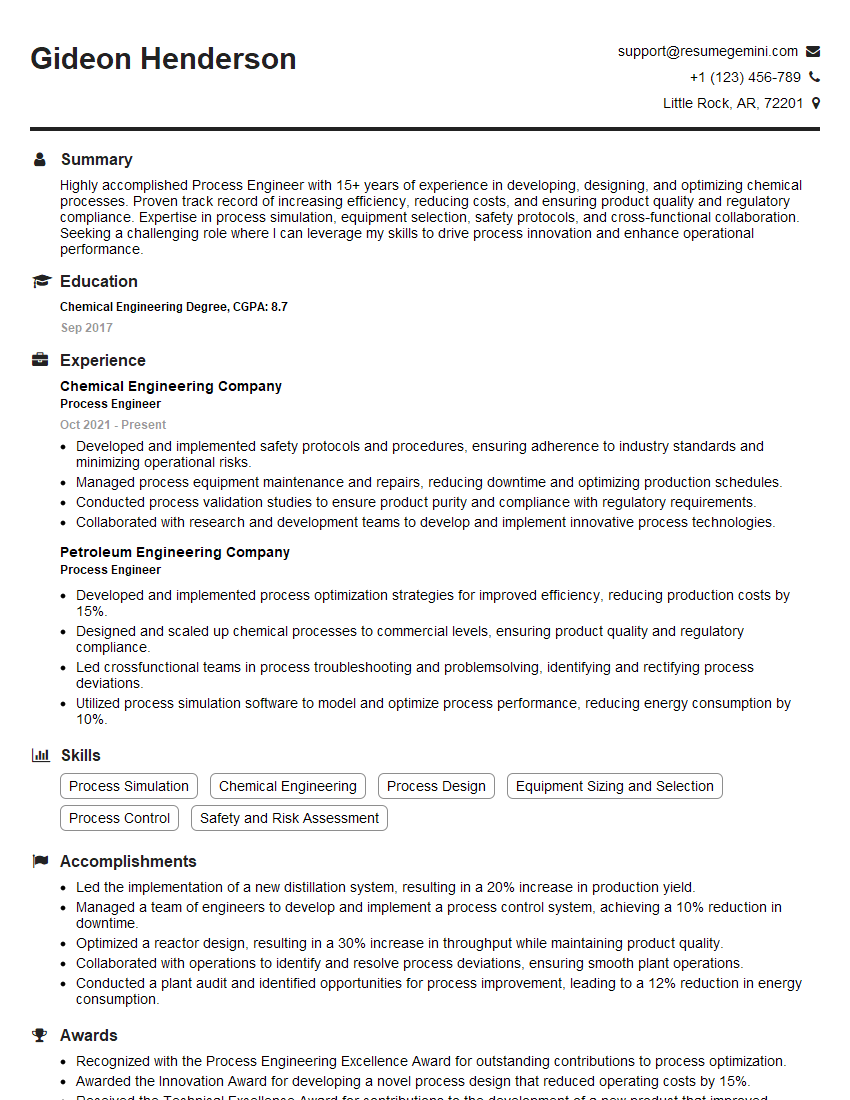
Process Engineer Resume Sample

Automation Engineer Resume Sample

Technical Specialist Resume Sample
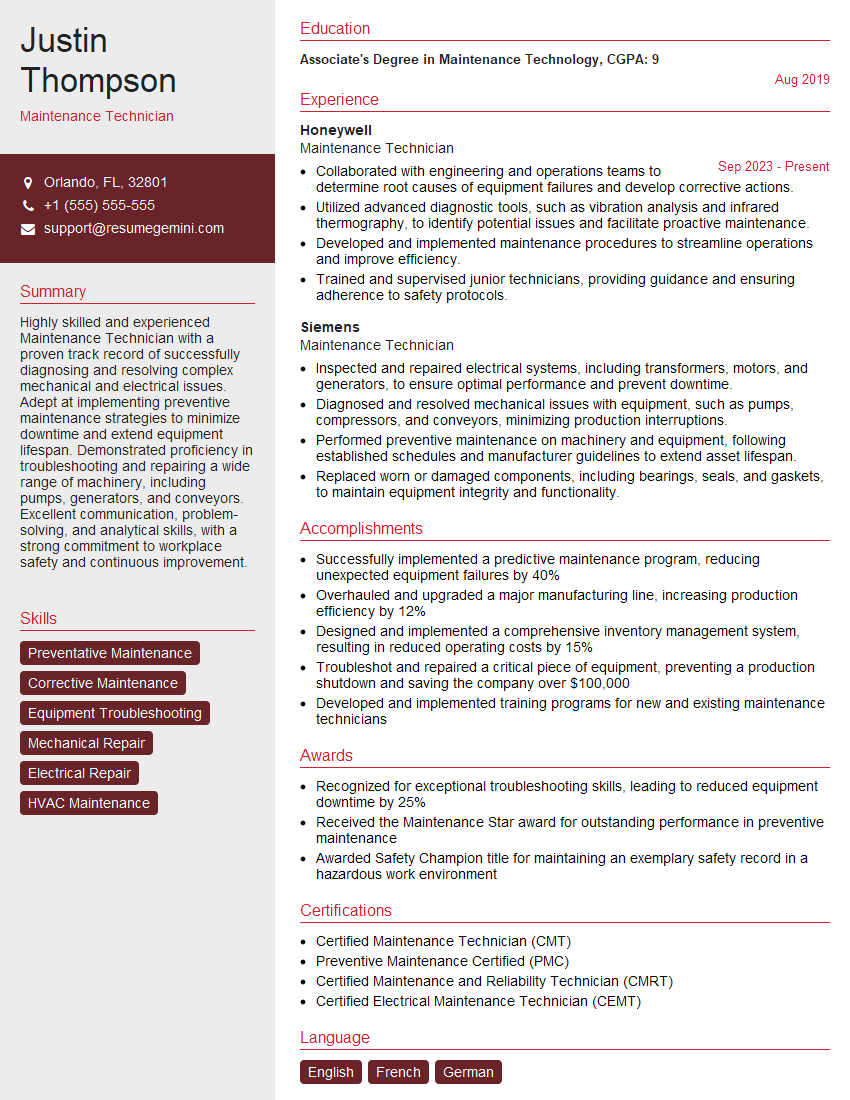
Maintenance Technician Resume Sample
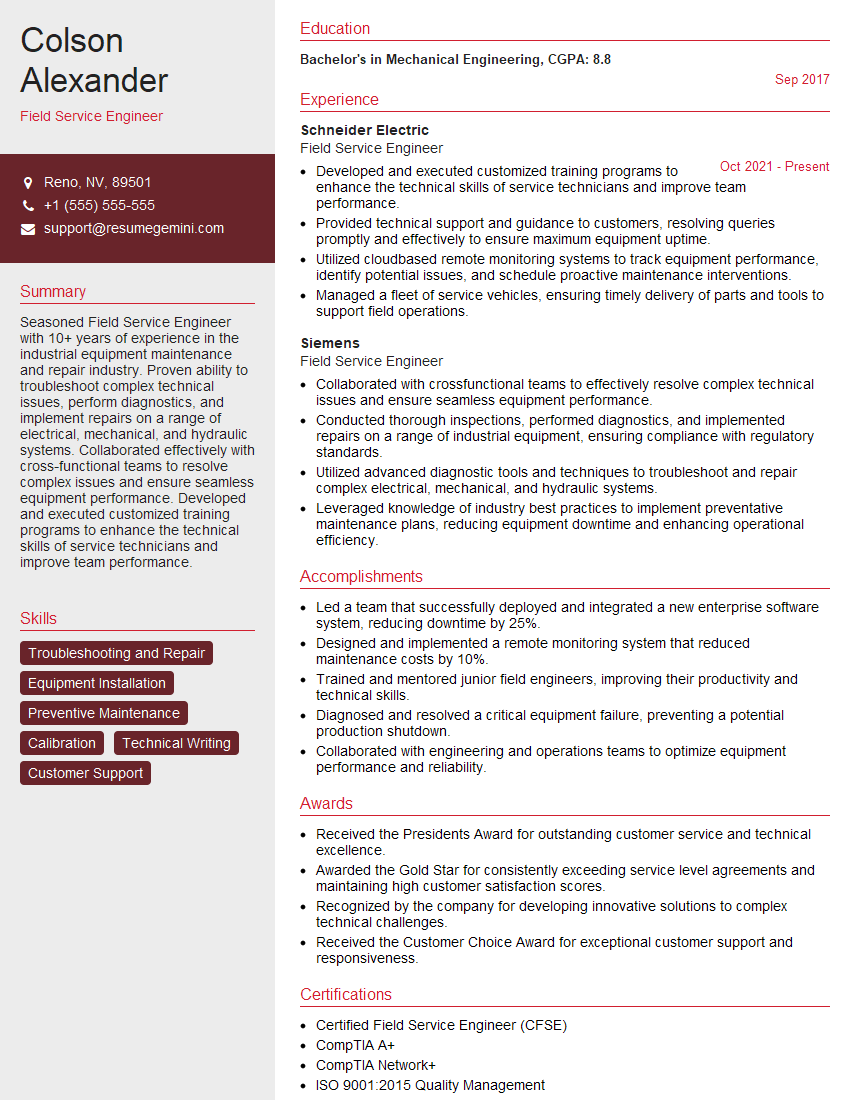
Field Service Engineer Resume Sample
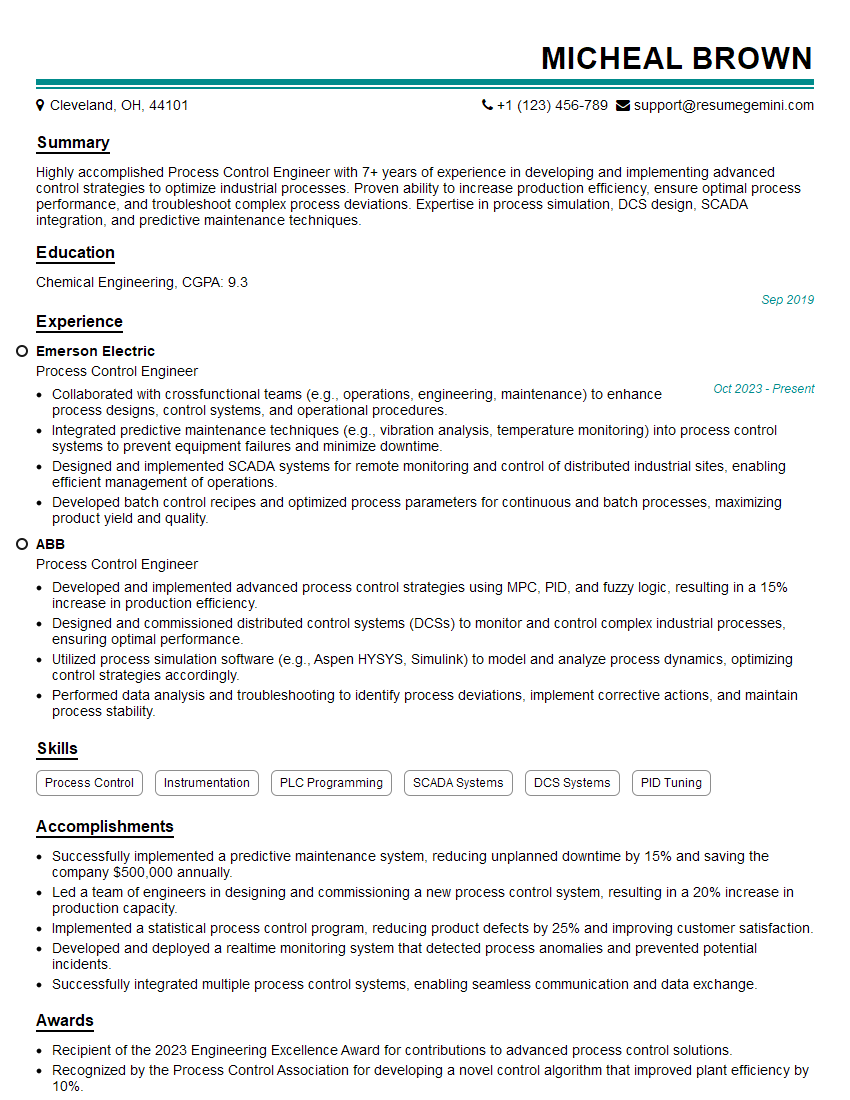
Process Control Engineer Resume Sample
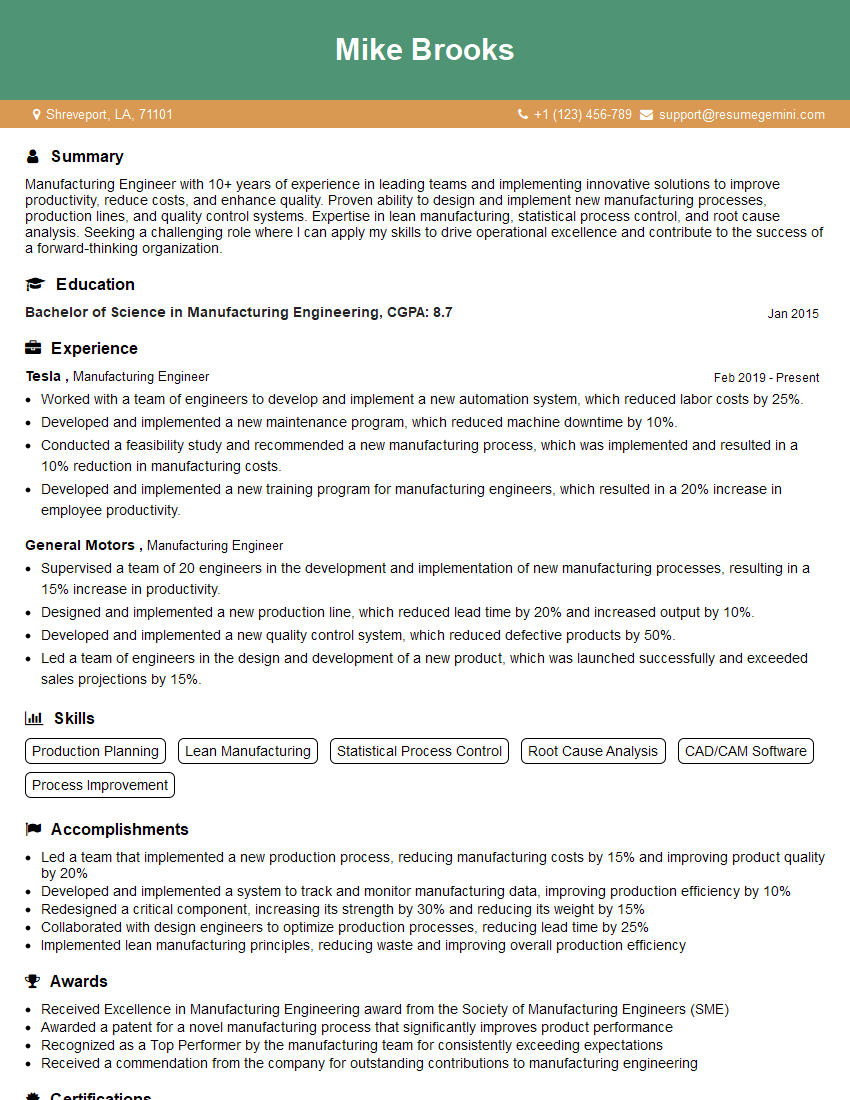
Manufacturing Engineer Resume Sample

Electronics Technician Resume Sample
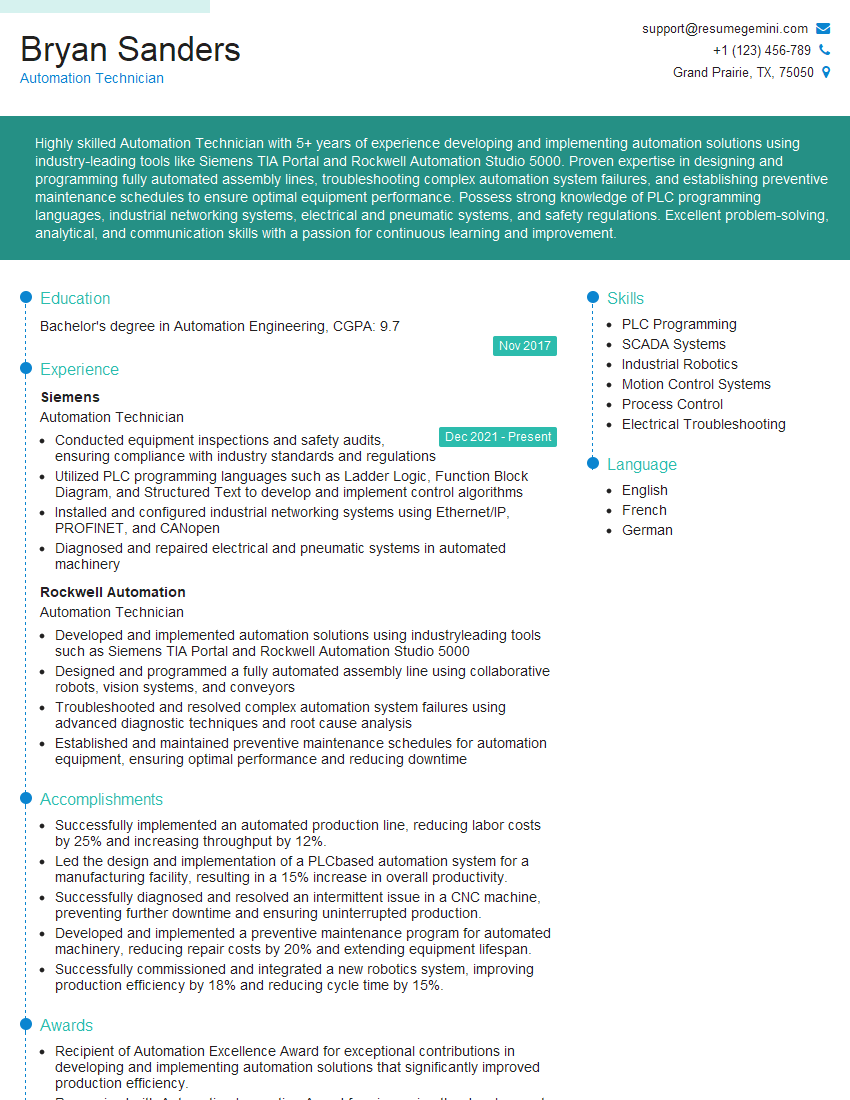
Automation Technician Resume Sample
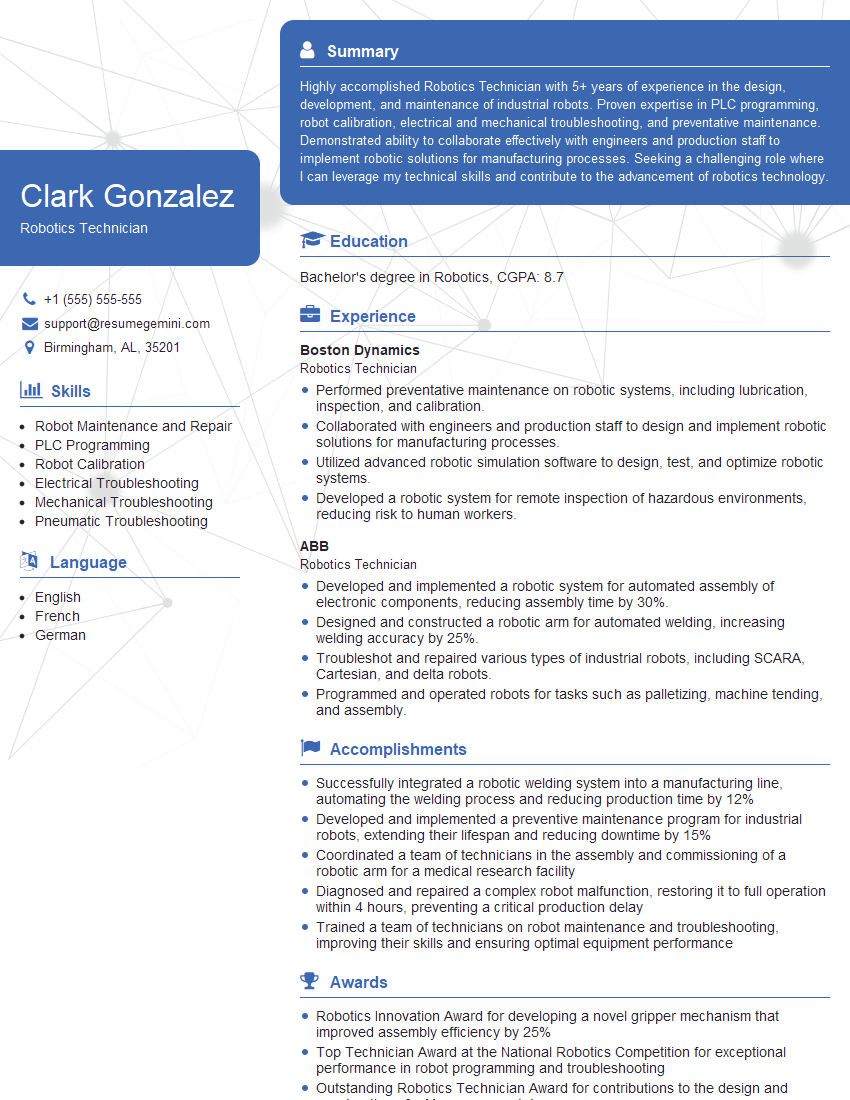
Robotics Technician Resume Sample

Manufacturing Technician Resume Sample
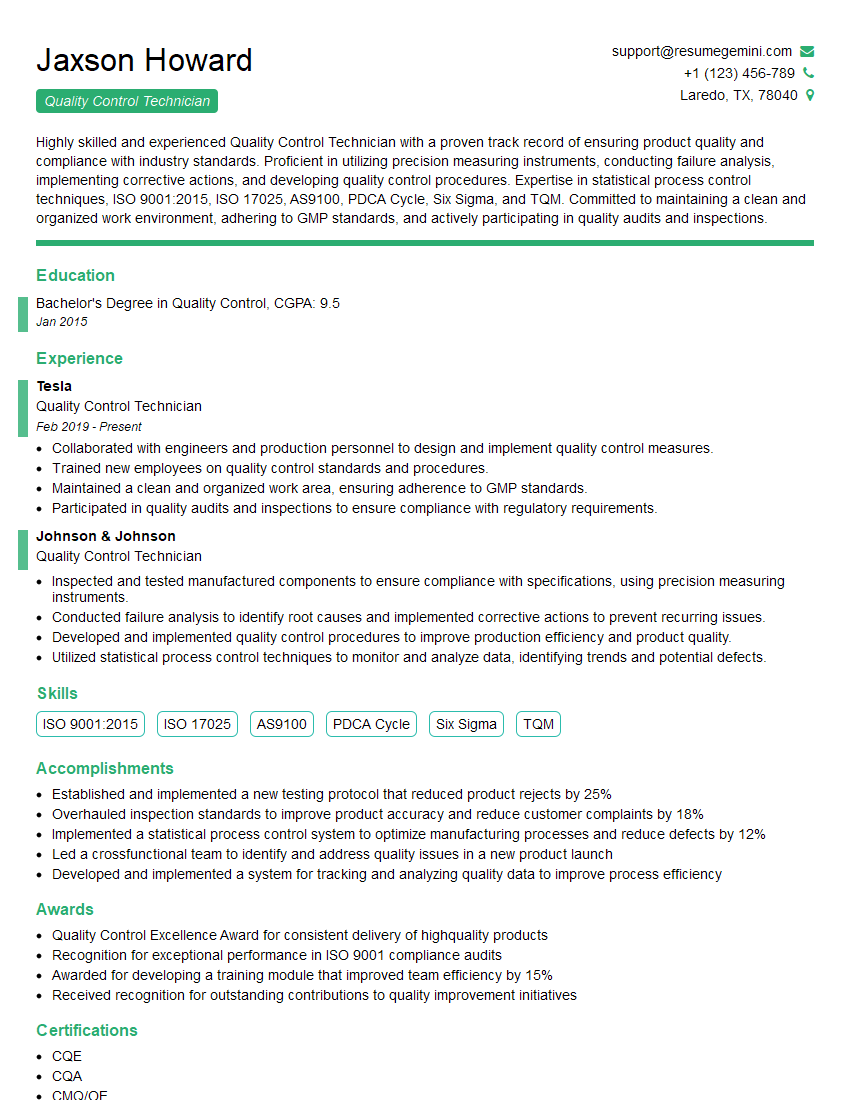
Quality Control Technician Resume Sample
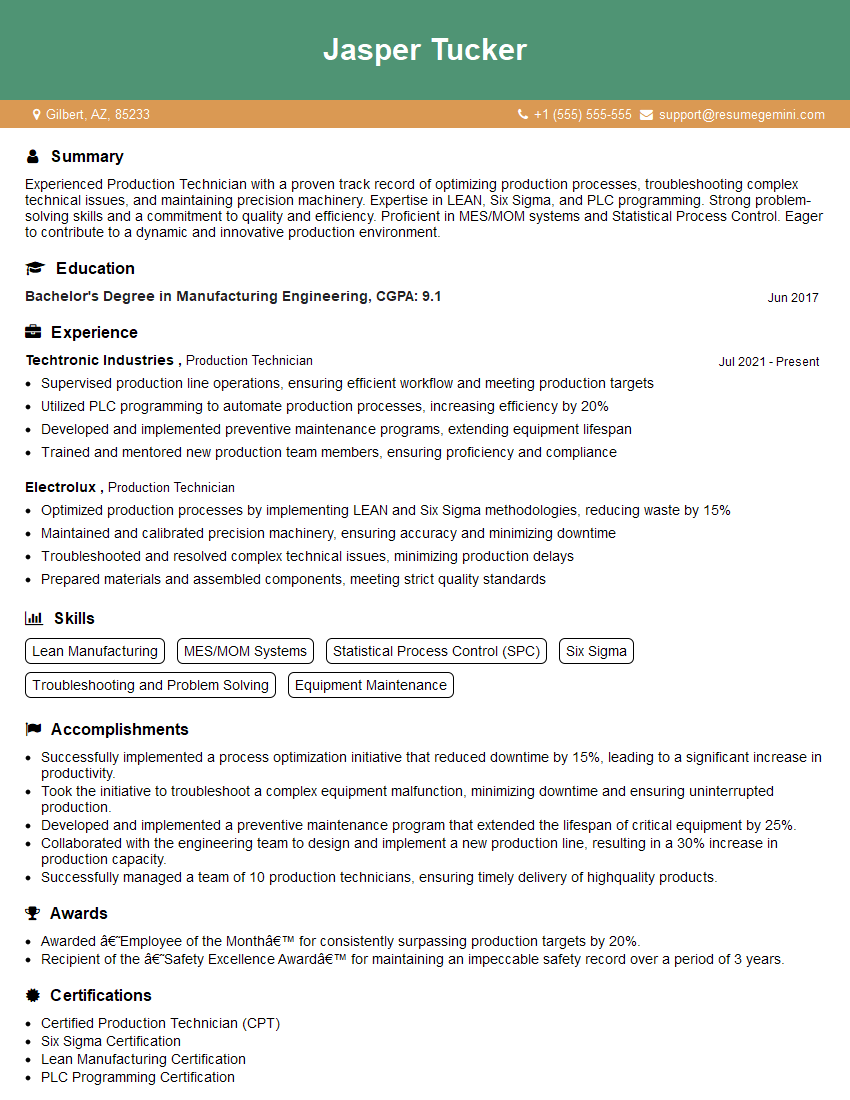
Production Technician Resume Sample
- Quality Control Supervisor
- Maintenance Supervisor
- Production Supervisor
- Reliability Engineer
- Process Engineer
- Automation Engineer
- Technical Specialist
- Maintenance Technician
- Field Service Engineer
- Process Control Engineer
- Manufacturing Engineer
- Electronics Technician
- Automation Technician
- Robotics Technician
- Manufacturing Technician
- Quality Control Technician
- Production Technician
Explore more articles
Users Rating of Our Blogs
Share Your Experience
We value your feedback! Please rate our content and share your thoughts (optional).
What Readers Say About Our Blog
Very informative content, great job.
good