Are you ready to stand out in your next interview? Understanding and preparing for Maneuver Planning and Execution interview questions is a game-changer. In this blog, we’ve compiled key questions and expert advice to help you showcase your skills with confidence and precision. Let’s get started on your journey to acing the interview.
Questions Asked in Maneuver Planning and Execution Interview
Q 1. Describe your experience in developing maneuver plans.
Developing maneuver plans involves a systematic process that balances mission objectives with available resources and anticipated enemy actions. It’s akin to orchestrating a complex dance, where each unit plays a specific role to achieve a common goal. My experience spans various scenarios, from large-scale combined arms operations to smaller, more specialized unit actions. This includes using various planning tools like military decision-making process (MDMP) and military operations other than war (MOOTW) methodologies. I’m proficient in creating detailed orders, timelines, and contingency plans, ensuring all elements are coordinated and synchronized effectively. I always focus on creating plans that are flexible enough to adapt to unforeseen changes on the battlefield. For example, in a recent exercise, I developed a maneuver plan involving a combined arms team navigating a complex urban environment. This required careful consideration of unit capabilities, communication protocols, and potential threats to ensure successful completion of the mission while minimizing risk to friendly forces.
Q 2. Explain the process of risk assessment within maneuver planning.
Risk assessment in maneuver planning is a critical step that involves identifying potential threats, vulnerabilities, and hazards that could impact mission success. It’s like a thorough pre-flight check for a complex operation; you must consider all possible scenarios. This process typically involves a structured approach using tools like a threat matrix, and involves analyzing factors like the enemy’s capabilities, terrain characteristics, weather conditions, and logistical constraints. We assess the likelihood and impact of each risk and then develop mitigation strategies to reduce their potential effects. For instance, when planning a night attack, we would assess risks like navigation errors in poor visibility, potential ambushes, and the possibility of friendly fire incidents. Mitigation measures could include enhanced communication, detailed reconnaissance, and the use of night vision equipment.
Q 3. How do you integrate logistics into maneuver planning?
Integrating logistics into maneuver planning is crucial because it ensures that units have the necessary supplies, fuel, ammunition, and equipment to sustain operations. It’s like the supply chain of a large-scale operation. It’s not just about delivering goods; it’s about timing and location. Failing to do so can cripple even the best-laid plans. This requires close coordination between maneuver and logistics planners. We forecast requirements based on the anticipated duration and intensity of operations, considering factors such as distance to supply points, terrain, and potential enemy disruption. Logistics plans are developed in parallel with the maneuver plan and incorporate timelines for resupply, evacuation of casualties, and maintenance of equipment. This includes identifying and securing alternate supply routes in case of enemy interference or unforeseen circumstances. For example, in a prolonged operation, we would meticulously plan for fuel resupply, ammunition replenishment, and medical evacuation, accounting for variations in road conditions and potential delays.
Q 4. What are the key considerations for terrain analysis in maneuver planning?
Terrain analysis is foundational to effective maneuver planning. It’s like studying a chessboard before making your moves. We analyze the terrain to identify key features like avenues of approach, obstacles, cover and concealment, and observation points. This involves studying maps, satellite imagery, and conducting ground reconnaissance, where possible. Factors considered include elevation, vegetation, hydrology, and urban infrastructure. Understanding the terrain allows us to select optimal routes, identify potential choke points and vulnerabilities, and plan for the effective use of terrain to enhance our operational advantages and limit enemy movements. For example, when planning an offensive operation, we would look for high ground to enhance observation and provide cover and concealment, while simultaneously identify natural obstacles that could hinder the enemy’s advance.
Q 5. How do you account for enemy capabilities in your maneuver plans?
Accounting for enemy capabilities is a cornerstone of effective maneuver planning; it’s crucial to anticipate the adversary’s response. We utilize intelligence reports, prior enemy actions, and doctrine to build an understanding of their strengths, weaknesses, likely courses of action, and technological capabilities. This understanding informs our decision-making process, allowing us to choose appropriate tactics and techniques to neutralize their advantages and exploit their weaknesses. For example, if we know the enemy has a strong air defense capability, we might adjust our attack plan to incorporate suppression of enemy air defenses (SEAD) assets or to employ stealth tactics. This might include selecting different avenues of approach or utilizing deception techniques to mislead the enemy.
Q 6. Explain your understanding of different maneuver types (e.g., envelopment, infiltration).
Maneuver warfare employs a variety of tactics to achieve objectives.
- Envelopment involves surrounding an enemy force, typically from two or more directions, to isolate and destroy them. Think of it like a pincer movement.
- Infiltration is a stealthy maneuver that involves penetrating enemy lines undetected to disrupt their rear areas, seize key objectives, or create chaos.
- Flanking attacks target the enemy’s exposed sides to disrupt their defensive formations and create opportunities for exploitation.
- Turning Movement is a maneuver where a force bypasses the main enemy position to attack their rear, disrupting supply lines and causing disarray.
Q 7. Describe a time you had to adapt a maneuver plan due to unforeseen circumstances.
During a field exercise, we planned a coordinated attack using a flanking maneuver. The plan depended on maintaining surprise and utilizing a specific terrain feature for cover. However, unexpected heavy rainfall rendered the planned route impassable, creating a significant risk of detection. We quickly convened a meeting and adapted the plan. We identified an alternate route, albeit longer and more exposed, and adjusted the timelines to account for the delay. We also incorporated additional reconnaissance assets to ensure situational awareness along the new route. This required rapid decision-making, effective communication, and the ability to think critically under pressure. While the revised plan was less optimal than the original, it ensured mission success and mitigated risks, demonstrating adaptability and resilience.
Q 8. How do you measure the success of a maneuver plan?
Measuring the success of a maneuver plan isn’t solely about achieving the initial objective. It’s a multifaceted assessment encompassing several key performance indicators (KPIs). We look at whether the plan achieved its primary objective, of course – did we successfully secure the objective area, neutralize the threat, or achieve the desired outcome? But we also consider the efficiency of the operation. Did we achieve our goals within the allocated timeframe and resource constraints? Finally, a crucial aspect is the preservation of friendly forces. Did we minimize casualties and equipment losses?
For example, during a recent operation involving the seizure of a key bridge, the primary objective was successfully accomplished. However, we initially underestimated the enemy’s defensive capabilities resulting in slightly higher than anticipated casualties. While the mission was a success, the post-operation analysis identified areas for improvement in intelligence gathering and risk assessment, refining our KPIs for future missions. This allowed us to improve our maneuver planning process. A successful maneuver isn’t just about reaching the endpoint, it’s about doing so effectively, efficiently, and with minimal risk.
Q 9. What software or tools are you proficient in for maneuver planning?
My proficiency spans a range of software and tools crucial for maneuver planning. I’m highly experienced with OneSAF (One Semi-Automated Forces), a powerful simulation tool for modeling complex scenarios and evaluating different maneuver options. I also regularly utilize C2 systems (Command and Control), such as those found in modern military platforms, for real-time coordination and data visualization. Further, my expertise extends to Geographic Information Systems (GIS) software like ArcGIS, which allows for precise map-based planning and analysis. Finally, I’m proficient in using various data analysis tools to assess mission outcomes and identify trends to improve future planning. This diverse skill set enables me to develop robust and adaptable maneuver plans tailored to various situations.
Q 10. Explain your experience in coordinating with different units during maneuver execution.
Coordinating with different units during maneuver execution is paramount. It requires clear communication, mutual understanding, and a shared operational picture. I typically leverage established communication protocols and command structures to ensure seamless interaction. My experience includes leading and participating in multi-unit operations where coordinating actions of infantry, armor, artillery, and air support was essential. For instance, during a combined arms operation, I worked closely with artillery forward observers to ensure precise and timely fire support while coordinating the movement of armor units to secure flanking positions. This involved regular briefings, detailed battle rhythm coordination, and clear delegation of tasks to maintain cohesive maneuver execution. Effective communication is paramount – we use a mix of secure voice and data communication networks coupled with standardized reporting formats to prevent confusion and ensure everyone is on the same page.
Q 11. How do you ensure effective communication during maneuver operations?
Effective communication during maneuver operations is absolutely vital, and it’s a multi-layered approach. We employ a combination of methods to ensure clarity and avoid misunderstandings. First, pre-mission briefings are crucial, establishing shared understanding and clarifying roles and responsibilities. Second, we utilize a variety of communication tools during the operation itself, including secure radios, digital messaging systems, and even real-time map-sharing applications. This allows for rapid dissemination of information about changing circumstances. Third, standardized reporting procedures and clear communication protocols ensure that all units are providing and receiving information in a consistent and easily understood manner. Finally, post-mission debriefings are crucial to identify communication breakdowns and opportunities for improvement.
Think of it like an orchestra; every section has a part, but they need a conductor to coordinate and synchronize their actions seamlessly. Similarly, clear and consistent communication is the conductor in maneuver operations, ensuring the smooth execution of the overall plan.
Q 12. Describe your approach to deconfliction of maneuver plans.
Deconfliction of maneuver plans is a critical process to avoid friendly fire incidents and ensure coordinated movement. This typically involves several steps. First, a detailed analysis of the operational area is undertaken to identify potential points of conflict between different units. Next, we utilize visualization tools such as GIS software to plot unit movements and identify potential overlap. Third, a collaborative process involving all units involved is conducted to modify the plans to avoid conflicts. This often involves adjusting timelines, routes, and assigned areas of operation. Finally, simulation tools are frequently used to test the deconflicted plan and ensure it accounts for potential unforeseen circumstances. This iterative process ensures that all maneuver elements operate without interfering with each other, maximizing operational efficiency while minimizing risks.
Q 13. How do you manage timelines and resources in maneuver planning?
Managing timelines and resources in maneuver planning requires a meticulous approach. I typically start by establishing a clear timeline based on the mission’s objectives and constraints. This includes defining key milestones and deadlines for each phase of the operation. Next, I conduct a detailed resource assessment, identifying the personnel, equipment, and supplies needed. This assessment also considers potential contingencies and adds buffers to the timeline. Throughout the planning process, I constantly monitor resource availability and adjust the plan as needed, employing resource allocation models to optimize the use of available assets. Regular updates and revisions of the timeline are essential to adapt to changing conditions and ensure the plan remains viable and feasible.
Q 14. What are some common challenges in maneuver planning and how do you address them?
Common challenges in maneuver planning include unexpected enemy actions, unforeseen weather conditions, and logistical bottlenecks. To address these, we build in contingency plans to accommodate unexpected developments. For example, we might have alternate routes, reserve forces, and flexible timelines to adapt to unforeseen circumstances. Similarly, we utilize real-time intelligence and weather updates to refine our plans during execution. Logistical issues are addressed through detailed pre-planning, establishing robust supply lines, and clear communication with supporting units. Regular risk assessment throughout the planning process and a thorough post-operation analysis are essential to identify areas for improvement in future planning efforts. Adaptability, flexibility, and continuous refinement are crucial for effective maneuver planning in a dynamic environment.
Q 15. Explain your understanding of the military decision-making process (MDMP).
The Military Decision-Making Process (MDMP) is a systematic and iterative approach used by military commanders to analyze a situation, develop a plan, and make decisions. It’s like a structured problem-solving method, ensuring all aspects are considered before committing to action. The process typically involves seven steps:
- Receipt of Mission: Understanding the task, constraints, and available resources.
- Mission Analysis: A detailed examination of the operational environment, including the enemy, terrain, weather, and civilian considerations. This involves creating a detailed threat model and identifying potential challenges.
- Course of Action (COA) Development: Generating multiple potential plans to achieve the mission objective. This step encourages creative thinking and exploring diverse solutions.
- COA Analysis: Evaluating each COA’s strengths and weaknesses against the mission requirements. This might involve wargaming or using simulations to predict outcomes.
- COA Comparison: Comparing the COAs to determine which best achieves the mission objectives within the constraints. This involves a rigorous evaluation of risks and benefits.
- COA Approval: The commander approves the selected COA.
- Orders Production: Transforming the approved COA into clear, concise orders to be disseminated to subordinates. This ensures all units understand their roles and responsibilities.
For example, during a peacekeeping operation, the MDMP might involve analyzing the opposing factions, identifying potential flashpoints, developing plans to de-escalate tensions, and coordinating actions with international partners.
Career Expert Tips:
- Ace those interviews! Prepare effectively by reviewing the Top 50 Most Common Interview Questions on ResumeGemini.
- Navigate your job search with confidence! Explore a wide range of Career Tips on ResumeGemini. Learn about common challenges and recommendations to overcome them.
- Craft the perfect resume! Master the Art of Resume Writing with ResumeGemini’s guide. Showcase your unique qualifications and achievements effectively.
- Don’t miss out on holiday savings! Build your dream resume with ResumeGemini’s ATS optimized templates.
Q 16. How do you incorporate lessons learned into future maneuver plans?
Incorporating lessons learned is crucial for continuous improvement in maneuver planning. After each operation, we conduct thorough after-action reviews (AARs) to identify both successes and failures. This feedback is then meticulously documented and analyzed. Specific lessons are categorized, for example, ‘improved communication procedures’ or ‘better terrain analysis techniques.’ These insights are then integrated into training programs, updated standard operating procedures (SOPs), and future planning tools. We use databases and knowledge management systems to ensure this information is easily accessible and readily available to planners. For example, if a previous operation revealed a weakness in coordinating artillery support, future plans will specifically address this weakness by incorporating more detailed fire support coordination measures and training exercises focused on improving communication and interoperability.
Q 17. Describe your experience in conducting after-action reviews.
I have extensive experience conducting after-action reviews (AARs). My approach focuses on creating a blame-free environment where all participants feel comfortable sharing honest feedback, both positive and negative. I employ a structured approach, typically using a facilitator-led discussion to analyze different phases of the operation. We examine the planning process, execution, and the results achieved against the stated objectives. We use visual aids like maps and timelines to improve clarity and understanding. The key is not to simply identify problems but also to brainstorm effective solutions and preventive measures. For instance, in one AAR, we identified a communication breakdown that hindered a crucial maneuver. This led to updated communication protocols and training exercises focusing on real-time information sharing and coordination within a complex operational environment.
Q 18. How do you prioritize objectives during maneuver planning?
Prioritizing objectives during maneuver planning is essential due to limited resources and time constraints. I use a method combining military doctrine and risk assessment. We start by clearly defining the overall mission objective and then break it down into smaller, achievable tasks. Each task is then assigned a priority based on its contribution to the overall mission success and the associated risks and consequences of failure. We use a prioritization matrix that weighs factors like importance, urgency, and feasibility. This might involve employing techniques like a weighted scoring system or a decision matrix. For example, securing a critical supply route might be prioritized over clearing a less vital area, even if both are important. The analysis also considers the potential consequences of delaying certain tasks. This structured approach ensures resources are effectively allocated to the most impactful tasks while mitigating potential risks.
Q 19. What is your experience with different types of terrain and their impact on maneuverability?
My experience encompasses a wide range of terrain types, from urban environments to deserts and mountainous regions. Each presents unique challenges and opportunities. Understanding terrain’s impact on maneuverability is crucial for successful planning. Factors like elevation, vegetation, and the presence of obstacles significantly affect unit movement, visibility, and the effectiveness of different weapon systems. For example, dense jungle restricts maneuverability and necessitates different tactics compared to open desert terrain. Mountainous regions present challenges related to altitude, limited visibility, and potential avalanche risks. Urban areas demand specialized training for close-quarters combat and navigating complex infrastructure. We utilize terrain analysis software and conduct thorough reconnaissance missions to accurately assess terrain conditions and integrate this information into our maneuver plans. The plans often incorporate contingency plans to address unforeseen obstacles or changes in terrain.
Q 20. How do you incorporate intelligence information into maneuver planning?
Intelligence information forms the bedrock of effective maneuver planning. We leverage all-source intelligence — human intelligence (HUMINT), signals intelligence (SIGINT), imagery intelligence (IMINT), etc. — to build a comprehensive picture of the operational environment. This information is used to:
- Identify enemy strengths and weaknesses: Understanding enemy dispositions, capabilities, and likely courses of action allows us to tailor our maneuver plan accordingly.
- Assess risks and threats: Intelligence helps anticipate potential dangers and develop mitigation strategies.
- Identify opportunities: Intelligence can reveal vulnerabilities in the enemy’s defenses or advantageous terrain features.
For example, if intelligence reveals an enemy’s weakness in air defense, we might incorporate air assets more heavily into our plan. Conversely, if we anticipate heavy enemy resistance in a particular area, we may develop a different approach, such as a flanking maneuver or feint.
Q 21. Explain your experience with different types of maneuver units and their capabilities.
I have experience working with various maneuver units, including infantry, armored, mechanized infantry, and cavalry. Each unit type possesses unique capabilities and limitations. Infantry excels in close-quarters combat and adaptability, while armored units provide significant firepower and protection. Mechanized infantry combines the mobility of armored vehicles with infantry’s versatility. Cavalry units are highly mobile and adept at reconnaissance. Understanding these capabilities is essential for effective force integration. For instance, in a combined arms operation, you might use armored units for a breakthrough, followed by mechanized infantry to exploit the breach, while infantry secures the gained ground. Cavalry units could provide advanced reconnaissance and screening. Effective maneuver planning involves synergistically leveraging the strengths of each unit type to maximize the overall operational effectiveness.
Q 22. How do you manage risk in a dynamic operational environment?
Managing risk in a dynamic operational environment requires a proactive and adaptable approach. It’s not about eliminating risk entirely – that’s often impossible – but about understanding, assessing, and mitigating it to an acceptable level. Think of it like navigating a stormy sea; you can’t control the storm, but you can prepare your ship and adjust your course.
- Risk Assessment: This involves identifying potential threats and vulnerabilities. We use tools like threat modeling, SWOT analysis (Strengths, Weaknesses, Opportunities, Threats), and even simple brainstorming sessions to comprehensively list potential problems. For example, a maneuver might be vulnerable to enemy ambushes, communication failures, or unexpected weather changes.
- Risk Mitigation: Once risks are identified, we develop strategies to reduce their impact. This could involve developing contingency plans (e.g., alternative routes, fallback positions), increasing reconnaissance efforts to improve situational awareness, employing deception tactics to confuse the enemy, or enhancing communication redundancy.
- Contingency Planning: This is critical. What happens if Plan A fails? We need Plan B, C, and even D. Each plan should address specific risks and outline alternative actions. A good contingency plan anticipates potential problems and provides solutions before they become crises.
- Real-time Adaptation: Dynamic environments are unpredictable. We need constant feedback and the ability to adjust plans based on new information. This requires strong communication, flexible leadership, and a willingness to adapt on the fly. A classic example is adjusting a maneuver based on real-time intelligence of enemy movements or weather changes.
Ultimately, managing risk is an iterative process of assessment, mitigation, adaptation, and continuous learning. It’s about making informed decisions under pressure and accepting that uncertainty is a constant companion.
Q 23. Describe your understanding of the principles of war.
The principles of war are fundamental guidelines for conducting military operations successfully. They provide a framework for planning and executing maneuvers, ensuring the best chance of achieving objectives. Think of them as the pillars supporting a successful campaign.
- Objective: Every operation must have a clearly defined and attainable goal. We need to know what we are trying to achieve.
- Offensive: To achieve our objectives, we need to seize, retain, and exploit the initiative. This means acting decisively and aggressively.
- Mass: Concentrate combat power at the decisive point, overwhelming the enemy where it matters most. It’s about focusing our strengths against the enemy’s weaknesses.
- Economy of Force: Allocate resources wisely, avoiding unnecessary waste and focusing efforts on the most critical aspects. It’s about doing the most with what you have.
- Maneuver: Employ flexibility and creativity to exploit enemy weaknesses and gain positional advantage. This might involve flanking maneuvers, feints, or deceptive actions.
- Unity of Command: Maintain clear and unified control and direction to avoid confusion and conflict within the force. This is crucial for effective coordination.
- Security: Protect the force from enemy action. This encompasses everything from intelligence gathering to defensive measures.
- Surprise: Strike the enemy when and where they least expect it. This element of shock can significantly impact the effectiveness of our maneuvers.
- Simplicity: Plans should be clear, concise, and easy to understand and execute. Avoid overly complex plans that are hard to implement.
These principles are interconnected and often require careful balancing. For instance, maintaining security might require sacrificing some speed, but effective maneuver can help overcome security concerns. They offer a timeless framework for success in any military operation.
Q 24. How do you ensure the security of maneuver plans?
Securing maneuver plans is paramount. Leaked plans can lead to catastrophic consequences. Our approach is multi-layered, focusing on both physical and digital security.
- Classification and Access Control: Plans are classified according to their sensitivity, restricting access based on the ‘need-to-know’ principle. This involves strict password protocols and robust access control systems to prevent unauthorized viewing or modification. We use different levels of classification (e.g., Confidential, Secret, Top Secret) to control access at different levels.
- Data Encryption: Sensitive data within the plan is encrypted both in transit and at rest, using industry-standard encryption algorithms to protect against interception or unauthorized decryption. This ensures that even if data is compromised, it is unreadable without the correct decryption key.
- Secure Communication Channels: All communication related to the plan is conducted through secure, encrypted channels to prevent eavesdropping. We utilize secure messaging applications and encrypted email systems.
- Physical Security: Hard copies of plans, if necessary, are stored in secure, locked facilities with controlled access and surveillance. This protects against physical theft or unauthorized access.
- Regular Audits and Vulnerability Assessments: Our systems and procedures are regularly audited to identify and address any security weaknesses. Vulnerability assessments help identify potential vulnerabilities before they can be exploited.
- Personnel Security: Thorough background checks and security training are conducted for all personnel with access to sensitive planning information. This aims to ensure loyalty and commitment to security protocols.
Securing maneuver plans is an ongoing effort. It requires a combination of technological safeguards, established procedures, and a strong security culture within the organization.
Q 25. What are some ethical considerations related to maneuver planning?
Ethical considerations are central to maneuver planning. We must always operate within the boundaries of international law and our own code of conduct. This means carefully considering the potential impact of our actions on civilians, the environment, and the principles of proportionality and distinction.
- Proportionality: The military action planned must be proportional to the military advantage gained. We must avoid disproportionate harm to civilians or civilian infrastructure. For example, we cannot use excessive force to destroy a military target if doing so will cause unacceptable civilian casualties.
- Distinction: We must distinguish between combatants and non-combatants. Attacks should be directed only at legitimate military objectives. We must take all feasible precautions to minimize harm to non-combatants. This often necessitates strict targeting procedures and adherence to rules of engagement.
- Humanitarian Law: All our plans must comply with international humanitarian law, such as the Geneva Conventions. This encompasses issues like treatment of prisoners of war, protection of medical personnel, and the avoidance of indiscriminate attacks.
- Environmental Protection: We need to minimize the environmental impact of our operations. This includes considerations for waste disposal, fuel efficiency, and the prevention of damage to natural resources.
- Transparency and Accountability: Maintaining transparency and accountability throughout the planning process is crucial. This involves documenting decisions, justifying actions, and being prepared to answer for the consequences of those actions.
Ethical considerations are not add-ons; they are integral to sound maneuver planning. Ignoring them can have severe consequences, both legally and morally.
Q 26. Describe your experience with simulation and modeling in maneuver planning.
Simulation and modeling are invaluable tools in maneuver planning, allowing us to test and refine plans in a risk-free environment. It’s like a wargame, but more sophisticated.
I’ve extensive experience using various simulation software, including both commercial and military-specific programs. We utilize these tools to model different scenarios, test various strategies, and assess the potential outcomes of our plans. For example, we can simulate enemy reactions to different maneuvers, assess the effectiveness of various weapons systems, and evaluate the impact of different terrain conditions.
- Scenario Development: We use simulations to create realistic scenarios reflecting various operational conditions, including terrain, weather, and enemy capabilities.
- Force Composition: We model different force structures and equipment to evaluate their effectiveness under different scenarios.
- Combat Modeling: Simulations provide a virtual environment where we can test different tactical maneuvers, assess the potential outcomes, and refine our plans based on the results.
- After-Action Reviews: Simulations enable thorough after-action reviews to identify successes and areas for improvement, leading to more effective plans.
Simulation and modeling are not just about planning; they are also about training. By using simulations, we can train personnel in decision-making under pressure, improving their ability to adapt to unforeseen circumstances in real-world operations.
Q 27. How do you validate and verify maneuver plans?
Validating and verifying maneuver plans are crucial steps to ensure they are sound, feasible, and achieve their intended objectives. It’s like testing a bridge before sending traffic over it.
- Verification: This focuses on ensuring the plan is correctly implemented. Does it accurately reflect our goals, capabilities, and available resources? This is a process of checking the plan itself. We might use checklists, peer reviews, and simulations to check that all aspects are correctly incorporated.
- Validation: This involves assessing whether the plan will achieve its intended objectives. Will the plan work as expected in the real world? This is a process of checking that the plan will achieve what we intend it to achieve. We often use simulations, wargames, and expert analysis to determine whether the plan is likely to succeed.
These processes are iterative and often involve several steps. For example:
- Initial Planning and Design: The maneuver plan is drafted.
- Verification Check: The plan is reviewed to ensure all elements are correctly reflected.
- Simulation/Wargaming: The plan is tested using various simulations or wargames to assess its effectiveness against different scenarios.
- Expert Review: The plan is reviewed by experts to assess its feasibility and identify potential weaknesses.
- Revisions and Refinements: Based on the feedback, the plan is revised and refined to address identified issues.
- Final Validation: A final assessment is performed to ensure the plan is valid and likely to achieve its objectives.
This continuous process ensures a robust and effective plan that has the greatest chance of success.
Key Topics to Learn for Maneuver Planning and Execution Interview
- Mission Analysis: Understanding the operational environment, commander’s intent, and constraints. Practical application: Analyzing a complex scenario and identifying key factors influencing maneuver options.
- Course of Action Development: Generating, evaluating, and comparing multiple maneuver plans. Practical application: Developing a detailed plan including timelines, resources, and risk mitigation strategies.
- Terrain Analysis: Identifying key terrain features and their impact on maneuver options. Practical application: Utilizing mapping software and terrain analysis tools to inform decision-making.
- Risk Assessment and Mitigation: Identifying potential risks and developing strategies to mitigate them. Practical application: Developing contingency plans for various scenarios and unforeseen events.
- Synchronization and Coordination: Integrating different elements (e.g., infantry, artillery, air support) to achieve a unified effect. Practical application: Demonstrating understanding of combined arms operations and the interplay of different military assets.
- Execution and Monitoring: Implementing the plan and monitoring its progress, adapting as needed. Practical application: Explaining the importance of real-time feedback and iterative planning during execution.
- Communication and Collaboration: Effective communication and collaboration with other team members. Practical application: Demonstrating an understanding of various communication methods and their limitations in a dynamic environment.
- Technology Integration: Utilizing various technologies and tools in planning and execution. Practical application: Demonstrating familiarity with relevant software and systems used in maneuver warfare.
- After-Action Review (AAR): Conducting a thorough review of the plan and execution to identify lessons learned. Practical application: Describing the process and benefits of conducting AARs to improve future performance.
Next Steps
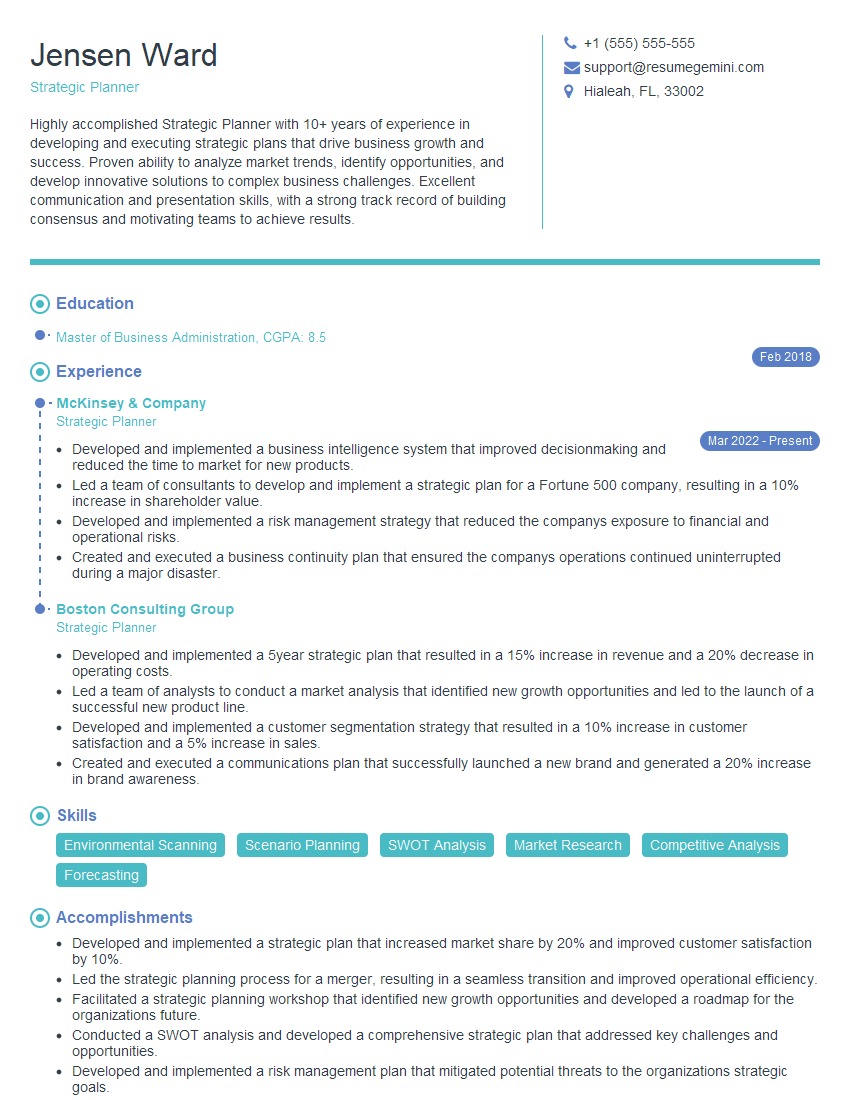
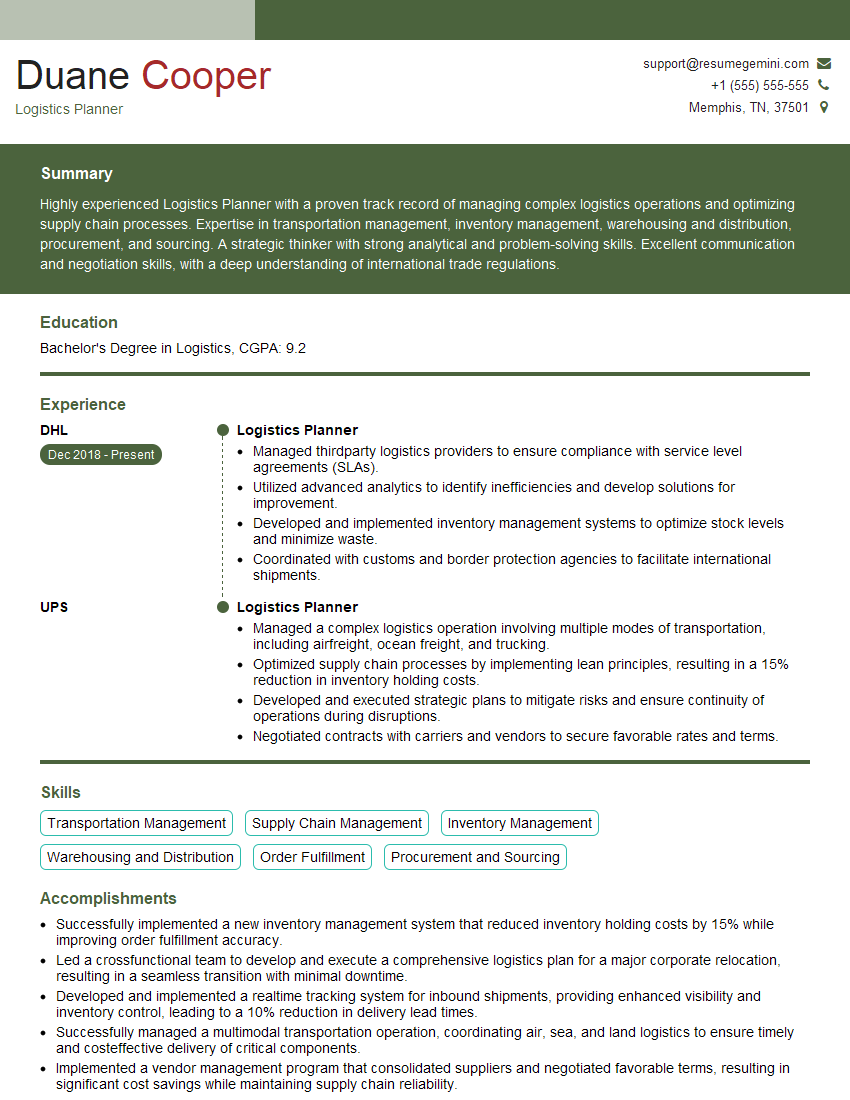
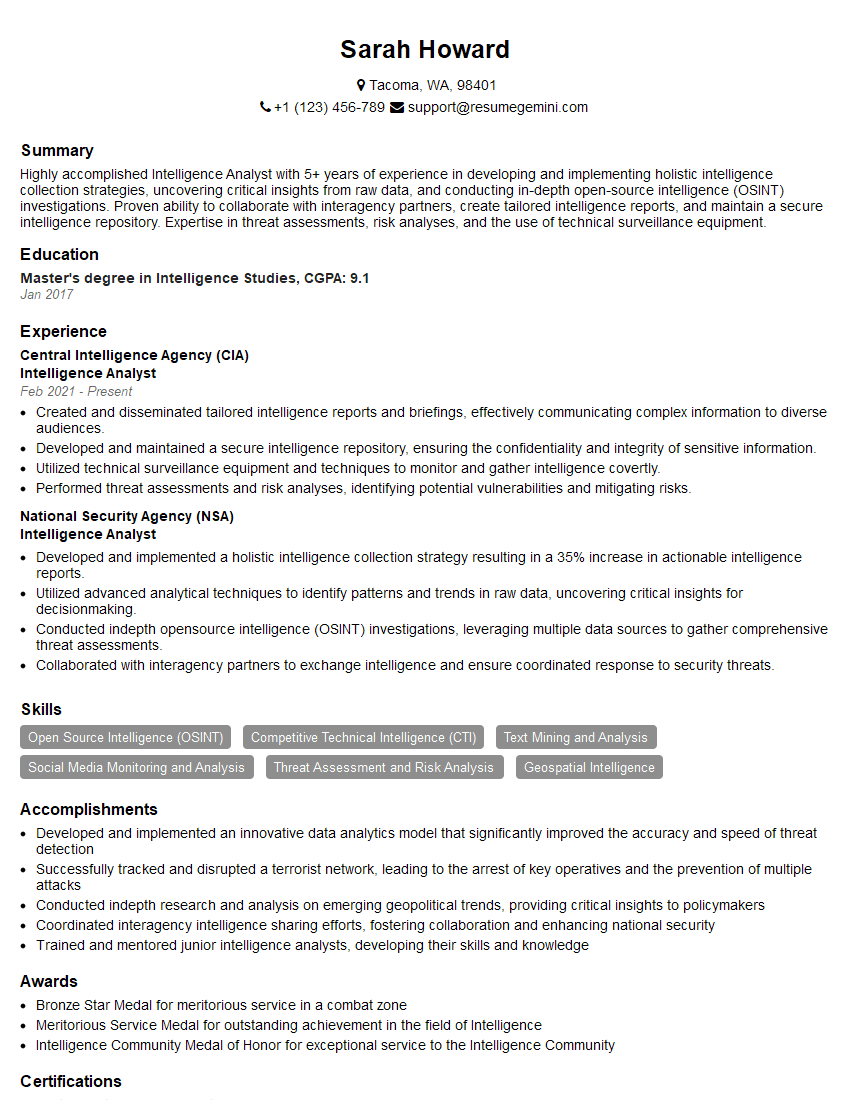
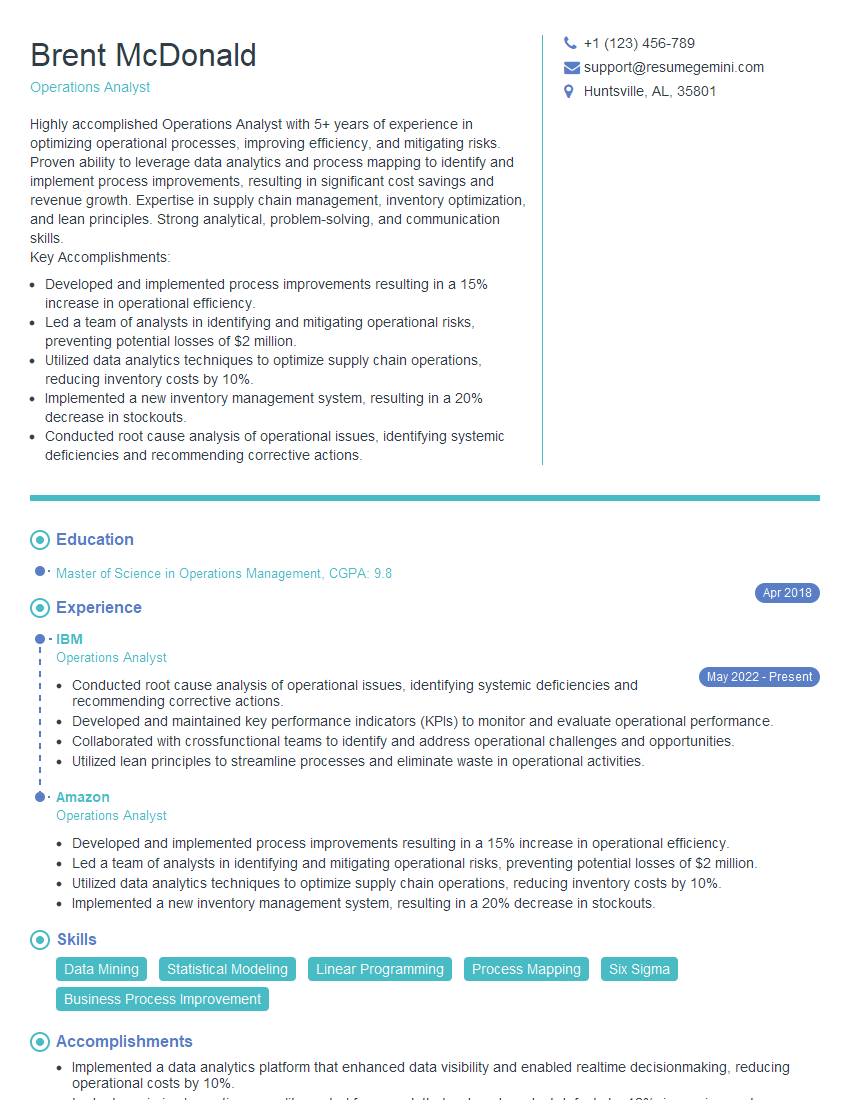
Mastering Maneuver Planning and Execution is crucial for career advancement in military operations and related fields. A strong understanding of these concepts showcases your strategic thinking, problem-solving skills, and ability to lead and coordinate complex operations. To significantly boost your job prospects, crafting an ATS-friendly resume is paramount. ResumeGemini can help you build a compelling and effective resume that highlights your expertise in this area. ResumeGemini offers examples of resumes tailored to Maneuver Planning and Execution, providing a valuable resource for your job search. Take the next step towards your dream career—build your best resume with ResumeGemini.
Explore more articles
Users Rating of Our Blogs
Share Your Experience
We value your feedback! Please rate our content and share your thoughts (optional).
What Readers Say About Our Blog
Very informative content, great job.
good