Cracking a skill-specific interview, like one for Loadmaster Training, requires understanding the nuances of the role. In this blog, we present the questions you’re most likely to encounter, along with insights into how to answer them effectively. Let’s ensure you’re ready to make a strong impression.
Questions Asked in Loadmaster Training Interview
Q 1. Explain the principles of weight and balance in aircraft loading.
Weight and balance in aircraft loading is crucial for safe and efficient flight. It’s all about ensuring the aircraft’s center of gravity (CG) remains within its approved limits throughout the flight. Think of it like balancing a seesaw – if the weight isn’t distributed correctly, the aircraft can become unstable and difficult to control. This involves carefully considering the weight of the aircraft itself, the fuel, passengers, and cargo. Exceeding weight limits can cause structural damage or affect performance, while an unbalanced CG can make the aircraft difficult to handle and increase the risk of an accident.
The principles involve understanding the relationship between weight, arm (distance from the datum), and moment (weight x arm). The datum is a reference point on the aircraft, typically the nose. Each item’s weight and its distance from the datum are used to calculate its moment. The total moment of all items is then used to find the CG of the entire aircraft. The CG must fall within the manufacturer’s specified limits – front and rear CG limits are defined in the aircraft’s flight manual.
Q 2. Describe the different types of cargo and their handling requirements.
Cargo comes in many forms, each demanding specific handling procedures. We have:
- General Cargo: This includes relatively standard items like packages, boxes, and luggage. Handling involves careful loading to avoid damage, utilizing appropriate securing methods to prevent shifting during flight.
- Hazardous Materials (Dangerous Goods): These pose special risks and require strict adherence to regulations set by organizations like IATA (International Air Transport Association). Different classes of hazardous materials (explosives, flammable liquids, etc.) have specific packaging, labeling, and stowage requirements. Incorrect handling can lead to explosions, fires, or toxic gas leaks.
- Live Animals: Transporting animals involves specialized containers and climate control to ensure their well-being and safety throughout the journey. Special attention must be paid to ensure sufficient ventilation and comfortable temperatures.
- Perishable Goods: Items like food or medicine often need temperature-controlled environments (refrigerated or insulated containers) to maintain their quality and prevent spoilage during transit.
- Oversized/Heavy Cargo: These require specialized handling equipment and careful planning to ensure they fit within the aircraft’s limits and can be securely fastened.
Understanding the specific characteristics of each type of cargo is vital to prevent damage, accidents, and regulatory breaches.
Q 3. How do you calculate the center of gravity of an aircraft?
Calculating the CG involves using the weight and arm of each item loaded on the aircraft. We use the following formula:
CG = (Σ(Weight x Arm)) / Σ(Weight)
Where:
- Σ(Weight x Arm) is the sum of all moments (weight multiplied by the arm, which is the distance from the datum).
- Σ(Weight) is the total weight of all items loaded on the aircraft.
Let’s say we have a simple example: Item A weighs 100 kg and is 10 meters from the datum; Item B weighs 50 kg and is 20 meters from the datum. The calculation would be:
CG = ((100kg * 10m) + (50kg * 20m)) / (100kg + 50kg) = 13.33 meters from the datum
Aircraft loadsheets and dedicated software tools simplify this process, providing accurate CG calculations, taking into account the aircraft’s empty weight and balance data. The final calculated CG is then compared with the aircraft’s operational limits to ensure safe flight conditions.
Q 4. What are the safety regulations related to dangerous goods transportation?
Safety regulations for dangerous goods transportation are rigorous and critical for preventing accidents. These regulations are primarily established by the IATA (for air transport) and other international bodies. Key aspects include:
- Proper Classification and Packaging: Each hazardous material is assigned a class and division based on its hazard properties. Strict guidelines govern packaging standards to contain the material and prevent leakage or damage.
- Labeling and Marking: Clear and standardized labels and markings are required on packages, indicating the class, division, and other hazard information.
- Documentation: Detailed documentation (Shipper’s Declaration) must accompany the shipment, providing comprehensive information about the dangerous goods, including the quantity, hazard class, and emergency contact information.
- Segregation and Stowage: Specific rules dictate how hazardous materials must be separated and stored within the aircraft to minimize the risk of interaction between incompatible substances.
- Emergency Response Planning: Emergency plans are necessary to handle potential incidents during transport, detailing procedures for containment, evacuation, and notification of emergency services.
Non-compliance with these regulations can lead to severe penalties, including fines and even criminal charges. Training is paramount for loadmasters to ensure proper handling and prevent hazardous situations.
Q 5. Explain the process of preparing a load manifest.
The load manifest is a critical document detailing everything loaded onto the aircraft. It is used to calculate the weight and balance and ensure compliance with regulations. Preparation involves:
- Gathering Information: Collecting the weight and location (arm) of each item – passengers, cargo, fuel.
- Weight and Balance Calculation: Using the collected data to compute the aircraft’s total weight and CG.
- Recording Data: Entering all relevant data accurately onto a standardized load manifest form, including the weight, arm, and moment of each item.
- Verification and Review: A thorough check is made to ensure all data is correct, and the calculated CG is within the allowed limits.
- Signature and Approval: The load manifest must be signed and approved by the authorized personnel.
Accurate load manifests are essential for safe flight operations and legal compliance. Any discrepancies or errors could compromise safety and may lead to delays or operational problems.
Q 6. How do you ensure the securement of cargo during flight?
Securing cargo during flight is crucial to prevent shifting that could damage the aircraft or injure passengers. The methods used depend on the type of cargo and aircraft. Common techniques include:
- Tie-downs: Using strong straps, ropes, or chains to secure cargo to designated tie-down points within the aircraft.
- Nets: Using cargo nets to contain smaller items and prevent them from moving.
- Blocking and Bracing: Using wooden blocks or other materials to prevent shifting and provide additional support for heavy or oddly shaped items.
- Cargo Restraint Systems: Using specialized systems designed to secure cargo, especially in the case of larger or heavier items.
Proper securement techniques must be followed carefully to prevent movement and potential damage or injury. Regular inspections and training are crucial to maintain proficiency in using these securing methods.
Q 7. What are the emergency procedures in case of cargo shifting during flight?
Cargo shifting during flight is a serious event requiring immediate action. Emergency procedures typically involve:
- Immediate Assessment: Evaluate the extent of the shifting and any immediate threats to safety.
- Communication: Inform the flight crew and ground personnel.
- Emergency Landing Preparations: If necessary, prepare for an emergency landing at the nearest suitable airport.
- In-Flight Stabilization: Attempts may be made to stabilize the aircraft and cargo (with extreme caution) depending on the severity of the situation.
- Post-Landing Procedures: Once safely on the ground, secure the aircraft and cargo, conduct a thorough investigation, and prepare a detailed report.
Regular training on emergency procedures is essential for loadmasters to react effectively and ensure passenger and crew safety in such situations. The key is swift action based on proper assessment and effective communication.
Q 8. Describe your experience with different types of aircraft loading systems.
My experience encompasses a wide range of aircraft loading systems, from manual handling of smaller aircraft to utilizing sophisticated automated systems for larger cargo planes. I’m proficient with various loading equipment, including conveyor belts, forklifts, pallet jacks, and specialized cranes for oversized cargo. I’ve worked with both narrow-body and wide-body aircraft, understanding the unique loading constraints of each. For instance, loading a Boeing 747 requires a completely different approach and often more sophisticated planning compared to a smaller regional jet like an Embraer 175 due to its sheer size and capacity.
I’m familiar with different types of cargo handling including Unit Load Devices (ULDs) – pallets and containers – which streamline the process significantly. Understanding the specific requirements and limitations of each ULD type, along with their compatibility with different aircraft types, is crucial for efficient and safe loading. I’ve also worked with specialized equipment for handling sensitive or fragile cargo, ensuring its secure transportation.
Q 9. How do you handle discrepancies in cargo weight or dimensions?
Discrepancies in cargo weight or dimensions are addressed immediately and systematically. First, I verify the discrepancy using multiple sources – the shipper’s documentation, the weight tickets from the handling agent, and, if necessary, a re-weighing of the cargo. This cross-checking ensures accuracy. If a discrepancy is confirmed, I immediately communicate with the relevant parties – the shipper, the ground handling agent, and the flight crew. Depending on the nature and extent of the discrepancy, the following actions may be taken:
- Minor Discrepancies: These might involve a small difference in weight that falls within acceptable tolerances. Documentation is updated to reflect the actual weight, and loading proceeds.
- Significant Discrepancies: If the discrepancy is significant and compromises weight and balance calculations or structural limits, the load is re-planned. It might involve removing excess cargo, redistributing cargo for better weight distribution, or even delaying the flight until the issue is resolved. In extreme cases, the shipment might be refused.
Detailed records are maintained throughout the process, documenting all steps taken to resolve the discrepancy, ensuring transparency and accountability.
Q 10. Explain the importance of proper documentation in aircraft loading.
Proper documentation is paramount in aircraft loading; it’s the cornerstone of safety and efficiency. It serves as a legal record and a critical tool for ensuring compliance with regulations and preventing errors. The documentation includes:
- Air Waybills (AWBs): These provide detailed information about each shipment, including weight, dimensions, and handling instructions.
- Load Sheets: These are crucial documents outlining the planned placement of cargo within the aircraft, ensuring weight and balance are within limits. They also record the ULDs used.
- Weight and Balance Records: These are meticulously maintained records confirming the aircraft’s weight distribution is within its operational limits.
- Dangerous Goods Declarations: For hazardous materials, detailed declarations specifying the nature of the goods, their handling procedures, and packaging requirements are mandatory.
Accurate documentation prevents mishaps, protects against liability, and facilitates efficient cargo tracking and tracing. Any deviation from the documented plan is immediately reported and investigated.
Q 11. What is your experience with using load planning software?
I have extensive experience using various load planning software packages, including [mention specific software, e.g., ‘Cargowise’, ‘ULD Planner’]. These systems automate many aspects of load planning, significantly enhancing accuracy and efficiency. For example, they can automatically calculate weight and balance, generate load sheets, and optimize cargo placement to maximize space utilization and ensure structural integrity. Using these systems greatly reduces the likelihood of manual errors and significantly speeds up the loading process, allowing for more efficient turnaround times. I’m proficient in creating and interpreting load plans, identifying potential conflicts or safety concerns, and adjusting plans based on changes in cargo or aircraft availability.
Furthermore, I can use these software solutions to simulate various loading scenarios, ensuring that any changes to the cargo manifest or aircraft configuration are incorporated smoothly and safely.
Q 12. How do you prioritize cargo loading based on urgency and destination?
Prioritizing cargo loading involves careful consideration of several factors, including urgency, destination, and the aircraft’s weight and balance limitations. Time-sensitive cargo – such as perishable goods or medical supplies – is given top priority. Cargo destined for connecting flights also requires careful sequencing to ensure timely transfers. I use a combination of software tools and manual planning to optimize the loading sequence. For example, a load planner might prioritize fragile items to be placed in less vulnerable areas, minimizing the risk of damage. Similarly, heavy items are strategically positioned to maintain the aircraft’s center of gravity within acceptable limits. Clear communication and coordination among various teams are also critical.
Q 13. Describe your experience with handling oversized or out-of-gauge cargo.
Handling oversized or out-of-gauge cargo requires meticulous planning and specialized equipment. This often involves securing necessary permits and approvals, careful assessment of aircraft structural limitations, and coordinating with ground handling agents for specialized handling equipment like cranes or specialized dollies. Detailed measurements are crucial to ensure proper fit within the aircraft’s cargo compartment, avoiding potential damage to the aircraft or other cargo. Securement techniques for such cargo differ significantly from standard procedures, requiring specialized straps, nets, or other devices to prevent shifting during flight. I’ve personally handled several instances involving outsized cargo, including large industrial machinery and specialized scientific equipment, ensuring safe and compliant transportation.
Q 14. What are the common causes of aircraft loading errors?
Common causes of aircraft loading errors stem from several sources. Human error is a significant factor – mistakes in data entry, misinterpretations of weight and balance calculations, or inadequate training can lead to critical errors. Inadequate communication among different teams (flight crew, ground handling, and cargo handling) can also result in inconsistencies and safety hazards. Outdated or incomplete documentation, faulty equipment, and rushing to meet tight deadlines can all contribute to mistakes. In addition, failure to properly account for the specific limitations of individual aircraft types, improper cargo securing, and incorrect handling of dangerous goods are all serious risk factors that should be avoided through effective training and processes.
Q 15. How do you ensure compliance with all relevant regulations?
Compliance with aviation regulations is paramount in loadmaster operations. It ensures safety, prevents accidents, and avoids legal repercussions. My approach involves a multi-faceted strategy:
- Regular Training and Updates: I actively participate in recurrent training programs that cover the latest regulations and updates from bodies like the FAA (Federal Aviation Administration) or EASA (European Union Aviation Safety Agency), depending on the operational region. This includes familiarizing myself with changes to weight and balance calculations, dangerous goods regulations (IATA regulations), and aircraft-specific limitations.
- Documentation Review: Before each flight, I meticulously review the aircraft’s flight documentation, including the aircraft weight and balance reports, load manifest, and any special instructions or limitations. I ensure all documentation is complete, accurate, and compliant with the relevant regulations.
- Pre-flight Inspections: Thorough pre-flight inspections of the cargo and its securement are crucial. This verifies that the cargo is properly documented, labeled, and secured according to regulations, ensuring compliance with dangerous goods regulations and preventing shifts during flight.
- Continuous Learning: I actively seek out and engage with safety bulletins and advisories issued by regulatory bodies and airline operators. This proactive approach helps me remain aware of evolving best practices and emerging safety concerns.
Essentially, compliance isn’t just a checklist for me; it’s a deeply ingrained principle that guides every aspect of my loadmaster duties.
Career Expert Tips:
- Ace those interviews! Prepare effectively by reviewing the Top 50 Most Common Interview Questions on ResumeGemini.
- Navigate your job search with confidence! Explore a wide range of Career Tips on ResumeGemini. Learn about common challenges and recommendations to overcome them.
- Craft the perfect resume! Master the Art of Resume Writing with ResumeGemini’s guide. Showcase your unique qualifications and achievements effectively.
- Don’t miss out on holiday savings! Build your dream resume with ResumeGemini’s ATS optimized templates.
Q 16. Describe your problem-solving skills related to aircraft loading challenges.
Problem-solving in aircraft loading often involves juggling several constraints simultaneously – weight and balance limitations, cargo dimensions, and sometimes, unexpected situations. My approach involves a structured process:
- Understanding the Constraints: First, I clearly define the problem. This includes reviewing the aircraft’s weight and balance limitations, cargo specifications, and any special handling requirements. For example, understanding the Center of Gravity (CG) limits is critical to prevent aircraft instability.
- Exploring Solutions: I then brainstorm potential solutions. This might involve rearranging cargo, using different loading configurations, or seeking alternative methods of transport if necessary. I often utilize weight and balance software to simulate different loading scenarios and ensure compliance.
- Evaluating Options: I critically evaluate each solution against the constraints, considering factors such as safety, efficiency, and regulatory compliance. A solution might be technically feasible but could violate safety regulations.
- Implementing and Monitoring: Once a solution is chosen, I carefully implement it, closely monitoring the loading process to ensure that the plan is executed correctly and that any unforeseen issues are addressed promptly.
- Post-flight Review: After the flight, I review the entire process. This allows for continuous improvement and better problem-solving for future loading challenges.
For instance, I once faced a situation where a critical piece of oversized cargo was unexpectedly heavier than initially declared. Using my knowledge of weight and balance, I efficiently rearranged existing cargo, working with the ground crew to ensure the CG remained within limits, and the flight was safely dispatched without compromising safety or schedule.
Q 17. How do you communicate effectively with pilots and ground crew?
Effective communication with pilots and ground crew is vital for safe and efficient aircraft loading. I prioritize clarity, accuracy, and a collaborative approach.
- Clear and Concise Language: I use precise, unambiguous language, avoiding jargon that might be misunderstood. I focus on conveying critical information clearly and concisely, whether it’s the aircraft’s weight and balance data or any special handling requirements for cargo.
- Active Listening: I actively listen to the concerns and input from pilots and ground crew. This helps to identify potential problems early and collaborate on solutions.
- Documentation and Confirmation: I ensure all information is properly documented, including the loading plan, weight and balance data, and any communication with the pilots or ground crew. Verbal confirmations are then obtained, adding an extra layer of safety.
- Professional Demeanor: Maintaining a professional and respectful demeanor throughout the process facilitates effective teamwork and collaboration.
For example, before takeoff, I always confirm the aircraft’s weight and balance data with the pilot, ensuring they have all the information they need for a safe flight. A simple, clear confirmation like, “Captain, the aircraft weight and balance is within limits. All cargo is secure and conforms to the manifest.” demonstrates clear and concise communication.
Q 18. What is your experience with loadmaster training programs?
My experience in loadmaster training programs is extensive and spans various aspects of the discipline.
- Initial Training: I completed a comprehensive initial loadmaster training program, which covered theoretical and practical aspects, including weight and balance calculations, cargo securement techniques, dangerous goods regulations, and emergency procedures.
- Recurrent Training: I consistently participate in recurrent training, focusing on regulatory updates, new technologies (such as load planning software), and enhanced safety procedures. This continuous learning is integral to my role.
- Specialized Training: I have also undergone specialized training in handling specific types of cargo, such as oversized or hazardous materials, ensuring I can safely handle a wide range of cargo.
- Mentorship: Beyond formal training, I have mentored junior loadmasters, sharing my experience and contributing to the overall development of safety within the team.
My training has equipped me with the skills and knowledge to perform my duties safely and efficiently, adhering to the highest standards of professional practice.
Q 19. How do you stay updated on changes in aviation regulations?
Staying current with aviation regulations is crucial for loadmaster safety. I use several methods:
- Regulatory Agency Websites: I regularly visit the websites of relevant regulatory bodies (such as the FAA or EASA) for updates, safety bulletins, and changes to regulations.
- Industry Publications: I subscribe to industry journals and publications that report on regulatory changes and best practices in aviation.
- Professional Networks: I actively participate in professional organizations and networks of loadmasters, enabling me to discuss current events and learn from other experienced professionals.
- Training Programs: My participation in recurrent training programs is a primary source of information for changes in aviation regulations.
- Operational Manuals and Updates: I regularly review and update myself on the airline’s operational manuals and any provided supplementary materials concerning regulatory changes and company-specific procedures.
By combining these strategies, I ensure I am consistently informed about any changes that might affect my work.
Q 20. Describe a time you had to adapt to an unexpected situation during aircraft loading.
During a flight, a significant portion of the cargo shifted unexpectedly due to unforeseen turbulence. This resulted in an immediate change to the aircraft’s weight and balance, demanding quick thinking and action.
My response involved:
- Assessment: I immediately assessed the situation, carefully noting the extent of the shift and its potential impact on the aircraft’s stability.
- Communication: I immediately informed the pilots about the shift and the revised weight and balance calculations, emphasizing the need to monitor the situation closely.
- Mitigation: Working with the crew, I implemented measures to secure the shifted cargo as safely as possible, given the circumstances. This included using available restraints and readjusting the position of other cargo, where feasible.
- Contingency Planning: We worked together on a contingency plan, outlining steps to take if the situation worsened during the flight.
Fortunately, the situation was resolved without incident. The post-flight analysis highlighted the importance of securing cargo even more thoroughly, particularly with the possibility of encountering unforeseen turbulence.
Q 21. How do you handle pressure and tight deadlines in a fast-paced environment?
The loadmaster role frequently demands working under pressure and to tight deadlines. My approach is focused on organization, prioritization, and effective time management.
- Prioritization: I prioritize tasks according to their urgency and importance. This ensures critical tasks, like weight and balance calculations, are completed first.
- Time Management: I meticulously plan my workflow, anticipating potential delays and building buffer time into the schedule. This helps me manage unexpected circumstances.
- Stress Management: I recognize that pressure is part of the job, so I practice stress management techniques, such as taking short breaks, using deep breathing exercises, and maintaining clear communication.
- Teamwork: I leverage teamwork to distribute the workload effectively and handle multiple tasks simultaneously. This collaborative effort helps alleviate stress and enhances efficiency.
- Preparation: Thorough preparation before starting the loading process minimizes the possibility of unexpected issues and allows me to effectively manage unforeseen events.
For example, during periods of high operational activity, I’ll use a systematic checklist and involve the ground crew in the process to ensure all aspects of cargo loading and securing are completed efficiently and effectively, within the allocated timeframe. The key is to remain calm, methodical and organized under pressure.
Q 22. Explain your understanding of hazardous materials regulations.
Hazardous materials regulations, often governed by bodies like IATA (International Air Transport Association) and national aviation authorities, are crucial for ensuring safe air transport. These regulations dictate how dangerous goods, from flammable liquids to radioactive materials, are classified, packaged, labeled, and handled throughout the entire supply chain. My understanding encompasses knowing the specific regulations for each class of dangerous goods, including the proper documentation (e.g., Shipper’s Declaration for Dangerous Goods), packaging requirements (ensuring materials meet UN standards), and emergency response procedures. I’m familiar with the implications of non-compliance, which can range from significant fines to flight cancellations and even legal repercussions. For instance, a mislabeled package of lithium batteries could lead to a catastrophic in-flight event.
I regularly consult the latest editions of the IATA Dangerous Goods Regulations and stay updated on any changes to national and international regulations. This ongoing learning is paramount to safe operations.
Q 23. How do you ensure the safety of both cargo and personnel during loading and unloading operations?
Ensuring the safety of both cargo and personnel is my top priority. This begins with thorough pre-loading inspections: verifying that the cargo is correctly secured, that the weight distribution is balanced, and that the aircraft’s weight and balance limitations are respected. We use various methods to secure cargo, including straps, nets, and specialized containers, choosing the most appropriate method for the specific cargo and aircraft.
During loading and unloading, clear communication is paramount. We use standardized hand signals and verbal confirmations to prevent accidents. We also ensure the correct equipment is used, and that all personnel are properly trained and authorized for their tasks. We maintain a clean and organized work environment to minimize the risk of slips, trips, and falls. Regular safety briefings, including hazard identification and risk mitigation strategies, are integral to my approach. For instance, while loading heavy machinery, we utilize specialized lifting equipment and multiple personnel for controlled placement, always prioritizing the safety of the crew over speed.
Q 24. What is your experience with different types of cargo restraint systems?
My experience encompasses a wide range of cargo restraint systems, tailored to different cargo types and aircraft configurations. I’m proficient in using:
- Cargo Nets: Effective for securing smaller, irregularly shaped items.
- Straps and Chains: Used for heavier or larger items, ensuring proper tension and distribution of weight.
- Bulkheads and Partitions: Provide structural separation and prevent shifting of cargo within the aircraft.
- Wheel Chocks and Cargo Restraint Devices: Prevent movement during taxiing and ground handling.
- Pallet Systems: Standardized pallet configurations, offering efficient loading and securement.
Choosing the right system requires careful consideration of the cargo’s weight, dimensions, fragility, and the flight’s conditions. I’m adept at assessing these factors to choose the safest and most effective restraint system, always ensuring compliance with regulations.
Q 25. How do you handle conflicts or disagreements within a team?
Conflict resolution is an essential skill in any team environment. My approach is collaborative and focused on finding solutions that benefit everyone involved. I start by listening attentively to all parties involved, ensuring everyone feels heard and understood. I try to identify the root cause of the disagreement, rather than focusing on the symptoms. Once we understand the issue, I facilitate a discussion, encouraging everyone to contribute their perspectives and suggest solutions.
If a consensus can’t be reached immediately, I may suggest a structured approach, such as brainstorming potential solutions or prioritizing those with the highest impact. Ultimately, the goal is to find a solution that is fair, efficient, and enhances teamwork. I believe in focusing on shared goals and highlighting the positive contributions of each team member to build a strong, collaborative work environment.
Q 26. Describe your proficiency in using relevant load planning tools and technologies.
I’m proficient in using various load planning tools and technologies, including:
- Weight and Balance Software: These programs allow for precise calculation of aircraft weight and balance, ensuring safe flight operations. I’m familiar with several industry-standard software packages.
- Cargo Management Systems (CMS): These systems aid in tracking and managing cargo throughout the entire process, from booking to delivery. I’m familiar with online tracking systems and manifest preparation tools.
- 3D Load Planning Software: This allows for visualization of cargo placement within the aircraft, optimizing space and ensuring securement.
My ability to use these tools effectively enables me to create efficient and safe load plans, minimizing wasted space and preventing potential weight and balance issues. Accurate load planning is crucial for safety and on-time departures.
Q 27. How do you manage your workload effectively and prioritize tasks?
Effective workload management is crucial for efficient operations. My approach involves prioritizing tasks based on urgency and importance, often using methods like the Eisenhower Matrix (urgent/important). I break down large tasks into smaller, more manageable steps to avoid feeling overwhelmed. I use task management tools, such as checklists and digital calendars, to track progress and deadlines. I also prioritize clear communication with my team and supervisors to ensure alignment and avoid unnecessary delays.
For instance, if I have multiple flights to plan for, I’ll prioritize those with the closest departure times first. I also allocate time for unexpected issues and potential delays, ensuring flexibility in my schedule. Regular reviews of my workload and adjustments to my plan as needed are vital parts of this process.
Q 28. What are your long-term career goals within the aviation industry?
My long-term career goals are centered around continued growth and leadership within the aviation industry. I aspire to become a highly skilled and respected Loadmaster, contributing to a culture of safety and efficiency. I aim to expand my expertise in advanced load planning techniques and technologies and potentially specialize in handling complex or dangerous cargo.
Ultimately, I envision myself in a leadership role, mentoring and training new Loadmasters and helping to shape best practices within the industry. My focus remains on contributing to a safe and efficient aviation system through expertise, leadership, and a continuous commitment to professional development.
Key Topics to Learn for Loadmaster Training Interview
- Weight and Balance Calculations: Understanding the principles of weight and balance, including calculating center of gravity and load distribution for safe and efficient operations. Practical application involves solving real-world scenarios and demonstrating proficiency in using relevant calculation tools.
- Cargo Securement Techniques: Mastering various methods for securing different types of cargo, considering factors like weight, dimensions, and environmental conditions. This includes practical knowledge of proper lashing techniques, understanding different types of tie-downs, and recognizing potential hazards.
- Aircraft Loading Procedures: Familiarization with standard operating procedures for loading and unloading cargo, adhering to safety regulations and airline-specific guidelines. This involves understanding loading manifests, weight limitations, and emergency procedures.
- Regulations and Compliance: Thorough understanding of relevant aviation regulations and safety standards related to cargo handling and loadmaster responsibilities. This includes knowledge of dangerous goods regulations and hazard communication.
- Problem-Solving and Decision-Making: Demonstrating the ability to analyze complex situations, identify potential risks, and make sound decisions under pressure, particularly in scenarios involving unexpected challenges or emergencies.
- Communication and Teamwork: Highlighting effective communication skills and the ability to collaborate effectively with ground crews, pilots, and other personnel involved in cargo handling operations.
Next Steps
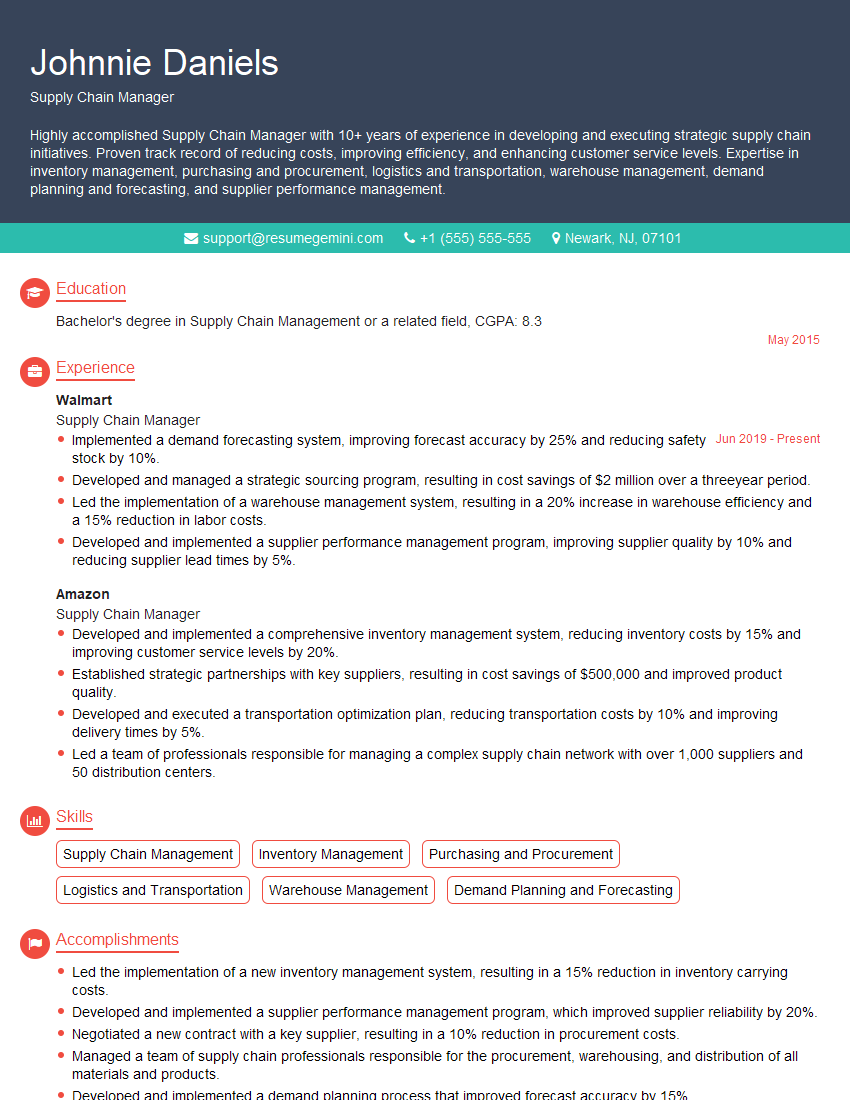
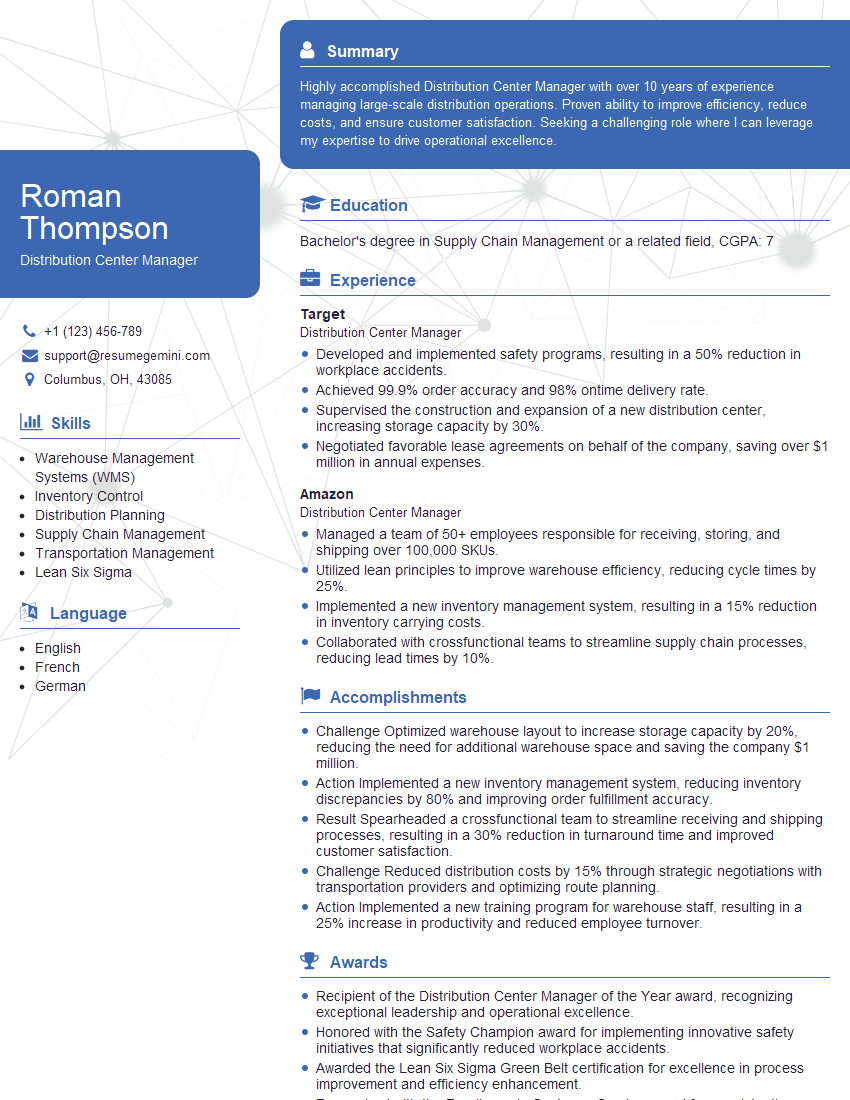
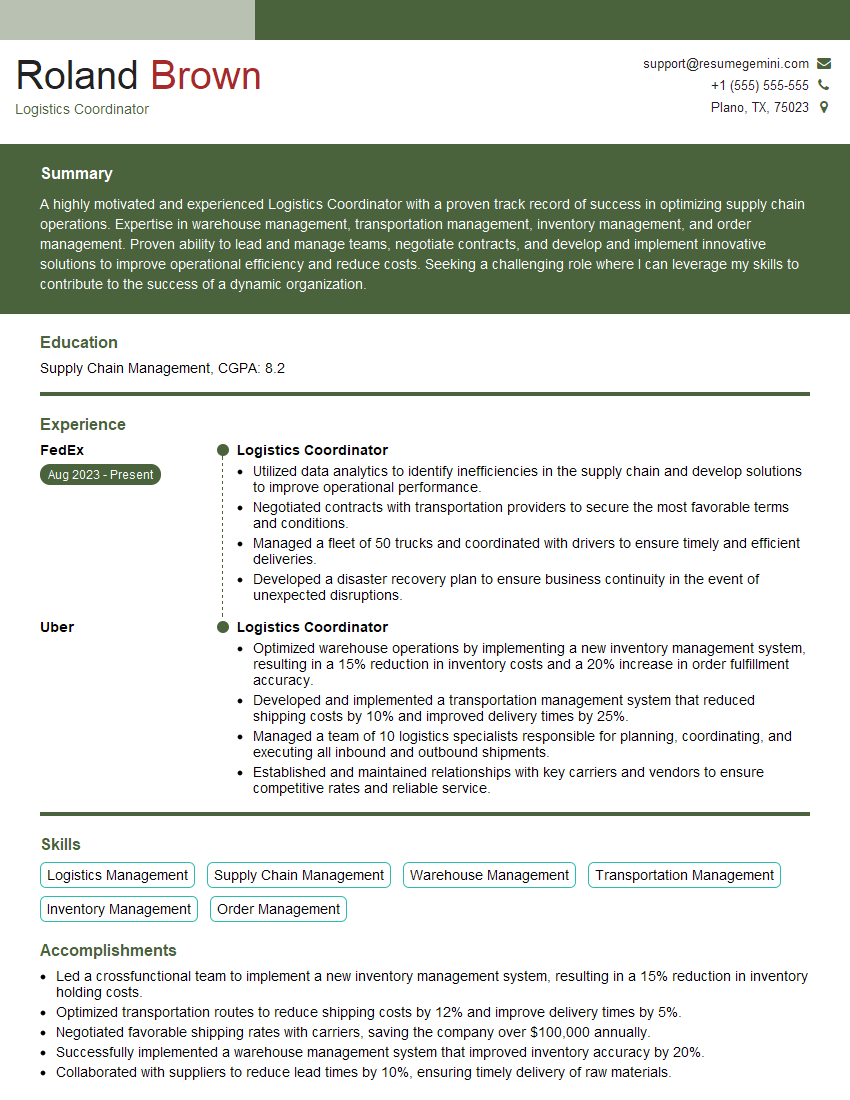
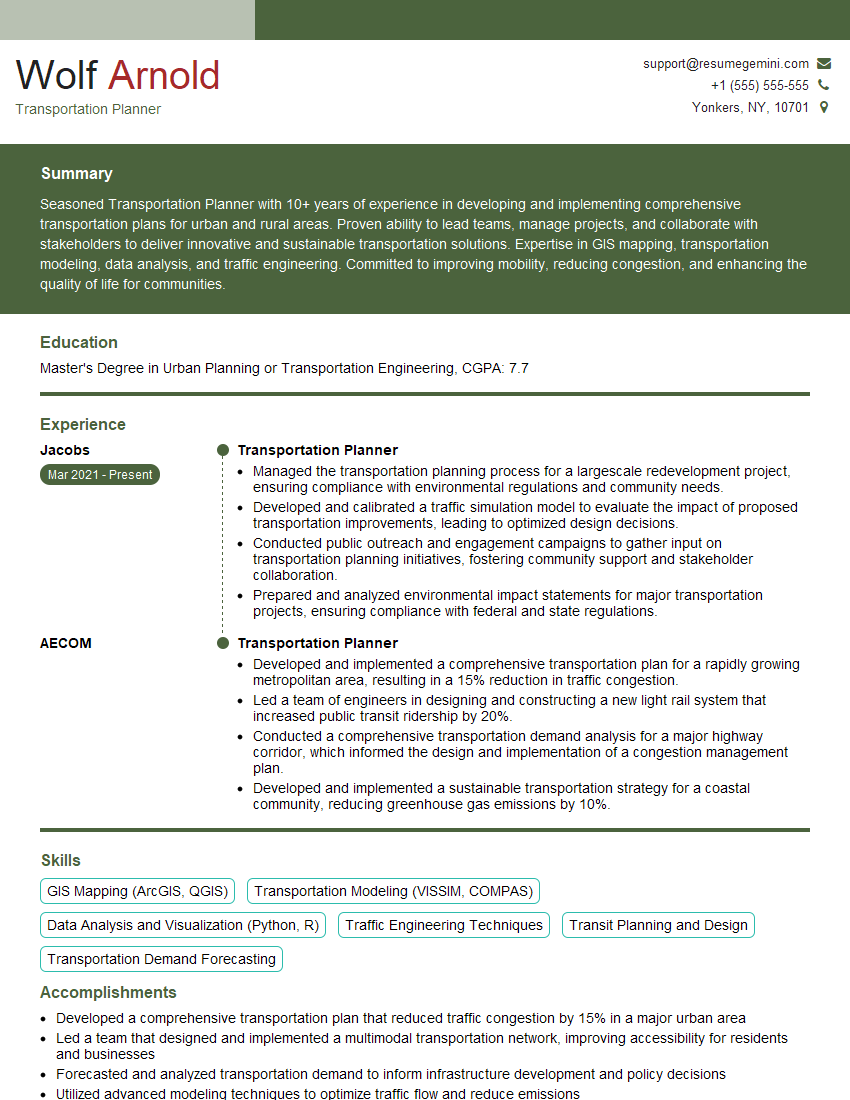
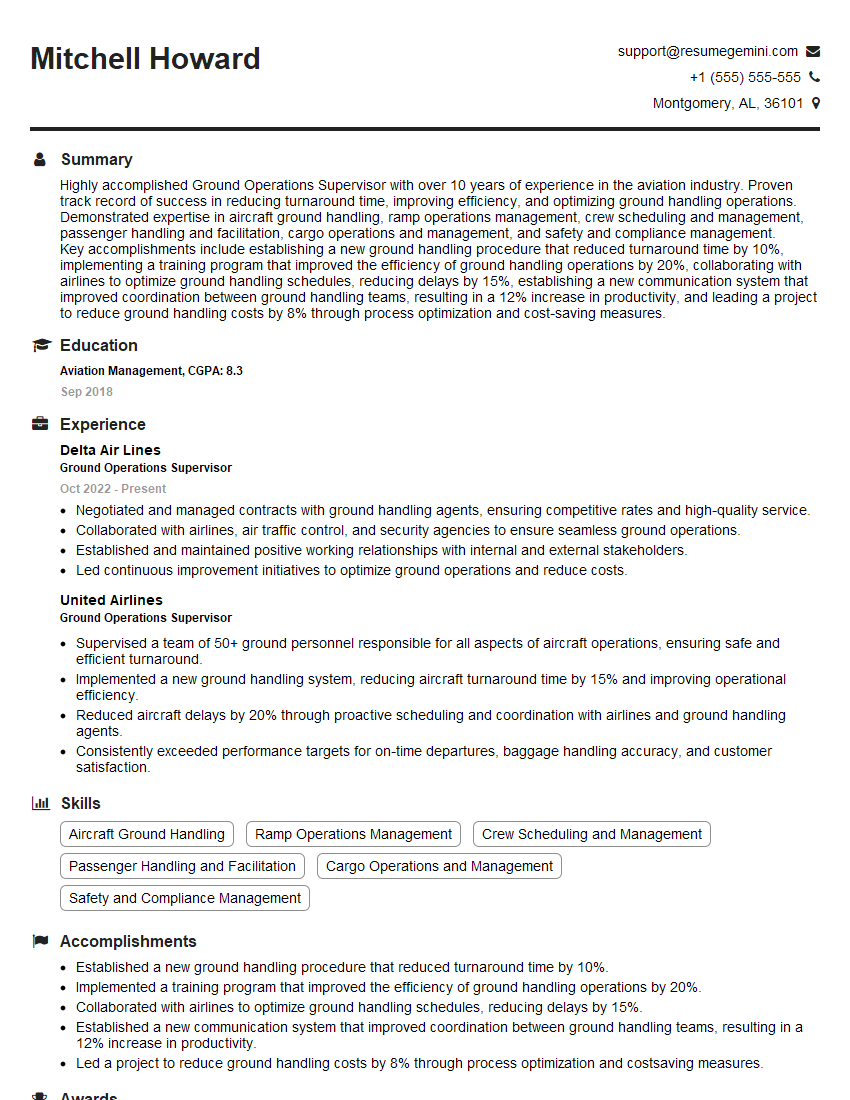
Mastering Loadmaster Training opens doors to exciting and rewarding careers in aviation logistics, offering excellent growth opportunities and competitive salaries. To maximize your job prospects, creating a strong, ATS-friendly resume is crucial. ResumeGemini is a trusted resource that can help you craft a professional and impactful resume tailored to the aviation industry. We provide examples of resumes specifically designed for Loadmaster Training candidates to help you showcase your skills and experience effectively.
Explore more articles
Users Rating of Our Blogs
Share Your Experience
We value your feedback! Please rate our content and share your thoughts (optional).
What Readers Say About Our Blog
Very informative content, great job.
good