Unlock your full potential by mastering the most common Emissions Monitoring and Reporting interview questions. This blog offers a deep dive into the critical topics, ensuring you’re not only prepared to answer but to excel. With these insights, you’ll approach your interview with clarity and confidence.
Questions Asked in Emissions Monitoring and Reporting Interview
Q 1. Explain the different methods for measuring greenhouse gas emissions.
Measuring greenhouse gas (GHG) emissions involves a variety of methods, broadly categorized into direct and indirect measurement. Direct methods involve actually measuring the emissions at the source, while indirect methods estimate emissions based on activity data and emission factors.
- Direct Measurement: This uses instruments like Continuous Emission Monitoring Systems (CEMS) to measure emissions from stacks in real-time. For example, a CEMS continuously monitors CO2, NOx, and SO2 emissions from a power plant’s smokestack. Another direct method involves using portable analyzers to measure fugitive emissions (leaks) from equipment.
- Indirect Measurement: This relies on estimating emissions based on known activity levels and emission factors. For instance, if a factory uses a specific amount of coal, the emissions can be estimated using an emission factor (grams of CO2 emitted per unit of coal burned) found in official databases like the EPA’s AP-42. Another example is using fuel consumption data from vehicles to calculate their CO2 emissions. This method is often used for smaller, distributed sources where direct measurement is impractical or too expensive.
- Material Balance: This method tracks the flow of materials through a process to account for all inputs and outputs. Any unaccounted-for carbon is considered emitted. This is particularly useful in industrial processes with complex material flows.
The choice of method depends on factors like the type of emission source, the required accuracy, cost, and regulatory requirements.
Q 2. Describe your experience with various emissions monitoring technologies (e.g., CEMS, FTIR).
My experience encompasses a wide range of emissions monitoring technologies. I’ve extensively worked with Continuous Emission Monitoring Systems (CEMS) for stationary sources like power plants and industrial facilities. CEMS provide continuous, real-time data on emissions, allowing for immediate detection of anomalies and ensuring compliance with regulatory limits. For example, I was instrumental in implementing and calibrating a CEMS for a cement plant, ensuring accurate reporting of CO2 and NOx emissions.
Furthermore, I have significant experience using Fourier Transform Infrared Spectroscopy (FTIR) for both stationary and mobile source emissions. FTIR offers a powerful analytical tool, especially for identifying and quantifying various GHGs and other pollutants in complex gas mixtures. I used FTIR to analyze emissions from a refinery’s flaring process to identify and quantify the emissions of various volatile organic compounds (VOCs).
Beyond CEMS and FTIR, I’m proficient in using various other technologies like gas chromatography (GC), non-dispersive infrared (NDIR) sensors, and even manual sampling methods to determine emissions. The selection of a specific technology always depends on the source, emission profile, desired accuracy, and budget considerations.
Q 3. How do you ensure the accuracy and reliability of emissions data?
Ensuring the accuracy and reliability of emissions data is paramount. This involves a multi-faceted approach:
- Regular Calibration and Maintenance: All monitoring equipment, whether CEMS or portable analyzers, requires regular calibration and maintenance according to strict protocols. This minimizes instrument drift and ensures the accuracy of measurements. For instance, we conduct monthly calibrations of our CEMS using certified gases and maintain detailed logs of all maintenance activities.
- Quality Assurance/Quality Control (QA/QC): QA/QC procedures are crucial, including the use of control charts, regular audits of data, and blind sample analyses. These steps help detect and address any systemic biases or errors.
- Data Validation and Verification: Data validation involves checking for errors and inconsistencies in the data itself, while verification involves comparing the data against independent measurements or estimations. This ensures that the final data represents a true reflection of reality.
- Traceability and Documentation: Maintaining detailed records of all measurements, calibrations, maintenance, and QA/QC activities is crucial. This ensures complete traceability of data and demonstrates compliance with auditing requirements. Data is typically managed using specialized software designed for emissions reporting.
By adhering to rigorous QA/QC protocols and maintaining comprehensive documentation, we can guarantee the accuracy and reliability of our emissions data.
Q 4. What are the key regulatory requirements for emissions reporting in your region/industry?
Regulatory requirements for emissions reporting vary significantly depending on the region and industry. In my experience working within the United States, the Environmental Protection Agency (EPA) plays a central role. Regulations like the Clean Air Act and its amendments set emission standards and reporting requirements for various sources. The specific requirements often depend on factors such as the type of industry, the size of the facility, and the type of emissions being released.
For example, major stationary sources often need to obtain permits, install and operate CEMS, and submit detailed annual emissions reports to the EPA. These reports include both mass emissions and operational data. Smaller sources might have less stringent requirements, but they still need to comply with applicable emission limits and reporting obligations. Failure to meet the regulatory requirements can result in significant penalties and legal actions. Therefore, continuous monitoring and accurate record-keeping are critical.
It is vital to always consult the latest regulatory guidance and stay updated on any changes to ensure ongoing compliance. Industry-specific regulations may also apply, further adding to the complexity of compliance.
Q 5. How do you handle discrepancies or inconsistencies in emissions data?
Discrepancies or inconsistencies in emissions data require careful investigation. The process typically involves the following steps:
- Identify and Document Discrepancies: The first step is to carefully identify and document all discrepancies, comparing the data from different sources and checking for outliers or unusual patterns.
- Investigate Potential Causes: The next step involves identifying potential causes of the discrepancy. This could include instrument malfunctions, data entry errors, or changes in operational processes. Thorough investigation might involve reviewing maintenance logs, operational data, and conducting site visits.
- Corrective Actions: Once the cause of the discrepancy is identified, appropriate corrective actions are taken. This could involve recalibrating instruments, correcting data entry errors, or modifying operational processes.
- Data Reconciliation: After taking corrective actions, the data is reconciled to ensure consistency and accuracy. This might involve adjusting data or using data reconciliation techniques to correct discrepancies.
- Documentation: A detailed record of the investigation, corrective actions, and data reconciliation is maintained.
Handling discrepancies requires a systematic and methodical approach to ensure data quality and regulatory compliance. A thorough root-cause analysis is crucial to prevent similar issues from occurring in the future.
Q 6. Explain the process of developing an emissions inventory.
Developing an emissions inventory involves a systematic process to quantify GHG emissions from various sources within a defined boundary. It’s crucial for understanding a facility’s environmental footprint and for compliance reporting.
- Define the Scope: Clearly define the geographical boundaries and time period for the inventory. Identify all relevant emission sources within the boundary.
- Data Collection: Collect relevant data on emissions sources, including energy consumption, fuel use, waste generation, and process details. Data sources include operational records, utility bills, and emission factor databases.
- Emission Factor Selection: Choose appropriate emission factors for each source based on fuel type, technology, and other relevant parameters. Emission factors are typically obtained from established databases like the EPA’s AP-42. The selection should be justified based on the specific circumstances.
- Emissions Calculation: Calculate emissions for each source using the collected data and selected emission factors. This involves applying appropriate conversion factors and units.
- Quality Assurance/Quality Control: Implement QA/QC procedures to verify data accuracy. This includes checking for inconsistencies and applying quality control measures to ensure data integrity.
- Reporting: Prepare a comprehensive report summarizing the emissions inventory, including a description of the methodology, data sources, and results. The report should be structured according to established reporting guidelines.
Developing an accurate and reliable emissions inventory requires meticulous attention to detail and a thorough understanding of emission sources and calculation methods. The process often requires specialized software to assist with data management and calculation.
Q 7. Describe your experience with emissions modeling and forecasting.
Emissions modeling and forecasting are crucial for anticipating future emissions and evaluating the effectiveness of emission reduction strategies. My experience in this area involves using various models, from simple spreadsheet-based models to sophisticated atmospheric dispersion models.
Simple models often rely on projections of future activity levels (e.g., energy consumption or vehicle miles traveled) and emission factors to predict future emissions. More complex models use atmospheric dispersion modeling to simulate the transport and diffusion of pollutants in the atmosphere. These models can be used to assess the impact of emission sources on air quality and to optimize emission control strategies.
For example, I used a dispersion model to analyze the impact of a proposed new power plant on local air quality. The model helped to identify potential impacts and inform the design of air pollution control systems. Another example involves projecting CO2 emissions from transportation sectors based on changes in vehicle technology and fuel consumption patterns.
Accuracy in emissions modeling depends heavily on the quality of input data, the choice of appropriate model, and the proper calibration and validation of the model. Uncertainty analysis is crucial to account for the inherent uncertainties in the input data and model parameters.
Q 8. How do you calculate and report carbon footprint?
Calculating and reporting a carbon footprint involves quantifying all greenhouse gas (GHG) emissions associated with an organization, product, event, or service. It’s like creating an inventory of all the ‘carbon’ released into the atmosphere due to your activities. This typically involves a three-step process:
Identify emission sources: This includes direct emissions (Scope 1 – emissions from sources owned or controlled by the organization, e.g., company vehicles), indirect emissions from purchased energy (Scope 2 – electricity consumption), and other indirect emissions from the value chain (Scope 3 – emissions from upstream and downstream activities such as supply chains and transportation of goods). For example, a clothing company’s Scope 1 emissions might include its factory’s fuel consumption, Scope 2 its electricity usage, and Scope 3 the emissions from cotton farming and transportation of finished goods.
Quantify emissions: Once sources are identified, emissions are calculated using specific methodologies and emission factors. Emission factors are numerical values that represent the amount of GHG emitted per unit of activity (e.g., tons of CO2e per kWh of electricity consumed). Numerous databases and tools are available to find these factors. The calculation might involve data collection on fuel consumption, electricity usage, waste generation, business travel, etc. The results are typically expressed in tonnes of carbon dioxide equivalent (tCO2e), a standardized unit that accounts for the global warming potential of various GHGs.
Report emissions: The calculated emissions are then reported according to established standards and frameworks, such as the GHG Protocol Corporate Standard. This often involves creating a comprehensive inventory report detailing the methodology, data sources, and results. Transparency is crucial, and reports often include uncertainties and limitations.
Reporting often involves using software tools that streamline the data collection, calculation, and reporting processes. Accurate carbon footprint reporting is vital for informed decision-making, regulatory compliance, and stakeholder engagement.
Q 9. What are the different types of emissions offsets and credits?
Emissions offsets and credits represent reductions in GHG emissions that are used to compensate for emissions elsewhere. They are based on projects that avoid, reduce, or remove GHG emissions from the atmosphere. There are several types:
Carbon offsets: These are reductions in GHG emissions from one activity that compensate for emissions from another activity. For example, a company might invest in a reforestation project (which removes CO2 from the air) to offset its emissions from manufacturing. The quality of offsets varies widely depending on factors such as project design, additionality (ensuring the project wouldn’t have happened without the offset investment), permanence, and verification.
Carbon credits: These are tradable certificates representing a specific amount of verified GHG emission reduction. They are typically generated through projects that comply with specific standards (e.g., under the Clean Development Mechanism (CDM) or Verified Carbon Standard (VCS)). These credits can be bought and sold on carbon markets, allowing companies to meet emission reduction targets or comply with regulations.
Renewable Energy Credits (RECs): These represent the environmental attributes of renewable energy generation, such as 1 megawatt-hour (MWh) of renewable energy produced from a wind farm or solar project. Purchasing RECs indicates support for renewable energy development and indirectly reduces reliance on fossil fuels.
It’s crucial to ensure the quality and integrity of offsets and credits before using them to achieve carbon neutrality claims, as not all projects are created equal. Independent verification and certification are essential.
Q 10. Explain the concept of carbon neutrality and how it is achieved.
Carbon neutrality refers to achieving a balance between GHG emissions produced and GHG emissions removed from the atmosphere. It means that the net amount of GHG emissions is zero. This doesn’t imply that a company doesn’t emit GHGs, but rather that its emissions are balanced by equivalent reductions or removals elsewhere. Think of it as an accounting balance sheet for carbon.
Achieving carbon neutrality typically involves a combination of strategies:
Emission reduction: This is the primary approach, focusing on reducing GHG emissions directly through operational changes, process improvements, energy efficiency, and adopting cleaner technologies. For example, switching to renewable energy, improving manufacturing efficiency, or adopting sustainable transportation methods.
Emissions avoidance: This involves preventing emissions from occurring in the first place, such as avoiding deforestation or promoting sustainable land use practices.
Carbon removal: This entails removing GHGs from the atmosphere, such as through reforestation, afforestation (planting trees in areas where forests didn’t previously exist), or carbon capture and storage (CCS) technologies.
Offsetting: As a last resort, companies may use high-quality verified carbon offsets to compensate for emissions that cannot be reduced or removed directly.
Achieving true carbon neutrality requires a comprehensive strategy and commitment to transparency and verification. Companies often develop carbon neutrality plans with clear targets, measurable actions, and regular monitoring to demonstrate their progress.
Q 11. How do you validate and verify emissions data?
Validating and verifying emissions data are crucial for ensuring the accuracy and reliability of carbon footprint reporting. Validation involves a systematic assessment of the quality and completeness of the data and methodologies used. Verification, on the other hand, provides an independent assessment to confirm the accuracy and consistency of the reported emissions.
The process typically involves:
Data quality checks: Ensuring data completeness, accuracy, consistency, and relevance. This might involve reviewing data collection procedures, checking for errors or inconsistencies, and comparing data to historical trends.
Methodology review: Assessing the appropriateness of the methods used to calculate emissions, including the emission factors and assumptions made. This includes comparing the approach to established standards and guidelines.
Third-party verification: Engaging an independent, accredited verifier to audit the entire emissions calculation and reporting process. The verifier examines the data, methodologies, and documentation to confirm accuracy and compliance with recognized standards.
Documentation: Maintaining thorough documentation of the entire process, including data sources, methodologies, calculations, and results. This allows for traceability and transparency.
Validation and verification build trust and credibility in the reported data and demonstrate a commitment to accurate and reliable emissions accounting. Several internationally recognized standards and protocols provide guidance on best practices for ensuring data quality.
Q 12. What is your experience with emissions trading schemes?
I have extensive experience working with various emissions trading schemes (ETS). My experience includes:
EU ETS: I’ve assisted companies in complying with the EU ETS, including calculating their emissions allowances, participating in auctions, and managing their allowance portfolios. This involved understanding the complexities of the system, including different allowance types and compliance deadlines.
California ETS: I’ve worked with companies operating in California to understand and comply with their cap-and-trade program, providing guidance on emissions reporting, offset procurement, and allowance trading strategies.
Regional ETS: My experience extends to working with other regional ETS programs around the world. This involved understanding and adapting to various program designs, compliance requirements, and market dynamics.
Carbon market analysis: I’ve conducted carbon market analysis to understand price trends, emission allowance supply and demand, and overall market risks and opportunities. This involved forecasting future carbon prices to support strategic decision-making.
My expertise spans both compliance aspects and strategic market participation within ETS frameworks. I understand the intricacies of each scheme, the importance of robust compliance processes, and the potential for strategic advantage through effective allowance management.
Q 13. Describe your experience with environmental management systems (e.g., ISO 14001).
I have significant experience implementing and managing environmental management systems (EMS) based on ISO 14001. This includes:
Gap analysis: Conducting thorough gap analyses to identify discrepancies between an organization’s current practices and the requirements of ISO 14001.
EMS development and implementation: Developing and implementing comprehensive EMS frameworks, tailored to the specific needs and contexts of different organizations. This involved defining environmental policies, setting objectives and targets, creating operational procedures, and establishing a system for monitoring and reviewing performance.
Internal audits and management reviews: Conducting regular internal audits and management reviews to assess EMS effectiveness, identify areas for improvement, and ensure ongoing compliance.
Certification support: Supporting organizations in obtaining ISO 14001 certification, assisting with documentation preparation and addressing auditor inquiries.
Continuous improvement: Working with organizations to continuously improve their EMS performance, incorporating feedback from internal audits, management reviews, and external stakeholders.
My experience demonstrates a commitment to environmental sustainability and proficiency in using standardized frameworks to improve an organization’s environmental performance.
Q 14. How do you identify and prioritize emission reduction opportunities?
Identifying and prioritizing emission reduction opportunities requires a systematic approach. A common framework involves:
Emissions inventory: Conducting a thorough emissions inventory to identify the largest emission sources. This will highlight the areas where reductions will have the greatest impact.
Benchmarking: Comparing emissions performance to industry best practices and similar organizations to identify opportunities for improvement.
Technology assessment: Evaluating the availability and feasibility of various emission reduction technologies and practices.
Cost-benefit analysis: Analyzing the cost-effectiveness of different emission reduction options to prioritize projects that provide the best return on investment.
Risk assessment: Identifying potential environmental risks and liabilities associated with current operations and prioritizing opportunities to mitigate those risks.
Stakeholder engagement: Involving key stakeholders, such as employees, suppliers, and customers, in the process to identify opportunities and build consensus on action plans.
Prioritization can be based on various factors, such as emission reduction potential, cost-effectiveness, feasibility, and strategic alignment with business goals. A common approach is to utilize a matrix that considers multiple factors simultaneously to rank potential emission reduction projects. For example, a matrix might score each opportunity based on reduction potential, cost, and implementation difficulty. Opportunities with high reduction potential and low costs/difficulty would be prioritized.
Q 15. What are the key challenges in emissions monitoring and reporting?
Emissions monitoring and reporting face numerous challenges, broadly categorized into technical, logistical, and regulatory hurdles. Technically, accurate measurement of emissions across diverse sources and processes can be incredibly complex. For example, accurately quantifying fugitive methane emissions from a natural gas pipeline requires sophisticated detection and modelling techniques. Logistically, data collection often involves multiple stakeholders, disparate data formats, and geographically dispersed sources, making consolidation and validation a significant undertaking. Imagine trying to collect data from numerous factories across a large country – coordinating efforts and ensuring data quality is a monumental task. Finally, regulatory frameworks are constantly evolving, requiring continuous adaptation and adherence to new standards and reporting requirements, which often involves significant compliance costs and specialized expertise.
- Data Accuracy and Completeness: Ensuring reliable data from diverse sources and methodologies.
- Data Management and Integration: Consolidating data from various sources and formats.
- Methodological Consistency: Applying standardized methodologies across different locations and processes.
- Regulatory Compliance: Staying current with ever-changing emissions regulations.
- Cost and Resource Constraints: Balancing the need for accurate data with available resources.
Career Expert Tips:
- Ace those interviews! Prepare effectively by reviewing the Top 50 Most Common Interview Questions on ResumeGemini.
- Navigate your job search with confidence! Explore a wide range of Career Tips on ResumeGemini. Learn about common challenges and recommendations to overcome them.
- Craft the perfect resume! Master the Art of Resume Writing with ResumeGemini’s guide. Showcase your unique qualifications and achievements effectively.
- Don’t miss out on holiday savings! Build your dream resume with ResumeGemini’s ATS optimized templates.
Q 16. Explain your understanding of lifecycle assessment (LCA).
Lifecycle Assessment (LCA) is a comprehensive methodology used to evaluate the environmental impacts of a product or service throughout its entire lifecycle, from raw material extraction to disposal. Think of it as a cradle-to-grave analysis. It encompasses several stages: Goal and Scope Definition, Inventory Analysis, Impact Assessment, and Interpretation. The Inventory Analysis stage involves meticulously quantifying all inputs and outputs, including energy, water, materials, and emissions. The Impact Assessment stage then translates these inventories into environmental impacts, such as global warming potential, acidification, and eutrophication. Interpretation involves evaluating the significance of these impacts and identifying potential areas for improvement. For example, an LCA of a plastic water bottle would consider the emissions from producing the plastic, transportation, usage, and ultimately its disposal (landfill or recycling). This holistic view allows companies to identify hotspots within the lifecycle and develop strategies for reducing their overall environmental footprint.
Q 17. How do you communicate complex emissions data to non-technical audiences?
Communicating complex emissions data to non-technical audiences requires simplification and visualization. Instead of using technical jargon, I prefer using clear, concise language and relatable analogies. For example, instead of saying ‘the company’s CO2 emissions were 10,000 tonnes of CO2e,’ I might say, ‘Our emissions are equivalent to the annual emissions of X number of cars.’ Visual aids are crucial; charts, graphs, and infographics make data more accessible and engaging. Using interactive dashboards or storytelling techniques also helps to convey the information in a more memorable and digestible way. A case study on a successful environmental program, along with its cost-benefit analysis, can also make the information relevant and easier to understand.
Q 18. What software or tools are you proficient in for emissions management?
I am proficient in several software and tools for emissions management. My expertise includes using specialized environmental accounting software like Enviance and Sphera for data management, calculations, and reporting. I’m also skilled in using spreadsheet software like Microsoft Excel and Google Sheets for data analysis and visualization. Furthermore, I have experience with geographic information systems (GIS) software like ArcGIS for mapping and visualizing emission sources. For data analysis and modelling, I utilize tools like R and Python, often employing libraries like pandas and statsmodels.
Q 19. How do you ensure data security and confidentiality in emissions reporting?
Data security and confidentiality are paramount in emissions reporting. I adhere to strict protocols, including access control measures, data encryption, and secure storage solutions. Sensitive data is anonymized whenever possible. We utilize robust password management systems and multi-factor authentication to restrict access to authorized personnel only. Regular security audits and vulnerability assessments are conducted to ensure ongoing protection against cyber threats. All reporting activities adhere to relevant data privacy regulations like GDPR and CCPA. Compliance with these regulations is not simply a box to check, but an integral part of our ethical and professional responsibility.
Q 20. Describe your experience with auditing emissions data and reports.
I have extensive experience auditing emissions data and reports. This involves verifying the accuracy and completeness of data, ensuring compliance with relevant standards and regulations, and assessing the overall quality of the reporting process. My approach involves a combination of quantitative analysis of the data itself, qualitative assessment of the methodologies used, and a thorough review of supporting documentation. For example, I’ve audited reports for companies in various sectors, identifying inconsistencies and errors in calculations, emission factors, and data collection procedures. Through this process I have helped organizations improve their data quality and reporting practices, ultimately leading to more reliable and transparent emissions information.
Q 21. How do you stay up-to-date with changes in emissions regulations?
Staying current with changes in emissions regulations requires a proactive and multi-faceted approach. I regularly monitor updates from organizations like the EPA (Environmental Protection Agency), the EU, and other relevant international bodies. I subscribe to industry newsletters, attend conferences and workshops, and actively participate in professional networks. Engaging with regulatory experts and attending training sessions ensures my understanding of the latest developments. Moreover, understanding the rationale behind regulatory changes helps in proactively adapting reporting and monitoring strategies, ensuring that we’re always compliant and well-prepared for future changes.
Q 22. What are your strengths and weaknesses in emissions monitoring and reporting?
My strengths lie in my comprehensive understanding of various emissions monitoring methodologies, including both continuous and periodic monitoring techniques. I’m proficient in data analysis, using statistical methods to identify trends and anomalies in emissions data. I possess strong experience in interpreting regulatory requirements and ensuring compliance across diverse industrial sectors. Furthermore, I excel at communicating complex technical information to both technical and non-technical audiences. My weakness is staying completely up-to-date with the rapidly evolving landscape of emission regulations across all jurisdictions. To mitigate this, I actively participate in professional development courses and follow relevant industry publications to continuously expand my knowledge.
Q 23. Describe a time you had to troubleshoot a problem with emissions monitoring equipment.
During a project monitoring fugitive emissions from a natural gas processing facility, we experienced intermittent data loss from one of our analyzers. Initially, we suspected a faulty sensor. However, after a systematic troubleshooting process, which included checking the power supply, communication cables, and data logger configuration, we discovered the issue was caused by a software glitch in the data acquisition system. The solution involved updating the software and recalibrating the analyzer. This highlighted the importance of a methodical approach to troubleshooting, starting with the simplest potential causes and moving to more complex issues.
Q 24. How do you ensure compliance with all applicable environmental regulations?
Ensuring compliance begins with a thorough understanding of all applicable local, state, and federal regulations. We start by conducting a comprehensive regulatory gap analysis to pinpoint specific requirements. This is followed by developing and implementing a robust emissions monitoring and reporting plan that includes detailed procedures for data acquisition, quality assurance/quality control (QA/QC), reporting, and record-keeping. Regular internal audits and periodic external reviews by regulatory bodies are critical to identify and address any non-compliance issues proactively. For example, in one project involving a cement plant, we used a detailed checklist to ensure all permits were up to date and all reports were submitted on time, in accordance with the Clean Air Act.
Q 25. Describe your experience with different emission sources (stationary vs. mobile).
My experience encompasses both stationary and mobile emission sources. With stationary sources, I have worked extensively on projects involving power plants, refineries, and industrial manufacturing facilities. This included the installation, calibration, and maintenance of continuous emissions monitoring systems (CEMS) for pollutants like NOx, SO2, and particulate matter. In the mobile sector, I’ve been involved in projects assessing emissions from vehicles and heavy-duty equipment using portable emission measurement systems (PEMS). The methodologies and data analysis techniques differ significantly between the two, requiring a nuanced understanding of each. For instance, while stationary sources typically require continuous monitoring, mobile source monitoring might involve a series of instantaneous measurements during a vehicle’s operation cycle.
Q 26. Explain your understanding of various emission reduction strategies.
Emission reduction strategies vary depending on the source and pollutant. They can be broadly categorized into end-of-pipe control technologies and process optimization. End-of-pipe technologies, like scrubbers, selective catalytic reduction (SCR), and electrostatic precipitators, remove pollutants after they’ve been generated. Process optimization strategies, however, focus on reducing emissions at the source by improving efficiency, using cleaner fuels, or modifying manufacturing processes. For example, replacing coal with natural gas in a power plant is a process optimization, while installing an SCR system is an end-of-pipe control. In my experience, the most effective approach often involves a combination of both.
Q 27. How do you handle data anomalies and outliers in emissions data?
Data anomalies and outliers can significantly impact the accuracy of emissions reporting. My approach involves a multi-step process. First, I visually inspect the data to identify any obvious outliers. Then, I apply statistical methods, such as box plots or standard deviation analysis, to quantify the extent of deviation. If an anomaly is deemed to be a result of an equipment malfunction, we investigate the cause and make necessary corrections. If the cause cannot be determined, we apply appropriate data validation techniques, such as removing or replacing the outlier based on established procedures. Documentation is crucial throughout this process. Properly documenting the identification, analysis, and handling of outliers is essential for regulatory compliance and maintaining data integrity.
Q 28. What is your approach to continuous improvement in emissions management?
Continuous improvement in emissions management is an ongoing process. It involves regularly reviewing and refining our monitoring procedures, data analysis techniques, and reporting methods. We actively seek opportunities to optimize our processes, reducing the uncertainty associated with emissions measurements. We also participate in industry best practice sharing and implement new technologies where feasible. For example, using advanced analytics for predictive maintenance of emission control equipment can reduce downtime and ensure accurate and reliable data collection. We also regularly review regulatory changes to ensure we are always compliant with the latest standards.
Key Topics to Learn for Emissions Monitoring and Reporting Interview
- Regulatory Frameworks: Understand key environmental regulations (e.g., EPA regulations, international protocols) and their implications for emissions monitoring and reporting.
- Emissions Inventory Development: Learn how to create comprehensive emissions inventories, including data collection, analysis, and reporting methodologies.
- Monitoring Technologies: Familiarize yourself with various monitoring technologies (e.g., CEMS, PEMS, remote sensing) and their applications in different industrial settings. Understand their limitations and accuracy considerations.
- Data Analysis and Interpretation: Master techniques for analyzing emissions data, identifying trends, and drawing meaningful conclusions. Practice interpreting statistical outputs and identifying potential errors.
- Reporting and Compliance: Gain proficiency in preparing accurate and timely emissions reports that comply with all applicable regulations. Understand the different reporting formats and requirements.
- Data Management and Quality Assurance/Quality Control (QA/QC): Learn about robust data management practices, including data validation, verification, and ensuring data integrity. Understand QA/QC procedures to ensure the reliability of your results.
- Emission Reduction Strategies: Demonstrate understanding of various emission reduction technologies and strategies, and their effectiveness in achieving compliance and environmental goals.
- Problem-Solving and Troubleshooting: Be prepared to discuss your approach to troubleshooting issues related to emissions monitoring equipment, data anomalies, and reporting discrepancies.
Next Steps
Mastering Emissions Monitoring and Reporting opens doors to exciting and impactful careers in environmental compliance, sustainability, and engineering. To maximize your job prospects, create a compelling and ATS-friendly resume that showcases your skills and experience effectively. ResumeGemini is a trusted resource to help you build a professional and impactful resume. We provide examples of resumes tailored to the Emissions Monitoring and Reporting field to guide you. Take the next step toward your dream career – build a strong resume today!
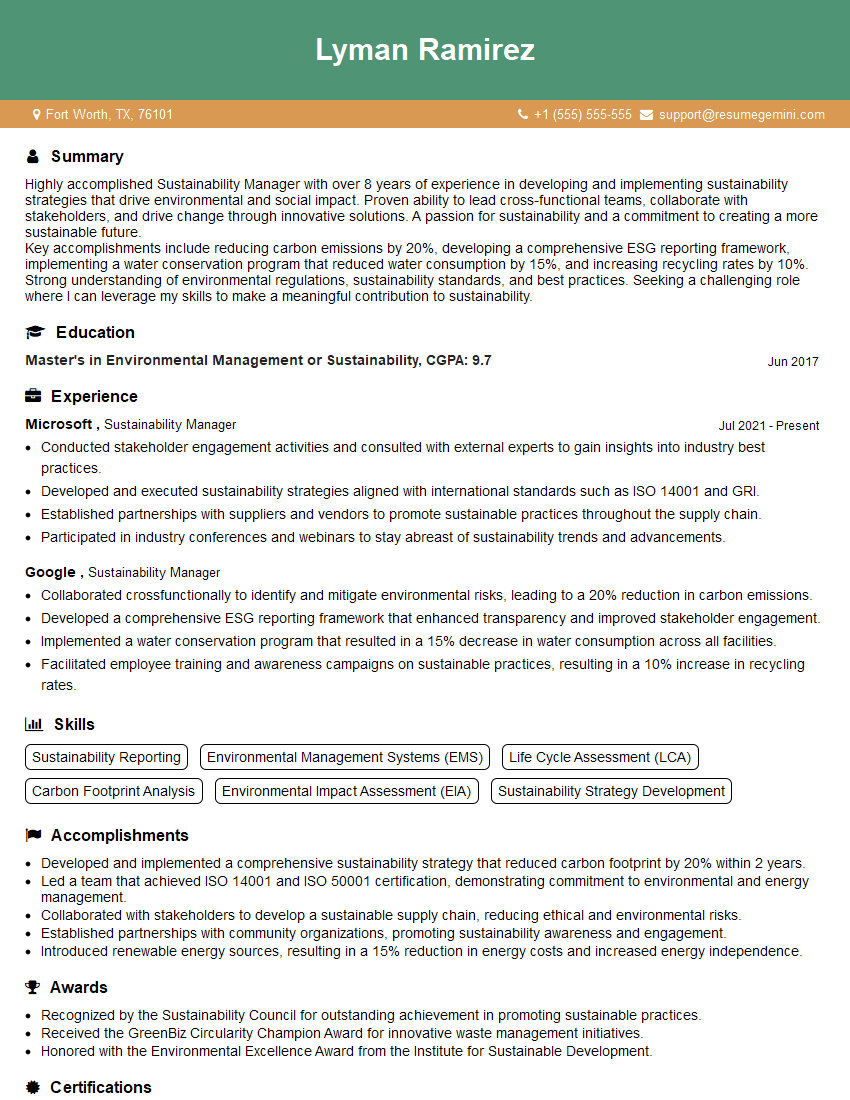
Sustainability Manager Resume Sample
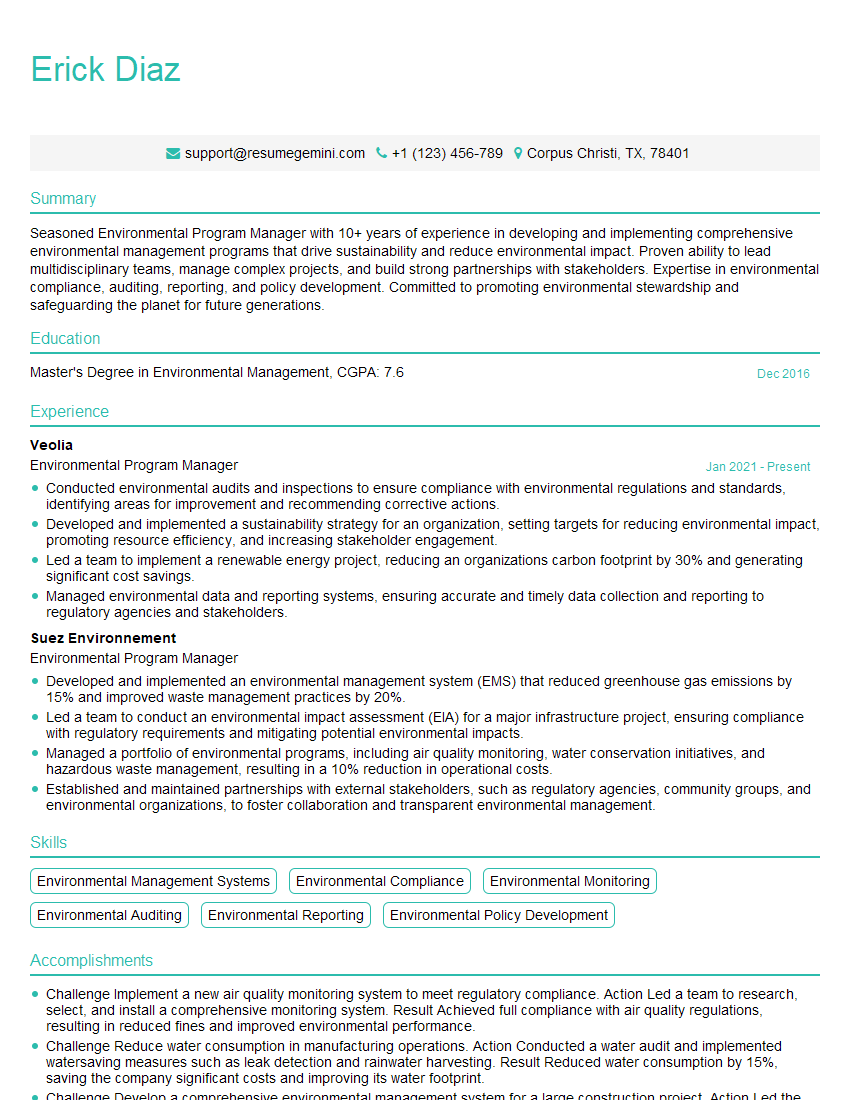
Environmental Program Manager Resume Sample
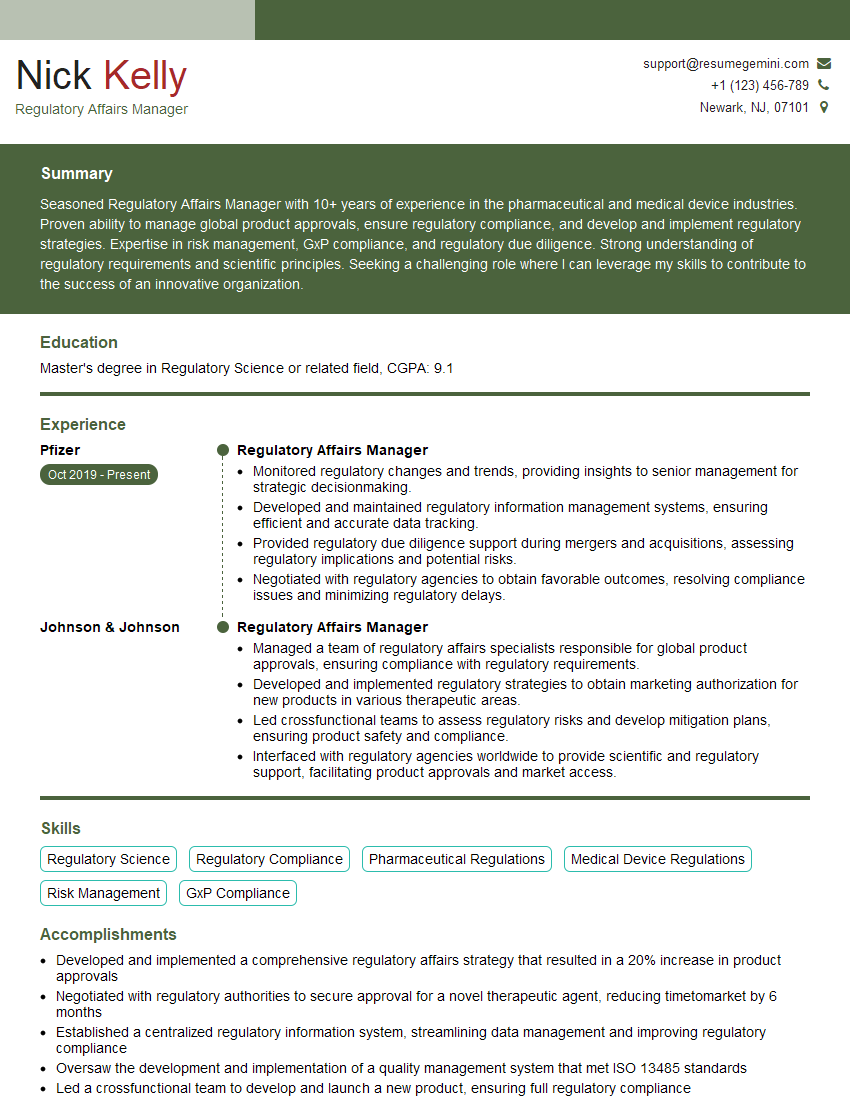
Regulatory Affairs Manager Resume Sample
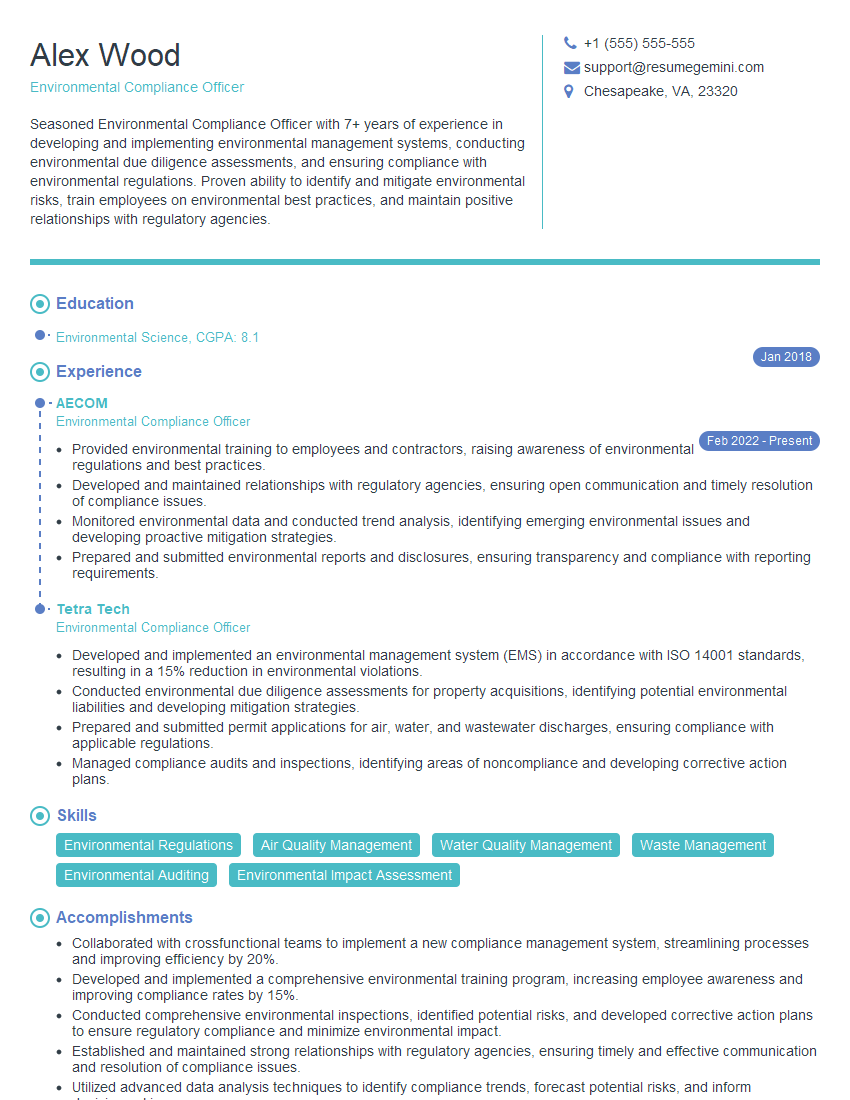
Environmental Compliance Officer Resume Sample

Sustainability Consultant Resume Sample
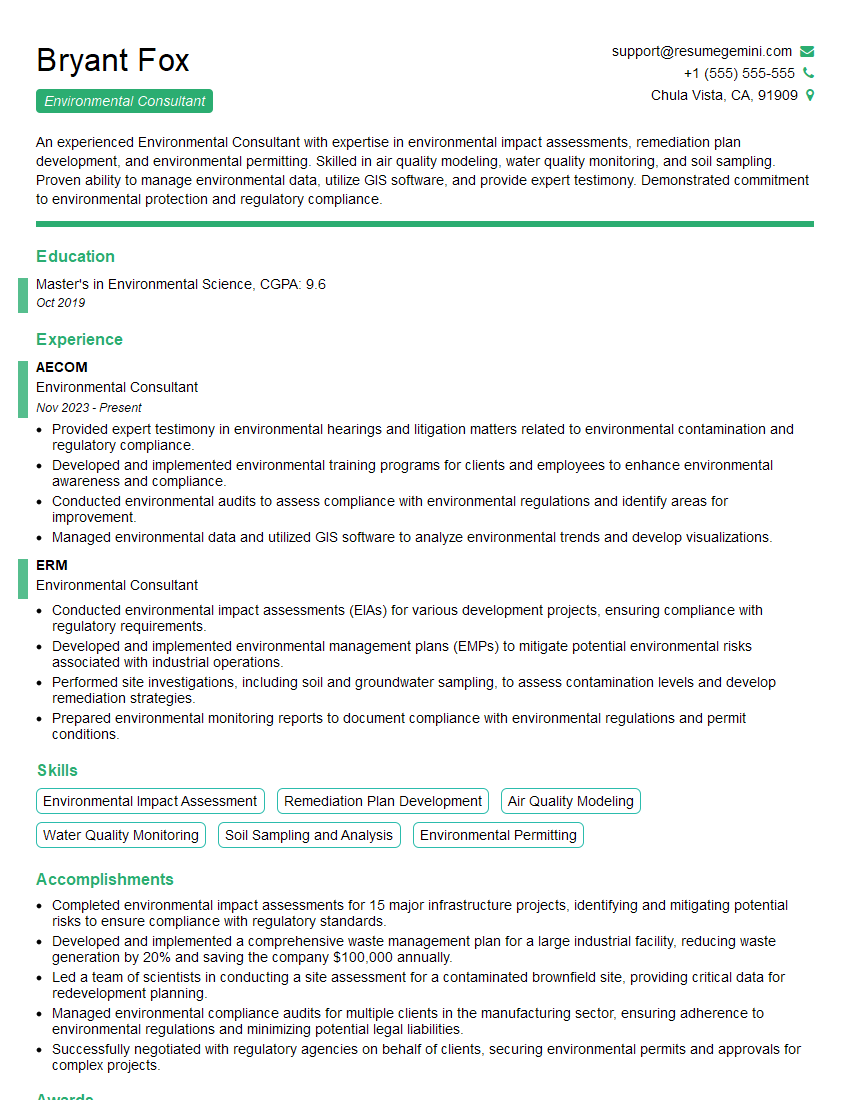
Environmental Consultant Resume Sample
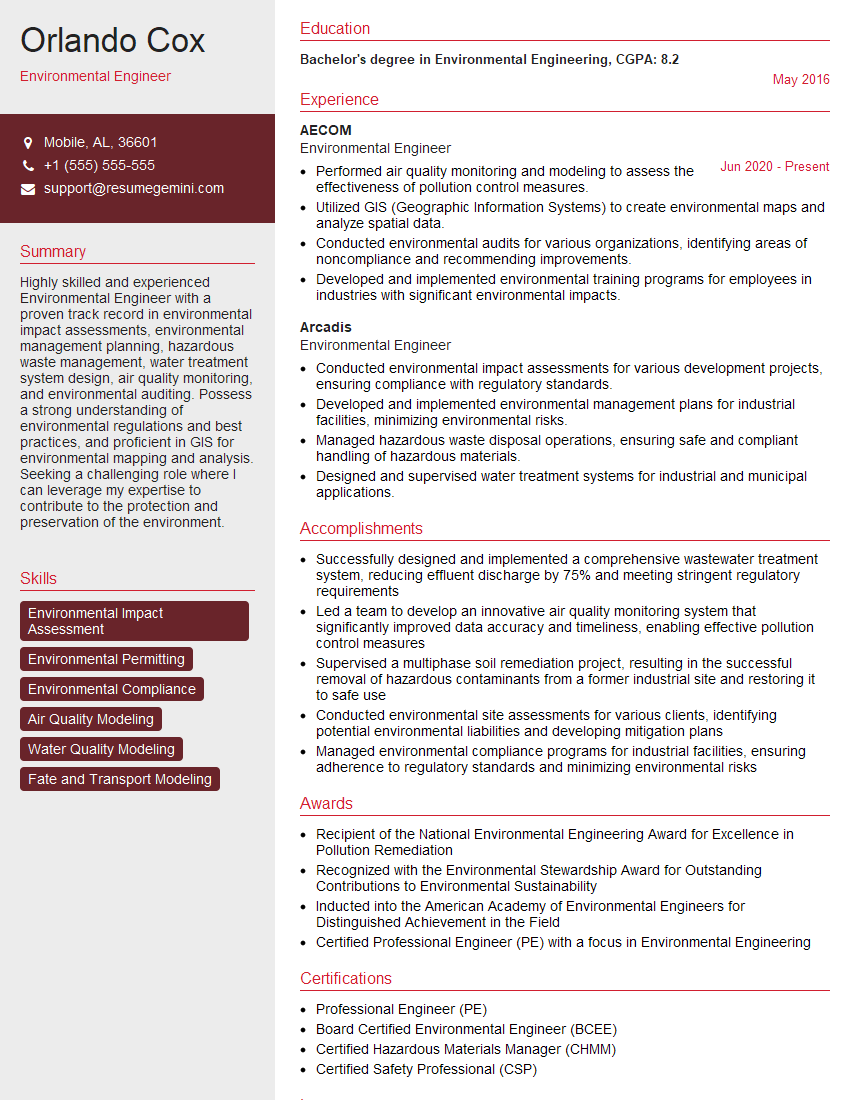
Environmental Engineer Resume Sample
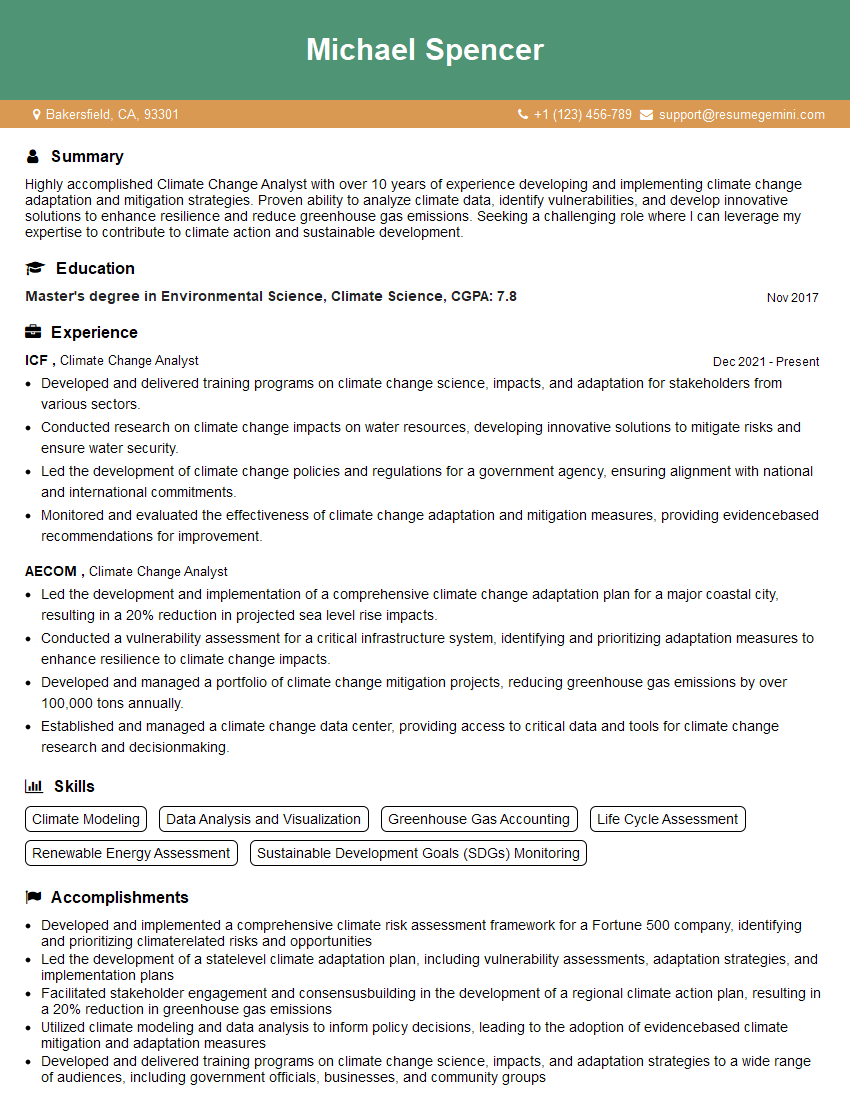
Climate Change Analyst Resume Sample
Explore more articles
Users Rating of Our Blogs
Share Your Experience
We value your feedback! Please rate our content and share your thoughts (optional).
What Readers Say About Our Blog
Very informative content, great job.
good