Are you ready to stand out in your next interview? Understanding and preparing for Emotional Expression interview questions is a game-changer. In this blog, we’ve compiled key questions and expert advice to help you showcase your skills with confidence and precision. Let’s get started on your journey to acing the interview.
Questions Asked in Emotional Expression Interview
Q 1. Describe a time you had to manage your own emotions during a stressful work situation.
Managing emotions under pressure is crucial for effective work. During a particularly intense project deadline, we faced unexpected technical issues that threatened to derail the entire launch. My initial reaction was anxiety – a racing heart and a feeling of overwhelm. However, I consciously employed several strategies. First, I took a few deep breaths to regulate my physiological response. Then, I reframed the problem, viewing it as a challenge to be solved rather than a catastrophe. I actively focused on what I *could* control: problem-solving and delegating tasks. This shift in perspective calmed my anxiety. Finally, I communicated calmly and clearly with my team, focusing on collaborative problem-solving rather than expressing my frustration. This approach enabled us to overcome the challenge and successfully launch the project on time. The key was acknowledging my emotional response without letting it dictate my actions.
Q 2. How do you identify and interpret nonverbal cues in others?
Identifying and interpreting nonverbal cues involves observing a multitude of signals. I pay close attention to body language – posture, gestures, and facial expressions – to gauge someone’s emotional state. For instance, crossed arms might indicate defensiveness, while fidgeting could suggest nervousness or discomfort. I also observe vocal cues: tone, pace, and volume of speech. A high-pitched, rapid voice often signals anxiety, whereas a low, slow voice might indicate sadness or anger. Finally, I consider the context – the overall situation and the individual’s typical behavior – to avoid misinterpretations. For example, a quiet person might be naturally reserved, not necessarily unhappy. Combining these observations allows for a more nuanced understanding of someone’s emotional state.
Q 3. Explain your understanding of emotional contagion and its impact on the workplace.
Emotional contagion refers to the spreading of emotions from one person to another. In the workplace, it’s a powerful phenomenon. If a team member is stressed and anxious, this negativity can quickly spread to others, impacting morale, productivity, and even job satisfaction. For example, a manager’s constant negativity can create a toxic work environment. Conversely, a positive and enthusiastic leader can foster a supportive and productive team. Understanding emotional contagion emphasizes the importance of emotional intelligence and the need for leaders and team members to be mindful of their own emotions and how they might affect others. Strategies for mitigating negative contagion include promoting open communication, fostering a positive work environment, and encouraging emotional regulation among team members.
Q 4. How would you address a situation where a colleague is exhibiting excessive negative emotion?
Addressing a colleague exhibiting excessive negative emotion requires sensitivity and tact. I would approach the situation privately, creating a safe space for open conversation. I would start by actively listening to their concerns without judgment. Empathetic statements like “I can see you’re feeling really stressed; can you tell me more about what’s going on?” can create a connection. Once I understand the underlying cause of their negativity, I would offer support and explore potential solutions collaboratively. If their behavior is disruptive or impacting others, I would remind them of workplace professionalism while expressing my concern for their wellbeing. If the issue persists, I might suggest seeking support from HR or a mental health professional.
Q 5. Describe your approach to resolving conflicts where strong emotions are involved.
Resolving conflicts involving strong emotions requires a structured approach. I utilize a collaborative problem-solving model. First, I ensure a safe and neutral environment where all parties feel comfortable expressing themselves. Then, I help each person articulate their perspective and feelings without interruption. This active listening phase is crucial for de-escalating tensions. Next, I guide the discussion towards identifying the core issues at the heart of the conflict. We then collaboratively brainstorm solutions that address everyone’s concerns. The process emphasizes finding mutually acceptable outcomes, rather than assigning blame or seeking a ‘winner’ and ‘loser’. Finally, we agree on a plan for implementation and follow-up to ensure the resolution is sustained.
Q 6. How do you tailor your communication style based on the emotional state of your audience?
Adapting communication style based on the audience’s emotional state is essential for effective interaction. If someone is visibly upset or anxious, I would adopt a calm, reassuring tone, using empathetic language and validating their feelings. I might speak slowly and clearly, avoiding jargon or complex explanations. If, on the other hand, the audience is enthusiastic and engaged, I can be more direct and energetic in my communication, using more dynamic language and incorporating humor where appropriate. Essentially, I aim to match my communication style to the emotional tone of the audience, fostering understanding and building rapport.
Q 7. What strategies do you use to regulate your own emotional responses in challenging interactions?
Regulating emotional responses in challenging interactions involves a combination of strategies. Mindfulness techniques, such as deep breathing and meditation, are crucial for calming my physiological response to stress. I also practice cognitive reframing, challenging negative thoughts and replacing them with more balanced perspectives. For example, instead of focusing on the frustration of a difficult conversation, I focus on the opportunity to learn and grow. Finally, I prioritize self-care – ensuring adequate sleep, exercise, and healthy eating habits – to build emotional resilience. These techniques enable me to approach challenging interactions with greater composure and effectiveness.
Q 8. How do you actively listen and demonstrate empathy in conversations with emotionally charged individuals?
Actively listening and demonstrating empathy with emotionally charged individuals requires a multifaceted approach focusing on both verbal and nonverbal cues. It’s not just about hearing their words, but understanding their underlying emotions and perspective.
- Verbal Techniques: I begin by using open-ended questions like, “Tell me more about what’s happening.” or “How are you feeling about this?” This encourages them to elaborate and feel heard. I then use reflective listening, paraphrasing their statements to ensure understanding and validating their feelings, e.g., “So, it sounds like you’re feeling frustrated because…”
- Nonverbal Techniques: Maintaining appropriate eye contact (without staring intensely), offering a calm and reassuring posture, and mirroring their nonverbal cues subtly (if appropriate) can help build rapport. Avoiding interrupting and offering appropriate silence allows them to process their emotions.
- Empathy: Empathy involves understanding and sharing the feelings of another. This isn’t about agreeing with their perspective but acknowledging their emotional state. Saying something like, “I can understand why you’d feel that way in this situation,” shows empathy without necessarily condoning the behavior.
For example, if someone is expressing anger about a missed deadline, I wouldn’t interrupt with solutions immediately. Instead, I would start by listening to their frustrations, validating their feelings, and then collaboratively explore solutions once they’ve had a chance to express themselves fully.
Q 9. Explain your understanding of different emotional expression styles across cultures.
Emotional expression varies significantly across cultures. What might be considered an appropriate display of emotion in one culture could be viewed as inappropriate or even offensive in another. Understanding these differences is crucial for effective cross-cultural communication.
- Display Rules: Different cultures have varying “display rules” that dictate which emotions are acceptable to express and in what context. For instance, some cultures encourage open displays of emotion, while others prioritize emotional restraint.
- Nonverbal Communication: Nonverbal cues like facial expressions, gestures, and personal space can also have drastically different meanings across cultures. A smile, for example, can signify happiness in many Western cultures, but it might represent nervousness or even deception in other cultures.
- Emotional Vocabulary: The words used to describe emotions can also vary. Some languages have more nuanced ways of expressing emotions than others. Direct translations can lead to misunderstandings.
For instance, direct confrontation might be acceptable in some cultures to resolve conflict while in others, it might be considered rude and disrespectful, favoring a more indirect approach.
Q 10. Describe a time you successfully de-escalated a tense situation by managing emotions.
During a team meeting, a major project deadline was missed, causing significant tension and finger-pointing. Several team members were visibly upset and blaming each other. I intervened by first acknowledging the stressful situation and the validity of their frustration. Then, I redirected the conversation towards a collaborative problem-solving approach. I suggested we brainstorm solutions instead of dwelling on blame. I facilitated a structured discussion, ensuring everyone had a chance to speak and offering neutral summaries to prevent misunderstandings. This collaborative approach diffused the tension, and we collectively devised a recovery plan.
Q 11. How do you handle feedback that evokes strong emotional responses in you?
Receiving critical feedback can trigger strong emotional responses. My approach involves a process of self-regulation and perspective-taking.
- Self-Awareness: I first acknowledge my emotional response without judgment. I identify the specific emotion(s) I’m experiencing (e.g., defensiveness, frustration).
- Emotional Regulation: I employ techniques like deep breathing or mindfulness to calm myself before responding. This prevents me from reacting impulsively.
- Perspective-Taking: I try to understand the feedback from the giver’s perspective. What were their intentions? What specific behaviors are they addressing? This helps me separate the feedback from a personal attack.
- Seeking Clarification: If necessary, I ask clarifying questions to ensure I understand the feedback correctly. This prevents misinterpretations.
- Focused Action: Once I’ve processed the feedback, I focus on actionable steps to improve. This shifts the focus from negative emotion to positive change.
Q 12. What strategies do you employ to build rapport and trust with individuals experiencing strong emotions?
Building rapport and trust with individuals experiencing strong emotions requires genuine care and understanding. It’s a gradual process based on consistent actions.
- Active Listening (as described in question 1): Demonstrating that you truly hear and understand their perspective is paramount.
- Validation: Acknowledging the legitimacy of their emotions, even if you don’t agree with their assessment of the situation, shows respect and empathy.
- Non-Judgmental Approach: Avoiding interrupting or offering unsolicited advice is crucial. Let them express themselves fully without feeling judged.
- Shared Experiences (if appropriate): If relevant, sharing a personal anecdote that shows you understand their struggles can foster connection and trust.
- Collaboration: Frame the situation as a collaborative effort to address the problem, rather than a confrontation.
For example, if someone is expressing anxiety about a work project, I would start by listening to their concerns, validating their feelings, and then collaboratively brainstorm ways to tackle the project and reduce their anxiety. This approach shifts from a position of authority to one of partnership and mutual problem-solving, fostering trust.
Q 13. How do you maintain composure and professionalism when dealing with angry or upset individuals?
Maintaining composure and professionalism when dealing with angry or upset individuals is crucial for de-escalation. It requires self-regulation and a focus on clear communication.
- Self-Regulation: Employing techniques like deep breathing or mindfulness helps manage my own emotional response, preventing a reactive response.
- Calm and Respectful Tone: Maintaining a calm and respectful tone of voice, even when the other person is not, is crucial. Avoid mirroring their anger.
- Active Listening: Allowing them to fully express their anger without interruption (unless the situation becomes unsafe) shows that their feelings are valued.
- Clear and Concise Language: Avoid using jargon or overly complicated language. Speak clearly and concisely to ensure understanding.
- Setting Boundaries: If necessary, I will set clear boundaries to protect my own well-being. This could involve redirecting the conversation if it becomes abusive or seeking assistance from a supervisor or other appropriate personnel.
Q 14. Describe your experience using emotional intelligence to motivate or inspire others.
Emotional intelligence plays a vital role in motivating and inspiring others. Understanding and managing my own emotions, and recognizing and responding appropriately to the emotions of others, is essential for effective leadership.
- Empathy-Driven Communication: By understanding the emotional needs and concerns of my team, I can tailor my communication to resonate with them. This builds trust and encourages buy-in.
- Positive Reinforcement: Recognizing and appreciating individuals’ contributions, both big and small, fosters a positive and motivating work environment.
- Constructive Feedback: Delivering feedback in a way that is both empathetic and direct helps individuals grow and develop without feeling undermined.
- Conflict Resolution: Addressing conflicts constructively and fairly, using emotional intelligence to understand the perspectives of those involved, strengthens team cohesion and builds trust.
- Shared Vision: Inspiring others involves connecting with their emotions and aligning their goals with a shared vision that appeals to their values and aspirations.
For example, during a challenging project, I observed team members becoming discouraged. By understanding their frustrations and anxieties, I provided encouragement, adjusted timelines, and celebrated small wins along the way. This fostered a renewed sense of purpose and motivation, ultimately leading to project success.
Q 15. How would you coach a team member who is struggling with emotional regulation?
Coaching a team member struggling with emotional regulation involves a compassionate yet firm approach. It starts with building trust and understanding. I’d begin by having a private conversation, emphasizing a non-judgmental and supportive environment. We’d explore the root causes of their struggles – are they dealing with stress, anxiety, a personal issue, or something else? Understanding the ‘why’ is crucial.
Next, I’d introduce practical strategies. This could involve techniques like mindfulness exercises (e.g., deep breathing, meditation), cognitive reframing (challenging negative thought patterns), and identifying healthy coping mechanisms (e.g., exercise, spending time in nature). We might also explore professional resources like Employee Assistance Programs (EAPs) or therapy if needed. Regular check-ins would be crucial to monitor progress and adjust strategies as necessary. The key is to empower them to take ownership of their emotional well-being.
For example, if a team member consistently reacts angrily to setbacks, we’d work on identifying the triggers, understanding their emotional response, and practicing alternative reactions. This could involve role-playing scenarios and gradually introducing them to more effective communication and conflict resolution techniques.
Career Expert Tips:
- Ace those interviews! Prepare effectively by reviewing the Top 50 Most Common Interview Questions on ResumeGemini.
- Navigate your job search with confidence! Explore a wide range of Career Tips on ResumeGemini. Learn about common challenges and recommendations to overcome them.
- Craft the perfect resume! Master the Art of Resume Writing with ResumeGemini’s guide. Showcase your unique qualifications and achievements effectively.
- Don’t miss out on holiday savings! Build your dream resume with ResumeGemini’s ATS optimized templates.
Q 16. How do you utilize emotional awareness to improve team dynamics?
Emotional awareness is the cornerstone of positive team dynamics. By understanding and acknowledging our own emotions and those of our team members, we can foster a more empathetic and productive work environment. This starts with active listening – truly hearing what people are saying, both verbally and nonverbally. I pay close attention to body language, tone of voice, and the overall emotional climate of the team.
For example, if I notice a team member seems withdrawn or unusually quiet during a meeting, I might approach them later to check in. A simple ‘How are you doing?’ can open the door for them to share concerns and feel supported. This shows empathy and demonstrates that I value their well-being, strengthening our relationship and fostering trust within the team. Understanding the emotional context behind behaviors allows for more effective communication and conflict resolution, leading to a healthier and more productive team.
Q 17. What are some common barriers to effective emotional expression in the workplace, and how can they be overcome?
Several barriers hinder effective emotional expression in the workplace. A common one is a culture of emotional suppression, where vulnerability is perceived as weakness. This can stem from fear of judgment, retribution, or impact on career advancement. Another barrier is a lack of emotional intelligence training – individuals may not possess the skills to effectively express their feelings in a constructive manner.
Overcoming these barriers requires a multi-pronged approach. Leaders must actively promote a culture of psychological safety, where team members feel comfortable expressing their emotions without fear of negative consequences. This involves modeling healthy emotional expression, actively listening to concerns, and providing constructive feedback. Furthermore, offering emotional intelligence training can equip employees with the necessary skills to understand and manage their emotions and communicate effectively.
For instance, implementing regular team-building activities that encourage open communication and emotional sharing can help break down barriers. Clearly defined communication protocols can also help manage potentially sensitive conversations in a respectful and professional manner.
Q 18. How do you identify and address emotional burnout in yourself and others?
Identifying emotional burnout involves recognizing persistent feelings of exhaustion, cynicism, and reduced professional efficacy. Early signs might include increased irritability, difficulty concentrating, changes in sleep patterns, and physical symptoms like headaches or digestive issues. In others, I look for decreased productivity, increased absenteeism, and a general lack of enthusiasm for their work.
Addressing burnout requires a holistic approach. For myself, I prioritize self-care activities such as exercise, sufficient sleep, and spending time with loved ones. I also set realistic boundaries between work and personal life and actively seek out opportunities for relaxation and rejuvenation. For others, I encourage them to take breaks, utilize vacation time, and seek support from colleagues, supervisors, or mental health professionals. This might include adjusting workloads, providing additional training or support, and addressing any underlying workplace stressors.
Open and honest communication is key. Creating a safe space for individuals to discuss their struggles without fear of judgment allows for early intervention and prevents burnout from escalating.
Q 19. Describe your understanding of the connection between emotional intelligence and workplace productivity.
Emotional intelligence (EQ) is strongly linked to workplace productivity. Individuals with high EQ are better at managing their own emotions, understanding the emotions of others, and navigating social interactions effectively. This translates to improved teamwork, conflict resolution, and communication, all of which are critical for productivity.
For example, a team member with high EQ will be better at collaborating with others, adapting to changing circumstances, and motivating themselves and their colleagues. They’ll be less likely to be derailed by interpersonal conflicts, and more able to effectively address challenges, leading to increased efficiency and output. A team with high collective EQ is more resilient, innovative, and ultimately, more productive.
Q 20. How do you use emotional intelligence to improve decision-making processes?
Emotional intelligence significantly improves decision-making. By considering the emotional aspects of a situation, we can make more informed and nuanced choices. This involves understanding not only the logical implications of a decision but also its potential emotional impact on individuals and the organization as a whole.
For example, when considering a restructuring initiative, a leader with high EQ would not only analyze the financial implications but also assess the emotional impact on employees who may be affected by job losses or changes in roles. They’d consider strategies to mitigate negative emotional consequences and maintain morale. This leads to more considerate and ultimately, more successful outcomes. Ignoring the emotional aspect can lead to poor decisions with negative repercussions for the organization’s well-being and productivity.
Q 21. Explain how you handle situations where emotional expression is inappropriate in the workplace.
Situations where emotional expression is inappropriate require a delicate balance of empathy and firm guidance. The approach depends on the context and severity of the situation. If an employee is expressing anger or frustration in a disruptive way, I would address it privately, emphasizing the importance of professional conduct and offering alternative methods of communication.
For example, if a heated argument occurs during a meeting, I’d interrupt respectfully, emphasizing the need to remain professional and suggesting a time to discuss concerns privately later. The goal isn’t to suppress emotion but to guide individuals toward expressing themselves constructively. If the behavior is persistent or violates company policies, formal disciplinary measures may be necessary, always conducted with fairness and consistency.
However, acknowledging and validating the underlying emotions is still crucial. Understanding the root cause of the inappropriate behavior allows for more effective intervention and potentially prevents future recurrences.
Q 22. How do you create a safe and supportive environment where people feel comfortable expressing their emotions?
Creating a safe space for emotional expression hinges on building trust and psychological safety. This isn’t just about avoiding negativity; it’s about actively fostering an environment where vulnerability is valued and seen as a strength, not a weakness.
- Establish clear communication norms: Explicitly state that expressing emotions is acceptable and encouraged. This could involve setting ground rules for respectful disagreement and active listening.
- Model vulnerability yourself: Leaders need to show they are comfortable sharing their own emotions appropriately. This demonstrates authenticity and encourages others to do the same.
- Practice active listening: Show genuine interest in what others are saying, both verbally and nonverbally. Avoid interrupting or offering unsolicited advice before understanding their perspective.
- Emphasize confidentiality: Reassure individuals that their shared emotions will be treated with respect and discretion.
- Provide resources: Offer access to mental health resources or employee assistance programs if needed. Let people know they’re not alone in their emotional experiences.
For example, in a team meeting, I might explicitly state, “We want to create a space where everyone feels comfortable sharing their thoughts and feelings, even if they’re difficult. Let’s all commit to active listening and respectful dialogue.”
Q 23. How can emotional expression be used to foster innovation and creativity within a team?
Emotional expression is crucial for fostering innovation and creativity. When team members feel safe to express their ideas, even if they’re unconventional or challenge the status quo, it leads to a more dynamic and imaginative brainstorming process. Suppressed emotions can stifle creativity, while open expression can spark new perspectives and solutions.
- Embrace diverse perspectives: Encourage team members to share their emotional responses to ideas, as these often reveal underlying assumptions and biases.
- Foster constructive conflict: Disagreements are inevitable, but managing them effectively requires emotional intelligence. When disagreements arise, focus on the underlying issues rather than personal attacks.
- Celebrate risk-taking: Innovation requires stepping outside the comfort zone. Acknowledge and celebrate both successes and failures, emphasizing the learning process rather than solely focusing on outcomes.
- Encourage empathy: Understanding the emotional landscape of your team helps build stronger relationships and promotes collaboration.
For example, in a design brainstorming session, allowing team members to express their frustration with a particular design constraint might lead to a breakthrough idea that overcomes that constraint.
Q 24. Describe a time you successfully used emotional expression to build a strong professional relationship.
During a challenging project with tight deadlines, a team member was visibly stressed and frustrated. Instead of ignoring it or dismissing their concerns, I took the time to acknowledge their feelings. I said something like, “I can see you’re feeling overwhelmed; this project is demanding, and it’s completely understandable to feel that way.” This simple act of validation created a connection. We then collaboratively identified the sources of their stress and devised strategies to manage the workload. This helped us complete the project successfully and also deepened our professional relationship based on mutual trust and understanding.
Q 25. How do you recognize and address emotional biases in yourself and others?
Recognizing and addressing emotional biases is a continuous process of self-reflection and awareness. It requires understanding how our emotions can distort our perceptions and judgments.
- Self-reflection: Regularly assess your own emotional responses to situations. Journaling, mindfulness practices, or seeking feedback from trusted colleagues can be helpful tools.
- Identify triggers: Recognize what situations or individuals tend to elicit strong emotional responses in you. Understanding these triggers allows you to anticipate and manage your reactions more effectively.
- Challenge assumptions: Question your initial judgments and consider alternative perspectives. Ask yourself, “Am I letting my emotions cloud my judgment?”
- Seek diverse perspectives: Actively seek out viewpoints that differ from your own. This can help counteract biases and promote a more objective understanding.
- Practice empathy: Try to understand the emotional context of others’ behaviors, recognizing that their actions might be influenced by factors beyond your immediate perception.
For instance, if I find myself consistently frustrated by a particular team member’s communication style, I need to examine whether my frustration stems from a genuine communication issue or from an underlying personal bias. By reflecting on my own reactions, I can approach the situation with more objectivity and find a constructive solution.
Q 26. Explain how emotional intelligence contributes to effective leadership.
Emotional intelligence is paramount for effective leadership. It’s the ability to understand and manage your own emotions, as well as recognize and influence the emotions of others. Effective leaders use emotional intelligence to:
- Build strong relationships: Empathy and understanding foster trust and cooperation within the team.
- Motivate and inspire: Leaders who connect with their team’s emotions can better inspire and motivate them toward shared goals.
- Manage conflict effectively: Emotional intelligence allows leaders to navigate disagreements constructively, focusing on solutions rather than exacerbating tensions.
- Make sound decisions: By acknowledging and managing their own emotional biases, leaders can make more objective and rational decisions.
- Promote a positive work environment: Leaders who are emotionally intelligent create a supportive and inclusive workplace where individuals feel valued and respected.
Consider a leader who can sense when a team member is struggling. Instead of simply assigning more tasks, the leader takes the time to understand the root cause, offering support and adjusting expectations. This shows emotional intelligence and builds stronger team dynamics.
Q 27. How do you use emotional expression to navigate difficult conversations or negotiations?
Navigating difficult conversations or negotiations requires careful consideration of emotions—both your own and those of the other party. It’s about expressing your needs and perspectives while remaining respectful and understanding.
- Prepare emotionally: Before the conversation, identify your own emotional state and potential triggers. This will allow you to approach the situation with more composure.
- Active listening: Truly listen to the other person’s perspective and acknowledge their feelings, even if you don’t agree with them.
- Express your emotions constructively: Use “I” statements to express your feelings without blaming or accusing the other party. For example, instead of saying, “You always interrupt me,” try, “I feel frustrated when I’m interrupted because it makes it difficult for me to express my thoughts completely.”
- Find common ground: Look for shared goals or interests to build a foundation for collaboration.
- Maintain composure: Even when the discussion becomes heated, strive to remain calm and professional. Avoid escalating the conflict through emotional outbursts.
For example, during a salary negotiation, acknowledging the company’s financial constraints while expressing your own needs and value to the organization allows for a more productive and respectful discussion.
Q 28. Describe your approach to developing your own emotional intelligence skills.
Developing emotional intelligence is an ongoing journey, not a destination. My approach involves a multifaceted strategy:
- Self-awareness practices: I regularly engage in self-reflection through journaling, mindfulness meditation, and seeking feedback from trusted individuals. This helps me identify my emotional triggers and patterns.
- Emotional regulation techniques: I practice techniques such as deep breathing and cognitive reframing to manage stressful situations and regulate my emotional responses more effectively.
- Empathy building: I actively listen to others’ perspectives, seek to understand their emotional states, and practice putting myself in their shoes.
- Social skills training: I continuously work on improving my communication skills, conflict resolution strategies, and ability to build rapport with others.
- Seeking feedback and coaching: I regularly seek feedback from colleagues and mentors, and I’ve also considered engaging in professional coaching to further enhance my emotional intelligence skills.
Continuous learning and self-improvement are key. I actively seek opportunities to challenge myself and expand my understanding of emotional dynamics in various contexts.
Key Topics to Learn for Emotional Expression Interview
- Understanding and Identifying Emotions: Learn to accurately recognize and categorize a wide range of emotions in yourself and others, including nuanced expressions.
- Emotional Regulation: Explore strategies for managing your own emotional responses in professional settings, emphasizing composure and appropriate reactions.
- Nonverbal Communication: Master the interpretation and use of nonverbal cues (body language, facial expressions, tone of voice) to effectively communicate and understand emotional states.
- Empathy and Perspective-Taking: Develop your ability to understand and share the feelings of others, crucial for building rapport and navigating interpersonal dynamics.
- Active Listening and Responding: Practice techniques for attentive listening and responding in a way that acknowledges and validates the emotions of the speaker.
- Emotional Intelligence in Teamwork: Understand how emotional intelligence impacts collaboration, conflict resolution, and team dynamics.
- Communicating Effectively with Difficult Emotions: Develop strategies for handling conversations involving anger, frustration, disappointment, or other challenging emotions constructively.
- Self-Awareness and Self-Management: Recognize your own emotional triggers and develop strategies for managing stress and maintaining a positive professional demeanor.
- Ethical Considerations: Explore the ethical implications of emotional expression in professional contexts, maintaining sensitivity and respect.
Next Steps
Mastering emotional expression is vital for career advancement. Strong emotional intelligence significantly improves communication, teamwork, leadership, and overall professional success. To stand out, create an ATS-friendly resume that highlights your skills and experience in this area. ResumeGemini is a trusted resource to help you build a professional resume that showcases your abilities effectively. Examples of resumes tailored to roles focusing on Emotional Expression are available to guide you.
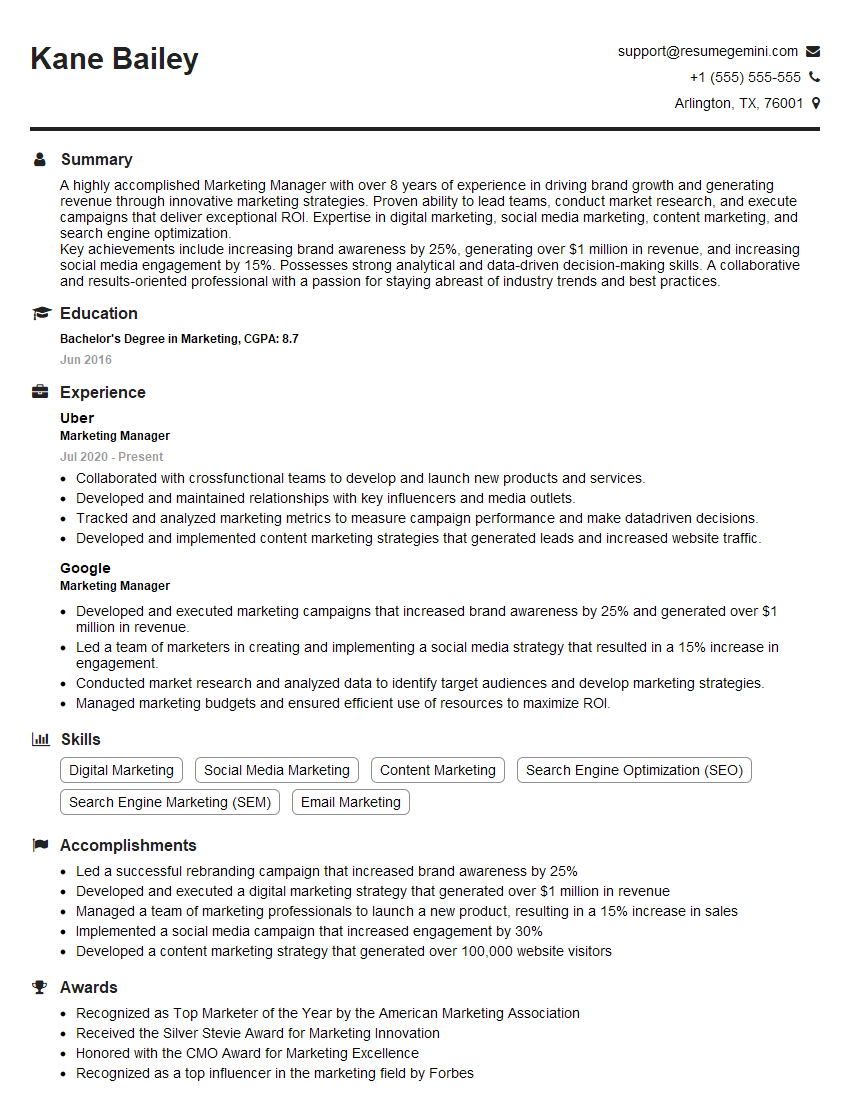
Marketing Manager Resume Sample
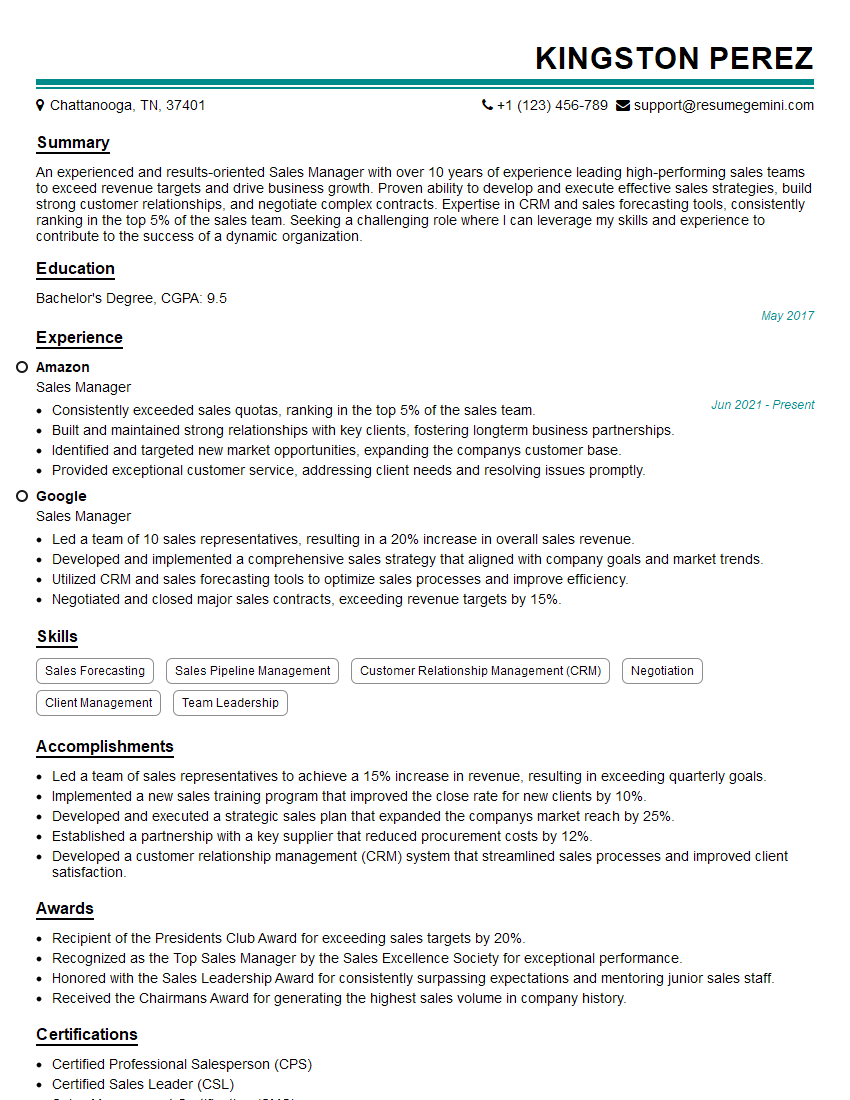
Sales Manager Resume Sample

Customer Service Manager Resume Sample
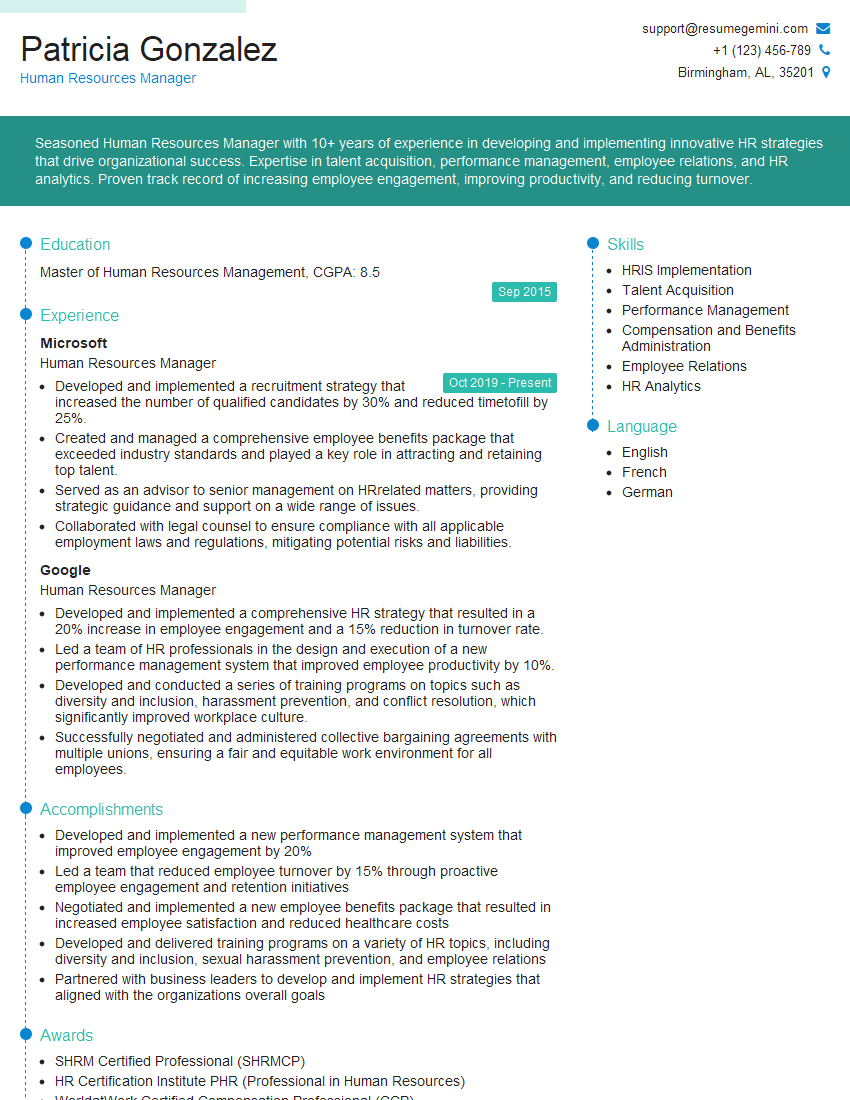
Human Resources Manager Resume Sample
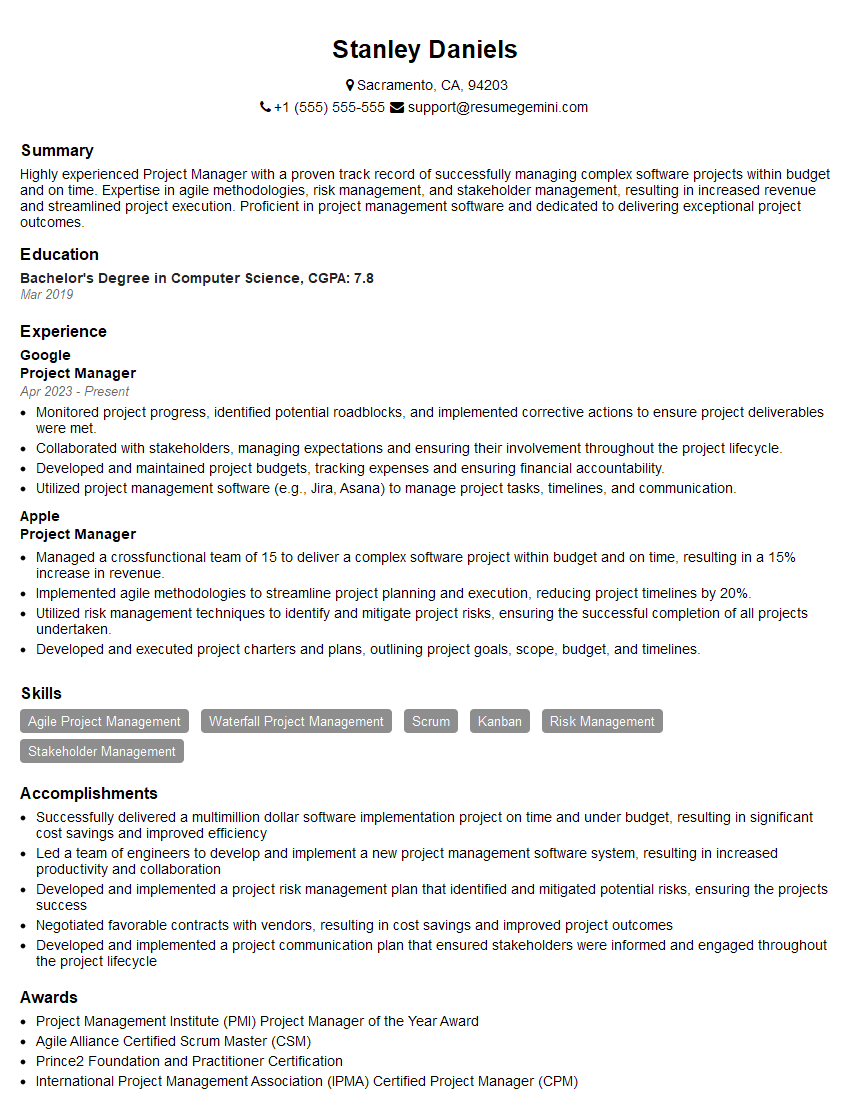
Project Manager Resume Sample
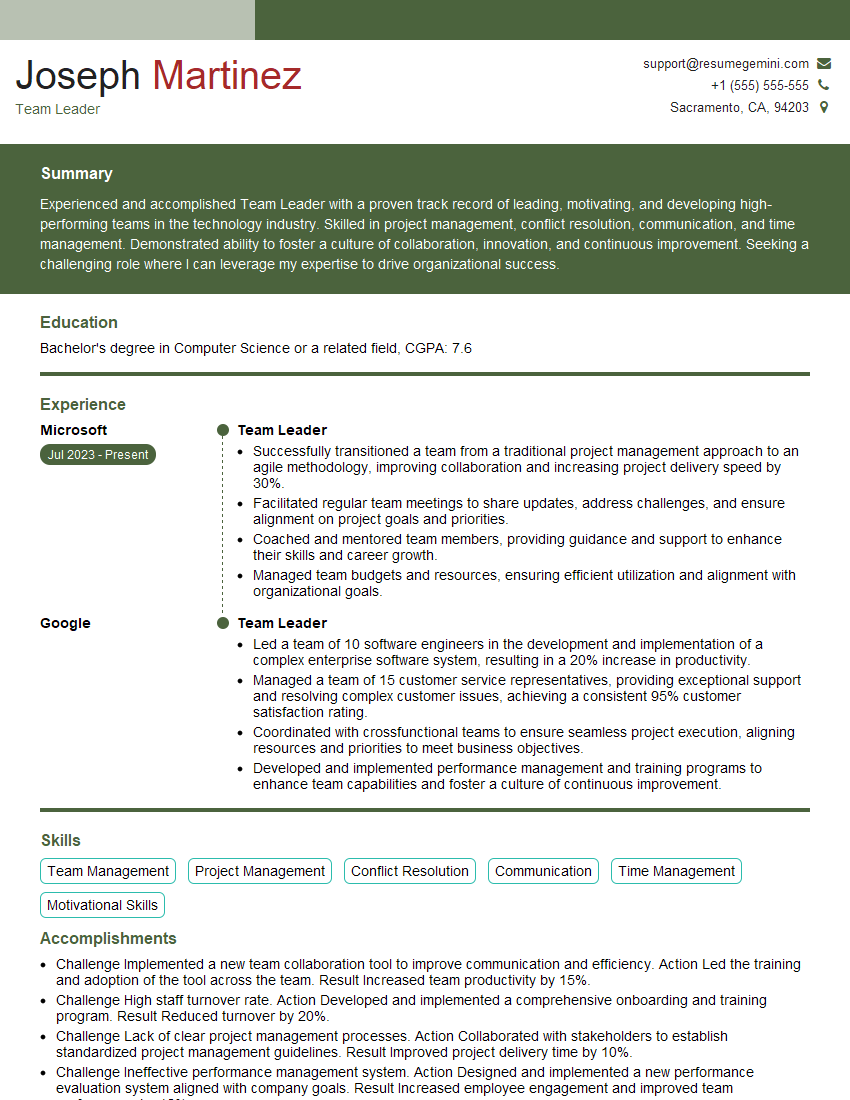
Team Leader Resume Sample
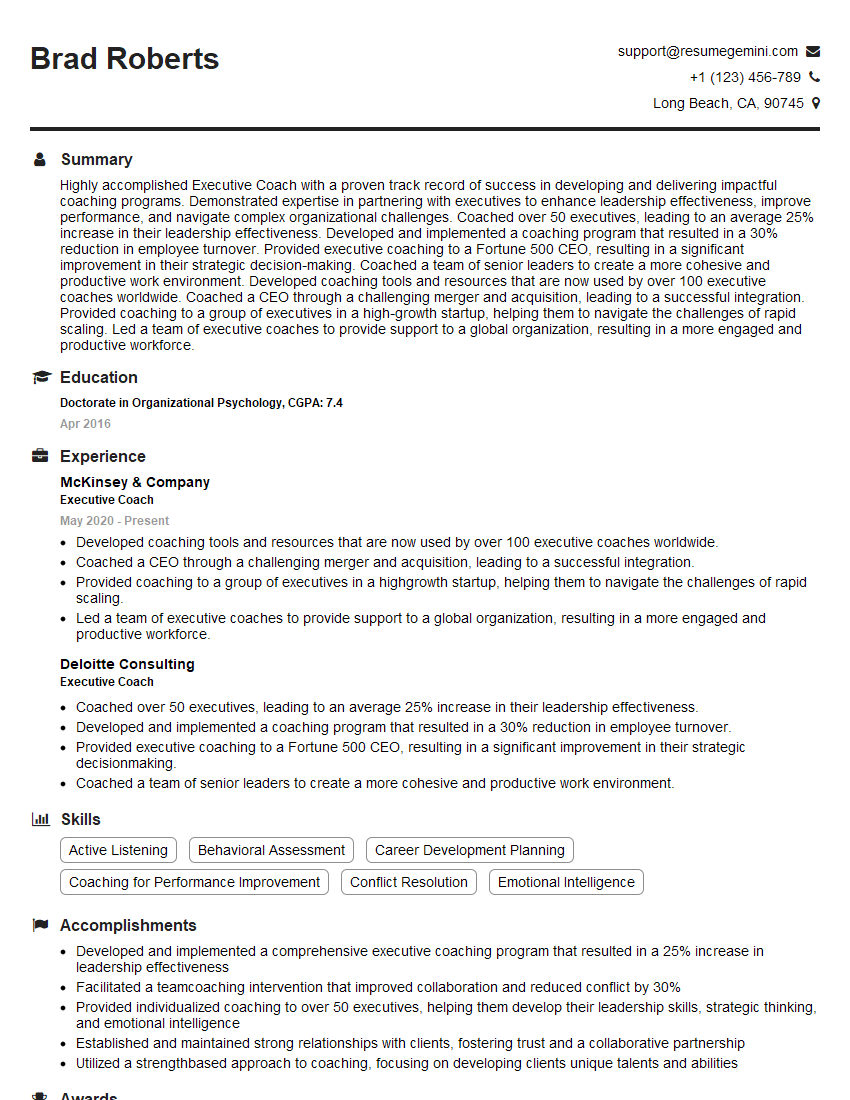
Executive Coach Resume Sample
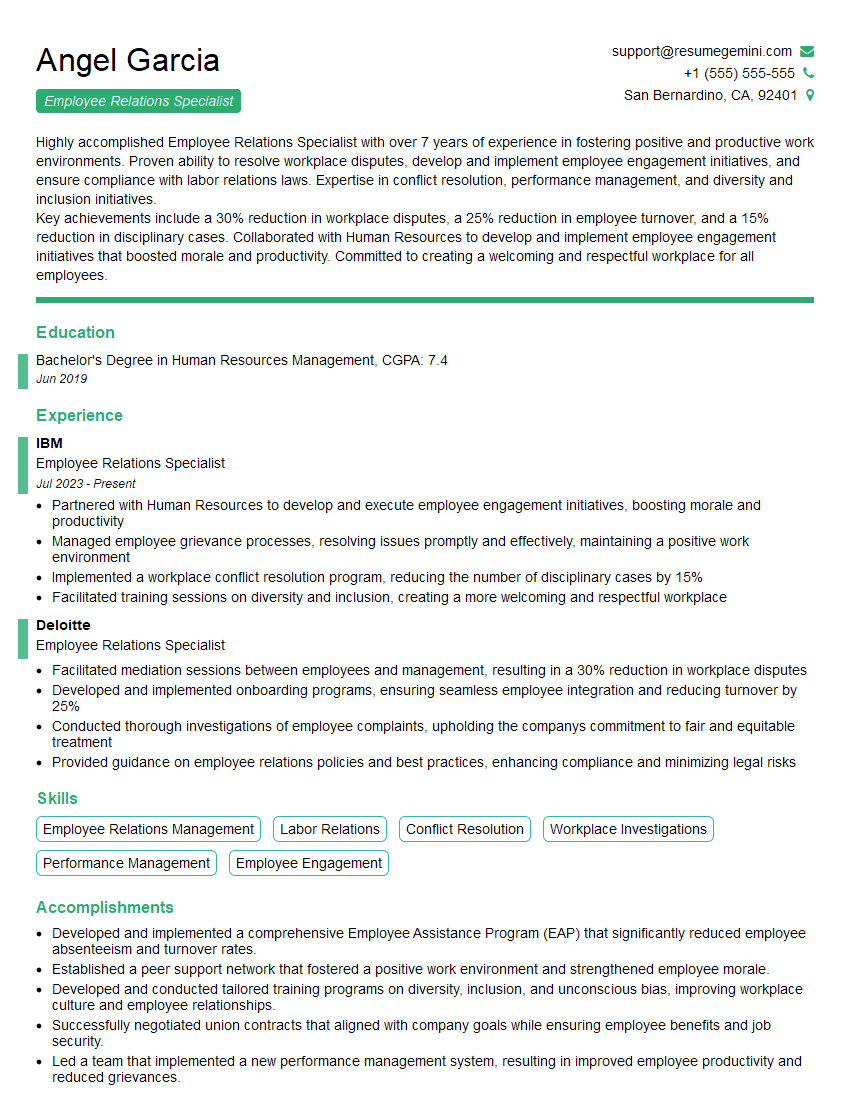
Employee Relations Specialist Resume Sample
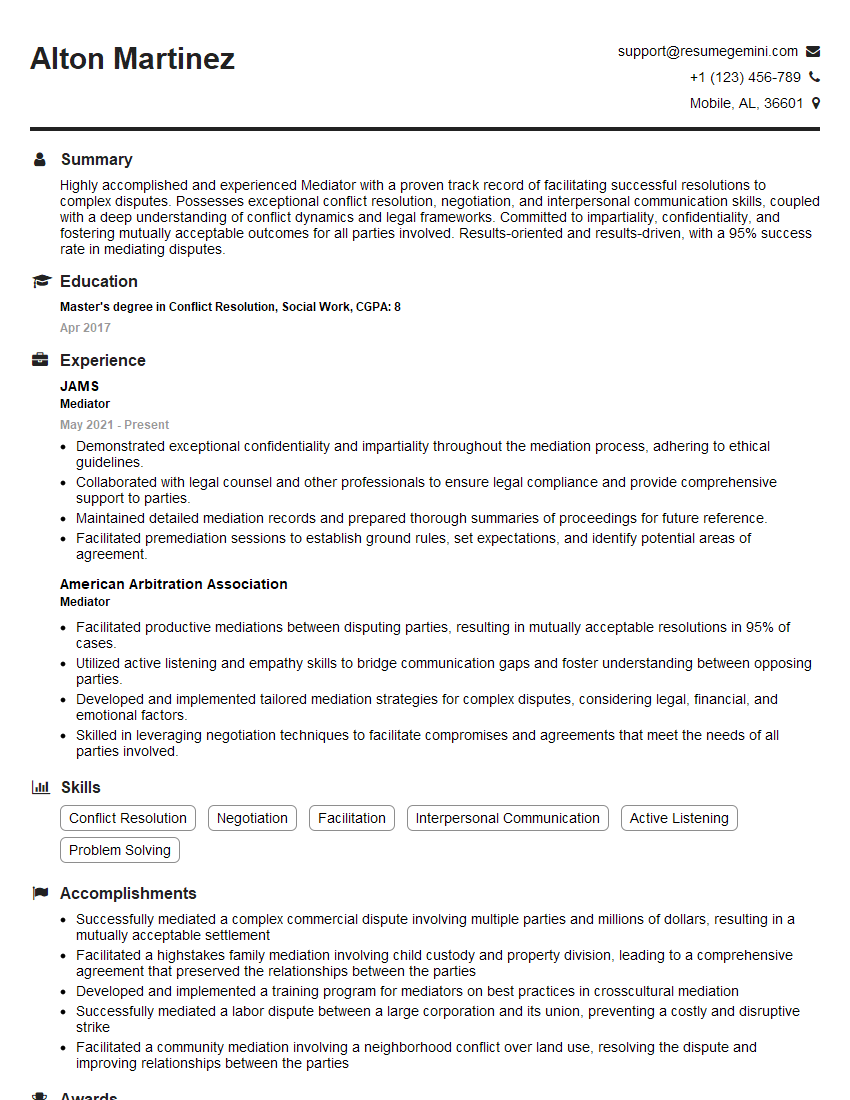
Mediator Resume Sample
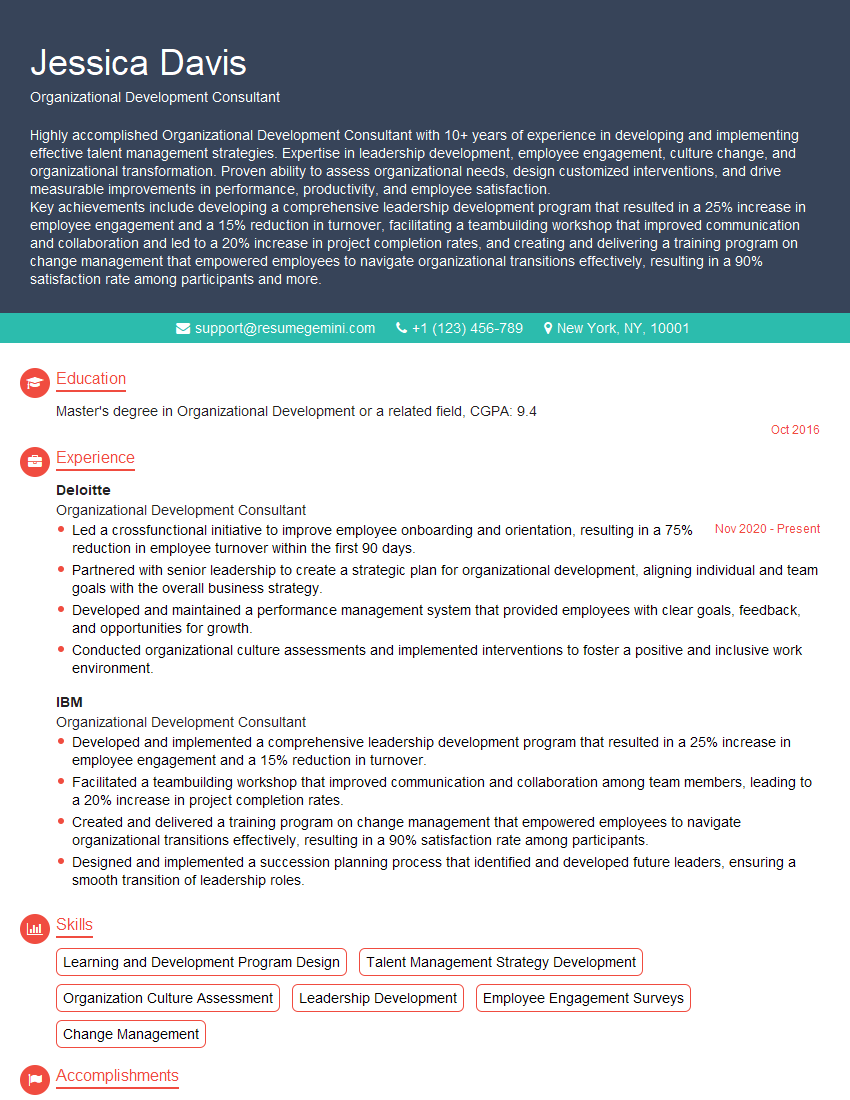
Organizational Development Consultant Resume Sample

Training Specialist Resume Sample
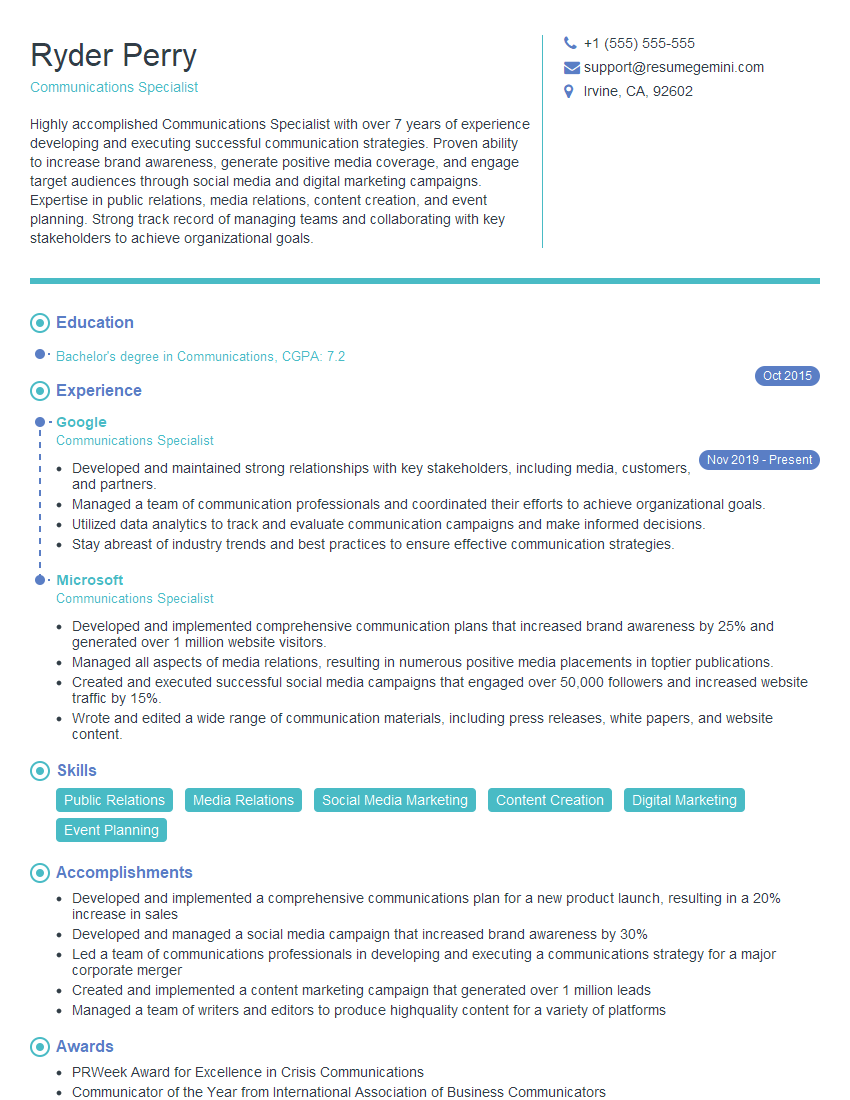
Communications Specialist Resume Sample
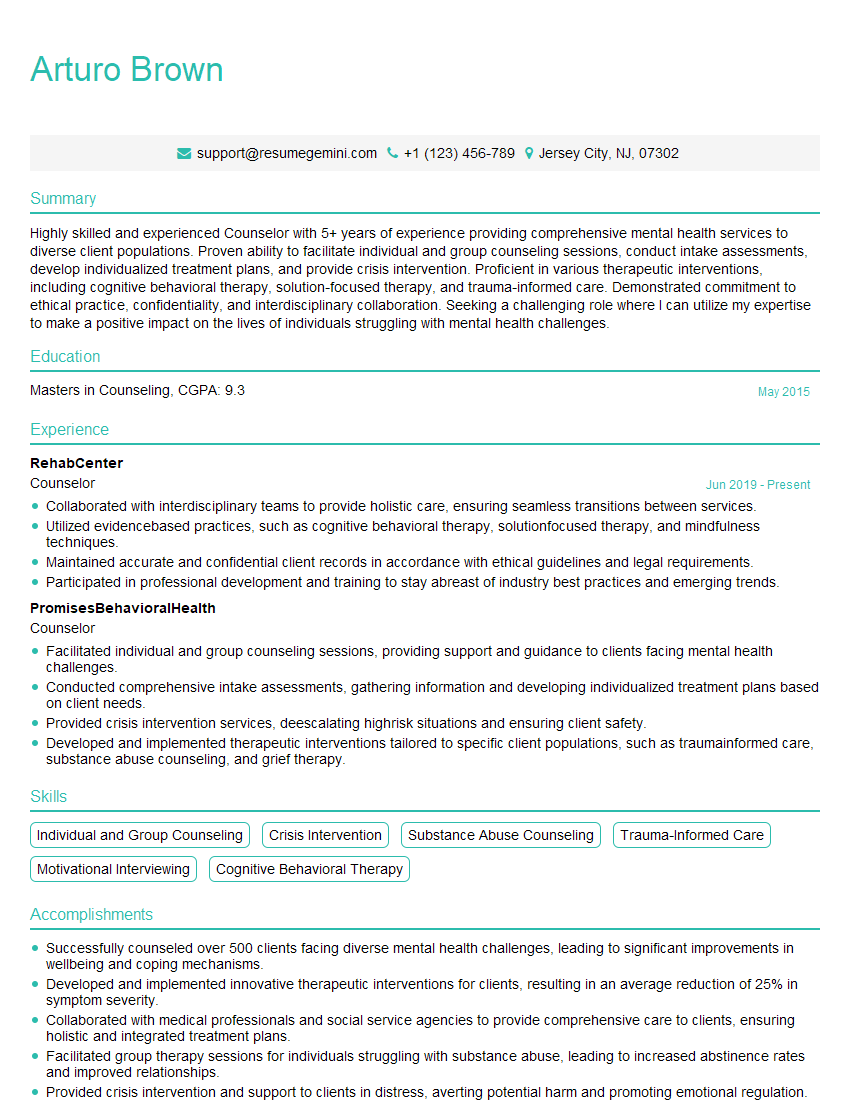
Counselor Resume Sample
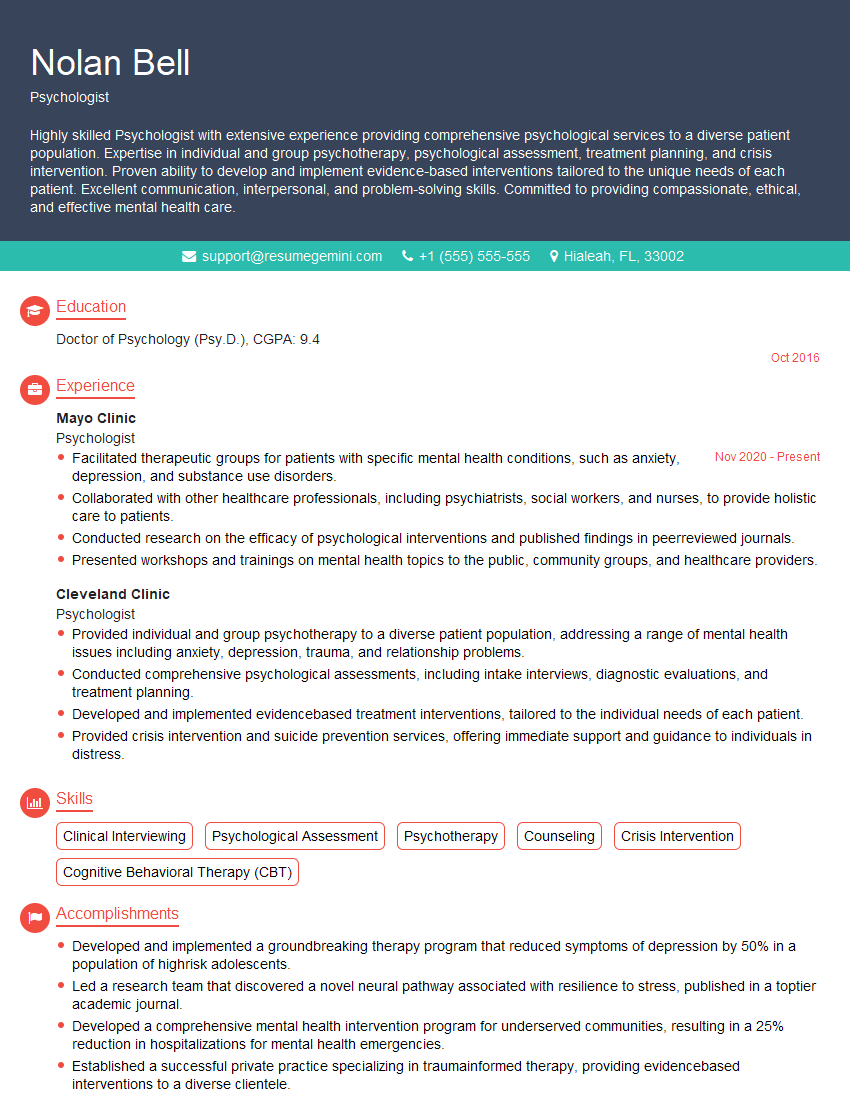
Psychologist Resume Sample
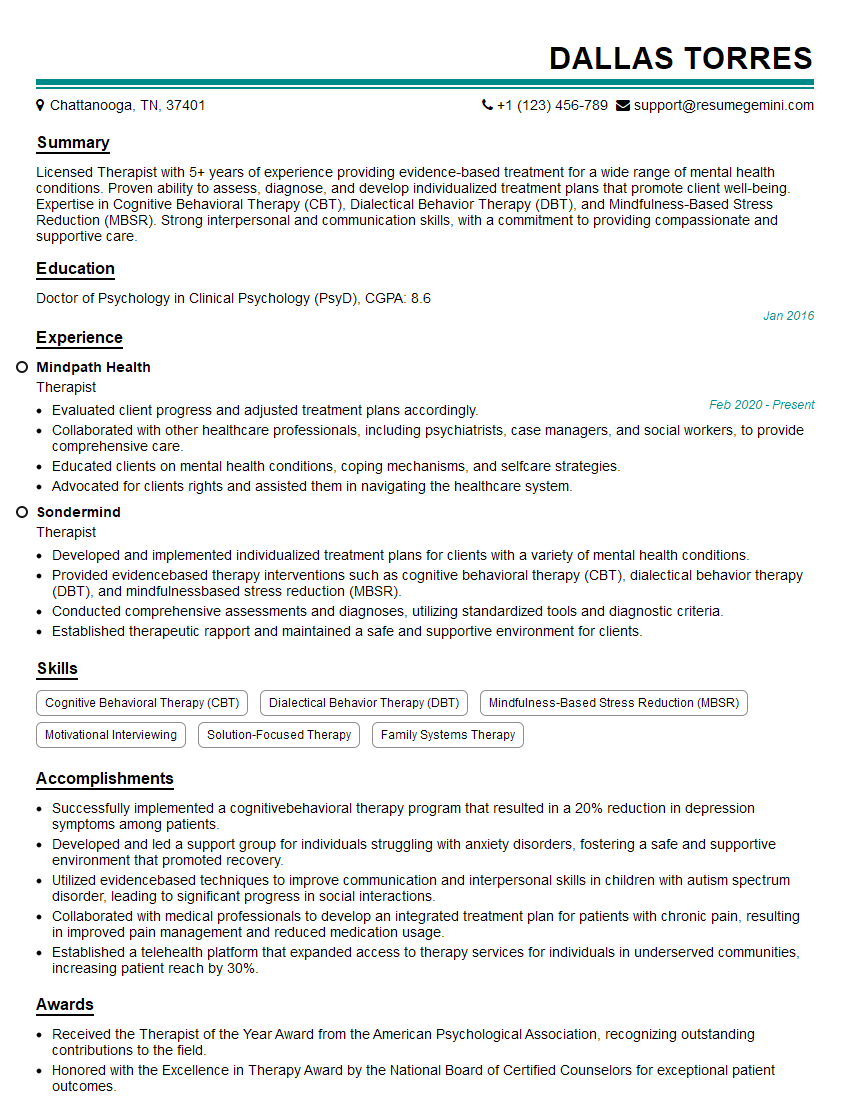
Therapist Resume Sample
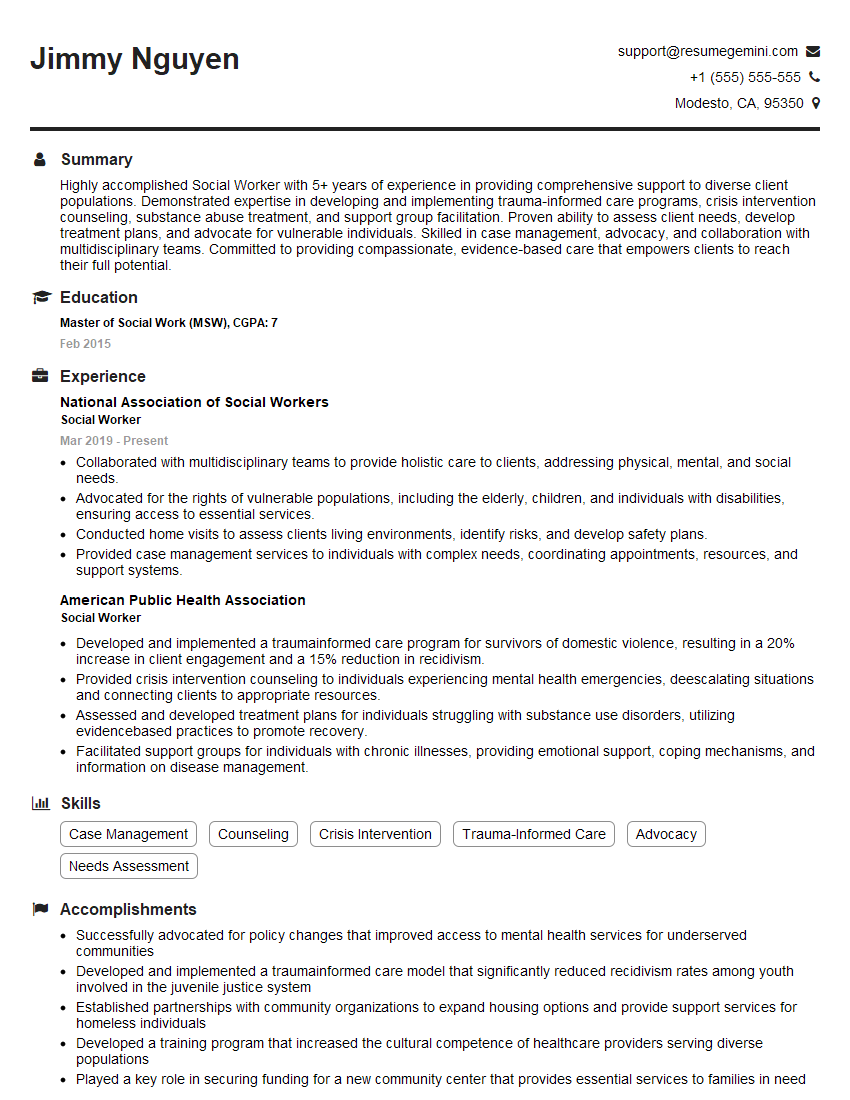
Social Worker Resume Sample
Explore more articles
Users Rating of Our Blogs
Share Your Experience
We value your feedback! Please rate our content and share your thoughts (optional).
What Readers Say About Our Blog
Very informative content, great job.
good