The thought of an interview can be nerve-wracking, but the right preparation can make all the difference. Explore this comprehensive guide to Employee Evaluation interview questions and gain the confidence you need to showcase your abilities and secure the role.
Questions Asked in Employee Evaluation Interview
Q 1. Describe your experience with different employee evaluation methods (e.g., 360-degree feedback, goal-setting, etc.).
My experience encompasses a wide range of employee evaluation methods, each with its strengths and weaknesses. I’ve extensively utilized 360-degree feedback, where employees receive evaluations from superiors, peers, subordinates, and even clients. This provides a holistic view, minimizing individual biases. However, it requires careful management to ensure anonymity and constructive feedback.
Goal-setting, using methods like the SMART (Specific, Measurable, Achievable, Relevant, Time-bound) framework, is another key approach. It’s highly effective in aligning individual contributions with organizational objectives and provides clear, measurable criteria for evaluation. For example, instead of a vague goal like “improve sales,” a SMART goal might be “Increase sales by 15% in the next quarter by focusing on new client acquisition through targeted marketing campaigns.”
I’ve also worked with performance management systems that incorporate regular check-ins, ongoing feedback, and structured performance reviews. This allows for continuous improvement rather than relying on a single annual assessment. Finally, I have experience with rank-and-yank systems (though I advocate cautiously, due to potential negative impacts on team morale), which involve ranking employees and letting go of the bottom performers. This method is effective in high-pressure, competitive environments, but requires very careful consideration of its ethical implications and potential negative consequences.
Q 2. How do you ensure fairness and consistency in the employee evaluation process?
Fairness and consistency are paramount. To achieve this, I employ several strategies. Firstly, I ensure that evaluation criteria are clearly defined and communicated to all employees well in advance. This prevents ambiguity and ensures everyone is evaluated against the same standards. Secondly, I utilize standardized evaluation forms, minimizing subjective interpretation. Thirdly, regular training for managers on bias awareness and fair evaluation practices is critical. This involves addressing common biases like recency bias (overemphasizing recent performance), halo effect (letting one positive trait influence overall assessment), and confirmation bias (seeking only information that confirms pre-existing beliefs). Finally, a robust appeal process allows employees to address any perceived unfairness. This process should involve a neutral third party who can review the evaluation and the process.
Q 3. What are some common biases to avoid during employee evaluations?
Several biases can significantly skew evaluations. Recency bias, as mentioned, focuses disproportionately on recent performance, neglecting earlier contributions. The halo effect occurs when a single positive trait overshadows other aspects of performance. For instance, a charismatic employee might receive a higher rating despite mediocre results. Confirmation bias leads evaluators to seek only information confirming pre-existing opinions. Severity bias involves overweighting negative incidents, while leniency bias leads to overly generous ratings. Similarity bias favors employees similar to the evaluator. Addressing these requires self-awareness, structured evaluation tools, and diverse evaluation panels. For example, using multiple raters in a 360-degree feedback system helps mitigate individual biases.
Q 4. Explain your approach to addressing performance issues identified during an evaluation.
My approach to addressing performance issues is a collaborative, constructive one. It begins with a private meeting with the employee to review the evaluation, focusing on specific areas needing improvement. The goal isn’t blame, but rather to identify the root causes of the performance issues. Is there a lack of training, inadequate resources, or a mismatch of skills and responsibilities? Together, we develop a performance improvement plan (PIP) with specific, measurable goals, timelines, and support mechanisms. This includes regular check-ins to track progress, provide ongoing feedback, and make necessary adjustments. For example, a PIP might involve additional training, mentoring, or changes to job responsibilities. It’s crucial to document the PIP and its progress to ensure accountability and transparency.
Q 5. How do you handle disagreements between managers and employees regarding performance ratings?
Disagreements are inevitable. My approach involves a structured mediation process. I start by encouraging open communication between the manager and employee, facilitating a discussion to understand the differing perspectives. We analyze the specific evidence supporting each rating, reviewing the employee’s work samples, performance data, and feedback from multiple sources (if applicable). I act as a neutral facilitator, guiding the discussion toward a mutually agreeable solution. If the discrepancy persists, I might suggest a second opinion from a senior manager or HR professional to ensure a fair and objective outcome. Ultimately, the goal is to arrive at a rating that accurately reflects the employee’s performance and is perceived as fair by both parties.
Q 6. What metrics do you consider most important when evaluating employee performance?
The most important metrics vary based on the role and department, but generally, I focus on a combination of quantitative and qualitative data. Quantitative metrics might include sales figures, project completion rates, customer satisfaction scores, or efficiency ratios. These provide objective measures of performance. However, these are complemented by qualitative data such as teamwork, communication skills, problem-solving abilities, initiative, and leadership qualities, often gathered through observation, 360-degree feedback, and self-assessment. The weight given to each metric is carefully determined based on the job description and organizational goals. A balanced approach is crucial, avoiding over-reliance on easily quantifiable metrics that may not reflect the full scope of an employee’s contributions.
Q 7. How do you use employee evaluation data to inform HR decisions (e.g., promotions, compensation, training)?
Employee evaluation data is a cornerstone of informed HR decisions. Performance ratings directly inform compensation adjustments, ensuring that salaries align with contributions. High performers are typically prioritized for promotions and career development opportunities. Evaluation data also highlights areas where employees excel, informing talent management strategies. It also pinpoints skill gaps and areas for improvement, guiding training and development initiatives. For instance, if evaluations consistently reveal a deficiency in a specific skill, targeted training programs can address this gap. Furthermore, analysis of evaluation data can identify systemic issues, such as inadequate training programs or flawed performance management processes, allowing HR to implement corrective actions. This data-driven approach fosters a culture of continuous improvement and supports strategic workforce planning.
Q 8. How do you ensure that employee evaluations are aligned with organizational goals?
Aligning employee evaluations with organizational goals is crucial for ensuring everyone works towards shared objectives. It’s like having a roadmap – the company’s goals are the destination, and individual performance evaluations are the progress checks along the way. To achieve this alignment, we need to:
Clearly define organizational goals: These should be Specific, Measurable, Achievable, Relevant, and Time-bound (SMART). For example, instead of ‘increase sales,’ a SMART goal would be ‘increase sales by 15% in the next quarter.’
Link individual roles to organizational goals: Each employee’s job description and key performance indicators (KPIs) should directly contribute to the overall company goals. This clarifies how their work impacts the bigger picture. For instance, a marketing manager’s KPIs might include lead generation and brand awareness, directly contributing to the sales growth goal.
Use goal-oriented evaluation criteria: Evaluation forms should assess performance based on how well employees met their goals and contributed to the overall objectives. This ensures that performance is measured against the company’s priorities.
Regularly communicate organizational goals: Employees need to understand how their work fits into the overall strategy. This can be done through team meetings, company-wide updates, and performance discussions.
Q 9. Describe your experience with developing and implementing performance improvement plans.
Developing and implementing performance improvement plans (PIPs) is a sensitive but necessary process. It’s about guiding an employee back on track, not about punishment. My approach is collaborative and focuses on identifying root causes of underperformance and creating a structured plan for improvement.
I’ve had experience helping multiple employees struggling with meeting deadlines and project management skills. We started by identifying the specific areas of weakness, using data like missed deadlines, project overruns, and feedback from colleagues. Then, together, we created a detailed PIP outlining specific, measurable goals, a timeline for improvement, and the support resources available (e.g., training, mentorship). Regular check-ins allowed us to monitor progress, address challenges, and celebrate successes along the way. In many cases, open communication and clear expectations resulted in significant improvements. However, if improvement isn’t seen, it’s important to follow organizational policies on PIP non-compliance.
Q 10. What are some effective strategies for providing constructive feedback during employee evaluations?
Constructive feedback is about helping employees grow, not criticizing them. Think of it as a guide to help them reach their full potential. Effective strategies include:
Focus on behavior, not personality: Instead of saying ‘You’re lazy,’ say ‘The project deadline was missed, which impacted the team’s timeline.’ This keeps the focus on observable actions.
Use the SBI Model: This stands for Situation, Behavior, Impact. Describe the situation, the specific behavior observed, and its impact on the team or organization. For example, ‘During the team meeting (Situation), you interrupted colleagues frequently (Behavior), making it difficult for others to contribute effectively (Impact).’
Offer specific examples: Vague statements are unhelpful. Use concrete examples to illustrate your points. Instead of ‘Improve your communication,’ say, ‘In your last presentation, the data was unclear, making it hard for the audience to understand your findings.’
Be balanced: Highlight both strengths and weaknesses. This helps employees see their overall value and understand areas for growth.
Focus on solutions: Don’t just point out problems; suggest solutions and offer resources for improvement.
Be empathetic and encouraging: Create a safe space for the employee to receive feedback and work towards improvement. Remember, the goal is to help them succeed.
Q 11. How do you handle sensitive performance issues during an evaluation?
Handling sensitive performance issues requires tact, empathy, and adherence to company policy. It’s vital to approach these conversations with professionalism and a focus on improvement, while ensuring the employee feels heard and respected.
I usually begin by creating a safe and private space for the conversation. I clearly state the concern, using specific examples and avoiding accusatory language. I actively listen to the employee’s perspective and address their concerns. I focus on finding solutions collaboratively, exploring possible causes, and creating a tailored action plan with measurable goals and timelines for improvement. Documentation throughout the process is essential, particularly for serious issues, to protect both the employee and the organization.
Q 12. How do you maintain confidentiality during the employee evaluation process?
Maintaining confidentiality in employee evaluations is paramount. This builds trust and fosters a positive work environment. My approach includes:
Secure storage of evaluation documents: These should be stored in a secure, password-protected system accessible only to authorized personnel.
Limited access to evaluation data: Only those directly involved in the evaluation process (e.g., manager, HR) should have access. This information shouldn’t be shared casually.
Confidentiality agreements: If necessary, I make sure employees sign confidentiality agreements to ensure their commitment to protecting sensitive information.
Data anonymization when sharing aggregate data: If sharing performance data for analysis, I would ensure individual employee information is protected by anonymizing any personally identifiable information.
Training for all involved: All individuals involved in the evaluation process receive training on the importance of confidentiality and the appropriate handling of sensitive information.
Q 13. How do you ensure that employee evaluations are legally compliant?
Legal compliance in employee evaluations is crucial. This involves understanding and adhering to relevant laws and regulations such as anti-discrimination laws and data privacy laws (e.g., GDPR). To ensure compliance, I:
Use standardized evaluation forms: These forms ensure consistency and fairness across the evaluation process, minimizing the risk of bias.
Provide regular training to evaluators: This training includes best practices and legal requirements related to conducting evaluations.
Maintain accurate and up-to-date records: This includes storing evaluation documents securely and following data retention policies.
Ensure evaluations are objective and job-related: Evaluations should focus on job performance, not personal characteristics.
Provide opportunities for employee feedback and appeal: Employees should have a chance to respond to their evaluations and appeal any decisions they disagree with.
Consult legal counsel when needed: I consult with legal counsel to address any complex legal issues that may arise. This ensures that the company’s evaluation practices remain legally sound.
Q 14. What are some best practices for conducting effective employee evaluations?
Best practices for conducting effective employee evaluations center around fairness, transparency, and a focus on growth. Here are some key aspects:
Regular evaluations: Conduct evaluations frequently (e.g., annually, semi-annually) to track progress and address issues promptly.
Use a combination of methods: Combine self-evaluations, peer reviews, and manager assessments to provide a holistic view of performance.
Clearly defined performance standards: Establish clear expectations and criteria for performance before the evaluation period begins.
Document everything: Maintain detailed records of performance throughout the year, not just during the evaluation.
Focus on both strengths and areas for improvement: A balanced approach helps employees understand their value and identify opportunities for growth.
Create a safe and comfortable environment: Evaluations should be a two-way conversation where employees feel heard and respected.
Follow up on action plans: Regularly monitor progress on agreed-upon action plans to ensure improvement.
Train managers on effective evaluation techniques: Equipping managers with proper training makes the process more effective and reduces biases.
Q 15. How do you document employee performance and evaluations accurately?
Accurate employee performance documentation is crucial for fair and consistent evaluations. It involves a multi-faceted approach combining quantitative and qualitative data, meticulously recorded throughout the review period.
- Quantitative Data: This includes measurable achievements like sales figures, project completion rates, customer satisfaction scores, or number of bugs fixed. I use specific metrics relevant to the employee’s role and responsibilities. For example, for a salesperson, this might include number of deals closed and average deal size. For a software engineer, it might be lines of code written, number of bugs fixed, and code quality metrics.
- Qualitative Data: This encompasses observations of an employee’s skills, behaviors, and contributions to the team. I regularly document instances of positive behaviors, such as teamwork, problem-solving, initiative, and effective communication. I also note areas for improvement, providing specific examples. For instance, instead of saying ‘poor communication,’ I’d write, ‘During the X project, communication with team Y was inconsistent, leading to delays.’ This is far more constructive.
- Regular Check-ins: I conduct regular one-on-one meetings, documenting key performance indicators (KPIs) and qualitative observations. These serve as snapshots of ongoing performance, avoiding the ‘end-of-year surprise’ for both the employee and the manager.
- Performance Improvement Plans (PIPs): If underperformance is identified, I create a documented PIP outlining specific goals, timelines, and support provided. This document serves as a roadmap for improvement and a record of the support offered.
By maintaining comprehensive, objective, and timely documentation, I ensure fairness, consistency, and legal defensibility in the evaluation process.
Career Expert Tips:
- Ace those interviews! Prepare effectively by reviewing the Top 50 Most Common Interview Questions on ResumeGemini.
- Navigate your job search with confidence! Explore a wide range of Career Tips on ResumeGemini. Learn about common challenges and recommendations to overcome them.
- Craft the perfect resume! Master the Art of Resume Writing with ResumeGemini’s guide. Showcase your unique qualifications and achievements effectively.
- Don’t miss out on holiday savings! Build your dream resume with ResumeGemini’s ATS optimized templates.
Q 16. Describe your experience using performance management software or systems.
I have extensive experience using several performance management systems, including Workday, BambooHR, and Oracle HCM. My experience extends beyond simply inputting data; I leverage these systems to streamline the entire evaluation process.
- Goal Setting and Tracking: These systems facilitate the setting of SMART (Specific, Measurable, Achievable, Relevant, Time-bound) goals, allowing for progress tracking throughout the review period. The software often provides automated reminders and progress reports.
- 360-degree Feedback: Some systems allow for incorporating feedback from peers, supervisors, and subordinates, offering a more holistic view of performance. This provides valuable insights that may not be apparent to a single evaluator.
- Performance Reviews and Documentation: These systems provide structured templates for conducting performance reviews, ensuring consistency and thoroughness. They also provide secure storage and easy access to performance data.
- Reporting and Analytics: The robust reporting features allow me to track performance trends across the team or organization, identifying areas for improvement in the overall performance management strategy. This data can inform training and development initiatives.
My proficiency in these systems allows me to focus on the critical aspects of employee development rather than administrative tasks. This ensures efficiency and accuracy in the entire process.
Q 17. How do you measure the effectiveness of your employee evaluation process?
Measuring the effectiveness of an employee evaluation process requires a multi-pronged approach. I assess effectiveness based on several key indicators:
- Employee Engagement and Satisfaction: I conduct employee surveys and feedback sessions to gauge satisfaction with the process itself, whether they feel it’s fair, transparent, and valuable. High satisfaction suggests a more effective system.
- Improved Performance: I analyze data to see if evaluations lead to demonstrable improvements in employee performance. This can be measured through KPIs, project outcomes, or employee skill development.
- Employee Retention: A well-designed and implemented performance management system should contribute to higher employee retention rates. Decreased turnover suggests a positive impact on employee morale and job satisfaction.
- Alignment with Organizational Goals: I ensure the evaluation process is aligned with organizational strategic objectives. If the process fosters employee behavior that contributes to company goals, it’s more likely to be effective.
- Manager Effectiveness: I assess the effectiveness of managers in conducting performance reviews and providing constructive feedback. Training and development for managers is crucial for effective evaluation processes.
By analyzing these metrics, I can identify areas for improvement and refine the evaluation process to maximize its impact on individual and organizational success.
Q 18. What are some common challenges in employee evaluations, and how have you overcome them?
Common challenges in employee evaluations include:
- Bias: Unconscious bias can significantly skew evaluations. To mitigate this, I use standardized evaluation tools, multiple data sources, and strive for self-awareness regarding my own biases.
- Lack of Clarity: Vague expectations and poorly defined performance standards can lead to confusion and unfair evaluations. To address this, I ensure clear, measurable goals are set at the beginning of the review period.
- Infrequent Feedback: Waiting until the formal review to provide feedback is ineffective. I focus on providing regular, constructive feedback throughout the year.
- Difficulty Balancing Subjectivity and Objectivity: This is addressed by combining quantitative data with qualitative observations, striving for a balanced perspective.
- Time Constraints: Properly conducting thorough evaluations requires time. I prioritize this activity and leverage technology to improve efficiency.
Overcoming these challenges requires a proactive approach, including training, using structured evaluation tools, promoting open communication, and regularly reviewing the effectiveness of the entire process.
Q 19. How do you balance subjective and objective assessments in employee evaluations?
Balancing subjective and objective assessments is crucial for a fair and comprehensive evaluation. Objective assessments focus on quantifiable results, while subjective assessments look at behaviors, attitudes, and skills.
- Objective Measures: These might include sales figures, project completion times, error rates, or customer satisfaction scores. These provide concrete evidence of performance.
- Subjective Measures: These involve observations of teamwork, communication skills, problem-solving abilities, leadership qualities, and overall work ethic. These require careful observation and documentation.
I ensure balance by using a combination of both. For example, while sales figures (objective) are essential for a salesperson’s evaluation, their communication skills and ability to build rapport with clients (subjective) are equally important. I document specific instances supporting both objective and subjective assessments to provide a complete picture of performance. This approach minimizes bias and leads to a more accurate and fair evaluation.
Q 20. How do you adapt your evaluation approach to different employee roles and levels?
My evaluation approach adapts based on the specific role and level of the employee. For example, a junior-level employee’s evaluation will focus on skill development and acquiring fundamental competencies, whereas a senior-level employee’s evaluation will center on strategic contributions, leadership, and mentoring.
- Different KPIs: I tailor Key Performance Indicators (KPIs) based on the role’s responsibilities and expectations. A marketing manager’s KPIs will differ significantly from a software engineer’s KPIs.
- Varying Expectations: Expectations regarding experience and expertise vary based on seniority and role. A senior engineer is expected to have greater autonomy and problem-solving skills than a junior engineer.
- Development Goals: Development goals vary based on career aspirations and skill gaps. I work with each employee to identify areas for improvement and set targeted development goals.
This tailored approach ensures fairness and relevance. It acknowledges different career stages and responsibilities, fostering individual growth and contributing to overall organizational success.
Q 21. How do you provide feedback to employees who consistently underperform?
Addressing consistent underperformance requires a structured, empathetic, and documented approach. It starts with understanding the root cause of the underperformance.
- Open Communication: I initiate a private conversation to understand the reasons behind the underperformance. This is a crucial step, and active listening is key to identifying any underlying issues such as lack of training, unclear expectations, or personal challenges.
- Performance Improvement Plan (PIP): If the reasons are identified, and there’s a commitment to improvement, I create a documented PIP with specific, measurable, achievable, relevant, and time-bound (SMART) goals. This includes clear expectations, timelines, and resources available for support. Regular check-ins are crucial to monitor progress.
- Training and Development: I identify and provide necessary training or mentoring to address skill gaps. The goal is to equip the employee with the tools and knowledge required to succeed.
- Progressive Discipline: If the employee fails to meet the goals outlined in the PIP despite support, progressive disciplinary measures, as outlined by company policy, may be necessary. This might include verbal warnings, written warnings, and ultimately, termination. Each step is documented to ensure fairness and legal compliance.
- Documentation: Throughout this entire process, meticulous documentation is crucial, including all communication, performance data, PIPs, training records, and disciplinary actions.
The goal is to help the employee improve, but a fair and consistent approach is essential when performance consistently falls short. It’s important to balance support and accountability.
Q 22. How do you support employees in developing their skills and improving their performance?
Supporting employee skill development and performance improvement is a multifaceted process that goes beyond simply pointing out flaws. It requires a proactive, supportive approach focusing on individual needs and growth opportunities. This involves a blend of formal training, informal mentorship, and consistent feedback.
Formal Training: Offering workshops, online courses, or conferences tailored to individual skill gaps identified during performance reviews. For example, if an employee consistently struggles with data analysis, we’d provide training on relevant software or statistical methods.
Mentorship and Coaching: Pairing employees with experienced colleagues who can provide guidance, support, and share best practices. This personalized approach fosters a supportive learning environment and allows for practical application of newly acquired skills.
Regular Feedback and Performance Discussions: Implementing a system of regular check-ins, not just annual reviews, to provide ongoing feedback, address concerns promptly, and celebrate achievements. This fosters a culture of continuous improvement.
Performance Improvement Plans (PIPs): For employees significantly underperforming, a structured PIP outlines specific goals, timelines, and support resources to help them improve. It’s crucial to approach PIPs constructively, emphasizing support and collaboration rather than punishment.
Q 23. How do you ensure employee evaluations motivate and engage employees?
Employee evaluations should be more than just a judgment; they should be a motivating and engaging experience that fosters growth. To achieve this, evaluations must be:
Fair and Transparent: The evaluation criteria should be clearly communicated upfront, and the process should be consistently applied to all employees. Bias needs to be actively mitigated.
Two-Way Conversation: The evaluation should not be a one-sided assessment but a dialogue where employees can share their perspectives, accomplishments, and challenges. Active listening is key.
Focus on Growth and Development: Instead of solely focusing on past performance, evaluations should emphasize future goals and development plans. This creates a forward-looking, positive outlook.
Goal-Oriented: Aligning evaluations with clearly defined SMART (Specific, Measurable, Achievable, Relevant, Time-bound) goals provides concrete targets for improvement and success.
Recognition and Rewards: Highlighting achievements and accomplishments, and tying performance to rewards, reinforces positive behaviors and motivates employees to strive for excellence. This could include bonuses, promotions, or public recognition.
Q 24. What are your thoughts on using peer evaluations?
Peer evaluations can be a valuable addition to the performance appraisal process, offering a broader perspective on an employee’s contributions and work style. However, it’s essential to implement them carefully.
Benefits: Peer evaluations can provide insights into teamwork, collaboration, and communication skills that managers may not directly observe. They can also increase transparency and build trust within teams.
Challenges: Potential biases, both positive and negative, can influence peer evaluations. Anonymity can help mitigate bias but may also make feedback less constructive. It’s crucial to establish clear guidelines and training for peer evaluators.
Implementation Strategies: Use a structured evaluation form with clear criteria. Provide training on how to give constructive feedback and ensure anonymity. Aggregate results to minimize the impact of individual biases. Combine peer evaluations with manager assessments for a more holistic view.
For example, in a software development team, peer evaluations can highlight an individual’s contributions to coding standards, code reviews, and collaboration on projects, providing insights that a manager may miss.
Q 25. How do you integrate employee self-assessments into the evaluation process?
Employee self-assessments are a critical component of a comprehensive performance evaluation process. They encourage self-reflection, promote ownership, and provide valuable insights into an employee’s perspective.
Benefits: Self-assessments encourage employees to reflect on their performance, identify their strengths and weaknesses, and set goals for improvement. This ownership leads to greater commitment to personal and professional development.
Integration: Provide employees with a structured self-assessment form that aligns with the company’s performance criteria. Encourage honesty and self-awareness. Use the self-assessment as a starting point for a discussion with the manager, not as the final evaluation.
Example: An employee might self-assess their communication skills as needing improvement, leading to a discussion with their manager about specific training or coaching opportunities.
Q 26. What are your strategies for addressing performance gaps in a timely manner?
Addressing performance gaps promptly and effectively is crucial for both the employee and the organization. Procrastination can lead to further issues and decreased morale.
Early Intervention: Regular feedback and performance discussions allow for early detection of performance gaps. This allows for timely intervention before the problems become entrenched.
Performance Improvement Plans (PIPs): If informal interventions fail, a formal PIP provides a structured framework for improvement. The PIP should clearly define specific goals, timelines, and support resources provided to the employee.
Regular Monitoring and Support: Monitor progress closely and provide regular feedback and support throughout the PIP process. Regular check-ins demonstrate a commitment to the employee’s success.
Documentation: Maintain thorough documentation of all communication, performance issues, and the actions taken to address them. This documentation is crucial for ensuring fairness and transparency.
For instance, if sales targets consistently fall short, a PIP might involve training on new sales techniques, additional coaching, and adjustments to sales territories.
Q 27. How do you balance the need for regular feedback with the need for formal evaluations?
Balancing regular feedback with formal evaluations requires a strategic approach. Regular feedback provides ongoing support and guidance, while formal evaluations provide a structured summary of performance over a specific period.
Regular Feedback: Implement a system of regular check-ins (e.g., weekly or bi-weekly) to provide ongoing feedback, address immediate concerns, and celebrate achievements. This fosters a culture of continuous improvement.
Formal Evaluations: Conduct formal performance reviews annually or semi-annually to provide a comprehensive assessment of performance against established goals and objectives. These reviews serve as a benchmark for progress and future planning.
Integration: Link regular feedback to the formal evaluation. Regular feedback should inform the formal evaluation, and the formal evaluation should inform future goals and development plans.
Think of regular feedback as the ongoing navigation of a journey, while formal evaluations are the checkpoints where you assess progress and adjust the route.
Q 28. How do you handle situations where an employee refuses to accept their performance evaluation?
When an employee refuses to accept their performance evaluation, it’s crucial to handle the situation with empathy, professionalism, and a focus on constructive dialogue.
Understanding the Perspective: Actively listen to the employee’s concerns and try to understand their perspective. Often, the refusal is not about the evaluation itself, but rather underlying issues such as feeling undervalued, misunderstood, or lacking support.
Review the Process: Re-examine the evaluation process to ensure fairness and accuracy. Did you follow all the established procedures? Were the criteria clearly communicated? Was there sufficient evidence to support the evaluation?
Focus on Specific Examples: Instead of arguing about the overall assessment, focus on specific examples that support the evaluation. Provide concrete evidence to back up the assessment.
Collaborative Problem-Solving: Shift the focus from the evaluation to a collaborative problem-solving approach. Work with the employee to develop a performance improvement plan (PIP) that addresses their concerns and outlines clear steps for improvement.
Documentation: Document all communication and steps taken to address the situation. This is crucial for protecting the organization and ensuring a fair process.
Seek HR Support: If the situation escalates or remains unresolved, seek guidance from HR to ensure compliance with company policies and procedures.
Key Topics to Learn for Employee Evaluation Interview
- Performance Measurement Metrics: Understanding different methods for quantifying employee performance (e.g., Key Performance Indicators (KPIs), qualitative assessments, 360-degree feedback).
- Bias Mitigation in Evaluations: Identifying and addressing potential biases in the evaluation process to ensure fairness and objectivity. Practical application involves learning techniques for unbiased observation and documentation.
- Performance Improvement Plans (PIPs): Developing and implementing effective PIPs to address performance deficiencies, including setting clear goals, providing regular feedback, and monitoring progress.
- Legal and Ethical Considerations: Understanding relevant employment laws and ethical guidelines related to employee evaluations to ensure compliance and fairness.
- Effective Feedback Delivery: Mastering techniques for providing constructive and actionable feedback that fosters employee growth and development. This includes understanding different communication styles and adapting your approach accordingly.
- Calibration and Standardization: Ensuring consistency and fairness across evaluations by establishing clear standards and calibrating evaluations among multiple raters.
- Documentation and Record Keeping: Maintaining accurate and comprehensive records of employee performance, including performance reviews, feedback sessions, and any performance improvement plans.
- Technology in Employee Evaluation: Familiarity with software and tools used for performance management, such as performance management systems (PMS) and employee feedback platforms.
- Performance Management Systems (PMS): Understanding the implementation, utilization, and benefits of different PMS, focusing on their practical application in a real-world setting.
- Strategic Alignment of Performance Evaluations: Connecting individual employee performance to overall organizational goals and strategic objectives.
Next Steps
Mastering employee evaluation techniques is crucial for career advancement in Human Resources, management, and leadership roles. A strong understanding of performance management demonstrates your ability to contribute significantly to organizational success. To maximize your job prospects, create an ATS-friendly resume that highlights your relevant skills and experience. ResumeGemini is a trusted resource to help you build a professional and impactful resume that grabs the attention of recruiters. Examples of resumes tailored to Employee Evaluation roles are available to guide you. Invest the time to craft a compelling resume; it’s your first impression and a critical step in landing your dream job.
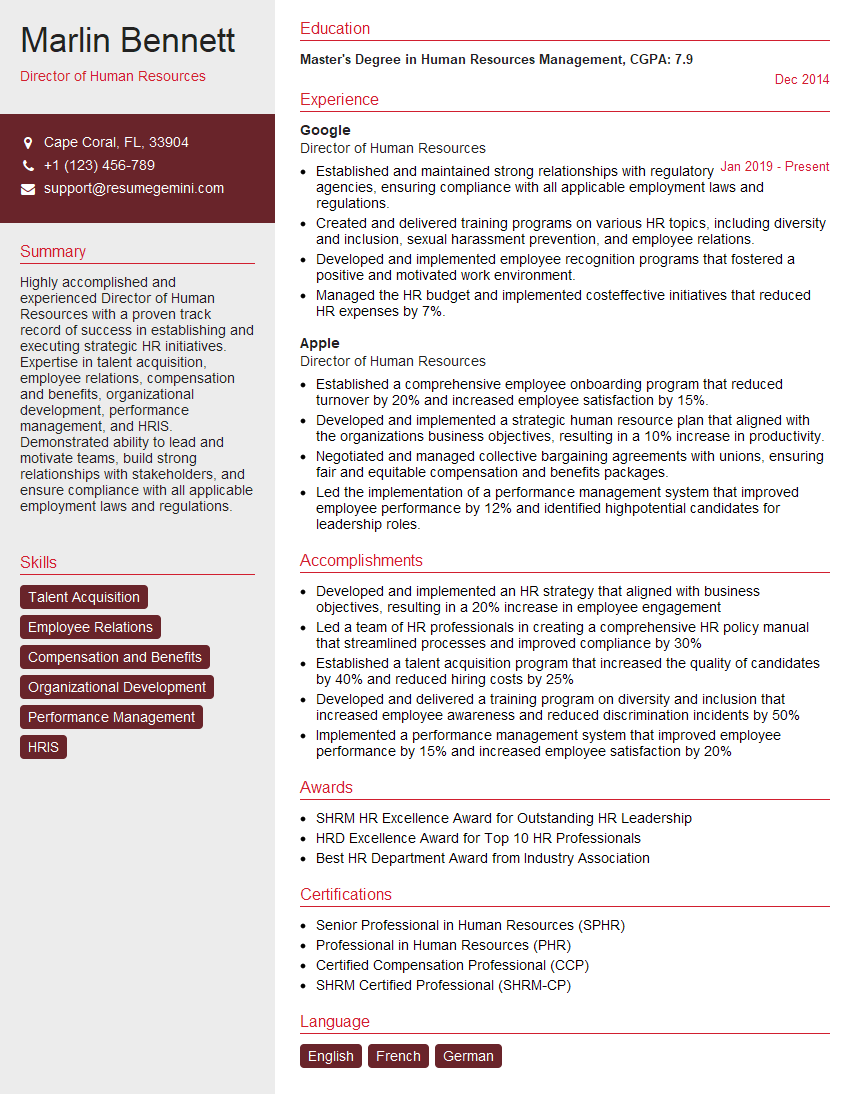
Director of Human Resources Resume Sample
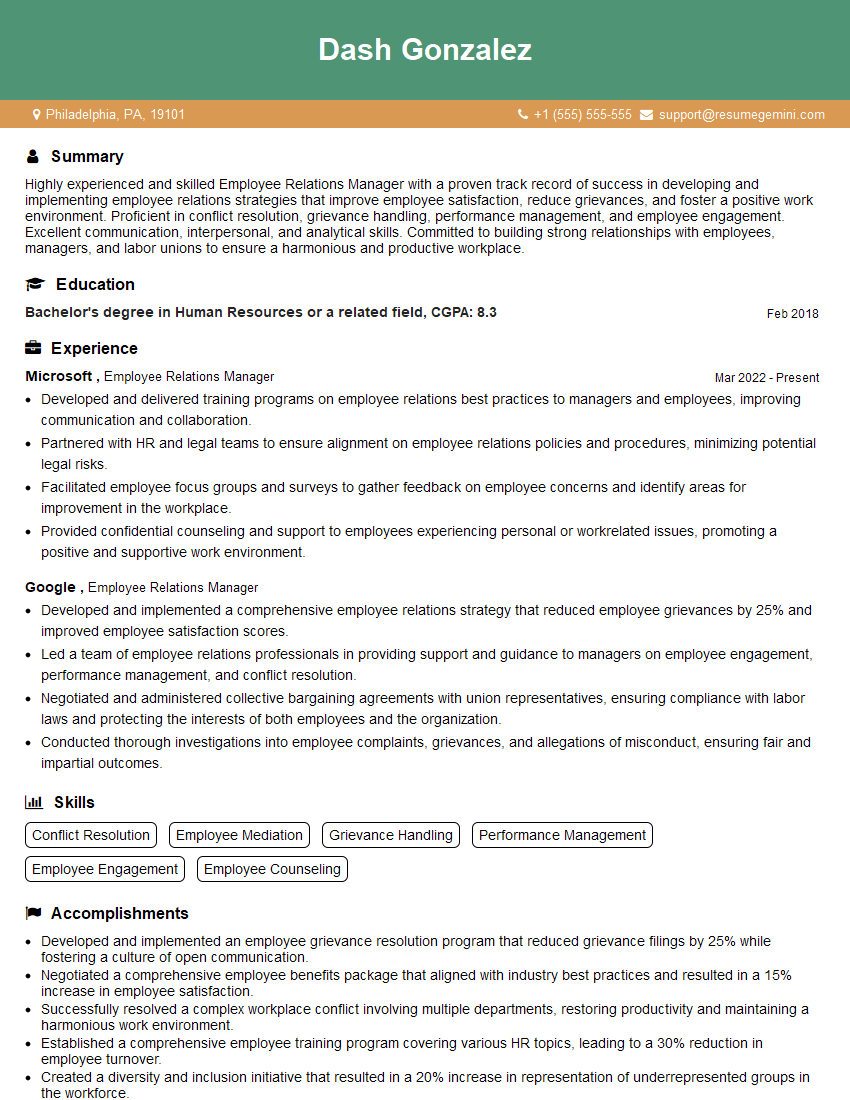
Employee Relations Manager Resume Sample
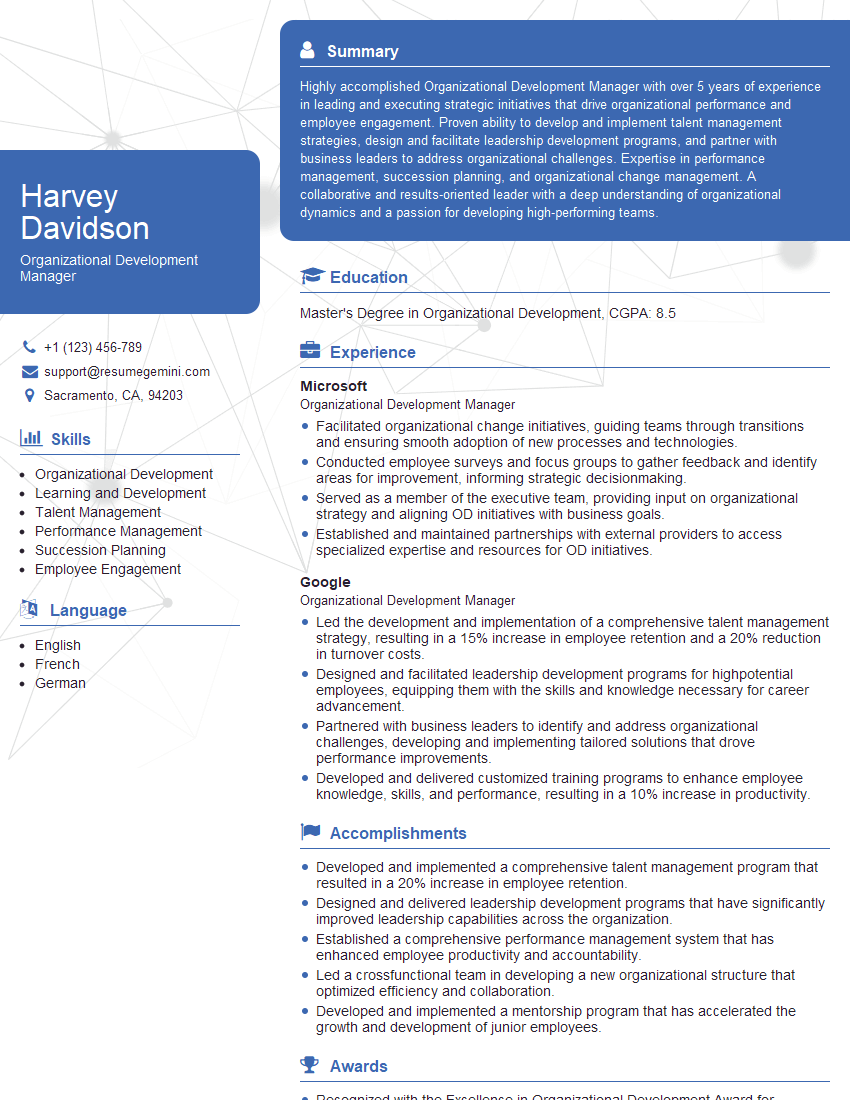
Organizational Development Manager Resume Sample

Recruiting Manager Resume Sample
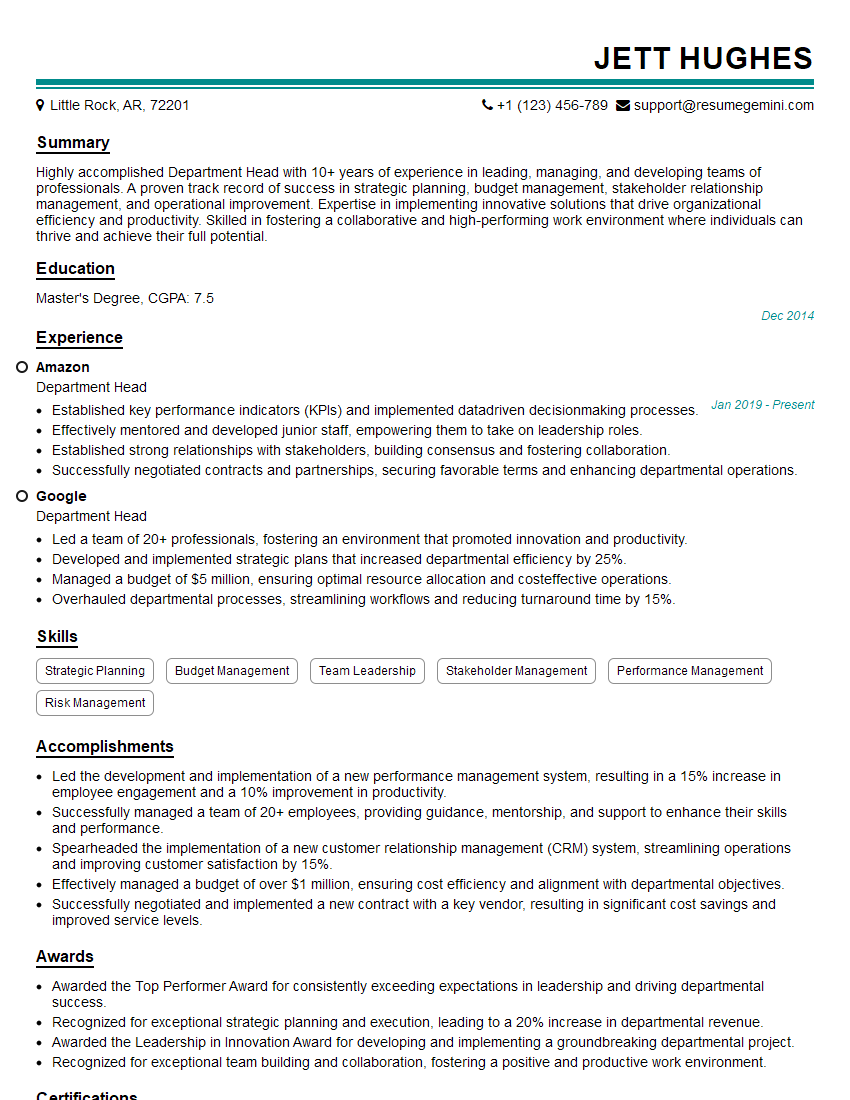
Department Head Resume Sample
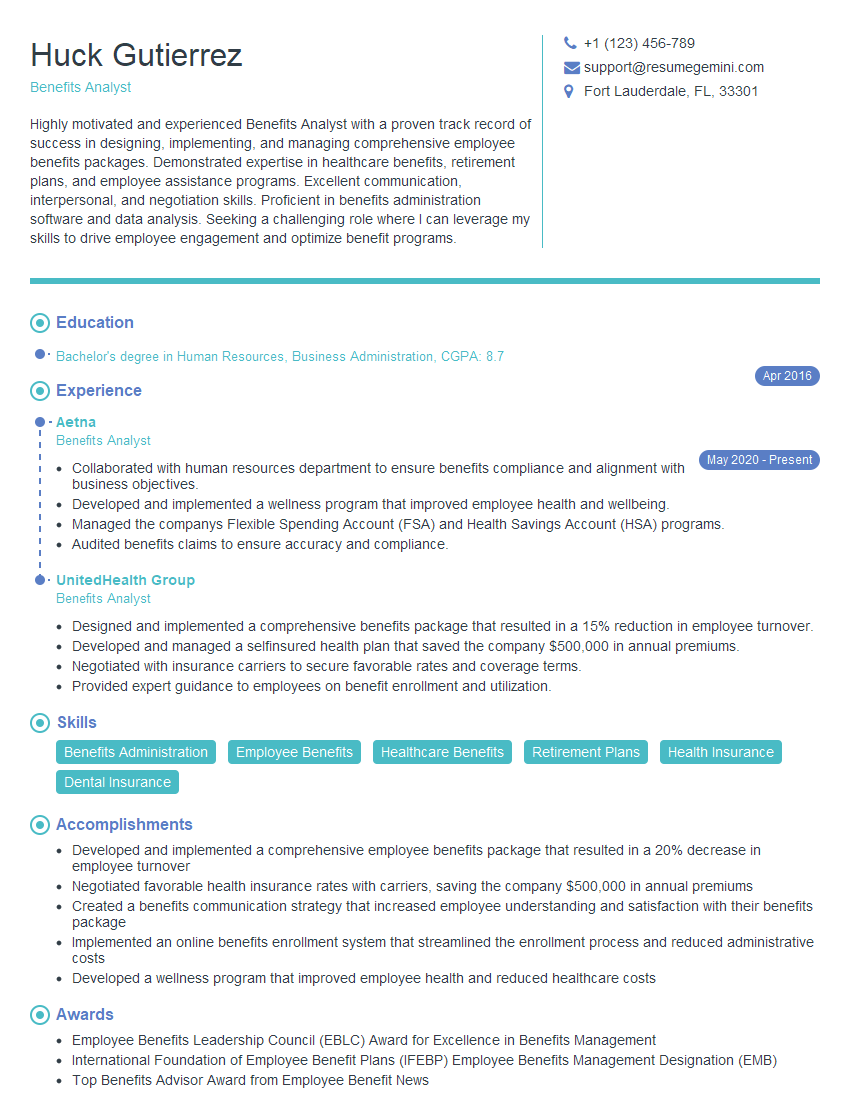
Benefits Analyst Resume Sample
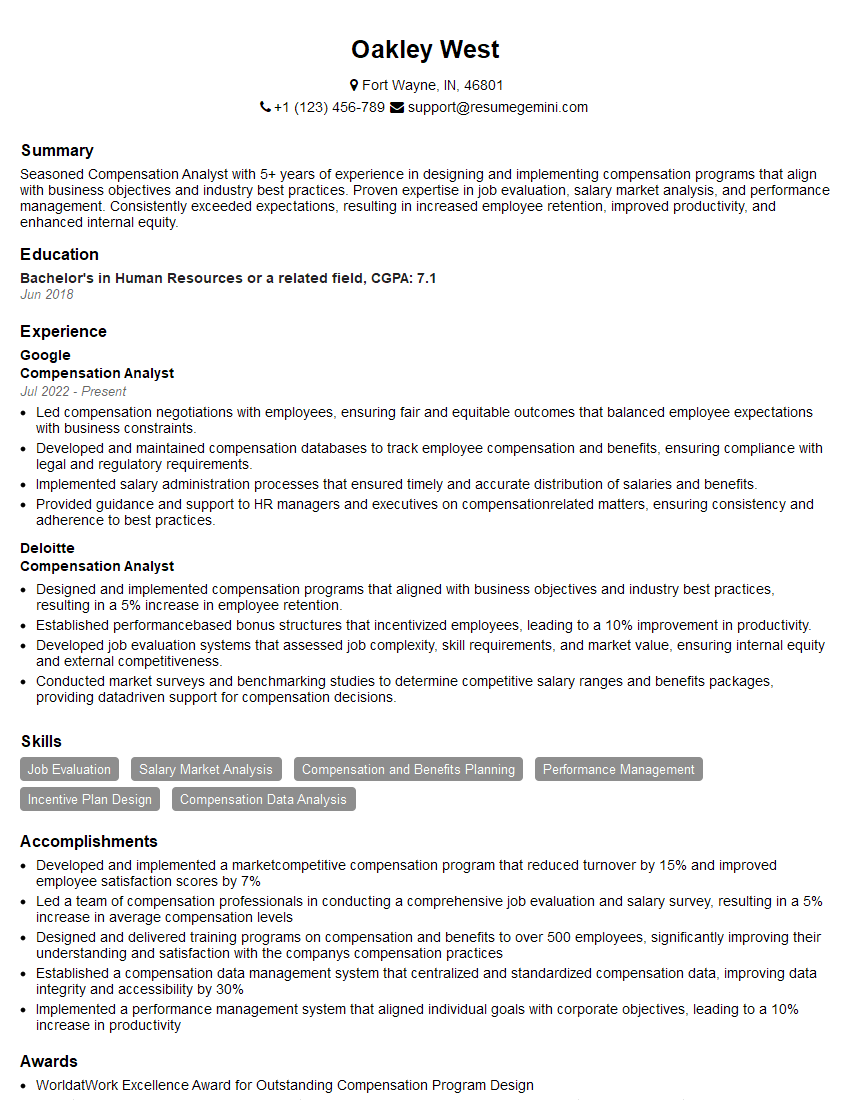
Compensation Analyst Resume Sample
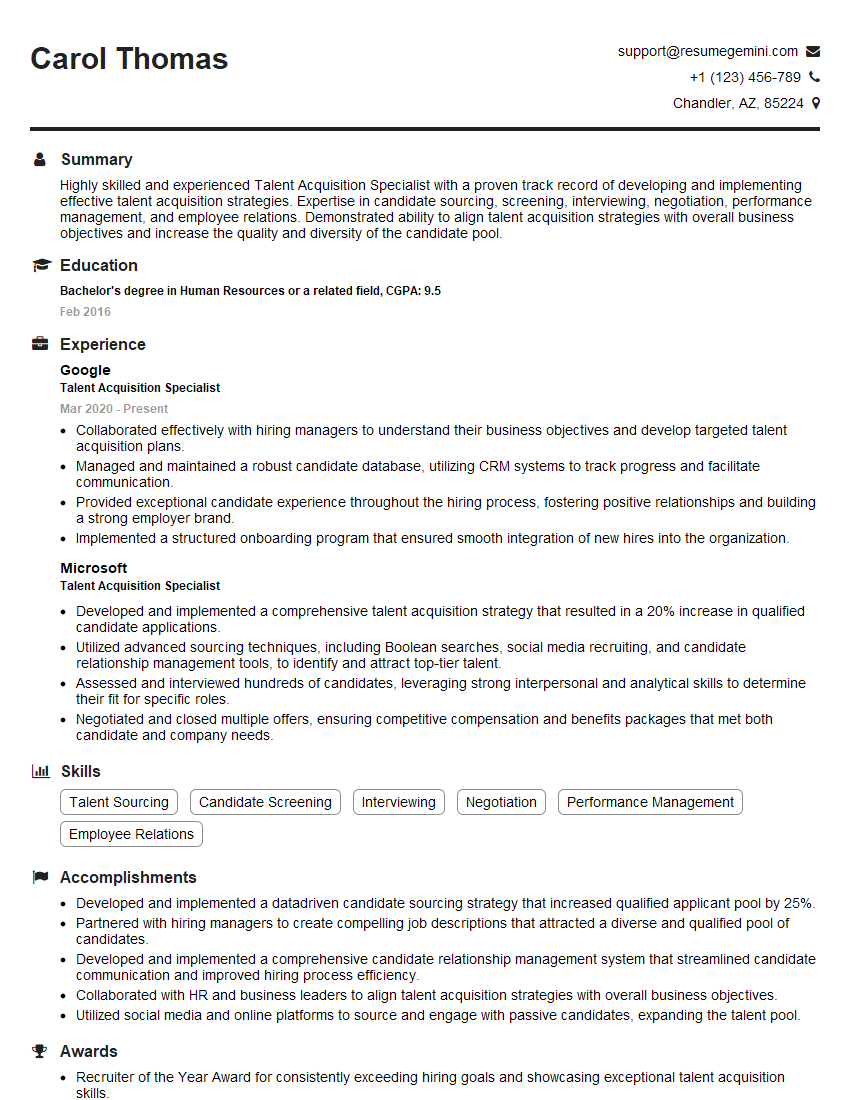
Talent Acquisition Specialist Resume Sample
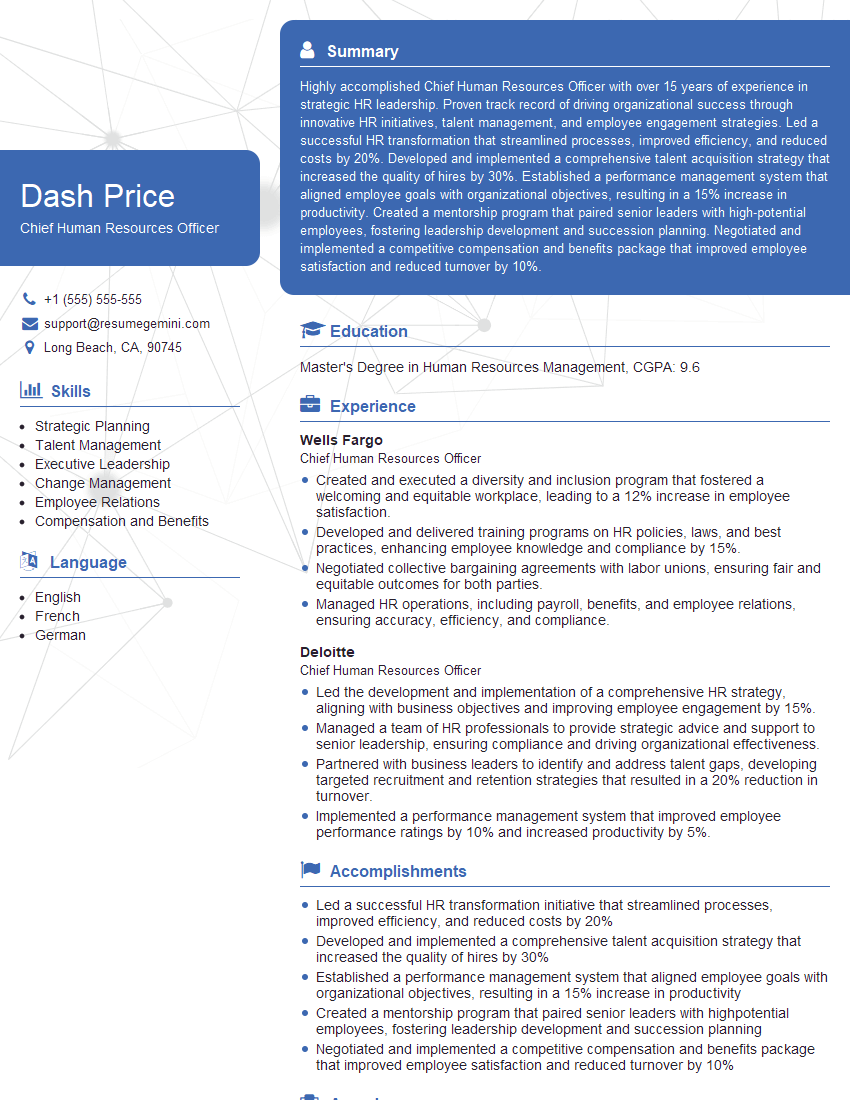
Chief Human Resources Officer Resume Sample
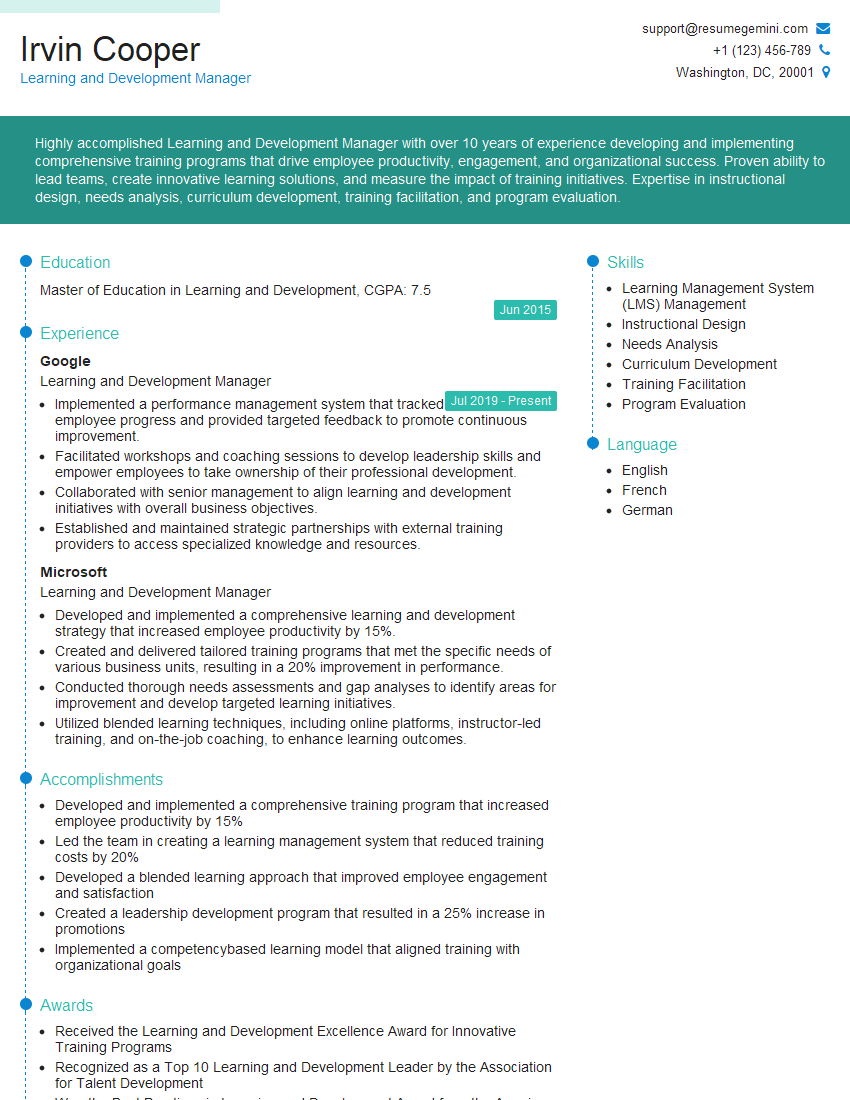
Learning and Development Manager Resume Sample
Explore more articles
Users Rating of Our Blogs
Share Your Experience
We value your feedback! Please rate our content and share your thoughts (optional).
What Readers Say About Our Blog
Very informative content, great job.
good