Every successful interview starts with knowing what to expect. In this blog, we’ll take you through the top Environmental Control System Maintenance interview questions, breaking them down with expert tips to help you deliver impactful answers. Step into your next interview fully prepared and ready to succeed.
Questions Asked in Environmental Control System Maintenance Interview
Q 1. Explain the difference between a chiller and a boiler.
Chillers and boilers are both crucial components of HVAC (Heating, Ventilation, and Air Conditioning) systems, but they serve opposite functions. Think of them as the cooling and heating powerhouses of a building.
A chiller is a refrigeration system that produces chilled water. This chilled water is then circulated throughout a building to cool air handling units and other equipment. Essentially, it’s a giant refrigerator for a building. Imagine a large office building; the chiller keeps the entire space cool and comfortable.
A boiler, on the other hand, generates hot water or steam for heating purposes. This hot water or steam is distributed through radiators, fan coil units, or other heating systems to provide warmth to the building. It’s like a giant kettle, heating water to distribute throughout the building.
In short: Chillers cool, boilers heat. They are fundamentally different in their operation and purpose, though both are essential for maintaining a comfortable indoor environment.
Q 2. Describe the function of a Variable Frequency Drive (VFD).
A Variable Frequency Drive (VFD) is an electronic device that controls the speed of an AC motor. Instead of running at a fixed speed, a VFD allows the motor to operate at variable speeds, based on demand. Think of it as a sophisticated dimmer switch for motors.
The key benefit of a VFD is energy efficiency. By adjusting the motor speed, you can optimize energy consumption. For example, if a fan only needs to run at 50% capacity, the VFD ensures it operates at that speed, consuming less electricity compared to running at full speed. This translates into significant energy savings over time.
VFDs are also valuable for controlling the precise operation of HVAC equipment. In a chiller, for instance, a VFD can modulate the speed of the compressor based on the cooling load. This leads to smoother operation and better control over temperature.
Q 3. How do you troubleshoot a malfunctioning thermostat?
Troubleshooting a malfunctioning thermostat involves a systematic approach. First, ensure the thermostat is receiving power – check the circuit breaker and wiring. A simple power outage is often the culprit.
Next, verify the thermostat’s settings. A common mistake is accidentally setting the temperature incorrectly.
- Check for Calibration Issues: Compare the thermostat reading to an accurate thermometer placed nearby. A significant discrepancy indicates calibration problems.
- Inspect Wiring Connections: Loose or corroded wiring can disrupt signals. Carefully examine all wiring connections at the thermostat and the HVAC unit.
- Test the HVAC System: If the thermostat seems fine, try manually activating the system at the furnace or air handler to rule out issues outside the thermostat itself.
- Check for Obstructions: Ensure there are no obstructions blocking the thermostat sensor, such as furniture or curtains.
- Consider Battery Replacement (for battery-powered thermostats): Weak batteries can cause erratic behavior.
If the problem persists after these checks, it’s advisable to consult a qualified HVAC technician. They possess the expertise and tools for more advanced diagnostics.
Q 4. What are the common causes of low refrigerant pressure in an AC system?
Low refrigerant pressure in an AC system indicates a problem that needs immediate attention. Several factors can cause this:
- Refrigerant Leaks: This is the most common cause. Leaks can occur anywhere in the system – from the compressor to the condenser coils – and can be caused by corrosion, damage, or faulty connections. A leak results in a gradual loss of refrigerant, reducing pressure.
- Compressor Failure: A malfunctioning compressor can’t properly circulate the refrigerant, resulting in low pressure.
- Restricted Airflow: Dirty condenser coils or blocked airflow can hinder heat dissipation, affecting refrigerant pressure.
- Faulty Expansion Valve or Capillary Tube: These components regulate refrigerant flow; a malfunction can lead to insufficient refrigerant in the evaporator coil, lowering system pressure.
- Incorrect Refrigerant Charge: The system might not have been charged with the correct amount of refrigerant during installation or maintenance.
Identifying the exact cause requires professional assessment with specialized tools like refrigerant pressure gauges and leak detectors. Never attempt to repair a refrigerant leak yourself as it involves handling hazardous materials.
Q 5. Explain the process of performing a preventative maintenance check on an air handler.
Preventative maintenance on an air handler is crucial for its longevity and efficient operation. The process typically involves several key steps:
- Visual Inspection: Check for any visible damage, loose connections, or signs of leaks.
- Filter Replacement: Replace or clean the air filters. Dirty filters restrict airflow and reduce efficiency.
- Coil Cleaning: Clean the evaporator and condenser coils. Accumulated dust and debris impede heat transfer.
- Belt Tension and Condition: If the air handler uses belts, check their tension and condition. Replace worn or damaged belts.
- Motor Lubrication: Lubricate motor bearings as per the manufacturer’s recommendations. This reduces friction and extends the motor’s lifespan.
- Check Blower Motor Operation: Ensure the blower motor is functioning correctly and operates smoothly. Listen for unusual noises.
- Drain Pan Inspection: Inspect the condensate drain pan for clogs or leaks. A clogged drain can lead to water damage.
- Electrical Connections: Check all electrical connections for tightness and corrosion.
Detailed maintenance procedures vary depending on the air handler’s make and model. Refer to the manufacturer’s service manual for specific instructions.
Q 6. Describe your experience with building automation systems (BAS).
I have extensive experience with Building Automation Systems (BAS), including design, implementation, and troubleshooting. I’ve worked with various BAS platforms, from legacy systems to the latest cloud-based solutions.
My experience encompasses programming logic controllers (PLCs), configuring network communication protocols (such as BACnet and Modbus), and integrating various building systems such as HVAC, lighting, and security. I’ve worked on projects involving large commercial buildings, industrial facilities, and data centers, developing and optimizing control strategies to enhance energy efficiency, improve comfort, and maintain optimal operating conditions.
For example, I was instrumental in designing and implementing a BAS for a new hospital wing, integrating climate control, lighting, and security systems. This project involved extensive coordination with various contractors and stakeholders to ensure seamless integration and smooth operation.
Q 7. How do you interpret data from a building management system (BMS)?
Interpreting data from a Building Management System (BMS) requires a thorough understanding of the system’s architecture and the data it collects. I typically approach this in a structured way:
- Understanding Data Points: First, I identify the key data points relevant to my analysis, such as temperature, humidity, pressure, energy consumption, and equipment status.
- Data Visualization: I utilize the BMS’s visualization tools to graphically represent the data, allowing for quick identification of trends and anomalies.
- Trend Analysis: I analyze trends over time to identify patterns, predict future behavior, and identify potential issues before they escalate.
- Alarm Management: I review and respond to alarms generated by the BMS, investigating their root causes and taking corrective actions.
- Report Generation: I generate reports based on the collected data to track performance, identify areas for improvement, and make data-driven decisions.
For instance, if I observe a consistent increase in energy consumption in a specific zone, I can investigate to determine if there’s a malfunctioning piece of equipment, an inefficient control strategy, or an issue with the building’s envelope. By interpreting the data effectively, I can proactively address potential problems and optimize building performance.
Q 8. What are the different types of HVAC systems?
HVAC systems come in various types, categorized primarily by their heating and cooling methods. The most common are:
- Split Systems: These are the most common residential systems, consisting of an outdoor unit (condenser) and an indoor unit (evaporator) connected by refrigerant lines. They’re efficient and relatively easy to install.
- Packaged Systems: These units combine the condenser, evaporator, and other components in a single cabinet, often located on the roof or ground. They are simpler to install than split systems but can be less efficient.
- Heat Pumps: These systems can both heat and cool a space by reversing the refrigerant flow. They’re energy-efficient, particularly in milder climates.
- Variable Refrigerant Flow (VRF) Systems: These systems use variable-speed compressors and multiple indoor units, allowing for precise temperature control in different zones of a building. They are common in larger commercial settings.
- Geothermal Heat Pumps: These systems utilize the stable temperature of the earth to heat and cool a building, resulting in significant energy savings and reduced environmental impact.
- Hydronic Systems: These systems use water as the heating and cooling medium, distributing heat or cool water through pipes to radiators or fan coils. They offer excellent temperature control and quiet operation.
The choice of system depends on factors like building size, climate, budget, and energy efficiency requirements. For example, a large commercial building might benefit from a VRF system for its zone control capabilities, while a small home might be best served by a simple split system.
Q 9. Explain the concept of economizer cycles in HVAC systems.
An economizer cycle is a strategy used in HVAC systems to reduce energy consumption by using outside air for cooling when conditions are favorable. Imagine it like opening a window on a cool day instead of running your air conditioner.
When the outside air temperature and humidity are lower than the indoor conditions, the economizer cycle bypasses the mechanical cooling system, utilizing outside air directly to cool the building. This significantly reduces the workload on the compressor and reduces energy costs.
Economizer cycles typically use sensors to monitor outside air temperature, humidity, and enthalpy (a measure of total heat content). A control system manages the damper positions, switching between outside air and the mechanical cooling system based on the sensed parameters. For instance, if (outside_temp < indoor_temp && outside_humidity < threshold) { open_outside_air_damper; } represents a simplified control logic. However, real-world economizer control involves sophisticated algorithms to optimize energy savings while maintaining indoor comfort and preventing issues such as introducing excessive humidity or pollutants.
Q 10. How do you identify and address refrigerant leaks?
Identifying refrigerant leaks requires a systematic approach. First, I would visually inspect all refrigerant lines, connections, and components for any signs of leaks—oil stains, frosting, or bubbling.
Secondly, I'd utilize electronic leak detectors, which are sensitive to the presence of refrigerants. These detectors use sensors to detect the refrigerant's unique properties, often indicating the leak's location with an audible alarm or visual display. Some advanced detectors use ultrasonic technology to detect the high-frequency sound produced by escaping refrigerant.
Once a leak is located, addressing it involves several steps. Minor leaks can sometimes be repaired by tightening connections or replacing seals. Larger leaks usually require brazing or welding, a procedure demanding specialized skills and safety precautions. Always remember to follow proper refrigerant handling and recovery procedures, as mandated by law and safety regulations. Improper handling can be dangerous for both the environment and personnel.
Q 11. What safety precautions do you take when working with refrigerants?
Safety is paramount when working with refrigerants. Refrigerants can be toxic, flammable, and/or contribute to ozone depletion. Therefore, I always adhere to the following precautions:
- Personal Protective Equipment (PPE): This includes safety glasses, gloves, and appropriate respiratory protection, especially when dealing with potentially hazardous refrigerants.
- Proper Ventilation: Ensure adequate ventilation in the work area to prevent refrigerant buildup and exposure.
- Refrigerant Recovery and Recycling: Always recover and recycle refrigerants according to EPA regulations. Never vent refrigerants into the atmosphere.
- Trained Personnel: Only certified technicians should handle refrigerants and perform repairs. This ensures safe and environmentally responsible procedures.
- Emergency Procedures: Familiarize yourself with emergency procedures and have access to appropriate safety equipment in case of accidents or exposure.
- Hazardous Communication: Ensure all personnel are aware of the hazards associated with the refrigerants being used.
I always prioritize safety, viewing it not just as a procedure, but as a fundamental principle of the job. This approach protects both myself and the environment.
Q 12. Describe your experience with different types of sensors used in environmental control systems.
Environmental control systems rely on various sensors to monitor and control the environment. My experience includes working with:
- Temperature Sensors: Thermocouples, RTDs (Resistance Temperature Detectors), and thermistors are commonly used to measure temperature. For instance, a thermocouple might be used in a duct to measure supply air temperature, ensuring the system delivers the desired temperature.
- Humidity Sensors: Capacitive and resistive humidity sensors measure the moisture content of the air. These sensors are crucial for controlling dehumidification processes and maintaining optimal indoor humidity levels.
- Pressure Sensors: These sensors monitor refrigerant pressure, air pressure in ducts, and other pressures within the system, providing critical data for fault detection and control algorithms.
- Air Quality Sensors: Carbon monoxide (CO) detectors, carbon dioxide (CO2) sensors, and particulate matter (PM) sensors are increasingly common. These sensors help maintain indoor air quality and ensure a healthy environment.
- Flow Sensors: These sensors measure airflow rates in ducts, helping to optimize the efficiency of the system and detect blockages. Examples include hot wire anemometers and differential pressure sensors.
Understanding the limitations and characteristics of different sensor types is essential for accurate measurements and effective system control. For example, sensor drift and calibration are important considerations for long-term reliable operation.
Q 13. How do you troubleshoot a problem with indoor air quality?
Troubleshooting indoor air quality (IAQ) problems requires a methodical approach. I'd start by identifying the symptoms: Are occupants experiencing headaches, allergies, or other discomfort? Are there visible signs of mold or mildew?
Next, I'd conduct a thorough investigation, including:
- Visual Inspection: Check for visible signs of problems such as mold, dust accumulation, or water damage.
- Air Quality Testing: Use specialized equipment to measure levels of pollutants like CO2, CO, VOCs (Volatile Organic Compounds), and particulate matter. This helps determine the nature and severity of the IAQ issue.
- HVAC System Inspection: Inspect the HVAC system thoroughly, checking for dirty filters, leaks, malfunctioning components, or issues with the air handler.
- Building Envelope Assessment: Assess the building envelope for air leaks or other issues that could be contributing to poor IAQ.
- Occupant Interviews: Talking to occupants to understand their experiences and identify possible sources of pollutants.
Based on the findings, I'd develop a remediation strategy, which might involve filter changes, cleaning, repairs, adjustments to the HVAC system, or even more extensive renovations to address building envelope issues. The goal is always to improve IAQ and create a safe and healthy environment.
Q 14. Explain the importance of regular filter changes in HVAC systems.
Regular filter changes are crucial for maintaining the efficiency and longevity of HVAC systems, as well as ensuring good indoor air quality. Think of the filter as the lungs of your HVAC system. A clogged filter restricts airflow, forcing the system to work harder, leading to increased energy consumption and reduced efficiency.
A dirty filter also compromises indoor air quality. It traps dust, pollen, pet dander, and other pollutants, but as it becomes clogged, these pollutants can bypass the filter and circulate throughout the building. This can exacerbate allergies, respiratory problems, and other health issues.
The frequency of filter changes depends on several factors, including the type of filter, the amount of dust and pollen in the air, and the number of occupants in the building. However, a general guideline is to change filters every 1-3 months for standard pleated filters or more frequently for high-efficiency particulate air (HEPA) filters. Neglecting filter changes can lead to significant long-term costs in terms of energy consumption, equipment repairs, and health issues. It's a simple, cost-effective measure with big benefits.
Q 15. What is your experience with programmable logic controllers (PLCs)?
Programmable Logic Controllers (PLCs) are the brains of many modern environmental control systems. I have extensive experience programming and troubleshooting PLCs, primarily using Allen-Bradley and Siemens platforms. My experience encompasses everything from simple on/off control of pumps and fans to complex sequencing and data logging for sophisticated HVAC systems. For example, in a recent project, I programmed a PLC to optimize the operation of a large chiller plant based on real-time weather data and occupancy sensors, resulting in significant energy savings. This involved writing ladder logic programs to manage setpoints, monitor alarms, and interface with various sensors and actuators. I'm also proficient in using HMI (Human Machine Interface) software to create user-friendly interfaces for operators to monitor and control the systems.
My experience also extends to PLC network communication protocols such as Modbus and Ethernet/IP, essential for integrating different components of an environmental control system.
Career Expert Tips:
- Ace those interviews! Prepare effectively by reviewing the Top 50 Most Common Interview Questions on ResumeGemini.
- Navigate your job search with confidence! Explore a wide range of Career Tips on ResumeGemini. Learn about common challenges and recommendations to overcome them.
- Craft the perfect resume! Master the Art of Resume Writing with ResumeGemini's guide. Showcase your unique qualifications and achievements effectively.
- Don't miss out on holiday savings! Build your dream resume with ResumeGemini's ATS optimized templates.
Q 16. How do you maintain proper humidity levels in a building?
Maintaining proper humidity levels is crucial for occupant comfort, preventing mold growth, and protecting sensitive equipment. The approach depends on the building's climate and the desired humidity range. Typically, it involves a combination of humidification and dehumidification systems. In dry climates, humidifiers – either steam, atomizing, or ultrasonic – add moisture to the air. In humid climates, dehumidifiers, using either desiccant or refrigeration methods, remove excess moisture.
Effective humidity control also requires careful monitoring. Sensors strategically placed throughout the building measure humidity levels and feed this data to a central control system (often a PLC or a DDC system). This system then activates humidifiers or dehumidifiers as needed to maintain the setpoints. Regular maintenance of these systems, including cleaning, filter changes, and calibration of sensors, is critical for accurate and efficient operation. For instance, I once resolved a recurring humidity issue in a museum by identifying a faulty sensor and replacing it with a properly calibrated one.
Q 17. Describe your experience with pneumatic control systems.
Pneumatic control systems, while less prevalent than electronic systems today, still exist in many older buildings. I possess experience in maintaining and troubleshooting these systems, understanding their strengths (simplicity, robustness in harsh environments) and limitations (lack of precision and susceptibility to leaks). My work involves diagnosing air leaks using pressure gauges and specialized leak detection equipment, replacing faulty pneumatic components like valves and actuators, and calibrating pressure transmitters. I recall one project where I successfully restored the functionality of an aging pneumatic HVAC control system by systematically replacing worn-out air filters and repairing several leaky valves. This involved tracing air lines, understanding pressure diagrams, and utilizing specialized tools to perform repairs in a safe and efficient manner.
Q 18. Explain the principles of direct digital control (DDC).
Direct Digital Control (DDC) is a sophisticated approach to environmental control, using digital computers to manage and monitor HVAC systems. It offers precise control, sophisticated algorithms for optimization, and extensive data logging capabilities. The core principle is that sensors collect real-time data (temperature, humidity, pressure, etc.), which is processed by a computer to adjust actuators (valves, dampers, etc.) to maintain desired conditions. Unlike older pneumatic or analog systems, DDC offers flexibility and precision by adjusting control parameters rapidly and precisely.
For example, a DDC system might implement advanced control strategies like predictive control, anticipating changes in occupancy or weather conditions to preemptively adjust HVAC operation for optimal efficiency. DDC systems also generate extensive data for analysis, enabling operators to identify trends and optimize system performance over time.
Q 19. How do you diagnose and repair problems with ductwork?
Diagnosing ductwork problems involves a systematic approach. I start with a visual inspection, looking for leaks, corrosion, obstructions, or insulation damage. I use specialized tools such as smoke pencils or pressure gauges to detect leaks. For larger ducts, I might utilize infrared cameras to identify heat loss, indicating potential leaks or insulation issues.
Repairs can range from simple sealing of small leaks with mastic or metal tape to more complex repairs involving patching or replacing sections of ductwork. For more significant issues, I might recommend professional duct sealing or even a complete ductwork replacement. I always prioritize safety, ensuring proper ventilation and using appropriate personal protective equipment (PPE) when working in confined spaces or handling asbestos-containing materials.
Q 20. What are the common causes of excessive energy consumption in HVAC systems?
Excessive energy consumption in HVAC systems is a common problem with multiple potential causes.
- Inefficient equipment: Outdated or poorly maintained equipment (such as motors, compressors, and fans) operates at lower efficiencies and consumes more energy.
- Inadequate insulation: Heat loss or gain through poorly insulated ducts or building envelopes leads to increased energy demand.
- Improper air balancing: Incorrect airflow distribution forces the system to work harder to maintain the desired temperature, consuming extra energy.
- Dirty filters: Clogged air filters restrict airflow, reducing efficiency and increasing energy consumption.
- Leaks in the ductwork: Leaks in the ductwork cause significant energy loss, particularly in unconditioned spaces.
- Improper controls: Inefficient control strategies or faulty sensors can lead to oversized HVAC operations, resulting in energy waste.
Identifying the cause requires a thorough system evaluation, including performance testing, data analysis from the system's control system, and a visual inspection of the entire system. Then, solutions may involve upgrading to more energy-efficient equipment, improving insulation, repairing leaks, cleaning filters, and optimizing control strategies.
Q 21. How do you ensure compliance with safety regulations when working on HVAC equipment?
Ensuring compliance with safety regulations is paramount in HVAC work. This involves adherence to OSHA regulations, local building codes, and manufacturer’s guidelines for specific equipment.
Before beginning any work, I always perform a thorough lockout/tagout procedure to prevent accidental energization of equipment. I use appropriate PPE, including safety glasses, gloves, and respiratory protection when working with refrigerants or in areas with potential hazards. I am trained and certified in handling refrigerants, ensuring compliance with EPA regulations concerning their proper handling, recovery, and recycling. Furthermore, I'm well-versed in confined-space entry procedures and work permit systems when necessary. Regular safety training and awareness are crucial to maintaining a safe working environment and complying with all applicable regulations.
Q 22. Describe your experience with different types of HVAC controls.
My experience encompasses a wide range of HVAC control systems, from basic pneumatic controls to advanced Direct Digital Controls (DDC) systems. Pneumatic systems, while simpler, rely on air pressure to regulate airflow and temperature. I've worked extensively on troubleshooting and maintaining these, often tracing leaks and adjusting pressure settings for optimal performance. Think of them like a complex network of air pipes – a leak in one area affects the entire system.
DDC systems, on the other hand, use computer-based technology for precise control and monitoring. My experience includes programming, configuring, and troubleshooting these sophisticated systems, often involving network communication and data analysis. For example, I've used DDC systems to optimize energy efficiency in large commercial buildings by scheduling operation and responding to real-time occupancy data. I'm also proficient with various control protocols like BACnet and Modbus, which allow different devices to communicate seamlessly within a building's HVAC infrastructure. I've worked with systems utilizing variable-frequency drives (VFDs) for precise fan speed control, significantly improving energy efficiency and noise reduction.
- Pneumatic Controls: Experienced in leak detection, pressure adjustment, and component replacement.
- Direct Digital Controls (DDC): Proficient in programming, configuration, troubleshooting, and network communication (BACnet, Modbus).
- Variable Frequency Drives (VFDs): Skilled in commissioning, maintenance, and troubleshooting.
Q 23. What is your experience with troubleshooting electrical issues in HVAC systems?
Troubleshooting electrical issues in HVAC systems requires a methodical approach combining electrical theory with HVAC system knowledge. I start with safety – always de-energizing the system before working on it. My experience involves diagnosing problems ranging from simple wiring faults to complex issues with control circuits and motor starters.
For instance, I once encountered a situation where an air handler fan wouldn’t start. My systematic approach involved:
- Visual inspection: Checking for loose wires, damaged components, and obvious signs of overheating.
- Voltage testing: Using a multimeter to verify power supply to the motor and the control circuit.
- Continuity testing: Checking the continuity of the wiring to ensure no breaks or shorts exist.
- Component testing: Testing the motor windings, motor starter, and other components for faults.
- Control circuit analysis: Examining the control circuit for faults using schematics and logical analysis.
In this particular case, I found a faulty capacitor in the motor starter causing the issue. Replacing it restored the fan’s operation. I'm also experienced in working with various safety devices such as circuit breakers, fuses, and ground fault circuit interrupters (GFCIs).
Q 24. Explain your experience with different types of HVAC system balancing techniques.
HVAC system balancing involves adjusting airflow to ensure proper distribution throughout a building, optimizing comfort and energy efficiency. I'm proficient in various balancing techniques, including:
- Airflow balancing: Using anemometers to measure airflow in each duct and adjusting dampers to achieve the design airflow rates. This is like adjusting water flow in a sprinkler system to ensure even coverage. Imbalances can lead to hot/cold spots and energy waste.
- Static pressure balancing: Adjusting dampers to equalize the static pressure across the entire system. This ensures even airflow distribution and prevents over-pressurization of certain sections. Imagine it as ensuring all the water pipes in a system have the same pressure.
- Water balancing: In hydronic systems (using water for heating or cooling), balancing involves adjusting flow rates in each loop to ensure each zone receives the correct amount of heated or cooled water.
My experience also involves the use of specialized balancing tools and software to calculate and optimize the airflow, ensuring both comfort and efficiency. I often work with commissioning teams to verify that the HVAC system is performing according to design specifications after installation or renovation.
Q 25. How do you maintain accurate records of maintenance activities?
Maintaining accurate records is crucial for effective HVAC maintenance. I utilize a computerized maintenance management system (CMMS) to track all maintenance activities. This system allows for the recording of preventative maintenance schedules, repairs, and other actions performed, including dates, times, personnel involved, parts used, and any relevant observations.
The CMMS also generates reports on equipment performance, maintenance costs, and helps us predict potential failures. This data is essential for improving maintenance strategies and budgeting. I’m also meticulous in keeping physical records in the form of detailed work orders, which are cross-referenced with the CMMS entries. This dual approach safeguards data and provides a comprehensive history of all the system’s maintenance history. Think of it as a comprehensive medical record for the HVAC system, aiding in diagnostics and long-term health.
Q 26. Describe your experience with troubleshooting and repairing refrigeration equipment.
My experience with refrigeration equipment troubleshooting and repair is extensive, encompassing various types of chillers, walk-in coolers, and freezers. This often involves working with refrigerants, requiring strict adherence to safety regulations and best practices. I am certified to handle various refrigerants (mention specific certifications if applicable).
Troubleshooting steps usually involve:
- Identifying the problem: Is the unit not cooling properly? Is there a leak? Are there unusual noises?
- Checking system pressures: Using gauges to measure high and low-side pressures to identify potential leaks or compressor issues.
- Inspecting components: Checking the condenser, evaporator, compressor, expansion valve, and other components for faults.
- Leak detection: Using electronic leak detectors or other methods to pinpoint leaks in the refrigerant lines.
- Performing repairs: Repairing or replacing faulty components as needed, following all safety procedures.
For instance, I recently repaired a chiller that was not cooling efficiently. After systematic checks, I discovered a faulty expansion valve causing reduced cooling capacity. Replacing the valve restored the chiller to its optimal performance. I am familiar with various types of refrigeration cycles and components, allowing for effective diagnosis and repair of a wide range of equipment.
Q 27. What are the common causes of compressor failure?
Compressor failure is a major concern in refrigeration systems, and it often stems from several causes. These can be broadly categorized into:
- Lack of lubrication: Insufficient lubrication leads to increased friction and wear, ultimately damaging the compressor components. Regular oil checks are crucial.
- High discharge pressure: This can be caused by various factors, including condenser fouling, restricted airflow, or refrigerant overcharging. High pressure puts immense strain on the compressor.
- Low suction pressure: This often indicates a refrigerant leak or a problem with the evaporator or expansion valve. This causes the compressor to work harder and leads to overheating.
- Electrical faults: Faulty motor windings, wiring issues, or problems with the starting components can also cause compressor failure.
- Refrigerant contamination: Moisture or other contaminants in the refrigerant can damage compressor components and lead to premature failure. Proper handling of refrigerant is critical.
- Compressor wear and tear: Over time, mechanical wear of internal parts can lead to failure. Preventative maintenance helps prolong lifespan.
Regular preventative maintenance, including cleaning, lubrication, and pressure checks, significantly reduces the risk of compressor failure and extends the life of the equipment. Early detection of issues through regular monitoring can prevent costly repairs or replacements.
Key Topics to Learn for Environmental Control System Maintenance Interview
- HVAC System Fundamentals: Understanding the principles of heating, ventilation, and air conditioning (HVAC) systems, including refrigeration cycles, air handling units, and ventilation strategies.
- Troubleshooting and Diagnostics: Practical experience identifying and resolving common HVAC system malfunctions using diagnostic tools and techniques. This includes understanding error codes and performing preventative maintenance.
- Building Automation Systems (BAS): Familiarity with BAS operation, programming, and troubleshooting. Understanding how to monitor and control environmental parameters through a central system.
- Energy Efficiency and Sustainability: Knowledge of energy-efficient practices in HVAC maintenance, including optimizing system performance and reducing energy consumption. Understanding green building technologies and their integration with environmental control systems.
- Safety Procedures and Regulations: Adherence to safety protocols, including lockout/tagout procedures, handling refrigerants responsibly, and awareness of relevant industry regulations and codes (e.g., OSHA).
- Preventive Maintenance Schedules: Developing and implementing effective preventative maintenance schedules to minimize downtime and extend the lifespan of HVAC equipment. Understanding the importance of regular inspections and cleaning.
- Control System Components: Deep understanding of various control system components such as sensors, actuators, controllers, and programmable logic controllers (PLCs).
- Data Analysis and Reporting: Ability to collect, analyze, and interpret data from HVAC systems to identify trends, optimize performance, and generate reports for management.
Next Steps
Mastering Environmental Control System Maintenance opens doors to a rewarding career with excellent growth potential. Your expertise in maintaining efficient and safe environments is highly valued across various industries. To maximize your job prospects, creating an ATS-friendly resume is crucial. A well-structured resume highlights your skills and experience effectively, increasing your chances of landing an interview. We highly recommend using ResumeGemini to build a professional and impactful resume. ResumeGemini provides you with the tools and resources you need, including examples of resumes tailored to Environmental Control System Maintenance, to help you present your qualifications in the best possible light. Take the next step towards your dream job today!
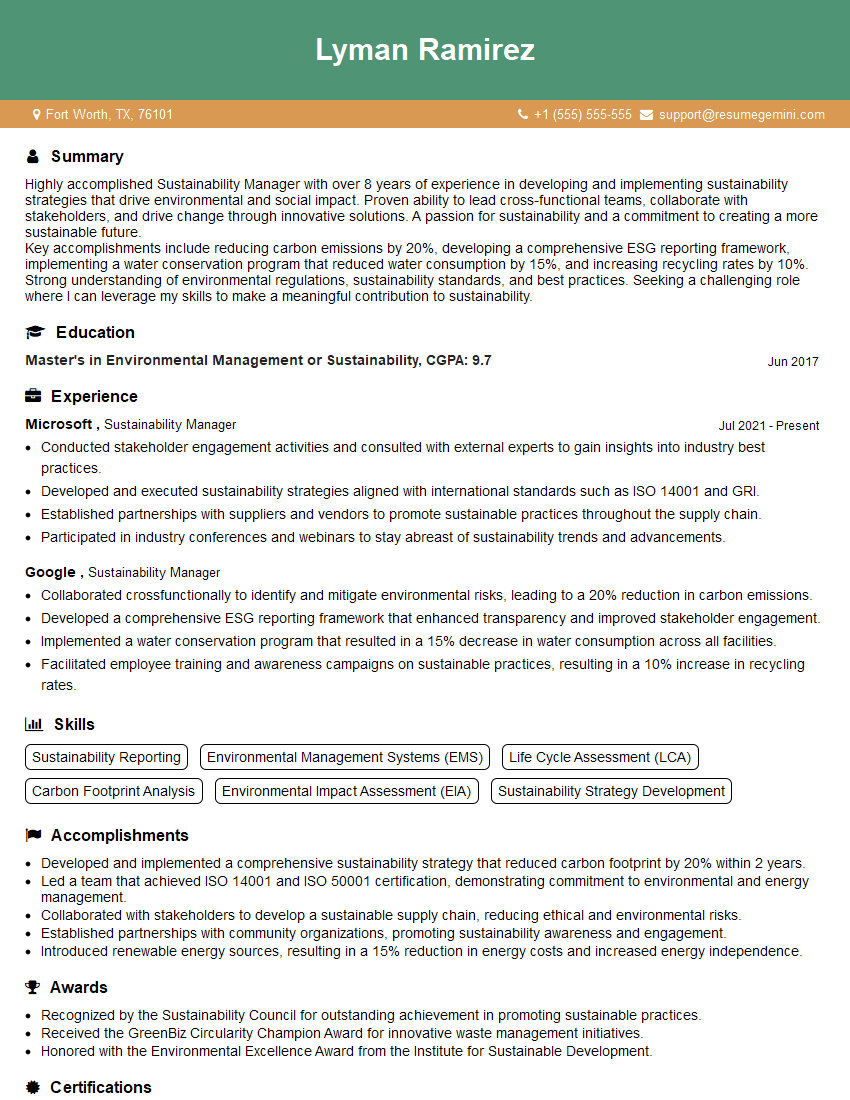
Sustainability Manager Resume Sample
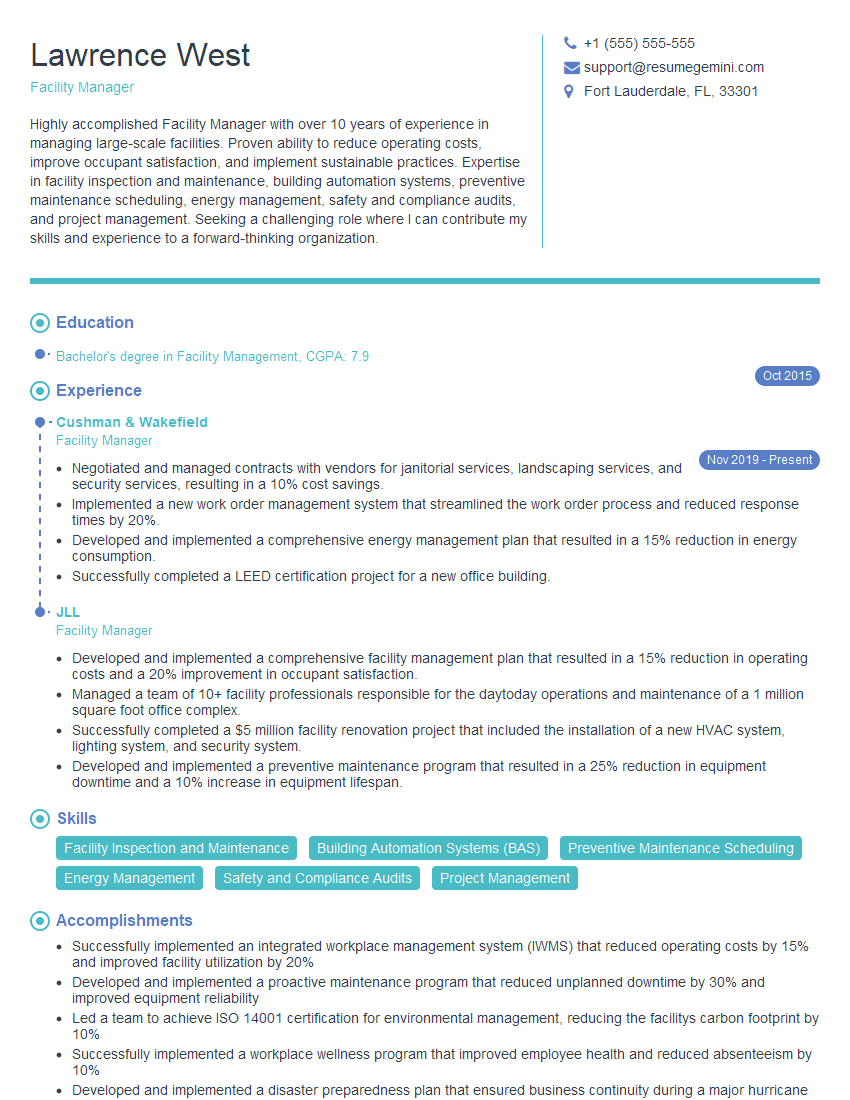
Facility Manager Resume Sample
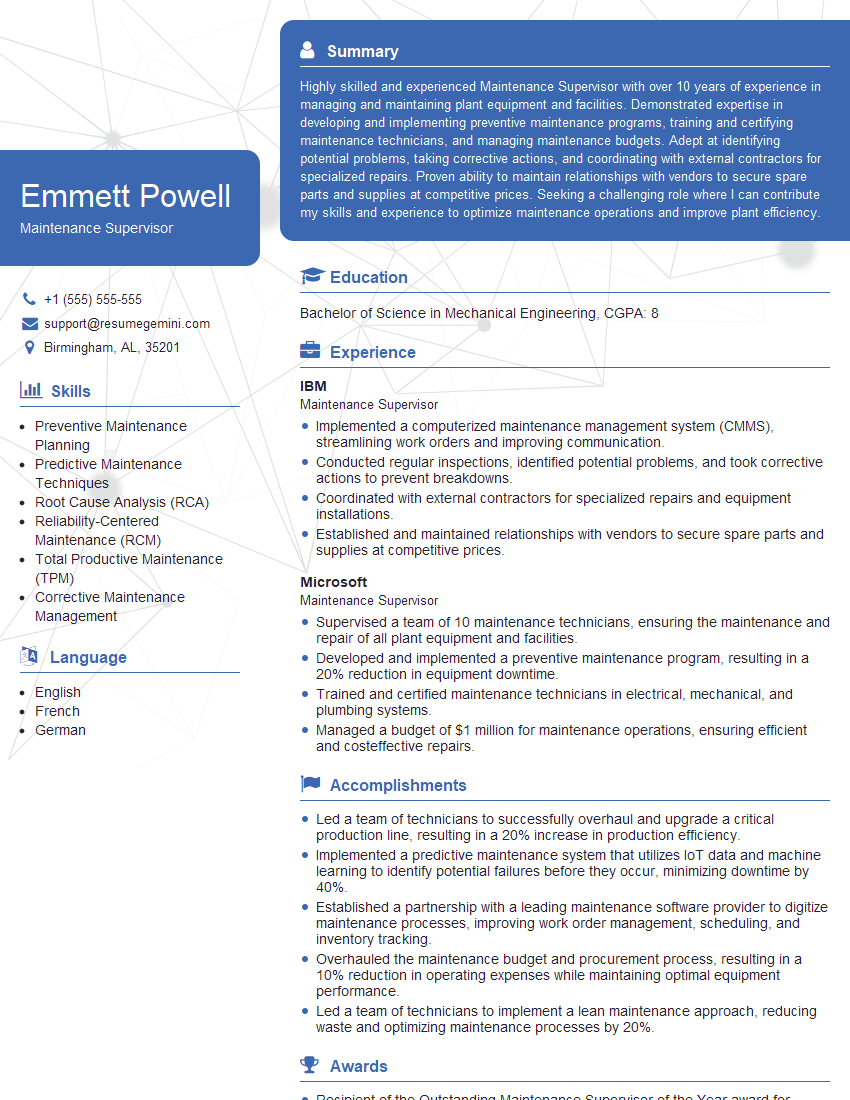
Maintenance Supervisor Resume Sample
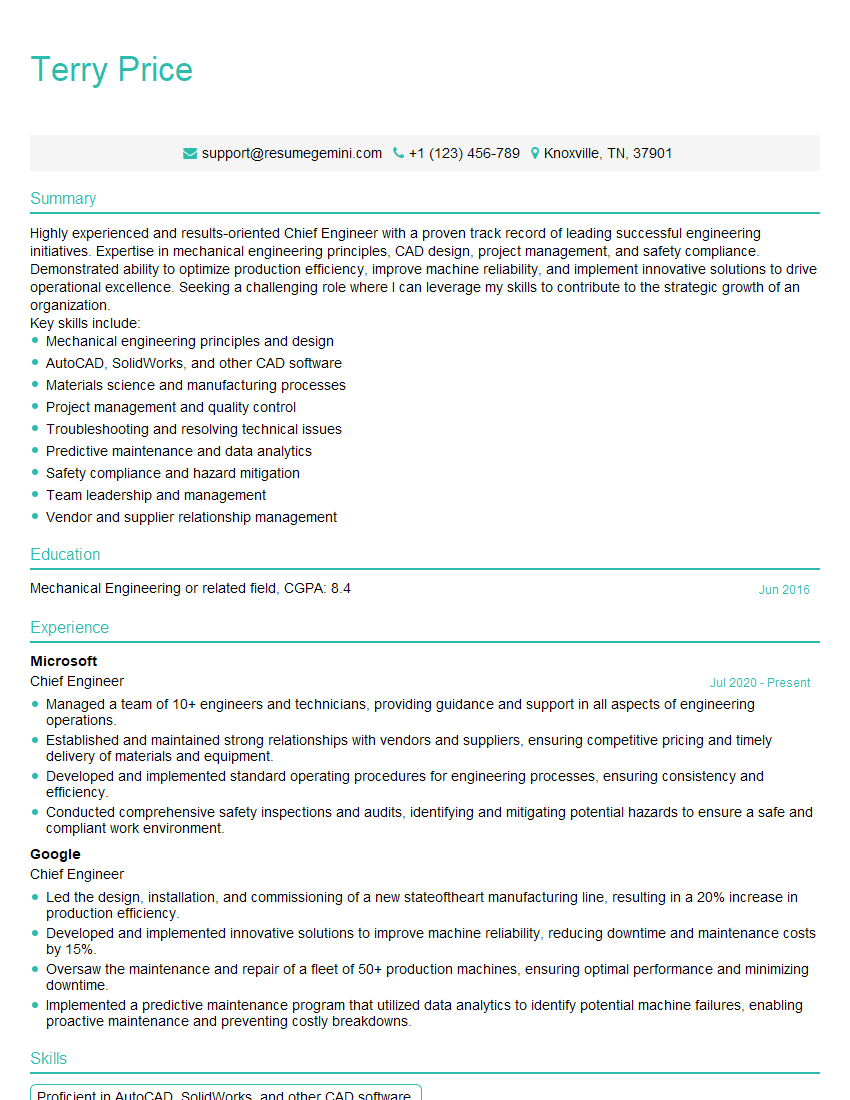
Chief Engineer Resume Sample
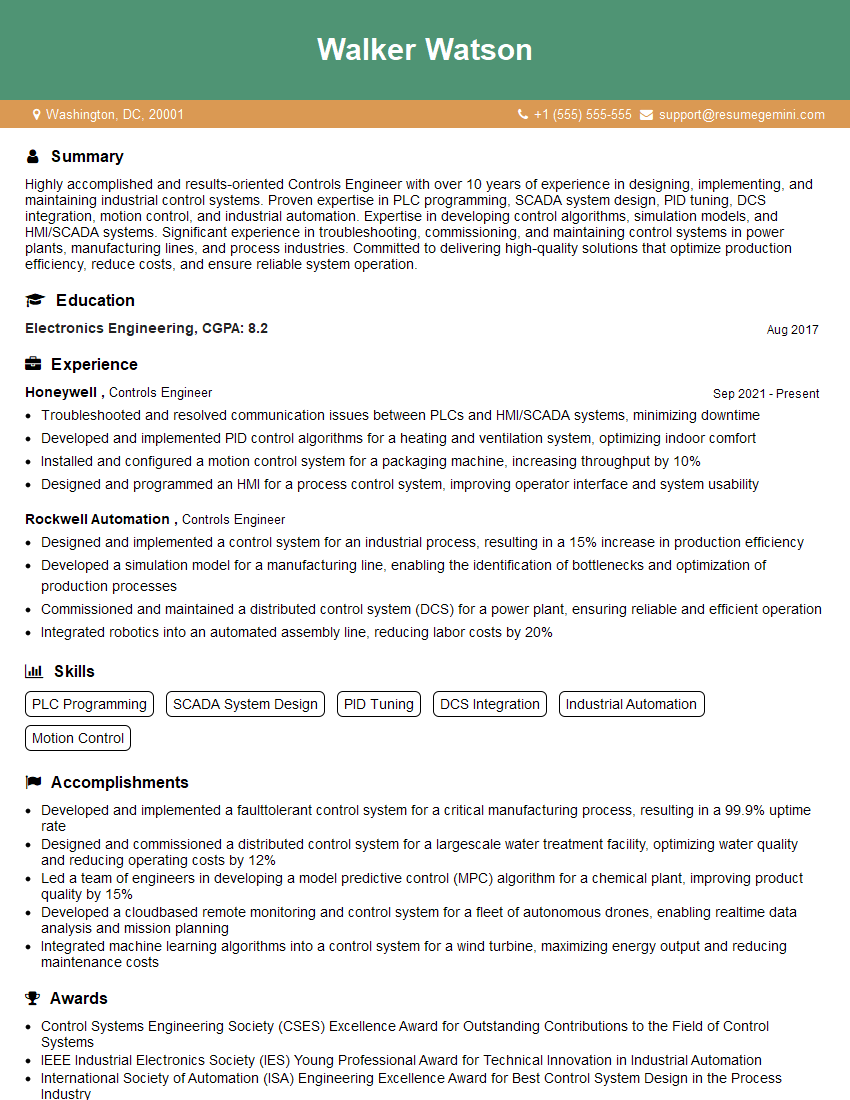
Controls Engineer Resume Sample
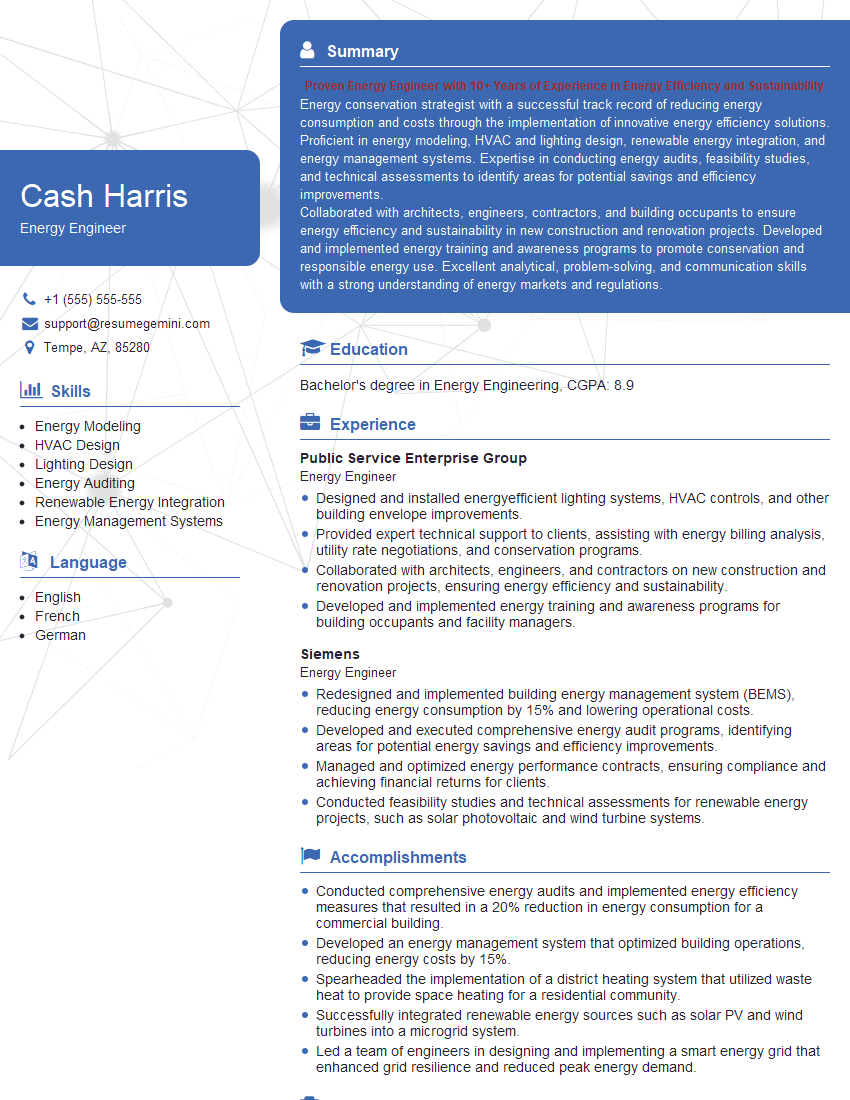
Energy Engineer Resume Sample
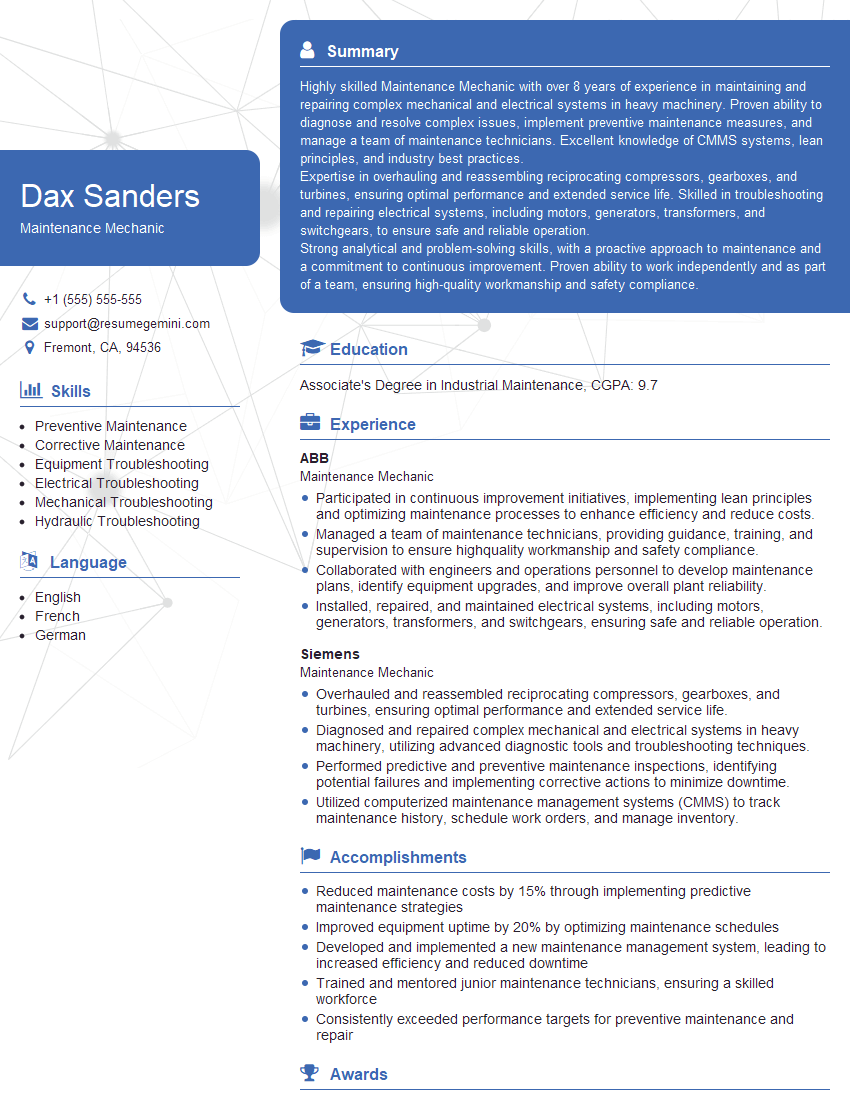
Maintenance Mechanic Resume Sample
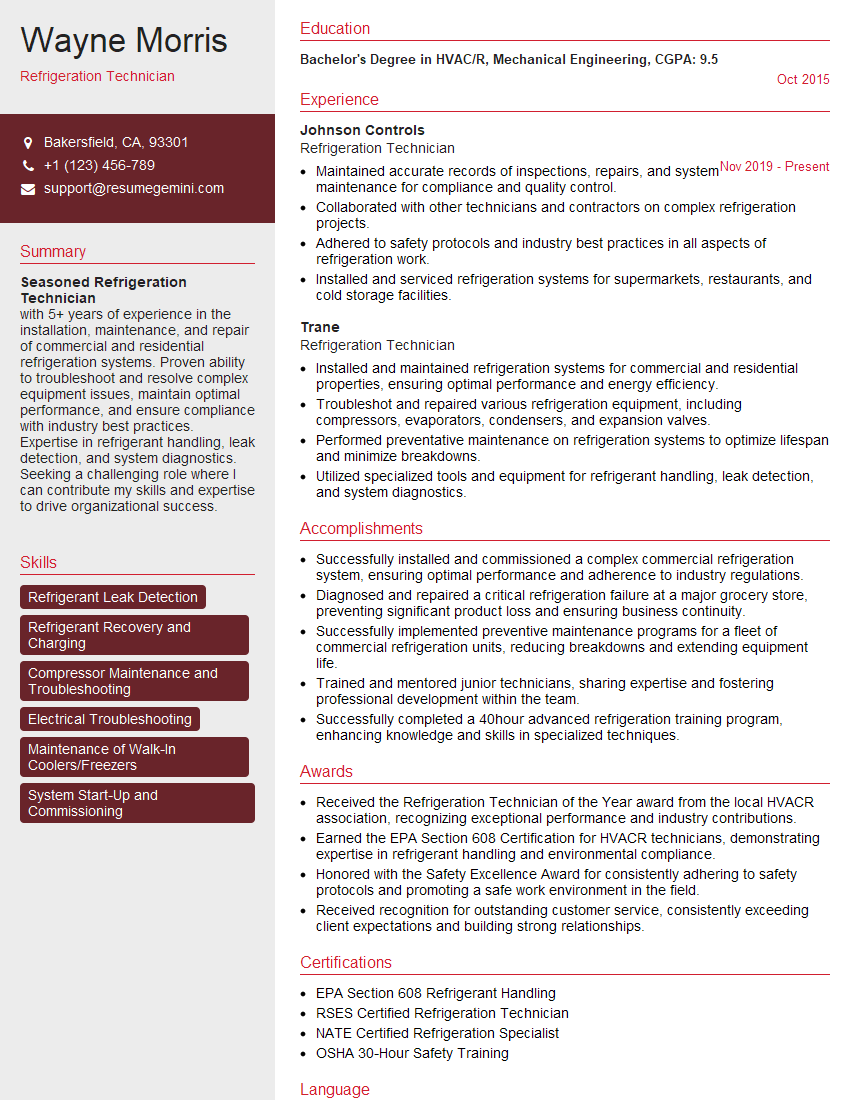
Refrigeration Technician Resume Sample
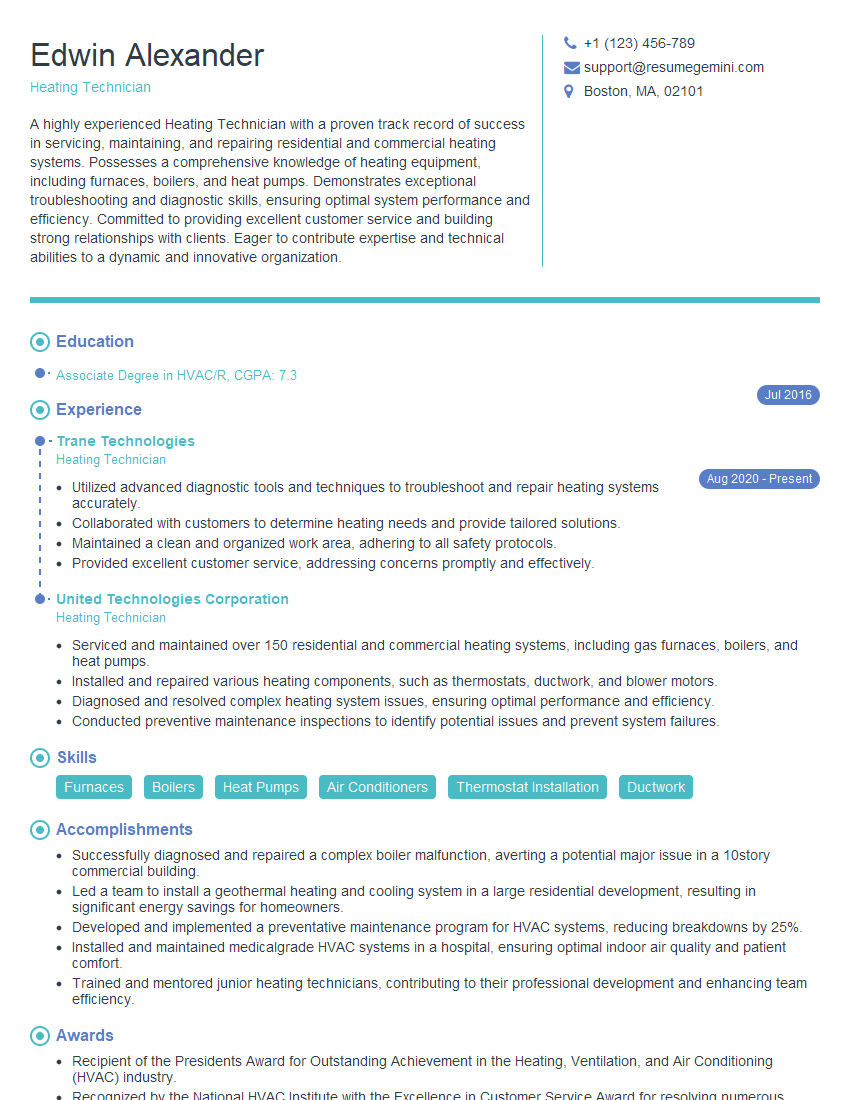
Heating Technician Resume Sample
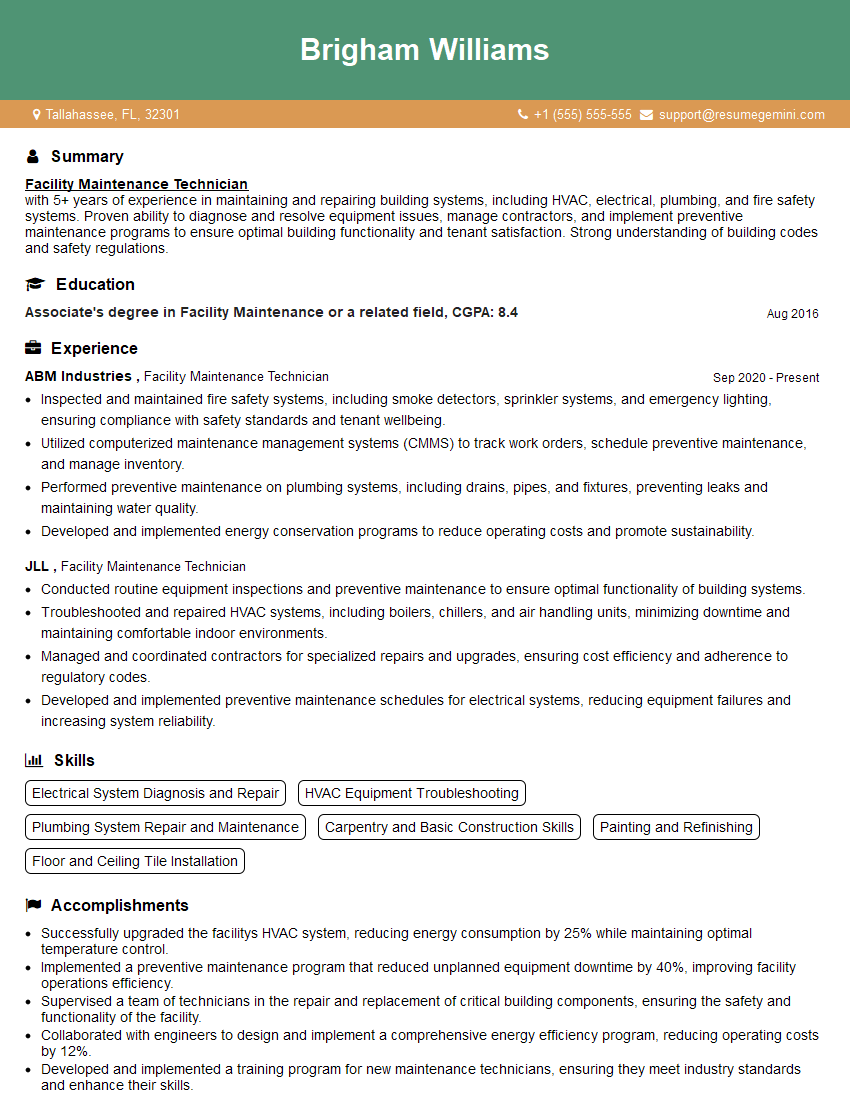
Facility Maintenance Technician Resume Sample
Explore more articles
Users Rating of Our Blogs
Share Your Experience
We value your feedback! Please rate our content and share your thoughts (optional).
What Readers Say About Our Blog
Very informative content, great job.
good