The thought of an interview can be nerve-wracking, but the right preparation can make all the difference. Explore this comprehensive guide to Environmental Management and Restoration interview questions and gain the confidence you need to showcase your abilities and secure the role.
Questions Asked in Environmental Management and Restoration Interview
Q 1. Describe your experience with environmental impact assessments.
Environmental Impact Assessments (EIAs) are crucial tools for predicting and mitigating the environmental consequences of projects. My experience spans over a decade, encompassing EIAs for a wide range of projects, from large-scale infrastructure developments like highway expansions and dam constructions to smaller-scale projects such as commercial building developments and renewable energy installations.
In conducting EIAs, I follow a structured approach, beginning with scoping and baseline studies to identify potential impacts. This involves data collection through field surveys, literature reviews, and stakeholder consultations. Then, I utilize various prediction models and impact matrices to assess the magnitude and significance of potential impacts across different environmental components – air quality, water quality, biodiversity, noise, and socio-economic factors. Finally, I develop mitigation strategies and monitoring plans to minimize adverse effects and ensure compliance with environmental regulations.
For example, in an EIA for a proposed wind farm, I identified potential impacts on bird migration patterns and developed mitigation strategies such as strategically placing turbines and implementing bird deterrent systems. The post-construction monitoring phase verified the effectiveness of these mitigation measures.
Q 2. Explain different types of environmental remediation techniques.
Environmental remediation techniques aim to clean up contaminated sites and restore them to a safe and usable condition. The best approach depends heavily on the nature of the contamination, the type of soil or water involved, and the desired end-use of the site.
- In-situ remediation: These techniques treat the contamination in place, minimizing excavation and disposal costs. Examples include bioremediation (using microorganisms to break down pollutants), phytoremediation (using plants to extract or stabilize contaminants), and soil vapor extraction (removing volatile organic compounds from the soil).
- Ex-situ remediation: These methods involve removing contaminated material from the site for treatment elsewhere. Examples include excavation and disposal in a licensed landfill, soil washing, and thermal desorption.
- Physical remediation: These methods use physical processes to separate or remove contaminants. Examples include filtration, sedimentation, and air stripping.
- Chemical remediation: These techniques use chemical processes to neutralize or transform contaminants. Examples include oxidation, reduction, and precipitation.
Choosing the right technique requires a thorough understanding of site-specific conditions and careful consideration of cost-effectiveness, environmental impact, and regulatory requirements. For instance, bioremediation might be cost-effective and environmentally friendly for certain organic contaminants, but thermal desorption might be necessary for highly persistent pollutants.
Q 3. How do you prioritize environmental projects with competing demands?
Prioritizing environmental projects with competing demands necessitates a systematic approach. I typically utilize a multi-criteria decision analysis (MCDA) framework, combining qualitative and quantitative factors to rank projects.
This involves:
- Identifying projects: Compile a list of all potential environmental projects.
- Defining criteria: Establish key criteria for evaluation, such as environmental impact, cost-effectiveness, feasibility, regulatory compliance, and societal benefits. These criteria can be weighted based on their relative importance.
- Scoring projects: Assign scores to each project based on how well they meet each criterion. This may involve using standardized scales or expert judgment.
- Analyzing results: Use MCDA software or techniques to aggregate scores and rank projects based on the overall weighted scores.
- Sensitivity analysis: Conduct sensitivity analysis to test the robustness of the prioritization under different weighting scenarios.
This framework ensures a transparent and objective prioritization process, allowing for informed decision-making even with limited resources. For instance, a project with significant environmental benefits but high cost might be prioritized over a less impactful but cheaper project, depending on the assigned weights and available budget.
Q 4. What is your experience with wetland restoration projects?
I have extensive experience in wetland restoration projects, encompassing various types of wetlands, including marshes, swamps, and bogs. My work has involved assessing the ecological condition of degraded wetlands, designing restoration plans, implementing restoration activities, and monitoring the effectiveness of restoration efforts.
Key aspects of my work include:
- Hydrological restoration: Restoring the natural water flow patterns to the wetland, often involving the construction of water control structures or the removal of drainage ditches.
- Habitat restoration: Re-establishing the native vegetation communities characteristic of the wetland type, often through planting native species and controlling invasive plants.
- Soil restoration: Improving the soil quality and composition, often through the addition of organic matter or the removal of pollutants.
- Monitoring and evaluation: Tracking the changes in wetland condition over time to assess the success of the restoration efforts.
For example, I led a project to restore a degraded marsh impacted by agricultural runoff. This involved removing invasive plant species, improving water quality through the construction of a bio-retention basin, and planting native marsh vegetation. Post-restoration monitoring indicated a significant improvement in water quality, biodiversity, and overall ecological function.
Q 5. Describe your knowledge of relevant environmental regulations (e.g., EPA guidelines).
My knowledge of environmental regulations is comprehensive and includes the EPA guidelines (Clean Water Act, Clean Air Act, CERCLA, etc.), state and local environmental laws, and international environmental agreements. I’m well-versed in permitting processes, environmental compliance, and enforcement procedures.
Understanding these regulations is vital for ensuring projects comply with the law and minimize environmental risks. I often use this knowledge to:
- Conduct regulatory compliance reviews: Assessing a project’s adherence to relevant environmental regulations.
- Develop environmental management plans: Creating plans to minimize environmental impacts and ensure compliance.
- Obtain necessary permits: Navigating the permitting process and obtaining all required permits for a project.
- Respond to environmental violations: Developing remediation plans and strategies to address environmental violations.
For instance, when working on a construction site, I ensure all activities comply with the Clean Water Act by implementing best management practices for stormwater management to prevent erosion and pollution of nearby water bodies. I also ensure compliance with air quality regulations by monitoring emissions from construction equipment and implementing measures to minimize air pollution.
Q 6. How do you manage environmental risks on a construction site?
Managing environmental risks on a construction site involves a proactive and multi-faceted approach. It begins with a thorough assessment of potential environmental hazards, including soil contamination, water resources, air quality, and potential impact on surrounding ecosystems.
My strategies include:
- Developing an environmental management plan (EMP): This comprehensive document outlines the environmental risks, mitigation strategies, monitoring procedures, and emergency response plans.
- Implementing erosion and sediment control measures: Using best management practices (BMPs) like silt fences, sediment basins, and vegetated buffers to prevent soil erosion and water pollution.
- Managing stormwater runoff: Directing stormwater runoff to designated areas to prevent contamination of receiving waters.
- Monitoring air quality: Monitoring air emissions from construction equipment to ensure compliance with air quality regulations.
- Managing hazardous materials: Properly handling, storing, and disposing of hazardous materials to prevent environmental contamination.
- Training and education: Training construction workers on environmental protection procedures and best practices.
Regular monitoring and inspections are essential to ensure that the EMP is effective and any issues are addressed promptly. Thorough documentation is crucial for demonstrating compliance with environmental regulations.
Q 7. Explain your experience with GIS software in environmental applications.
Geographic Information Systems (GIS) software is an indispensable tool in my environmental work. I have extensive experience using GIS for a variety of applications, including mapping environmental data, analyzing spatial relationships, and creating visualizations.
Specific applications include:
- Mapping environmental features: Creating maps of wetlands, forests, rivers, and other environmental features.
- Analyzing spatial patterns: Identifying patterns of pollution, habitat fragmentation, or other environmental issues.
- Modeling environmental processes: Simulating the spread of pollutants, the movement of water, or other environmental processes.
- Developing restoration plans: Using GIS to design and implement restoration plans for degraded ecosystems.
- Monitoring environmental conditions: Tracking changes in environmental conditions over time using GIS.
For example, I used GIS to map the extent of wetland loss in a particular watershed, analyze the factors contributing to the loss, and develop a restoration plan targeting areas with the greatest potential for restoration success. The resulting map provided crucial information for prioritizing restoration efforts and securing funding for the project. I’m proficient in ArcGIS and QGIS software.
Q 8. How do you monitor and evaluate the success of restoration projects?
Monitoring and evaluating restoration projects requires a multifaceted approach, focusing on both ecological and societal impacts. We establish clear, measurable objectives before project initiation, defining success criteria based on the specific ecosystem and restoration goals. This might involve parameters like species diversity, vegetation cover, water quality, or soil health.
Monitoring methods vary depending on the project. For example, we might use:
- Baseline data collection: Pre-restoration assessments provide a benchmark against which to measure progress.
- Regular field surveys: These allow for repeated measurements of key indicators over time, capturing trends and changes.
- Remote sensing technologies: Satellite imagery and aerial photography offer large-scale monitoring, particularly useful for assessing vegetation recovery across vast areas.
- Biomonitoring: Analyzing the abundance and health of indicator species provides a sensitive measure of ecosystem recovery.
Data analysis involves statistical comparisons of monitored parameters against baseline data and established targets. We use robust statistical methods to account for natural variability and identify significant improvements or setbacks. Regular reports are generated to communicate progress and identify areas needing adjustments.
For instance, in a wetland restoration project, success might be evaluated by comparing pre- and post-restoration measurements of water quality parameters (e.g., dissolved oxygen, nutrient levels), vegetation cover, and the presence of key indicator species like specific amphibians or birds.
Q 9. Describe your experience with stakeholder engagement in environmental projects.
Stakeholder engagement is paramount to the success of any environmental project. It’s not just about informing the public; it’s about building partnerships and ensuring that projects align with community needs and values. My approach involves:
- Early and ongoing communication: Regular meetings, workshops, and public forums are crucial to maintain transparency and build trust.
- Identifying key stakeholders: This includes residents, businesses, government agencies, NGOs, and indigenous communities, each with unique perspectives and concerns.
- Active listening and collaborative decision-making: Incorporating feedback and adapting project plans based on input from stakeholders builds buy-in and strengthens project support.
- Conflict resolution mechanisms: Establishing processes for addressing disagreements and finding mutually agreeable solutions.
- Transparency in data sharing: Providing regular updates on project progress and the scientific basis for decisions.
In one project involving riparian restoration, I facilitated a series of community workshops to develop a shared vision for the riverbank. This involved engaging with local farmers, recreational users, and indigenous groups to address concerns about land use, water access, and cultural heritage preservation, ultimately leading to a restoration plan that accommodated everyone’s needs.
Q 10. How do you develop and implement environmental management plans?
Developing and implementing environmental management plans (EMPs) is a systematic process that begins with a thorough assessment of environmental conditions. This involves identifying potential impacts, assessing risks, and establishing clear objectives.
The steps usually include:
- Baseline studies: Detailed assessments of the existing environmental conditions, including air and water quality, biodiversity, and soil characteristics.
- Impact assessment: Identifying potential positive and negative impacts of the project on the environment.
- Mitigation measures: Developing strategies to minimize or avoid negative impacts and enhance positive ones.
- Monitoring program: Establishing a system for tracking environmental indicators and assessing the effectiveness of the mitigation measures.
- Reporting and review: Regular reporting on the EMP’s performance and periodic reviews to ensure its continued effectiveness.
A well-designed EMP acts as a roadmap, guiding project activities to minimize environmental harm and promote sustainability. For example, an EMP for a construction project might include measures to control air pollution, manage stormwater runoff, and protect sensitive habitats.
Q 11. What are your strategies for managing hazardous waste?
Managing hazardous waste requires a rigorous approach that prioritizes safety, compliance, and environmental protection. This involves adhering to strict regulations and employing best practices throughout the waste lifecycle.
My strategies include:
- Waste characterization and segregation: Proper identification and classification of hazardous waste streams based on their physical, chemical, and biological properties.
- Minimization at the source: Implementing processes to reduce the generation of hazardous waste, through improved technology, process optimization, or substitution of materials.
- Treatment and disposal: Selecting appropriate treatment methods (e.g., incineration, chemical neutralization) and licensed disposal facilities for safe and compliant handling of waste.
- Emergency response planning: Developing procedures to address accidental spills or releases of hazardous materials.
- Record keeping and compliance monitoring: Maintaining detailed records of all hazardous waste handling activities and ensuring compliance with all applicable regulations.
I’ve overseen projects involving the safe remediation of contaminated sites, ensuring proper handling of asbestos, lead paint, and other hazardous materials in accordance with all relevant regulations and best practices, always placing the utmost importance on worker and public safety.
Q 12. Explain your understanding of sustainable land management practices.
Sustainable land management (SLM) focuses on using land resources in a way that meets current needs without compromising the ability of future generations to meet their own. It involves a holistic approach considering ecological, economic, and social dimensions.
Key practices include:
- Soil conservation: Techniques like terracing, contour plowing, and cover cropping to prevent soil erosion and maintain fertility.
- Water management: Efficient irrigation techniques, rainwater harvesting, and watershed management to ensure water availability.
- Biodiversity conservation: Protecting and restoring natural habitats, promoting agroforestry, and maintaining genetic diversity.
- Integrated pest management: Minimizing pesticide use through biological control, crop rotation, and other sustainable methods.
- Climate change adaptation and mitigation: Implementing practices to reduce greenhouse gas emissions and build resilience to climate change impacts.
For example, a sustainable farm might integrate crop diversification, cover crops, and reduced tillage to improve soil health, reduce erosion, and enhance biodiversity. This approach can help maintain long-term productivity while minimizing environmental impacts.
Q 13. How do you handle conflicts between environmental protection and economic development?
Balancing environmental protection and economic development requires finding common ground, understanding that both are vital for a thriving society. This involves incorporating environmental considerations into development planning and finding innovative solutions that minimize trade-offs.
My approach involves:
- Strategic environmental assessment (SEA): Conducting comprehensive assessments of development projects to identify potential environmental impacts and explore mitigation options early in the planning process.
- Life-cycle assessment (LCA): Evaluating the environmental impacts of products or projects over their entire lifespan, from resource extraction to waste disposal, to identify opportunities for improvement.
- Environmental economics: Using economic tools to quantify the value of environmental services and incorporate environmental costs into development decisions.
- Stakeholder engagement: Involving diverse stakeholders to find mutually acceptable solutions that balance economic needs with environmental protection.
- Innovation and technology: Exploring and implementing technologies that can reduce environmental impacts while supporting economic growth (e.g., renewable energy, green infrastructure).
For instance, in a project involving the development of a new industrial park, I helped to design an eco-industrial park that minimized environmental impact, reduced waste, and enhanced energy efficiency, ultimately demonstrating the feasibility of economic growth that is simultaneously environmentally responsible.
Q 14. Describe your experience with water quality monitoring and analysis.
Water quality monitoring and analysis are essential for assessing the health of aquatic ecosystems and ensuring the safety of water resources. This involves collecting water samples, analyzing them for various parameters, and interpreting the results to assess water quality.
My experience includes:
- Sampling design: Developing appropriate sampling strategies to ensure representative data collection, considering factors like location, time of year, and water body characteristics.
- Field measurements: Using field instruments to measure parameters such as temperature, pH, dissolved oxygen, and turbidity.
- Laboratory analysis: Using standard laboratory methods to determine concentrations of nutrients (e.g., nitrogen, phosphorus), heavy metals, pesticides, and other pollutants.
- Data analysis and interpretation: Using statistical methods to evaluate water quality data, identify trends, and compare results against water quality standards and guidelines.
- Report writing: Communicating findings clearly and concisely in technical reports for stakeholders.
In one project, I was responsible for monitoring water quality in a river impacted by agricultural runoff. By analyzing water samples collected at various locations, I was able to identify the sources of pollution, assess the extent of the problem, and inform the development of effective remediation strategies.
Q 15. What are your skills in data analysis and interpretation related to environmental data?
My skills in environmental data analysis encompass a wide range of techniques, from descriptive statistics to advanced modeling. I’m proficient in using statistical software packages like R and Python, along with GIS (Geographic Information Systems) software like ArcGIS, to process and interpret diverse environmental datasets. This includes water quality data, air pollution monitoring data, soil analysis results, and biodiversity surveys. For example, I recently used R to analyze water quality data from a river system, identifying pollution hotspots and correlating them with land use patterns. This involved cleaning the data, performing statistical tests to assess significance, and visualizing the results using various charts and maps to clearly communicate findings to stakeholders. My interpretation of these data focuses on identifying trends, establishing cause-and-effect relationships, and making data-driven recommendations for environmental management and remediation.
I’m also experienced in utilizing spatial analysis techniques within GIS to understand the spatial distribution of pollutants or endangered species, allowing for targeted interventions. Finally, I understand the importance of data quality control and validation to ensure accuracy and reliability in my analysis and conclusions.
Career Expert Tips:
- Ace those interviews! Prepare effectively by reviewing the Top 50 Most Common Interview Questions on ResumeGemini.
- Navigate your job search with confidence! Explore a wide range of Career Tips on ResumeGemini. Learn about common challenges and recommendations to overcome them.
- Craft the perfect resume! Master the Art of Resume Writing with ResumeGemini’s guide. Showcase your unique qualifications and achievements effectively.
- Don’t miss out on holiday savings! Build your dream resume with ResumeGemini’s ATS optimized templates.
Q 16. How do you ensure compliance with environmental permits and regulations?
Ensuring compliance with environmental permits and regulations is paramount in my work. This involves a multi-faceted approach, beginning with a thorough understanding of all applicable federal, state, and local regulations. I maintain detailed records of all environmental activities, ensuring that all monitoring data, reporting, and permit applications are meticulously documented and submitted on time. This often involves working closely with regulatory agencies, attending meetings, and proactively addressing any potential compliance issues.
For instance, when working on a construction project, I developed a comprehensive environmental compliance plan that included regular monitoring of air and water quality, waste management protocols, and a detailed erosion and sediment control plan. We conducted regular audits to verify adherence to the plan, promptly addressing any deviations and reporting them to the relevant agencies. This proactive approach minimized the risk of penalties and ensured environmental protection throughout the project lifecycle.
Furthermore, I stay updated on evolving regulations and best practices through professional development and engagement with industry associations. This ensures that our environmental management strategies remain current and effective.
Q 17. Describe a time you had to solve a complex environmental problem.
One particularly challenging project involved remediating a contaminated brownfield site. The site was heavily polluted with various heavy metals and hydrocarbons, and the initial assessment revealed a complex geological profile, making remediation strategies difficult. The challenge lay in developing a cost-effective and environmentally sound solution that minimized disruption to the surrounding community and achieved regulatory compliance.
My approach involved a phased process. First, we conducted a detailed site investigation, using advanced techniques to delineate the extent of contamination and assess the risk to human health and the environment. This involved soil sampling, groundwater monitoring, and risk assessment modeling. Based on this data, we developed a remediation plan combining soil excavation and treatment with phytoremediation (using plants to extract contaminants from the soil). We collaborated with soil scientists, engineers, and regulatory agencies to ensure the chosen methods were feasible and met regulatory requirements.
Successfully completing the project, on time and under budget, required effective communication and collaboration among all stakeholders. Regular monitoring confirmed the effectiveness of our remediation strategy, and the site was ultimately returned to a safe and usable condition, exceeding regulatory expectations. This experience highlighted the importance of a thorough site assessment, innovative solutions, and diligent monitoring in successfully tackling complex environmental problems.
Q 18. How familiar are you with Life Cycle Assessment (LCA)?
Life Cycle Assessment (LCA) is a methodology used to evaluate the environmental impacts associated with a product, process, or service throughout its entire lifecycle, from cradle to grave. This involves identifying all inputs and outputs associated with each stage of the lifecycle – from raw material extraction and manufacturing to use and disposal – and quantifying their environmental impacts in various categories, such as greenhouse gas emissions, water usage, and resource depletion.
I have a strong understanding of the LCA methodology, including its various stages: goal and scope definition, inventory analysis, impact assessment, and interpretation. I’m familiar with various LCA software packages used for data analysis and reporting. In practice, I’ve used LCA to compare the environmental performance of different packaging materials, helping clients select more sustainable alternatives. The results of an LCA can inform decision-making by highlighting areas for improvement and identifying opportunities for environmental optimization. It is a crucial tool for promoting sustainable product development and improving overall environmental performance.
Q 19. Explain your understanding of carbon sequestration and its importance.
Carbon sequestration is the process by which carbon dioxide (CO2) is removed from the atmosphere and stored in a long-term reservoir, such as forests, soil, or geological formations. This process is crucial because increasing atmospheric CO2 concentrations are the primary driver of climate change.
The importance of carbon sequestration lies in its capacity to mitigate climate change. By removing CO2 from the atmosphere, it helps reduce the greenhouse effect and slow down global warming. Various methods can enhance carbon sequestration, including reforestation, afforestation (planting trees in previously treeless areas), improved soil management practices (like no-till farming), and carbon capture and storage technologies.
For example, I’ve worked on projects that involved assessing the carbon sequestration potential of different forest ecosystems, using models to predict carbon storage capacity under various management scenarios. This information can guide forest management decisions to maximize carbon sequestration while also considering other ecological objectives. Understanding and promoting carbon sequestration is critical to achieving global climate goals.
Q 20. What is your experience with biodiversity conservation?
My experience with biodiversity conservation spans several areas. I’ve worked on projects involving habitat restoration, species monitoring, and the development of conservation strategies for endangered species. This has involved fieldwork such as vegetation surveys, wildlife monitoring using camera traps and other techniques, and data analysis to assess population trends and habitat suitability.
For instance, I participated in a project to restore degraded wetlands, focusing on creating suitable habitats for endangered bird species. This involved removing invasive species, improving water quality, and replanting native vegetation. We monitored bird populations over several years to assess the effectiveness of the restoration efforts. This work highlights the importance of integrated approaches, combining ecological understanding with practical conservation actions.
I am also familiar with the use of spatial data analysis and modeling in conservation planning, assisting in identifying priority areas for conservation and designing effective protected area networks.
Q 21. How do you incorporate sustainability principles into your work?
Sustainability is central to my approach to environmental management. I incorporate sustainability principles across all aspects of my work, from project planning and design to implementation and monitoring. This involves considering the environmental, social, and economic impacts of projects and striving to minimize negative impacts while maximizing positive outcomes.
For example, in developing a remediation plan, I prioritize strategies that are both environmentally sound and cost-effective. This might involve choosing technologies with lower energy consumption and reduced waste generation. I also consider the social implications of projects, such as community engagement and minimizing disruption to local residents. Furthermore, I strive to use recycled materials whenever possible, reducing reliance on virgin resources.
Ultimately, incorporating sustainability principles ensures that our work contributes not only to environmental protection but also to broader societal well-being and long-term economic viability. A commitment to sustainability is not merely an add-on; it’s integral to responsible and effective environmental management.
Q 22. Describe your experience with soil remediation techniques.
Soil remediation involves the removal or neutralization of contaminants from soil to make it safe for human use or ecological function. My experience encompasses a wide range of techniques, depending on the nature and extent of the contamination.
- Phytoremediation: Using plants to extract or break down contaminants. I’ve successfully implemented this approach on a site contaminated with heavy metals, utilizing specific plant species known for their phytoextraction capabilities. We monitored plant growth, metal uptake, and soil health parameters throughout the project, resulting in a significant reduction in heavy metal concentrations.
- Bioremediation: Employing microorganisms to degrade organic pollutants. In one project, we used a consortium of bacteria and fungi to break down petroleum hydrocarbons in a contaminated soil. This required careful monitoring of environmental conditions (moisture, temperature, oxygen levels) to optimize microbial activity.
- Excavation and Disposal: For highly contaminated sites, excavation and disposal in a licensed landfill remains necessary. In a case involving dioxin contamination, this was the most efficient solution to mitigate immediate risks. However, we always explore less disruptive options first.
- Soil Washing: This involves washing the soil with a solution to remove contaminants. I’ve used this technique with success in removing pesticides from agricultural soil, but it’s crucial to manage the generated wastewater carefully to avoid secondary pollution.
The choice of technique is always case-specific and demands a thorough site assessment considering factors like contaminant type, concentration, soil properties, and regulatory requirements.
Q 23. How do you use predictive modeling in environmental management?
Predictive modeling is crucial in environmental management, allowing us to anticipate future environmental conditions and the impacts of different interventions. It involves using statistical techniques and data to simulate real-world scenarios.
For example, I’ve used Geographic Information Systems (GIS) and hydrological models to predict the spread of pollutants in groundwater after a spill. The model inputs included the contaminant properties, aquifer characteristics, and precipitation data. The output provided a visualization of the plume’s movement over time, aiding in the design of remediation strategies and informing emergency response plans.
Another application is forecasting the impact of climate change on ecosystems. I’ve worked on projects employing climate models coupled with ecological models to predict changes in species distribution and habitat suitability, guiding conservation efforts.
The accuracy of predictive models relies heavily on the quality and quantity of data used. Robust data collection and validation are, therefore, essential steps in the process. Furthermore, it’s important to acknowledge model limitations and uncertainties when communicating results to stakeholders.
Q 24. What is your experience with community engagement in environmental projects?
Community engagement is paramount to successful environmental projects. It’s not just about informing people, but actively involving them in the decision-making process. My experience includes:
- Public Forums and Workshops: Organizing and facilitating events to gather community input and address their concerns.
- Surveys and Interviews: Conducting structured data collection to understand community perceptions and preferences.
- Community Advisory Boards: Establishing formal participatory structures where community members actively participate in project planning and monitoring.
- Education and Outreach: Implementing educational programs and communication campaigns to raise awareness about environmental issues and the project’s goals.
In one project, working with a community affected by industrial pollution, we implemented a community-based monitoring program. This allowed residents to actively participate in collecting data, strengthening their understanding of the issue and their trust in the project’s success. Building trust and transparency are vital for effective community engagement.
Q 25. How do you stay updated on the latest advancements in environmental science and technology?
Staying current in environmental science and technology is essential. I employ several strategies:
- Professional Journals and Publications: Regularly reading peer-reviewed journals like Environmental Science & Technology and Nature.
- Conferences and Workshops: Attending professional conferences and workshops to learn about cutting-edge research and best practices. Networking with other professionals provides additional knowledge and collaboration opportunities.
- Online Courses and Webinars: Utilizing online platforms such as Coursera and edX to access specialized training and update my skills.
- Professional Organizations: Actively participating in professional organizations like the Society of Environmental Toxicology and Chemistry (SETAC) to stay connected with the latest advancements.
Continuous learning is not just about acquiring new knowledge but also adapting my expertise to the ever-evolving challenges in environmental management.
Q 26. Describe your experience with environmental auditing.
Environmental auditing involves systematically evaluating an organization’s environmental performance against regulatory requirements, industry best practices, and internal policies. My experience includes conducting audits for various sectors, including manufacturing, agriculture, and energy.
The process typically begins with a scoping phase to define the audit’s objective and scope. Then, we collect data through document review, site inspections, and interviews with personnel. The findings are then analyzed to identify areas of compliance and non-compliance. Finally, we prepare a report containing the audit’s findings, recommendations for improvements, and a management response plan.
For example, in an audit of a manufacturing facility, I identified several areas of non-compliance regarding wastewater discharge. This led to recommendations for upgrading their wastewater treatment system and implementing better monitoring practices. The audit resulted in significant improvements in their environmental performance and a reduction in pollution.
Q 27. What are your strengths and weaknesses in environmental management?
My strengths include a strong analytical ability, problem-solving skills, and the capacity to lead and manage complex environmental projects. I’m adept at communicating technical information clearly to both technical and non-technical audiences. My experience in diverse environmental settings allows me to adapt to different challenges and stakeholder needs.
One area for development is enhancing my knowledge of emerging pollutants and the associated remediation techniques. While I possess a broad understanding, continuously updating my expertise in this rapidly evolving field remains an ongoing process. I actively pursue professional development opportunities to address this.
Q 28. How do you adapt your approach to different environmental challenges?
Adaptability is crucial in environmental management. Different environmental challenges demand unique solutions. My approach involves a structured problem-solving process:
- Assessment: Thoroughly characterizing the environmental challenge, including its nature, scope, and potential impacts.
- Strategy Development: Formulating a strategy that aligns with regulatory requirements, best practices, and stakeholder interests. This often involves considering a range of options and selecting the most suitable approach.
- Implementation: Implementing the chosen strategy efficiently and effectively, monitoring progress, and making adjustments as necessary.
- Evaluation: Assessing the effectiveness of the implemented solution and refining the approach if needed. Documenting lessons learned is critical for future projects.
For instance, addressing water pollution from agricultural runoff requires a different approach compared to managing hazardous waste from an industrial site. The former might involve implementing best management practices for fertilizer and pesticide use, while the latter could necessitate on-site treatment and disposal.
Key Topics to Learn for Environmental Management and Restoration Interview
- Environmental Impact Assessment (EIA): Understanding the principles of EIA, methodologies for conducting assessments, and interpreting results. Practical application: Analyzing the environmental consequences of a proposed development project.
- Pollution Control and Remediation: Knowledge of different pollution types (air, water, soil), their sources, and effective remediation techniques. Practical application: Designing a remediation strategy for a contaminated site.
- Habitat Restoration and Conservation: Principles of ecological restoration, techniques for habitat rehabilitation, and monitoring restoration success. Practical application: Developing a plan to restore a degraded wetland ecosystem.
- Sustainable Resource Management: Understanding principles of sustainable forestry, fisheries management, and water resource management. Practical application: Developing a sustainable land use plan for a specific region.
- Environmental Regulations and Policy: Familiarity with relevant environmental laws, regulations, and policies at local, national, and international levels. Practical application: Ensuring compliance with environmental permits and regulations for a construction project.
- GIS and Remote Sensing Applications: Utilizing geographic information systems (GIS) and remote sensing data for environmental monitoring and management. Practical application: Mapping and analyzing deforestation patterns using satellite imagery.
- Environmental Monitoring and Data Analysis: Techniques for collecting, analyzing, and interpreting environmental data to assess environmental health and track restoration progress. Practical application: Designing a monitoring program to assess the effectiveness of a habitat restoration project.
- Climate Change Adaptation and Mitigation: Understanding the impacts of climate change on ecosystems and strategies for mitigation and adaptation. Practical application: Developing a climate change adaptation plan for a coastal community.
Next Steps
Mastering Environmental Management and Restoration opens doors to a rewarding career with significant impact. A strong foundation in these areas is crucial for career growth and securing your dream role. To maximize your job prospects, create an ATS-friendly resume that highlights your skills and experience effectively. ResumeGemini is a trusted resource that can help you build a professional and impactful resume, showcasing your qualifications in the best possible light. Examples of resumes tailored to Environmental Management and Restoration are available to guide you through the process.
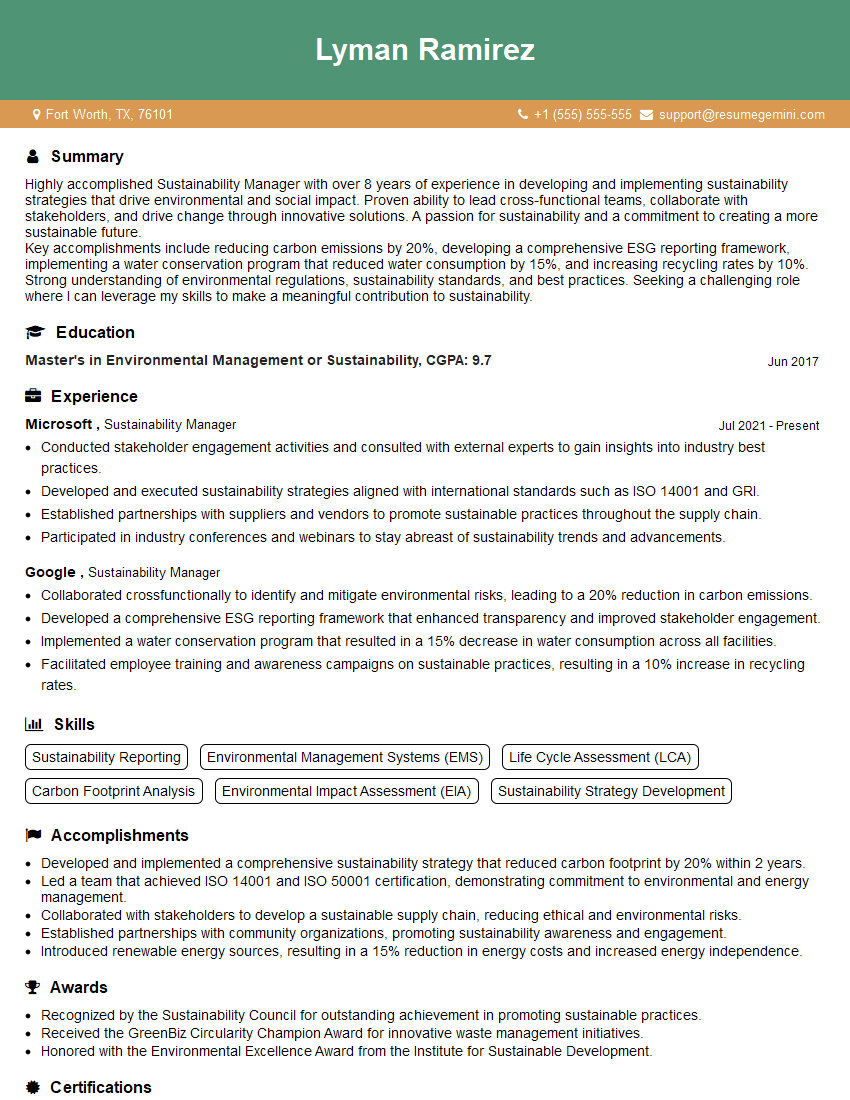
Sustainability Manager Resume Sample
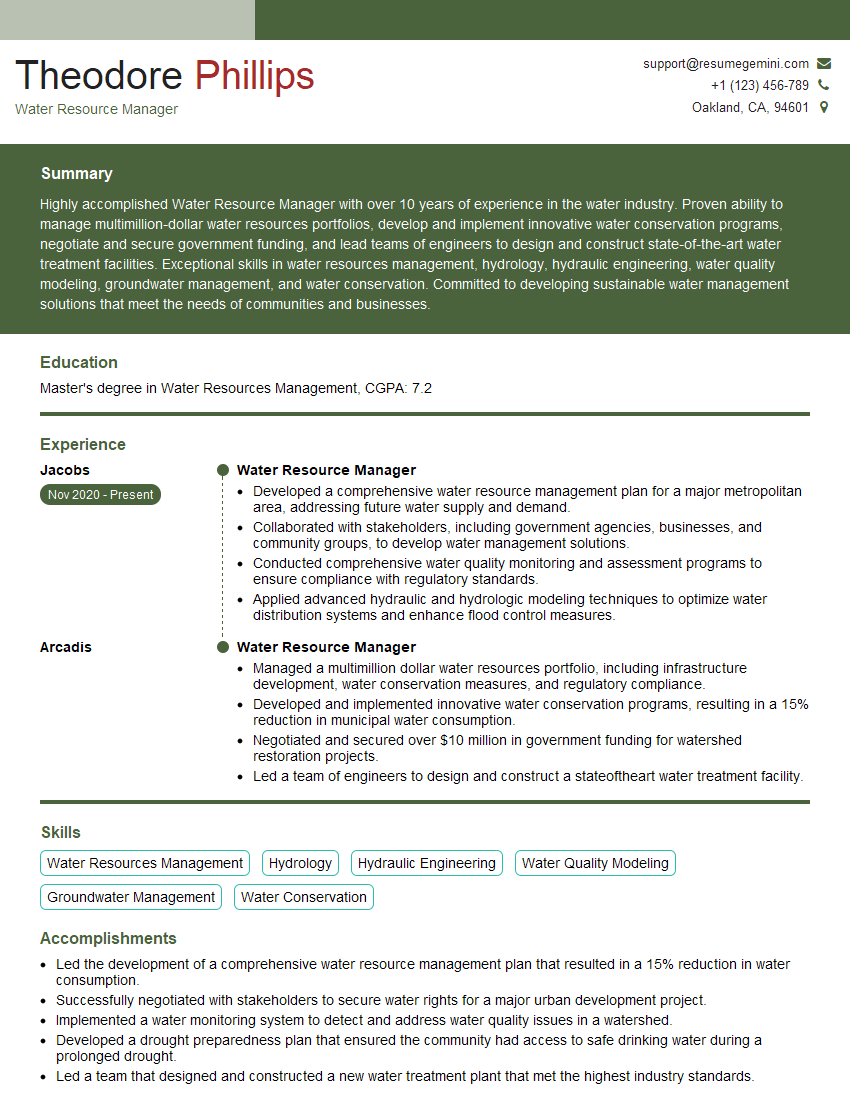
Water Resource Manager Resume Sample
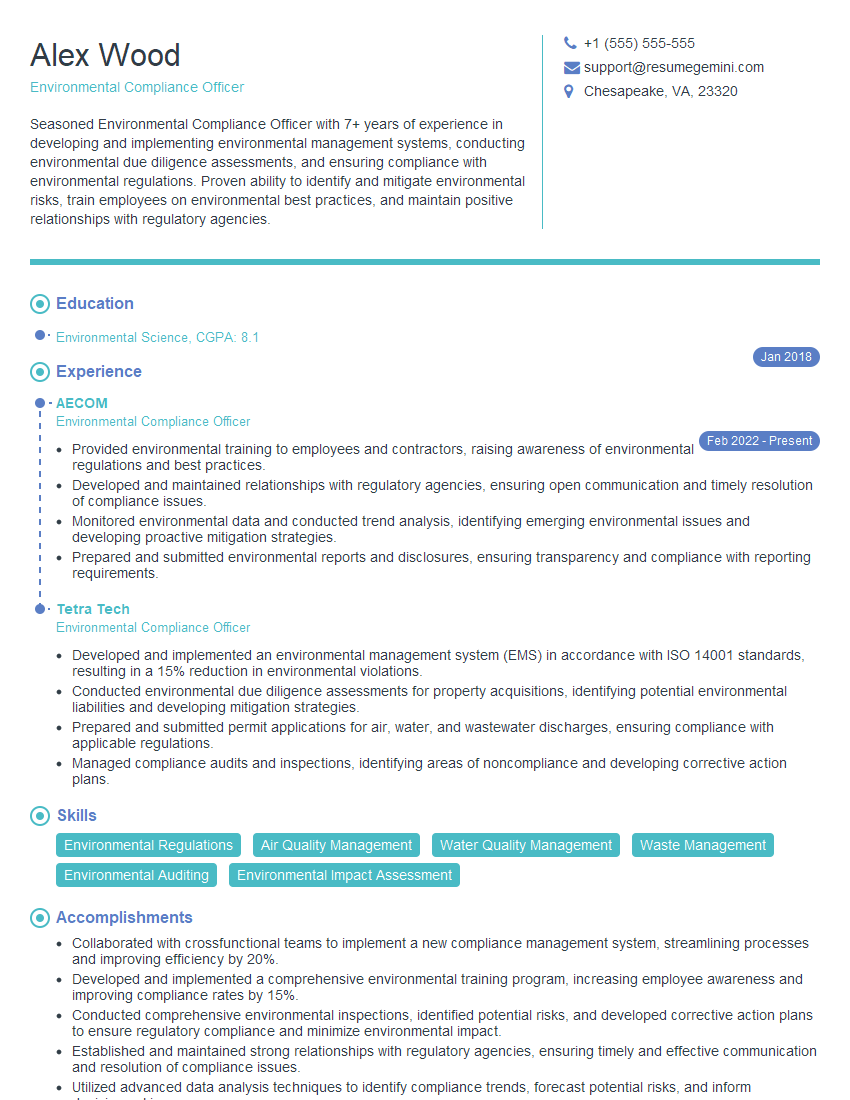
Environmental Compliance Officer Resume Sample
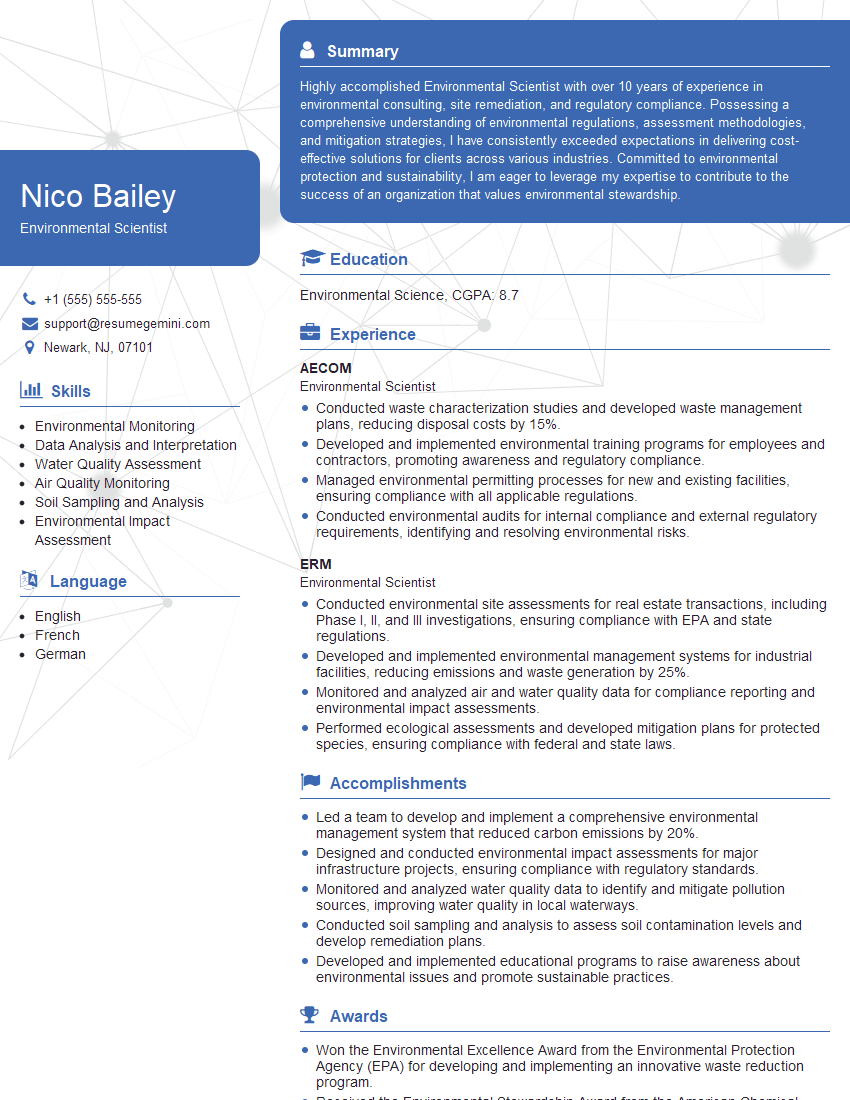
Environmental Scientist Resume Sample
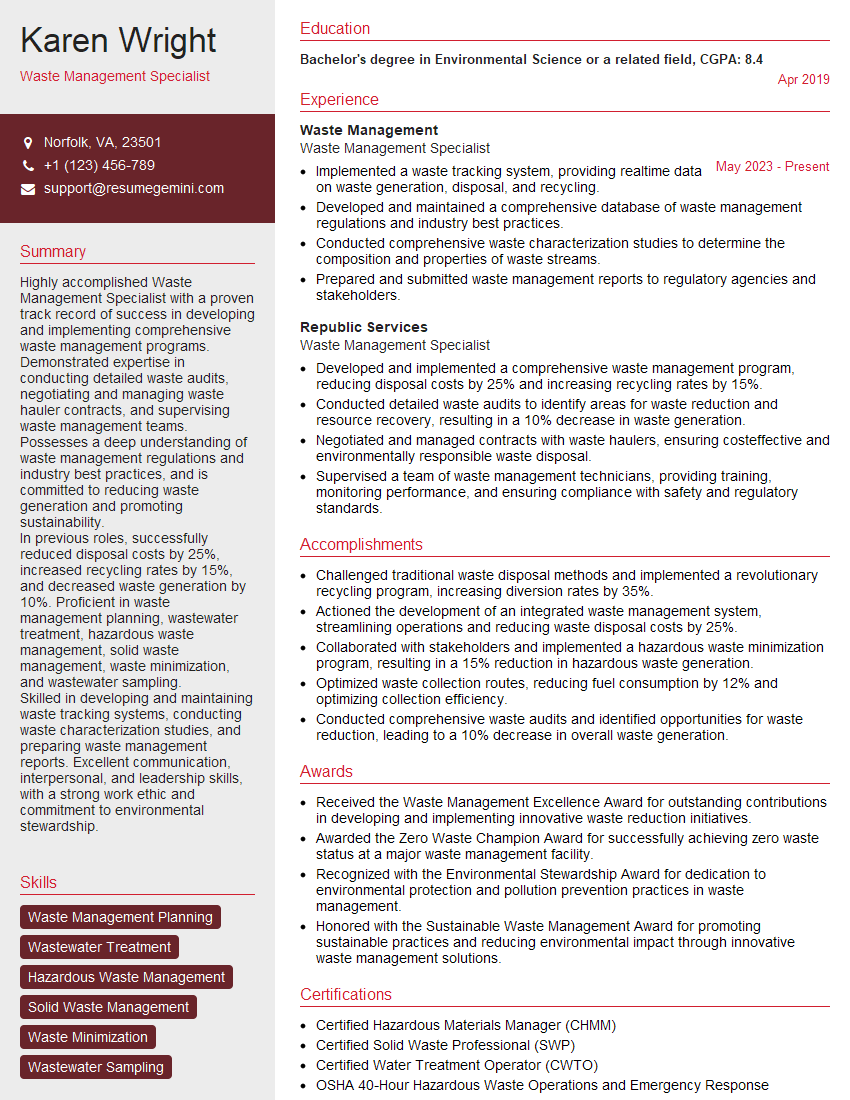
Waste Management Specialist Resume Sample

Sustainability Consultant Resume Sample
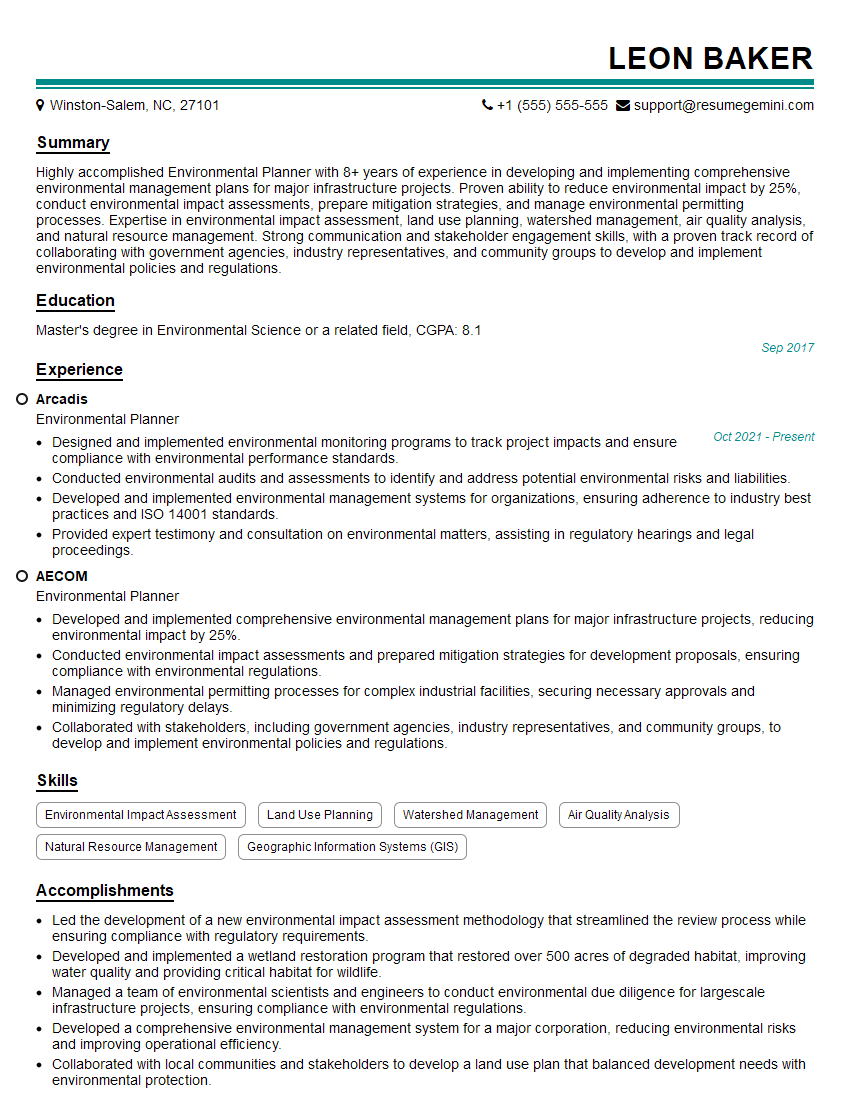
Environmental Planner Resume Sample
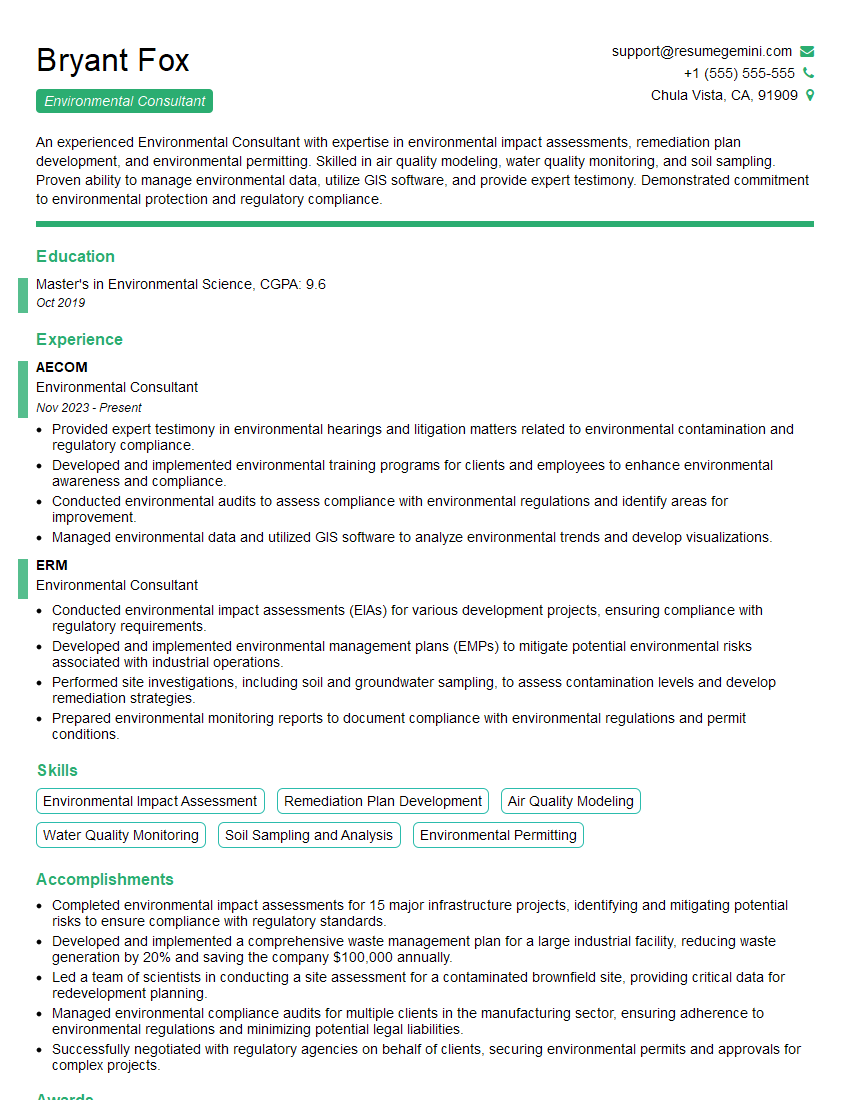
Environmental Consultant Resume Sample
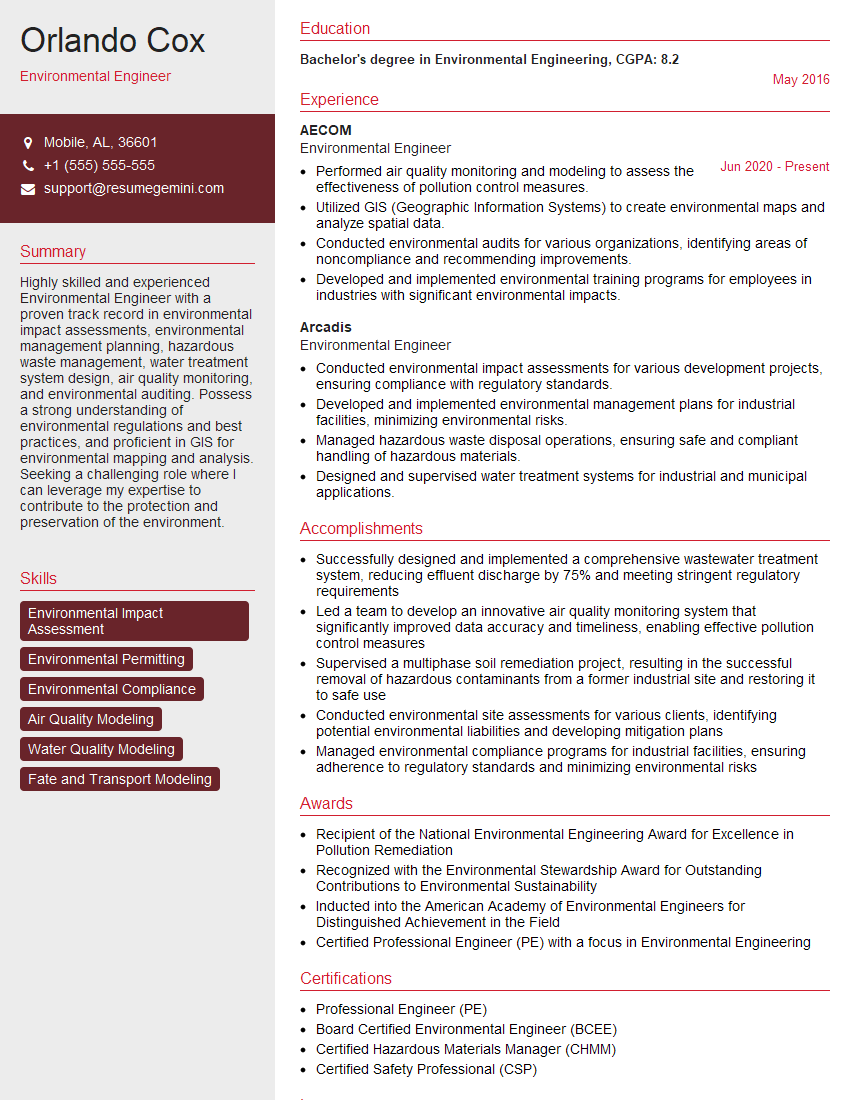
Environmental Engineer Resume Sample
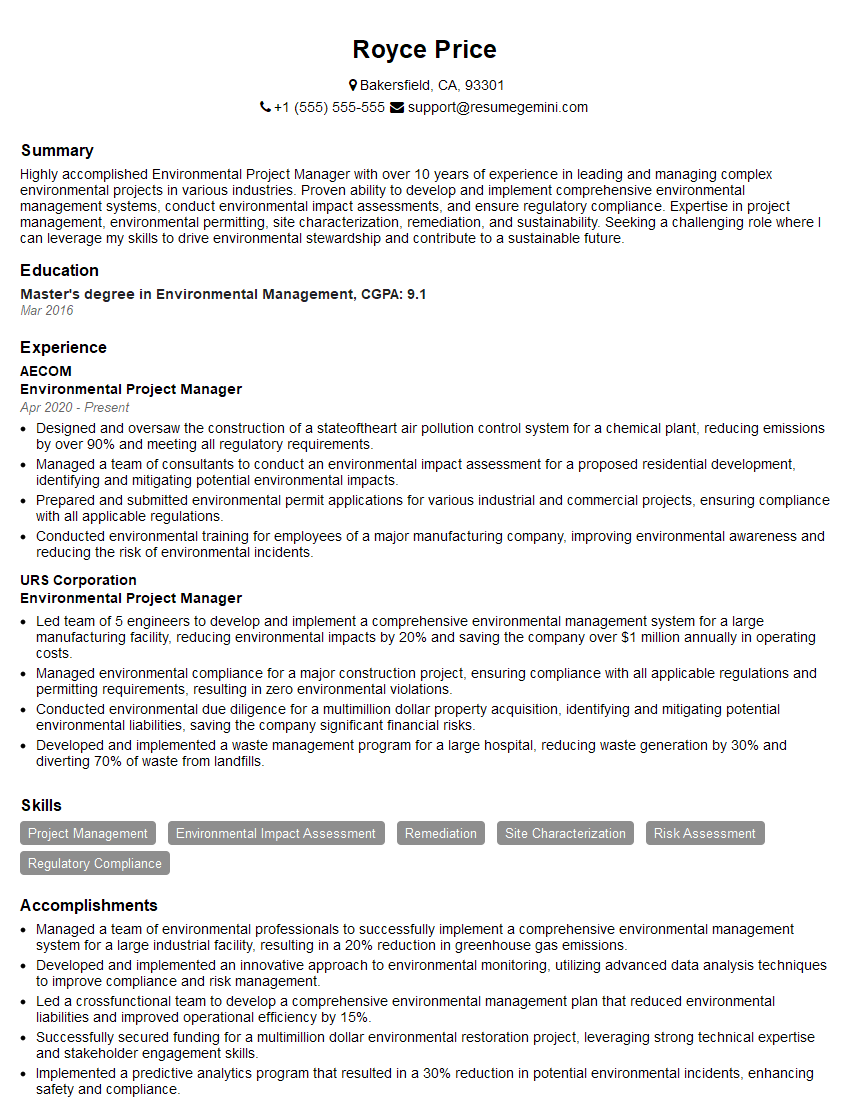
Environmental Project Manager Resume Sample
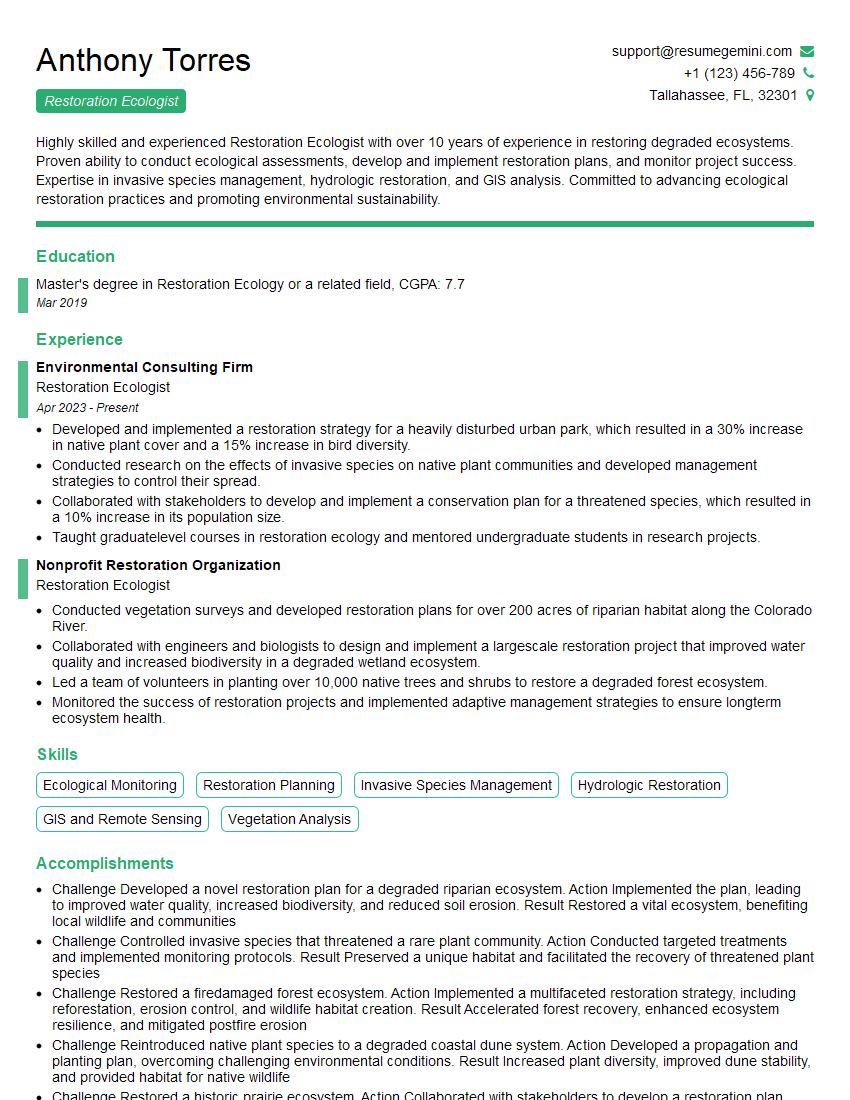
Restoration Ecologist Resume Sample
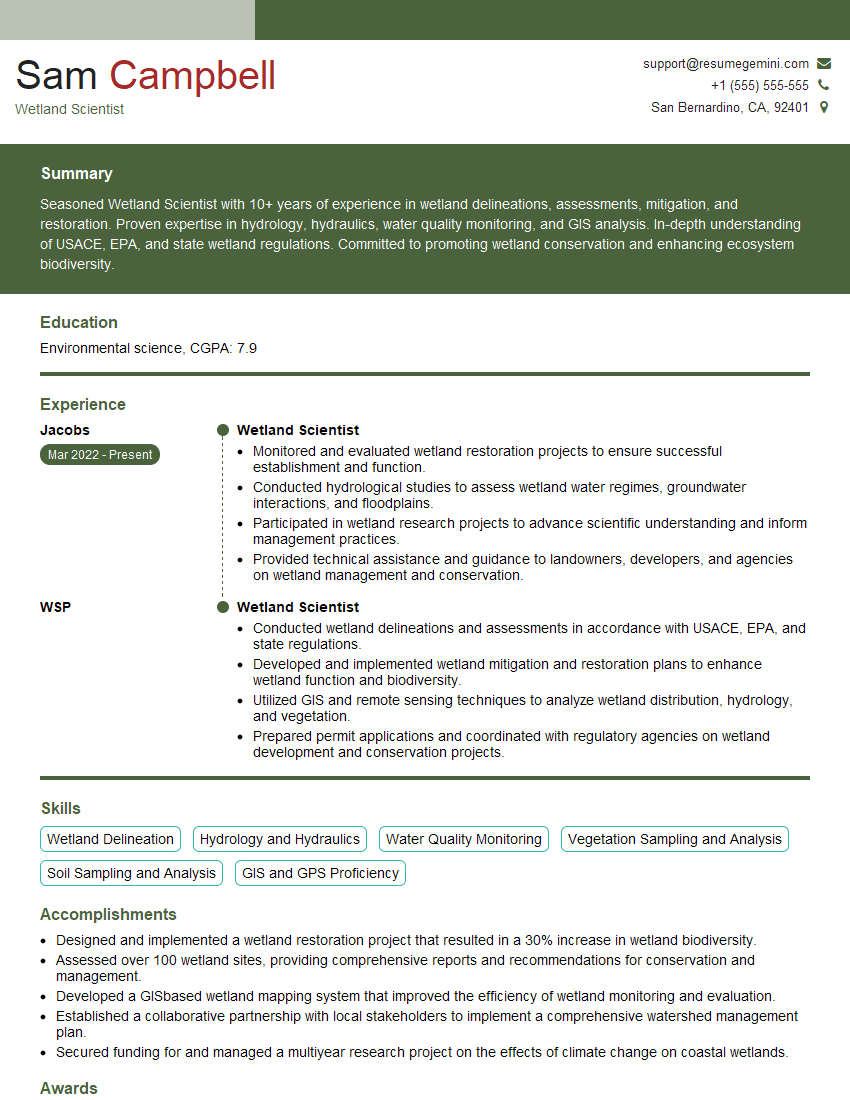
Wetland Scientist Resume Sample
Explore more articles
Users Rating of Our Blogs
Share Your Experience
We value your feedback! Please rate our content and share your thoughts (optional).
What Readers Say About Our Blog
Very informative content, great job.
good