The right preparation can turn an interview into an opportunity to showcase your expertise. This guide to Experience in horse racing management interview questions is your ultimate resource, providing key insights and tips to help you ace your responses and stand out as a top candidate.
Questions Asked in Experience in horse racing management Interview
Q 1. Describe your experience managing a racing stable.
Managing a racing stable is a multifaceted undertaking demanding meticulous attention to detail and a holistic approach to horse care, training, and performance. My experience encompasses all aspects, from overseeing daily routines to strategic long-term planning. For instance, at my previous stable, I managed a team of 20, overseeing 30 horses, ranging from yearlings in training to seasoned racehorses. This involved creating and implementing individual training programs tailored to each horse’s abilities, temperament, and racing goals. We meticulously tracked their progress, adjusting training regimes based on performance data and veterinary assessments. Successfully managing a stable also relies heavily on effective communication with the entire team – trainers, grooms, vets, farriers – ensuring everyone is aligned with the overall strategy and committed to the horses’ well-being.
We also developed a robust system for monitoring feed intake, weight, and hydration levels, using daily check-ins and data logging to spot potential problems early. This proactive approach minimizes health issues and maximizes race-day performance. I also managed the administrative aspects, including budgeting, scheduling, and ensuring compliance with all regulations.
Q 2. How do you manage horse health and welfare within a racing environment?
Horse health and welfare are paramount in racing. My approach is proactive and preventative, prioritizing meticulous daily care. Think of it as preventative medicine for athletes – rigorous monitoring and timely interventions are key. This starts with a robust vaccination and deworming schedule, tailored to the horse’s age and the specific challenges of our location. We meticulously monitor their diet, ensuring they receive balanced nutrition tailored to their individual needs and training demands. Regular veterinary checks, including dental care and lameness evaluations, are crucial. We maintain detailed health records for every horse, documenting all treatments, vaccinations, and any signs of illness or injury. We also prioritize a stress-free environment, minimizing overcrowding, providing sufficient rest, and encouraging social interaction where appropriate. Early identification of problems through close observation, coupled with swift veterinary attention, is paramount. For instance, a subtle change in gait might indicate a developing lameness issue, which if ignored, could lead to a serious injury.
Q 3. Explain your approach to budgeting and resource allocation in horse racing.
Budgeting and resource allocation in horse racing require a keen eye for detail and an understanding of the inherent costs. I utilize a detailed, rolling budget, regularly reviewing and adjusting allocations based on performance, potential earnings, and unexpected expenses (like vet bills!). We categorize expenses – training costs, feed, veterinary care, farrier services, transportation, staffing – to maintain transparency and accountability. A key strategy is to prioritize investments in areas with the greatest impact on horse performance and long-term health. For instance, investing in high-quality feed and top-tier veterinary care yields significant returns in reduced health problems and improved performance. We meticulously track income and expenditure, comparing actuals against the budget to identify areas for improvement and allocate resources effectively. Contingency planning for unexpected events is crucial, ensuring we have reserve funds to cover emergencies, while also exploring sponsorship options to enhance our financial stability.
Q 4. What strategies do you employ to optimize horse performance?
Optimizing horse performance is a complex process involving a coordinated approach to training, nutrition, and veterinary care. I believe in a tailored training plan for each horse, considering factors like age, breed, and individual strengths and weaknesses. This involves a gradual progression of exercise intensity and duration, using a variety of training methods – such as interval training, speed work, and long slow distance work – to improve cardiovascular fitness, strength, and stamina. Detailed performance analysis, including race times, workout speeds, and physiological data, helps us to track progress and make informed adjustments to the training regime. Nutritional management is equally crucial. We work with equine nutritionists to create tailored diets that meet the horse’s energy requirements and support optimal performance. Finally, regular veterinary checkups and preventative measures, as mentioned earlier, contribute significantly to the overall well-being and performance of the horse. Think of it like a finely tuned machine—all systems need to work in harmony to deliver peak results.
Q 5. How do you handle unexpected injuries or illnesses in racehorses?
Handling unexpected injuries or illnesses requires swift, decisive action. Our protocol involves immediate assessment by the stable vet, followed by a detailed examination to diagnose the problem. This might involve radiographs, blood tests, or other diagnostic tools. Depending on the severity of the injury, we’ll implement treatment immediately – which might include medication, rest, physiotherapy, or surgery. We also maintain open communication with the horse’s owner, keeping them informed of the situation and the treatment plan. Throughout the recovery process, we adjust the horse’s care plan, providing appropriate medication, specialized diets, and a controlled exercise regimen to promote healing and prevent re-injury. Accurate record-keeping throughout the entire process is vital, documenting every step to inform future decisions and potentially prevent similar incidents.
Q 6. Describe your experience with horse transportation and logistics.
Horse transportation and logistics are crucial, requiring careful planning and attention to detail to ensure the horses’ safety and well-being during travel. We utilize reputable transport companies experienced in handling racehorses. We select trailers with appropriate ventilation, space, and cushioning to minimize stress and injury during transit. Before travel, we check the trailer’s condition, ensuring cleanliness and safety. We provide each horse with adequate water and hay during transportation. We choose routes that minimize travel time and avoid stressful conditions. We also carefully monitor the horses’ vital signs throughout the journey, checking for any signs of distress. Upon arrival, we ensure a smooth transition to the new environment, allowing time for horses to settle and recover from the journey.
Q 7. How do you select and manage racing personnel (e.g., jockeys, grooms)?
Selecting and managing racing personnel is critical to the stable’s success. I look for skilled, experienced professionals who are passionate about horses and committed to their welfare. For jockeys, I assess their riding skills, weight, and experience with different types of races. Grooms need experience in horse care, including grooming, feeding, and stable management. I emphasize teamwork and clear communication among the staff. Regular meetings and feedback sessions ensure everyone is well-informed and working towards common goals. Continuous professional development, including training and workshops, is encouraged. Fair compensation and a positive work environment are essential to maintain morale and motivation. Creating a culture of trust and respect is vital for building a successful, high-performing team dedicated to the horses’ well-being and race-day success.
Q 8. What is your familiarity with equine nutrition and supplementation?
Equine nutrition is fundamental to a racehorse’s performance and well-being. My understanding encompasses far more than just providing feed; it involves a holistic approach considering the horse’s age, breed, training intensity, and individual metabolic needs. This includes understanding the role of macronutrients (carbohydrates, proteins, fats), micronutrients (vitamins and minerals), and the impact of various feed types, such as hay, grains, and supplements.
For example, a sprinter needs a different nutritional profile than a stayer. A sprinter requires a higher carbohydrate intake for quick energy bursts, while a stayer needs a balanced diet for sustained endurance. I regularly consult with equine nutritionists and veterinarians to tailor individual feeding plans, adjusting based on performance data and regular veterinary check-ups. Supplementation plays a vital role in addressing specific deficiencies or supporting optimal health. This might include electrolytes to replace those lost through sweat, joint supplements to support cartilage health, or antioxidants to combat oxidative stress from intense training.
I have personally managed the nutritional programs for multiple stables, resulting in improved performance and reduced instances of injury through careful monitoring of feed intake, body condition scoring, and regular blood tests.
Q 9. How do you track and analyze horse performance data?
Tracking and analyzing horse performance data is crucial for optimizing training and maximizing racing success. This involves utilizing a variety of methods, both technological and observational.
- Technology: We use GPS tracking systems to monitor speed, distance covered, and stride length during training. Heart rate monitors provide insights into the horse’s cardiovascular response to exercise. Performance analysis software allows for the visualization and interpretation of this data, identifying trends and patterns.
- Observation: Careful observation of the horse during training and racing is equally important. This includes noting factors such as gait, demeanor, and any signs of fatigue or discomfort. Detailed workout logs record the specific exercises performed, duration, and the horse’s response.
I use this data to assess fitness levels, identify potential weaknesses, and adjust training programs accordingly. For instance, if a horse’s heart rate recovery time is consistently slow, it indicates the need for a reduced workload or modifications to the training regimen. By analyzing performance trends over time, we can identify potential problems early on, preventing injuries and improving the chances of winning. Data-driven decision-making is fundamental to my approach.
Q 10. What experience do you have with breeding and sales of racehorses?
My experience in breeding and sales involves selecting suitable stallions and mares based on pedigree, race record, and conformation. This is a detailed process that often requires evaluating bloodlines extending back several generations. I’ve overseen the entire process, from initial mating strategies to preparing the yearlings for prestigious sales like the Keeneland September Yearling Sale. This includes carefully managing their training and development, ensuring they are presented in peak condition to attract potential buyers.
One successful example involved a mare whose bloodline suggested potential for distance racing. By carefully selecting a stallion known for its stamina, we produced a foal that subsequently became a Grade 1 winner. Successful sales require a keen understanding of the market, effective marketing strategies, and strong relationships with buyers and agents. I’ve managed sales negotiations, ensuring the best possible outcomes for the owners.
Q 11. Describe your experience managing horse racing sponsorships or partnerships.
Managing sponsorships and partnerships requires a strategic approach to securing and maintaining relationships with potential sponsors. This involves creating compelling proposals that highlight the value proposition of associating with the racing operation. The proposal usually includes media exposure opportunities, brand visibility at race events, and social media engagement.
For example, I secured a significant sponsorship deal with a luxury watch brand by emphasizing the exclusivity and prestige of associating with a successful racing stable. This partnership resulted in prominent brand placement at races and across our social media platforms, leading to increased brand awareness for the sponsor and additional revenue for the stable.
Maintaining strong relationships with partners requires consistent communication, regular updates on performance, and ensuring that the sponsorship deliverables are met. Transparency and mutual benefit are paramount to long-term partnerships.
Q 12. Explain your understanding of racing regulations and rules.
A thorough understanding of racing regulations and rules is essential for maintaining compliance and ensuring fair competition. This knowledge encompasses rules regarding medication, weight allowances, race classifications, and eligibility criteria for horses and jockeys. Staying current on rule changes is critical, as these can impact training strategies, race entries, and overall operational procedures.
I regularly consult with racing officials and legal counsel to stay abreast of the latest rules and regulations. I’ve successfully navigated complex rule interpretations in various racing jurisdictions and have a proven track record of ensuring complete regulatory compliance, mitigating potential risks and penalties.
Q 13. How do you manage conflicts between stakeholders in a horse racing operation?
Conflict management is an inherent part of managing a horse racing operation. Stakeholders such as owners, trainers, jockeys, and sponsors often have competing interests. My approach emphasizes open communication, active listening, and collaborative problem-solving.
I utilize a structured approach that includes clearly defining expectations, establishing transparent communication channels, and fostering a culture of mutual respect. When conflicts arise, I facilitate mediated discussions to reach mutually acceptable solutions. Prioritizing the well-being of the horses remains the central principle, ensuring ethical decision-making in all situations. In cases of significant disagreements, I involve legal counsel to ensure equitable resolution.
Q 14. How familiar are you with different training techniques and their effectiveness?
I’m familiar with a wide range of training techniques, including traditional methods and more modern approaches. My knowledge incorporates different training schedules adapted for various distances and racing styles. For instance, sprint training emphasizes speed and acceleration, whereas distance training focuses on building endurance and stamina.
The effectiveness of training techniques is highly dependent on the individual horse and their specific needs. I employ a data-driven approach, constantly monitoring the horse’s responses to training. Factors such as age, breed, fitness levels, and overall health influence the choice of training methods. I regularly adapt training schedules based on performance data and veterinary recommendations, constantly refining the approach for optimal results. I’ve witnessed firsthand the positive impact of integrating advanced training technologies, such as wearable sensors and performance analysis software, leading to enhanced efficiency and reduced risk of injury.
Q 15. Describe your experience with risk management in horse racing (e.g., insurance).
Risk management in horse racing is crucial, encompassing various aspects from injury to financial losses. It’s not just about insurance; it’s a holistic approach to mitigating potential problems. A key element is comprehensive insurance coverage. This includes liability insurance to protect against claims arising from accidents involving horses or spectators, mortality insurance to cover the death of valuable racehorses, and veterinary insurance to offset the costs of medical treatment. Beyond insurance, effective risk management involves meticulous record-keeping of horse health, training regimens, and performance data. This data-driven approach helps identify potential risks early on, allowing for preventative measures. For example, if a horse shows signs of lameness, early intervention can prevent a more serious injury and potential financial loss. Regular veterinary checkups are also vital. Furthermore, developing strong relationships with experienced veterinarians, farriers, and trainers forms a robust risk mitigation strategy. Finally, a well-structured budget and financial planning are key. This prevents overspending and ensures financial stability even in the face of unexpected setbacks, such as a horse’s injury.
Career Expert Tips:
- Ace those interviews! Prepare effectively by reviewing the Top 50 Most Common Interview Questions on ResumeGemini.
- Navigate your job search with confidence! Explore a wide range of Career Tips on ResumeGemini. Learn about common challenges and recommendations to overcome them.
- Craft the perfect resume! Master the Art of Resume Writing with ResumeGemini’s guide. Showcase your unique qualifications and achievements effectively.
- Don’t miss out on holiday savings! Build your dream resume with ResumeGemini’s ATS optimized templates.
Q 16. How do you stay abreast of the latest developments and best practices in horse racing?
Staying current in horse racing requires a multi-pronged approach. I regularly read industry publications like the Thoroughbred Times and The Racing Post, attending conferences and seminars hosted by organizations like the Jockey Club and various racing authorities. Networking with fellow professionals at these events provides invaluable insights and updates on best practices. I also utilize online resources and databases that track horse performance, pedigree, and racing trends. Furthermore, I subscribe to specialized racing analysis software and platforms that provide detailed statistics and projections. Keeping abreast of veterinary advancements, training techniques, and changes in racing regulations is equally crucial. This ensures that my strategies remain effective and compliant.
Q 17. What is your experience with preparing racehorses for competition?
Preparing racehorses for competition is a complex process that requires a deep understanding of equine physiology, nutrition, and training methodology. It starts with a thorough assessment of the horse’s physical condition, temperament, and racing potential. I develop a customized training plan tailored to the horse’s specific needs and the demands of the race. This plan considers factors such as the horse’s age, breed, previous racing experience, and the distance and type of race. The training regimen typically includes a combination of cardiovascular exercise, strength training, and specialized drills to enhance speed, agility, and stamina. Nutritional needs are met through a precisely balanced diet that accounts for the horse’s energy expenditure and overall health. Consistent monitoring of the horse’s weight, heart rate, and overall health is critical to adjust the training plan accordingly. Regular veterinary checks are implemented to proactively address any potential health issues. Equally important is the management of the horse’s mental well-being, ensuring a calm and supportive training environment to optimize performance.
Q 18. How do you manage the financial aspects of racehorse ownership?
Managing the financial aspects of racehorse ownership demands meticulous budgeting, forecasting, and accounting practices. This involves carefully tracking all income and expenses associated with the horse, including purchase price, training fees, veterinary bills, farrier costs, travel expenses, and entry fees. Developing a realistic budget that accounts for both anticipated and potential unexpected costs is crucial. I utilize accounting software to maintain accurate records and generate financial reports. Understanding the tax implications of horse ownership is also essential. Careful financial planning, including consideration of potential winnings and losses, is imperative for long-term stability. Moreover, I explore various funding options, such as partnerships or syndication, to mitigate financial risks and access additional resources. Careful investment decisions and realistic expectations are vital for successful financial management in horse racing.
Q 19. How do you deal with performance issues in horses or personnel?
Addressing performance issues, whether in horses or personnel, requires a systematic and objective approach. With horses, I start by conducting a thorough assessment to identify the root cause of the performance decline. This might involve veterinary examination to rule out any underlying health problems, a review of the training regimen to identify potential areas for improvement, or an analysis of the horse’s racing performance data to pinpoint weaknesses. Corrective measures are implemented based on the identified cause. This might include adjustments to the training program, dietary changes, or specialized therapies. With personnel, I prefer open communication and constructive feedback. Regular performance reviews, coupled with clear expectations and goals, can prevent many issues. If a performance issue persists despite these efforts, I would utilize a progressive disciplinary process, starting with coaching and mentoring and, if necessary, proceeding to formal disciplinary action. Documentation is crucial in both cases to ensure accountability and support decision-making.
Q 20. Describe your experience with scheduling and coordinating race entries.
Scheduling and coordinating race entries involve meticulous planning and adherence to strict deadlines. I begin by identifying suitable races based on the horse’s class, distance preference, and overall fitness. The next step involves carefully reviewing the race conditions and entry requirements set by the racing authorities. Then, I submit the necessary documentation, including the horse’s racing record, veterinary certificates, and entry fees, well in advance of the deadline. I maintain a detailed schedule of all upcoming races, keeping track of entry deadlines, race dates, and post-race commitments. Effective communication with the racing secretary and other relevant personnel is essential to ensure a smooth entry process. I often utilize online entry systems and manage my schedule using dedicated racing management software. A well-organized approach and proactive communication are key to seamless race entry coordination.
Q 21. What is your experience with horse racing technology (e.g., data analysis software)?
Horse racing technology has revolutionized the industry, providing powerful tools for data analysis and strategic decision-making. I have extensive experience using various data analysis software packages to evaluate horse performance, pedigree, and racing trends. These tools provide insights into a horse’s speed, stamina, and racing style, helping me predict future performance and make informed decisions regarding training and racing strategies. I utilize software that analyzes past race results, track conditions, and jockey performance to identify patterns and predict race outcomes. Furthermore, I am familiar with various performance metrics and statistical models that help assess a horse’s potential and optimize racing strategies. These technologies empower me to make data-driven decisions, improving the chances of success and maximizing returns on investment. This also includes the use of wearable technology on horses to monitor their vital signs during training and racing.
Q 22. How do you handle pressure and tight deadlines in a fast-paced racing environment?
In horse racing, pressure is a constant companion. Deadlines are incredibly tight, from meeting race entry deadlines to ensuring horses are optimally prepared. My approach is threefold: meticulous planning, proactive communication, and a calm, decisive demeanor under pressure. I utilize project management techniques, breaking down large tasks into smaller, manageable steps with clearly defined timelines. This allows for better tracking of progress and quicker identification of potential delays. Open and frequent communication with my team, trainers, and owners keeps everyone informed and allows for collaborative problem-solving. Finally, I’ve learned to stay calm under pressure; panic is counterproductive. A cool head allows for clearer thinking and more effective decision-making. For example, once, we faced a last-minute veterinary issue with a top contender just hours before a major race. By calmly assessing the situation, delegating tasks to the vet and my team, and communicating transparently with the owner, we managed to resolve the problem and still got the horse to the starting line, albeit with a modified racing strategy.
Q 23. How do you build and maintain relationships with horse owners and trainers?
Building strong relationships with horse owners and trainers is crucial for success in racing. It’s built on trust, transparency, and mutual respect. I prioritize open communication, keeping them regularly updated on the horse’s progress, training regime, and any potential concerns. I actively listen to their input and concerns, valuing their expertise and experience. I also strive to be accessible and responsive to their inquiries, whether it’s a quick phone call or a detailed email. Building trust takes time and consistent effort. I regularly share data on the horse’s performance, such as workout times, veterinary reports, and race results. One example of how I nurtured a strong relationship was with an owner who initially had reservations about my training methods. By consistently demonstrating positive results with his horse, regularly communicating my strategies and addressing his concerns, I was able to earn his trust and we achieved remarkable success together. This involved weekly updates, detailed reports after every race, and honest conversations about both successes and setbacks.
Q 24. What is your understanding of different racing surfaces and their impact on horses?
Different racing surfaces significantly affect a horse’s performance. Understanding these nuances is crucial for strategic decision-making. Dirt tracks, for instance, are more forgiving on joints, but can be unpredictable due to weather conditions. Turf courses offer a softer surface but can be uneven and potentially cause injuries if a horse is not properly shod and conditioned for this surface. Synthetic surfaces, like Tapeta, aim to combine the best aspects of both, offering a relatively consistent and safe running surface, but they also have their unique challenges in terms of potential leg stress if a horse’s conditioning is not tailored to the particular surface. The impact on a horse includes their stride length, running style, and even their risk of injury. A horse perfectly suited for a fast dirt track might struggle on a soft turf course. Before each race, I carefully analyze the track conditions and adjust the horse’s training and equipment accordingly. For instance, different types of shoeing and the application of certain types of leg wraps are used depending on the type of surface.
Q 25. Describe your experience managing a team in a horse racing setting.
Managing a team in horse racing requires strong leadership, effective communication, and a deep understanding of the individuals within the team. I foster a collaborative environment where everyone feels valued and empowered. I delegate tasks based on individual strengths and skills, ensuring clear responsibilities and accountability. Regular team meetings allow for open communication, feedback, and problem-solving. I am an active mentor and provide ongoing training and support to my team members. Building team cohesion is paramount; I encourage a positive and supportive work environment. A prime example was when we faced a challenging period with several horses needing specialized care. By clearly assigning tasks, providing timely support to each team member, and celebrating our collective successes, we effectively overcame this period and avoided burnout. Regular feedback and recognition of individual efforts significantly contributed to the team’s overall success.
Q 26. How do you manage the welfare of horses during travel and competition?
The welfare of the horses is my top priority. During travel and competition, I ensure they are transported in comfortable and safe conditions, following all relevant regulations and best practices. This includes climate-controlled trailers, regular breaks, and access to water and food. At the racetrack, I oversee their proper hydration, nutrition, and rest. Regular veterinary checks are essential to ensure their health and well-being. Any signs of stress or injury are addressed immediately. A calm and consistent approach is vital to minimize stress on the horses during travel. We use methods such as familiarizing them with the travel environment before longer trips, using calming aids as needed (under veterinary guidance), and utilizing soft, comfortable bedding in the transport trailers. This also applies to the race day environment where the horses’ routines remain as consistent as possible to minimize stress levels.
Q 27. What is your experience with marketing and promoting a racing stable or event?
Marketing and promoting a racing stable or event involves a multi-faceted approach, utilizing various channels to reach the target audience. This includes developing engaging content for social media, collaborating with racing publications, creating visually appealing materials, and potentially sponsoring events. We also utilized targeted online advertising and email campaigns to connect with potential owners, sponsors, and fans. Building relationships with media outlets, including television, radio, and print, is crucial to generate positive publicity. For a stable, showcasing the horses’ successes, training methods, and the team’s expertise is essential. For an event, promoting its unique features and overall experience is key, creating a sense of excitement and anticipation for attendees. One successful campaign involved partnering with local businesses for sponsorship and leveraging social media to generate engaging content highlighting the horses and their personalities.
Q 28. Describe a time you had to make a difficult decision regarding a racehorse.
One of the most difficult decisions I had to make involved a promising young horse who sustained a minor injury during training. The injury wasn’t severe enough to warrant immediate retirement, but it carried a risk of re-injury. The decision lay between continuing with his racing career, possibly risking a more serious injury, or retiring him to preserve his long-term health. After consulting with the horse’s vet, the owner, and my team, we meticulously weighed the pros and cons, analyzing his recovery progress, his potential future earnings, and his overall well-being. The final decision was to retire him from racing. Although it was financially painful for the owner, the priority was to safeguard the horse’s long-term health. This decision underscored the importance of prioritizing the horse’s well-being above any financial gain, a principle that guides all my decisions in horse racing management.
Key Topics to Learn for Horse Racing Management Interviews
- Stable Management: Understanding daily operations, including horse care, feeding schedules, veterinary protocols, and staff management. Practical application: Describe your experience optimizing stable routines for improved horse health and performance.
- Financial Management: Budgeting, expense tracking, revenue generation (e.g., race entries, breeding fees), and financial reporting. Practical application: Explain how you’ve controlled costs while maintaining a high standard of horse care and achieving racing success.
- Race Day Operations: Preparing horses for races, coordinating with jockeys and trainers, managing race day logistics, and ensuring compliance with regulations. Practical application: Detail your experience handling unexpected issues on race day and ensuring a smooth operation.
- Personnel Management: Recruiting, training, supervising, and motivating staff including grooms, trainers, and other stable personnel. Practical application: Give examples of effective leadership and conflict resolution within a team environment.
- Breeding and Sales: Understanding the breeding process, evaluating bloodlines, managing sales of horses, and navigating the marketplace. Practical application: Describe your experience in selecting and managing breeding stock or successfully negotiating horse sales.
- Regulatory Compliance: Adhering to rules and regulations set by racing authorities, ensuring the welfare of horses, and maintaining ethical practices. Practical application: Discuss instances where you ensured compliance with industry regulations or addressed potential violations.
- Risk Management: Identifying and mitigating risks associated with horse racing, such as injuries, illnesses, and financial losses. Practical application: Detail your experience in implementing strategies to minimize risks and protect the financial well-being of the stable.
Next Steps
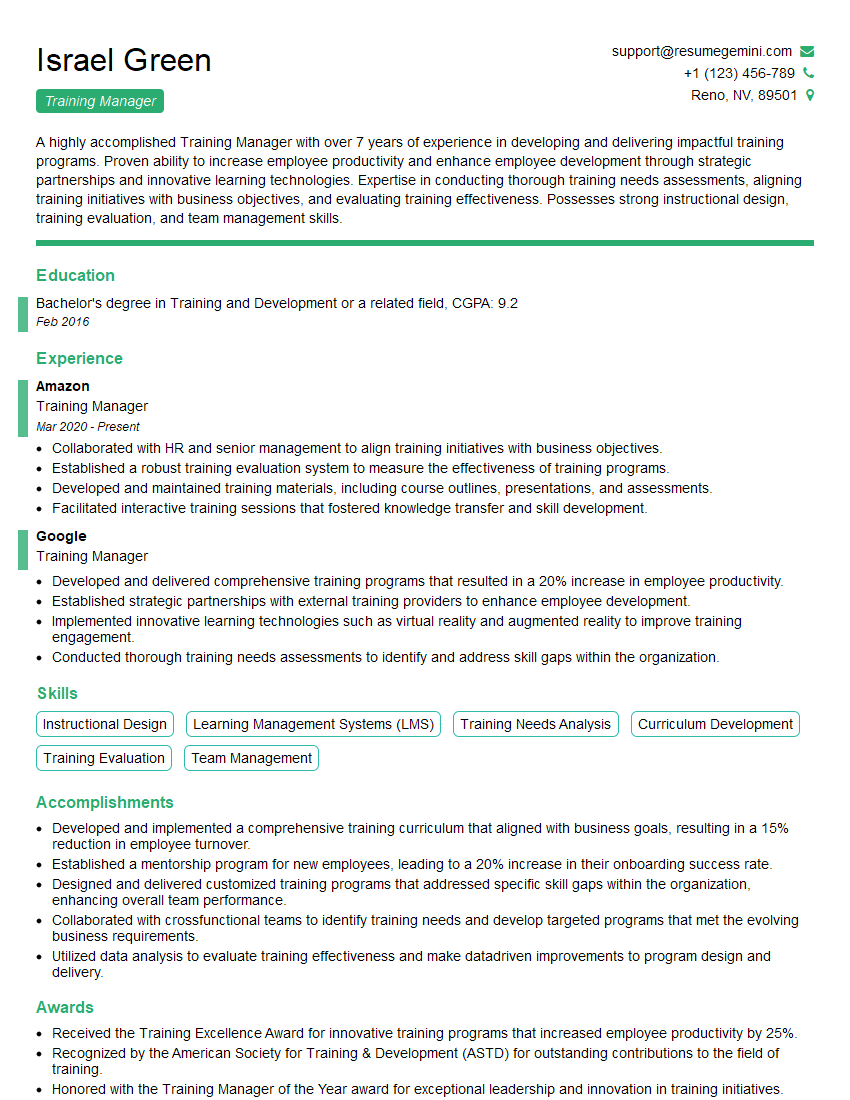
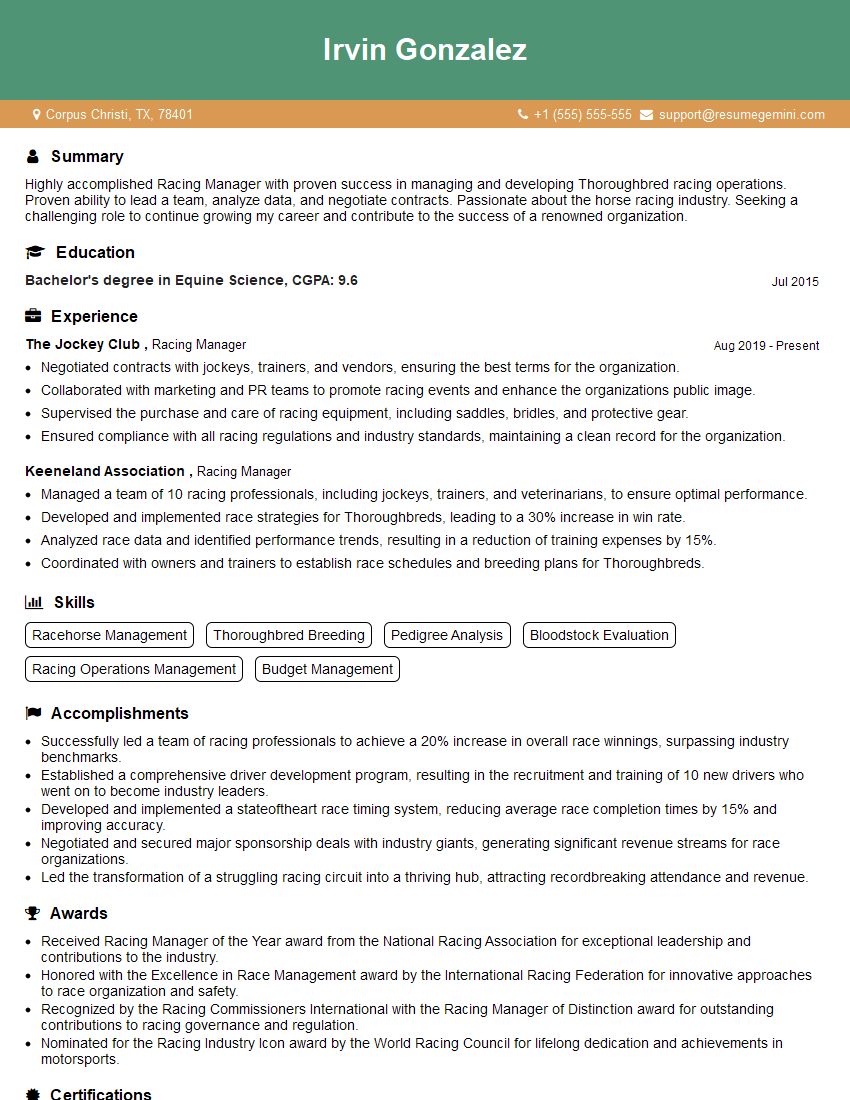
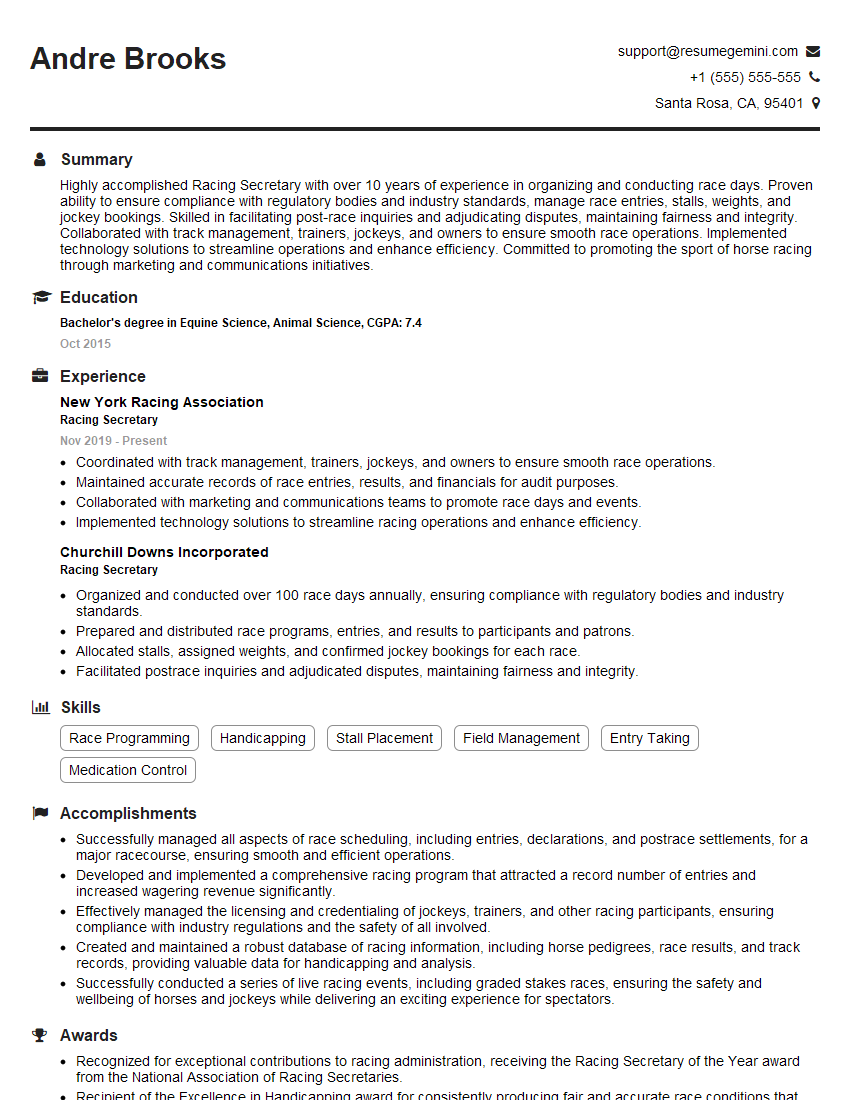
Mastering these areas of horse racing management is crucial for career advancement and opens doors to exciting opportunities within the industry. A strong, ATS-friendly resume is your key to unlocking these opportunities. To create a compelling and effective resume that highlights your skills and experience, we highly recommend using ResumeGemini. ResumeGemini provides a user-friendly platform and resources to craft a professional resume that will impress potential employers. Examples of resumes tailored to horse racing management experience are available to help you get started.
Explore more articles
Users Rating of Our Blogs
Share Your Experience
We value your feedback! Please rate our content and share your thoughts (optional).
What Readers Say About Our Blog
Very informative content, great job.
good