Interviews are opportunities to demonstrate your expertise, and this guide is here to help you shine. Explore the essential Experience in residential and commercial projects interview questions that employers frequently ask, paired with strategies for crafting responses that set you apart from the competition.
Questions Asked in Experience in residential and commercial projects Interview
Q 1. Describe your experience managing residential construction projects.
My experience in residential construction management spans over 10 years, encompassing projects ranging from small-scale renovations to large custom homes. I’ve overseen all phases, from initial design and budgeting through to final inspections and client handover. A key project involved a challenging hillside property where I managed the complex site logistics, including coordinating excavation, foundation work, and material delivery in a tight space. Successful completion involved proactive communication with subcontractors, meticulous scheduling, and rigorous quality control, resulting in a stunning home delivered on time and within budget. Another project involved managing a series of townhome developments, where my expertise in efficient project planning and construction sequencing was crucial for staying ahead of schedule and minimizing cost overruns. I have also developed and implemented customized project management software to efficiently track progress, manage costs, and communicate with clients, allowing for quick resolution of potential problems.
Q 2. Explain your experience with commercial project budgeting and cost control.
In commercial projects, my focus has been on robust budgeting and cost control. I employ a phased budgeting approach, starting with a high-level estimate, followed by detailed cost breakdowns as the design develops. This allows for proactive adjustments based on market conditions and unforeseen challenges. For example, on a recent office building project, we identified potential cost overruns related to specialized HVAC systems early in the design phase. By exploring alternative, yet equally efficient, options, we were able to reduce costs by 15% without compromising quality or functionality. Regular cost tracking and variance analysis, utilizing specialized software, is an integral part of my approach. This involves comparing actual costs against the budget regularly, investigating discrepancies, and making necessary adjustments. Transparency and regular reporting to stakeholders are key to maintain trust and prevent costly surprises.
Q 3. What is your experience with different types of construction contracts (e.g., lump sum, cost-plus)?
My experience encompasses various construction contract types, including lump sum, cost-plus, and design-build. A lump sum contract, where the contractor provides a fixed price for the entire project, requires meticulous upfront planning and accurate cost estimation to avoid financial risk. Cost-plus contracts, where the contractor is reimbursed for costs plus a predetermined fee, offer more flexibility during the project but require robust cost tracking and control mechanisms to prevent cost overruns. Design-build contracts, where the contractor is responsible for both design and construction, offer streamlined project management but demand a high level of expertise in both areas. My experience has equipped me to select and manage the most appropriate contract type based on the project scope, client needs, and risk tolerance. Each contract type demands different skills and expertise in risk management.
Q 4. How do you handle schedule delays on a construction project?
Schedule delays are inevitable in construction. My approach emphasizes proactive mitigation. When a delay occurs, I initiate a thorough investigation to pinpoint the root cause – whether it’s material shortages, equipment failure, weather issues, or subcontractor delays. Once the cause is identified, I develop a recovery plan involving revised schedules, resource allocation adjustments, and close communication with all stakeholders. This often includes negotiating revised timelines with subcontractors, exploring expedited delivery options for materials, and implementing alternative construction methods to make up for lost time. Effective communication is crucial, keeping all stakeholders informed about the delay, the proposed solutions, and their potential impact. Regular progress meetings and transparent reporting ensure everyone is on the same page and any potential problems are addressed quickly.
Q 5. Describe your experience with conflict resolution on a construction site.
Conflict resolution is a critical skill in construction. My approach emphasizes early intervention and proactive communication. I foster open communication channels between all stakeholders, encouraging regular meetings to address concerns promptly. I facilitate open discussions to understand each party’s perspective and work collaboratively towards a mutually agreeable solution. When conflicts arise, I strive to mediate between disputing parties, focusing on the common goal of successful project completion. If mediation fails, I’m prepared to escalate the issue through established dispute resolution processes, including arbitration or litigation if necessary. However, preventing conflicts by establishing clear roles and responsibilities, maintaining thorough documentation, and ensuring fair payment practices are key to successful projects.
Q 6. How do you ensure quality control on your projects?
Quality control is paramount. My strategy involves a multi-layered approach starting with detailed plans and specifications, regular inspections at key stages of construction, and adherence to industry best practices and building codes. I utilize checklists and quality control forms to track progress and identify defects early. Subcontractors are held accountable for their work, and their performance is regularly assessed through inspections and progress reviews. A rigorous quality assurance process involving independent inspections before project completion ensures high quality standards are met and client satisfaction. Any identified defects are addressed immediately through a clear process of rectification and follow-up inspections. Regular client updates and open communication ensure their expectations are met consistently.
Q 7. What safety protocols do you implement on your projects?
Safety is my top priority. I implement a comprehensive safety program based on industry best practices and relevant regulations. This includes mandatory safety training for all workers upon commencement of employment and regular refresher courses. A detailed site-specific safety plan is developed and implemented at the start of each project, addressing potential hazards and outlining safety procedures. Regular safety inspections are conducted to identify potential hazards, and corrective actions are implemented immediately. Safety equipment is provided and regularly inspected to maintain its effectiveness. Compliance with all applicable safety regulations and reporting of any accidents or incidents are paramount. A zero-tolerance policy towards unsafe practices is enforced to cultivate a strong safety culture.
Q 8. What software programs are you proficient in (e.g., MS Project, Revit, Bluebeam)?
My proficiency in software spans several crucial programs used throughout the construction lifecycle. I’m highly proficient in Revit, using it extensively for BIM (Building Information Modeling) across various project phases, from conceptual design to construction documentation and coordination. This includes creating detailed 3D models, generating accurate plans and sections, and managing clash detection. I also use Bluebeam Revu for markups, collaboration, and efficient document management on projects, especially during the review and construction phases. My experience with MS Project allows for effective scheduling, resource allocation, and tracking project progress against deadlines. Finally, I’m familiar with other relevant software such as AutoCAD for 2D drafting and SketchUp for quick conceptual visualizations.
Q 9. Explain your experience with change orders and their impact on project budgets.
Change orders are inevitable in construction, arising from design modifications, unforeseen site conditions, or client requests. My approach involves a structured process starting with a clear written request detailing the change, its impact, and cost implications. I meticulously document the rationale behind the change and obtain necessary approvals before implementing it. Regarding budget impact, I use a cost-plus approach, detailing all direct costs (labor, materials) and indirect costs (overhead, administration). For example, on a recent commercial project, a client requested an upgrade to the flooring materials. We documented the difference in material cost, labor required for installation, and any potential delays. This was then presented as a detailed change order, carefully reviewed and approved before proceeding. The impact on the project budget was clearly quantified, ensuring transparency and minimizing disputes.
Q 10. How do you manage subcontractors and maintain effective communication?
Managing subcontractors requires strong communication, trust, and accountability. I establish clear contracts outlining scope of work, payment schedules, and performance expectations. Regular meetings, either in person or virtual, are key to keeping everyone aligned. I leverage collaborative platforms like Bluebeam Revu for efficient document sharing and issue resolution. In addition, transparent and prompt communication regarding payments and addressing any arising problems is critical. For instance, on a residential project, I faced a delay due to a subcontractor’s scheduling conflict. By proactively communicating with all stakeholders, we developed a revised schedule, minimizing the overall project delay. Open communication prevents small issues from becoming major project disruptions.
Q 11. Describe your experience with permitting and regulatory compliance.
Permitting and regulatory compliance are paramount. My experience includes navigating local, state, and federal regulations related to building codes, environmental protection, and safety standards. I work closely with architects, engineers, and relevant authorities to ensure all necessary permits are secured before commencement and throughout the project’s duration. This includes submitting complete and accurate applications, responding to inquiries from reviewing agencies, and addressing any identified deficiencies. On a recent commercial project, we successfully navigated complex zoning requirements by proactively engaging with the city planning department early in the design phase, ensuring a smooth permitting process and avoiding potential delays.
Q 12. Explain your experience with LEED or other sustainable building practices.
I have extensive experience incorporating sustainable building practices, including LEED principles, into projects. This encompasses material selection focusing on recycled content and low-VOC (volatile organic compounds) materials; energy-efficient design strategies like optimizing building orientation and incorporating natural lighting; and implementing water-conservation measures such as low-flow fixtures. On a residential project, we achieved LEED Silver certification by utilizing sustainable materials, improving energy efficiency through high-performance windows and insulation, and implementing water-saving appliances. The project served as a testament to the feasibility of integrating sustainable practices without compromising quality or aesthetics.
Q 13. How do you handle material procurement and logistics?
Material procurement and logistics are meticulously managed to ensure timely delivery and minimize project disruptions. I begin by developing detailed material specifications, obtaining competitive bids from multiple vendors, and selecting materials based on quality, cost, and lead times. I utilize project management software to track orders, monitor deliveries, and manage inventory. A crucial aspect is maintaining strong relationships with reliable suppliers, which proved particularly beneficial on a recent project where a supplier faced unforeseen delays. Their proactive communication and our pre-established relationship allowed us to find an alternative solution, mitigating the impact on the project timeline.
Q 14. What is your experience with risk management in construction projects?
Risk management is an integral part of my approach. I employ a proactive strategy involving identifying potential risks during the planning phase. Common risks like material price fluctuations, labor shortages, and weather delays are assessed, and mitigation plans are developed. This includes contingency planning, securing appropriate insurance coverage, and establishing clear communication channels to address any arising issues. On a past project, we anticipated potential supply chain disruptions, so we proactively secured key materials early, mitigating the impact of a later-than-expected global material shortage. Regular risk assessments and updates throughout the project lifecycle ensure any emerging risks are addressed effectively.
Q 15. Describe a challenging construction project and how you overcame the obstacles.
One of the most challenging projects I undertook involved the renovation of a historic commercial building in the heart of the city. The project presented several significant hurdles. First, the existing structure was significantly deteriorated, with hidden structural issues discovered during demolition. Second, the project was located in a densely populated area, necessitating strict adherence to noise and traffic regulations. Finally, we faced unforeseen delays due to the discovery of asbestos and lead paint, requiring specialized abatement procedures.
To overcome these challenges, we employed a phased approach. We began with a thorough structural assessment, using advanced non-destructive testing techniques to identify the extent of the damage. This allowed for precise planning and minimized costly rework. We coordinated carefully with local authorities to secure all necessary permits and ensure compliance with noise and traffic regulations, implementing a detailed construction management plan that included staggered work shifts and designated delivery times. The asbestos and lead paint abatement was managed by a certified contractor, adhering to all safety protocols and reporting requirements. We also implemented robust risk management procedures throughout the project, proactively addressing potential issues before they escalated into major problems. Through meticulous planning, proactive communication, and a collaborative approach with the client and subcontractors, we successfully delivered the project on time and within budget, while exceeding client expectations for quality and preserving the historical integrity of the building.
Career Expert Tips:
- Ace those interviews! Prepare effectively by reviewing the Top 50 Most Common Interview Questions on ResumeGemini.
- Navigate your job search with confidence! Explore a wide range of Career Tips on ResumeGemini. Learn about common challenges and recommendations to overcome them.
- Craft the perfect resume! Master the Art of Resume Writing with ResumeGemini’s guide. Showcase your unique qualifications and achievements effectively.
- Don’t miss out on holiday savings! Build your dream resume with ResumeGemini’s ATS optimized templates.
Q 16. How do you ensure compliance with building codes and regulations?
Ensuring compliance with building codes and regulations is paramount for the success and legality of any construction project. My approach is multifaceted and begins long before the first shovel hits the ground. It involves a thorough review of all applicable codes and regulations specific to the project’s location and type. This includes local, state, and federal requirements, as well as any specific zoning ordinances.
We utilize specialized software to help in this review and utilize our in-house expert to ensure nothing is missed. Throughout the design and construction phases, we maintain detailed documentation, including blueprints, specifications, and inspection reports. We actively engage with building inspectors throughout the process, scheduling regular inspections at key milestones. We also engage in proactive communication with the regulatory bodies to address any emerging concerns promptly. This collaborative approach not only ensures compliance but also fosters a positive relationship with the authorities. Failure to comply can lead to significant delays, fines, and even project suspension, so this proactive approach protects our clients and our company’s reputation.
Q 17. What is your approach to project planning and scheduling?
Project planning and scheduling form the backbone of a successful construction endeavor. My approach involves a detailed, collaborative process that starts with a comprehensive understanding of the project’s scope, objectives, and constraints. This includes a thorough review of the architectural and engineering plans, material specifications, and the overall budget.
I use project management software to create a detailed work breakdown structure (WBS), which breaks down the project into smaller, manageable tasks. This WBS forms the basis for creating a realistic project schedule using critical path method (CPM) or similar techniques. The schedule incorporates dependencies between tasks, resource allocation, and potential risks. Regular progress meetings are held with the team to monitor progress, identify and mitigate potential issues, and make necessary adjustments to the schedule. We utilize Gantt charts and other visual aids to track progress clearly, keeping all stakeholders informed. This iterative approach ensures flexibility to adapt to changing circumstances while maintaining focus on the project’s overall timeline and budget.
Q 18. How do you measure the success of a construction project?
Measuring the success of a construction project is not solely defined by finishing on time and within budget. While those are crucial factors, a comprehensive assessment involves several key performance indicators (KPIs).
These include on-time and on-budget completion, of course. But also crucial is the adherence to quality standards, as measured through inspections and client satisfaction surveys. Safety record is another important metric—a project’s success hinges on the well-being of all involved. Finally, we assess the project’s overall impact, considering aspects like its environmental sustainability and its contribution to the community or client’s business objectives. We gather feedback from all stakeholders—the client, the team, and subcontractors—to gain a holistic view of the project’s success, allowing for continuous improvement in future projects. This multifaceted approach ensures we not only deliver a completed building but also a successful outcome in every sense of the word.
Q 19. Explain your experience with different construction methods (e.g., traditional, design-build)?
I have extensive experience with both traditional and design-build construction methods. The traditional method, often characterized by a sequential process—design first, then construction—offers a clear separation of responsibilities but can sometimes lead to unforeseen issues and delays due to miscommunication between the design and construction teams.
In contrast, the design-build method integrates design and construction under a single contract. This collaborative approach streamlines the process, facilitating quicker decision-making and better cost control, as well as fostering innovative solutions. For example, on a recent residential project, using the design-build approach, we were able to incorporate the client’s feedback early on in the design phase, resulting in a more personalized and cost-effective outcome. While both methods have their strengths, I believe that the choice of method should be based on the project’s specific requirements, budget, and timeline.
Q 20. Describe your experience with value engineering and cost optimization strategies.
Value engineering and cost optimization are critical aspects of successful project delivery. Value engineering focuses on enhancing project value while minimizing costs, whereas cost optimization seeks to reduce costs while maintaining quality and functionality. These are not mutually exclusive; they often work in tandem.
My approach begins in the design phase, where we analyze the project’s requirements to identify opportunities for cost savings without compromising functionality or quality. This involves exploring alternative materials, construction methods, and design solutions. For instance, we might substitute a more cost-effective material without sacrificing durability or aesthetic appeal. During the construction phase, we leverage my experience and network to obtain competitive pricing from subcontractors and suppliers, negotiating favorable contracts while adhering to quality standards. We also closely monitor project progress to identify and address cost overruns promptly, using change orders and other methods to manage unforeseen expenses effectively. Through a proactive and systematic approach, we maximize value while minimizing costs, resulting in successful projects within budget.
Q 21. How do you manage and motivate your construction team?
Managing and motivating a construction team requires a blend of strong leadership, clear communication, and a focus on fostering a positive and collaborative work environment. I believe in leading by example, setting high standards for quality and safety, and providing clear expectations and responsibilities to each team member.
Open communication is crucial; I regularly hold team meetings to discuss project progress, address concerns, and provide updates. I also utilize various communication channels like email, instant messaging, and project management software to facilitate quick and efficient communication. I recognize and reward good work, both individually and as a team, fostering a sense of accomplishment and pride in their contributions. Creating a safe and respectful work environment is paramount; I prioritize safety training and encourage a culture of mutual respect and collaboration. By empowering my team, fostering a supportive environment, and acknowledging their efforts, I build a high-performing team that consistently delivers exceptional results.
Q 22. Explain your experience with preconstruction services.
Preconstruction services are the crucial initial phase of any project, setting the stage for success. My experience encompasses comprehensive involvement in this stage, from initial client consultations and conceptual design development to detailed cost estimations and value engineering. This involves:
- Feasibility Studies: Analyzing site conditions, regulatory requirements, and project viability to determine the best approach.
- Budgeting and Cost Estimating: Creating detailed cost breakdowns, incorporating contingencies for unforeseen circumstances and leveraging my experience to identify potential cost savings.
- Scheduling and Planning: Developing realistic project timelines, identifying critical path activities, and coordinating with various stakeholders to ensure a smooth workflow. For instance, on a recent commercial project, I successfully identified a more efficient construction sequence, reducing the overall project timeline by 15%.
- Value Engineering: Exploring alternative design and construction methods to optimize the project’s cost-effectiveness without compromising quality. A prime example in residential work involved substituting certain materials to meet the client’s budget without sacrificing the aesthetic vision.
- Permitting and Approvals: Navigating the complex regulatory landscape, preparing necessary documentation, and securing all necessary permits in a timely manner.
My approach is collaborative; I work closely with architects, engineers, and clients to ensure everyone is aligned on the project goals and budget from day one.
Q 23. How do you handle unexpected site conditions?
Unexpected site conditions are an inevitable reality in construction. My approach is proactive and involves several key steps:
- Thorough Site Investigation: Before commencing any work, we conduct comprehensive site surveys, including geotechnical investigations, to anticipate potential issues. This helps mitigate surprises.
- Contingency Planning: We build contingency plans into the project budget and schedule to accommodate unforeseen challenges, such as subsurface anomalies or unexpected utility conflicts.
- Risk Assessment and Mitigation: We identify potential risks and develop mitigation strategies, including alternative construction methods or material substitutions if necessary. For example, if we discover unstable soil during excavation, we would immediately consult with geotechnical engineers to implement ground stabilization techniques.
- Open Communication: Transparent communication with the client and all project stakeholders is critical. Immediate reporting and collaborative problem-solving are essential to keep the project on track.
- Change Orders: If modifications are needed due to unforeseen circumstances, we follow a formal change order process to document the changes, adjust the budget, and update the schedule accordingly.
Ultimately, swift action, clear communication, and a robust contingency plan are crucial to navigating unexpected site conditions effectively.
Q 24. How do you manage project documentation and reporting?
Effective project documentation and reporting are foundational to project success. I utilize a combination of digital and physical methods to maintain a meticulously organized system. This includes:
- Cloud-Based Project Management Software: We employ software like Procore or similar platforms to centralize all project documents, drawings, schedules, and communications. This ensures easy access for all stakeholders, enhancing collaboration and transparency.
- Version Control: Maintaining version control for all documents is crucial to avoid confusion. We ensure that all team members are working with the most up-to-date versions.
- Regular Reporting: We generate regular progress reports, including photos, videos, and detailed updates on budget and schedule adherence. These reports are tailored to the specific needs of the client and other stakeholders.
- Meeting Minutes and Documentation: Minutes from all project meetings are meticulously documented and distributed to all attendees. This ensures everyone is informed and aligned.
- As-Built Drawings: At the end of each phase, as-built drawings accurately reflecting the completed work are prepared. This serves as a vital record for future maintenance and renovations.
My goal is to create a transparent and easily accessible system that keeps everyone informed and allows for proactive problem-solving.
Q 25. Describe your experience with closeout procedures for residential and commercial projects.
Closeout procedures are the final, critical phase of any project, ensuring a smooth transition to the client and minimizing any potential liabilities. My experience encompasses both residential and commercial projects, and the process involves:
- Final Inspections: Conducting thorough inspections to ensure all work meets the specifications and quality standards agreed upon in the contract.
- Punch List Completion: Addressing any outstanding issues or deficiencies identified during the final inspections, ensuring timely completion of all necessary repairs and corrections.
- Document Finalization: Compiling and organizing all project documentation, including as-built drawings, warranties, operation manuals, and certificates of occupancy.
- Financial Closeout: Ensuring that all invoices are paid, change orders are processed, and final payments are reconciled.
- Warranty Administration: Establishing a clear warranty process and providing the client with all necessary documentation to facilitate warranty claims if necessary.
- Project Handover: Conducting a formal project handover meeting with the client to explain the operation and maintenance of the completed facility.
The closeout process, while often overlooked, is crucial for avoiding disputes and ensuring client satisfaction. A well-executed closeout leaves a positive lasting impression and paves the way for future projects.
Q 26. How do you use technology to improve efficiency in construction projects?
Technology plays a vital role in improving efficiency in construction projects. I leverage several technologies to optimize our workflow and enhance project outcomes. These include:
- Building Information Modeling (BIM): BIM software allows for 3D modeling and collaboration, facilitating better design coordination, clash detection, and cost estimation. This dramatically improves accuracy and reduces rework.
- Project Management Software: As mentioned earlier, platforms like Procore streamline communication, document management, and progress tracking, keeping everyone informed and on the same page.
- Drone Technology: Drones are utilized for site surveys, progress monitoring, and safety inspections, providing high-resolution images and videos that are invaluable for documentation and analysis.
- Virtual Reality (VR) and Augmented Reality (AR): VR and AR can be employed to create immersive walkthroughs for clients, allowing them to visualize the finished project and making design reviews more efficient.
- Prefabrication and Modular Construction: Leveraging prefabricated components and modular construction techniques can significantly reduce construction time and improve overall efficiency.
Integrating these technologies has consistently resulted in cost savings, improved quality, and reduced project timelines on various projects I have managed.
Q 27. What are your salary expectations for this position?
My salary expectations are commensurate with my experience and the requirements of this position. After reviewing the job description and considering the responsibilities involved, I am seeking a salary range of [Insert Salary Range Here]. I am, however, open to discussing this further based on a comprehensive understanding of the complete compensation package, including benefits and potential for growth within the company.
Q 28. Do you have any questions for me?
Yes, I have a few questions. Firstly, what are the company’s long-term goals and growth strategies? Secondly, what opportunities for professional development are available to employees? Finally, can you elaborate on the company culture and team dynamics?
Key Topics to Learn for Experience in Residential and Commercial Projects Interview
- Project Lifecycle Management: Understanding the phases from initial conception to project completion, including planning, design, execution, monitoring, and closure. Consider how this differs between residential and commercial projects.
- Budgeting and Cost Control: Developing and managing project budgets, tracking expenses, and identifying potential cost overruns. Discuss strategies for managing budgets in both residential (often smaller scale) and commercial (larger, more complex) contexts.
- Teamwork and Collaboration: Highlighting your experience in collaborating with architects, engineers, contractors, and clients. Explain how your communication and teamwork skills ensured project success in diverse team environments (residential vs. commercial).
- Material Selection and Procurement: Discuss your knowledge of different building materials, their applications, and sustainable sourcing practices. Explain how material choices impact the budget and timeline of both residential and commercial builds.
- Risk Management and Problem-Solving: Describe your experience in identifying, assessing, and mitigating project risks. Provide examples of how you proactively solved unforeseen challenges in both residential and commercial settings. This could include scheduling delays, material shortages, or unexpected site conditions.
- Safety Regulations and Compliance: Demonstrate your understanding of relevant building codes, safety regulations, and best practices for ensuring workplace safety across various project types. How do regulations differ between residential and commercial builds?
- Quality Control and Assurance: Discuss your role in ensuring the quality of workmanship and materials throughout the project lifecycle. How have you ensured that quality standards were met in both types of projects?
- Client Communication and Management: Highlight your experience in managing client expectations, addressing concerns, and maintaining positive relationships. How do client interactions differ in residential versus commercial projects?
Next Steps
Mastering experience in residential and commercial projects is crucial for career advancement in the construction industry. It showcases your versatility and problem-solving abilities across diverse project scales and complexities. An ATS-friendly resume is vital for maximizing your job prospects. We strongly encourage you to leverage ResumeGemini to build a professional resume that highlights your unique skills and experience. ResumeGemini provides examples of resumes tailored to experience in residential and commercial projects to help guide your creation.
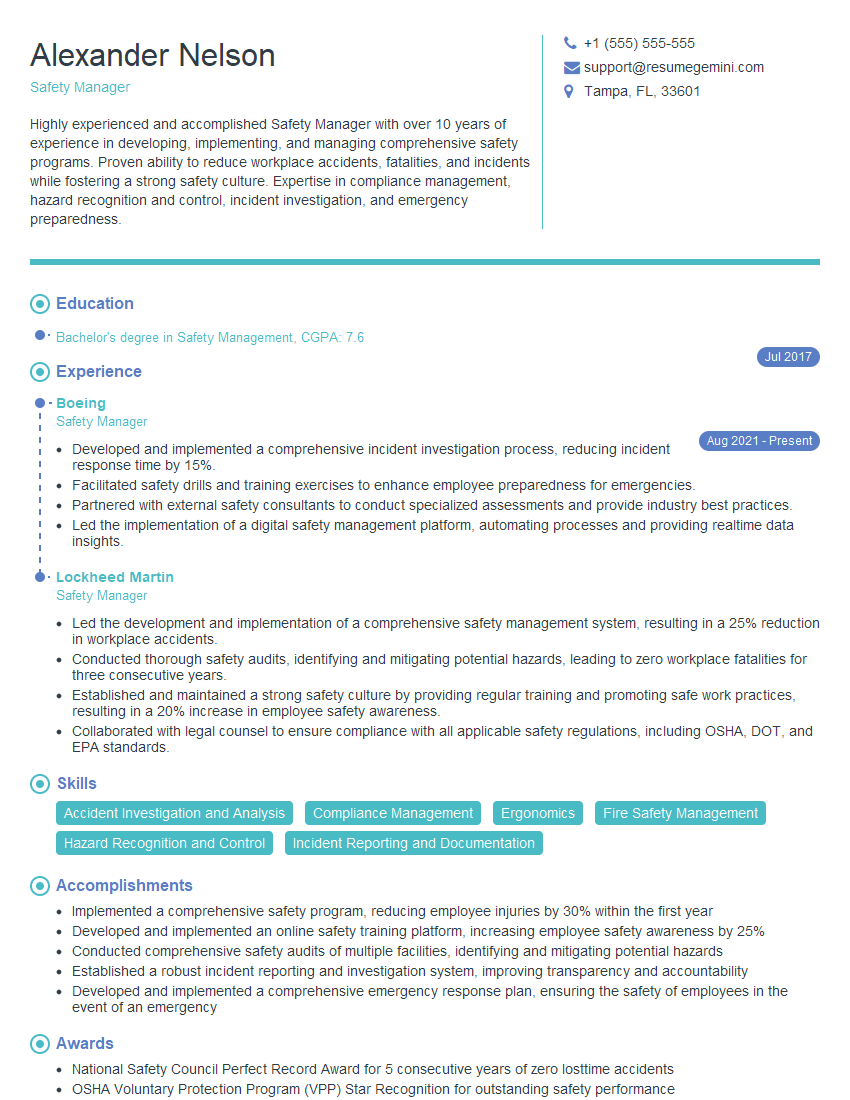
Safety Manager Resume Sample
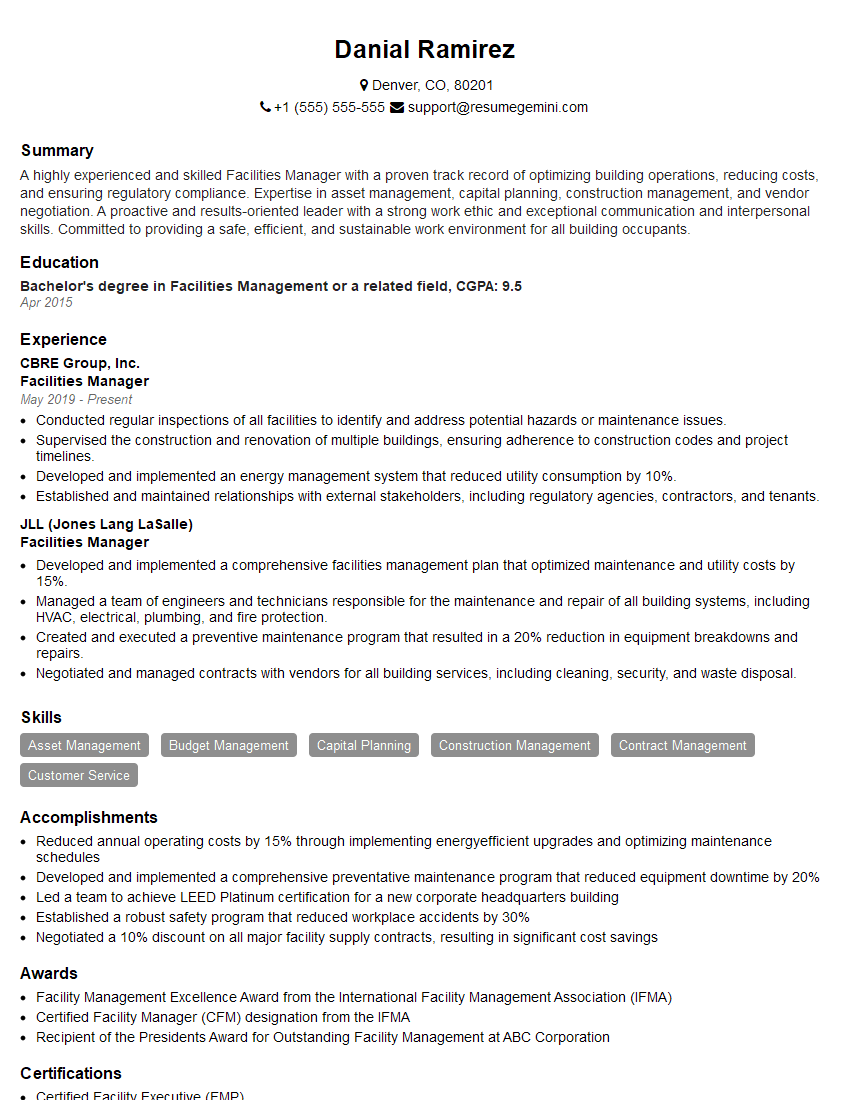
Facilities Manager Resume Sample
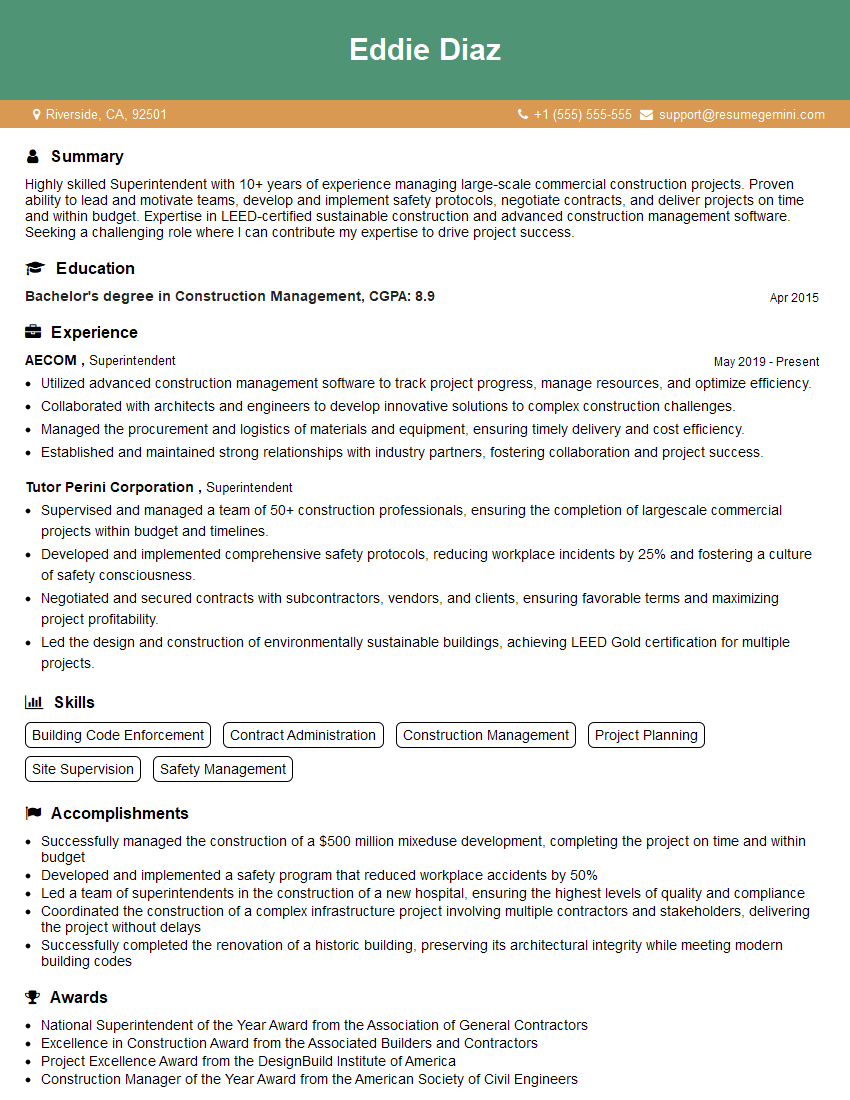
Superintendent Resume Sample
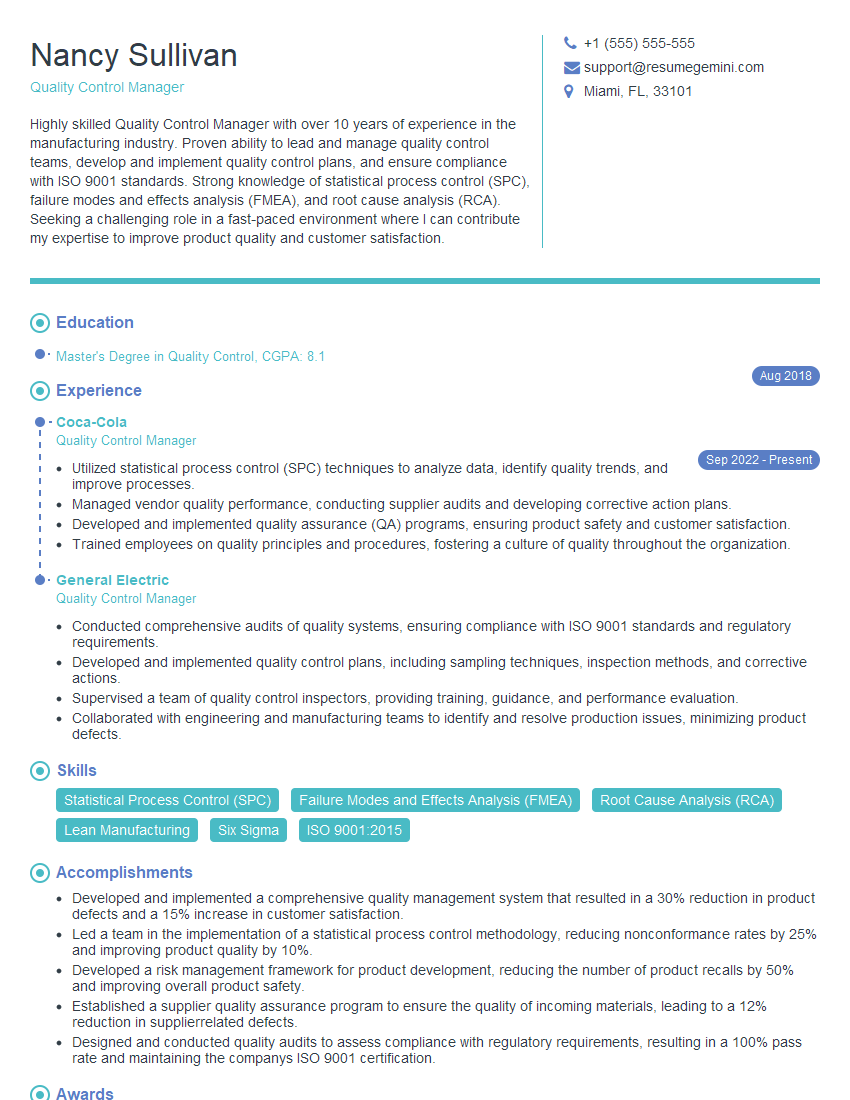
Quality Control Manager Resume Sample
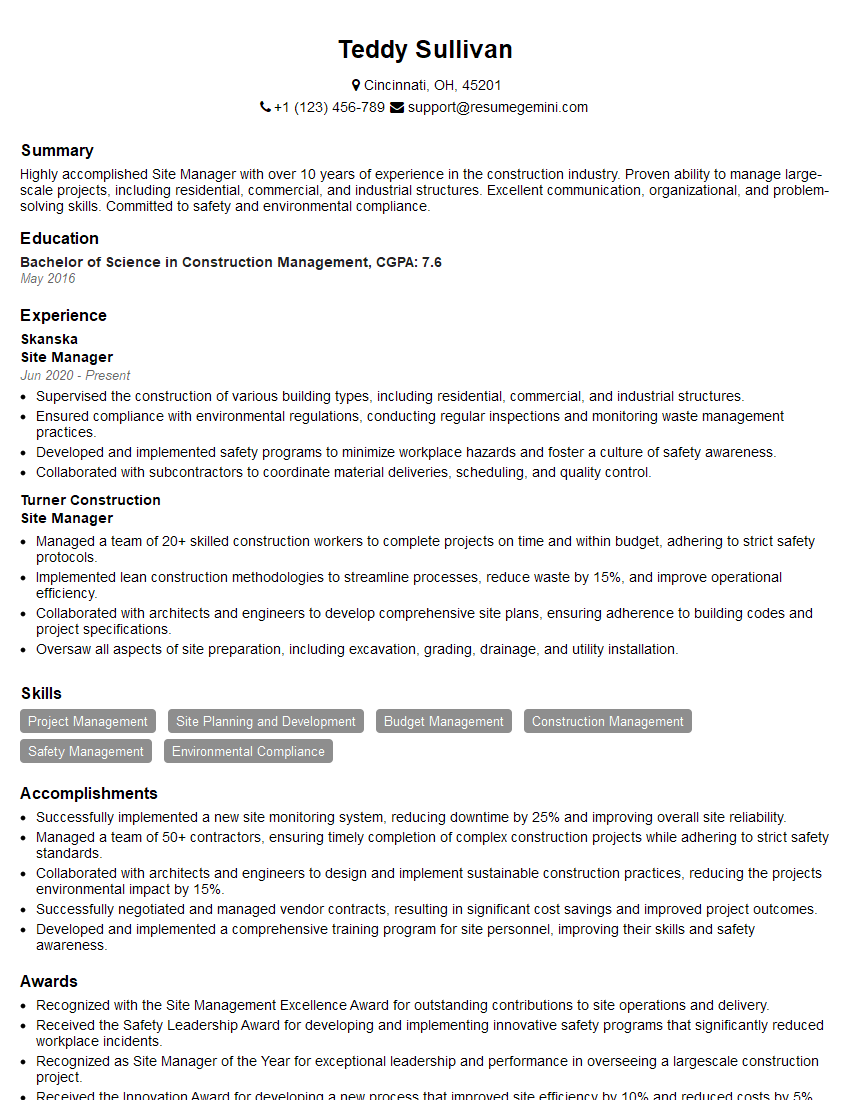
Site Manager Resume Sample
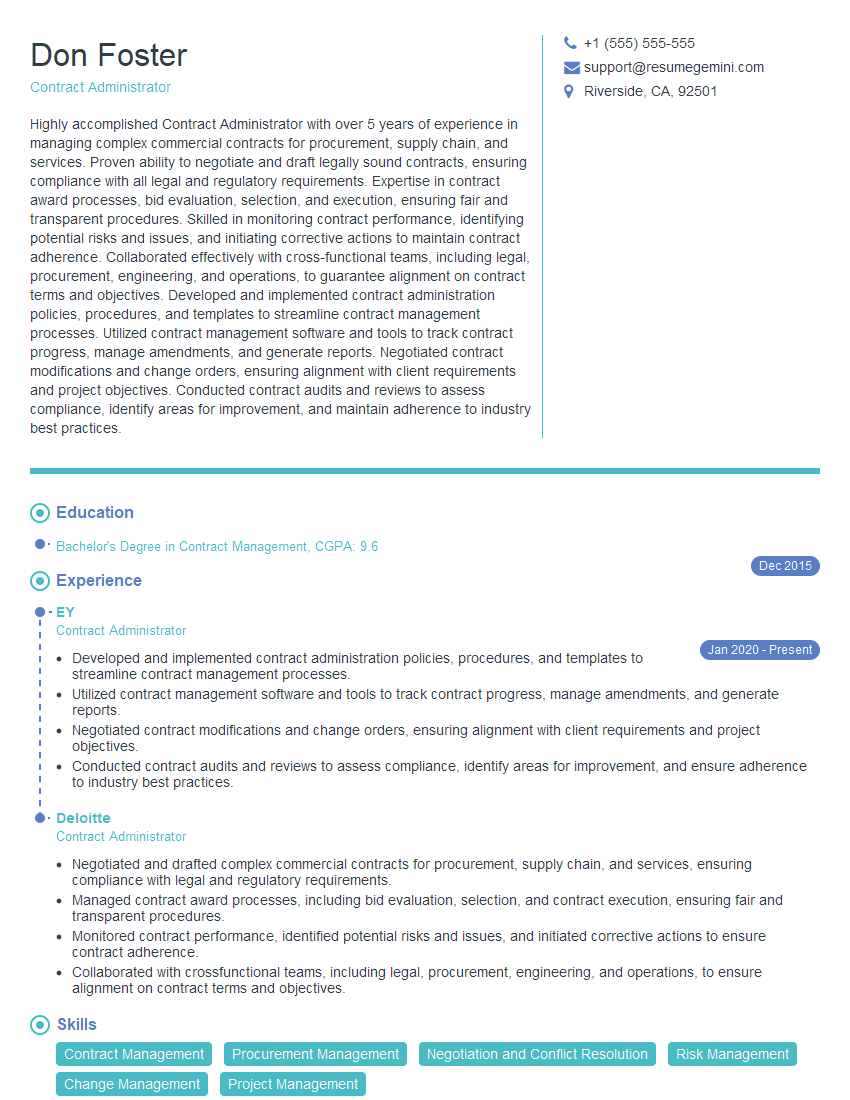
Contract Administrator Resume Sample
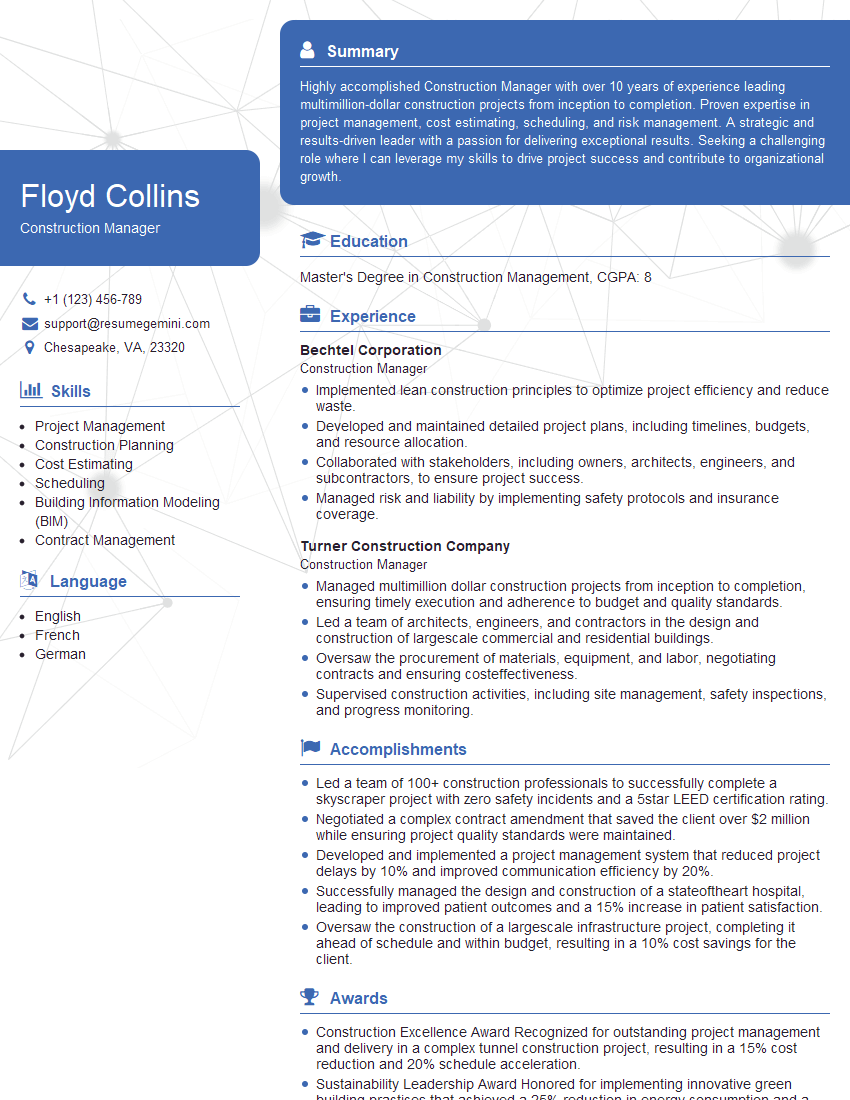
Construction Manager Resume Sample
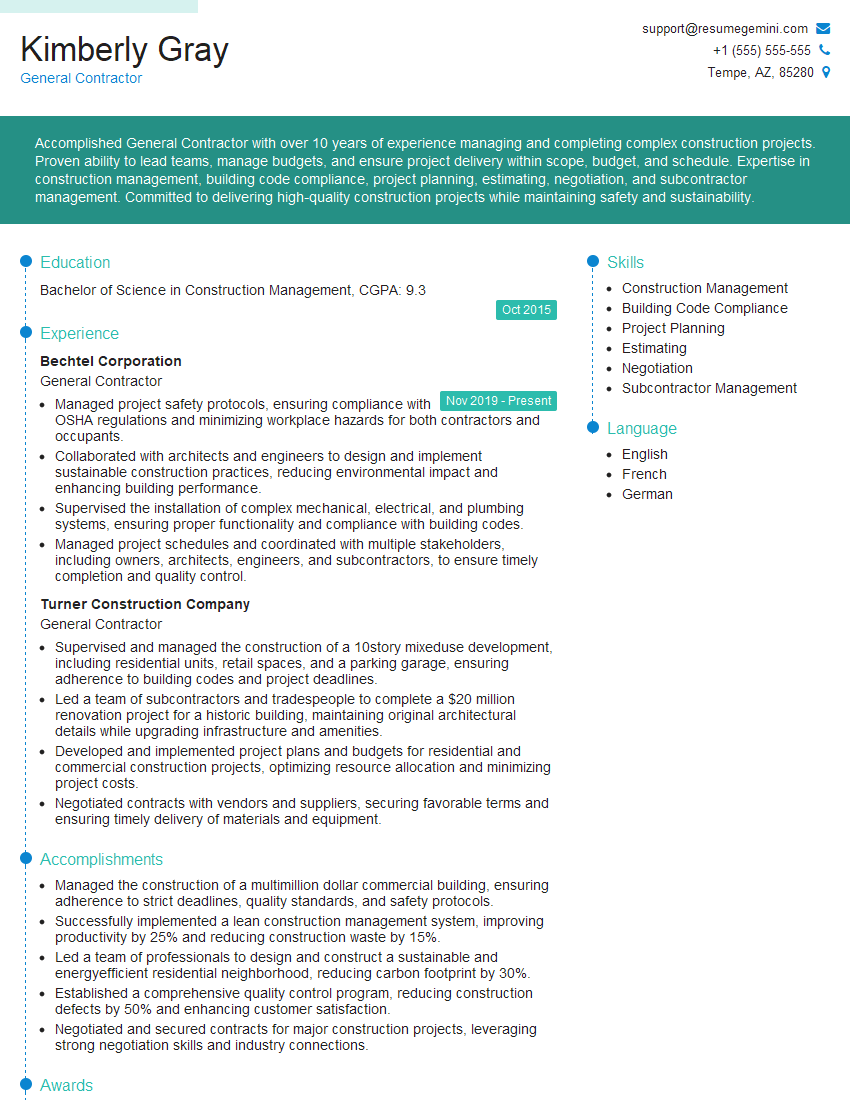
General Contractor Resume Sample
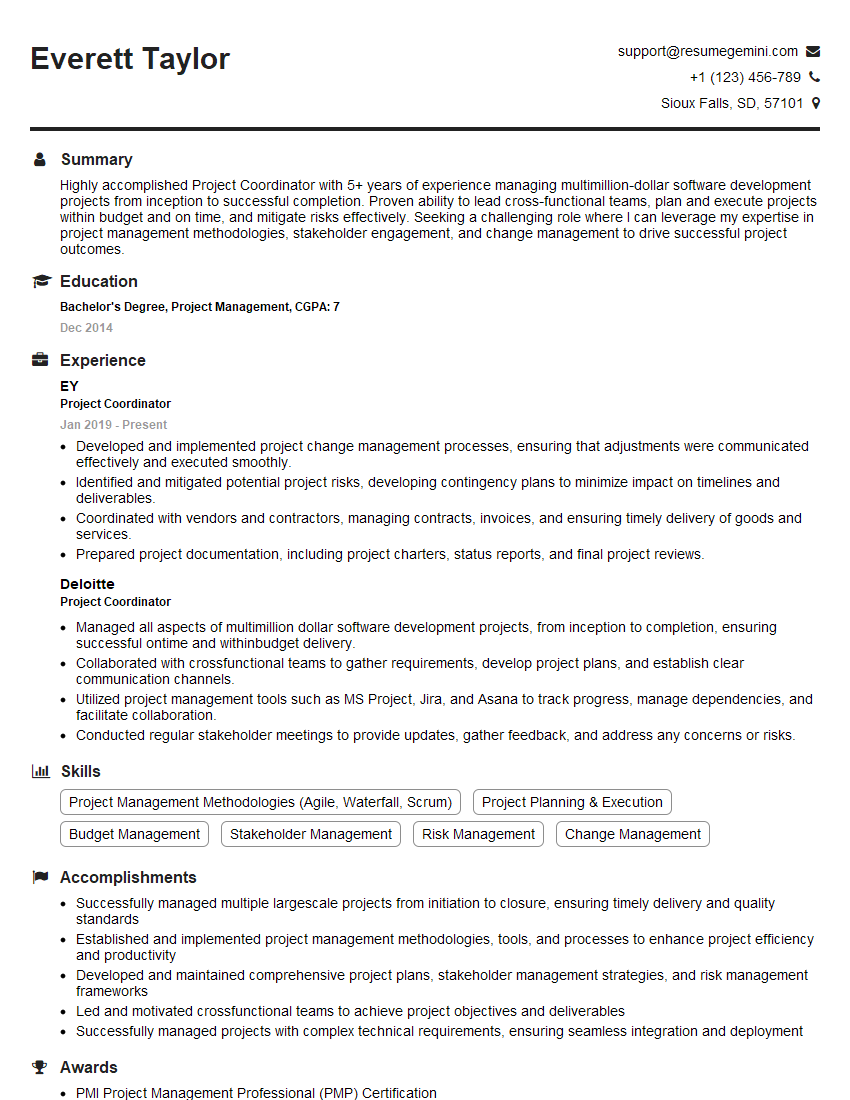
Project Coordinator Resume Sample

Project Engineer Resume Sample
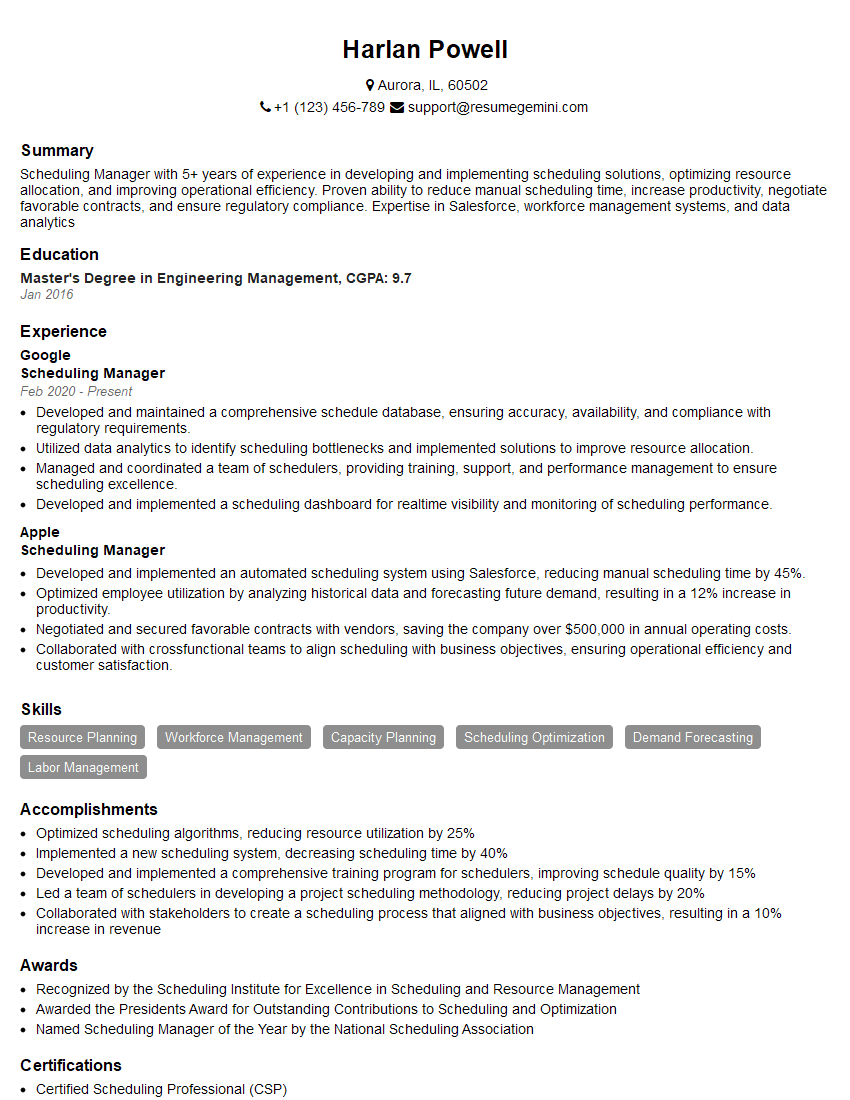
Scheduling Manager Resume Sample
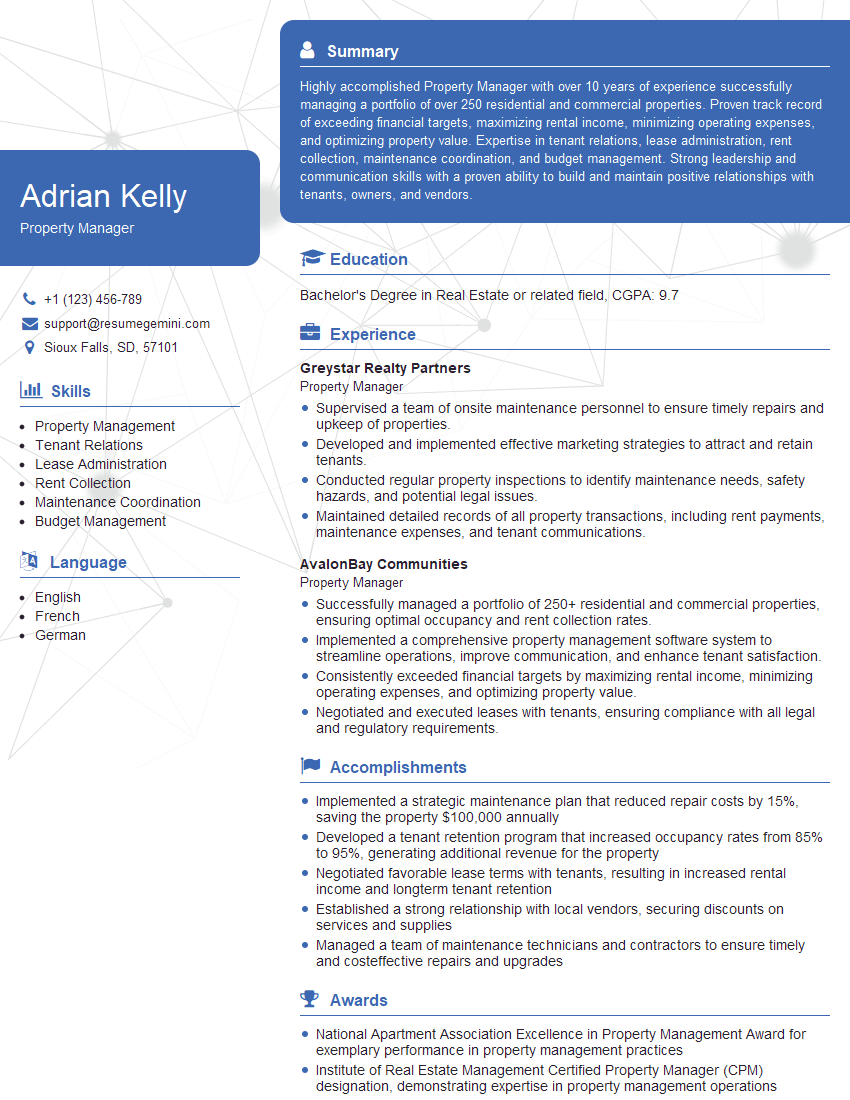
Property Manager Resume Sample
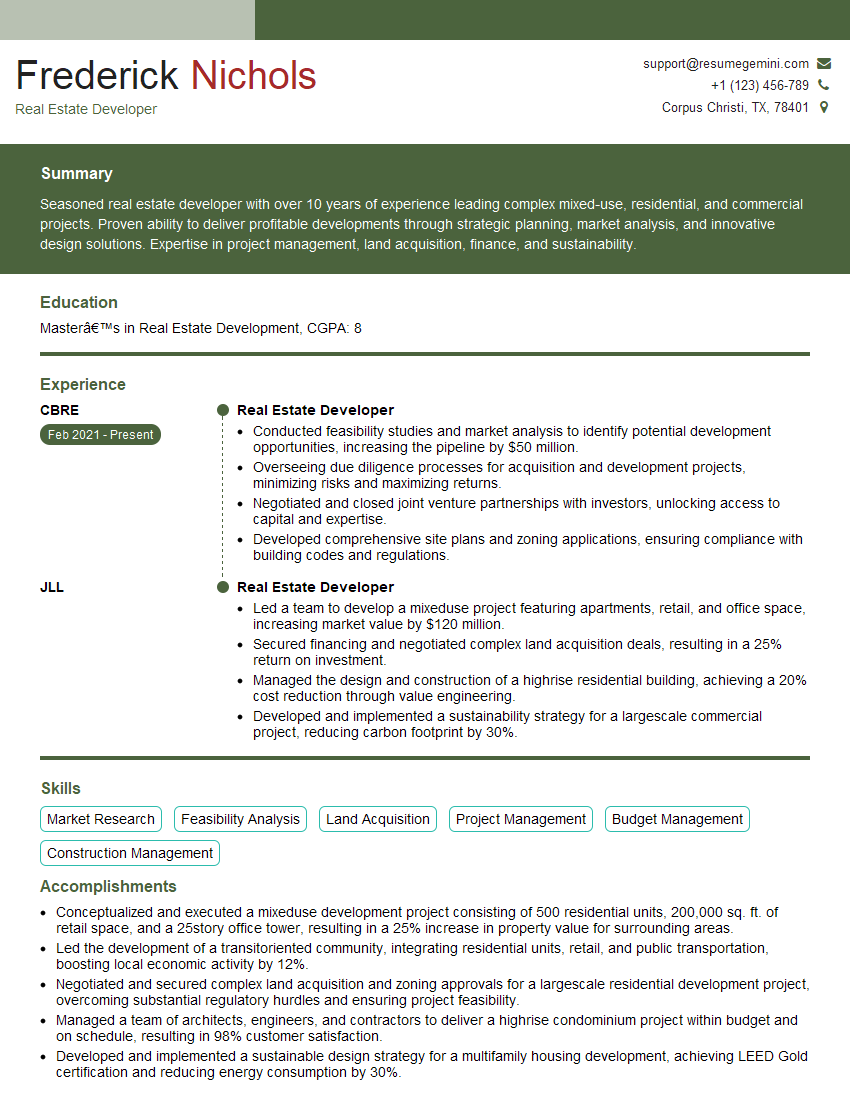
Real Estate Developer Resume Sample
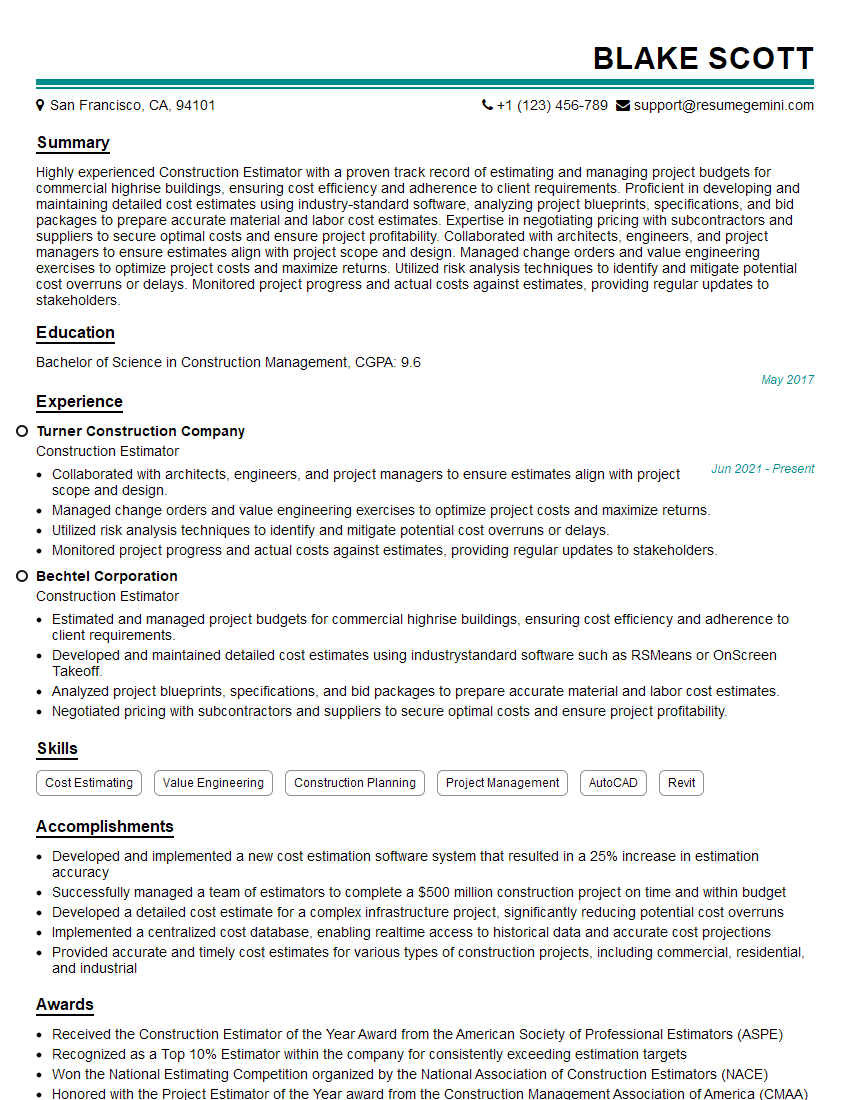
Construction Estimator Resume Sample
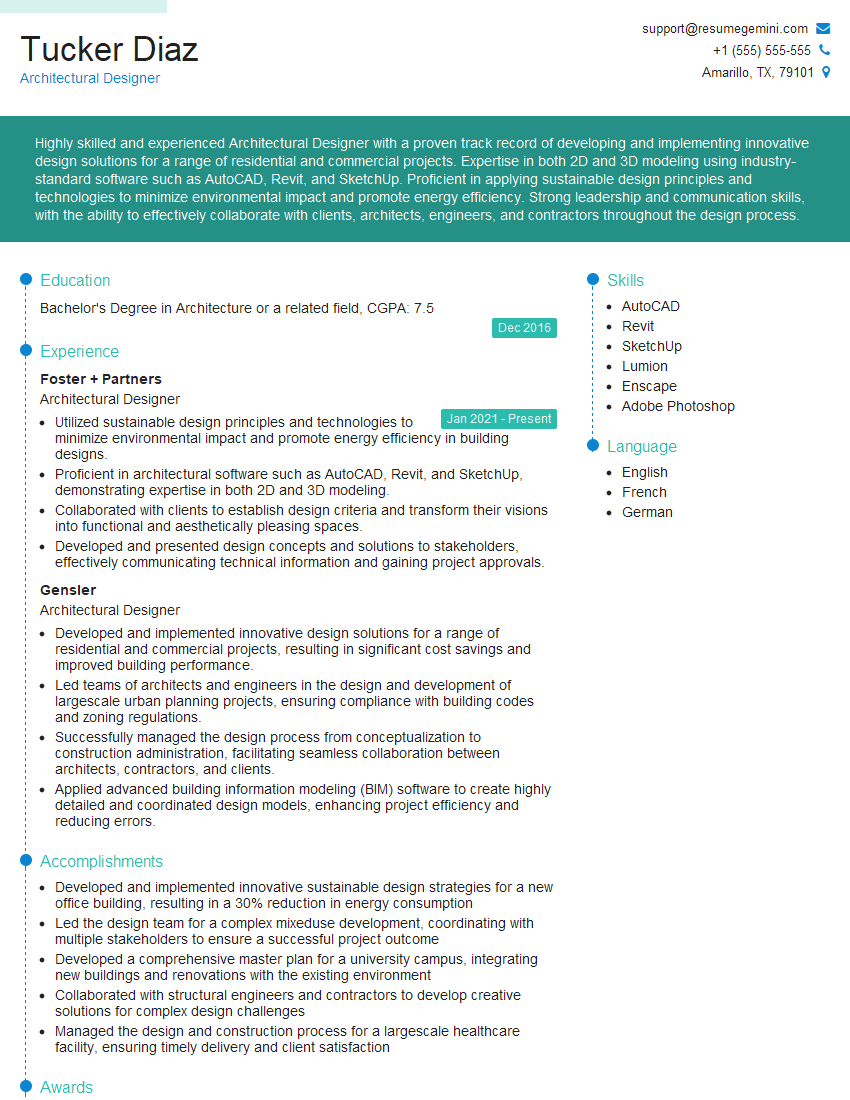
Architectural Designer Resume Sample
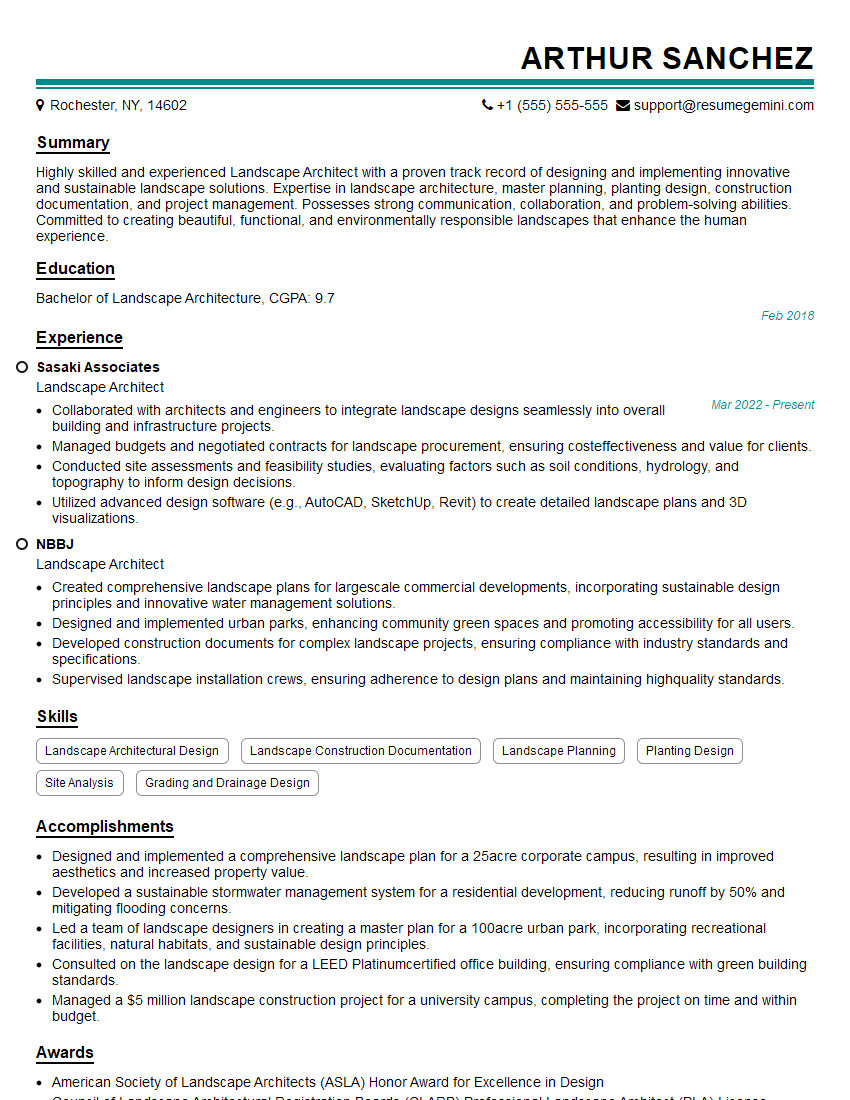
Landscape Architect Resume Sample
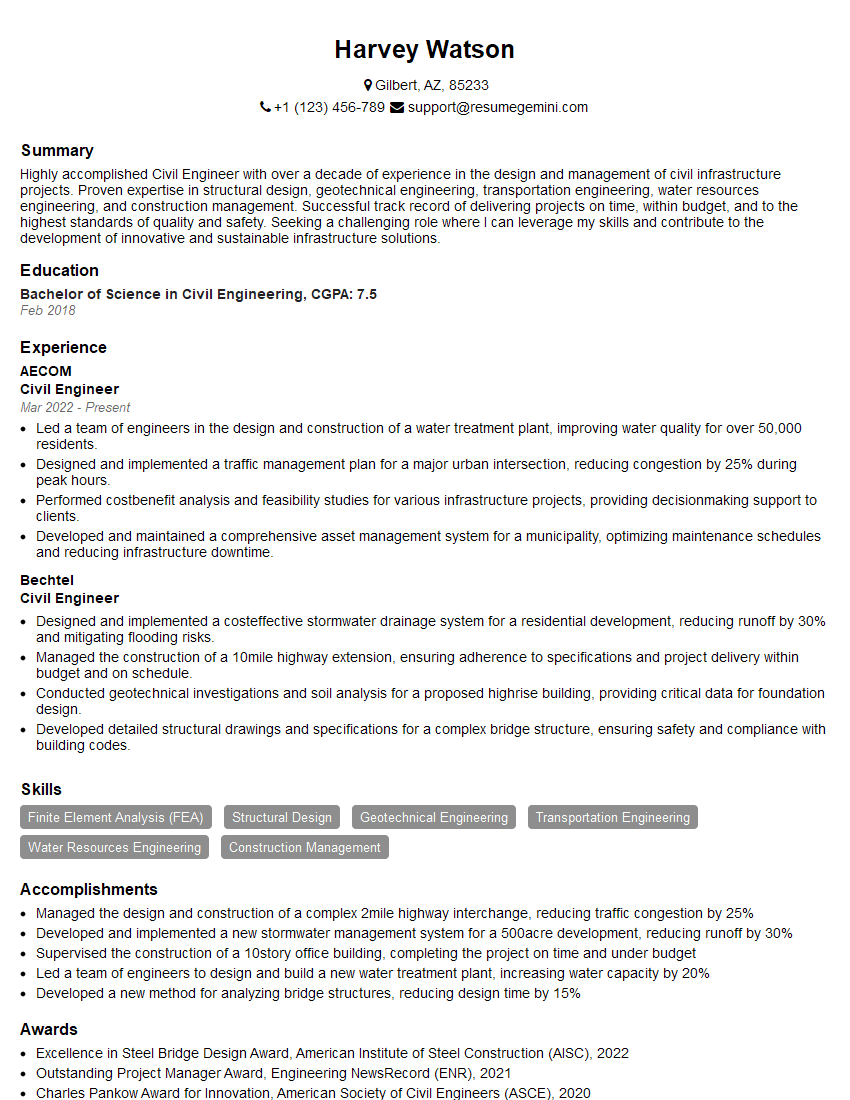
Civil Engineer Resume Sample
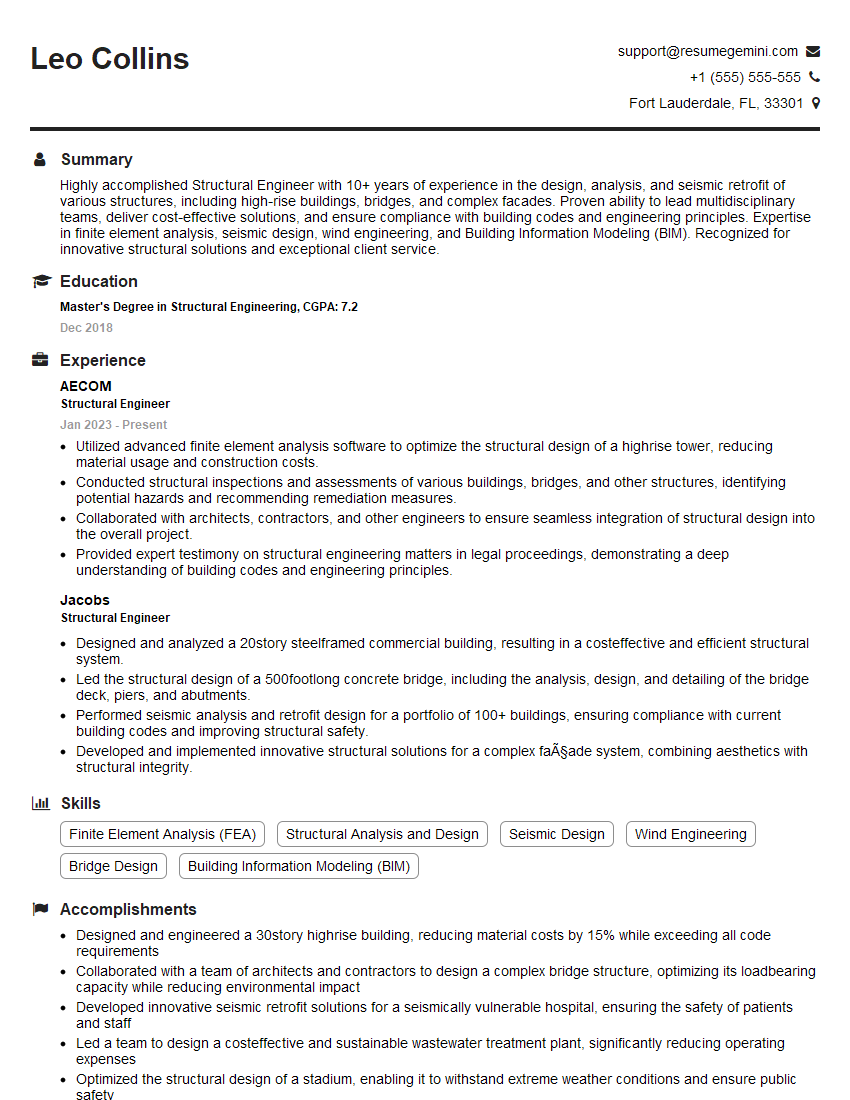
Structural Engineer Resume Sample
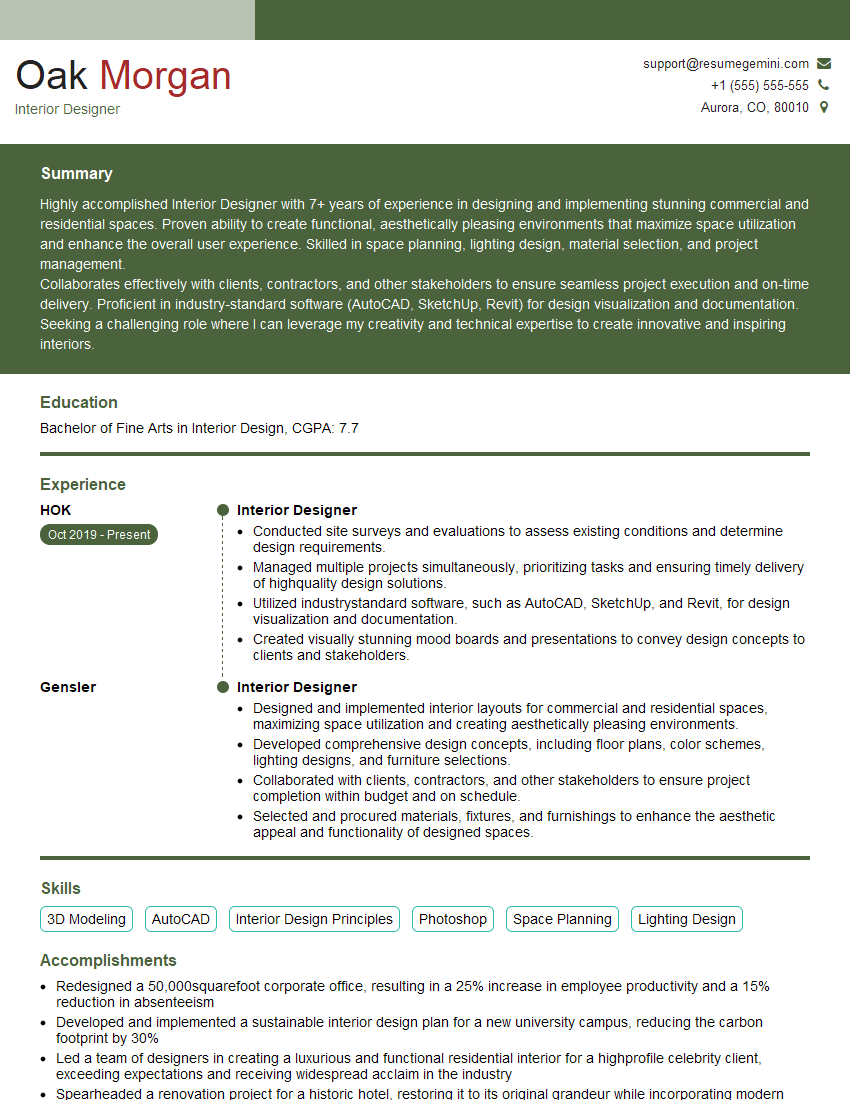
Interior Designer Resume Sample
- Safety Manager
- Facilities Manager
- Superintendent
- Quality Control Manager
- Site Manager
- Contract Administrator
- Construction Manager
- General Contractor
- Project Coordinator
- Project Engineer
- Scheduling Manager
- Property Manager
- Real Estate Developer
- Construction Estimator
- Architectural Designer
- Landscape Architect
- Civil Engineer
- Structural Engineer
- Interior Designer
Explore more articles
Users Rating of Our Blogs
Share Your Experience
We value your feedback! Please rate our content and share your thoughts (optional).
What Readers Say About Our Blog
Very informative content, great job.
good