The right preparation can turn an interview into an opportunity to showcase your expertise. This guide to Experience in Troubleshooting Machine Malfunctions interview questions is your ultimate resource, providing key insights and tips to help you ace your responses and stand out as a top candidate.
Questions Asked in Experience in Troubleshooting Machine Malfunctions Interview
Q 1. Describe your experience troubleshooting PLC-controlled machinery.
My experience with troubleshooting PLC-controlled machinery spans over ten years, encompassing a wide range of industrial settings. I’ve worked extensively with various PLC brands, including Allen-Bradley, Siemens, and Omron, troubleshooting issues in automated assembly lines, packaging systems, and robotic welding cells. This experience includes diagnosing and resolving both hardware and software malfunctions. For example, I once resolved a production bottleneck caused by a faulty sensor input in a bottling line by identifying the intermittent signal disruption using a logic analyzer and then replacing the faulty sensor. Another instance involved resolving a program bug in a robotic arm’s PLC code that was causing it to misplace components. This required careful analysis of the ladder logic, simulation of the program, and deployment of a corrected version.
Q 2. How do you approach diagnosing a malfunctioning machine?
My approach to diagnosing a malfunctioning machine is systematic and follows a structured methodology. It starts with a thorough safety assessment to ensure the machine is powered down and secured. Then I follow these steps:
- Gather Information: I begin by gathering information from operators, maintenance logs, and alarm history to understand the nature of the malfunction, when it started, and any preceding events.
- Visual Inspection: A careful visual inspection of the machine, its components, wiring, and connections is critical. This often reveals obvious problems like loose connections, damaged cables, or physical obstructions.
- PLC Program Review: Accessing the PLC program is crucial. I use the PLC programming software to monitor the status of inputs, outputs, and internal variables to identify discrepancies or unexpected values that point to the fault.
- Testing and Verification: After forming a hypothesis about the root cause, I test this using various diagnostic tools (detailed in the next answer). I carefully validate each step to confirm the diagnosis and ensure the fix doesn’t trigger new problems.
This methodical approach, using a combination of observation, data analysis, and testing, allows for quick and effective resolution of most machine issues.
Q 3. Explain your process for identifying the root cause of a machine failure.
Identifying the root cause of a machine failure requires a structured approach beyond simply fixing the immediate symptom. I employ a ‘5 Whys’ technique to drill down to the fundamental problem. Let’s illustrate with an example:
Problem: The conveyor belt stops unexpectedly.
- Why? The motor overheated and tripped the circuit breaker.
- Why? The motor was drawing excessive current.
- Why? The bearings were seized due to lack of lubrication.
- Why? The automated lubrication system failed.
- Why? A sensor in the lubrication system failed due to age and wear.
This reveals that the root cause was not the motor overheating but the failure of the lubrication system’s sensor, a much more effective target for preventative maintenance.
This method, alongside thorough documentation and analysis of data from sensors and PLC logs, ensures long-term solutions that prevent recurrence. I also use fault-tree analysis for complex scenarios where multiple potential causes may contribute to the malfunction.
Q 4. What diagnostic tools are you proficient in using?
I’m proficient in using a wide range of diagnostic tools. These include:
- PLCs Programming Software: I use software specific to the PLC brand (e.g., RSLogix 5000 for Allen-Bradley, TIA Portal for Siemens) to monitor I/O, program execution, and internal variables.
- Multimeters: Essential for verifying voltage, current, and continuity in electrical circuits.
- Logic Analyzers: Used to capture and analyze digital signals to identify intermittent issues and timing problems.
- Oscilloscope: Helpful for observing analog signals and identifying noise or signal integrity problems.
- Thermal Imagers: Quickly pinpoint overheating components that might indicate faulty operation or impending failures.
- Data Acquisition Systems (DAQ): For collecting data from multiple sources simultaneously and analyzing trends to detect subtle issues.
The selection of tools depends on the specific situation and the suspected cause of the malfunction.
Q 5. How do you prioritize multiple machine malfunctions?
Prioritizing multiple machine malfunctions requires a risk-based approach. I use a matrix considering:
- Impact: How severely does the malfunction affect production, safety, or quality?
- Urgency: How quickly does the malfunction need to be addressed to minimize negative consequences?
- Complexity: How difficult is it to diagnose and resolve the malfunction?
I typically assign a priority score to each malfunction based on these factors. High-impact, high-urgency, low-complexity issues are prioritized first. For instance, a safety-critical issue with a simple fix will always take precedence over a less critical issue requiring extensive troubleshooting.
This approach ensures that resources are allocated effectively to maximize production uptime and minimize disruption while prioritizing safety.
Q 6. Describe a time you had to troubleshoot a complex machine problem.
One particularly challenging case involved a complex packaging machine that stopped functioning unexpectedly. The PLC showed no errors, and the initial visual inspection revealed nothing. Using a logic analyzer, I discovered intermittent noise on a crucial communication line between the PLC and a servo motor controller. This noise was only appearing under specific load conditions and wasn’t consistent. After meticulous tracing of the wiring harness and careful examination of the electromagnetic interference (EMI) environment, I identified a nearby high-frequency motor that was causing the interference. Solving the problem involved rerouting the communication cables and adding appropriate shielding. This highlighted the importance of considering the overall electrical environment when troubleshooting complex industrial systems.
Q 7. What safety procedures do you follow when troubleshooting machinery?
Safety is paramount in machinery troubleshooting. I strictly adhere to the following procedures:
- Lockout/Tagout (LOTO): Always follow the LOTO procedure to isolate the power source and prevent accidental start-up before beginning any troubleshooting. This is the most critical safety precaution.
- Personal Protective Equipment (PPE): Wear appropriate PPE, including safety glasses, gloves, and hearing protection, according to the specific task and machine risks.
- Risk Assessment: Before starting, assess the potential hazards associated with the malfunction and the troubleshooting steps. This includes identifying potential hazards like energized components, moving parts, or hazardous materials.
- Emergency Shutdown Procedures: Familiarize myself with the machine’s emergency stop procedures and the location of safety devices. Know how to safely shut down the system in case of unexpected events.
- Proper Documentation: Maintain detailed records of all troubleshooting steps, findings, and corrective actions taken. This is essential for both safety and future maintenance.
My commitment to safety is unwavering. I always prioritize preventing accidents and ensuring my actions don’t introduce new hazards.
Q 8. How do you document your troubleshooting process?
Thorough documentation is crucial for efficient troubleshooting and future reference. My process involves a multi-step approach. First, I create a detailed record of the initial problem, including the specific malfunction, the time it occurred, and any relevant observations. I then document each step I take in my troubleshooting process, including tests performed, data collected, and any changes or adjustments made. This includes screenshots of error messages, diagrams illustrating the problem area, and notes on any component replacements or repairs. For complex problems, I’ll use a structured format like a flowchart to visually trace the problem and solutions.
Finally, the documentation concludes with the resolution, the root cause identified, preventative measures to avoid similar issues, and a summary of the time spent on the issue. I use a combination of digital tools like spreadsheets, document editors, and potentially specialized machine maintenance software for clear and organized record-keeping. This meticulous approach ensures that I can quickly resolve similar issues in the future and also aids in training junior technicians.
Q 9. How familiar are you with preventative maintenance procedures?
Preventative maintenance is essential for minimizing downtime and extending the lifespan of machinery. My familiarity extends to both scheduled and condition-based maintenance. Scheduled maintenance involves regular inspections, cleaning, lubrication, and part replacements according to the manufacturer’s recommendations. I’m experienced in developing and implementing these schedules, ensuring they align with the specific needs of the equipment. I also understand condition-based maintenance, which relies on monitoring the machine’s performance using sensors and data analysis to predict potential failures and schedule maintenance proactively. This prevents unexpected breakdowns and allows for more efficient resource allocation. For example, I’ve successfully implemented a predictive maintenance program on a production line by analyzing vibration data from critical components, leading to a 20% reduction in unscheduled downtime.
Q 10. How do you handle situations where you cannot immediately identify the problem?
When faced with an unidentified problem, a systematic approach is key. My first step is to gather as much information as possible. This includes observing the machine’s behavior, listening for unusual sounds, checking for any visible damage, and reviewing any relevant logs or error messages. I then move on to systematically eliminating possible causes. This might involve testing individual components, checking connections, or reviewing the machine’s operational history. I rely heavily on troubleshooting guides, schematics, and technical documentation at this stage. If the problem remains elusive, I utilize diagnostic tools, such as multimeters, oscilloscopes, or specialized diagnostic software, to collect data and further isolate the issue.
If still unresolved, I don’t hesitate to consult with colleagues, seek support from the manufacturer, or refer to online resources and forums. Collaboration and leveraging external expertise often prove vital in complex situations. For instance, I once worked on a system failure that required collaboration with a remote expert specializing in PLC programming. Through a collaborative approach, we identified a faulty logic within the PLC program.
Q 11. Explain your understanding of hydraulic and pneumatic systems.
I have a strong understanding of both hydraulic and pneumatic systems. Hydraulic systems use pressurized liquid, typically oil, to transmit power, while pneumatic systems use compressed air. Both are commonly used in industrial machinery for tasks such as lifting, clamping, and actuation. In hydraulics, I’m familiar with components like pumps, valves, cylinders, and accumulators, and I understand the principles of fluid flow, pressure, and power transmission. I can troubleshoot problems related to leaks, pressure loss, contamination, and component failure.
Similarly, in pneumatics, I understand the principles of compressed air generation, distribution, and control using components such as compressors, valves, cylinders, and actuators. I can troubleshoot issues related to air leaks, pressure regulation, and the proper operation of pneumatic control circuits. For example, I recently resolved a hydraulic leak in a press machine by identifying a faulty seal and replacing it, ensuring the machine’s safe and efficient operation.
Q 12. What is your experience with electrical schematics and wiring diagrams?
I’m proficient in reading and interpreting electrical schematics and wiring diagrams. These diagrams provide a visual representation of the electrical system within a machine, showing the connections between components like motors, sensors, controllers, and power supplies. I can use schematics to trace circuits, identify potential faults, and troubleshoot electrical problems. My experience includes working with both low-voltage and high-voltage systems, and I’m familiar with various wiring standards and safety precautions.
I can effectively use schematics to troubleshoot problems such as short circuits, open circuits, and faulty components. For instance, I once used a schematic to diagnose a problem in a robotic arm where a faulty relay was causing intermittent movement. By tracing the circuit on the schematic, I quickly located the faulty component and replaced it.
Q 13. Describe your experience working with sensors and actuators.
I possess extensive experience working with sensors and actuators. Sensors are devices that measure physical quantities like temperature, pressure, or position, and convert them into electrical signals. Actuators are devices that convert electrical signals into mechanical motion or force. I’m familiar with various types of sensors, including proximity sensors, photoelectric sensors, pressure sensors, and temperature sensors, as well as different types of actuators, such as pneumatic and hydraulic cylinders, electric motors, and solenoids.
My experience includes installing, calibrating, and troubleshooting both sensors and actuators. For example, I’ve worked on systems where faulty sensors were causing inaccurate readings, leading to incorrect machine operations. By carefully diagnosing and replacing the faulty sensors, I resolved the issue and restored the machine’s functionality. I understand the importance of sensor and actuator selection, integration, and calibration in ensuring optimal machine performance.
Q 14. How do you interpret machine error codes and alarms?
Machine error codes and alarms are critical indicators of problems within a system. My approach to interpreting these codes involves several steps. First, I consult the machine’s technical documentation or manuals to understand the meaning of each code. Many machines have comprehensive manuals that provide detailed explanations of error codes and their likely causes. Secondly, I investigate the context in which the error occurred. When and how did the error occur? What were the machine’s operational parameters at that time?
Thirdly, I might use diagnostic software or tools that provide more detailed information about the error and its cause. Some systems offer advanced diagnostic capabilities that can pinpoint the location and severity of the problem. Finally, I use a combination of my knowledge of the machine’s operation and the error information to develop and implement a solution. For example, I once encountered a recurring error code in a CNC machine that indicated a problem with its spindle motor. By using the machine’s diagnostic software and reviewing the technical documentation, I identified a loose connection in the motor’s wiring, resolving the issue with a simple repair.
Q 15. How do you stay updated on the latest troubleshooting techniques?
Staying current in troubleshooting techniques requires a multi-pronged approach. It’s not enough to rely solely on past experience; the field is constantly evolving with new technologies and methodologies.
- Industry Publications and Journals: I regularly read publications like Manufacturing Engineering and Control Engineering to stay abreast of the latest advancements in machine maintenance and troubleshooting.
- Online Courses and Webinars: Platforms like Coursera, edX, and LinkedIn Learning offer excellent courses on various aspects of industrial maintenance, including specialized troubleshooting techniques for specific machine types. I actively participate in webinars and online workshops hosted by industry leaders and equipment manufacturers.
- Manufacturer Training and Documentation: I make sure to thoroughly review the manufacturer’s documentation for all machinery under my purview. Many manufacturers offer advanced training programs that provide in-depth troubleshooting knowledge and best practices for their equipment. This is crucial for understanding the intricacies of specific systems.
- Networking and Conferences: Attending industry conferences and networking with fellow professionals allows me to learn about new challenges and solutions from experienced individuals. Sharing best practices is invaluable.
- Hands-on Experience: The most effective learning comes from real-world application. I actively seek opportunities to work on diverse equipment and challenges, viewing each new problem as a learning experience.
This holistic approach ensures I’m equipped with the most up-to-date knowledge and skills necessary to tackle even the most complex troubleshooting scenarios.
Career Expert Tips:
- Ace those interviews! Prepare effectively by reviewing the Top 50 Most Common Interview Questions on ResumeGemini.
- Navigate your job search with confidence! Explore a wide range of Career Tips on ResumeGemini. Learn about common challenges and recommendations to overcome them.
- Craft the perfect resume! Master the Art of Resume Writing with ResumeGemini’s guide. Showcase your unique qualifications and achievements effectively.
- Don’t miss out on holiday savings! Build your dream resume with ResumeGemini’s ATS optimized templates.
Q 16. What is your experience with different types of machine control systems?
My experience encompasses a wide range of machine control systems, from older PLC-based systems to modern, network-connected systems utilizing industrial IoT (IIoT) technologies.
- Programmable Logic Controllers (PLCs): I’m proficient in troubleshooting PLCs from various manufacturers, including Allen-Bradley, Siemens, and Omron. My experience includes ladder logic programming, fault diagnostics, and system upgrades. For example, I once successfully diagnosed a production line stoppage caused by a faulty input module on an Allen-Bradley PLC by systematically isolating the problem through methodical testing of I/O signals and ladder logic.
- SCADA Systems: I have extensive experience working with Supervisory Control and Data Acquisition (SCADA) systems, including utilizing their visualization and monitoring capabilities to identify and address machine malfunctions. This includes using the HMI (Human Machine Interface) to monitor process variables, identify trends, and react to alarms effectively.
- Industrial Networks: I’m familiar with industrial network protocols such as Profibus, Profinet, Ethernet/IP, and Modbus, and I understand how network issues can impact machine performance. For instance, I recently resolved a recurring communication problem on a production line by identifying a faulty network switch and upgrading the network infrastructure.
- CNC Controllers: I have experience troubleshooting CNC (Computer Numerical Control) machines, diagnosing issues related to axis control, tool changes, and program execution. This often involves understanding G-code programming and interpreting error messages from the CNC controller.
My strong foundation in various control systems allows me to approach troubleshooting from a holistic perspective, considering both the individual machine and its integration within the overall manufacturing process.
Q 17. How do you communicate technical information to non-technical personnel?
Communicating complex technical information to non-technical personnel requires a clear, concise, and relatable approach. Avoidance of jargon is paramount.
- Analogies and Visual Aids: I often use simple analogies to explain technical concepts. For example, instead of saying ‘the feedback loop is disrupted,’ I might say ‘it’s like a thermostat not getting the right temperature reading from the room.’ I also utilize diagrams, charts, and pictures to visualize complex systems and processes.
- Layman’s Terms: I carefully select vocabulary and avoid technical jargon. Instead of ‘pneumatic actuator malfunction,’ I’d say ‘a part that uses air pressure to move is not working correctly.’
- Step-by-Step Explanations: Breaking down complex procedures into simple, sequential steps helps non-technical individuals understand the process. I would provide a chronological walkthrough of the issue’s development and how it’s being addressed.
- Focus on the Impact: Highlighting the impact of the malfunction and the solution’s benefits in terms that are easily understood by non-technical individuals is crucial. For example, ‘Fixing this will ensure the line restarts production and minimizes downtime, avoiding potential financial losses.’
Effective communication ensures everyone is informed and understands the situation, leading to better collaboration and problem resolution.
Q 18. Explain your experience with predictive maintenance techniques.
Predictive maintenance is crucial for minimizing downtime and optimizing equipment lifespan. My experience includes implementing and utilizing various predictive maintenance techniques.
- Vibration Analysis: I use vibration analysis tools to detect anomalies in machine vibrations that indicate impending failures, such as bearing wear or imbalance. For instance, I once used vibration data to predict a motor bearing failure weeks in advance, allowing for a scheduled repair during a planned maintenance window.
- Thermal Imaging: Infrared thermography helps to identify overheating components that may indicate impending failures. Overheating can lead to catastrophic failures; early detection using thermal imaging is a preventative measure.
- Oil Analysis: By analyzing oil samples, I can detect the presence of wear particles, contaminants, and changes in oil viscosity that can indicate potential problems with bearings, seals, or other components.
- Data Analytics: I’m skilled in using machine data to identify trends and predict potential issues. This often involves the use of CMMS (Computerized Maintenance Management System) software to track machine performance metrics and identify patterns indicative of upcoming failures.
The combination of these techniques allows for proactive maintenance, significantly reducing unplanned downtime and extending the operational life of equipment. Predictive maintenance is about moving from reactive to proactive maintenance – a paradigm shift that saves both time and money.
Q 19. How familiar are you with different types of machine tools?
My experience spans a wide array of machine tools, encompassing various types and functionalities.
- Lathes: I am experienced in troubleshooting various lathe types, from simple engine lathes to CNC lathes, including issues related to spindle speed, feed rates, and tooling.
- Milling Machines: My experience with milling machines includes both manual and CNC varieties, addressing issues related to spindle accuracy, toolpath programming, and workpiece clamping.
- Grinders: I’m familiar with both surface grinders and cylindrical grinders, troubleshooting issues related to wheel wear, dressing, and part accuracy.
- Presses: I have experience with various types of presses, including hydraulic and mechanical presses, diagnosing problems related to tonnage, die protection, and safety systems.
- Welding Machines: My troubleshooting experience encompasses various welding processes, such as MIG, TIG, and spot welding, identifying issues related to power supply, gas flow, and electrode wear.
This breadth of experience gives me a solid foundation for troubleshooting across many machine tool types, understanding their unique operating principles and potential points of failure.
Q 20. Describe your experience using computerized maintenance management systems (CMMS).
I’m highly proficient in using CMMS (Computerized Maintenance Management Systems) for efficient management of maintenance activities.
- Data Entry and Tracking: I accurately enter and track maintenance records, including work orders, preventive maintenance schedules, and equipment history. This ensures complete and readily accessible data for informed decision-making.
- Work Order Management: I utilize the CMMS to create, assign, and track work orders, ensuring timely completion of maintenance tasks. I also manage technicians’ schedules and resource allocation.
- Inventory Management: The CMMS assists in managing spare parts inventory, tracking stock levels and ordering replacement parts to minimize downtime. This also facilitates efficient cost tracking and budgeting for maintenance activities.
- Reporting and Analysis: I leverage the CMMS’s reporting capabilities to generate performance reports, analyze equipment reliability, and identify areas for improvement in maintenance strategies. This data-driven approach allows for evidence-based decision-making and the prioritization of corrective actions.
- Specific Systems: I have practical experience with CMMS software such as IBM Maximo, SAP PM, and UpKeep.
Effective utilization of a CMMS is integral to a proactive and efficient maintenance program.
Q 21. What is your experience with robotic systems and their troubleshooting?
My experience with robotic systems and their troubleshooting includes a range of robotic architectures and control systems.
- Troubleshooting Robotic Arms: I can diagnose problems related to joint movement, end-of-arm tooling (EOAT), and programming errors. This includes using diagnostic tools to identify and fix mechanical, electrical, and software issues within the robot controller and its peripheral components.
- Sensor Integration: I have experience with troubleshooting sensor integration issues, including vision systems, proximity sensors, and force/torque sensors, ensuring accurate feedback and seamless robot operation. A recent example involved resolving a vision system issue that was causing misalignment in a robotic welding cell.
- Programming and Software: I’m proficient in using robot programming languages (like RAPID for ABB robots) and software tools for robot configuration, simulation, and diagnostics.
- Safety Systems: I understand and address safety-related issues, including emergency stops, light curtains, and interlocks, ensuring the safe operation of robotic systems. Safety is paramount when working with industrial robots.
- Specific Robot Manufacturers: I have worked with robots from various manufacturers, including FANUC, ABB, and KUKA, gaining a broad perspective on robotic technology.
My approach to robotic system troubleshooting prioritizes a systematic investigation, encompassing mechanical, electrical, and software components, ensuring a thorough resolution and minimizing downtime.
Q 22. How do you handle situations where a machine repair requires specialized knowledge you lack?
When faced with a machine repair requiring specialized knowledge I don’t possess, my first step is thorough documentation. I meticulously record all observations: error messages, unusual sounds, performance metrics, etc. This forms a solid foundation for further investigation. Then, I leverage my network. This might involve consulting internal experts, reaching out to the manufacturer’s technical support, or searching for relevant documentation online. I find that a well-structured query—specifying the machine model, error code, and observed symptoms—significantly improves the chances of finding helpful information. Sometimes, I’ll even involve external consultants specializing in the specific technology. For example, while I’m proficient in PLC programming, if the issue involves a complex robotic arm with proprietary software, I wouldn’t hesitate to contact a robotics specialist. The key is to acknowledge limitations, seek help effectively, and ensure thorough documentation throughout the entire process. This collaborative approach guarantees a more efficient and accurate solution.
Q 23. Describe your experience with troubleshooting issues related to vibration or noise in machinery.
Vibration and noise in machinery often indicate underlying problems. My approach is systematic. I start by identifying the source of the noise or vibration using simple tools like a stethoscope to pinpoint the location and character of the sound. High-pitched squeals might suggest bearing wear, while low-frequency rumbles could indicate imbalance. Next, I use vibration analysis tools—often accelerometers and spectrum analyzers—to quantify the vibrations. This data provides objective measurements that can help identify the frequency and amplitude of the vibrations, pointing towards specific components. I’ve successfully used this method to diagnose issues ranging from loose bolts causing excessive vibration in a conveyor belt system to bearing failure in a high-speed centrifuge. The data helps determine if the vibration is acceptable within the machine’s operational parameters or if corrective action is needed, which could range from simple lubrication to major component replacement. Finally, I always document the findings, including the type of vibration, its frequency, the measured amplitude, and the corrective action taken.
Q 24. How do you balance the need for quick repairs with the need for thorough troubleshooting?
Balancing speed and thoroughness in machine repairs requires a pragmatic approach. In situations with critical downtime implications, a temporary fix might be necessary to restore functionality quickly while a comprehensive investigation is carried out concurrently. Think of it like a doctor applying a temporary bandage to a wound while simultaneously diagnosing the underlying issue. I prioritize safety first, addressing any immediate hazards before proceeding. Then, I use a structured troubleshooting methodology, such as a decision tree or a fault-finding flowchart, to efficiently identify the root cause. I might employ techniques like isolating sections of the machine to narrow down the problem area. Once the root cause is identified, I evaluate the long-term solution—whether it’s a complete repair, a replacement part, or a process improvement—before executing the appropriate action. Proper documentation ensures that both temporary and permanent solutions are well-recorded and easily retrievable for future reference and preventive maintenance.
Q 25. What is your experience with different types of motors and drives?
My experience encompasses a range of motor and drive technologies. I’m familiar with AC induction motors, DC motors (both brushed and brushless), stepper motors, and servo motors. My expertise extends to various drive systems, including Variable Frequency Drives (VFDs) for speed control and soft starters for controlled motor acceleration. I have practical experience troubleshooting issues related to motor overheating, erratic speed control, and power supply failures. For example, I once resolved a production line slowdown caused by a faulty VFD by systematically checking the input power, the output frequency, and the motor parameters. A simple adjustment to the VFD settings solved the problem. I’m also adept at working with different motor control protocols and communication systems, ensuring I can effectively interface with various automation platforms. This broad experience ensures I can address a wide range of motor-related problems effectively and efficiently.
Q 26. How do you ensure the safety of yourself and others while troubleshooting machinery?
Safety is paramount when troubleshooting machinery. Before starting any work, I always ensure the machine is completely de-energized and locked out using a lockout/tagout (LOTO) procedure, complying with all relevant safety regulations. This prevents accidental energization and injury. I use appropriate Personal Protective Equipment (PPE), including safety glasses, gloves, and hearing protection, as required by the task. When working with high-voltage equipment or potentially hazardous chemicals, I follow strict safety protocols and work with a colleague for added safety. I regularly inspect tools and equipment to ensure they are in good working order and free from damage. Moreover, I clearly communicate my actions and intentions to other personnel in the area, minimizing the risk of accidents. Following established safety procedures not only protects me but also ensures the safety of others in the workplace.
Q 27. Explain your understanding of different types of machine failures (e.g., mechanical, electrical, software).
Machine failures can stem from various sources. Mechanical failures include things like bearing wear, gear stripping, broken shafts, or misalignment. These are often detected through visual inspection, vibration analysis, or sound analysis. Electrical failures can result from short circuits, faulty wiring, blown fuses, or malfunctioning control circuits. These can be diagnosed using multimeters, oscilloscopes, and other electrical testing equipment. Software failures in programmable logic controllers (PLCs) or other control systems may manifest as incorrect operation, unexpected shutdowns, or error messages. Debugging software errors typically requires access to the control system’s programming and diagnostics tools. Understanding the distinct characteristics of these failure types allows for more efficient troubleshooting and targeted solutions. A systematic approach, combining visual inspections with the use of appropriate testing equipment, is essential in identifying the root cause of a failure.
Q 28. How do you determine whether to repair or replace a malfunctioning component?
The decision to repair or replace a malfunctioning component depends on several factors. Cost is a major consideration. If the repair cost, including labor and parts, exceeds the cost of a replacement, replacement is often more economical. The component’s age and remaining lifespan are also important. An old component nearing the end of its life might be best replaced to prevent future failures. Availability of parts is another critical factor. If a replacement part is readily available, it might be a faster and simpler solution. For mission-critical components, even if the repair is cheaper, replacement might be preferred to minimize downtime. Finally, the complexity of the repair plays a role. A complex repair requiring specialized skills and tools might be less cost-effective than replacement. I always carefully weigh these factors, considering not only immediate costs but also the long-term implications of my decision.
Key Topics to Learn for Experience in Troubleshooting Machine Malfunctions Interview
- Understanding Machine Operation: Thoroughly grasp the theoretical workings of the specific machinery relevant to your experience. This includes understanding schematics, control systems, and operational parameters.
- Diagnostic Techniques: Master practical diagnostic methods such as visual inspection, using diagnostic tools (e.g., multimeters, pressure gauges), and interpreting sensor data. Practice explaining your systematic approach to troubleshooting.
- Root Cause Analysis: Develop the ability to go beyond simply fixing a symptom and identify the underlying cause of a malfunction. Practice explaining your problem-solving methodology, emphasizing critical thinking and deductive reasoning.
- Preventive Maintenance: Discuss your experience with preventative maintenance procedures and how they contribute to reducing machine malfunctions. Highlight your understanding of scheduled maintenance and its impact on overall system reliability.
- Safety Procedures: Demonstrate a strong understanding of safety protocols and regulations related to machine operation and troubleshooting. Emphasize your commitment to safe working practices.
- Troubleshooting Documentation: Explain your experience with documenting troubleshooting processes, including clear and concise reporting of findings and solutions. This includes the use of logs, reports, and other relevant documentation.
- Communication & Teamwork: Prepare to discuss how you effectively communicate technical information to both technical and non-technical audiences. Highlight examples of collaboration with colleagues to resolve complex machine issues.
Next Steps
Mastering the art of troubleshooting machine malfunctions is crucial for career advancement in many technical fields. It demonstrates problem-solving skills, technical expertise, and a commitment to efficiency and safety—highly valued attributes by employers. To significantly improve your job prospects, focus on creating a strong, ATS-friendly resume that clearly showcases your abilities. ResumeGemini is a trusted resource that can help you build a professional and impactful resume. We offer examples of resumes tailored to highlight experience in troubleshooting machine malfunctions to help you get started.
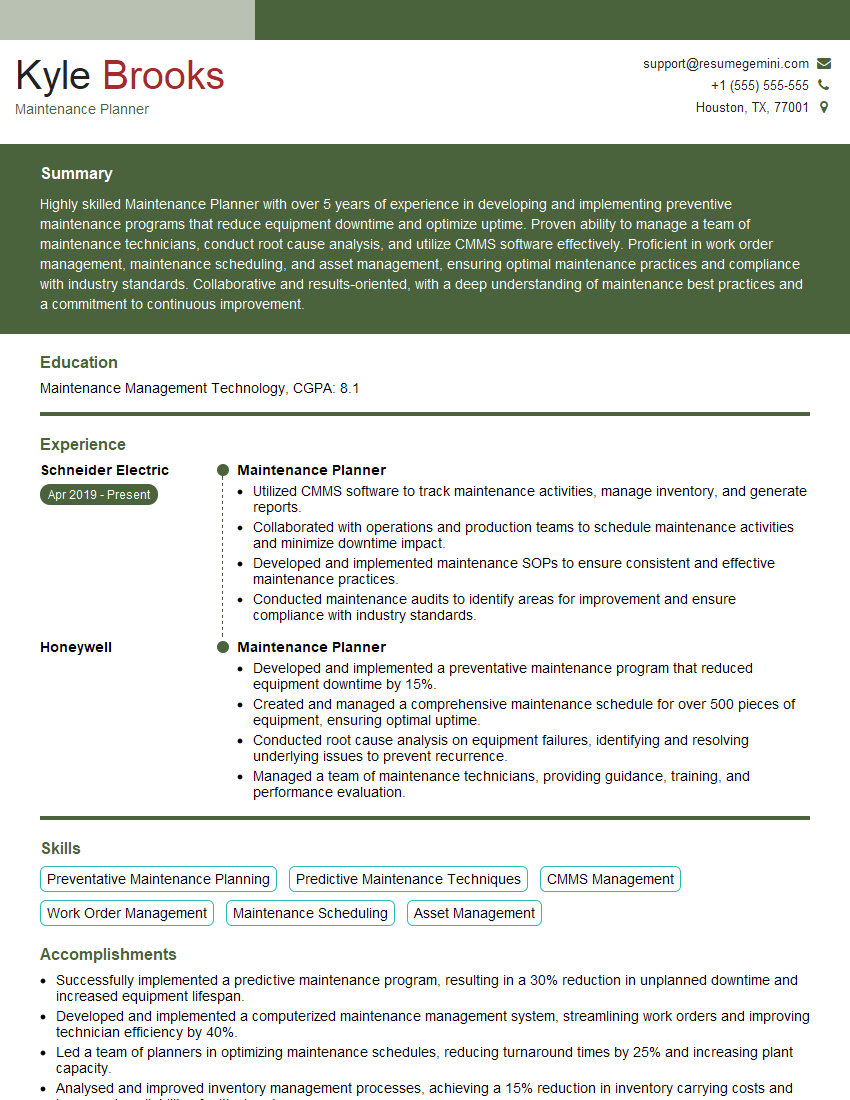
Maintenance Planner Resume Sample

Production Supervisor Resume Sample
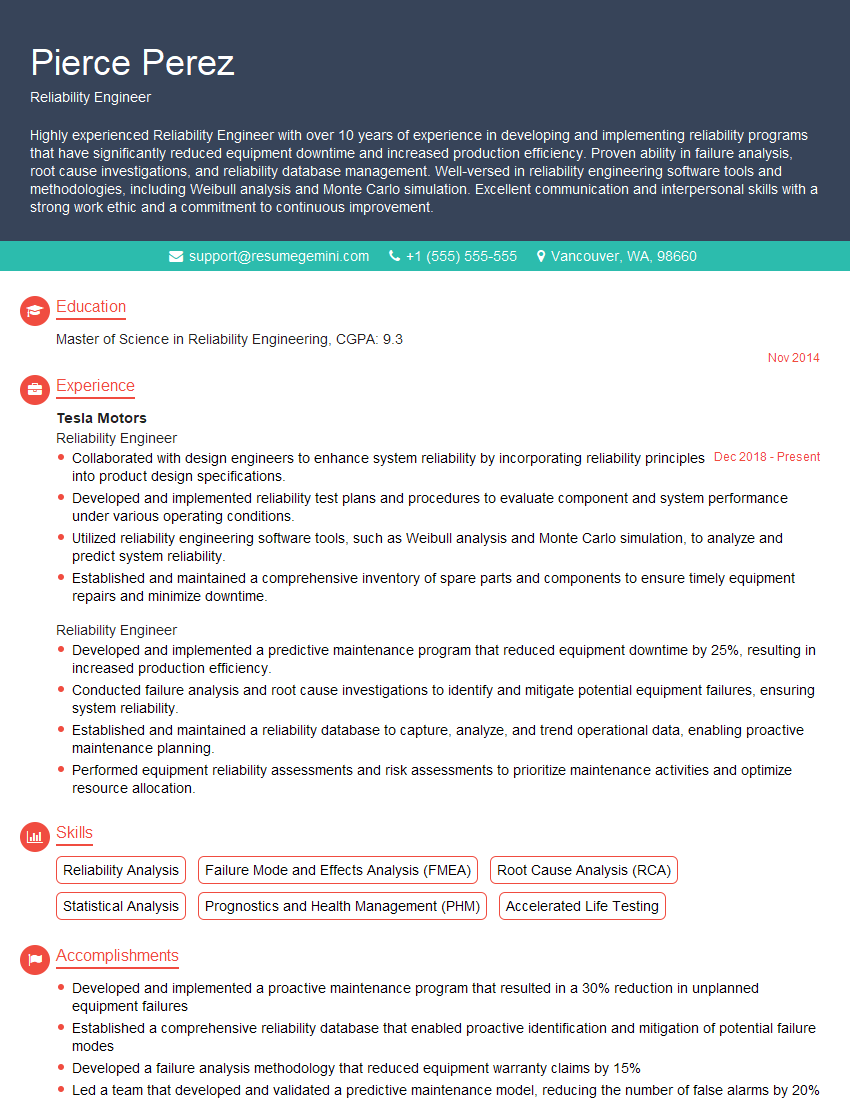
Reliability Engineer Resume Sample
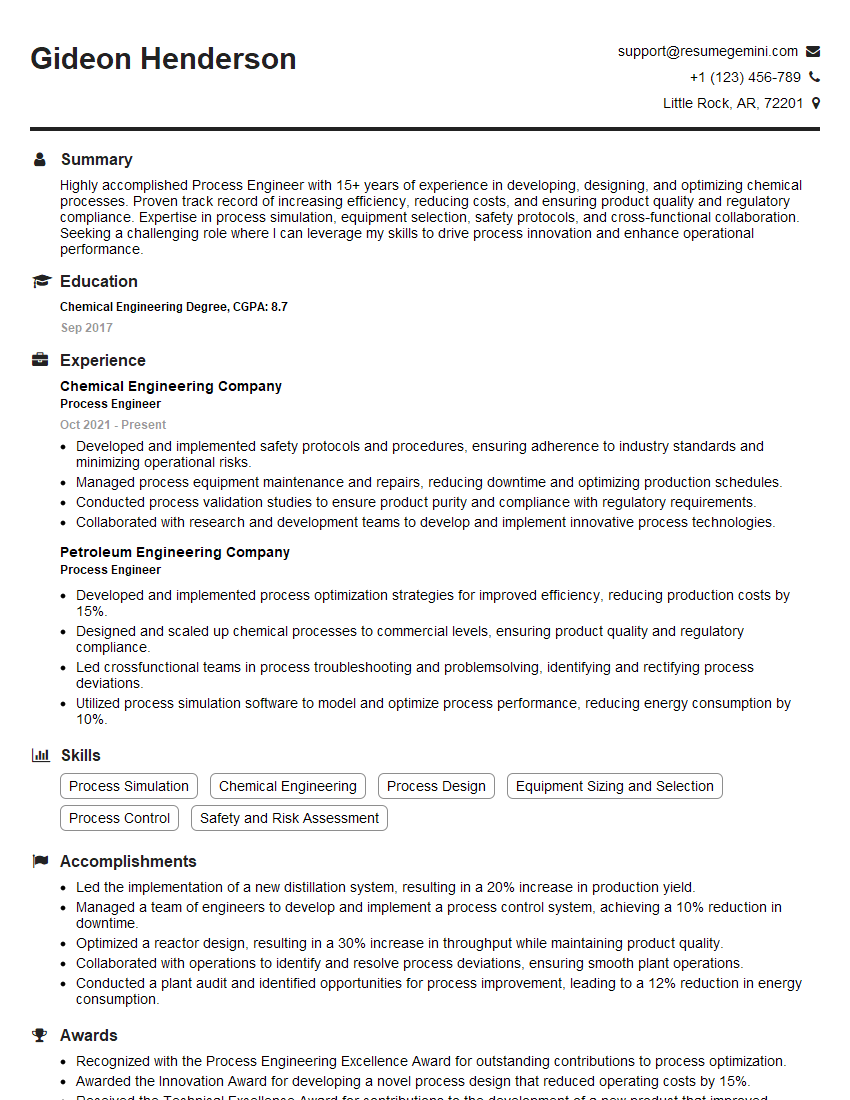
Process Engineer Resume Sample
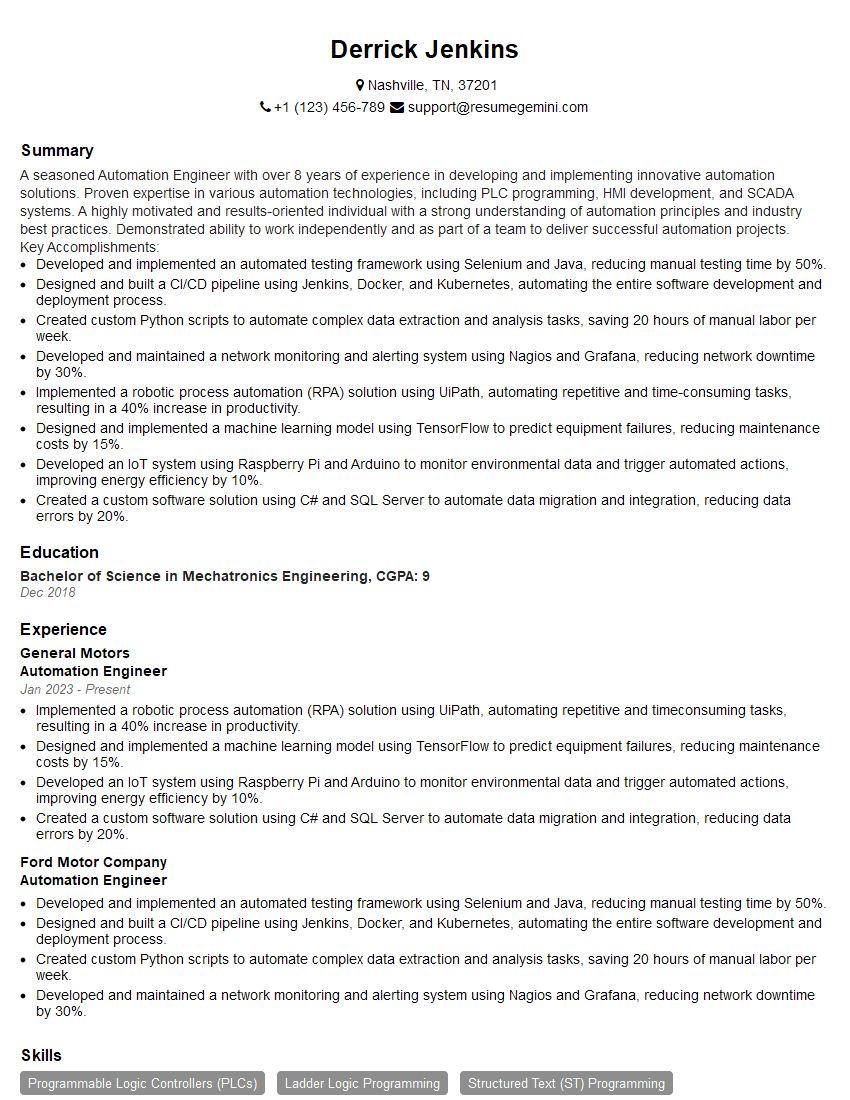
Automation Engineer Resume Sample
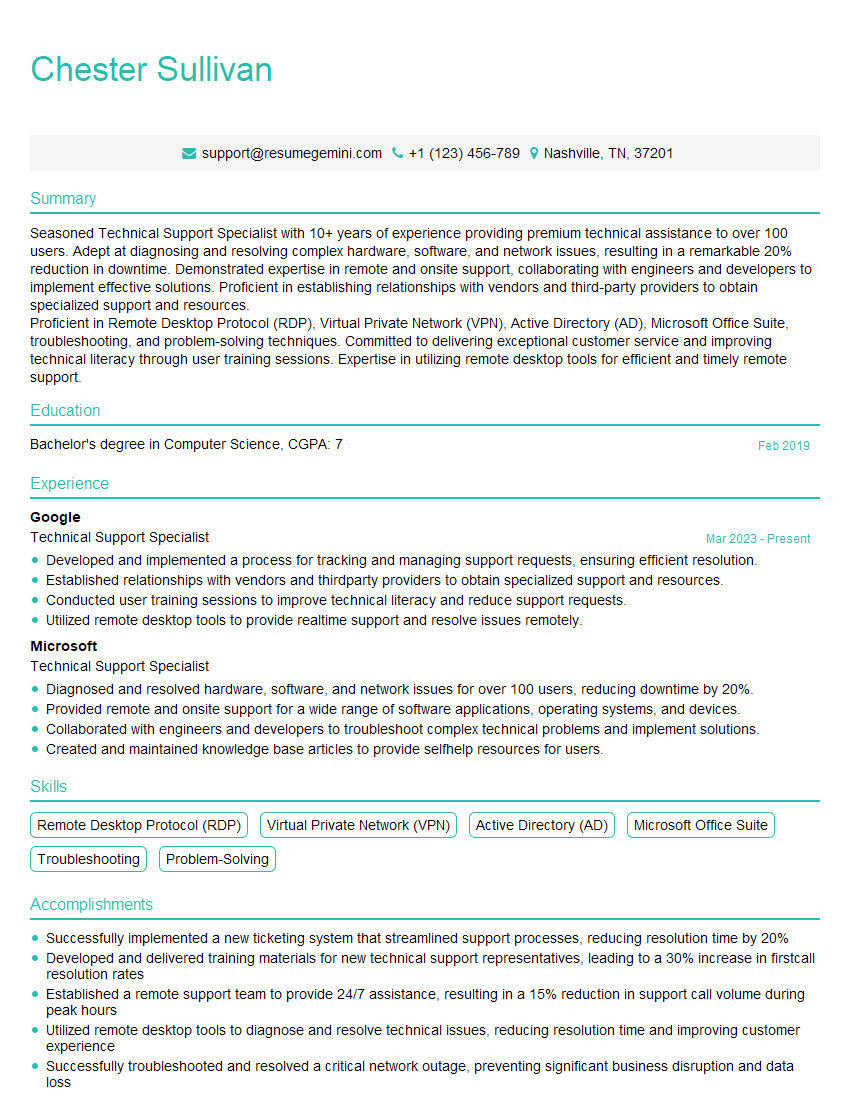
Technical Support Specialist Resume Sample
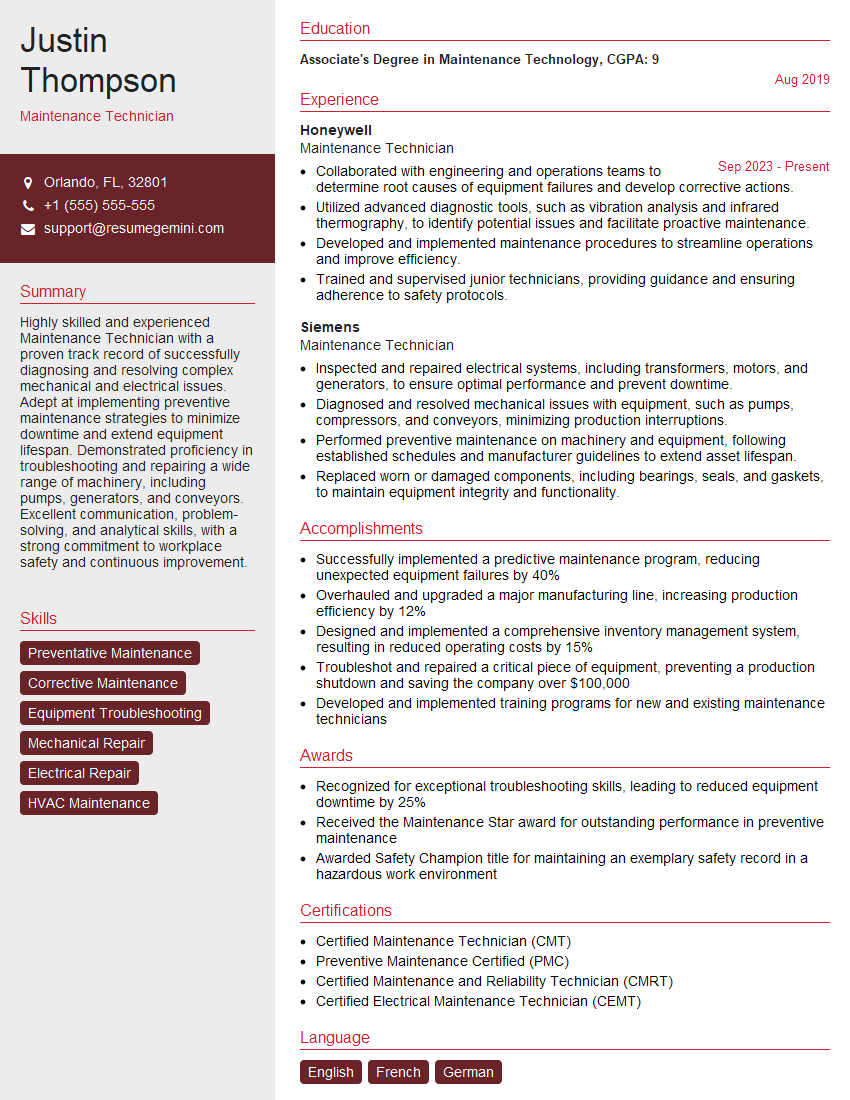
Maintenance Technician Resume Sample
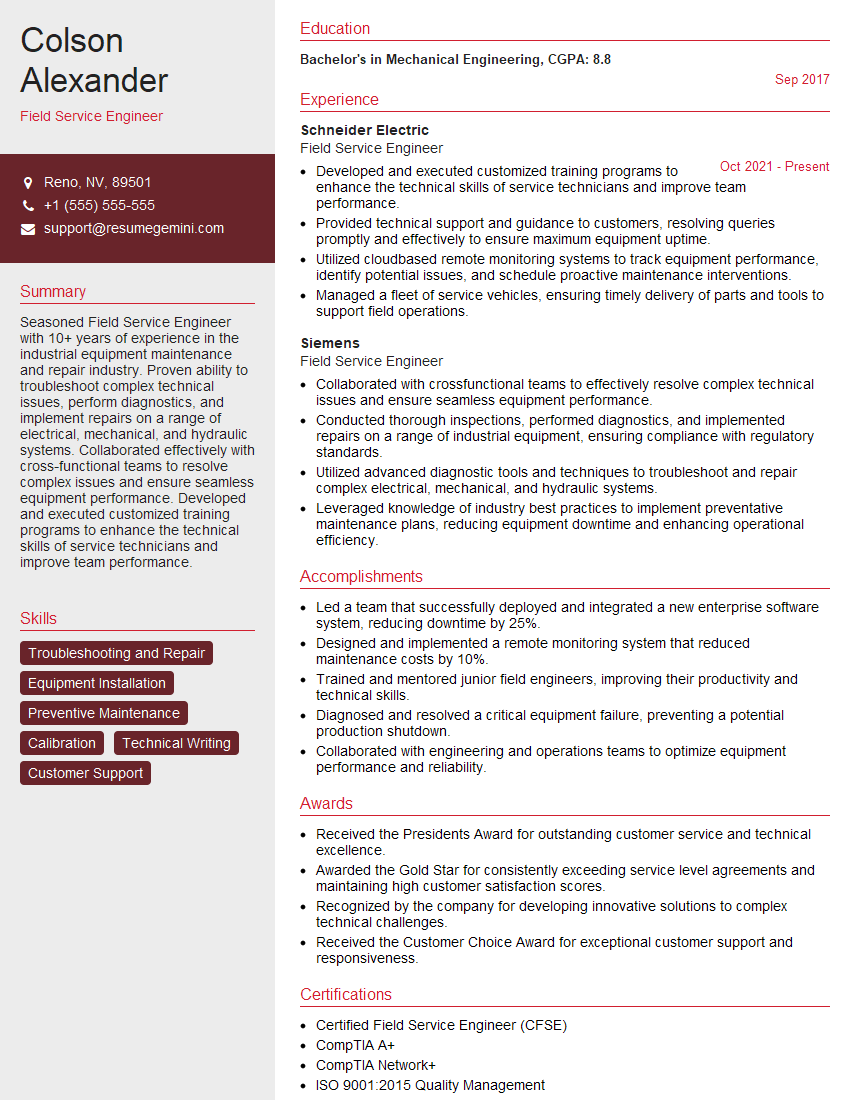
Field Service Engineer Resume Sample
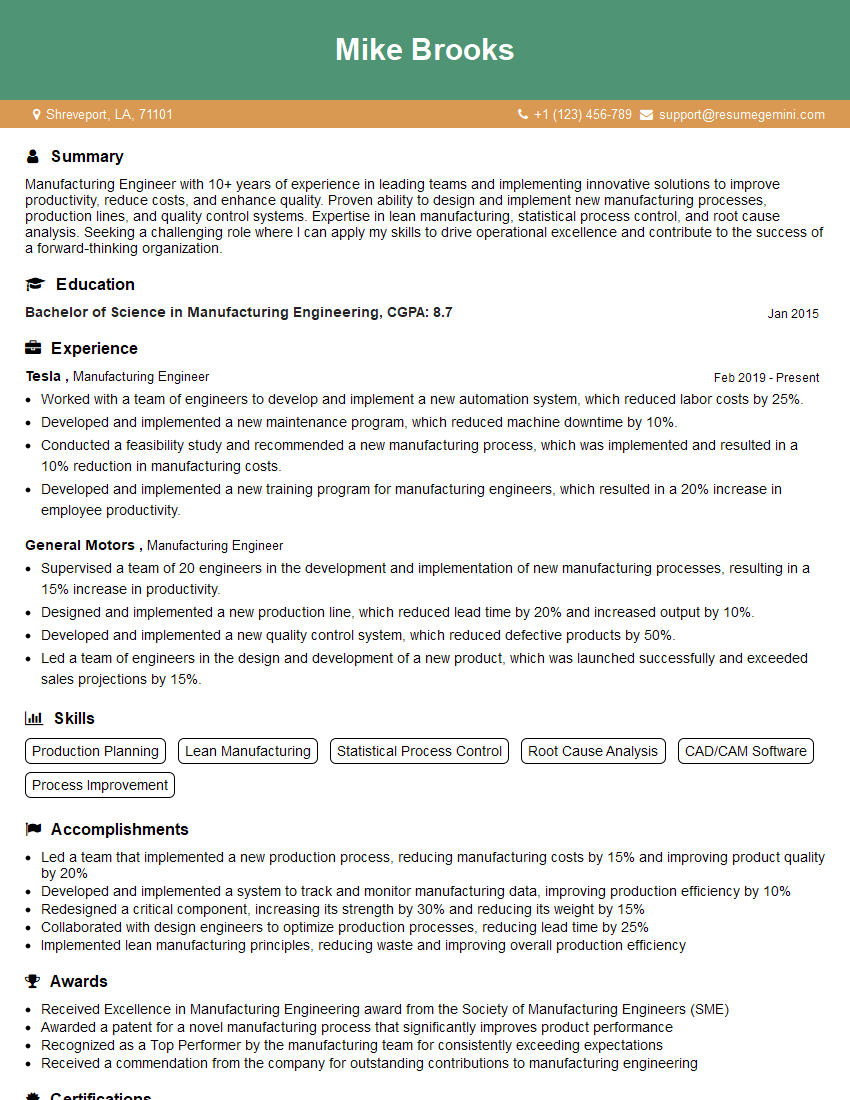
Manufacturing Engineer Resume Sample

Control Systems Engineer Resume Sample
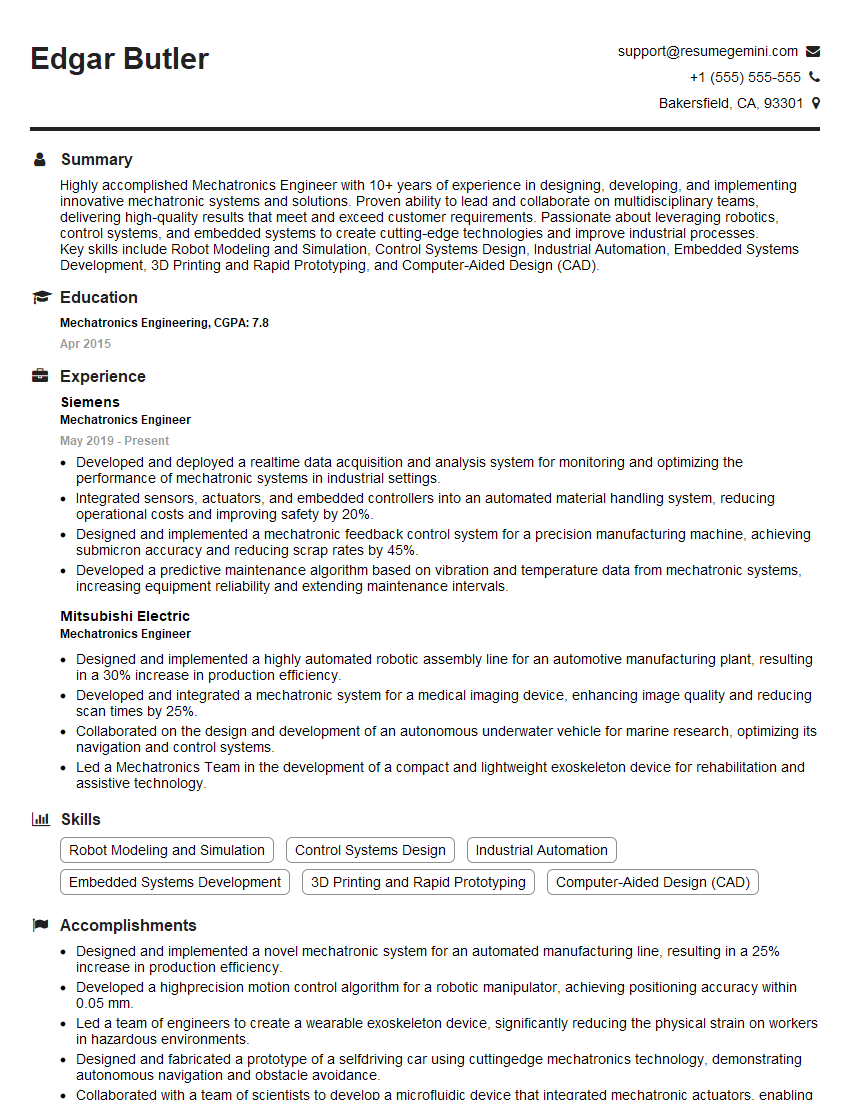
Mechatronics Engineer Resume Sample
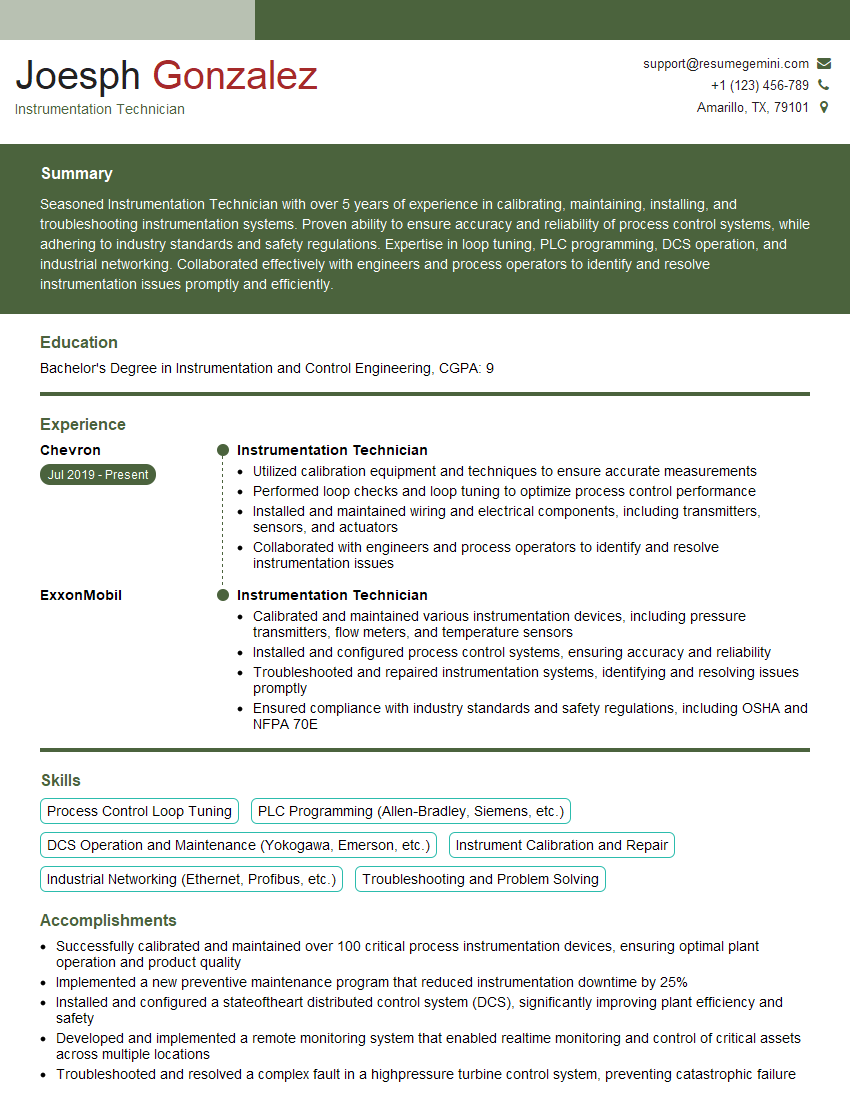
Instrumentation Technician Resume Sample

Electrical Technician Resume Sample

Mechanical Technician Resume Sample
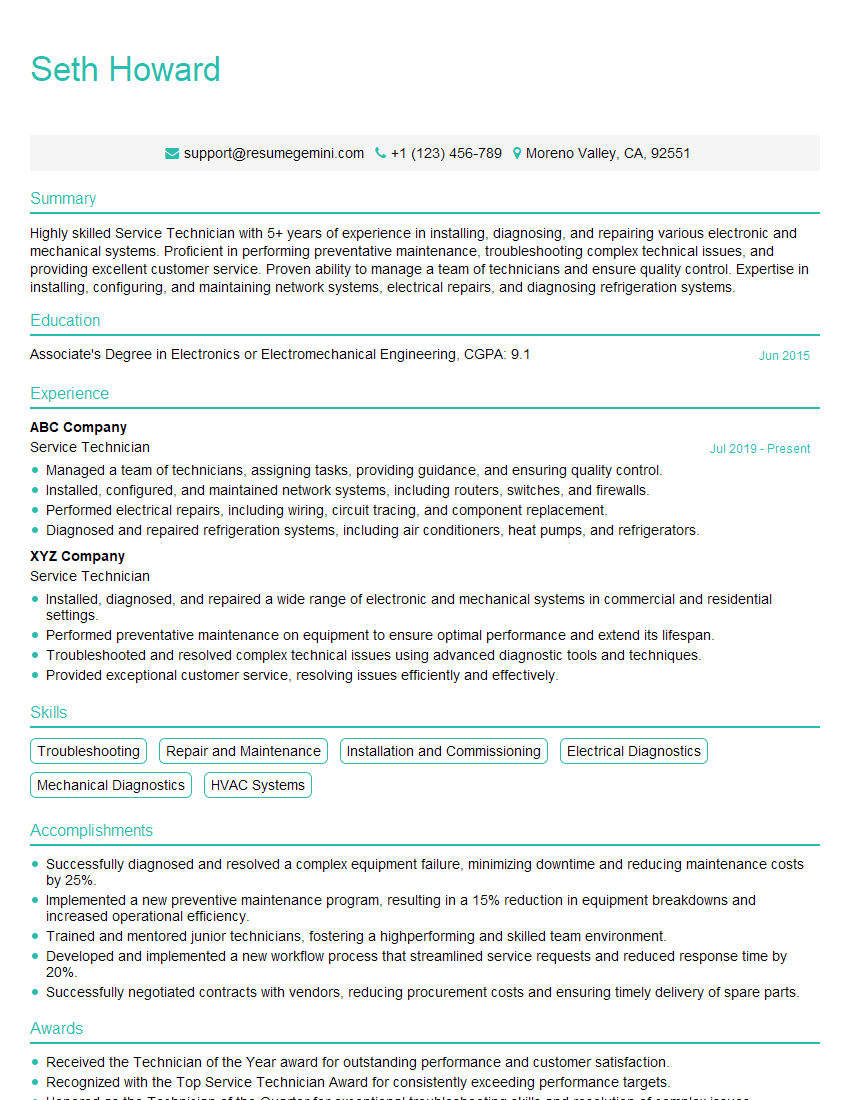
Service Technician Resume Sample
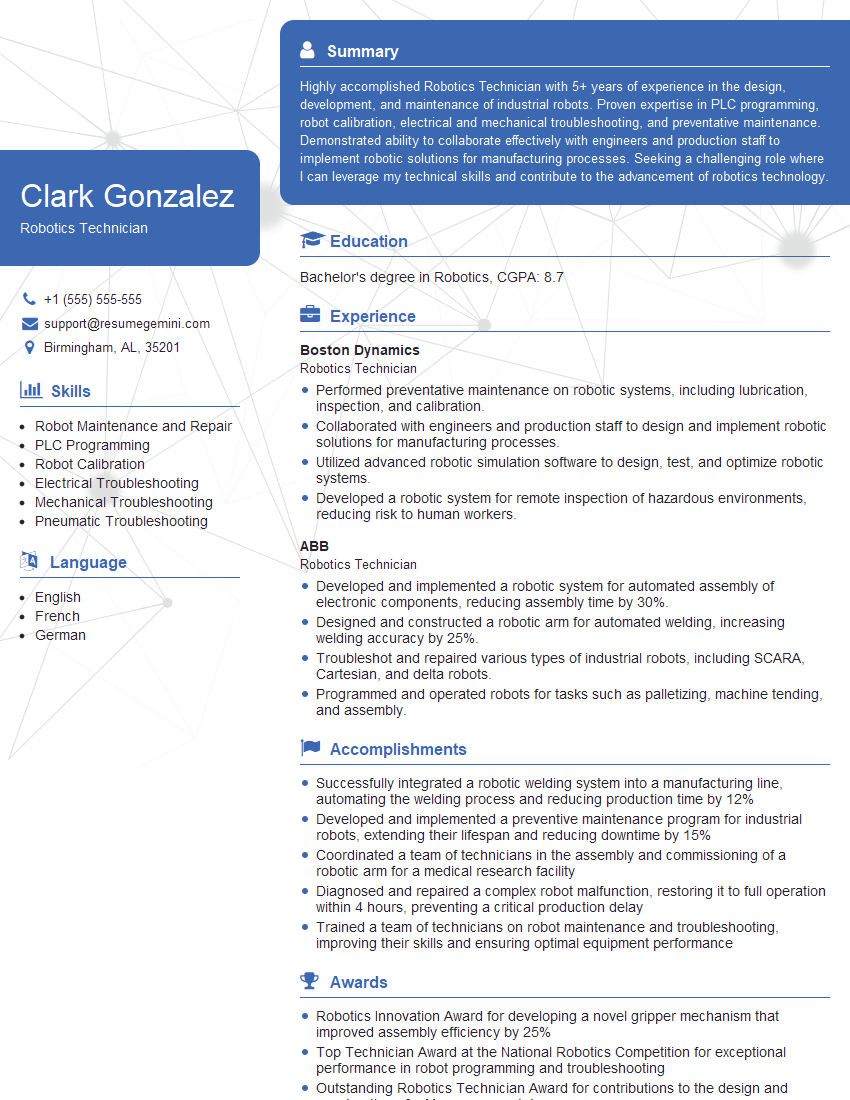
Robotics Technician Resume Sample
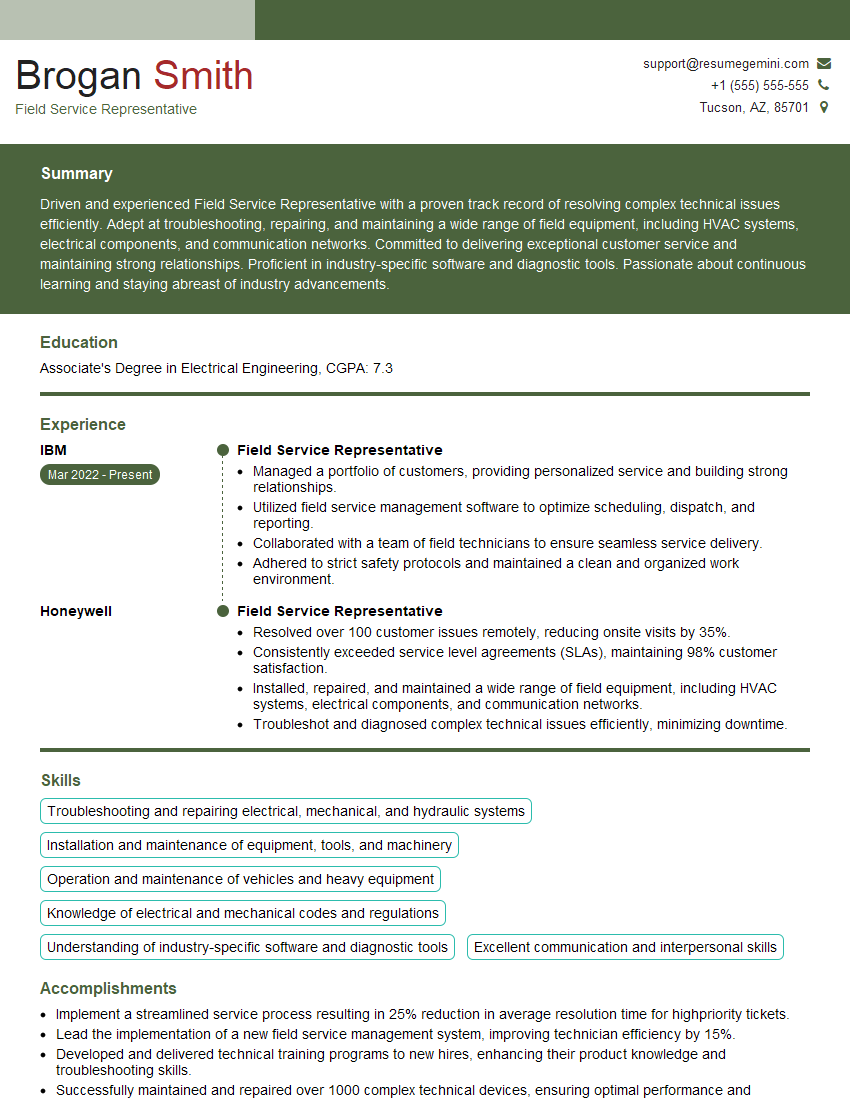
Field Service Representative Resume Sample
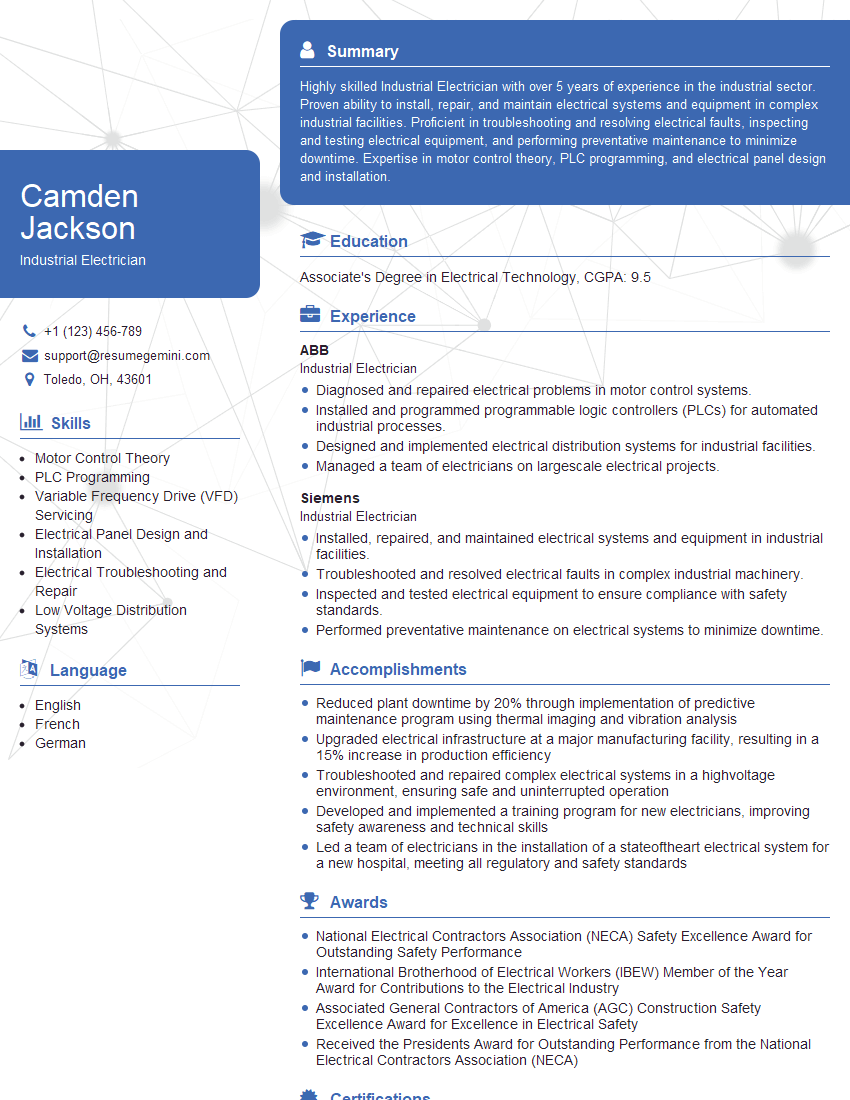
Industrial Electrician Resume Sample
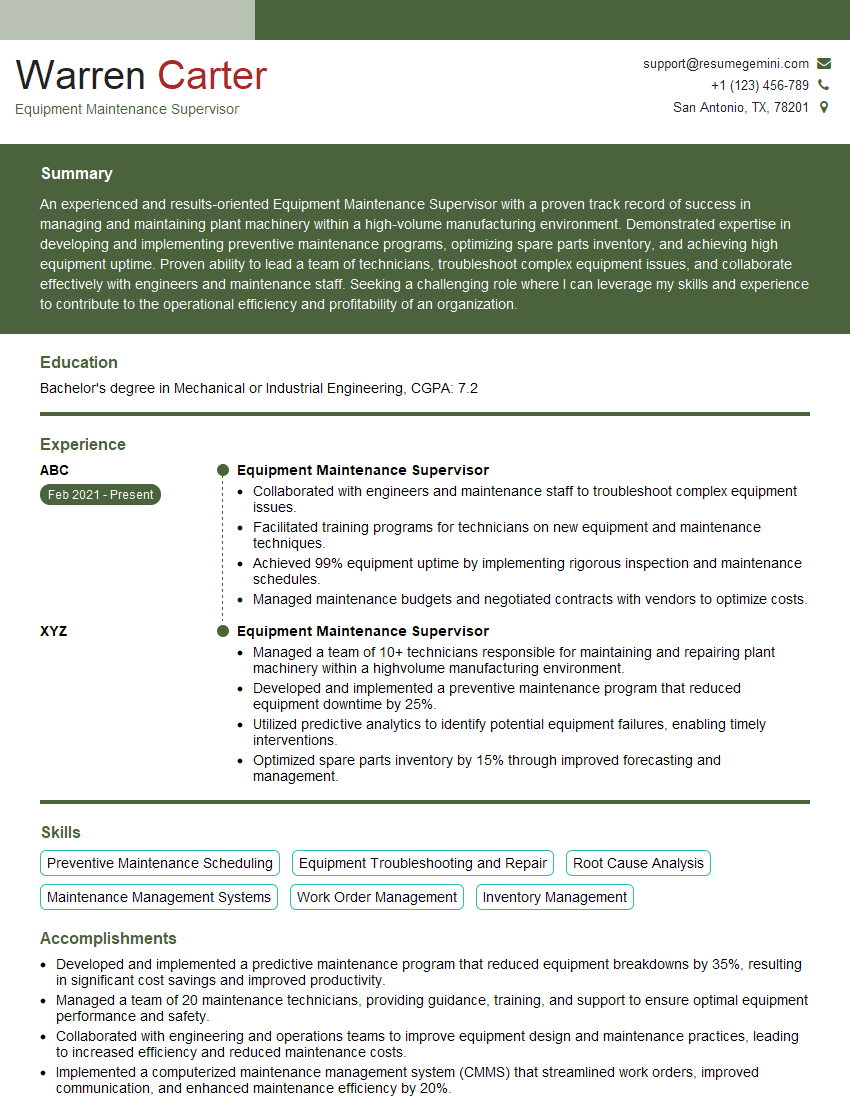
Equipment Maintenance Supervisor Resume Sample
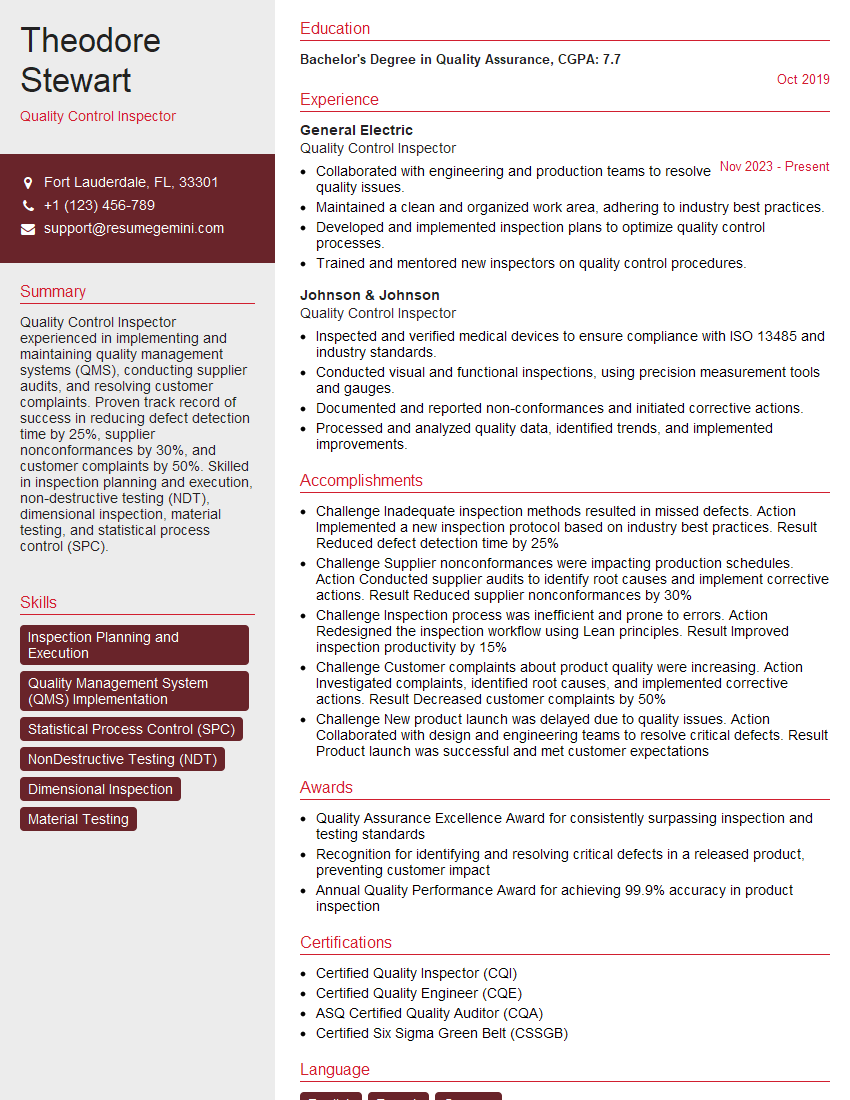
Quality Control Inspector Resume Sample
- Maintenance Planner
- Production Supervisor
- Reliability Engineer
- Process Engineer
- Automation Engineer
- Technical Support Specialist
- Maintenance Technician
- Field Service Engineer
- Manufacturing Engineer
- Control Systems Engineer
- Mechatronics Engineer
- Instrumentation Technician
- Electrical Technician
- Mechanical Technician
- Service Technician
- Robotics Technician
- Field Service Representative
- Industrial Electrician
- Equipment Maintenance Supervisor
- Quality Control Inspector
Explore more articles
Users Rating of Our Blogs
Share Your Experience
We value your feedback! Please rate our content and share your thoughts (optional).
What Readers Say About Our Blog
Very informative content, great job.
good