The thought of an interview can be nerve-wracking, but the right preparation can make all the difference. Explore this comprehensive guide to Experience in using power tools interview questions and gain the confidence you need to showcase your abilities and secure the role.
Questions Asked in Experience in using power tools Interview
Q 1. What safety precautions do you take when operating power tools?
Safety is paramount when working with power tools. My approach is multifaceted, prioritizing prevention over reaction. It begins with a thorough pre-use inspection of the tool itself, checking for damage to cords, blades, or any other moving parts. I always ensure that safety guards are in place and functioning correctly. This is as crucial as wearing appropriate personal protective equipment (PPE), which for me includes safety glasses (ideally with side shields), hearing protection, work gloves, and often a dust mask depending on the material being worked.
Beyond the equipment, I carefully assess the workspace. I clear the area of obstructions, ensuring a stable and balanced working position. I never rush a job; instead, I take my time to plan each cut or operation meticulously. For example, before making a complex cut with a circular saw, I’ll mark the wood precisely, clamping it securely to my workbench, and making a test cut if unsure of the blade’s position. Finally, I always maintain situational awareness, making sure there’s no one in the vicinity of my work area when using the tools.
Q 2. Describe your experience with various types of saws (circular, miter, jigsaw).
I have extensive experience with various saws. The circular saw is my workhorse for rip cuts (cutting along the grain) and crosscuts (cutting across the grain) on sheet goods like plywood or lumber. I’m proficient at adjusting the blade depth and bevel to achieve precise cuts and understand the importance of using the correct blade for the material, whether it’s wood, metal, or plastic. My experience with miter saws is largely focused on accurate angle cuts, especially in cabinetry or trim work. I’m adept at setting precise angles and using various fence adjustments for repeatable cuts. The jigsaw, with its versatile cutting capacity, is invaluable for intricate curves and cutouts. I can easily change blades to match the material and create smooth, clean cuts even in tight spaces. I’ve used these tools extensively in various projects ranging from basic home repairs to complex custom furniture building.
Q 3. How do you maintain and clean your power tools?
Proper maintenance is vital for extending the life of power tools and ensuring safe operation. After each use, I always clean the tools thoroughly. This involves removing sawdust, debris, and any sticky residues. For circular saws, I carefully inspect and clean the blade, applying a rust preventative if necessary. I also lubricate moving parts as recommended by the manufacturer’s instructions. For example, the miter saw’s sliding mechanism requires regular lubrication to maintain smooth operation. I store tools in a dry, clean place to prevent rust and damage. Regular sharpening of blades, especially for saws and router bits, is crucial for maintaining cutting efficiency and safety. A dull blade increases the risk of kickback or poor cut quality. I check for any signs of wear and tear and replace worn parts promptly. It’s far cheaper and safer to maintain a tool than to replace it due to neglect.
Q 4. What is your experience with routers and their different bits?
Routers are incredibly versatile tools, and my experience spans a wide range of applications and bits. I’m comfortable using routers for tasks such as creating decorative edges, shaping wood, and making precise joinery. Selecting the right bit is crucial; a wrong choice can ruin a workpiece. For example, a straight bit is used for making clean cuts, whereas a rabbeting bit creates a groove for joinery. I am familiar with various bit profiles, including round-over, cove, and ogee bits, each producing a distinct edge profile. I understand the importance of using a router table for larger and safer operations versus using the router handheld for smaller, more delicate work. Safety is a primary concern; I always use a router with a properly functioning safety guard and always push the wood through the bit’s path, never pulling it back.
Q 5. Explain the different types of drills and their applications.
There are several types of drills, each suited for specific tasks. The most common is the standard corded or cordless drill, excellent for general-purpose drilling in wood, metal, and plastic. Then there are hammer drills, which have a hammering action alongside the rotation, ideal for drilling into masonry or concrete. Impact drivers, discussed further in the next question, are specialized for driving screws efficiently. Magnetic drill presses provide precise and powerful drilling capabilities for metalworking, often used in industrial settings. My experience covers all these types, allowing me to select the appropriate tool based on the material and the task. For instance, I wouldn’t use a standard drill to bore into a concrete wall; a hammer drill would be much more effective and safer.
Q 6. How do you select the appropriate drill bit for a specific material?
Selecting the correct drill bit is critical for success and safety. The material being drilled dictates the bit type and size. For wood, I’d use a twist drill bit or a brad point bit for cleaner holes. For metal, high-speed steel (HSS) bits are common, while for masonry, I’d opt for carbide-tipped masonry bits. The bit size must be appropriate for the screw or fastener being used; a too-small hole can damage the material, and a too-large hole can lead to a loose fastener. For example, when drilling pilot holes for screws in hardwood, I always select a drill bit slightly smaller than the screw’s shank diameter to prevent splitting. Over time, I have developed a practical understanding of different materials and bit types – it’s a fundamental aspect of good drilling practice.
Q 7. Describe your experience with impact drivers and their uses.
Impact drivers are power tools designed for driving screws, especially larger screws into dense materials. Unlike standard drills, they employ a hammering action alongside the rotation, delivering significantly more torque and making it easier to drive screws in hard-to-reach places or into tough materials like metal or hardwood. Their high torque prevents stripping screw heads and allows for faster installation of fasteners. I have used impact drivers extensively in construction and woodworking projects. For example, when building a deck, I use an impact driver to drive long, structural screws through pressure-treated lumber with ease. It’s a much more efficient and less fatiguing method compared to a standard drill. The key is to select the right bit and use the appropriate torque setting to avoid damaging the screws or the workpiece.
Q 8. What are the safety considerations when using a nail gun?
Nail gun safety is paramount. Think of it like this: a nail gun is a high-powered tool that can easily cause serious injury if not handled correctly. The most critical safety consideration is always never pointing the nail gun at yourself or anyone else, even when it’s not powered on.
- Eye protection: Safety glasses are mandatory. I always wear a full face shield for extra protection, especially when working overhead or in tight spaces. Dust and stray nails are a real hazard.
- Hearing protection: Nail guns are loud. Earmuffs are essential to protect your hearing from long-term damage.
- Proper footwear: Steel-toed boots protect your feet from accidental nail punctures.
- Work area safety: Ensure the work area is clear of obstacles and distractions. A cluttered workspace increases the risk of accidents.
- Double-check before firing: Always ensure you have a clear shot and are aiming accurately. Never force the nail gun into the material.
- Regular maintenance: Keep the nail gun clean and well-maintained. A jammed nail gun is a dangerous nail gun.
- Training and understanding: Before using any nail gun, I thoroughly read the manufacturer’s instructions and, if necessary, receive proper training. Understanding the tool’s limitations is crucial.
I’ve personally witnessed the consequences of nail gun misuse on a construction site. A coworker wasn’t wearing safety glasses and a stray nail ricocheted, causing a minor eye injury. This reinforced the absolute necessity of adhering to safety protocols.
Q 9. How do you troubleshoot common power tool malfunctions?
Troubleshooting power tool malfunctions requires a systematic approach. I start by identifying the problem. Is the tool not turning on? Is it making unusual noises? Is it not performing its function correctly?
- Check the power source: This seems obvious, but often the issue is simply a tripped breaker or a unplugged cord.
- Inspect the power cord: Look for any damage, fraying or cracks. A damaged cord can cause short circuits and even fires.
- Examine the motor/battery: If it’s a cordless tool, check the battery level. For corded tools, listen for unusual noises. Grinding or squealing sounds might indicate a problem with the motor bearings.
- Check the switch: Make sure the switch is functioning correctly. Sometimes the switch can get jammed or damaged.
- Inspect the cutting/working parts: Look for damage to bits, blades, or sanding discs. A dull or damaged bit can reduce efficiency and cause the tool to work harder.
- Consult the manual: The instruction manual often provides detailed troubleshooting information and diagrams.
For instance, if my circular saw isn’t spinning, I’d first check the power cord, then the breaker, and finally look for any blockages or obstructions. If it still doesn’t work, I’d consult the manual or consider professional repair.
Q 10. What is your experience with sanders (belt, orbital, random orbital)?
I’m proficient with all three types of sanders: belt, orbital, and random orbital. Each serves a different purpose and requires different techniques.
- Belt sanders are best for heavy stock removal, like shaping large pieces of wood. Their aggressive sanding action can lead to faster results but requires careful control to prevent gouges.
- Orbital sanders provide a smoother, more controlled finish, perfect for finer sanding and detail work. Their circular motion reduces the risk of scratching the surface compared to belt sanders.
- Random orbital sanders combine the benefits of both. They offer a smoother finish than belt sanders but are more aggressive than orbital sanders, making them versatile for a variety of tasks.
I’ve used belt sanders to shape rough lumber for furniture projects, orbital sanders for smoothing surfaces before painting, and random orbital sanders for finishing cabinet doors. The choice depends on the material, the desired finish, and the amount of material removal required. Each type requires its own set of safety precautions, specifically regarding dust collection and avoiding excessive pressure.
Q 11. Describe your experience with planers and jointers.
Planers and jointers are essential tools for woodworking, allowing for precise shaping and joining of lumber.
- Planers are used to flatten and smooth surfaces. I’ve used them to plane boards to a uniform thickness and to create perfectly flat surfaces for gluing and assembling.
- Jointers are used to create perfectly straight and square edges, essential for accurate joinery. They ensure that pieces of wood fit together seamlessly, creating strong and visually appealing joints.
I’ve worked extensively with both tools, ensuring proper safety measures including using push blocks and featherboards to avoid kickbacks and injuries. One particularly challenging project involved planing a warped piece of reclaimed wood to make it suitable for a tabletop. It required multiple passes and careful attention to avoid removing too much material. Proper use of these tools requires practice and a strong understanding of wood grain direction.
Q 12. How familiar are you with operating a table saw safely?
Operating a table saw safely is crucial, as it’s a powerful tool with significant potential for injury. My experience involves a deep understanding of its mechanisms and inherent risks.
- Blade guard: Always use the blade guard. This is non-negotiable.
- Push sticks and featherboards: These are vital for guiding the wood and keeping your hands clear of the blade.
- Proper setup: Ensuring the blade is properly aligned and adjusted is key for safe and accurate cuts.
- Clear workspace: Keeping the area around the saw clear prevents accidents and distractions.
- Understanding wood grain: Understanding the direction of the wood grain helps to anticipate potential kickbacks.
- Never reach over the blade: This is a cardinal rule of table saw operation.
I’ve completed numerous projects involving the table saw, from cutting precise angles for framing to ripping boards for furniture. A memorable project involved creating intricate joints for a custom-made cabinet. Precise cuts and safety were paramount.
Q 13. Explain the process of sharpening various power tool bits.
Sharpening power tool bits is essential for maintaining performance and safety. Dull bits require more force, leading to uneven cuts and increased risk of accidents. The method varies depending on the bit type:
- Drill bits: I use a drill bit grinder or a sharpening file, paying close attention to maintaining the correct angle and sharpness. This ensures clean holes and prevents material from tearing.
- Router bits: These usually require specialized sharpening equipment or professional sharpening services, as the profiles can be complex. The goal is to maintain the original profile while removing the dull edge.
- Saw blades: Circular saw blades and other saw blades often require a dedicated saw blade sharpener. This involves carefully sharpening the teeth, maintaining the correct hook angle and tooth configuration.
- Planer and jointer knives: These require a honing guide and specialized stones to maintain the correct bevel. It’s a more delicate process, requiring precision.
I’ve learned to sharpen many types of bits over the years, and always emphasize maintaining the correct geometry and angle. A properly sharpened bit is a safer and more efficient bit.
Q 14. What is your experience with power tool accessories?
Power tool accessories significantly expand the capabilities and versatility of power tools. My experience encompasses a wide range.
- Bits and blades: I’m familiar with a wide range of drill bits, router bits, saw blades, and planer knives, selecting the appropriate one based on material and desired cut.
- Sanding accessories: This includes various grits of sandpaper, sanding discs, and sanding belts for different materials and desired finishes.
- Dust collection systems: I’m experienced with various dust collection systems, from simple shop vac attachments to more complex cyclone separators, improving safety and workplace cleanliness.
- Jigs and fixtures: I utilize various jigs and fixtures to enhance accuracy and repeatability in cutting and shaping operations.
- Safety accessories: This includes safety glasses, earmuffs, respirators, and gloves – all essential for safe operation.
A recent project involved building a custom jig to precisely cut dovetail joints, significantly improving the efficiency and accuracy of the process. The right accessories can turn a simple tool into a precision instrument, and significantly impact efficiency and safety.
Q 15. How do you ensure the accuracy and precision of cuts made with power tools?
Accuracy and precision in power tool cuts are paramount for a quality finished product. It’s not just about getting the job done, but getting it done right. This involves a multi-faceted approach, starting with proper tool selection and setup.
Choosing the Right Tool: For delicate cuts, a jigsaw or bandsaw might be preferable to a circular saw. For straight, precise cuts in thicker materials, a track saw offers unmatched accuracy. Choosing the right blade for the material is also crucial; a fine-tooth blade for intricate work and a coarser blade for rougher cuts.
Proper Setup: This includes ensuring the work surface is stable and level. Using clamps to secure the workpiece prevents movement during cutting and ensures clean, accurate cuts. For circular saws, a guide rail is essential for perfect straight cuts. For jigsaws, using a fence or template can help maintain consistent cuts.
Technique: Smooth, controlled movements are key. Avoid rushing and always allow the tool to do the work. Maintaining consistent pressure and speed helps prevents tear-out or inaccuracies. For example, when using a router, a slow and steady pass ensures a clean cut and reduces the risk of burning the wood.
Test Cuts: Always make a test cut on scrap material before cutting the final piece, especially with unfamiliar wood types or cutting techniques. This allows you to adjust settings and technique before working on the actual project.
Career Expert Tips:
- Ace those interviews! Prepare effectively by reviewing the Top 50 Most Common Interview Questions on ResumeGemini.
- Navigate your job search with confidence! Explore a wide range of Career Tips on ResumeGemini. Learn about common challenges and recommendations to overcome them.
- Craft the perfect resume! Master the Art of Resume Writing with ResumeGemini’s guide. Showcase your unique qualifications and achievements effectively.
- Don’t miss out on holiday savings! Build your dream resume with ResumeGemini’s ATS optimized templates.
Q 16. What types of personal protective equipment (PPE) do you utilize when working with power tools?
Safety is my top priority. Working with power tools necessitates comprehensive Personal Protective Equipment (PPE). My standard PPE includes:
Safety Glasses or Goggles: To protect my eyes from flying debris.
Hearing Protection: Earplugs or earmuffs to mitigate the significant noise generated by power tools. Prolonged exposure to loud noises can cause permanent hearing damage.
Dust Mask or Respirator: Particularly important when working with wood or metal, to prevent inhalation of harmful particles. The type of respirator depends on the material being worked with; a simple dust mask might suffice for wood, but a more advanced respirator may be needed for metalworking, especially if welding or grinding is involved.
Work Gloves: To protect my hands from cuts, splinters, and abrasions.
Appropriate Clothing: Loose clothing can get caught in moving parts, so I always wear close-fitting clothing. Long sleeves and pants offer additional protection.
Safety Shoes: Steel-toed boots protect my feet from falling objects or accidental drops of heavy materials.
The specific PPE I use can vary depending on the specific task. For example, when using a table saw, I always wear a face shield in addition to safety glasses to offer maximum eye protection.
Q 17. Describe your experience working with different types of wood.
I have extensive experience working with various wood types, each presenting unique challenges and requiring different techniques.
Hardwoods (Oak, Maple, Cherry): These require sharper blades and more careful feeding, as they are denser and more prone to chipping. They offer superior durability and a beautiful finish.
Softwoods (Pine, Fir, Cedar): These are easier to work with, but they can be more prone to tear-out if the blade isn’t sharp enough or if incorrect cutting techniques are used. They are less expensive and are frequently used for larger projects.
Exotic Woods (Ebony, Rosewood): These are often harder and more expensive, requiring specialized tools and techniques. They offer unique visual appeal.
Plywood and MDF: These engineered wood products require specific considerations regarding blade choice to prevent chipping and tear-out. MDF, in particular, creates a fine dust that necessitates the use of a respirator.
My experience allows me to select the appropriate tools and techniques for each wood type, ensuring a clean, safe, and efficient process. For instance, when working with hardwoods, I often use a lower feed rate to minimize tear-out and maintain blade sharpness.
Q 18. How do you handle unexpected problems while using power tools?
Unexpected problems are inevitable when working with power tools. My approach is based on a calm, systematic response:
Immediate Stop: The first step is always to immediately shut down the power tool and assess the situation.
Safety First: Ensure the area is safe, and if necessary, clear any potential hazards.
Identify the Problem: Determine the root cause of the issue. Was it a tool malfunction, a problem with the material, or a mistake in technique?
Problem-Solving: Based on the identified problem, I’ll either repair the tool, adjust my technique, or find a different approach to completing the task.
Prevent Recurrence: Once the immediate problem is solved, I take steps to prevent it from happening again. This might include sharpening the blade, replacing a worn-out part, or reviewing my techniques.
For instance, if a blade binds in the material, I immediately switch off the power, carefully remove the material, assess the cause (perhaps a knot in the wood), and then adjust my technique or use a different tool. I document the issue to prevent similar occurrences in the future.
Q 19. What are your strategies for ensuring efficiency when using power tools?
Efficiency in power tool use involves planning and technique. Here’s how I approach it:
Proper Planning: Careful planning and preparation are essential for efficiency. This includes making accurate measurements, selecting the right tools and materials, and organizing the workspace to ensure a smooth workflow. A well-organized workspace reduces wasted time searching for tools or materials.
Sharp Tools: Dull tools require more effort and lead to inaccurate cuts. Regularly sharpening blades and maintaining tools ensures clean cuts and a more efficient process. A sharp blade cuts cleaner, faster, and safer.
Correct Techniques: Knowing the proper techniques for each tool is paramount. This includes using jigs, guides, and other tools to improve accuracy and consistency, resulting in a reduction in rework.
Work Flow: Optimizing workflow by pre-cutting materials, arranging the workpieces in an efficient manner, and using appropriate clamps and supports greatly reduces time and effort.
Tool Maintenance: Regular cleaning and maintenance prolongs the life of power tools and keeps them operating at peak efficiency.
For example, when building a complex furniture piece, I will pre-cut all components according to my plans. This prevents time-consuming adjustments during assembly and increases accuracy.
Q 20. Describe your experience with different types of metal and how you would work with them using power tools.
My experience with metalworking using power tools is extensive. Different metals require different approaches:
Steel: A versatile metal that can be cut, ground, and drilled using various power tools. Proper lubrication is important to prevent tool wear and ensure clean cuts. I typically use abrasive cutting wheels and grinding wheels for shaping, drilling for hole creation, and bandsaws or chop saws for straight cuts.
Aluminum: Softer than steel, aluminum is easily machined, but it can be prone to heat buildup. Sharp tools and appropriate cutting speeds are critical to prevent tearing or melting. I often use specialized aluminum-specific cutting blades and drill bits to minimize issues.
Stainless Steel: Harder and more resistant to wear, stainless steel requires more powerful tools and sharper cutting edges. Coolants are often necessary to prevent heat buildup and ensure a clean cut. Specialized blades for stainless steel are essential.
The choice of power tool depends largely on the thickness and shape of the metal. A plasma cutter might be preferable for thick steel plates, while a bandsaw would be suitable for thinner sections. Safety precautions are especially crucial when working with metal, including the use of appropriate eye and respiratory protection to protect from sparks and metal dust.
Q 21. What is your experience with pneumatic tools?
I have significant experience with pneumatic tools, which offer advantages in certain applications. Pneumatic tools utilize compressed air to power their operation.
Advantages: They often provide greater power-to-weight ratio compared to electric tools, making them ideal for tasks requiring high power in less accessible areas. They are also generally more resistant to dust and moisture compared to electric tools and can be used in explosive environments.
Disadvantages: They require a compressor for power, adding another component to the workflow, and the noise levels can be significant. Maintenance, including regular lubrication, is crucial for optimal performance and tool life.
Types & Applications: I’ve worked with pneumatic nail guns for carpentry, impact wrenches for fastening, grinders for metalworking, and sanders for finishing. In situations demanding high power and potentially hazardous conditions, they are invaluable.
For example, using a pneumatic nailer for framing a house is far more efficient than using a manual hammer, significantly speeding up the process and reducing fatigue. Regular maintenance, such as oiling the mechanisms, is key to ensuring the longevity and efficiency of pneumatic tools.
Q 22. What is your understanding of torque settings and their importance?
Torque, in the context of power tools, refers to the rotational force applied to a fastener or workpiece. Understanding torque settings is crucial for several reasons. Too little torque and the fastener may loosen or fail, leading to potentially dangerous situations. Too much torque can strip threads, damage the material, or even break the tool.
The appropriate torque setting depends on several factors including the type of fastener (screw, bolt), material being fastened (wood, metal), and the desired holding strength. Many power tools, like impact drivers and torque wrenches, allow you to adjust the torque setting. For example, when assembling a deck, you’d use a lower torque setting for softer woods like pine compared to hardwoods like oak. Likewise, a larger bolt fastening steel would require a significantly higher torque than a smaller one fastening wood.
Think of it like this: you wouldn’t use the same amount of force to tighten a small screw holding a picture frame as you would for a large bolt securing a wheel to a car. Accurate torque settings are essential for safety and the longevity of any project.
Q 23. How familiar are you with different types of blades and their applications?
My familiarity with different blade types and their applications is extensive. The choice of blade is paramount to the success and safety of any cutting operation. For example, circular saw blades come in various tooth counts and configurations, impacting the cut quality and the type of material being cut. A high tooth count blade provides a smoother, cleaner cut in fine woods, while a low tooth count blade is better suited for rough cuts in hardwoods or demolition work. Similarly, reciprocating saw blades come in different tooth styles and materials (high-speed steel, carbide-tipped) for cutting wood, metal, and even concrete. Knowing which blade to use is not just about getting a good cut but also about preventing damage to the tool and ensuring safety.
- Wood Blades: Different tooth designs (e.g., rip, crosscut) and materials (e.g., high-speed steel, carbide-tipped) optimize cutting for different grain directions and wood types.
- Metal Blades: These are designed for cutting ferrous and non-ferrous metals and often feature carbide tips for durability.
- Concrete Blades: Made of durable materials like diamond segments for efficient cutting through concrete and masonry.
Choosing the wrong blade can lead to poor cuts, damaged materials, or even injuries. For example, using a wood-cutting blade to cut metal would quickly dull and damage the blade and potentially throw debris.
Q 24. Describe your experience working at heights while operating power tools.
Working at heights with power tools demands extra caution and attention to safety protocols. I’ve worked extensively on scaffolding, using harnesses and fall protection systems to minimize risk. Before beginning any work at height, a thorough risk assessment is essential, including checking equipment and ensuring the stability of the working platform. I always use appropriate safety equipment, such as hard hats, safety glasses, and fall arrest systems. Additionally, I’m mindful of the wind and weather conditions, as these can significantly impact stability and safety. In high-wind situations, work may need to be postponed until conditions improve.
One project where this was paramount involved installing siding on a three-story building. We used a properly secured scaffolding system, and everyone on the team rigorously followed fall protection procedures. This meticulous approach ensured everyone’s safety and allowed for efficient work. The use of lighter tools and ergonomic designs also helps reduce fatigue and the risk of accidents.
Q 25. How do you handle power tool maintenance and repairs?
Power tool maintenance is a non-negotiable aspect of safe and efficient operation. Regular cleaning is essential, removing sawdust, metal shavings, and debris after each use. Lubrication, following the manufacturer’s instructions, is also crucial for extending the life of the tools. I regularly check for wear and tear on blades, bits, and other components, replacing them promptly when necessary. For more serious issues, I know how to troubleshoot common problems and perform basic repairs like replacing brushes in a drill or changing the carbon brushes in an angle grinder. However, I understand the limitations of my skills and always seek professional repair when required for more complex problems to avoid potential hazards.
Preventive maintenance is key: keeping tools clean, properly stored, and well-lubricated will significantly extend their lifespan and ensure safety. Ignoring this can lead to malfunctions, injuries, and costly repairs.
Q 26. Explain your experience with using a chop saw.
I have extensive experience using chop saws, primarily for accurate and precise cuts in wood, PVC, and metal. Understanding the importance of proper blade selection for the material being cut is crucial. I’m proficient in making both miter cuts (angled cuts) and crosscuts (straight cuts), paying close attention to the fence and miter adjustments for accuracy. Safety is always paramount; I always ensure the material is securely clamped and I never reach across the blade path. I also regularly inspect the blade for damage and ensure the saw is functioning correctly before each use. I understand the potential kickback hazard and always maintain a safe distance from the blade during operation.
A recent project involved building a complex wooden frame. The accuracy demanded by the intricate joinery was only achievable with a chop saw. The precise angles and clean cuts delivered by the tool were critical to the structural integrity of the finished product.
Q 27. What is your experience with using a reciprocating saw?
Reciprocating saws, or sawsals, are incredibly versatile tools, useful for demolition, cutting curves, and reaching tight spaces where a circular saw wouldn’t fit. My experience includes using them for various applications such as cutting through wood framing, metal pipes, and even drywall. The key is selecting the correct blade for the material. Safety is also a key concern, as reciprocating saws can generate significant vibrations and kickback. I always use a firm grip and maintain control, ensuring the blade is properly secured and the shoe is adjusted for optimal cutting performance. Understanding the limitations of the saw – it’s not suitable for fine work – is also vital.
During a renovation project, I used a reciprocating saw to cut through floor joists to install new plumbing lines. The maneuverability of the tool allowed me to work in a tight space without compromising the integrity of surrounding structures.
Q 28. What is your experience with using a grinder?
Grinders are powerful tools used for a wide range of applications, from grinding metal to sharpening tools. My experience encompasses using various types of grinders, including angle grinders and bench grinders. I’m aware of the importance of using appropriate safety equipment, such as eye protection, hearing protection, and a respirator to avoid inhaling dust or metal particles. Proper technique and a firm grip are essential to prevent accidents. I always check the grinding wheel for damage before using it and ensure the guard is properly in place. I also understand the importance of using the right type of wheel for different materials and applications. Using the wrong wheel can lead to wheel failure and serious injury.
In a recent project involving a metal fabrication, I used an angle grinder to smooth out welds and remove excess material. The controlled precision provided by the tool ensured a professional-looking finish. Understanding the different grinding wheels’ aggressiveness – coarse for heavy stock removal and fine for finishing – is vital.
Key Topics to Learn for Experience in using power tools Interview
- Safety Procedures and Regulations: Understanding and adhering to safety protocols for various power tools, including personal protective equipment (PPE) requirements and emergency procedures.
- Tool Selection and Operation: Knowing which power tool is appropriate for a specific task, understanding their functionalities, and demonstrating proficiency in their safe and efficient operation (e.g., drills, saws, sanders, routers).
- Maintenance and Troubleshooting: Describing procedures for regular maintenance, recognizing signs of malfunction, and performing basic troubleshooting to ensure tool longevity and prevent accidents.
- Material Knowledge: Demonstrating understanding of different materials and how power tools interact with them (e.g., wood, metal, plastic). This includes recognizing appropriate techniques for each material type.
- Project Planning and Execution: Explaining the process of planning a project involving power tools, including measuring, marking, and executing the plan safely and accurately.
- Problem-solving and Adaptability: Describing how you approach unexpected challenges during a project, demonstrating resourcefulness and problem-solving skills using power tools.
- Precision and Accuracy: Highlighting your ability to achieve precise cuts, consistent results, and minimizing waste through proper tool usage and technique.
Next Steps
Mastering the use of power tools is crucial for career advancement in many skilled trades and manufacturing roles. A strong understanding of safety, proficiency in operation, and problem-solving skills significantly enhance your employability. To stand out, create an ATS-friendly resume that effectively highlights your capabilities. ResumeGemini is a trusted resource to help you build a professional and impactful resume that catches the eye of recruiters. We offer examples of resumes tailored to showcasing experience in using power tools, helping you present your skills in the best possible light.
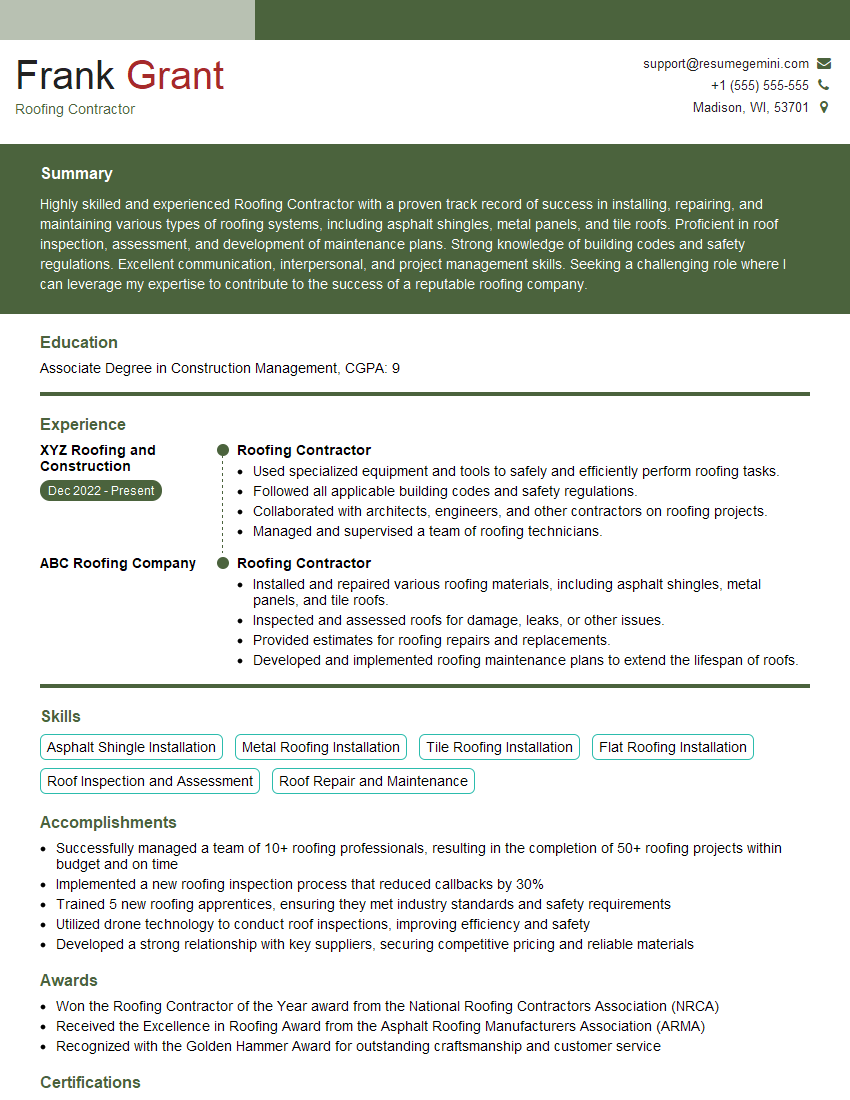
Roofing Contractor Resume Sample

Maintenance Technician Resume Sample

Robotics Technician Resume Sample

Machinist Resume Sample
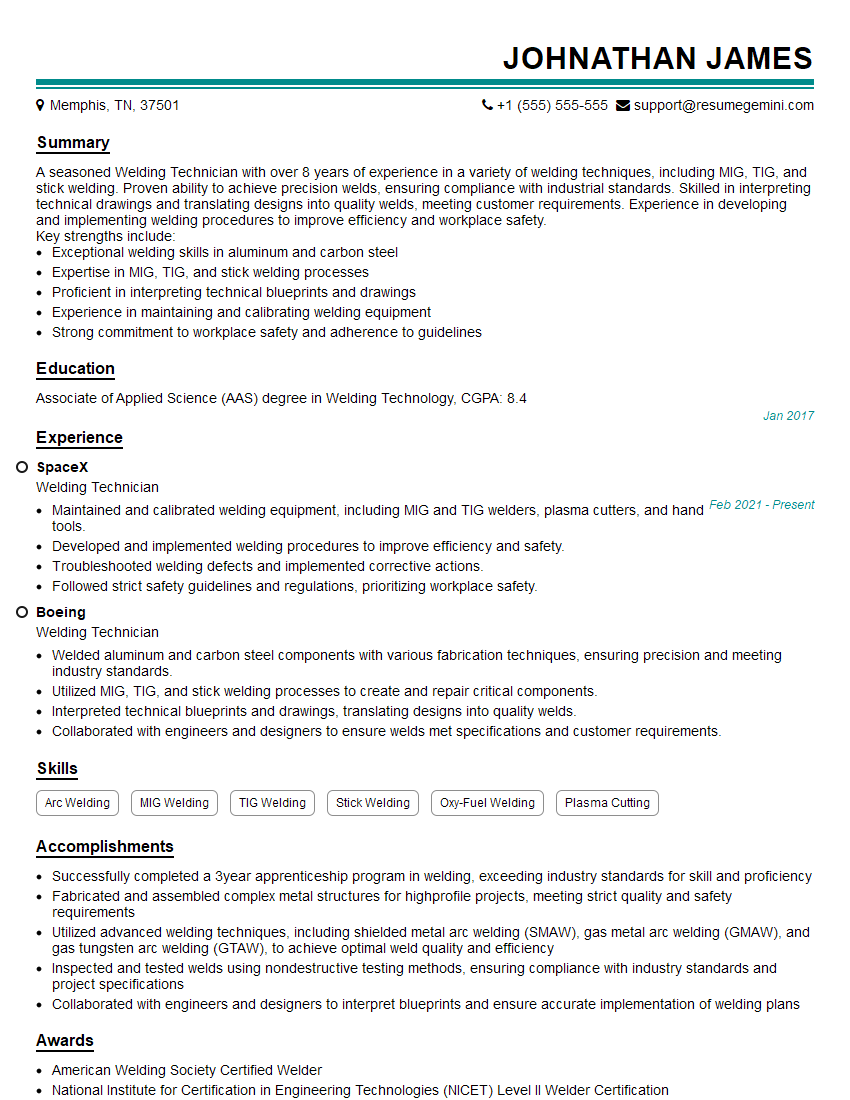
Welding Technician Resume Sample

Furniture Maker Resume Sample

Mechanic Resume Sample

Finish Carpenter Resume Sample

Cabinet Maker Resume Sample

Construction Worker Resume Sample
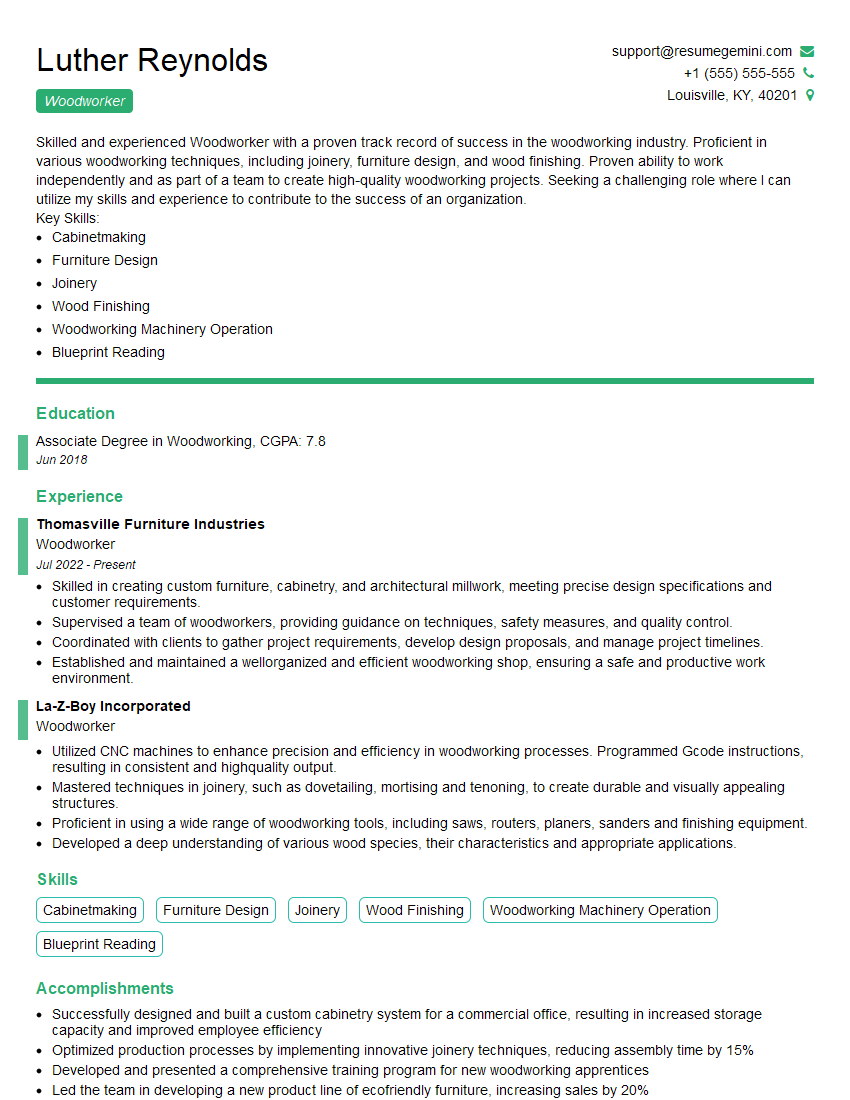
Woodworker Resume Sample

Carpenter Resume Sample

Drywall Installer Resume Sample

Electrician Resume Sample

Plumber Resume Sample
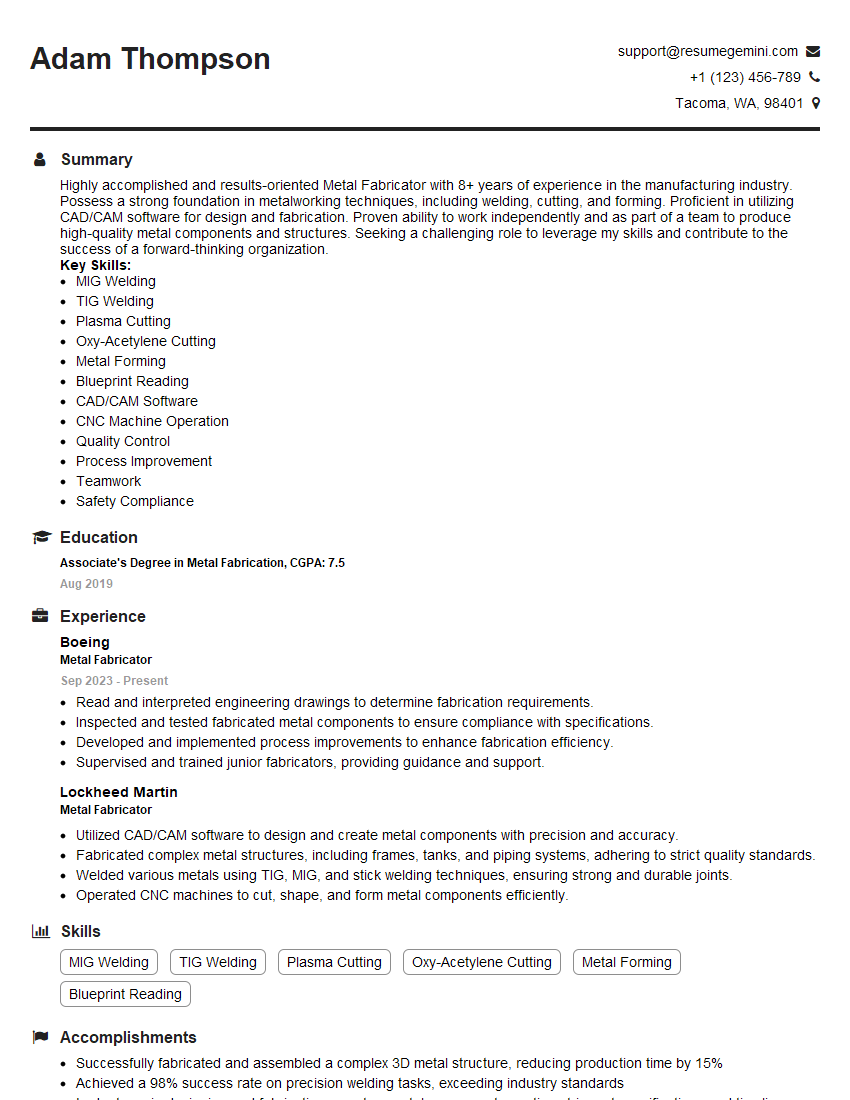
Metal Fabricator Resume Sample

Auto Body Technician Resume Sample
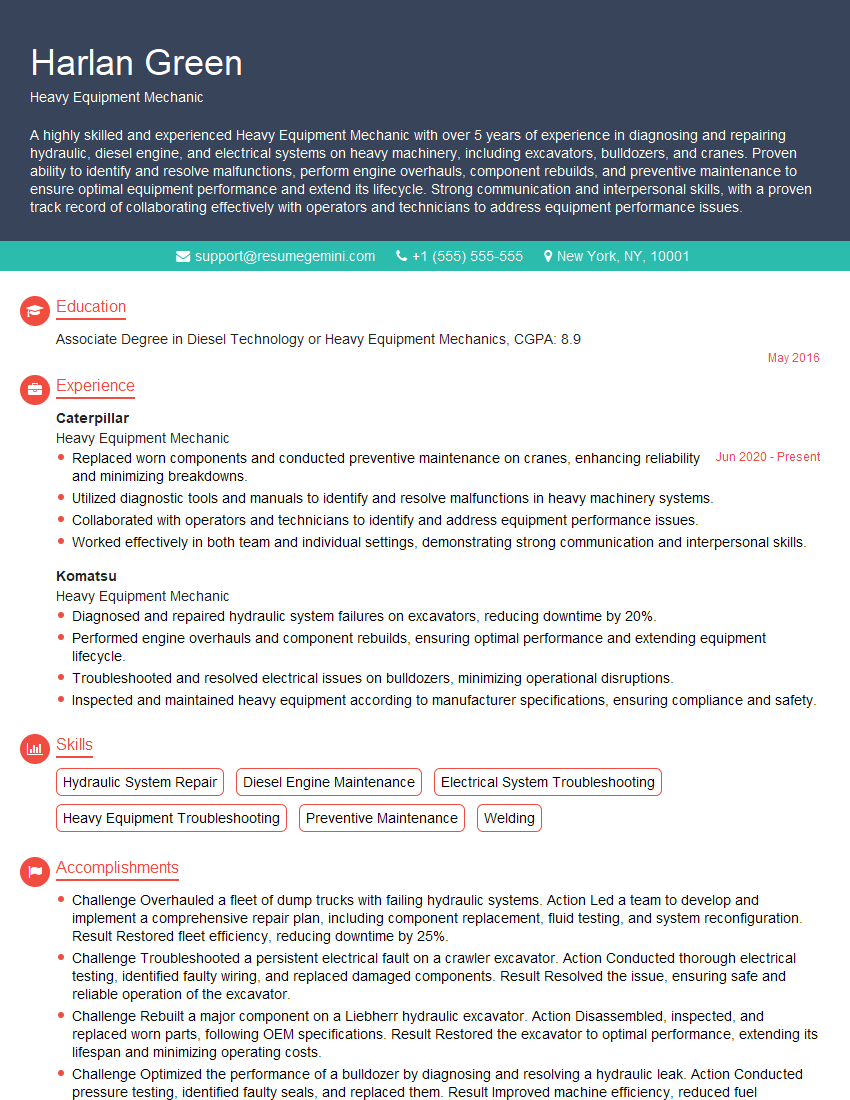
Heavy Equipment Mechanic Resume Sample

Industrial Mechanic Resume Sample

Millwright Resume Sample

Assembly Line Worker Resume Sample

Tool and Die Maker Resume Sample

Production Line Technician Resume Sample

HVAC Technician Resume Sample
- Roofing Contractor
- Maintenance Technician
- Robotics Technician
- Machinist
- Welding Technician
- Furniture Maker
- Mechanic
- Finish Carpenter
- Cabinet Maker
- Construction Worker
- Woodworker
- Carpenter
- Drywall Installer
- Electrician
- Plumber
- Metal Fabricator
- Auto Body Technician
- Heavy Equipment Mechanic
- Industrial Mechanic
- Millwright
- Assembly Line Worker
- Tool and Die Maker
- Production Line Technician
- HVAC Technician
Explore more articles
Users Rating of Our Blogs
Share Your Experience
We value your feedback! Please rate our content and share your thoughts (optional).
What Readers Say About Our Blog
Very informative content, great job.
good