The right preparation can turn an interview into an opportunity to showcase your expertise. This guide to Experience in working with difficult fabrics interview questions is your ultimate resource, providing key insights and tips to help you ace your responses and stand out as a top candidate.
Questions Asked in Experience in working with difficult fabrics Interview
Q 1. What are some examples of ‘difficult fabrics’ and their specific challenges?
Difficult fabrics present unique challenges during the manufacturing process due to their inherent properties. These challenges often stem from the fiber type, weave structure, or finishing treatments applied. Some examples include:
- Silk: Extremely delicate, prone to snagging, and requires specialized handling to prevent damage.
- Leather: Thick, stiff, and difficult to sew through, requiring heavy-duty needles and machines.
- Linen: Crinkles easily, prone to fraying, and can be challenging to cut precisely.
- Velvet: Has a pile that can be easily crushed or flattened, demanding careful handling and pressing.
- Stretch fabrics (Lycra blends): Can be highly elastic and require specialized techniques to prevent stretching during construction.
- Lace: Intricate designs, delicate threads, and potential for distortion necessitate careful handling and precise stitching.
The challenges vary depending on the specific fabric, necessitating a tailored approach for each.
Q 2. Describe your experience working with silks and other delicate fabrics.
My experience with silks and other delicate fabrics is extensive. I’ve worked extensively with various silk types – charmeuse, crepe de chine, taffeta – each with its unique characteristics. For example, charmeuse’s smooth surface requires careful handling to prevent slippage, whereas crepe de chine’s slightly textured surface requires gentler needle pressure to avoid breakage. With all delicate fabrics, the key is to use fine needles, gentle stitch settings on the machine (avoiding excessive tension), and appropriate pressing techniques (low heat, pressing cloths). I’ve developed a keen eye for identifying potential problem areas, such as weak points in the weave or delicate embellishments, allowing me to preemptively adjust my methods and protect the fabric during the construction process. I often use techniques like hand-basting delicate seams before machine stitching to ensure precise placement and prevent puckering.
Q 3. How do you handle fabrics prone to shrinkage or stretching during production?
Preventing shrinkage and stretching is paramount. My approach involves a multi-step process starting with fabric pre-treatment. Before cutting and sewing, I always pre-wash the fabric according to the manufacturer’s instructions, or conduct a test swatch to assess its reaction to specific cleaning methods. This helps to account for any significant shrinkage before the garment is constructed. For fabrics prone to stretching, using a stabilizer (like interfacing) during construction is crucial. This provides extra support and helps maintain the shape and dimensions of the finished piece. Choosing the right needle and stitch type also plays a significant role. For example, a ballpoint needle is preferred for knits to prevent snagging and damage, while a sharp needle is suitable for woven fabrics. Additionally, appropriate tension settings on the sewing machine are critical to prevent distortion. I regularly check seam allowances to ensure consistency throughout the garment, preventing unwanted stretching or shrinkage in specific areas.
Q 4. What techniques do you use to prevent fabric slippage or puckering?
Preventing fabric slippage and puckering requires meticulous attention to detail. Several techniques are vital: Firstly, careful pattern placement and precise cutting are fundamental; using sharp shears helps ensure clean edges and reduces fraying, which can contribute to slippage. Secondly, using appropriate interfacing or stabilizers during construction provides extra support to the fabric, especially in areas prone to stretching or puckering. Thirdly, the selection of the right stitch length and type is crucial. Smaller stitch lengths offer better control and prevent slippage, while suitable seam finishes (like serging or overlocking) prevent fraying. When working with delicate materials or curves, I often utilize hand-basting before machine stitching to further enhance precision. Finally, careful pressing, using a pressing cloth to prevent scorching or shiny marks, is indispensable in preventing puckering and maintaining the fabric’s integrity.
Q 5. Explain your experience with different types of textile finishes and their impact on handling.
Textile finishes significantly impact fabric handling. I have experience with various finishes, including water-repellent finishes (making fabrics more resistant to stains and easier to clean), wrinkle-resistant finishes (reducing the need for frequent ironing), and flame-retardant finishes (improving safety). Each finish alters the fabric’s drape, texture, and overall workability. For instance, a stiff finish may require adjustments in cutting and sewing techniques, possibly demanding heavier-duty needles and machines. Conversely, a soft, flowing finish may require adjustments to prevent stretching or distortion. I always carefully study the fabric’s finish description to understand its impact on the production process and select the most appropriate handling and construction methods accordingly. Experience allows me to anticipate potential challenges related to the finish, enabling preventative measures.
Q 6. How do you determine the appropriate sewing techniques for various difficult fabrics?
Choosing appropriate sewing techniques for difficult fabrics relies heavily on understanding the fabric’s properties. I start by thoroughly examining the fabric’s weight, weave structure, and fiber content. This informs my decision on needle type (sharp, ballpoint, or microtex), stitch length, and seam allowance. For example, delicate silks require finer needles and smaller stitch lengths to avoid breakage. Linen’s tendency to fray necessitates narrower seam allowances and possibly overlocking to prevent unraveling. Heavier fabrics might require heavier-duty needles and reinforced stitching. I often test different techniques on a scrap piece to optimize settings before working on the main fabric. My experience allows me to intuitively anticipate potential challenges and proactively select the most suitable approach for each fabric, ensuring optimal results and minimizing waste.
Q 7. Describe your process for troubleshooting issues with fabric drape or drape consistency.
Troubleshooting drape inconsistencies is a systematic process. I first identify the area with inconsistent drape and try to understand the root cause. This often involves examining the pattern layout, ensuring consistent cutting and seam allowance throughout, and carefully evaluating the pressing process. I might check for areas of uneven tension, potentially caused by incorrect stitch settings or inconsistent machine operation. If the problem persists, I then assess if the fabric itself is the source of the issue, such as inherent variations in the weave or finish. In cases where the fabric exhibits irregular drape, I often utilize techniques such as careful grading of seam allowances or using interfacing strategically to improve the drape in problem areas. Documenting each step of the troubleshooting process allows for consistent quality control and helps avoid similar issues in the future.
Q 8. How do you manage fabric defects and quality control issues?
Fabric defects and quality control are paramount. My approach is multifaceted, starting with meticulous pre-fabric inspection. I check for flaws like holes, inconsistencies in weave, and discoloration. During the sewing process, I regularly inspect work-in-progress, catching minor issues before they escalate. For instance, if I notice a slight pull in the fabric, I immediately address it, rather than risk compromising the entire garment. Post-sewing, a final thorough inspection ensures the finished product meets the highest standards. This includes checking seams, hems, and overall fit. I maintain detailed records of inspections and any corrective actions, fostering continuous improvement in our quality control protocols. This systematic approach significantly reduces defects and ensures customer satisfaction.
Q 9. Explain your experience with different types of sewing machines and their suitability for challenging materials.
My experience spans a wide range of sewing machines, from industrial models to specialized machines for delicate fabrics. For instance, working with heavy-duty canvas requires a robust industrial machine with a powerful motor and heavy-duty needles. In contrast, delicate silks or chiffons demand a machine with precise stitch control and potentially a walking foot to prevent slippage. I’m proficient in using machines with features like adjustable stitch length and width, differential feed, and various presser feet (e.g., zipper foot, rolled hem foot) to tailor the sewing process to the specific fabric’s needs. I select the machine based on the fabric’s weight, texture, and required stitch type. For example, a serger is crucial for preventing fraying on materials like jersey and knit fabrics.
Q 10. Describe your methods for pre-treating difficult fabrics before sewing.
Pre-treating difficult fabrics is a crucial step. My methods vary depending on the fabric. For example, linen often benefits from a pre-wash to remove sizing and soften the fibers. This helps prevent shrinkage and improves the drape. Wool might require steam pressing to relax the fibers and eliminate wrinkles. Delicate fabrics may require gentle hand-washing. Always test any pre-treatment method on a hidden area of the fabric first. I meticulously document the pre-treatment process for each fabric to ensure consistency and predictable results. Proper pre-treatment not only improves the finished product’s appearance but also makes the sewing process easier and more efficient.
Q 11. What safety precautions do you take when working with difficult fabrics?
Safety is always my top priority. When working with difficult fabrics, this means using appropriate safety equipment, such as safety glasses to protect my eyes from flying debris, especially when cutting stiff materials. I always keep my workspace well-lit and organized to reduce the risk of accidents. If dealing with sharp tools like rotary cutters, I ensure they are properly stored and handled with care. When working with potentially hazardous materials, I follow all relevant safety guidelines and wear appropriate protective clothing. For example, some dyes or fabric treatments might require gloves and masks. Regular machine maintenance is also crucial to minimize the risk of malfunctions.
Q 12. How do you select the appropriate needles and thread for difficult fabrics?
Needle and thread selection is critical for successful sewing. For heavy fabrics like denim, I choose heavy-duty needles with a larger diameter and a sharp point to penetrate the fibers effectively. Delicate fabrics require fine needles with a smaller diameter to prevent damage. The thread type must also match the fabric’s weight and weave. A stronger thread like polyester is preferable for heavier fabrics, whereas a finer thread like silk or cotton is suitable for lightweight fabrics. The thread’s color should complement the fabric. I always keep a variety of needles and threads on hand to adapt to different projects and materials. Experimenting with different combinations helps to fine-tune the sewing process for optimal results.
Q 13. How do you handle fabric that is prone to fraying or raveling?
Fraying and raveling are common challenges, especially with woven fabrics. My approach involves using techniques like serging, zigzag stitching, or pinking shears to prevent these issues. Serging creates a neat, professional finish while also preventing fraying along seam edges. Zigzag stitching can be used to secure the raw edges of fabric before sewing the seams together. Pinking shears create a serrated edge that helps to reduce fraying. For extremely delicate or prone-to-fraying fabrics, I may also use fabric stabilizer, which adds additional support to the fabric, preventing the edges from unraveling during cutting and sewing. Choosing the right technique depends on the fabric type and the desired aesthetic.
Q 14. How do you address the challenges of working with multi-layered or complex fabric constructions?
Multi-layered or complex fabric constructions pose unique challenges. My approach involves meticulous planning and execution. I start by carefully analyzing the pattern and fabric pieces to understand the layering sequence. I use basting stitches to temporarily hold layers together during the initial stages of construction, ensuring alignment and preventing shifting. Pressing each layer carefully is also critical, preventing bulkiness and maintaining the desired shape. Specialized techniques like easing or gathering might be needed to smoothly integrate different fabric types or weights. Managing fabric layers efficiently is key to successful construction, and experience is crucial to navigate the complexities involved.
Q 15. Describe your experience with pattern grading and adjustments for difficult fabrics.
Pattern grading for difficult fabrics requires a nuanced understanding of how the material will drape and react to stress. It’s not just scaling up or down; it’s about adjusting ease allowances, seam allowances, and even the pattern pieces themselves to accommodate the unique characteristics of the fabric. For example, a heavy brocade might require wider seam allowances to prevent stress points and potential tearing, whereas a slippery silk charmeuse might need more closely fitted patterns to avoid gaping.
I’ve worked extensively with fabrics like silk crepe de chine, heavy wool melton, and delicate lace. With each, I began by creating a muslin mock-up of the base pattern on a similar-weight muslin to test the drape and fit. This allows for crucial adjustments before cutting into the expensive or difficult-to-work-with final fabric. For instance, with a heavy wool melton, I might need to adjust the shoulder slope to accommodate the weight and prevent pulling. With a slippery silk, I’d add extra seam allowances and potentially adjust the placement of darts or gathers for better control.
My approach involves meticulous measurement and careful consideration of the fabric’s properties. I document every adjustment made, creating a comprehensive record for future use and scalability. This ensures consistency and accuracy across different sizes and prevents costly mistakes later in the process.
Career Expert Tips:
- Ace those interviews! Prepare effectively by reviewing the Top 50 Most Common Interview Questions on ResumeGemini.
- Navigate your job search with confidence! Explore a wide range of Career Tips on ResumeGemini. Learn about common challenges and recommendations to overcome them.
- Craft the perfect resume! Master the Art of Resume Writing with ResumeGemini’s guide. Showcase your unique qualifications and achievements effectively.
- Don’t miss out on holiday savings! Build your dream resume with ResumeGemini’s ATS optimized templates.
Q 16. How do you handle color bleeding or other problems related to fabric dyeing?
Color bleeding is a significant concern, particularly with natural dyes or less-processed fabrics. My strategy involves pre-testing a swatch of the fabric in a small sample run of the dyeing process. This allows me to assess colorfastness and identify potential issues before committing to a large batch. If bleeding occurs, I take immediate action to mitigate the damage. This might involve adjusting the dyeing process, using color-fixing agents, or selecting a different dye altogether.
I also carefully consider the washing and handling instructions provided by the fabric supplier. Using the correct detergents and washing temperatures is essential to prevent color bleeding and preserve the integrity of the dyed fabric. For example, I might use a specialized dye-fixative wash for delicate fabrics or wash darker colors separately to prevent color transfer. In some cases, we’ll even pre-wash the fabrics to remove any excess dye that could bleed during the manufacturing process.
Thorough documentation and communication throughout the entire process are key to preventing such issues. This includes clearly noting any potential problems with each batch of fabric to ensure consistency across projects and prevent future complications.
Q 17. How do you maintain consistent quality standards when working with difficult fabrics?
Maintaining consistent quality with difficult fabrics demands a rigorous approach to quality control at every stage of production. This includes careful fabric selection, precise pattern making and cutting, skilled sewing, and consistent pressing techniques. I implement rigorous quality checks at each step, using standardized measurement tools and checklists to ensure adherence to specifications.
One example is my use of digital pattern cutting and laser cutting technology when working with particularly challenging materials. This allows for precise cuts with minimal fabric waste and reduces the risk of human error, which is crucial with high-end or limited-edition fabrics. For example, leather requires specialized cutting equipment to prevent tearing and uneven edges. Digital tools significantly reduce this risk.
Regular training for the sewing team is crucial to ensure that everyone understands the nuances of handling different fabrics. This training covers everything from appropriate needle sizes and stitch types to proper handling and pressing techniques for each fabric type. We constantly review our processes, looking for ways to improve efficiency and quality and regularly conduct audits to ensure the highest possible standards.
Q 18. What is your experience with different types of fabric cutting techniques and which are best for which materials?
Fabric cutting techniques vary widely depending on the material’s properties. For delicate fabrics like silk or chiffon, I use sharp shears and a cutting mat to minimize stretching or damage. I often use pattern weights to keep the fabric flat and secure, especially for intricate designs. For heavier fabrics like denim or leather, a rotary cutter and self-healing cutting mat are much more efficient and provide cleaner cuts.
For tightly woven fabrics like canvas or linen, a sharp pair of shears or a rotary cutter works well; however, for fabrics with a nap, like velvet, a single-layer cut is essential to maintain consistency in the pile direction to ensure an even look. Leather requires specialized tools and techniques to avoid tearing. I often use a specialized leather-cutting knife and a cutting board designed to prevent slippage.
My experience spans a range of techniques, from traditional hand cutting to using computerized cutting tables. The choice of technique is always driven by the specific needs of the fabric and the desired outcome.
Q 19. Describe your experience with different pressing and finishing techniques for challenging fabrics.
Pressing and finishing techniques are critical for difficult fabrics, as improper handling can lead to irreversible damage. I use a variety of pressing tools, including steam irons, pressing cloths, tailor’s ham, and point presser, each tailored to the specific needs of the fabric. For delicate fabrics, I use a low temperature and a pressing cloth to prevent scorching or shine. Heavy fabrics, on the other hand, may require higher temperatures and a firmer touch.
For example, when working with silk, I use a low heat and a silk pressing cloth to prevent any damage. With leather, I might use a specialized leather-pressing tool or avoid direct heat altogether, opting instead for careful shaping and conditioning. Understanding the thermal properties of each fabric is critical to achieving a professional finish. I pay close attention to the grain line during pressing to ensure even drape and prevent distortion. Appropriate blocking techniques may be employed for heavier materials like wool or linen.
My experience includes working with various finishes, such as hand-stitching, top-stitching, and decorative embellishments, all tailored to highlight the unique characteristics of the material. Each finish is carefully selected to add value and visual appeal, reflecting a deep understanding of both the fabric’s capabilities and the overall design intent.
Q 20. How do you handle unexpected fabric problems during the manufacturing process?
Unexpected fabric problems, such as flaws, inconsistencies, or damage, are always a possibility. My approach is to immediately assess the situation, document the problem thoroughly, and determine the best course of action. This often involves collaborative problem-solving with the design team, the fabric supplier, and other stakeholders.
For example, if a significant flaw is found in a piece of fabric, we might need to replace the piece, redesign the garment to avoid the affected area, or consider alternative solutions. In some cases, we might need to adjust the pattern or cutting techniques to work around the imperfections. Careful planning, meticulous quality control, and open communication are essential in these situations.
Having a plan B is also critical. This might involve having extra fabric on hand, exploring alternative fabrics, or adjusting timelines to accommodate unforeseen issues. The goal is always to minimize disruptions and deliver a high-quality product despite any unexpected challenges.
Q 21. What are some common problems encountered with leather and how do you solve them?
Leather presents unique challenges, including variations in thickness, texture, and susceptibility to scratches and water damage. One common problem is uneven stretching, leading to distortion in the final garment. I counteract this by pre-stretching and conditioning the leather before cutting. This involves carefully working the leather to ensure its consistent pliability and alignment with the pattern.
Another common issue is the formation of creases or wrinkles during sewing. This can be minimized by using specialized needles and thread, employing appropriate seam finishes, and using a walking foot on the sewing machine. Post-sewing care is equally critical, often involving specialized leather conditioners to maintain its softness and resilience.
Scratches are a significant concern. Preventing scratches requires careful handling of the material throughout the manufacturing process, using protective coverings where necessary, and avoiding sharp objects. If scratches do occur, careful repair and finishing techniques may be employed to minimize their visibility. Dealing with leather involves patience, attention to detail, and extensive knowledge of the material’s unique properties.
Q 22. How do you work with high-performance technical fabrics?
Working with high-performance technical fabrics requires a nuanced approach. These fabrics, often composed of complex blends like Gore-Tex, Kevlar, or specialized nylon blends, demand specific handling to avoid damage and ensure the final product meets its intended performance criteria. Understanding the fabric’s properties – its tensile strength, breathability, water resistance, and elasticity – is paramount.
My process starts with thorough pre-production testing. This includes assessing the fabric’s drape, determining the appropriate needle size and stitch type, and identifying any potential issues like fraying or slippage. For example, a fabric with a high tensile strength might require reinforced stitching to withstand stress points, while a breathable fabric might need a specialized stitch to maintain its air permeability. I always meticulously follow the manufacturer’s guidelines and, when necessary, consult with textile engineers to determine the optimal sewing parameters.
Furthermore, I employ specialized equipment like industrial sergers and walking foot sewing machines, which are designed to handle the unique challenges posed by these materials. For instance, a walking foot prevents fabric slippage on thicker, less pliable materials, ensuring accurate seam alignment and preventing puckering.
Q 23. Explain your experience using Computer-Aided Design (CAD) software in relation to difficult fabrics.
Computer-Aided Design (CAD) software is indispensable when working with difficult fabrics. It allows for precise pattern creation and manipulation, minimizing material waste and ensuring consistent sizing across multiple pieces. Specifically, I use CAD software to create graded patterns, which are crucial for complex garments where the fabric might behave unpredictably during construction. For example, a stretchy, knit fabric might require a significantly different pattern from its woven counterpart to achieve the desired fit.
Furthermore, CAD allows for virtual prototyping, which is extremely beneficial with difficult fabrics. I can simulate the drape and behavior of the fabric in a 3D environment before cutting and sewing. This helps identify potential issues such as stress points or areas where the fabric might pucker or distort. This process drastically reduces the time and material wasted on trial-and-error methods, increasing efficiency and saving costs. I use software like Lectra or Gerber, depending on project needs. These tools allow me to accurately manipulate patterns to accommodate specific fabric characteristics and create the most effective, and cost effective, cutting layouts.
Q 24. Describe a situation where you had to adapt your techniques to work with an unfamiliar difficult fabric.
I once encountered a project involving a high-tech, laminated fabric with an unusually slippery and stiff surface. Standard sewing techniques resulted in skipped stitches and puckering. My initial approach, using a standard needle and stitch length, proved inadequate.
To overcome this challenge, I systematically experimented with different needles (microtex, titanium), stitch types (reinforced zigzag, triple coverstitch), and thread types (high-tenacity polyester). I also adjusted the machine’s tension and presser foot pressure. Through this iterative process, I discovered that a microtex needle with a triple coverstitch and high-tenacity thread, combined with a reduced presser foot pressure, produced the most durable and aesthetically pleasing seam. Detailed notes were kept on each test, quantifying results with photos and sketches. This methodical approach allowed me to document a successful solution which I can now apply to similar fabrics in the future.
Q 25. How do you document your findings and solutions regarding challenges with fabrics?
My documentation strategy is meticulous and comprehensive. For each fabric challenge I encounter, I maintain a detailed record, including the fabric’s composition, its inherent properties (weight, drape, stretch), and initial issues encountered. My records are primarily digital, using a combination of spreadsheets and digital image management. The spreadsheet outlines the variables tested, and includes data points to quantify success. Photos are vital to showing the effects of each alteration and to retain a visual record of the processes.
Additionally, I incorporate physical samples of the fabric and resulting seams into a physical archive. This combined approach—digital records and physical samples—ensures a comprehensive and readily accessible resource for future projects. Each project folder includes detailed notes that act as a ‘recipe’ outlining the exact settings and techniques used for successful fabrication, including specific machine settings and any unique tools employed. This documentation has been invaluable in reducing trial-and-error on subsequent projects.
Q 26. What strategies do you use to ensure efficiency when working with difficult fabrics?
Efficiency when working with difficult fabrics is achieved through careful planning and precision. Before starting any project, I conduct a thorough fabric analysis, identifying potential challenges and planning the appropriate techniques and equipment. This includes carefully nesting patterns to minimize waste and choosing the most appropriate stitching method for the specific fabric and garment design.
Furthermore, I utilize time-saving techniques like using specialized tools such as rotary cutters and cutting mats to speed up the pattern cutting process. I also optimize my workstation layout to ensure efficient workflow and minimize unnecessary movement. Finally, thorough quality control at each stage minimizes rework and ensures a smooth production process. This includes checking seam allowances, stitch integrity, and overall garment fit at each stage of assembly.
Q 27. How do you assess the cost-effectiveness of different solutions for handling difficult fabrics?
Assessing the cost-effectiveness of solutions for handling difficult fabrics involves a multi-faceted approach. I consider the initial cost of specialized tools and equipment, the time required to implement different techniques, and the potential for material waste. For example, using a more expensive, high-speed sewing machine designed for technical fabrics might significantly reduce labor costs in the long run. It is a cost benefit analysis.
I also quantify the cost of potential errors. Using an incorrect technique might lead to damaged fabric or the need for extensive rework, potentially exceeding the cost of investing in the right tools or techniques from the start. This is factored into the overall cost analysis. The ultimate goal is to identify the most efficient and economical method that produces a high-quality final product while minimizing waste and maximizing productivity. I use spreadsheets to track these costs and compare different approaches, supporting decision making with quantifiable data.
Q 28. Describe your problem-solving approach when faced with a particularly challenging fabric issue.
My problem-solving approach is systematic and iterative. When confronted with a particularly challenging fabric issue, I begin by thoroughly analyzing the problem, defining the specific challenge, and documenting the initial observations. This includes detailed notes, sketches, and photographs of the fabric and any related problems.
Next, I formulate hypotheses about potential solutions. This involves researching the fabric’s properties and consulting relevant resources. Then, I develop a series of experiments to test these hypotheses, systematically varying one parameter at a time (e.g., needle type, stitch length, thread tension) while keeping all other variables constant. Each experiment’s results are carefully documented, allowing for data-driven decision making. This process is repeated until a satisfactory solution is found. Throughout this process, I always prioritize safety and ensure adherence to industry best practices. The entire methodology is well documented for future use and reference.
Key Topics to Learn for Experience in working with Difficult Fabrics Interview
- Fabric Properties and Challenges: Understanding the characteristics of difficult fabrics like silks, leathers, knits, and synthetics; identifying their unique challenges in sewing, cutting, and finishing.
- Specialized Techniques: Mastering techniques like pattern adjustments for difficult fabrics, appropriate stitching methods (e.g., hand-stitching for delicate fabrics, specialized machine settings), and seam finishes to prevent fraying or distortion.
- Equipment and Tools: Familiarity with different types of sewing machines, cutting tools, and pressing equipment suited for handling various challenging fabrics. Understanding appropriate needle and thread selection.
- Problem-Solving and Troubleshooting: Diagnosing and resolving common issues encountered while working with difficult fabrics, such as puckering, stretching, slippage, and uneven seams. Developing strategies for preventing these problems.
- Quality Control and Inspection: Implementing effective quality control measures throughout the process, from fabric selection to final product inspection, to ensure high-quality results with demanding materials.
- Sustainability and Ethical Considerations: Understanding sustainable practices in handling and processing difficult fabrics, including responsible sourcing and waste reduction techniques.
Next Steps
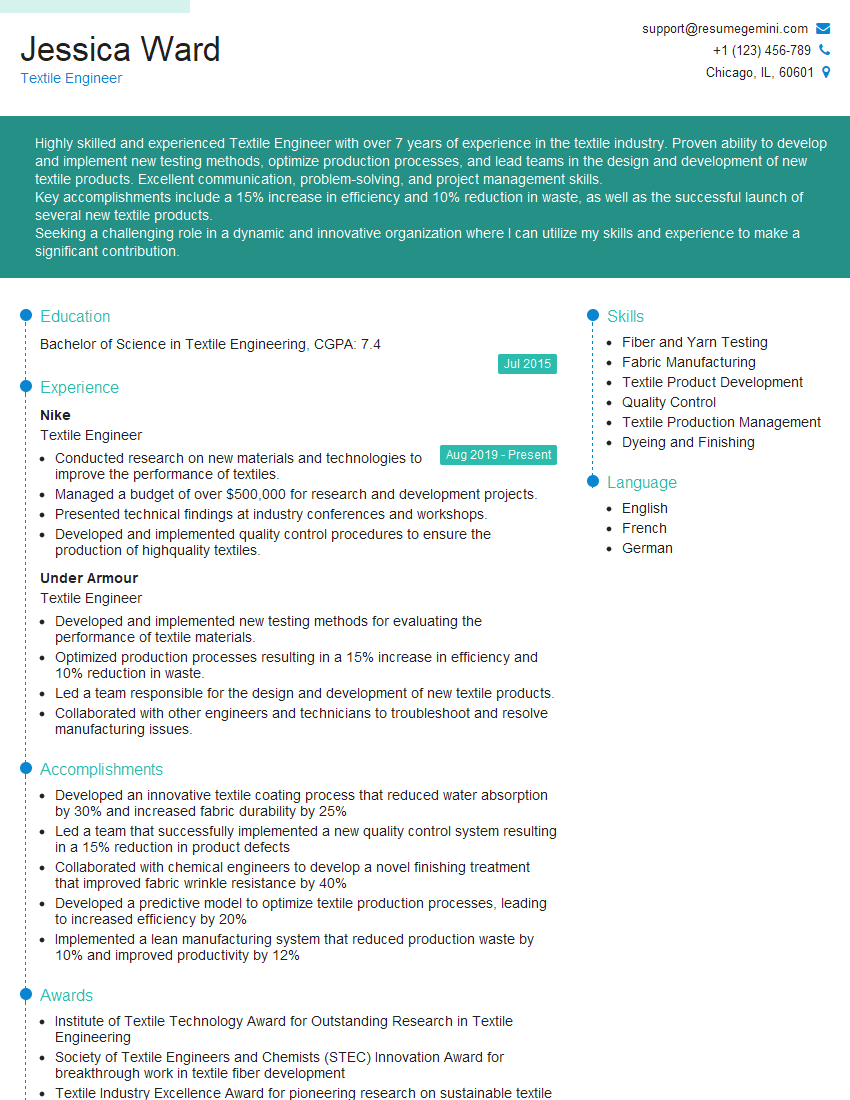
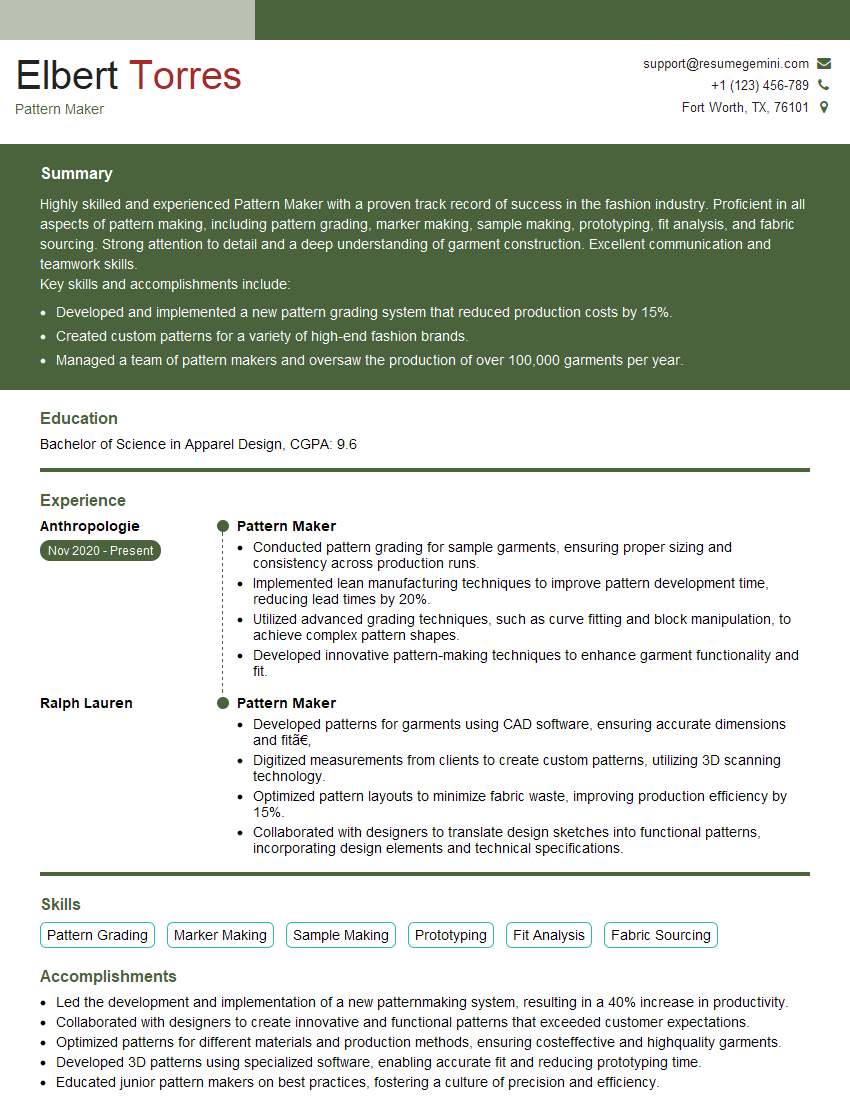
Mastering the art of working with difficult fabrics significantly enhances your value as a skilled professional in the fashion and textile industries. It demonstrates a high level of technical expertise and problem-solving abilities, opening doors to more advanced roles and higher earning potential. To maximize your job prospects, creating an ATS-friendly resume is crucial. ResumeGemini can help you build a compelling and effective resume that highlights your skills and experience with difficult fabrics, ensuring your application gets noticed. Examples of resumes tailored to showcase experience with difficult fabrics are available to help guide your preparation. Invest in your future – craft a standout resume that reflects your expertise and dedication.



Explore more articles
Users Rating of Our Blogs
Share Your Experience
We value your feedback! Please rate our content and share your thoughts (optional).
What Readers Say About Our Blog
Very informative content, great job.
good