Unlock your full potential by mastering the most common Experience with equipment calibration and maintenance interview questions. This blog offers a deep dive into the critical topics, ensuring you’re not only prepared to answer but to excel. With these insights, you’ll approach your interview with clarity and confidence.
Questions Asked in Experience with equipment calibration and maintenance Interview
Q 1. Describe your experience with different calibration methods.
Calibration methods vary depending on the type of equipment and its intended use. I’ve extensive experience with several key approaches:
- Comparison Calibration: This involves comparing the readings of the equipment under test (EUT) against a known standard with a higher accuracy. For instance, calibrating a digital thermometer against a traceable reference thermometer. The difference between the readings reveals the error of the EUT.
- Substitution Calibration: This method replaces the EUT’s sensor or measuring component with a known standard, providing a direct measure of accuracy. Imagine calibrating a pressure gauge by substituting its pressure sensor with a precision pressure transducer with known accuracy.
- In-situ Calibration: This technique calibrates the equipment while it’s in its normal operating environment. This is particularly useful for large or complex systems where removal is impractical. Think of calibrating a large industrial process control system in its factory setting.
- Remote Calibration: Using remote communication protocols, like Ethernet or Modbus, to perform calibration without physical access. This is efficient for instruments located in hazardous or hard-to-reach areas. For example, a temperature sensor in a high-temperature furnace.
My experience includes selecting the most appropriate method based on factors like cost, accuracy requirements, and the complexity of the equipment.
Q 2. Explain the importance of traceability in calibration.
Traceability in calibration is paramount. It ensures the accuracy of your measurements can be verified by linking them back to internationally recognized standards, like those maintained by national metrology institutes. Imagine a chain: your equipment is calibrated against a secondary standard, which is then calibrated against a primary standard, and so on, ultimately leading back to a fundamental unit of measurement. This unbroken chain proves the reliability of your measurements.
Without traceability, you risk having inaccurate measurements, leading to faulty results, potential safety hazards, or even non-compliance with regulations. For instance, in a pharmaceutical environment, untraceable calibration could lead to incorrect drug dosages with potentially disastrous consequences.
Q 3. How do you identify and troubleshoot equipment malfunctions?
Troubleshooting equipment malfunctions begins with a systematic approach. I typically follow these steps:
- Identify the symptom: Precisely define the problem. Is it inaccurate readings, complete failure, or erratic behavior?
- Review operating procedures: Ensure the equipment was operated correctly. Sometimes, user error is the root cause.
- Check for obvious issues: Look for loose connections, damaged cables, or physical damage.
- Consult documentation: Refer to the equipment’s manual for troubleshooting guides or error codes.
- Use diagnostic tools: Employ built-in diagnostics or external tools to pinpoint the malfunction source.
- Isolate the fault: Systematically test components to identify the faulty part.
- Repair or replace: Based on the diagnosis, repair the issue or replace the faulty component.
- Recalibrate: After repair, recalibrate the equipment to ensure accuracy.
For example, if a pH meter is giving inconsistent readings, I would first check the calibration solutions, electrode condition, and then look for any internal faults with the meter itself.
Q 4. What are the common causes of equipment drift?
Equipment drift, the gradual change in measurement accuracy over time, can stem from several factors:
- Environmental factors: Temperature fluctuations, humidity changes, and vibrations can significantly affect some equipment. A good example is the temperature sensitivity of many electronic sensors.
- Component aging: Components naturally degrade over time, leading to performance shifts. Capacitors losing capacitance or resistors changing their resistance are common culprits.
- Wear and tear: Mechanical wear in moving parts can alter calibration. Think of the wear on the gears in a mechanical gauge.
- Power supply variations: Fluctuations in voltage or current can affect the accuracy of some instruments.
Understanding these causes helps in implementing preventive measures such as stable environmental control and regular calibration to mitigate drift.
Q 5. How do you determine the appropriate calibration interval for a piece of equipment?
Determining the appropriate calibration interval depends on several factors:
- Equipment criticality: How vital is the equipment’s accuracy to the process or safety? Critical equipment needs more frequent calibration.
- Equipment stability: Some equipment maintains its accuracy for longer periods than others. This determines how long you can safely operate it before recalibration.
- Manufacturer recommendations: Manufacturers often provide guidelines on ideal calibration intervals.
- Past calibration history: Examining historical calibration data reveals patterns and helps predict future drift rates.
- Regulatory requirements: Some industries have specific regulations dictating calibration frequency.
A risk assessment is crucial here. The higher the risk associated with inaccurate measurements, the shorter the calibration interval should be.
Q 6. Describe your experience with different types of calibration equipment.
My experience encompasses a wide range of calibration equipment, including:
- Multimeters: For verifying voltage, current, and resistance in various circuits and instruments.
- Oscilloscope: For analyzing electrical signals and waveforms, crucial in calibrating electronic circuits and sensors.
- Temperature calibrators: These are used to verify the accuracy of thermometers, thermocouples, and other temperature-measuring devices using dry-wells or temperature baths.
- Pressure calibrators: These are vital for calibrating pressure gauges, transducers, and other pressure-sensing devices. They might use pneumatic or hydraulic systems.
- Calibration standards: This includes various weights, resistors, capacitors, and other components of known accuracy traceable to national standards.
I’m proficient in operating, maintaining, and selecting the appropriate equipment based on the specific calibration requirements.
Q 7. What is your experience with calibration software and documentation?
I have extensive experience with various calibration software and documentation systems. This includes software for managing calibration schedules, generating reports, tracking calibration certificates, and managing equipment assets. I’m proficient with programs that generate detailed reports including calibration data, uncertainty analysis, and graphical representation of results. These reports are essential for compliance and auditing purposes.
Accurate and well-maintained documentation is crucial. I have experience with both paper-based and electronic systems for calibration records. This ensures traceability and helps identify potential issues early on. Proper documentation is also vital for complying with industry standards and regulations.
Q 8. How do you ensure the accuracy of calibration results?
Ensuring the accuracy of calibration results is paramount. It’s a multi-step process that begins even before the calibration itself. We start by selecting the right calibration equipment, ensuring it’s traceable to national or international standards. This traceability is crucial because it establishes a chain of custody for accuracy. Think of it like a family tree for your measurements – you can trace every measurement back to a known, reliable source.
Next, we meticulously follow the established calibration procedures. This involves using standardized methods, taking multiple readings, and carefully documenting everything. We also use statistical analysis to evaluate the data, identifying any outliers or inconsistencies. For example, if we’re calibrating a pressure gauge, we’ll apply various pressures and record the gauge readings multiple times at each point. Statistical methods help us assess the overall accuracy and identify any systematic errors.
Finally, we compare the results against the accepted standards. If the results fall within the acceptable tolerance, we issue a calibration certificate. If not, we investigate the cause of the discrepancy and take corrective action before recalibrating.
Q 9. Explain the concept of uncertainty in measurement.
Uncertainty in measurement refers to the doubt associated with a measurement result. It acknowledges that no measurement is perfectly precise; there’s always a degree of uncertainty. Imagine trying to measure the length of a table with a ruler – you might get a reading of 1.5 meters, but you know that the actual length could be slightly more or slightly less. That difference between your measured value and the true value is uncertainty.
This uncertainty arises from various sources, including:
- Instrument limitations: The resolution of the measuring instrument itself (e.g., a ruler only measures to millimeters).
- Environmental factors: Temperature, humidity, and other environmental conditions can affect measurements.
- Operator error: Human error in reading instruments or performing the measurement.
- Method limitations: The inherent limitations of the measurement method used.
Uncertainty is expressed quantitatively, usually as a range (e.g., ±0.05 meters) or using statistical methods like standard deviation. Properly quantifying uncertainty is crucial for evaluating the reliability of measurement results and making informed decisions based on those results.
Q 10. How do you handle discrepancies in calibration results?
Discrepancies in calibration results require a systematic investigation. First, I’d carefully review the calibration procedure to ensure it was followed correctly. Did we follow the correct method? Were all the environmental conditions controlled properly? Were there any unusual occurrences during the calibration? Think of it like detective work—we’re trying to find the root cause of the problem.
Next, I would verify the calibration standards and equipment. Are the standards valid and traceable? Is the calibration equipment itself functioning properly? We might recalibrate the equipment used for the calibration process as a first step.
If the problem is identified with the equipment under test, then we would attempt to repair or adjust it if possible. If that doesn’t solve the problem or if repair is uneconomical, the equipment might need to be replaced. Comprehensive documentation is essential at every stage – from initial investigation to the final resolution.
For example, if a temperature sensor consistently shows readings outside the acceptable range, we might trace the issue to a faulty connection, a drift in the sensor’s internal components, or even an inaccurate calibration standard. Addressing the root cause ensures future calibration results are reliable.
Q 11. Describe your experience with preventative maintenance procedures.
Preventative maintenance is key to ensuring the longevity and accuracy of equipment. My experience involves establishing and executing tailored preventative maintenance schedules based on equipment type, manufacturer recommendations, and usage patterns. A simple example is regularly cleaning and lubricating precision balances to ensure their sensitivity and accuracy. This approach is much more cost-effective than dealing with unexpected breakdowns.
These schedules typically include tasks like:
- Regular visual inspections for wear and tear.
- Cleaning and lubrication of moving parts.
- Calibration checks at predetermined intervals.
- Replacement of worn-out components before failure.
I also utilize computerized maintenance management systems (CMMS) to track and manage these tasks, ensuring that maintenance is performed on time and records are accurately maintained. These systems provide alerts, schedule maintenance activities, and generate reports to monitor the overall health of the equipment.
Q 12. How do you manage calibration records and reports?
Managing calibration records and reports involves adhering to strict organizational and traceability standards. We utilize a CMMS, a database, or a combination of both for record-keeping. The system tracks equipment information, calibration history, certificates, and any corrective actions taken. All records are organized using a robust filing system, easily accessible, and auditable.
Calibration reports are generated electronically and include: equipment details, calibration date, results, uncertainties, and the identity of the technician who performed the calibration. These reports are reviewed before being approved and distributed to relevant parties. We also have a system for archiving records to meet legal and regulatory requirements – think of this as creating a detailed history of the equipment’s performance and maintenance.
Electronic record-keeping provides advantages like easier accessibility, data backup, and improved searchability; crucial for managing large volumes of calibration data.
Q 13. What is your experience with ISO 9001 or other quality standards?
I have extensive experience working within the framework of ISO 9001, and other quality management systems. Understanding and applying the principles of ISO 9001 is essential for ensuring the quality and reliability of calibration and maintenance processes. ISO 9001 provides a structure for establishing documented procedures, controlling processes, managing nonconformances, and continuously improving the quality management system. This is integral to ensuring traceable and accurate calibration results.
My practical experience involves creating and maintaining documented procedures for calibration processes, conducting internal audits to ensure compliance, and participating in management reviews to assess system effectiveness. The principles of ISO 9001 provide a structured approach to preventing errors and improving the overall quality of our calibration and maintenance services.
Q 14. How do you prioritize maintenance tasks?
Prioritizing maintenance tasks requires a strategic approach. I use a combination of factors to determine the order of maintenance activities. The most important factor is usually the criticality of the equipment to operations. Equipment essential for production or safety receives top priority, while less critical equipment can be scheduled for maintenance at a later date. A simple example is prioritizing the maintenance of a critical production machine over a less critical office printer.
Another factor is the equipment’s age and condition. Older equipment or equipment exhibiting signs of wear might require more frequent maintenance. The cost of maintenance is also considered. For example, we’d prioritize preventative maintenance that minimizes the risk of costly repairs.
Finally, I use a CMMS system to generate a prioritized schedule based on these factors. This system provides a comprehensive view of all maintenance needs and allows us to optimize resource allocation and minimize downtime.
Q 15. Describe a time you had to troubleshoot a complex equipment issue.
One time, our high-precision spectrometer started producing erratic readings. Initially, we suspected a faulty sensor, a common issue. However, after replacing the sensor and still experiencing problems, I realized a more systematic approach was needed. I systematically checked every component: power supply, cabling, software settings, and even the environmental conditions (temperature and humidity).
Using a process of elimination, I eventually discovered the problem lay in a subtle grounding issue. A loose wire in the power distribution unit caused a fluctuating ground potential, leading to the incorrect readings. Solving this seemingly simple grounding problem required a deeper understanding of the instrument’s electrical system and troubleshooting methodology. This reinforced the importance of comprehensive testing and not jumping to conclusions based on initial assumptions.
This experience taught me the value of methodical troubleshooting, combining experience with a structured approach to pinpoint the root cause of complex issues. My systematic approach saved time and resources, and ensured the spectrometer was back online quickly.
Career Expert Tips:
- Ace those interviews! Prepare effectively by reviewing the Top 50 Most Common Interview Questions on ResumeGemini.
- Navigate your job search with confidence! Explore a wide range of Career Tips on ResumeGemini. Learn about common challenges and recommendations to overcome them.
- Craft the perfect resume! Master the Art of Resume Writing with ResumeGemini’s guide. Showcase your unique qualifications and achievements effectively.
- Don’t miss out on holiday savings! Build your dream resume with ResumeGemini’s ATS optimized templates.
Q 16. How do you stay current with advancements in calibration technologies?
Staying current in calibration technologies is crucial for maintaining accuracy and efficiency. I utilize several methods: I actively participate in professional organizations like the American Society of Mechanical Engineers (ASME) and the Institute of Electrical and Electronics Engineers (IEEE), attending webinars and conferences. This offers access to the latest research and best practices.
I also subscribe to relevant industry journals and publications that focus on metrology and instrumentation. Reading technical articles keeps me abreast of new calibration techniques and standards. Furthermore, I engage in online learning platforms, such as Coursera and edX, for specialized courses in calibration and measurement science. Finally, I regularly consult manufacturers’ websites and documentation for updates on equipment I use, paying close attention to new software releases and calibration procedures.
Q 17. What are your preferred methods for documenting maintenance procedures?
My preferred method for documenting maintenance procedures is a combination of digital and physical records. For each piece of equipment, I maintain a detailed digital log using a dedicated software system (e.g., a Computerized Maintenance Management System (CMMS)). This system tracks all maintenance activities, calibration dates, parts replaced, and any observed issues. The digital format allows for easy searching, data analysis, and sharing of information across the team.
In addition to the digital log, I also maintain hard copies of critical maintenance procedures, including schematics, wiring diagrams, and manufacturer’s instructions. This provides a physical backup in case of system failures or data loss, and is helpful when working offline. Furthermore, detailed photographs and videos of complex procedures are also included to support both the digital and physical records. This layered approach ensures comprehensive and easily accessible documentation.
Q 18. Explain your understanding of different types of calibration standards.
Calibration standards are the benchmarks against which measurement instruments are compared. There are several types:
- National Standards: These are the highest level of accuracy, maintained by national metrology institutes (like NIST in the US). They form the basis for all other standards.
- Traceable Standards: These are secondary standards calibrated against national standards. They are less precise than national standards but provide an accurate reference for calibration labs and industrial settings.
- Working Standards: Used daily in calibration labs, these are calibrated against traceable standards. They offer sufficient accuracy for routine calibrations.
- Reference Standards: These are high-accuracy standards used to verify the accuracy of working standards.
Understanding the hierarchy and traceability of these standards is critical for ensuring the accuracy of our measurements. A chain of traceability connects a given measurement instrument to the national standard, demonstrating its accuracy and reliability.
Q 19. How do you ensure the safety of yourself and others during calibration and maintenance tasks?
Safety is paramount during calibration and maintenance. I adhere to strict safety protocols, beginning with a thorough risk assessment before each task. This involves identifying potential hazards (e.g., electrical shock, chemical exposure, mechanical injuries) and implementing appropriate control measures.
I always utilize the correct Personal Protective Equipment (PPE), such as safety glasses, gloves, and specialized clothing, depending on the equipment and procedures involved. Lockout/Tagout procedures are strictly followed when working with energized equipment, ensuring power is disconnected before maintenance begins. Furthermore, I thoroughly understand and follow all manufacturer’s safety instructions for each instrument. Clear communication with colleagues is essential, especially when working on shared equipment or in confined spaces. Regular safety training and refreshers ensure that I remain up-to-date on best practices and safety regulations.
Q 20. Describe your experience with different types of measurement instruments.
My experience encompasses a wide range of measurement instruments, including:
- Electrical instruments: Multimeters, oscilloscopes, power meters, spectrum analyzers.
- Mechanical instruments: Calipers, micrometers, pressure gauges, torque wrenches.
- Thermal instruments: Thermometers, thermocouples, temperature controllers.
- Optical instruments: Spectrometers, interferometers, microscopes.
The specific calibration methods and procedures vary significantly depending on the instrument type and its application. My expertise lies in understanding the principles of measurement for each type and employing appropriate calibration techniques to ensure accurate readings.
Q 21. What are the key performance indicators (KPIs) you track for equipment maintenance?
Key Performance Indicators (KPIs) for equipment maintenance track efficiency and effectiveness. I monitor:
- Mean Time Between Failures (MTBF): This indicates the reliability of the equipment and helps predict potential issues.
- Mean Time To Repair (MTTR): Measures the efficiency of the repair process, helping identify areas for improvement.
- Calibration accuracy: Tracks the accuracy of measurements and ensures instruments meet required tolerances.
- Downtime: Measures the total time equipment is out of service, impacting productivity. Minimizing downtime is a major goal.
- Maintenance costs: Monitoring maintenance expenditures allows for budget planning and optimization.
Regularly reviewing these KPIs provides valuable insights for optimizing maintenance strategies, improving equipment reliability, and reducing operational costs.
Q 22. How do you handle unexpected equipment failures?
Unexpected equipment failures are a reality in any operation. My approach focuses on swift, safe response and thorough investigation. First, I prioritize safety, ensuring the equipment is secured and poses no immediate risk to personnel or the environment. Then, I follow established protocols for reporting the failure, which often includes documenting the time, nature of the failure, and any preceding events. This detailed record is crucial for subsequent root cause analysis.
Next, I assess the urgency of the repair. If the failure impacts critical operations, I immediately implement contingency plans – this might involve switching to backup equipment, temporarily modifying procedures, or bringing in outside expertise. For less critical failures, I prioritize the issue within a defined timeframe, balancing urgency with efficient resource allocation. Once the immediate issue is addressed, the focus shifts to identifying and resolving the root cause to prevent recurrence.
For instance, during my time at Acme Manufacturing, a critical CNC machine experienced a sudden power failure. We immediately switched to a backup machine, minimizing production downtime. After ensuring safety, we documented the event, including the machine’s operational history, environmental factors (power fluctuations), and any unusual sounds or vibrations observed prior to the failure. This meticulous record greatly facilitated the subsequent root cause analysis, which identified a faulty power supply. We replaced the faulty supply and implemented preventative maintenance to monitor voltage fluctuations, preventing future incidents.
Q 23. Describe your experience with root cause analysis techniques.
Root cause analysis (RCA) is critical to preventing equipment failures. My experience encompasses several techniques, including the ‘5 Whys,’ fault tree analysis, and fishbone diagrams. The ‘5 Whys’ is a simple yet powerful iterative questioning process that helps uncover the underlying causes by repeatedly asking ‘why’ until the root issue becomes apparent. Fault tree analysis is a more structured and visual approach that maps potential causes and their contributing factors leading to a specific failure. Fishbone diagrams, also known as Ishikawa diagrams, provide a visual representation of various contributing factors (people, processes, materials, etc.) which can lead to a problem.
For example, in a recent incident involving a malfunctioning spectrometer, I applied the ‘5 Whys’ method. The initial problem was ‘inaccurate readings.’ Why? ‘The calibration was off.’ Why? ‘The calibration standard was contaminated.’ Why? ‘The standard wasn’t stored properly.’ Why? ‘There was a lack of clear storage instructions.’ Why? ‘The maintenance procedures weren’t updated.’ This series of questions helped identify the root cause: outdated maintenance procedures, which led to improper storage and contamination of the calibration standard.
I also frequently utilize fault tree analysis for more complex systems. This technique allows for a detailed examination of potential failure points and their impact on the overall system, enabling proactive measures to mitigate risks and improve system reliability.
Q 24. What is your experience with calibration of electronic and mechanical equipment?
My experience encompasses a wide range of calibration techniques for both electronic and mechanical equipment. For electronic equipment, this includes calibrating oscilloscopes, multimeters, and power supplies using traceable standards and precision calibration equipment. This involves verifying the accuracy of the equipment against known standards and adjusting it to meet specified tolerances. For mechanical equipment, this involves calibrating instruments like pressure gauges, torque wrenches, and scales, often using weight sets, pressure regulators, and other specialized calibration tools. This frequently involves understanding and applying relevant standards and guidelines, such as ISO 17025.
I am proficient in using various calibration methods, including direct comparison, substitution, and indirect comparison, selecting the most appropriate method based on the equipment’s type and characteristics. Each calibration procedure is carefully documented, ensuring traceability to national or international standards. I have extensive experience in interpreting calibration data, identifying any significant deviations, and performing necessary adjustments within the acceptable limits. I always adhere to safety protocols, handling delicate instruments with care and following proper ESD (Electrostatic Discharge) precautions as needed.
For example, during my time at Beta Corporation, I was responsible for calibrating a fleet of high-precision balances. This required meticulous attention to detail, ensuring the weights were handled correctly, the environment was stable (temperature, humidity), and the balance itself was properly leveled and cleaned. The calibration involved comparing the balance’s readings against certified weights and making adjustments to ensure accuracy within the specified tolerance levels. This meticulous calibration process ensured the accuracy of our weight measurements in our production process.
Q 25. Explain your understanding of calibration certificates and their importance.
Calibration certificates are crucial documents that provide evidence that equipment has been calibrated to a known standard. These certificates detail the equipment’s identification, the calibration performed, the results obtained, the date of calibration, and the validity period. The importance lies in demonstrating that the equipment is functioning within acceptable limits of accuracy, ensuring the reliability and validity of any measurements or data generated using the equipment. They are essential for maintaining quality control, complying with industry regulations (e.g., ISO 9001, FDA regulations), and upholding data integrity.
Without calibration certificates, the reliability of measurements becomes questionable, potentially leading to inaccurate results, defective products, and even safety hazards. They serve as verifiable proof that the equipment is fit for its intended purpose and reduces the risk of legal liabilities. In many regulated industries, calibration certificates are mandatory and subjected to regular audits.
Imagine a pharmaceutical company performing quality control tests on its products using a balance without a valid calibration certificate. If the balance is inaccurate and this goes undetected, the dosage of drugs produced could be unreliable and potentially endanger patients. The absence of a certificate could also lead to non-compliance with regulatory standards and significant penalties.
Q 26. How do you ensure the proper storage and handling of calibration equipment?
Proper storage and handling of calibration equipment are paramount to maintain its accuracy and longevity. This involves storing the equipment in a controlled environment that minimizes the impact of environmental factors like temperature, humidity, vibration, and dust. Sensitive equipment often requires specialized storage solutions, such as desiccant packs to control humidity or climate-controlled cabinets to maintain stable temperatures. Cleanliness is equally critical; equipment should be kept clean and free from dust, debris, and other contaminants that can impact performance.
Handling procedures should be established and followed meticulously. This includes using appropriate handling techniques to avoid damage to the equipment, ensuring the equipment is properly supported, and minimizing the risk of shocks or impacts. Detailed handling instructions, including appropriate safety precautions, should be readily available and followed by all personnel handling the equipment. Regular inspections of the equipment and storage conditions should also be performed to ensure everything remains optimal. A logbook meticulously tracking the equipment’s condition, use, and storage location further enhances responsible management.
For instance, we store our high-precision micrometers in a climate-controlled cabinet with desiccant packs to minimize the effects of humidity and temperature fluctuations. Each micrometer is individually wrapped in protective material to prevent scratches and damage. All personnel are trained in proper handling procedures to prevent damage or miscalibration.
Q 27. Describe your experience with working in a team environment during maintenance tasks.
Effective teamwork is crucial during maintenance tasks. In my experience, successful teamwork hinges on clear communication, defined roles, and a collaborative approach. I actively participate in team briefings, ensuring everyone understands the task, the associated risks, and the procedures involved. I contribute my expertise and knowledge to the team, offering guidance and support to team members. I also foster a safe and inclusive environment where everyone feels comfortable expressing their ideas and concerns. This includes active listening, respecting diverse viewpoints, and resolving conflicts constructively.
My experience working on complex equipment overhaul projects at Gamma Industries required a coordinated effort. The team consisted of electricians, mechanics, and instrumentation specialists. I acted as the lead calibration specialist, coordinating the calibration activities with the other team members, ensuring that all calibrations were performed correctly and in accordance with our established procedures. This involved careful planning and scheduling to minimize downtime and ensure efficient workflow. We regularly held team meetings to track progress, address any challenges, and adjust the plan as needed. This collaborative spirit led to the successful and timely completion of the overhaul.
Q 28. How do you communicate effectively with different stakeholders regarding calibration and maintenance issues?
Effective communication is fundamental to successful calibration and maintenance. I tailor my communication style to the audience, ensuring clarity and understanding. With technicians, I use technical jargon and detailed explanations. With management, I focus on the impact of calibration and maintenance on productivity, cost, and quality. With clients or end-users, I emphasize the reliability and accuracy of their equipment. I always aim for clear, concise, and easily understandable language, avoiding technical jargon whenever possible.
Various communication methods are utilized, including regular reports, email updates, face-to-face meetings, and presentations. Reports provide a detailed summary of calibration and maintenance activities, while email updates are used for quick status reports or problem notifications. Face-to-face meetings are used for complex issues or discussions that require collaborative problem-solving. Formal presentations are used to present findings or updates to larger audiences or stakeholders.
For example, during a recent issue with a critical piece of testing equipment, I quickly communicated the problem to management, highlighting its impact on production schedules and potential costs of delay. I then prepared a detailed report outlining the problem, the necessary repairs, and the expected timeframe for restoration, ensuring transparency throughout the process. Clear and timely communication ensured minimal disruption and maintained confidence in our operational capabilities.
Key Topics to Learn for Experience with Equipment Calibration and Maintenance Interviews
- Calibration Techniques: Understanding various calibration methods (e.g., traceability, standards, uncertainty analysis) and their application to different equipment types.
- Preventive Maintenance Procedures: Developing and implementing effective PM schedules, including routine checks, cleaning, and lubrication to extend equipment lifespan and minimize downtime.
- Troubleshooting and Repair: Diagnosing malfunctions, identifying root causes, and performing repairs or recommending solutions for common equipment issues. This includes understanding schematics and technical manuals.
- Record Keeping and Documentation: Maintaining accurate and detailed records of calibration procedures, maintenance activities, and repair history. Understanding regulatory compliance requirements for documentation.
- Safety Procedures: Adhering to safety protocols and regulations when handling equipment, using appropriate PPE, and following lockout/tagout procedures.
- Calibration Equipment: Familiarity with various calibration tools and instruments, understanding their limitations and appropriate applications.
- Quality Control and Assurance: Understanding the role of calibration and maintenance in ensuring the quality and accuracy of results obtained from equipment.
- Specific Equipment Knowledge: Deep dive into the specific types of equipment relevant to the job description (e.g., analytical balances, spectrometers, temperature controllers).
- Problem-solving methodologies: Applying structured approaches like the 5 Whys or root cause analysis to resolve complex equipment issues effectively.
Next Steps
Mastering equipment calibration and maintenance is crucial for career advancement in many technical fields, opening doors to higher-paying roles and increased responsibilities. A well-crafted resume is your key to unlocking these opportunities. To maximize your chances, create an ATS-friendly resume that highlights your skills and experience effectively. ResumeGemini is a trusted resource to help you build a professional and impactful resume that showcases your expertise in equipment calibration and maintenance. We provide examples of resumes tailored to this specific field to help you get started.
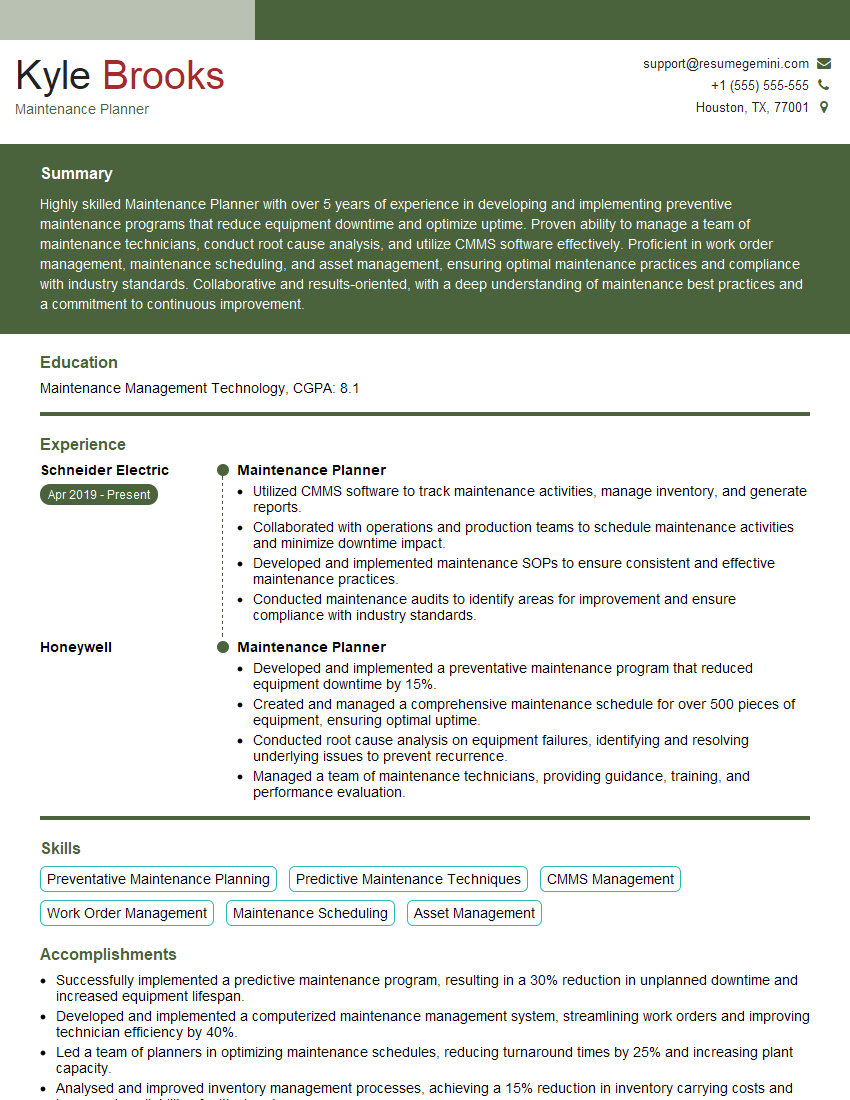
Maintenance Planner Resume Sample
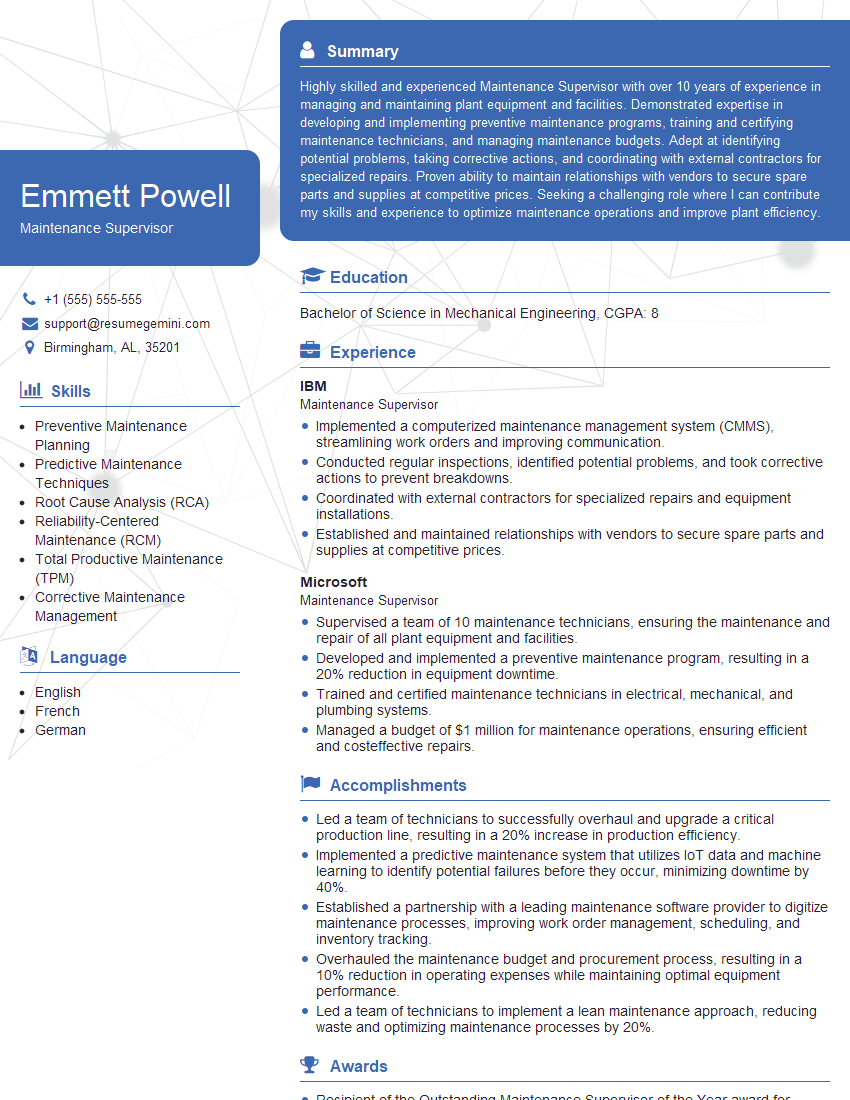
Maintenance Supervisor Resume Sample
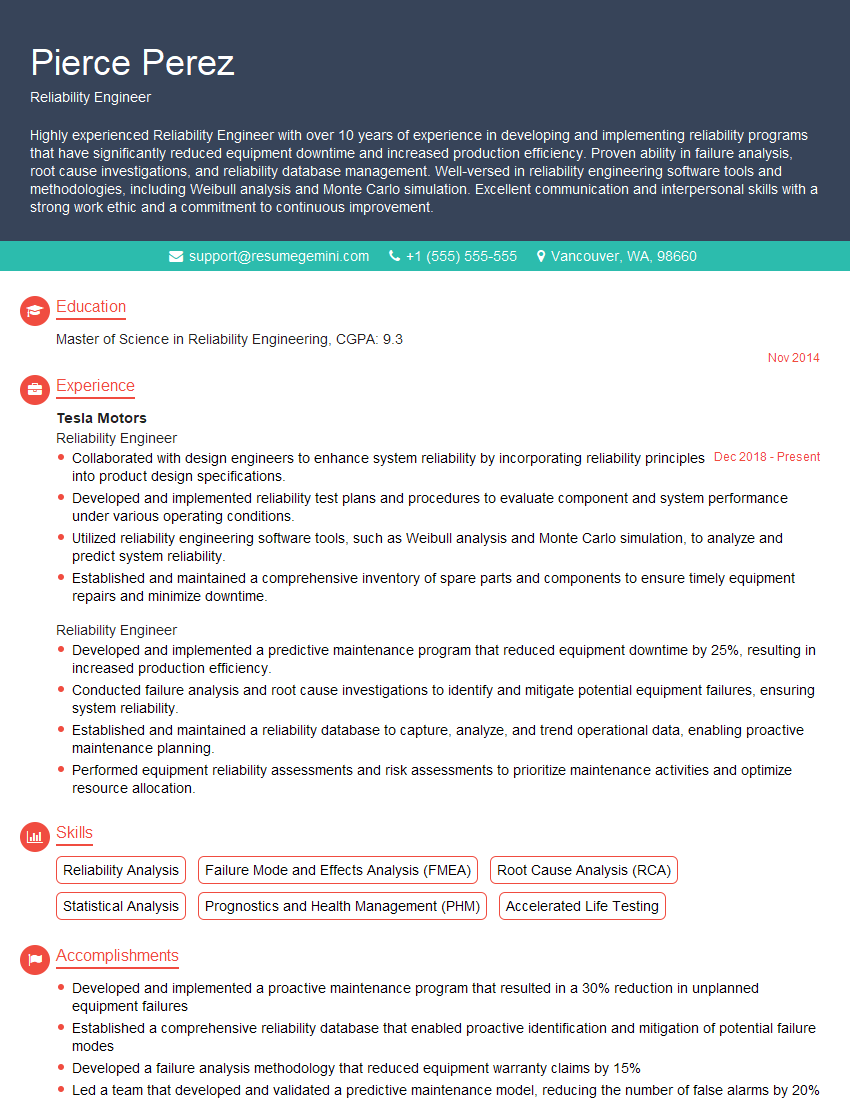
Reliability Engineer Resume Sample
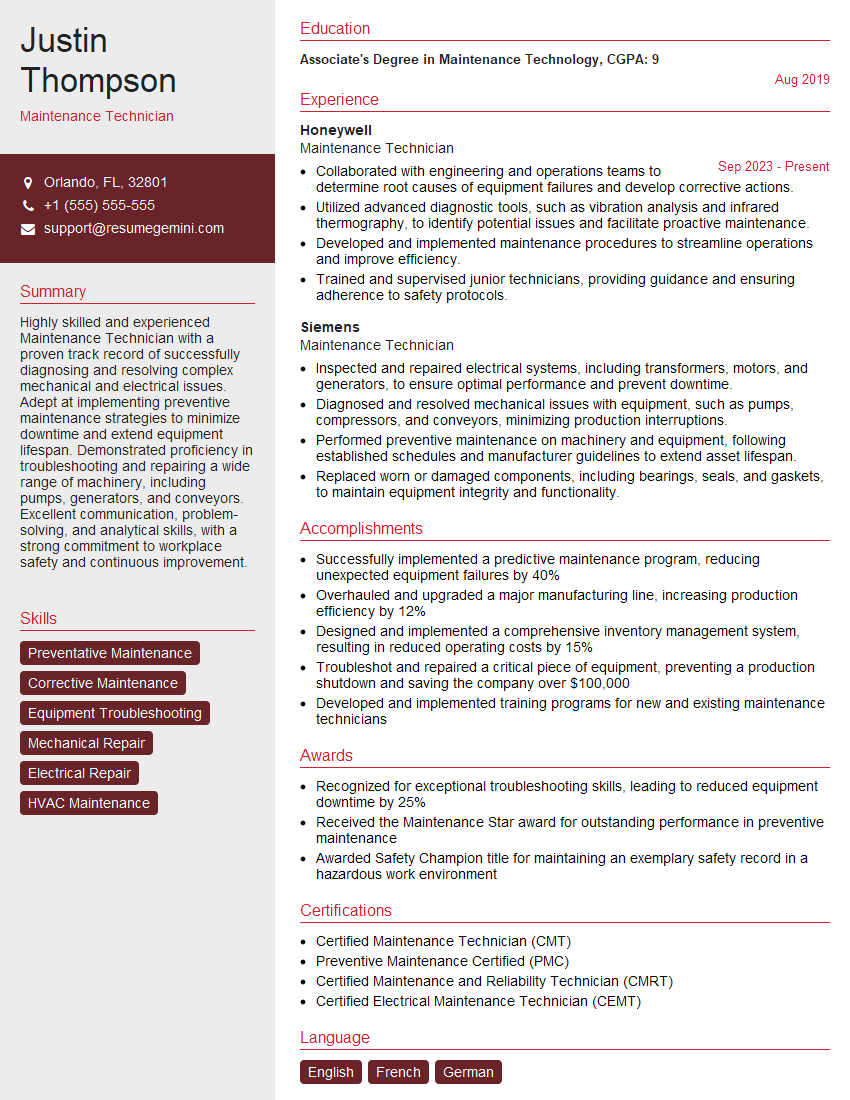
Maintenance Technician Resume Sample
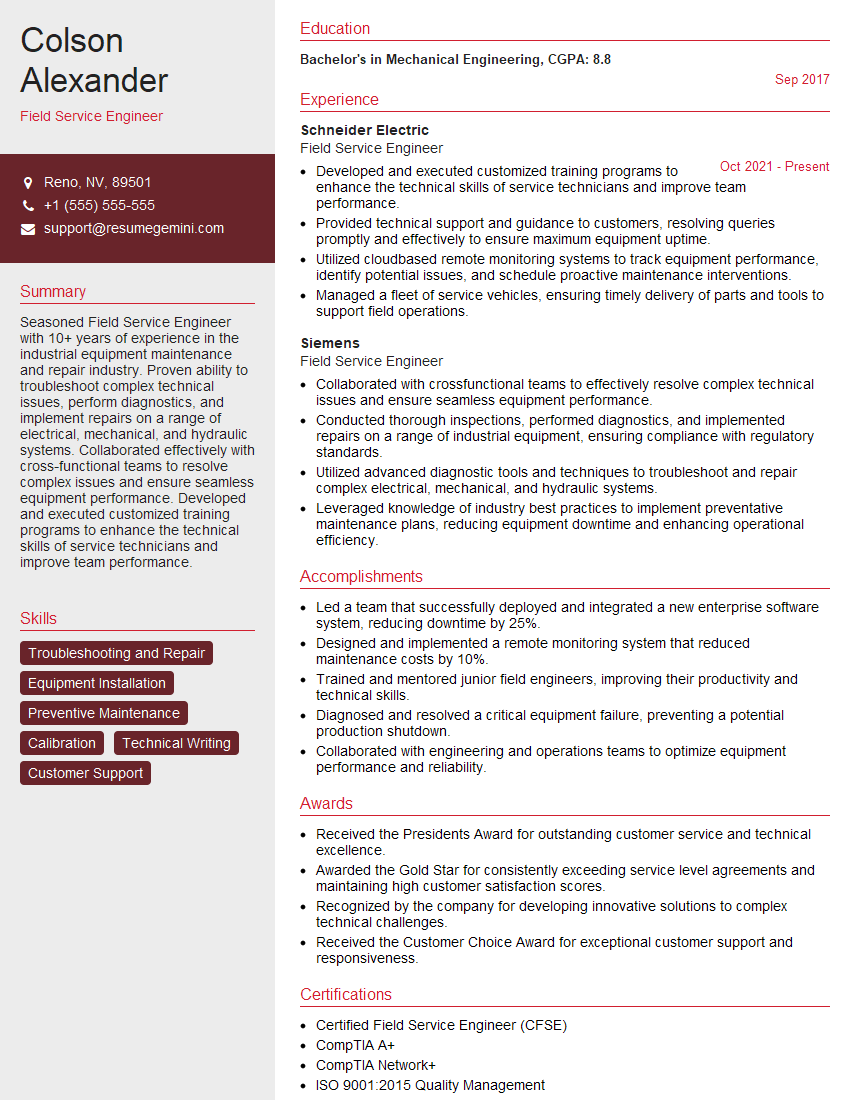
Field Service Engineer Resume Sample

Quality Assurance Technician Resume Sample
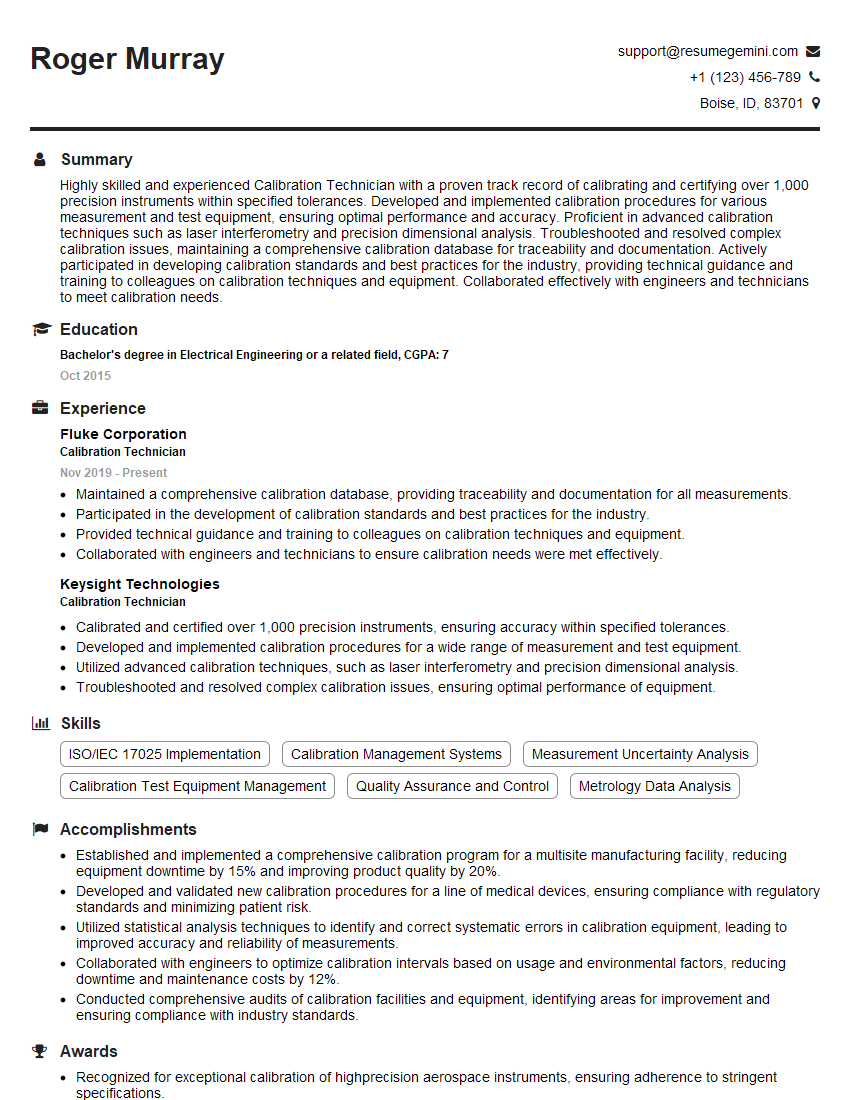
Calibration Technician Resume Sample
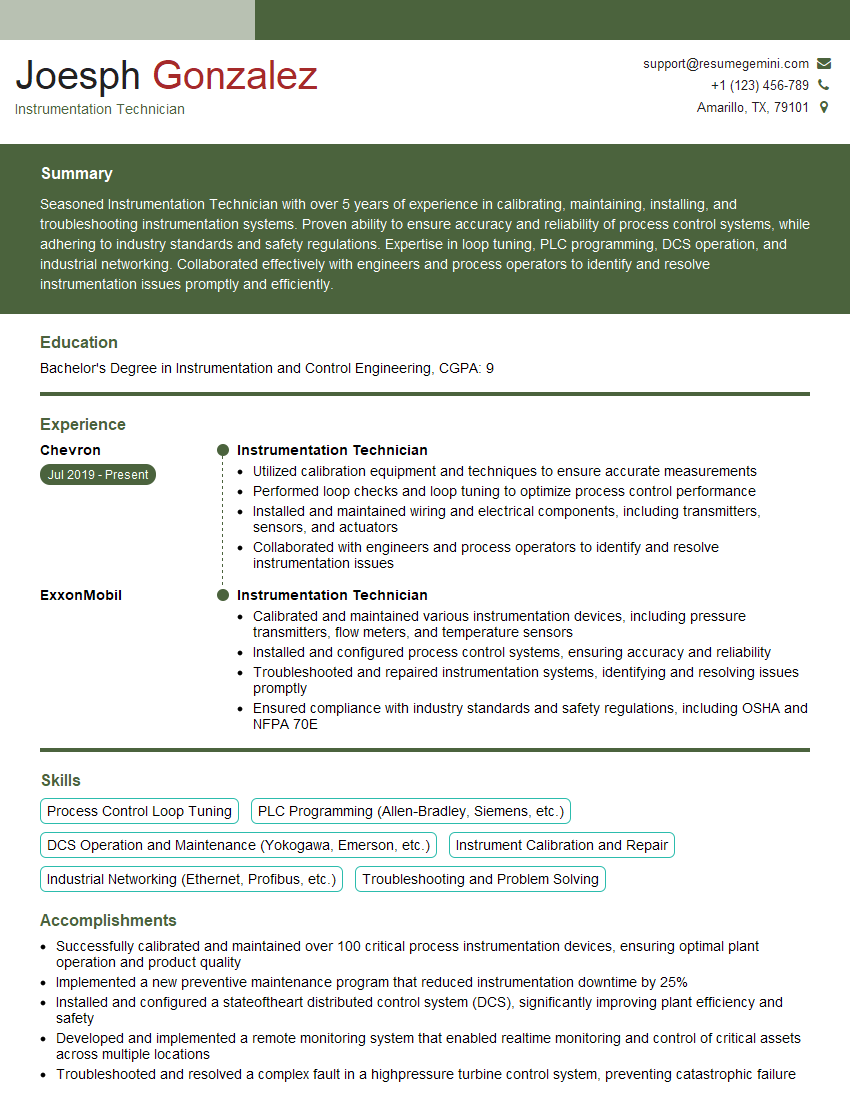
Instrumentation Technician Resume Sample
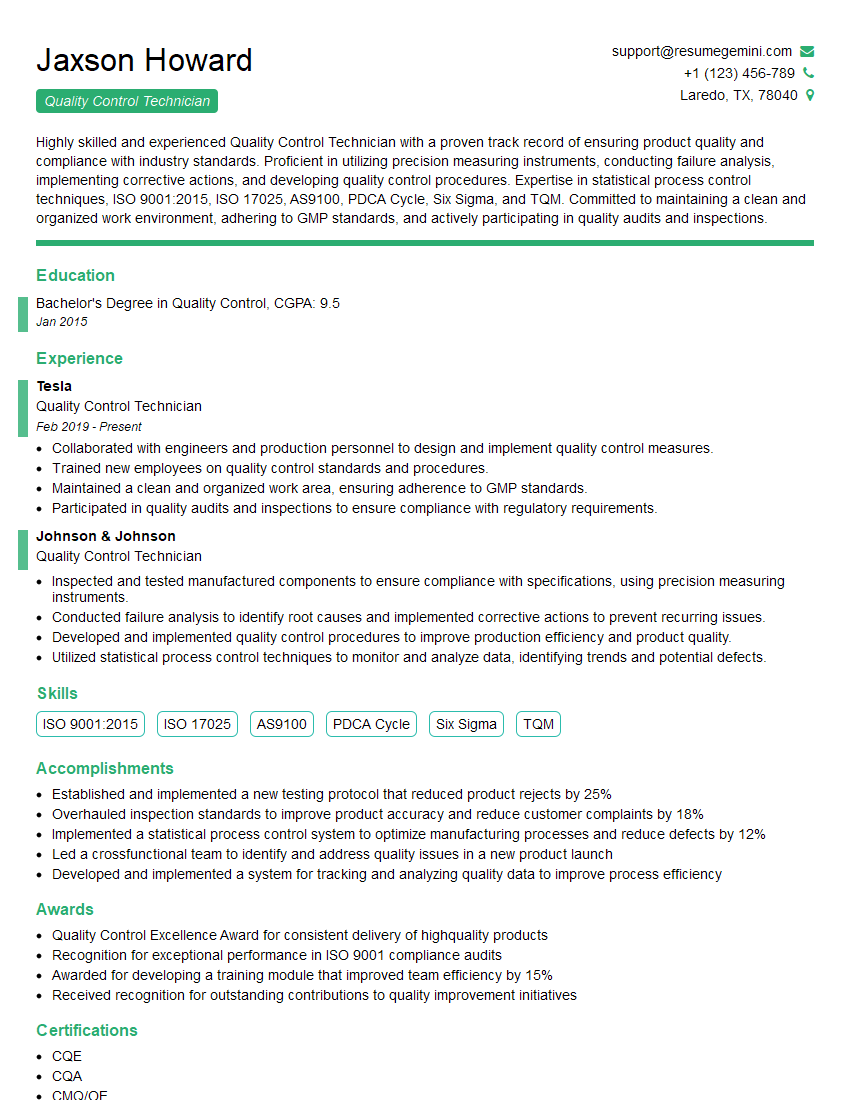
Quality Control Technician Resume Sample
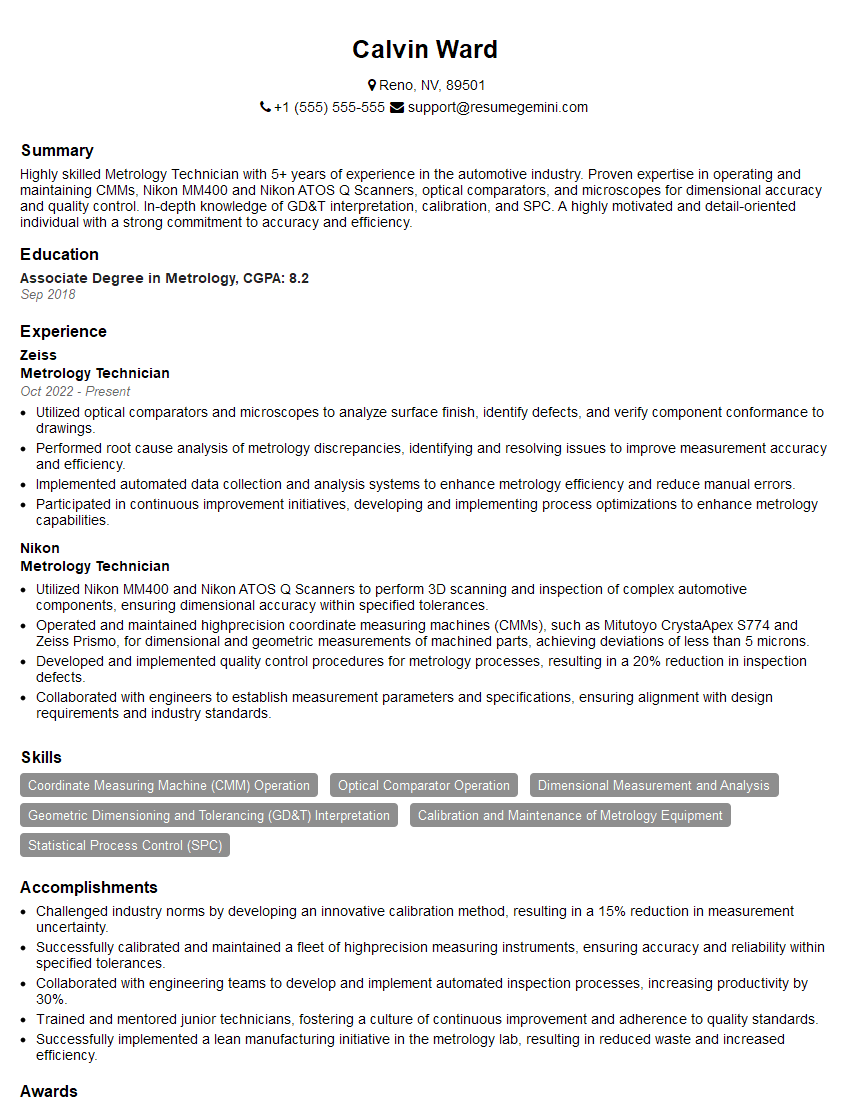
Metrology Technician Resume Sample
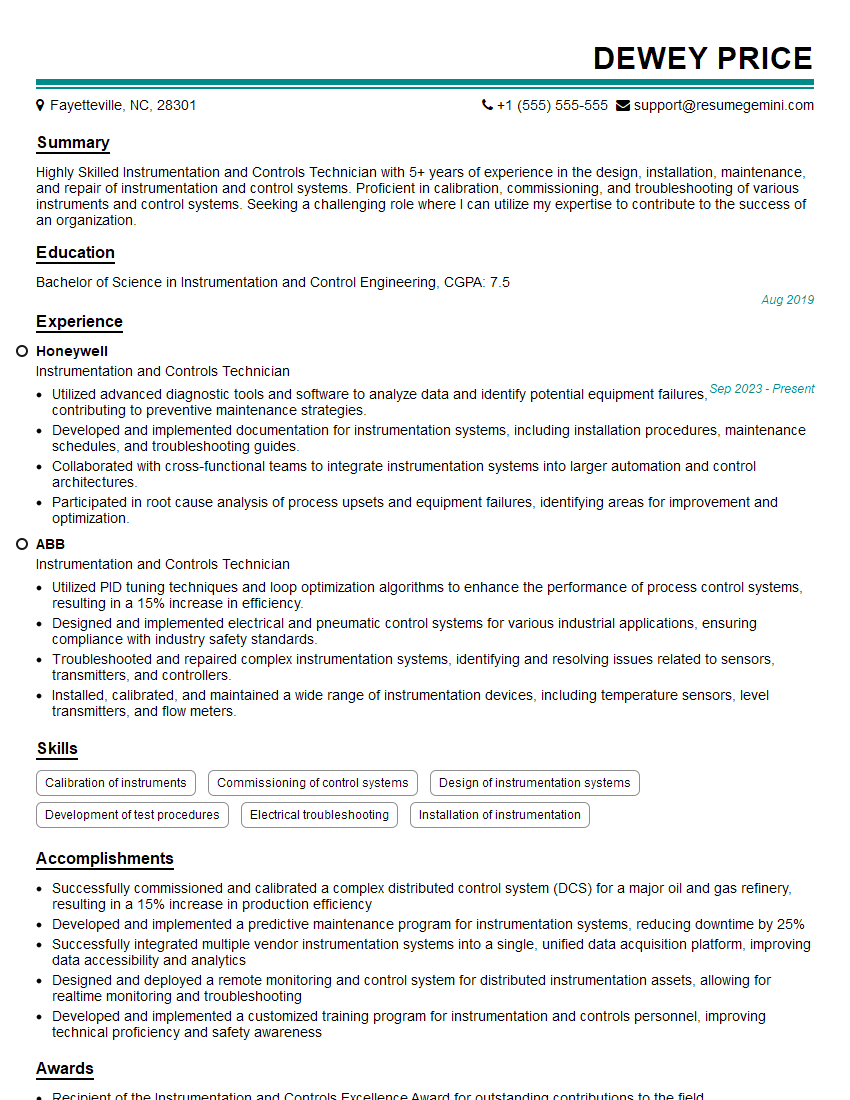
Instrumentation and Controls Technician Resume Sample
Explore more articles
Users Rating of Our Blogs
Share Your Experience
We value your feedback! Please rate our content and share your thoughts (optional).
What Readers Say About Our Blog
Very informative content, great job.
good