Are you ready to stand out in your next interview? Understanding and preparing for Experience with packaging and shipping interview questions is a game-changer. In this blog, we’ve compiled key questions and expert advice to help you showcase your skills with confidence and precision. Let’s get started on your journey to acing the interview.
Questions Asked in Experience with packaging and shipping Interview
Q 1. Explain the difference between LTL and FTL shipping.
LTL (Less-than-Truckload) and FTL (Full Truckload) shipping refer to different ways of transporting goods by truck. The key difference lies in the amount of space your shipment occupies. FTL means you’re renting the entire truck for your goods, ideal for large shipments. LTL, on the other hand, means you’re sharing space on a truck with other shippers’ goods, suitable for smaller shipments. Think of it like this: FTL is like booking a private car, while LTL is like taking a shared taxi.
FTL Advantages: Faster transit times (no stops for other pickups/deliveries), greater security and control over your goods, potentially lower per-unit cost for large shipments.
FTL Disadvantages: More expensive for smaller shipments, potential wasted space if your goods don’t completely fill the truck.
LTL Advantages: Cost-effective for smaller shipments, efficient use of truck space, easier to handle logistics for smaller volumes.
LTL Disadvantages: Longer transit times due to multiple stops, higher risk of damage from handling and potential delays.
In practice: A furniture manufacturer shipping 1000 chairs might opt for FTL, while a small business sending 10 boxes of stationery would choose LTL.
Q 2. What are the key considerations when choosing packaging materials?
Choosing the right packaging materials is crucial for protecting goods during transit and ensuring they arrive at their destination in perfect condition. Key considerations include:
- Product fragility: Fragile items require more robust packaging like air-filled cushions or foam inserts.
- Weight and size: Heavier items need stronger containers and potentially additional support.
- Environmental impact: Sustainable options like recycled cardboard and biodegradable fillers are increasingly important.
- Cost-effectiveness: Balance the need for protection with the cost of materials.
- Shipping method: Packaging needs to withstand the stresses of the chosen transport mode (e.g., truck, air, sea).
- Climate conditions: Packaging might need to be waterproof or temperature-resistant depending on the destination and climate.
For example, shipping electronics requires anti-static packaging and abundant cushioning to prevent damage from shocks and electrostatic discharge.
Q 3. Describe your experience with different types of packaging (e.g., corrugated boxes, pallets, etc.).
My experience spans a wide range of packaging types. I’ve worked extensively with corrugated boxes, which are versatile and cost-effective for various goods. I’ve also used different types of corrugated board, selecting heavier duty for fragile items and lighter weight for less fragile products. Pallets are indispensable for large-scale shipments, providing a stable base and facilitating forklift handling. I have experience with various pallet materials, including wood, plastic, and even those made from recycled material, and I carefully consider the compatibility of these materials with the cargo and transit methods. I’ve also worked with specialized packaging, including custom-fit foam inserts for electronics and vacuum-sealed bags for moisture-sensitive products. In one project, we designed a custom-fit wooden crate for shipping antique furniture overseas, ensuring its safe arrival.
Q 4. How do you ensure the safety and security of shipped goods?
Ensuring the safety and security of shipped goods requires a multi-faceted approach. This includes:
- Proper packaging: Using appropriate materials and techniques to protect against damage (as discussed earlier).
- Secure labeling: Clear, accurate labels with handling instructions and destination information.
- Freight insurance: Protecting against loss or damage during transit.
- Security seals and tamper-evident tape: Deterrent against theft or unauthorized access.
- Carrier selection: Choosing reputable carriers with a strong safety record and robust tracking systems.
- Documentation: Maintaining detailed records of shipments, including contents and value.
For example, when shipping high-value items, we might use specialized security containers with GPS tracking and utilize armored transport for added security.
Q 5. What are your methods for tracking shipments?
Shipment tracking methods depend on the carrier and the type of shipment. Most carriers offer online tracking portals where you can input the tracking number and monitor the shipment’s progress. This typically shows the current location, anticipated delivery date, and any significant updates. For high-value or time-sensitive shipments, real-time GPS tracking is often utilized. Some carriers also integrate with warehouse management systems (WMS) to provide automated tracking updates. I’ve used various tracking platforms, always prioritizing accuracy and efficiency. In one instance, we used a real-time tracking system to redirect a shipment when a weather delay was anticipated, ensuring timely delivery.
Q 6. What experience do you have with international shipping regulations?
I have significant experience navigating international shipping regulations. This includes understanding and adhering to customs regulations, import/export documentation (e.g., commercial invoices, packing lists, certificates of origin), and the various international trade agreements and tariffs that impact shipping costs and timelines. I’m familiar with the intricacies of different countries’ customs procedures and have a strong understanding of the relevant compliance requirements, including hazardous materials regulations. I have personally managed several international shipments, ensuring compliance with regulations and avoiding costly delays. One notable project involved successfully navigating the complex regulations of importing delicate scientific equipment into Japan.
Q 7. Describe your experience with warehouse management systems (WMS).
My experience with Warehouse Management Systems (WMS) encompasses implementation, customization, and utilization for optimal warehouse operations. I’ve worked with various WMS platforms, from cloud-based solutions to on-premise systems. I’m proficient in using WMS to manage inventory, track shipments, optimize picking and packing processes, and generate reports. This includes managing receiving, putaway, picking, packing, shipping, and inventory control functions. I am comfortable using WMS data to analyze warehouse efficiency and identify areas for improvement. For example, by analyzing data from our WMS, we were able to optimize our picking routes, reducing order fulfillment time by 15%. This expertise enables efficient inventory management and streamlined operations, contributing to cost savings and faster turnaround times.
Q 8. How do you handle damaged goods during shipping and receiving?
Handling damaged goods starts with prevention. We implement robust packaging procedures, using appropriate cushioning materials and sturdy containers tailored to the product’s fragility and shipping distance. However, damage can still occur. Upon receiving a shipment, we meticulously inspect each package. Any visible damage is documented with photos and notes, including the carrier’s condition report. Internal damage is assessed after opening. If damage is found, we immediately contact the carrier to file a claim, providing all documentation. This includes the original shipping invoice, photos of the damaged goods and packaging, and a detailed description of the damage. Depending on the carrier’s policy and the severity of the damage, we might request a replacement shipment or a refund. For internal damage, a thorough investigation is conducted to determine the root cause and prevent future incidents. This might involve reviewing packaging procedures or providing additional training to staff.
For example, once we received a shipment of delicate glassware where several pieces arrived cracked. We immediately photographed the damaged boxes, noting the significant dents. The carrier’s driver also documented the damage on his delivery record. We then filed a claim with the carrier, providing all documentation, resulting in a full replacement of the damaged goods.
Q 9. What are your strategies for optimizing shipping costs?
Optimizing shipping costs involves a multi-pronged approach. Firstly, we negotiate favorable rates with carriers by consolidating shipments, utilizing high-volume discounts, and leveraging our shipping history to secure better terms. We also strategically choose the most cost-effective shipping method based on factors like delivery speed, distance, and product weight and dimensions. For example, LTL (Less Than Truckload) shipping can be more economical for larger, less time-sensitive orders compared to expedited services. We also optimize packaging to minimize weight and dimensions, without compromising product protection. This reduces the overall shipping cost. Finally, we constantly monitor carrier rates and explore alternative shipping options to identify potential cost savings. We also use shipping software to automatically compare rates and choose the most economical carrier for each shipment.
For instance, by switching from express delivery to ground shipping for non-urgent orders, we were able to reduce our shipping costs by approximately 15% without sacrificing customer satisfaction significantly.
Q 10. How do you prioritize shipments based on urgency and deadlines?
Prioritizing shipments is crucial for meeting deadlines and satisfying customers. We use a combination of methods to manage this. A shipment prioritization matrix often categorizes orders based on factors like urgency (e.g., critical spare parts, time-sensitive deliveries) and deadline. We also utilize a robust transportation management system (TMS) to track shipments in real-time, allowing us to identify and address potential delays proactively. Orders with strict deadlines are given priority in the packing and shipping process. We might employ expedited shipping services for these high-priority items. Clear communication with the customer regarding the shipment’s status and expected delivery date is essential. This allows them to manage their own expectations and ensures transparency throughout the process. Internally, we also use a visual management system such as a Kanban board to visualize the flow of orders and identify potential bottlenecks that might delay shipments.
Imagine a scenario where a customer urgently needs a specific machine part to prevent a production line shutdown. This order would be flagged as high priority, processed immediately, and shipped via expedited service, ensuring timely delivery.
Q 11. What is your experience with different shipping carriers (e.g., FedEx, UPS, USPS)?
I have extensive experience with FedEx, UPS, and USPS, each offering distinct advantages depending on the shipment’s characteristics. FedEx excels in speed and reliability, particularly for international and expedited deliveries. UPS provides similar services with a strong emphasis on tracking and package handling. USPS offers cost-effective options, especially for domestic shipments with less urgency. The choice of carrier depends on factors such as delivery speed required, cost considerations, and the destination. For example, for a heavy shipment to a rural area, USPS might be cost-prohibitive, while for a quick, small package across the country, FedEx or UPS might be better suited. We have negotiated contracts with each carrier to secure better rates and access specific services based on our shipping volume and needs. Understanding each carrier’s strengths and limitations allows for optimal cost management and ensures timely and reliable deliveries.
We regularly review our carrier performance metrics, such as on-time delivery rates and claim resolution times, to ensure we are using the most efficient and reliable service for our needs.
Q 12. Explain your process for resolving shipping discrepancies or delays.
Resolving shipping discrepancies or delays involves a systematic approach. We start by carefully reviewing all available information, such as the tracking number, shipping labels, and any communication with the carrier. We then contact the carrier to inquire about the discrepancy or delay, providing them with the relevant information. Depending on the issue, this might involve investigating a missing package, tracking down a delayed shipment, or filing a claim for damaged goods. We also communicate transparently with the customer, keeping them informed about our progress in resolving the issue. Effective communication is crucial in maintaining a positive customer experience. Good record-keeping is crucial for effective claim management and for demonstrating to carriers the nature of the problem. Persistent follow-up is also important, particularly in cases of delays or losses. If the carrier is unresponsive or unhelpful, we may consider alternative dispute resolution methods.
For example, if a package is marked as “delivered” but the recipient hasn’t received it, we initiate an investigation with the carrier, reviewing the delivery scan, and possibly requesting a redelivery or initiating a lost package claim.
Q 13. How familiar are you with Incoterms?
I am very familiar with Incoterms (International Commercial Terms). These standardized trade terms define the responsibilities of buyers and sellers in international trade transactions, specifying who is responsible for which aspects of shipping, insurance, and risk transfer. Understanding Incoterms is crucial for avoiding misunderstandings and disputes regarding shipping costs, insurance, and liability. Each Incoterm (e.g., FOB, CIF, DDP) outlines a different allocation of responsibilities. Correctly applying the appropriate Incoterm is essential for clear contracts and smooth international transactions. For instance, ‘FOB (Free On Board)’ means the seller is responsible for getting the goods to the named port, while the buyer is responsible for ocean freight and insurance from that point on. Misunderstanding these terms can lead to costly disputes and delays. Therefore, selecting the appropriate Incoterm for each transaction requires careful consideration of the risks and responsibilities involved and is a crucial aspect of international shipping.
In my previous role, we used Incoterms daily to clarify the responsibilities in our international shipping contracts, preventing potential conflicts.
Q 14. Describe your experience with inventory management techniques.
My experience encompasses various inventory management techniques, including Just-in-Time (JIT), First-In, First-Out (FIFO), and Last-In, First-Out (LIFO). JIT aims to minimize inventory holding costs by ordering materials only when needed, reducing storage space and waste. FIFO prioritizes older stock, ensuring that it’s used before newer stock, minimizing spoilage and obsolescence. LIFO, on the other hand, uses the most recently received items first, often beneficial for accounting purposes but potentially increasing spoilage risks. The choice depends on the product’s shelf life, demand variability, and storage capacity. We also use inventory management software to track inventory levels, monitor stock movement, and generate reports to optimize stock levels and prevent stockouts. Data analysis plays a crucial role, allowing us to predict demand and optimize purchasing and storage decisions. Effective inventory management is about striking a balance between sufficient stock to meet demand and minimizing carrying costs. We also use barcode scanning and RFID technology to improve the accuracy of our inventory tracking.
For example, we successfully implemented a JIT inventory system for a perishable product, reducing storage costs and minimizing spoilage. By analyzing sales data and predicting demand, we significantly reduced waste and improved overall efficiency.
Q 15. How do you handle returns and exchanges?
Handling returns and exchanges efficiently is crucial for customer satisfaction and minimizing losses. Our process begins with clear return instructions provided upfront, including eligibility criteria, timeframes, and packaging requirements. We use a user-friendly online return portal for seamless tracking. Upon receiving the returned item, we carefully inspect it for damage and verify its condition against the original order. If the return is approved, we process the refund or exchange promptly, usually within 5-7 business days. For damaged goods, we thoroughly document the damage with photos, and communicate with the customer and the shipping carrier to determine liability.
For example, if a customer returns a damaged item due to poor packaging during the initial shipment, we will investigate the packaging used and adjust our procedures accordingly. Similarly, if an item is returned due to a manufacturing defect, we coordinate with our suppliers to address the issue and prevent future occurrences.
We communicate proactively with customers throughout the entire process, updating them on the status of their return or exchange. This approach minimizes friction, retains customer loyalty, and improves our brand reputation.
Career Expert Tips:
- Ace those interviews! Prepare effectively by reviewing the Top 50 Most Common Interview Questions on ResumeGemini.
- Navigate your job search with confidence! Explore a wide range of Career Tips on ResumeGemini. Learn about common challenges and recommendations to overcome them.
- Craft the perfect resume! Master the Art of Resume Writing with ResumeGemini’s guide. Showcase your unique qualifications and achievements effectively.
- Don’t miss out on holiday savings! Build your dream resume with ResumeGemini’s ATS optimized templates.
Q 16. What is your experience with hazardous materials shipping regulations?
My experience with hazardous materials (HazMat) shipping regulations is extensive. I’m well-versed in the regulations set forth by the Department of Transportation (DOT) in the US, and their international counterparts such as IATA (International Air Transport Association) for air freight and IMDG (International Maritime Dangerous Goods Code) for sea freight. I understand the classification of hazardous materials, the required packaging, labeling, and documentation, as well as the specific handling and transportation requirements. This includes awareness of shipping restrictions and the need for special permits or licenses in certain situations.
For instance, I’ve worked with various classes of hazardous materials, including flammable liquids, corrosive substances, and toxic materials. In each case, I’ve ensured that the shipping documentation (shipping papers) is accurate and complete, the packaging meets DOT/IATA/IMDG standards, and proper markings and labels are affixed according to the specific material classification. I’ve also been involved in training staff on HazMat handling and shipping procedures to maintain compliance.
Q 17. How do you ensure compliance with all relevant shipping regulations?
Ensuring compliance with shipping regulations is paramount. We achieve this through a multi-faceted approach. Firstly, we maintain up-to-date knowledge of all applicable regulations, actively monitoring changes and updates from organizations like the DOT, IATA, and IMDG. This involves regular training and the use of compliance resources and software. Secondly, we have established strict internal procedures that incorporate these regulations into our packaging and shipping workflows. This includes using approved packaging materials, accurate labeling, and detailed documentation for each shipment.
Thirdly, we utilize shipping software with integrated compliance features, such as automated label generation and shipping document creation, which ensures adherence to the latest regulations. We also regularly audit our processes and shipping records to detect any potential non-compliance. Finally, we work closely with our shipping carriers to ensure they understand and comply with all regulations related to our shipments.
Think of it like a safety net. Each layer—knowledge, procedures, technology, and carrier collaboration—works together to prevent errors and ensure our operations are legal and safe.
Q 18. Describe a time you had to solve a complex packaging or shipping problem.
One time, we had a large client requiring the shipment of extremely fragile scientific equipment overseas. The equipment was sensitive to temperature fluctuations and vibrations, and the destination had unreliable infrastructure. The initial packaging solution was insufficient; we experienced significant breakage during test shipments.
To solve this, we employed a multi-step approach. First, we conducted a thorough risk assessment identifying all potential points of failure during transit. Second, we collaborated with a specialized packaging engineer to design custom crates with advanced shock absorption and temperature control features using high-density foam, climate-controlled inserts, and sturdy reinforced materials. Thirdly, we meticulously documented the entire packaging process to maintain a record of our methodology. The final shipment was a complete success with zero damage. This experience highlighted the importance of proactive risk assessment and the use of specialist expertise when dealing with high-value or sensitive goods.
Q 19. What is your experience with different types of shipping containers?
My experience encompasses a wide range of shipping containers, tailored to the specific needs of the product and the shipping method. This includes:
- Corrugated boxes: These are widely used for smaller, lighter items and are cost-effective. Different box strengths are selected based on item weight and fragility.
- Rigid containers: These provide superior protection for fragile goods, using materials like wood, plastic, or metal. They’re often used for oversized or heavy items and international shipping.
- Pallets: For larger shipments, pallets provide stability and easy handling using forklifts or pallet jacks. The choice of pallet (wood, plastic) varies based on regulations and destination requirements.
- Specialized containers: For specific requirements, such as temperature-sensitive goods (refrigerated containers or insulated boxes), liquid products (drums or IBC totes), or hazardous materials (UN-certified packaging), we select specialized containers that meet all regulations and provide optimal protection.
Selecting the appropriate container is a crucial decision that considers factors such as product dimensions and weight, fragility, shipping distance, environmental conditions, and applicable regulations.
Q 20. How do you handle customer inquiries about shipping status?
Handling customer inquiries about shipping status is a key aspect of providing excellent customer service. We utilize a robust tracking system that allows customers to track their shipments in real-time through our website or via email notifications. Our customer service team is trained to access detailed shipment information and provide accurate, timely updates. We address all inquiries promptly and professionally, regardless of the carrier or shipping method used.
In cases where there are delays, we proactively communicate with the customer, providing explanations and estimated delivery dates whenever possible. We strive to resolve any issues quickly and efficiently, building trust and loyalty. Transparency and clear communication are essential in maintaining customer satisfaction even when unexpected delays occur. For instance, if a storm causes significant delays, we immediately inform our customers of the situation and provide updated estimated delivery times.
Q 21. What are your skills in using shipping software?
I’m proficient in several shipping software solutions, including UPS WorldShip, FedEx Ship Manager, and ShipStation. My skills extend beyond basic functionality to include advanced features such as automated label generation, batch processing, integration with ERP systems (Enterprise Resource Planning), carrier rate comparison and selection, and the generation of customs documentation for international shipments. I understand how to effectively utilize these tools to streamline shipping processes, reduce manual effort, and ensure accuracy.
For example, I regularly use ShipStation to automate our shipping workflows, reducing errors and improving efficiency. The system allows me to connect multiple carriers, compare rates, and automate label printing, significantly reducing processing time for each order.
Q 22. How do you stay updated on changes in shipping regulations?
Staying current with shipping regulations is crucial for compliance and avoiding costly penalties. I employ a multi-pronged approach. First, I subscribe to industry newsletters and publications like Inbound Logistics and Supply Chain Dive, which regularly report on regulatory changes. Second, I actively monitor government websites, specifically those of the Department of Transportation (DOT) and the Federal Motor Carrier Safety Administration (FMCSA) in the US (or equivalent agencies internationally), for updates and announcements. Third, I attend industry conferences and webinars to network with peers and experts and hear firsthand about emerging trends and regulatory shifts. Finally, I engage with our company’s legal team to ensure our practices remain compliant. For example, recent changes to hazardous materials regulations required a complete overhaul of our handling procedures, which involved retraining staff and updating our documentation. This proactive approach ensures we adapt quickly to any regulatory changes, maintaining efficiency and compliance.
Q 23. How do you ensure efficient loading and unloading of goods?
Efficient loading and unloading directly impacts delivery times and costs. My strategy involves careful planning and execution. We use Warehouse Management Systems (WMS) software to optimize loading sequences based on delivery routes and order priorities, minimizing travel time within the warehouse. Before loading, we verify the accuracy of manifests and ensure proper handling instructions are followed for fragile goods. We utilize standardized loading patterns (like block stacking for stability) to maximize space and prevent damage. Forklifts are routinely inspected for safety and optimal function. At the unloading end, clear communication with the receiving party is essential. Pre-notification of arrival and detailed manifests prevent delays. We regularly review our loading and unloading procedures, seeking improvements to reduce handling time and improve safety, including analyzing data to pinpoint bottlenecks and adjusting our processes accordingly. For example, by implementing a new staging area near the loading docks, we reduced unloading time by 15%.
Q 24. Describe your experience with different types of transportation modes (e.g., truck, rail, air, sea).
My experience spans various transportation modes. I’ve extensively worked with trucking, which offers flexibility and wide reach, but can be susceptible to weather delays. Rail transport is cost-effective for large volumes over longer distances but is less flexible regarding delivery times. Air freight is ideal for urgent, high-value, or time-sensitive goods, but comes with a higher price tag. Sea freight is the most economical for bulk shipments but features the longest transit times. Each mode presents unique challenges. For example, coordinating with multiple carriers for intermodal shipping (e.g., rail to truck) requires meticulous planning and close communication. In one project, we successfully shifted a significant portion of our volume from truck to rail, resulting in a 20% reduction in transportation costs, without compromising delivery timelines by strategically using a combination of modes.
Q 25. How do you optimize warehouse space utilization?
Optimizing warehouse space is crucial for profitability. We use a combination of strategies. First, we implement a robust inventory management system that allows us to strategically locate frequently accessed items in easily accessible areas, like near the shipping docks. Less frequently used items are stored in less accessible areas. Second, we utilize vertical space with racking systems, maximizing floor-to-ceiling storage. Third, we regularly conduct inventory audits to identify obsolete or slow-moving items that can be removed or relocated to free up space. Fourth, we adopt efficient storage methods such as block stacking for uniform items to maximize space utilization. We also use slotting optimization techniques to assign the best location for every item based on its frequency of picking, size, and other factors. A recent space optimization project involved reconfiguring our warehouse layout, leading to a 10% increase in storage capacity. This freed up space, reduced travel time for workers, and overall increased efficiency.
Q 26. What is your experience with picking and packing procedures?
Picking and packing is the heart of order fulfillment. We employ standardized procedures to maintain accuracy and speed. We utilize barcode scanners or RF-enabled handheld devices to minimize picking errors and track items throughout the process. Our packing process considers product fragility and environmental conditions. We use appropriate packaging materials like bubble wrap, corrugated boxes, and void fill to protect goods during transit. We also implement quality checks at various stages – after picking, during packing, and before shipment – to ensure accuracy and prevent damages. We continuously analyze our picking and packing processes, measuring metrics such as pick accuracy, packing time, and damage rates. This data guides improvements in our workflows and training programs. For instance, implementing a new pick-to-light system improved pick accuracy by 5% and reduced pick times by 10%.
Q 27. How do you manage inventory levels to meet demand?
Managing inventory effectively is paramount. We utilize a combination of forecasting techniques (like moving averages and exponential smoothing), analyzing historical sales data and market trends to predict future demand. We use a robust inventory management system that provides real-time visibility into stock levels. This enables us to identify slow-moving items and adjust purchasing accordingly. We also employ safety stock levels to mitigate against unexpected spikes in demand or supply chain disruptions. Regular stock checks and cycle counting maintain inventory accuracy. By using a just-in-time inventory system in conjunction with reliable suppliers, we minimize storage costs while ensuring we meet customer orders promptly. A recent optimization effort involved implementing a new forecasting model, which reduced our inventory holding costs by 12% without impacting order fulfillment.
Q 28. Describe your experience with implementing new shipping procedures.
Implementing new shipping procedures involves careful planning and execution. I follow a structured approach. First, I thoroughly analyze the current processes to identify pain points and areas for improvement. Second, I research and select suitable new procedures, considering factors such as cost, efficiency, and compliance. Third, I develop a detailed implementation plan, outlining timelines, responsibilities, and resource allocation. Fourth, I conduct thorough staff training to ensure everyone understands the new procedures. Fifth, I monitor the new processes closely, tracking key metrics and making adjustments as needed. I also utilize data analytics to identify areas of success or shortcomings. Finally, I evaluate the impact of the new procedures on various key performance indicators (KPIs) such as delivery times, costs, and customer satisfaction. For example, we recently transitioned to a new route optimization software, which reduced our shipping costs by 8% and improved on-time delivery rates by 15%. This success was carefully monitored, and adjustments were made to address initial challenges.
Key Topics to Learn for Experience with Packaging and Shipping Interviews
- Packaging Materials & Selection: Understanding different packaging materials (cardboard, plastic, foam, etc.), their properties, and selecting the appropriate material based on product fragility, weight, and shipping distance. Consider environmental impact and cost-effectiveness.
- Packaging Design & Techniques: Designing efficient and protective packaging layouts. This includes understanding concepts like cushioning, bracing, and stacking to prevent damage during transit. Practical application includes using various packaging tools and machinery.
- Shipping Methods & Regulations: Familiarity with different shipping carriers (UPS, FedEx, USPS, etc.), their services, and associated costs. Understanding and complying with relevant shipping regulations (e.g., hazardous materials handling, customs documentation).
- Inventory Management & Order Fulfillment: Understanding the process of picking, packing, and shipping orders efficiently. This includes experience with warehouse management systems (WMS) and order management systems (OMS). Problem-solving scenarios might include resolving order discrepancies or addressing logistical challenges.
- Logistics & Supply Chain: Broader understanding of the supply chain, including procurement, warehousing, transportation, and delivery. This involves analyzing processes for efficiency and cost reduction.
- Safety Procedures & Best Practices: Knowledge of safety protocols for handling packaging materials and operating machinery. Understanding best practices to minimize workplace accidents and ensure efficient workflow.
Next Steps
Mastering packaging and shipping expertise is crucial for career advancement in logistics, supply chain management, and related fields. A strong understanding of these concepts significantly increases your marketability and opens doors to higher-paying roles and more challenging responsibilities. Creating an ATS-friendly resume is essential to ensure your application gets noticed by recruiters. ResumeGemini can help you build a professional, impactful resume that highlights your skills and experience effectively. We offer examples of resumes tailored specifically to packaging and shipping experience to guide you through the process.

Operations Manager Resume Sample
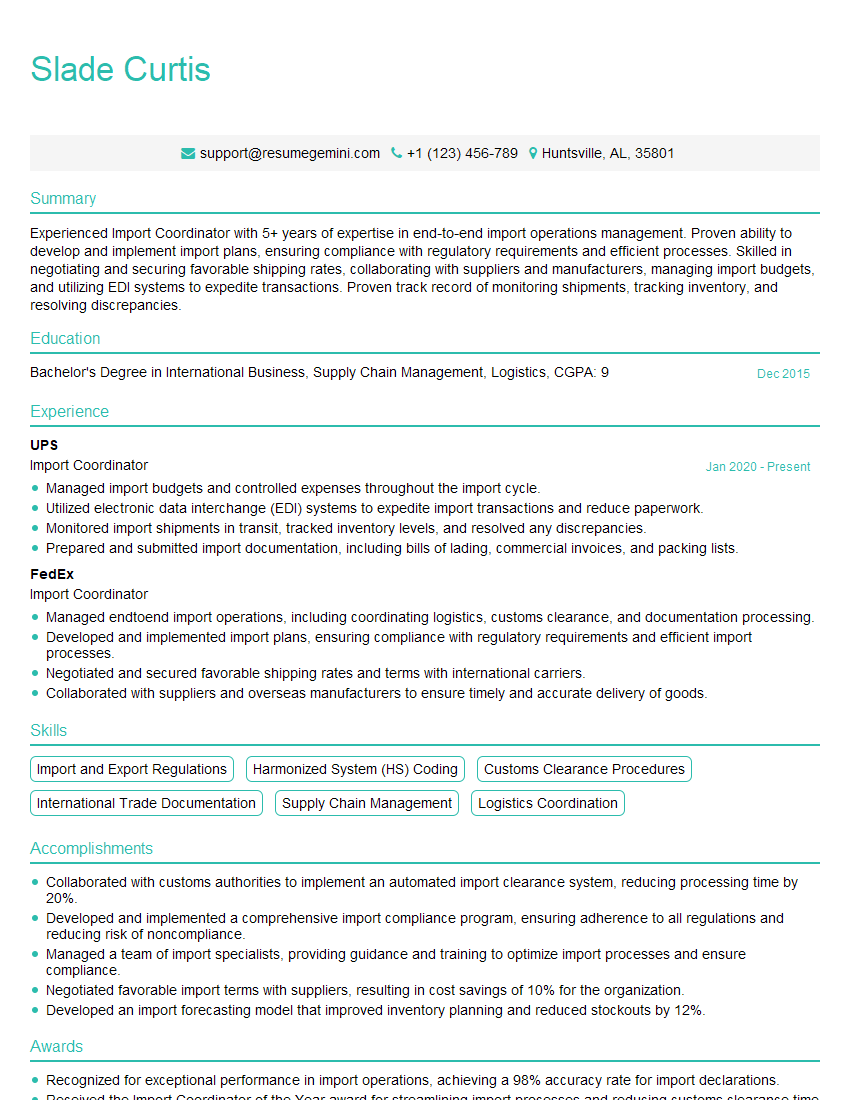
Import Coordinator Resume Sample
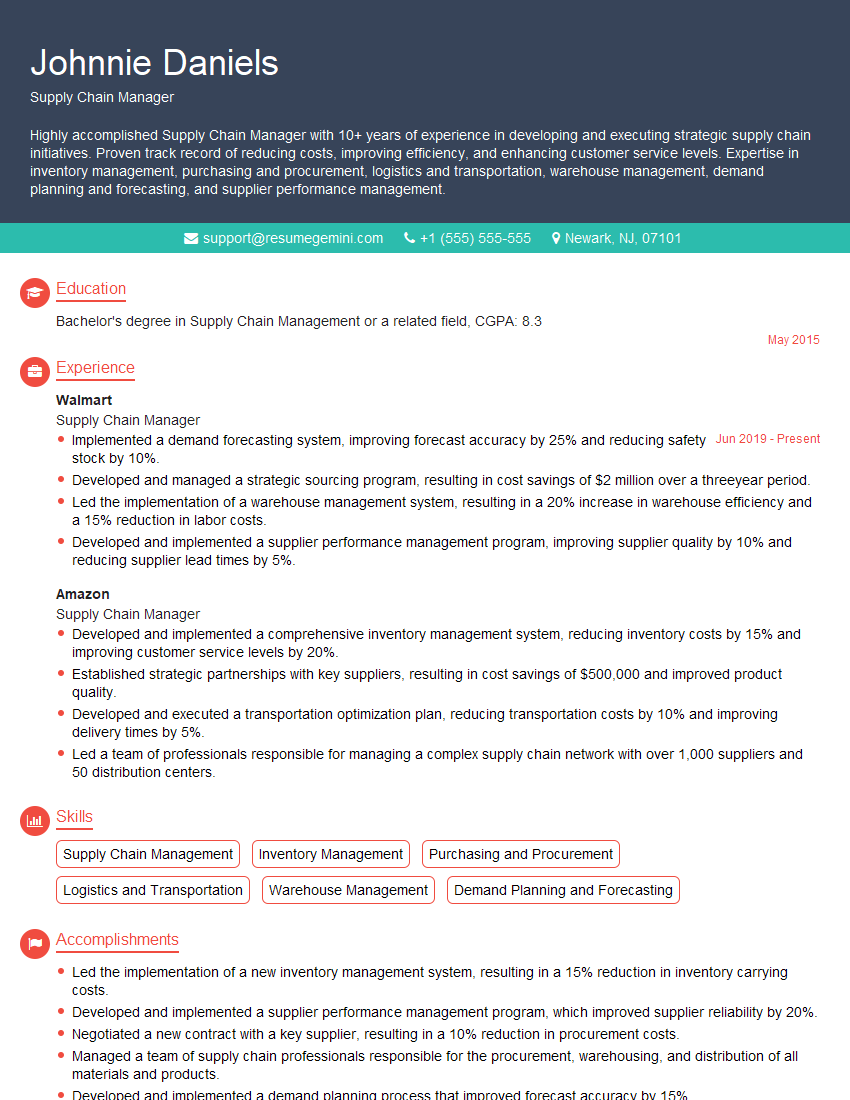
Supply Chain Manager Resume Sample
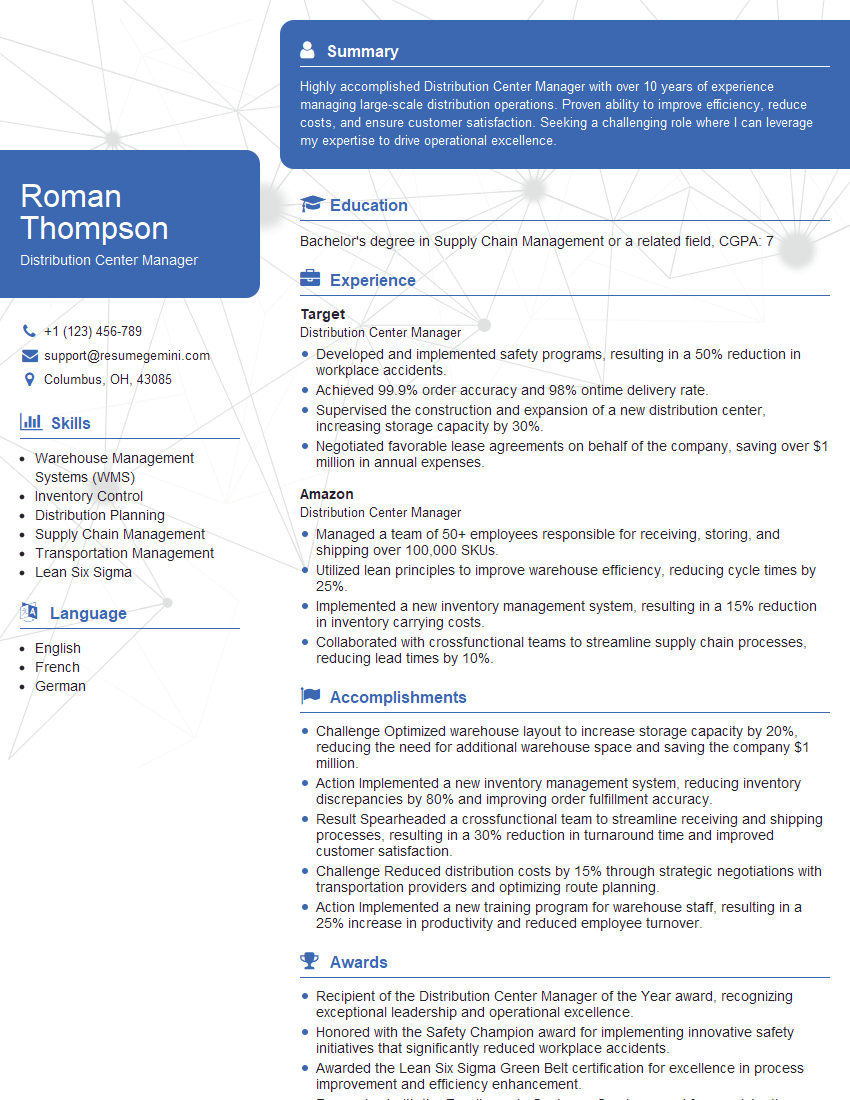
Distribution Center Manager Resume Sample
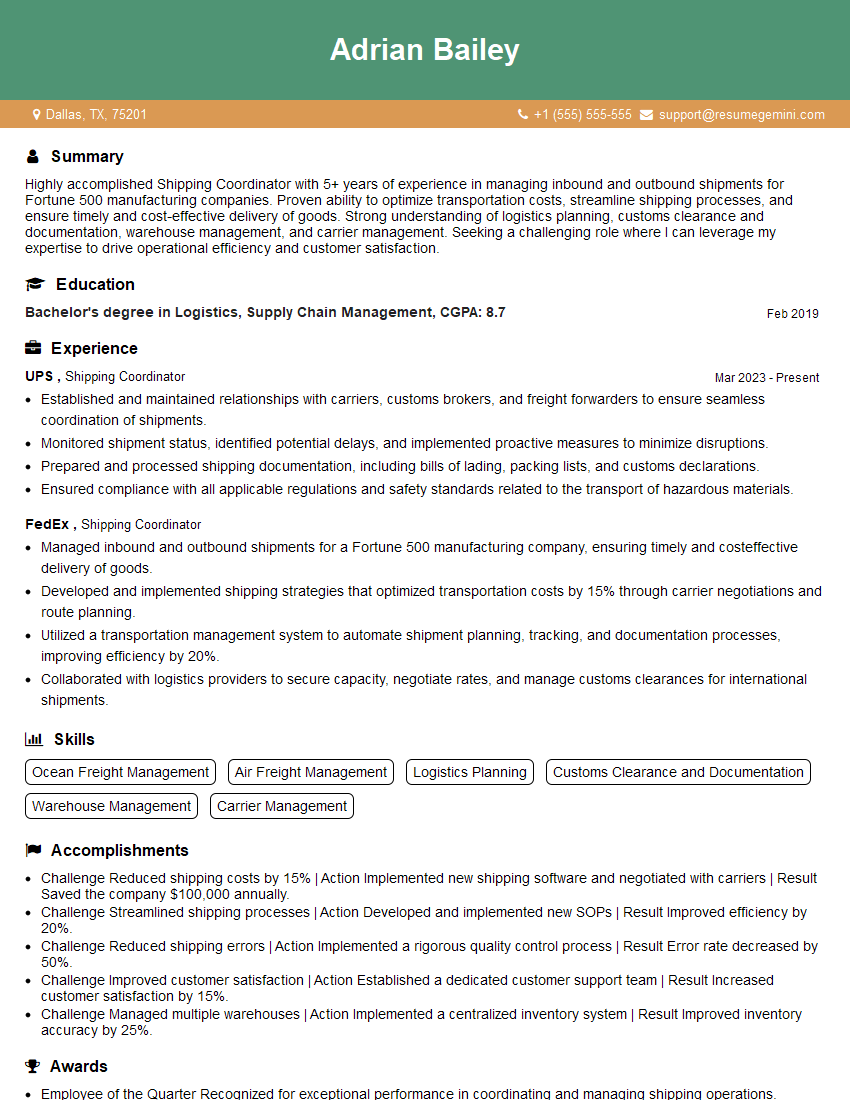
Shipping Coordinator Resume Sample
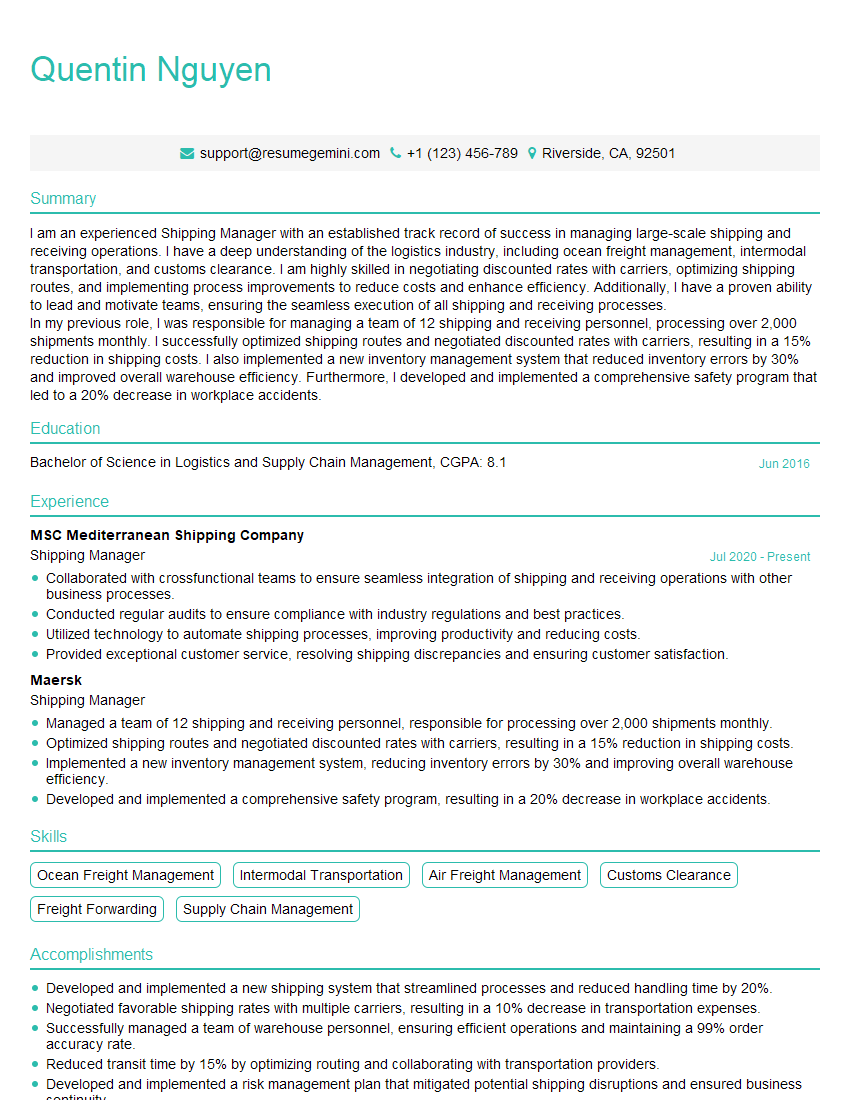
Shipping Manager Resume Sample
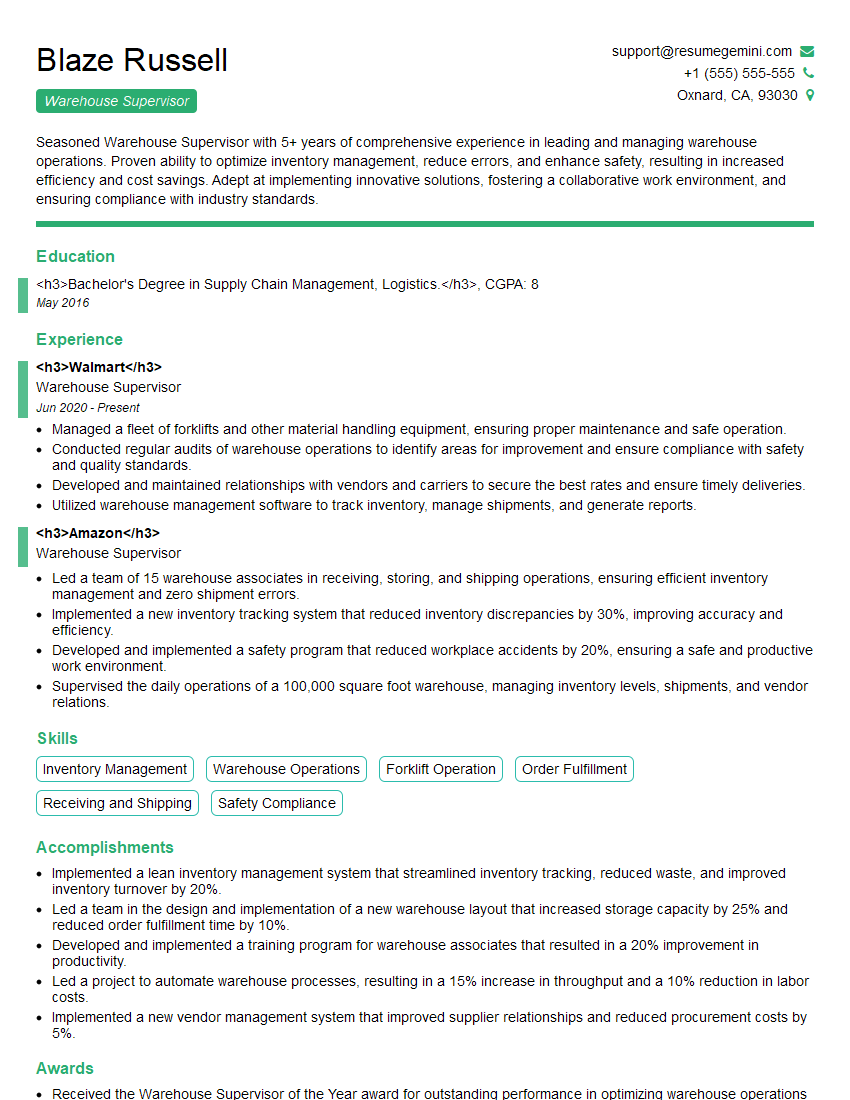
Warehouse Supervisor Resume Sample
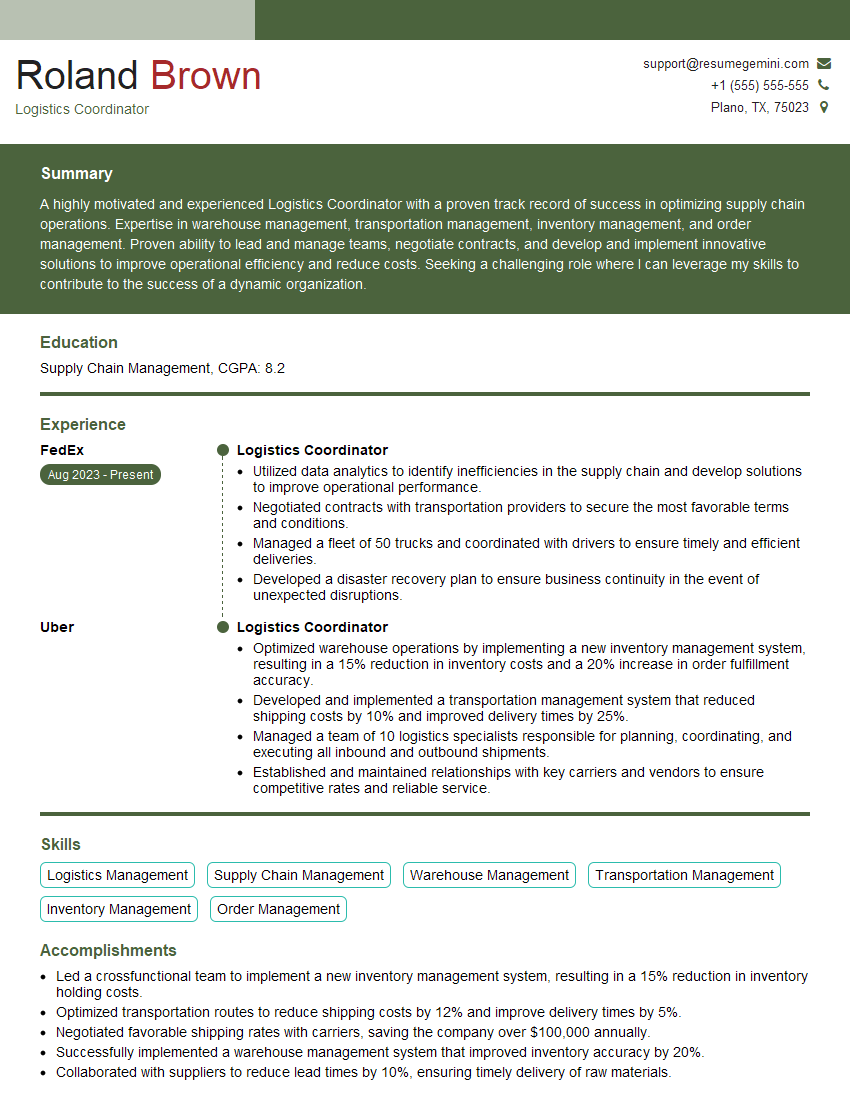
Logistics Coordinator Resume Sample
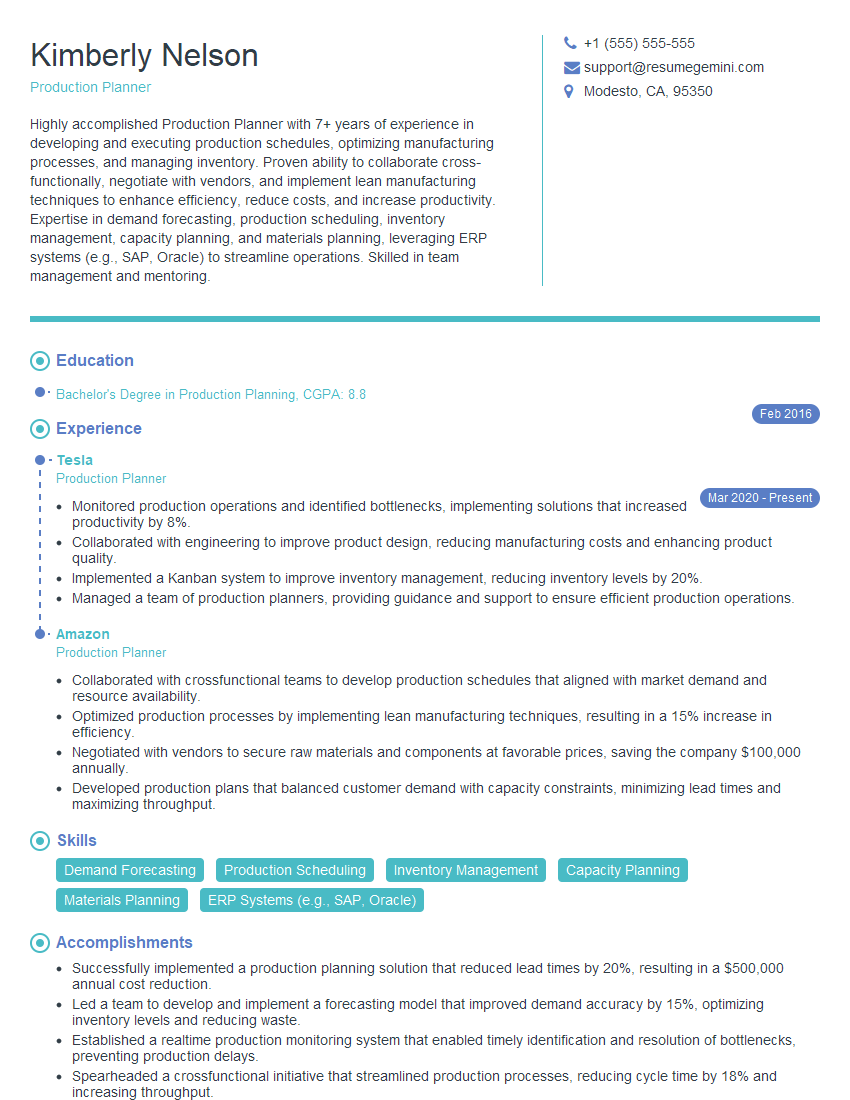
Production Planner Resume Sample
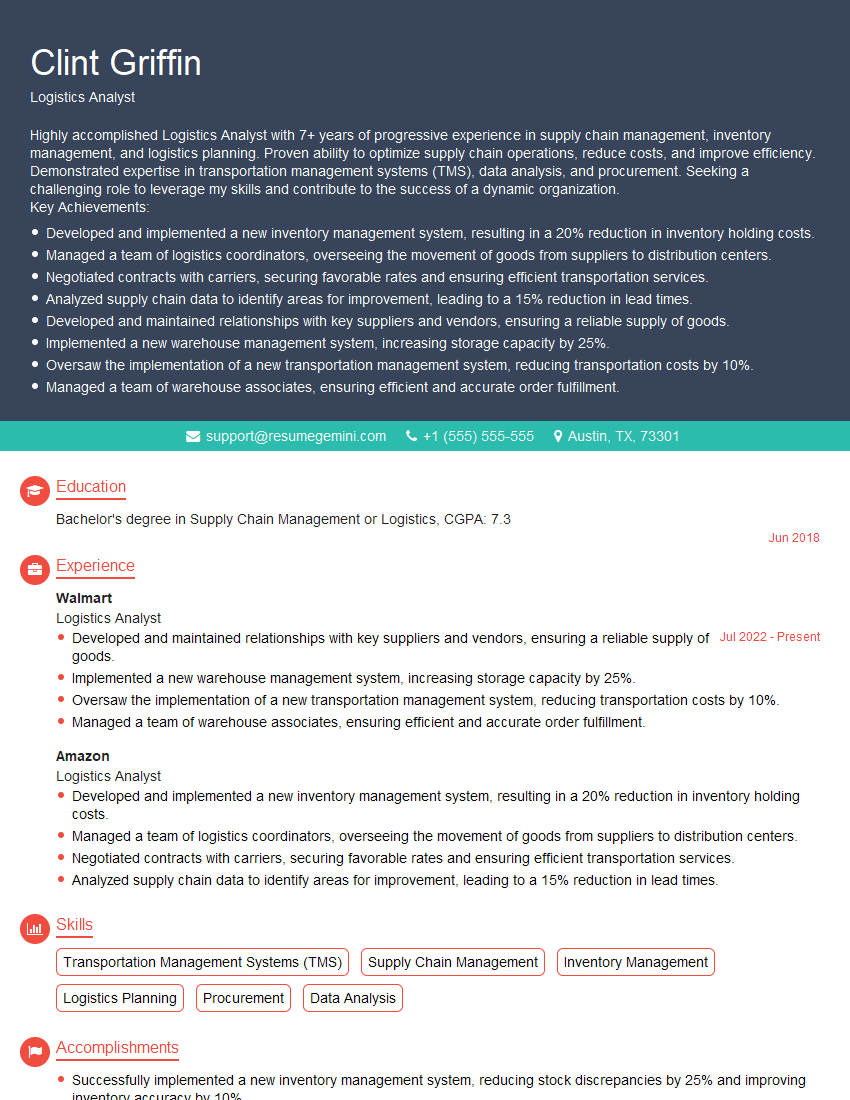
Logistics Analyst Resume Sample
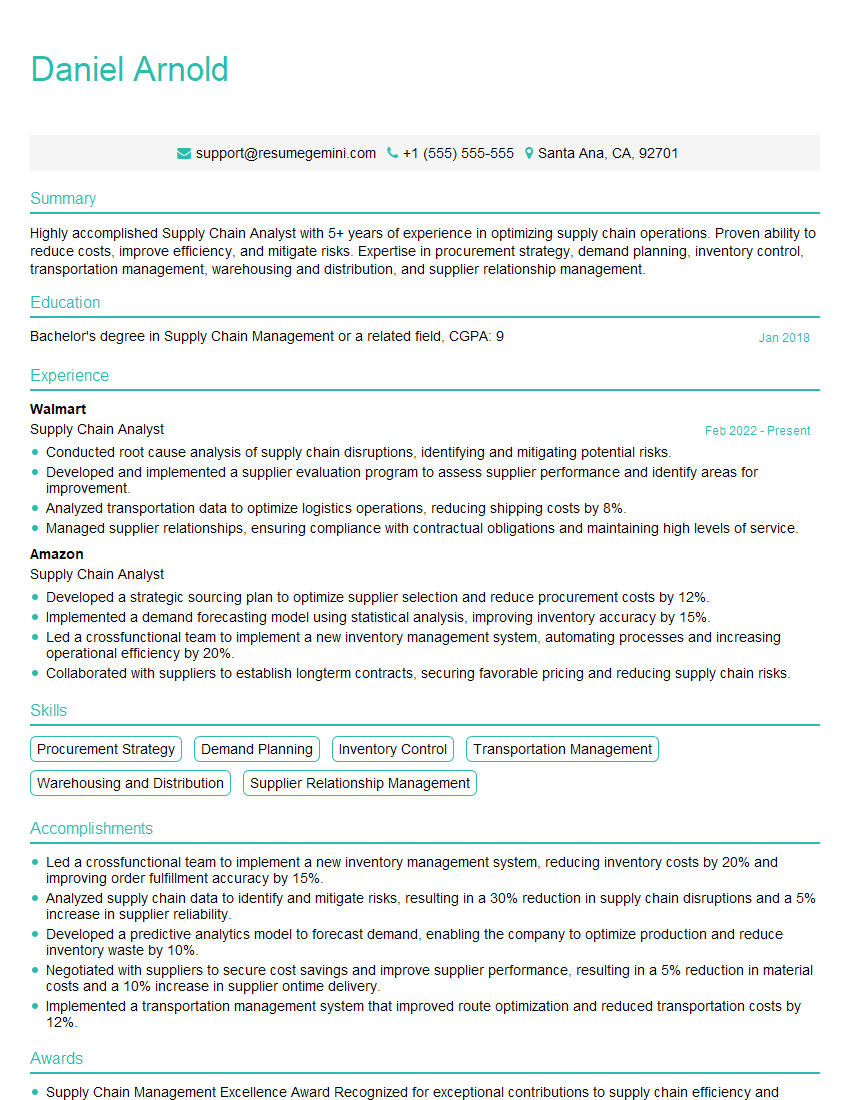
Supply Chain Analyst Resume Sample
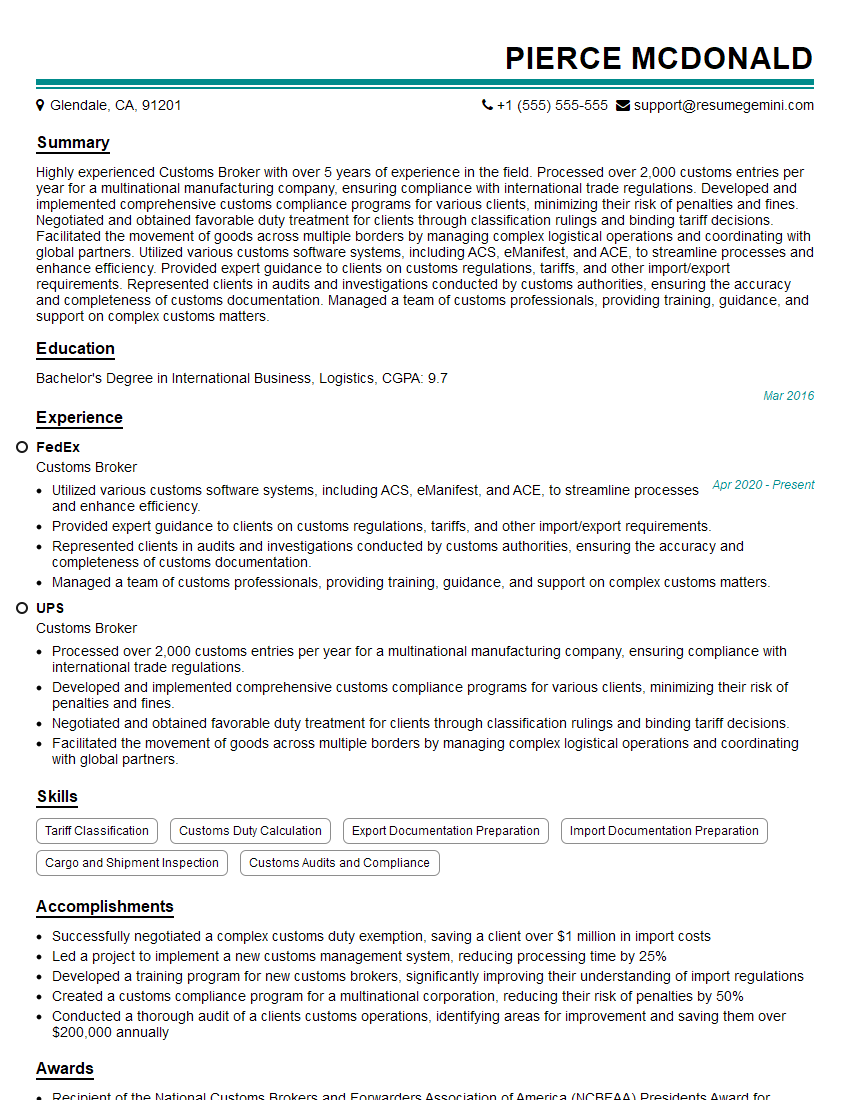
Customs Broker Resume Sample
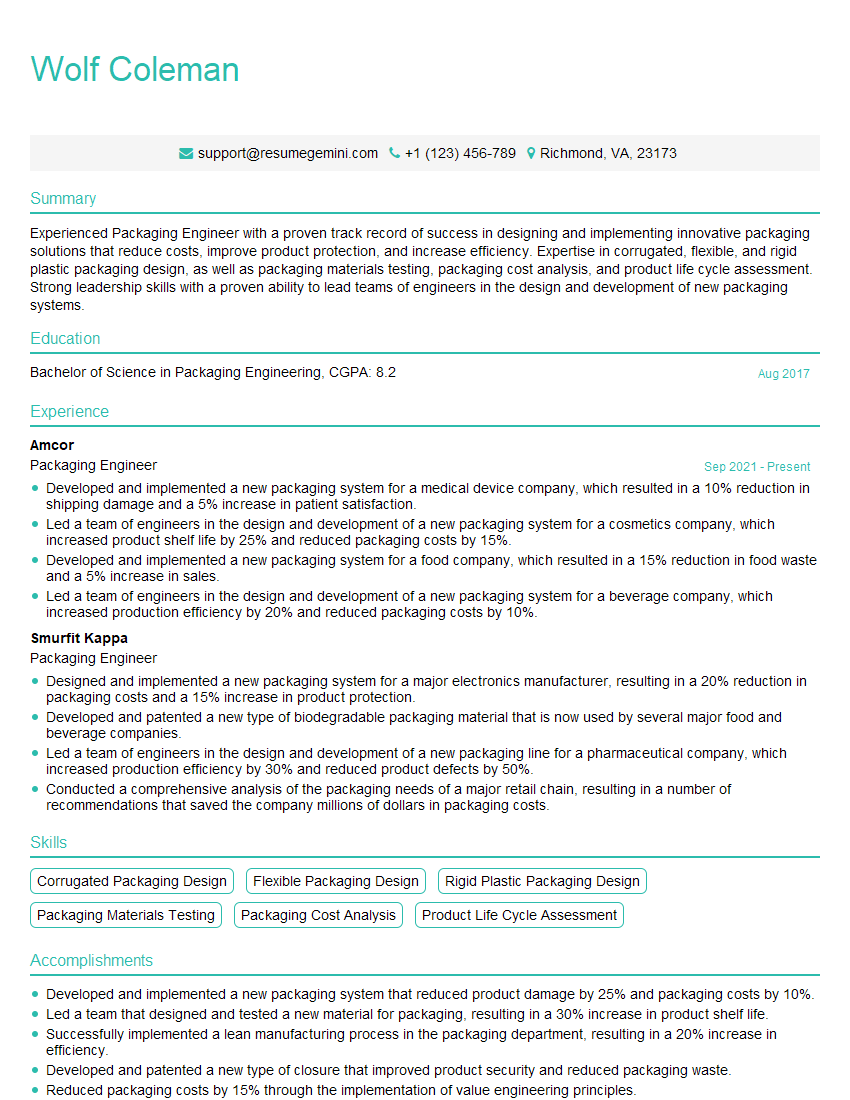
Packaging Engineer Resume Sample
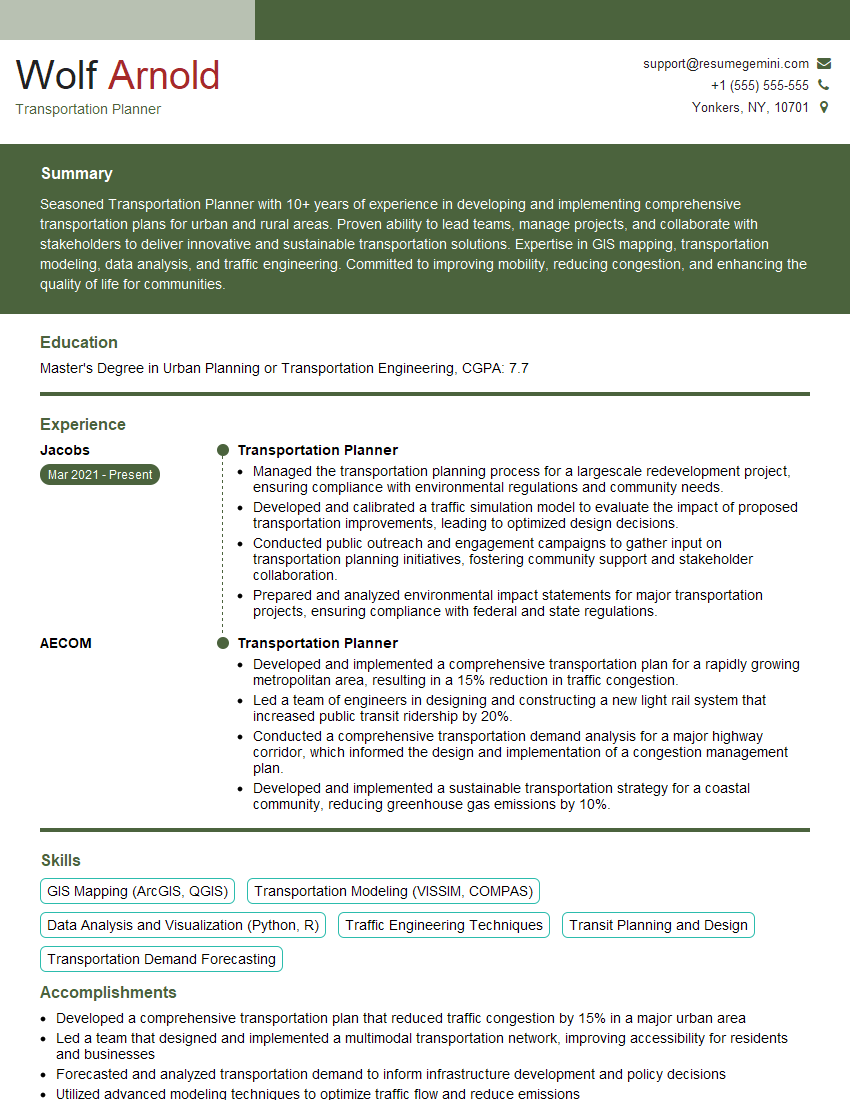
Transportation Planner Resume Sample
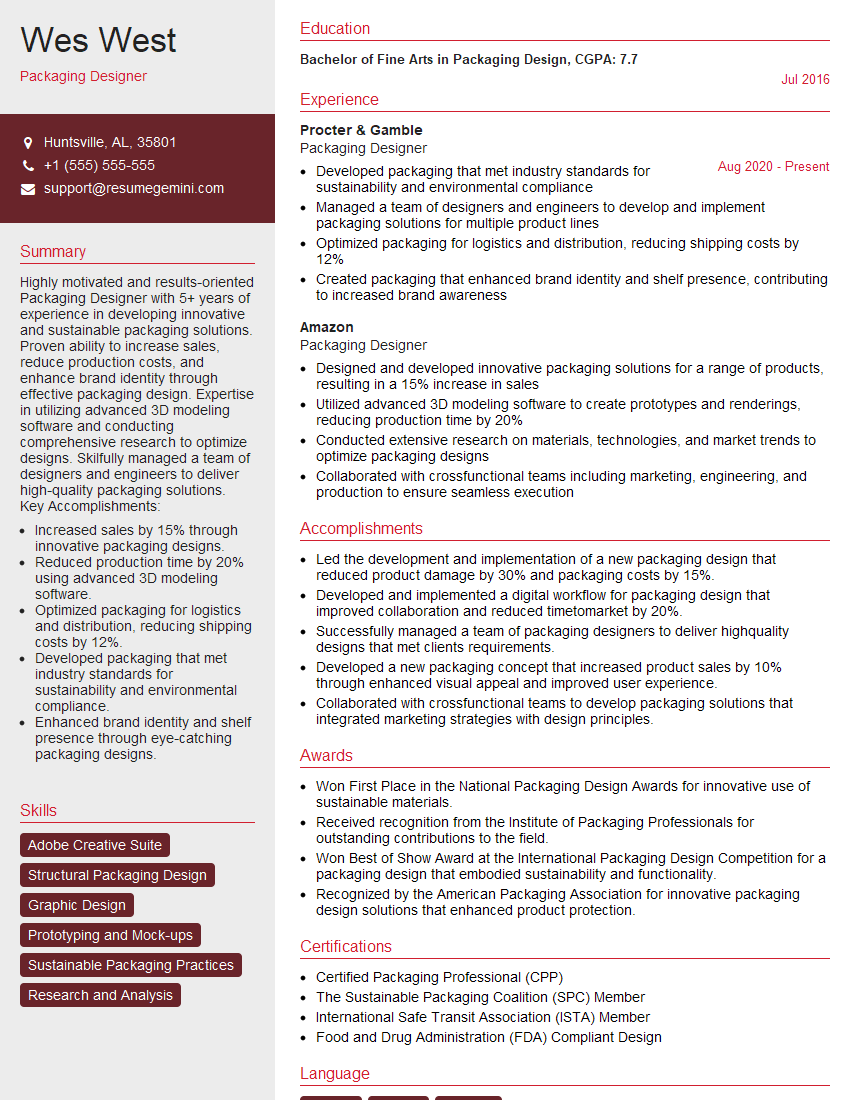
Packaging Designer Resume Sample
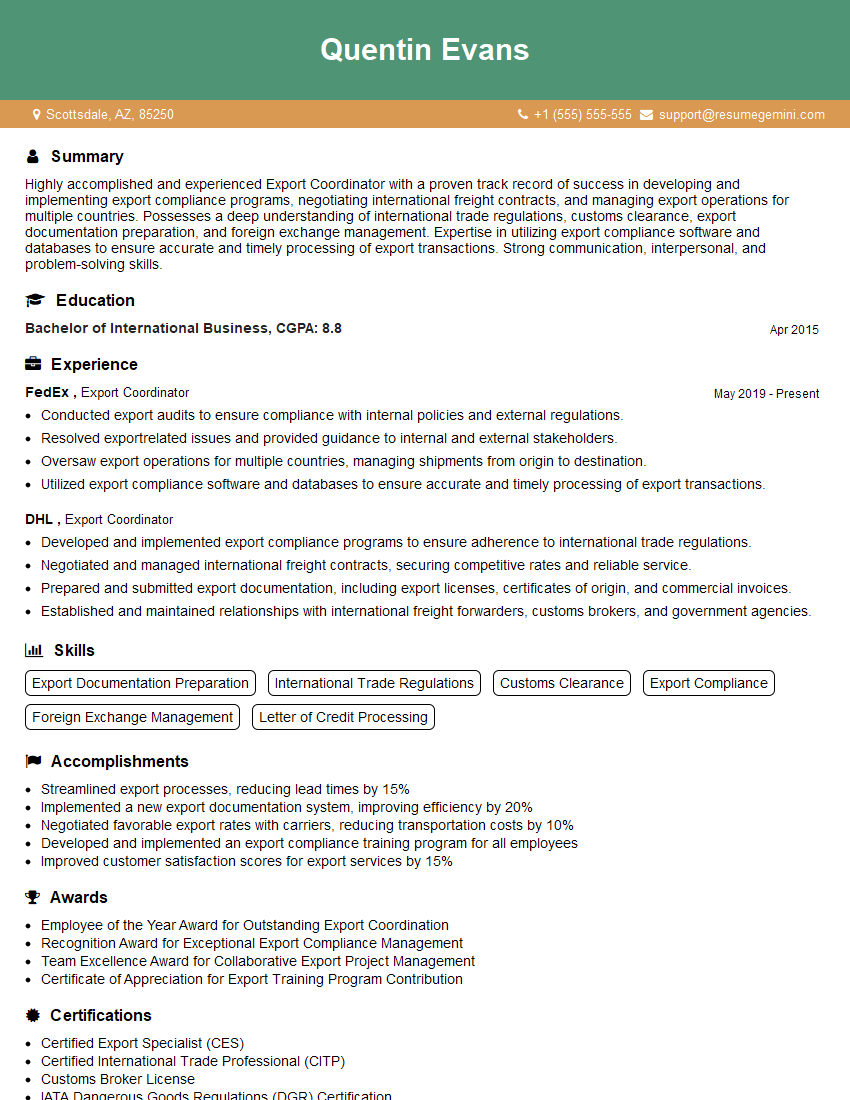
Export Coordinator Resume Sample
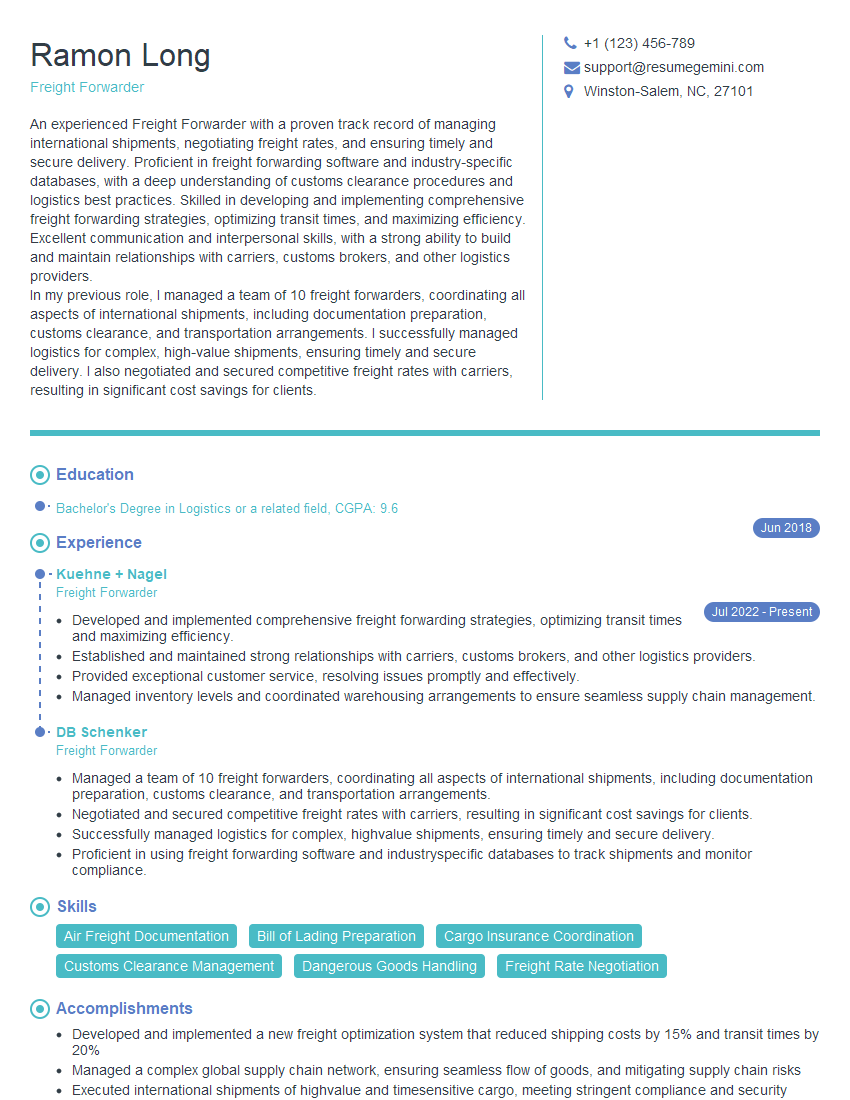
Freight Forwarder Resume Sample
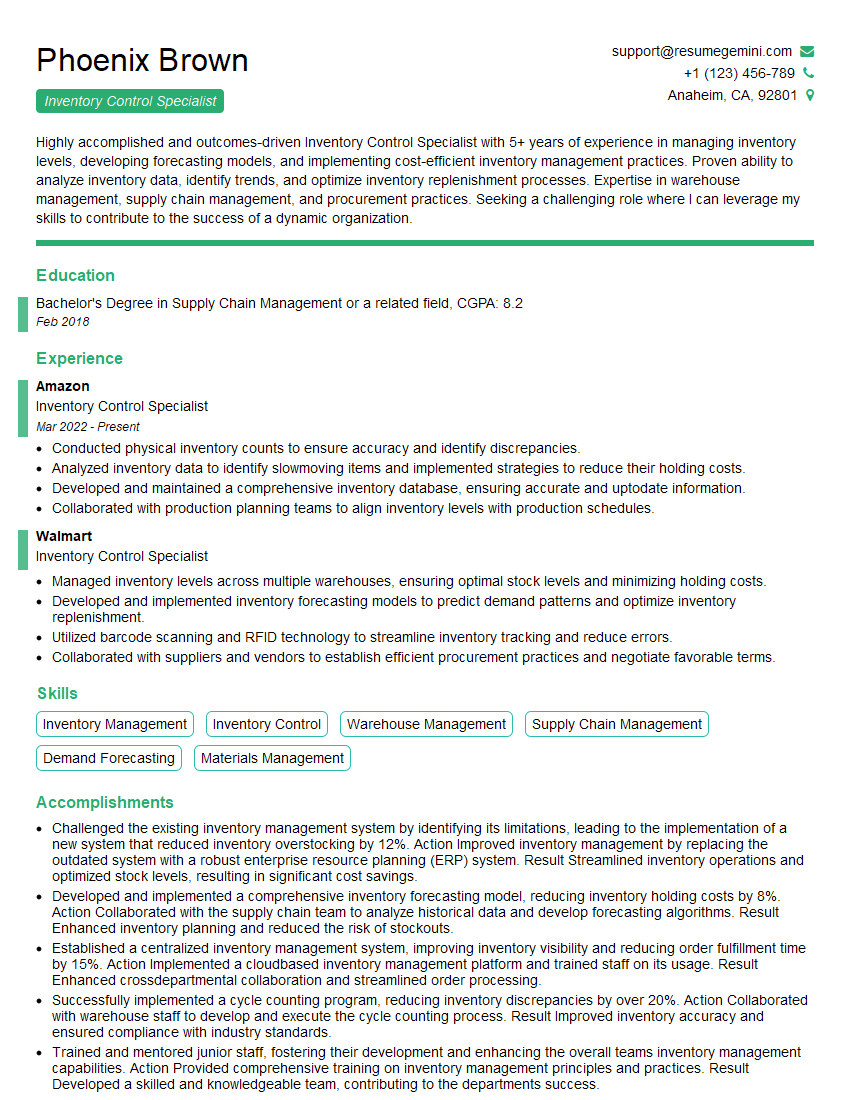
Inventory Control Specialist Resume Sample

Shipping and Receiving Clerk Resume Sample
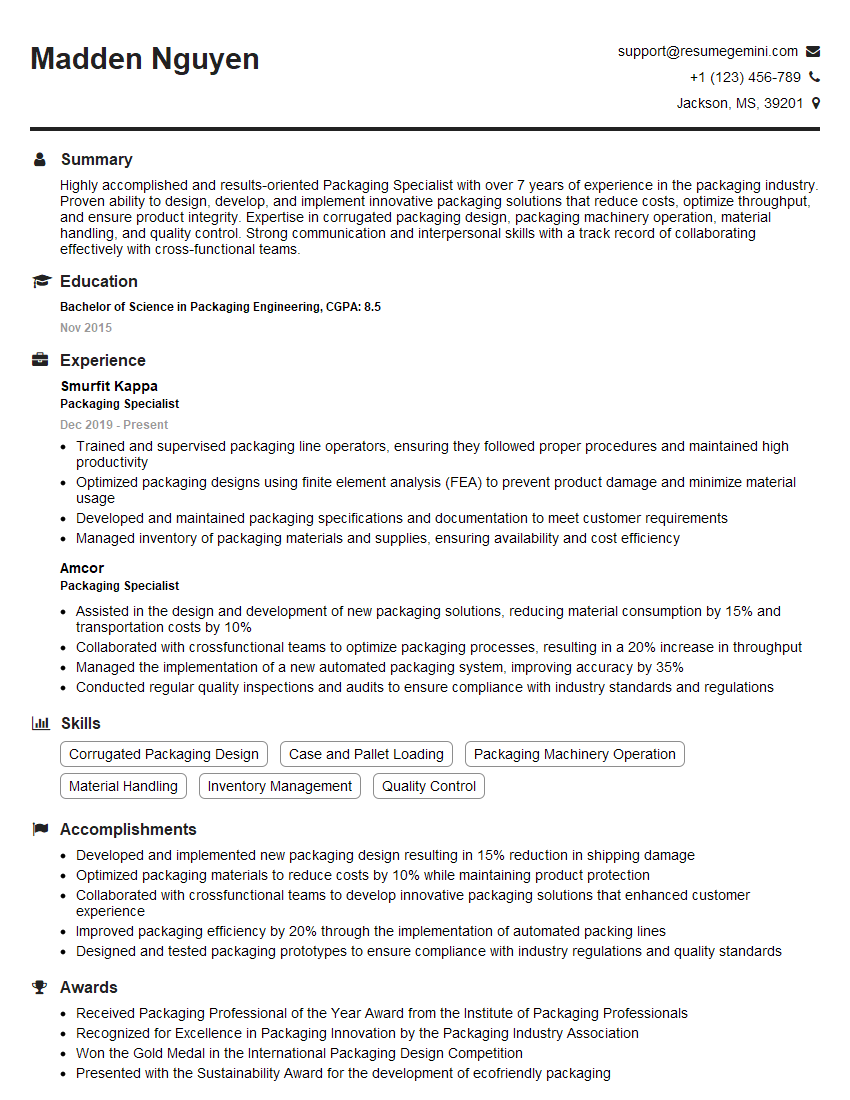
Packaging Specialist Resume Sample

Packaging Technician Resume Sample
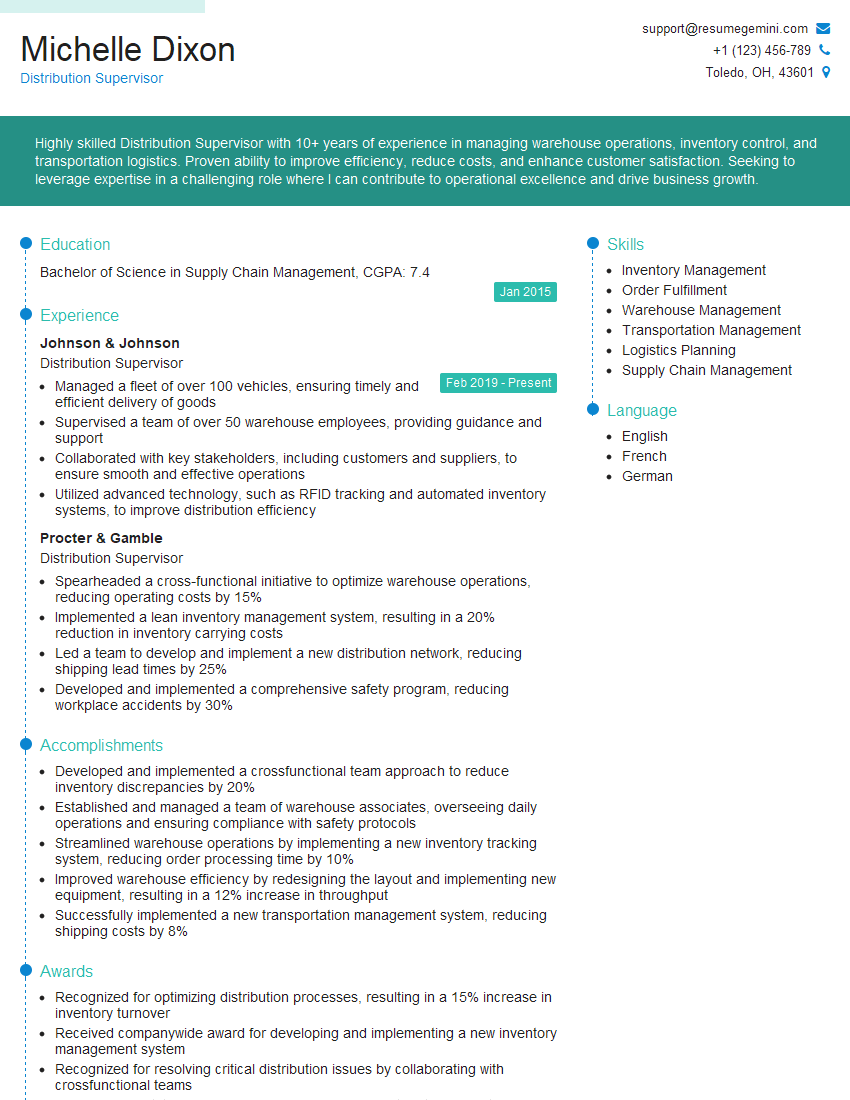
Distribution Supervisor Resume Sample
- Operations Manager
- Import Coordinator
- Supply Chain Manager
- Distribution Center Manager
- Shipping Coordinator
- Shipping Manager
- Warehouse Supervisor
- Logistics Coordinator
- Production Planner
- Logistics Analyst
- Supply Chain Analyst
- Customs Broker
- Packaging Engineer
- Transportation Planner
- Packaging Designer
- Export Coordinator
- Freight Forwarder
- Inventory Control Specialist
- Shipping and Receiving Clerk
- Packaging Specialist
- Packaging Technician
- Distribution Supervisor
Explore more articles
Users Rating of Our Blogs
Share Your Experience
We value your feedback! Please rate our content and share your thoughts (optional).
What Readers Say About Our Blog
Very informative content, great job.
good