Preparation is the key to success in any interview. In this post, we’ll explore crucial Experience with production scheduling and logistics interview questions and equip you with strategies to craft impactful answers. Whether you’re a beginner or a pro, these tips will elevate your preparation.
Questions Asked in Experience with production scheduling and logistics Interview
Q 1. Describe your experience with different production scheduling methodologies (e.g., MRP, Kanban, Lean).
Production scheduling methodologies are crucial for efficient manufacturing. I’ve extensively worked with Material Requirements Planning (MRP), Kanban, and Lean methodologies, each with its strengths and weaknesses.
- MRP (Material Requirements Planning): MRP is a push system that relies on forecasting demand to plan material procurement and production. It’s excellent for managing complex projects with many components, ensuring sufficient materials are available when needed. For example, in a furniture manufacturing setting, MRP would calculate the needed wood, fabric, and hardware based on sales forecasts and production schedules to avoid shortages. However, it can be inflexible and lead to overstocking if forecasts are inaccurate.
- Kanban: This is a pull system where production is triggered by actual customer demand. Visual cues, like Kanban cards, signal the need for production. It’s highly efficient in minimizing waste and improving workflow visibility. Imagine a car assembly line; Kanban ensures that only the needed parts are produced when needed, preventing inventory buildup and reducing lead times. However, it may struggle with complex production processes with many dependencies.
- Lean: Lean manufacturing focuses on eliminating waste throughout the entire production process. It involves continuous improvement (Kaizen) and optimizing workflows to maximize efficiency. A practical example would be implementing 5S (Sort, Set in Order, Shine, Standardize, Sustain) in a warehouse to reduce wasted time searching for materials. Lean principles can be integrated with other methodologies like Kanban.
My experience involves selecting the appropriate methodology based on the specific needs of the project and the characteristics of the production process. Often, a hybrid approach combining elements from multiple methodologies proves the most effective.
Q 2. How do you prioritize tasks in a high-pressure production environment?
Prioritizing tasks in a high-pressure environment requires a structured approach. I typically use a combination of techniques:
- Urgency and Importance Matrix (Eisenhower Matrix): This helps categorize tasks based on urgency and importance. Urgent and important tasks get immediate attention, while less urgent tasks are scheduled or delegated.
- Critical Path Method (CPM): For complex projects, CPM helps identify the sequence of tasks that directly impact the project completion time. This allows focusing on the most critical tasks first.
- Production Schedule Adherence: Sticking to the pre-defined schedule is paramount. Deviation is carefully monitored, and adjustments are made proactively.
- Communication: Open communication with the team is essential. Transparency about priorities and potential roadblocks helps ensure everyone is aligned and working efficiently. If necessary, I would convene urgent meetings to address critical delays and agree on priorities and actions.
For instance, if a critical component is delayed, affecting a high-priority order, I would immediately identify alternative suppliers or expedite the existing order while communicating the delay to the client and adjusting downstream tasks to mitigate the impact.
Q 3. Explain your experience with inventory management and control techniques.
Inventory management is vital for profitability and operational efficiency. My experience includes implementing and managing various inventory control techniques:
- ABC Analysis: This categorizes inventory based on value and consumption. High-value items (A) receive close monitoring and control, while lower-value items (C) require less attention. This allows efficient allocation of resources.
- Economic Order Quantity (EOQ): This model determines the optimal order quantity to minimize total inventory costs (holding and ordering costs). This involves careful analysis of demand, storage costs, and ordering costs.
- Just-in-Time (JIT) Inventory: This system aims to minimize inventory levels by receiving materials only when needed. It’s particularly effective in reducing storage costs and minimizing waste, but requires tight coordination with suppliers and accurate demand forecasting. It also necessitates robust quality control to prevent defects from disrupting the entire process.
- First-In, First-Out (FIFO) and Last-In, First-Out (LIFO): These methods determine the order in which inventory is used. FIFO helps minimize waste from spoilage, while LIFO can be advantageous for tax purposes in certain industries. The choice depends on the product’s nature and business context.
I leverage inventory management software to track inventory levels, monitor consumption, and generate reports to identify potential issues and optimize stock levels. Regular inventory audits ensure accuracy and detect discrepancies.
Q 4. How do you handle unexpected delays or disruptions in the production schedule?
Unexpected delays are inevitable in production. My approach involves a systematic response:
- Identify the root cause: Thoroughly investigate the reason for the delay—equipment failure, material shortage, labor issues, etc.
- Assess the impact: Determine which tasks and projects are affected and the extent of the delay.
- Develop contingency plans: Explore solutions such as re-scheduling tasks, reallocating resources, using alternative materials or suppliers, and subcontracting if necessary.
- Communicate proactively: Inform stakeholders (clients, suppliers, team members) about the delay, the contingency plan, and the expected timeline. Transparency is crucial to maintain trust and manage expectations.
- Monitor and adjust: Continuously monitor the situation and make adjustments as needed. Post-incident analysis helps prevent similar disruptions in the future.
For example, if a machine breaks down, I would immediately assess its impact on the production schedule, arrange for repair or replacement, and re-allocate tasks to other machines or team members. I would also investigate the cause of the breakdown to prevent future occurrences. Communication with the client would be crucial to avoid impacting our delivery timeline and maintaining a strong relationship.
Q 5. Describe your experience with transportation management systems (TMS).
Transportation Management Systems (TMS) are crucial for efficient logistics. My experience includes using TMS software to:
- Route optimization: TMS software uses algorithms to determine the most efficient routes for deliveries, minimizing transportation costs and transit time. I’ve worked with various TMS platforms that integrate with GPS tracking and real-time traffic data for dynamic route adjustments.
- Carrier selection: The system helps choose the best carriers based on cost, transit time, reliability, and capacity. This improves delivery efficiency and cost control.
- Shipment tracking: Real-time tracking provides visibility into the location and status of shipments, allowing for proactive problem-solving and improved customer communication.
- Documentation management: TMS handles shipment documentation, such as bills of lading and customs forms, streamlining administrative processes.
- Reporting and analysis: The system generates reports on key performance indicators (KPIs), such as on-time delivery rates, transportation costs, and fuel consumption, allowing for continuous improvement.
In one project, implementing a new TMS resulted in a 15% reduction in transportation costs and a 10% improvement in on-time delivery rates by optimizing routes and leveraging carrier negotiations.
Q 6. How do you optimize logistics routes and transportation costs?
Optimizing logistics routes and transportation costs involves a multi-faceted approach:
- Route Planning Software: Utilizing sophisticated route planning software incorporating factors like distance, traffic patterns, delivery windows, and driver availability is key. This minimizes mileage and fuel consumption.
- Consolidation of Shipments: Combining multiple smaller shipments into larger ones can significantly reduce transportation costs per unit. This requires careful coordination and planning.
- Negotiation with Carriers: Building strong relationships with carriers and negotiating favorable rates can significantly impact the bottom line. This often involves securing volume discounts and exploring different transportation modes.
- Mode Selection: Choosing the most cost-effective transportation mode (truck, rail, sea, air) for each shipment is vital. Factors like distance, urgency, and product characteristics influence this decision.
- Real-time Tracking and Adjustments: Monitoring shipments in real-time allows for adjustments to routes based on unexpected delays or traffic conditions. This enhances efficiency and minimizes disruptions.
For example, by consolidating shipments to a specific region and negotiating better rates with a carrier, we were able to reduce transportation costs by 12% in one quarter.
Q 7. What metrics do you use to measure the effectiveness of production scheduling and logistics?
Measuring the effectiveness of production scheduling and logistics requires using a range of key performance indicators (KPIs):
- On-time Delivery Rate: The percentage of orders delivered on or before the scheduled delivery date. This reflects the overall efficiency and reliability of the logistics process.
- Inventory Turnover Rate: The number of times inventory is sold and replaced over a specific period. A higher rate generally indicates efficient inventory management.
- Production Lead Time: The time it takes to produce a product from start to finish. Reducing lead times improves responsiveness to customer demands.
- Transportation Costs per Unit: The cost of transporting goods per unit of product. Minimizing this cost is crucial for profitability.
- Order Fulfillment Rate: The percentage of orders filled completely and accurately. This reflects the accuracy and efficiency of the order processing and fulfillment.
- Defect Rate: Percentage of defective products produced. This highlights the quality of the production process and its efficiency. Low defect rates indicate effective quality control.
- Customer Satisfaction: Feedback from clients regarding timely delivery and product quality plays a crucial role.
Regularly monitoring and analyzing these KPIs provides insights into areas needing improvement, supporting data-driven decision-making and continuous optimization of production and logistics processes.
Q 8. How do you collaborate with different departments (e.g., procurement, sales, manufacturing) to ensure smooth operations?
Effective production scheduling and logistics require seamless collaboration across departments. Think of it as a well-orchestrated symphony – each section (department) plays a crucial role, and their harmonious interplay creates a beautiful outcome (efficient operations). My approach involves regular cross-functional meetings, utilizing collaborative platforms for real-time data sharing, and establishing clear communication protocols.
With Procurement: I work closely with procurement to ensure timely acquisition of raw materials and components. This involves sharing accurate production schedules to align their purchasing with our needs, preventing delays and stockouts. For instance, if sales forecasts predict a surge in demand for a particular product, I’ll work with procurement to secure sufficient raw materials well in advance.
With Sales: Open communication with the sales team is critical for accurate demand forecasting. I leverage sales data on order intake, customer forecasts, and market trends to optimize production planning. A key aspect is managing customer expectations, clearly communicating lead times, and proactively addressing potential capacity constraints.
With Manufacturing: Constant interaction with manufacturing is essential for monitoring production progress, addressing bottlenecks, and ensuring adherence to quality standards. Regular production meetings, performance dashboards, and feedback mechanisms help identify and resolve issues promptly. For example, if a machine malfunctions, I’ll collaborate with manufacturing to find alternative solutions, minimizing production downtime.
Using a combination of these strategies fosters transparency, improves efficiency, and minimizes disruptions throughout the entire operational chain.
Q 9. Describe your experience with warehouse management systems (WMS).
My experience with Warehouse Management Systems (WMS) spans several years, involving implementation, configuration, and optimization across various warehouse environments. I’m proficient in using WMS to manage inventory, track shipments, optimize warehouse layout, and automate various warehouse processes. Think of a WMS as the ‘brain’ of your warehouse, coordinating every aspect of the operation. I’ve worked with systems like Manhattan Associates, Blue Yonder, and Infor WMS, leveraging their functionalities to enhance operational efficiency.
Specifically, I’ve used WMS to:
- Optimize putaway and picking strategies: Implementing strategies like zone picking and wave picking for improved order fulfillment speed and accuracy.
- Manage inventory levels: Utilizing real-time inventory tracking and reporting to reduce stockouts and overstocking.
- Track and trace shipments: Monitoring the movement of goods throughout the warehouse and supply chain, providing visibility and improving accountability.
- Integrate with other systems: Connecting the WMS with ERP (Enterprise Resource Planning) and TMS (Transportation Management System) systems for seamless data flow and improved coordination.
My experience extends to both implementing new WMS systems and optimizing existing ones, always with a focus on maximizing efficiency and minimizing operational costs.
Q 10. How do you manage warehouse space effectively and efficiently?
Effective warehouse space management is crucial for cost reduction and efficiency. It’s like a well-organized toolbox – every tool has its place, making it easy to find and use. My approach involves a multi-pronged strategy:
Strategic Layout Planning: Optimizing the warehouse layout based on product movement patterns and order fulfillment processes. This often involves using software tools to simulate different layouts and identify the most efficient configuration. For high-volume items, placing them in easily accessible locations is key.
Inventory Optimization: Implementing inventory control techniques to minimize excess stock while avoiding shortages. This includes ABC analysis (classifying inventory based on value and usage), and regularly reviewing slow-moving items.
Vertical Space Utilization: Maximizing vertical space using racking systems, mezzanine floors, and high-bay storage to increase storage capacity without expanding the footprint.
Regular Audits and Cleaning: Conducting regular inventory audits to ensure accuracy and identify obsolete or damaged goods. Maintaining a clean and organized warehouse improves efficiency and safety.
By combining these strategies, I aim to maximize storage capacity, minimize handling time, and create a safe and efficient working environment.
Q 11. Explain your approach to forecasting demand and managing inventory levels.
Demand forecasting and inventory management are critical for avoiding stockouts and minimizing carrying costs. It’s a balancing act between meeting customer demand and avoiding excess inventory. My approach involves a combination of quantitative and qualitative methods:
Quantitative Methods: I use statistical forecasting techniques like moving averages, exponential smoothing, and ARIMA models to predict future demand based on historical data. These models require accurate and reliable historical sales data.
Qualitative Methods: This involves incorporating insights from sales, marketing, and other relevant teams to account for factors not captured in historical data, such as upcoming promotions, seasonality, or economic trends. For example, knowing a major competitor is launching a new product might significantly impact demand for our similar offerings.
Inventory Management Techniques: I leverage techniques like Economic Order Quantity (EOQ) to determine optimal order quantities, minimizing ordering and holding costs. Safety stock is also incorporated to account for demand variability and lead time uncertainty.
Regular Review and Adjustment: Forecasting models aren’t perfect. I regularly review and adjust forecasts based on actual sales data and other relevant information. This iterative approach helps improve the accuracy of future predictions.
By combining quantitative and qualitative methods and regularly reviewing and adjusting my strategies, I strive to maintain optimal inventory levels, balancing supply and demand to meet customer needs while keeping costs under control.
Q 12. How do you handle discrepancies between planned and actual production output?
Discrepancies between planned and actual production output are inevitable, but understanding the root causes and implementing corrective actions are vital. My approach is systematic:
Identify the Discrepancy: First, I clearly define the extent of the discrepancy, analyzing the difference between planned and actual output in terms of quantity, quality, and timeliness.
Root Cause Analysis: I use tools like the 5 Whys and fishbone diagrams to identify the underlying causes of the discrepancy. This might involve investigating issues like machine downtime, material shortages, labor constraints, or quality defects.
Corrective Actions: Based on the root cause analysis, I develop and implement corrective actions to prevent future discrepancies. This might involve process improvements, equipment upgrades, training programs, or improved supplier relationships.
Monitor and Evaluate: I closely monitor production output after implementing corrective actions to assess their effectiveness. Regular performance reviews and data analysis help to ensure continuous improvement.
For example, if a production line consistently falls short of its target, investigating the cause might reveal a need for operator retraining, improved machine maintenance, or a redesign of the production process.
Q 13. What is your experience with different types of transportation modes (e.g., truck, rail, air, sea)?
My experience with various transportation modes is extensive, encompassing truck, rail, air, and sea freight. The choice of transportation mode depends on factors such as cost, speed, reliability, and the nature of the goods being transported. Think of it as choosing the right vehicle for a journey – a bicycle for a short trip, a car for a longer one, and a plane for a long-distance, time-sensitive journey.
Truck: Ideal for shorter distances and flexible delivery schedules. I have experience managing Less-Than-Truckload (LTL) and Full-Truckload (FTL) shipments.
Rail: Cost-effective for large volumes over long distances. I’m familiar with coordinating rail shipments, considering factors like loading/unloading times and potential delays.
Air: The fastest but most expensive option, suitable for time-sensitive goods or smaller, high-value shipments. Experience includes managing air freight documentation and customs procedures.
Sea: Most economical for bulk shipments over very long distances. Experience includes managing ocean freight booking, containerization, and port operations.
I’m proficient in selecting the optimal transportation mode, negotiating rates with carriers, managing logistics, and tracking shipments to ensure on-time delivery.
Q 14. Describe your experience with supply chain risk management.
Supply chain risk management is crucial for maintaining business continuity. It’s like having an insurance policy for your supply chain, protecting it against unforeseen events. My approach involves a proactive and multi-layered strategy:
Risk Identification and Assessment: I systematically identify potential risks throughout the supply chain, considering factors such as supplier disruptions, natural disasters, geopolitical instability, and cybersecurity threats. This often involves using risk matrices to prioritize potential issues.
Risk Mitigation Strategies: I develop strategies to mitigate identified risks. This might involve diversifying suppliers, establishing contingency plans, implementing robust inventory management systems, or investing in technologies to enhance supply chain visibility.
Supply Chain Visibility: I leverage technologies like GPS tracking and real-time data analytics to enhance visibility throughout the supply chain, allowing for early detection of potential problems.
Contingency Planning: I develop detailed contingency plans to address potential disruptions. These plans should outline alternative solutions and communication protocols to ensure business continuity during unexpected events.
Continuous Monitoring and Improvement: Regular review and updates to risk assessments and mitigation strategies are critical for adapting to changing circumstances and improving supply chain resilience.
For instance, if a key supplier faces a production disruption, a well-defined contingency plan might involve quickly sourcing alternative suppliers or reallocating production to different facilities.
Q 15. How do you ensure compliance with safety regulations and industry standards in your logistics operations?
Ensuring safety compliance in logistics is paramount. It’s not just about ticking boxes; it’s about creating a culture of safety. We begin by meticulously reviewing and adhering to all relevant regulations, such as OSHA (Occupational Safety and Health Administration) guidelines in the US or equivalent standards in other regions. This involves regular safety training for all personnel, covering topics from proper equipment handling to hazard identification and emergency procedures. We conduct thorough risk assessments for all operations, identifying potential hazards and implementing control measures. This could include things like implementing safe lifting techniques, providing proper Personal Protective Equipment (PPE), and maintaining well-lit and organized workspaces. Regular inspections and audits are crucial to maintain compliance and identify any areas for improvement. Furthermore, we maintain detailed records of safety training, inspections, and incidents to ensure accountability and continuous improvement. For example, we might use a dedicated safety management system software to track training certifications, report near misses, and analyze accident trends to proactively mitigate future risks. Finally, employee feedback is crucial; we foster open communication to encourage reporting of safety concerns without fear of reprisal.
Career Expert Tips:
- Ace those interviews! Prepare effectively by reviewing the Top 50 Most Common Interview Questions on ResumeGemini.
- Navigate your job search with confidence! Explore a wide range of Career Tips on ResumeGemini. Learn about common challenges and recommendations to overcome them.
- Craft the perfect resume! Master the Art of Resume Writing with ResumeGemini’s guide. Showcase your unique qualifications and achievements effectively.
- Don’t miss out on holiday savings! Build your dream resume with ResumeGemini’s ATS optimized templates.
Q 16. How do you leverage technology (e.g., ERP systems, software) to improve efficiency in production scheduling and logistics?
Technology is transformative in production scheduling and logistics. Enterprise Resource Planning (ERP) systems are the backbone, integrating various aspects of the business, from production planning to inventory management and order fulfillment. For example, an ERP system like SAP or Oracle can provide real-time visibility into inventory levels, allowing for proactive adjustments to production schedules. Dedicated scheduling software optimizes production runs, considering factors like machine capacity, material availability, and order due dates. This often involves algorithms that consider various constraints to find the most efficient production sequence. Transportation Management Systems (TMS) streamline logistics by optimizing routes, tracking shipments, and managing carrier relationships. Data analytics tools provide insights into key performance indicators (KPIs), enabling data-driven decision-making to improve efficiency. For instance, we might use business intelligence tools to analyze historical data to identify patterns in delivery times or predict potential disruptions. Furthermore, warehouse management systems (WMS) optimize storage and retrieval processes, reducing handling time and improving order accuracy. The integration of these systems creates a seamless flow of information, minimizing delays and optimizing resource utilization. Imagine a scenario where a sudden increase in demand for a product is detected. The ERP system will automatically trigger a production schedule adjustment, the TMS will optimize delivery routes, and the WMS will ensure efficient picking and packing in the warehouse.
Q 17. What are the key performance indicators (KPIs) you typically track in production scheduling and logistics?
Key Performance Indicators (KPIs) are crucial for monitoring and improving performance in production scheduling and logistics. We track a range of metrics, categorized for clarity. Production KPIs include On-Time Delivery (OTD) percentage, Production Efficiency (output per unit of time), and Production Yield (percentage of good units produced). Logistics KPIs include Order Fulfillment Cycle Time (time from order placement to delivery), Perfect Order Rate (percentage of orders delivered on time, complete, and damage-free), and Inventory Turnover Rate (how quickly inventory is sold and replenished). Cost KPIs include Unit Cost of Production, Transportation Costs per unit, and Inventory Holding Costs. These KPIs are regularly reviewed and analyzed to identify areas of strength and weakness. For example, a consistently low OTD percentage might indicate a bottleneck in the production process or a problem with transportation. Analyzing these data points allows us to implement targeted improvements.
Q 18. How do you identify and resolve bottlenecks in the production process?
Identifying and resolving bottlenecks requires a systematic approach. We start by using data analytics tools to identify areas where production flow is slow or interrupted. This might involve examining cycle times at different production stages, analyzing machine downtime, or investigating material shortages. Once a bottleneck is identified, we use root cause analysis techniques, such as the 5 Whys, to understand the underlying reasons for the delay. For example, a bottleneck might be caused by a malfunctioning machine, insufficient skilled labor, or inefficient work processes. Once the root cause is identified, we develop and implement solutions, which might include investing in new equipment, improving employee training, or streamlining workflows. We also track the effectiveness of implemented solutions through the KPIs mentioned previously to ensure they are having the desired impact. Continuous monitoring is key to preventing bottlenecks from reoccurring.
Q 19. Explain your experience with capacity planning and resource allocation.
Capacity planning and resource allocation are crucial for efficient production. Capacity planning involves forecasting future demand and determining the production capacity required to meet that demand. This involves analyzing historical data, market trends, and sales forecasts. We use various techniques, including linear programming and simulation modeling, to optimize resource allocation. Resource allocation involves assigning available resources (machines, personnel, materials) to production tasks in the most efficient way. This might involve prioritizing tasks based on their due dates, resource availability, and profitability. We use software tools to create detailed production schedules that consider all resource constraints. For instance, we might use a simulation to test different production scenarios and identify the most efficient resource allocation strategy. Regular review and adjustments are necessary to account for unexpected events and changing demand. A real-world example would be allocating more resources to a high-demand product during peak season while scaling back resources for lower-demand products during the same period.
Q 20. Describe a time you had to make a difficult decision regarding production scheduling or logistics.
In a previous role, we faced a critical situation when a major supplier experienced an unexpected delay, jeopardizing the timely delivery of a key component for a high-profile order. This threatened to disrupt our entire production schedule and incur significant penalties for late delivery. The decision was whether to accept a more expensive, expedited shipment from an alternative supplier or to risk the penalties and potentially damage our reputation with the client. After carefully evaluating the financial implications of both options, considering potential damage control costs, and consulting with the client, we opted for the expedited shipment. While it increased costs, it preserved our relationship with the client and avoided far greater financial losses and reputational damage in the long run. This decision highlighted the importance of proactively managing risk, maintaining strong supplier relationships, and carefully weighing the short-term costs against the potential long-term consequences.
Q 21. How do you handle conflicting priorities in production scheduling?
Conflicting priorities are inevitable in production scheduling. We prioritize tasks using a well-defined system that considers several factors. Urgency and Importance Matrix (Eisenhower Matrix) is a valuable tool. We categorize tasks as Urgent and Important, Important but Not Urgent, Urgent but Not Important, and Neither Urgent nor Important. This allows us to focus on the most critical tasks first, while also planning for less urgent but important tasks. Other factors considered include: Due dates: Tasks with imminent deadlines are prioritized. Customer importance: Orders from key clients often take precedence. Profitability: High-margin products are often given priority. Resource availability: Tasks that can be completed with available resources are prioritized. Communication is key: Open communication with all stakeholders ensures everyone is aware of priorities and potential trade-offs. Using sophisticated scheduling software allows for dynamic adjustment of the schedule as priorities change.
Q 22. What is your experience with lean manufacturing principles?
Lean manufacturing principles focus on eliminating waste and maximizing efficiency in production. My experience involves implementing various lean tools like 5S (Sort, Set in Order, Shine, Standardize, Sustain) to organize the workplace, Kaizen (continuous improvement) for incremental process enhancements, and Value Stream Mapping to identify and eliminate non-value-added activities. For example, in a previous role, we used Value Stream Mapping to analyze our assembly line. By identifying bottlenecks in the process, we were able to reduce production time by 15% and improve overall efficiency. We also implemented Kanban systems for inventory management, reducing our inventory holding costs significantly. The success of these initiatives was measured through key performance indicators (KPIs) such as lead time reduction, defect rate improvement, and overall equipment effectiveness (OEE).
Q 23. How do you measure the success of your logistics operations?
Measuring the success of logistics operations requires a multifaceted approach using key performance indicators (KPIs). These KPIs are crucial for understanding efficiency, effectiveness, and customer satisfaction. I focus on metrics such as On-Time Delivery Rate (OTDR), which measures the percentage of deliveries made on or before the scheduled time; Perfect Order Rate (POR), encompassing on-time delivery, complete orders, and accurate documentation; Inventory Turnover Rate, signifying how efficiently inventory is managed; and Freight Cost per Unit, illustrating cost-effectiveness. Additionally, customer satisfaction surveys and feedback mechanisms provide qualitative data on service quality. For example, in a previous role, we consistently exceeded our OTDR target of 98% by implementing a robust route optimization system and proactive communication with transportation providers. This directly translated to improved customer satisfaction and retention.
Q 24. Describe your experience with different types of warehouse layouts.
My experience encompasses various warehouse layouts, each tailored to specific operational needs. I’ve worked with U-shaped layouts for efficient material flow and reduced travel time, particularly effective for assembly operations. I-shaped layouts are straightforward but can be less efficient for larger operations. L-shaped layouts offer a compromise, balancing efficiency and space utilization. More complex layouts, like grid layouts, are suitable for high-volume warehousing with a diverse range of products. Finally, I have experience with dedicated storage layouts, optimizing for specific product types and reducing picking times. The choice of layout depends on factors like product volume, order frequency, and storage needs. For instance, in a previous role, we transitioned from an I-shaped layout to a U-shaped layout for a specific product line, resulting in a 10% reduction in order fulfillment time.
Q 25. How do you ensure on-time delivery of goods?
Ensuring on-time delivery requires a proactive and comprehensive approach, starting with accurate order processing and demand forecasting. This involves utilizing robust Transportation Management Systems (TMS) for route optimization and carrier selection, coupled with real-time tracking of shipments. Proactive communication with carriers and customers is critical, especially in the face of unforeseen delays. We often build in buffer time to account for potential disruptions. Furthermore, strong inventory management and efficient warehouse operations are crucial prerequisites. We use a combination of techniques including lean principles to reduce lead times and improve efficiency. In one project, implementing a real-time tracking system alerted us to a potential delay caused by unexpected road closures, allowing us to proactively notify customers and arrange alternative delivery routes, preventing a significant number of late deliveries.
Q 26. Explain your experience with order fulfillment processes.
My experience with order fulfillment spans various processes, from order receipt and processing to picking, packing, and shipping. I’ve worked with various systems, including Warehouse Management Systems (WMS) for managing inventory, optimizing picking routes, and tracking order status. I am proficient in optimizing picking strategies, such as zone picking and batch picking, depending on the warehouse layout and order profile. Accurate order picking and packing are paramount, minimizing errors that can lead to customer dissatisfaction and returns. In a previous role, we implemented a new WMS that integrated with our e-commerce platform, automating many steps in the order fulfillment process and reducing manual errors by over 20%. This led to improved efficiency and higher customer satisfaction.
Q 27. How do you handle customer complaints related to logistics?
Handling customer complaints related to logistics requires a swift and empathetic approach. A dedicated customer service team is essential for addressing concerns effectively. We employ a structured process for investigating complaints, identifying the root cause, and implementing corrective actions. This involves promptly acknowledging the complaint, investigating the issue through tracking data and communication with carriers, and providing a timely resolution. Compensation or refunds may be offered depending on the severity of the issue. Regular monitoring of customer feedback helps identify recurring problems and implement preventative measures. For example, a consistent complaint regarding damaged goods led us to re-evaluate our packaging procedures and implement more robust protective measures.
Q 28. What is your experience with international logistics?
My experience with international logistics includes managing shipments across various countries and continents. This involves understanding and complying with international regulations, customs procedures, and documentation requirements. Selecting appropriate transportation modes, considering cost and transit time, is crucial. I have experience working with freight forwarders and customs brokers to ensure smooth and compliant cross-border shipments. Managing risk, such as delays due to customs inspections or geopolitical instability, is a critical aspect of international logistics. We often use incoterms (International Commercial Terms) to clearly define responsibilities and liabilities between parties in international transactions. For example, a project involving exporting goods to Asia required careful planning to navigate complex customs regulations and ensure timely delivery while minimizing costs. Successful navigation of these complexities required deep understanding of relevant regulations and effective collaboration with international partners.
Key Topics to Learn for Experience with Production Scheduling and Logistics Interview
- Production Planning & Forecasting: Understanding demand forecasting techniques, capacity planning, and resource allocation to optimize production schedules.
- Scheduling Techniques: Familiarity with various scheduling methodologies (e.g., Gantt charts, critical path method, lean manufacturing principles) and their practical application in different production environments.
- Inventory Management: Knowledge of inventory control strategies (e.g., Just-in-Time, Kanban) and their impact on production efficiency and costs. Understanding the balance between inventory levels, production needs, and storage capacity.
- Supply Chain Management: Understanding the flow of materials and information throughout the supply chain, from raw material sourcing to finished goods delivery. Identifying potential bottlenecks and implementing solutions.
- Logistics & Transportation: Experience with various transportation modes, route optimization, and warehouse management. Understanding the impact of logistics on delivery timelines and costs.
- Problem-Solving & Optimization: Demonstrating the ability to analyze production challenges, identify root causes, and develop effective solutions. This includes experience with optimizing schedules in response to unexpected events (e.g., equipment failure, material shortages).
- Software & Technology: Familiarity with relevant software and technologies used in production scheduling and logistics (e.g., ERP systems, MRP systems, WMS). Be prepared to discuss your proficiency with specific tools.
- Metrics & KPIs: Understanding key performance indicators (KPIs) used to measure the effectiveness of production scheduling and logistics processes (e.g., on-time delivery, inventory turnover, production efficiency).
- Communication & Collaboration: Highlighting your ability to effectively communicate with various stakeholders (e.g., production teams, suppliers, clients) and work collaboratively to achieve production goals.
Next Steps
Mastering production scheduling and logistics is crucial for career advancement in many industries. A strong understanding of these concepts opens doors to leadership roles and higher earning potential. To maximize your job prospects, it’s essential to create an ATS-friendly resume that effectively showcases your skills and experience. ResumeGemini is a trusted resource that can help you build a professional and impactful resume. We provide examples of resumes tailored to experience with production scheduling and logistics to guide you in crafting your own compelling application.

Operations Manager Resume Sample
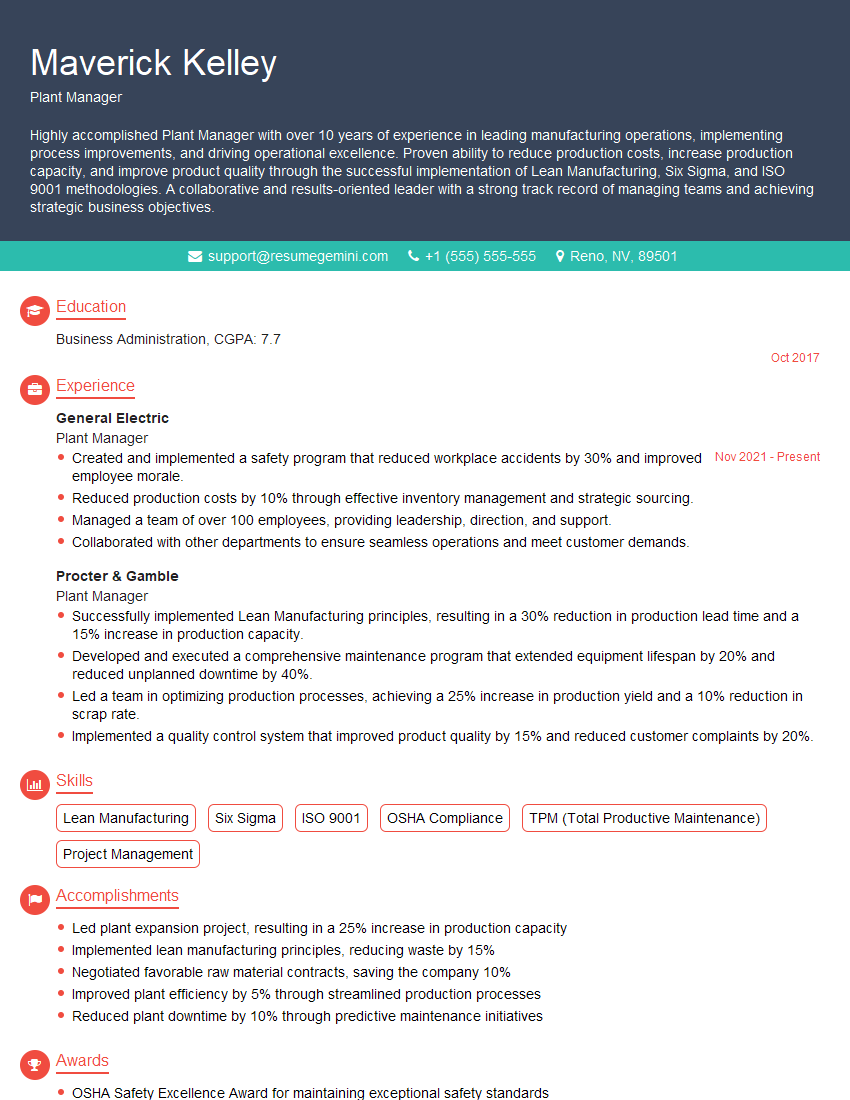
Plant Manager Resume Sample
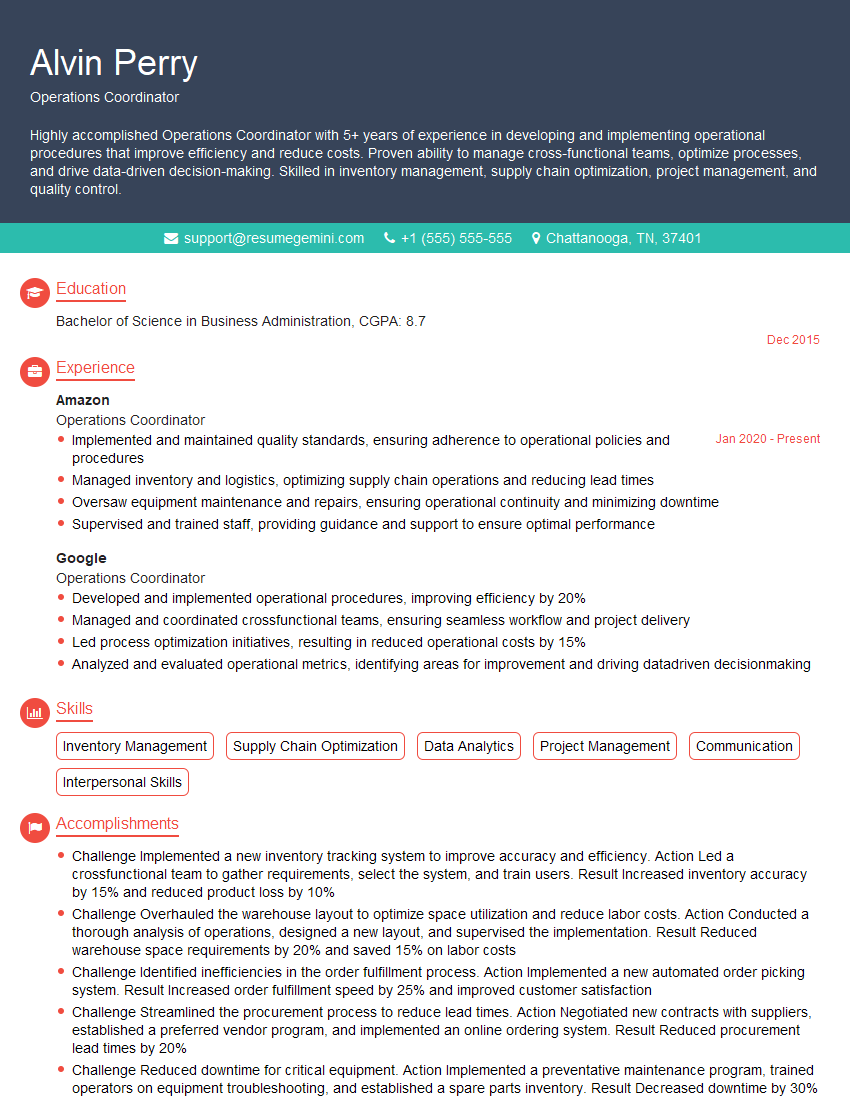
Operations Coordinator Resume Sample
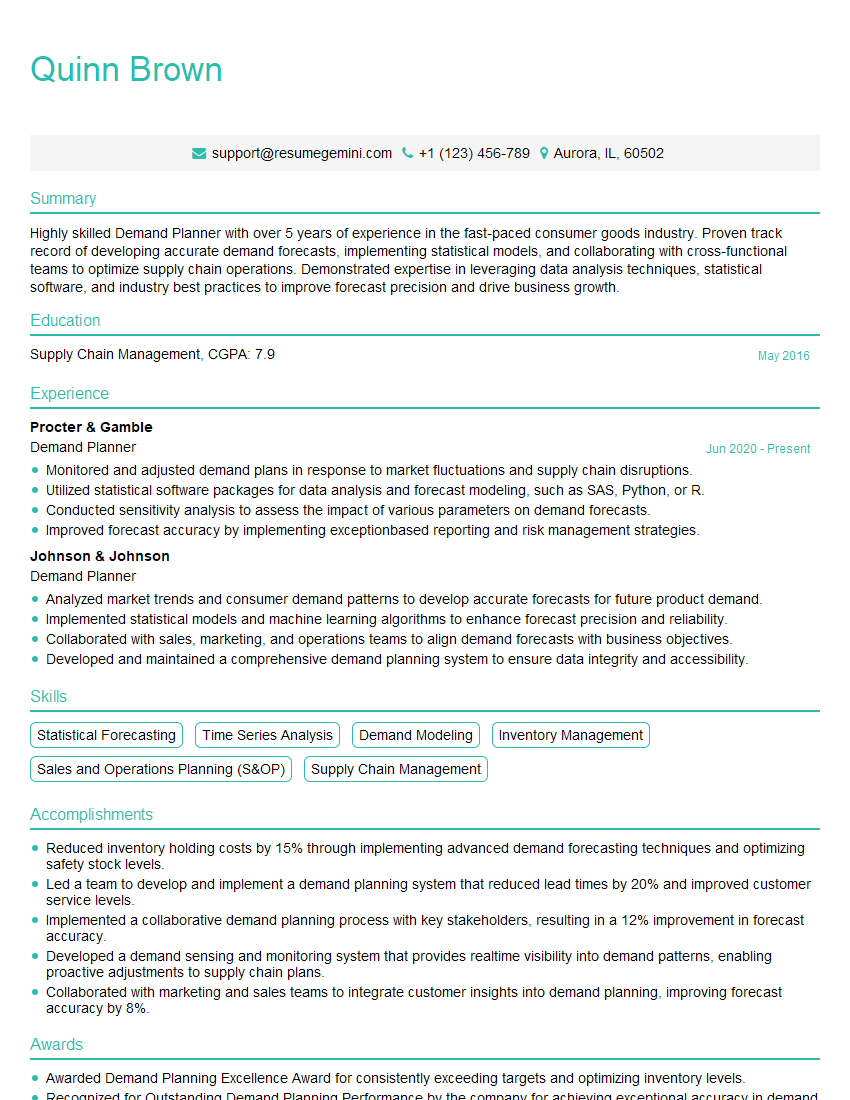
Demand Planner Resume Sample

Manufacturing Planner Resume Sample
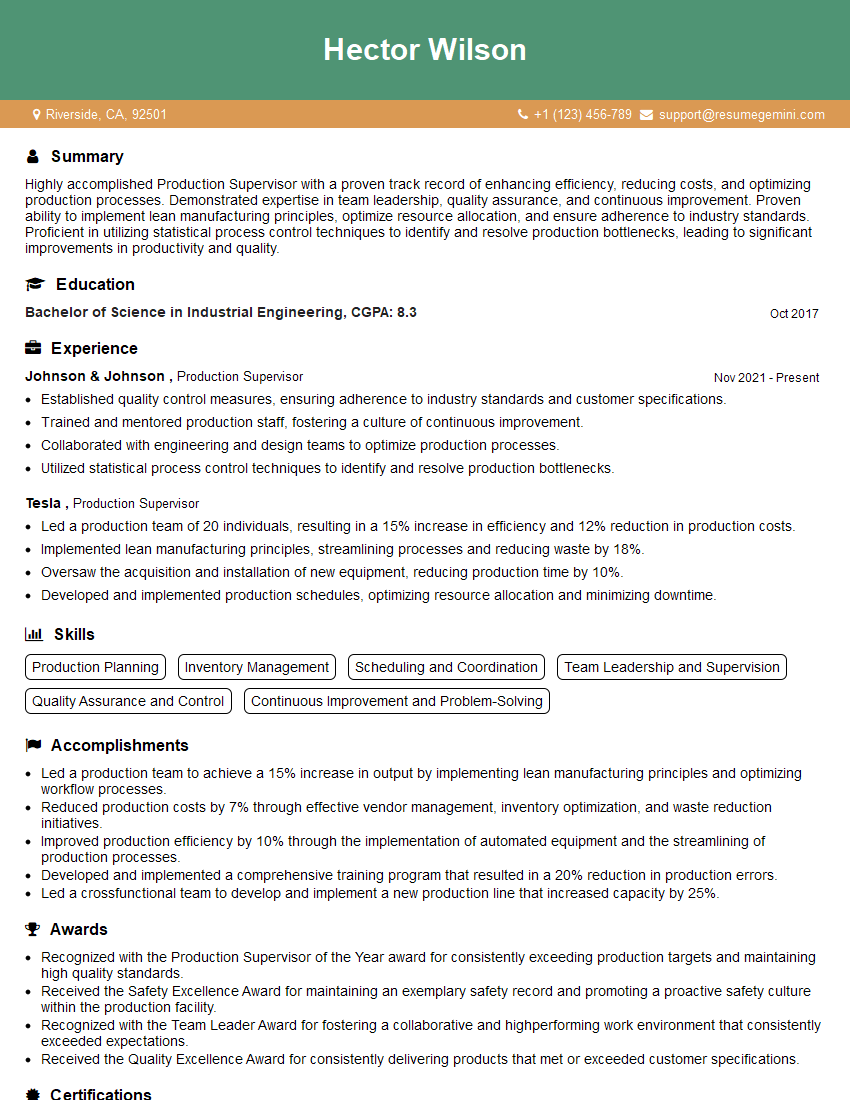
Production Supervisor Resume Sample
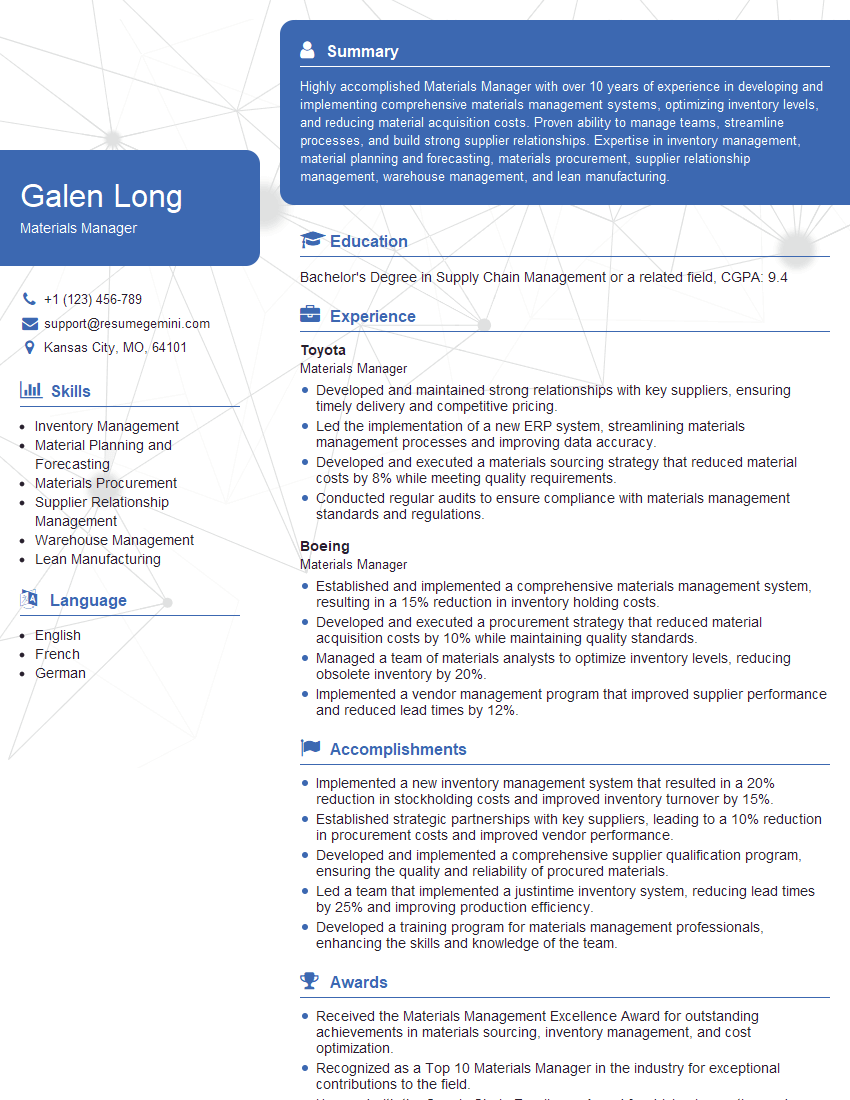
Materials Manager Resume Sample

Procurement Manager Resume Sample
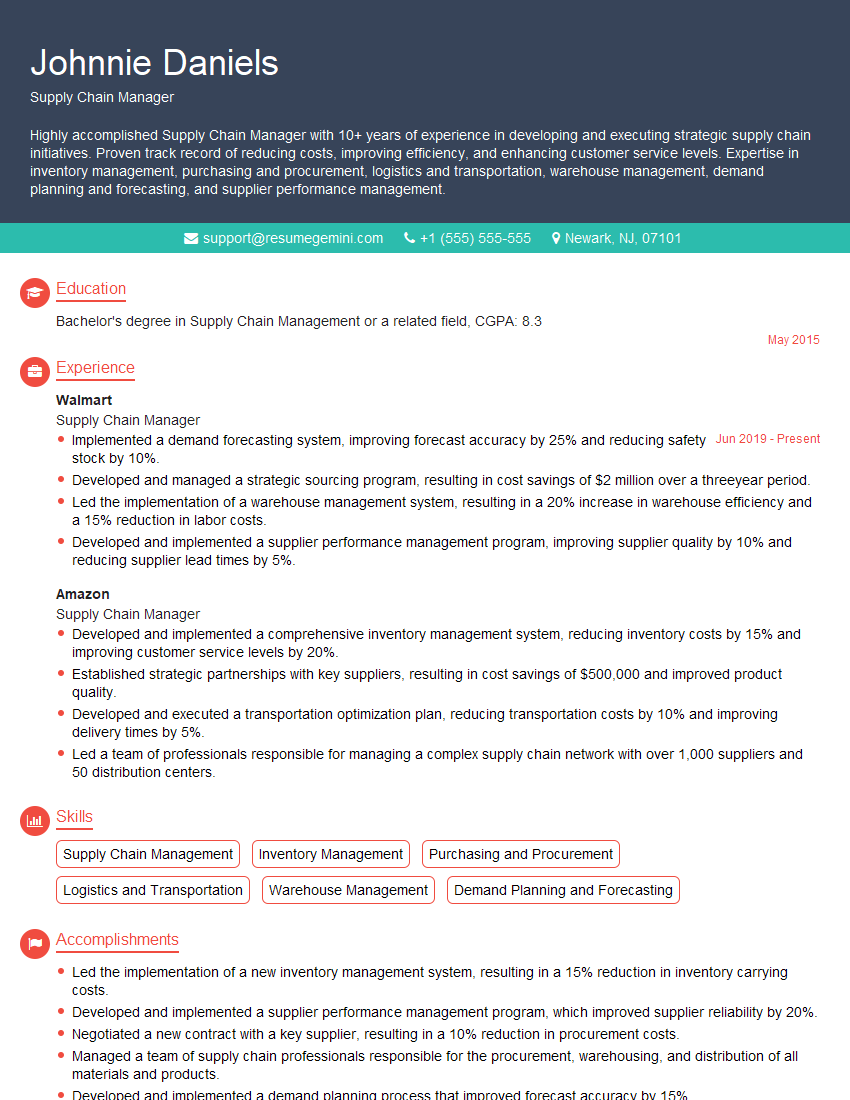
Supply Chain Manager Resume Sample
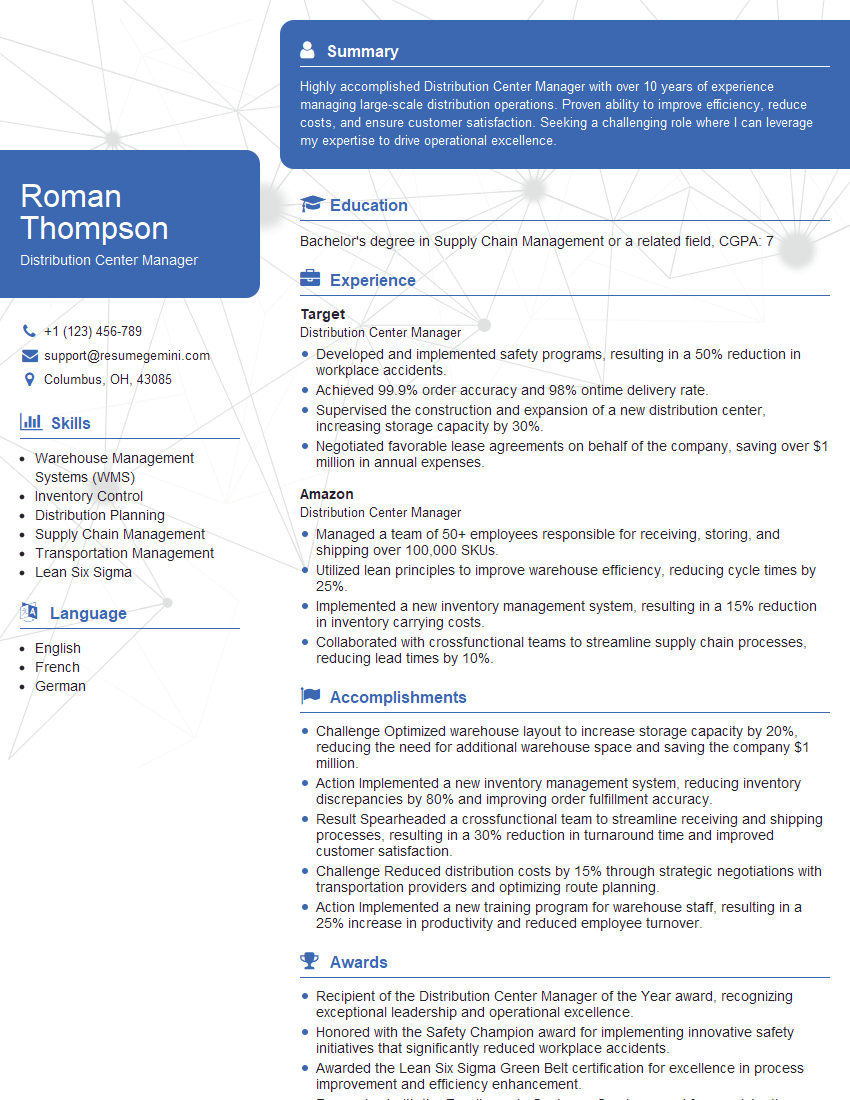
Distribution Center Manager Resume Sample
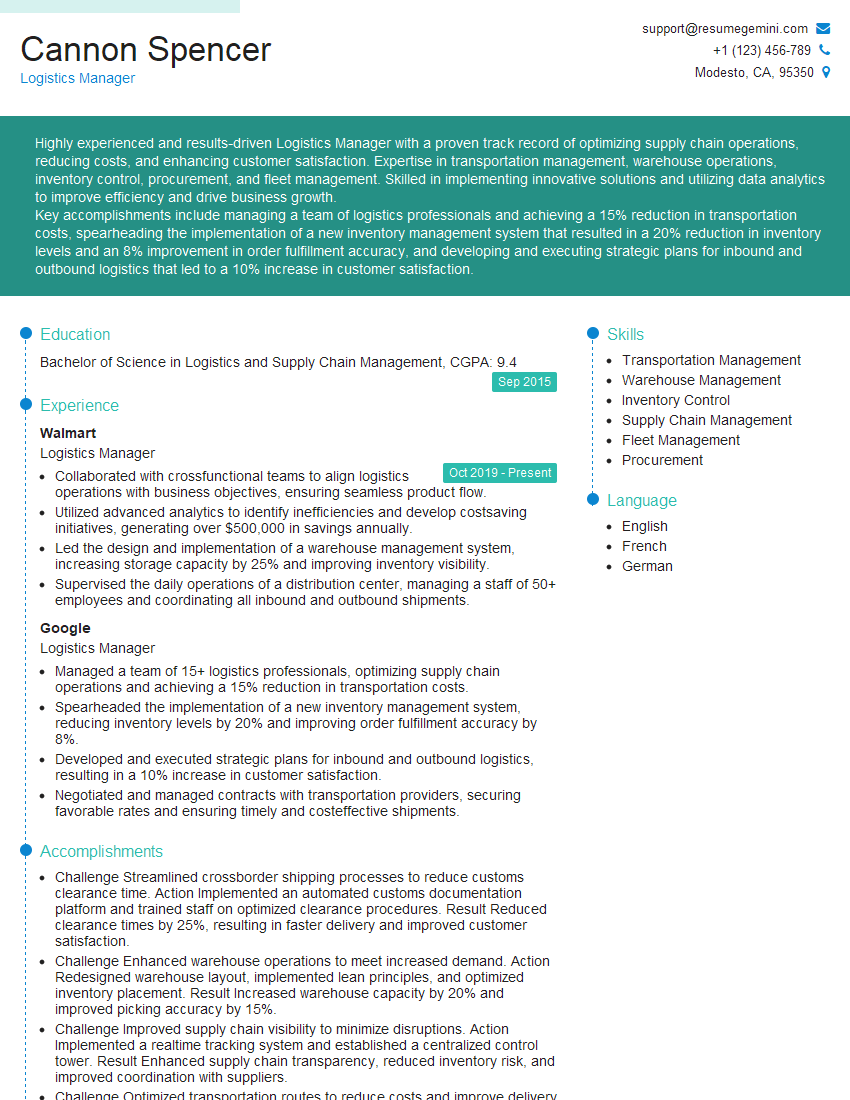
Logistics Manager Resume Sample
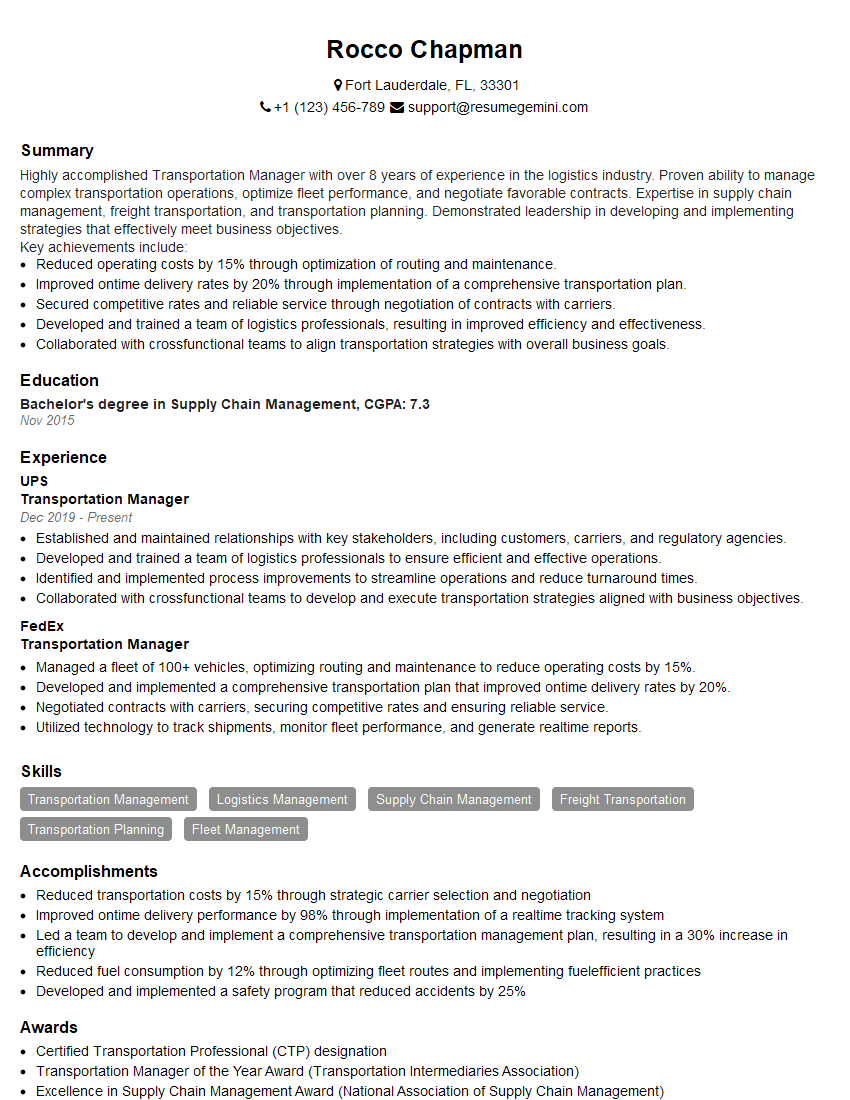
Transportation Manager Resume Sample
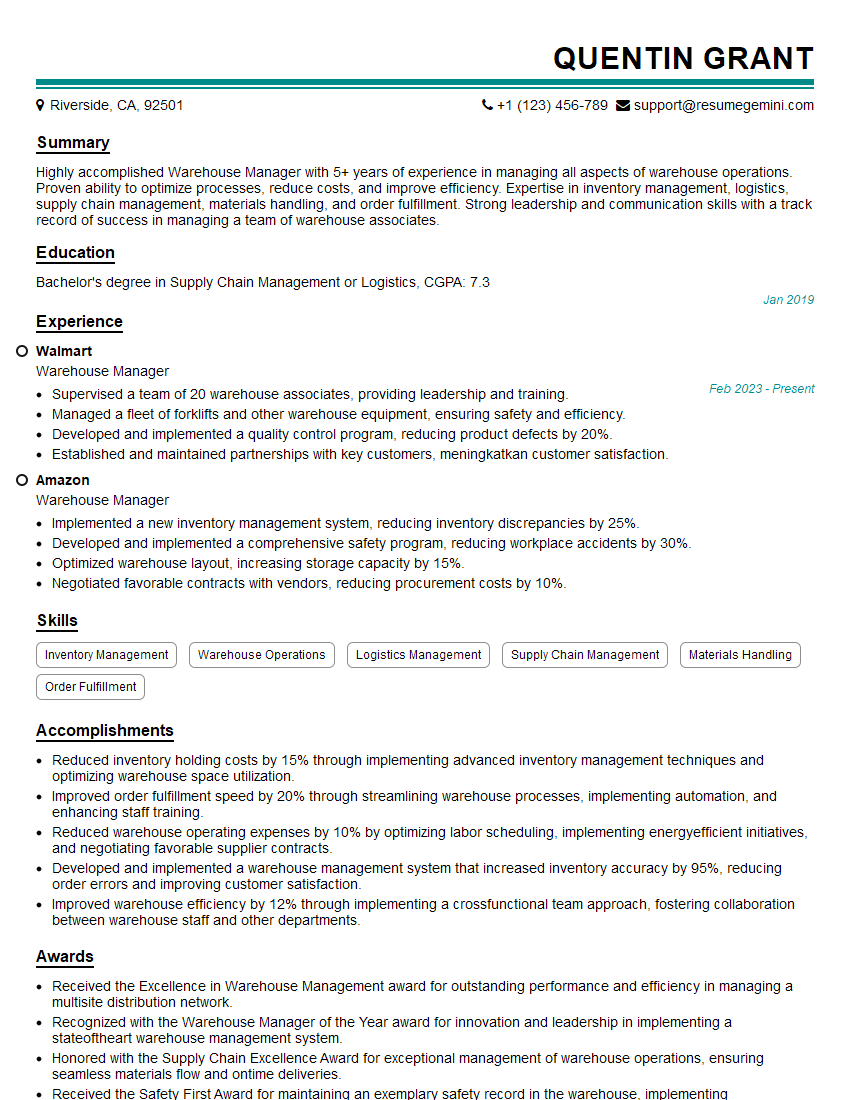
Warehouse Manager Resume Sample
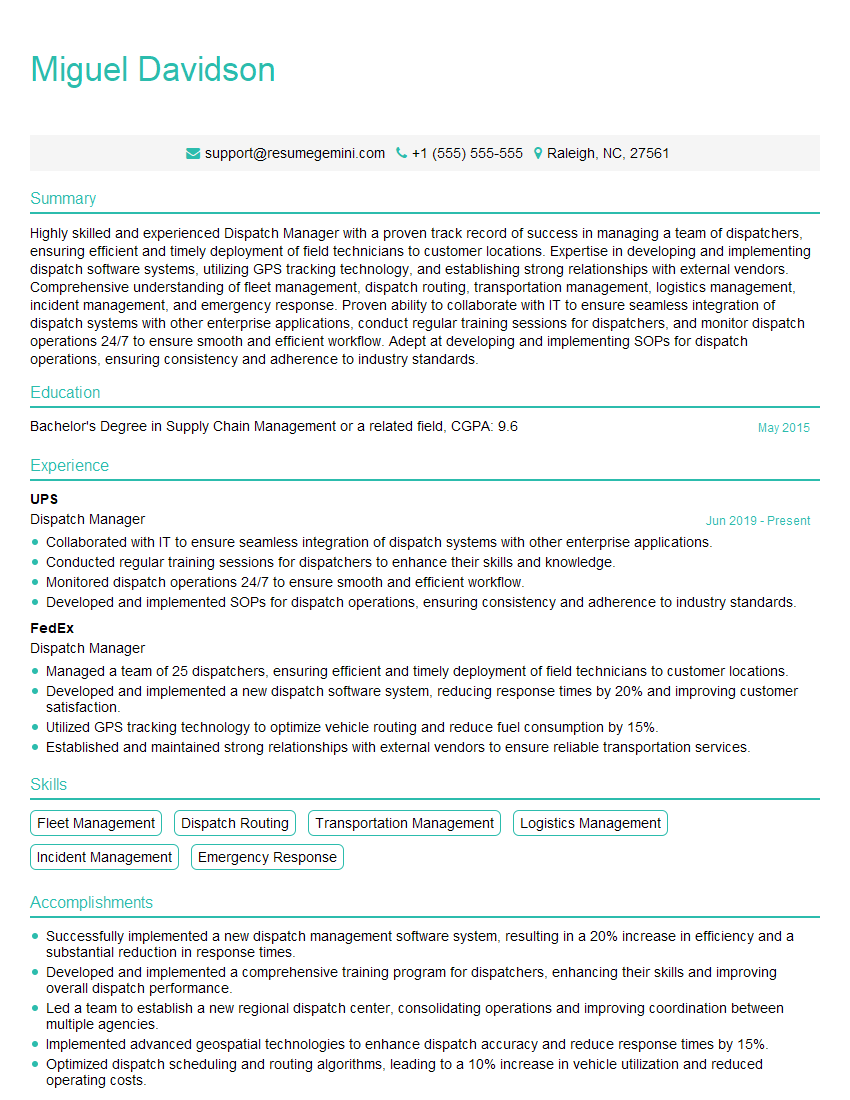
Dispatch Manager Resume Sample
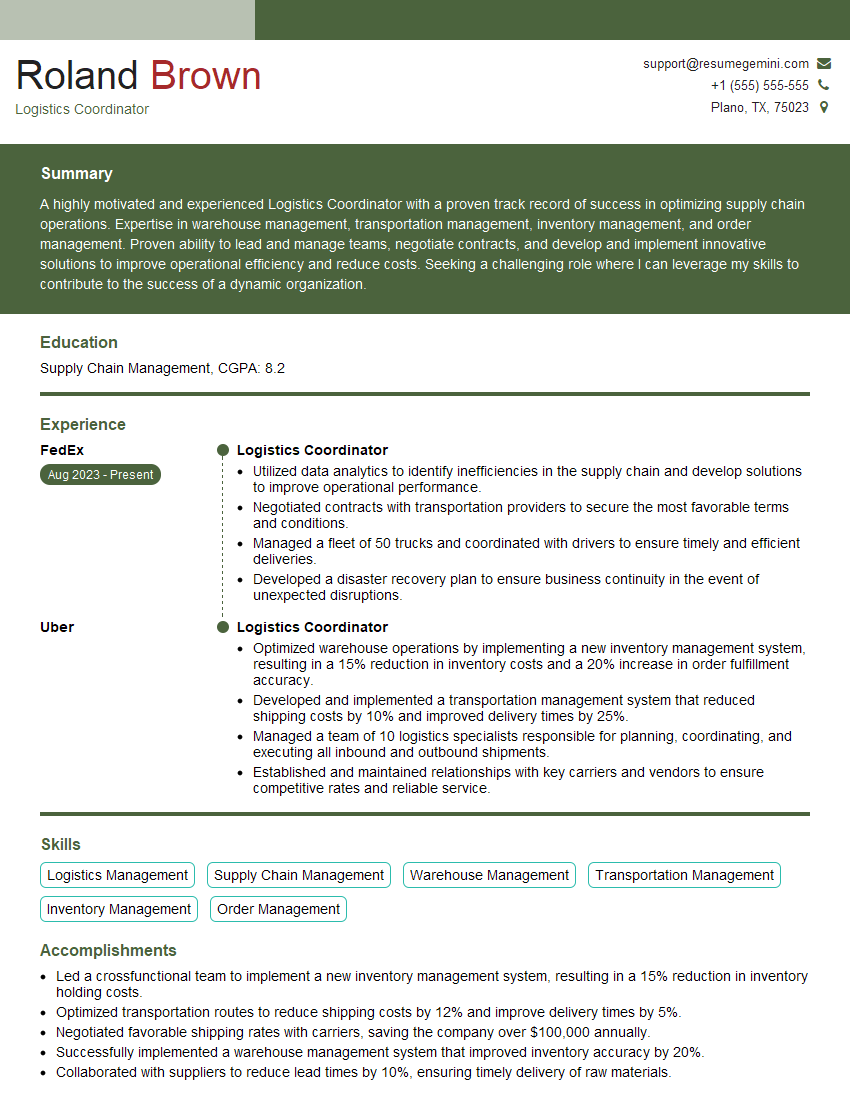
Logistics Coordinator Resume Sample
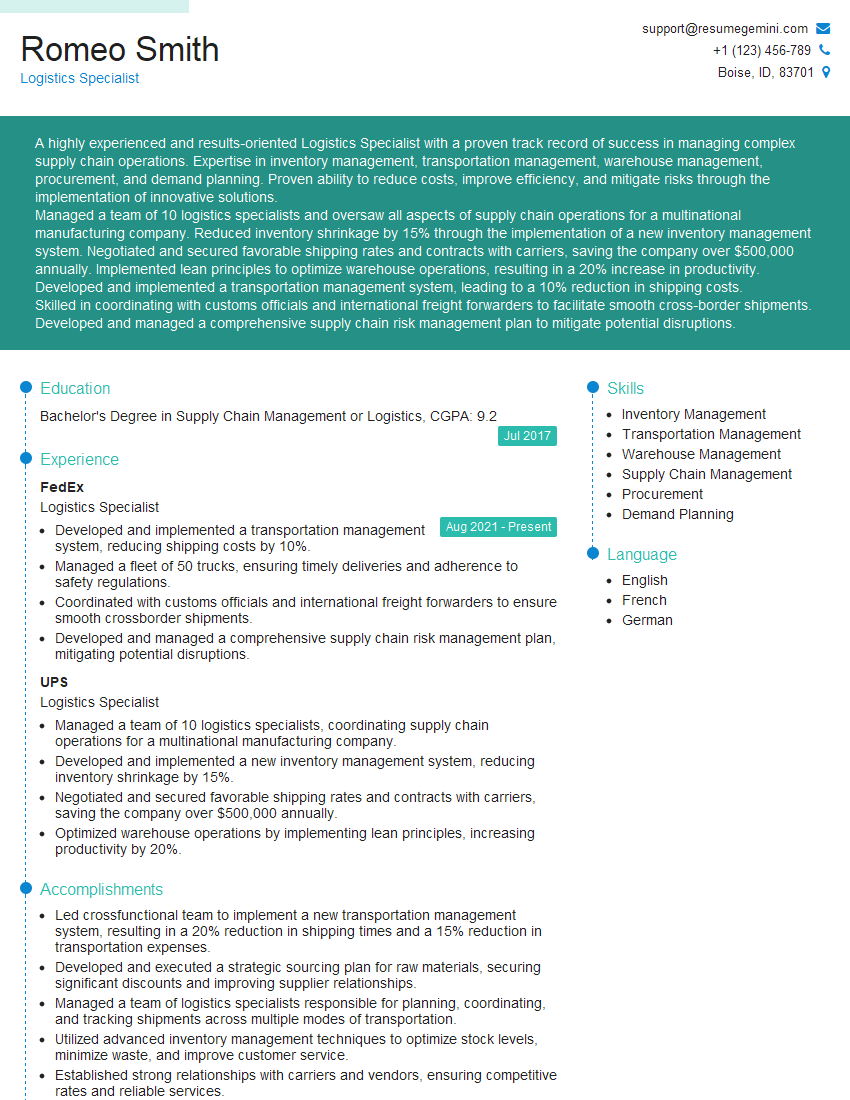
Logistics Specialist Resume Sample
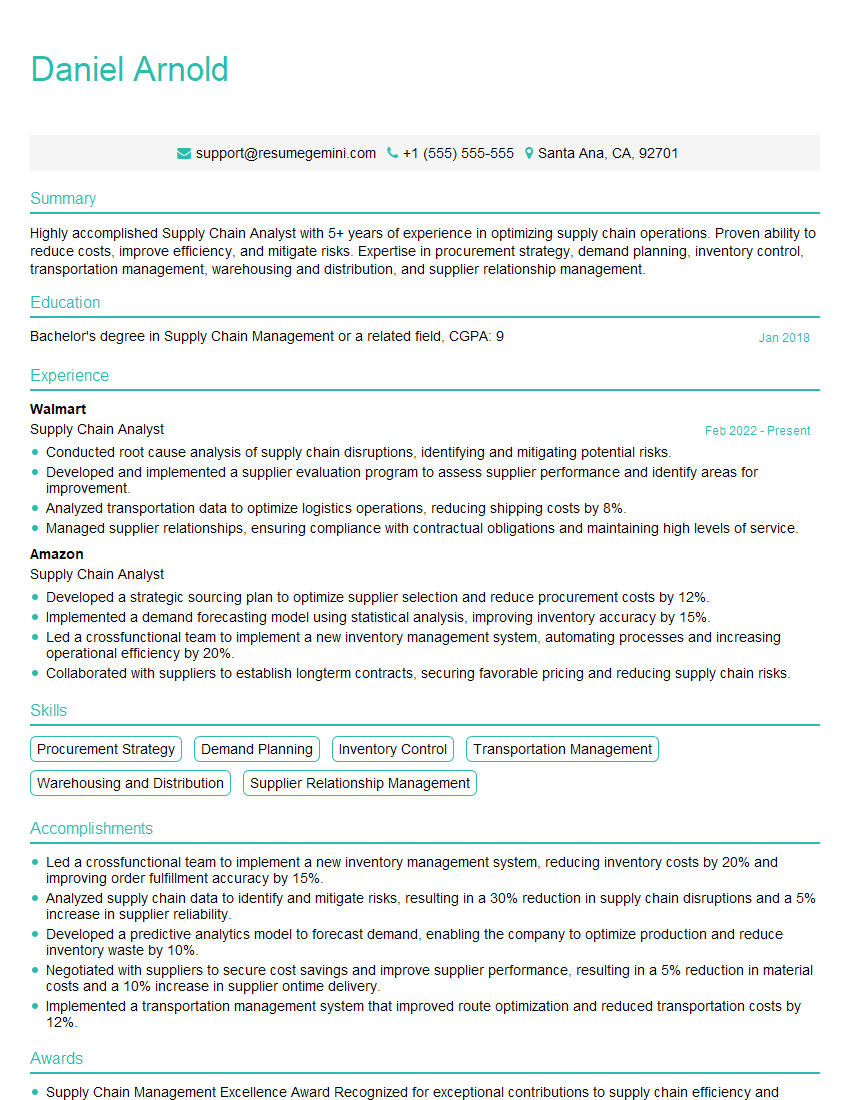
Supply Chain Analyst Resume Sample
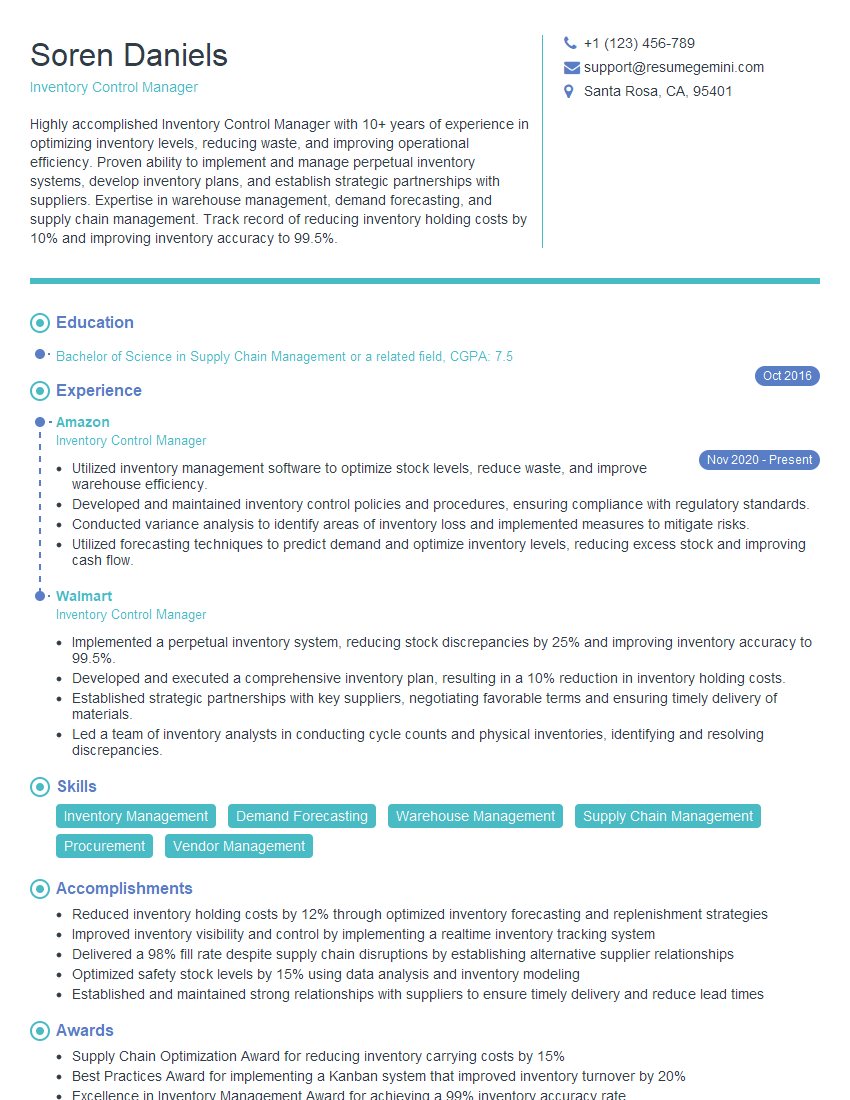
Inventory Control Manager Resume Sample
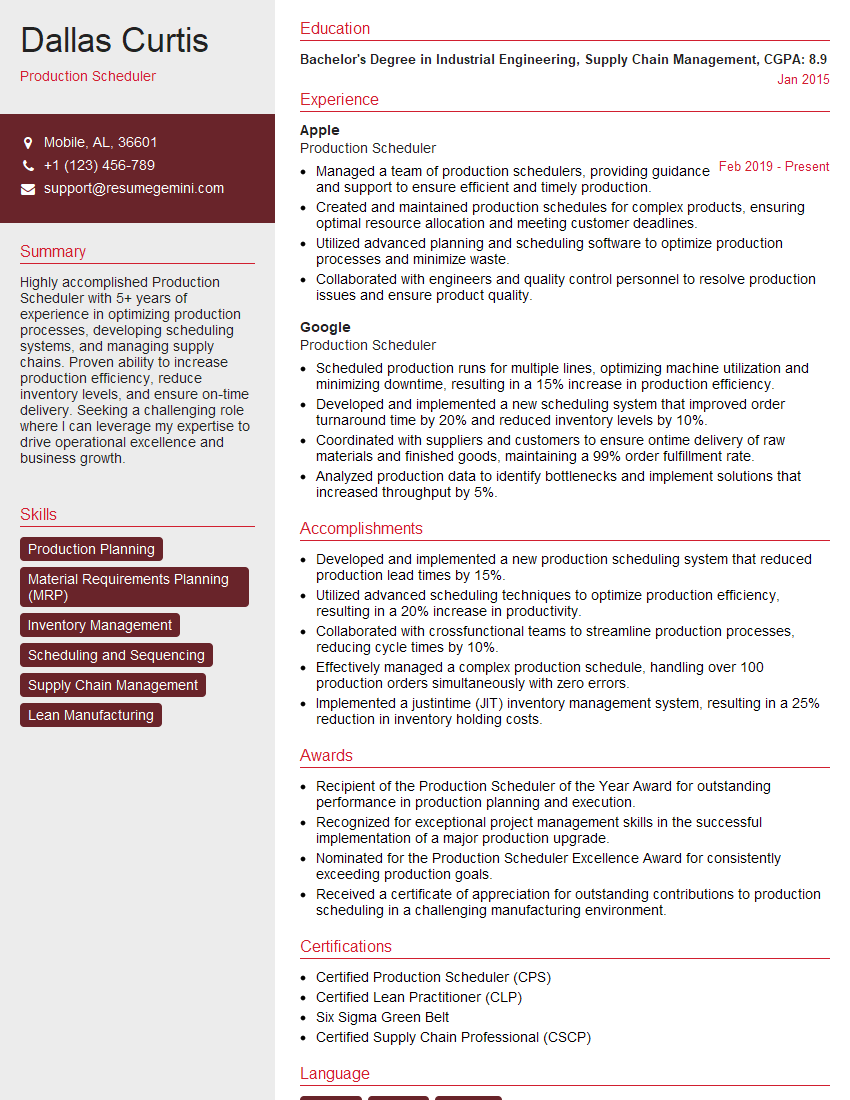
Production Scheduler Resume Sample
- Operations Manager
- Plant Manager
- Operations Coordinator
- Demand Planner
- Manufacturing Planner
- Production Supervisor
- Materials Manager
- Procurement Manager
- Supply Chain Manager
- Distribution Center Manager
- Logistics Manager
- Transportation Manager
- Warehouse Manager
- Dispatch Manager
- Logistics Coordinator
- Logistics Specialist
- Supply Chain Analyst
- Inventory Control Manager
- Production Scheduler
Explore more articles
Users Rating of Our Blogs
Share Your Experience
We value your feedback! Please rate our content and share your thoughts (optional).
What Readers Say About Our Blog
Very informative content, great job.
good