Interviews are more than just a Q&A session—they’re a chance to prove your worth. This blog dives into essential Experience with Troubleshooting and Repairing Electrical Systems interview questions and expert tips to help you align your answers with what hiring managers are looking for. Start preparing to shine!
Questions Asked in Experience with Troubleshooting and Repairing Electrical Systems Interview
Q 1. Describe your experience troubleshooting faulty electrical circuits.
Troubleshooting faulty electrical circuits involves a systematic approach combining observation, testing, and analysis. I begin by visually inspecting the circuit for obvious problems like loose connections, damaged wires, or burnt components. This often reveals the culprit immediately. If not, I then use a multimeter to check voltage, current, and resistance at various points in the circuit, comparing readings to expected values. For example, if a light fixture isn’t working, I’d first check the breaker and then trace the circuit back, measuring voltage at each point – outlet, switch, and the fixture itself – to pinpoint where the voltage drops off, indicating the fault location. I might discover a broken wire inside the wall, a faulty switch, or a blown bulb.
I’ve successfully used this method on numerous occasions, from fixing a faulty outlet in a residential building to troubleshooting complex industrial machinery controls. Understanding circuit diagrams is crucial here – they’re the roadmap to effectively navigate the electrical path.
Q 2. How do you diagnose intermittent electrical problems?
Intermittent electrical problems are the trickiest because they don’t happen consistently. My approach involves careful observation and documentation. I start by trying to reproduce the problem. If it’s a flickering light, I might try turning it on and off repeatedly. I’ll also look for patterns – does it only happen at certain times of day or under specific load conditions? This helps narrow down the potential causes.
Then, I employ specialized diagnostic techniques. For example, a thermal imager can detect overheating components, a common cause of intermittent failures. A logic analyzer or oscilloscope, particularly valuable in electronic systems, can help identify signals that are intermittently failing or exhibiting erratic behavior. In one case, I used an oscilloscope to pinpoint an intermittent short circuit in a control board that was only triggered by specific vibration frequencies.
Finally, thorough testing and possibly replacing suspected components will resolve the issue. Good documentation of the problem, tests, and eventual fix is critical for future reference.
Q 3. Explain your process for testing and replacing faulty components in electrical systems.
My process for testing and replacing faulty components is always methodical and safety-conscious. First, I de-energize the circuit by switching off the breaker or disconnecting the power source. This is paramount for safety. Then, I carefully inspect the component visually for any obvious damage. Next, I use appropriate testing equipment, such as a multimeter, to verify its functionality.
For example, if I suspect a capacitor is faulty, I’ll measure its capacitance and ESR (Equivalent Series Resistance) using a multimeter’s capacitance function. If a resistor is suspect, I’ll measure its resistance. I always refer to the schematic diagram to understand the component’s role and expected values. Once a faulty component is identified, I disconnect it according to the schematic, taking pictures of wiring if necessary, and replace it with a new, appropriately rated component.
After replacing a component, I carefully re-assemble everything, re-energize the circuit, and thoroughly test the system to ensure it’s functioning correctly and safely. A simple, yet effective method is to turn on the system slowly increasing load or time to see if a problem reemerges.
Q 4. What safety precautions do you always follow when working with electrical systems?
Safety is my top priority when working with electrical systems. I always follow these precautions:
- Lockout/Tagout (LOTO): I always de-energize the circuit using a lockout/tagout procedure to prevent accidental energization. This ensures that no one can inadvertently switch the power back on while I’m working.
- Personal Protective Equipment (PPE): I wear appropriate PPE, including safety glasses, insulated gloves, and non-conductive footwear.
- Proper Tools: I utilize tools designed for electrical work – insulated screwdrivers, pliers, and wire cutters.
- Double-Checking: I always double-check my work before re-energizing a circuit to ensure that all connections are secure and correctly wired.
- Awareness of Surroundings: I maintain awareness of my surroundings, avoiding contact with other objects or personnel that could lead to shock or injury.
- Emergency Procedures: I’m familiar with the emergency procedures in case of an accident, including the location of fire extinguishers and the appropriate emergency contacts.
These safety precautions are not merely guidelines; they are essential practices that protect me and others from potential harm.
Q 5. How familiar are you with electrical schematics and blueprints?
I am very familiar with electrical schematics and blueprints. I consider them essential tools for troubleshooting and repair. They provide a visual representation of the electrical system, showing the connections between components and the flow of electricity. My experience spans various types of schematics, from simple residential wiring diagrams to complex industrial control systems schematics. I can interpret the symbols used to represent various components and trace the electrical paths to identify potential problems.
I find that understanding the schematic beforehand helps me plan the troubleshooting steps and anticipate potential challenges. It’s like having a map before venturing into unfamiliar territory. Without a schematic, troubleshooting becomes much more difficult, time-consuming, and potentially dangerous.
Q 6. Describe your experience with different types of electrical testing equipment (multimeters, oscilloscopes, etc.).
I have extensive experience with a variety of electrical testing equipment. The multimeter is my everyday tool, used for measuring voltage, current, and resistance. I can use it to check continuity, test diodes, and identify shorts or open circuits. I am proficient in using oscilloscopes to analyze waveforms, identify signal problems, and troubleshoot electronic components. I understand how to interpret the information displayed on the oscilloscope screen to diagnose timing issues, signal distortion, and other anomalies.
Beyond multimeters and oscilloscopes, my experience also includes using clamp meters to measure current without breaking the circuit, insulation resistance testers to check for insulation integrity, and digital capacitance meters for accurate capacitor measurements. The choice of equipment depends on the specific problem and the type of electrical system involved. Proper use of testing equipment requires understanding the limitations and safety protocols of each device.
Q 7. How do you troubleshoot a motor that’s not running?
Troubleshooting a motor that’s not running requires a systematic approach. I’d first visually inspect the motor and its connections for any obvious problems like broken belts, loose connections, or damaged wires. Then, I’d check for power supply issues – is there voltage at the motor terminals? If not, I’d trace the power supply back to the breaker or source, looking for tripped breakers or faulty wiring. This often solves the problem.
If power is present at the motor terminals, I’d then check the motor’s components: the windings for shorts or opens, using a multimeter to measure resistance. A multimeter will also help detect faulty capacitors. I’d also examine the motor’s starting mechanism if it’s a motor requiring special starting conditions, including checking the starting capacitor, overload relay, or motor starter. If the motor is part of a larger system, I’d consult relevant schematics to ensure proper signals are being received by the motor controller.
Sometimes, a faulty motor controller, thermal overload, or even a simple lack of lubrication can cause a motor to fail to run. Therefore, a thorough check of all associated components and proper documentation of measurements and observations is key.
Q 8. How would you approach troubleshooting a power outage in a building?
Troubleshooting a building power outage requires a systematic approach, prioritizing safety. First, I’d verify the outage isn’t localized to just my area – is it a broader grid issue? Then, I’d check the building’s main electrical panel. Are the breakers tripped? If so, resetting them (after ensuring safety precautions are in place!) might solve the problem. If not, I would move to the next step, examining the electrical meter to see if there’s a problem with the supply coming into the building. I’d visually inspect the wiring for any obvious damage, loose connections, or burnt areas. This often involves checking both the main service panel and sub-panels throughout the building. If no apparent problems exist, I would utilize specialized testing equipment like a multimeter to check for voltage at various points in the system, pinpointing where the power is interrupted. I’d also check for overloaded circuits, faulty wiring in walls or ceilings, or a problem with the grounding system. Documentation of my steps, observations, and test results is crucial for tracking progress and ensuring safety.
For example, I once dealt with a power outage that initially seemed like a simple tripped breaker. However, after resetting it repeatedly, the power would just cut out again. Further investigation revealed a damaged wire inside a wall, causing a short circuit. Careful tracing and repair resolved the issue.
Q 9. Explain your understanding of Ohm’s Law and its application in troubleshooting.
Ohm’s Law is fundamental to electrical troubleshooting. It states that voltage (V) is equal to current (I) multiplied by resistance (R): V = I * R. Understanding this allows us to diagnose problems by measuring any two of these quantities and calculating the third. For instance, if a circuit has a known voltage (say, 120V) and a measured current that’s unexpectedly high, we can deduce that the resistance is lower than expected, likely due to a short circuit. Conversely, if the current is too low, it suggests a higher resistance than anticipated, perhaps caused by a loose connection or a broken wire.
I’ve often used Ohm’s Law when investigating faulty appliances. If an appliance isn’t working, I might measure the voltage at the outlet and then the voltage across the appliance’s terminals. A significant voltage drop across the appliance itself often points to an internal resistance problem, often a faulty heating element or motor. By applying Ohm’s Law to these readings, I can pinpoint the source of the malfunction much more quickly than by just swapping parts randomly.
Q 10. Describe your experience working with various types of wiring (e.g., conduit, cable, etc.).
My experience encompasses working with various wiring types, including conduit, armored cable (BX cable), non-metallic sheathed cable (Romex), and various types of industrial cable. Conduit, rigid metal or flexible plastic tubing, protects wires from physical damage and moisture. Armored cable offers similar protection, and Romex is commonly used in residential construction. Each type has its applications and installation requirements. I’m proficient in running conduit through walls and ceilings, pulling wires through conduit using fish tape or wire snakes, and terminating wires in junction boxes. Safety is paramount; I always ensure proper grounding and bonding techniques are followed to prevent electrical shocks.
For example, during a renovation project, I replaced outdated knob-and-tube wiring (an extremely old wiring system) with modern Romex cable in conduit for increased safety and reliability. This involved careful removal of the old system, installing new conduit, pulling the new wiring, and ensuring proper grounding. The difference in safety and code compliance was significant.
Q 11. How do you identify and address potential electrical hazards?
Identifying and addressing electrical hazards is crucial for safety. I always start by visually inspecting the area, looking for frayed wires, exposed connections, overloaded circuits, and damage to insulation. I use a non-contact voltage tester to check for live wires before making contact with any electrical components. Improper grounding can also lead to hazards, so I carefully check ground connections and ensure proper bonding. Overloaded circuits are a common hazard and can be identified by checking breaker amperage and load calculations. I then address these issues by replacing damaged wiring, using proper connectors, and ensuring all circuits are within their safe operating capacity. Additionally, I’m familiar with relevant safety regulations and codes, such as the National Electrical Code (NEC), and I always follow these standards in my work.
During one inspection, I discovered a severely overloaded circuit in a kitchen, with multiple appliances plugged into a single outlet. This was a serious fire hazard. I immediately addressed it by installing a new circuit with the correct amperage breaker and distributing the load accordingly.
Q 12. What is your experience with different types of electrical motors?
I have extensive experience with various types of electrical motors, including AC induction motors (the most common type), DC motors (used in applications requiring precise speed control), and stepper motors (for precise positioning). I understand motor starting methods, such as direct-on-line (DOL) starting, star-delta starting, and reduced voltage starting. I can troubleshoot motor problems such as bearing failure, winding faults, and power supply issues. Diagnostic tools include motor current analyzers and multimeters, which help in identifying issues like phase imbalance or winding shorts. Understanding motor nameplates is crucial for determining the motor’s specifications (voltage, amperage, horsepower), crucial for proper selection and safe operation.
I once repaired a faulty three-phase AC induction motor in a large industrial pump. Using a motor current analyzer, I was able to diagnose a shorted winding, which was then repaired, restoring the pump to full functionality.
Q 13. How familiar are you with various types of circuit breakers and their functions?
I am familiar with various circuit breakers, including standard circuit breakers, ground fault circuit interrupters (GFCIs), and arc fault circuit interrupters (AFCIs). Standard circuit breakers protect circuits from overcurrent conditions. GFCIs detect ground faults, providing crucial protection against electrical shock. AFCIs protect against electrical fires caused by arcing faults. I understand their trip mechanisms and ratings and can identify and replace faulty circuit breakers correctly. The selection of the appropriate breaker type is critical for safety and code compliance; for example, GFCIs are mandated in areas like bathrooms and kitchens.
In a recent project, I installed several AFCIs in a newly renovated house to meet updated safety codes and provide enhanced fire protection.
Q 14. Describe your process for repairing damaged electrical wiring.
Repairing damaged electrical wiring is a critical task that demands precision and safety. The first step is always to de-energize the circuit completely. I then carefully remove the damaged section of the wiring, ensuring the remaining wires are free of any damage. New wire is then carefully spliced into the circuit using appropriate connectors, following all electrical codes. This may involve using wire nuts for smaller gauge wires or crimp connectors for larger ones, always ensuring the connections are secure and properly insulated. After the repairs are complete, I thoroughly test the circuit using a multimeter, ensuring continuity and the absence of shorts. Once the circuit tests as safe, power can be safely restored. Throughout the process, the safety of myself and others remains the top priority. Proper documentation of every step is maintained for future reference.
I’ve repaired numerous instances of damaged wiring, from simple wire breaks to more complex scenarios involving damaged insulation or corroded connections. My meticulous approach always ensures safety and compliance with all electrical codes, prioritizing the long-term reliability of the repaired circuit.
Q 15. How do you determine the root cause of an electrical malfunction?
Pinpointing the root cause of an electrical malfunction requires a systematic approach. It’s like detective work, where you gather clues and eliminate possibilities until you find the culprit. I begin by visually inspecting the system, looking for obvious signs of damage like burnt wires, loose connections, or tripped breakers. Then, I use specialized testing equipment like multimeters to measure voltage, current, and resistance. This helps identify whether the problem lies in a specific component, wiring, or even a larger power supply issue. For instance, if a circuit isn’t receiving power, I’d check the breaker, the wiring leading to the circuit, and then the components within the circuit itself. If a component is malfunctioning, I’d further investigate by checking its specifications and comparing its readings against the expected values. A detailed record of these measurements and observations helps ensure I don’t overlook anything.
Sometimes, the issue isn’t immediately obvious. In those cases, I rely on my experience to identify potential problems. For example, I once had to troubleshoot a factory’s production line that kept shutting down. Initial inspection revealed nothing, but by carefully examining the load profile and current draw, I detected a gradual overload situation leading up to the shutdowns. This allowed me to pinpoint the faulty machine, which had a failing motor that was drawing excessive current before ultimately failing completely.
Career Expert Tips:
- Ace those interviews! Prepare effectively by reviewing the Top 50 Most Common Interview Questions on ResumeGemini.
- Navigate your job search with confidence! Explore a wide range of Career Tips on ResumeGemini. Learn about common challenges and recommendations to overcome them.
- Craft the perfect resume! Master the Art of Resume Writing with ResumeGemini’s guide. Showcase your unique qualifications and achievements effectively.
- Don’t miss out on holiday savings! Build your dream resume with ResumeGemini’s ATS optimized templates.
Q 16. What is your experience with PLC programming and troubleshooting?
I have extensive experience with PLC (Programmable Logic Controller) programming and troubleshooting, using various brands including Siemens, Allen-Bradley, and Schneider Electric. My experience ranges from writing basic ladder logic programs for simple control systems to implementing complex algorithms for high-speed automation processes. Troubleshooting PLCs involves a similar systematic approach to general electrical troubleshooting. I start by checking the PLC’s power supply and communication links. Then, I use diagnostic tools to monitor the PLC’s internal status, review error logs, and step through the program to pinpoint problematic sections. This often involves using the PLC’s programming software to simulate operation and review inputs and outputs.
For example, I once debugged a PLC program controlling a conveyor belt system that was experiencing intermittent stoppages. Through careful monitoring of I/O signals and reviewing the ladder logic, I identified a timing issue in a section handling sensor inputs. Correcting the timing resolved the problem. My experience also includes working with HMI (Human-Machine Interface) panels to configure user interfaces and troubleshoot any issues related to the operator interaction.
// Example Ladder Logic snippet (Allen-Bradley) XIC I:1/0 O:1/0Q 17. How familiar are you with electrical codes and regulations (NEC, etc.)?
I’m very familiar with the National Electrical Code (NEC) and other relevant electrical regulations. I understand the importance of adhering to these codes to ensure safety and compliance. My experience includes working on projects that required strict adherence to NEC standards, including proper grounding, wire sizing, and installation methods. I understand the requirements for different types of electrical installations, from residential to industrial settings. I regularly consult the NEC and other relevant standards to ensure my work meets the highest safety and legal requirements.
For example, when designing an electrical system for a new industrial facility, I carefully consider all NEC requirements regarding grounding, overcurrent protection, and equipment installation to avoid hazards and ensure compliance with local building codes. Failure to adhere to these codes can lead to dangerous situations such as electrical fires or electrocution, causing significant damage and potential harm.
Q 18. Describe your experience with preventative maintenance of electrical systems.
Preventative maintenance is crucial for extending the lifespan of electrical systems and preventing unexpected failures. My experience encompasses a wide range of preventative maintenance tasks, including regular inspections of electrical panels and equipment, testing of circuit breakers and safety devices, tightening of loose connections, and cleaning of electrical contacts. I also perform thermal imaging scans to detect potential overheating problems before they escalate into serious issues. A well-maintained system reduces the risk of downtime, electrical fires, and expensive repairs.
I often create and implement preventative maintenance schedules tailored to the specific needs of each system. These schedules usually include specific tasks, frequency of inspections, and responsible personnel, ensuring that important checks are regularly performed and documented. For example, in a manufacturing environment, a regular preventative maintenance program on critical machinery is essential to ensure production continuity and prevent costly downtime.
Q 19. How do you document your troubleshooting and repair work?
Thorough documentation is essential for troubleshooting and repair work. I meticulously document all my findings, actions, and results. This involves creating detailed reports that include initial observations, test results, troubleshooting steps, and final solutions. I use a combination of written reports, diagrams, and digital photos to ensure a complete record. This documentation serves multiple purposes: it helps me recall details if the issue arises again, it’s crucial for auditing and compliance purposes, and it aids in future maintenance and repair tasks.
For instance, when repairing a complex system, I might create a flowchart depicting the system’s architecture and my troubleshooting steps. I’ll also note the specific components replaced or repaired, their part numbers, and any other relevant information. This allows other technicians to understand the history of the system and easily follow the steps taken for future maintenance or repair.
Q 20. Explain your experience with working on high-voltage systems.
I have significant experience working on high-voltage systems, always prioritizing safety as the utmost concern. Working with high voltage requires specialized training, equipment, and strict adherence to safety protocols. I’m familiar with lockout/tagout procedures, arc flash hazard analysis, and the use of personal protective equipment (PPE) such as insulated gloves, safety glasses, and arc flash suits. My experience includes working on systems ranging from medium-voltage switchgear to high-voltage transmission lines.
Before undertaking any work on a high-voltage system, I always perform a thorough risk assessment to identify potential hazards and develop a safe work plan. This includes de-energizing the system, verifying its de-energization, and grounding it appropriately. I’ve worked on projects involving substation maintenance, high-voltage cable installations, and the troubleshooting of complex high-voltage circuits, always adhering to strict safety standards and industry best practices.
Q 21. How do you handle emergency situations involving electrical equipment?
Handling emergency situations involving electrical equipment requires quick thinking, decisive action, and a calm demeanor. My priority in any emergency is safety—both my own and that of others. The first step is to assess the situation and determine the nature of the emergency. If there’s an electrical fire, I’d immediately evacuate the area and call emergency services. If someone is experiencing an electrical shock, I’d first ensure my own safety before attempting to help the victim, using appropriate safety measures such as a non-conductive tool to break the contact with the power source. I never attempt to handle live electrical equipment unless I have the proper safety equipment and training.
Following the immediate response, I would secure the area, investigate the root cause of the incident, and document the event thoroughly for analysis and future prevention. Understanding the causes of such emergencies is crucial for refining safety procedures and improving overall safety practices.
Q 22. What software or tools do you use to assist in electrical troubleshooting?
Troubleshooting electrical systems often involves a combination of sophisticated software and practical tools. Software-wise, I’m proficient in using electrical simulation software like ETAP and SKM Power*Tools for analyzing power systems, identifying potential fault locations, and predicting system behavior under various conditions. These tools allow me to model complex circuits, run simulations to test different scenarios, and create detailed reports. For example, I’ve used ETAP to simulate a large industrial power system to identify potential overloads before they occurred, preventing costly downtime.
On the hardware side, I regularly utilize multimeters (both digital and analog) for voltage, current, and resistance measurements; clamp meters for non-invasive current measurement; oscilloscopes for waveform analysis to identify signal irregularities; and thermal imaging cameras to detect overheating components, often an early indicator of a problem. Specialized tools like meggers (to test insulation resistance) and loop impedance testers (to assess fault current paths) are also part of my regular toolkit.
Q 23. How do you stay up-to-date with the latest advancements in electrical technology?
The field of electrical technology is constantly evolving, so continuous learning is crucial. I actively participate in professional development activities to stay abreast of the latest advancements. This includes attending industry conferences like IEEE conferences, taking online courses offered by platforms like Coursera and edX on topics such as power electronics and renewable energy integration, and regularly reading industry publications like IEEE Spectrum and Electrical Apparatus. Furthermore, I maintain memberships in relevant professional organizations like the IEEE, which provides access to research papers, webinars, and networking opportunities. Keeping up with new standards and regulations, especially concerning safety protocols, is also a top priority.
Q 24. Describe a time you had to troubleshoot a complex electrical problem. What was your approach?
I once encountered a complex issue at a manufacturing plant where a critical production line kept experiencing intermittent power outages. My approach was systematic and methodical. First, I thoroughly documented the problem, including the frequency, duration, and any preceding events. Then, I conducted a series of tests using my multimeters and clamp meters to measure voltage levels and currents at various points in the circuit. I also utilized an oscilloscope to analyze the waveforms, looking for anomalies such as voltage sags or harmonic distortion. This revealed inconsistent voltage readings near a particular motor controller.
Following this, I carefully inspected the motor controller itself, the wiring, and the surrounding connections. I discovered a loose connection within the controller, leading to intermittent contact and causing the power outages. The issue was resolved by tightening the connection and adding additional support to prevent it from loosening again. The systematic approach – from detailed documentation to thorough testing and meticulous inspection – was key to identifying the root cause of this seemingly unpredictable problem. This emphasized the importance of detailed investigation beyond simply addressing surface-level symptoms.
Q 25. What is your experience with different types of transformers?
My experience encompasses various transformer types, including power transformers, distribution transformers, instrument transformers (current and potential transformers), and isolation transformers. Power transformers are used for high-voltage transmission and distribution, often involving significant kVA ratings and complex cooling systems. I have experience troubleshooting issues like winding faults, tap changer problems, and oil leaks in large power transformers. Distribution transformers, on the other hand, are commonly found in residential and commercial areas, typically with lower kVA ratings. I’m adept at diagnosing issues like insulation breakdown, overloaded windings, and bushing failures in these types of transformers.
Instrument transformers play a crucial role in measurement and protection. I’m experienced in working with current transformers (CTs) and potential transformers (PTs), understanding their importance in accurately measuring current and voltage in high-voltage circuits. Finally, isolation transformers provide electrical isolation for safety purposes, preventing ground faults and protecting sensitive equipment. I have experience with their selection, installation, and maintenance to ensure proper electrical isolation.
Q 26. How familiar are you with grounding and bonding techniques?
Grounding and bonding are fundamental for electrical safety and system performance. Grounding provides a low-impedance path for fault currents, protecting people and equipment from electric shock and preventing equipment damage. Bonding connects metallic parts to equalize electrical potential, preventing voltage differences that could lead to hazardous situations. I’m familiar with various grounding techniques, including ground rods, grounding grids, and plate grounding, selecting the appropriate method depending on the soil conditions and the specific application. I’m also well-versed in bonding techniques, using appropriate conductors and connectors to ensure a secure and reliable connection. I have significant experience in verifying the effectiveness of grounding and bonding systems using specialized testing equipment, ensuring they meet safety codes and regulations.
Q 27. Explain your understanding of different types of relays and their applications.
Relays are essential components in electrical control systems, acting as switching devices that respond to specific electrical conditions. I have experience with various relay types, including electromechanical relays, solid-state relays, and programmable logic controllers (PLCs). Electromechanical relays use electromagnets to actuate mechanical contacts, offering simplicity and robustness, although they are slower than other types. Solid-state relays (SSRs) utilize semiconductor devices, offering faster switching speeds and longer lifespans. PLCs integrate multiple functionalities, including relay logic, timers, counters, and complex control algorithms, providing advanced control capabilities.
Each relay type finds its application based on specific needs. For example, electromechanical relays might be suitable for simple switching applications in industrial machinery, while SSRs might be preferred in high-frequency switching applications like motor speed controllers. PLCs are typically used in complex systems demanding sophisticated control logic, such as industrial automation processes. I have practical experience selecting, installing, and troubleshooting these different relay types in various settings.
Q 28. Describe your experience with electrical control systems.
I possess extensive experience with electrical control systems, encompassing both design and maintenance aspects. My experience ranges from simple motor control circuits to complex industrial automation systems. I understand various control methods, including on-off control, proportional-integral-derivative (PID) control, and more advanced control algorithms. I’m familiar with various hardware components like programmable logic controllers (PLCs), human-machine interfaces (HMIs), sensors, actuators, and communication protocols such as Modbus and Profibus. I’ve worked on projects involving process control, motion control, and robotics, designing and implementing systems to meet specific functional requirements.
In the maintenance aspect, I am adept at troubleshooting malfunctions, diagnosing failures, and implementing corrective actions in control systems. This involves using diagnostic tools to identify faulty components, reading and interpreting control schematics, and programming PLCs to implement modifications or repairs. For example, I have successfully resolved several instances of malfunctioning conveyor systems by identifying and replacing faulty sensors or programming logic errors within the PLC.
Key Topics to Learn for Experience with Troubleshooting and Repairing Electrical Systems Interview
- Electrical Safety Regulations and Procedures: Understanding and adhering to safety protocols, including lockout/tagout procedures, is paramount. Practical application includes describing your experience with safe work practices in various electrical environments.
- Basic Electrical Theory: A solid grasp of Ohm’s Law, Kirchhoff’s Laws, and basic circuit analysis is crucial. Practical application includes explaining how you’ve used this knowledge to diagnose problems in circuits.
- Diagnostic Techniques: Mastering the use of multimeters, oscilloscopes, and other diagnostic tools is essential. Practical application involves describing your experience identifying faulty components using these tools.
- Troubleshooting Methodology: Employing a systematic approach to troubleshooting, such as the “divide and conquer” method or using flowcharts, is key. Practical application involves detailing your step-by-step process for resolving complex electrical issues.
- Component Identification and Repair: Familiarity with various electrical components (resistors, capacitors, inductors, etc.) and their common failures is necessary. Practical application includes describing your experience replacing or repairing faulty components.
- Soldering and Wiring Techniques: Proficiency in soldering and proper wiring techniques is crucial for effective repairs. Practical application involves showcasing your experience with various soldering methods and wire management techniques.
- Specific Systems Experience: Highlight your experience with specific electrical systems relevant to the job description (e.g., industrial control systems, HVAC systems, automotive electrical systems). Practical application: detail your work on these systems and any challenges you overcame.
- Preventive Maintenance: Understanding and implementing preventative maintenance procedures to minimize downtime and extend the lifespan of electrical equipment is highly valued. Practical application includes detailing your experience performing routine inspections and maintenance tasks.
Next Steps
Mastering troubleshooting and repair of electrical systems significantly enhances your career prospects, opening doors to advanced roles and higher earning potential. To maximize your chances, create a compelling, ATS-friendly resume that showcases your skills and experience effectively. ResumeGemini is a trusted resource to help you build a professional and impactful resume that stands out from the competition. Examples of resumes tailored to highlight experience in troubleshooting and repairing electrical systems are available to guide you. Investing time in crafting a strong resume is an investment in your future success.
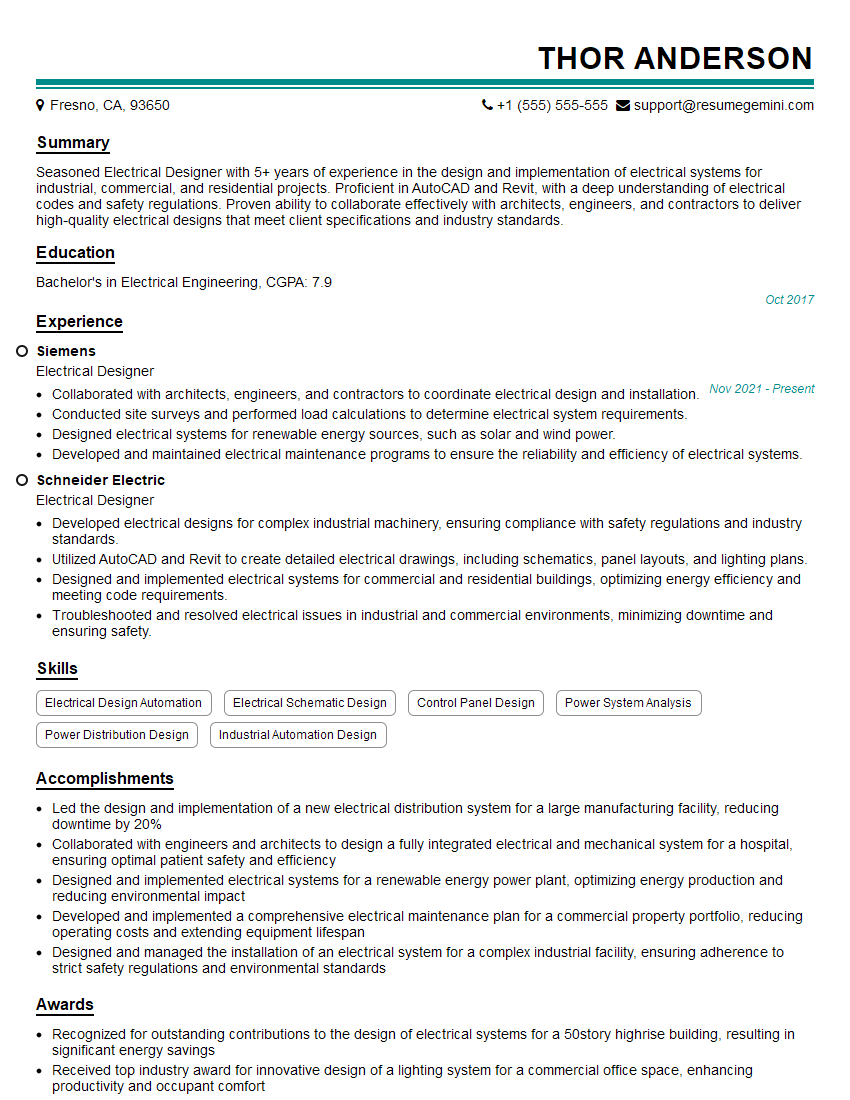
Electrical Designer Resume Sample
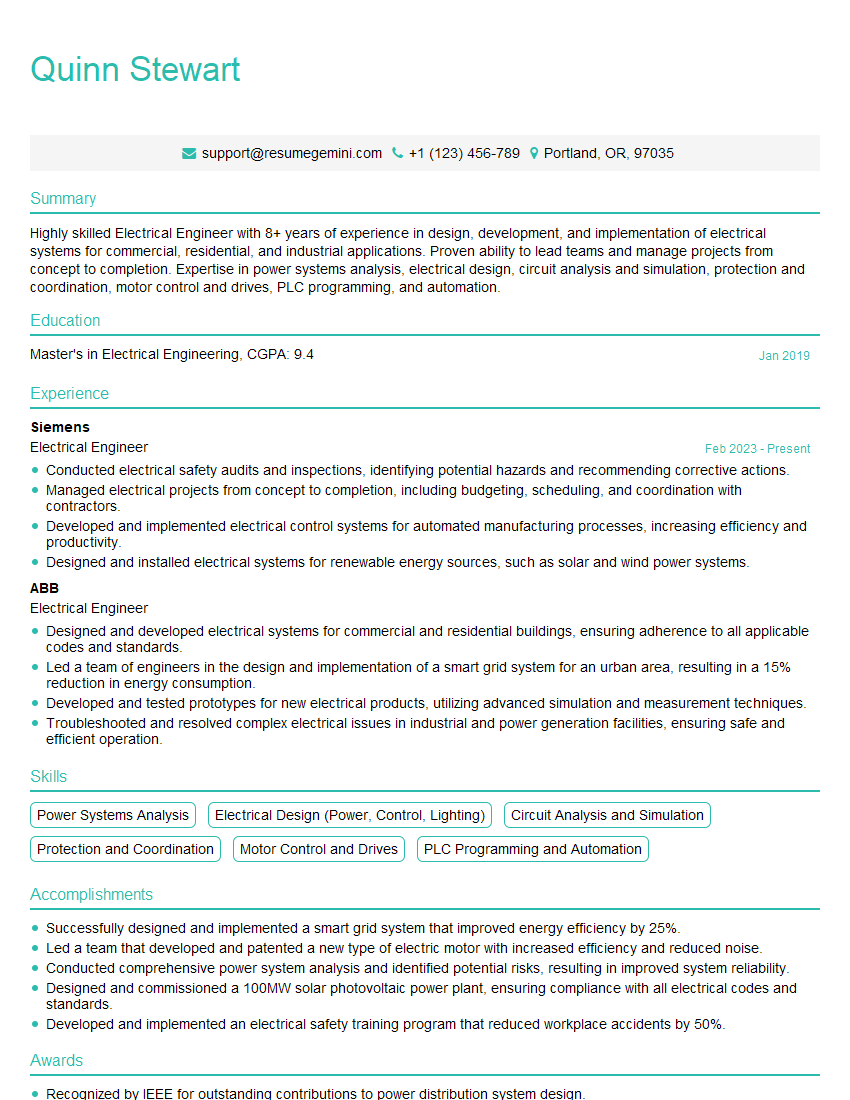
Electrical Engineer Resume Sample
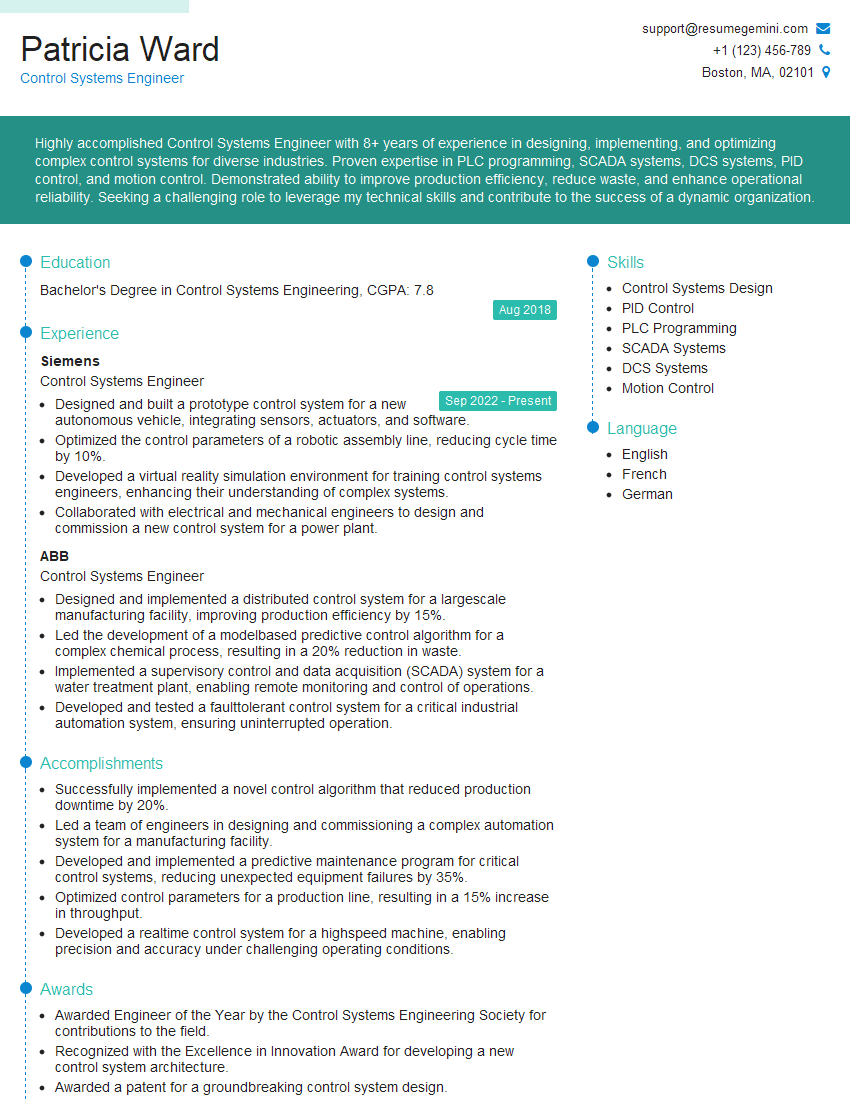
Control Systems Engineer Resume Sample
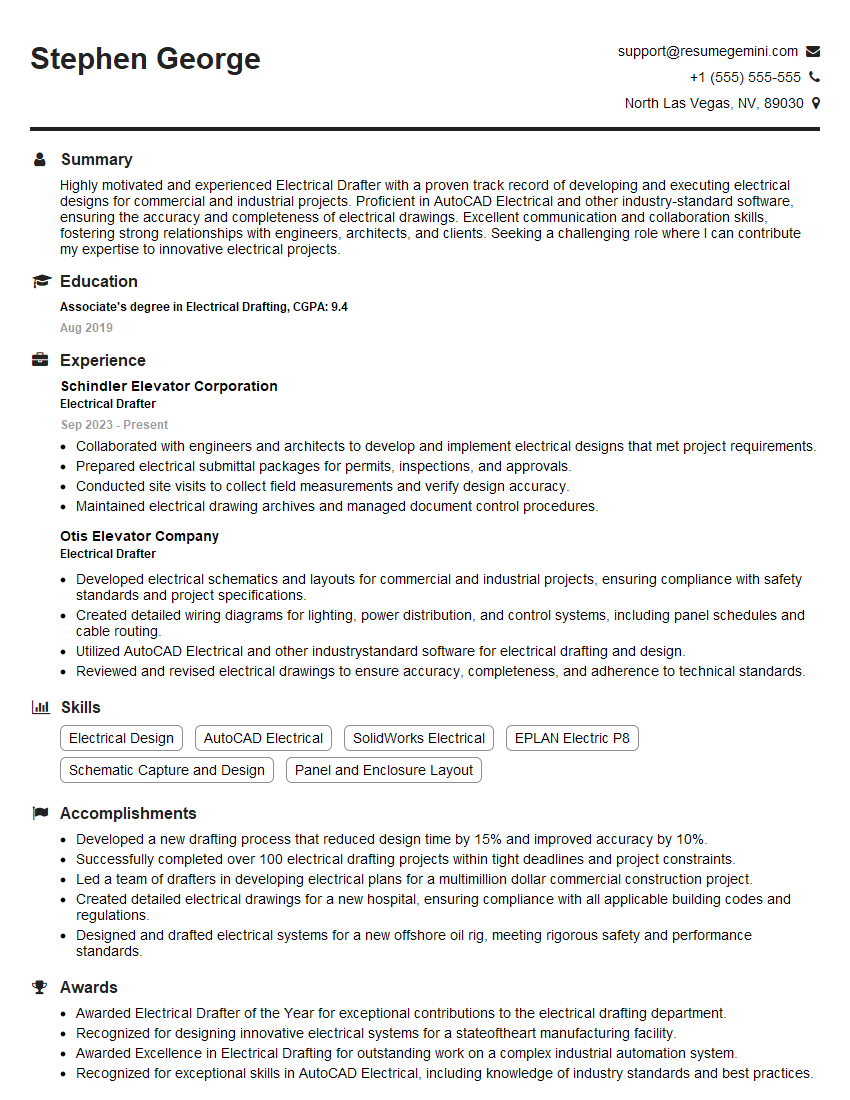
Electrical Drafter Resume Sample
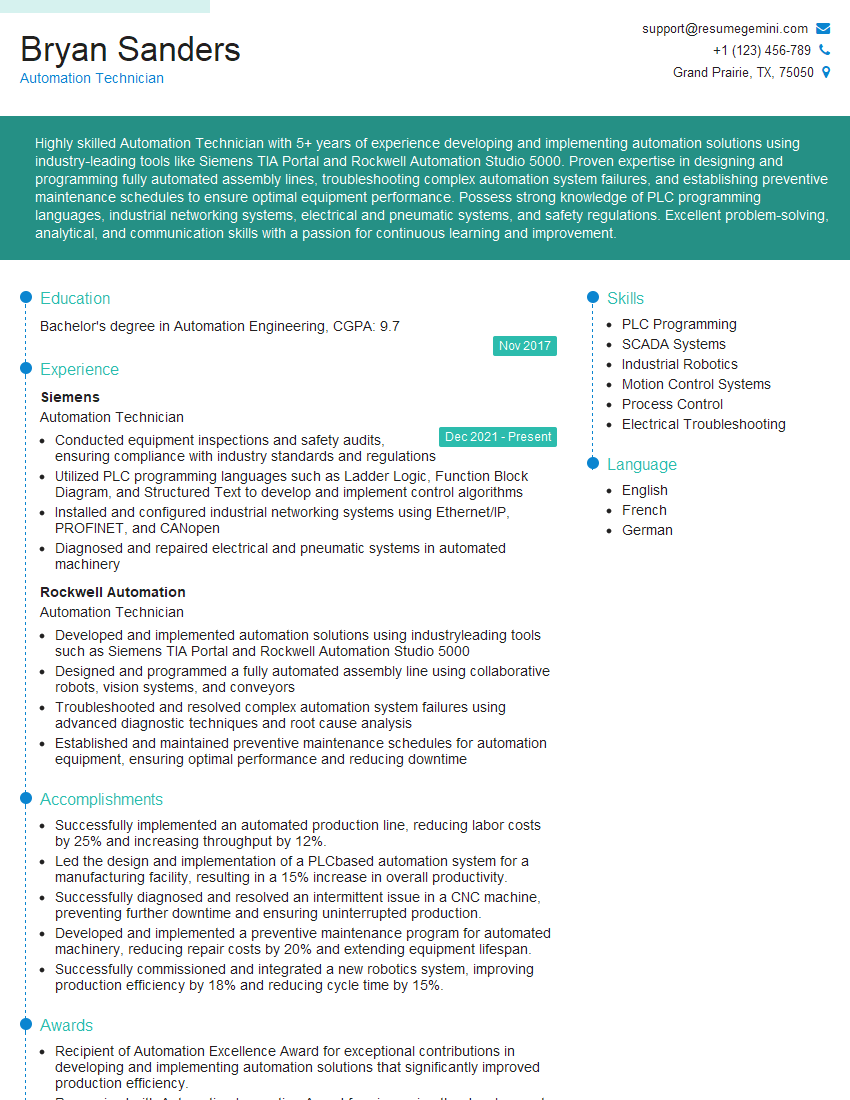
Automation Technician Resume Sample
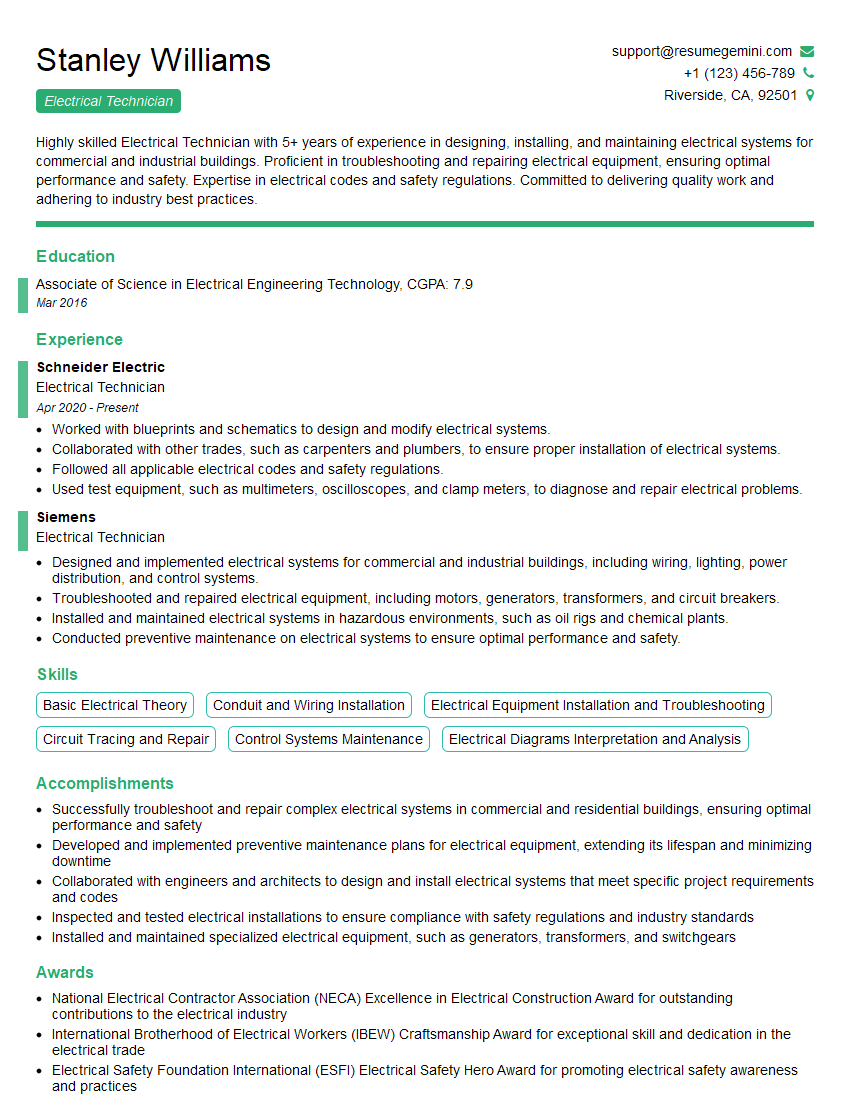
Electrical Technician Resume Sample
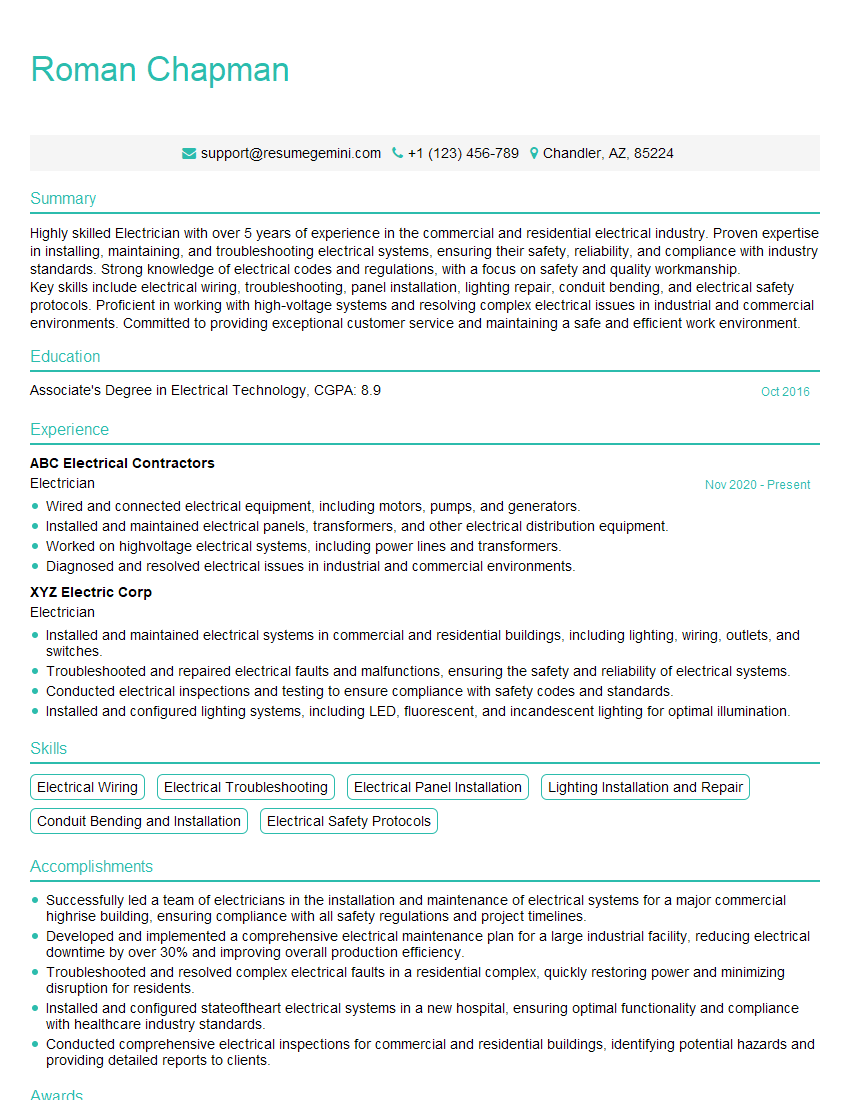
Electrician Resume Sample
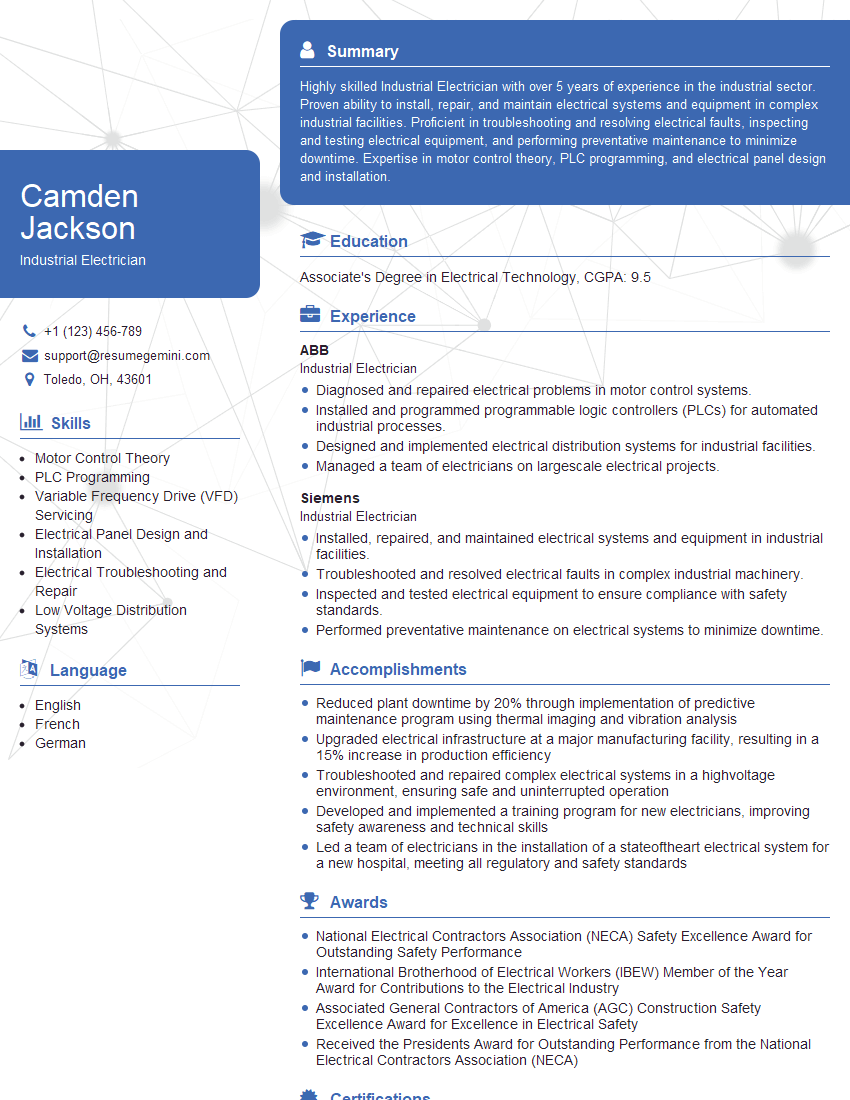
Industrial Electrician Resume Sample
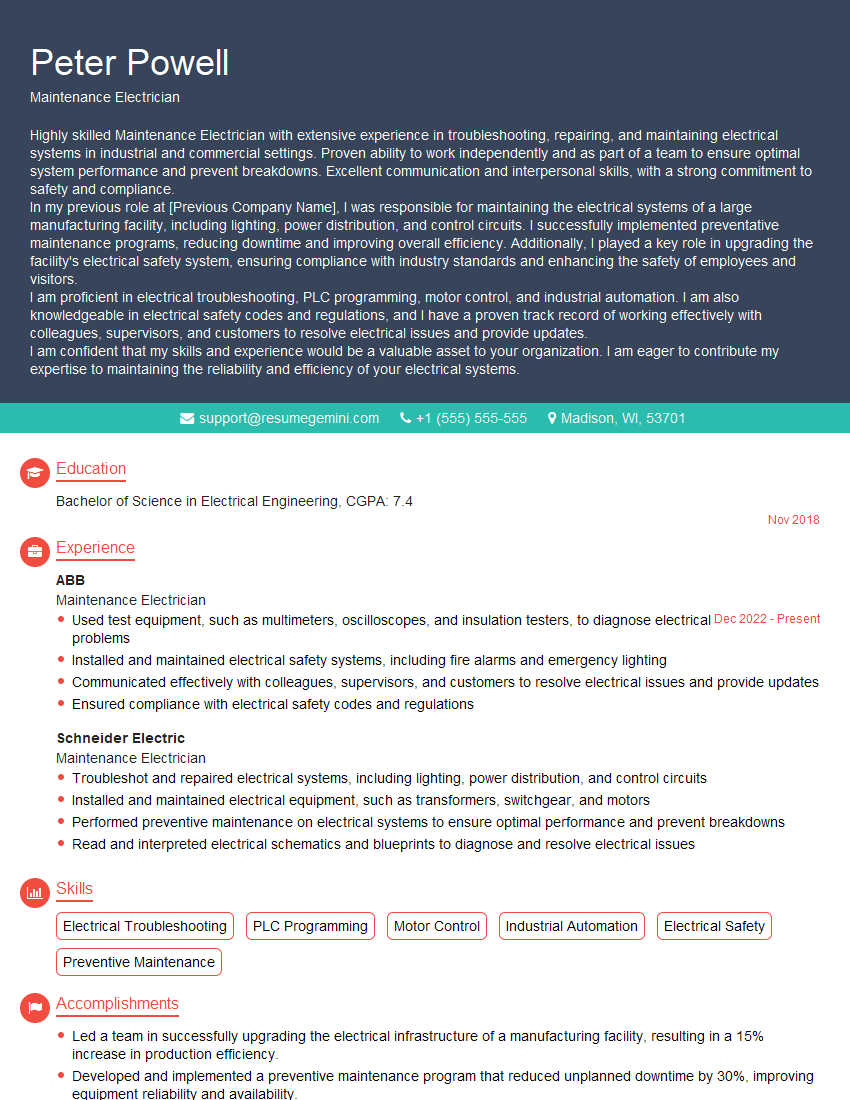
Maintenance Electrician Resume Sample
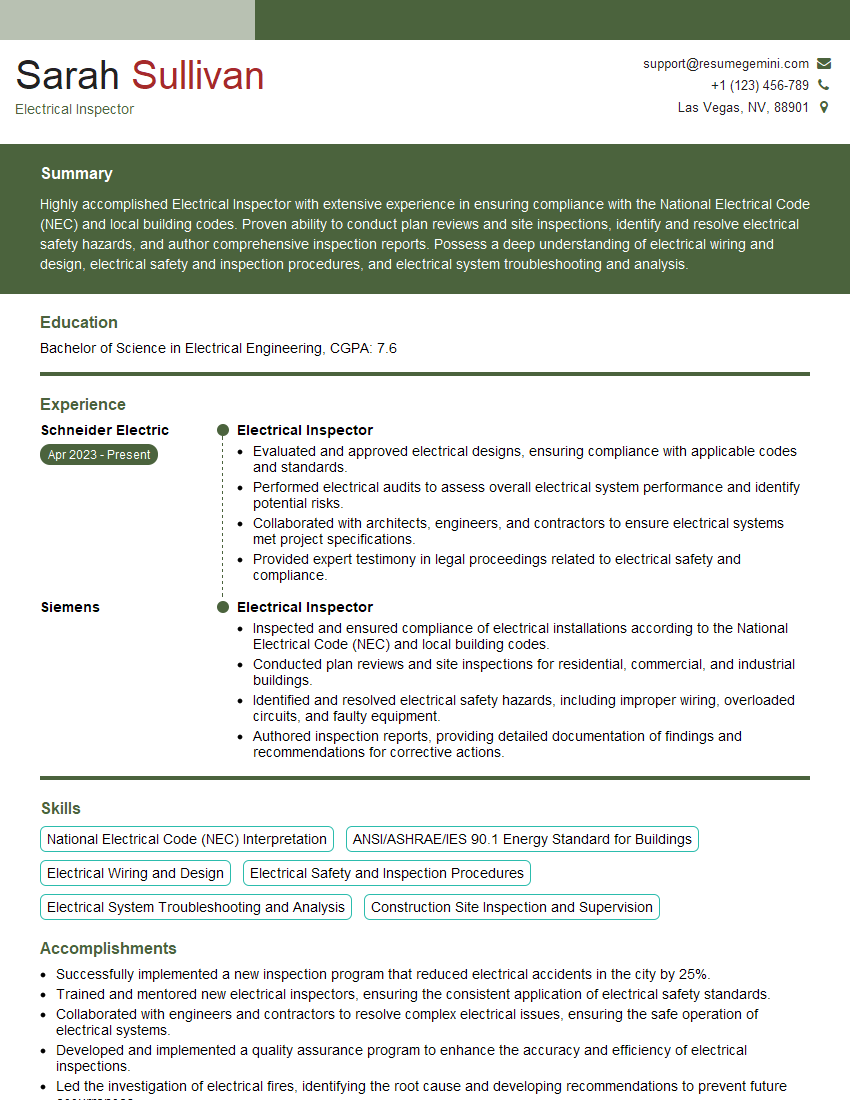
Electrical Inspector Resume Sample
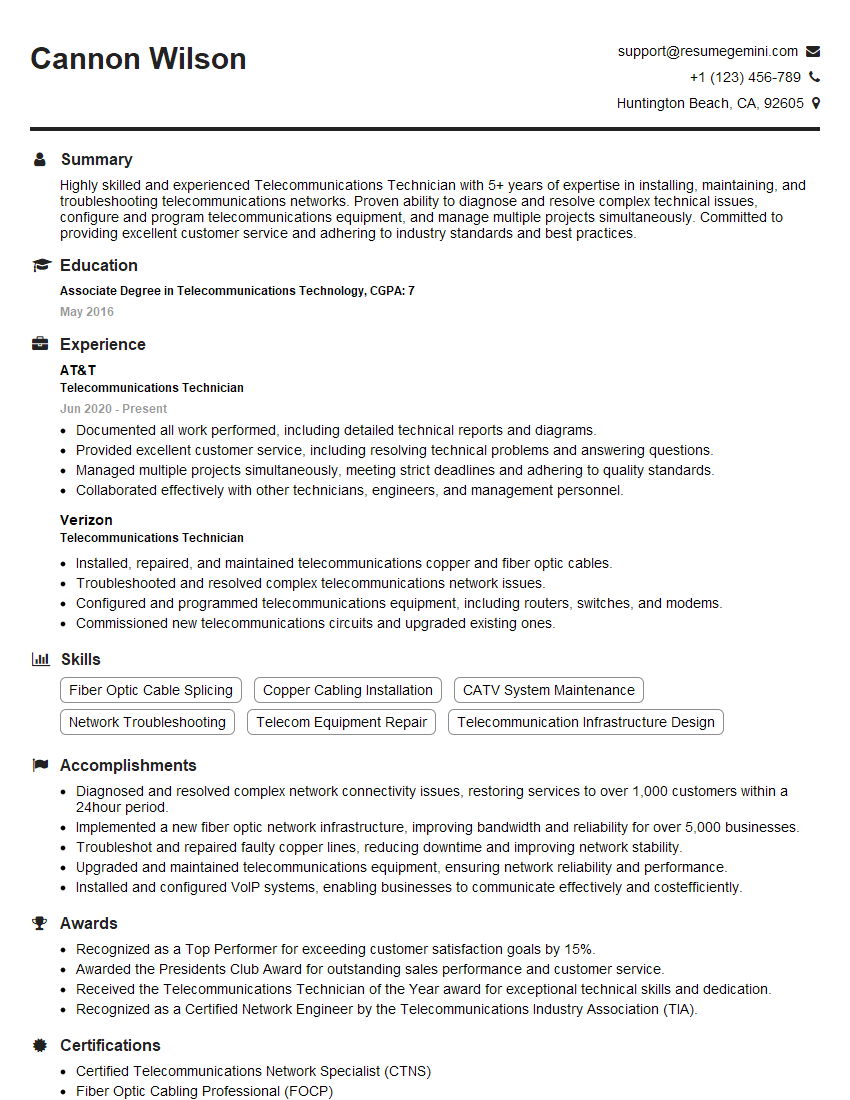
Telecommunications Technician Resume Sample
Explore more articles
Users Rating of Our Blogs
Share Your Experience
We value your feedback! Please rate our content and share your thoughts (optional).
What Readers Say About Our Blog
Very informative content, great job.
good