Interviews are more than just a Q&A session—they’re a chance to prove your worth. This blog dives into essential Fascial Stretch Therapy interview questions and expert tips to help you align your answers with what hiring managers are looking for. Start preparing to shine!
Questions Asked in Fascial Stretch Therapy Interview
Q 1. Explain the difference between superficial and deep fascia.
The difference between superficial and deep fascia lies primarily in their location and function within the body. Think of it like layers of clothing: superficial fascia is the outer layer, while deep fascia is closer to the muscles and bones.
Superficial Fascia: This layer is located just beneath the skin. It’s relatively loose and contains fat, blood vessels, nerves, and lymphatic tissue. It’s important for insulation, protection, and nutrient distribution. Imagine it as a flexible, cushioning layer protecting your muscles and allowing for some movement.
Deep Fascia: This is a much denser, more organized connective tissue layer that surrounds muscles, bones, and organs. It provides structural support, proprioception (body awareness), and helps transmit forces during movement. Think of it as a strong, supportive corset that holds everything in place and allows for efficient power transfer.
A practical example: If you’ve ever noticed a ‘tight band’ of muscle after a workout, you’re likely feeling the deep fascia. The superficial fascia, however, might feel more like loose, slightly puffy skin.
Q 2. Describe the biomechanical principles behind Fascial Stretch Therapy.
Fascial Stretch Therapy (FST) utilizes several biomechanical principles to improve flexibility and reduce pain. These include:
Tension and Compression: FST uses specific stretches that create both tension and compression in the fascial system. This helps to ‘unwind’ restrictive patterns in the fascia. Imagine gently twisting a tightly wound rope – the tension and compression work together to unravel it.
Creep and Stress Relaxation: Sustained, gentle pressure on fascial restrictions leads to a gradual lengthening or ‘creep’. Holding a stretch for a longer period allows the fascia to relax, reducing its resistance to movement. This is like slowly stretching out a piece of play-doh that was previously stiff.
Myofascial Release: FST addresses the interconnectedness of muscle and fascia. By addressing restrictions in the fascia, we improve muscle function and reduce compensatory movement patterns that can lead to pain and injury. This is akin to untangling a knot in fishing line that’s impeding the flow of the entire line.
Proprioception and Neuromuscular Control: The process of FST enhances proprioception, improving body awareness and control. This leads to better posture, balance, and movement efficiency.
Q 3. What are the contraindications for Fascial Stretch Therapy?
Contraindications for FST include conditions where stretching might exacerbate the problem. It’s crucial to assess each client individually. Some examples include:
Recent fractures or surgeries: Stretching in the affected area could disrupt healing.
Acute inflammation or infection: Stretching could increase inflammation and pain.
Severe osteoporosis: Excessive stretching might increase the risk of fractures.
Certain cardiovascular conditions: Some cardiovascular conditions might make stretching contraindicated.
Uncontrolled hypertension: Certain stretching techniques might temporarily elevate blood pressure.
Malignancy: Stretching is generally not recommended in the presence of cancer.
Uncontrolled pain syndrome: Addressing the underlying cause of the pain should take priority.
It’s vital to obtain a thorough medical history before initiating any FST treatment to ensure client safety.
Q 4. How do you assess a client’s postural alignment before a session?
Postural assessment is a critical first step in FST. I use a combination of visual observation and hands-on palpation. I observe the client from the front, side, and back, noting any deviations from ideal posture.
Visual Assessment: I look for things like head position (forward head posture), shoulder asymmetry (one shoulder higher than the other), spinal curvature (kyphosis, lordosis, scoliosis), pelvic tilt, and leg length discrepancies.
Palpation: I use my hands to assess muscle tension, fascial restrictions, and joint mobility. I feel for areas of increased tension or tightness in the muscles and fascia, such as tight hip flexors, restricted shoulder muscles, or restricted thoracic spine mobility.
For example, if I observe a forward head posture, I would then palpate the neck muscles, upper trapezius, and suboccipital muscles to assess the degree of muscle tension and identify potential fascial restrictions contributing to the posture.
Q 5. Explain the process of identifying and addressing fascial restrictions.
Identifying and addressing fascial restrictions involves a careful and systematic approach. I use a combination of palpation, movement assessment, and client feedback.
Palpation: I locate areas of increased tissue density or texture changes in the fascia, indicating restrictions. This might feel like a ‘knot’ or ‘rope’ in the tissue.
Movement Assessment: I assess the client’s range of motion and identify limitations related to the suspected fascial restrictions. For example, limited hip flexion could indicate restrictions in the hip flexor fascia.
Client Feedback: I actively listen to my clients’ feedback on their sensations during the assessment and treatment. Their subjective experience is valuable information.
Once I’ve identified a restriction, I use specific FST techniques, such as sustained stretches, to apply targeted pressure and gradually release the restriction. This process often involves a combination of positional release and gentle, sustained traction.
For example, a client with limited shoulder abduction might have restrictions in the latissimus dorsi fascia. I would use specific stretches that gently elongate and release this fascia, working in conjunction with muscle lengthening to restore proper mobility and reduce pain.
Q 6. What are the key differences between FST and other stretching techniques?
FST differs from other stretching techniques in its focus on the fascial system and its unique application of sustained stretches and positional release. Here’s a comparison:
FST vs. Static Stretching: While static stretching focuses on lengthening muscles, FST also addresses the fascial restrictions that often limit muscle length and flexibility. FST uses specific stretches that target the fascial layers, not just muscles.
FST vs. PNF Stretching: Proprioceptive neuromuscular facilitation (PNF) uses muscle contractions to enhance stretching. FST, while utilizing some similar principles of reciprocal inhibition, primarily emphasizes fascial release through sustained stretches and positional release techniques.
FST vs. Myofascial Release: While both address the myofascial system, FST is a more specific and targeted approach. Myofascial release often incorporates more broad strokes, whereas FST uses precise stretches and positional adjustments to target the fascia.
In essence, FST is a more holistic approach, addressing the intricate interplay between muscles and fascia to improve flexibility, reduce pain, and enhance movement efficiency.
Q 7. Describe your approach to client education and communication.
Client education and communication are paramount in FST. I believe in empowering my clients to understand their bodies and take an active role in their recovery.
Pre-session Education: Before each session, I explain the principles of FST, the rationale for the chosen techniques, and what the client can expect to feel during and after the session. I also discuss their medical history and any concerns they have.
During-session Communication: I maintain open communication throughout the session, regularly checking in with the client about their comfort level and the intensity of the stretches. I explain the sensations they’re experiencing and adjust the treatment accordingly.
Post-session Instructions: I provide clear and concise instructions on home care, including self-stretching exercises and lifestyle modifications to support their progress. I emphasize the importance of hydration and gradual increases in activity levels.
For example, I might explain how a tight hip flexor fascia contributes to low back pain and show the client how to perform self-stretches to maintain flexibility between sessions. This proactive approach helps clients actively participate in their recovery and achieve long-term results.
Q 8. How do you modify FST techniques for clients with different needs and conditions?
Modifying Fascial Stretch Therapy (FST) techniques for diverse clients is paramount. It involves a holistic assessment considering age, physical condition, flexibility levels, and specific limitations. We tailor the intensity, duration, and specific stretches to address individual needs. For example, an elderly client with osteoarthritis would receive gentler stretches with a longer hold time and a smaller range of motion compared to a younger, more flexible athlete. Individuals with acute injuries might require modified positions or the omission of certain stretches entirely, focusing instead on areas unaffected by the injury. We use adaptive tools like bolsters, straps, and foam rollers to provide support and adjust the stretch’s intensity and accessibility. Each session is personalized, prioritizing client comfort and safety while maximizing therapeutic benefits.
- Reduced Range of Motion: We utilize props like blocks or straps to assist in achieving a comfortable stretch without pushing the client beyond their capabilities.
- Pain Management: Pain tolerance varies, and we carefully monitor client feedback throughout the session, adjusting the stretch as needed. We may utilize counterpressure or breathing techniques to manage discomfort.
- Specific Conditions: Clients with conditions like fibromyalgia, scoliosis, or post-surgical rehabilitation require specific modifications to avoid aggravating symptoms or interfering with the healing process. For example, with scoliosis we focus on lengthening the shortened side of the body while avoiding compression on the convex side.
Q 9. What are some common client challenges you encounter and how do you address them?
Common client challenges include pain, tightness, limited range of motion, and lack of body awareness. Addressing these involves a combination of skilled palpation, careful communication, and a phased approach to stretching.
- Pain: We use a collaborative approach, discussing pain levels and adjusting the stretch accordingly. Pain should never be severe during FST. We might focus on adjacent areas first to reduce tension before addressing the primary source of discomfort.
- Tightness: Chronic muscle tightness requires a gradual approach. We might start with gentler stretches, combined with breathing techniques and self-massage to promote relaxation before moving to more intense stretches.
- Limited Range of Motion: We use assisted stretches and props to gradually increase the range of motion. We also incorporate movement education and exercises to build strength and flexibility outside of therapy sessions.
- Lack of Body Awareness: We use guided imagery, verbal cues, and manual feedback to help clients understand their bodies and identify areas of tension. We might incorporate visualization exercises to help them relax and let go of tension.
Open communication is crucial. Clients are encouraged to provide constant feedback throughout the session.
Q 10. Explain your understanding of the role of the nervous system in fascial tension.
The nervous system plays a vital role in fascial tension. Fascia is richly innervated with mechanoreceptors and nociceptors. Mechanoreceptors sense changes in tension and pressure, while nociceptors detect pain. When the body experiences trauma, stress, or repetitive strain, the nervous system can trigger a protective response leading to increased muscle tension and fascial restriction. This tension manifests as stiffness, reduced range of motion, and pain. Conversely, the nervous system can also be positively influenced through FST. Gentle, sustained stretches can stimulate mechanoreceptors, sending signals to the brain that inhibit pain signals and promote relaxation. This process facilitates a reduction in muscle tension and fascial restriction. Essentially, FST acts not only on the physical structures but also on the neurophysiological pathways governing tension and pain.
Q 11. How do you determine the appropriate intensity and duration of stretches?
Determining the appropriate intensity and duration of stretches is crucial for effective and safe FST. It’s a careful balance of challenge and comfort. We assess the client’s flexibility, pain tolerance, and specific condition before determining the appropriate intensity. The intensity is gauged by the client’s subjective feedback, such as a scale of 1-10, where 1 is no sensation and 10 is severe pain. We generally aim for a 4-7 on this scale. This ensures we’re challenging the fascia without causing pain. The duration of the stretch is often 2-5 minutes for each area, allowing for sufficient time to promote relaxation and release tension. This duration can vary depending on the client’s response and the specific area being addressed. Shorter holds are used for sensitive areas while longer holds are beneficial for chronic tightness. We use a gentle, rhythmic approach to facilitate better relaxation.
Q 12. How do you integrate FST with other therapeutic modalities?
FST integrates well with other therapeutic modalities. It complements therapies such as massage therapy, physical therapy, chiropractic care, and yoga. FST can prepare the body for deeper tissue work in massage therapy by releasing fascial restrictions, thus improving the effectiveness of the massage. It can also enhance the benefits of physical therapy by improving flexibility and range of motion. Similarly, chiropractic care can be enhanced by FST as it aids in restoring proper spinal alignment. Yoga postures can be modified based on FST findings to target specific areas of restriction.
For example, FST can be used to improve the range of motion before a client does physical therapy exercises. Following physical therapy, FST helps integrate the improved range of motion and prevent any build-up of stiffness.
Q 13. Describe a case study where FST helped a client improve movement or reduce pain.
A client presented with chronic lower back pain and limited hip flexion, significantly impacting their ability to walk and perform daily activities. Through a comprehensive assessment, we identified tight hip flexors and thoracolumbar fascia as contributing factors. We implemented a personalized FST program focusing on stretches targeting the hip flexors, psoas muscle, and thoracolumbar fascia. We combined these stretches with breathing exercises and mindfulness techniques to promote relaxation. Over six sessions, the client experienced a significant reduction in pain, improved hip mobility and significantly increased walking range. Postural assessment showed improved posture and reduced anterior pelvic tilt. The integration of FST with home exercises, focusing on self-myofascial release, maintained and enhanced the results long term.
Q 14. How do you maintain and advance your professional knowledge in FST?
Maintaining and advancing my professional knowledge in FST involves a multifaceted approach. This includes:
- Continuing Education: Regularly attending workshops, seminars, and conferences to stay updated on the latest research, techniques, and advancements in the field.
- Professional Organizations: Membership in professional organizations provides access to resources, networking opportunities, and continuing education.
- Self-Study: Reading research articles, textbooks, and relevant publications keeps me current with the evidence-based practices of FST.
- Mentorship: Collaborating with experienced practitioners and seeking mentorship opportunities to refine techniques and gain valuable insights.
- Case Study Reviews: Regularly reviewing my own case studies and those of others to identify patterns, refine techniques, and improve treatment outcomes. This fosters critical self-reflection.
This continuous learning ensures I provide the highest quality and most effective care to my clients.
Q 15. What are the benefits of FST for athletes?
For athletes, Fascial Stretch Therapy (FST) offers a multitude of benefits, primarily centered around improving performance and preventing injuries. FST addresses the fascial system, a network of connective tissue throughout the body, which, when restricted, can limit flexibility, range of motion, and power output.
Enhanced Flexibility and Range of Motion: FST’s targeted stretches help lengthen and release fascial restrictions, leading to improved flexibility and a greater range of motion in joints. This is crucial for athletes needing optimal movement for their sport. For example, a tennis player might experience improved shoulder rotation, enhancing their serve.
Improved Performance: Increased flexibility and range of motion directly translate to improved athletic performance. A wider range of motion allows for more efficient movement patterns, leading to greater power and speed. Imagine a runner with improved hip flexibility – they’ll likely experience a more efficient stride and increased speed.
Injury Prevention: By addressing fascial restrictions, FST helps prevent injuries. Tight fascia can pull on muscles and joints, leading to strains, tears, and other problems. FST helps maintain balance and optimal muscle function, minimizing this risk. A basketball player with properly stretched fascia in their knees will be less prone to meniscus tears.
Faster Recovery: FST can assist in faster recovery from workouts and injuries. The improved circulation and reduced muscle tension contribute to quicker healing and reduced soreness.
Career Expert Tips:
- Ace those interviews! Prepare effectively by reviewing the Top 50 Most Common Interview Questions on ResumeGemini.
- Navigate your job search with confidence! Explore a wide range of Career Tips on ResumeGemini. Learn about common challenges and recommendations to overcome them.
- Craft the perfect resume! Master the Art of Resume Writing with ResumeGemini’s guide. Showcase your unique qualifications and achievements effectively.
- Don’t miss out on holiday savings! Build your dream resume with ResumeGemini’s ATS optimized templates.
Q 16. What are the benefits of FST for individuals with chronic pain?
Individuals experiencing chronic pain often find relief through FST. Chronic pain frequently stems from fascial restrictions, inflammation, and poor posture. FST addresses these issues directly.
Pain Reduction: By releasing fascial adhesions and restoring proper movement patterns, FST can significantly reduce pain in various areas. For instance, someone with lower back pain might find relief through FST addressing restrictions in the hips and pelvis.
Improved Posture: Poor posture often exacerbates chronic pain. FST helps correct postural imbalances by releasing tight fascia and strengthening supporting muscles, leading to reduced pain and discomfort. Imagine someone with chronic neck pain due to forward head posture – FST can help re-align their neck and shoulders, reducing the strain.
Increased Mobility and Function: Improved mobility and function are vital for pain management. FST enhances the body’s ability to move freely, reducing stiffness and limitations caused by chronic pain. Someone with arthritis might find their daily tasks easier after FST treatments.
Reduced Inflammation: FST can help reduce inflammation in the fascial tissues, which is often a contributing factor to chronic pain. The gentle stretching and improved circulation can help resolve inflammation.
Q 17. How do you measure the effectiveness of FST treatment?
Measuring the effectiveness of FST treatment requires a multifaceted approach, combining subjective and objective measures. We need to track both the client’s experience and quantifiable changes in their body.
Subjective Measures: These involve the client’s self-reported experience. We use pain scales (e.g., 0-10), questionnaires assessing range of motion, and functional assessments of daily activities. For example, a client might report a significant decrease in their pain levels or improved ability to perform certain movements after a series of treatments.
Objective Measures: These involve quantifiable data. We use tools like goniometers to measure joint range of motion before and after treatment. We can also assess posture using digital photography or 3D scanning and monitor changes over time. Furthermore, we consider functional movement assessments that evaluate dynamic movements.
Combined Approach: The most effective assessment combines both subjective and objective measures. This provides a comprehensive picture of the treatment’s effectiveness. Tracking these metrics throughout the treatment allows us to tailor the therapy and monitor progress effectively.
Q 18. Describe your understanding of the fascial system’s role in overall body health.
The fascial system is far more than just packaging for our muscles and organs; it plays a crucial role in overall body health. This intricate network of connective tissue is continuous throughout the body, influencing nearly every aspect of our movement, posture, and even organ function.
Structural Support: Fascia provides structural support and stability to the body. It helps hold our organs in place, supports our muscles and joints, and contributes to our overall posture.
Proprioception and Movement: Fascia contains sensory receptors that provide feedback to the nervous system about the body’s position and movement in space. This proprioception is vital for balance, coordination, and efficient movement.
Force Transmission: Fascia plays a crucial role in transmitting forces throughout the body. Efficient force transmission is essential for powerful movements, and restrictions in the fascia can significantly limit this.
Hydration and Nutrition: The fascial system’s health is highly dependent on proper hydration and nutrition. Dehydration and poor diet can contribute to stiffness and dysfunction within the fascia.
Influence on Organ Function: Emerging research suggests links between fascial health and organ function. Restrictions in the fascia can potentially impact organ mobility and function.
Q 19. What are the ethical considerations involved in practicing FST?
Ethical considerations in practicing FST are paramount. These principles guide my practice to ensure the safety and well-being of my clients.
Informed Consent: Clients must fully understand the nature of FST, its potential benefits and risks, and have the autonomy to decide whether or not to proceed with treatment.
Confidentiality: All information shared by the client must be kept strictly confidential, adhering to professional standards and legal requirements.
Professional Boundaries: Maintaining professional boundaries is crucial. This includes avoiding dual relationships, ensuring appropriate physical contact, and respecting client autonomy.
Continuing Education: Staying up-to-date with the latest research and best practices is essential to providing the highest quality care. I am committed to ongoing professional development to refine my skills and knowledge.
Referrals: Recognizing the limits of my expertise, I make appropriate referrals to other healthcare professionals when necessary. If a client’s condition requires medical attention beyond the scope of FST, I will promptly refer them to a physician or other specialist.
Q 20. How do you handle client concerns or resistance during a session?
Handling client concerns or resistance during a session requires a combination of empathy, communication, and skillful adaptation.
Active Listening: I start by actively listening to the client’s concerns, acknowledging their feelings and validating their experience. This creates a safe space for open communication.
Clear Explanation: I explain the rationale behind the techniques used and address any misconceptions the client may have. Sometimes, simply explaining the ‘why’ behind a technique can alleviate concerns.
Collaboration: I treat the session as a collaboration, not a directive. I involve the client in the process, ensuring they feel comfortable and in control. We may adjust the intensity or technique based on their feedback.
Pain Management: FST should not cause pain. If a client experiences discomfort, we adjust the technique or take a break. I always prioritize the client’s comfort and safety.
Reassurance and Education: Throughout the session, I offer reassurance and provide education about the fascial system and the therapeutic process. This helps build trust and increases the client’s understanding and compliance.
Q 21. Explain your understanding of the different types of fascial tissue.
Fascial tissue is not a uniform structure; it’s diverse, with various types exhibiting different properties and functions. Understanding these distinctions is essential for effective FST.
Loose Connective Tissue: This type of fascia is found throughout the body, filling spaces between muscles, organs, and other structures. It’s more pliable and allows for greater movement and flexibility.
Dense Irregular Connective Tissue: This type of fascia is stronger and more resistant to stretching. It’s found in areas that need greater structural support, such as joint capsules and ligaments.
Dense Regular Connective Tissue: This is the strongest type of fascia, organized in parallel bundles of collagen fibers. It’s found in tendons and ligaments, providing strong tensile strength.
Visceral Fascia: This type of fascia surrounds and supports the internal organs, helping to maintain their position and protect them. Restrictions in visceral fascia can affect organ function.
Parietal Fascia: This lines the body cavities, such as the abdominal and thoracic cavities, providing protection and support for the organs within.
These different types of fascia interact and influence each other, creating a complex and interconnected system throughout the body. FST aims to address restrictions and imbalances within this system to improve overall health and well-being.
Q 22. What safety protocols do you follow when performing FST?
Safety is paramount in Fascial Stretch Therapy (FST). My primary focus is always on client well-being. Before each session, I conduct a thorough intake, assessing medical history, current medications, and any limitations or pain. This includes identifying contraindications such as recent surgery, severe osteoporosis, or active infections. During the session itself, I prioritize proper body mechanics to avoid strain on myself and the client. I maintain constant communication with the client, checking in regularly for pain levels and comfort. The client is always in control – they have the right to stop the session at any time. For example, if a client expresses discomfort in a particular position, I immediately adjust the stretch or stop entirely. Post-session, I provide clear instructions for home care and any potential after-effects. I keep detailed records of each session, including any modifications made, which aids in client safety and progress tracking.
- Thorough Intake: Detailed health history review to identify potential risks.
- Communication: Frequent checks with the client throughout the session.
- Client Control: Empowering the client to stop the session at any point.
- Post-Session Care: Providing detailed instructions and follow-up.
- Record Keeping: Meticulous documentation of every session.
Q 23. How do you adapt your treatment approach to clients of varying ages and fitness levels?
Adapting FST to clients of various ages and fitness levels is essential for effectiveness and safety. For example, an elderly client with limited mobility might require gentler stretches and modified positions, possibly incorporating props like bolsters for support. Conversely, a younger, highly active client might benefit from more intense stretches and a faster progression. I modify the intensity, duration, and range of motion of stretches according to individual needs. I always begin with a thorough assessment to understand their physical capabilities, limitations, and goals. I consider factors like joint flexibility, muscle strength, and overall health status. I might use different types of resistance during the stretch based on the client’s capabilities and might adjust the sequence and timing of stretches to address their specific requirements. Building rapport and trust is crucial for building a tailored plan that works for each individual, ensuring they feel comfortable and empowered throughout the process.
Q 24. Explain how you maintain appropriate boundaries with clients.
Maintaining appropriate professional boundaries is paramount. I adhere to strict ethical guidelines, ensuring all interactions remain strictly professional. Physical contact is always explained beforehand and remains within the context of the therapy. I ensure all communication is appropriate and avoids any personal or unprofessional topics. For instance, I would never engage in personal conversations or disclose any personal information outside the therapeutic relationship. I also have clearly defined session boundaries and stick to them to avoid any ambiguity. This includes punctuality, adhering to the agreed-upon session length, and maintaining a professional demeanor at all times. I make use of a well-defined space, keeping the session confined to the designated treatment area. All sensitive information discussed during our sessions are kept confidential and protected. This includes their physical and mental health information.
Q 25. How do you communicate effectively with other healthcare professionals?
Effective communication with other healthcare professionals is crucial for holistic client care. I believe in a collaborative approach, frequently communicating with physicians, physical therapists, and chiropractors involved in the client’s care. This communication involves sharing relevant information about the client’s progress, any limitations encountered, or potential contraindications. I maintain clear and concise documentation, utilizing a standardized format that’s easily understood by other professionals. For instance, if a client experiences pain during a particular stretch, I’ll note this carefully and share the information with their physician to rule out any underlying medical conditions. I am always open to feedback and engage in constructive dialogue to ensure the client receives comprehensive care. This is often done through reports or referral letters. Building these relationships allows a broader and more informed approach to the client’s healing journey.
Q 26. What are some common misconceptions about FST?
Several common misconceptions surround FST. One is the belief that it’s only for athletes or highly flexible individuals. In reality, FST benefits people of all ages and fitness levels. Another misconception is that it’s solely focused on muscle stretching. While stretching is involved, FST primarily addresses the fascial system, impacting posture, flexibility, and overall body mechanics. Some people also believe FST is a quick fix for all musculoskeletal issues, and that it works miraculously for all ailments. While it can be incredibly beneficial, it’s not a magical cure-all and requires consistent application alongside other therapies if needed. Lastly, some patients mistakenly believe it is extremely painful, this is often not the case with a correctly performed treatment.
Q 27. Describe your experience working with clients who have specific medical conditions.
I have experience working with clients with various medical conditions, always prioritizing safety and adapting my approach accordingly. For clients with chronic pain conditions like fibromyalgia, my focus is on gentle mobilization and pain management, working within their pain tolerance. For clients recovering from surgery, I work closely with their physician to ensure all movements are within the prescribed parameters. With clients suffering from arthritis, the adjustments are tailored to reduce stress on the affected joints while still promoting flexibility within their safe range of motion. In each case, I conduct a thorough assessment, tailoring the treatment plan to address the specific needs and limitations of the client. I work closely with the medical team to ensure the client receives the safest and most effective care. Client feedback and their progress reports guide the modifications required during treatments.
Q 28. How do you ensure your treatment plan aligns with the client’s goals?
Aligning the treatment plan with the client’s goals is fundamental. I start by having a thorough discussion to understand their aspirations. Are they aiming to improve athletic performance, alleviate pain, increase flexibility, or improve their overall well-being? I then develop a personalized treatment plan that addresses their specific objectives. Regular check-ins are crucial, allowing for adjustments and modifications based on their progress and feedback. If their goals evolve, the treatment plan is adjusted accordingly. For instance, if a client initially focuses on pain relief, but then expresses an interest in improved athletic performance, we modify the plan to incorporate exercises and stretches that enhance strength and agility. Throughout the process, transparent communication ensures that the client feels heard, involved, and ultimately empowered in achieving their desired outcomes.
Key Topics to Learn for Your Fascial Stretch Therapy Interview
- Anatomy and Physiology of Fascia: Understand the structure, function, and properties of fascia throughout the body. Be prepared to discuss its role in movement, posture, and overall health.
- Fascial Stretch Therapy Techniques: Master the various techniques used in FST, including passive stretching, active isolated stretching, and positional release. Practice explaining the rationale behind each technique and its specific applications.
- Client Assessment and Treatment Planning: Discuss your approach to assessing a client’s needs and developing a personalized treatment plan. Highlight your ability to identify contraindications and modify techniques based on individual limitations.
- Biomechanics and Movement Analysis: Demonstrate your understanding of how fascial restrictions impact movement patterns. Be ready to explain how FST can improve biomechanics and reduce pain.
- Communication and Client Interaction: Explain your approach to building rapport with clients, explaining treatment procedures, and addressing their concerns. Effective communication is crucial in this field.
- Practical Application: Prepare case studies showcasing your experience in applying FST to various musculoskeletal conditions. Be prepared to discuss the outcomes and challenges encountered.
- Ethical Considerations and Professionalism: Discuss the importance of maintaining professional boundaries, adhering to ethical guidelines, and prioritizing client safety and well-being.
- Advanced Concepts (for Senior Roles): If applying for a more advanced position, research areas like the nervous system’s influence on fascia, the role of FST in rehabilitation, and integration with other therapies.
Next Steps: Unlock Your Career Potential with FST
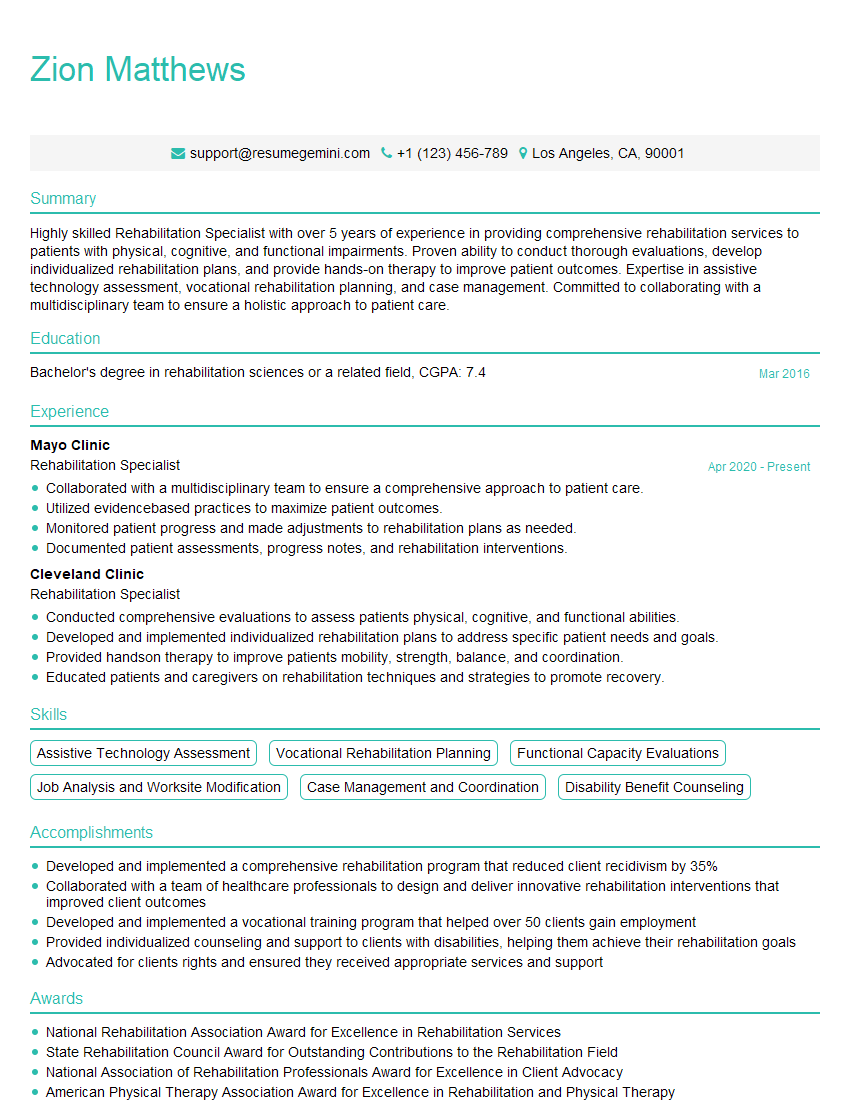
Mastering Fascial Stretch Therapy opens doors to a rewarding career with significant growth potential. To maximize your job prospects, a well-crafted, ATS-friendly resume is crucial. This is where ResumeGemini can help. ResumeGemini provides a powerful platform to build a professional resume that highlights your skills and experience effectively. Examples of resumes tailored specifically for Fascial Stretch Therapy professionals are available, ensuring your application stands out from the competition. Invest time in creating a compelling resume – it’s your first impression!
Explore more articles
Users Rating of Our Blogs
Share Your Experience
We value your feedback! Please rate our content and share your thoughts (optional).
What Readers Say About Our Blog
Very informative content, great job.
good