Unlock your full potential by mastering the most common Fashion Sourcing and Procurement interview questions. This blog offers a deep dive into the critical topics, ensuring you’re not only prepared to answer but to excel. With these insights, you’ll approach your interview with clarity and confidence.
Questions Asked in Fashion Sourcing and Procurement Interview
Q 1. Explain your experience in negotiating pricing with suppliers.
Negotiating pricing with suppliers requires a strategic approach that balances building strong relationships with securing favorable terms. It’s not just about getting the lowest price; it’s about finding a price point that ensures both profitability for the business and fair compensation for the supplier. My approach involves several key steps:
- Thorough Market Research: Before entering negotiations, I conduct thorough research to understand the prevailing market prices for the specific materials or products. This allows me to approach the negotiation with a realistic understanding of what is achievable.
- Building Rapport: I believe in building strong, long-term relationships with suppliers. This trust fosters open communication and often leads to more favorable pricing over time. I always aim for a collaborative negotiation rather than an adversarial one.
- Analyzing Cost Structure: I carefully review the supplier’s cost structure to identify potential areas for negotiation. This involves understanding their production costs, overhead expenses, and profit margins.
- Leveraging Volume: Negotiating larger order volumes often leads to discounted unit prices. I strategically leverage our purchasing power to secure better terms.
- Multiple Sourcing: To mitigate risk and enhance my negotiating position, I often source from multiple suppliers. This competition helps secure better pricing.
- Value-Based Negotiation: I focus on the value the supplier brings to our company, not just the price. Factors like quality, delivery timelines, and innovation are considered.
- Clear Contractual Agreements: All agreed-upon pricing and terms are meticulously documented in a legally sound contract to avoid future disputes.
For example, in a recent negotiation for organic cotton fabric, I used market research to show the supplier that the price they initially quoted was slightly above market value. By presenting this data, and demonstrating our commitment to a long-term partnership with potential for high-volume orders, we were able to negotiate a 5% discount.
Q 2. Describe your process for identifying and vetting new suppliers.
Identifying and vetting new suppliers is a crucial process for ensuring the quality, reliability, and ethical standards of our supply chain. My process consists of the following steps:
- Identifying Potential Suppliers: I utilize a multi-pronged approach including online directories, industry trade shows, referrals, and market research reports to identify potential suppliers.
- Pre-qualification Screening: A pre-qualification questionnaire is sent to narrow down the pool. This questionnaire assesses aspects like their production capacity, certifications (e.g., BSCI, OEKO-TEX), experience, and financial stability.
- On-site Audits: Shortlisted suppliers undergo thorough on-site audits. These audits are often conducted by third-party inspectors to ensure objectivity. They assess factory conditions, ethical labor practices, environmental compliance, and production processes. We also check for social compliance aspects like fair wages and working hours.
- Sample Evaluation: Before committing to large orders, we request and evaluate samples. This assessment includes quality checks, conformity to specifications, and testing for any potential issues.
- Trial Orders: We typically place smaller trial orders to test the supplier’s reliability, responsiveness, and their ability to meet deadlines and quality standards before committing to larger contracts.
- Reference Checks: We contact previous clients of the supplier to understand their reliability and quality performance.
For instance, when searching for a new supplier of leather goods, we used a combination of online directories and industry contacts. We then performed rigorous on-site audits, focusing on environmental compliance and fair labor practices. Only after a successful trial order did we formally include them in our supplier network.
Q 3. How do you manage supplier relationships and performance?
Managing supplier relationships and performance requires a proactive and collaborative approach. My strategy involves:
- Regular Communication: Maintaining open and consistent communication is paramount. This involves regular meetings, both in-person and virtual, to discuss performance, challenges, and opportunities.
- Key Performance Indicators (KPIs): We establish clear KPIs to measure supplier performance, such as on-time delivery, quality rates, and responsiveness. Regular monitoring allows us to identify areas for improvement.
- Performance Reviews: Formal performance reviews are conducted periodically to assess the supplier’s overall performance against the established KPIs. This provides an opportunity for feedback and improvement planning.
- Relationship Building: Investing time and resources to build strong, mutually beneficial relationships with key suppliers is vital for long-term success. This promotes collaboration and trust.
- Collaborative Problem-Solving: When issues arise, we work collaboratively with the supplier to identify root causes and develop effective solutions. This fosters a spirit of partnership and mutual responsibility.
- Incentive Programs: We implement incentive programs to reward suppliers who consistently meet or exceed our expectations. This motivates them to maintain high standards.
For example, we have a system where top-performing suppliers receive preferential treatment for future orders and are invited to participate in exclusive supplier development programs.
Q 4. What are your strategies for mitigating supply chain risks?
Mitigating supply chain risks is essential in today’s dynamic global environment. My strategies include:
- Diversification: Sourcing from multiple suppliers in different geographical locations helps reduce dependence on a single source, minimizing disruption from events like natural disasters or political instability.
- Risk Assessment: A thorough risk assessment is conducted regularly to identify potential disruptions like political unrest, natural disasters, and economic fluctuations. This assessment helps prioritize mitigation strategies.
- Inventory Management: Maintaining appropriate safety stock levels helps to cushion against unexpected delays or disruptions in supply.
- Contingency Planning: We develop detailed contingency plans to address various potential disruptions. These plans outline alternative sourcing options, communication protocols, and potential responses to various scenarios.
- Supplier Relationship Management (SRM): A robust SRM system provides visibility into supplier performance, health, and capacity, enabling proactive risk management.
- Technology and Data Analytics: Utilizing technology to track shipments, monitor supplier performance, and anticipate potential disruptions helps improve decision-making and response time.
For instance, during the recent global pandemic, our diversification strategy proved invaluable, as we were able to switch to alternative suppliers when one was temporarily impacted by lockdowns.
Q 5. Explain your understanding of different sourcing models (e.g., FOB, CIF).
Understanding different sourcing models, such as FOB and CIF, is crucial for managing costs and responsibilities throughout the supply chain. These terms define who is responsible for costs and risks at different stages of the shipping process.
- FOB (Free On Board): In FOB terms, the seller’s responsibility ends when the goods are loaded onto the vessel at the named port of shipment. The buyer is responsible for all subsequent costs, including freight, insurance, and customs clearance at the destination port.
- CIF (Cost, Insurance, and Freight): With CIF terms, the seller is responsible for the cost of goods, insurance, and freight to the named port of destination. The buyer assumes responsibility for the goods once they arrive at the destination port.
Example: If we agree to purchase goods under FOB terms, we are responsible for arranging and paying for the shipping and insurance. Under CIF terms, the supplier covers these costs. The choice between FOB and CIF depends on various factors, including our company’s logistical capabilities, risk tolerance, and cost optimization strategies.
Q 6. How do you ensure ethical and sustainable sourcing practices?
Ethical and sustainable sourcing practices are not only morally right but also increasingly crucial for maintaining a positive brand image and attracting environmentally conscious consumers. My approach includes:
- Supplier Code of Conduct: We enforce a strict code of conduct for all our suppliers, covering fair wages, safe working conditions, environmental protection, and child labor prevention.
- Third-Party Audits: Regular independent audits ensure that suppliers adhere to our code of conduct and relevant industry standards (e.g., BSCI, SA8000, Fairtrade). These audits focus on areas such as workplace safety, environmental sustainability, labor rights, and ethical sourcing.
- Traceability: Implementing traceability systems allows us to track our materials from origin to finished product. This transparency enables us to identify and address any ethical or environmental issues along the supply chain.
- Sustainable Materials: We prioritize the use of sustainable materials, such as organic cotton, recycled fabrics, and eco-friendly dyes, whenever possible. We actively seek suppliers that align with our sustainability goals.
- Environmental Impact Assessment: Evaluating the environmental impact of our sourcing decisions, from raw material extraction to transportation, helps us minimize our overall carbon footprint.
- Collaboration and Partnerships: We actively collaborate with industry partners, NGOs, and certification organizations to further our sustainable sourcing goals. This includes working with organizations that promote fair trade and ethical labor practices.
For example, we recently partnered with a supplier that uses recycled plastic bottles to create polyester yarns, demonstrating our commitment to circular economy principles.
Q 7. Describe your experience with quality control processes.
Quality control is an integral part of my role, starting from raw material selection and continuing through production and delivery. My process includes:
- Incoming Inspection: We conduct thorough inspections of all incoming raw materials to ensure they meet our quality standards. This often involves testing for quality, color consistency, and other relevant parameters.
- In-Process Inspection: Regular inspections throughout the production process ensure that quality is maintained at each stage. This often involves using statistical process control techniques.
- Final Inspection: A comprehensive final inspection is performed on all finished goods before shipment. This typically includes visual checks, measurements, and testing for defects.
- AQL (Acceptable Quality Limit): We utilize AQL standards to define acceptable levels of defects. This statistical approach helps balance cost-effectiveness with quality assurance.
- Quality Control Documentation: Meticulous documentation of all inspection procedures and results is maintained. This provides a clear audit trail and facilitates continuous improvement.
- Supplier Collaboration: We collaborate closely with our suppliers to implement robust quality management systems. This includes providing training and support, assisting with process improvement, and jointly developing quality control procedures.
For instance, if we find defects during incoming inspection of fabric rolls, we immediately reject the shipment and inform the supplier. This prevents defective fabric from entering our production process.
Q 8. How do you manage lead times and delivery schedules?
Managing lead times and delivery schedules in fashion sourcing requires a proactive and collaborative approach. It’s like orchestrating a complex symphony where every instrument (supplier, factory, shipping company) needs to play in perfect harmony to meet the deadline. My strategy involves several key steps:
Detailed Planning: I begin by creating a comprehensive production calendar, factoring in each stage: fabric sourcing, pattern making, sampling, production, quality control, and shipping. This calendar acts as our roadmap, visually representing deadlines and potential bottlenecks.
Supplier Communication: Open and consistent communication with suppliers is paramount. I regularly request production updates, discuss potential challenges proactively, and leverage technology like project management software to track progress in real-time. This allows for early identification and mitigation of potential delays. For example, if a supplier faces a raw material shortage, we explore alternative sources or adjust the production schedule accordingly.
Buffer Time: I always build in buffer time into the schedule. Unexpected delays are inevitable in global supply chains; this buffer minimizes the impact of minor disruptions on the overall timeline. This is like having extra rehearsal time for the symphony, ensuring we are prepared for any unexpected notes.
Risk Assessment: A crucial element is identifying potential risk areas, such as supplier reliability, geopolitical instability, and seasonality of raw materials. By proactively anticipating and addressing these risks, we can minimize the chances of significant delays.
Contingency Planning: Having backup suppliers or alternative production plans is essential. This minimizes the impact of a supplier failing to deliver on time or meeting quality standards.
Through this meticulous process, I ensure that lead times are met consistently, leading to timely product delivery and customer satisfaction.
Q 9. How familiar are you with import/export regulations and documentation?
Navigating import/export regulations is a critical aspect of my role. I’m well-versed in the intricacies of international trade laws and documentation, treating it as a puzzle with many pieces needing careful assembly. My expertise encompasses:
Understanding Harmonized System (HS) Codes: Accurate classification of products using HS codes is vital for customs clearance. I ensure correct coding to avoid delays and potential penalties.
Documentation Management: I manage all necessary documentation, including commercial invoices, packing lists, certificates of origin, and other certifications required by the importing and exporting countries. I meticulously ensure all documents are accurate and compliant with the latest regulations.
Compliance with Trade Agreements: I’m familiar with various trade agreements (e.g., NAFTA, EU trade agreements) and their impact on import/export processes. I leverage these agreements to optimize costs and streamline processes.
Staying Updated: Import/export regulations are constantly evolving. I consistently stay informed about changes through industry publications, government websites, and professional networks to ensure compliance.
Working with Customs Brokers: I work closely with experienced customs brokers who provide invaluable support in navigating complex regulatory landscapes and ensuring smooth customs clearance.
My experience has taught me that meticulous attention to detail and proactive compliance are crucial to avoid delays and financial penalties.
Q 10. Explain your experience with using sourcing software or platforms.
I have extensive experience using various sourcing software and platforms, viewing them as indispensable tools for efficiency and collaboration. My experience includes using:
Product Lifecycle Management (PLM) software: These systems help manage the entire product development lifecycle, from design to production, improving collaboration and tracking of samples and production progress. For example, I’ve used systems that centralize information, automate tasks, and facilitate communication between different teams and suppliers.
Supplier Relationship Management (SRM) systems: These platforms provide a centralized repository for supplier information, performance data, and communication logs, which helps in tracking supplier performance and improving collaboration.
Enterprise Resource Planning (ERP) systems: I’ve utilized ERP systems for integrating sourcing data with other business functions, providing a holistic view of the supply chain and improving decision-making.
Sourcing Platforms: I’m proficient in using online platforms that connect buyers with suppliers, streamlining the sourcing process. I regularly use these platforms to find new suppliers, compare quotes, and manage orders.
My familiarity with these software platforms allows me to optimize sourcing processes, improve data management, and enhance collaboration throughout the supply chain.
Q 11. How do you track and analyze sourcing costs?
Tracking and analyzing sourcing costs is a crucial part of cost optimization and profitability. I employ a multi-faceted approach:
Detailed Cost Breakdown: I meticulously track all costs associated with sourcing, including raw material costs, manufacturing costs, freight costs, duties, and taxes. This creates a transparent overview of the total cost of goods.
Cost Comparison: I consistently compare costs from different suppliers and regions to identify opportunities for cost reduction. This involves analyzing not only the unit price but also the total landed cost, factoring in all associated expenses.
Negotiation Strategies: I utilize effective negotiation strategies to secure favorable pricing from suppliers. This includes leveraging volume discounts, negotiating payment terms, and identifying areas for cost optimization within the supplier’s processes.
Data Analysis: I regularly analyze sourcing cost data to identify trends, patterns, and areas for improvement. This might involve using spreadsheets, databases, or specialized software to visualize cost data and identify cost drivers.
Benchmarking: I compare our sourcing costs against industry benchmarks to gauge our competitiveness and identify areas where we can improve cost efficiency.
By consistently monitoring and analyzing sourcing costs, I can ensure cost-effectiveness and profitability while maintaining high quality.
Q 12. How do you handle supplier delays or quality issues?
Handling supplier delays or quality issues requires a structured and decisive approach. It’s like firefighting – quick action is key. My strategy involves:
Immediate Communication: Upon detection of a delay or quality issue, I immediately communicate with the supplier to understand the root cause and potential solutions. This open dialogue is critical for collaborative problem-solving.
Root Cause Analysis: We conduct a thorough root cause analysis to understand the underlying reasons for the delay or quality problem. This helps to prevent similar issues in the future.
Contingency Plans: We activate contingency plans, such as leveraging alternative suppliers or adjusting production schedules to mitigate the impact of the delay. This is where having a well-defined backup strategy comes into play.
Corrective Actions: We collaborate with the supplier to implement corrective actions to address the root cause of the problem. This might involve improving production processes, implementing better quality control measures, or providing additional training.
Documentation and Follow-up: All communications, actions, and agreements are thoroughly documented. We establish clear timelines for corrective actions and monitor progress closely.
My focus is on finding solutions that preserve deadlines and maintain quality standards while fostering a collaborative relationship with the supplier. Transparency and proactive communication are vital in navigating these challenging situations.
Q 13. What are your strategies for optimizing inventory levels?
Optimizing inventory levels is a delicate balancing act – too much inventory ties up capital and increases storage costs, while too little can lead to stockouts and lost sales. My strategies are centered around:
Demand Forecasting: Accurate demand forecasting is crucial. I use various forecasting techniques, including historical data analysis, market trend analysis, and seasonality considerations, to predict future demand accurately.
Inventory Management System: We leverage an inventory management system (IMS) to track inventory levels in real-time, providing visibility into stock levels and facilitating proactive replenishment decisions.
Just-in-Time (JIT) Inventory: Where feasible, we utilize a JIT inventory model to minimize inventory holding costs. This requires close collaboration with suppliers and efficient logistics.
Safety Stock: We maintain appropriate safety stock levels to mitigate unforeseen disruptions in the supply chain, ensuring we can meet demand even during unexpected delays.
Regular Reviews and Adjustments: We regularly review inventory levels and forecast accuracy, adjusting our strategies as needed based on real-time market data and feedback. This ensures our inventory strategies remain aligned with business needs.
By employing a data-driven approach, I aim to maintain optimal inventory levels, minimizing costs while ensuring sufficient stock to meet customer demand.
Q 14. Describe your experience with different fabric types and their sourcing challenges.
My experience spans a wide range of fabric types, each presenting unique sourcing challenges. Understanding these challenges is crucial for successful sourcing.
Cotton: Sourcing cotton involves navigating variations in quality (length, strength, fiber fineness), sustainability certifications (organic, fair trade), and price fluctuations based on global supply and demand. Finding a reliable supplier who meets both quality and ethical standards is key.
Silk: Sourcing silk requires knowledge of different silk grades (mulberry silk, tussah silk), regional variations in quality, and potential challenges related to traceability and ethical sourcing.
Synthetic Fabrics (Polyester, Nylon): Sourcing synthetics involves evaluating the quality of the yarn, considering the environmental impact of production, and understanding the various types and properties of synthetic fabrics.
Specialty Fabrics (Linen, Wool, Leather): Sourcing specialty fabrics often presents more challenges due to limited supply, higher costs, and the need to find suppliers with specialized expertise.
Each fabric presents its own supply chain complexities, requiring specialized knowledge to navigate sourcing effectively and ensure the final product meets the required quality standards. For example, sourcing organic cotton requires engaging with suppliers certified by relevant organizations, while sourcing leather requires careful consideration of environmental and ethical sourcing practices.
Q 15. How do you manage international shipping and logistics?
Managing international shipping and logistics is a multifaceted process requiring meticulous planning and execution. It starts with selecting the right freight forwarder – a crucial partner who handles customs clearance, documentation, and transportation. I leverage their expertise to optimize routes, minimizing transit times and costs. For instance, I might choose sea freight for large, less time-sensitive orders, and air freight for smaller, urgent shipments. Technology plays a vital role; I utilize tracking systems to monitor shipments in real-time, providing timely updates to stakeholders. Furthermore, I ensure all necessary documentation, including commercial invoices, packing lists, and certificates of origin, are accurate and compliant with international regulations to avoid delays or penalties. Risk mitigation is key; I incorporate insurance to protect against loss or damage during transit and regularly review and update our logistics strategy to adapt to changing market conditions.
For example, during a recent project involving the shipment of delicate silk garments from China, I opted for air freight to ensure swift delivery and minimize the risk of damage. We collaborated closely with the freight forwarder to secure climate-controlled containers and expedited customs clearance.
Career Expert Tips:
- Ace those interviews! Prepare effectively by reviewing the Top 50 Most Common Interview Questions on ResumeGemini.
- Navigate your job search with confidence! Explore a wide range of Career Tips on ResumeGemini. Learn about common challenges and recommendations to overcome them.
- Craft the perfect resume! Master the Art of Resume Writing with ResumeGemini’s guide. Showcase your unique qualifications and achievements effectively.
- Don’t miss out on holiday savings! Build your dream resume with ResumeGemini’s ATS optimized templates.
Q 16. What are your strategies for identifying cost-saving opportunities in sourcing?
Identifying cost-saving opportunities in sourcing demands a proactive and strategic approach. My strategies include negotiating better pricing with existing suppliers, diversifying sourcing locations to explore lower-cost regions while maintaining quality, optimizing order quantities to leverage economies of scale, and carefully evaluating the total landed cost – factoring in not just the price of goods, but also transportation, duties, and other associated fees. I also focus on streamlining the procurement process to reduce administrative overhead. This might involve implementing automated systems for purchase orders and invoice processing.
For instance, I once successfully negotiated a 15% reduction in fabric costs by leveraging a higher order volume and demonstrating our long-term commitment to a particular supplier. In another case, we explored sourcing a specific component from Vietnam instead of Bangladesh, leading to significant cost savings without compromising quality.
Q 17. How do you build strong relationships with suppliers?
Building strong supplier relationships is essential for long-term success in fashion sourcing. I prioritize open and honest communication, ensuring transparency throughout the process. Regular visits to suppliers’ facilities demonstrate commitment and allow for better understanding of their capabilities and challenges. I also build relationships based on mutual trust and respect, fostering a collaborative environment. Fair and ethical practices are paramount; I ensure prompt payment and adhere to agreed-upon terms. Regular performance reviews and feedback sessions help to maintain quality and address any issues proactively. Building personal connections with key personnel strengthens the relationship, fostering a more reliable and responsive partnership.
One successful example involved developing a strong partnership with a family-run embroidery factory in India. Through regular communication and fair pricing, we established a long-lasting relationship characterized by high-quality work, timely delivery, and mutual respect.
Q 18. Explain your understanding of Incoterms.
Incoterms, or International Commercial Terms, are standardized trade terms published by the International Chamber of Commerce (ICC). They define the responsibilities of buyers and sellers for the delivery of goods, clarifying who is responsible for costs and risks at each stage of the shipping process. Understanding Incoterms is crucial for avoiding disputes and managing risk. Different Incoterms, like FOB (Free On Board), CIF (Cost, Insurance, and Freight), and DDP (Delivered Duty Paid), allocate responsibilities differently. For example, FOB means the seller is responsible for delivering the goods to the port of shipment, while the buyer takes responsibility for the goods once they’re on board the vessel. DDP, on the other hand, means the seller bears all costs and risks until the goods arrive at the buyer’s designated location.
Choosing the right Incoterm is critical. For example, for a high-value shipment requiring insurance, CIF would be more suitable than FOB. Careful consideration of the risks involved and the responsibilities of each party is essential in selecting the appropriate Incoterm.
Q 19. Describe your experience with different payment terms.
My experience encompasses a range of payment terms, each with its own advantages and disadvantages. These include Letter of Credit (LC), which offers buyer protection; Documentary Collection (D/C), a less costly option than an LC; and Open Account, typically used with trusted long-term suppliers. The choice of payment terms depends on several factors, including the supplier’s reliability, the transaction value, and the level of risk involved. For new suppliers or high-value orders, an LC might be preferred, offering strong security. For established suppliers with a proven track record, an open account might be a viable option to build trust and foster better collaboration. I always carefully evaluate the risk profile of each supplier before agreeing to payment terms.
In a past situation, we opted for an LC for a significant order from a relatively new supplier in a developing country to mitigate risks associated with payment security and ensure adherence to quality standards.
Q 20. How do you manage risk associated with currency fluctuations?
Currency fluctuations can significantly impact profitability in international sourcing. To manage this risk, I utilize several strategies. These include hedging through foreign exchange contracts, which lock in exchange rates for future transactions, and negotiating payment terms in a stable currency, such as the US dollar. I also diversify my supplier base across different countries to reduce exposure to any single currency’s volatility. Regular monitoring of exchange rates and market trends enables proactive adjustments to purchasing strategies and helps anticipate potential impact.
For example, during periods of high volatility, we’ve successfully utilized hedging strategies to mitigate losses associated with currency fluctuations, thus preserving our profit margins.
Q 21. Explain your approach to forecasting demand and managing inventory.
Forecasting demand and managing inventory are intertwined processes crucial for optimizing profitability. My approach involves a combination of quantitative and qualitative methods. Quantitative methods include analyzing historical sales data, considering seasonal trends, and utilizing statistical forecasting techniques. Qualitative methods, such as incorporating market research and industry insights, provide crucial context. This data informs inventory planning, allowing me to balance the costs of holding excess inventory with the risks of stockouts. I utilize inventory management software to track stock levels in real-time, allowing for timely adjustments to orders and minimizing storage costs. Regular review of forecasts and inventory levels is essential to adapt to market dynamics and maintain optimal stock levels.
For instance, we successfully predicted a surge in demand for a specific style of jacket during a particular fashion week by analyzing social media trends and incorporating industry expert opinions into our forecast. This allowed us to proactively increase our inventory and capitalize on the increased demand.
Q 22. How do you ensure compliance with social and environmental standards?
Ensuring compliance with social and environmental standards is paramount in ethical fashion sourcing. It’s not just about meeting legal requirements; it’s about upholding our values and building a sustainable supply chain. This involves a multi-faceted approach.
- Code of Conduct & Audits: We implement a robust Code of Conduct detailing our expectations regarding labor practices, environmental protection, and ethical sourcing. Regular third-party audits of our suppliers are crucial, verifying adherence to these standards. These audits often include social compliance checks (e.g., fair wages, safe working conditions) and environmental impact assessments (e.g., water usage, waste management).
- Traceability & Transparency: We strive for complete transparency throughout our supply chain. This means tracking materials from origin to finished product, allowing us to identify and address any potential issues proactively. We collaborate with suppliers who share our commitment to transparency and traceability.
- Supplier Training & Development: We invest in training programs for our suppliers to enhance their understanding of social and environmental best practices. This includes workshops on topics like waste reduction, efficient water usage, and worker rights.
- Continuous Improvement: Compliance isn’t a one-time achievement; it’s an ongoing process. We use data from audits and other sources to identify areas for improvement and implement corrective actions. We also participate in industry initiatives to share best practices and collectively drive positive change.
For example, in a recent project, we discovered a supplier wasn’t meeting our water usage standards. Through collaborative problem-solving, we implemented water-efficient technologies and provided training, resulting in a significant reduction in water consumption and improved environmental performance.
Q 23. What are your experience in using PLM or ERP systems?
I have extensive experience with both Product Lifecycle Management (PLM) and Enterprise Resource Planning (ERP) systems. These systems are indispensable for efficient sourcing and procurement in the fashion industry.
- PLM: My experience with PLM systems, such as Centric PLM or Gerber Technology’s YuniquePLM, focuses on managing the entire product lifecycle, from design and development to production and distribution. This includes managing design specifications, sourcing materials, tracking production progress, and collaborating with suppliers.
- ERP: I’m proficient in using ERP systems, such as SAP or Oracle, for managing various aspects of the business, including procurement, inventory, and financial processes. This allows for streamlined communication with suppliers and accurate cost tracking.
In a previous role, I spearheaded the implementation of a new PLM system, resulting in a 20% reduction in lead times and a 15% improvement in on-time delivery. I’m adept at integrating PLM and ERP systems to create a seamless flow of information across different departments.
Q 24. How familiar are you with different types of production methods?
Familiarity with different production methods is crucial for making informed sourcing decisions. The choice of production method significantly impacts cost, quality, lead times, and sustainability.
- Cut-Make-Trim (CMT): This is a common method where the sourcing company provides the materials (fabric, trims, etc.) and the factory handles the cutting, making, and trimming processes.
- Full Package: In this model, the supplier is responsible for the entire process, from sourcing materials to manufacturing and delivery. This simplifies the process for the buyer but requires careful supplier selection.
- Nearshoring/Offshoring: This refers to the geographical location of manufacturing. Nearshoring involves producing goods in nearby countries, while offshoring moves production to distant locations. Each approach involves trade-offs regarding cost, logistics, lead times, and control.
- Ethical and Sustainable Production Methods: Increasingly, brands prioritize sustainable practices such as using organic materials, reducing waste, and employing fair labor practices. This requires careful selection of factories that align with these values.
My experience encompasses all these methods. I understand the advantages and disadvantages of each approach and can select the optimal method depending on the product, budget, and overall business strategy.
Q 25. Describe a time you had to resolve a significant sourcing challenge.
One significant sourcing challenge involved a sudden disruption in our primary fabric supplier due to unforeseen political instability in their region. This jeopardized our upcoming collection launch.
Problem-Solving Steps:
- Rapid Assessment: I immediately assessed the impact on our production schedule and identified alternative fabric suppliers.
- Supplier Diversification: We had already begun exploring alternative sources, but the urgency accelerated the process. This highlighted the importance of supplier diversification to mitigate risks.
- Negotiation & Collaboration: We engaged in intensive negotiations with potential alternative suppliers, emphasizing the urgency and offering incentives for expedited production.
- Quality Control: Rigorous quality checks were implemented on the replacement fabric to ensure consistency with our standards.
- Communication: We kept our internal teams and clients informed of the situation and the progress of our mitigation efforts.
By utilizing our existing relationships and reacting quickly, we successfully secured a new supplier, minimizing the delay to our launch and preserving our brand reputation. This experience underscored the importance of proactive risk management and robust contingency planning in sourcing.
Q 26. How do you prioritize competing demands when making sourcing decisions?
Prioritizing competing demands in sourcing requires a structured approach. Often, we face trade-offs between cost, quality, lead time, and ethical/environmental considerations.
Prioritization Framework:
- Define Key Criteria: I start by clearly defining the most crucial criteria for a specific sourcing decision. For example, for a high-fashion garment, quality and lead time might take precedence over cost. For a basic item, cost may be the primary driver.
- Weighted Scoring System: I often use a weighted scoring system to assess potential suppliers. Each criterion (cost, quality, lead time, etc.) is assigned a weight reflecting its importance, and suppliers are scored based on their performance against each criterion. This provides a quantifiable basis for comparison.
- Risk Assessment: A critical aspect is evaluating the risks associated with each supplier or sourcing strategy. This includes geopolitical risks, supply chain disruptions, and ethical concerns.
- Negotiation & Compromise: Often, it’s not possible to find a supplier that excels in all areas. Negotiation and compromise are essential to achieve the best balance across competing demands.
This systematic approach ensures that decisions are data-driven and well-justified, leading to optimal sourcing outcomes.
Q 27. What are your preferred methods for communication and collaboration with suppliers?
Effective communication and collaboration with suppliers are crucial for success. My preferred methods are a blend of digital and personal interactions.
- Digital Communication: I utilize platforms like email, video conferencing (Zoom, Teams), and project management tools (Asana, Monday.com) for efficient communication and document sharing. These tools facilitate real-time updates and track progress effectively.
- Regular Site Visits: I believe in regular on-site visits to build personal relationships with suppliers, understand their operations firsthand, and conduct quality inspections.
- Formal Agreements & Contracts: Clear and well-defined contracts outlining expectations regarding quality, delivery timelines, payment terms, and ethical standards are essential.
- Transparent Feedback Mechanisms: Regular feedback sessions with suppliers, both positive and constructive, are vital for building strong relationships and continuous improvement.
For example, for a complex project, I might use a project management tool to track milestones, deadlines, and communication between our team and the supplier’s team. This provides a central point of reference and ensures everyone is aligned.
Q 28. How do you stay updated on industry trends and best practices in fashion sourcing?
Staying updated on industry trends and best practices is essential in the dynamic fashion world. My approach is multi-pronged:
- Industry Publications & Reports: I regularly follow industry publications like Sourcing Journal, FashionUnited, and WWD, as well as reports from organizations like the Ethical Trading Initiative (ETI).
- Trade Shows & Conferences: Attending trade shows and conferences provides invaluable insights into new technologies, materials, and sourcing strategies. Networking with other professionals is also a significant benefit.
- Online Resources & Webinars: I utilize online resources, webinars, and podcasts to learn about emerging trends and best practices in areas such as sustainable sourcing, technology integration, and supply chain management.
- Professional Networks: Active participation in professional organizations and networking events keeps me connected with peers and industry experts, fostering knowledge exchange and collaboration.
For example, recently I attended a webinar on circular fashion and learned about innovative recycling technologies being adopted by leading apparel companies. This helped me incorporate more sustainable practices into our sourcing strategies.
Key Topics to Learn for Fashion Sourcing and Procurement Interview
- Global Sourcing Strategies: Understanding different sourcing models (e.g., direct sourcing, using agents, leveraging CMT factories), their advantages and disadvantages, and how to select the optimal strategy based on product type, volume, and budget.
- Supplier Selection & Management: Developing criteria for evaluating potential suppliers (e.g., capacity, quality control, ethical compliance, cost-effectiveness), building strong supplier relationships, and managing supplier performance through KPIs and regular communication.
- Negotiation & Contract Management: Mastering negotiation techniques to secure favorable pricing and terms, understanding different contract types (e.g., FOB, CIF, DDP), and ensuring legal compliance.
- Quality Control & Assurance: Implementing quality control measures throughout the supply chain, from raw material sourcing to finished product inspection, to minimize defects and ensure product quality meets standards.
- Cost Management & Optimization: Identifying cost drivers in the supply chain, implementing cost-saving strategies (e.g., negotiating better prices, optimizing logistics), and using cost analysis tools to track and manage expenses.
- Ethical & Sustainable Sourcing: Understanding and implementing ethical and sustainable sourcing practices, such as fair labor practices, environmental responsibility, and traceability.
- Technology in Sourcing & Procurement: Familiarity with software and tools used in fashion sourcing and procurement (e.g., PLM systems, sourcing platforms), and understanding how technology can improve efficiency and transparency.
- Risk Management: Identifying and mitigating potential risks in the supply chain, such as geopolitical instability, natural disasters, and supply chain disruptions.
Next Steps
Mastering Fashion Sourcing and Procurement opens doors to exciting career opportunities with significant growth potential in a dynamic and ever-evolving industry. A strong resume is crucial for showcasing your skills and experience to potential employers. Creating an ATS-friendly resume significantly increases your chances of getting your application noticed. To help you build a compelling and effective resume, we recommend using ResumeGemini, a trusted resource for crafting professional resumes. Examples of resumes tailored to Fashion Sourcing and Procurement are available to guide you. Take this opportunity to present yourself confidently and secure your dream role!
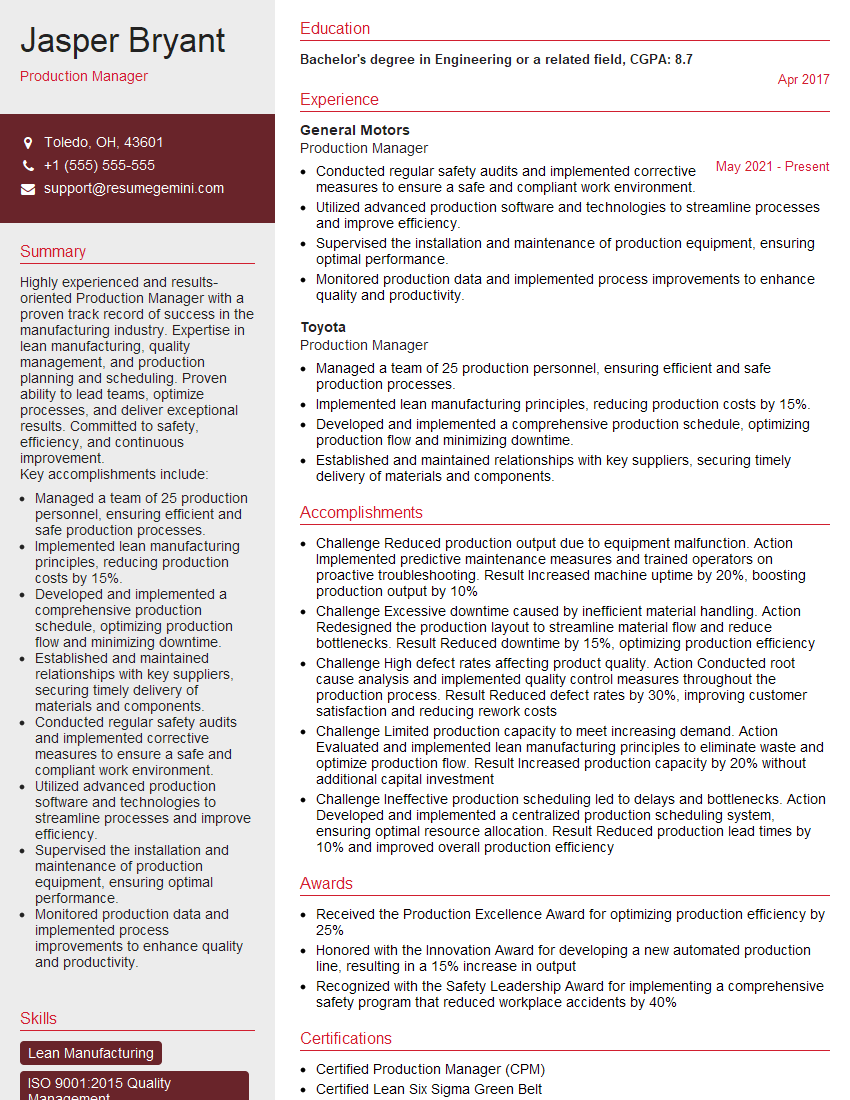
Production Manager Resume Sample
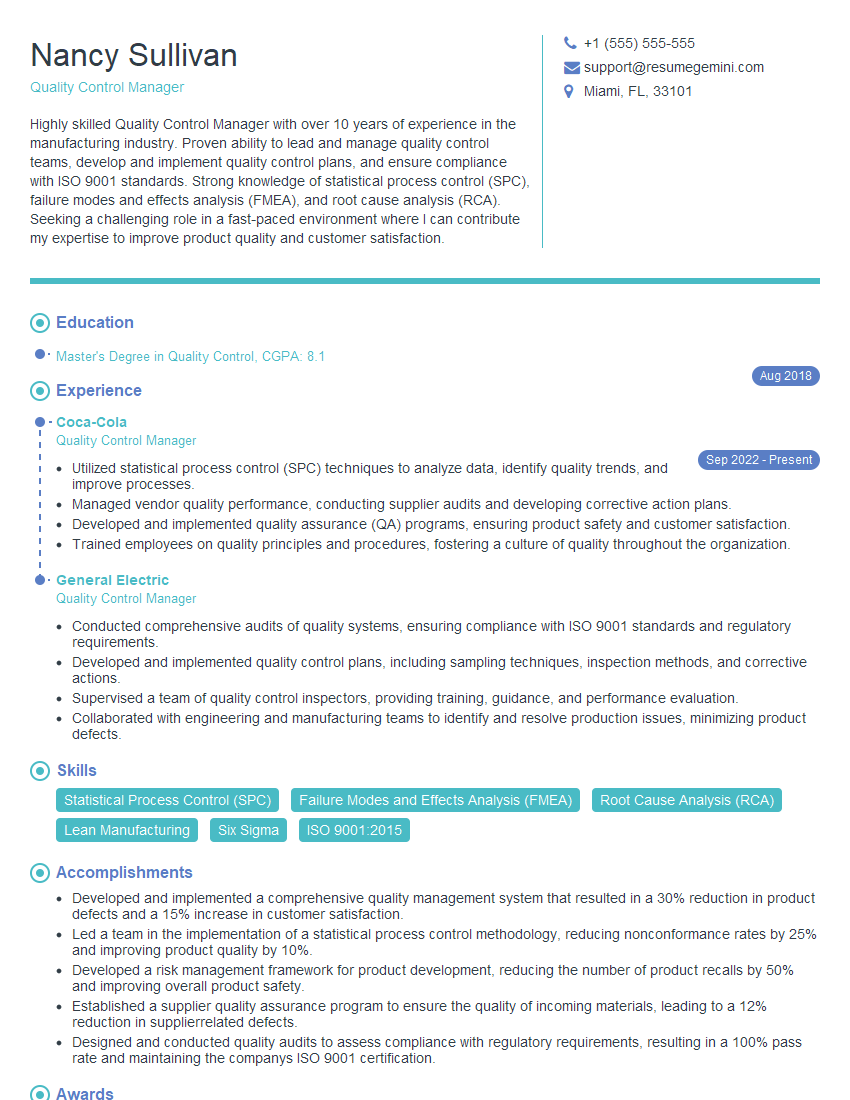
Quality Control Manager Resume Sample
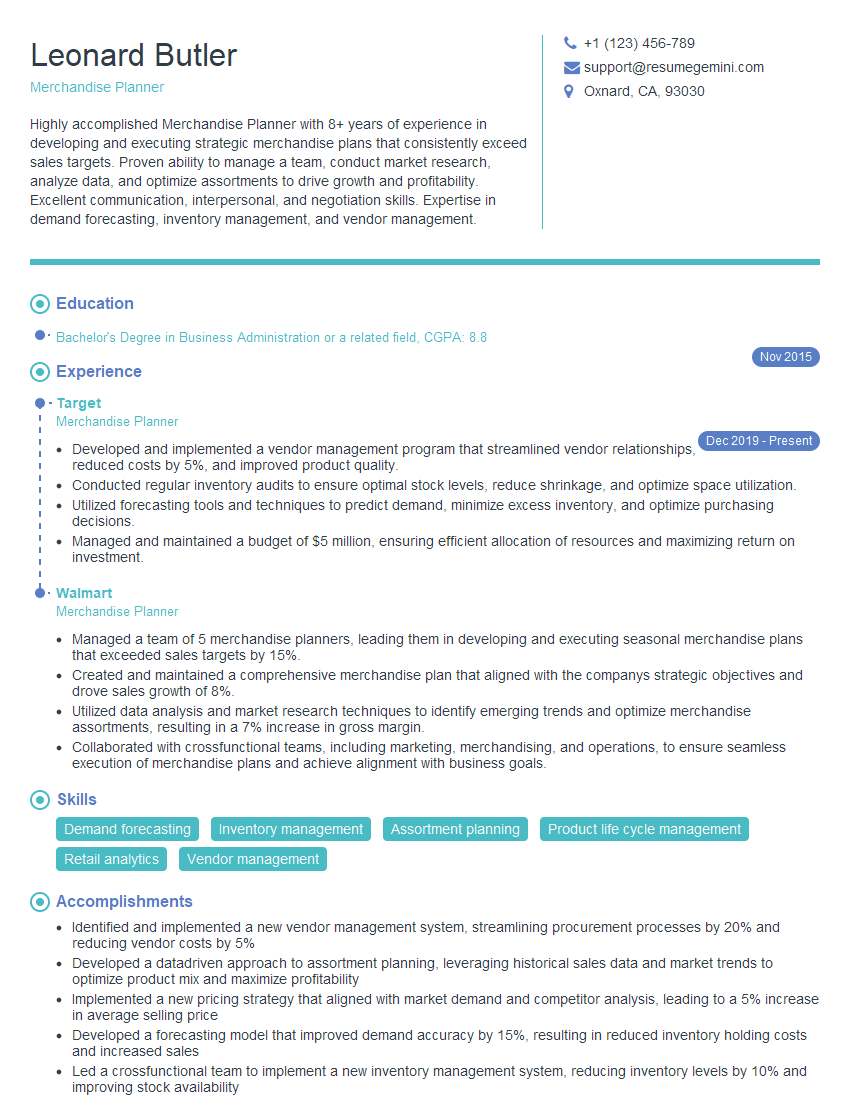
Merchandise Planner Resume Sample

Procurement Manager Resume Sample
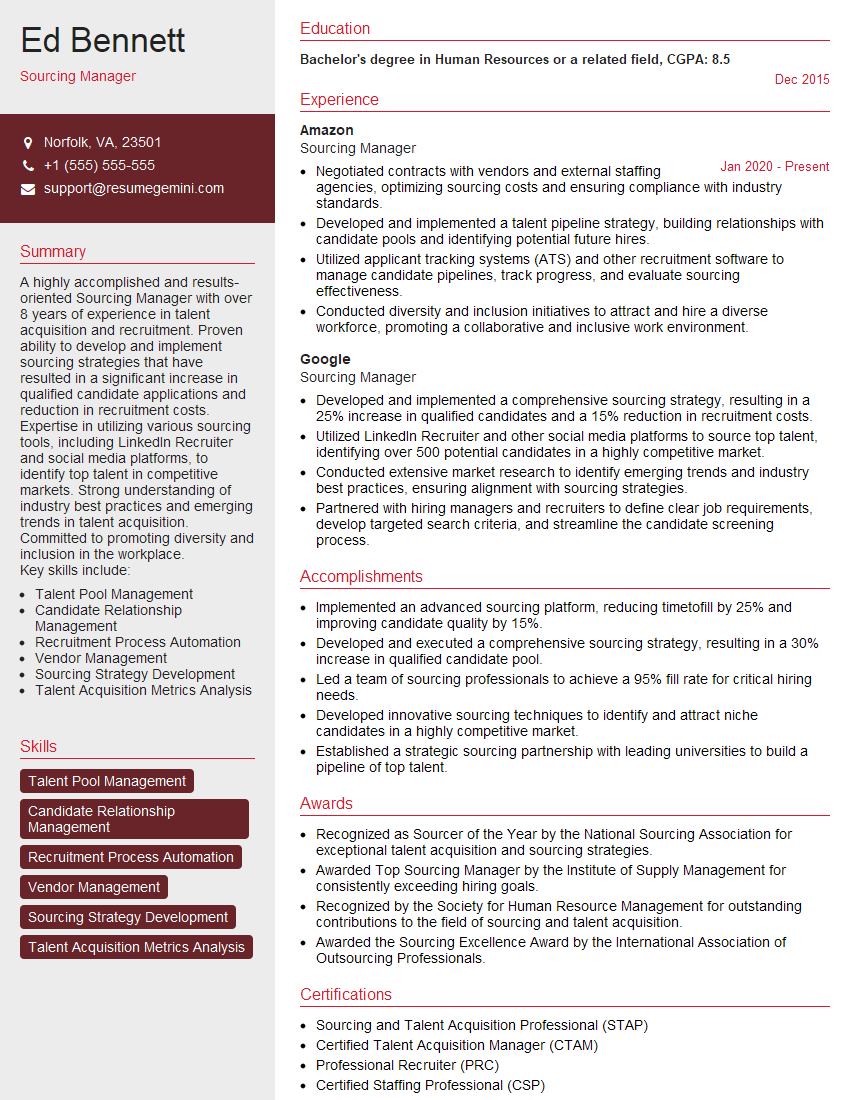
Sourcing Manager Resume Sample

Sourcing Specialist Resume Sample
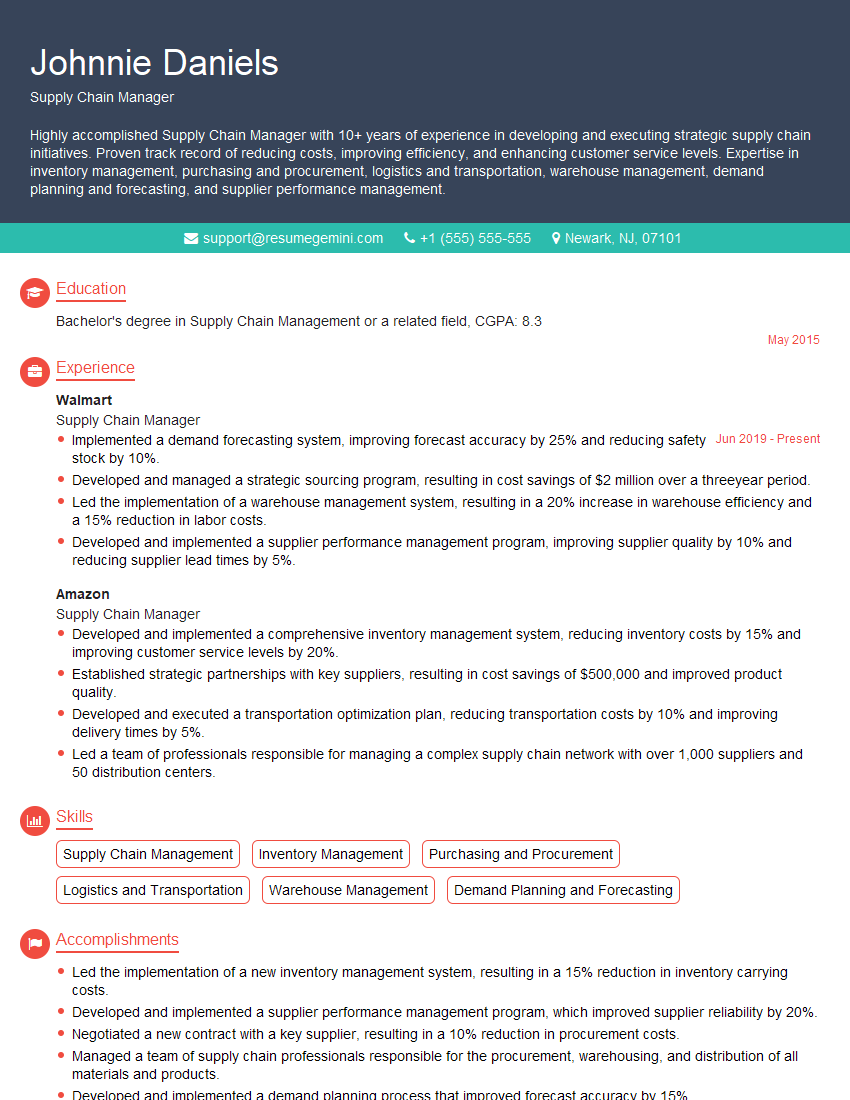
Supply Chain Manager Resume Sample
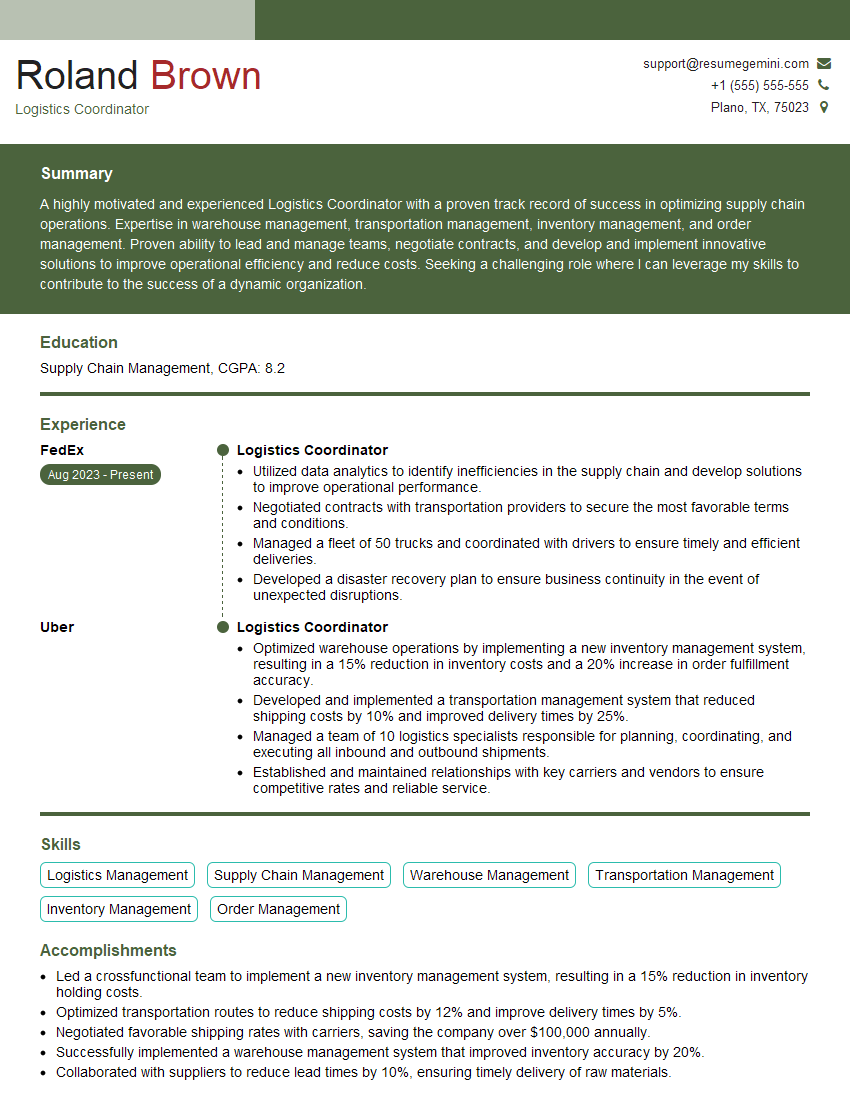
Logistics Coordinator Resume Sample
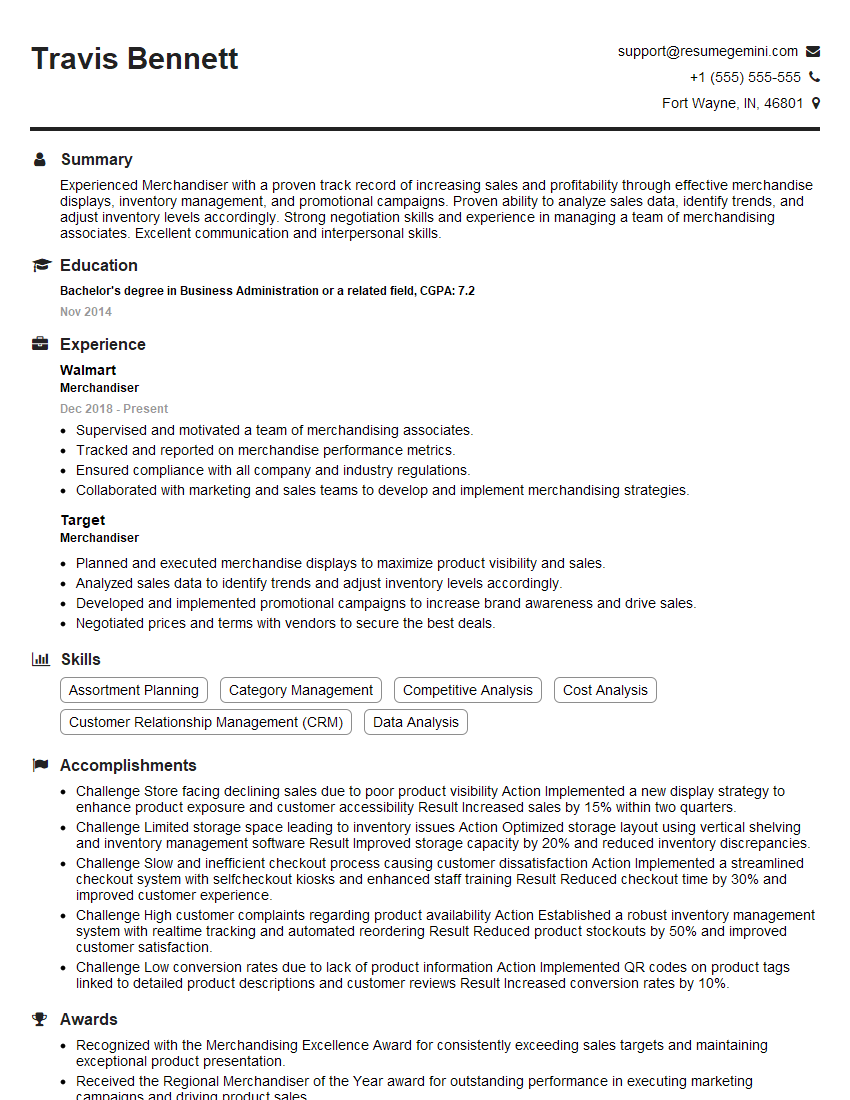
Merchandiser Resume Sample
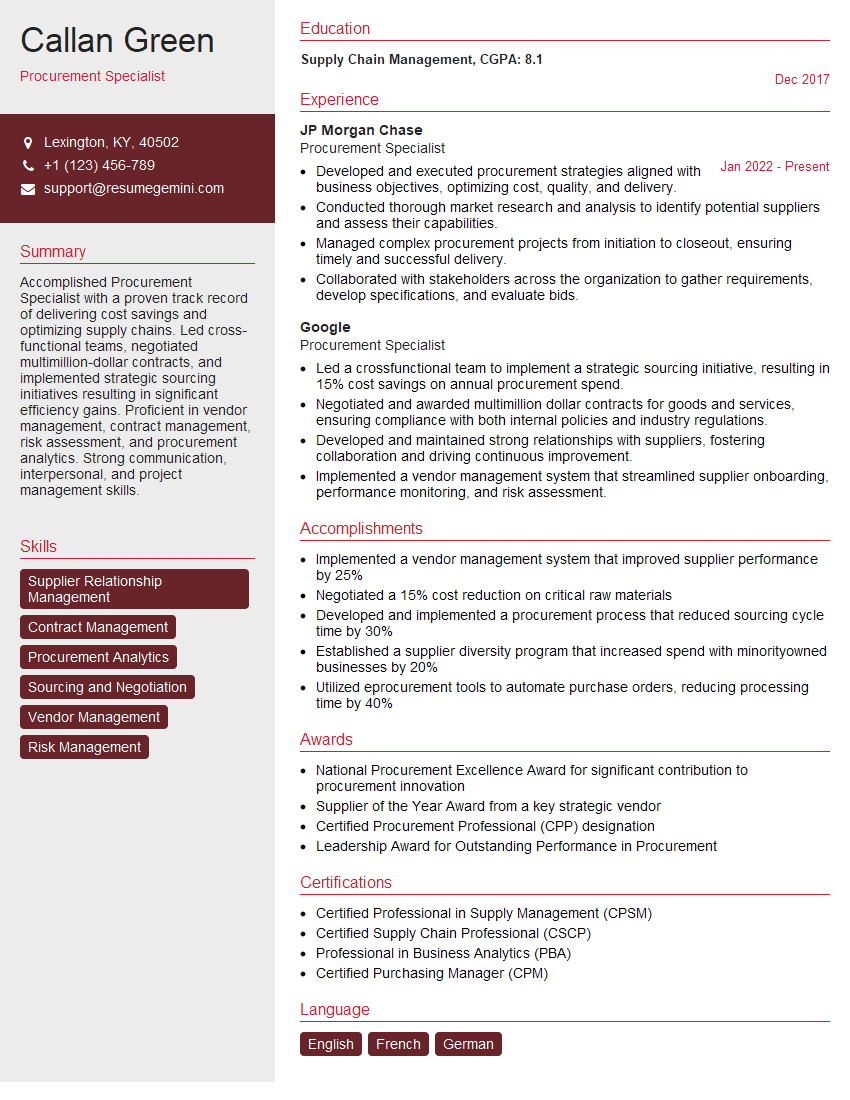
Procurement Specialist Resume Sample
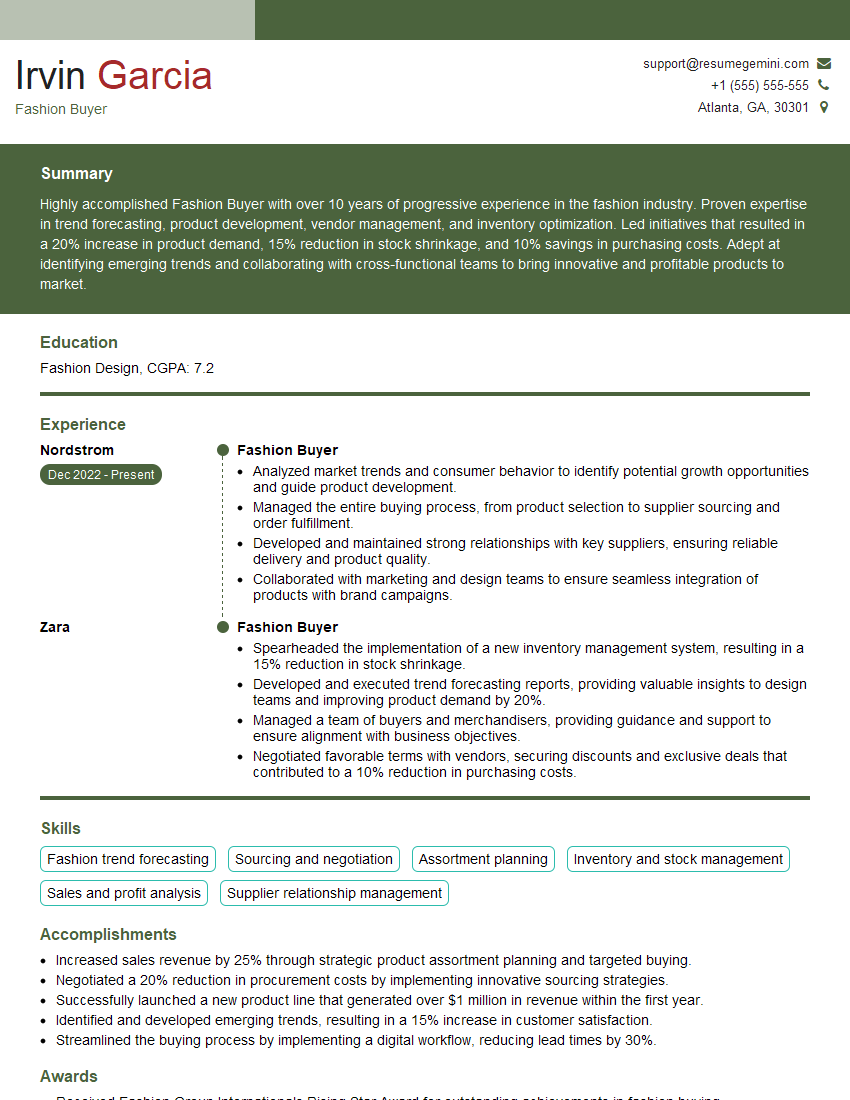
Fashion Buyer Resume Sample
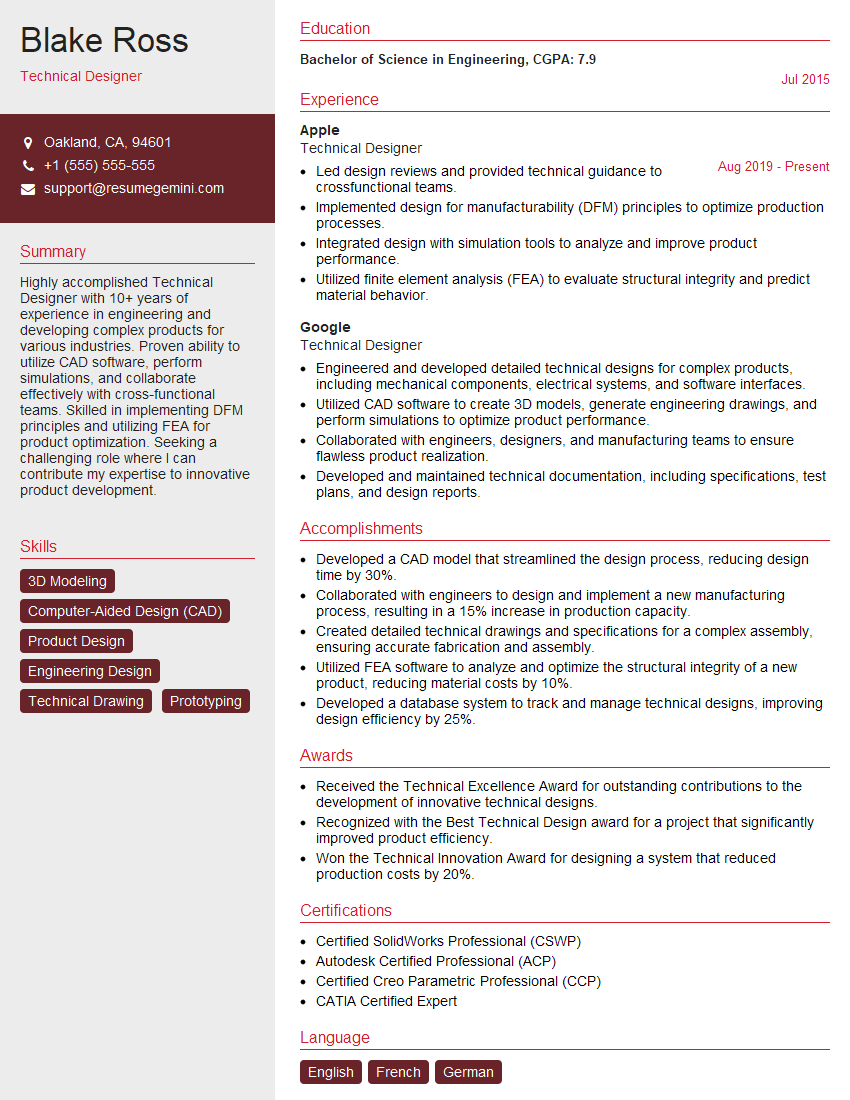
Technical Designer Resume Sample
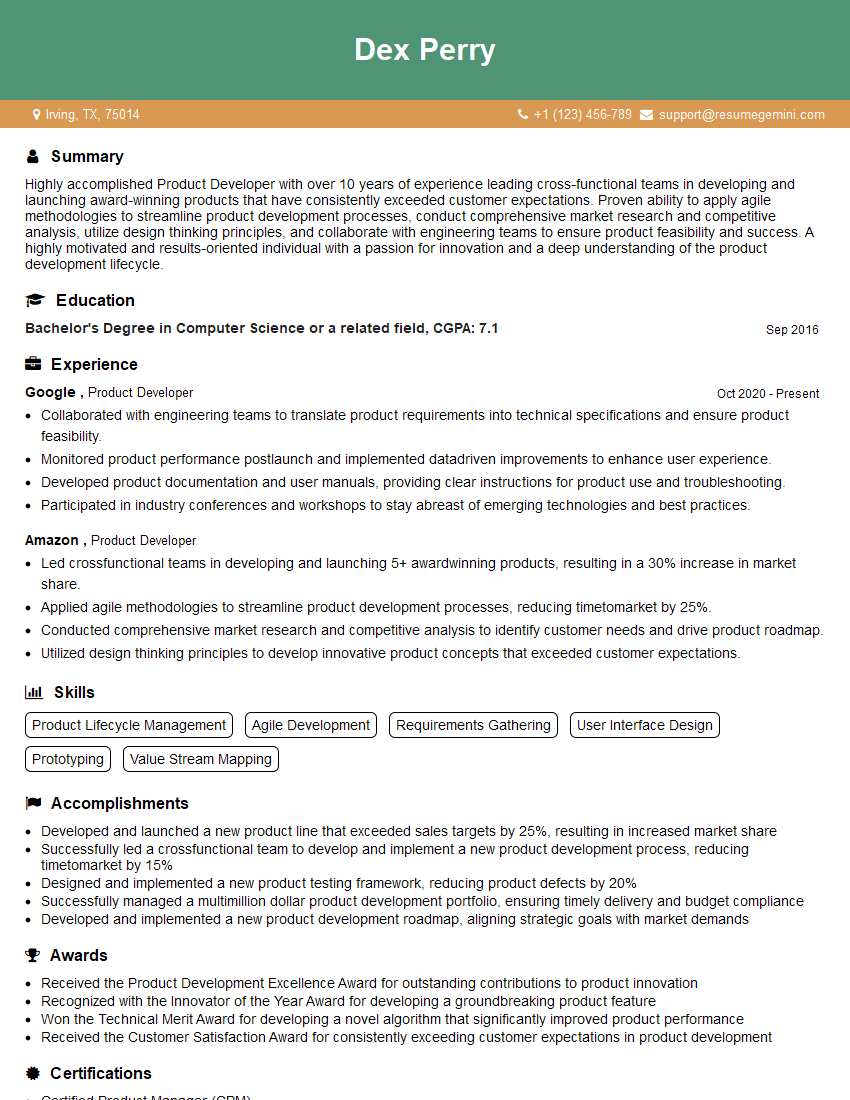
Product Developer Resume Sample
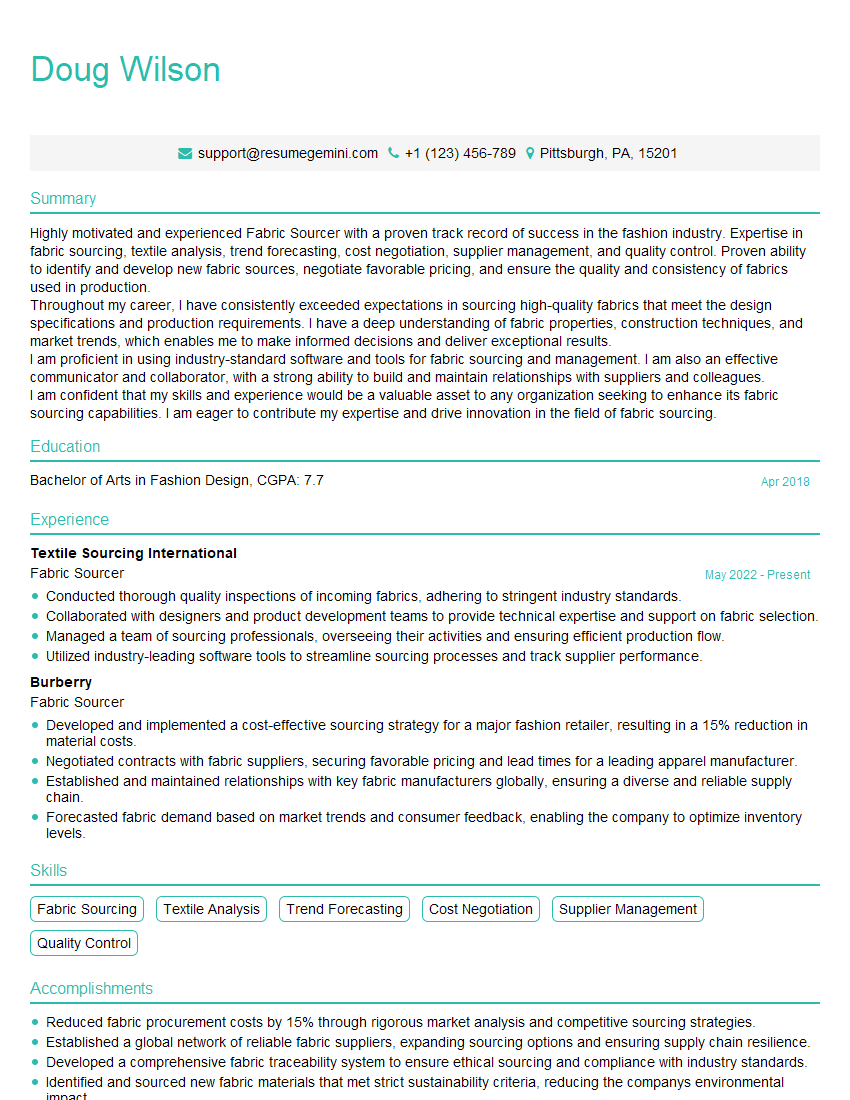
Fabric Sourcer Resume Sample
Explore more articles
Users Rating of Our Blogs
Share Your Experience
We value your feedback! Please rate our content and share your thoughts (optional).
What Readers Say About Our Blog
Very informative content, great job.
good