Interviews are opportunities to demonstrate your expertise, and this guide is here to help you shine. Explore the essential Feeder and Waterer Maintenance interview questions that employers frequently ask, paired with strategies for crafting responses that set you apart from the competition.
Questions Asked in Feeder and Waterer Maintenance Interview
Q 1. Describe your experience maintaining automated feeding systems.
Maintaining automated feeding systems requires a blend of technical skill and an understanding of animal husbandry. My experience spans various systems, from auger-based feeders to those using chain-and-flight mechanisms. I’m proficient in diagnosing mechanical issues, like motor failures or auger blockages, and also in managing software aspects of computerized systems, including programming feed schedules and monitoring feed levels. For example, I once resolved a recurring problem with an auger feeder by identifying and replacing a worn-out drive sprocket, preventing costly feed waste and ensuring consistent animal nutrition. Regular inspections, including checking motor amperage draw and lubricating moving parts, are crucial for preventative maintenance and avoiding major breakdowns. I also focus on ensuring the system accurately dispenses the correct feed quantities according to pre-programmed schedules and animal needs.
Q 2. How do you troubleshoot a malfunctioning waterer?
Troubleshooting a malfunctioning waterer involves a systematic approach. First, I’d visually inspect the system for obvious issues: is the water source turned on? Are there any visible leaks or blockages? Then, I’d check the water pressure—insufficient pressure is a common culprit. If the pressure is low, I’d investigate the water line for leaks or restrictions. For example, I’ve often found that frozen pipes in winter can restrict water flow, leading to insufficient watering. If pressure is adequate but the waterer still isn’t functioning, I might check for a faulty valve or float mechanism. Sometimes, a simple cleaning of the waterer’s components is all that’s needed to restore functionality. If the problem persists, I may need to investigate more complex issues, such as a malfunctioning pump or a problem with the electrical system (in the case of heated waterers). Documentation of each step, including measurements and observations, is essential for effective troubleshooting.
Q 3. What are the common causes of feeder jams?
Feeder jams are a common problem, often caused by several factors.
- Moisture in the feed: Damp or clumped feed is the most frequent cause, causing the feed to bridge and obstruct the flow.
- Feed quality: Poorly processed feed, containing large foreign objects, can jam the mechanism.
- Mechanical issues: Wear and tear on moving parts, such as the auger or chain, can lead to jamming.
- Improper feed level: Overfilling the hopper can compress the feed, leading to blockages.
Q 4. Explain your process for cleaning and sanitizing feeders and waterers.
Cleaning and sanitizing feeders and waterers is crucial for maintaining animal health and preventing disease. My process begins with a thorough emptying and rinsing of the equipment. Then, I use a suitable cleaning agent, following the manufacturer’s instructions and taking care to avoid any chemicals that could harm livestock. After scrubbing all surfaces, I’ll rinse thoroughly again with clean water, ensuring no cleaning residue remains. For sanitizing, I often use a chlorine-based solution or another approved disinfectant. Finally, I allow the equipment to fully air dry before refilling or reusing. The frequency of cleaning depends on several factors, including the type of feeder and waterer, the number of animals, and the type of feed. However, routine cleaning and disinfection are a non-negotiable part of good husbandry.
Q 5. How do you ensure the proper water pressure for livestock waterers?
Maintaining proper water pressure for livestock waterers is essential to ensure consistent access to drinking water. This involves regularly checking the water pressure at the source and at the waterer itself using a pressure gauge. The required pressure varies depending on the type of waterer, but generally, sufficient pressure is needed to ensure a consistent flow of water. Insufficient pressure can result in poor water delivery and potential dehydration, while excessive pressure can lead to leaks or damage to the waterer. I routinely inspect water lines for leaks and ensure all valves are properly functioning. If the pressure is too low, I might check for blockages, leaks, or issues with the water pump. Conversely, if the pressure is too high, I might install a pressure regulator to mitigate the risk of damage to the system.
Q 6. What preventative maintenance steps do you take for feeders and waterers?
Preventative maintenance is key to avoiding costly repairs and ensuring the reliable operation of feeders and waterers. My routine includes:
- Regular inspections: Visual checks for wear and tear, leaks, blockages, and corrosion.
- Lubrication: Regularly lubricating moving parts, such as hinges, bolts, and motors, to prevent seizing and extend equipment life.
- Cleaning and sanitizing: As described in the previous answer.
- Calibration: Checking and calibrating automated systems (feeders with timers and controllers) to ensure accurate dispensing.
- Component replacement: Proactive replacement of worn-out or damaged components before they cause major failures.
Q 7. How do you identify and repair leaks in water lines?
Identifying and repairing leaks in water lines requires a combination of observation and systematic investigation. I usually start by visually inspecting the entire water line, looking for wet spots, damp soil, or unusual water flow. Once a suspected leak is located, I’ll use my hands to feel for dampness or carefully dig around the area to expose the pipe. Small leaks can sometimes be repaired with leak sealant, but larger leaks often require replacing the affected section of pipe. For underground leaks, I might use a leak detection device to pinpoint the location more accurately. Safety is paramount; I always turn off the water supply before starting any repair work. After the repair is complete, I’ll thoroughly test the line to ensure the leak is fixed and the water pressure is stable. Accurate record-keeping is important – documenting the location and cause of the leak is critical for preventative maintenance in the future.
Q 8. What are the different types of feeders used for various livestock?
Livestock feeders come in a variety of designs, tailored to the specific needs of different animals and farming operations. The choice depends on factors like animal size, feeding habits, the type of feed, and the scale of the operation.
- Bunker feeders: These large, trough-like structures are ideal for cattle, sheep, and goats, providing access to a substantial quantity of feed at once. They’re cost-effective for larger herds but require regular monitoring to prevent feed waste and spoilage.
- Trough feeders: Smaller and simpler than bunker feeders, these are suitable for smaller livestock groups or individual animals. They’re easy to clean and maintain but may require more frequent refilling.
- Self-feeders: These automated systems dispense feed based on pre-programmed settings. They’re particularly useful for efficient feeding management in larger operations, optimizing feed delivery and minimizing waste. These systems often use sensors to monitor feed levels.
- Creep feeders: Designed for young animals, like piglets or calves, these feeders allow access only to the young animals, preventing larger animals from competing for the feed. This ensures adequate nutrition for the growing young.
- Hopper feeders: These gravity-fed systems are commonly used for poultry and pigs. They allow the animals to access feed as needed while preventing spillage and contamination.
For example, in a dairy farm, bunker feeders might be used for the adult cows, while creep feeders provide supplemental nutrition to the calves.
Q 9. Describe your experience working with different types of waterer systems.
My experience encompasses a wide range of waterer systems, from simple gravity-fed troughs to sophisticated automated systems. The ideal system depends on factors such as animal type, climate, and the available water supply.
- Gravity-fed troughs: These are the most basic and widely used, relying on gravity to fill troughs from a storage tank. They’re simple and inexpensive but require regular cleaning and maintenance to prevent contamination and ensure a constant water supply.
- Float valve systems: These automatically regulate water levels in the troughs, ensuring a consistent supply without constant manual intervention. They offer improved hygiene compared to gravity-fed systems because they reduce stagnant water.
- Nipple drinkers: These systems deliver water through nipples, preventing spillage and minimizing water contamination, especially important for piglets and poultry. They can be connected to a larger water supply.
- Automatic cup waterers: These are pressure-based systems commonly used in poultry and smaller livestock operations. They are particularly useful in preventing birds from bathing in the water trough.
- Tank systems with pumps: These are particularly beneficial in larger operations or those with limited gravity feed sources. A pump ensures consistent water pressure to multiple watering points. This is often ideal in larger operations.
In one instance, I worked on converting a dairy farm from gravity-fed troughs to a float valve system. This significantly reduced labor costs associated with refilling troughs and improved water hygiene, leading to a healthier herd.
Q 10. How do you handle emergency repairs to feeding and watering systems?
Emergency repairs require quick thinking and decisive action. My approach involves a systematic process to minimize downtime and prevent further damage.
- Assess the situation: Quickly determine the nature and extent of the damage, identifying the affected area and potential risks to the animals.
- Prioritize safety: Ensure the safety of myself and the animals by securing the damaged equipment and taking necessary precautions. For instance, turning off electrical supply to malfunctioning equipment.
- Implement temporary fixes: If possible, perform a temporary repair to restore functionality while waiting for parts or specialized assistance. This could involve patching a leak or setting up a temporary water source.
- Contact suppliers/experts: Depending on the severity of the damage, contact suppliers for replacement parts or call in specialized technicians if the repair is beyond my capabilities.
- Document the repair: Maintain detailed records of the emergency repair, including the cause, the actions taken, and any expenses incurred. This information is invaluable for future maintenance planning and troubleshooting.
For instance, during a severe storm, a section of our water pipe was damaged causing disruption in the livestock’s water supply. I immediately redirected water from another source using temporary piping, then contacted a plumber to fix the damaged main pipe the next day.
Q 11. What safety precautions do you take when working with livestock equipment?
Safety is paramount when working with livestock and their equipment. My safety protocols include:
- Personal Protective Equipment (PPE): Always wearing appropriate PPE such as sturdy boots, gloves, safety glasses, and high-visibility clothing depending on the task.
- Lockout/Tagout procedures: Following strict lockout/tagout procedures when working on electrical or mechanical equipment to prevent accidental activation.
- Animal handling techniques: Using appropriate animal handling techniques to minimize the risk of injury to both myself and the animals. This is especially crucial during maintenance activities.
- Awareness of surroundings: Maintaining awareness of my surroundings to avoid hazards such as slippery surfaces, sharp objects, and moving machinery.
- Regular equipment inspections: Conducting regular inspections of all equipment to identify potential hazards and prevent accidents.
I always follow the manufacturer’s safety guidelines for all equipment and machinery.
Q 12. How familiar are you with different types of livestock and their specific needs?
I possess extensive knowledge of various livestock species and their unique nutritional and hydration requirements. This understanding informs my approach to feeder and waterer maintenance.
- Cattle: I understand their need for consistent access to both high-quality feed and clean water, and the importance of proper feeder and waterer spacing to minimize competition.
- Swine: I am aware of their susceptibility to certain diseases related to poor hygiene and the importance of keeping their feeding and watering equipment clean and regularly sanitized.
- Poultry: I understand the importance of providing appropriate access to feed and water and the specific design of equipment needed to minimize waste and promote hygiene.
- Sheep and Goats: I know their selective grazing habits and how feeder design should allow for equal access to feed for the entire flock.
This knowledge helps me tailor maintenance strategies to specific needs, ensuring that the equipment effectively serves the animals’ physiological requirements and supports their overall well-being. For example, I know that poultry feeders need to be designed to prevent feed waste and promote efficient consumption.
Q 13. Explain your understanding of biosecurity measures related to feeding and watering equipment.
Biosecurity measures are crucial in preventing the spread of disease through feeding and watering equipment. My understanding includes:
- Regular Cleaning and Disinfection: Implementing regular and thorough cleaning and disinfection schedules, using appropriate disinfectants to eliminate pathogens.
- Rodent and Pest Control: Employing effective rodent and pest control measures to prevent contamination of feed and water sources.
- Equipment Maintenance: Ensuring the structural integrity of equipment to prevent leaks and other issues that could contribute to contamination.
- Proper Waste Disposal: Properly disposing of soiled feed and waste materials to prevent the spread of disease.
- Quarantine Procedures: Following strict quarantine procedures for new animals, keeping them separated from existing herds until disease-free status is confirmed.
In my experience, neglecting biosecurity measures can have devastating consequences, leading to significant economic losses and animal welfare issues. Therefore, adhering to rigorous cleaning and disinfection protocols is of paramount importance.
Q 14. What is your experience with programmable logic controllers (PLCs) in feeding systems?
Programmable Logic Controllers (PLCs) are increasingly used in modern feeding systems for automated control and monitoring. My experience includes working with PLCs to manage various aspects of feed delivery:
- Automated Feed Dispensing: Programming PLCs to control the timing and amount of feed dispensed, optimizing feed efficiency and reducing waste.
- Sensor Integration: Integrating sensors to monitor feed levels, water levels, and other parameters, providing real-time data for improved management decisions. This can trigger automated alerts when thresholds are breached.
- Remote Monitoring and Control: Utilizing PLCs to enable remote monitoring and control of feeding systems, allowing for adjustments based on real-time data and reducing the need for constant on-site supervision.
- Troubleshooting and Diagnostics: Using PLC diagnostic tools to identify and resolve malfunctions in the feeding system.
For example, I worked on a project where we integrated a PLC into a large-scale swine feeding system. This allowed for precise feed control, real-time monitoring of feed levels, and automatic alerts in case of malfunctions, significantly improving efficiency and reducing labor costs. The system generated reports which allowed for optimization of feed rations and improved productivity analysis.
Q 15. How do you manage inventory of parts and supplies for feeder and waterer maintenance?
Managing inventory for feeder and waterer maintenance is crucial for ensuring timely repairs and minimizing downtime. I utilize a robust system combining both physical and digital inventory tracking. Physically, I maintain a well-organized parts room, categorized by equipment type and part number. This allows for quick location of necessary components. Digitally, I use inventory management software to track stock levels, reorder points, and supplier information. This software generates automated alerts when stock is low, preventing unexpected shortages. For example, if the sensor for a specific waterer model drops below our predetermined reorder point (say, 5 units), the system automatically sends an email notification to the purchasing department, triggering the reordering process. This proactive approach ensures we always have the necessary parts on hand for efficient maintenance.
This dual approach – physical organization and digital tracking – ensures accuracy and prevents stockouts. Regular audits, comparing physical stock with digital records, further guarantee inventory accuracy.
Career Expert Tips:
- Ace those interviews! Prepare effectively by reviewing the Top 50 Most Common Interview Questions on ResumeGemini.
- Navigate your job search with confidence! Explore a wide range of Career Tips on ResumeGemini. Learn about common challenges and recommendations to overcome them.
- Craft the perfect resume! Master the Art of Resume Writing with ResumeGemini’s guide. Showcase your unique qualifications and achievements effectively.
- Don’t miss out on holiday savings! Build your dream resume with ResumeGemini’s ATS optimized templates.
Q 16. Describe your experience with hydraulic and pneumatic systems in feeding and watering equipment.
My experience with hydraulic and pneumatic systems in livestock equipment is extensive. I’ve worked with various systems, from hydraulically driven auger feeders to pneumatic water valve controls. Understanding these systems requires knowledge of pressure regulation, fluid dynamics, and component maintenance. For example, I’ve troubleshooted issues with a hydraulic feeder where a faulty pressure relief valve caused inconsistent feed distribution. By systematically checking the valve’s operation and ultimately replacing it, I restored the system’s proper function. Similarly, with pneumatic systems, I’ve dealt with air leaks in water valve lines, leading to inconsistent water delivery. Using specialized leak detection tools, I successfully located and repaired these leaks, restoring reliable water supply to the animals. I’m comfortable working with both systems and can perform routine maintenance tasks such as fluid changes, filter replacements, and pressure adjustments.
Q 17. What are your troubleshooting skills in relation to electrical components in livestock equipment?
Troubleshooting electrical components in livestock equipment demands a methodical approach and a solid understanding of basic electrical principles. My troubleshooting strategy typically follows these steps: First, safety is paramount. I always disconnect the power source before starting any work. Next, I visually inspect wiring, connections, and components for any obvious damage or loose connections. Then, I use multimeters to check voltage, current, and continuity, pinpointing the malfunctioning part. For example, I once encountered a situation where an electric motor on a feed mixer wasn’t functioning. By checking the voltage at the motor terminals and finding it absent, I traced the problem back to a tripped circuit breaker in the main electrical panel, a simple fix that prevented costly repairs. I’m also experienced in working with programmable logic controllers (PLCs) used in more sophisticated feeding systems and can diagnose problems within their control programs.
Q 18. How do you determine the appropriate flow rate for livestock waterers?
Determining the appropriate flow rate for livestock waterers depends on several factors, including animal type, size, climate, and the waterer’s design. There’s no single ‘right’ flow rate. Overly high flow rates lead to water wastage, while insufficient flow can result in inadequate hydration. I use a combination of guidelines and observation to optimize flow rates. For example, guidelines might suggest a minimum flow rate per animal based on species and weight, but this serves as a starting point. I then observe the animals’ drinking behavior and adjust the flow rate accordingly. If animals struggle to drink or if there is significant water spillage, I lower the flow rate. Conversely, if animals are consistently crowding the waterer, it indicates a need to increase the flow. Additionally, I check for leaks and ensure that the waterer’s design promotes efficient drinking without splashing or waste.
Q 19. Explain your experience with different types of feeder motors and their maintenance.
I’ve worked with various feeder motors, including AC induction motors, DC motors, and gear motors. Each has unique characteristics and maintenance requirements. AC induction motors, common in larger feeders, are relatively low-maintenance, requiring periodic lubrication and checks for bearing wear. DC motors, often found in smaller feeders, might require more frequent brush replacement. Gear motors, which provide high torque at low speeds, necessitate regular lubrication of the gearboxes to prevent wear and ensure smooth operation. I routinely inspect these motors for unusual noises, overheating, and vibration, indicating potential problems. Preventative maintenance, including regular lubrication and cleaning, extends the lifespan and reliability of these motors, minimizing downtime and ensuring efficient feed delivery.
Q 20. How do you ensure the proper alignment and function of feeder augers?
Proper alignment and function of feeder augers are critical for consistent feed distribution. Misalignment can lead to uneven wear, reduced efficiency, and potential damage to the auger and surrounding equipment. I ensure proper alignment by using alignment tools and checking for straightness and proper bearing clearance. I also regularly inspect for signs of wear and tear on the auger flighting and replace or repair damaged sections as needed. During inspections, I ensure the auger is rotating freely without binding. Any binding or unusual noise indicates a potential problem that needs addressing to prevent damage. Regular lubrication of bearings and other moving parts is also essential to reduce friction and extend the lifespan of the auger system.
Q 21. Describe your familiarity with different types of waterer float valves and their maintenance.
I’m familiar with various types of waterer float valves, including ballcock valves, cup valves, and diaphragm valves. Each valve type has its own mechanism for regulating water level. Ballcock valves, for example, use a floating ball to control water intake. Cup valves utilize a flexible cup to seal the water inlet. Diaphragm valves use a flexible diaphragm to control water flow. Maintenance involves regular cleaning to remove sediment buildup and ensure smooth operation. I check for leaks, replace worn seals, and lubricate moving parts as necessary. The specific maintenance procedure varies depending on the valve type, but all share the common goal of ensuring a consistent and reliable water supply to the animals.
Q 22. What is your experience in maintaining and troubleshooting nipple drinkers?
Maintaining and troubleshooting nipple drinkers involves a multifaceted approach encompassing regular inspections, preventative maintenance, and effective problem-solving. I start by visually inspecting each drinker for leaks, blockages, or damage. A leaky drinker wastes water and can lead to unsanitary conditions. Blockages, often caused by mineral deposits or algae, restrict water flow, leaving animals thirsty and potentially stressed. Damage, such as cracked nipples or broken tubing, needs immediate repair to prevent further issues.
For preventative maintenance, I schedule regular cleaning and disinfection routines – typically weekly or bi-weekly, depending on the size of the operation and the water quality. This involves dismantling the drinkers where possible, scrubbing them with a suitable disinfectant, and rinsing thoroughly. I also regularly check the water pressure to ensure adequate flow. Low water pressure can be a sign of a problem in the water supply line.
Troubleshooting involves a systematic approach. If a drinker isn’t working, I first check the water supply. Is the water turned on? Is there sufficient pressure? Then I check for blockages, using compressed air or a small brush to clear them. If the problem persists, I examine the nipple itself for damage or wear. Finally, if the issue cannot be resolved through these steps, I may need to replace the entire drinker unit. I always document all maintenance and repair activities, noting the date, the drinker’s location, the problem encountered, and the solution implemented.
Q 23. How do you address issues related to water quality and its impact on animal health?
Water quality is paramount for animal health. Poor water quality can lead to various health problems, including dehydration, digestive issues, and the spread of disease. My approach involves proactive monitoring and management of water sources. This begins with regular testing of water samples to assess parameters like pH, bacteria levels, and the presence of harmful chemicals or minerals. I use accredited laboratories for this, ensuring accuracy and reliability.
Based on the test results, we take corrective actions. For example, if bacteria levels are high, we implement a comprehensive sanitation program, which includes cleaning water troughs and reservoirs, and potentially adding water treatment solutions as directed by veterinary professionals or water quality experts. If mineral buildup is a problem, we might install water filters or softeners to mitigate the issue. We also monitor water temperature, ensuring it’s within a safe range for the animals. Maintaining clean, fresh water is crucial for animal well-being and overall farm productivity.
For instance, in a previous role, we identified high levels of nitrates in the water source, which were impacting the health of the calves. Through water testing and collaboration with a water treatment specialist, we implemented a filtration system to remove the nitrates, resulting in a significant improvement in the animals’ health and growth rates.
Q 24. How do you interpret and utilize maintenance manuals and schematics for livestock equipment?
Maintenance manuals and schematics are essential tools for effective equipment maintenance. I approach them systematically. First, I thoroughly review the manual to understand the equipment’s operation, components, and recommended maintenance procedures. This includes familiarizing myself with the different parts, their functions, and their interrelationships. Schematics provide visual representations of the system’s layout, making it easier to identify and troubleshoot potential problems.
I use the manuals as guides during inspections, preventative maintenance, and repairs. They provide step-by-step instructions for tasks such as cleaning, lubrication, and part replacements, minimizing errors and ensuring safety. For example, a schematic diagram might show the exact location of a valve or sensor, making it easier to access and repair. Manuals often include troubleshooting guides, helping me quickly diagnose and fix malfunctions. I always keep up-to-date versions readily available.
Essentially, the manuals serve as a blueprint for understanding and maintaining the equipment. They transform complex systems into manageable tasks, improving efficiency and reducing downtime.
Q 25. How do you ensure compliance with all relevant safety regulations?
Compliance with safety regulations is non-negotiable. I prioritize safety in every aspect of my work, from personal protective equipment (PPE) to equipment operation and maintenance procedures. This includes adhering to OSHA guidelines, relevant livestock-specific regulations, and farm-specific safety protocols. I ensure that all team members are properly trained on safe working practices and the use of PPE, such as safety glasses, gloves, and protective footwear.
I regularly inspect equipment for potential hazards, such as exposed wires, sharp edges, or malfunctioning parts. Any unsafe conditions are immediately addressed and reported. Lockout/Tagout procedures are strictly followed when performing maintenance or repairs on powered equipment to prevent accidental energization. I also make sure that all electrical equipment is properly grounded and that the work environment is well-lit and free of obstacles to prevent trips and falls.
Our team participates in regular safety training sessions to stay informed about updated regulations and best practices. Safety is not just a set of rules; it’s a culture we actively cultivate.
Q 26. What is your approach to continuous improvement in your maintenance procedures?
Continuous improvement is central to my approach. I regularly review maintenance procedures and look for opportunities to enhance efficiency and effectiveness. This involves tracking key performance indicators (KPIs) such as equipment downtime, repair costs, and water wastage. Analyzing this data helps identify areas needing improvement.
For example, if we notice a high incidence of nipple drinker failures, we might investigate whether a different brand or type of drinker would be more durable and cost-effective in the long run. We might also explore the use of preventative maintenance software to better schedule and track maintenance tasks. Regularly attending industry conferences and workshops also allows us to stay abreast of new technologies and best practices.
I also actively encourage feedback from colleagues, sharing successes and learning from any mistakes or unexpected issues. This collaborative approach fosters a culture of continuous learning and improvement within the team.
Q 27. Describe your experience with record keeping and reporting on maintenance activities.
Meticulous record-keeping is crucial for effective maintenance management. I maintain detailed records of all maintenance activities, including preventative maintenance schedules, repairs performed, parts replaced, and any issues encountered. We use a combination of computerized maintenance management systems (CMMS) and physical logs. The CMMS helps in scheduling preventative maintenance, tracking repairs, and generating reports on equipment performance.
Physical logs are used for quick on-site recording of routine tasks and observations. This dual approach ensures data integrity and accessibility. Our records include the date, time, location of the equipment, the nature of the maintenance or repair work, the parts used, the time taken, and any relevant observations. These records are essential for tracking costs, identifying trends, and justifying maintenance expenditures.
Regular reports are generated from this data, providing insights into equipment reliability, maintenance costs, and overall efficiency. These reports are shared with management and relevant stakeholders to inform decision-making related to equipment upgrades, replacements, and budget allocation.
Q 28. How do you prioritize maintenance tasks based on urgency and importance?
Prioritizing maintenance tasks requires a balanced approach considering urgency and importance. I use a system that combines preventative maintenance schedules with a reactive approach to address immediate needs. Preventative maintenance tasks, such as cleaning and lubricating equipment, are scheduled according to the manufacturer’s recommendations and our experience with the equipment. These tasks are important for preventing major breakdowns and extending the life of the equipment.
Reactive maintenance addresses immediate problems, such as a broken drinker or a malfunctioning pump. The prioritization of reactive tasks is based on their potential impact on animal welfare and overall farm operations. For instance, a broken water line affecting a large number of animals would be addressed immediately, while a minor leak in a single drinker might be scheduled for repair at a later time.
To effectively manage both preventative and reactive tasks, I often use a matrix approach, ranking tasks based on their urgency (immediate, soon, later) and their importance (critical, important, minor). This allows me to efficiently allocate resources and ensure that critical tasks receive timely attention while preventative measures are carried out systematically to minimize future disruptions.
Key Topics to Learn for Feeder and Waterer Maintenance Interview
- Understanding Feeder Systems: Types of feeders (e.g., gravity, auger, chain), their operational principles, and common malfunctions.
- Practical Application: Troubleshooting common feeder issues like jams, inconsistent feed distribution, and component failures. Describe your experience identifying and resolving these problems.
- Waterer Maintenance & Hygiene: Different types of waterers (e.g., nipple, bowl, trough), cleaning and sanitation procedures, and preventing water contamination.
- Practical Application: Explain your experience maintaining waterer cleanliness and ensuring consistent water availability. Discuss preventative maintenance strategies.
- Safety Procedures: Understanding and adhering to safety regulations during maintenance, including lockout/tagout procedures and personal protective equipment (PPE) use.
- Practical Application: Detail your experience working safely in a demanding environment. Provide examples demonstrating your commitment to safety protocols.
- Record Keeping and Reporting: Maintaining accurate logs of maintenance activities, identifying trends, and reporting issues to supervisors.
- Practical Application: Describe your experience with documentation, data analysis, and effective communication regarding maintenance needs.
- Preventative Maintenance Schedules: Developing and implementing preventative maintenance plans to minimize downtime and extend equipment lifespan.
- Practical Application: Explain your experience creating and adhering to maintenance schedules, optimizing efficiency, and reducing costs.
- Troubleshooting and Repair: Diagnosing and repairing malfunctions in feeder and waterer systems, including basic mechanical and electrical repairs.
- Practical Application: Describe a challenging repair you completed, highlighting your problem-solving skills and technical expertise.
Next Steps
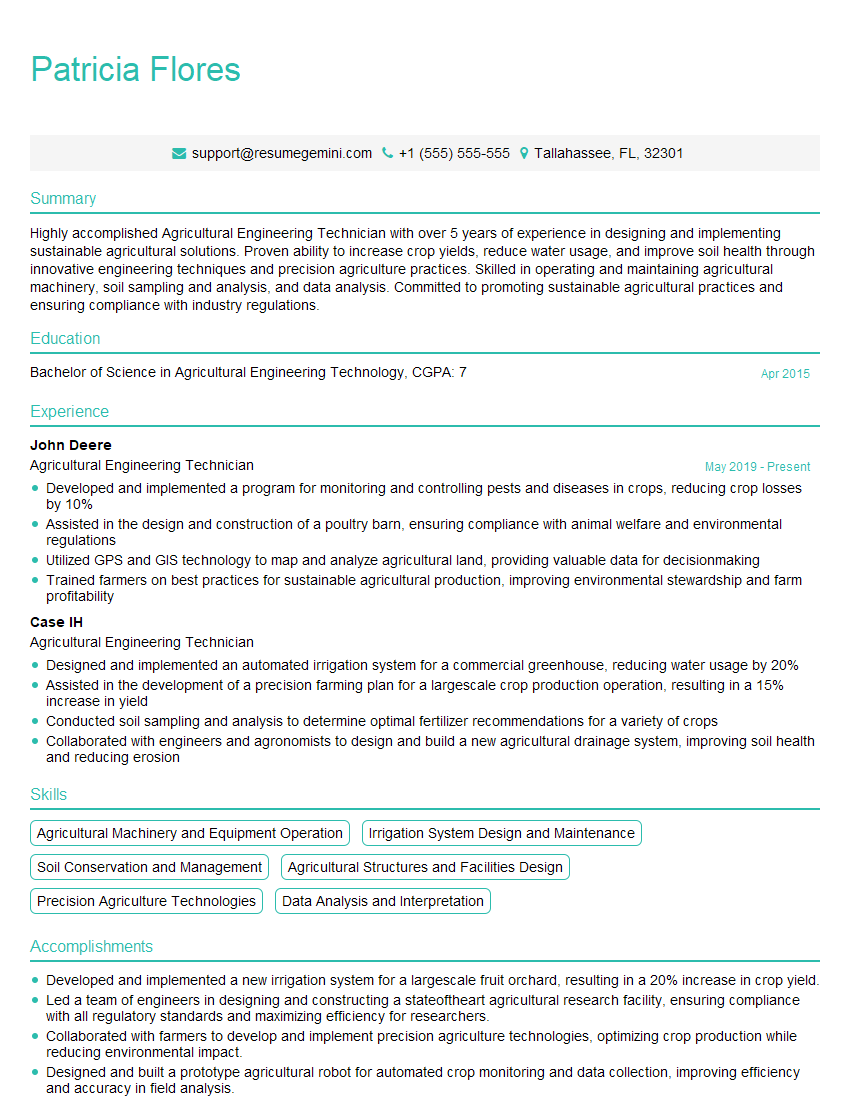
Mastering Feeder and Waterer Maintenance is crucial for career advancement in the agricultural and animal husbandry sectors. Proficiency in this area demonstrates reliability, technical skill, and a commitment to animal welfare, all highly valued attributes. To maximize your job prospects, creating an ATS-friendly resume is essential. ResumeGemini is a trusted resource that can help you build a professional and effective resume. ResumeGemini provides examples of resumes tailored to Feeder and Waterer Maintenance to help you craft a winning application. Take the next step towards your dream job today!

Explore more articles
Users Rating of Our Blogs
Share Your Experience
We value your feedback! Please rate our content and share your thoughts (optional).
What Readers Say About Our Blog
Very informative content, great job.
good