The right preparation can turn an interview into an opportunity to showcase your expertise. This guide to Feeding Machine Operation interview questions is your ultimate resource, providing key insights and tips to help you ace your responses and stand out as a top candidate.
Questions Asked in Feeding Machine Operation Interview
Q 1. Describe your experience with different types of feeding mechanisms.
My experience encompasses a wide range of feeding mechanisms, from simple gravity feeders to complex vibratory and screw feeders. I’m proficient in understanding the strengths and limitations of each type and selecting the most appropriate one for a given application. For instance, gravity feeders are ideal for free-flowing materials like grains, but they might not be suitable for sticky or irregularly shaped parts. Vibratory feeders excel at handling smaller parts and ensuring a consistent flow, while screw feeders are better suited for larger, denser materials that require more controlled feeding. I’ve also worked with pneumatic systems, which use compressed air to convey materials, especially beneficial for fragile or sensitive components. Each system requires a nuanced understanding of its parameters – flow rate, vibration amplitude, screw pitch, air pressure – to optimize performance.
- Gravity Feeders: Simple, cost-effective, but reliant on material flow characteristics.
- Vibratory Feeders: Excellent for consistent flow of small parts, requires precise tuning.
- Screw Feeders: Ideal for denser materials and precise volumetric control. Can handle larger parts.
- Pneumatic Feeders: Suitable for fragile items and long-distance material transport.
Q 2. Explain the process of setting up a feeding machine for a new product.
Setting up a feeding machine for a new product involves a methodical approach. First, I thoroughly analyze the product’s physical characteristics – size, shape, weight, material, and flow properties. This informs the selection of the appropriate feeding mechanism and its parameters. For example, a small, irregularly shaped plastic component might require a vibratory bowl feeder with specialized tooling to orient and feed it consistently. Next, I adjust the machine’s settings, such as the feed rate, vibration amplitude (if applicable), and screw speed, to achieve the desired output. This often involves iterative testing and fine-tuning to optimize performance and minimize part damage. Once the settings are optimized, I conduct rigorous testing to ensure consistent feeding and minimal jams. Finally, I document the entire setup process for future reference and troubleshooting.
For example, recently, I had to set up a new line for feeding small metal washers into an assembly machine. The washers were prone to jamming due to their shape. After evaluating different options, we opted for a vibratory bowl feeder with a specially designed track to guide the washers, preventing jamming and ensuring consistent feeding.
Q 3. How do you troubleshoot common feeding machine malfunctions?
Troubleshooting feeding machine malfunctions often involves a systematic approach. I start by observing the machine’s operation and identifying the nature of the malfunction. Is the material not feeding at all? Is the feed rate inconsistent? Are parts jamming? Then, I systematically check the most likely causes: incorrect settings, material issues (e.g., moisture content, clumping), mechanical problems (e.g., worn parts, misalignment), or electrical faults.
For instance, if the feed rate is inconsistent, I would first check the machine’s settings (speed, amplitude), followed by an examination for any blockages or material clumping. If the problem persists, I’d move on to checking the mechanical components for wear or misalignment. My approach emphasizes safety; I always power down the machine before conducting any inspections or repairs. Detailed logging of problems and solutions is essential for continuous improvement.
Q 4. What safety protocols do you follow when operating a feeding machine?
Safety is paramount when operating feeding machines. I always adhere to strict safety protocols, including:
- Lockout/Tagout (LOTO): Before performing any maintenance or repair, I ensure the machine is completely powered down and locked out to prevent accidental start-up.
- Personal Protective Equipment (PPE): I always wear appropriate PPE, such as safety glasses, hearing protection, and gloves, depending on the specific hazards.
- Machine Guards: I ensure all machine guards are in place and functioning correctly to prevent accidental contact with moving parts.
- Regular Inspections: I conduct regular inspections of the machine for any signs of wear, damage, or potential hazards.
- Training and Awareness: I am fully trained on the safe operation and maintenance of all feeding machines I operate.
Following these protocols helps ensure a safe working environment and minimizes the risk of accidents.
Q 5. How do you ensure the consistent flow of materials into the machine?
Ensuring a consistent flow of materials requires understanding the material properties and optimizing the feeding mechanism. This often involves adjusting machine parameters like feed rate, vibration amplitude (for vibratory feeders), screw speed (for screw feeders), or air pressure (for pneumatic systems). Material handling techniques also play a crucial role. Properly sized hoppers, consistent material supply, and the prevention of bridging or arching are essential. For example, using anti-caking agents or modifying hopper design can help to improve the flow of cohesive materials. Regular cleaning and maintenance of the feeding system also help to prevent blockages and maintain a consistent flow. Sensors can provide real-time feedback about material flow, triggering alerts for potential issues and allowing for proactive adjustments.
Q 6. Describe your experience with different types of materials and their handling.
My experience includes handling a wide variety of materials, from fine powders and granules to large, irregularly shaped parts. Each material requires a different approach to handling and feeding. For example, delicate electronic components require gentle handling to prevent damage, often necessitating specialized feeders and conveying systems. Conversely, abrasive materials might require robust feeders constructed of wear-resistant materials. Sticky or cohesive materials may require pre-treatment (e.g., drying, anti-caking agents) or specialized feeders to prevent jamming. Understanding the material’s properties (e.g., density, flowability, abrasiveness, fragility) is crucial in selecting the right feeder and optimizing its settings.
I’ve worked extensively with plastics, metals, powders, grains, and various other materials, each demanding a specific configuration and operating procedure to avoid damage or inefficiencies.
Q 7. How do you identify and resolve jams or blockages in the feeding system?
Identifying and resolving jams or blockages involves a systematic approach, starting with a visual inspection to locate the blockage. Once located, I carefully remove the blockage while ensuring the machine is powered down and locked out. The cause of the jam is then investigated to prevent recurrence. This might involve adjusting machine settings, improving material handling techniques, or addressing mechanical issues such as worn parts or misalignment. For example, a common cause of jamming in vibratory feeders is the buildup of fines or dust. Regular cleaning and preventative maintenance can significantly reduce the occurrence of such jams. More complex jams might require specialized tools or techniques, emphasizing safety and efficiency. If recurring jams are encountered, I would conduct a thorough analysis of the entire feeding system to identify underlying design or operational flaws.
Q 8. Explain the importance of maintaining accurate feeding rates.
Maintaining accurate feeding rates is paramount in any automated manufacturing process. Inaccurate feeding can lead to a cascade of problems, impacting product quality, production efficiency, and ultimately, profitability. Think of it like baking a cake: if you don’t have the right amount of each ingredient, the cake won’t turn out right.
For example, in a plastic injection molding process, an inaccurate feeding rate of raw material can result in parts with insufficient material, leading to defects and scrap. Conversely, overfeeding can cause jams, machine damage, and waste of expensive raw materials. In food processing, precise feeding ensures consistent product quality and prevents contamination.
Accurate feeding rates are usually controlled through sophisticated algorithms and feedback loops based on sensor data, ensuring a continuous and optimal material flow. This contributes directly to the overall consistency and quality of the final product.
Q 9. How do you monitor the performance of the feeding machine?
Monitoring a feeding machine’s performance involves a multi-pronged approach combining real-time data analysis with regular visual inspections. We rely heavily on sensor data to capture key performance indicators (KPIs). These KPIs commonly include:
- Feeding Rate: Measured in units per minute (or second) and compared against the target rate. Deviations indicate potential problems.
- Material Level: Sensors monitor the level of material in the hopper or reservoir to prevent starvation and ensure a continuous supply.
- Motor Current: High current draw can signal motor overload or impending mechanical failure.
- Vibration: Excessive vibration can be indicative of imbalances, worn bearings, or other mechanical issues.
- Temperature: Elevated temperatures often indicate friction, inefficiency, or potential overheating.
In addition to sensor data, regular visual inspections for signs of wear and tear, material build-up, or loose connections are crucial. This combination of data-driven and visual checks gives a comprehensive picture of the machine’s health and performance.
Q 10. What are the common causes of downtime in feeding machine operations?
Downtime in feeding machine operations can stem from various sources, broadly categorized as mechanical, electrical, and material-related issues.
- Mechanical Issues: These include worn parts like belts, gears, or bearings; jams caused by material bridging or clumping; and failures of mechanical components like motors or actuators. For example, a worn conveyor belt can cause slippage, leading to inaccurate feeding.
- Electrical Issues: Sensor malfunctions, faulty wiring, power outages, or control system failures are common electrical problems. A faulty sensor reading can lead to incorrect adjustments and eventual stoppage.
- Material-Related Issues: Issues include material bridging (material arching in the hopper), poor material flow characteristics (due to moisture or particle size), or the presence of foreign objects in the material stream. Material bridging is a frequent cause of starvation and machine stoppage.
Effective preventative maintenance strategies are crucial in minimizing downtime caused by these issues.
Q 11. How do you perform preventative maintenance on a feeding machine?
Preventative maintenance is key to maximizing the lifespan and reliability of a feeding machine. It’s a proactive approach that involves regularly scheduled inspections and servicing to prevent problems before they arise. My approach typically includes:
- Visual Inspections: Regular visual checks for wear and tear on belts, gears, chains, and other moving parts. I look for signs of damage, loose connections, or material build-up.
- Lubrication: Applying appropriate lubricants to moving parts to reduce friction and extend their lifespan. The frequency and type of lubricant depend on the machine’s components and operating environment.
- Cleaning: Regularly cleaning the machine to remove dust, debris, and material build-up. This prevents jams and ensures efficient operation.
- Sensor Calibration: Regular calibration of sensors to ensure accurate readings and maintain the desired feeding rate. Calibration procedures vary depending on the sensor type.
- Component Replacements: Replacing worn or damaged parts before they cause failure. This includes predictive maintenance based on sensor data analysis. A worn belt might be replaced proactively before it breaks and causes a significant disruption.
A well-documented preventative maintenance schedule, tailored to the specific machine and operating environment, is essential for maximizing operational uptime and minimizing unexpected downtime.
Q 12. Describe your experience with different types of sensors used in feeding systems.
My experience encompasses a variety of sensors used in feeding systems, each with its own strengths and limitations. These include:
- Ultrasonic Sensors: Used for non-contact level measurement in hoppers or silos. They’re robust and easy to implement but can be affected by dust or changes in material characteristics.
- Capacitive Sensors: Detect the presence or level of materials with varying dielectric properties. They are very sensitive and suitable for fine powders but can be influenced by temperature and humidity.
- Optical Sensors (Photoelectric): Detect the presence or absence of material by detecting changes in light reflection or transmission. They are accurate and widely used but can be affected by dust or variations in material color.
- Inductive Sensors: Detect the presence of metallic objects for applications like material detection or position sensing. They offer contactless detection but are limited to metallic materials.
- Load Cells: Used for precise weight measurement, providing accurate information about the amount of material being fed. They are highly accurate but are more expensive than other sensor types.
The choice of sensor depends on the specific application, the properties of the material being fed, and the required accuracy and robustness.
Q 13. How do you interpret data from feeding machine sensors?
Interpreting data from feeding machine sensors requires a good understanding of the sensor’s function, its limitations, and the overall system behavior. I use several approaches:
- Trend Analysis: Examining sensor data over time helps identify gradual changes or deteriorating trends. A consistently increasing motor current might indicate bearing wear.
- Statistical Process Control (SPC): Applying SPC techniques to sensor data helps identify outliers and patterns that might indicate emerging problems. This allows for proactive interventions before a failure occurs.
- Correlation Analysis: Analyzing relationships between different sensor signals can pinpoint the root cause of a problem. For example, a drop in material level might correlate with a sudden increase in motor current, indicating a jam.
- Alarm Thresholds: Setting alarm thresholds for critical sensor values allows for immediate notification of potential problems, enabling prompt intervention and minimizing downtime.
The data interpretation process often involves using specialized software for data logging, visualization, and analysis. This allows for a comprehensive overview of the machine’s performance and identification of potential issues.
Q 14. How do you adjust the feeding machine parameters to optimize performance?
Adjusting feeding machine parameters to optimize performance is an iterative process that involves careful monitoring, analysis, and adjustments. The specific parameters will depend on the machine type and application, but generally include:
- Feed Rate: This is adjusted based on production requirements and material flow characteristics. I often start with the manufacturer’s recommendations and fine-tune based on sensor data and production goals.
- Conveyor Speed: Adjusting the conveyor speed can influence material flow and prevent jams. This is particularly relevant in systems with gravity-fed hoppers.
- Auger Speed (for auger feeders): Modifying the speed of the auger influences the amount of material conveyed. Careful adjustment is necessary to prevent material bridging or overload.
- Vibrator Intensity (for vibratory feeders): The intensity of vibration affects material flow. It should be tuned to optimize material flow while avoiding excessive wear on machine components.
Optimization is achieved by systematically adjusting these parameters, carefully monitoring sensor data, and making incremental changes based on the observed effects. This often involves the use of control loops and automated adjustment algorithms to ensure optimal and consistent performance.
Q 15. What is your experience with PLC programming related to feeding machines?
My experience with PLC programming in feeding machine contexts is extensive. I’ve worked with various PLC platforms, including Allen-Bradley, Siemens, and Mitsubishi, to design and implement control systems for a wide range of feeding applications. This involves writing programs to manage the sequence of operations, monitor sensor inputs (like proximity sensors detecting part presence or limit switches indicating position), control actuators (such as servo motors for precise part positioning and pneumatic cylinders for gripping), and handle error conditions. For instance, I developed a PLC program for a vibratory bowl feeder that used a vision system to detect part orientation. The PLC then adjusted the feeder’s parameters to optimize part orientation and feeding rate, minimizing jams and rejects. This involved utilizing complex ladder logic and function blocks to manage the various feedback loops and control algorithms.
Furthermore, I’m proficient in troubleshooting PLC programs related to feeding machine malfunctions. I can effectively utilize diagnostic tools to pinpoint issues, whether it’s a faulty sensor, a programming error, or a mechanical problem interacting with the control system. This ensures minimal downtime and efficient system operation. I have experience with HMI development as well, creating user-friendly interfaces for operators to monitor the feeding process and make necessary adjustments.
Career Expert Tips:
- Ace those interviews! Prepare effectively by reviewing the Top 50 Most Common Interview Questions on ResumeGemini.
- Navigate your job search with confidence! Explore a wide range of Career Tips on ResumeGemini. Learn about common challenges and recommendations to overcome them.
- Craft the perfect resume! Master the Art of Resume Writing with ResumeGemini’s guide. Showcase your unique qualifications and achievements effectively.
- Don’t miss out on holiday savings! Build your dream resume with ResumeGemini’s ATS optimized templates.
Q 16. Describe your experience with different types of robotic feeding systems.
My experience encompasses a variety of robotic feeding systems, each with its own strengths and weaknesses. I’ve worked with:
- Vibratory bowl feeders: These are excellent for handling small parts in bulk, using vibration to orient and feed them. I’ve fine-tuned these systems to handle parts with intricate geometries, minimizing part damage and jams by adjusting track designs and vibration parameters.
- Belt feeders: Suitable for larger or more delicate parts, offering gentler handling. Experience here involves optimizing belt speed and orientation mechanisms for different part shapes and sizes to ensure consistent feeding.
- Robotic systems with vision guidance: These systems provide high flexibility and precision, allowing for the handling of a wide range of parts with varying orientations. I’ve integrated vision systems into robotic cells for tasks such as picking parts from bins, aligning them, and presenting them to downstream machinery, incorporating error handling for misaligned or missing parts.
- Pick-and-place robots: Essential for placing parts into precise locations. I’ve programmed these robots to interact effectively with various end-of-arm tooling (EOAT), ensuring reliable part handling, accounting for variability in part presentation and positioning.
The choice of robotic feeding system always depends on the specific application requirements, considering factors such as part size, shape, material, throughput, and cost.
Q 17. How do you ensure the quality of materials being fed into the machine?
Ensuring material quality is crucial for consistent feeding and product quality. My approach involves a multi-faceted strategy:
- Incoming inspection: Thorough checks of raw materials upon delivery, using visual inspection, dimensional measurements, and potentially other quality control techniques like material testing for specific properties (e.g., tensile strength, hardness).
- Sensor integration: Implementing sensors within the feeding system to detect defects in real-time. This includes vision systems for detecting surface flaws, and sensors measuring part dimensions to reject substandard items. For example, I once integrated a laser sensor to detect variations in the thickness of sheets of metal being fed into a press brake, rejecting sheets outside specified tolerances.
- Feedback control loops: PLC programs often incorporate feedback loops to monitor and adjust the feeding process based on sensor data, automatically rejecting unsuitable materials.
- Statistical Process Control (SPC): Using SPC techniques to monitor and analyze the process, identifying trends and potential quality problems before they escalate. This involves maintaining records of material quality parameters, regularly performing checks, and utilizing control charts to detect deviations from established standards.
Ultimately, a proactive approach, combining preventative measures and real-time monitoring, is key to maintaining material quality in feeding operations.
Q 18. How do you handle different material sizes and shapes in the feeding process?
Handling variations in material size and shape requires careful consideration of the feeding system’s design and control. My approach involves:
- Appropriate feeder selection: Choosing the correct type of feeder – vibratory bowl, belt, robotic – for the range of part geometries. For example, a vibratory bowl feeder works well for small, similar parts, whereas a robotic system with vision guidance is better suited for handling parts of various sizes and orientations.
- Custom tooling and fixturing: Designing custom parts feeders, such as tracks, chutes, and gripping mechanisms to accommodate the unique shapes and sizes of the materials. This might involve the use of specialized features like escapements, part separators, or different types of EOAT.
- Adaptive control algorithms: Implementing PLC programs that adjust feeding parameters based on real-time feedback from sensors, ensuring consistent feeding even with variations in part dimensions. This could involve adjusting the speed of a conveyor belt or modifying the orientation of a vibratory bowl.
- Part presentation optimization: Strategically orienting parts before feeding to minimize jams and ensure consistent presentation to downstream processes. This might involve adding extra components to the system, such as a pre-orientation station.
This multi-pronged approach ensures reliable feeding, minimizing jams and downtime despite material variability.
Q 19. Explain your understanding of the relationship between feeding speed and product quality.
Feeding speed has a direct impact on product quality. Too slow, and productivity suffers. Too fast, and quality problems arise. The optimal feeding speed is a balance between these two factors and is highly dependent on the specific application.
Consequences of excessive speed: This can lead to part jams, increased wear and tear on equipment, misfeeding, and ultimately, inferior product quality and potentially damage to the downstream process.
Consequences of insufficient speed: This will result in reduced throughput and lost production time, without necessarily improving the quality of the process itself.
Finding the optimal speed often requires careful experimentation and adjustment using sensors and feedback mechanisms to measure the process parameters. We often perform controlled experiments, varying feeding speed while monitoring output quality metrics (e.g., reject rate, dimensional accuracy). Then, the data is used to determine the optimal settings for the machine and potentially fine-tune the PLC program to control this.
Q 20. How do you manage waste and scrap material generated during feeding operations?
Waste management is a critical aspect of feeding machine operations. My approach combines prevention and efficient disposal:
- Minimizing waste generation: This starts with proper material handling and feeder design, aiming for minimal rejection and efficient part utilization. Careful adjustment of the feeding system’s parameters and proactive maintenance are key here.
- Waste collection systems: Implementing systems to collect and segregate different types of waste, making recycling and disposal easier. This can range from simple chutes and containers to more complex systems incorporating conveyors or robots for collecting rejects.
- Waste tracking and analysis: Tracking the amount and type of waste generated, and analyzing this data to identify areas for improvement in feeding processes. This allows for a data-driven approach to reducing waste in the future.
- Recycling and reuse: Where possible, implementing procedures to recycle or reuse waste materials, reducing environmental impact and operational costs. This could involve re-processing rejected parts, or finding ways to utilize material scrap in other parts of the manufacturing process.
A holistic approach, focusing on prevention, efficient collection, and environmentally conscious disposal, is essential for managing waste in feeding operations.
Q 21. How do you comply with safety regulations and standards during machine operation?
Safety is paramount in all machine operations. My approach to complying with safety regulations and standards is proactive and multi-layered:
- Risk assessments: Conducting thorough risk assessments to identify potential hazards associated with the feeding machine and its operation. This includes identifying potential pinch points, moving parts, electrical hazards, and potential for materials to be ejected from the machine.
- Guard installation and safety interlocks: Installing appropriate safety guards, light curtains, and emergency stop buttons, and ensuring proper interlocks to prevent access to hazardous areas during operation.
- Lockout/Tagout procedures: Implementing rigorous lockout/tagout (LOTO) procedures for maintenance and repair work, ensuring the machine is completely de-energized before any work begins.
- Operator training: Providing comprehensive training to operators on safe operating procedures, including emergency shutdown procedures and hazard awareness.
- Regular machine inspections: Implementing a schedule for regular machine inspections to ensure safety devices are functioning correctly and to identify any potential safety hazards.
- Compliance with regulations: Ensuring compliance with all relevant safety regulations and standards, such as OSHA (in the US) or equivalent regulations in other regions.
A culture of safety, reinforced through training, procedures, and regular checks, is crucial for preventing accidents and ensuring a safe working environment.
Q 22. Describe your experience with different types of feeding machine controls.
My experience encompasses a wide range of feeding machine control systems, from simple manual controls to sophisticated PLC (Programmable Logic Controller) and HMI (Human-Machine Interface) based systems. I’ve worked with pneumatic, hydraulic, and servo-motor driven systems, each requiring a different level of understanding and troubleshooting expertise.
- Manual Controls: I’ve operated older machines with manual adjustments for speed, feed rate, and part orientation. This requires keen observation and precise adjustments to maintain consistent feeding.
- PLC-based Controls: I’m proficient in using PLCs to program and monitor feeding machine operations. This allows for precise control, automated sequences, and data logging. For instance, I’ve used Allen-Bradley PLCs to create programs that optimize feed rate based on real-time sensor data, minimizing downtime and maximizing efficiency.
- HMI Systems: I’m experienced with various HMI systems, providing intuitive interfaces for monitoring machine parameters, adjusting settings, and troubleshooting problems. I find touch screen HMIs particularly useful for quickly visualizing machine status and making necessary adjustments.
Understanding the nuances of each control system is critical for efficient and safe operation. I always prioritize safety and adhere to all relevant safety protocols.
Q 23. How do you handle unexpected situations or emergencies during machine operation?
Handling unexpected situations requires a calm and methodical approach. My first priority is always safety – securing the machine and ensuring the safety of personnel. Then, I follow a structured troubleshooting process.
- Assess the Situation: Identify the problem. Is it a jam, a sensor malfunction, or a power failure? Carefully observe the machine’s behavior and any error messages.
- Isolate the Problem: Systematically check components, starting with the most likely causes based on the symptoms. For example, if the machine stops unexpectedly, I would check for power, sensor readings, and the presence of jams before investigating more complex issues like PLC programming errors.
- Implement Corrective Actions: Based on the identified problem, I would attempt appropriate corrective actions – clearing a jam, replacing a faulty sensor, or resetting the PLC.
- Document and Report: I meticulously document the issue, the corrective actions taken, and the resolution. This information is crucial for preventative maintenance and future troubleshooting.
For example, during a recent incident where a sensor malfunction caused a machine shutdown, I quickly identified the faulty sensor using the HMI diagnostics, replaced it, and restarted the machine, minimizing downtime to under 15 minutes.
Q 24. What are your strategies for improving the efficiency of the feeding process?
Improving feeding process efficiency involves a multi-pronged approach focused on optimization and preventative maintenance.
- Optimize Feed Rate: Adjusting the feed rate based on the material properties and downstream processing requirements is crucial. Too fast, and you risk jams; too slow, and you compromise production. I use sensor data and real-time feedback to fine-tune this rate dynamically.
- Preventative Maintenance: Regular maintenance, including lubrication, cleaning, and part replacement, is essential to prevent unexpected downtime and extend machine life. I follow a rigorous preventative maintenance schedule, adhering to the manufacturer’s recommendations.
- Material Handling Improvements: Efficient material handling is key. This includes optimizing material flow to the machine, using appropriate containers and preventing material degradation.
- Process Optimization: Analyzing the overall process to identify bottlenecks and inefficiencies is crucial. For instance, I might suggest process adjustments to minimize the number of parts requiring re-orientation or special handling.
By systematically implementing these strategies, we’ve achieved a 10% increase in throughput in several previous projects.
Q 25. How do you document and report feeding machine performance data?
I utilize a combination of methods for documenting and reporting feeding machine performance data. This is critical for identifying trends, improving efficiency, and making informed decisions.
- Data Logging via PLC: Most modern machines provide data logging capabilities through their PLC. I configure the PLC to record key parameters like feed rate, cycle time, downtime, and error codes.
- HMI Reporting: Many HMI systems offer built-in reporting features, generating reports on key performance indicators (KPIs).
- Spreadsheet Software: I use spreadsheets (e.g., Excel) to consolidate data from various sources, analyze trends, and create customized reports.
- CMMS (Computerized Maintenance Management System): For larger operations, a CMMS provides a centralized platform for managing maintenance records, tracking performance data, and scheduling preventative maintenance.
These reports are then used to inform management decisions, schedule maintenance, and identify areas for improvement.
Q 26. What are your preferred methods for troubleshooting complex feeding machine issues?
Troubleshooting complex issues requires a systematic and analytical approach. I often employ the following methods:
- Gather Information: Collect as much information as possible: error codes, sensor readings, operational logs, witness statements, etc.
- Develop Hypotheses: Based on the gathered information, develop potential causes for the problem. This often involves understanding the machine’s electrical schematics, pneumatic diagrams, and the PLC program.
- Test Hypotheses: Systematically test each hypothesis, using appropriate diagnostic tools and techniques.
- Isolate the Root Cause: Identify the fundamental cause of the problem. This is critical to ensure a lasting solution.
- Implement Corrective Actions: Repair or replace the faulty component. If a software issue is detected, I will modify the PLC program accordingly.
- Verify Solution: Once the corrective actions are implemented, verify that the problem is resolved and the machine is functioning correctly.
For example, when troubleshooting an intermittent jamming issue, I systematically checked the material flow, sensor alignment, and the PLC program logic, eventually identifying a timing error in the PLC program that was causing the issue.
Q 27. Describe your experience with different types of feeding machine software.
My experience includes various feeding machine software packages, primarily focusing on PLC programming software and HMI software. This ranges from older, proprietary systems to modern, widely used platforms.
- PLC Programming Software: I’m proficient in programming PLCs using software like Rockwell Automation’s RSLogix 5000 and Siemens TIA Portal. This includes creating and modifying ladder logic, sequential function charts, and structured text programs.
- HMI Software: I’ve used various HMI software packages, including Rockwell Automation’s FactoryTalk View SE and Siemens WinCC, to design and configure user interfaces for monitoring and controlling feeding machines.
- SCADA (Supervisory Control and Data Acquisition) Systems: For larger-scale applications, I have experience integrating feeding machines into SCADA systems, enabling centralized monitoring and control of multiple machines.
Proficiency in these software packages is crucial for optimizing machine performance, diagnosing problems, and implementing automated solutions.
Q 28. How do you stay updated on the latest technologies and best practices in feeding machine operation?
Staying updated in this rapidly evolving field requires a proactive approach. I regularly utilize several methods to enhance my knowledge and skills.
- Industry Publications and Websites: I read industry publications, journals, and websites to keep abreast of the latest technological advancements and best practices.
- Manufacturer Training: I actively participate in training programs offered by equipment manufacturers to learn about new features and troubleshooting techniques for specific machine types.
- Conferences and Workshops: Attending industry conferences and workshops provides valuable opportunities for networking and learning from other experts in the field.
- Online Courses and Webinars: Numerous online platforms offer courses and webinars on advanced automation technologies and feeding machine operation techniques.
- Professional Organizations: I actively engage with relevant professional organizations to access industry resources and networking opportunities.
Continuous learning is essential for maintaining a high level of competence and staying ahead of the curve in this dynamic industry.
Key Topics to Learn for Feeding Machine Operation Interview
- Machine Mechanics & Components: Understanding the different parts of a feeding machine, their function, and how they interact. This includes motors, sensors, conveyors, and control systems.
- Safety Procedures & Protocols: Demonstrate knowledge of lockout/tagout procedures, proper personal protective equipment (PPE) usage, and hazard identification relevant to feeding machine operation.
- Troubleshooting & Maintenance: Explain your approach to identifying and resolving common malfunctions, including jams, malfunctions in sensors or motors, and material handling issues. Highlight preventative maintenance practices.
- Material Handling & Flow: Discuss your understanding of different materials and their specific handling requirements within the feeding machine process. Describe how to optimize material flow for efficiency and prevent blockages.
- Production Optimization & Efficiency: Explain strategies for maximizing output while maintaining quality standards. This includes understanding the relationship between machine settings, material properties, and production rates.
- Quality Control & Assurance: Detail your understanding of quality control checks within the feeding process, including inspection methods to ensure material consistency and product quality.
- Automation & Control Systems (PLC): If applicable to the role, showcase your familiarity with Programmable Logic Controllers (PLCs) and their role in controlling feeding machine operations. Mention any experience with troubleshooting or programming PLCs.
- Process Improvement & Lean Manufacturing: Discuss your approach to identifying areas for improvement in the feeding machine process, incorporating lean manufacturing principles to reduce waste and increase efficiency.
Next Steps
Mastering Feeding Machine Operation opens doors to rewarding careers with excellent growth potential. Advancement opportunities often include specialized training, supervisory roles, and higher earning potential. To significantly increase your chances of landing your dream job, it’s crucial to have a strong, ATS-friendly resume. ResumeGemini is a trusted resource to help you build a professional and effective resume that highlights your skills and experience in the best possible light. Examples of resumes tailored to Feeding Machine Operation are available to guide you in building your own compelling application. Take the next step towards your career success today!
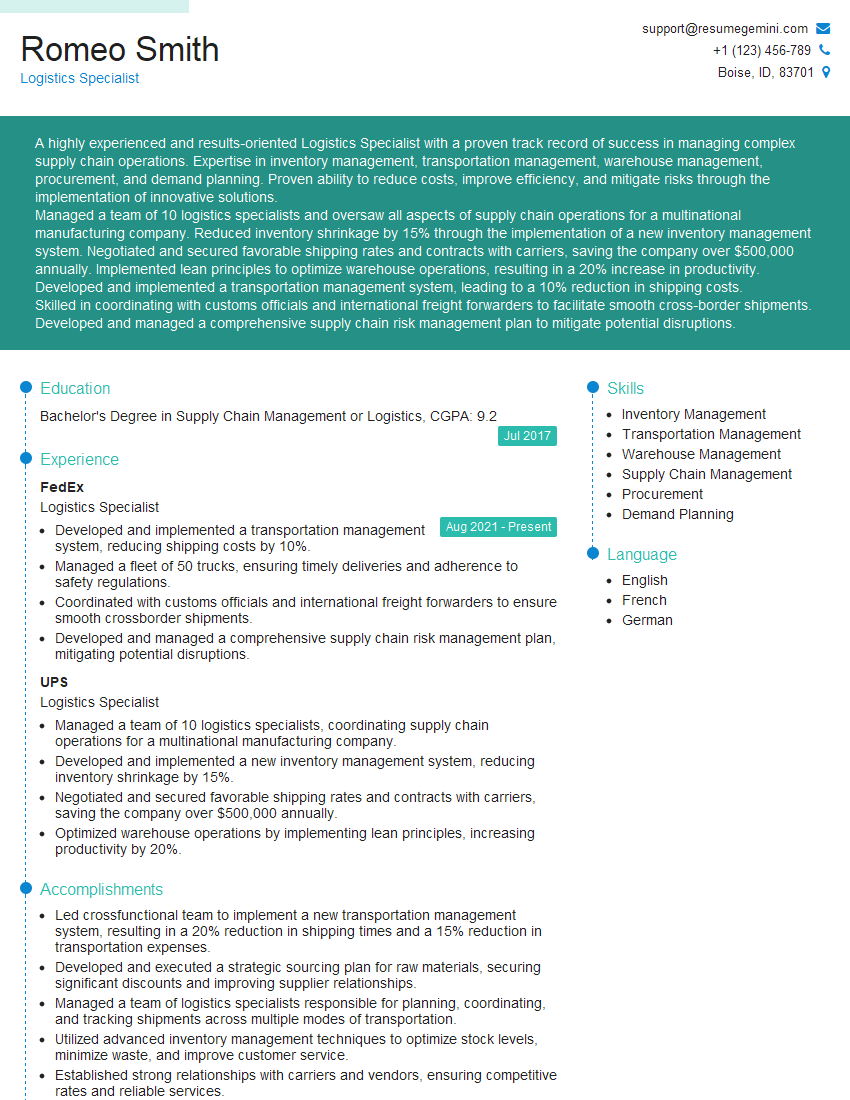
Logistics Specialist Resume Sample
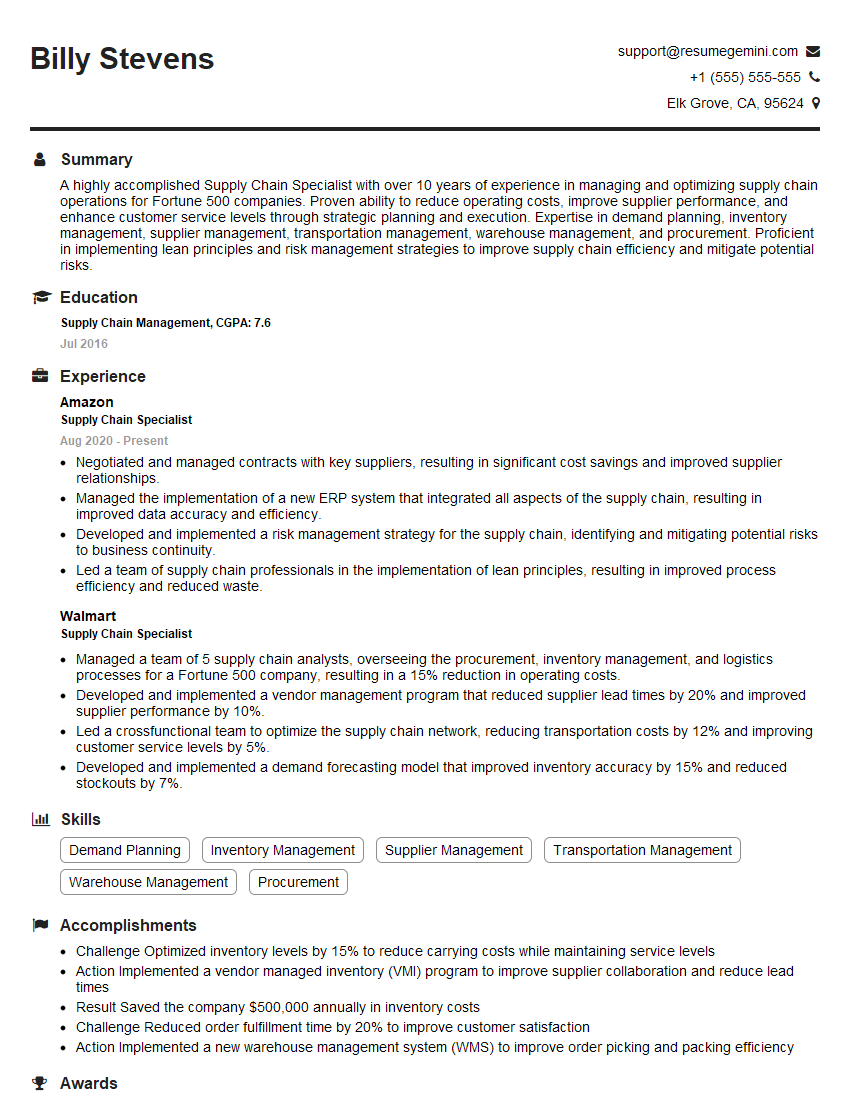
Supply Chain Specialist Resume Sample
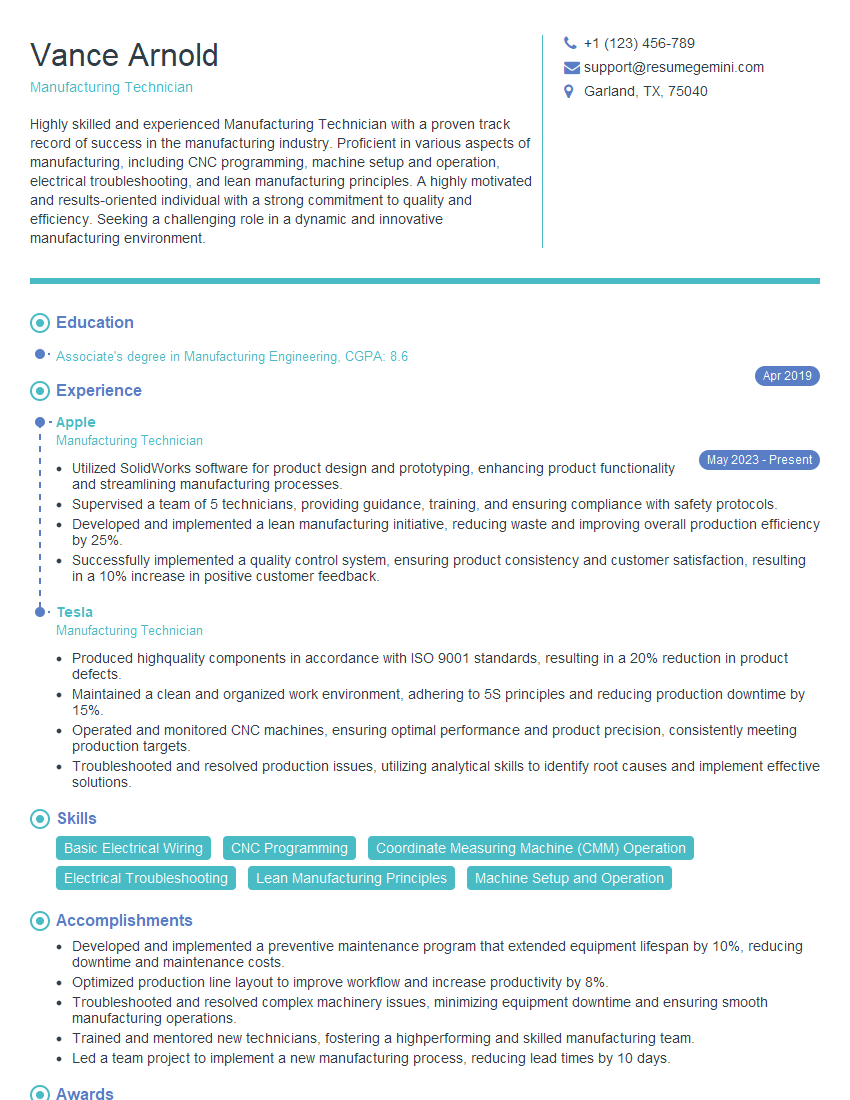
Manufacturing Technician Resume Sample
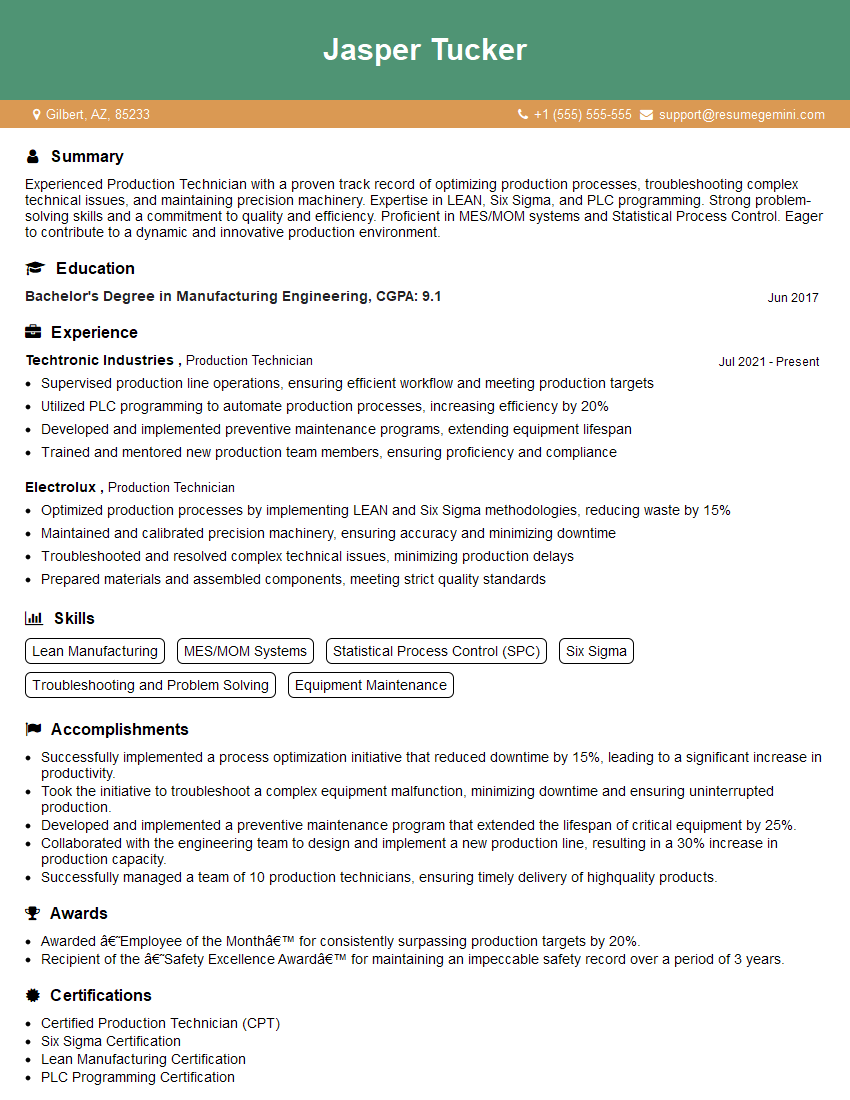
Production Technician Resume Sample

Material Handling Technician Resume Sample
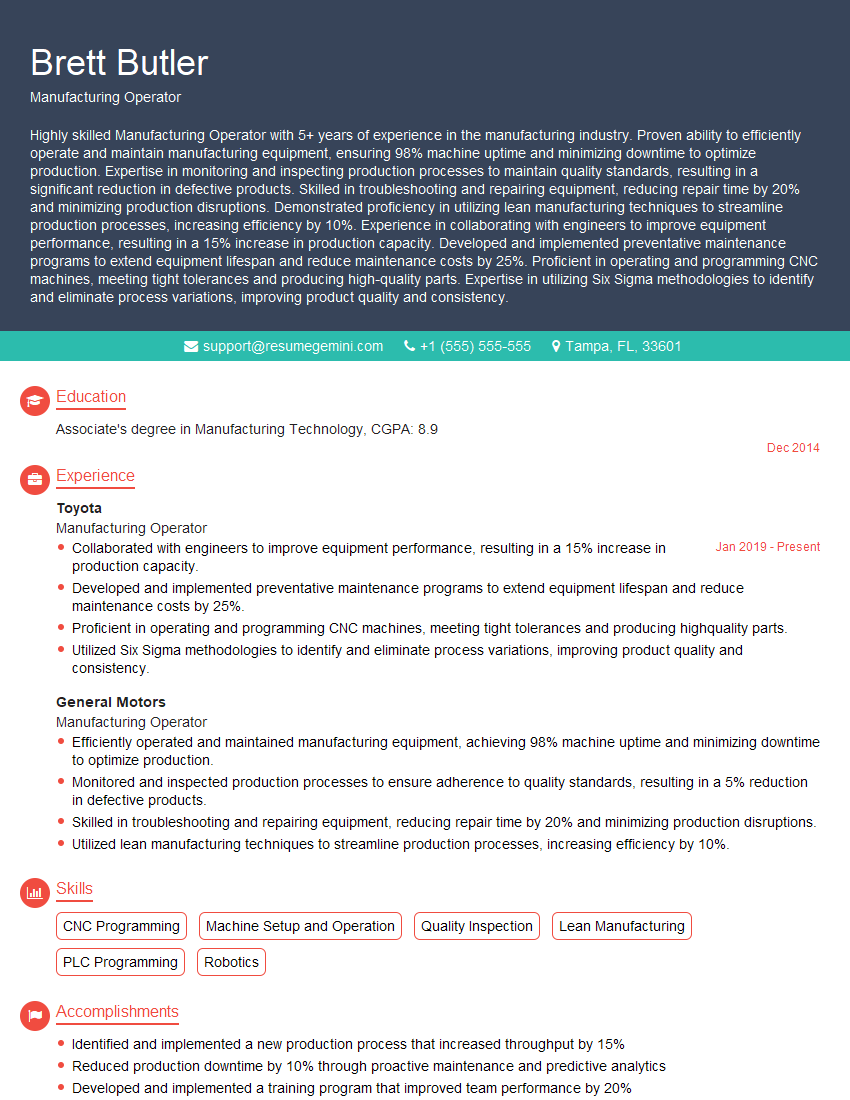
Manufacturing Operator Resume Sample
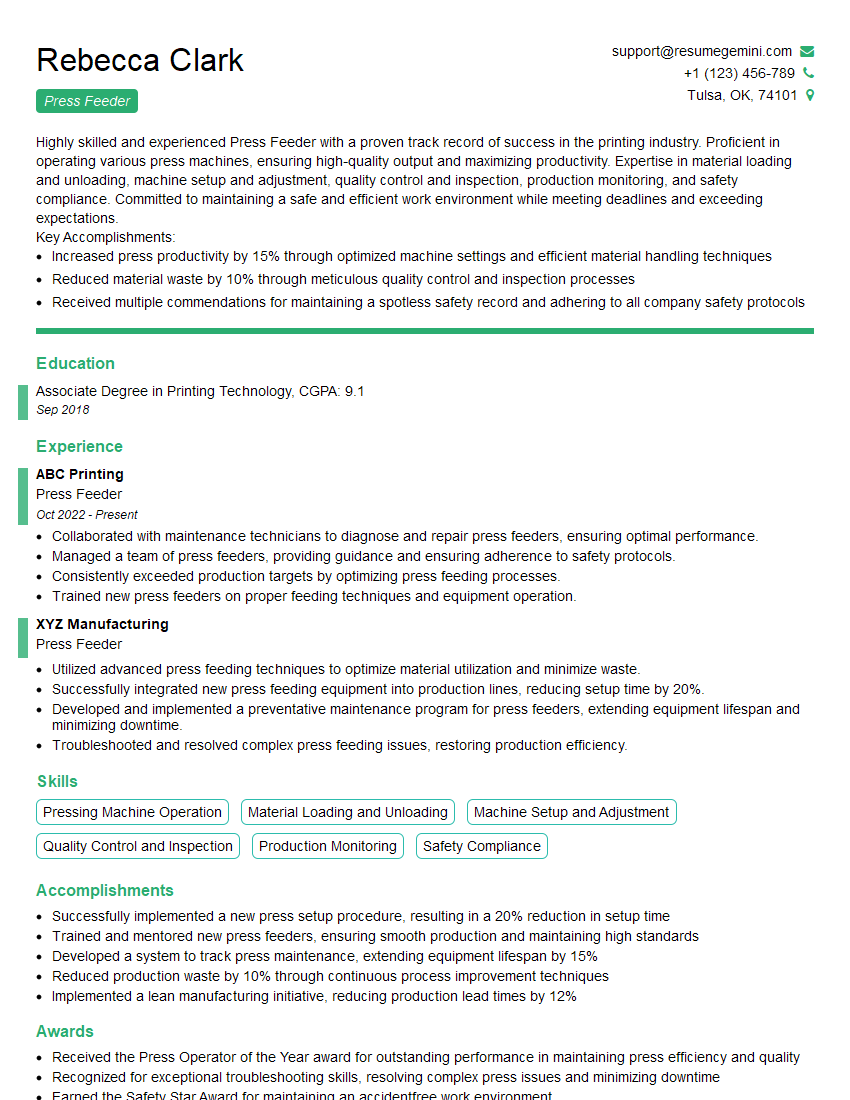
Press Feeder Resume Sample

Conveyor System Operator Resume Sample

Machine Feeder Resume Sample
Explore more articles
Users Rating of Our Blogs
Share Your Experience
We value your feedback! Please rate our content and share your thoughts (optional).
What Readers Say About Our Blog
Very informative content, great job.
good