Cracking a skill-specific interview, like one for Financial Literacy and Budgeting, requires understanding the nuances of the role. In this blog, we present the questions you’re most likely to encounter, along with insights into how to answer them effectively. Let’s ensure you’re ready to make a strong impression.
Questions Asked in Financial Literacy and Budgeting Interview
Q 1. Explain the time value of money.
The time value of money (TVM) is a core financial concept stating that money available at the present time is worth more than the same amount in the future due to its potential earning capacity. This is because money can earn interest or returns over time. A dollar today can be invested and grow to be more than a dollar tomorrow.
Think of it like this: would you rather have $100 today or $100 a year from now? Most people would choose today, because you could invest that $100 and earn interest, making it worth more than $100 in a year’s time. This difference is the time value of money.
TVM is crucial in many financial decisions, including investments, loan evaluations, and retirement planning. It forms the basis for calculations like net present value (NPV) and internal rate of return (IRR), which help determine the profitability of potential investments.
For example, if you invest $100 today at a 5% annual interest rate, you’ll have $105 in one year. The $5 represents the time value of money earned during that year. More complex calculations are needed for longer time horizons or more frequent compounding.
Q 2. What is the difference between a balance sheet and an income statement?
The balance sheet and income statement are two fundamental financial statements that provide different, yet complementary, perspectives on a company’s financial health.
- Balance Sheet: A snapshot of a company’s financial position at a specific point in time. It shows what a company owns (assets), what it owes (liabilities), and the difference between the two (equity). The basic accounting equation underlines it: Assets = Liabilities + Equity.
- Income Statement: Shows a company’s financial performance over a period, such as a quarter or a year. It summarizes revenues, expenses, and the resulting net income (or loss) during that period. It illustrates the company’s profitability.
Here’s an analogy: Imagine you’re taking a picture (balance sheet) and filming a movie (income statement) of your household finances. The picture shows your assets (house, car, savings) and your liabilities (mortgage, loans) at a specific moment. The movie shows your income from your job and expenses on groceries, rent, and entertainment over a period of time.
In short: The balance sheet shows what a company *has* at a specific moment, while the income statement shows what a company *earned and spent* over a period.
Q 3. Describe the components of a cash flow statement.
The cash flow statement tracks the movement of cash both into and out of a company over a specific period. It provides insights into how a business generates and uses cash. It’s divided into three main activities:
- Operating Activities: This section reflects cash flows from the company’s day-to-day operations, such as cash received from customers and cash paid to suppliers and employees. It shows the cash generated from the core business activities.
- Investing Activities: This section covers cash flows related to long-term investments, like purchasing or selling property, plant, and equipment (PP&E), or investing in other companies’ securities. It highlights investments in growth and expansion.
- Financing Activities: This section includes cash flows from financing sources, such as borrowing money (loans), issuing stocks, repaying debt, or paying dividends. It shows how the business finances its operations.
Example: A company might show strong profits on its income statement but still struggle with cash flow if it’s not collecting payments from customers quickly enough or has significant capital expenditures. The cash flow statement provides a clearer picture of liquidity than the income statement alone.
Q 4. What are the key ratios used to assess financial health?
Several key ratios assess a company’s financial health. The choice of ratios depends on the context and the specific information needed. Here are some of the most commonly used:
- Liquidity Ratios (e.g., Current Ratio, Quick Ratio): Measure a company’s ability to meet its short-term obligations.
- Profitability Ratios (e.g., Gross Profit Margin, Net Profit Margin, Return on Equity (ROE)): Show how efficiently a company generates profits.
- Solvency Ratios (e.g., Debt-to-Equity Ratio, Times Interest Earned): Assess a company’s ability to meet its long-term obligations.
- Activity Ratios (e.g., Inventory Turnover, Days Sales Outstanding): Measure how efficiently a company manages its assets.
Analyzing these ratios together provides a comprehensive understanding of a company’s financial strength and weaknesses. For instance, a high current ratio suggests strong liquidity, but a high debt-to-equity ratio might indicate excessive reliance on debt financing.
Q 5. How do you calculate Return on Investment (ROI)?
Return on Investment (ROI) measures the profitability of an investment relative to its cost. It’s expressed as a percentage and calculated as follows:
ROI = [(Gain from Investment - Cost of Investment) / Cost of Investment] x 100
Example: If you invest $1,000 in a stock and it increases to $1,200, your gain is $200. Your ROI would be: [(1200 - 1000) / 1000] x 100 = 20%
ROI is a versatile metric used in various contexts, from evaluating individual stock investments to assessing the success of large-scale business projects. A higher ROI generally indicates a more profitable investment, but it’s essential to consider the risk involved and compare ROI across different investment options before making decisions.
Q 6. Explain the concept of Net Present Value (NPV).
Net Present Value (NPV) is a crucial financial metric used to analyze the profitability of a potential investment or project. It calculates the difference between the present value of cash inflows and the present value of cash outflows over a period of time.
The core idea is that money received in the future is worth less than money received today due to the time value of money. NPV adjusts for this by discounting future cash flows back to their present value using a discount rate, which represents the opportunity cost of capital (the return you could earn on alternative investments).
A positive NPV indicates that the investment is expected to generate more value than it costs, while a negative NPV suggests the opposite. A project with a higher NPV is generally preferred over one with a lower NPV, provided all other factors are equal.
In simpler terms: NPV helps you determine if an investment is worthwhile by considering both the money you’ll receive in the future and the money you’ll spend today, accounting for the time value of money. A positive NPV means it’s a good investment; a negative NPV means it’s not.
Q 7. What is a budget and why is it important?
A budget is a financial plan that outlines expected income and expenses over a specific period. It’s essentially a roadmap for managing your money. Creating and sticking to a budget is essential for achieving financial goals, whether it’s saving for a down payment on a house, paying off debt, or simply ensuring you have enough money to cover your daily expenses.
Importance:
- Financial Control: A budget gives you a clear picture of where your money is going, allowing you to identify areas where you can cut back and save more.
- Goal Setting: A budget helps you set financial goals and track your progress toward achieving them.
- Debt Management: Budgeting helps allocate funds to pay down debts more efficiently.
- Emergency Preparedness: A well-planned budget includes provisions for unexpected expenses, like medical bills or car repairs.
- Long-Term Security: Budgeting contributes to long-term financial security by enabling saving and investing for retirement and other future needs.
A budget doesn’t need to be overly complicated. A simple spreadsheet or budgeting app can be very effective. The key is to track your income and expenses consistently and adjust your budget as needed. A well-maintained budget provides a strong foundation for sound financial management and helps you live within your means while working towards your aspirations.
Q 8. Describe different budgeting methods (e.g., zero-based budgeting, incremental budgeting).
Budgeting methods help you track and manage your income and expenses. Different methods suit different personalities and financial goals. Here are a few:
- Zero-Based Budgeting: This method allocates every dollar of your income to a specific expense category. The goal is to reach a zero balance, ensuring all income is accounted for. For example, if you earn $5,000 a month, you’d allocate $1,000 for rent, $500 for groceries, $300 for transportation, and so on, until every dollar is assigned. Any leftover money can be allocated to savings or debt repayment. It’s a highly structured approach that helps in controlling spending.
- Incremental Budgeting: This method uses the previous budget period as a starting point and adjusts it based on anticipated changes. For example, if last year’s marketing budget was $10,000 and you anticipate a 5% increase in sales, you might increase the budget to $10,500. It’s simple and works well when expenses remain relatively stable. However, it can lead to inefficiency if significant changes are needed.
- Envelope System: A cash-based system where you allocate cash to different envelopes for various expenses (e.g., groceries, entertainment). Once the cash in an envelope is gone, that expense category is exhausted for the period. This provides a visual and tactile way to track spending and avoid overspending.
- 50/30/20 Rule: This popular rule suggests allocating 50% of your after-tax income to needs (housing, food, utilities), 30% to wants (entertainment, dining out), and 20% to savings and debt repayment. It’s a simple guideline, offering a balanced approach to managing finances.
The best method depends on your individual needs and preferences. Experiment to find what works best for you.
Q 9. How do you handle budget variances?
Budget variances occur when actual income or expenses differ from the budgeted amounts. Handling variances involves analysis and corrective action.
- Identify the variance: Determine which categories show significant deviations from the budget (e.g., higher-than-expected rent, lower-than-expected income).
- Analyze the cause: Investigate why the variance occurred. Was it unexpected expenses (car repair), a change in income (bonus), or simply overspending?
- Develop corrective actions: Based on the cause, take steps to address the issue. This could involve cutting expenses, increasing income, or adjusting the budget for future periods.
- Monitor and adjust: Regularly review your budget and make necessary adjustments to stay on track. Consider using budgeting software or spreadsheets to track your income and expenses and identify trends.
For instance, if you budgeted $500 for groceries but spent $600, you might analyze your spending habits, look for ways to reduce grocery costs (meal planning, using coupons), and adjust your grocery budget for the following month.
Q 10. Explain the concept of debt management.
Debt management involves strategically planning and implementing steps to reduce or eliminate debt. It’s crucial for improving your financial health and building wealth. Effective debt management strategies include:
- Creating a debt inventory: List all your debts, including the amount owed, interest rates, and minimum payments.
- Prioritizing debt repayment: Employ methods like the debt snowball (paying off smallest debts first for motivation) or debt avalanche (paying off highest-interest debts first to save money).
- Negotiating with creditors: Contact your creditors to discuss lower interest rates or payment plans if you’re struggling to make payments.
- Budgeting for debt repayment: Allocate a portion of your income specifically for debt repayment.
- Avoiding further debt: Practice responsible spending habits to prevent accumulating new debt.
For example, using the debt avalanche method, you’d focus on paying off the credit card with the highest interest rate first, even if the balance isn’t the smallest. This minimizes the total interest paid over time.
Q 11. What are the different types of investment vehicles?
Investment vehicles are tools used to invest your money and potentially grow your wealth. They range from low-risk to high-risk options:
- Stocks: Represent ownership in a company. Their value fluctuates based on market conditions and company performance. High potential returns but also high risk.
- Bonds: Loans you make to a company or government. Generally considered lower risk than stocks, offering fixed income.
- Mutual Funds: Pools money from multiple investors to invest in a diversified portfolio of stocks, bonds, or other assets. Offer diversification and professional management.
- Exchange-Traded Funds (ETFs): Similar to mutual funds but traded on stock exchanges like individual stocks. Offer diversification and usually lower fees than mutual funds.
- Real Estate: Investing in properties for rental income or appreciation. Can be illiquid but offers potential for high returns.
- Retirement Accounts (401(k), IRA): Tax-advantaged accounts designed for retirement savings. Offer tax benefits and potential growth over the long term.
Choosing the right investment vehicle depends on your risk tolerance, investment goals, and time horizon.
Q 12. What are the risks associated with investing?
Investing always involves risk, meaning you could lose money. Here are some key risks:
- Market Risk: The risk that the overall market will decline, impacting the value of your investments.
- Interest Rate Risk: The risk that changes in interest rates will affect the value of your investments, especially bonds.
- Inflation Risk: The risk that inflation will erode the purchasing power of your returns.
- Credit Risk: The risk that a borrower will default on a loan (relevant to bonds and loans).
- Liquidity Risk: The risk that you won’t be able to sell your investment quickly without significant loss.
- Company-Specific Risk: The risk that a specific company will underperform or fail, impacting the value of its stock.
Understanding these risks helps you make informed investment decisions and manage your portfolio effectively. Diversification and a long-term investment strategy can help mitigate some of these risks.
Q 13. How do you diversify an investment portfolio?
Diversification is crucial for mitigating risk. It involves spreading your investments across different asset classes, sectors, and geographies. This reduces the impact of poor performance in one area on your overall portfolio.
For example, instead of investing all your money in a single company’s stock, you could diversify by investing in stocks from different sectors (technology, healthcare, finance), different countries, and different asset classes (stocks, bonds, real estate).
You can achieve diversification through mutual funds or ETFs, which inherently hold a diverse range of assets. You could also build a diversified portfolio by carefully selecting individual stocks and bonds.
The ideal level of diversification depends on your risk tolerance and investment goals. A higher risk tolerance might allow for a less diversified portfolio focused on higher-growth areas, while a lower risk tolerance would benefit from a more broadly diversified portfolio.
Q 14. Explain the concept of asset allocation.
Asset allocation is the strategy of dividing your investment portfolio among different asset classes (stocks, bonds, real estate, etc.) based on your risk tolerance, investment goals, and time horizon. The goal is to optimize your portfolio’s return while managing risk.
For example, a young investor with a long time horizon and high risk tolerance might allocate a larger percentage of their portfolio to stocks, anticipating higher growth potential. An older investor closer to retirement with a lower risk tolerance might allocate a larger portion to bonds to preserve capital.
There’s no one-size-fits-all asset allocation strategy. Financial advisors often use sophisticated models to determine the optimal allocation for each individual client based on their unique circumstances. However, a common approach involves considering the investor’s age and risk tolerance, adjusting the allocation over time to reduce risk as retirement approaches.
Q 15. What is your understanding of financial risk management?
Financial risk management is the process of identifying, assessing, and controlling potential financial risks. It’s about proactively minimizing the chances of negative financial outcomes and maximizing opportunities for positive ones. This involves understanding various types of risk, such as market risk (fluctuations in investment values), credit risk (the risk of borrowers defaulting on loans), liquidity risk (the inability to quickly convert assets to cash), and operational risk (risks related to internal processes and systems). Effective risk management requires a multi-faceted approach.
- Identification: Pinpointing potential risks through market analysis, stress testing, and scenario planning.
- Assessment: Evaluating the likelihood and potential impact of each identified risk.
- Mitigation: Implementing strategies to reduce or eliminate the identified risks, such as diversification (spreading investments across different asset classes), hedging (using financial instruments to offset potential losses), and insurance.
- Monitoring: Continuously tracking and reviewing the effectiveness of risk management strategies.
For example, a business might diversify its product offerings to reduce reliance on a single product, or an individual might diversify their investment portfolio to reduce their exposure to market fluctuations. Proper risk management is crucial for both personal and business financial success.
Career Expert Tips:
- Ace those interviews! Prepare effectively by reviewing the Top 50 Most Common Interview Questions on ResumeGemini.
- Navigate your job search with confidence! Explore a wide range of Career Tips on ResumeGemini. Learn about common challenges and recommendations to overcome them.
- Craft the perfect resume! Master the Art of Resume Writing with ResumeGemini’s guide. Showcase your unique qualifications and achievements effectively.
- Don’t miss out on holiday savings! Build your dream resume with ResumeGemini’s ATS optimized templates.
Q 16. What is the difference between saving and investing?
Saving and investing are both crucial for building wealth, but they differ significantly in their goals and risk profiles. Saving focuses on preserving capital and providing a safety net for short-term and unexpected expenses, while investing aims to grow capital over the long term, accepting a higher degree of risk to achieve potentially greater returns.
- Saving: Typically involves placing money in low-risk accounts like savings accounts or money market accounts. These accounts offer low returns but provide easy access to funds and are FDIC insured (up to certain limits). The primary goal is capital preservation and liquidity.
- Investing: Involves allocating funds to assets with the potential for higher returns, such as stocks, bonds, real estate, or mutual funds. These investments carry a higher degree of risk, meaning there’s a chance of losing some or all of your principal. The primary goal is capital appreciation and long-term growth.
Think of it this way: Saving is like building a strong foundation for your financial house, while investing is like constructing the rest of the house, aiming for a bigger, more valuable structure. A balanced approach, combining both saving and investing, is typically recommended for optimal financial health.
Q 17. How do you determine the affordability of a home?
Determining home affordability involves more than just looking at the asking price. A comprehensive assessment should consider several factors:
- Down Payment: The larger your down payment, the lower your monthly mortgage payment and overall interest paid. A 20% down payment is generally recommended to avoid Private Mortgage Insurance (PMI).
- Mortgage Rate: Interest rates fluctuate, impacting your monthly payments significantly. Shop around for the best rate and consider various loan types (fixed-rate vs. adjustable-rate).
- Loan Term: A longer loan term (e.g., 30 years) results in lower monthly payments but higher total interest paid. A shorter term (e.g., 15 years) increases monthly payments but reduces overall interest costs.
- Property Taxes and Homeowners Insurance: These costs are added to your monthly mortgage payment (often through escrow).
- Debt-to-Income Ratio (DTI): Lenders use this ratio (total monthly debt payments divided by gross monthly income) to assess your ability to repay a mortgage. A lower DTI improves your chances of approval and potentially secures a better interest rate.
- Closing Costs: These one-time fees (e.g., appraisal, title insurance, etc.) can add thousands of dollars to your upfront expenses.
- Other Expenses: Factor in potential costs like maintenance, repairs, and utilities.
A good rule of thumb is that your total housing costs (mortgage, taxes, insurance, etc.) should not exceed 28% of your gross monthly income. Using online mortgage calculators and consulting with a financial advisor can provide a personalized affordability assessment.
Q 18. What are some strategies for reducing personal debt?
Reducing personal debt requires a strategic and disciplined approach. Here are several effective strategies:
- Create a Debt Reduction Plan: List all your debts (credit cards, loans, etc.), their interest rates, and minimum payments. Prioritize high-interest debts using methods like the debt snowball or debt avalanche method.
- Debt Snowball: Pay off the smallest debt first, regardless of interest rate, for motivational gains. Once that’s paid off, roll the payment amount into the next smallest debt.
- Debt Avalanche: Focus on paying off the debt with the highest interest rate first, to save money on interest in the long run.
- Increase Your Income: Seek additional income streams through a side hustle, freelance work, or asking for a raise.
- Reduce Expenses: Identify areas where you can cut back on spending (e.g., entertainment, dining out, subscriptions). Create a detailed budget to track your expenses and identify areas for improvement.
- Negotiate with Creditors: Contact your creditors and explore options like debt consolidation, settlement, or lower interest rates.
- Consider Debt Consolidation: Combine multiple debts into a single loan with a potentially lower interest rate.
- Seek Professional Help: If you’re struggling to manage your debt, consider seeking help from a credit counselor or financial advisor.
Remember, consistency and discipline are key to successfully reducing your debt. Celebrate small victories along the way to maintain motivation.
Q 19. How do you create a personal budget?
Creating a personal budget involves tracking your income and expenses to understand your financial situation and make informed decisions. Here’s a step-by-step guide:
- Track Your Income: List all sources of income (salary, investments, side hustles, etc.) for a specific period (e.g., a month).
- Track Your Expenses: Categorize your expenses (housing, food, transportation, entertainment, etc.). Use budgeting apps, spreadsheets, or a notebook to accurately record all spending. Consider using the 50/30/20 rule as a guideline: 50% on needs, 30% on wants, 20% on savings and debt repayment.
- Analyze Your Spending: Compare your income and expenses to identify areas where you can save money. Look for recurring expenses that can be reduced or eliminated.
- Set Financial Goals: Define your short-term and long-term financial goals (e.g., emergency fund, debt repayment, down payment on a house).
- Create a Budget: Allocate your income to different categories based on your expenses and financial goals. Ensure that your spending aligns with your income and goals. Regularly review and adjust your budget as needed.
- Monitor and Adjust: Track your progress regularly and make necessary adjustments to your budget. Life changes may require modifications to your spending plan.
By consistently monitoring and adjusting your budget, you’ll gain better control over your finances and achieve your financial goals.
Q 20. Explain the concept of compound interest.
Compound interest is the interest earned not only on the principal amount but also on the accumulated interest from previous periods. It’s often referred to as ‘interest on interest,’ and it’s a powerful tool for wealth building over time. The more frequently interest is compounded (e.g., daily, monthly, annually), the faster your money grows.
Here’s a simple example: Let’s say you invest $1,000 at an annual interest rate of 10%, compounded annually.
- Year 1: You earn $100 in interest ($1,000 x 0.10), bringing your balance to $1,100.
- Year 2: You earn $110 in interest ($1,100 x 0.10), bringing your balance to $1,210.
- Year 3: You earn $121 in interest ($1,210 x 0.10), bringing your balance to $1,331.
Notice how the interest earned increases each year because it’s calculated on the growing balance. This effect is amplified over longer time horizons, demonstrating the immense power of compounding. The earlier you start investing and the longer your money is invested, the greater the impact of compound interest.
Q 21. What is your understanding of inflation and its impact on finances?
Inflation is the general increase in the prices of goods and services in an economy over a period of time. It erodes the purchasing power of money, meaning that the same amount of money will buy fewer goods and services in the future than it does today. This has significant implications for personal finances.
- Reduced Purchasing Power: As inflation rises, your money loses value. What you could buy for $100 today might cost $110 next year if inflation is 10%. This impacts your budget and ability to afford goods and services.
- Impact on Savings: If your savings earn a lower return than the inflation rate, your real savings are actually decreasing. You’re losing purchasing power even if you have money in the bank.
- Impact on Investments: Investments need to outpace inflation to generate real returns. Consider inflation-adjusted returns when evaluating investment performance.
- Impact on Debt: If your debt has a fixed interest rate, inflation can make it relatively cheaper to repay over time, as your income potentially increases while the debt remains fixed. Conversely, debt with variable interest rates can be vulnerable to inflation.
To mitigate the effects of inflation, consider investing in assets that tend to keep pace with or outpace inflation, such as stocks, real estate, and inflation-protected securities. It’s also crucial to regularly review and adjust your budget to account for rising prices.
Q 22. Describe different types of financial statements.
Financial statements are the backbone of a company’s financial health, providing a snapshot of its performance and position. They are crucial for internal decision-making and external reporting to investors, creditors, and regulatory bodies. The three primary types are:
- Income Statement (Profit & Loss Statement): This statement summarizes a company’s revenues, expenses, and resulting profit or loss over a specific period (e.g., a quarter or a year). It follows a simple formula: Revenue – Expenses = Net Income (or Net Loss). For example, a coffee shop’s income statement would show its sales revenue, the cost of goods sold (coffee beans, milk, etc.), operating expenses (rent, salaries), and ultimately its profit or loss.
- Balance Sheet: This statement provides a snapshot of a company’s assets, liabilities, and equity at a specific point in time. It adheres to the fundamental accounting equation: Assets = Liabilities + Equity. Think of it like a photograph of the company’s financial situation. For example, a balance sheet for a tech startup would show its cash, equipment (assets), loans (liabilities), and shareholder investments (equity).
- Cash Flow Statement: This statement tracks the movement of cash both into and out of a company during a specific period. It categorizes cash flows into operating activities (day-to-day business), investing activities (capital expenditures), and financing activities (debt, equity). For instance, a retail store’s cash flow statement would reveal cash generated from sales, cash used to buy inventory, and cash from loans or investments.
Understanding these three statements is key to assessing a company’s overall financial well-being and making informed decisions.
Q 23. How do you analyze a company’s financial performance?
Analyzing a company’s financial performance involves a multi-faceted approach that leverages the information presented in the financial statements. We employ several key techniques:
- Ratio Analysis: This involves calculating various ratios using data from the financial statements to assess different aspects of the company’s performance. For example, profitability ratios (e.g., gross profit margin, net profit margin) show how efficiently a company is generating profits. Liquidity ratios (e.g., current ratio, quick ratio) measure its ability to meet short-term obligations. Solvency ratios (e.g., debt-to-equity ratio) indicate its long-term financial stability.
- Trend Analysis: By comparing financial data over several periods, we can identify trends and patterns in the company’s performance. This reveals whether key metrics are improving or deteriorating, indicating potential growth or risk. For instance, we might observe a steady increase in revenue over the past five years, suggesting a positive growth trend.
- Comparative Analysis: Comparing the company’s performance to its competitors or industry benchmarks provides context and reveals its relative strength or weakness. This could involve comparing profit margins, market share, or other key performance indicators.
- Benchmarking: Similar to comparative analysis, benchmarking involves comparing a company’s performance against best-in-class companies within or outside its industry to identify areas for improvement.
A thorough financial performance analysis needs to consider these methods in conjunction with qualitative factors such as management quality, market conditions, and industry dynamics.
Q 24. What are some common financial planning tools?
Numerous financial planning tools can help individuals and businesses manage their finances effectively. These tools range from simple budgeting spreadsheets to sophisticated software programs:
- Budgeting Apps (e.g., Mint, YNAB): These apps automate many aspects of budgeting, tracking income and expenses, and providing visualizations of spending patterns. They often offer features like goal setting and bill reminders.
- Spreadsheet Software (e.g., Microsoft Excel, Google Sheets): Spreadsheets allow for customized budgeting and financial modeling. They provide flexibility to create complex financial plans and perform calculations.
- Personal Finance Software (e.g., Quicken): These programs offer comprehensive financial management features including budgeting, investment tracking, and tax planning.
- Financial Calculators (online or standalone): These tools are useful for calculating various financial metrics such as loan payments, investment returns, and future values.
- Retirement Planning Software: These specialized tools help individuals project their retirement needs and develop strategies to achieve their financial goals.
The best tool depends on individual needs and technical skills. Simple budgeting apps may suffice for those seeking basic financial organization, while sophisticated software is preferred for complex financial planning needs.
Q 25. What is your experience with financial modeling?
My experience with financial modeling spans several years and encompasses a wide range of applications. I’ve utilized financial modeling extensively to:
- Forecast financial performance: Developed models to project revenue, expenses, and profitability for businesses under various scenarios (e.g., best-case, worst-case, base-case).
- Evaluate investment opportunities: Created discounted cash flow (DCF) models and other valuation techniques to assess the financial viability of potential investments.
- Assess the impact of financial decisions: Modeled the effects of changes in capital structure, pricing strategies, and other key decisions on a company’s financial health.
- Support merger and acquisition analysis: Built models to evaluate the financial implications of mergers and acquisitions, including synergies and potential risks.
I’m proficient in using spreadsheet software like Excel and financial modeling software to build and analyze sophisticated models. I am comfortable incorporating sensitivity analysis and Monte Carlo simulations to account for uncertainty and risk.
Q 26. How do you stay up-to-date on current financial trends?
Staying abreast of current financial trends is crucial for maintaining expertise in this ever-evolving field. My approach involves a multi-pronged strategy:
- Following reputable financial news sources: I regularly read publications like the Wall Street Journal, Financial Times, and Bloomberg to stay informed about major market events and economic indicators.
- Attending industry conferences and webinars: Participating in conferences and webinars allows me to learn from leading experts and network with other professionals in the field.
- Reading academic research and industry reports: I regularly review academic research papers and industry reports to understand the latest findings and developments.
- Utilizing online resources and professional networks: I actively engage with online platforms and professional networks (e.g., LinkedIn) to stay informed about the latest trends and discussions within the financial community.
This combination of various information sources ensures a well-rounded and comprehensive understanding of current financial trends and their implications.
Q 27. What is your approach to solving a budgeting discrepancy?
Resolving a budgeting discrepancy requires a systematic and methodical approach. My process typically involves:
- Reconciling accounts: Carefully review all bank statements, credit card statements, and other financial records to ensure accuracy and identify any errors.
- Categorizing expenses: Organize all expenses into categories to pinpoint areas of overspending.
- Comparing actual spending to the budget: Identify the specific discrepancies between planned and actual spending.
- Investigating discrepancies: Thoroughly investigate the reasons behind each discrepancy. This might involve reviewing receipts, contacting vendors, or analyzing spending patterns.
- Adjusting the budget: Once the causes of the discrepancies are identified, adjust the budget to reflect actual spending or make changes to reduce future discrepancies.
- Implementing corrective actions: Develop strategies to prevent future discrepancies, such as improved tracking, more realistic budgeting, or changes in spending habits.
This process ensures not only that the discrepancy is resolved but also that future budgeting efforts are more accurate and effective.
Q 28. Explain your understanding of credit scores and their importance.
A credit score is a numerical representation of an individual’s creditworthiness, based on their credit history. It’s a crucial factor in determining eligibility for loans, credit cards, and other financial products, and it significantly impacts the interest rates offered. Lenders use credit scores to assess the risk of lending money to an individual.
The importance of credit scores cannot be overstated. A higher credit score typically translates to:
- Lower interest rates: Individuals with higher credit scores qualify for lower interest rates on loans and credit cards, saving them significant amounts of money over time.
- Improved loan approval odds: Lenders are more likely to approve loan applications from individuals with good credit scores.
- Better insurance rates: In some cases, credit scores are used to determine insurance premiums, with higher scores often leading to lower rates.
- Easier access to credit: Having a good credit score allows individuals to access a wider range of financial products and services.
Maintaining a healthy credit score involves responsible credit management, including paying bills on time, keeping credit utilization low, and avoiding excessive applications for new credit. Regularly monitoring your credit report for inaccuracies is also essential.
Key Topics to Learn for Financial Literacy and Budgeting Interview
- Budgeting Fundamentals: Understanding budgeting methods (zero-based, 50/30/20, etc.), creating and managing personal and household budgets, tracking income and expenses.
- Practical Application: Analyzing sample budgets, identifying areas for improvement, proposing cost-saving strategies, and demonstrating proficiency in budgeting software or tools.
- Financial Statement Analysis: Interpreting balance sheets, income statements, and cash flow statements to assess financial health and make informed decisions.
- Debt Management: Understanding different types of debt (credit cards, loans, mortgages), strategies for debt reduction (snowball, avalanche methods), and the impact of interest rates.
- Investment Basics: Familiarizing yourself with various investment vehicles (stocks, bonds, mutual funds), risk tolerance, diversification, and long-term investment strategies.
- Retirement Planning: Understanding retirement savings plans (401k, IRA), contribution limits, and the importance of planning for long-term financial security.
- Financial Literacy Concepts: Demonstrating understanding of concepts like compound interest, inflation, time value of money, and risk management.
- Problem-Solving Scenarios: Practicing solving real-world financial problems, such as creating a budget for a specific income level, analyzing investment returns, or developing a debt repayment plan.
- Ethical Considerations: Understanding and applying ethical principles in financial planning and decision-making.
Next Steps
Mastering Financial Literacy and Budgeting is crucial for career advancement in numerous fields. A strong understanding of these concepts demonstrates responsibility, analytical skills, and a valuable skillset highly sought after by employers. To significantly boost your job prospects, creating a strong, ATS-friendly resume is essential. ResumeGemini is a trusted resource that can help you build a compelling resume showcasing your expertise. Examples of resumes tailored to Financial Literacy and Budgeting roles are available to further guide your preparation. Invest time in crafting a professional resume – it’s your first impression!
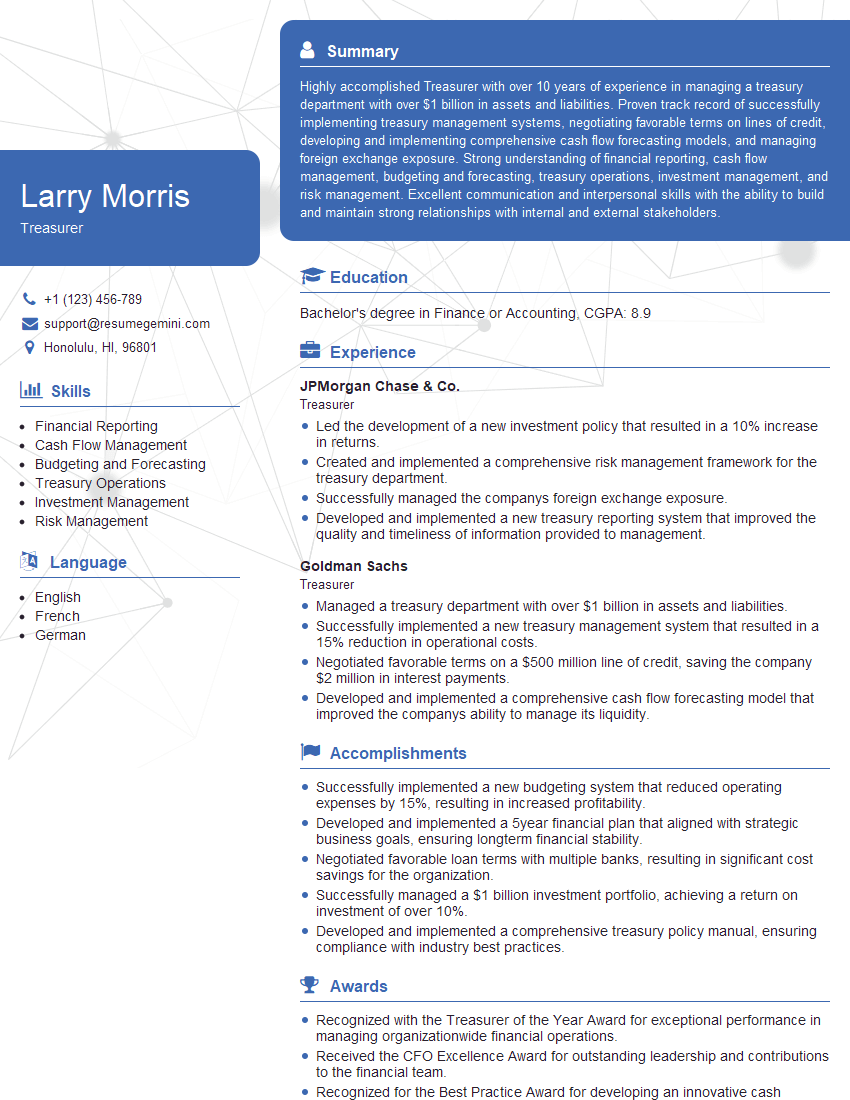
Treasurer Resume Sample
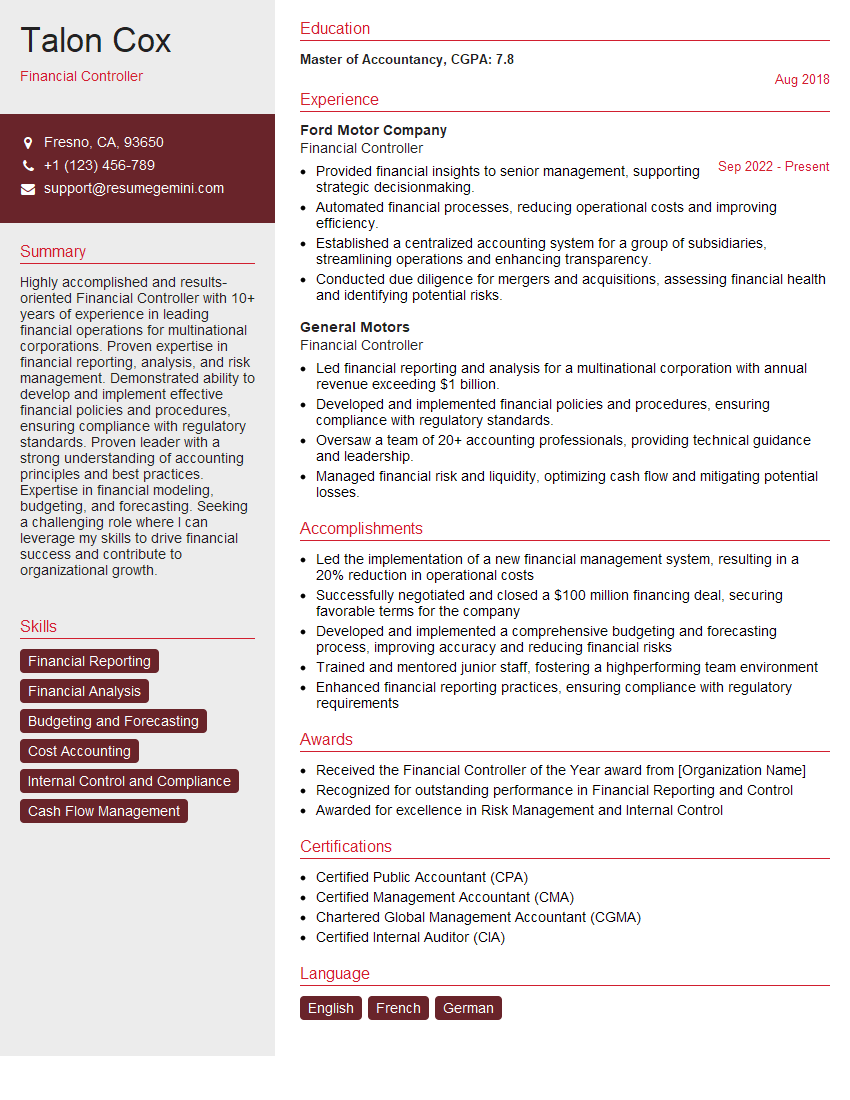
Financial Controller Resume Sample

Budget Manager Resume Sample
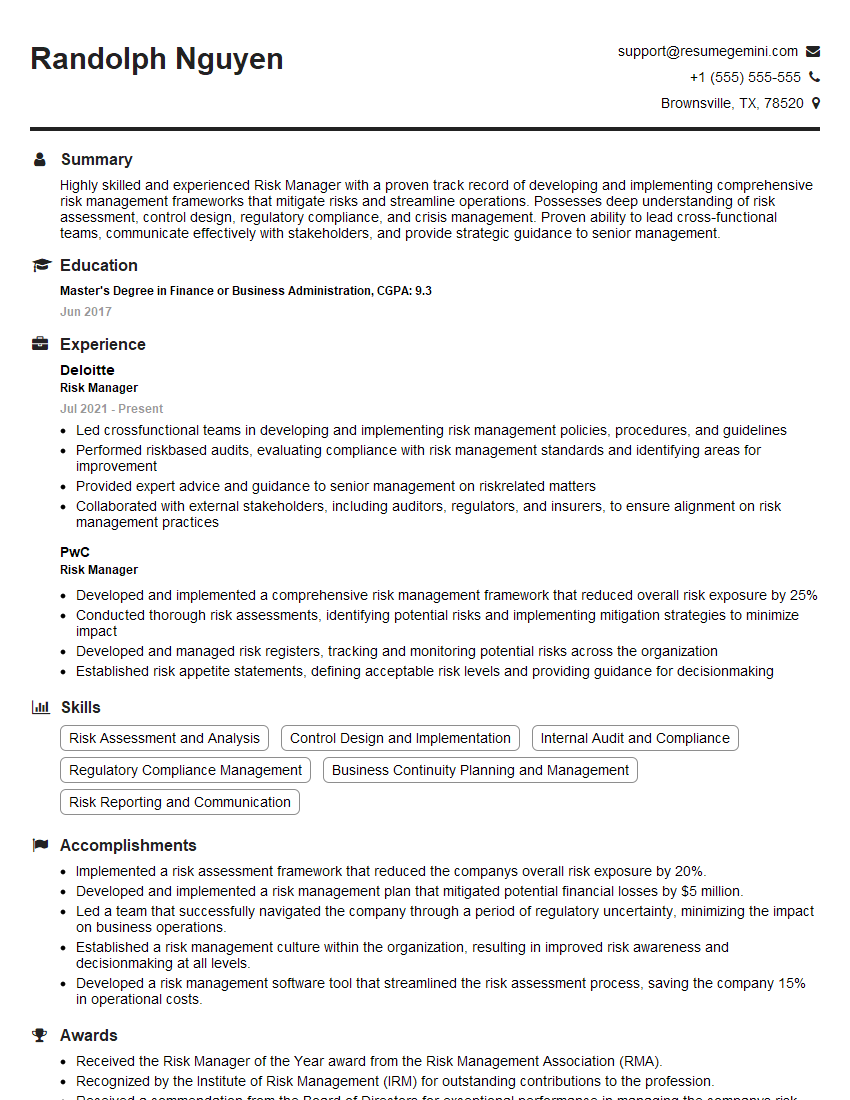
Risk Manager Resume Sample
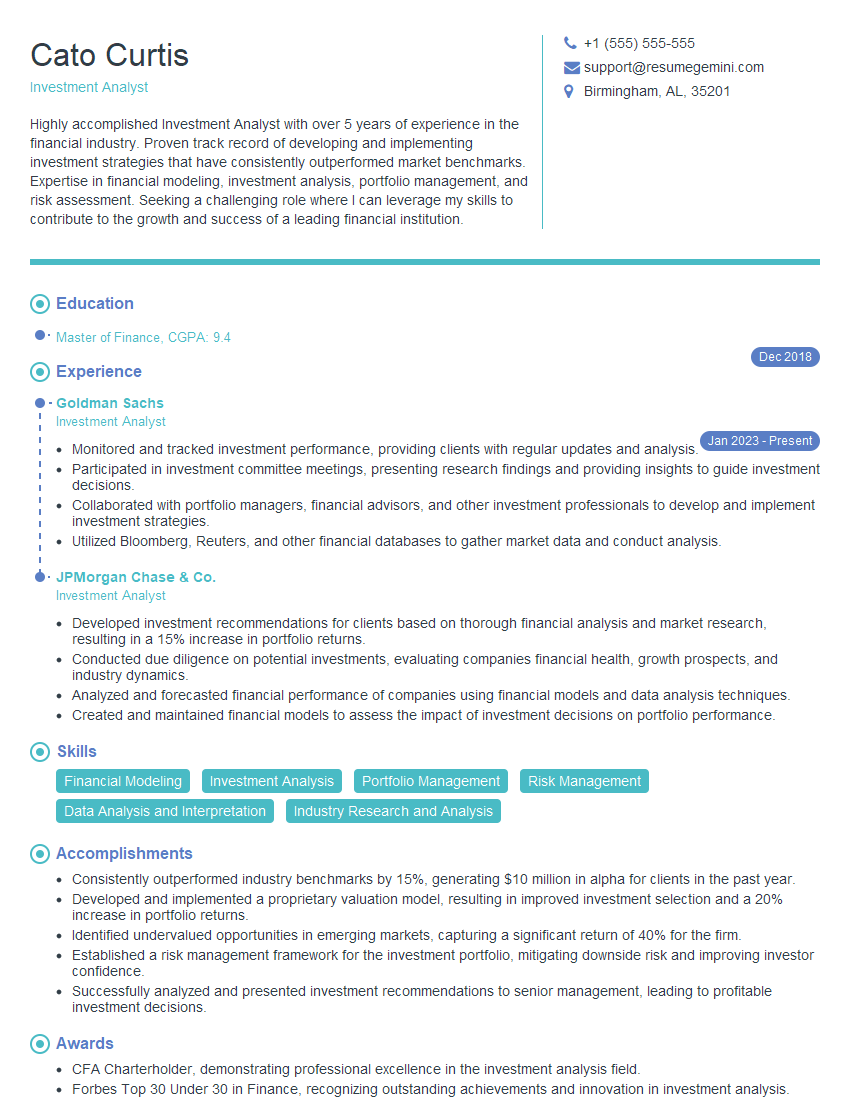
Investment Analyst Resume Sample
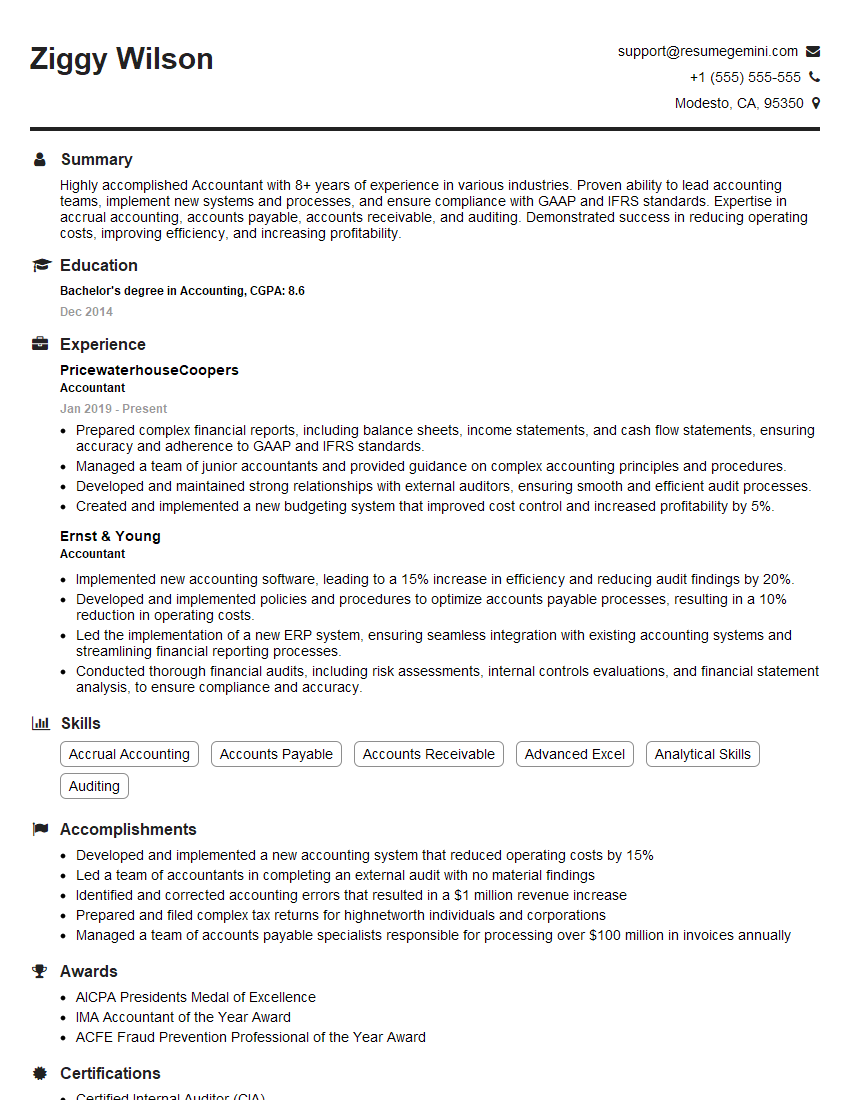
Accountant Resume Sample
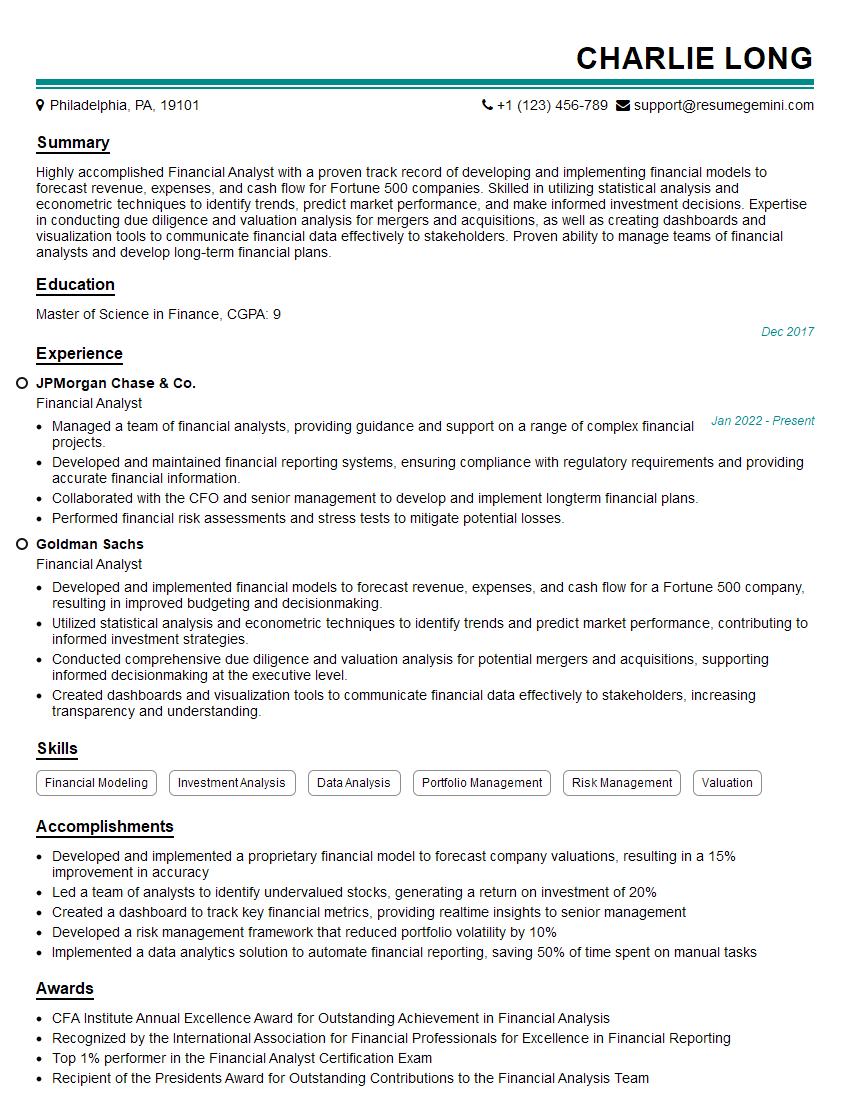
Financial Analyst Resume Sample
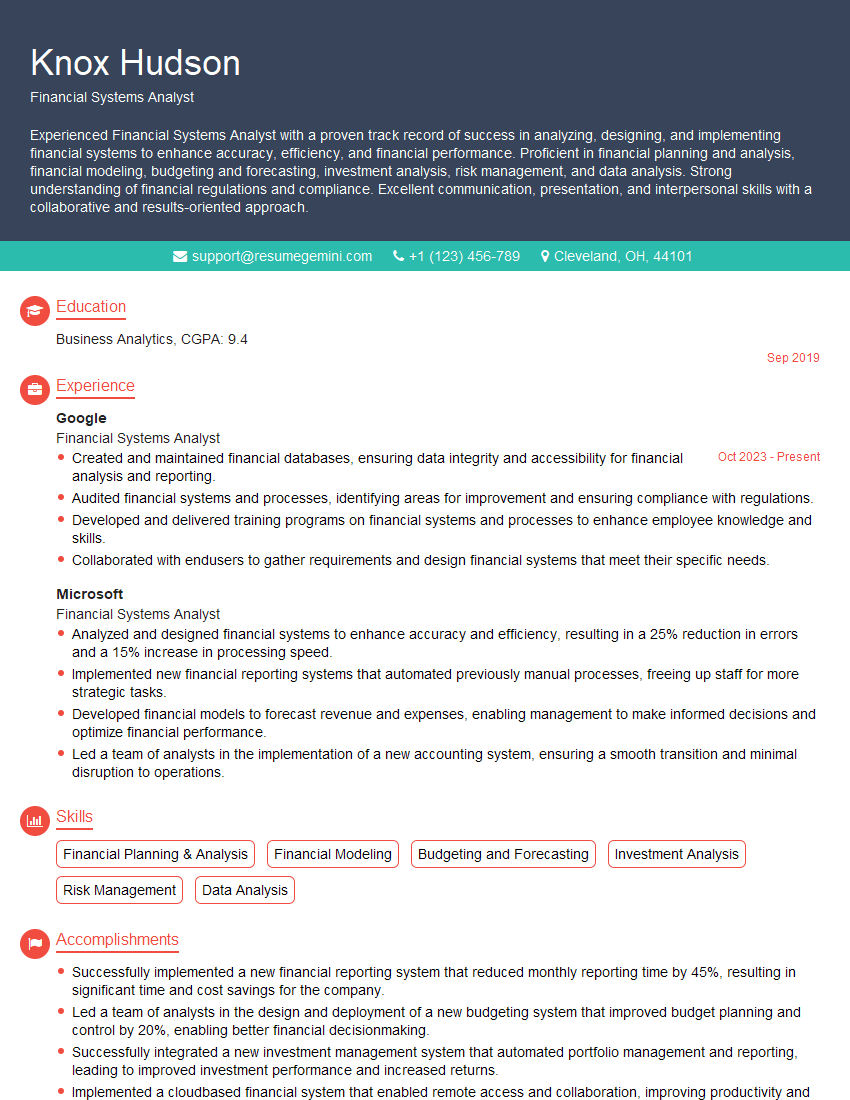
Financial Systems Analyst Resume Sample
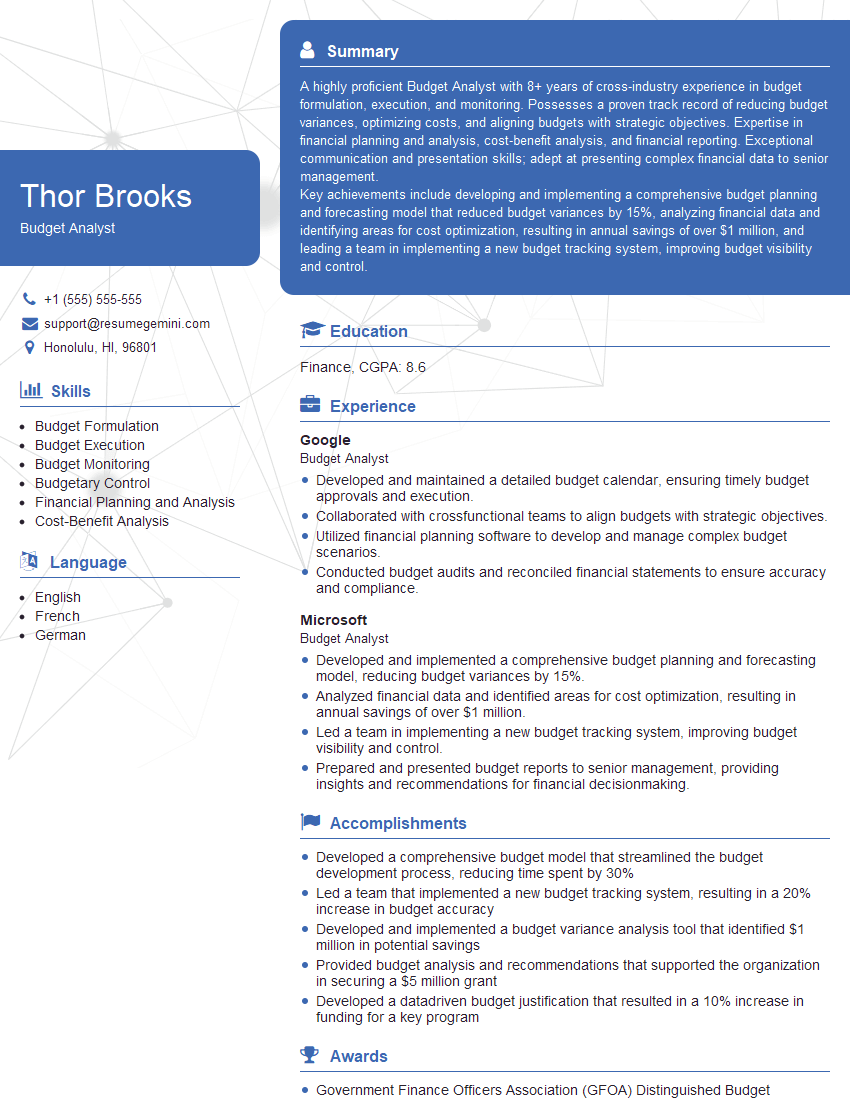
Budget Analyst Resume Sample
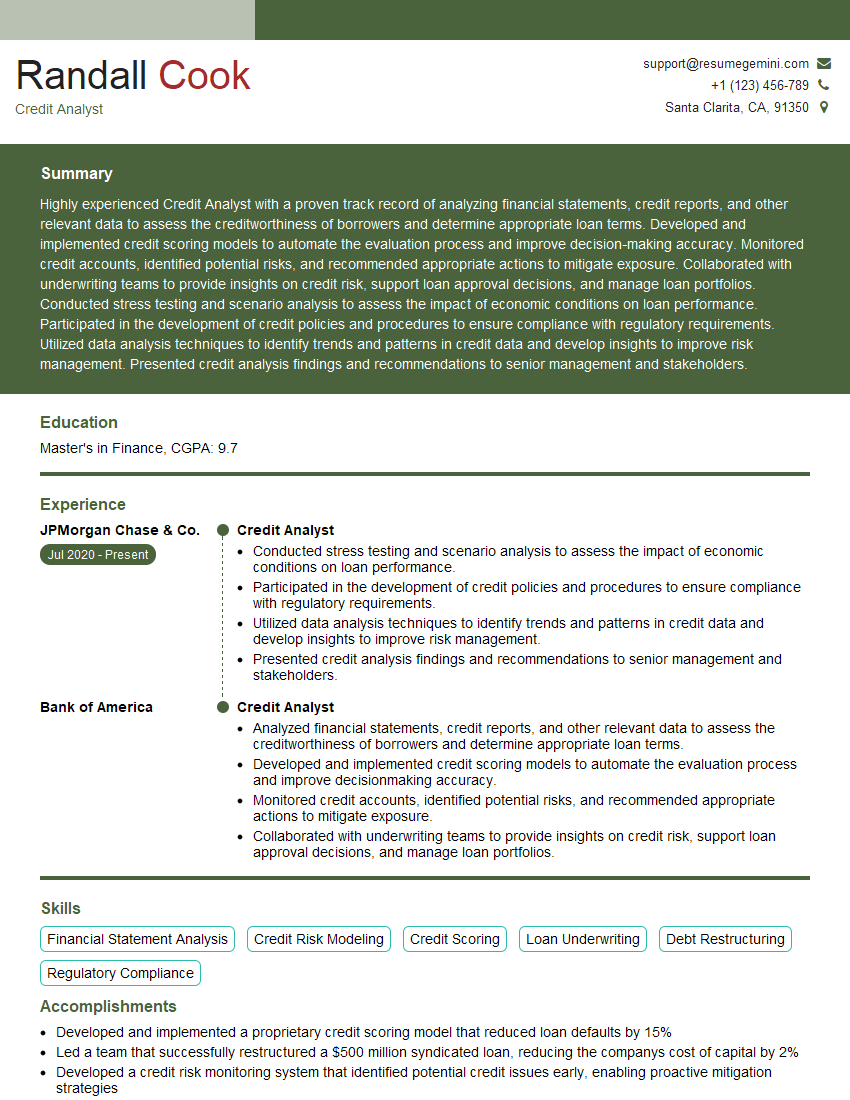
Credit Analyst Resume Sample
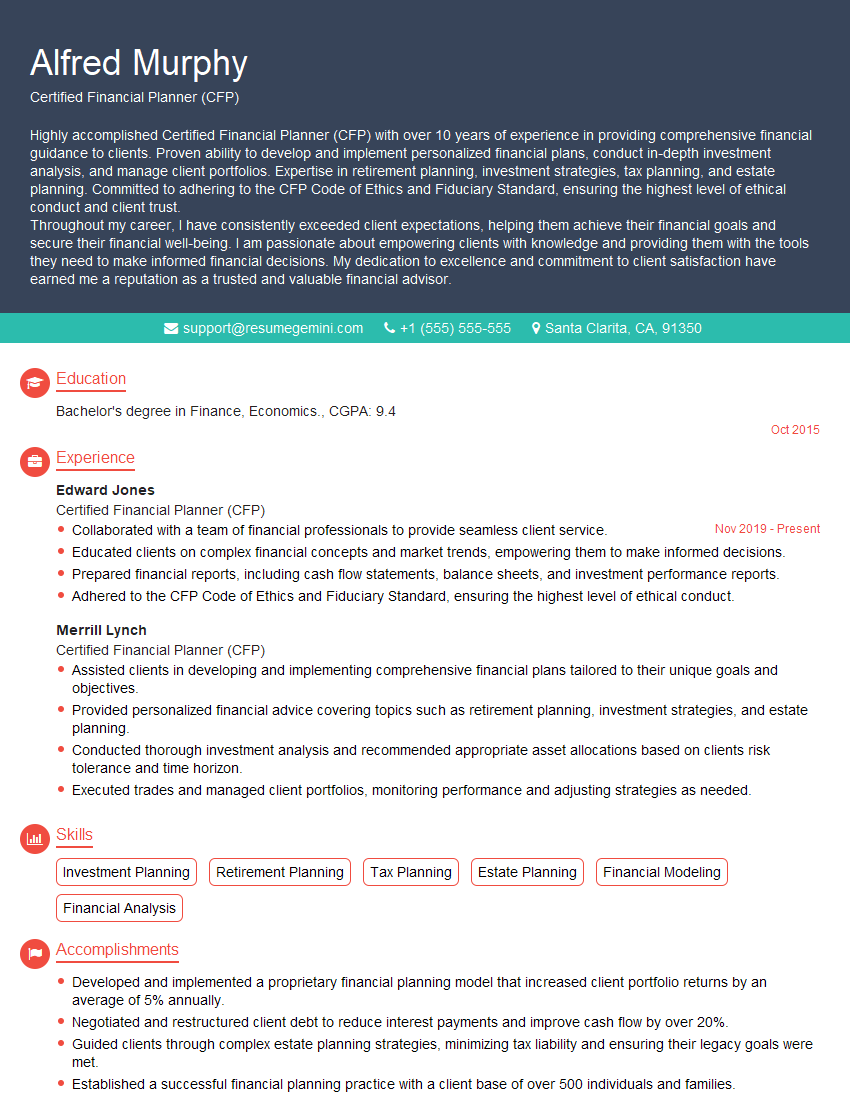
Certified Financial Planner (CFP) Resume Sample
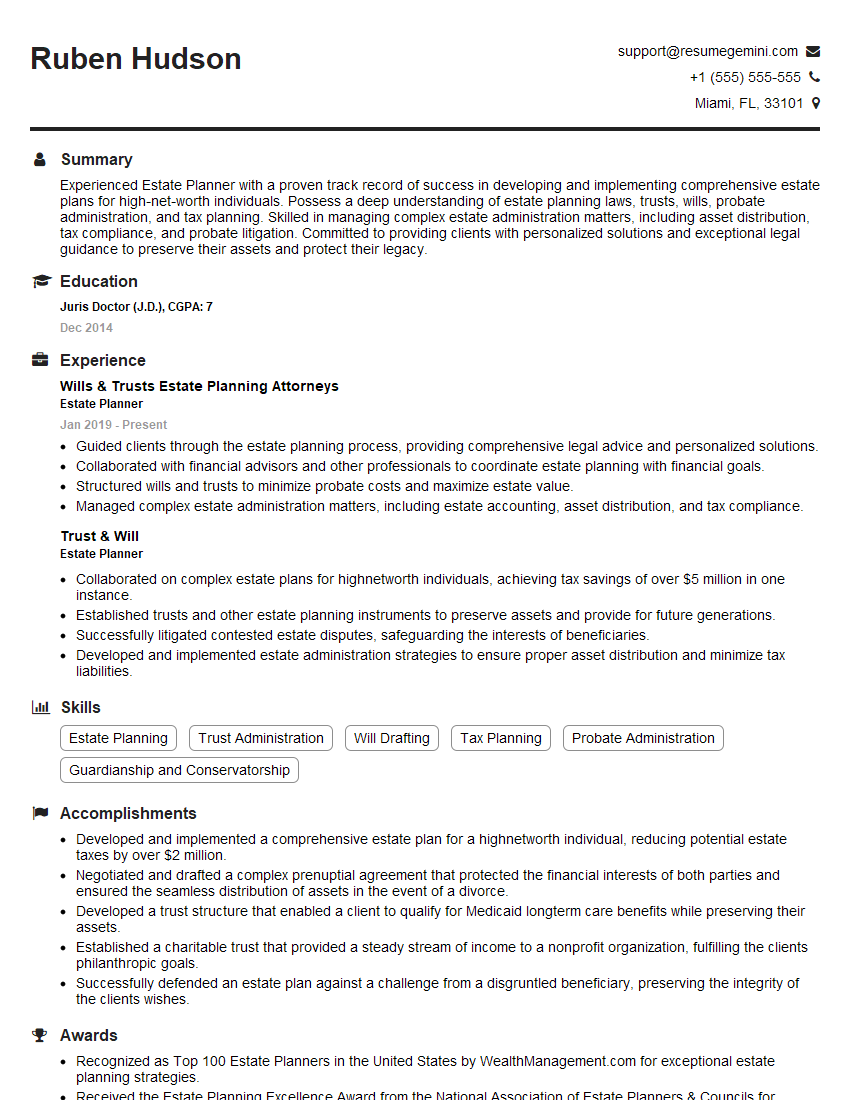
Estate Planner Resume Sample
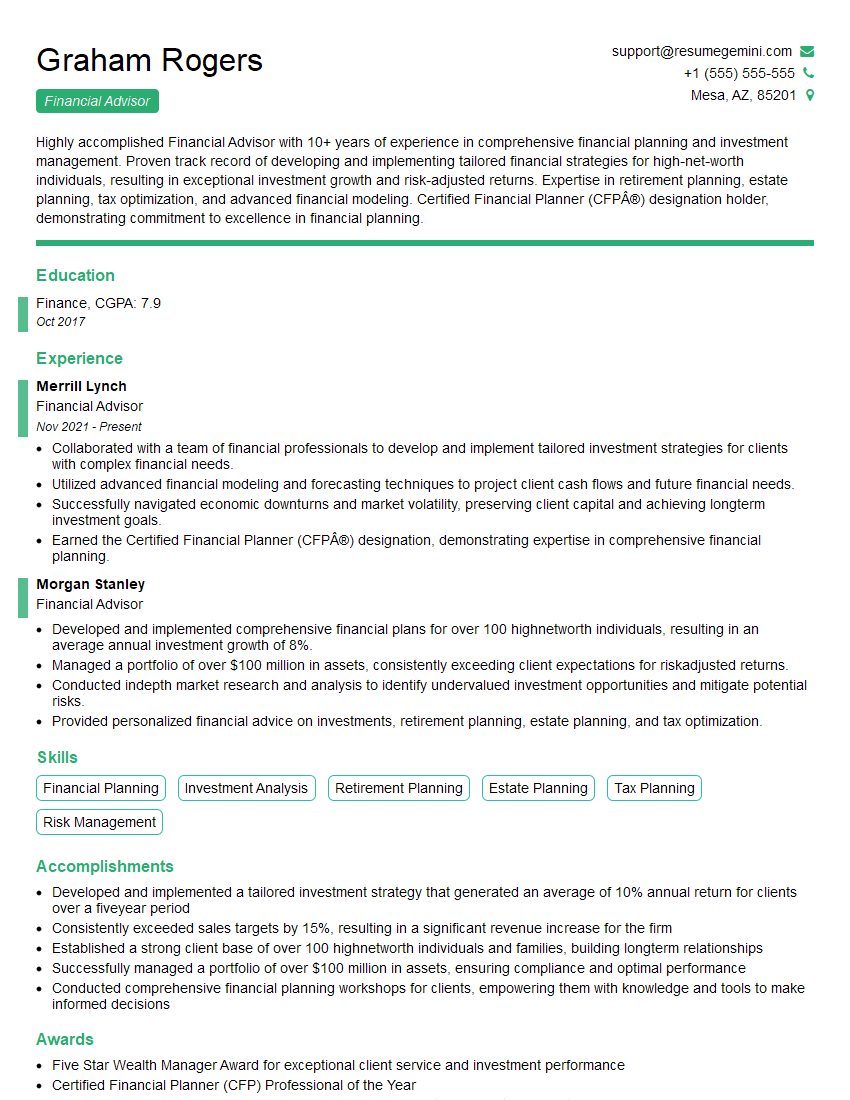
Financial Advisor Resume Sample
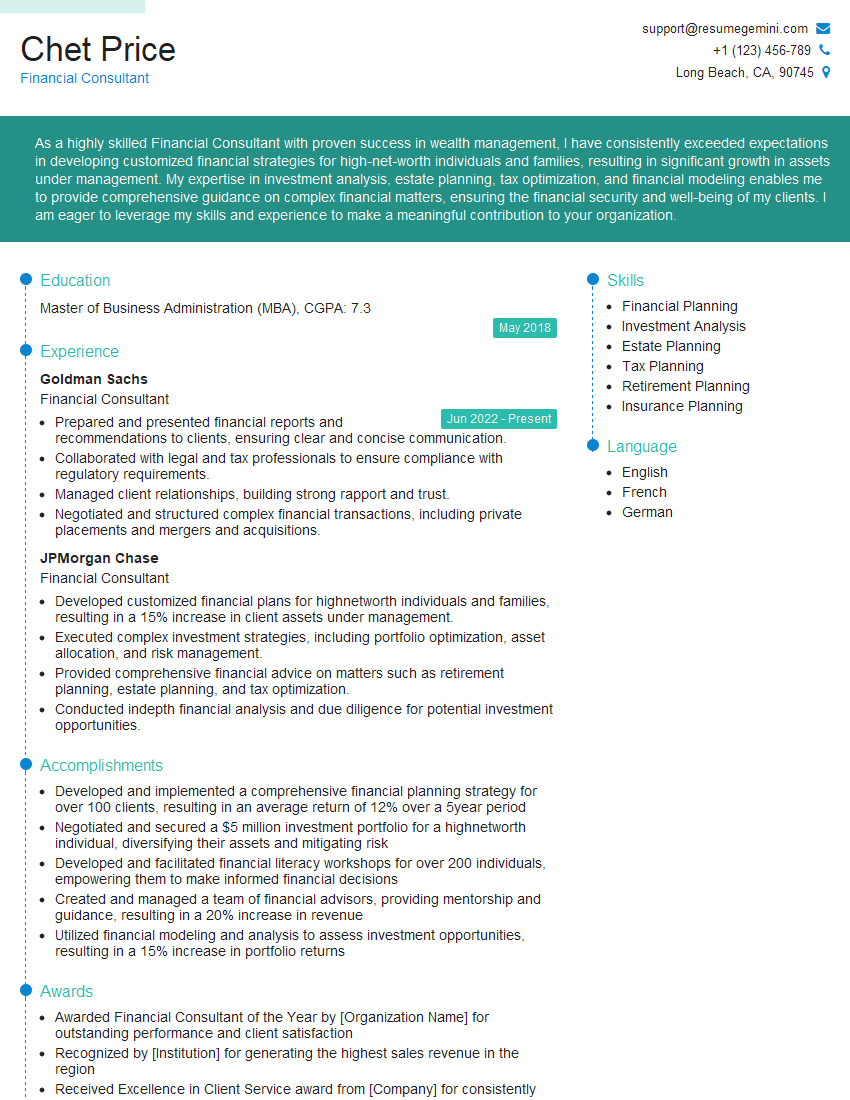
Financial Consultant Resume Sample
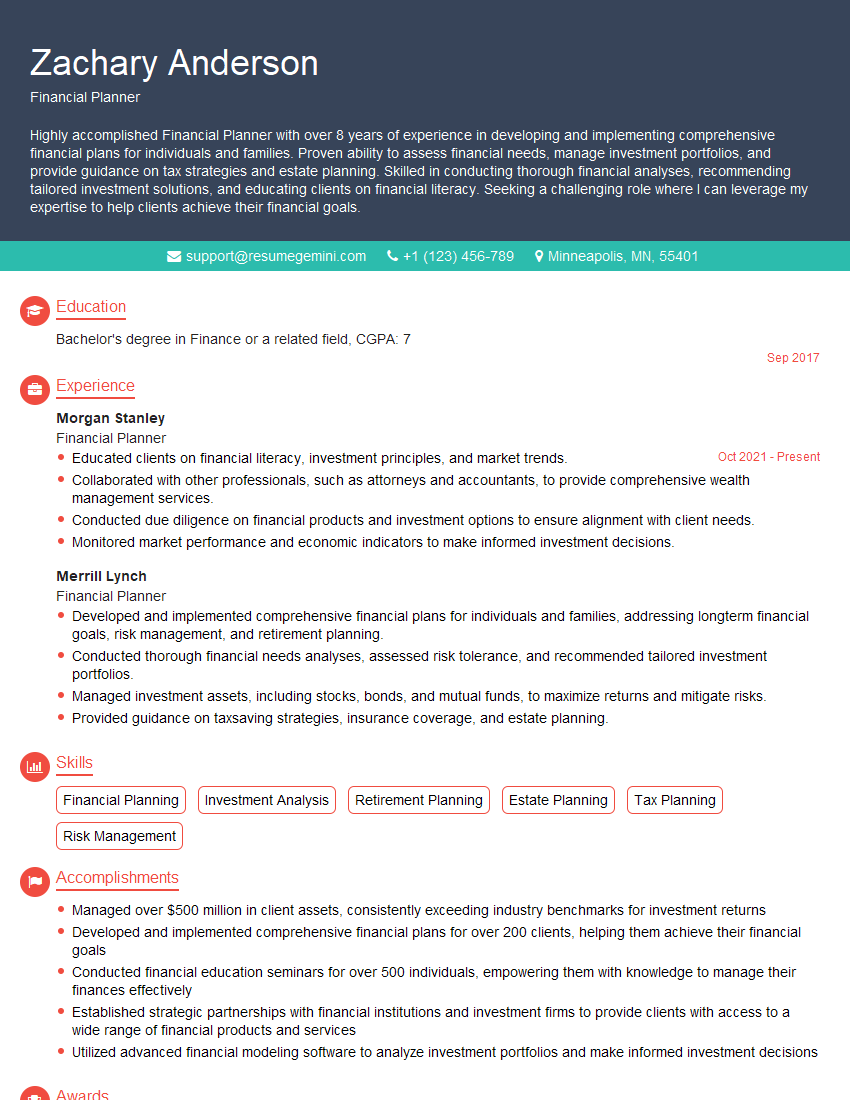
Financial Planner Resume Sample
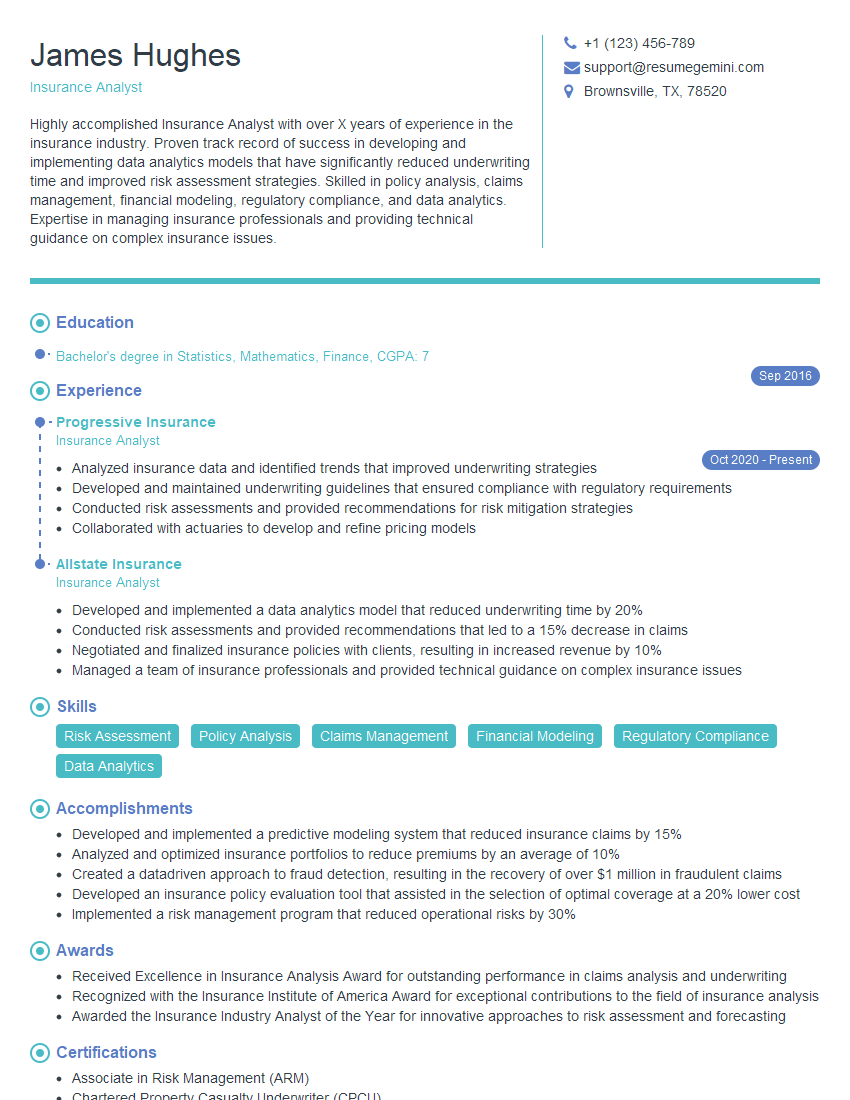
Insurance Analyst Resume Sample
Explore more articles
Users Rating of Our Blogs
Share Your Experience
We value your feedback! Please rate our content and share your thoughts (optional).
What Readers Say About Our Blog
Very informative content, great job.
good