Preparation is the key to success in any interview. In this post, we’ll explore crucial Firefighting and Hazardous Materials Handling interview questions and equip you with strategies to craft impactful answers. Whether you’re a beginner or a pro, these tips will elevate your preparation.
Questions Asked in Firefighting and Hazardous Materials Handling Interview
Q 1. Describe the different classes of fires and the appropriate extinguishing agents for each.
Fires are classified into different classes based on the type of fuel involved, which dictates the most effective extinguishing agent. Understanding these classes is critical for safe and efficient fire suppression.
- Class A Fires: These involve ordinary combustible materials like wood, paper, cloth, and plastics. Water is the most common extinguishing agent, as it cools the fuel and reduces its ability to burn. Other agents like dry chemical and foam can also be effective.
- Class B Fires: These involve flammable liquids like gasoline, oil, and solvents. Water is generally ineffective on Class B fires because it can spread the fire. Instead, we use extinguishing agents that interrupt the chemical chain reaction, such as carbon dioxide (CO2), dry chemical powder, and foam. Foam is particularly effective as it creates a barrier that prevents oxygen from reaching the fuel.
- Class C Fires: These fires involve energized electrical equipment. The primary concern is electrical shock; therefore, the power must be shut off before attempting to extinguish the fire. Once the power is off, the fire can be treated as a Class A or B fire, depending on the fuel source. CO2 and dry chemical are often preferred due to their non-conductive properties.
- Class D Fires: These are fires involving combustible metals such as magnesium, titanium, and sodium. These fires require specialized extinguishing agents like dry powder designed for metal fires. Water can react violently with these metals, exacerbating the situation.
- Class K Fires: These involve cooking oils and fats in commercial kitchens. Wet chemical extinguishing agents are specifically designed for Class K fires, as they saponify (create soap) with the burning oils, preventing reignition.
For example, a grease fire in a kitchen (Class K) should never be extinguished with water; it will cause the fire to spread violently. Using a Class K extinguishing agent is crucial for safety.
Q 2. Explain the process of donning and doffing personal protective equipment (PPE) for Hazmat incidents.
Donning and doffing PPE for Hazmat incidents is a crucial procedure emphasizing both safety and the prevention of cross-contamination. Each step must be performed methodically to ensure protection.
Donning (Putting on):
- Pre-Entry Check: Inspect all PPE for damage or defects.
- Level Selection: Choose appropriate PPE based on the hazard (e.g., Level A for the highest level of protection, Level D for minimal protection).
- Respiratory Protection: Don a self-contained breathing apparatus (SCBA) or other appropriate respiratory protection first.
- Protective Suit: Carefully don the protective suit, ensuring a proper seal. This often involves assistance from a buddy.
- Gloves & Boots: Don appropriate gloves and boots ensuring no gaps or overlaps that could compromise protection.
- Final Checks: Conduct a final buddy check to ensure the suit is properly sealed and all equipment is functioning correctly.
Doffing (Taking off):
- Decontamination Area: Move to a designated decontamination area.
- Respiratory Protection Removal: Remove the SCBA following established procedures.
- Suit Removal: Carefully remove the protective suit, starting with the gloves and proceeding in a way that minimizes skin contact and contamination.
- Boot and Glove Removal: Remove boots and gloves carefully.
- Secondary Decontamination: Undergo secondary decontamination procedures, such as washing and changing clothes.
Failure to follow these procedures carefully can result in serious injury or exposure to hazardous materials. Proper training and practice are essential.
Q 3. What are the key components of a site safety plan for a hazardous materials incident?
A comprehensive site safety plan for a hazardous materials incident is paramount for the safety of responders and the public. It outlines the actions required to control the incident and mitigate its consequences.
- Hazard Identification and Assessment: This involves identifying the specific hazardous materials present and assessing their potential risks.
- Protective Actions: Define control zones, including exclusion, contamination reduction, and support zones. These dictate how close people can safely approach the incident site.
- Emergency Response Procedures: Outline procedures for handling spills, leaks, or other emergencies. This includes communication plans and evacuation strategies.
- Personal Protective Equipment (PPE): Specify the necessary PPE for responders at each control zone. The selection of PPE depends on the specific hazardous material.
- Decontamination Procedures: Detailed steps for cleaning and decontaminating personnel, equipment, and the environment.
- Emergency Medical Services (EMS) Plan: Define protocols for providing medical care to injured personnel or affected individuals.
- Communication Plan: Establish a clear communication system to facilitate coordination among responders, medical personnel, and other stakeholders.
- Post-Incident Procedures: Includes steps for cleanup, waste disposal, and documentation.
A well-designed site safety plan should be adaptable to changing circumstances. It must be regularly reviewed and updated to ensure its effectiveness.
Q 4. How do you identify and assess the potential hazards presented by an unknown substance?
Identifying and assessing an unknown substance requires a cautious, methodical approach, prioritizing safety above all else. Several steps help in this process.
- Initial Observation: Note the physical properties: color, odor, state (solid, liquid, gas), and any visible markings on containers.
- Consult Resources: Consult resources such as the Safety Data Sheet (SDS), emergency response guides, and experienced hazardous materials specialists. SDS provides detailed information about chemical properties, hazards, and emergency response procedures.
- Sampling and Testing: If it’s safe to do so, collect samples for laboratory analysis. Specialized labs can identify the substance and assess its potential hazards.
- Instrumentation: Utilize instruments like gas detectors, pH meters, or other specialized equipment to gather information about the substance’s properties, especially for gases or vapors.
- Monitoring: Continuously monitor the situation for changes in the substance’s behavior or any potential risks that might emerge.
Consider this scenario: You encounter a spill of an unknown liquid. Before approaching, you would observe its color and consistency from a safe distance. If possible, look for any labels or markings. You wouldn’t touch or smell it directly; Instead, you would call for specialist assistance and use appropriate monitoring equipment.
Q 5. Outline the steps involved in containing and controlling a hazardous materials spill.
Containing and controlling a hazardous materials spill involves a series of coordinated actions that aim to minimize environmental impact and protect human health.
- Isolate the Area: Establish a perimeter to prevent unauthorized entry. This creates control zones to limit exposure.
- Personal Protective Equipment (PPE): Ensure all personnel involved are wearing appropriate PPE based on the identified hazard.
- Spill Control: Employ appropriate containment methods such as booms, dams, or absorbent materials to prevent further spread.
- Neutralization or Absorption: Use appropriate chemical neutralizers or absorbent materials to neutralize or absorb the spilled substance. The choice depends entirely on the material’s properties.
- Recovery and Disposal: Recover the spilled material safely and dispose of it in accordance with all applicable regulations and guidelines.
- Decontamination: Decontaminate the affected area and all personnel and equipment.
- Environmental Monitoring: Monitor the area for any lasting environmental impact.
For instance, a gasoline spill would require the use of booms to contain the fuel, absorbent pads to soak it up, and potentially specialized cleanup crews to handle the contaminated materials.
Q 6. Describe your experience with different types of fire suppression systems (e.g., sprinkler systems, foam systems).
My experience with various fire suppression systems is extensive, ranging from conventional sprinkler systems to more advanced foam systems. Each system has its strengths and weaknesses.
- Sprinkler Systems: These are widely used for fire protection in buildings. They work by releasing water when the temperature reaches a certain threshold. They are effective for Class A fires but may not be suitable for all types of fires.
- Foam Systems: Foam systems are highly effective for Class B fires (flammable liquids). They work by creating a layer of foam that smothers the fire by cutting off oxygen. Different types of foam exist, tailored for specific flammable liquids (e.g., alcohol-resistant foam).
- CO2 Systems: These systems utilize carbon dioxide to extinguish fires, mainly Class B and C fires. CO2 is effective because it displaces oxygen and cools the fire.
- Dry Chemical Systems: Dry chemical systems use powders to interrupt the chemical chain reaction of a fire, effective against Class A, B, and C fires. They are relatively easy to use and maintain, but the powder can leave a residue.
I’ve been involved in the inspection, maintenance, and troubleshooting of various fire suppression systems. I understand their operational principles, limitations, and safety procedures related to their use and maintenance.
Q 7. What are the different levels of hazardous materials response teams and their responsibilities?
Hazardous materials response teams are typically organized into different levels based on their training and capabilities. The level dictates their roles and responsibilities during an incident.
- First Responders (Awareness Level): These are the initial responders who are trained to recognize hazardous materials, take protective actions, and call for specialized assistance. They don’t actively engage in mitigation efforts.
- Hazardous Materials Technicians (Operations Level): These technicians are trained to control small spills or leaks, set up containment, and perform basic decontamination. They work under the supervision of a hazardous materials specialist.
- Hazardous Materials Specialists (Specialist Level): These individuals are highly trained in advanced hazard control techniques, including specialized equipment and procedures. They often lead response teams and handle complex incidents.
- Hazardous Materials Commanders (Incident Commander): These individuals are responsible for overall incident command and coordination of all resources at the scene. Their responsibility is to ensure the safety of the responders and the public while effectively mitigating the hazard.
For example, a small chemical spill might only require the intervention of a Hazardous Materials Technician, while a large-scale release of a toxic substance would involve specialists and an Incident Commander overseeing all operations.
Q 8. Explain the importance of risk assessment in hazardous materials handling.
Risk assessment in hazardous materials handling is paramount; it’s the cornerstone of safety. It’s a systematic process of identifying potential hazards associated with specific materials, evaluating the likelihood and severity of potential incidents, and determining control measures to mitigate risks. Think of it like this: before you tackle a complex puzzle, you examine the pieces and plan your approach. Similarly, before handling hazardous materials, we must understand the ‘pieces’ – the materials’ properties, potential dangers, and the environment – to plan for safe handling.
A thorough risk assessment considers factors such as the material’s toxicity, flammability, reactivity, and the potential routes of exposure (inhalation, ingestion, skin contact). It also accounts for environmental conditions, the experience level of personnel, and the adequacy of available safety equipment. The output of this assessment informs decisions about protective measures, emergency response plans, and training requirements.
For instance, handling concentrated sulfuric acid requires a different approach than handling a small amount of dilute bleach. The former necessitates specialized protective gear, meticulous procedures, and a dedicated spill response plan, while the latter might only require gloves and eye protection.
Q 9. What are the legal and regulatory requirements for handling and transporting hazardous materials?
Handling and transporting hazardous materials are strictly regulated to prevent accidents and protect public health and the environment. Regulations vary by jurisdiction but generally involve comprehensive documentation, labeling, packaging, and transportation procedures. Key legislation includes the Globally Harmonized System of Classification and Labelling of Chemicals (GHS), and in the US, the Occupational Safety and Health Administration (OSHA) and the Department of Transportation (DOT) have numerous regulations.
These regulations dictate the type of containers used, the labeling requirements (hazard pictograms, signal words, hazard statements), the transportation methods (road, rail, sea, air), and the emergency response plans that must be in place. Improper handling or transportation can result in severe penalties, including fines and imprisonment. For example, failing to properly label a container of flammable liquid or neglecting to provide proper training to personnel could lead to serious consequences.
Companies handling hazardous materials must maintain detailed records of their activities, including inventory, handling procedures, employee training, and any incidents that occur. Regular inspections and audits are conducted to ensure compliance with these regulations.
Q 10. Describe your experience with decontamination procedures for personnel and equipment.
My experience with decontamination procedures encompasses both personnel and equipment decontamination following exposure to various hazardous materials. Decontamination aims to remove or neutralize contaminants to prevent further exposure and reduce the risk of secondary contamination. The process is tailored to the specific hazardous material involved.
For personnel decontamination, this might involve a series of steps: initial gross decontamination (removing clothing and washing with water), followed by more thorough decontamination using specialized solutions depending on the contaminant (e.g., bleach for some biological agents, specific chemical neutralizers). Equipment decontamination often involves washing and sanitizing with appropriate cleaning agents, potentially using specialized equipment like high-pressure washers for gross decontamination followed by thorough disinfection.
I’ve participated in numerous decontamination drills and real-world incidents, including those involving chemical spills and biological releases. In one instance, we successfully decontaminated a team exposed to a pesticide spill, using a multi-stage process that involved removing contaminated clothing, showering with soap and water, and a final rinse with a neutralizing solution. This ensured the safety of the team and prevented further spread of the pesticide.
Q 11. What are the common health hazards associated with exposure to specific hazardous materials (e.g., chemicals, biological agents)?
Exposure to hazardous materials can result in a wide range of health hazards, depending on the material and the route of exposure.
- Chemicals: Acids and bases can cause severe burns, while certain solvents can damage the nervous system, liver, or kidneys. Exposure to asbestos can lead to asbestosis and lung cancer. Many volatile organic compounds (VOCs) are irritants, carcinogens, or both.
- Biological agents: Bacteria, viruses, and fungi can cause infections, ranging from mild skin irritations to life-threatening diseases. Certain toxins produced by bacteria or fungi (e.g., mycotoxins) can have severe systemic effects.
The severity of the health effects depends on factors such as the concentration of the material, the duration of exposure, and the individual’s susceptibility. Symptoms can range from mild irritation (skin rash, cough, nausea) to severe organ damage or even death. It’s crucial to understand the specific hazards associated with each material and to implement appropriate control measures to minimize exposure.
Q 12. How do you use a hazardous materials response guide?
A hazardous materials response guide, such as the Emergency Response Guidebook (ERG), is a crucial tool for first responders. It provides initial guidance on the potential hazards of various hazardous materials and recommends initial actions to take during an incident. It’s essentially a quick-reference guide for identifying materials and outlining preliminary safety precautions.
The ERG is organized by the material’s identification number (UN number). Upon identifying the material (often via labels or placards on containers), you look up the corresponding UN number in the ERG. This provides information on potential hazards (e.g., fire, explosion, toxicity) and initial response recommendations, such as evacuation distances, protective actions, and potential firefighting methods. It’s important to remember that the ERG provides initial guidance only; more detailed information may be needed from the Safety Data Sheet (SDS) and specialized resources.
For example, if a spill involves a material with UN number 1203 (Gasoline), the ERG will recommend establishing a safety zone, controlling ignition sources, and utilizing specific firefighting techniques. It’s vital to stress that the ERG does not replace thorough training and understanding of hazardous materials. It’s a tool to aid quick decision-making during the initial phase of an incident.
Q 13. Explain the process of incident command and your role within it.
Incident command is a standardized, systematic approach to managing emergency response. It ensures effective communication, resource allocation, and overall coordination during incidents involving hazardous materials or other emergencies. The system is based on a hierarchical structure with clearly defined roles and responsibilities.
My role within the incident command system varies depending on the incident’s size and complexity, but I typically serve in a capacity involving hazardous materials expertise. This can include roles such as the Hazardous Materials Officer (HazMat Officer) or a member of the HazMat team. The HazMat Officer is responsible for assessing the hazards associated with the hazardous material, developing and implementing a decontamination plan, providing technical guidance to incident commanders, and overseeing all aspects of hazardous materials response.
In a typical incident, my responsibilities would involve identifying the hazardous material, determining the appropriate level of protection required, coordinating the deployment of personnel and equipment, implementing decontamination procedures, and monitoring the effectiveness of the response efforts. Effective communication is key to ensuring a smooth and successful operation within the incident command system.
Q 14. Describe your experience with using SCBA (Self-Contained Breathing Apparatus).
Self-Contained Breathing Apparatus (SCBA) is essential equipment for protection against hazardous atmospheres. My experience with SCBAs spans many years, including regular training, inspections, and use in various scenarios ranging from training exercises to real-world incidents involving hazardous materials releases.
I’m proficient in donning and doffing the equipment, conducting pre-use inspections, recognizing and addressing malfunctions, and understanding the limitations of the SCBA’s air supply. SCBA training emphasizes proper breathing techniques to conserve air, maintaining situational awareness while wearing the equipment, and communication protocols while operating in a team. It also covers emergency procedures for low-air alarms and equipment failure.
Using an SCBA requires meticulous attention to detail. A simple oversight in a pre-use inspection can have life-threatening consequences. Beyond the technical aspects, maintaining physical fitness and stamina is crucial to safely and effectively manage strenuous activities while wearing the SCBA.
Q 15. How would you handle a situation where a member of your team is injured during a Hazmat incident?
Responding to an injury during a Hazmat incident requires immediate and coordinated action. Safety of the injured and the team is paramount. My first step would be to ensure the immediate safety of the injured personnel and the rest of my team. This involves removing the injured person from the hazardous area as quickly and safely as possible, adhering to all safety protocols. Then, we’d initiate the emergency medical response system. Depending on the severity of the injury and the nature of the hazardous material, we might need to use specific decontamination procedures before transport. For example, if exposed to a corrosive substance, we’d flush the affected area with water (unless contraindicated for the specific substance), following established decontamination protocols. Concurrent with medical attention, we’d also conduct a post-incident analysis to understand what contributed to the accident, implement corrective actions, and prevent similar incidents in the future. Documentation of the entire event is vital for investigation and legal purposes.
Career Expert Tips:
- Ace those interviews! Prepare effectively by reviewing the Top 50 Most Common Interview Questions on ResumeGemini.
- Navigate your job search with confidence! Explore a wide range of Career Tips on ResumeGemini. Learn about common challenges and recommendations to overcome them.
- Craft the perfect resume! Master the Art of Resume Writing with ResumeGemini’s guide. Showcase your unique qualifications and achievements effectively.
- Don’t miss out on holiday savings! Build your dream resume with ResumeGemini’s ATS optimized templates.
Q 16. What are the different types of respiratory protection and when would you use each?
Respiratory protection is crucial in Hazmat situations. The type of respirator used depends entirely on the specific hazard. We have several types:
- Air-Purifying Respirators (APR): These use filters or cartridges to remove contaminants from the air. They’re suitable for environments with known contaminants at low concentrations, where the oxygen level is sufficient. Examples include N95 masks (for particulate matter) or respirators with organic vapor cartridges. However, APs are NOT suitable for oxygen-deficient atmospheres.
- Supplied-Air Respirators (SAR): These provide breathable air from a separate source, such as a compressed air cylinder or an air line connected to a clean air supply. SARs are ideal for environments with unknown hazards or high concentrations of contaminants. They offer greater protection than APRs because they don’t rely on the surrounding air quality.
- Self-Contained Breathing Apparatus (SCBA): SCBAs are completely self-contained, carrying their own air supply in a cylinder. They offer the highest level of respiratory protection and are necessary in immediately dangerous to life or health (IDLH) situations, where oxygen levels are low, or the contaminant concentration is high and unknown. They are essential for entering confined spaces with hazardous materials.
Choosing the correct respirator requires a thorough hazard assessment to determine the specific risks and the appropriate level of protection.
Q 17. Explain the importance of proper ventilation and air monitoring during a Hazmat incident.
Proper ventilation and air monitoring are essential for mitigating risks during Hazmat incidents. They directly impact the safety of responders and the surrounding environment. Ventilation aims to remove or dilute hazardous substances from the affected area, reducing exposure risks. This could involve natural ventilation (opening windows and doors), mechanical ventilation (using fans or blowers), or a combination of both. Air monitoring, using sophisticated instruments like gas detectors, determines the types and concentrations of airborne hazards. This data guides decisions on evacuation zones, personal protective equipment (PPE) selection, and the effectiveness of ventilation strategies. For instance, if we detect high levels of carbon monoxide, we know we need to immediately evacuate the area and implement emergency ventilation strategies. Without air monitoring, we’d be working blind, potentially exposing ourselves and others to unnecessary risks.
Q 18. What is your experience with using specialized equipment such as monitoring devices or decontamination equipment?
I have extensive experience with a wide range of specialized equipment, including gas detectors (multi-gas, single-gas, photoionization detectors), radiation detection devices (Geiger counters, dosimeters), and various types of decontamination equipment (decontamination showers, chemical-resistant suits, and absorbent materials). I’m proficient in operating and maintaining these devices, ensuring their calibration and proper functioning. For example, during a recent incident involving a suspected chemical spill, I used a multi-gas detector to identify the presence and concentration of several volatile organic compounds. This data informed our decision to utilize specific decontamination procedures and PPE. We also used absorbent materials to contain the spill and prevent further contamination. My experience also includes using infrared cameras to detect hidden leaks or hot spots, critical in situations with flammable liquids.
Q 19. Describe your understanding of the NFPA (National Fire Protection Association) standards related to firefighting and Hazmat.
The NFPA (National Fire Protection Association) standards are the cornerstone of safety in firefighting and Hazmat response. I’m familiar with several key standards, including NFPA 472 (Hazardous Materials/Weapons of Mass Destruction Emergency Response Personnel Professional Qualifications), NFPA 1500 (Standard on Fire Department Occupational Safety and Health Program), and NFPA 1001 (Standard for Fire Fighter Professional Qualifications). These standards cover everything from training and equipment requirements to incident management and safety protocols. They provide a structured framework for ensuring a safe and effective response, which is critical in high-risk situations. My understanding of these standards allows me to ensure compliance and implement best practices in every operation.
Q 20. How do you communicate effectively during an emergency response?
Effective communication is critical during emergency response. We utilize a clear, concise, and standardized communication system, often using radio communications with established protocols. This ensures everyone understands the situation, their roles, and the course of action. We use plain language, avoiding technical jargon unless absolutely necessary, and always confirm receipt of information. Clear communication channels are vital for coordinating activities, reporting progress, and requesting support. For example, using pre-determined codes can quickly convey critical information like the type of hazard or the number of casualties without lengthy explanations. Regular briefings and debriefings are also essential for ensuring consistent understanding and sharing lessons learned.
Q 21. Describe your experience with incident documentation and reporting.
Incident documentation and reporting are essential for several reasons; including accountability, learning, and legal requirements. I’m experienced in meticulously documenting all aspects of a Hazmat incident. This includes detailed descriptions of the incident, actions taken, personnel involved, equipment used, and any resulting injuries or environmental damage. Photographs, videos, and samples are often collected as evidence. The information is compiled into a comprehensive report adhering to agency protocols and potentially contributing to national databases. These reports are not just for record keeping; they serve as invaluable tools for identifying areas for improvement and preventing future incidents. A thorough report allows for a post-incident analysis to uncover systemic weaknesses, refine operational procedures, and improve training programs.
Q 22. Explain your understanding of emergency response plans and procedures.
Emergency Response Plans (ERPs) are crucial documents outlining the procedures for handling various emergencies. They provide a structured approach, ensuring a coordinated and efficient response. A well-crafted ERP covers pre-incident planning, such as hazard identification and risk assessment, along with detailed response procedures. This includes assigning roles and responsibilities, establishing communication protocols, and outlining evacuation plans.
- Pre-Incident Planning: This involves identifying potential hazards, analyzing risks, and developing preventative measures. For example, a chemical plant might conduct a thorough hazard analysis, identifying potential leaks or explosions and developing procedures to mitigate those risks.
- Incident Response: This outlines the steps to take during an emergency. It specifies who is responsible for what, establishes communication channels (e.g., radio frequencies, emergency notification systems), and describes procedures for containment, evacuation, and rescue.
- Post-Incident Activities: This covers activities after the emergency, such as damage assessment, cleanup, investigation, and reporting. It’s vital to learn from past incidents to improve future preparedness.
A good ERP is regularly reviewed and updated to reflect changes in the environment, technology, and regulatory requirements. Regular drills and training exercises are essential to ensure personnel are familiar with and proficient in the ERP’s procedures.
Q 23. How would you approach a situation where you encounter an unfamiliar hazardous material?
Encountering an unfamiliar hazardous material is a serious situation requiring immediate and cautious action. My approach is based on the principles of recognizing, identifying, and mitigating the hazard.
- Recognition and Isolation: The first step is to recognize the potential hazard (unusual odors, leaking containers, unusual markings). Immediately isolate the area, preventing further exposure and restricting access. Think of it like treating a crime scene – secure the perimeter before investigation.
- Identification: Utilizing available resources, I’d attempt to identify the material. This could involve checking labels, placards, shipping manifests, or consulting the Emergency Response Guidebook (ERG).
- Consultation and Monitoring: I would contact the relevant authorities, such as the local HazMat team or emergency services, for guidance and support. Monitoring the situation for changes in the hazard’s behavior (e.g., expanding spill, changing vapor cloud) is crucial.
- Containment and Mitigation: Based on the material’s properties and the advice received, I would implement appropriate containment and mitigation strategies. This might involve using absorbent materials, damming a spill, or employing specialized equipment.
- Decontamination: Once the hazard is controlled, decontamination procedures will be followed to remove any hazardous materials from personnel and equipment.
The key is to prioritize safety and avoid any actions that could exacerbate the situation. Always rely on established protocols and expert advice.
Q 24. What are the safety precautions you would take when entering a burning building?
Entering a burning building is inherently dangerous, requiring strict adherence to safety protocols. My approach is built upon teamwork and risk assessment.
- Teamwork and Communication: I would always work as part of a team, following the Incident Commander’s orders and maintaining constant communication. This is crucial for situational awareness and mutual support.
- Personal Protective Equipment (PPE): Before entry, I would ensure I have the appropriate PPE, including self-contained breathing apparatus (SCBA), protective clothing, and gloves. PPE selection depends on the nature of the fire and the presence of any hazardous materials.
- Search and Rescue Techniques: I’d employ systematic search patterns to locate victims while navigating the hazardous environment. This often involves following walls or using thermal imaging cameras.
- Accountability and Safety Checks: Maintaining accountability is vital. Regular check-ins and communication will be maintained with team members. Regularly assessing the structural integrity of the building to ensure the safety of the team is paramount.
- Emergency Escape Plans: Understanding and having a pre-planned escape route is essential. Knowing alternative exit strategies in case the primary route becomes compromised is critical.
Remember, safety is the paramount concern. If the risks outweigh the potential benefits, entry might not be attempted or will be delayed until additional resources or a safer strategy can be implemented.
Q 25. Describe your experience with fire investigation techniques.
Fire investigation involves a systematic process to determine the origin, cause, and circumstances of a fire. My experience encompasses various techniques, from scene examination to laboratory analysis.
- Scene Examination: This involves systematically documenting the fire scene, including photography, videography, and detailed note-taking. Locating the point of origin is critical, often indicated by the most severe damage.
- Evidence Collection: Samples of burned materials, accelerants, and other relevant evidence are collected and preserved for laboratory analysis.
- Witness Interviews: Gathering information from witnesses can provide valuable insights into the events leading up to the fire.
- Scientific Analysis: Laboratory analysis is essential to identify accelerants or other materials that may have contributed to the fire. This analysis may involve gas chromatography-mass spectrometry (GC-MS).
- Report Writing: A detailed report summarizing the findings of the investigation is crucial, providing essential information for insurance claims, legal proceedings, and fire prevention strategies.
A thorough and accurate investigation helps prevent future fires by identifying weaknesses in fire safety procedures or potential hazards.
Q 26. How do you handle stress and pressure during high-stakes emergency situations?
High-stakes emergency situations demand composure and effective stress management. My approach involves several key strategies:
- Training and Preparation: Thorough training and regular drills are vital. They build confidence and familiarity with procedures, reducing stress during actual emergencies.
- Teamwork and Support: Working as part of a cohesive team provides a strong support network. Mutual support and communication minimize individual stress.
- Mindfulness and Self-Awareness: Practicing mindfulness and self-awareness helps in recognizing and managing stress triggers. It’s about knowing my personal limits and seeking support when needed.
- Post-Incident Debriefing: After a stressful event, debriefing sessions are vital. They provide a safe space to process emotions, discuss experiences, and identify areas for improvement.
Maintaining a healthy lifestyle – proper nutrition, exercise, and sufficient rest – also significantly contributes to managing stress and improving overall resilience.
Q 27. What are your strengths and weaknesses in a firefighting/Hazmat context?
In a firefighting/HazMat context, my strengths include strong problem-solving skills, a calm demeanor under pressure, and a commitment to teamwork. I’m also proficient in various firefighting and HazMat handling techniques, including SCBA operation, hazmat equipment use, and incident command procedures.
A weakness I’m actively working on is delegation. In high-pressure situations, I sometimes find it difficult to relinquish control, but I am actively working to improve this aspect by practicing delegation techniques in training scenarios and seeking feedback from my peers and supervisors.
Q 28. Describe a challenging situation you faced during an emergency response and how you overcame it.
During a large chemical spill involving an unknown substance, I was part of the initial response team. The situation was chaotic, with conflicting information and a rapidly evolving threat. Initially, our attempts to contain the spill using standard absorbent materials proved ineffective. The unknown nature of the chemical added to the difficulty, increasing the risk for responders.
To overcome this, I quickly realized the need for a more strategic approach. I worked with the Incident Commander to prioritize information gathering and contacted a specialized HazMat team. We implemented a methodical plan for risk assessment, prioritizing immediate safety, and identifying the best containment strategies for the specific substance once it was identified. The coordinated effort of multiple teams and the timely intervention of the specialized HazMat team allowed for successful containment and cleanup. This experience taught me the importance of flexible planning, rapid resource mobilization, and clear, effective communication in complex emergency response.
Key Topics to Learn for Firefighting and Hazardous Materials Handling Interview
- Fire Behavior and Suppression: Understanding the fire triangle, different classes of fires, and appropriate extinguishing agents. Practical application includes demonstrating knowledge of various suppression techniques and the selection criteria for specific fire scenarios.
- Hazardous Materials Identification and Properties: Learning to identify hazardous materials through labels, placards, and Safety Data Sheets (SDS). Practical application includes explaining the dangers associated with different hazardous materials and the appropriate response procedures.
- Personal Protective Equipment (PPE): Knowing the types of PPE used in firefighting and hazardous materials incidents and their limitations. Practical application includes describing proper donning and doffing procedures and the importance of selecting the correct PPE for the situation.
- Emergency Response Procedures: Understanding incident command systems, scene safety procedures, and the roles of different responders. Practical application includes outlining a step-by-step approach to responding to a hazardous materials incident, including containment, evacuation, and decontamination.
- Incident Command System (ICS): Understanding the structure and principles of ICS and how it’s applied to large-scale incidents. Practical application includes describing your role within an ICS structure and your understanding of communication and coordination protocols.
- Health and Safety Regulations: Familiarity with relevant OSHA regulations and safety protocols for firefighters and hazardous materials technicians. Practical application includes explaining how these regulations influence decision-making in emergency situations.
- Risk Assessment and Mitigation: Developing strategies for assessing risks associated with fire and hazardous materials incidents. Practical application involves explaining how to develop and implement mitigation plans to reduce those risks.
Next Steps
Mastering firefighting and hazardous materials handling techniques is crucial for a successful and rewarding career, opening doors to advanced roles and leadership opportunities within the field. A strong resume is your first step towards achieving this. Creating an ATS-friendly resume significantly increases your chances of getting your application noticed by potential employers. To help you build a compelling and effective resume, we recommend using ResumeGemini. ResumeGemini provides a user-friendly platform and offers examples of resumes tailored specifically to firefighting and hazardous materials handling positions, giving you a head start in presenting your skills and experience in the best possible light.
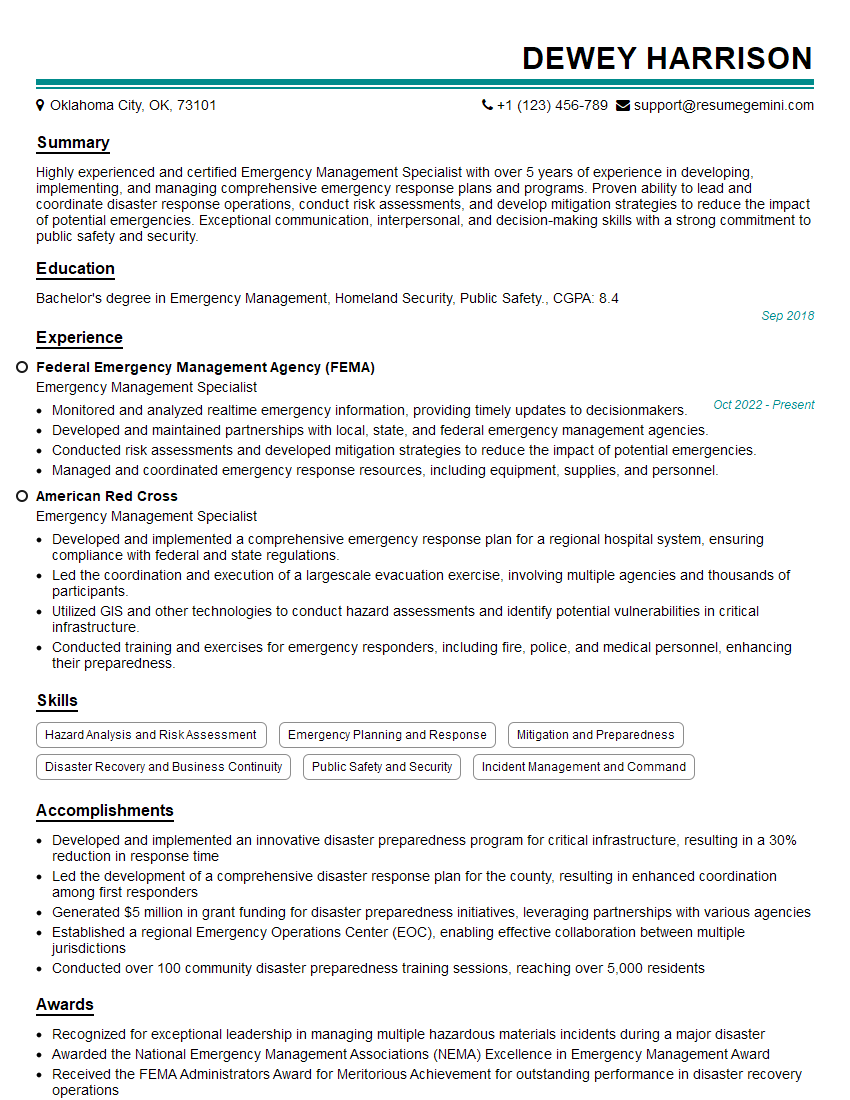
Emergency Management Specialist Resume Sample
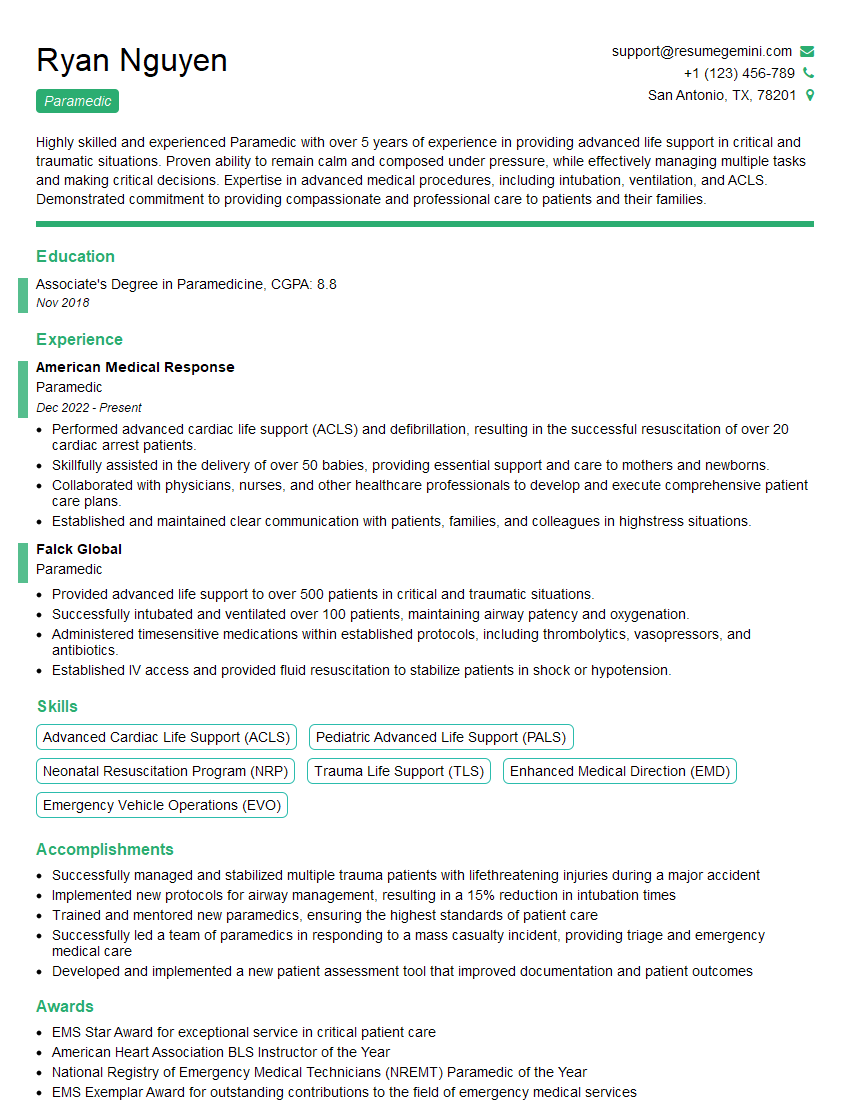
Paramedic Resume Sample
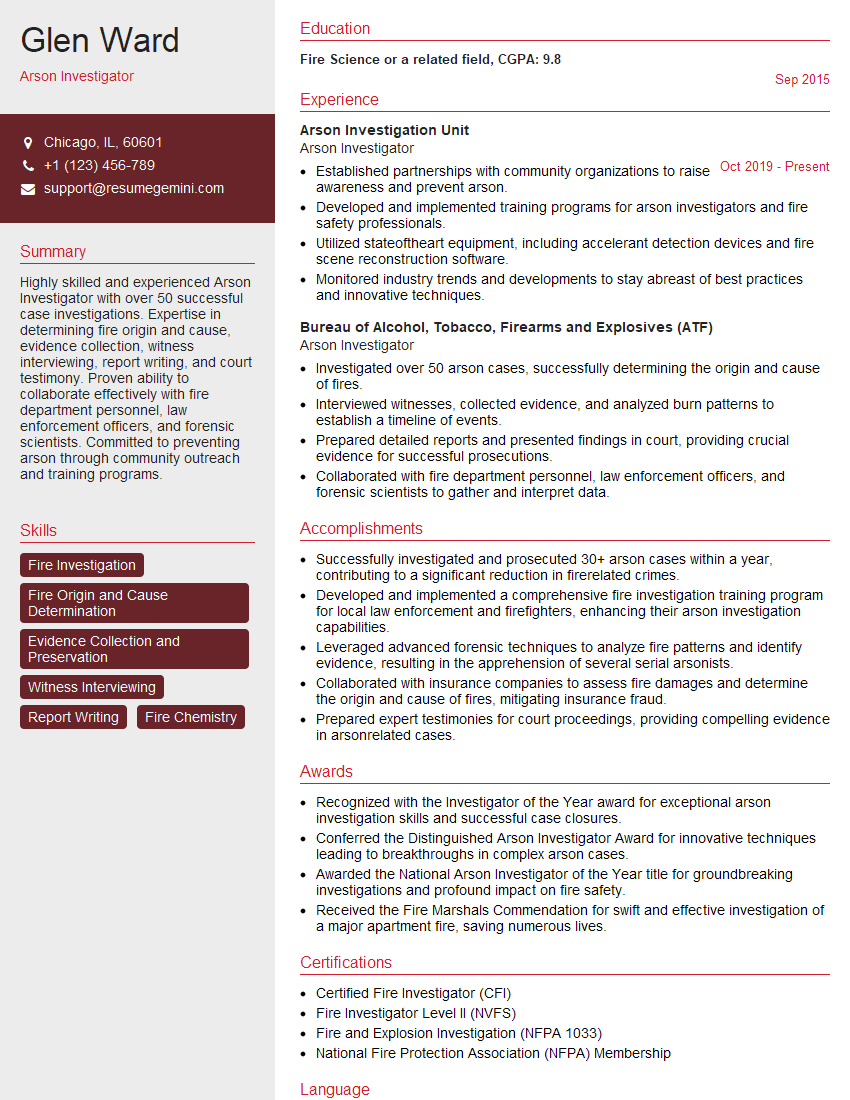
Arson Investigator Resume Sample

Fire Protection Engineer Resume Sample
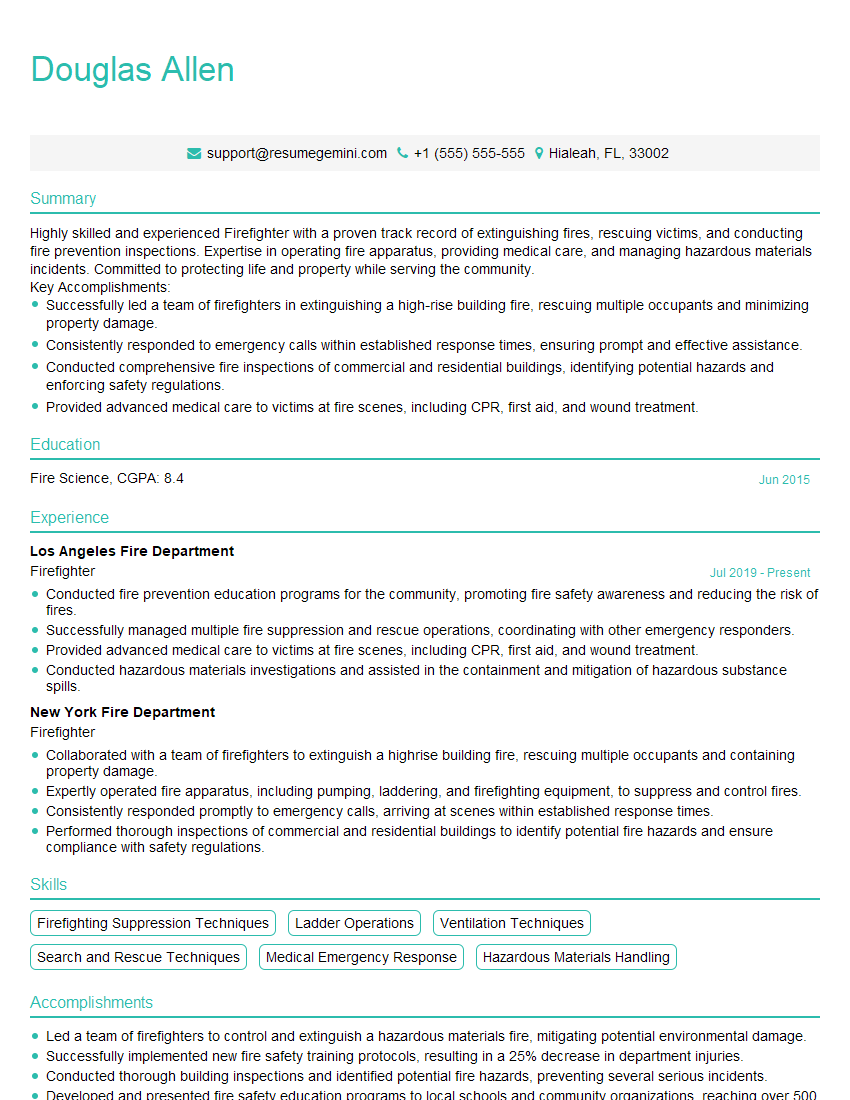
Firefighter Resume Sample
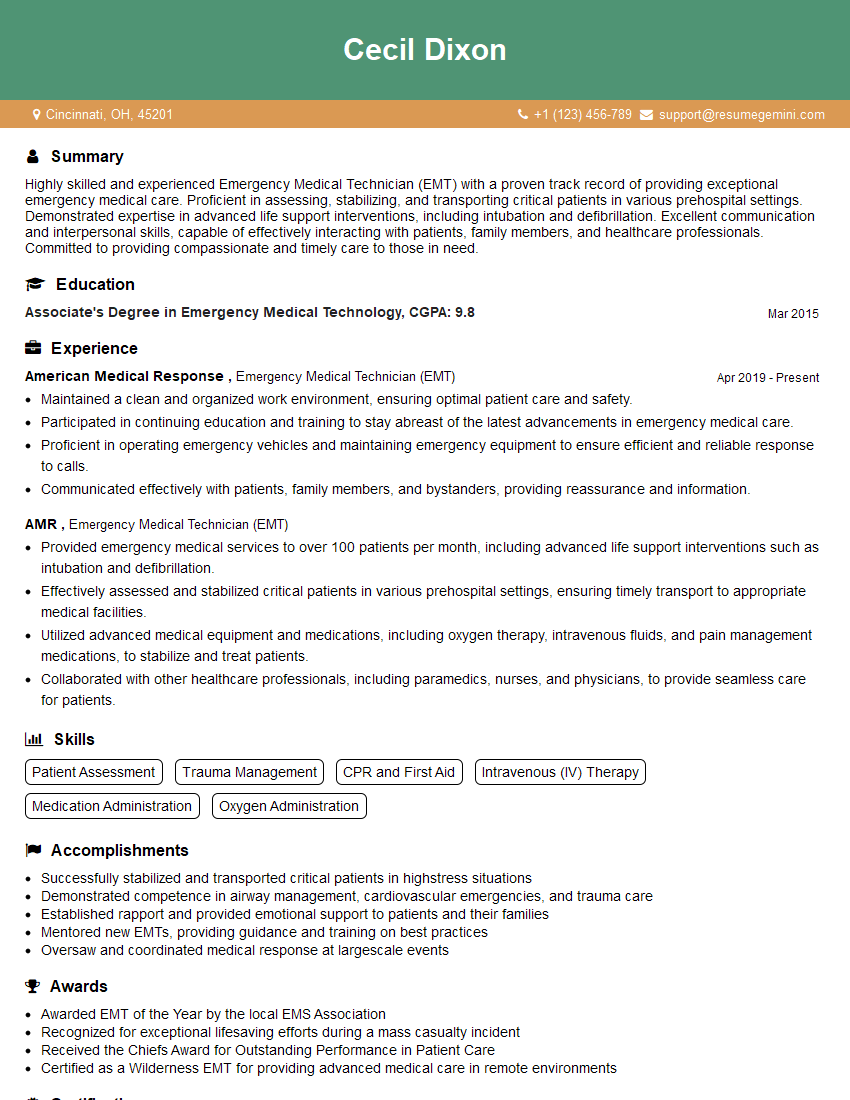
Emergency Medical Technician (EMT) Resume Sample
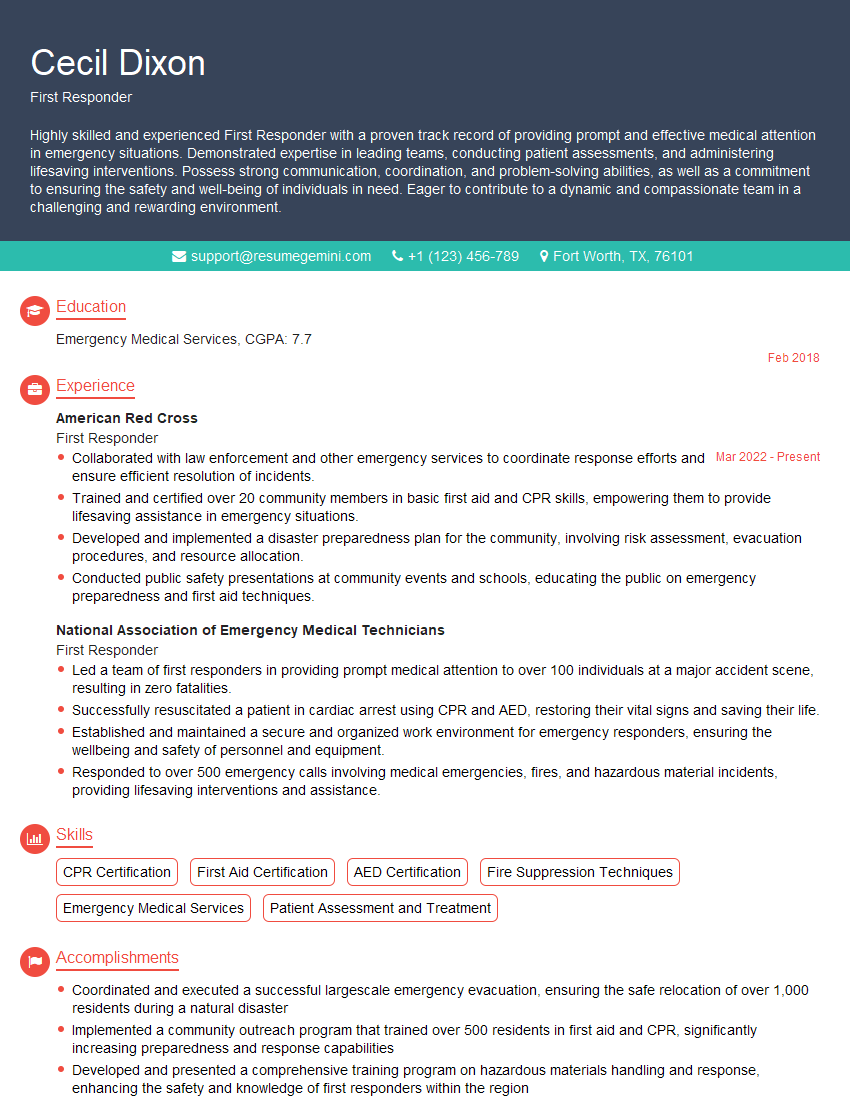
First Responder Resume Sample
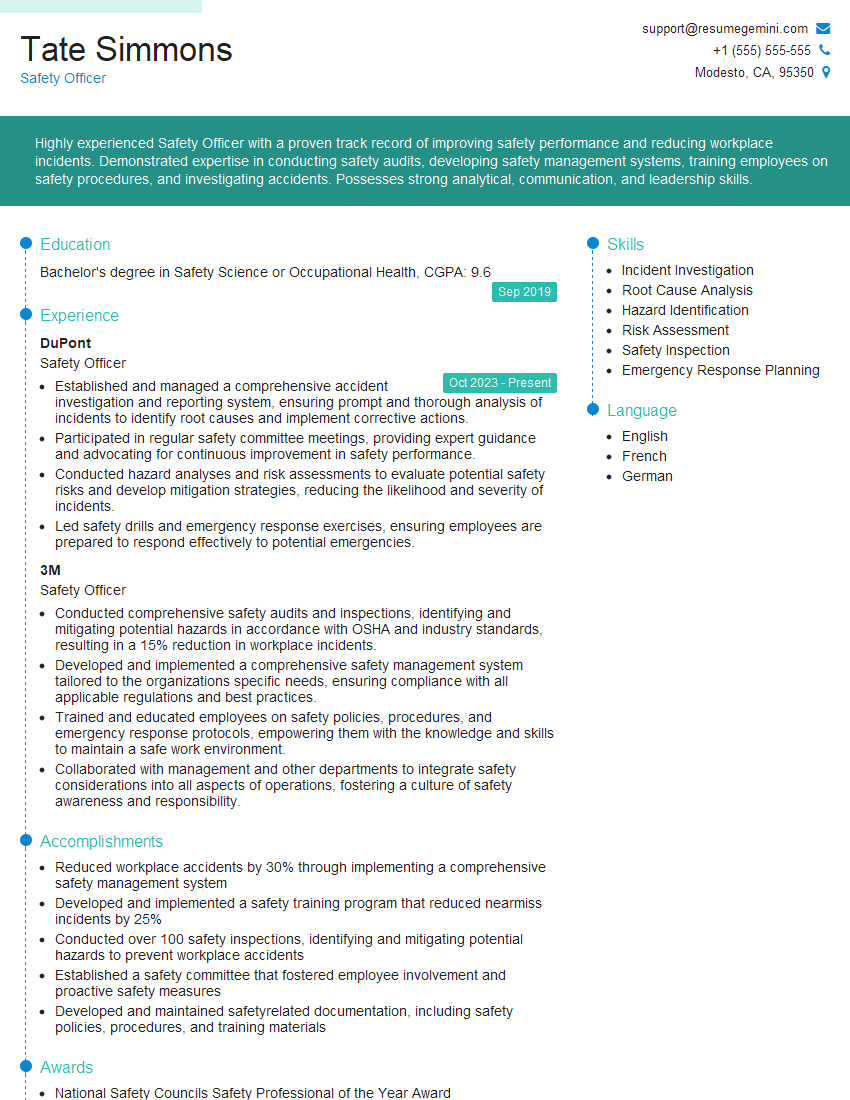
Safety Officer Resume Sample
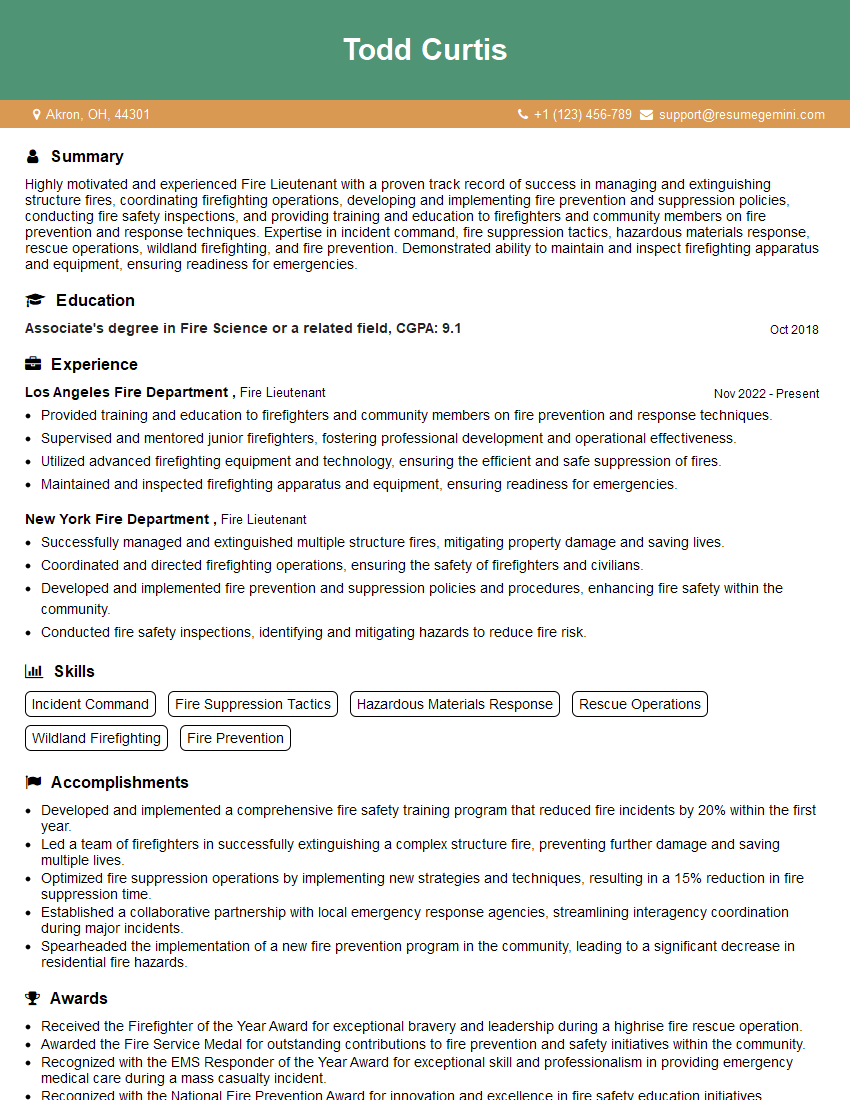
Fire Lieutenant Resume Sample
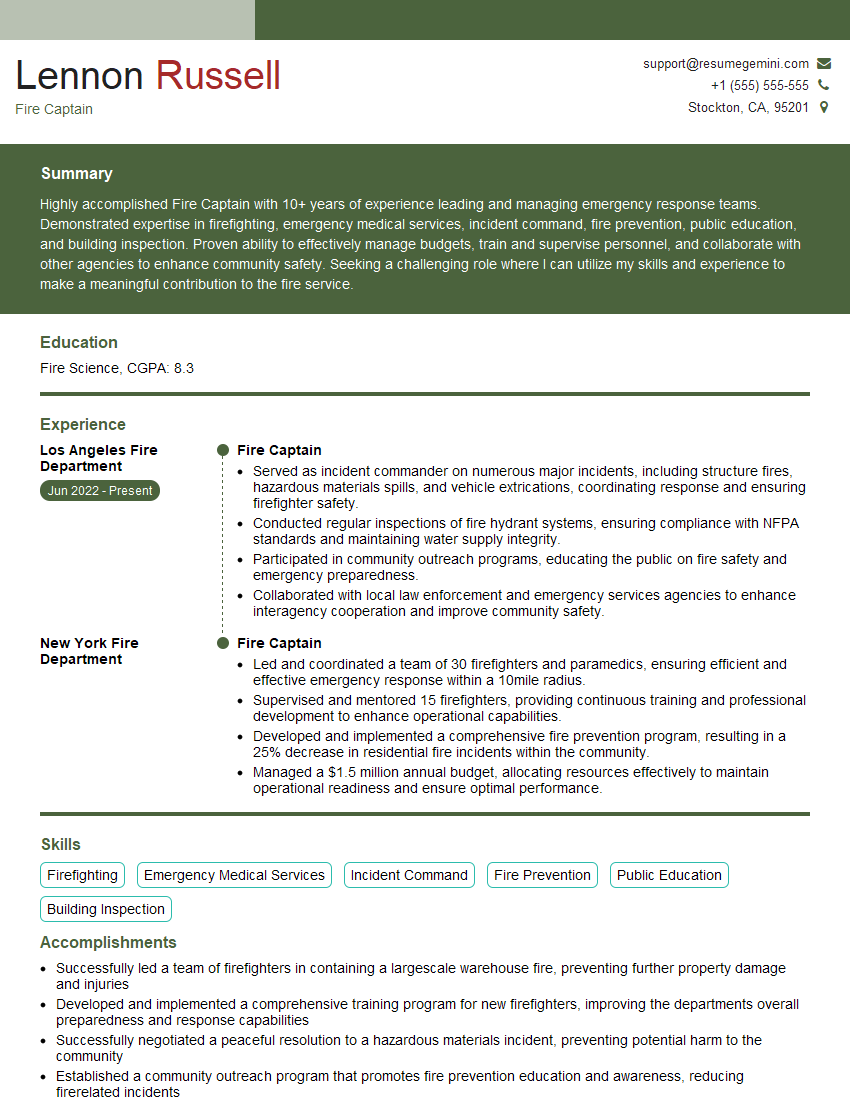
Fire Captain Resume Sample
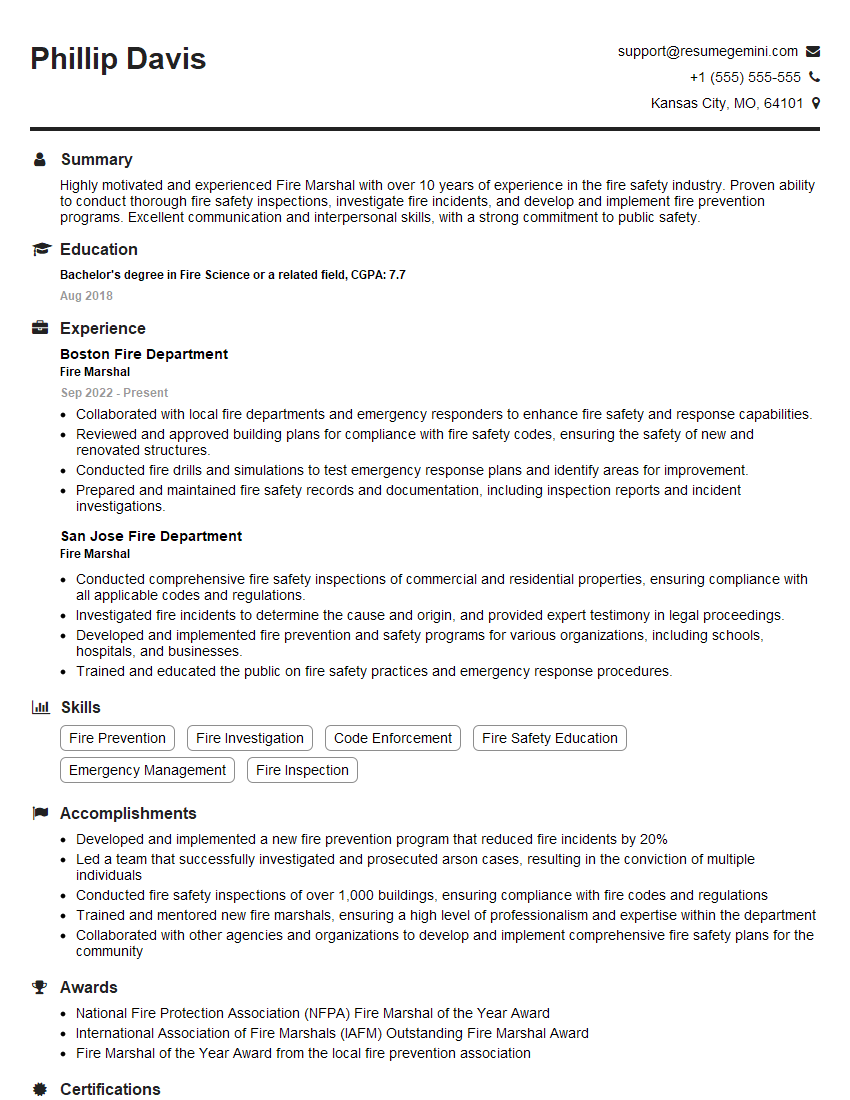
Fire Marshal Resume Sample
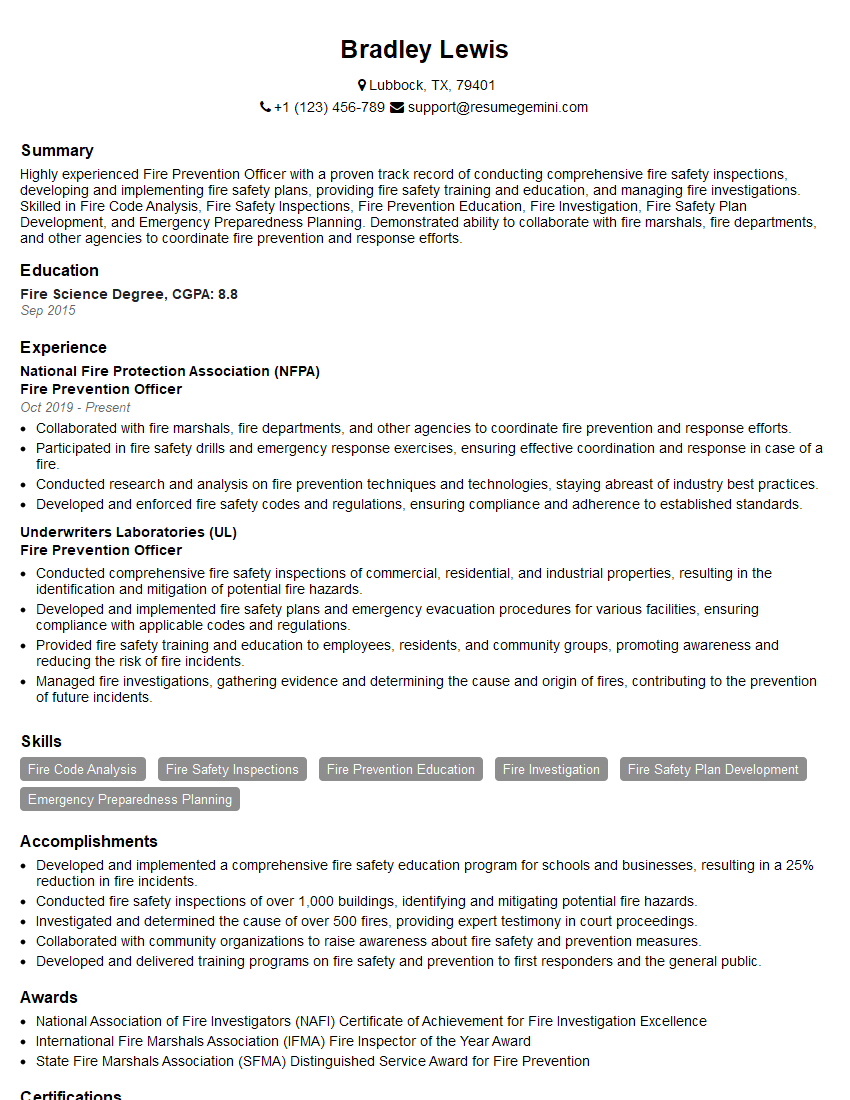
Fire Prevention Officer Resume Sample
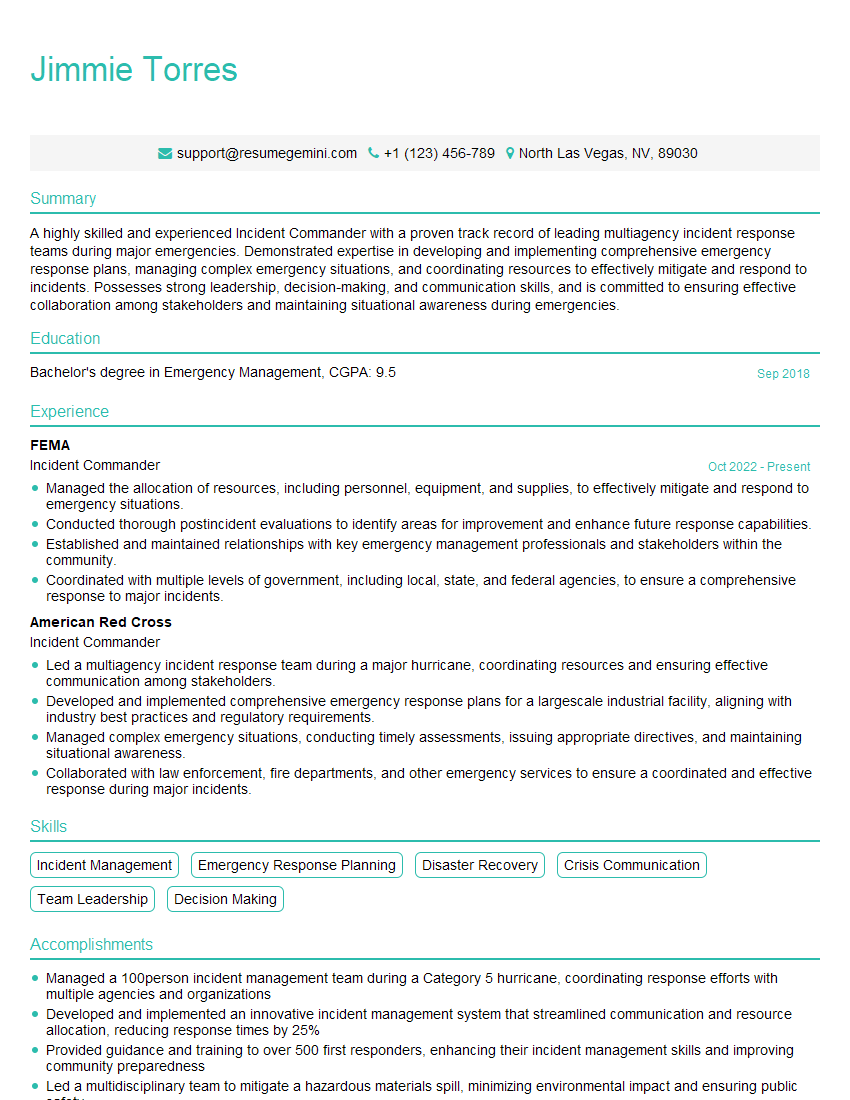
Incident Commander Resume Sample
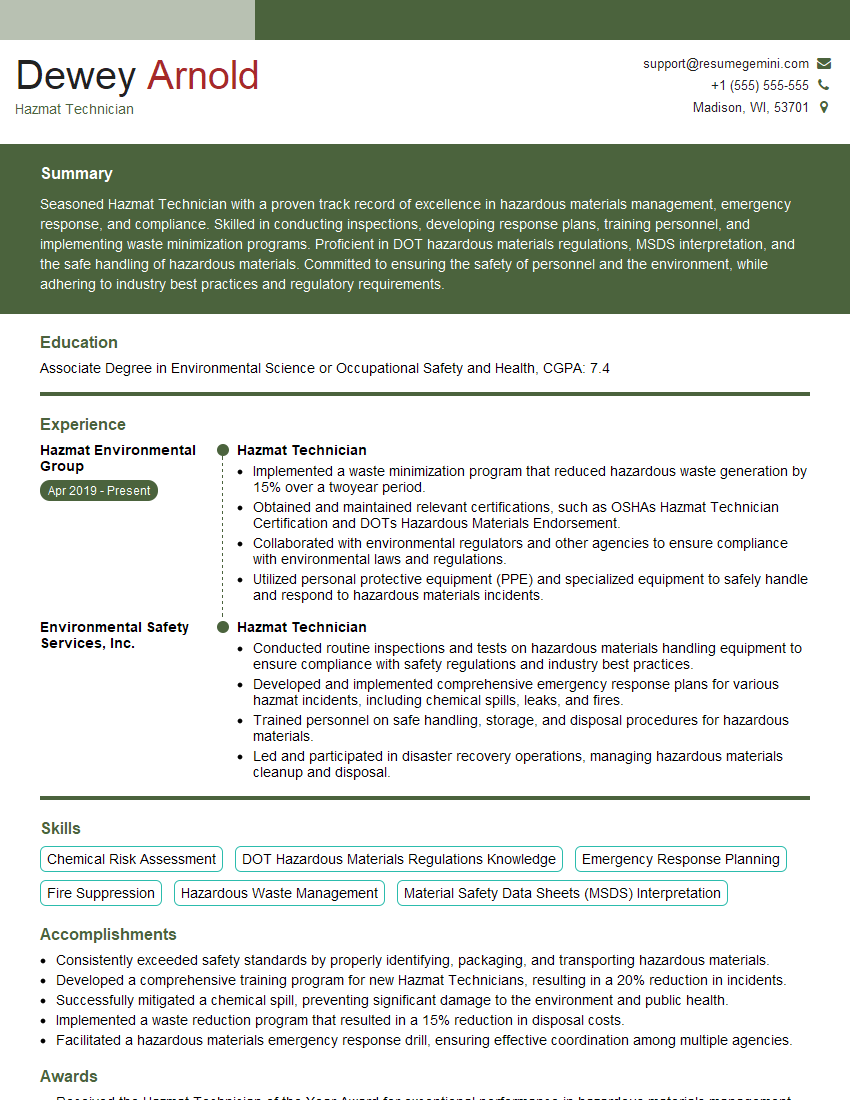
Hazmat Technician Resume Sample
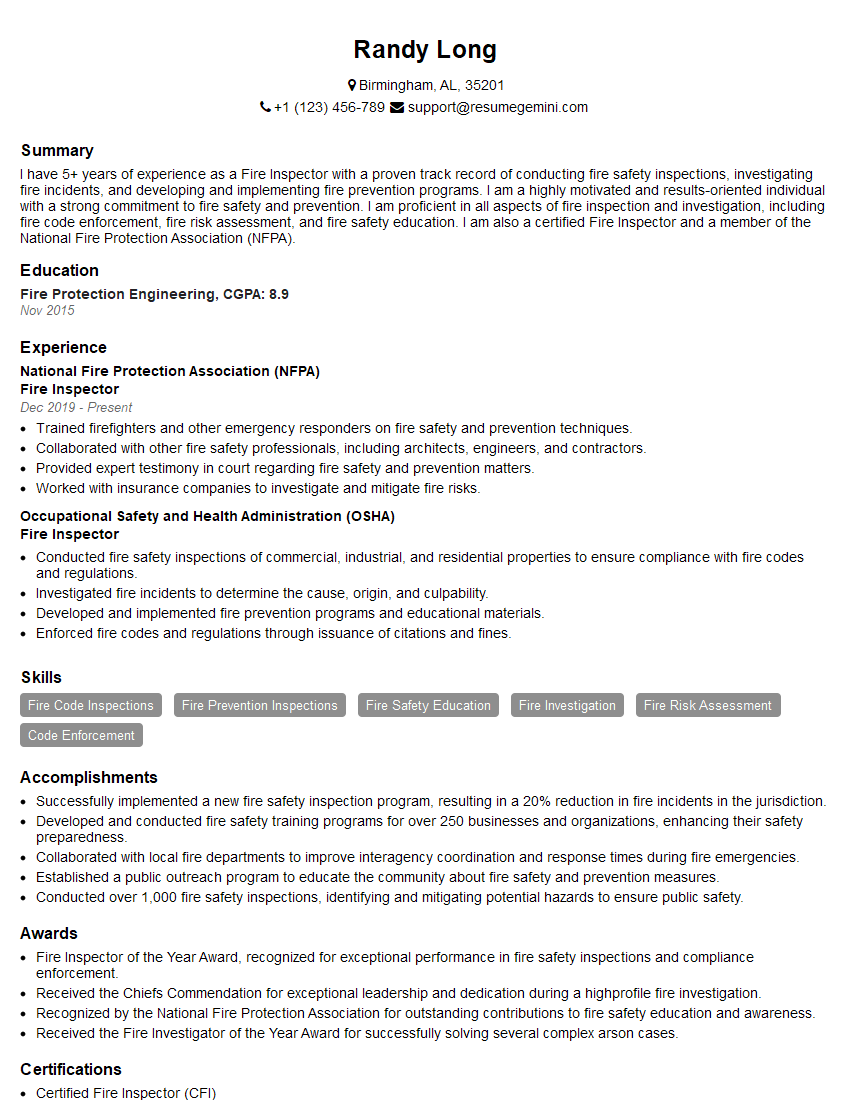
Fire Inspector Resume Sample
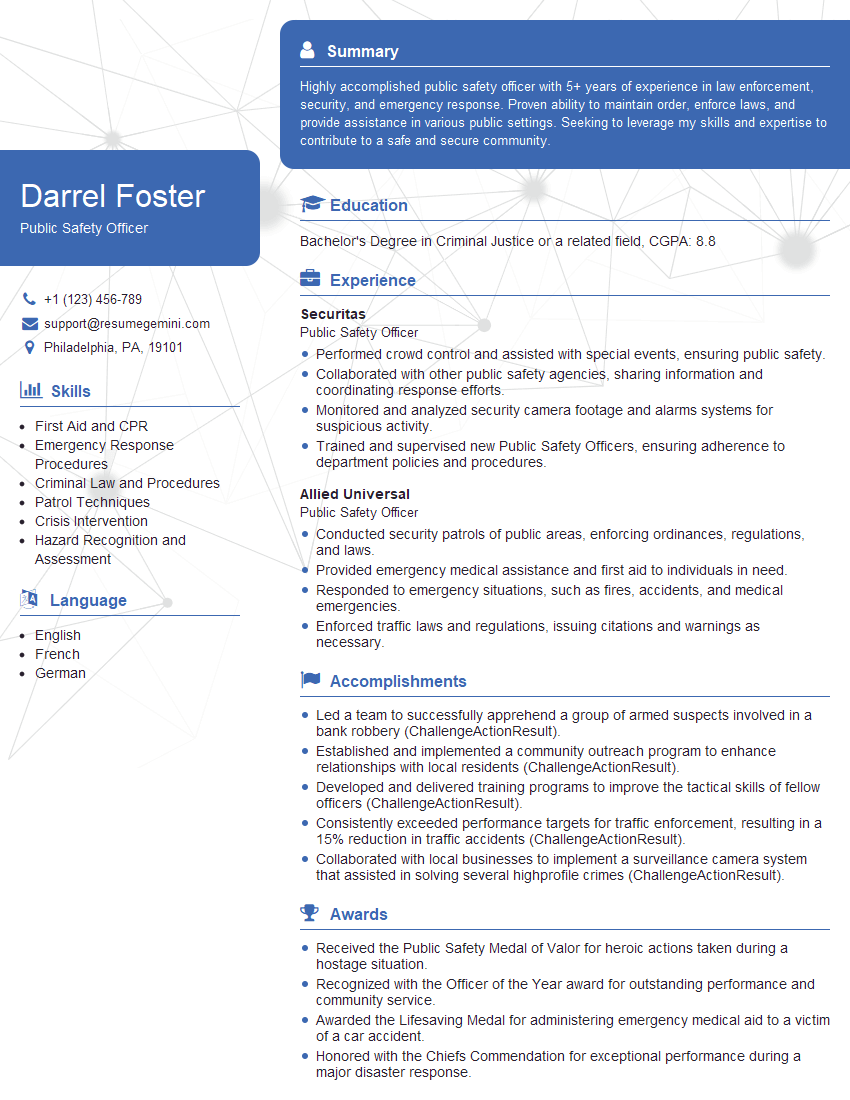
Public Safety Officer Resume Sample
- Emergency Management Specialist
- Paramedic
- Arson Investigator
- Fire Protection Engineer
- Firefighter
- Emergency Medical Technician (EMT)
- First Responder
- Safety Officer
- Fire Lieutenant
- Fire Captain
- Fire Marshal
- Fire Prevention Officer
- Incident Commander
- Hazmat Technician
- Fire Inspector
- Public Safety Officer
Explore more articles
Users Rating of Our Blogs
Share Your Experience
We value your feedback! Please rate our content and share your thoughts (optional).
What Readers Say About Our Blog
Very informative content, great job.
good