The thought of an interview can be nerve-wracking, but the right preparation can make all the difference. Explore this comprehensive guide to Understanding of Soil Science and Plant Physiology interview questions and gain the confidence you need to showcase your abilities and secure the role.
Questions Asked in Understanding of Soil Science and Plant Physiology Interview
Q 1. Explain the importance of soil texture and structure in plant growth.
Soil texture and structure are fundamental to plant growth, influencing everything from water availability to root penetration. Texture refers to the relative proportions of sand, silt, and clay particles in the soil. Sand particles are large and provide good drainage but poor water retention. Clay particles are small, hold water well, but can become compacted, hindering drainage and root growth. Silt falls between sand and clay in size and properties. The ideal soil texture is a loam, a balanced mix of sand, silt, and clay, offering good drainage and water retention.
Soil structure refers to the arrangement of soil particles into aggregates, or clumps. Good structure, with well-defined aggregates, provides pore spaces vital for aeration, water infiltration, and root penetration. Poor structure, often seen as compacted or dense soil, restricts root growth and limits water and air movement. Imagine trying to grow a plant in a solid block of cement versus a well-aerated potting mix – the latter allows for healthy root development and growth.
In practical terms, understanding soil texture and structure is crucial for selecting appropriate crops, managing irrigation, and choosing suitable soil amendments. For instance, sandy soils might require more frequent watering, while clay soils might benefit from the addition of organic matter to improve drainage and structure.
Q 2. Describe the process of nutrient uptake by plant roots.
Nutrient uptake by plant roots is a complex process involving several steps. First, nutrients dissolved in the soil water must reach the root surface. This movement can be via mass flow (movement of water towards the root) or diffusion (movement of nutrients from areas of high concentration to areas of low concentration). Once at the root surface, nutrients are absorbed by root hairs, tiny extensions of root epidermal cells that greatly increase the surface area for absorption.
Absorption usually involves active transport, meaning energy is used to move nutrients against their concentration gradient, from a lower concentration in the soil solution to a higher concentration inside the root cells. This is facilitated by specialized membrane proteins called transporters. Some nutrients, like phosphorus, may also be absorbed through mycorrhizal fungi associated with the roots (explained further in question 4). Once inside the root, nutrients are transported through the xylem to other parts of the plant where they’re needed for growth and metabolism.
For example, a deficiency in nitrogen, often observed as yellowing leaves (chlorosis), can be addressed through fertilization, providing nitrogen in a form easily absorbed by the plant. Understanding nutrient uptake mechanisms allows for the development of sustainable fertilization practices, maximizing nutrient use efficiency and minimizing environmental impacts.
Q 3. What are the major soil horizons and their characteristics?
Soil horizons are distinct layers within the soil profile, each with its own unique characteristics. The major horizons are typically designated by letters (O, A, B, C, R). The O horizon is the uppermost layer, composed primarily of organic matter, such as leaves, twigs, and partially decomposed organic materials. The A horizon, or topsoil, is a dark-colored layer rich in organic matter and minerals, where most biological activity occurs. This layer is crucial for plant growth.
The B horizon, or subsoil, is characterized by the accumulation of clays, iron, and other materials leached from the A horizon. It’s usually denser than the A horizon. The C horizon is the parent material, consisting of weathered rocks and minerals from which the overlying horizons formed. Finally, the R horizon is the bedrock, the unweathered parent material beneath the soil profile.
Understanding soil horizons is vital in agriculture and environmental science. For example, soil surveys use horizon descriptions to classify soils and assess their suitability for various land uses. Soil degradation, like erosion, often affects the A horizon first, reducing soil fertility and impacting plant productivity.
Q 4. Explain the role of mycorrhizae in plant nutrition.
Mycorrhizae are symbiotic associations between plant roots and fungi. The fungi colonize the roots, extending their hyphae (thread-like structures) into the surrounding soil. This greatly increases the surface area for nutrient and water absorption. The fungi are particularly efficient at acquiring phosphorus and other nutrients that are relatively immobile in the soil.
In return for nutrients and carbohydrates produced by the plant, the fungus enhances the plant’s access to water and essential nutrients. This symbiotic relationship is crucial in many ecosystems, especially in nutrient-poor environments. Mycorrhizae can improve plant growth, drought tolerance, and resistance to pathogens.
For example, in forestry, mycorrhizal fungi are increasingly used in reforestation projects to enhance seedling establishment and growth in degraded areas. Understanding this symbiotic relationship allows for more effective and sustainable land management practices.
Q 5. Discuss the effects of different soil pH levels on plant growth.
Soil pH significantly affects plant growth by influencing nutrient availability and the activity of soil microorganisms. The ideal pH range varies depending on the plant species, but most plants thrive in a slightly acidic to neutral range (pH 6.0-7.0). At low pH (acidic conditions), certain nutrients, like phosphorus and molybdenum, become less available to plants, while aluminum toxicity can become a problem. At high pH (alkaline conditions), micronutrients like iron and manganese become less available, resulting in nutrient deficiencies.
For example, azaleas and blueberries prefer acidic soils, while many vegetables grow well in near-neutral soils. Soil pH can be modified through the addition of amendments such as lime (to raise pH) or sulfur (to lower pH). Regular soil testing and pH adjustments are crucial for optimal plant growth and yield in agriculture and horticulture.
Q 6. Describe the process of photosynthesis and its importance.
Photosynthesis is the process by which green plants and some other organisms use sunlight to synthesize foods from carbon dioxide and water. This process occurs in chloroplasts, organelles within plant cells containing chlorophyll, the green pigment that captures light energy. The overall reaction can be summarized as:
6CO₂ + 6H₂O + Light Energy → C₆H₁₂O₆ + 6O₂
Where 6CO₂ represents carbon dioxide, 6H₂O represents water, C₆H₁₂O₆ represents glucose (a simple sugar), and 6O₂ represents oxygen. Photosynthesis is essential for life on Earth, providing the oxygen we breathe and the base of most food chains. It also plays a significant role in regulating atmospheric carbon dioxide levels.
Factors affecting photosynthesis include light intensity, carbon dioxide concentration, temperature, and water availability. Understanding photosynthesis is crucial in agriculture for optimizing crop yields and in climate change research to model carbon cycling.
Q 7. What are the different types of soil erosion and how can they be controlled?
Soil erosion is the detachment and movement of soil particles by natural forces like wind and water or by human activities. Water erosion occurs through rainfall, runoff, and stream flow, leading to sheet erosion (uniform removal of soil), rill erosion (small channels), and gully erosion (large channels). Wind erosion is prevalent in dry, arid regions and removes soil particles through saltation (bouncing), suspension (airborne), and surface creep (rolling).
Human activities like deforestation, overgrazing, and unsustainable agricultural practices exacerbate erosion. Controlling soil erosion involves various measures, including:
- Conservation tillage: Reducing or eliminating soil disturbance during planting.
- Cover cropping: Planting vegetation to protect the soil surface.
- Contour farming: Planting along the contours of slopes to slow runoff.
- Terracing: Creating level platforms on slopes to reduce erosion.
- Windbreaks: Planting trees or shrubs to reduce wind speed.
- Reforestation: Restoring forests to stabilize slopes and reduce erosion.
Effective erosion control is essential for maintaining soil fertility, preventing water pollution, and protecting valuable land resources. It is a vital component of sustainable land management.
Q 8. Explain the concept of water potential in plants.
Water potential is a measure of the tendency of water to move from one area to another. Think of it like this: water always wants to move from a high-energy state to a low-energy state, just like a ball rolling downhill. In plants, this movement is crucial for transporting water from the soil, through the roots, stem, and finally to the leaves. Water potential is expressed in units of pressure (typically megapascals, MPa) and is affected by several factors.
- Solute Potential (Ψs): This represents the reduction in water potential due to the presence of dissolved solutes. More solutes mean lower water potential, drawing water in. Imagine adding salt to water – the salt lowers the water potential, making it more difficult for water to escape.
- Pressure Potential (Ψp): This component arises from the physical pressure on the water. Positive pressure potential (turgor pressure) is found in plant cells and pushes water against the cell wall, contributing to cell rigidity. Negative pressure potential exists in the xylem (water-conducting tissue) and pulls water upwards from the roots.
- Gravitational Potential (Ψg): This component accounts for the effect of gravity on water potential. It’s usually negligible except in very tall trees.
The total water potential (Ψ) is the sum of these components: Ψ = Ψs + Ψp + Ψg. Water always moves from an area of higher water potential to an area of lower water potential.
Q 9. Describe the role of stomata in regulating water loss and gas exchange.
Stomata are tiny pores found on the leaves of plants that play a critical role in regulating both water loss (transpiration) and gas exchange (photosynthesis and respiration). Each stoma is surrounded by two guard cells that control its opening and closing.
During photosynthesis, plants need to take in carbon dioxide (CO2) and release oxygen (O2). This gas exchange occurs through the stomata. However, opening the stomata also leads to water loss through transpiration, as water vapor escapes into the atmosphere. This is similar to how a slightly opened window allows for air circulation but also heat loss.
Guard cells regulate this balance by changing their shape in response to environmental factors such as light intensity, humidity, temperature, and CO2 concentration. When conditions are favorable for photosynthesis (e.g., ample sunlight, sufficient water), the guard cells swell, causing the stomata to open. Conversely, under water stress or low light, the guard cells shrink, closing the stomata and reducing water loss. This delicate balance is essential for plant survival.
Q 10. What are the effects of salinity on plant growth and how can it be mitigated?
Salinity, or high salt concentration in the soil, significantly impairs plant growth. High salt levels in the soil solution reduce the water potential of the soil, making it difficult for plants to absorb water. This is known as osmotic stress. The plant essentially has to work harder to extract the same amount of water.
- Reduced Water Uptake: High salt concentrations make it harder for roots to absorb water, leading to wilting and reduced growth.
- Ion Toxicity: Excessive salt ions (like sodium and chloride) can be toxic to plant cells, damaging cellular structures and processes.
- Nutrient Imbalance: Salt can interfere with the uptake of essential nutrients like potassium, calcium, and magnesium, leading to nutrient deficiencies.
Mitigation strategies include:
- Salt-tolerant crop varieties: Breeding and selecting plants that can tolerate higher salinity levels is a crucial approach. These plants employ various mechanisms to deal with osmotic stress.
- Improved irrigation techniques: Using efficient irrigation methods (e.g., drip irrigation) minimizes salt accumulation in the root zone.
- Soil amendment: Adding organic matter improves soil structure and water retention, helping to dilute the salt concentration.
- Controlled drainage: Removing excess salts from the soil through drainage systems can reduce salinity.
Q 11. Discuss the factors affecting soil organic matter content.
Soil organic matter (SOM) is the complex mixture of organic substances in the soil, including plant residues, microbial biomass, and humic substances. Its content is influenced by several key factors:
- Climate: Temperature and precipitation greatly affect the rate of decomposition of organic matter. Warmer, wetter climates generally lead to faster decomposition, while cooler, drier conditions result in slower decomposition and higher SOM accumulation.
- Vegetation: The type and amount of plant material contribute significantly to SOM. For example, forests typically have higher SOM content than grasslands because of the large amount of lignin-rich woody material.
- Soil texture and structure: Fine-textured soils (e.g., clay soils) generally retain organic matter better than coarse-textured soils (e.g., sandy soils) due to their higher water-holding capacity and greater surface area.
- Soil organisms: Microbial activity is essential for the decomposition and transformation of organic matter. The type and abundance of soil organisms influence the rate and pathways of SOM decomposition.
- Management practices: Agricultural practices such as tillage, fertilization, and crop rotation significantly impact SOM content. No-till farming, for example, can help build up SOM by leaving crop residues on the soil surface.
Q 12. Explain the process of nitrogen fixation in plants.
Nitrogen fixation is the process by which atmospheric nitrogen (N2), which is unusable by most plants, is converted into forms that plants can utilize, such as ammonia (NH3) or nitrate (NO3–). This crucial process is primarily carried out by specialized microorganisms, mostly bacteria, some of which live freely in the soil while others form symbiotic relationships with plants.
Symbiotic nitrogen fixation: The most significant type of nitrogen fixation involves symbiotic relationships between certain bacteria (e.g., Rhizobium species) and legume plants (peas, beans, clover, etc.). These bacteria live in root nodules, specialized structures formed by the plant. The bacteria receive carbohydrates from the plant, and in return, they convert atmospheric nitrogen into ammonia, which is then used by the plant.
Free-living nitrogen fixation: Some bacteria (e.g., Azotobacter, Cyanobacteria) can fix nitrogen without forming symbiotic relationships with plants. These bacteria are found in the soil and contribute to overall soil nitrogen levels.
The enzyme nitrogenase, found in nitrogen-fixing bacteria, plays a crucial role in catalyzing the conversion of N2 to NH3. This process requires significant energy input from the bacteria.
Q 13. How do plants respond to drought stress?
Plants respond to drought stress through a variety of mechanisms aimed at conserving water and maintaining cellular function. These responses can be categorized into short-term and long-term adaptations.
Short-term responses:
- Stomatal closure: Plants reduce water loss by closing their stomata, limiting transpiration. This, however, also reduces CO2 uptake, affecting photosynthesis.
- Leaf rolling or wilting: Reducing leaf surface area minimizes water loss through transpiration.
- Osmotic adjustment: Plants accumulate compatible solutes (e.g., proline, sugars) in their cells to maintain turgor pressure even when water potential is low.
Long-term responses (adaptations):
- Deeper root systems: Plants can develop extensive root systems to access water deeper in the soil.
- Reduced leaf size: Smaller leaves have a lower surface area for transpiration.
- Thickened cuticles: A waxy cuticle on the leaf surface reduces water loss.
- Succulence: Some plants store water in their tissues.
The specific response depends on the plant species and the severity and duration of the drought.
Q 14. Describe the different methods used for soil analysis.
Soil analysis involves a range of methods to assess the physical, chemical, and biological properties of soil. These methods are crucial for understanding soil health, nutrient availability, and potential limitations for plant growth.
- Physical analysis:
- Particle size analysis (texture): Determines the proportion of sand, silt, and clay particles, influencing soil drainage, water retention, and aeration.
- Soil structure analysis: Examines the arrangement of soil particles into aggregates, affecting water infiltration, root penetration, and aeration.
- Bulk density: Measures the mass of dry soil per unit volume, indicating soil compaction.
- Porosity: The proportion of pore space in the soil, crucial for water and air movement.
- Chemical analysis:
- pH: Measures the acidity or alkalinity of the soil, affecting nutrient availability and microbial activity.
- Nutrient analysis: Determines the concentrations of essential plant nutrients like nitrogen (N), phosphorus (P), and potassium (K).
- Organic matter content: Measures the amount of organic material in the soil, crucial for soil fertility and structure.
- Salinity analysis: Determines the salt concentration in the soil.
- Biological analysis:
- Microbial biomass: Measures the amount of living microorganisms in the soil, indicating soil health.
- Enzyme activity: Assesses the activity of enzymes involved in nutrient cycling.
The specific methods used depend on the objective of the analysis and the resources available. Common techniques include laboratory analysis, field measurements, and remote sensing.
Q 15. What are the different types of irrigation systems and their suitability for different crops?
Irrigation systems are crucial for providing water to crops, significantly impacting yield and quality. Different systems suit different crops and environments due to variations in water needs, terrain, and available resources.
- Furrow Irrigation: Water flows along furrows between crop rows. Suitable for crops tolerant of flooding, like rice or some vegetables, on relatively level land. It’s efficient in terms of initial cost but can be wasteful if poorly managed.
- Drip Irrigation: Water is delivered directly to plant roots through a network of tubes and emitters. Ideal for high-value crops like fruits and vegetables that require precise water control and are sensitive to excess moisture. It’s efficient but involves higher initial investment.
- Sprinkler Irrigation: Water is sprayed over the field using sprinklers. Suitable for various crops, including orchards and field crops, on relatively flat land. It’s versatile but can be less efficient than drip irrigation due to evaporation and wind drift.
- Center Pivot Irrigation: A large sprinkler system pivots around a central point, irrigating a circular area. Efficient for large fields and adaptable to varying topographies. Requires significant investment and is best for large-scale operations.
The choice of irrigation system depends on factors such as crop type, soil type, climate, water availability, topography, and economic considerations. For example, a farmer growing drought-resistant crops in an arid region might opt for drip irrigation for efficient water use, whereas a large-scale wheat farmer might use center-pivot irrigation.
Career Expert Tips:
- Ace those interviews! Prepare effectively by reviewing the Top 50 Most Common Interview Questions on ResumeGemini.
- Navigate your job search with confidence! Explore a wide range of Career Tips on ResumeGemini. Learn about common challenges and recommendations to overcome them.
- Craft the perfect resume! Master the Art of Resume Writing with ResumeGemini’s guide. Showcase your unique qualifications and achievements effectively.
- Don’t miss out on holiday savings! Build your dream resume with ResumeGemini’s ATS optimized templates.
Q 16. Explain the importance of soil fertility management.
Soil fertility management is paramount for sustainable and productive agriculture. It focuses on maintaining or improving the soil’s capacity to supply essential nutrients for optimal plant growth. Poor soil fertility leads to stunted growth, reduced yields, and increased vulnerability to pests and diseases.
Effective soil fertility management involves:
- Soil Testing: Regularly analyzing soil samples to determine nutrient levels, pH, and other properties. This provides a basis for informed decision-making about fertilization.
- Nutrient Management: Applying appropriate fertilizers (organic or inorganic) to address nutrient deficiencies. This includes considering the type of crop, soil conditions, and the nutrient requirements of the plants.
- Organic Matter Addition: Incorporating organic matter (e.g., compost, manure) to improve soil structure, water retention, and nutrient availability. Organic matter also fosters beneficial microbial activity.
- Crop Rotation: Planting different crops in a sequence to improve soil health and reduce pest and disease build-up. Different crops have different nutrient requirements and can improve soil structure.
- Cover Cropping: Planting non-cash crops to protect the soil from erosion, improve soil structure, and fix nitrogen. Cover crops can be incorporated into the soil as green manure.
- Conservation Tillage: Minimizing soil disturbance during planting and cultivation to reduce erosion and conserve soil organic matter.
Imagine a farmer consistently planting corn without replenishing nutrients. Over time, the soil becomes depleted, leading to lower corn yields. By implementing soil fertility management practices, the farmer ensures healthy soil, higher yields, and increased profitability.
Q 17. Discuss the role of plant hormones in plant growth and development.
Plant hormones, also known as phytohormones, are chemical messengers that regulate various aspects of plant growth, development, and responses to environmental stimuli. They act in concert, often exhibiting synergistic or antagonistic effects.
- Auxins: Involved in cell elongation, root development, apical dominance (suppression of lateral buds), and fruit development. For example, auxins are used commercially to promote root formation in cuttings.
- Gibberellins: Promote stem elongation, seed germination, and flowering. They are used commercially to increase the size of seedless grapes.
- Cytokinins: Stimulate cell division, delay leaf senescence (aging), and promote shoot development. They are involved in apical dominance and are used in tissue culture to promote shoot formation.
- Abscisic Acid (ABA): Promotes seed dormancy, stomatal closure (water stress response), and stress tolerance. It’s crucial for plant survival during drought conditions.
- Ethylene: Promotes fruit ripening, leaf abscission (leaf fall), and senescence. It’s used commercially to accelerate fruit ripening.
Understanding plant hormones is crucial for optimizing crop production. For instance, applying gibberellins to dwarf varieties of plants can increase their height and yield, whereas applying cytokinins can enhance nutrient uptake and delay leaf aging.
Q 18. What are the different types of plant diseases and their management strategies?
Plant diseases are caused by various pathogens, including fungi, bacteria, viruses, nematodes, and parasitic plants. Their management requires a multi-faceted approach.
- Fungal Diseases: Examples include rusts, blights, and wilts. Management strategies include using fungicides, resistant varieties, crop rotation, and proper sanitation.
- Bacterial Diseases: Examples include fire blight and bacterial wilt. Management focuses on using bactericides, resistant varieties, and sanitation practices.
- Viral Diseases: Examples include mosaic viruses and leaf curl viruses. Management strategies mainly involve using virus-resistant varieties and controlling vectors (insects that transmit the viruses).
- Nematode Diseases: Nematodes are microscopic worms that damage roots. Management involves using nematicides, resistant varieties, crop rotation, and soil fumigation.
- Parasitic Plant Diseases: Parasitic plants like dodder and mistletoe extract nutrients from their host plants. Management includes manual removal, herbicides, and using resistant varieties.
Integrated Pest Management (IPM) emphasizes a holistic approach, combining various strategies to minimize disease impact while preserving the environment. This includes monitoring disease levels, using resistant varieties, employing cultural practices (e.g., crop rotation, sanitation), and applying chemical controls only when necessary.
Q 19. Explain the concept of crop rotation and its benefits.
Crop rotation is the practice of planting different types of crops in a planned sequence on the same piece of land over several growing seasons. It’s a cornerstone of sustainable agriculture.
Benefits of Crop Rotation:
- Improved Soil Health: Different crops have different nutrient needs and root systems. Rotating crops helps to maintain nutrient balance and improve soil structure. For example, legumes (e.g., beans, peas) fix nitrogen in the soil, benefiting subsequent crops.
- Pest and Disease Management: Breaking the pest and disease life cycles. A particular pest or disease may thrive on one crop but not another, reducing their population over time.
- Weed Control: Some crops can suppress weeds more effectively than others. Rotation helps to manage weed populations.
- Water Use Efficiency: Crops with different water requirements can be strategically placed in the rotation sequence to optimize water use.
- Increased Yields: By improving soil health and reducing pest and disease pressure, crop rotation contributes to higher yields.
For example, a farmer might rotate corn (heavy feeder), soybeans (nitrogen fixer), and wheat (moderate feeder) to maintain soil fertility, manage pests, and improve yields compared to continuously growing corn.
Q 20. How do you assess the nutrient status of a soil sample?
Assessing the nutrient status of a soil sample involves a combination of field observation and laboratory analysis. Field observations provide initial clues, while laboratory tests provide quantitative data.
Field Observation: This involves assessing visual indicators of soil health, such as:
- Plant growth: Healthy plants indicate good nutrient availability, while stunted or discolored plants suggest nutrient deficiencies.
- Soil color and texture: Soil color can indicate organic matter content and drainage. Texture reveals water retention and aeration capacity.
- Weed growth: Certain weeds can indicate specific nutrient imbalances.
Laboratory Analysis: This involves sending soil samples to a certified laboratory for testing. Common tests include:
- Nutrient analysis: Determining the concentrations of essential macronutrients (nitrogen, phosphorus, potassium) and micronutrients (iron, zinc, manganese, etc.).
- pH determination: Measuring the acidity or alkalinity of the soil, which affects nutrient availability.
- Organic matter content: Assessing the amount of organic matter in the soil, which is crucial for soil fertility and structure.
- Texture analysis: Determining the proportions of sand, silt, and clay in the soil.
The results of laboratory tests are used to develop a fertilization plan that addresses specific nutrient deficiencies or imbalances. This approach ensures that fertilizers are applied efficiently and sustainably.
Q 21. Describe the principles of sustainable agriculture.
Sustainable agriculture aims to produce food and fiber while protecting the environment, ensuring economic viability, and enhancing social equity. It’s a holistic approach that considers ecological, economic, and social aspects.
Key Principles of Sustainable Agriculture:
- Soil Health: Maintaining and improving soil fertility through practices such as crop rotation, cover cropping, and conservation tillage. This protects the soil from erosion and degradation.
- Water Conservation: Efficient irrigation techniques, such as drip irrigation, and rainwater harvesting to reduce water consumption and minimize environmental impact.
- Biodiversity: Promoting biodiversity by maintaining crop diversity, integrating livestock, and preserving natural habitats. This enhances ecosystem resilience and pest control.
- Integrated Pest Management (IPM): Minimizing pesticide use by employing a combination of biological, cultural, and chemical control strategies. This reduces environmental contamination and protects human health.
- Nutrient Management: Optimizing nutrient use by applying fertilizers efficiently, using organic matter, and minimizing nutrient loss. This reduces environmental pollution and enhances resource efficiency.
- Energy Efficiency: Reducing reliance on fossil fuels by using renewable energy sources, improving machinery efficiency, and optimizing farming practices.
- Social Equity: Ensuring fair labor practices, supporting local communities, and fostering economic opportunities for farmers and workers.
Sustainable agriculture is not just about individual practices; it’s a systems approach that requires integrated thinking and collaboration among farmers, researchers, policymakers, and consumers.
Q 22. What are the challenges facing modern agriculture?
Modern agriculture faces a multitude of interconnected challenges, broadly categorized into environmental, economic, and social issues.
- Climate Change: Increased frequency and intensity of extreme weather events (droughts, floods, heatwaves) directly impact crop yields and livestock production. Changes in rainfall patterns also disrupt planting schedules and water availability.
- Resource Depletion: Overuse of fertilizers and pesticides leads to soil degradation, water pollution, and biodiversity loss. Water scarcity, especially in arid and semi-arid regions, is a major constraint on agricultural production.
- Pest and Disease Resistance: The evolution of pest and disease resistance to conventional pesticides and herbicides necessitates the development of more sustainable and effective pest management strategies.
- Food Security and Population Growth: The global population is increasing rapidly, demanding a significant increase in food production to meet the growing demand. This requires efficient and sustainable agricultural practices.
- Economic Factors: Fluctuating commodity prices, market volatility, and the high cost of inputs (fertilizers, seeds, machinery) impact the profitability of farming, particularly for smallholder farmers.
- Social Issues: Access to land, technology, and credit remains unequal, leading to disparities in agricultural productivity and income. Labor shortages, especially in developed countries, pose challenges for farm operations.
Addressing these challenges requires a multi-faceted approach that incorporates sustainable agricultural practices, technological innovation, and policy interventions.
Q 23. Discuss the importance of genetic diversity in crop production.
Genetic diversity in crop production is crucial for ensuring long-term food security and resilience to environmental stresses. A diverse gene pool provides a wider range of traits that can be selected and utilized to improve crop varieties.
- Disease and Pest Resistance: A diverse gene pool is vital to developing varieties resistant to diseases and pests. Monoculture practices (growing only one crop variety) greatly increase vulnerability to widespread outbreaks. For example, the Irish potato famine was a direct consequence of a lack of genetic diversity in potato crops.
- Adaptability to Climate Change: Genetic diversity provides the raw material for selecting crops that are tolerant to drought, salinity, heat, or other climate-related stresses. This is increasingly critical in the face of climate change.
- Improved Nutritional Value: Genetic diversity allows for the selection of crop varieties with enhanced nutritional content, such as higher protein, vitamin, or mineral levels. This contributes to improved human health and nutrition.
- Yield Improvement: Genetic diversity enables breeders to combine desirable traits from different varieties, such as high yield, improved quality, and disease resistance, to create superior crop cultivars.
Conservation of wild relatives of crops and the sustainable management of crop genetic resources are essential for maintaining and utilizing this valuable diversity.
Q 24. Explain the concept of precision agriculture.
Precision agriculture involves using technology to optimize agricultural practices at a site-specific level, maximizing efficiency and minimizing environmental impact. Instead of a ‘one-size-fits-all’ approach, it uses data to tailor inputs (fertilizer, water, pesticides) to the specific needs of each part of a field.
- GPS and GIS: These technologies are used to create detailed maps of fields, identifying variations in soil properties, topography, and crop growth.
- Remote Sensing: Satellites and drones equipped with sensors collect data on crop health, water stress, and nutrient levels. This allows for early detection of problems and timely interventions.
- Variable Rate Technology (VRT): This involves applying inputs such as fertilizer, pesticides, and water at variable rates based on the specific needs of each area of the field. This reduces waste and environmental impact.
- Data Analysis and Modeling: Sophisticated software is used to analyze data and develop predictive models for optimizing crop management decisions.
Precision agriculture can lead to significant improvements in yield, resource use efficiency, and environmental sustainability. For example, VRT can reduce fertilizer use by 20-30%, minimizing nutrient runoff and improving water quality.
Q 25. What are the environmental impacts of intensive agriculture?
Intensive agriculture, while boosting food production, has significant environmental consequences:
- Soil Degradation: Intensive tillage, monoculture, and overuse of fertilizers and pesticides lead to soil erosion, nutrient depletion, and loss of soil organic matter. This reduces soil fertility and productivity.
- Water Pollution: Runoff from fertilizers and pesticides contaminates surface and groundwater, harming aquatic ecosystems and potentially human health. Excessive irrigation can deplete groundwater resources and cause salinization.
- Greenhouse Gas Emissions: Agricultural activities, particularly livestock production and rice cultivation, are significant sources of greenhouse gases such as methane and nitrous oxide, contributing to climate change.
- Biodiversity Loss: Habitat destruction, pesticide use, and monoculture practices reduce biodiversity, impacting ecosystem services and increasing vulnerability to pests and diseases.
- Air Pollution: Ammonia volatilization from fertilizers contributes to air pollution, affecting human and animal health.
Sustainable agricultural practices, such as integrated pest management, crop rotation, conservation tillage, and agroforestry, can help mitigate the environmental impacts of intensive agriculture.
Q 26. Discuss the role of biotechnology in improving crop production.
Biotechnology plays a transformative role in improving crop production through various techniques:
- Genetic Engineering (GMOs): Genetically modified crops are engineered to enhance specific traits, such as pest resistance, herbicide tolerance, improved nutritional content, or stress tolerance. For example, Bt corn expresses a bacterial gene that produces a toxin lethal to certain insect pests, reducing the need for insecticides.
- Marker-Assisted Selection (MAS): This technique uses DNA markers to identify desirable genes in crop plants, accelerating the breeding process and improving the efficiency of selecting superior varieties.
- Genome Editing (CRISPR): This powerful gene editing technology allows for precise modifications to the plant genome, enabling the introduction of desirable traits or the correction of genetic defects.
- Tissue Culture and Micropropagation: This involves growing plants from small tissue samples in a sterile environment, allowing for rapid multiplication of elite clones and the production of disease-free planting material.
While biotechnology offers significant potential benefits, it also raises ethical, social, and environmental concerns that require careful consideration.
Q 27. How do you interpret a soil test report?
Interpreting a soil test report requires understanding the various parameters measured and their implications for plant growth. A typical report includes information on:
- pH: Measures soil acidity or alkalinity. Optimal pH varies with the crop; most plants prefer slightly acidic to neutral conditions (pH 6.0-7.0).
- Nutrient Levels (e.g., N, P, K, etc.): Indicates the amounts of essential nutrients available to plants. Low levels may indicate the need for fertilizer application.
- Organic Matter Content: Indicates the amount of decomposed plant and animal matter in the soil. High organic matter improves soil structure, water retention, and nutrient availability.
- Texture (Sand, Silt, Clay): Describes the proportion of different soil particles, affecting drainage, aeration, and water-holding capacity.
- Cation Exchange Capacity (CEC): A measure of the soil’s ability to hold and exchange essential nutrients. Higher CEC generally indicates better nutrient retention.
- Salinity: Measures the salt concentration in the soil. High salinity can hinder plant growth.
By analyzing these parameters, recommendations for fertilizer application, soil amendments (e.g., lime for pH adjustment), and other soil management practices can be made to optimize crop production and environmental sustainability.
Example: A soil test showing low phosphorus (P) and a high pH would suggest the need for phosphorus fertilizer and possibly lime to lower the pH to an optimal range for phosphorus uptake.
Q 28. Describe the different methods used for plant tissue analysis.
Plant tissue analysis involves determining the nutrient content of plant samples to assess nutritional status and diagnose nutrient deficiencies or toxicities. Several methods are used:
- Wet Digestion Method: Involves dissolving plant tissue in strong acids (e.g., nitric acid, sulfuric acid, perchloric acid) to release nutrients into solution, which are then measured using techniques such as atomic absorption spectrophotometry (AAS) or inductively coupled plasma optical emission spectrometry (ICP-OES).
- Dry Ashing Method: Involves drying and burning plant tissue at high temperatures to ash, which is then dissolved in acid and analyzed for nutrient content. This method is more time-consuming but avoids potential contamination from acids.
- Direct Reading Methods: These involve using portable instruments to measure nutrient content directly in plant tissue, providing quick, on-site assessments. Examples include handheld chlorophyll meters or near-infrared spectroscopy (NIRS).
The choice of method depends on the specific nutrients being analyzed, available resources, and desired accuracy. Plant tissue analysis is a valuable tool for precision agriculture, providing site-specific information for optimizing fertilizer application and improving crop yields.
Key Topics to Learn for Understanding of Soil Science and Plant Physiology Interview
- Soil Composition and Structure: Understanding soil texture, structure, and its impact on water retention, aeration, and root growth. Consider practical applications like soil amendment selection and drainage management.
- Soil Fertility and Nutrient Cycling: Mastering the concepts of essential plant nutrients, their availability in soil, and the processes of nutrient uptake by plants. Explore practical applications such as fertilizer recommendations and sustainable soil management practices.
- Plant Nutrition and Metabolism: Delve into the mechanisms of nutrient uptake, translocation, and assimilation within plants. Understand the roles of essential nutrients in plant growth and development. Consider problem-solving approaches related to diagnosing nutrient deficiencies.
- Plant Growth Regulators: Explore the functions of plant hormones (auxins, gibberellins, cytokinins, abscisic acid, ethylene) and their impact on plant growth, development, and stress responses. Consider practical applications in agriculture and horticulture.
- Plant-Water Relations: Understand the processes of water uptake, transport, and transpiration in plants. Explore the concepts of water potential and its impact on plant growth and stress tolerance. Consider problem-solving scenarios related to irrigation and drought management.
- Plant Stress Physiology: Learn about the responses of plants to various environmental stresses (drought, salinity, temperature extremes, pathogens). Understand the mechanisms of stress tolerance and adaptation. Consider practical applications in developing stress-resistant crops.
- Photosynthesis and Respiration: Master the fundamental processes of photosynthesis and respiration, including the biochemical pathways and environmental factors influencing these processes. Consider practical applications in crop improvement and yield optimization.
Next Steps
A strong understanding of Soil Science and Plant Physiology is crucial for career advancement in fields like agriculture, horticulture, environmental science, and research. Mastering these concepts demonstrates a commitment to your field and opens doors to exciting opportunities. To significantly enhance your job prospects, creating an ATS-friendly resume is essential. ResumeGemini is a trusted resource to help you build a professional and effective resume that highlights your skills and experience. We provide examples of resumes tailored to Understanding of Soil Science and Plant Physiology to help you get started. Invest in your future; craft a compelling resume that showcases your expertise.

Farm Manager Resume Sample

Greenhouse Manager Resume Sample

Horticulturist Resume Sample

Environmental Scientist Resume Sample

Landscape Architect Resume Sample

Agronomist Resume Sample

Plant Breeder Resume Sample

Plant Physiologist Resume Sample

Soil Scientist Resume Sample

Nematologist Resume Sample

Ecologist Resume Sample

Soil Conservationist Resume Sample
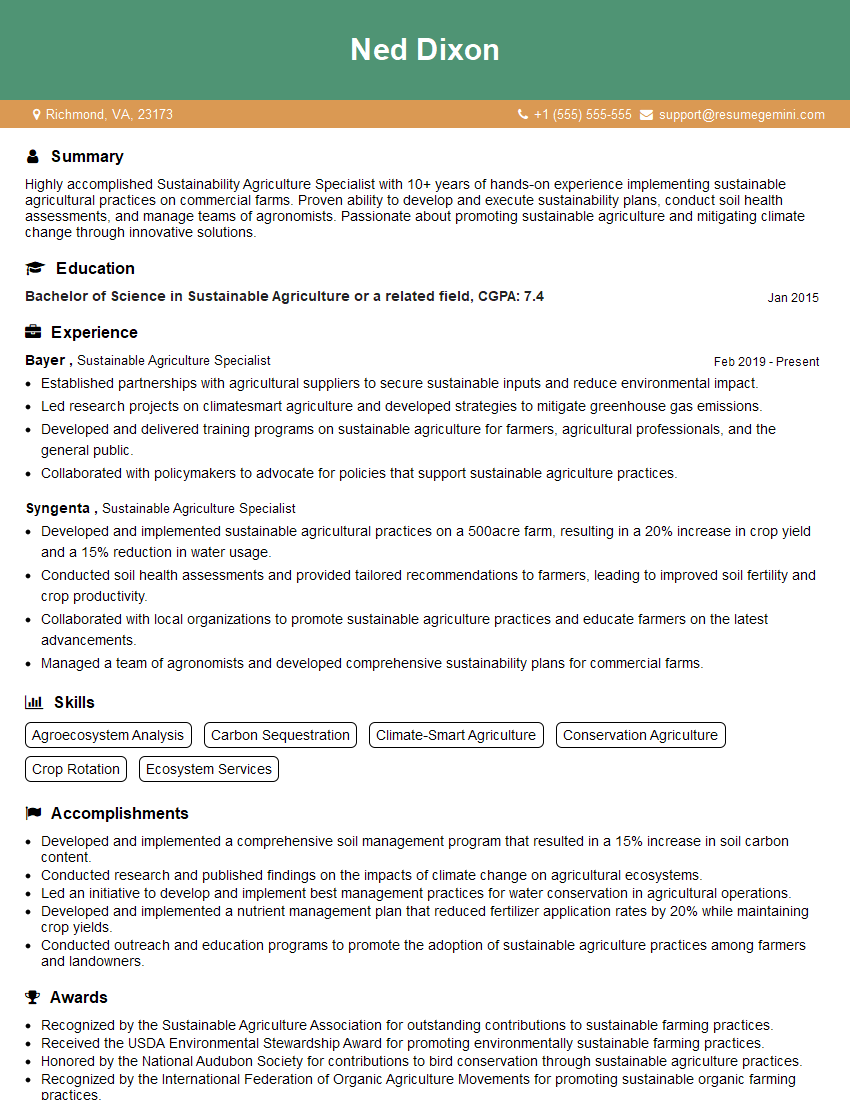
Sustainable Agriculture Specialist Resume Sample

Precision Agriculture Specialist Resume Sample
Explore more articles
Users Rating of Our Blogs
Share Your Experience
We value your feedback! Please rate our content and share your thoughts (optional).
What Readers Say About Our Blog
Very informative content, great job.
good