Are you ready to stand out in your next interview? Understanding and preparing for Fireline Construction interview questions is a game-changer. In this blog, we’ve compiled key questions and expert advice to help you showcase your skills with confidence and precision. Let’s get started on your journey to acing the interview.
Questions Asked in Fireline Construction Interview
Q 1. Explain the different types of fireline construction methods.
Fireline construction methods vary depending on the terrain, vegetation, and the urgency of the situation. The primary goal is to create a barrier that prevents the spread of wildfire. Here are some common methods:
- Handline Construction: This is the most basic method, involving crews using hand tools like shovels, pulaskis, and McLeods to clear vegetation and create a mineral soil break. It’s labor-intensive but effective in diverse terrain. We often use this method for precision work near structures or in challenging areas inaccessible to machinery.
- Dozer Line Construction: Bulldozers are used to create a wider, more substantial fireline by pushing vegetation and creating a bare earth strip. This is faster than handline construction but less precise and can be environmentally impactful. It’s ideal for large, relatively flat areas with minimal obstacles.
- Combination Line Construction: This involves a combination of hand and machine methods. For example, a dozer might create a preliminary line, and then hand crews follow to clean up any remaining fuel or ensure a complete mineral soil break. This approach optimizes efficiency and precision. I often favor this approach as it leverages the strengths of both methods.
- Burnout Operations: In some cases, a controlled burn is conducted to remove fuel ahead of the approaching wildfire. This creates a fire break by consuming the vegetation. It requires experienced personnel and precise weather conditions, and is typically used as a tactical fire suppression technique rather than a standalone fireline method.
Q 2. Describe your experience with fireline construction materials.
My experience encompasses a wide range of fireline construction materials, each with its own strengths and limitations. We primarily utilize naturally occurring materials, but sometimes supplement with manufactured ones. This includes:
- Mineral Soil: This is the most effective material, providing a bare earth barrier that wildfire cannot easily cross. Its effectiveness is paramount, and we prioritize exposing as much as possible during construction.
- Rocks and Gravel: These can be used to reinforce firelines, particularly on steep slopes or areas susceptible to erosion. We often strategically place these to create a stronger barrier in challenging terrain.
- Sand: While less effective than mineral soil, sand can be used in some situations where mineral soil is scarce, particularly in sandy or arid environments. It provides a heat-resistant layer.
- Water-based Fire Retardants: These are sometimes used in conjunction with other methods to suppress remaining vegetation or treat fuels ahead of the fire. It’s a short term tactical measure that provides an immediate impact.
Choosing the right material depends on the specific circumstances of each project. For example, in a steep, rocky area, we might prioritize rocks and mineral soil, while in a flatter area with ample mineral soil, the emphasis would be on creating a wide, clean break.
Q 3. How do you ensure the safety of your crew during fireline construction?
Crew safety is paramount in fireline construction. We implement a multi-layered approach:
- Comprehensive Safety Training: All crew members receive extensive training on wildfire behavior, safety protocols, and the proper use of tools and equipment. Regular refresher courses are integral.
- Proper Personal Protective Equipment (PPE): This includes fire-resistant clothing, eye protection, gloves, and hard hats. The type of PPE varies depending on the specific task and environmental conditions.
- Communication and Supervision: Clear communication channels are essential. Experienced supervisors monitor crew activities and ensure everyone adheres to safety procedures. We use radios to maintain constant contact in challenging conditions.
- Weather Monitoring: We continuously monitor weather conditions as changes can quickly create hazardous conditions. Work may be paused or relocated based on weather alerts.
- Emergency Response Plan: A detailed emergency response plan is in place for various scenarios, including injuries, equipment malfunctions, and rapid fire spread. Emergency contacts are readily available.
- Health Monitoring and Hydration: We place high importance on staying hydrated and monitoring crews for signs of heatstroke, exhaustion, or other health issues. We have readily available first-aid and emergency medical services on standby.
Safety is not just a policy, but an ingrained culture within our crews. We conduct regular safety briefings and actively encourage proactive reporting of hazards.
Q 4. What are the common challenges faced in fireline construction projects?
Fireline construction projects present numerous challenges:
- Difficult Terrain: Steep slopes, rocky areas, dense vegetation, and limited access can significantly hinder progress and increase safety risks. We adapt our methods and equipment based on the specific challenges of each location.
- Weather Conditions: Extreme heat, wind, and low humidity can exhaust crews and increase the risk of fire spread. We often need to adjust schedules and tactics based on real-time weather data.
- Fuel Loads: High fuel loads (amount of flammable material) can make it difficult to create effective firelines and increase the intensity of the fire. Pre-treatment of fuels or strategic line placement are crucial.
- Time Constraints: Rapidly spreading wildfires often necessitate quick action, creating pressure to complete firelines under tight deadlines. Effective planning and resource allocation are vital in these situations.
- Resource Availability: Access to adequate equipment, personnel, and supplies can be challenging, particularly during large-scale wildfire events. We coordinate closely with resource management agencies to secure necessary resources efficiently.
Overcoming these challenges requires careful planning, adaptability, and a deep understanding of wildfire behavior.
Q 5. How do you manage project timelines and budgets in fireline construction?
Managing project timelines and budgets in fireline construction requires meticulous planning and execution:
- Detailed Project Plans: We create comprehensive plans that outline the scope of work, resource requirements, timelines, and potential risks. This allows for accurate budgeting and realistic scheduling.
- Resource Allocation: Efficient allocation of personnel, equipment, and supplies is critical. We use specialized software and experience to optimize resource utilization and minimize downtime.
- Regular Monitoring and Reporting: Progress is closely monitored and regular reports are generated to track expenditures and identify any deviations from the plan. This allows for proactive adjustments.
- Contingency Planning: Unforeseen circumstances (e.g., equipment failure, weather delays) are accounted for in the budget and schedule. Contingency funds and flexible timelines help mitigate the impact of these events.
- Communication with Stakeholders: Clear communication with clients, agencies, and other stakeholders ensures everyone is informed of progress, potential issues, and any necessary adjustments to the timeline or budget.
Successful project management is about proactive planning, meticulous execution, and the ability to adapt to unexpected events.
Q 6. Describe your experience with different types of fireline equipment.
My experience with fireline equipment is extensive, encompassing a variety of tools and machinery:
- Hand Tools: Shovels, pulaskis (a combination axe and hoe), McLeods (a type of rake), and axes are fundamental for handline construction. The choice depends on the type of vegetation and soil.
- Bulldozers: These are essential for creating wide firelines quickly in suitable terrain. Their size and maneuverability must be selected based on the terrain.
- Graders: These are used to smooth and level firelines, particularly after dozer work. It creates a smoother, more consistent firebreak.
- Water Tenders and Pumps: These are crucial for providing water to suppress fires and dampen fuels. The capacity of equipment must match the scale of the operation.
- Chainsaws: Used for cutting larger vegetation, but require careful use due to the inherent fire risk. We adhere to strict safety protocols during their use.
Selecting the appropriate equipment depends on factors like terrain, vegetation type, and the urgency of the situation. Experience allows for informed decision-making in choosing the most effective and safe equipment.
Q 7. How do you handle unforeseen circumstances during a fireline construction project?
Handling unforeseen circumstances is a crucial aspect of fireline construction. Our approach involves:
- Rapid Assessment: When an unforeseen event occurs (e.g., equipment failure, sudden change in weather), a rapid assessment is conducted to determine the extent of the impact and potential risks.
- Risk Mitigation Strategies: Appropriate strategies are implemented to mitigate the risks. This might involve shifting resources, modifying the construction plan, or temporarily suspending work.
- Communication and Coordination: Clear communication with the crew, supervisors, and relevant agencies is crucial to coordinate responses effectively. This ensures everyone is informed and working towards a common goal.
- Adaptability and Flexibility: The ability to adapt to unexpected events is critical. We often need to improvise and modify our plans based on changing circumstances. This involves adjusting the schedule and possibly reallocating resources.
- Post-Incident Review: After the event, a thorough review is conducted to understand what happened, identify areas for improvement, and prevent similar issues in the future.
Our experience in handling unforeseen circumstances allows us to respond calmly, efficiently, and effectively, always prioritizing crew safety and project goals.
Q 8. What are your strategies for quality control in fireline construction?
Quality control in fireline construction is paramount for ensuring the effectiveness and longevity of the firebreaks. My strategy is multifaceted and centers around proactive measures throughout the entire process.
- Material Specification and Inspection: We meticulously check the quality of all materials, ensuring they meet stringent fire-resistant standards. This includes inspecting the type and moisture content of the fuel breaks and verifying the appropriate tools and equipment are used for constructing the line.
- Construction Methodology: We employ precise techniques depending on the terrain and vegetation. For example, in dense forests, we might use specialized machinery to create wider breaks, while in grassy areas, hand tools might suffice. Regular checks throughout the construction process guarantee adherence to the planned width and depth of the fireline.
- Post-Construction Evaluation: After completion, a thorough inspection is performed to identify any imperfections, such as gaps or incomplete sections. This often involves aerial surveys using drones, allowing for a comprehensive overview of the fireline’s integrity. Corrective actions are immediately implemented to address any deficiencies.
- Documentation and Reporting: Detailed records are kept throughout the entire process, from initial planning to final inspection. This documentation serves as evidence of adherence to quality standards and is essential for future maintenance and analysis.
For instance, on a recent project in the Sierra Nevada mountains, we used drone imagery to detect a narrow section in a fireline that wasn’t easily visible from the ground. This allowed us to swiftly correct the issue before it became a potential hazard during a wildfire.
Q 9. Explain your experience with fireline construction documentation and reporting.
Fireline construction documentation and reporting are crucial for both immediate project management and long-term wildfire mitigation strategies. My experience encompasses a variety of methods to ensure comprehensive records are maintained.
- Digital Mapping and GIS: I leverage Geographic Information Systems (GIS) technology extensively. This allows us to create precise maps showing the location, width, and other key characteristics of the firelines. The data is easily shared with stakeholders and updated throughout the project lifecycle.
- Photographs and Videography: Visual documentation is vital. We use high-resolution photos and videos to capture the progress of the work, highlighting specific techniques employed and the final product. This provides a clear record for future reference.
- Detailed Reports: Comprehensive reports are generated after each phase of the project. These include details on the materials used, labor hours, challenges encountered, and a final assessment of the fireline’s quality. These reports also contain risk assessments and mitigation strategies.
- Database Management: We utilize project management software to centralize all documentation and ensure easy access for all team members and clients. This is crucial for efficient communication and collaboration.
In one project, our detailed GIS records played a critical role when the fireline needed to be reassessed after an unusually wet winter. The precise GIS data allowed us to rapidly identify sections requiring reinforcement, enabling a timely and effective response.
Q 10. How do you communicate effectively with clients and stakeholders during fireline construction?
Effective communication is the cornerstone of successful fireline construction. My approach focuses on transparency, proactive updates, and tailored communication strategies for different stakeholders.
- Regular Meetings: We conduct regular meetings with clients, stakeholders, and the construction team. This ensures everyone is informed about project progress, potential challenges, and any necessary adjustments.
- Clear and Concise Reporting: Reports are tailored to the audience’s level of technical understanding. We avoid jargon where possible and use visual aids such as maps and photos to enhance comprehension.
- Accessibility and Responsiveness: We maintain open communication channels, ensuring prompt responses to inquiries and concerns from all parties involved. This includes phone calls, emails, and in-person meetings, as appropriate.
- Conflict Resolution: We proactively address any conflicts or disagreements promptly and fairly. This involves active listening, clear communication, and a collaborative approach to finding mutually agreeable solutions.
For example, during a particularly challenging project near a populated area, we held frequent community meetings to address resident concerns about noise and disruption. This proactive communication built trust and ensured smooth project completion.
Q 11. Describe your experience with fireline construction in different terrains.
My experience spans diverse terrains, requiring adaptability in construction methods and equipment. The key is understanding the unique challenges each environment presents.
- Mountainous Terrain: Steep slopes and uneven surfaces require specialized equipment like tracked vehicles and hand tools for precise line construction. Safety measures are heightened due to the increased risk of erosion and accidents.
- Forest Environments: Dense vegetation necessitates the use of heavy machinery for clearing and creating wider firebreaks. Careful planning is crucial to minimize environmental impact.
- Grasslands and Plains: These areas often require less intensive clearing, but careful consideration must be given to wind patterns and potential for rapid fire spread.
- Wetlands and Swamps: Working in such environments requires specialized techniques and equipment to avoid damage to sensitive ecosystems. This often involves using lighter equipment and employing environmentally friendly construction methods.
One memorable project involved creating a fireline across a rugged, mountainous area in the Cascade Range. We adapted our techniques to the steep terrain and used a combination of mechanized and manual methods to ensure the fireline’s effectiveness while protecting the surrounding environment.
Q 12. How do you maintain compliance with safety regulations during fireline construction?
Safety is paramount in fireline construction. We maintain strict adherence to all applicable safety regulations through a comprehensive safety program.
- Pre-Construction Safety Briefing: Each project begins with a mandatory safety briefing for all personnel, covering relevant hazards, safety procedures, and emergency response plans.
- Personal Protective Equipment (PPE): We provide and enforce the use of appropriate PPE, including hard hats, safety glasses, gloves, and fire-resistant clothing.
- Equipment Maintenance: Regular maintenance and inspection of all equipment are crucial to prevent accidents. We adhere to strict maintenance schedules and ensure all equipment is in good working order.
- Emergency Response Plan: A detailed emergency response plan is developed and practiced regularly. This includes communication protocols, evacuation procedures, and first-aid response.
- Compliance with Regulations: We stay up-to-date on all relevant safety regulations and ensure complete compliance throughout the project.
A recent project involved working near a high-voltage power line. We meticulously followed all electrical safety regulations, including coordinating with the power company and using specialized equipment and training to ensure the safety of our crew.
Q 13. What is your approach to risk management in fireline construction projects?
Risk management is an integral part of our fireline construction process. We use a proactive approach to identify, assess, and mitigate potential hazards.
- Hazard Identification: We conduct thorough site assessments to identify potential hazards, including terrain challenges, weather conditions, wildlife, and potential equipment malfunctions.
- Risk Assessment: We assess the likelihood and severity of each identified hazard. This helps prioritize mitigation efforts and allocate resources effectively.
- Mitigation Strategies: We develop and implement mitigation strategies to reduce the risk associated with each hazard. This might include using specialized equipment, modifying work procedures, or implementing additional safety measures.
- Contingency Planning: We develop contingency plans to address unexpected events, such as equipment failure, adverse weather conditions, or unforeseen hazards.
- Regular Monitoring: We continuously monitor the project for any new or emerging risks and adjust our strategies as needed.
During a project in an area prone to flash floods, our risk assessment identified the potential for sudden water surges. We incorporated measures like strategically placed warning systems and evacuation procedures to ensure crew safety.
Q 14. Explain your knowledge of environmental regulations related to fireline construction.
Environmental regulations are a significant consideration in fireline construction. My approach centers on minimizing environmental impact and ensuring compliance with all applicable laws and guidelines.
- Environmental Impact Assessment: We conduct comprehensive environmental impact assessments before commencing any project. This helps identify sensitive ecosystems, potential impacts, and necessary mitigation measures.
- Minimizing Disturbance: We employ techniques to minimize soil erosion, habitat disruption, and water pollution. This includes using appropriate construction methods and equipment.
- Waste Management: We implement strict waste management protocols to properly dispose of debris and prevent pollution. This often includes recycling and reusing materials where possible.
- Permits and Approvals: We obtain all necessary permits and approvals from relevant regulatory agencies before starting any work. We meticulously follow all permit conditions.
- Post-Construction Monitoring: We often conduct post-construction monitoring to evaluate the environmental impact of the project and ensure compliance with regulations.
For example, in a project near a protected wetland, we used specialized equipment to avoid damaging sensitive vegetation and implemented measures to prevent runoff and water pollution. This ensured compliance with all environmental regulations and protected the ecological integrity of the area.
Q 15. How do you handle conflicts or disagreements within your team during fireline construction?
Conflict resolution is crucial in fireline construction, where high-stakes decisions impact safety and efficiency. My approach is proactive, focusing on open communication and collaborative problem-solving. We establish clear roles and responsibilities from the outset, minimizing misunderstandings. When disagreements arise, I facilitate a structured discussion, ensuring everyone feels heard. We use a collaborative approach, brainstorming solutions together and weighing the pros and cons of each option. For instance, on a recent project, there was a disagreement about the optimal placement of a firebreak. Instead of imposing a decision, I convened a team meeting, where each member presented their reasoning. This led to a compromise that incorporated elements from both sides, resulting in a superior outcome. If a consensus cannot be reached, I step in as a mediator, using my experience to guide the team toward a mutually acceptable solution. Ultimately, preserving team cohesion and morale is paramount.
Career Expert Tips:
- Ace those interviews! Prepare effectively by reviewing the Top 50 Most Common Interview Questions on ResumeGemini.
- Navigate your job search with confidence! Explore a wide range of Career Tips on ResumeGemini. Learn about common challenges and recommendations to overcome them.
- Craft the perfect resume! Master the Art of Resume Writing with ResumeGemini’s guide. Showcase your unique qualifications and achievements effectively.
- Don’t miss out on holiday savings! Build your dream resume with ResumeGemini’s ATS optimized templates.
Q 16. Describe your experience with using CAD or BIM software for fireline construction.
CAD and BIM software are invaluable tools in modern fireline construction. I have extensive experience using AutoCAD and Revit to design and manage firebreaks, fuel breaks, and other fireline infrastructure. These programs allow for precise modeling of terrain, vegetation, and planned fireline pathways. This precision minimizes errors and ensures efficient resource allocation. For example, in Revit, I can create detailed 3D models that accurately reflect the slope and vegetation density, helping to anticipate challenges and plan accordingly. We use the software to generate detailed plans, sections, and quantities for material ordering. The ability to share and collaborate on these models with stakeholders, including landowners and fire management agencies, improves communication and reduces ambiguities. BIM software facilitates efficient coordination among various teams, including engineering, construction, and management, minimizing conflicts and enhancing efficiency.
Q 17. How do you ensure the accuracy of measurements and calculations in fireline construction?
Accuracy in measurements and calculations is paramount in fireline construction to ensure the effectiveness and safety of firebreaks. We employ a multi-layered approach to guarantee accuracy. This starts with using high-precision GPS and surveying equipment to map terrain and establish accurate baseline data. We meticulously cross-reference these measurements with aerial imagery and topographic maps. Calculations involving fire spread modeling are done using specialized software that considers factors like wind speed, fuel type, and slope. Regular quality control checks are implemented at each stage, involving independent verification of measurements and calculations. For example, we use total stations to verify the placement of firebreaks and compare those readings against the CAD model. Any discrepancies are investigated and resolved before proceeding. This rigorous approach minimizes errors and ensures the structural integrity and effectiveness of the constructed firelines.
Q 18. What are your strategies for minimizing environmental impact during fireline construction?
Minimizing environmental impact is a core principle in our fireline construction projects. We prioritize strategies that reduce habitat disturbance and soil erosion. This includes careful planning of construction routes to avoid sensitive ecosystems and using environmentally friendly construction materials. We employ techniques like directional drilling to minimize ground disturbance when installing water lines or other utilities. Post-construction, we implement soil stabilization and re-vegetation efforts to restore the affected areas. We follow strict guidelines set by environmental agencies, obtaining all necessary permits and adhering to best practices. We also conduct environmental assessments before and after project completion to monitor the impact of our work. For example, on a recent project near a riparian area, we chose a construction path that minimized impact on the stream, implemented erosion control measures, and used native plants in the re-vegetation process.
Q 19. Explain your experience with different types of fireline construction contracts.
My experience encompasses various fireline construction contracts, including lump-sum, unit-price, and cost-plus contracts. Lump-sum contracts involve a fixed price for the entire project, offering predictability but requiring thorough upfront planning. Unit-price contracts specify the price per unit of work, offering flexibility but requiring rigorous tracking of quantities. Cost-plus contracts reimburse actual costs plus a markup, providing flexibility but requiring detailed cost accounting. The choice of contract type depends on the project’s complexity, the level of uncertainty, and the client’s risk tolerance. For example, a relatively straightforward firebreak construction might be suitable for a lump-sum contract, whereas a complex project with significant site-specific challenges might be better suited for a cost-plus contract. I have successfully managed projects using each of these contract types and understand the advantages and challenges of each.
Q 20. How do you manage the logistics of fireline construction projects?
Efficient logistics are crucial for timely and cost-effective fireline construction. Careful planning and coordination are essential, starting with securing access to the project site, which might involve negotiating with landowners or obtaining permits. This is followed by procuring and transporting necessary equipment and materials, often to remote locations with limited infrastructure. We develop detailed logistics plans, including timelines for material delivery and equipment mobilization. We closely monitor weather conditions, adjusting schedules as necessary to ensure worker safety and project efficiency. We also establish clear communication channels with all stakeholders, including subcontractors, suppliers, and emergency services. Effective communication ensures that everyone is aware of their roles and responsibilities, preventing delays and potential conflicts. The use of GPS tracking and real-time communication tools helps us monitor the progress of materials and equipment in transit. A strong logistics plan safeguards project timelines and budget while ensuring safe operations.
Q 21. Describe your experience with cost estimation and budgeting for fireline construction.
Accurate cost estimation and budgeting are critical for successful fireline construction. My approach involves a detailed breakdown of all project costs, including labor, materials, equipment, permits, and contingency reserves. I use historical data, industry benchmarks, and site-specific factors to develop realistic cost estimates. Detailed quantity take-offs are generated using CAD/BIM models to accurately calculate the amount of materials required. We also incorporate risk assessment into the budget, anticipating potential cost overruns due to unforeseen circumstances. Regular budget monitoring and reporting help us track expenditures against the budget and identify potential issues early. For instance, I might include a contingency reserve of 10-15% to account for unexpected events such as weather delays or equipment malfunctions. Transparent budgeting and clear communication with clients build trust and facilitate informed decision-making throughout the project lifecycle. Continuous refinement of the cost model, based on feedback and updated information, ensures that the project remains financially viable.
Q 22. How do you ensure the timely procurement of materials for fireline construction projects?
Timely material procurement is critical for fireline construction, as delays can significantly impact project timelines and effectiveness. Our process begins with a thorough bill of materials (BOM) developed during the planning phase, specifying the exact quantities and types of materials needed (e.g., hand tools, fuelbreaks, water tanks etc.).
We then leverage a multi-pronged approach:
- Pre-qualification of Suppliers: We establish strong relationships with reliable suppliers who can consistently meet our demands. This includes assessing their capacity, past performance, and adherence to quality standards.
- Strategic Stockpiling: For frequently used materials, we maintain a strategic stockpile close to the project site to minimize lead times and ensure availability, especially in remote areas.
- Just-in-Time Delivery: For less frequently used materials, we utilize just-in-time delivery systems, coordinating deliveries precisely with the construction schedule to avoid storage issues and reduce waste.
- Contingency Planning: We always factor in potential delays or supply chain disruptions by incorporating a buffer in our procurement timeline and identifying backup suppliers for critical materials.
For example, during a recent project in a remote area with limited access, we pre-positioned essential hand tools and water tanks several weeks in advance, preventing delays caused by transportation difficulties. This proactive approach saved us valuable time and ensured that our crews were always ready to work.
Q 23. What are your strategies for managing project delays in fireline construction?
Managing project delays in fireline construction requires a proactive and adaptable approach. Delays can stem from various factors—unexpected weather events, equipment malfunctions, material shortages, or even unforeseen site conditions.
Our strategies include:
- Robust Project Planning: We employ detailed scheduling and critical path analysis to identify potential bottlenecks and develop contingency plans. This involves close monitoring of weather forecasts and integrating flexibility into the schedule.
- Risk Assessment and Mitigation: We conduct thorough risk assessments at the outset of each project, identifying potential delays and developing mitigation strategies. This could involve securing backup equipment or negotiating flexible delivery schedules with suppliers.
- Communication and Collaboration: Open communication among the project team, stakeholders, and regulatory bodies is crucial. Regular progress meetings and clear reporting mechanisms facilitate prompt identification and resolution of issues.
- Adaptive Scheduling: We utilize agile project management techniques, allowing for adjustments to the schedule based on real-time conditions. This prevents delays from snowballing and keeps the project on track.
- Change Management: A formal change management process is followed, documenting all variations from the original plan and evaluating their impact on timelines and costs.
For instance, during a recent project, unexpected heavy rain caused a temporary suspension of work. Our pre-planned mitigation strategy, which included alternative work tasks during downpour and a revised schedule, minimized the overall impact on the project timeline.
Q 24. How do you monitor and evaluate the performance of your team during fireline construction?
Monitoring and evaluating team performance is crucial for ensuring the safety and efficiency of fireline construction. We utilize a multi-faceted approach:
- Daily Progress Reports: Each team provides daily reports outlining progress, challenges encountered, and materials used. This allows for immediate identification of potential issues and proactive intervention.
- Regular Team Meetings: We conduct daily or weekly meetings to discuss progress, address concerns, and facilitate collaboration. This ensures everyone is informed and working towards common goals.
- Performance Metrics: Key performance indicators (KPIs) are used to track productivity, safety record, and adherence to standards. These could include meters of fireline constructed per day, number of safety incidents, and compliance with environmental regulations.
- Skill Audits & Training: Regular skill assessments and targeted training programs ensure that our team members are equipped with the necessary skills and knowledge for safe and effective work. We provide certifications in first aid and fire safety practices.
- Feedback Mechanisms: We encourage open feedback through both formal and informal channels. This helps identify areas for improvement in both individual and team performance.
We use a simple ranking system for our workers, for example, based on their adherence to safety guidelines, productivity, and experience, which provides valuable performance data.
Q 25. Describe your experience with post-construction inspections and evaluations of firelines.
Post-construction inspections and evaluations are essential for verifying the quality and effectiveness of the fireline. These inspections ensure the fireline meets the required specifications and will perform as intended in case of wildfire.
Our process involves:
- Visual Inspection: A thorough visual inspection is carried out to assess the width, depth, and continuity of the fireline. We check for any gaps or weaknesses that may compromise its effectiveness.
- Material Assessment: We verify the type and quality of materials used, ensuring compliance with specifications.
- Documentation Review: We review all project documentation, including plans, permits, and daily reports, to ensure that work was carried out in accordance with the approved plans.
- GIS Mapping: We use geographic information systems (GIS) to map the fireline, providing a precise record of its location and characteristics. This is vital for future fire management planning.
- Performance Evaluation: After a period of time, we conduct a performance evaluation, analyzing the fireline’s effectiveness during periods of elevated wildfire risk or a real fire event to improve future construction.
For example, following a recent project, our inspection revealed minor gaps in one section of the fireline. This allowed us to promptly address the issue and prevent potential problems.
Q 26. Explain your understanding of the role of fireline construction in wildfire prevention.
Fireline construction plays a crucial role in wildfire prevention by creating barriers that slow or stop the spread of wildfires. These barriers can be natural or man-made features, and their effectiveness depends on factors such as the type of fuel, terrain, and weather conditions.
The role of fireline construction in wildfire prevention can be summarized as follows:
- Creating Fuel Breaks: Firelines reduce the amount of fuel available for a fire to burn by removing vegetation or creating a barrier of low-flammability material. This slows the spread of the fire, giving firefighters more time to control it.
- Protecting Infrastructure: Firelines are used to protect critical infrastructure, such as homes, buildings, and power lines, from wildfire damage.
- Improving Fire Suppression: Firelines provide firefighters with strategic locations to conduct controlled burns and create effective firebreaks, making suppression efforts more efficient and effective.
- Managing Wildland-Urban Interfaces: Firelines are critical in mitigating wildfire risks in areas where wildlands and urban areas meet (WUI).
Essentially, firelines are proactive measures, transforming dangerous wildfire risks into manageable ones.
Q 27. How do you adapt your fireline construction techniques based on weather conditions?
Adapting fireline construction techniques to weather conditions is paramount for safety and effectiveness. Extreme weather conditions can impact both the feasibility and outcome of construction.
Our adaptation strategies involve:
- Weather Monitoring: We closely monitor weather forecasts, paying attention to temperature, humidity, wind speed, and precipitation. This helps us make informed decisions about scheduling and safety protocols.
- Safety Protocols: We have strict safety protocols that address extreme weather conditions. This involves halting work during periods of high winds, thunderstorms, or extreme heat.
- Equipment Adjustments: We use different equipment based on the weather. For example, during dry, windy conditions, we utilize specialized equipment to minimize the risk of ignition. In wet conditions, we may adjust our techniques to account for increased soil moisture and potential ground instability.
- Crew Management: We ensure adequate hydration and breaks for our crews in hot and humid conditions, and provide appropriate protective gear in all weather conditions.
- Material Selection: The choice of materials can be influenced by weather conditions. For example, certain materials might be more suitable for dry, windy conditions, while others are better suited for wet conditions.
For example, during a period of high winds, we temporarily suspended work and repositioned our crew to a more sheltered location, ensuring their safety.
Q 28. Describe your experience with working collaboratively with other professionals involved in fire management.
Collaboration is crucial in fire management, requiring seamless interaction with various professionals, including firefighters, land managers, environmental scientists, and emergency response teams.
Our collaborative experience involves:
- Pre-planning Meetings: We participate in pre-planning meetings with all stakeholders, discussing project objectives, potential challenges, and risk mitigation strategies.
- Information Sharing: We share critical information with other teams, such as construction progress, potential hazards, and any changes to the plan. This open communication helps maintain coordination and minimize disruptions.
- Joint Site Assessments: We conduct joint site assessments with fire agencies and land managers to identify optimal locations for firelines, minimizing environmental impact.
- Emergency Response Coordination: We have established communication channels with emergency response teams for quick reporting and coordination during emergencies. This ensures prompt action during incidents.
- Post-Incident Debriefing: Following fire events, we participate in post-incident debriefings to evaluate the effectiveness of the firelines and identify areas for improvement in future projects.
For instance, in one collaborative project, we worked closely with local fire departments to ensure the firelines aligned with their suppression strategies, resulting in improved efficiency and safety during the wildfire.
Key Topics to Learn for Fireline Construction Interview
- Safety Regulations and Procedures: Understanding and applying relevant OSHA standards and company-specific safety protocols is crucial. This includes practical knowledge of PPE, hazard identification, and incident reporting.
- Construction Project Management: Familiarize yourself with project lifecycles, scheduling, budgeting, and resource allocation. Consider how you would manage deadlines, material procurement, and potential project delays.
- Building Codes and Regulations: Demonstrate knowledge of local, state, and national building codes relevant to Fireline Construction’s projects. Be prepared to discuss their practical application on a construction site.
- Teamwork and Communication: Construction relies heavily on effective teamwork. Prepare examples showcasing your ability to collaborate effectively with diverse teams, communicate clearly, and resolve conflicts constructively.
- Problem-Solving and Critical Thinking: Highlight your ability to identify and solve problems efficiently under pressure. Prepare examples demonstrating your analytical skills and decision-making processes in challenging situations.
- Specific Technologies and Equipment: Research the types of projects Fireline Construction undertakes and familiarize yourself with the technologies and equipment commonly used. This could include specific software, machinery, or tools.
- Quality Control and Assurance: Understanding quality control measures and their importance in ensuring project success is essential. Be ready to discuss your experience with inspections, quality checks, and adherence to specifications.
Next Steps
Mastering the key aspects of Fireline Construction significantly enhances your career prospects within the construction industry. It demonstrates your commitment to safety, efficiency, and professionalism, making you a highly competitive candidate. To increase your chances of landing your dream job, focus on creating an ATS-friendly resume that effectively highlights your skills and experience. ResumeGemini is a trusted resource that can help you build a professional and impactful resume. We provide examples of resumes tailored to Fireline Construction to give you a head start. Invest time in crafting a strong resume—it’s your first impression!
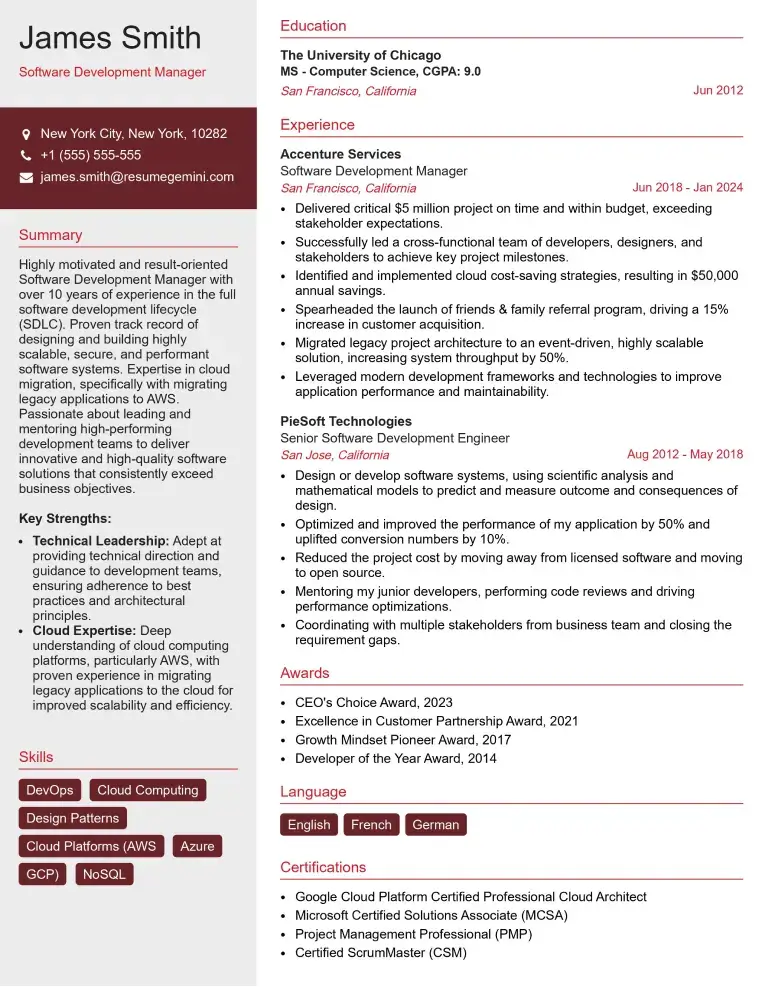
Check Out Resume Samples at ResumeGemini
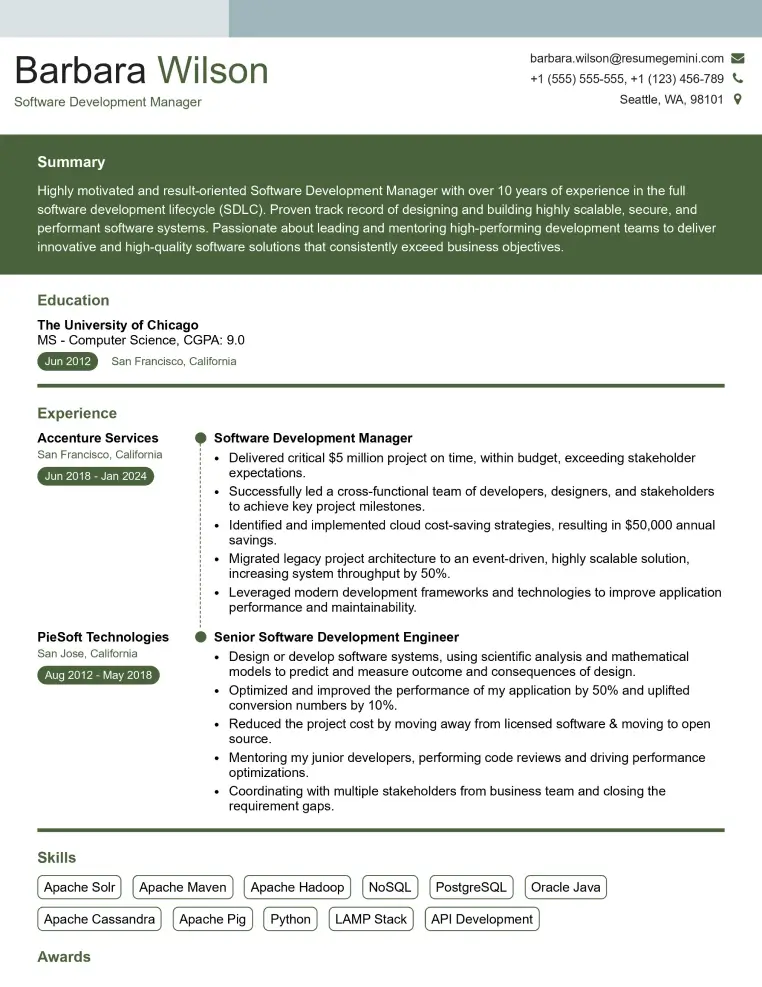
Check Out Resume Samples at ResumeGemini
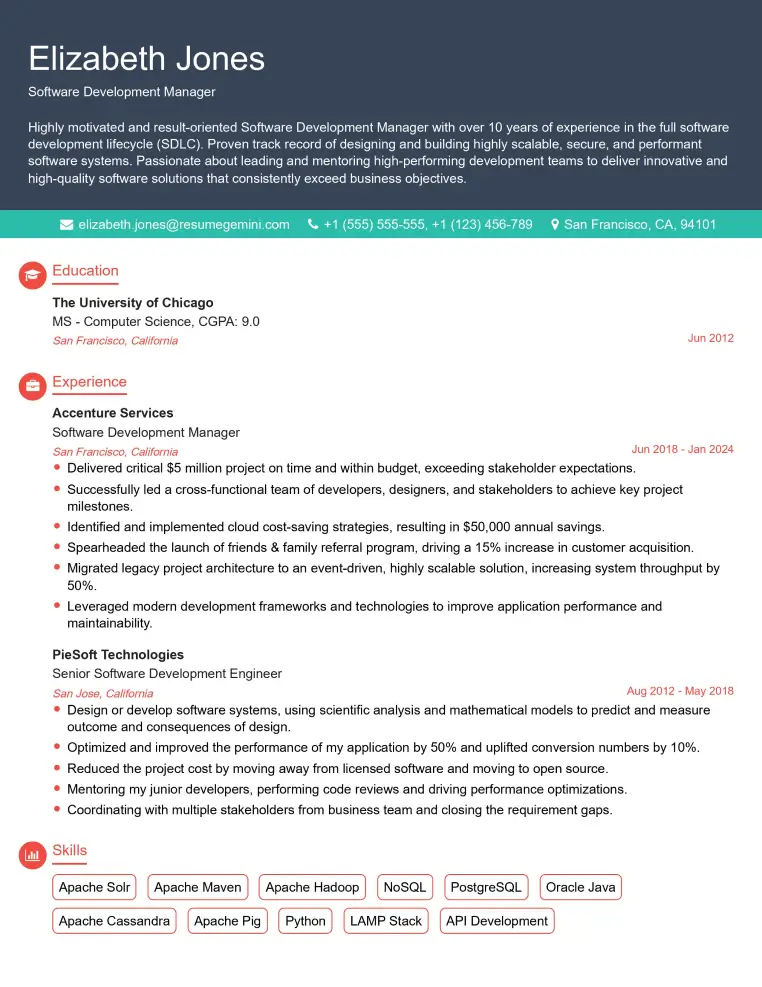
Check Out Resume Samples at ResumeGemini
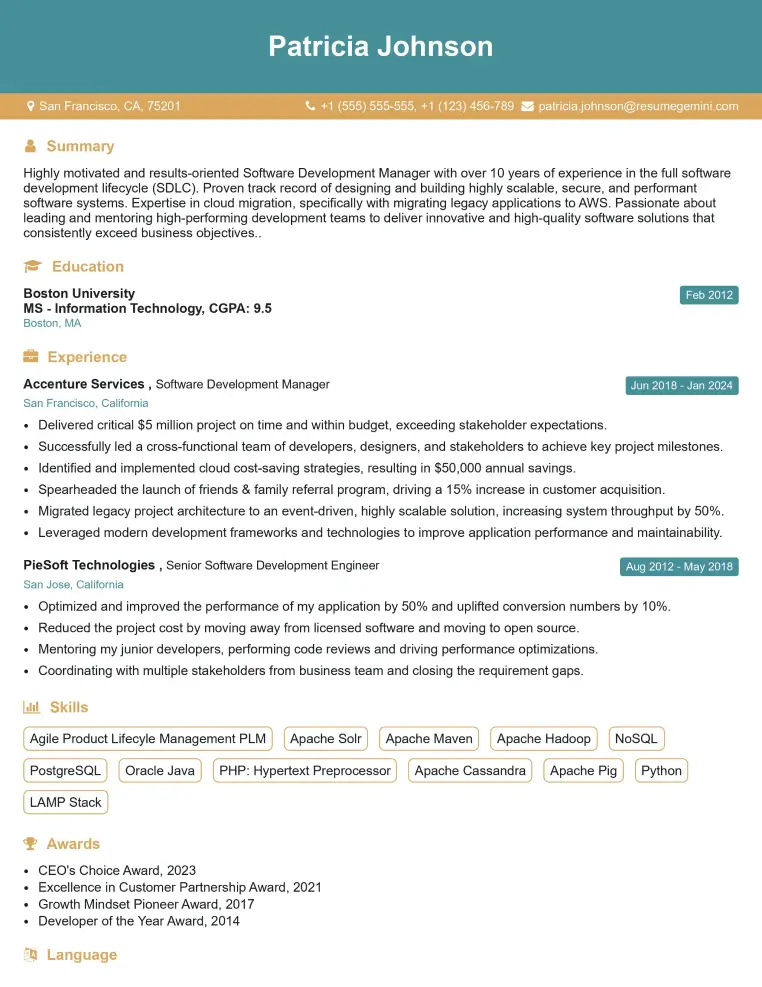
Check Out Resume Samples at ResumeGemini
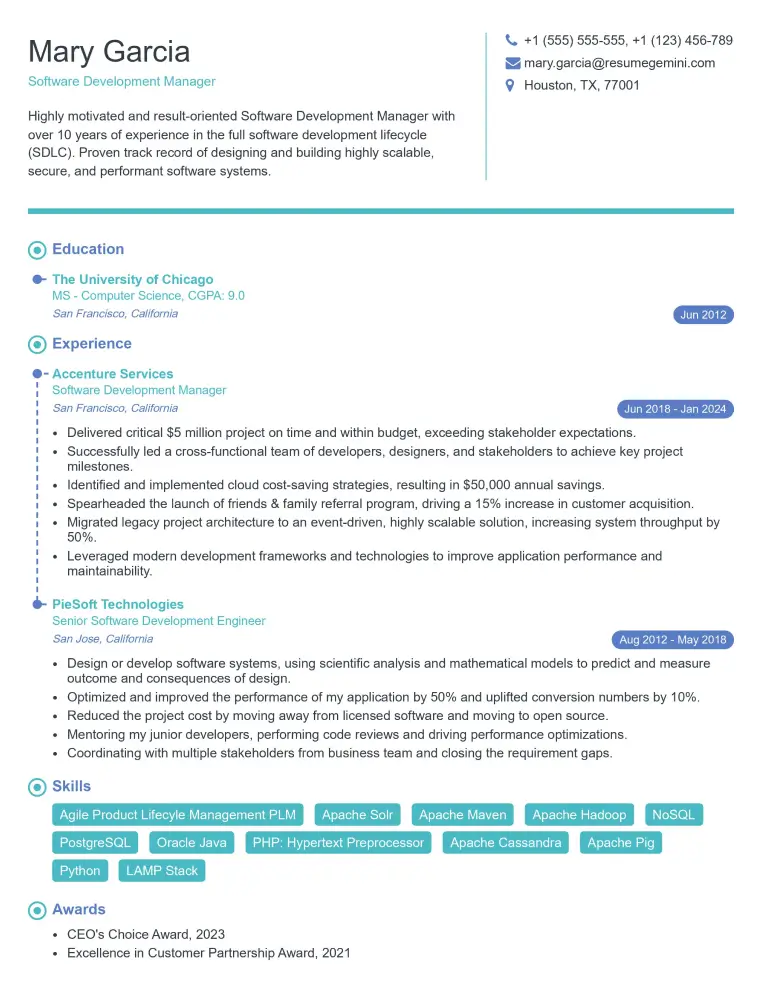
Check Out Resume Samples at ResumeGemini
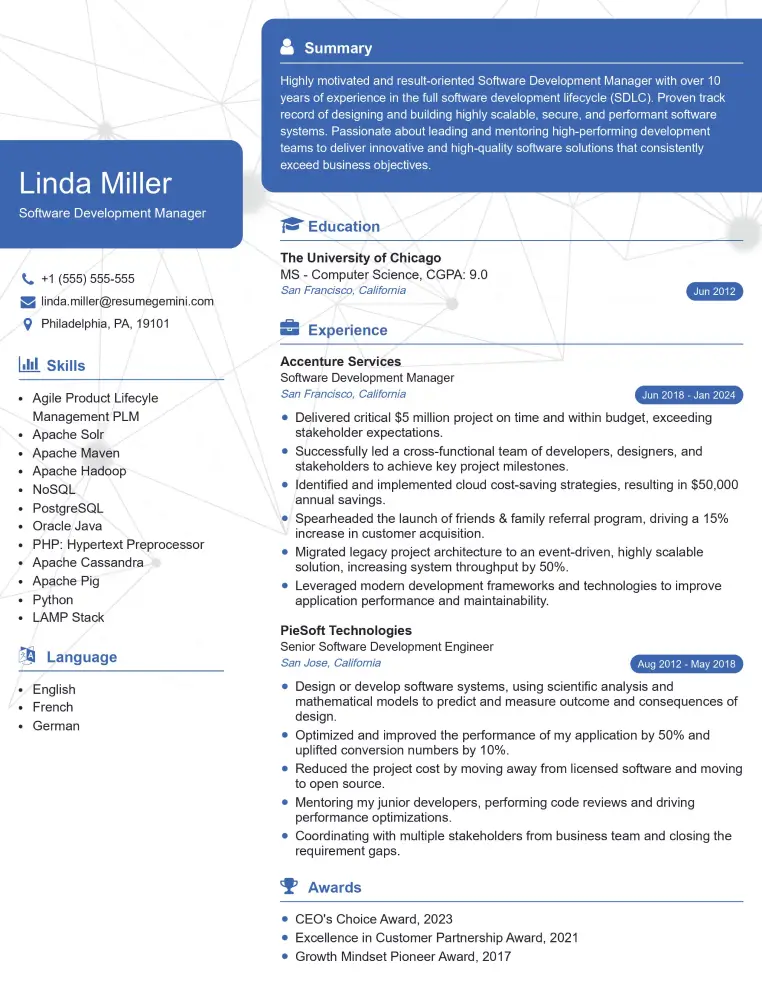
Check Out Resume Samples at ResumeGemini
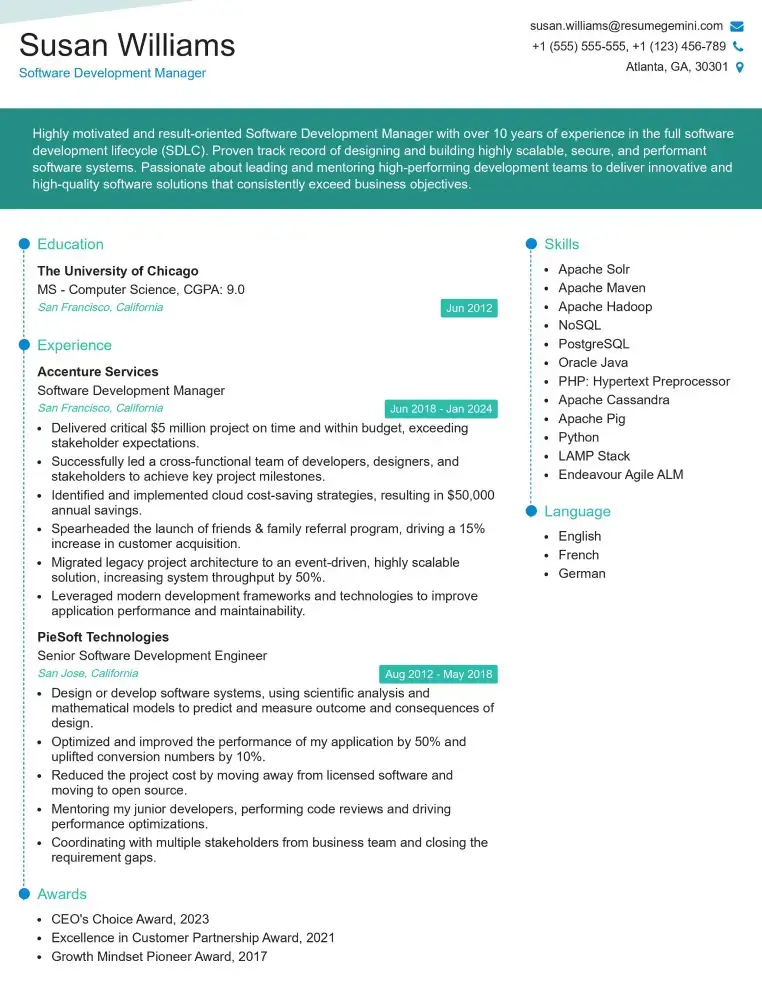
Check Out Resume Samples at ResumeGemini
Explore more articles
Users Rating of Our Blogs
Share Your Experience
We value your feedback! Please rate our content and share your thoughts (optional).
What Readers Say About Our Blog
Very informative content, great job.
good