Preparation is the key to success in any interview. In this post, we’ll explore crucial Humanitarian Aid Delivery interview questions and equip you with strategies to craft impactful answers. Whether you’re a beginner or a pro, these tips will elevate your preparation.
Questions Asked in Humanitarian Aid Delivery Interview
Q 1. Describe your experience in needs assessment and gap analysis in humanitarian contexts.
Needs assessment and gap analysis are crucial first steps in any humanitarian response. Needs assessment involves systematically identifying the specific requirements of a population affected by a crisis – be it food, shelter, water, sanitation, healthcare, or protection. Gap analysis then compares these identified needs with the resources and services already available. This reveals the shortfall, or ‘gap,’ that humanitarian assistance needs to fill.
In my experience, this often involves a multi-faceted approach. I’ve used both quantitative methods like surveys and statistical analysis of existing data (e.g., mortality rates, malnutrition levels) and qualitative methods such as focus group discussions and key informant interviews to understand the nuanced realities on the ground. For instance, during the Ebola crisis in West Africa, we used rapid needs assessments to identify immediate needs for personal protective equipment (PPE) for healthcare workers, alongside longer-term needs for community education and psychosocial support. The gap analysis revealed a critical shortage of PPE and trained personnel, which we addressed by working with local partners to procure and distribute supplies and provide training.
A robust needs assessment always considers vulnerability – who is most at risk and requires prioritized attention. This may involve using tools like vulnerability matrices to weigh different factors such as age, gender, disability, and pre-existing health conditions. The findings of the needs assessment and gap analysis then directly inform the design and implementation of the humanitarian response.
Q 2. Explain your understanding of the humanitarian principles.
The core principles of humanitarian action – humanity, neutrality, impartiality, and independence – are the ethical bedrock of our work. Humanity emphasizes the suffering of individuals and the imperative to alleviate it. We act out of compassion and a commitment to protect human life and dignity. Neutrality means we do not take sides in hostilities or controversies of a political, racial, religious, or ideological nature. Impartiality ensures we provide assistance solely on the basis of need, without discrimination. And independence means we maintain autonomy in our operations, free from undue influence by any party, ensuring we can effectively serve those in need.
For example, during a conflict, we might provide medical assistance to both sides, adhering to neutrality. If there is a food shortage, we would distribute food equally based on need, regardless of ethnicity or political affiliation (impartiality). We would also refuse to be used as a political tool or to participate in activities that compromise our ability to provide aid objectively (independence). These principles are paramount, as they ensure that aid reaches those most in need, building trust and fostering a collaborative environment.
Q 3. How would you prioritize needs in a complex emergency situation with limited resources?
Prioritizing needs in a complex emergency with limited resources requires a systematic and ethical approach. I typically use a three-step framework:
- 1. Triage: This involves identifying the most urgent and life-threatening needs. This could be providing immediate medical care to the severely injured, ensuring access to clean drinking water to prevent disease outbreaks, or providing emergency shelter to protect people from the elements. We use established triage systems to swiftly assess and prioritize based on the severity of need.
- 2. Needs-based Prioritization: After addressing immediate life-threatening needs, we move to a more comprehensive assessment. This prioritizes needs based on impact and feasibility. We may use a matrix weighing factors like the number of people affected, the severity of the impact, and the potential to make a significant difference with the limited resources. For example, providing essential medicines for a widespread epidemic would likely be prioritized over less critical needs.
- 3. Capacity Assessment: This is critical to determine the organization’s capacity to deliver aid effectively. We assess our logistical capabilities, staffing levels, and partnerships to ensure that the chosen priorities can be realistically implemented. This may necessitate a scaling-up or down of operations based on available capacity.
This framework ensures that we are focusing on the needs with the greatest immediate and long-term impact, whilst remaining realistic about our ability to deliver.
Q 4. Detail your experience in developing and implementing project proposals for humanitarian aid.
Developing and implementing project proposals is a core part of my work. It begins with a thorough understanding of the context, derived from the needs assessment and gap analysis. The proposal then outlines the problem, the proposed solution, the activities involved, the expected results, the budget, and a monitoring and evaluation plan.
I always ensure the proposal is clear, concise, and relevant to the needs of the affected population. I also emphasize the inclusion of local partners and communities in the design and implementation process, acknowledging their insights and capacity. For example, a recent project focused on improving sanitation in a refugee camp involved close collaboration with camp leaders and community health workers. This ensured the project was culturally appropriate and sustainable. The proposal included detailed budgets, procurement plans, and a timeline for implementation, along with clear indicators to measure success, such as the reduction in waterborne diseases or an increase in the use of latrines.
Following approval, implementing the project involves meticulous monitoring, regular reporting, and adaptive management. This means we are flexible and ready to make adjustments based on challenges or changes on the ground, continuously refining our approach for maximum impact.
Q 5. Explain your approach to managing conflict within a humanitarian team.
Conflict within a humanitarian team can be detrimental to effectiveness. My approach prioritizes open communication, early intervention, and a collaborative problem-solving process. I believe in establishing clear roles and responsibilities from the outset, fostering mutual respect and understanding amongst team members. Regular team meetings, open forums for feedback, and opportunities for conflict resolution training are crucial.
When conflicts arise, I encourage direct and respectful communication between the involved parties, facilitating a dialogue aimed at identifying the root causes of the disagreement. Mediation might be necessary, ensuring a neutral and supportive environment for resolving the conflict. In some situations, seeking support from a senior manager or HR professional may be necessary for formal conflict resolution processes.
Ultimately, a positive team dynamic is crucial for successful humanitarian work. This requires constant effort in building trust, promoting empathy, and ensuring everyone feels heard and valued. A proactive approach to conflict management can prevent minor disagreements from escalating into major disruptions.
Q 6. How do you ensure accountability and transparency in humanitarian aid delivery?
Accountability and transparency are paramount in humanitarian aid. We must be able to demonstrate how aid is used and ensure that it reaches those intended. This involves several key strategies:
- Clear and detailed financial management: All financial transactions are meticulously documented and audited, ensuring that funds are used efficiently and effectively.
- Transparent reporting: Regular reports detailing project activities, expenditures, and achievements are shared with donors and stakeholders.
- Community engagement: Regular consultations with communities allow them to participate in the monitoring of aid delivery, ensuring that their needs are met and their feedback is considered.
- Use of technology: Technology like GPS tracking of supplies and online dashboards provide real-time visibility of aid delivery and reduce opportunities for misallocation.
- Independent monitoring and evaluation: External audits and evaluations provide assurance of the program’s quality, effectiveness, and compliance with ethical standards.
By implementing these measures, we enhance trust, build confidence, and promote responsible use of resources, ensuring that aid is delivered effectively and ethically.
Q 7. Describe your experience with logistics management in challenging environments.
Logistics management in challenging environments requires adaptability, resilience, and strong planning skills. I’ve experienced firsthand the complexities of delivering aid in conflict zones, disaster-stricken areas, and remote locations. These environments often involve unreliable infrastructure, security concerns, and difficult terrains.
My approach involves establishing robust supply chains, securing safe transportation routes, and developing contingency plans to address unforeseen challenges. This may involve working with local partners to access and secure transportation, establishing robust communication systems to track supplies, and putting in place systems to monitor security conditions. In one instance, we used drones to deliver essential medicines to remote villages inaccessible by road following a major earthquake. Another instance involved securing safe passage for convoys through conflict zones by coordinating with local authorities and community leaders. Risk mitigation is essential, including the development of security protocols and insurance mechanisms to protect personnel and assets.
Effective logistics management requires anticipation, flexibility, and collaboration. Building strong relationships with local partners and engaging with communities in the planning and implementation phases are vital for effective and safe aid delivery in challenging environments.
Q 8. How do you ensure the safety and security of your team in a high-risk environment?
Ensuring team safety in high-risk environments is paramount. It’s not just about physical security; it’s a multifaceted approach encompassing proactive risk mitigation, robust security protocols, and comprehensive training. We begin with a thorough risk assessment, identifying potential threats like violence, disease outbreaks, natural disasters, and logistical challenges specific to the operational area. This assessment informs the development of a detailed Security Plan.
- Pre-Deployment Training: Team members receive extensive training on security awareness, first aid, self-defense, and cultural sensitivity. This includes situational awareness training, understanding potential threats, and communication protocols during emergencies.
- Security Protocols: We establish clear communication channels, regular check-ins, and emergency procedures. This often involves utilizing satellite phones and GPS tracking devices to maintain constant contact and monitor team locations. Movement is planned and coordinated carefully, avoiding high-risk areas whenever possible.
- Local Partnerships: Engaging with local security experts and community leaders is crucial. They often possess invaluable knowledge of local dynamics and potential threats, providing essential insight into navigating the operational area safely.
- Equipment and Resources: Providing the team with appropriate protective equipment, including body armor, helmets, and communication devices, is non-negotiable. Access to secure transportation and emergency medical services is also vital.
- Post-Incident Response: We have a detailed protocol for responding to security incidents, including evacuation plans, crisis communication strategies, and debriefing sessions for team members to address any trauma or stress.
For example, during a recent operation in a conflict zone, we established a secure base camp with perimeter security, coordinated movements with armed escorts, and implemented a strict communication protocol using encrypted satellite phones. This ensured the safety of our team despite operating in a highly volatile environment.
Q 9. What is your experience with community engagement and participation in humanitarian projects?
Community engagement is the cornerstone of successful humanitarian projects. It’s not about delivering aid *to* communities, but *with* them. My experience shows that meaningful participation leads to more effective, sustainable, and culturally appropriate interventions.
- Needs Assessments: We begin by conducting participatory needs assessments, actively involving community members in identifying their priorities and challenges. This ensures that our interventions address real needs, avoiding imposing solutions that may not be relevant or culturally sensitive. Focus groups, key informant interviews, and household surveys are common tools.
- Participatory Planning: We involve communities in the design and implementation phases of projects. This allows them to contribute their local knowledge, ensuring the project aligns with their values and customs. Local ownership is fostered through joint planning and decision-making processes.
- Capacity Building: We focus on building local capacity rather than creating dependency. This includes providing training, mentoring, and supporting local organizations to take the lead in sustaining project activities after our intervention concludes.
- Transparency and Accountability: Open communication, regular feedback mechanisms, and transparent reporting of project progress are vital. This builds trust and ensures accountability to the communities we serve.
In a recent project addressing food insecurity, we collaborated with local farmers’ cooperatives to develop a sustainable agricultural program. By involving them in every stage – from needs identification to implementation and monitoring – we ensured the program was both effective and culturally appropriate. The farmers’ ownership of the project ensured its long-term sustainability.
Q 10. How do you monitor and evaluate the impact of humanitarian interventions?
Monitoring and evaluation (M&E) are critical to assess the effectiveness and impact of humanitarian interventions. It’s a continuous process, not a one-off activity, involving data collection, analysis, and reporting to track progress, identify challenges, and adapt strategies to maximize impact.
- Setting Clear Indicators: We define measurable indicators aligned with project objectives. These indicators can be quantitative (e.g., number of people reached, reduction in malnutrition rates) or qualitative (e.g., changes in community perceptions, improved social cohesion).
- Data Collection Methods: We employ a variety of data collection methods, including surveys, interviews, focus group discussions, and observations. The choice of methods depends on the specific context and the type of data required.
- Data Analysis: We analyze the collected data using appropriate statistical and qualitative analysis techniques to assess progress towards achieving project goals. This analysis informs decision-making and allows us to adapt our strategies based on evidence.
- Reporting and Dissemination: We prepare regular reports summarizing project progress, highlighting achievements, challenges, and lessons learned. These reports are shared with stakeholders, including donors, implementing partners, and communities.
For example, in a water, sanitation, and hygiene (WASH) project, we tracked water quality, disease prevalence, and community participation rates. Through regular monitoring and analysis, we identified challenges related to community engagement and adapted our approach to improve participation and ensure project sustainability.
Q 11. Explain your experience with budget management and financial reporting in humanitarian aid.
Budget management and financial reporting are crucial in humanitarian aid. It’s about ensuring transparency, accountability, and efficient use of donor funds. I have extensive experience in developing and managing budgets, tracking expenses, and preparing detailed financial reports according to donor requirements.
- Budget Development: We develop detailed, realistic budgets that align with project plans and donor guidelines. This includes forecasting costs for personnel, supplies, logistics, and other expenses.
- Budget Tracking: We meticulously track expenditures against the approved budget, ensuring all expenses are properly documented and compliant with accounting standards.
- Financial Reporting: We prepare regular financial reports summarizing income, expenses, and budget variances. These reports are submitted to donors and internal management, ensuring transparency and accountability.
- Internal Controls: We implement robust internal controls to prevent fraud, waste, and abuse of resources. This often includes segregation of duties, regular audits, and compliance with relevant financial regulations.
In a previous role, I managed a budget exceeding $1 million for a large-scale emergency response operation. By meticulously tracking expenses and adhering to strict financial procedures, I ensured that funds were used effectively and transparently to provide aid to those in need.
Q 12. Describe your experience in working with diverse cultural groups in humanitarian settings.
Working with diverse cultural groups is essential in humanitarian settings. Cultural sensitivity is not just polite; it’s vital for effective and ethical aid delivery. My approach centers on respecting local customs, values, and beliefs, ensuring that our interventions are culturally appropriate and avoid unintended negative consequences.
- Cultural Awareness Training: We provide comprehensive cultural awareness training to all team members before deployment. This training includes information on local customs, traditions, communication styles, and potential cultural sensitivities.
- Local Partnerships: We actively collaborate with local organizations and community leaders, relying on their expertise and understanding of the local context. This approach ensures that our interventions are respectful of local customs and traditions.
- Language Skills: Where possible, we ensure that our team members have the necessary language skills to communicate effectively with community members. This fosters trust and facilitates communication.
- Community Consultation: We conduct regular consultations with community members to gather feedback and ensure that our interventions are responsive to their needs and preferences. This allows us to adapt our approaches based on community input.
For instance, in a community with strong patriarchal traditions, we made sure to involve women in decision-making processes, working through respected female community leaders to ensure all voices were heard and concerns addressed.
Q 13. How do you address ethical dilemmas in humanitarian work?
Ethical dilemmas are inevitable in humanitarian work. Addressing them requires a strong ethical framework, sound judgment, and a commitment to upholding humanitarian principles. Our approach emphasizes prioritizing the needs of affected populations, upholding impartiality, neutrality, and independence.
- Ethical Framework: We operate under a clearly defined code of conduct that guides our decision-making in challenging situations. This includes guidelines on conflict of interest, confidentiality, and accountability.
- Decision-Making Process: We establish a structured process for addressing ethical dilemmas, involving relevant stakeholders and seeking advice from ethics committees or experienced professionals when necessary.
- Transparency and Accountability: We maintain transparency in our actions and decisions, ensuring accountability to affected populations, donors, and stakeholders.
- Continuous Learning: We regularly review and update our ethical framework and procedures, drawing on lessons learned from past experiences and best practices in the field.
A recent example involved a difficult decision regarding resource allocation during a severe drought. We had limited resources and had to prioritize which communities received aid first. After careful consideration of all factors, including vulnerability and access, we devised a fair and transparent allocation plan, openly communicating our decisions and rationale to all affected communities.
Q 14. What are the key challenges in delivering humanitarian aid in fragile or conflict-affected areas?
Delivering humanitarian aid in fragile or conflict-affected areas presents numerous challenges. These are complex environments where security risks, logistical hurdles, and access limitations significantly impede effective aid delivery.
- Security Risks: Violence, armed conflict, and insecurity pose significant threats to aid workers and operations. This necessitates careful risk assessments, robust security protocols, and potential reliance on armed escorts.
- Access Restrictions: Conflict, political instability, or bureaucratic obstacles can severely restrict access to affected populations. This requires innovative solutions, such as cross-border aid delivery or working through local partners to reach remote areas.
- Logistical Challenges: Damaged infrastructure, lack of transport, and unreliable communication networks significantly complicate logistics. This requires careful planning, flexibility, and the use of appropriate transport methods, such as airdrops or off-road vehicles.
- Protection Concerns: Vulnerable populations, such as women, children, and the elderly, face heightened risks in conflict settings. This necessitates specific protection strategies, such as establishing safe spaces, providing psychosocial support, and working with protection agencies.
- Coordination Challenges: Multiple actors, including government agencies, NGOs, and UN agencies, often operate in these environments. Effective coordination and collaboration are crucial to avoid duplication and ensure an integrated approach to aid delivery.
For example, delivering aid in a conflict zone often involves negotiating access with armed groups, utilizing alternative routes to avoid dangerous areas, and ensuring the security of aid convoys. We have successfully navigated these challenges through careful planning, local partnerships, and a flexible approach.
Q 15. Explain your understanding of different humanitarian response phases.
Humanitarian response phases are a structured approach to managing a crisis, ensuring effective and efficient aid delivery. They typically include four main phases: Emergency Response, Relief, Rehabilitation, and Development. Each phase focuses on different priorities and activities.
- Emergency Response (Immediate phase): This phase focuses on saving lives and reducing immediate suffering. Activities include search and rescue, providing first aid, ensuring access to clean water and sanitation, and distributing emergency food and shelter. Think of it as the immediate ‘life-saving’ actions.
- Relief (Short-term phase): This phase focuses on addressing the immediate needs of affected populations. It involves providing essential supplies, such as food, water, shelter, and medical care, and gradually improving the living conditions of those affected. This is about stabilizing the situation.
- Rehabilitation (Medium-term phase): This phase aims to restore essential services and infrastructure damaged during the crisis. This includes repairing damaged homes, schools, and hospitals, restoring livelihoods, and supporting the recovery of local economies. It’s about getting things back to a functional state.
- Development (Long-term phase): This phase focuses on building long-term resilience and reducing future vulnerability. This involves supporting sustainable development initiatives, strengthening local governance, and promoting community participation in recovery efforts. This aims to create a stronger, more resilient community.
These phases are not always strictly sequential; they can overlap, and some activities may continue across multiple phases. For example, food distribution might start in the emergency response and continue into the relief phase. The transition between phases depends on the specific context and the needs of the affected population.
Career Expert Tips:
- Ace those interviews! Prepare effectively by reviewing the Top 50 Most Common Interview Questions on ResumeGemini.
- Navigate your job search with confidence! Explore a wide range of Career Tips on ResumeGemini. Learn about common challenges and recommendations to overcome them.
- Craft the perfect resume! Master the Art of Resume Writing with ResumeGemini’s guide. Showcase your unique qualifications and achievements effectively.
- Don’t miss out on holiday savings! Build your dream resume with ResumeGemini’s ATS optimized templates.
Q 16. How do you adapt your approach based on different humanitarian contexts (e.g., natural disaster vs. conflict)?
Adapting my approach to different contexts is crucial for effective humanitarian response. The needs and challenges differ significantly between natural disasters and conflicts.
- Natural Disasters: These events often lead to widespread damage and displacement, but with a shared understanding of the immediate needs (shelter, food, water). The focus is on rapid assessment, coordinated logistics to deliver aid efficiently, and working closely with government agencies and local communities. I’ve seen this firsthand in earthquake relief efforts, where the focus was on getting medical supplies and tents to survivors as quickly as possible.
- Conflicts: Conflict situations present much greater complexities. Access to affected populations may be restricted due to insecurity and active fighting. There’s often a greater need for security protocols, and aid delivery must navigate political sensitivities and potential risks to humanitarian workers. Building trust with all stakeholders including armed actors is critical for access and ensuring that assistance reaches all in need, regardless of affiliation. In a conflict zone, understanding local power dynamics and working closely with local communities is often essential.
In both contexts, community participation is critical. However, the methods used to engage communities must adapt. In a natural disaster, building consensus may be easier, compared to a conflict zone, where engaging warring factions and ensuring neutrality is paramount. It’s important to prioritize the needs of affected populations, while safeguarding the well-being of humanitarian workers.
Q 17. Describe your experience with capacity building and local empowerment initiatives.
Capacity building and local empowerment are cornerstones of sustainable humanitarian action. My experience has shown that simply providing aid is insufficient; fostering local ownership and self-reliance is key to long-term success. I’ve been involved in several initiatives:
- Training local staff: I’ve led trainings for local organizations on project management, needs assessment, financial management, and monitoring and evaluation. This empowers them to manage and implement their own humanitarian programs.
- Mentorship programs: Pairing experienced international staff with local counterparts ensures knowledge transfer and builds local expertise. This approach facilitates leadership development and fosters sustainable institutional structures within local organizations.
- Supporting local businesses: Procuring goods and services from local businesses strengthens local economies and creates jobs. For instance, we partnered with local artisans in one project to create and distribute emergency shelter materials, fostering both economic recovery and locally tailored solutions.
- Community-led initiatives: We’ve worked closely with local leaders and community groups to identify their needs and priorities. This ensures that interventions are relevant and responsive, ultimately leading to locally owned and sustainable solutions.
By empowering local communities and building local capacity, we ensure that humanitarian interventions are not merely temporary fixes but contribute to long-term development and resilience.
Q 18. How do you ensure the sustainability of humanitarian interventions?
Ensuring the sustainability of humanitarian interventions requires a shift from short-term relief to long-term development approaches. This involves:
- Strengthening local institutions: This includes building the capacity of local governments, NGOs, and community organizations to manage and maintain services in the long term. Investing in training and supporting local leadership are critical components.
- Promoting local ownership: Ensuring that the affected communities are actively involved in the planning, implementation, and monitoring of interventions is crucial. This makes the intervention relevant and less reliant on external resources.
- Economic recovery: Supporting the revitalization of local economies through job creation, skills development, and infrastructure rehabilitation is key to fostering self-reliance. This means not only distributing aid but enabling people to earn a living.
- Building resilience: This involves promoting strategies that help communities better cope with future shocks. This might include early warning systems, disaster risk reduction measures, and climate change adaptation initiatives.
- Exit strategies: A clear plan for gradually phasing out external assistance and transferring responsibilities to local actors is crucial. This ensures a smooth transition and prevents dependence on foreign aid.
Sustainability is not merely about funding but about empowering communities and systems to become self-reliant and resilient in the face of future challenges.
Q 19. What are the key indicators you would use to measure the effectiveness of a humanitarian program?
Measuring the effectiveness of a humanitarian program requires a multi-faceted approach, employing both quantitative and qualitative indicators. Key indicators include:
- Mortality rates: This measures the impact on reducing deaths. A decrease indicates a successful intervention.
- Malnutrition rates: Tracks the prevalence of malnutrition, indicating the effectiveness of food security interventions.
- Access to essential services: Monitors access to healthcare, clean water, sanitation, and education, showing the impact on basic needs.
- Community participation: This assesses the degree of involvement of local communities in the program, showing the level of ownership and sustainability.
- Satisfaction surveys: Gathers feedback from beneficiaries to assess their level of satisfaction with the program and identify areas for improvement.
- Cost-effectiveness analysis: Evaluates the efficiency of the intervention, comparing the cost to the impact achieved.
Data should be collected regularly and analyzed rigorously. These indicators, in conjunction with qualitative data like focus groups and interviews, paint a more comprehensive picture of the program’s impact.
Q 20. Describe your experience working with international and local NGOs/partners.
Collaborating effectively with international and local NGOs/partners is fundamental to successful humanitarian responses. My experience includes:
- Coordination mechanisms: Participating in cluster meetings and coordination forums to ensure a unified approach and avoid duplication of efforts. This includes sharing information and resources with other organizations.
- Partnership agreements: Developing clear agreements outlining roles, responsibilities, and accountability frameworks with partners. This helps to avoid conflict and ensure transparency.
- Capacity building initiatives: Supporting local partners through training, mentorship, and technical assistance to strengthen their capacity to implement programs. This is not just giving them aid but building their capability.
- Joint needs assessments: Conducting assessments collaboratively to gain a more comprehensive understanding of the needs of affected populations. This allows for a more informed and efficient response.
- Joint program implementation: Working collaboratively with local partners to implement programs, maximizing resources and ensuring local ownership.
Effective partnerships require trust, mutual respect, and a shared commitment to the principles of humanitarian action. Building strong relationships is key to navigating complexities, sharing resources, and ensuring a coordinated and impactful response.
Q 21. How do you manage stakeholder expectations in a humanitarian crisis?
Managing stakeholder expectations in a humanitarian crisis is a delicate balancing act. Transparency and proactive communication are key:
- Regular updates: Providing timely and accurate information to all stakeholders, including donors, governments, communities, and partner organizations, is crucial. This helps to maintain trust and manage expectations.
- Realistic expectations: Setting realistic goals and communicating the limitations of resources and capacity. It’s important to be transparent about what can and cannot be achieved, managing the hopes of people in need without creating false expectations.
- Feedback mechanisms: Establishing feedback mechanisms to gather input from all stakeholders and address their concerns. This ensures that interventions are relevant and responsive to needs.
- Conflict resolution: Developing strategies to address conflicts that may arise between stakeholders, ensuring a collaborative approach. This often involves clear communication and finding mutually agreeable solutions.
- Accountability: Demonstrating transparency and accountability in all operations. This builds trust and strengthens credibility. This includes providing regular reports on progress and challenges.
Managing expectations requires strong communication skills, empathy, and a deep understanding of the humanitarian context and the needs of all involved parties. Being truthful, yet hopeful, is a delicate balance to strike.
Q 22. What is your experience with data collection, analysis, and reporting in humanitarian contexts?
Data collection, analysis, and reporting are the backbone of effective humanitarian response. In my experience, this involves a multi-stage process beginning with meticulous needs assessments. This might involve surveys, key informant interviews (talking to community leaders and affected people), focus group discussions, and observation. The data gathered – be it quantitative (numbers, statistics) or qualitative (stories, experiences) – is crucial in understanding the scope and nature of a crisis.
Analysis often involves using statistical software like SPSS or R to identify trends and patterns. For example, we might analyze malnutrition rates amongst children in a drought-affected area to determine the severity of the food crisis and inform resource allocation. Qualitative data analysis involves coding and thematic analysis, allowing us to understand the lived experiences of affected populations and ensure our aid is culturally appropriate and relevant.
Reporting, finally, involves translating these findings into clear, concise, and compelling reports for various stakeholders – donors, government agencies, and implementing partners. These reports detail the situation, our response, achievements, challenges, and lessons learned, often using visual aids like charts and maps for better understanding. In one project, we used GIS mapping to track the distribution of aid, ensuring transparency and accountability. We showed exactly where aid reached to verify successful implementation.
Q 23. Explain your understanding of the donor reporting requirements for humanitarian projects.
Donor reporting requirements vary greatly depending on the donor (e.g., USAID, ECHO, UN agencies). However, some common threads exist. Generally, donors require regular updates on project progress against pre-defined indicators. These reports typically include:
- Narrative reports describing activities undertaken, challenges faced, and lessons learned.
- Financial reports detailing expenditures against the budget.
- Progress reports against pre-determined targets (e.g., number of people reached, amount of food distributed).
- Evidence of impact – showing the effectiveness of the project in achieving its objectives.
Compliance with these requirements is crucial for continued funding. Failing to meet reporting deadlines or standards can jeopardize future projects. For instance, a delay in submitting a financial report could lead to a hold on further funding disbursements until discrepancies are resolved. Therefore, meticulous record-keeping and proactive reporting are essential for maintaining positive donor relationships and ensuring the sustainability of humanitarian operations.
Q 24. How do you ensure gender sensitivity and inclusion in your work?
Gender sensitivity and inclusion are paramount in humanitarian work. We must recognize that men, women, boys, and girls experience crises differently. Ignoring gender dynamics can lead to ineffective and even harmful aid. To ensure gender sensitivity, we incorporate specific strategies across all stages of the project cycle. This includes:
- Needs assessments: Employing gender-disaggregated data collection methods to understand the specific needs of different gender groups.
- Program design: Designing programs that address the specific needs and vulnerabilities of women, men, girls, and boys, taking into account cultural norms and power dynamics.
- Implementation: Ensuring that women are represented in project leadership and staff and that activities are conducted in safe and accessible ways for all gender groups. For example, separate spaces might be needed for women to comfortably access services.
- Monitoring and evaluation: Tracking and measuring gender-specific outcomes and impacts.
For example, in a post-disaster context, women might have different needs related to access to safe spaces, reproductive health services, and economic opportunities compared to men. Ignoring these differences would result in an inadequate response.
Q 25. Describe your experience with emergency preparedness and planning.
Emergency preparedness and planning involves anticipating potential disasters and developing strategies to mitigate their impact. My experience includes participating in the development of contingency plans, conducting vulnerability assessments, and building community resilience. This includes:
- Risk assessments: Identifying potential hazards (e.g., earthquakes, floods, epidemics) and their likely impact on the community.
- Contingency planning: Developing detailed plans to respond to various scenarios, including resource allocation, communication strategies, and evacuation procedures.
- Capacity building: Training community members and local authorities in disaster preparedness and response techniques.
- Stockpiling: Prepositioning essential supplies (e.g., food, medicine, shelter materials) to ensure a rapid response.
For instance, in a project related to flood preparedness, we worked with local communities to develop early warning systems, map evacuation routes, and establish temporary shelters. This proactive approach was crucial in minimizing the impact of the eventual flood event.
Q 26. How familiar are you with different international humanitarian law frameworks?
I am familiar with several key international humanitarian law (IHL) frameworks, including the Geneva Conventions and their Additional Protocols, the Rome Statute of the International Criminal Court (ICC), and the various UN human rights conventions. Understanding IHL is essential for ensuring that humanitarian action is conducted in accordance with international law and ethical principles. These frameworks provide guidelines on:
- Protection of civilians: Ensuring the safety and well-being of affected populations, including the prohibition of attacks on civilians and civilian objects.
- Neutrality and impartiality: Delivering aid based on need, without discrimination.
- Humanitarian access: Guaranteeing safe and unimpeded access to populations in need.
- Accountability: Holding actors accountable for violations of IHL.
In practical terms, IHL guides our decisions regarding aid distribution, security protocols, and interactions with armed groups. It is not merely a set of rules; it’s a crucial safeguard for the populations we aim to help. For example, strict adherence to principles of neutrality and impartiality in a conflict zone is vital to maintaining credibility and ensuring the safety of aid workers.
Q 27. How would you handle a situation where you disagree with your supervisor’s approach?
Disagreements with a supervisor are inevitable in any professional setting. My approach is always one of professional respect and constructive dialogue. I would begin by carefully considering my supervisor’s perspective, understanding the rationale behind their approach. Then, I would schedule a private meeting to discuss my concerns respectfully and clearly, outlining my alternative suggestions with supporting evidence. I would focus on the shared goal of achieving the project objectives effectively and efficiently.
If the disagreement persists after a thoughtful discussion, I would document the issue and my proposed solutions in writing. In certain instances, if the disagreement involves ethical or legal issues, I might need to escalate the concern to a higher authority within the organization. However, my primary goal would always be to find a collaborative solution that respects all perspectives and, most importantly, safeguards the interests of the affected population.
Q 28. Describe your experience with using information and communication technology in humanitarian aid delivery.
Information and communication technology (ICT) has revolutionized humanitarian aid delivery. I have extensive experience using ICT tools for various aspects of my work, including:
- Needs assessment: Using mobile data collection tools for rapid surveys and real-time data analysis.
- Communication: Utilizing satellite phones, radio networks, and online platforms for communication and coordination with field teams and partners.
- Logistics: Employing GPS technology for tracking aid shipments and ensuring efficient distribution.
- Data management: Utilizing databases for storing and analyzing data, ensuring secure and efficient information management.
- Information dissemination: Using social media and websites for disseminating information to the public and raising awareness about humanitarian crises.
For example, during an emergency response, we used satellite phones to communicate with remote field teams while GPS trackers ensured the efficient delivery of aid to hard-to-reach areas. The use of ICT tools not only improves efficiency but also strengthens transparency and accountability.
Key Topics to Learn for Humanitarian Aid Delivery Interview
- Needs Assessment & Prioritization: Understanding the process of identifying urgent needs in crisis situations, prioritizing interventions based on impact and feasibility, and using data analysis for informed decision-making.
- Logistics & Supply Chain Management: Practical application includes planning and executing the efficient transport and distribution of aid, managing warehousing, inventory control, and addressing challenges like security and infrastructure limitations. Consider exploring different modes of transportation and their suitability in various contexts.
- Emergency Response & Coordination: Understanding the principles of effective emergency response, including coordination with various actors (NGOs, government agencies, UN), establishing communication channels, and adhering to international humanitarian principles.
- Project Cycle Management (PCM): Applying PCM principles to humanitarian aid projects, from proposal development and fundraising to implementation, monitoring, evaluation, and reporting. This includes understanding logical frameworks and result-based management.
- Security & Risk Management: Developing and implementing security protocols for personnel and assets, conducting risk assessments, and adapting to changing security environments. This includes understanding different types of risks (political, environmental, etc.) and mitigation strategies.
- Community Engagement & Participation: Understanding how to engage effectively with affected communities, ensuring their participation in aid delivery processes, and respecting cultural sensitivities. Explore different participatory approaches and methods.
- Ethical Considerations & Accountability: Adhering to humanitarian principles, ensuring transparency and accountability in aid delivery, and addressing ethical dilemmas that may arise in complex contexts. Explore frameworks like the Code of Conduct for the International Red Cross and Red Crescent Movement.
Next Steps
Mastering Humanitarian Aid Delivery principles is crucial for career advancement in this impactful field. A strong understanding of these concepts, combined with practical experience, will significantly enhance your interview performance and long-term career prospects. To maximize your chances, create an ATS-friendly resume that highlights your skills and experience effectively. ResumeGemini is a trusted resource that can help you build a professional and impactful resume tailored to the specific demands of Humanitarian Aid Delivery roles. Examples of resumes tailored to this sector are available to guide you.
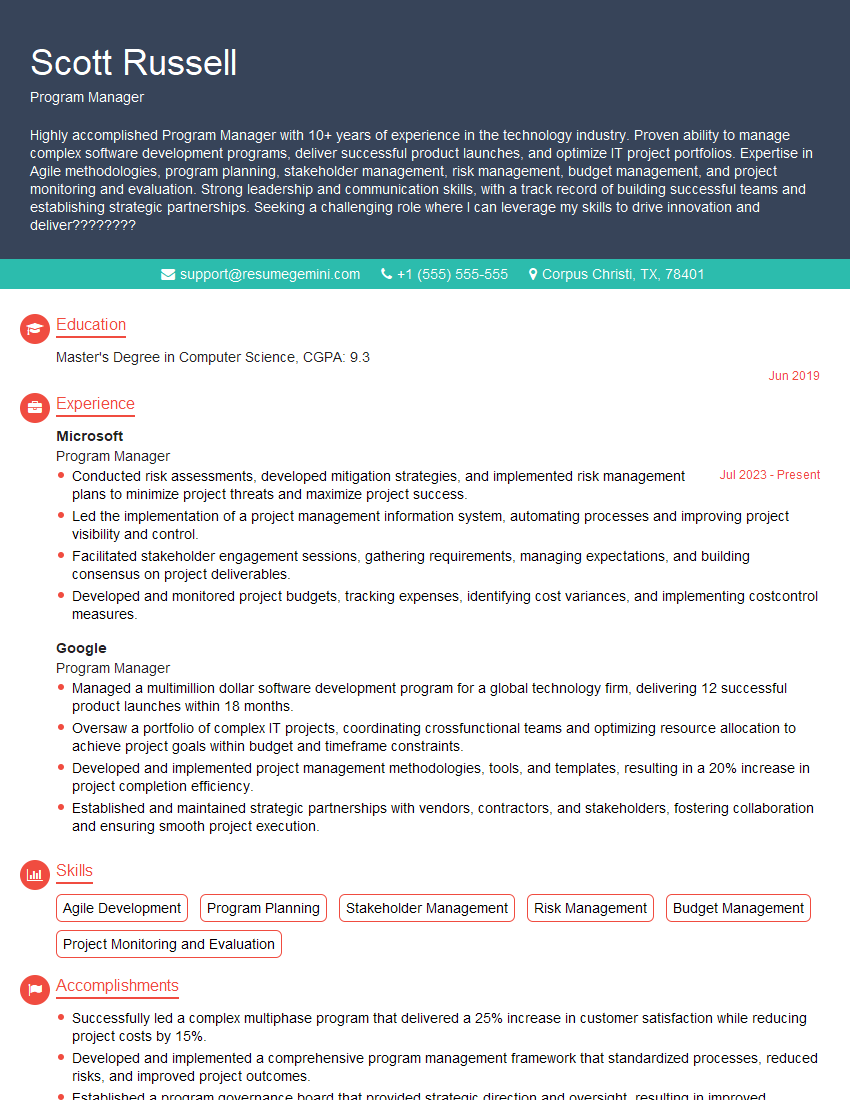
Program Manager Resume Sample
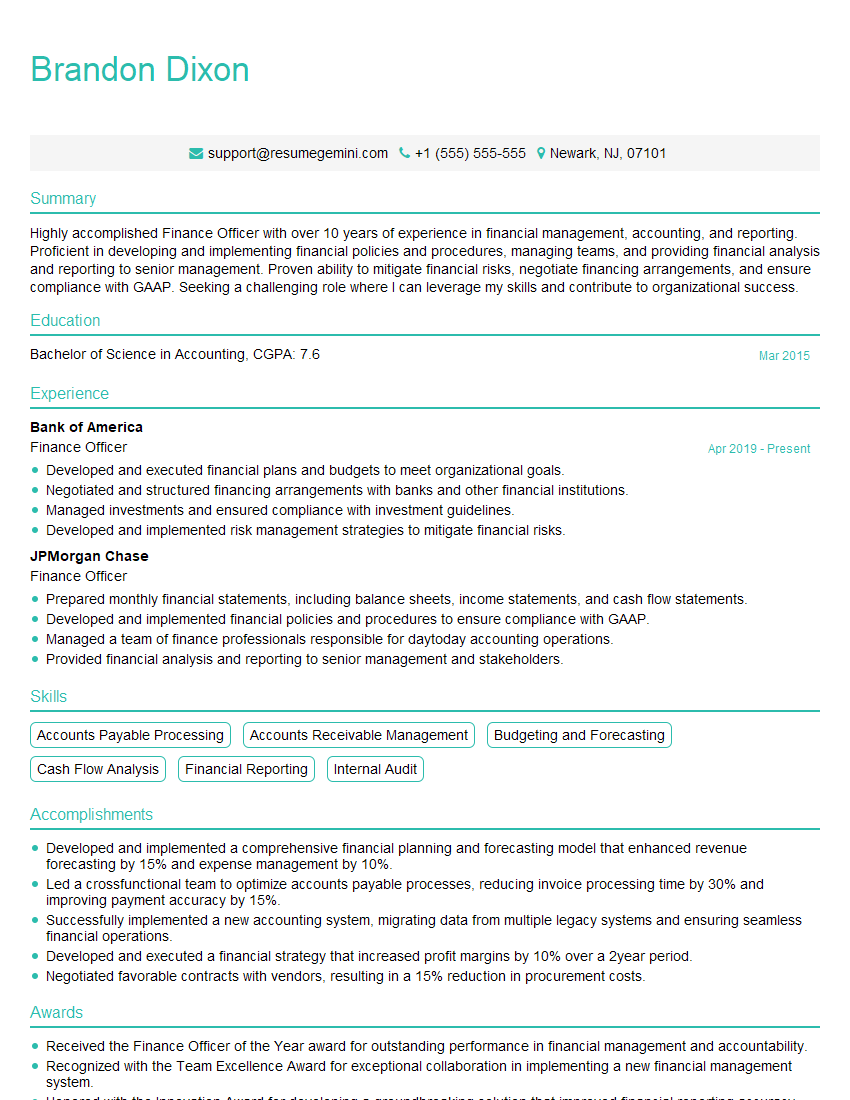
Finance Officer Resume Sample
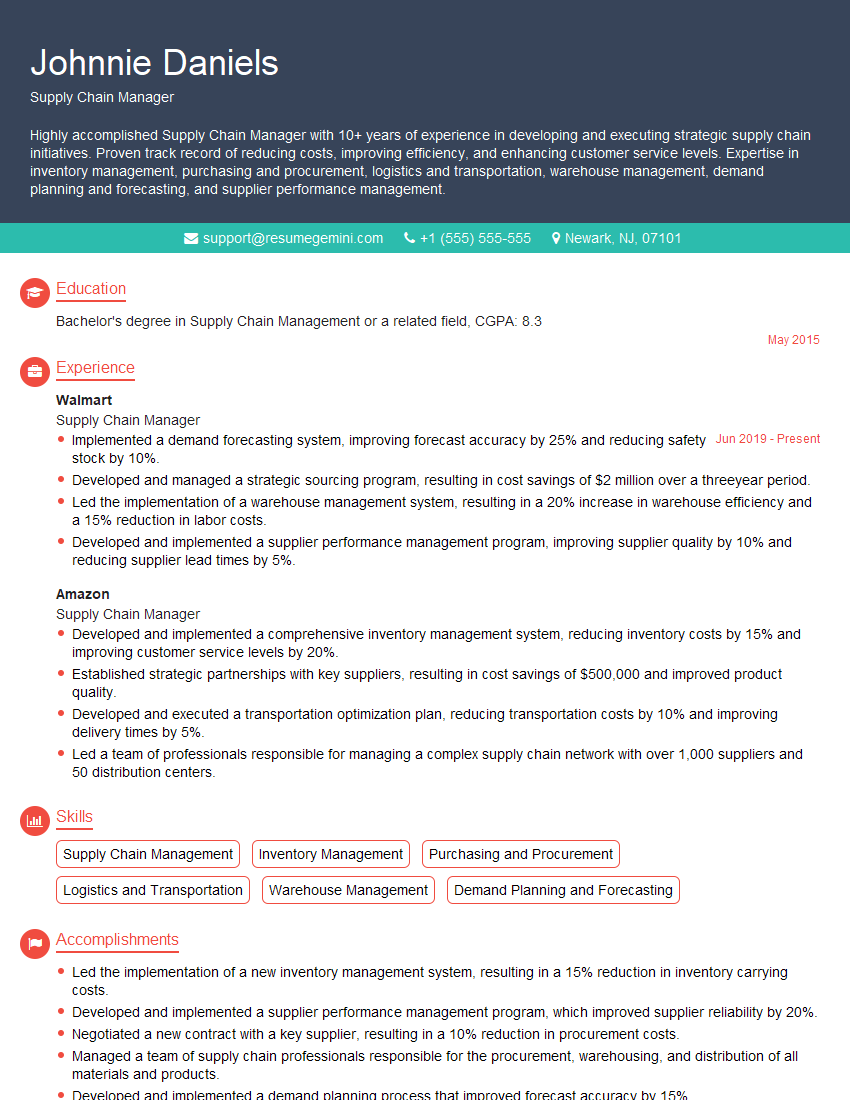
Supply Chain Manager Resume Sample
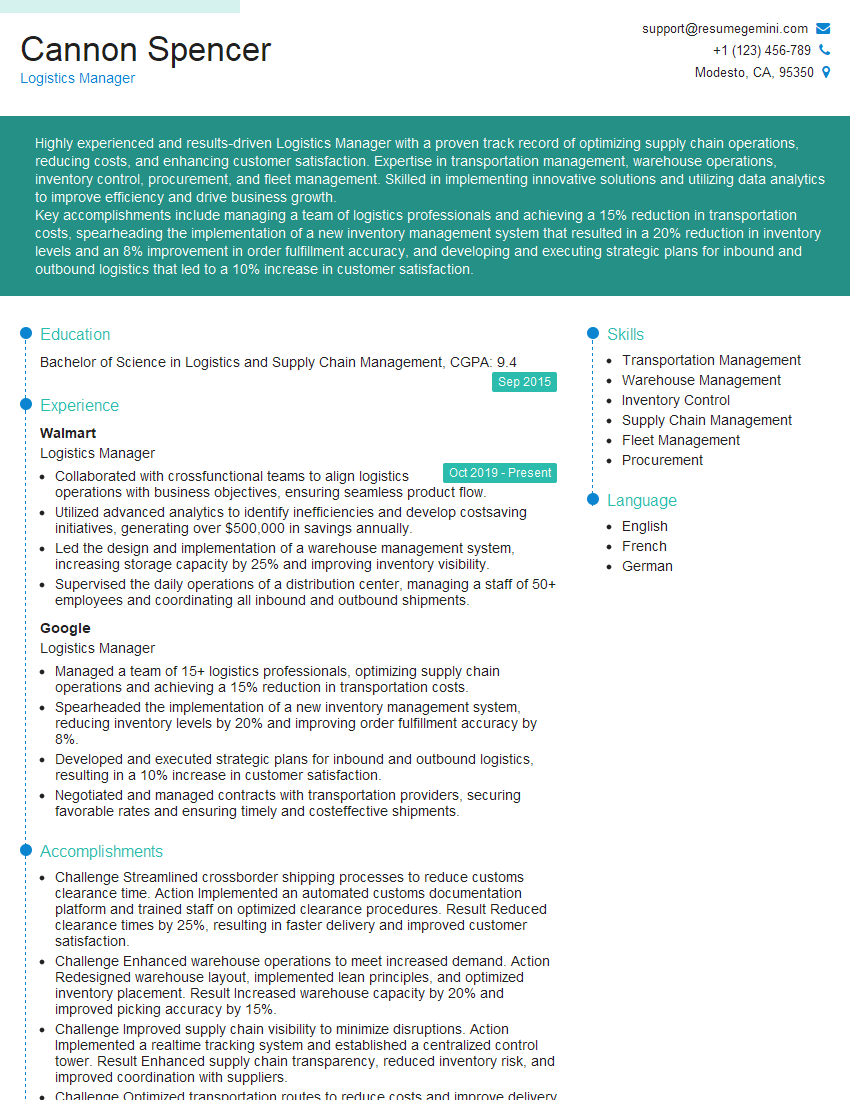
Logistics Manager Resume Sample
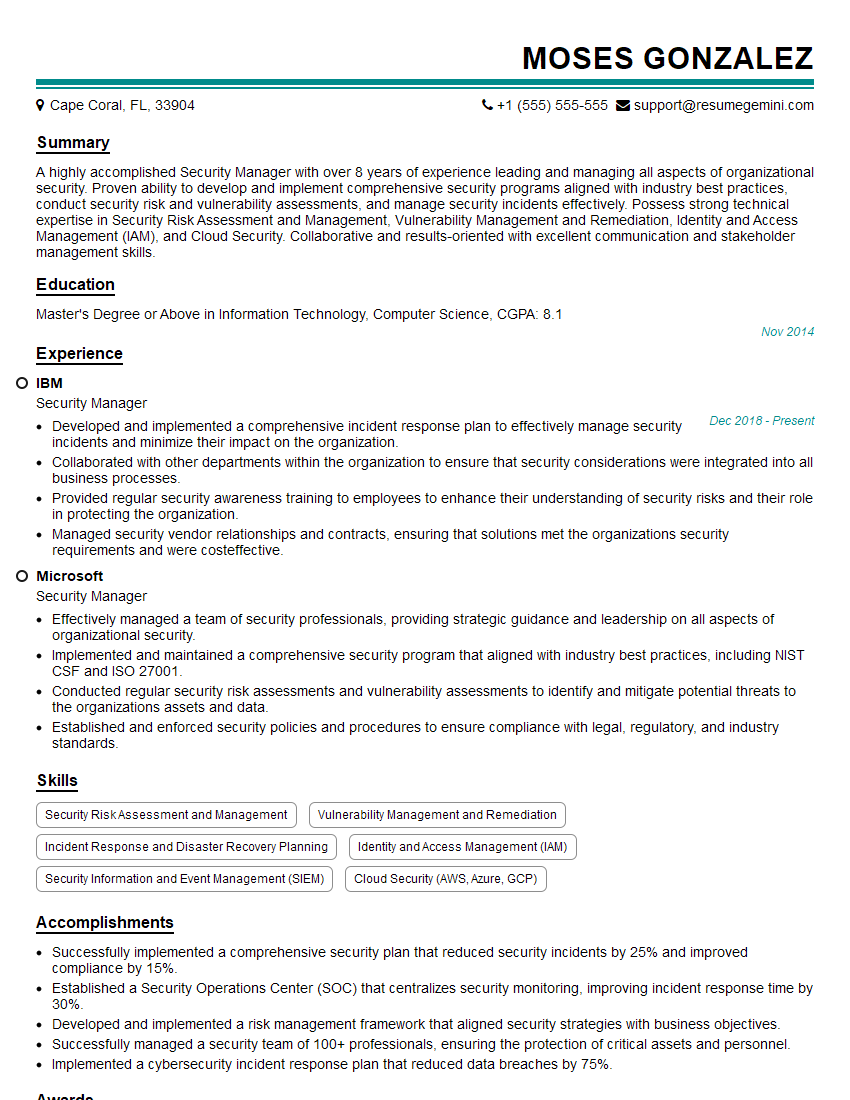
Security Manager Resume Sample
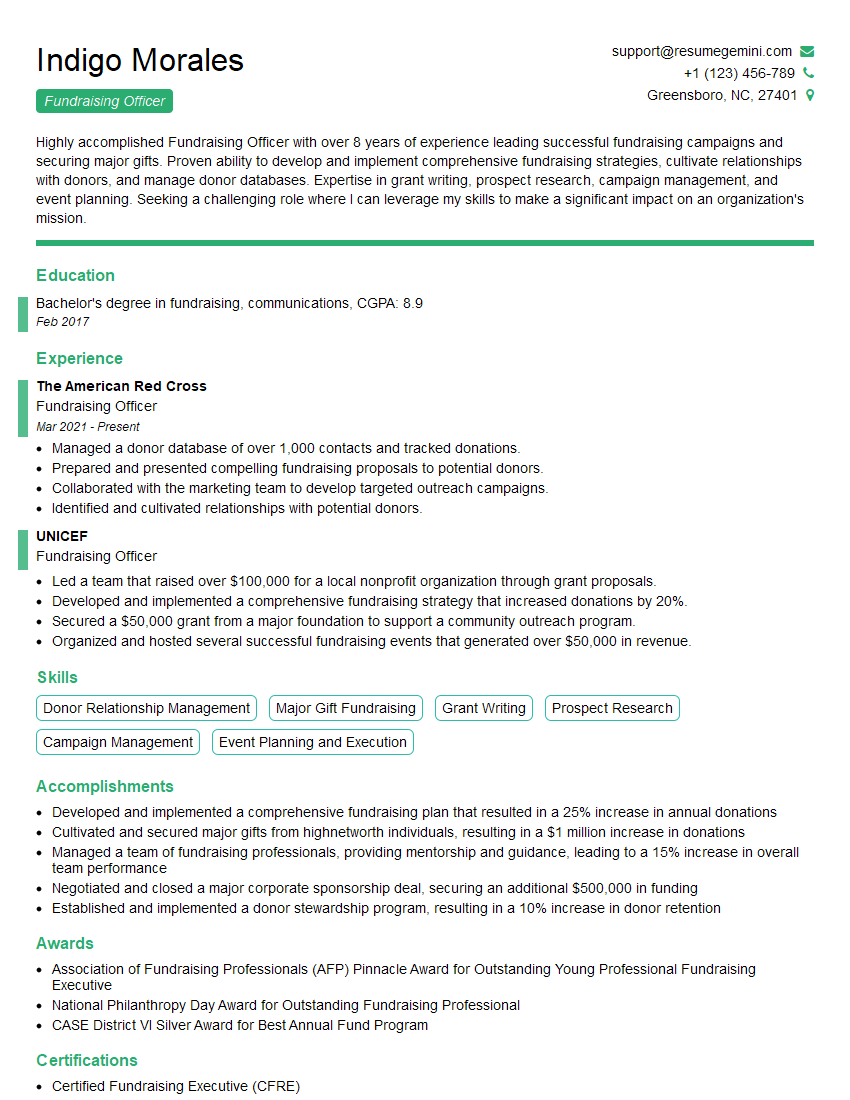
Fundraising Officer Resume Sample

Human Resources Officer Resume Sample
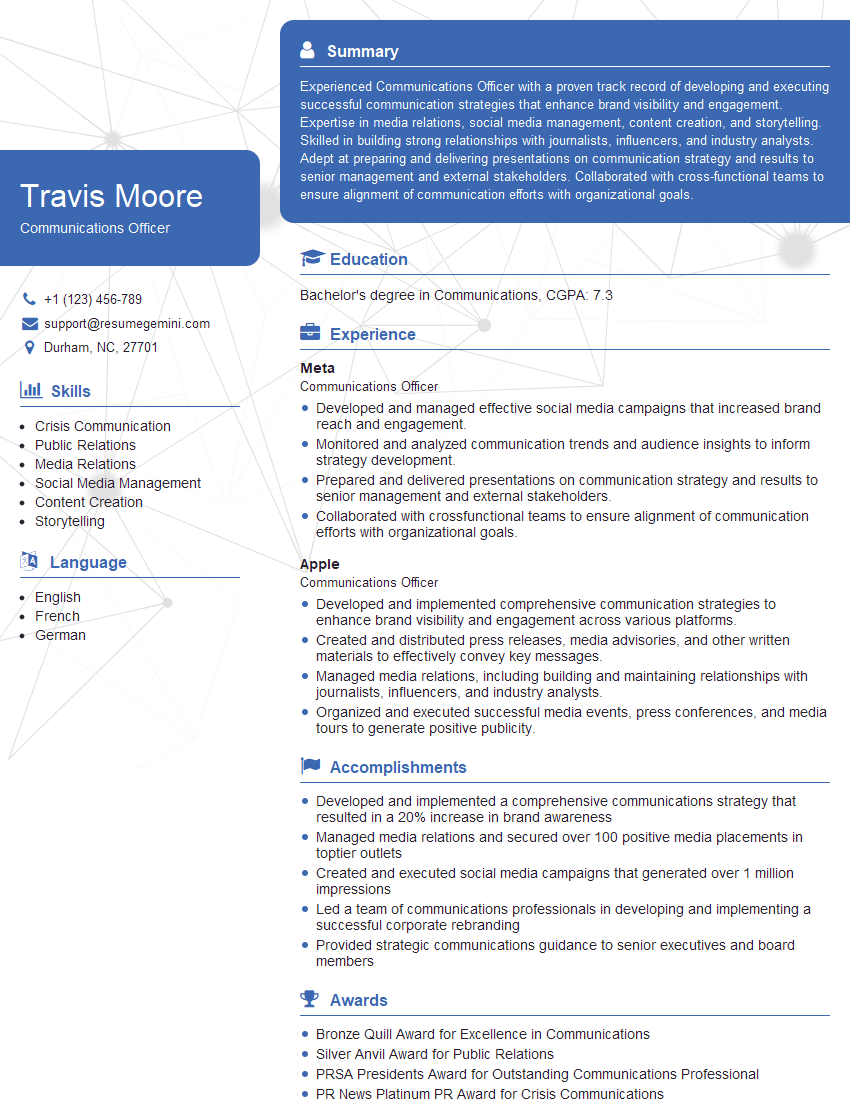
Communications Officer Resume Sample
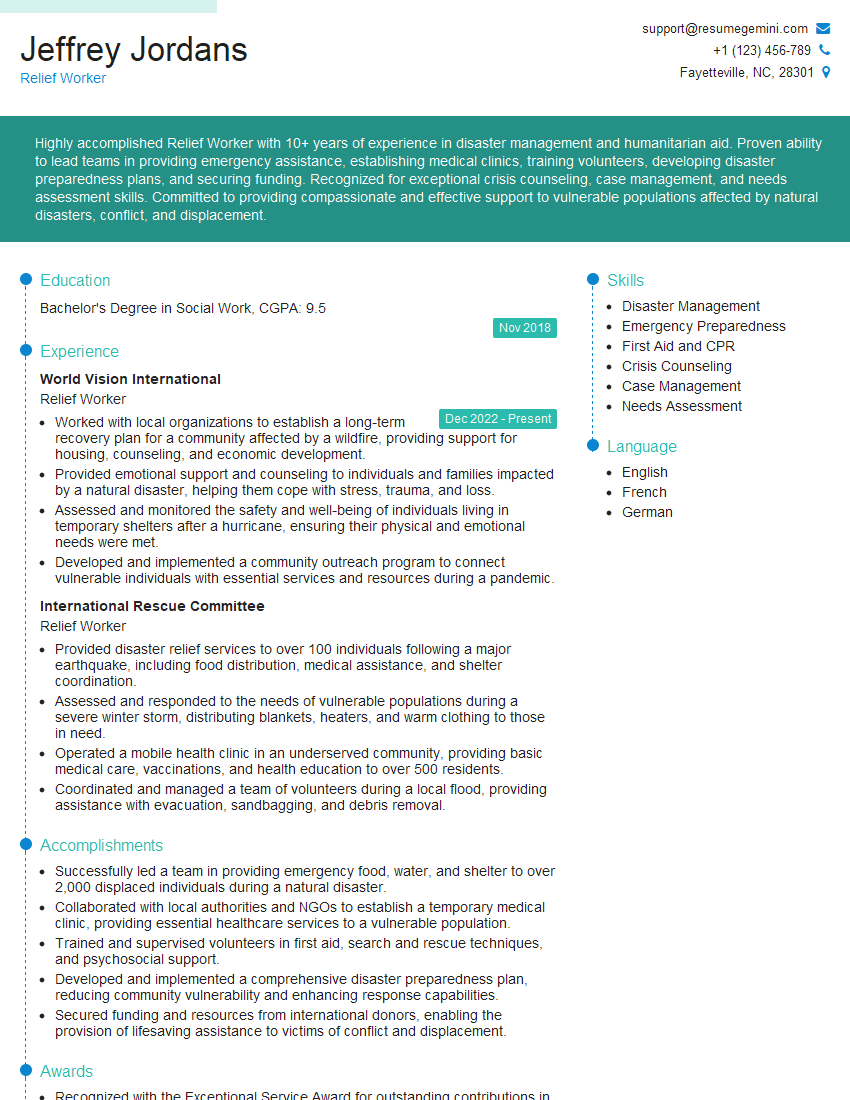
Relief Worker Resume Sample
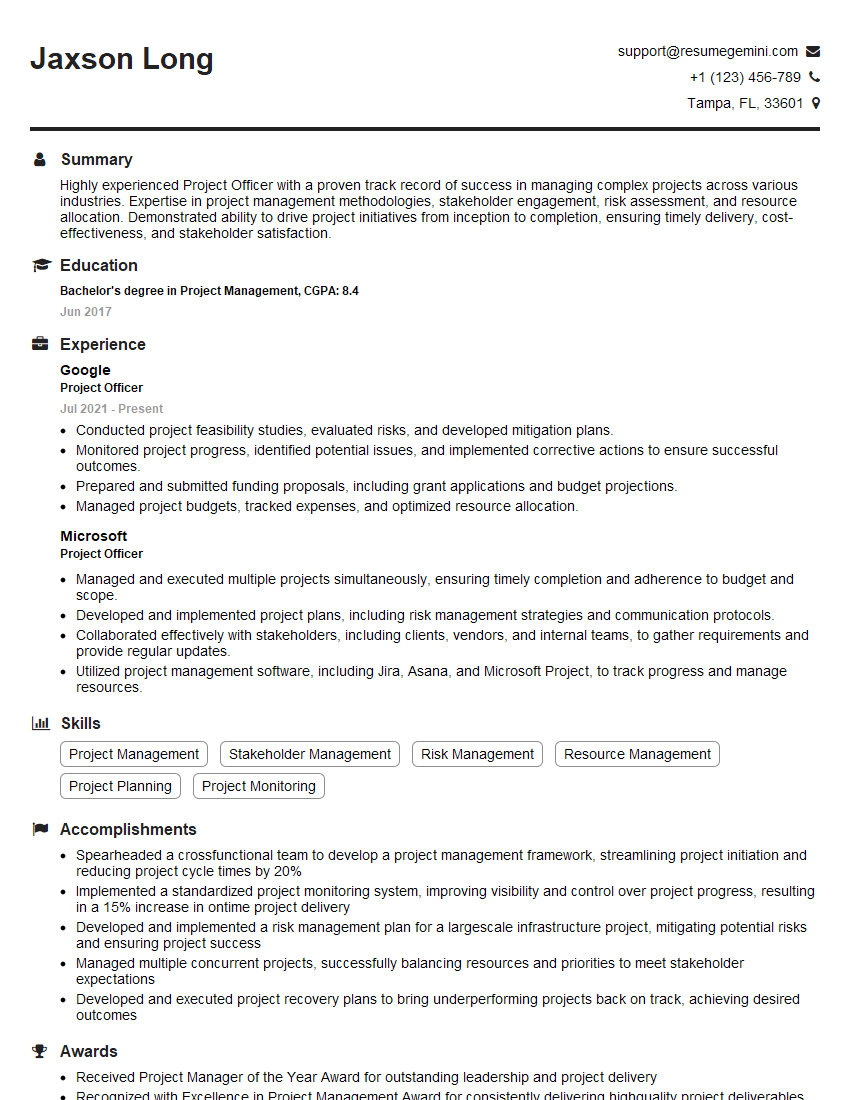
Project Officer Resume Sample
Explore more articles
Users Rating of Our Blogs
Share Your Experience
We value your feedback! Please rate our content and share your thoughts (optional).
What Readers Say About Our Blog
Very informative content, great job.
good