Interviews are more than just a Q&A session—they’re a chance to prove your worth. This blog dives into essential First Aid and Medical Treatment interview questions and expert tips to help you align your answers with what hiring managers are looking for. Start preparing to shine!
Questions Asked in First Aid and Medical Treatment Interview
Q 1. Describe the steps involved in performing CPR on an adult.
Performing CPR (Cardiopulmonary Resuscitation) on an adult is a life-saving technique used when someone stops breathing or their heart stops beating. It’s crucial to act quickly and follow these steps precisely:
- Check for Responsiveness: Gently shake the person and shout, “Are you okay?” If there’s no response, call for emergency medical services (EMS) immediately (911 or your local emergency number).
- Check for Breathing: Look, listen, and feel for normal breathing for no more than 10 seconds. If there’s no normal breathing or only gasping breaths, start CPR.
- Chest Compressions: Position yourself with your shoulders directly over the person’s chest. Place the heel of one hand in the center of their chest (between the nipples). Place your other hand on top, interlacing your fingers. Keep your arms straight and push hard and fast, compressing the chest at least 2 inches deep and at a rate of 100-120 compressions per minute.
- Rescue Breaths: After 30 chest compressions, give 2 rescue breaths. Tilt the head back and lift the chin to open the airway. Pinch the nose shut and make a seal over the person’s mouth. Give 2 slow breaths, each lasting about 1 second, allowing the chest to rise.
- Continue CPR: Continue cycles of 30 compressions and 2 breaths until EMS arrives or the person shows signs of life (like breathing normally or moving).
- Use an AED (Automated External Defibrillator) if available: If an AED is available, follow the device’s instructions. This is crucial as early defibrillation greatly improves survival chances.
Remember, continuous chest compressions are more important than perfect rescue breaths if you are alone and unable to perform both simultaneously. Proper training is essential to learn the correct techniques. This is a simplified explanation; hands-on training is vital for competency.
Q 2. Explain the difference between stable and unstable side positioning.
The difference between stable and unstable side positioning lies primarily in the patient’s condition and the purpose of the positioning.
Stable Side Positioning (Recovery Position): This is used for a conscious, breathing person who is unresponsive or injured and needs to be placed in a position to prevent airway obstruction and aspiration (vomiting or fluids entering the lungs). It’s a protective measure. The patient’s head is tilted slightly to one side, ensuring the airway remains open.
Unstable Side Positioning: This isn’t a formal term in standard medical practice. It implies a situation where the patient’s condition is rapidly deteriorating, necessitating immediate advanced medical attention. The priority is not just positioning but rapid intervention, like CPR or advanced life support. The patient might need to be repositioned to facilitate access for treatment.
In essence, stable side positioning is a temporary measure for a relatively stable patient, while any situation implying ‘unstable’ positioning requires immediate, active intervention to stabilize the patient. Think of it this way: ‘stable’ means a relatively safe and secure positioning while ‘unstable’ suggests an emergency requiring more than just positioning.
Q 3. How do you assess a patient’s airway, breathing, and circulation (ABCs)?
Assessing a patient’s ABCs (Airway, Breathing, Circulation) is the first step in any emergency situation. It allows you to quickly identify life-threatening conditions and prioritize treatment.
- Airway: Check for any obstructions in the airway. Is the airway open and clear? Look for anything blocking the mouth or throat (vomit, blood, etc.). Listen for sounds of breathing (wheezing, gurgling). Feel for air movement on the cheeks. If necessary, use the head-tilt-chin-lift maneuver to open the airway, unless a neck injury is suspected (in this case, use the jaw-thrust maneuver).
- Breathing: Observe the chest for rise and fall. Is the person breathing normally? Is the breathing shallow, rapid, labored, or absent? Check for the rate, rhythm, and depth of breathing.
- Circulation: Assess the patient’s pulse (check the carotid pulse in the neck for adults). Is there a pulse present? Check the skin color (pale, cyanotic [blue], flushed). Is the skin clammy or sweaty? Check the patient’s level of consciousness. Is the person alert and responsive or unconscious?
Remember that the order of assessing the ABCs may vary slightly depending on the situation and the patient’s presentation, but the fundamental idea of quickly evaluating these crucial elements remains consistent. For instance, in a trauma setting, circulation (bleeding control) might take priority, before a full airway assessment.
Q 4. What are the signs and symptoms of a stroke?
Stroke is a serious medical condition that occurs when blood supply to part of the brain is interrupted. Recognizing the signs and symptoms quickly is crucial, as prompt treatment can significantly improve outcomes. Use the FAST acronym to remember the key signs:
- F – Face: Ask the person to smile. Does one side of the face droop?
- A – Arms: Ask the person to raise both arms. Does one arm drift downward?
- S – Speech: Ask the person to repeat a simple phrase. Is their speech slurred or strange?
- T – Time: If you observe any of these signs, call emergency services immediately. Time is critical in stroke treatment.
Other potential signs and symptoms include sudden numbness or weakness (especially on one side of the body), sudden confusion, trouble seeing in one or both eyes, sudden trouble walking, dizziness, loss of balance or coordination, severe headache with no known cause.
It’s important to note that stroke symptoms can vary, and some individuals may not experience all the FAST signs. If you suspect a stroke, don’t delay—call for immediate medical help.
Q 5. How would you manage a patient experiencing a severe allergic reaction (anaphylaxis)?
Anaphylaxis is a severe, life-threatening allergic reaction. It requires immediate medical attention. Management involves several key steps:
- Call Emergency Services (911 or your local emergency number) immediately. This is the most crucial step.
- Administer Epinephrine (if the person has a prescribed EpiPen or similar auto-injector): If the patient has a known allergy and carries an epinephrine auto-injector, assist them in using it according to the instructions on the device. Inject it into the outer thigh.
- Maintain the Airway: If breathing becomes difficult, assist the patient with their airway. This might involve placing them in a recovery position (if conscious and breathing), or initiating CPR if necessary.
- Monitor Vital Signs: Observe the patient’s breathing, pulse, and level of consciousness closely.
- Lie the Patient Down and Elevate Legs (if possible): Elevating the legs helps to improve blood flow to the vital organs.
- Provide Comfort and Reassurance: This can help to reduce anxiety.
- Transport to the Hospital: Once emergency services arrive, cooperate with the paramedics to ensure the safe and efficient transport of the patient to the hospital for further assessment and treatment.
Important Note: Never attempt to treat anaphylaxis without proper training. This is a life-threatening condition requiring immediate medical intervention. Knowing how to use an auto-injector and understanding the importance of immediate emergency medical services is paramount.
Q 6. Describe your experience with wound care and dressing techniques.
My experience with wound care and dressing techniques spans various settings, including [mention specific settings like emergency rooms, clinics, or volunteer work]. I’m proficient in assessing wound severity, determining the appropriate cleaning and dressing techniques, and providing patient education on wound care.
My approach involves a systematic process:
- Assessment: This involves determining the type, size, and depth of the wound; identifying any signs of infection (redness, swelling, pus, fever); and assessing the presence of foreign bodies.
- Cleaning: Gentle cleansing with sterile saline solution is crucial to remove debris and minimize the risk of infection. I avoid harsh scrubbing which can further damage the tissue.
- Debridement (if needed): If necessary, removing any dead or infected tissue is performed, usually following proper protocols and with appropriate tools.
- Dressing: This is selected based on the type and severity of the wound. Options include simple dressings, hydrocolloids, alginates, or other specialized dressings depending on the nature of the wound and its stage of healing. The dressing should protect the wound from further contamination, absorb any exudate, and provide a moist wound healing environment.
- Patient Education: Providing clear instructions on proper wound care, signs of infection, and follow-up care is a vital component.
I am familiar with various dressing techniques including wet-to-dry dressings for wound debridement, occlusive dressings for deeper wounds to maintain moisture, and specialized dressings for burns or pressure ulcers. Through consistent practice and adherence to sterile techniques, I ensure appropriate wound management.
Q 7. What are the key differences between first, second, and third-degree burns?
Burns are classified into three degrees based on their depth and the layers of skin they affect:
- First-degree burns (superficial burns): These affect only the epidermis (outer layer of skin). They are characterized by redness, pain, and mild swelling. Sunburn is a common example. Healing typically occurs within a week without scarring.
- Second-degree burns (partial-thickness burns): These burns involve the epidermis and part of the dermis (second layer of skin). They are characterized by redness, pain, swelling, and blisters. Healing takes longer, usually several weeks, and may result in some scarring.
- Third-degree burns (full-thickness burns): These burns damage the entire epidermis and dermis, extending into the underlying subcutaneous tissue. The skin may appear white, charred, or leathery. There is often less pain in third-degree burns due to nerve damage. Healing is slow and extensive grafting is frequently necessary, resulting in significant scarring.
It’s essential to remember that the depth and severity of a burn can be difficult to assess. Any burn that is deep, extensive, or involves sensitive areas like the face, hands, feet, genitals, or joints requires immediate medical attention.
Q 8. How would you handle a patient with a suspected spinal injury?
Suspected spinal injuries require immediate and cautious management to prevent further damage. The primary concern is stabilizing the spine to avoid potentially devastating neurological complications. This involves what we call ‘spinal immobilization’.
My approach would be as follows:
- Assessment: I would perform a rapid but careful assessment, checking the patient’s airway, breathing, and circulation (ABCs). I would look for any obvious signs of injury, such as deformity, tenderness, or neurological deficits (e.g., weakness, numbness, tingling).
- Manual Stabilization: Until a spinal board arrives, I would manually stabilize the patient’s head and neck, ensuring the head remains in a neutral, inline position. This prevents any movement that could worsen the injury. I’d enlist the help of others to assist with this, if available.
- Spinal Immobilization: Once a backboard is available, I would carefully log roll the patient onto the board using appropriate techniques to maintain spinal alignment. This often involves at least three people working together. I’d secure the patient to the backboard using straps to ensure they are firmly immobilized.
- Ongoing Monitoring: Throughout the process, I would continuously monitor the patient’s vital signs (heart rate, blood pressure, respiratory rate, oxygen saturation), level of consciousness, and neurological status. Any changes would be noted and reported to the emergency medical services (EMS) team.
- Transport: Once immobilized, the patient would be carefully transported to the hospital on the backboard, ensuring the spine remains stable throughout the journey. The head must be secured and supported during transport to prevent movement.
Example: I once responded to a car accident where a driver had suffered a suspected cervical spine injury. By carefully immobilizing his neck and spine using manual stabilization and a backboard, we successfully prevented further injury and facilitated safe transport to the hospital where he received definitive care.
Q 9. Explain the proper procedure for controlling external bleeding.
Controlling external bleeding is crucial to prevent shock and save a life. The key is to apply direct pressure, elevate the injured limb (if appropriate), and utilize pressure points if direct pressure isn’t enough.
Steps to control external bleeding:
- Direct Pressure: This is the most important step. Apply firm, direct pressure to the wound using a clean dressing or cloth. Do not remove the dressing even if it becomes soaked with blood; instead, add more on top. Maintain continuous pressure for at least 20 minutes.
- Elevation: If the injury is to an arm or leg, elevate the limb above the heart to help reduce blood flow to the area. This complements direct pressure, but should never replace it.
- Pressure Points: If direct pressure is not controlling the bleeding, apply pressure to a major artery located between the wound and the heart to help reduce blood flow. Knowledge of pressure point locations is essential for this technique.
- Tourniquet (Last Resort): A tourniquet is a last resort and should only be used for severe, life-threatening bleeding that cannot be controlled by other methods. Apply it high above the wound, two to three inches above the injury site, and tighten until the bleeding stops. Proper tourniquet application and documentation are vital, and this should only be done by trained personnel.
- Monitor and Seek Medical Attention: Even after the bleeding is controlled, seek immediate medical attention for proper wound cleaning, closure, and infection prevention. The patient should be monitored closely for signs of shock.
Example: I’ve had to utilize a tourniquet in a few situations. Once on a construction site where a worker sustained severe laceration to their thigh; prompt tourniquet application, combined with rapid EMS response, ultimately saved his life.
Q 10. How would you prioritize patients in a multiple-casualty incident?
In multiple-casualty incidents (MCIs), prioritizing patients efficiently is critical to maximize survival rates. The commonly used method is triage, where patients are categorized by the severity of their injuries and the likelihood of survival with prompt treatment.
The START (Simple Triage And Rapid Treatment) method is a common approach:
- Rapid Assessment: A quick assessment is done to identify patients who are either immediately life-threatening or unlikely to survive.
- Breathing: Check breathing. Is it spontaneous? Patients who are not breathing or have only agonal gasping are considered immediate priority (red tag).
- Pulse: Check for radial pulse. Absent radial pulse indicates immediate priority (red tag).
- Mental Status: Check mental status. Are they able to follow simple commands? If not, they may have a compromised airway, breathing problem, or circulatory issue, and are considered immediate priority (red tag).
- Categorization: Patients are tagged using a color-coded system:
- Red (Immediate): Life-threatening injuries requiring immediate attention.
- Yellow (Delayed): Significant injuries requiring treatment, but not immediately life-threatening.
- Green (Minor): Minor injuries; can wait for treatment.
- Black (Expectant): Injuries are so severe that survival is unlikely, even with treatment.
Example: In a simulated MCI training exercise, I successfully triaged 20 patients within 15 minutes using the START method, efficiently allocating resources and ensuring the most critically injured received immediate attention.
Q 11. Describe your experience with using an AED (Automated External Defibrillator).
I have extensive experience using AEDs, both in training and real-world scenarios. AEDs are designed to be user-friendly and are incredibly effective in restoring a normal heart rhythm in cases of sudden cardiac arrest.
AED usage procedure:
- Power On and Follow Prompts: Turn on the AED and follow the clear audio and visual prompts. The device will guide you through each step.
- Attach Pads: Attach the adhesive pads to the patient’s chest as indicated on the pads and the AED.
- Analyze Heart Rhythm: The AED will analyze the patient’s heart rhythm. It’s crucial to ensure that no one is touching the patient during this phase.
- Shock (If Advised): If the AED advises a shock, make sure no one is touching the patient and press the shock button.
- CPR: After the shock (or if no shock is advised), immediately begin chest compressions according to current CPR guidelines until EMS arrives or the patient shows signs of recovery.
Example: I once used an AED on a patient who had collapsed during a marathon. The AED advised a shock, and after administering the shock and performing CPR, the patient regained a pulse and began breathing. This underscores the importance of prompt AED use in these situations.
Q 12. How do you assess a patient’s level of consciousness?
Assessing a patient’s level of consciousness (LOC) is a fundamental step in any medical assessment. It helps determine the severity of their condition and guides further evaluation.
Methods for assessing LOC:
- AVPU Scale: A simple and widely used method. It stands for:
- Alert: The patient is awake and aware of their surroundings.
- Verbal: The patient responds to verbal stimuli.
- Pain: The patient responds only to painful stimuli.
- Unresponsive: The patient does not respond to any stimuli.
- Glasgow Coma Scale (GCS): A more detailed neurological assessment that measures eye opening, verbal response, and motor response. A lower GCS score indicates a more severe level of impairment.
Example: I used the AVPU scale to quickly assess a patient who had fallen. He was initially unresponsive (U), but after a few minutes, he responded to verbal stimuli (V), indicating a gradual improvement in his LOC. Further assessment and monitoring were then carried out.
Q 13. What are the signs and symptoms of hypothermia and hyperthermia?
Hypothermia and hyperthermia represent opposite ends of the spectrum of body temperature regulation. Both can be life-threatening if left untreated.
Hypothermia (Low Body Temperature):
- Signs and Symptoms: Shivering (initially), confusion, slurred speech, drowsiness, loss of coordination, slowed heart rate and breathing, and eventually loss of consciousness.
Hyperthermia (High Body Temperature):
- Signs and Symptoms: Increased heart rate, heavy sweating (initially), headache, dizziness, weakness, nausea, vomiting, muscle cramps, confusion, seizures, and loss of consciousness (heat stroke).
Example: During a winter rescue operation, I treated a hiker suffering from severe hypothermia. His body temperature was dangerously low, and he was exhibiting classic symptoms such as shivering and confusion. Rapid warming measures, such as using warm blankets and fluids, were crucial in stabilizing his condition.
Q 14. Explain the different types of shock and how to manage them.
Shock is a life-threatening condition where the body’s tissues and organs aren’t getting enough blood flow and oxygen. Several types of shock exist, each with different underlying causes.
Types of Shock:
- Hypovolemic Shock: Caused by significant blood or fluid loss (e.g., severe bleeding, dehydration).
- Cardiogenic Shock: The heart’s ability to pump blood effectively is impaired (e.g., heart attack, heart failure).
- Distributive Shock: Blood vessels dilate excessively, causing blood to pool in the extremities and reducing blood flow to vital organs (e.g., septic shock, anaphylactic shock, neurogenic shock).
- Obstructive Shock: Blood flow is obstructed (e.g., pulmonary embolism, cardiac tamponade).
Management of Shock:
- ABCs: Airway, breathing, and circulation must be addressed first.
- Treat the Underlying Cause: Address the specific cause of shock (e.g., stop bleeding for hypovolemic shock, administer medication for anaphylaxis).
- Maintain Body Temperature: Keep the patient warm.
- Fluid Resuscitation (if appropriate): Administer intravenous fluids to increase blood volume in cases of hypovolemic shock. (This is not appropriate for all types of shock).
- Position: Keep the patient lying down with legs elevated (unless contraindicated, such as head injury).
- Monitor Vital Signs: Continuously monitor heart rate, blood pressure, and respiratory rate.
- Seek Immediate Medical Attention: Shock is a medical emergency requiring immediate hospital care.
Example: In a case of anaphylactic shock, I administered epinephrine, ensuring a patent airway, and monitoring vital signs until the patient stabilized and paramedics arrived. Prompt recognition and treatment of anaphylaxis are crucial in preventing life-threatening consequences.
Q 15. Describe your experience with splinting injuries.
Splinting injuries is a crucial first aid skill aimed at immobilizing a fractured or injured limb to prevent further damage. It involves using rigid or semi-rigid materials to support the injured area, reducing pain and the risk of complications. The type of splint used depends on the specific injury and available resources.
- Experience: I’ve extensively used various splinting techniques, from improvised splints using readily available materials like rolled-up magazines or sticks, to commercially available SAM splints and inflatable splints. I’ve treated everything from suspected ankle fractures to forearm injuries. For example, I recall a hiker with a suspected tibial fracture. Using a rigid splint and soft padding, I successfully immobilized the leg, significantly reducing his pain until professional medical help arrived.
- Types of Splints: We have rigid splints (like those made of wood or plastic), soft splints (such as rolled-up towels or blankets), and traction splints (used for femur fractures), each with specific applications and limitations. The key is to properly pad the splint to prevent pressure sores and to support the joints above and below the injury site.
- Key Considerations: Before splinting, we need to assess the injury, taking care not to manipulate the affected limb excessively. Circulation checks (checking for color, temperature, and pulse distal to the injury) are vital before and after splinting to ensure we haven’t compromised blood flow.
Career Expert Tips:
- Ace those interviews! Prepare effectively by reviewing the Top 50 Most Common Interview Questions on ResumeGemini.
- Navigate your job search with confidence! Explore a wide range of Career Tips on ResumeGemini. Learn about common challenges and recommendations to overcome them.
- Craft the perfect resume! Master the Art of Resume Writing with ResumeGemini’s guide. Showcase your unique qualifications and achievements effectively.
- Don’t miss out on holiday savings! Build your dream resume with ResumeGemini’s ATS optimized templates.
Q 16. How would you handle a patient experiencing a seizure?
Managing a seizure requires a calm and measured approach, prioritizing the patient’s safety. The immediate goal is to prevent injury and ensure they can breathe freely.
- Protecting the Patient: The first step is to gently lower the patient to the ground, protecting their head from impact by cushioning it with a soft surface. Move any nearby objects that could cause harm. Never attempt to restrain their movements during the seizure.
- Monitoring Breathing and Airway: Ensure their airway remains clear. Turn them onto their side to prevent choking if they vomit. Monitor their breathing. If breathing stops or becomes labored, initiate CPR.
- Timing the Seizure: Time the seizure; this information is crucial for medical professionals. Note any unusual symptoms before, during, or after the episode.
- Post-Seizure Care: Once the seizure subsides, let the patient rest. They might be confused or drowsy. Check their pulse and breathing; stay with them until they are fully conscious and oriented. Contact emergency services if the seizure lasts longer than 5 minutes, if it’s their first seizure, or if they injure themselves during the seizure.
Example: In one instance, I responded to a colleague experiencing a seizure in the workplace. By calmly guiding them to the floor and cushioning their head, I was able to ensure their safety and prevent injury until paramedics arrived. I also closely monitored their breathing, which remained consistent.
Q 17. What are the steps involved in administering oxygen?
Administering oxygen is a critical intervention for patients experiencing respiratory distress or hypoxia (low oxygen levels in the blood). It involves using an oxygen delivery system to increase the concentration of oxygen in the air they breathe.
- Assessing the Patient: Before administering oxygen, assess the patient’s breathing rate, depth, and effort. Look for signs of cyanosis (bluish discoloration of the skin) which might indicate low oxygen levels.
- Selecting the Delivery System: Several devices are used for oxygen administration, including nasal cannulas (deliver low flows of oxygen through the nostrils), oxygen masks (various types deliver higher oxygen concentrations), and non-rebreather masks (for delivering high concentrations of oxygen). The choice depends on the patient’s condition and oxygen requirements.
- Setting the Flow Rate: The flow rate is measured in liters per minute (LPM). It’s determined based on the patient’s needs and the chosen delivery system. The doctor or a respiratory therapist usually determines the appropriate flow rate. It’s important to monitor the patient’s response to the oxygen therapy.
- Monitoring the Patient: Continuously monitor the patient’s vital signs, breathing pattern, and oxygen saturation levels (using a pulse oximeter, if available) to assess the effectiveness of oxygen therapy.
Safety Note: Oxygen is flammable. Keep away from open flames and avoid using electrical devices near oxygen tanks without taking the necessary precautions.
Q 18. How do you recognize and respond to signs of respiratory distress?
Recognizing and responding to respiratory distress is critical, as it’s a life-threatening condition. Respiratory distress indicates the patient is having difficulty breathing.
- Signs and Symptoms: Signs include rapid breathing (tachypnea), shortness of breath (dyspnea), wheezing, coughing, cyanosis (bluish discoloration of the skin), and use of accessory muscles to breathe (e.g., retractions in the chest wall). The patient may also appear anxious, agitated, or confused.
- Initial Response: If you suspect respiratory distress, immediately assess the patient’s airway, breathing, and circulation (ABCs). If the airway is obstructed, take appropriate steps to clear it. Maintain an open airway and provide oxygen supplementation if available. Call for emergency medical services immediately.
- Positioning the Patient: Position the patient in a comfortable position that facilitates breathing; usually, an upright or semi-upright position helps. If there is suspected heart failure, a semi-recumbent position may be beneficial.
- Additional Measures: If the patient has an inhaler prescribed for respiratory conditions like asthma, assist them in using it, if possible, and as per their prescribed regimen. Monitor their vital signs closely and reassure them.
Example: I once responded to a child choking on a toy. Promptly applying the Heimlich maneuver cleared the airway, alleviating the respiratory distress, and preventing a potential emergency. This highlights the importance of prompt and accurate assessment and intervention in managing respiratory issues.
Q 19. Explain your knowledge of different types of bandages and dressings.
Bandages and dressings are essential in wound care, playing different roles in protecting and healing wounds. Dressings are directly applied to the wound, while bandages hold the dressings in place.
- Dressings: These come in various types, including sterile gauze pads (for covering wounds), non-adherent dressings (preventing the dressing from sticking to the wound), hydrocolloid dressings (maintaining a moist wound environment), and alginate dressings (highly absorbent dressings for heavy bleeding).
- Bandages: Bandages secure dressings and provide support. We have roller bandages (gauze, elastic), triangular bandages (versatile for slings and head injuries), and elastic bandages (offering compression). The choice depends on the wound’s location, size, and the level of support needed.
- Applying Dressings and Bandages: The process involves cleaning the wound (if possible), applying the appropriate dressing, and then securing it with a bandage. The bandage should be applied firmly but not tightly to avoid compromising circulation. Ensure the dressing and bandage are clean and sterile to prevent infection.
- Wound Assessment: Before applying any dressing or bandage, always assess the wound thoroughly for its depth, size, bleeding, and presence of foreign objects. This dictates the type of dressing required.
Practical Application: I’ve extensively used various dressing and bandage types in various situations – from treating minor cuts and abrasions to managing more significant wounds that required wound packing and compression. The appropriate selection significantly impacts wound healing and infection prevention.
Q 20. Describe your experience working with medical equipment.
My experience working with medical equipment is broad and encompasses various types of devices used in first aid and emergency care.
- Oxygen Delivery Systems: I am proficient in using various oxygen delivery systems, including nasal cannulas, oxygen masks, and non-rebreather masks, ensuring correct flow rates and monitoring patient response.
- Automated External Defibrillators (AEDs): I am trained in the safe and effective use of AEDs, a crucial piece of equipment for managing cardiac arrest. I understand the importance of adhering strictly to the device’s instructions.
- Suction Devices: I’ve used suction equipment to clear airways of obstructions, understanding the proper techniques to prevent damage to the patient’s tissues.
- Blood Pressure Monitors and Pulse Oximeters: I’m experienced in using these devices to monitor vital signs accurately, interpreting the results and making appropriate decisions based on the obtained readings.
- Splinting Materials and Equipment: As mentioned earlier, I’m well-versed in various splinting techniques and the use of appropriate materials to effectively immobilize injured limbs.
Maintenance and Safety: Along with using the equipment, I understand the importance of regular maintenance and safety checks, ensuring all devices are functioning correctly and within their safety guidelines.
Q 21. How would you handle a patient who refuses treatment?
Handling a patient who refuses treatment is a delicate situation that necessitates a respectful and empathetic approach. The focus should be on ensuring informed consent and patient autonomy.
- Understanding the Reason: First, I would try to understand the reasons behind the refusal. This might involve addressing their concerns, fears, or misconceptions about the treatment. Open communication and active listening are crucial.
- Explaining Benefits and Risks: I would clearly explain the potential benefits and risks of the treatment, using plain language they can easily understand. Providing evidence-based information can help alleviate any uncertainty or fear.
- Documenting the Refusal: If the patient continues to refuse treatment, it’s essential to document the entire interaction, including the reasons for the refusal, the information provided, and the patient’s statement. This is crucial for legal and ethical considerations.
- Respecting Autonomy: While encouraging treatment, we must respect the patient’s right to make informed decisions about their health. Pressuring them will likely worsen the situation and damage trust.
- Seeking Additional Support: If the situation is complex or involves legal or ethical concerns, I would seek guidance from senior medical personnel, supervisors, or legal counsel, ensuring we follow all established protocols and ethical considerations.
Example: I once encountered a patient who was hesitant about taking pain medication after a minor injury. By discussing his concerns about potential side effects and explaining the benefits of pain management for faster healing, we reached a mutual understanding, and he accepted the treatment.
Q 22. How do you maintain patient confidentiality?
Maintaining patient confidentiality is paramount in healthcare. It’s governed by legal and ethical principles, primarily HIPAA in the US and similar regulations globally. This means I would never disclose a patient’s personal information – including their identity, diagnosis, treatment, or any other details – to anyone without their explicit consent, unless legally obligated to do so (e.g., reporting suspected child abuse).
- Practical Application: I strictly adhere to policies regarding access to patient records, using secure systems and password protection. I would only discuss patient cases with authorized colleagues on a need-to-know basis, always in a private setting.
- Example: If a colleague asks me about a patient in a public area, I would politely but firmly decline to discuss the matter, explaining that I must protect patient confidentiality.
Q 23. Describe a time you had to make a quick critical decision under pressure.
During a hiking trip, a fellow hiker suffered a severe ankle injury with significant swelling and suspected fracture. We were miles from any cell service. Under pressure, I had to quickly assess the situation, stabilize the injury, and manage the pain while contacting emergency services via satellite phone (the only option).
- Decision-Making Process: I prioritized ABCs (Airway, Breathing, Circulation), ensuring his airway was clear and he was breathing adequately. I then immobilized his ankle using a makeshift splint from hiking poles and his backpack, minimizing further injury. Pain management was crucial. Fortunately, I carried analgesics (pain relievers). While awaiting rescue, I monitored his vital signs and kept him warm and calm.
- Outcome: I successfully stabilized the situation, preventing further harm and ensuring he was comfortable and received prompt medical attention. The quick, methodical approach saved him from potential complications.
Q 24. Explain your understanding of infection control protocols.
Infection control protocols are critical for preventing the spread of infectious diseases. These protocols encompass various measures designed to break the chain of infection – from source to host. This includes standard precautions, transmission-based precautions, and environmental controls.
- Standard Precautions: These apply to all patients, regardless of their infection status. They include hand hygiene, using personal protective equipment (PPE) like gloves, gowns, and masks, and safe handling of sharps and contaminated materials.
- Transmission-Based Precautions: These are implemented for patients with suspected or confirmed infections transmitted through airborne, droplet, or contact routes. This might involve specialized isolation rooms, specific PPE, and enhanced cleaning protocols.
- Environmental Controls: These focus on maintaining a clean environment. This includes routine cleaning and disinfection of surfaces, proper waste disposal, and air quality management.
Example: Before treating a patient with a suspected respiratory infection, I would put on a surgical mask and gloves, following the facility’s established donning and doffing procedures. After treatment, I’d meticulously wash my hands or use an alcohol-based hand rub.
Q 25. What are your strengths and weaknesses in providing medical treatment?
My strengths lie in my calm demeanor under pressure, my ability to quickly assess situations, and my thorough approach to patient care. I am efficient and systematic, and I communicate clearly and effectively with both patients and colleagues. I am also proficient in a range of treatment techniques.
A weakness I’m actively working on is delegating tasks more effectively in high-pressure situations. While I’m skilled at multitasking, sometimes I struggle to effectively assign tasks to others, hindering overall efficiency. I am participating in team leadership training to enhance this skill.
Q 26. How do you stay up-to-date on the latest medical advancements and techniques?
Staying current in a rapidly evolving field like medicine is crucial. I employ several strategies:
- Professional Development Courses and Conferences: I regularly attend workshops, conferences, and webinars focused on the latest advancements in first aid and emergency medical treatment.
- Peer-Reviewed Journals and Publications: I subscribe to relevant medical journals and actively read research articles to keep abreast of new findings and treatment guidelines.
- Online Resources and Medical Databases: I utilize reputable online platforms and databases, like PubMed, to access up-to-date information and clinical trials.
- Mentorship and Collaboration: Engaging with experienced colleagues and mentors provides invaluable insights and facilitates continuous learning.
Q 27. Describe your experience working in a team environment during medical emergencies.
I’ve worked extensively in team settings during medical emergencies, primarily in volunteer search and rescue operations. Effective teamwork is critical in such environments.
- Example: During a multi-casualty incident involving a traffic accident, I worked seamlessly with paramedics, firefighters, and police officers. My role involved initial assessment and stabilization of patients while others managed scene security, extrication, and transportation. Clear communication, a shared understanding of roles and responsibilities, and efficient task delegation were vital for successful patient outcomes.
- Collaboration Skills: I prioritize clear and concise communication, actively listening to my colleagues, and respecting their expertise. I’m comfortable both leading and following within a team structure depending on the specific needs of the situation.
Q 28. How would you handle a situation where you disagree with a colleague’s assessment of a patient?
If I disagree with a colleague’s assessment, I would address the issue professionally and constructively, prioritizing the patient’s well-being.
- Approach: I would first privately and respectfully express my concerns, explaining my reasoning based on my assessment and evidence. I would actively listen to their perspective and try to understand their rationale. If the disagreement persists, I would suggest consulting with a senior colleague or supervisor, emphasizing that our goal is to reach the best possible diagnosis and treatment plan for the patient. Patient safety remains the ultimate priority.
- Example: If I believed a colleague had overlooked a critical symptom, I would calmly and professionally present my observations, backing them up with clinical evidence. The goal is collaborative problem-solving, not confrontation.
Key Topics to Learn for First Aid and Medical Treatment Interview
- Primary Assessment: Understanding the ABCDE approach (Airway, Breathing, Circulation, Disability, Exposure) and its practical application in various emergency scenarios. This includes recognizing and managing life-threatening conditions.
- Wound Management: Different types of wounds (abrasions, lacerations, punctures), appropriate cleaning and dressing techniques, recognizing signs of infection, and when to seek further medical attention. Practical application involves demonstrating knowledge of sterile techniques.
- Bleeding Control: Methods for controlling external and internal bleeding, understanding the use of pressure bandages and tourniquets, recognizing the signs of shock, and appropriate first aid responses.
- Fractures and Sprains: Identifying signs and symptoms of fractures and sprains, proper splinting techniques, and understanding the importance of immobilization. Practical application includes demonstrating knowledge of appropriate splinting materials and methods.
- CPR and AED Use: Thorough understanding of adult, child, and infant CPR techniques, proper AED placement and operation, and recognizing when to initiate CPR. This includes knowing the limitations of CPR and when to hand over care to qualified medical professionals.
- Shock Management: Recognizing the signs and symptoms of various types of shock (hypovolemic, cardiogenic, septic, anaphylactic), and implementing appropriate first aid measures while awaiting professional medical help. This includes understanding the importance of maintaining body temperature.
- Emergency Response Procedures: Understanding the importance of scene safety, calling for emergency medical services, and effectively communicating patient information to dispatchers. This also encompasses the legal and ethical considerations involved in providing first aid.
- Medical Equipment Familiarization: Demonstrating familiarity with common medical equipment used in first aid and basic medical treatment, such as oxygen tanks, suction devices, and bandages.
Next Steps
Mastering First Aid and Medical Treatment is crucial for career advancement in healthcare and related fields. A strong understanding of these principles demonstrates your commitment to patient safety and well-being, opening doors to a wider range of opportunities. To maximize your job prospects, create an ATS-friendly resume that highlights your skills and experience effectively. ResumeGemini is a trusted resource that can help you build a professional and impactful resume. Examples of resumes tailored to First Aid and Medical Treatment are available to guide you through the process.
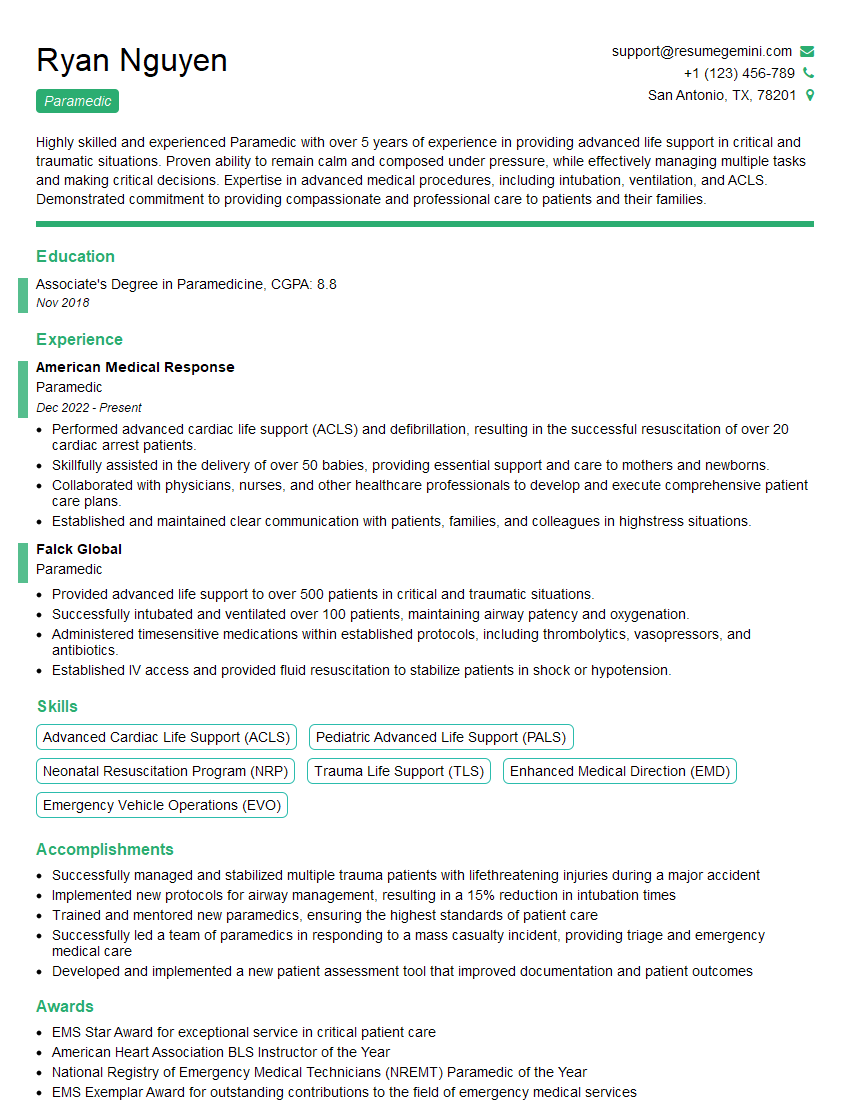
Paramedic Resume Sample
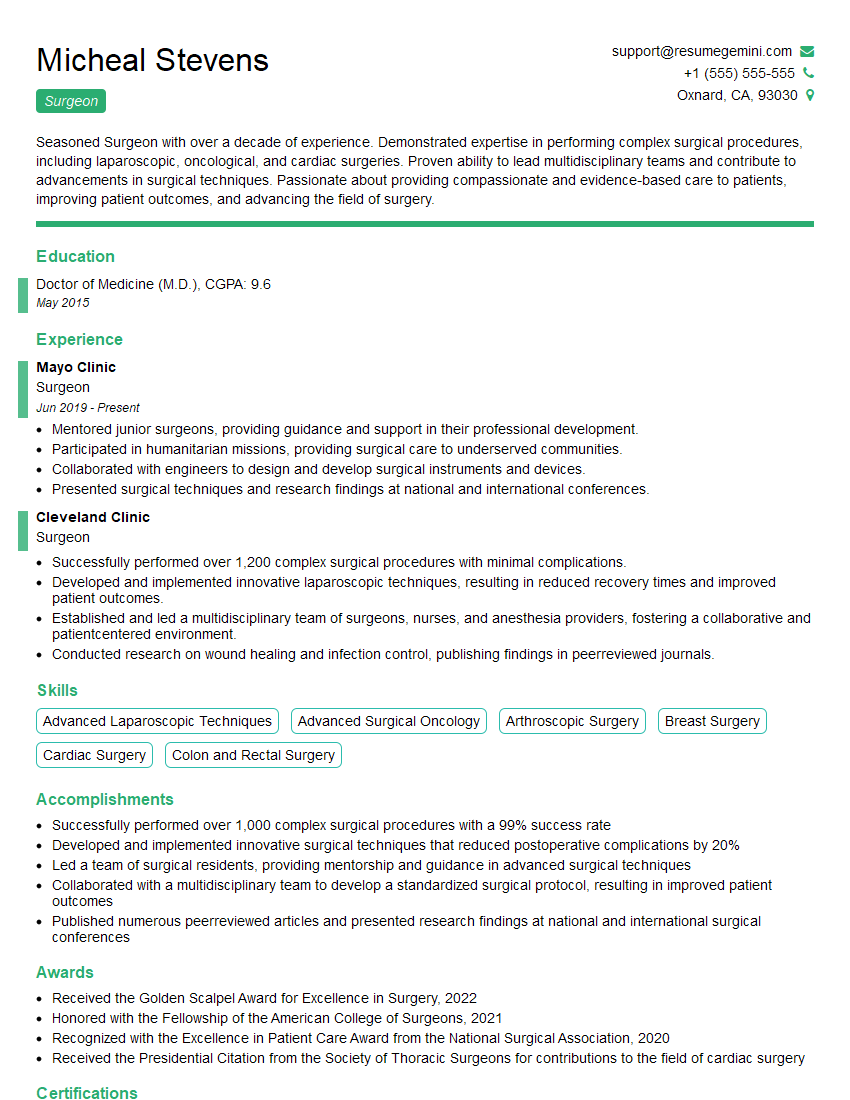
Surgeon Resume Sample
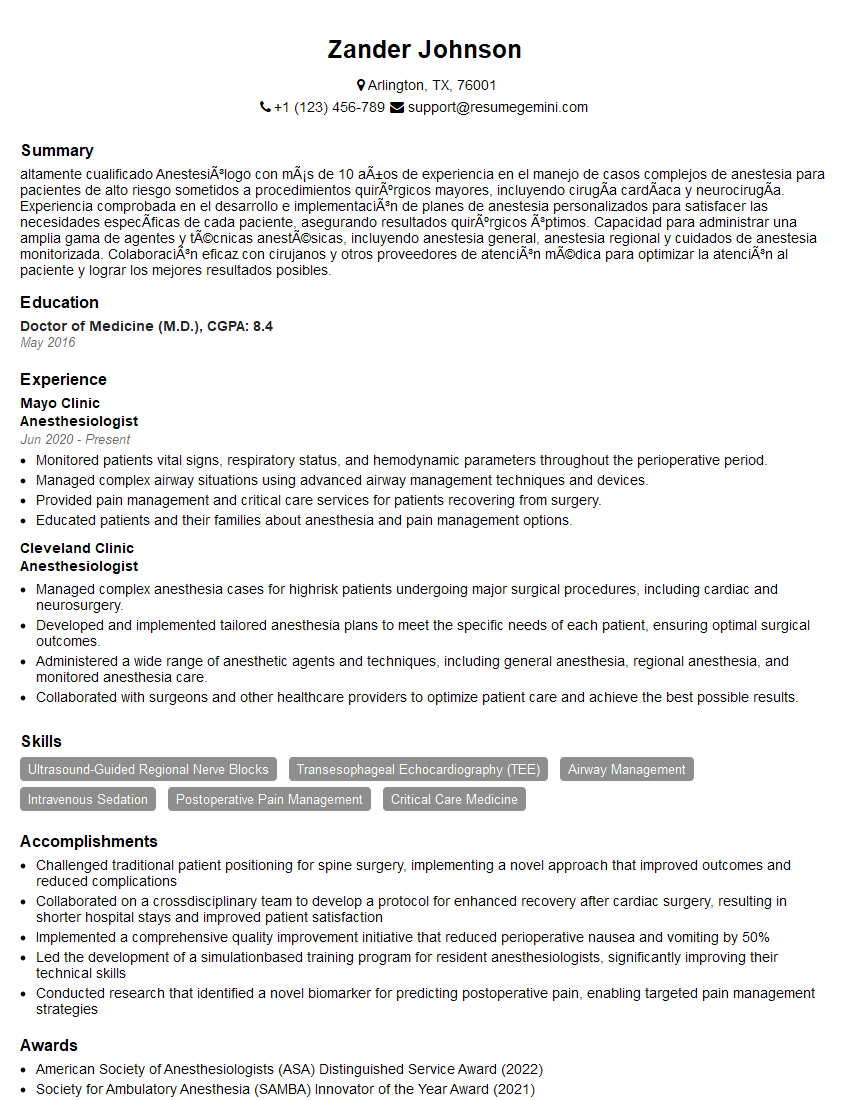
Anesthesiologist Resume Sample
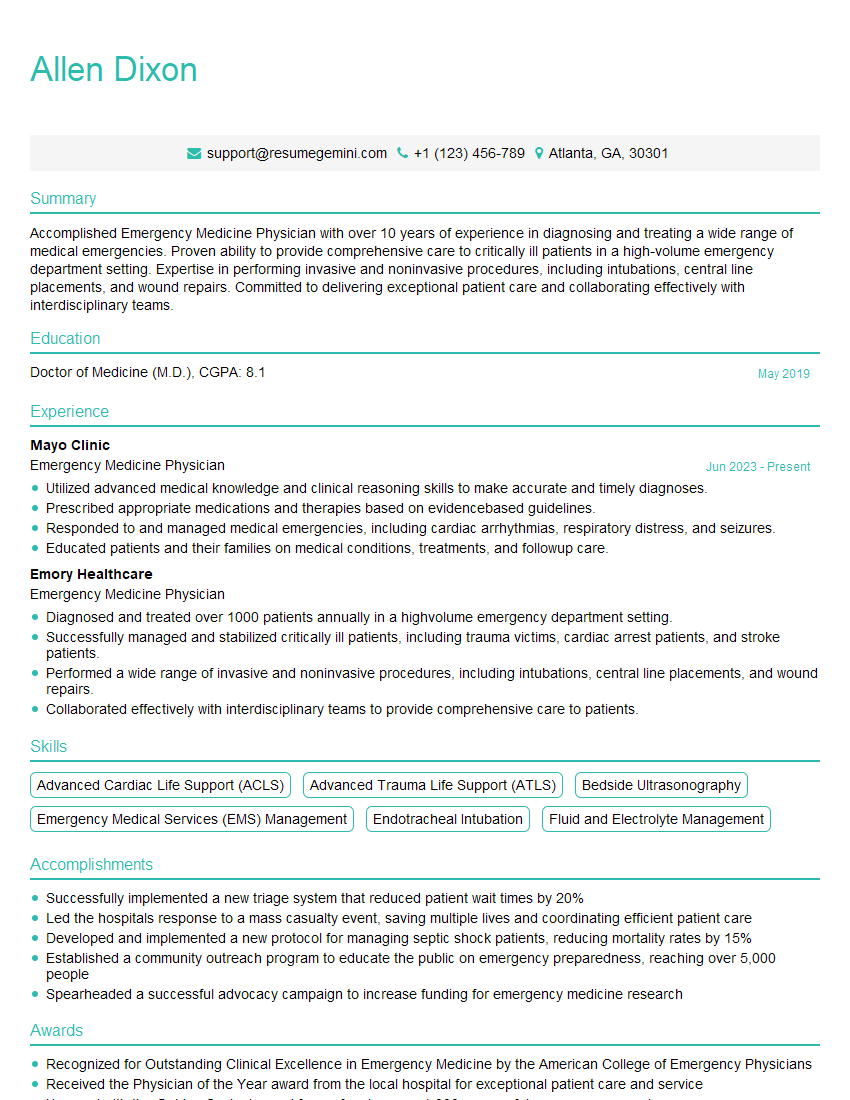
Emergency Medicine Physician Resume Sample
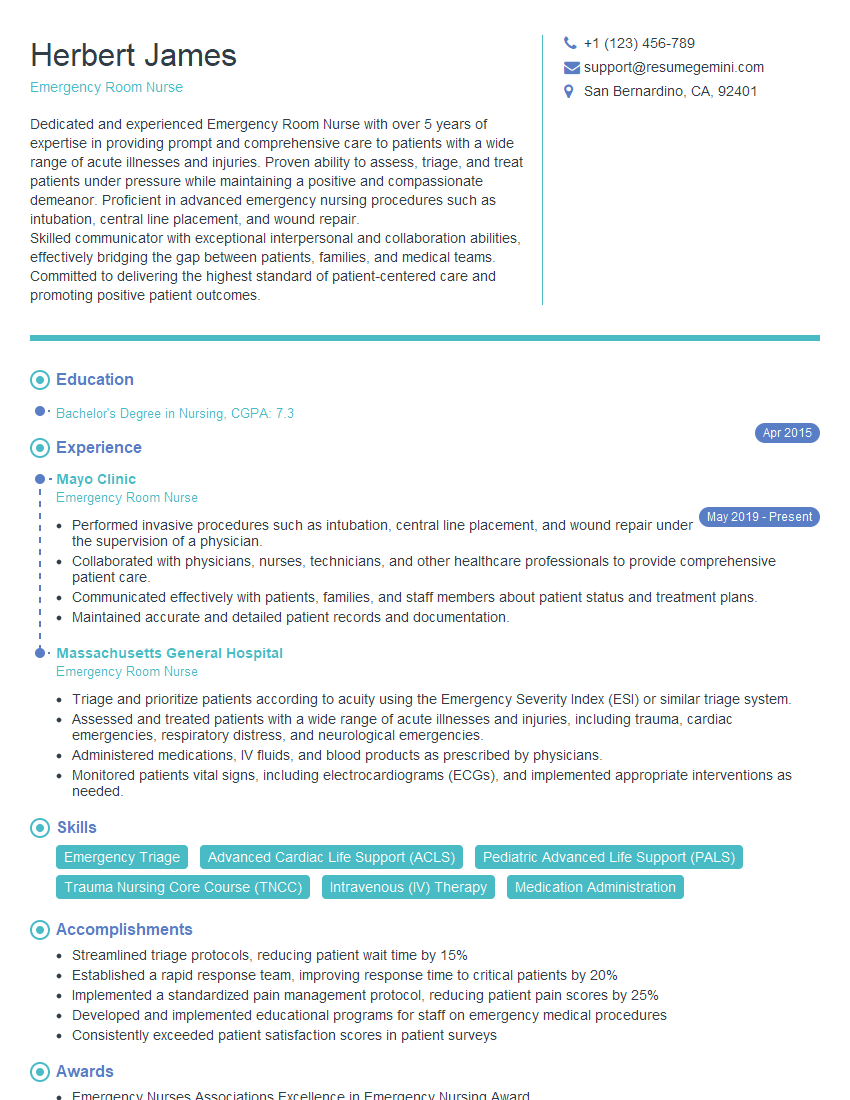
Emergency Room Nurse Resume Sample
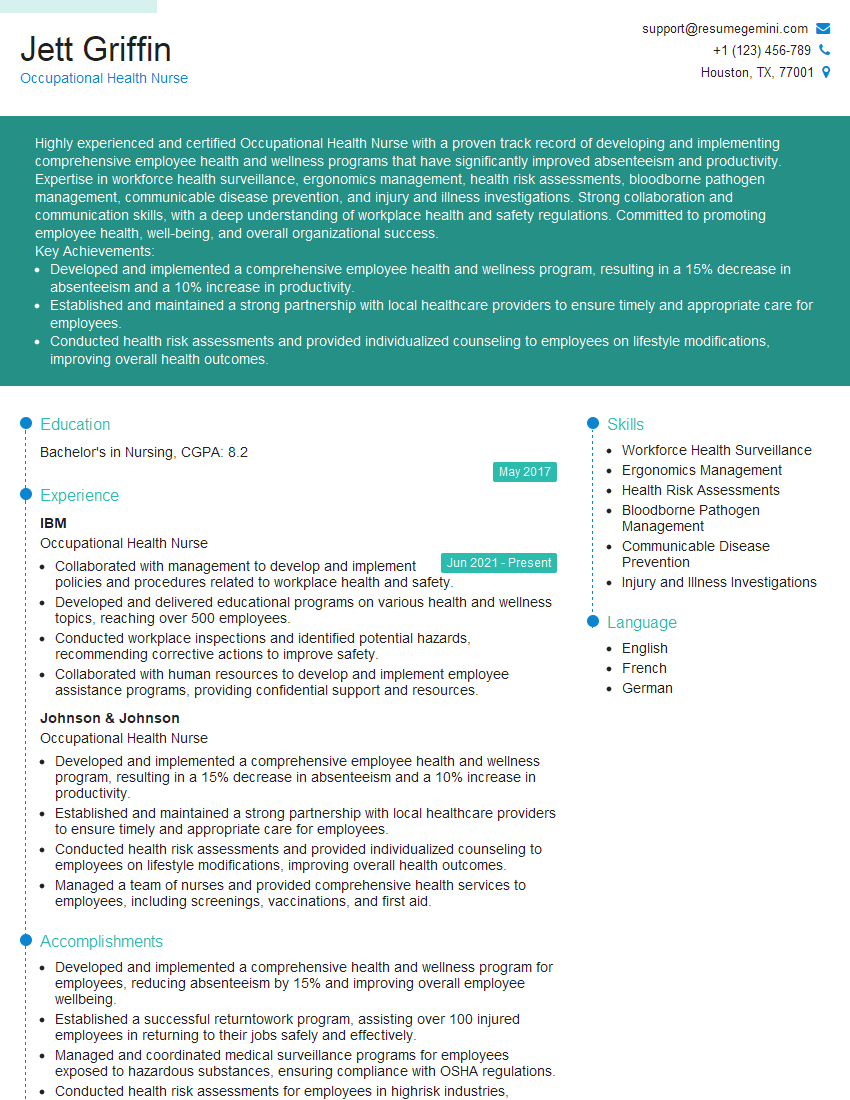
Occupational Health Nurse Resume Sample
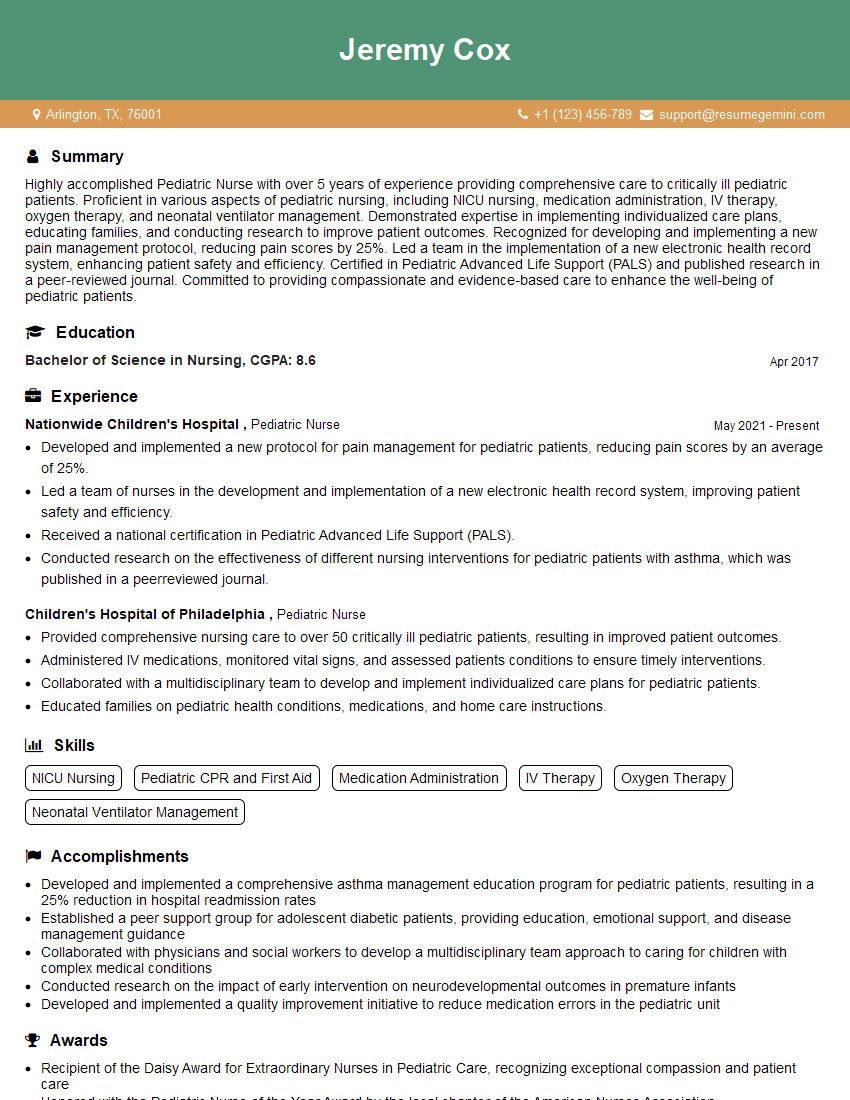
Pediatric Nurse Resume Sample
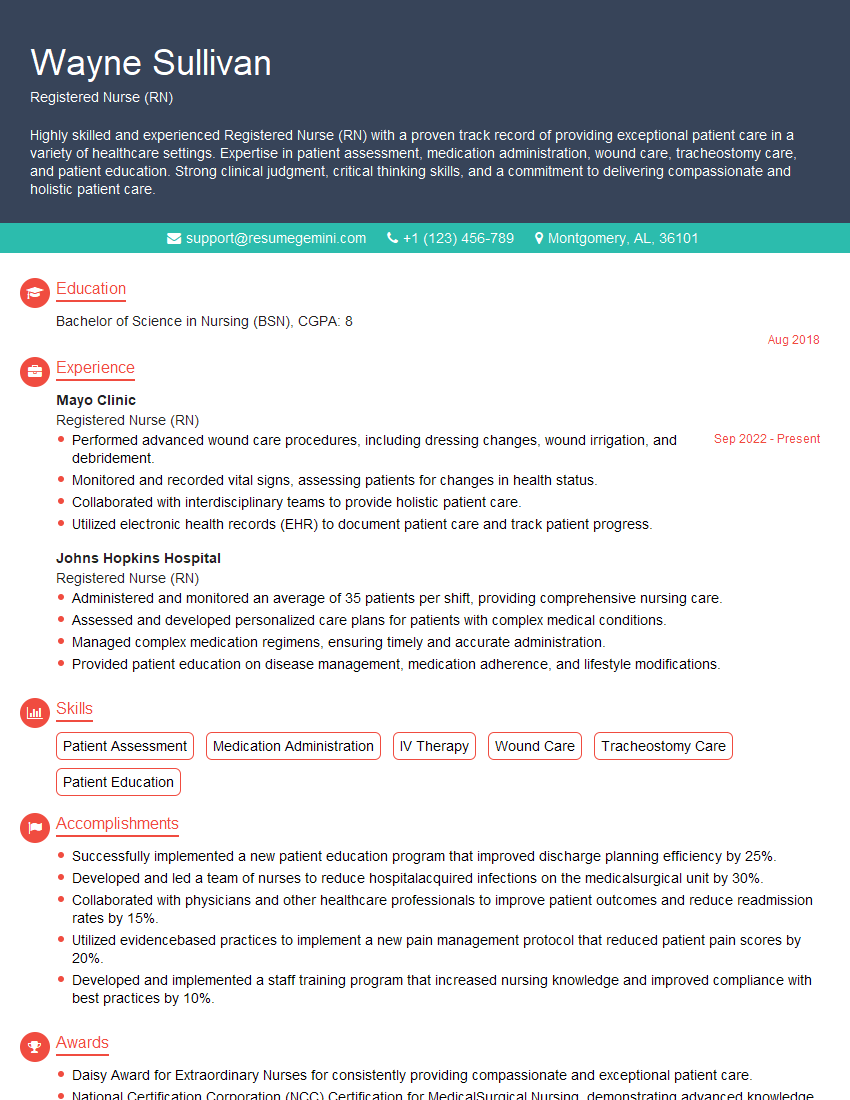
Registered Nurse (RN) Resume Sample
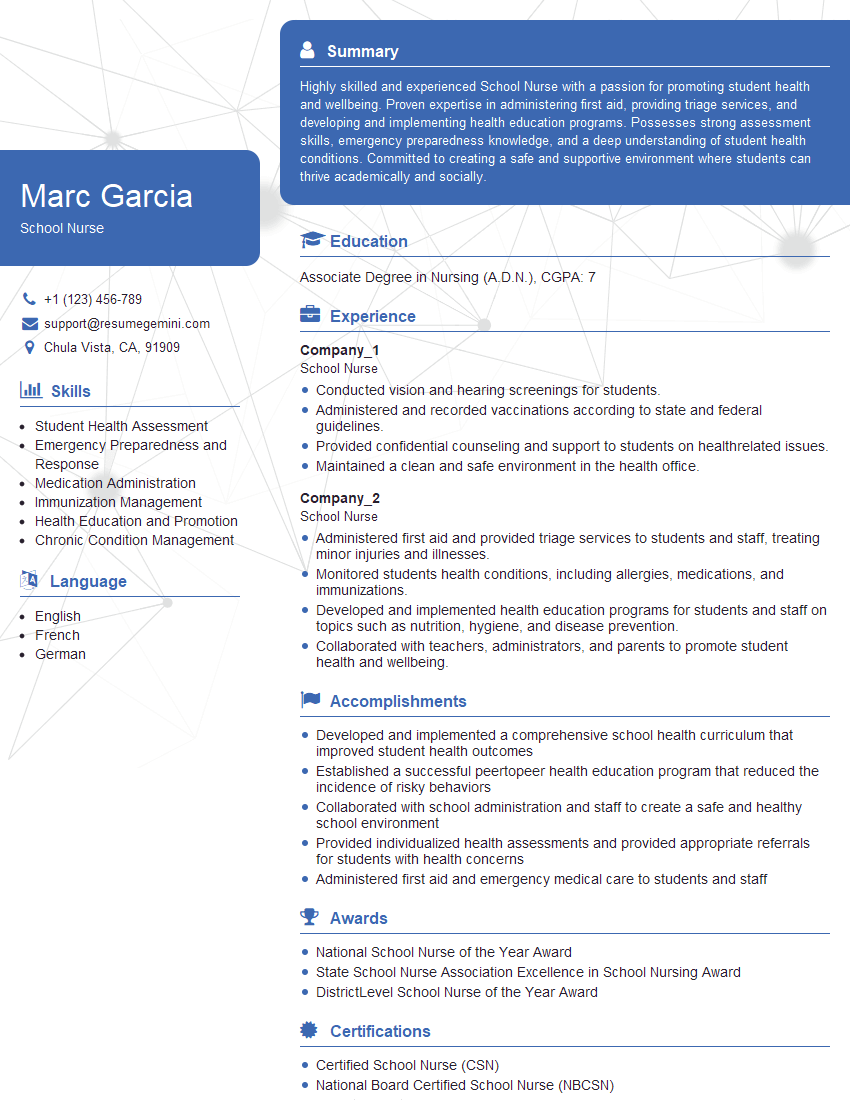
School Nurse Resume Sample
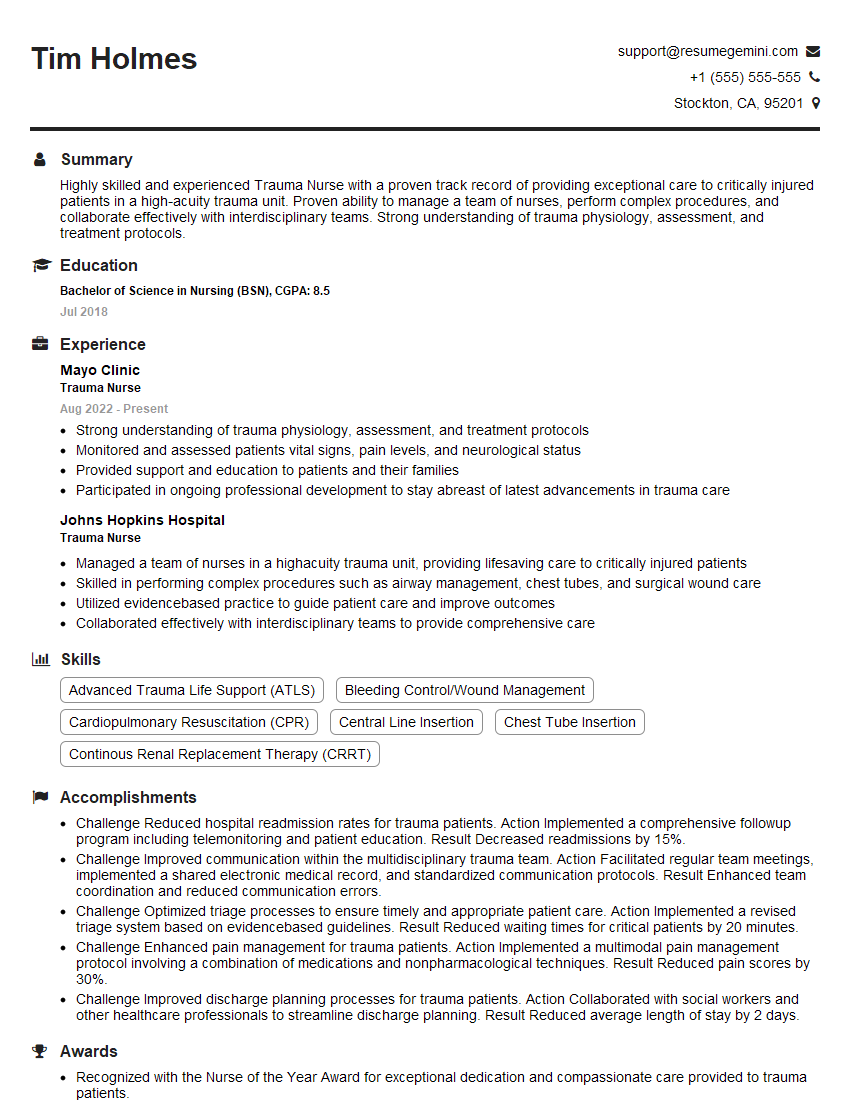
Trauma Nurse Resume Sample
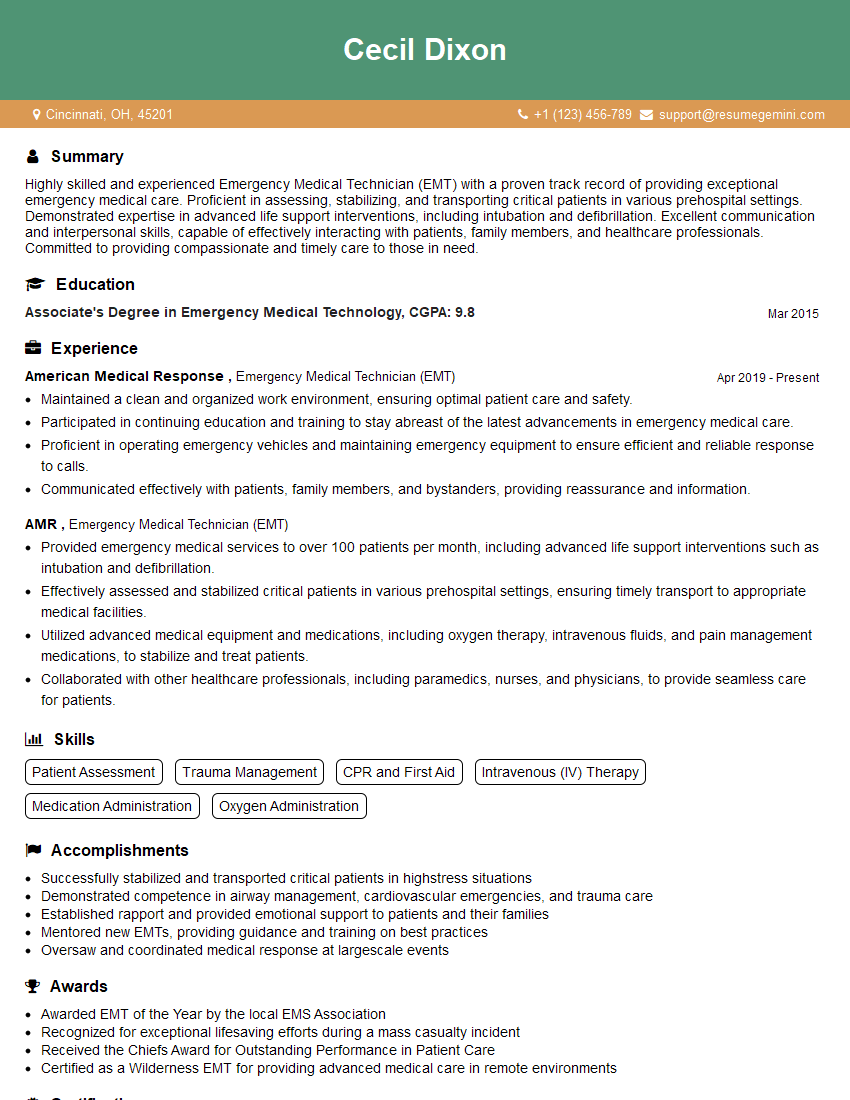
Emergency Medical Technician (EMT) Resume Sample
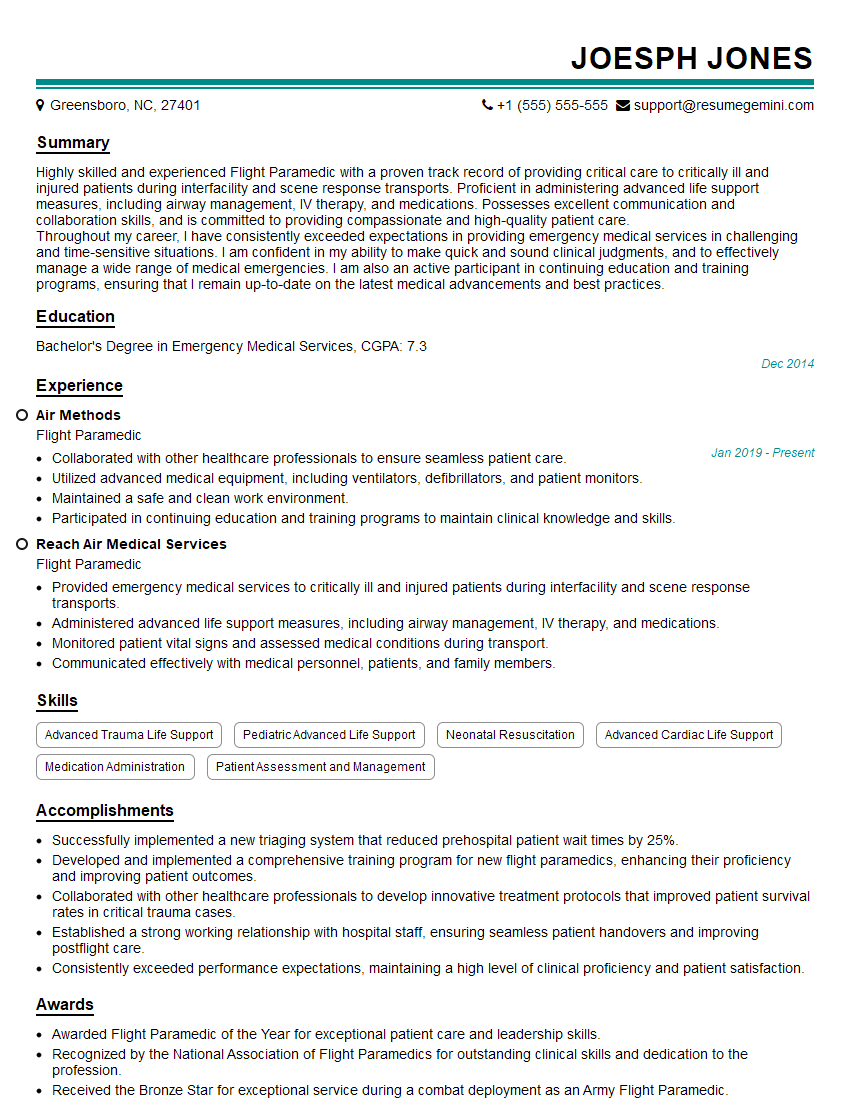
Flight Paramedic Resume Sample
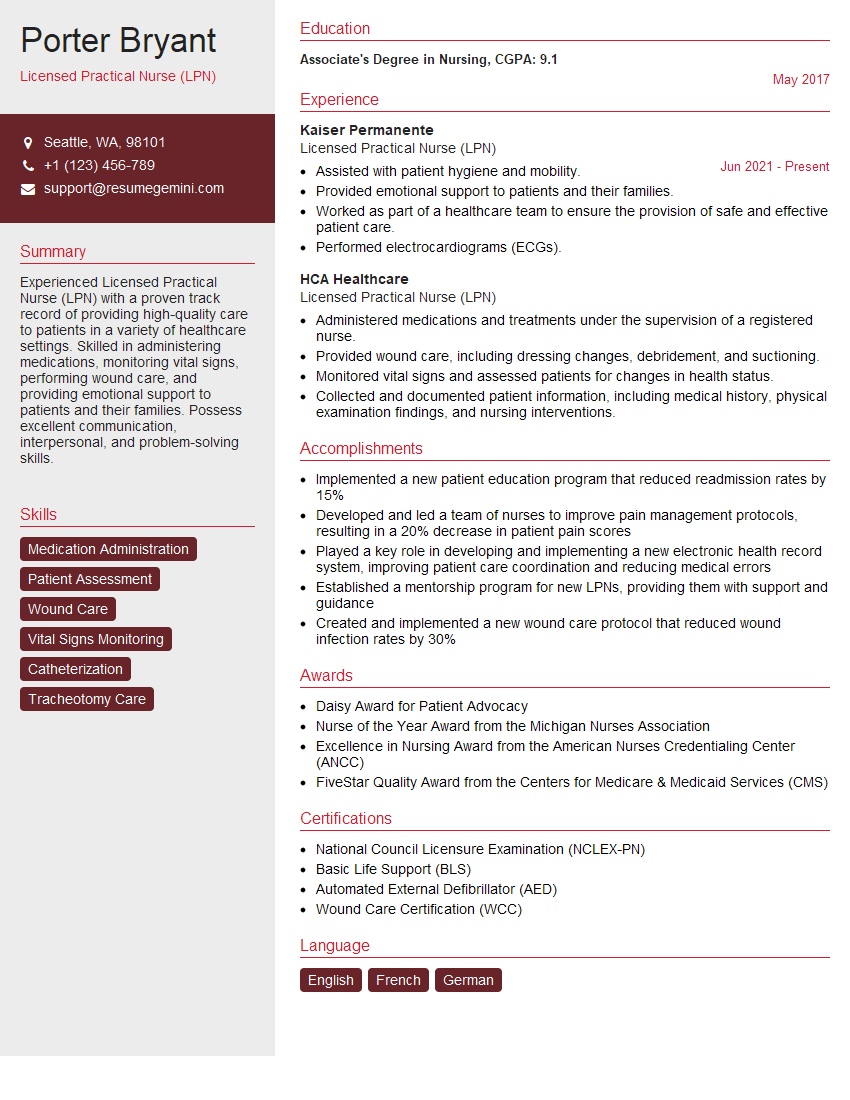
Licensed Practical Nurse (LPN) Resume Sample
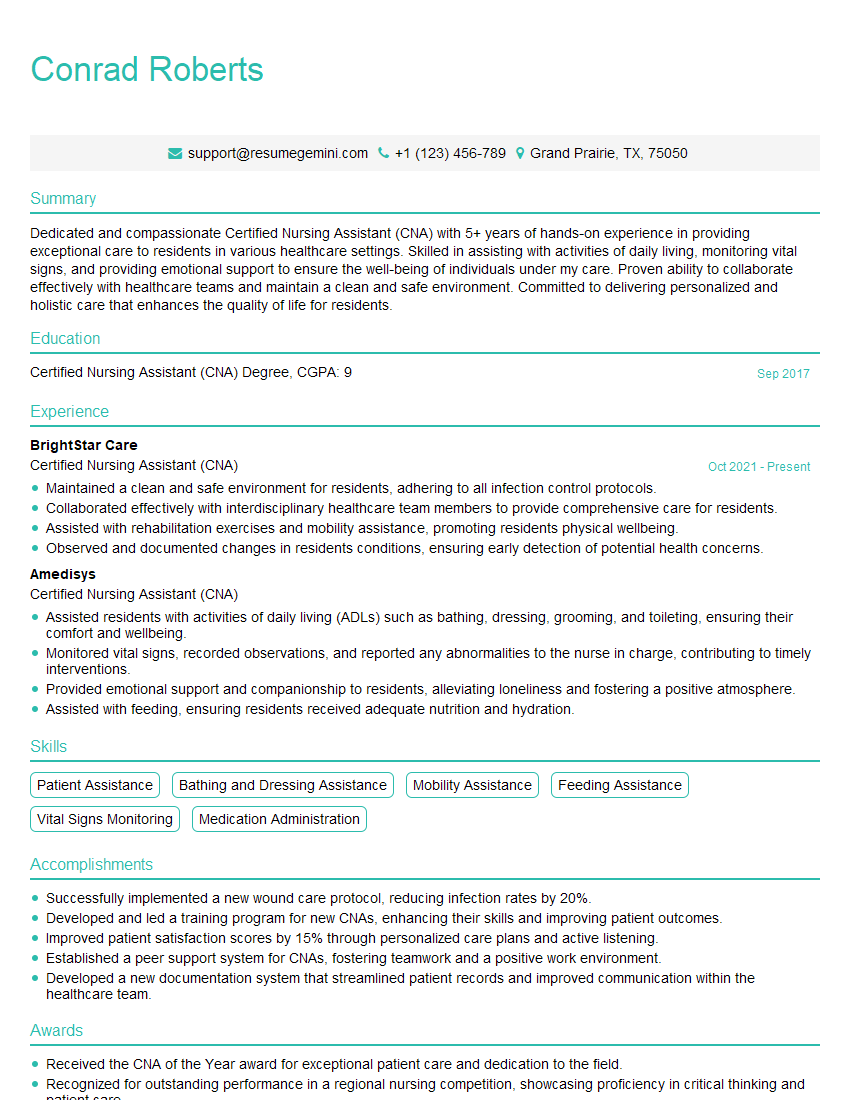
Certified Nursing Assistant (CNA) Resume Sample
Explore more articles
Users Rating of Our Blogs
Share Your Experience
We value your feedback! Please rate our content and share your thoughts (optional).
What Readers Say About Our Blog
Very informative content, great job.
good