Preparation is the key to success in any interview. In this post, we’ll explore crucial Fish Culture and Propagation interview questions and equip you with strategies to craft impactful answers. Whether you’re a beginner or a pro, these tips will elevate your preparation.
Questions Asked in Fish Culture and Propagation Interview
Q 1. Describe the different types of aquaculture systems.
Aquaculture systems are broadly classified based on the environment they utilize. Think of it like choosing the right home for your fish! There are three main categories: Extensive, Intensive, and Semi-intensive systems.
- Extensive Systems: These systems rely heavily on natural food sources and minimal human intervention. Imagine a large pond where fish are stocked and left to grow naturally. Growth rates are slower, but it’s a low-input, low-output approach. Examples include traditional rice-fish farming.
- Intensive Systems: These systems involve high stocking densities, controlled feeding, and continuous water exchange or aeration. Think of a modern, technologically advanced fish farm. Growth rates are significantly faster due to optimized conditions. Recirculating Aquaculture Systems (RAS) are a prime example, where water is constantly filtered and reused, minimizing environmental impact.
- Semi-intensive Systems: These are a middle ground, combining elements of both extensive and intensive systems. They involve supplemental feeding and some degree of water quality management but without the extreme control of intensive systems. Pond aquaculture with fertilization to enhance natural food production is a typical example.
Choosing the right system depends on factors like species, available resources, environmental impact concerns, and economic viability.
Q 2. Explain the principles of fish nutrition and how it impacts growth.
Fish nutrition is crucial for optimal growth, reproduction, and disease resistance. It’s like providing your fish with the right building blocks to grow strong and healthy. The principles revolve around providing a balanced diet containing the right proportions of:
- Proteins: Essential for muscle development and overall body structure. Think of them as the bricks in a building.
- Carbohydrates: Provide energy for various metabolic processes. These are like the fuel that powers the building’s operations.
- Lipids (Fats): Essential fatty acids are vital for immune function and hormone production. These are like the insulation and waterproofing of the building.
- Vitamins and Minerals: Play a crucial role in enzyme function and overall physiological well-being. They’re like the mortar that holds everything together.
A deficiency in any of these nutrients can lead to stunted growth, increased susceptibility to diseases, and reduced reproductive success. Commercial fish feeds are formulated to meet the specific nutritional requirements of different fish species and life stages. Monitoring fish growth regularly (measuring weight and length) helps assess the effectiveness of the feed and allows for adjustments in the diet if necessary.
Q 3. How do you monitor and maintain water quality in a fish farming operation?
Maintaining optimal water quality is paramount in fish farming. It’s like ensuring a clean and comfortable home for your fish! Regular monitoring and adjustments are crucial. Key parameters include:
- Dissolved Oxygen (DO): Sufficient DO is essential for fish respiration. Regular monitoring using DO meters is crucial, and aeration systems are often employed to increase DO levels.
- pH: The pH level should be within the species-specific tolerance range. Slight fluctuations can be managed through buffering agents or adjusting water exchange rates.
- Ammonia (NH3) and Nitrite (NO2): These are toxic byproducts of fish metabolism. Regular testing and appropriate biofiltration (e.g., using nitrifying bacteria) are essential to keep their levels low. A healthy nitrogen cycle is key.
- Temperature: Temperature affects metabolic rates and disease susceptibility. Maintaining the optimal temperature range for the fish species is crucial, often using heating or cooling systems.
Regular water quality testing, coupled with appropriate management strategies (e.g., water exchange, filtration, aeration), ensures a healthy environment for the fish.
Q 4. What are the common diseases affecting cultured fish, and how are they managed?
Cultured fish are susceptible to various diseases, impacting growth, and potentially causing mass mortality. Think of it as managing a fish hospital! Common diseases include:
- Bacterial Diseases: Aeromonas and Edwardsiella infections often manifest as skin lesions and internal organ damage. Treatment may involve antibiotics and improved husbandry practices.
- Viral Diseases: Viral hemorrhagic septicemia (VHS) and infectious pancreatic necrosis (IPN) are highly contagious and often cause significant losses. Prevention through biosecurity measures is critical, and there are currently limited effective treatments.
- Parasitic Diseases: Ichthyophthirius (Ich) and various gill parasites can cause significant stress and mortality. Treatments can involve chemical treatments, but proper water quality management is key in preventing infestations.
- Fungal Diseases: Saprolegnia is a common fungus affecting eggs and wounds. Treatment may involve antifungal agents and maintaining clean water conditions.
Disease management involves preventative measures (good biosecurity, optimal water quality), early detection (regular health checks), and appropriate treatment strategies (antibiotics, antiparasitics, etc.) when necessary. A well-trained eye and quick response are crucial in minimizing losses.
Q 5. Discuss various fish breeding techniques.
Fish breeding techniques vary considerably based on the species and desired outcome. It’s like choosing the right approach to raise a family! Common techniques include:
- Hypophysation: Involves injecting fish with pituitary hormones to induce spawning. This is commonly used for species that are difficult to induce spawning naturally.
- Stripping: This involves gently removing eggs and sperm from mature fish and artificially fertilizing them externally. This is often used for valuable species or to control fertilization.
- Induced Breeding: This involves manipulating environmental conditions (temperature, photoperiod, etc.) to stimulate natural spawning. This approach mimics natural spawning triggers.
- Natural Spawning: This is the most natural method, where fish spawn in controlled or semi-controlled environments. It’s often used for hardy species and requires creating suitable spawning habitats.
The choice of breeding technique depends on the species’ reproductive characteristics, the scale of operation, and the desired level of genetic control.
Q 6. Explain the importance of biosecurity in aquaculture.
Biosecurity in aquaculture is crucial for preventing the introduction and spread of diseases. Think of it as implementing a robust security system for your fish farm. Key components include:
- Quarantine: New fish should be quarantined before introduction to the main production system. This allows for observation and early detection of diseases.
- Disinfection: Equipment and personnel should be disinfected to prevent the spread of pathogens. This includes footbaths, disinfection of nets, and appropriate clothing.
- Waste Management: Proper disposal of waste and dead fish prevents contamination of water sources and the surrounding environment.
- Pest Control: Controlling wild animals and birds that could introduce diseases is also important.
- Record Keeping: Maintaining detailed records of fish health, treatments, and stock movements helps to trace outbreaks and prevent future issues.
A strong biosecurity program is essential for minimizing disease risks, protecting the fish stock, and maintaining the economic viability of the operation.
Q 7. Describe the process of fish egg incubation and larval rearing.
Fish egg incubation and larval rearing are critical stages, determining the success of breeding programs. It’s like providing intensive care for your fish babies! Egg incubation involves maintaining optimal conditions for embryonic development, including:
- Temperature control: Maintaining the correct temperature is essential for proper embryonic development.
- Oxygen supply: Adequate oxygen is vital for egg viability. Aeration systems are crucial.
- Water quality: Maintaining clean, healthy water is crucial to prevent fungal infections.
Larval rearing follows egg hatching and focuses on providing the larvae with appropriate nutrition. This typically involves providing specialized feeds (e.g., rotifers, Artemia) and gradually transitioning to larger feed as the larvae grow. Maintaining optimal water quality, minimizing stress, and monitoring growth are key to high survival rates.
The entire process demands precision and attention to detail, particularly in maintaining stable environmental conditions and delivering appropriate nutrition.
Q 8. How do you assess the health of a fish population?
Assessing the health of a fish population requires a multi-faceted approach, combining visual observation with laboratory analysis. Think of it like giving your fish a thorough physical and blood test! We start with visual inspections, looking for signs of disease like unusual swimming patterns (lethargic fish or fish swimming erratically), changes in coloration (fading or lesions), fin damage, or excessive mucus production. This gives us a quick overview. Then we move to more detailed diagnostics.
Sampling and Laboratory Analysis: We collect representative samples of fish for various tests. These can include:
- Parasitological examination: Checking for internal and external parasites under a microscope.
- Bacteriological analysis: Culturing samples to identify any bacterial infections.
- Haematological analysis: Examining blood samples to assess blood cell counts, hemoglobin levels, and other parameters indicating overall health.
- Histopathological examination: Microscopic examination of tissue samples to identify diseases and their severity.
Water Quality Analysis: The health of the fish is intrinsically linked to water quality. We regularly monitor parameters like dissolved oxygen, temperature, pH, ammonia, nitrite, and nitrate levels. Deviations from optimal ranges can indicate stress and increase susceptibility to disease.
Growth Monitoring: Regular measurement of fish length and weight allows us to track growth rates. Sluggish growth can be an early warning sign of underlying health issues.
By combining these methods, we get a comprehensive picture of the fish population’s health, enabling timely interventions to prevent or manage disease outbreaks.
Q 9. What are the environmental impacts of aquaculture, and how can they be mitigated?
Aquaculture, while providing a crucial source of protein, does have environmental impacts. These can include:
Water Pollution: Uneaten feed, fish waste, and medications can contaminate water bodies, leading to eutrophication (excessive nutrients causing algal blooms), and harming aquatic life. Imagine a messy kitchen – if you don’t clean it regularly, things start to pile up and get out of control.
Habitat Destruction: Construction of aquaculture facilities can lead to destruction of coastal habitats like mangroves and seagrass beds which are vital for biodiversity.
Disease Transmission: High densities of cultured fish can increase the risk of disease outbreaks, which can spread to wild populations.
Escapes: Non-native species escaping from aquaculture facilities can outcompete native species and disrupt the ecosystem.
Greenhouse Gas Emissions: Some aquaculture practices contribute to greenhouse gas emissions, particularly those reliant on energy-intensive feed production or which produce substantial waste.
Mitigation strategies involve adopting sustainable aquaculture practices such as:
Integrated Multi-Trophic Aquaculture (IMTA): Combining different species in a single system, for example, integrating seaweed cultivation to absorb nutrients and reduce waste.
Recirculating Aquaculture Systems (RAS): These systems recycle water, minimizing water usage and waste discharge. Think of it as a highly efficient, closed-loop system.
Improved Feed Management: Using high-quality feeds with better digestibility to reduce waste. This is like choosing nutritious food for yourself – less waste, more energy.
Bioremediation: Using microorganisms to break down organic waste.
Careful Site Selection: Choosing locations that minimize environmental impact and potential damage to sensitive ecosystems.
The ultimate goal is to balance the need for food production with the protection of the environment.
Q 10. Explain the different types of fish feeds and their nutritional composition.
Fish feeds are categorized broadly into two types: live feeds and formulated feeds. Live feeds, like rotifers, artemia, and microalgae, are used primarily for larval rearing, providing essential fatty acids and highly digestible proteins. Formulated feeds, on the other hand, are manufactured using a blend of ingredients specifically tailored to the nutritional requirements of different fish species and life stages.
Formulated Feeds: These are generally comprised of:
Protein Sources: Fishmeal, soybean meal, meat and bone meal, insect meal, and single-cell proteins (like bacteria or yeast) provide essential amino acids.
Carbohydrate Sources: Cereals (wheat, corn), and other plant-based materials provide energy.
Lipid Sources: Fish oil, vegetable oils (soybean, canola) provide essential fatty acids.
Vitamins and Minerals: These are added to ensure the complete nutritional profile of the feed.
Binders and Additives: These ensure the feed maintains its form and palatability.
The nutritional composition of fish feeds varies depending on the species, life stage, and production goals. For example, feeds for fast-growing species will have a higher protein content compared to feeds for slower-growing species. It’s essential to select a feed that matches the specific nutritional requirements of your fish for optimal growth and health.
Q 11. Discuss the role of probiotics and prebiotics in aquaculture.
Probiotics and prebiotics are increasingly used in aquaculture to improve fish health and gut microbiota, much like we use these in human health. Think of them as beneficial bacteria and their food, respectively.
Probiotics: These are live microorganisms (typically bacteria or yeasts) that, when administered in adequate amounts, confer a health benefit to the host. In fish, probiotics can enhance immunity, improve digestion, and inhibit the growth of pathogenic bacteria. They essentially create a protective barrier in the gut.
Prebiotics: These are non-digestible food ingredients that selectively stimulate the growth and activity of beneficial bacteria in the gut. They act as fertilizers for the good bacteria, encouraging their proliferation and enhancing their beneficial effects.
The use of probiotics and prebiotics in aquaculture can lead to reduced disease incidence, improved feed efficiency, and enhanced fish growth. This is a promising area of research with ongoing efforts to identify and optimize the use of specific probiotic and prebiotic strains for various fish species.
Q 12. How do you manage stress in cultured fish?
Stress in cultured fish can be caused by various factors, including poor water quality, overcrowding, handling during harvesting, and sudden changes in temperature or salinity. Chronic stress weakens the immune system, making fish more susceptible to disease and reducing growth rates.
Effective stress management involves:
Optimizing Water Quality: Maintaining optimal levels of dissolved oxygen, temperature, pH, and other water quality parameters.
Appropriate Stocking Density: Avoiding overcrowding to reduce competition for resources and minimize aggression.
Gentle Handling: Employing appropriate techniques during handling and transportation to minimize physical damage and stress.
Gradual Acclimation: Slowly acclimating fish to changes in water parameters to reduce shock.
Nutritional Management: Providing a balanced diet that meets the fish’s nutritional requirements.
Disease Prevention: Implementing biosecurity measures to minimize disease outbreaks.
Use of Anaesthetics: Employing approved anaesthetics during handling or procedures that require temporary immobilisation of the fish.
By proactively addressing these factors, we create a less stressful environment for the fish, resulting in improved health, growth, and overall productivity.
Q 13. Explain the principles of selective breeding in fish.
Selective breeding in fish involves choosing and breeding individuals with desirable traits to improve the genetic makeup of the population over generations. Think of it as carefully selecting the best seeds for your next harvest.
The process typically involves:
Identifying Desirable Traits: This could include fast growth rate, disease resistance, improved feed conversion ratio, or desirable meat quality.
Selection of Breeding Stock: Choosing individuals that exhibit the desired traits to a high degree.
Controlled Breeding: Using techniques like artificial insemination or induced spawning to control breeding and maximize genetic gain.
Performance Evaluation: Monitoring the offspring’s performance to assess the success of the breeding program.
Genetic Analysis: Using molecular techniques like DNA markers to aid in selection and monitor genetic diversity.
This process enables us to develop fish strains that are better adapted to specific environments and production systems, resulting in improved productivity and sustainability.
Q 14. Describe the process of harvesting and post-harvest handling of fish.
Harvesting and post-harvest handling are crucial steps in ensuring the quality and safety of fish products. Proper handling minimizes losses and maintains the quality of the final product.
Harvesting methods vary depending on the species and culture system. They might include netting, draining ponds, or using specialized harvesting equipment. Once harvested, fish need immediate attention:
Stunning: Quickly rendering the fish unconscious to minimize stress and improve welfare.
Killing: Employing humane methods to kill the fish quickly and efficiently. Common methods include icepelleting, or other methods as approved by local regulations.
Bleeding: Proper bleeding removes blood from the fish, improving product quality and extending shelf life.
Washing and Chilling: Cleaning and chilling the fish immediately helps to prevent spoilage and maintain freshness.
Processing: This might involve filleting, scaling, or other processing steps, depending on the intended market.
Packing and Storage: Proper packing and storage procedures (including refrigeration or freezing) are crucial to maintain the quality and safety of the fish throughout the supply chain.
The goal is to minimize handling time and ensure that the fish remains as fresh as possible throughout the entire process, from the pond to the consumer’s plate.
Q 15. How do you calculate fish stocking density?
Calculating fish stocking density is crucial for successful aquaculture. It’s about finding the right balance between maximizing fish production and ensuring the well-being of the fish. Essentially, you’re determining the number of fish you can safely and efficiently raise in a given volume of water.
The calculation itself isn’t a single formula but depends on several factors. These include:
- Fish species: Different species have different oxygen requirements and waste production rates.
- Fish size: Larger fish need more space and oxygen.
- Water quality: Good water quality parameters (dissolved oxygen, ammonia, nitrite, nitrate) allow for higher stocking densities. Poor water quality necessitates lower stocking density to prevent stress and disease.
- Feeding regime: The amount and type of feed influences waste production, thus affecting the stocking density.
- Aquaculture system: Recirculating aquaculture systems (RAS) can generally support higher densities than flow-through systems due to better water quality control.
- Growth rate: The desired growth rate influences the stocking density; faster growth requires careful management to avoid overcrowding.
Example: Let’s say you’re raising tilapia in a 1000-liter tank. A general guideline might suggest a stocking density of 10-20 kg of fish per 1000 liters. You would need to adjust this based on the factors above. If you start with smaller fingerlings, you can have a higher initial density. As they grow, you might need to harvest or transfer some to maintain optimal conditions.
In practice, regular monitoring of water quality parameters is essential. If you see signs of stress (e.g., increased respiration rate, lethargy), you may need to reduce the stocking density.
Career Expert Tips:
- Ace those interviews! Prepare effectively by reviewing the Top 50 Most Common Interview Questions on ResumeGemini.
- Navigate your job search with confidence! Explore a wide range of Career Tips on ResumeGemini. Learn about common challenges and recommendations to overcome them.
- Craft the perfect resume! Master the Art of Resume Writing with ResumeGemini’s guide. Showcase your unique qualifications and achievements effectively.
- Don’t miss out on holiday savings! Build your dream resume with ResumeGemini’s ATS optimized templates.
Q 16. What are the common challenges faced in intensive aquaculture?
Intensive aquaculture, while offering high yields, faces numerous challenges. These can broadly be categorized into:
- Water quality management: High stocking densities lead to rapid accumulation of waste products (ammonia, nitrite, nitrate), requiring efficient filtration and water exchange systems. Diseases are also more likely to spread rapidly in intensive systems.
- Disease outbreaks: The close proximity of fish in intensive systems makes them highly susceptible to infectious diseases. Effective biosecurity measures and proactive health management are crucial.
- High operational costs: Intensive systems require significant investment in infrastructure, technology (e.g., aeration, filtration), and labor.
- Environmental impact: Wastewater discharge from intensive systems can pollute surrounding water bodies if not managed properly. There is also the increased consumption of resources like feed and energy.
- Feed management: Obtaining high-quality, cost-effective feed, and minimizing feed waste is crucial for economic viability. Uneaten feed contributes to water quality issues.
- Oxygen depletion: High stocking density can lead to oxygen depletion, especially in warmer waters. Adequate aeration is vital to prevent fish mortality.
Example: A fish farm using intensive methods might experience a sudden ammonia spike due to malfunctioning filtration, leading to mass fish mortality. This highlights the need for robust monitoring and contingency plans.
Q 17. Explain the importance of genetic diversity in aquaculture.
Genetic diversity is paramount in aquaculture for several reasons. It’s akin to having a diverse portfolio of stocks – it reduces the risk of catastrophic losses.
- Disease resistance: Genetically diverse populations are more likely to possess individuals with natural resistance to diseases. If a disease outbreak occurs, some fish may survive and contribute to the recovery of the population.
- Adaptability to environmental changes: A diverse gene pool allows for better adaptation to changing environmental conditions, such as fluctuating water temperature or salinity.
- Improved growth and production: Selective breeding programs can utilize genetic diversity to enhance traits like growth rate, feed conversion efficiency, and disease resistance, leading to higher yields and profitability.
- Reduced inbreeding depression: Inbreeding can lead to a decline in fitness, including reduced growth, fertility, and disease resistance. Maintaining genetic diversity helps mitigate this.
Example: Imagine a farm relying on a single, genetically uniform strain of fish. A new disease could wipe out the entire population. A farm with diverse strains is much less vulnerable. The use of broodstock selection programs is a common strategy to enhance genetic diversity and select for favorable traits.
Q 18. How do you identify and control parasites in cultured fish?
Parasite control in cultured fish requires a multi-pronged approach combining prevention and treatment. Identification is the first step.
- Identification: Visual inspection of fish for external parasites (e.g., lice, gill flukes) is done regularly. Microscopic examination of tissue samples may be necessary for internal parasites. Laboratory analysis can help confirm diagnoses and identify the specific parasite species.
- Prevention: Good biosecurity practices (e.g., quarantine of new fish, disinfection of equipment) are critical. Maintaining optimal water quality, minimizing stress, and using parasite-free broodstock also help prevent infestations.
- Treatment: Treatment strategies vary depending on the parasite and the severity of the infestation. Options include chemical treatments (e.g., using approved parasiticides), biological control (introducing natural enemies of the parasite), and physical methods (e.g., removing parasites manually).
Example: If Ich (Ichthyophthirius multifiliis), a common fish parasite, is detected, treatment might involve raising water temperature slightly to shorten the parasite’s life cycle, along with the use of approved medications. However, it’s crucial to follow the medication’s instructions carefully and consider the impact on the environment.
Q 19. Describe the role of aeration in aquaculture systems.
Aeration plays a vital role in aquaculture by ensuring sufficient dissolved oxygen (DO) levels in the water. Fish, like all animals, require oxygen for respiration. Without adequate DO, fish will suffer from hypoxia (low oxygen) and eventually die.
Aeration methods include:
- Mechanical aeration: This involves using devices like air pumps and diffusers to introduce air into the water. Different diffuser types (e.g., air stones, membrane diffusers) offer varying levels of efficiency.
- Water circulation: Moving water increases the surface area exposed to the air, facilitating oxygen uptake. This can be achieved through paddle wheels or pumps.
- Surface aeration: Methods that increase surface agitation, like fountains or waterfalls, promote oxygen exchange.
Example: In a high-density fish farm, mechanical aeration is essential to maintain DO levels. Monitoring DO levels with probes and adjusting aeration as needed is crucial to ensure fish survival.
Insufficient aeration can lead to stress, reduced growth rates, increased susceptibility to diseases, and ultimately, fish mortality. Therefore, aeration is a critical aspect of water quality management in aquaculture.
Q 20. Explain the different methods used for fish transportation.
Fish transportation methods depend on factors such as distance, fish species, quantity, and environmental conditions. The goal is to minimize stress and mortality during transit.
- Live hauling trucks: These specialized trucks are equipped with oxygenation systems and temperature control to maintain optimal conditions for the fish during transport. They’re suitable for transporting larger quantities over longer distances.
- Plastic bags: Smaller quantities of fish can be transported in oxygenated plastic bags. This is often used for transporting fish over shorter distances. The bags contain water, oxygen, and potentially some anesthetic to reduce stress.
- Transport crates or containers: Fish can be transported in specialized crates or containers with sufficient water and oxygenation for shorter trips.
- Specialized transport vessels: For long-distance transportation of larger quantities, specialized transport vessels with onboard life support systems are used.
Example: Transporting delicate ornamental fish would require careful consideration of water parameters and the use of oxygenated bags or specialized containers. Transporting large quantities of hardy species like tilapia over longer distances would likely involve live hauling trucks with oxygenation systems and temperature control.
Regardless of the method, proper handling, adequate oxygenation, appropriate water temperature, and stress reduction are crucial for successful fish transport.
Q 21. How do you monitor and control water temperature in an aquaculture facility?
Maintaining optimal water temperature is critical in aquaculture because fish are poikilothermic, meaning their body temperature is regulated by the surrounding environment. Fluctuations in temperature can cause stress, reduce growth, and increase susceptibility to diseases.
Monitoring and control methods include:
- Temperature monitoring: Accurate and reliable temperature sensors are placed at different points within the aquaculture system. Data loggers record temperature over time, providing valuable insights.
- Temperature control systems: Several methods can be used to regulate temperature. These include:
- Chillers: Used in warmer climates to cool water.
- Heaters: Used in colder climates to warm water.
- Water exchange: Using cooler or warmer water sources to adjust the overall water temperature.
- Shade structures: Used to reduce the impact of solar radiation and prevent water temperature from rising excessively.
Example: A recirculating aquaculture system (RAS) might use a chiller to maintain a constant water temperature of 25°C (77°F) for optimal growth of certain fish species. In contrast, an outdoor pond in a cold climate might employ heaters to prevent water temperatures from dropping too low during winter.
Regular monitoring and proactive adjustments are vital to maintain the desired water temperature range and prevent negative impacts on fish health and productivity.
Q 22. Describe the different types of aquaculture waste and their management.
Aquaculture waste management is crucial for environmental sustainability and economic viability. Different types of waste arise from various aquaculture practices. These can be broadly categorized as:
- Solid Waste: This includes uneaten feed, fish feces, dead fish, and other organic matter. Management strategies involve regular removal, composting (for organic waste), and proper disposal to prevent water pollution and disease outbreaks. For example, in a shrimp farm, regular pond cleaning and efficient feed management can significantly reduce solid waste.
- Liquid Waste: This encompasses wastewater containing dissolved organic matter, nutrients (nitrogen and phosphorus), and potentially harmful chemicals. Effective management techniques include bioremediation (using microorganisms to break down pollutants), water treatment systems (settling ponds, filtration), and responsible discharge following regulatory guidelines. For instance, a recirculating aquaculture system (RAS) significantly reduces liquid waste by recycling and treating the water.
- Gaseous Waste: Ammonia, hydrogen sulfide, and methane are common gaseous byproducts. Proper aeration and efficient waste removal systems are essential to reduce these gases. Poorly managed ponds can lead to high ammonia levels, extremely toxic to fish. This is where regular water quality monitoring becomes crucial.
Effective waste management minimizes environmental impact, improves water quality, reduces disease risks, and enhances the overall sustainability and profitability of the aquaculture operation. It’s not simply a matter of cleaning up; it’s about designing and implementing systems to minimize waste generation from the outset.
Q 23. Explain the principles of integrated multi-trophic aquaculture (IMTA).
Integrated Multi-Trophic Aquaculture (IMTA) is a sustainable aquaculture approach mimicking natural ecosystems. It involves culturing multiple species together, harnessing their symbiotic relationships to reduce waste and enhance productivity. The core principle is to use the waste from one species as a resource for another.
For example, a typical IMTA system might include finfish (like salmon), shellfish (like mussels), and seaweed. The finfish produce waste (feces and uneaten feed) that provides nutrients for the shellfish and seaweed. The shellfish filter the water, improving water quality for the finfish. The seaweed absorbs excess nutrients, further cleaning the water and providing an additional harvestable product. This creates a closed-loop system minimizing environmental impact and maximizing resource utilization.
The benefits of IMTA include:
- Reduced environmental impact through waste recycling
- Enhanced productivity through synergistic species interactions
- Diversification of income streams through multiple species cultivation
- Improved water quality through biofiltration
Successful IMTA requires careful species selection and system design to ensure the optimal balance and interactions between organisms. It’s a more complex approach than monoculture, but offers substantial advantages in terms of sustainability and economic efficiency.
Q 24. Discuss the regulatory aspects of aquaculture.
Aquaculture is subject to a complex web of regulations that vary significantly depending on location and species. These regulations aim to ensure environmental protection, food safety, and responsible aquaculture practices.
Common regulatory aspects include:
- Environmental permits: These cover water discharge, waste management, and habitat impact. For instance, a farm discharging waste into a river needs a permit ensuring the discharge meets specific water quality standards.
- Species-specific regulations: Regulations concerning specific fish species may involve stocking density limits, disease prevention measures, and harvesting guidelines. For example, there might be strict rules on the minimum size of fish allowed for harvest to protect the population.
- Food safety regulations: These concern handling, processing, and labeling of aquaculture products to guarantee human safety. This includes monitoring for antibiotic residues and other potential contaminants.
- Disease management: Regulations may mandate disease surveillance, biosecurity measures, and reporting requirements to prevent disease outbreaks and minimize their spread.
- Genetic regulations: Regulations may exist to prevent the escape of genetically modified organisms into the wild and maintain genetic diversity.
Non-compliance can lead to significant penalties. Therefore, it’s essential for aquaculture operators to be well-versed in and compliant with all applicable regulations in their operating area. Regular consultations with regulatory bodies are highly recommended.
Q 25. How do you assess the economic viability of an aquaculture project?
Assessing the economic viability of an aquaculture project requires a thorough financial analysis considering various factors. A common approach involves creating a detailed business plan encompassing:
- Market analysis: Identifying target markets, assessing demand, and estimating prices for the produced species.
- Production costs: Calculating all costs, including land/water lease, infrastructure, feed, labor, energy, and veterinary services.
- Revenue projections: Estimating potential revenue based on production volumes and market prices.
- Capital investment: Determining the initial investment required for infrastructure, equipment, and stocking.
- Financing options: Exploring various funding sources, including loans, grants, and investors.
- Risk assessment: Identifying potential risks (disease outbreaks, market fluctuations, environmental changes) and developing mitigation strategies.
- Profitability analysis: Calculating key financial indicators such as net present value (NPV), internal rate of return (IRR), and payback period to determine the project’s profitability.
Detailed financial models, incorporating various scenarios and sensitivity analysis, are essential for a robust assessment. Consultations with financial experts are highly recommended to ensure a comprehensive and accurate evaluation.
Q 26. Explain the role of technology in modern aquaculture.
Technology plays a transformative role in modern aquaculture, enhancing efficiency, sustainability, and productivity. Several key technological advancements are revolutionizing the industry:
- Recirculating Aquaculture Systems (RAS): RAS significantly reduce water usage and waste discharge by recycling and treating water. They allow for intensive production in controlled environments.
- Automated feeding systems: These optimize feed delivery, minimizing waste and ensuring consistent feeding practices.
- Water quality monitoring systems: Real-time monitoring of key water parameters (temperature, dissolved oxygen, ammonia, pH) enables proactive management and early detection of problems.
- Disease diagnostic tools: Advanced diagnostic techniques allow for rapid and accurate identification of diseases, facilitating timely interventions.
- Genetic improvement techniques: Selective breeding and genetic engineering can enhance disease resistance, growth rates, and other desirable traits.
- Remote sensing and IoT: Remote monitoring of environmental conditions and aquaculture operations through IoT devices enables efficient management and data-driven decision-making.
Technology is not just about improving existing practices; it is enabling the development of entirely new aquaculture approaches, including offshore aquaculture and integrated multi-trophic aquaculture (IMTA), pushing the boundaries of sustainable and efficient food production.
Q 27. Describe your experience with different fish species and their specific culture requirements.
My experience encompasses a range of fish species, each with unique culture requirements. For example:
- Salmon (Salmo salar): Requires cold, well-oxygenated water, a controlled diet, and careful parasite management. I’ve been involved in both freshwater and saltwater salmon farming, managing different stages of their life cycle from egg to harvest.
- Tilapia (Oreochromis spp.): A warm-water species relatively easy to cultivate, tolerant of a range of water qualities, but susceptible to certain diseases. My experience with tilapia includes optimizing feeding strategies for maximizing growth and minimizing waste in high-density systems.
- Catfish (Ictalurus spp.): A hardy species adaptable to different environments, but requiring attention to water quality and disease prevention. I’ve worked on optimizing pond management techniques to improve catfish production efficiency.
- Shrimp (Litopenaeus vannamei): Requires specific salinity and temperature conditions, meticulous water quality control, and careful management of disease and pests. My shrimp farming experience focused on optimizing pond design and water management strategies for high survival rates and growth.
Understanding the specific needs of each species – including their dietary requirements, environmental tolerances, and susceptibility to diseases – is critical for successful aquaculture practices. This knowledge allows for the optimization of culture techniques, maximizing production while minimizing environmental impacts and economic losses.
Q 28. How would you handle a sudden fish mortality event?
A sudden fish mortality event is a serious crisis requiring immediate and decisive action. My approach would involve a systematic process:
- Rapid assessment: Immediately assess the extent of the mortality, noting the affected species, age groups, and the apparent symptoms.
- Water quality analysis: Conduct thorough water quality testing to identify any abnormalities (e.g., low dissolved oxygen, high ammonia, unusual pH). This might involve on-site testing and sending samples to a laboratory for more detailed analysis.
- Disease diagnosis: Collect samples of dead fish for disease diagnosis. This may involve microscopic examination, bacterial cultures, and other diagnostic tests to determine the cause of mortality.
- Emergency measures: Implement immediate corrective measures based on the preliminary findings. This may involve increasing aeration, adjusting water quality parameters, removing dead fish, and implementing quarantine measures if a disease is suspected.
- Investigation and root cause analysis: Conduct a thorough investigation to determine the underlying cause of the mortality event, considering factors such as water quality, feeding practices, handling procedures, and potential pathogens.
- Corrective actions: Based on the root cause analysis, implement appropriate corrective actions to prevent future occurrences. This may involve improvements to water management systems, changes to feeding regimes, enhanced biosecurity measures, or adjustments to stocking density.
- Documentation and reporting: Thoroughly document the event, including the assessment, diagnosis, corrective actions, and lessons learned. This information is crucial for future management and regulatory reporting.
Prompt and effective response is essential to minimize losses and prevent further mortality. Collaboration with veterinary specialists and regulatory authorities might be required, depending on the scale and complexity of the event.
Key Topics to Learn for Fish Culture and Propagation Interview
- Water Quality Management: Understanding parameters like pH, dissolved oxygen, ammonia, nitrite, and nitrate; their impact on fish health and growth; and methods for maintaining optimal water quality in various culture systems.
- Fish Health and Disease Management: Identifying common fish diseases, understanding their causes and symptoms, and implementing preventative and curative measures, including quarantine procedures and biosecurity protocols.
- Nutrition and Feeding Strategies: Selecting appropriate feed types based on species and life stage; designing feeding regimens to optimize growth and minimize waste; understanding the nutritional requirements of different fish species.
- Breeding and Reproduction Techniques: Understanding the reproductive cycles of various fish species; applying different breeding methods (e.g., induced breeding, natural spawning); managing broodstock and optimizing hatching and larval rearing techniques.
- Culture System Design and Management: Choosing appropriate culture systems (e.g., ponds, tanks, raceways) based on species, scale, and resources; designing and managing systems for optimal water flow, aeration, and waste management; understanding the principles of recirculating aquaculture systems (RAS).
- Fish Genetics and Selective Breeding: Understanding the principles of fish genetics and their application in selective breeding programs to improve growth rate, disease resistance, and other desirable traits.
- Sustainable Aquaculture Practices: Implementing environmentally responsible aquaculture practices, minimizing environmental impact, and understanding the principles of integrated multi-trophic aquaculture (IMTA).
- Harvesting and Post-harvest Handling: Employing humane and efficient harvesting techniques; implementing proper post-harvest handling and processing procedures to maintain product quality and minimize losses.
- Economic Analysis and Business Management: Understanding the economic aspects of fish culture, including cost analysis, production planning, and market analysis.
- Problem-Solving and Troubleshooting: Developing critical thinking skills to diagnose and resolve issues related to water quality, fish health, and production efficiency.
Next Steps
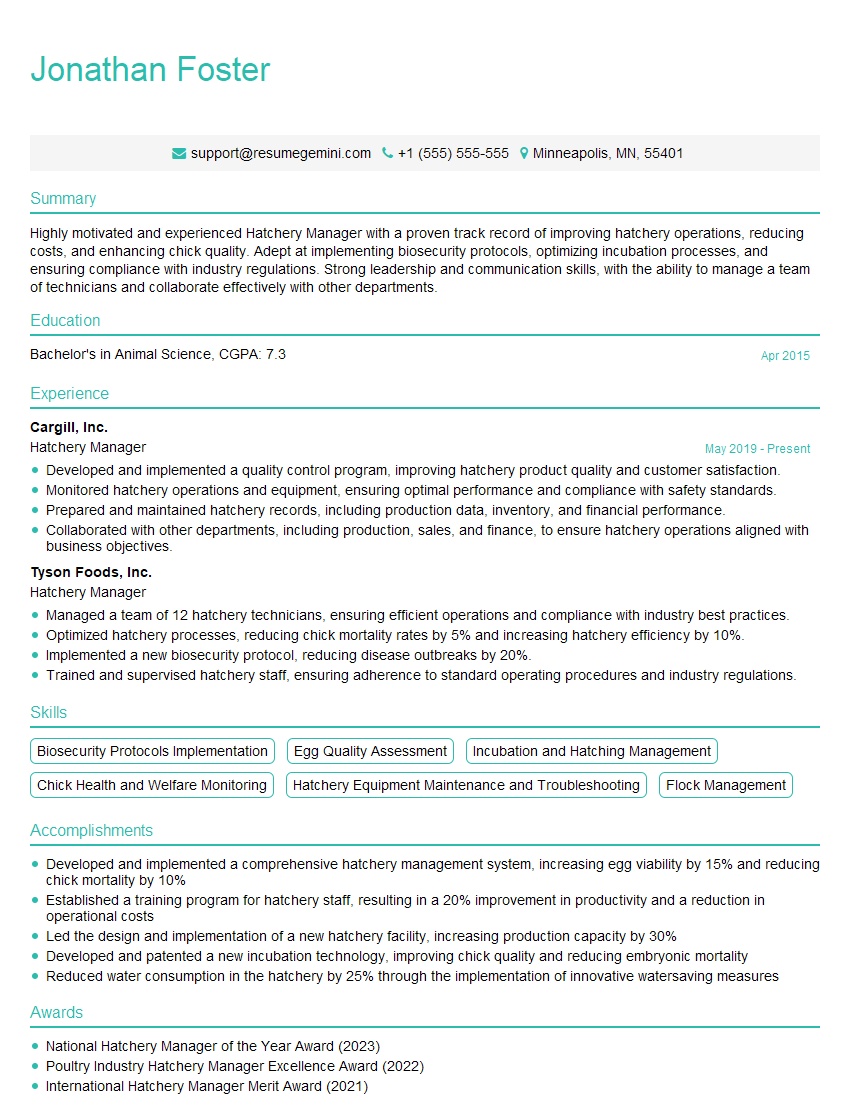
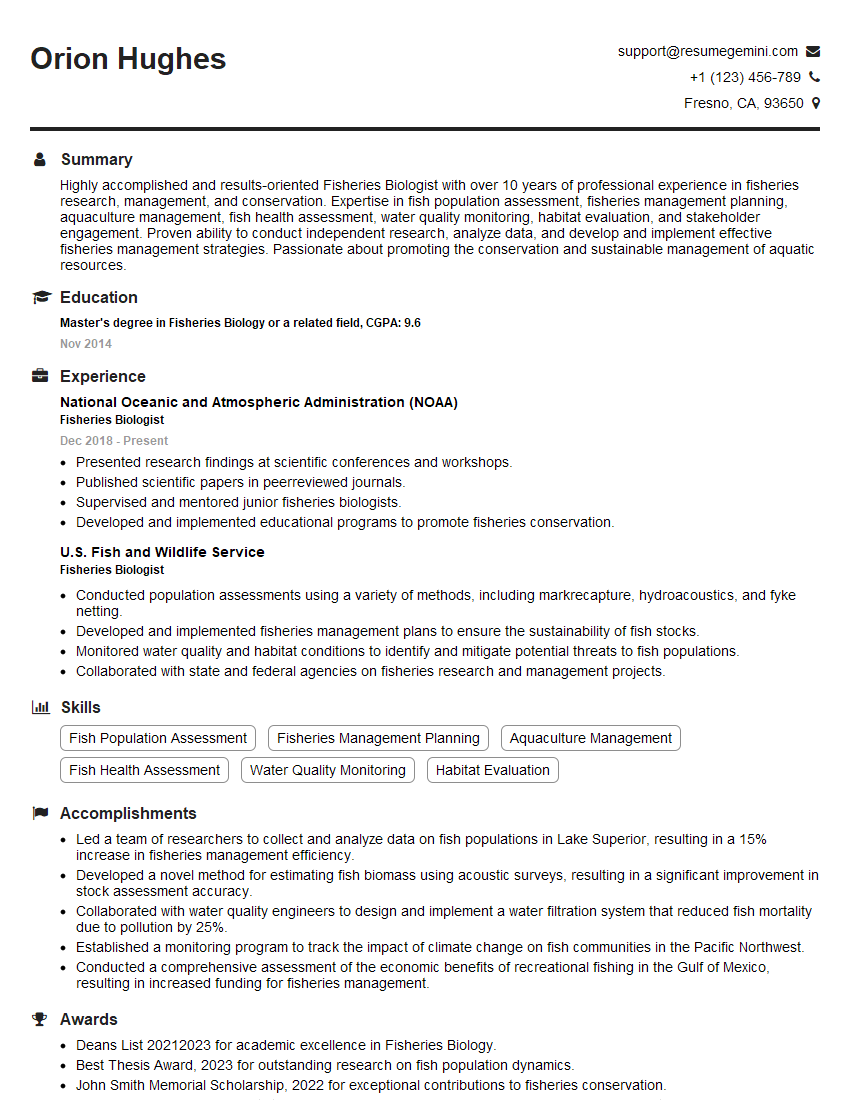
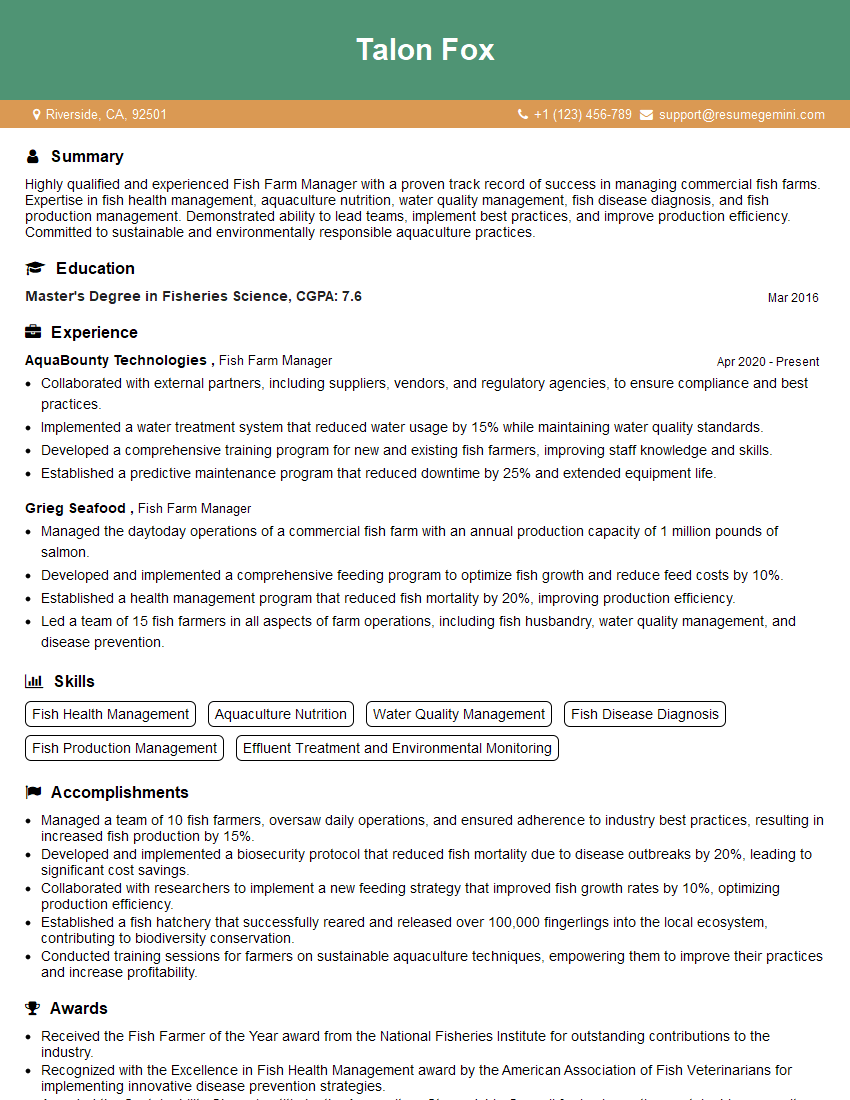
Mastering Fish Culture and Propagation opens doors to exciting careers in aquaculture, research, and environmental management. A strong resume is crucial for showcasing your skills and experience to potential employers. To significantly increase your job prospects, create an ATS-friendly resume that highlights your relevant achievements and qualifications. ResumeGemini is a trusted resource for building professional and effective resumes. They offer examples of resumes specifically tailored to the Fish Culture and Propagation field, helping you present yourself as the ideal candidate. Invest time in crafting a compelling resume; it’s your first impression and a key to unlocking your career aspirations.
Explore more articles
Users Rating of Our Blogs
Share Your Experience
We value your feedback! Please rate our content and share your thoughts (optional).
What Readers Say About Our Blog
Very informative content, great job.
good