Interviews are opportunities to demonstrate your expertise, and this guide is here to help you shine. Explore the essential Health Safety and Environment interview questions that employers frequently ask, paired with strategies for crafting responses that set you apart from the competition.
Questions Asked in Health Safety and Environment Interview
Q 1. Describe your experience with incident investigation and root cause analysis.
Incident investigation and root cause analysis are crucial for preventing future incidents. My approach involves a systematic process, beginning with securing the scene and gathering evidence, followed by interviewing witnesses and reviewing documentation like safety logs and maintenance records. I utilize various root cause analysis techniques, including the 5 Whys, Fault Tree Analysis (FTA), and Fishbone diagrams. For instance, in a recent incident involving a chemical spill, the 5 Whys helped us trace the root cause to inadequate training on handling procedures. The FTA allowed us to visualize potential failure points and their interdependencies, while the Fishbone diagram helped us identify contributing factors like faulty equipment and human error. The final report includes detailed findings, recommendations, and corrective actions implemented to mitigate the risk of recurrence.
Q 2. Explain your understanding of risk assessment methodologies (e.g., HAZOP, What-If analysis).
Risk assessment methodologies help identify and evaluate potential hazards. HAZOP (Hazard and Operability Study) is a systematic approach involving a team brainstorming potential deviations from design intent, examining their consequences, and recommending safeguards. What-If analysis involves posing a series of ‘what-if’ questions to identify potential hazards and their likelihood. For example, in a chemical plant, HAZOP might analyze the potential for over-pressurization in a reactor, examining deviations like ‘too high temperature’ and its effects. What-If analysis, on the other hand, could directly ask, ‘What if the emergency shutdown system fails?’ Both methods are valuable; HAZOP is more structured and comprehensive, suitable for complex systems, while What-If is faster and simpler for preliminary assessments.
Q 3. How do you ensure compliance with OSHA regulations (or relevant local regulations)?
Ensuring OSHA (or equivalent) compliance is an ongoing process. It involves staying updated on regulations, developing and implementing robust safety programs, providing comprehensive training, conducting regular inspections and audits, and maintaining meticulous documentation. We use a combination of strategies: regular self-audits against OSHA standards, training employees on relevant regulations, and implementing robust safety management systems. For example, we implement lockout/tagout procedures strictly according to OSHA guidelines to ensure equipment is safely de-energized before maintenance. Any identified non-compliances are addressed promptly with corrective actions documented and tracked. We also maintain a detailed record-keeping system to prove our compliance during audits.
Q 4. What are your experiences with developing and delivering safety training programs?
I have extensive experience in designing and delivering safety training programs tailored to specific roles and risks. My approach emphasizes hands-on training, interactive sessions, and real-world scenarios. For instance, I developed a comprehensive training program for chemical handling, including theoretical instruction, simulations, and practical exercises. I’ve incorporated various learning methods like case studies, videos, and interactive quizzes to enhance engagement and knowledge retention. The effectiveness of the training is evaluated through post-training assessments and observations of employee behaviour in the workplace. I also leverage technology to provide ongoing learning opportunities, such as online modules and refresher courses.
Q 5. Describe your familiarity with emergency response planning and procedures.
Emergency response planning is critical for minimizing the impact of incidents. My experience includes developing and regularly updating emergency response plans based on potential hazards, incorporating relevant regulations, and conducting drills to ensure preparedness. A key element is clear communication: the plan defines roles, responsibilities, communication channels, and evacuation procedures. For example, we’ve developed plans for fire, chemical spills, and medical emergencies. Regular drills are conducted to test the plans and refine procedures. Post-drill reviews identify areas for improvement, ensuring the plan remains effective and up-to-date. This includes creating detailed maps, establishing assembly points, and ensuring adequate emergency equipment is available.
Q 6. How do you manage environmental permits and compliance?
Managing environmental permits and compliance is a complex process. It requires understanding relevant environmental legislation, obtaining necessary permits, implementing environmental management systems, and ensuring ongoing compliance. I’m familiar with various permit types, including air emission permits, water discharge permits, and waste disposal permits. We use specialized software to track permits, deadlines, and compliance data. Regular monitoring and reporting are critical. For example, we maintain detailed records of waste generation and disposal, ensuring compliance with waste management regulations. Audits are conducted to identify any gaps in compliance, and corrective actions are implemented promptly to prevent violations.
Q 7. Explain your understanding of environmental impact assessments.
Environmental impact assessments (EIAs) evaluate the potential environmental consequences of projects or activities. They involve identifying potential impacts, assessing their significance, and recommending mitigation measures. I am experienced in conducting EIAs using various methodologies. This includes identifying potential impacts on air quality, water resources, biodiversity, and human health. For instance, in a construction project, an EIA might assess the impact of dust emissions on air quality and recommend mitigation measures, such as dust suppression techniques. The EIA should then propose strategies to minimize negative impacts and enhance positive outcomes, ensuring the project is environmentally sustainable.
Q 8. How would you handle a workplace accident or near-miss incident?
Responding to a workplace accident or near-miss is crucial for ensuring worker safety and preventing future incidents. My approach follows a structured process:
- Immediate Action: First priority is securing the scene to prevent further harm. This involves isolating the area, providing first aid if needed, and contacting emergency services if necessary. I’d ensure the safety of all personnel involved, following established emergency protocols. For example, in a chemical spill, I’d evacuate personnel to a safe distance and initiate containment procedures.
- Investigation: A thorough investigation follows, using established root cause analysis techniques like the ‘5 Whys’ to determine the underlying causes of the incident. Witness statements are collected, and physical evidence is documented. For instance, if a worker was injured due to a faulty machine, we’d investigate the machine’s maintenance history and operating procedures.
- Corrective Actions: Based on the investigation findings, corrective actions are implemented to prevent recurrence. This could involve modifying equipment, revising safety procedures, providing additional training, or improving the risk assessment process. If a lack of training was identified, a new training module would be developed and implemented.
- Reporting and Documentation: All incidents, including near misses, are thoroughly documented and reported according to company policy and legal requirements. This data is crucial for trend analysis and continuous improvement of safety measures. We would use a standardized incident reporting form to ensure consistency and completeness of information.
- Follow-up: Regular follow-up is essential to verify the effectiveness of corrective actions and to identify any further necessary adjustments. For instance, after implementing a new safety procedure, we’d monitor compliance and make adjustments as needed.
Q 9. What is your experience with implementing and auditing safety management systems (SMS)?
I have extensive experience in implementing and auditing Safety Management Systems (SMS), primarily using the ISO 45001 framework. My experience encompasses all phases, from initial gap analysis and policy development to implementation, internal auditing, and management review.
In a previous role, I led the implementation of an SMS for a manufacturing plant. This involved:
- Conducting a comprehensive risk assessment, identifying hazards, and determining control measures.
- Developing and implementing detailed safety procedures, including emergency response plans and permit-to-work systems.
- Providing training to all employees on the new SMS, focusing on hazard identification, risk assessment, and emergency response.
- Conducting regular internal audits to ensure compliance with the SMS and identify areas for improvement.
- Participating in management review meetings to report on the performance of the SMS and recommend changes.
My audit experience includes conducting both internal and external audits, ensuring compliance with relevant regulations and standards. I’m proficient in using audit checklists and reporting tools to document findings and track corrective actions.
Q 10. How do you prioritize safety risks and allocate resources accordingly?
Prioritizing safety risks and allocating resources requires a systematic approach. I typically use a risk matrix that considers the likelihood and severity of each hazard. This matrix allows for the objective ranking of risks.
For example, a risk matrix might classify hazards as:
- High Risk: High likelihood, high severity (immediate action required).
- Medium Risk: Moderate likelihood, moderate severity (action planned).
- Low Risk: Low likelihood, low severity (monitoring).
Once risks are prioritized, resources are allocated accordingly. High-risk hazards receive the most attention, with resources directed to implementing effective control measures. This might involve purchasing new safety equipment, providing additional training, or modifying work processes. For instance, if a high-risk hazard is identified in a specific area, we’d allocate more resources for safety inspections and worker training in that area. This approach ensures that resources are efficiently utilized to mitigate the most significant threats.
Q 11. What are your strengths in communicating safety information to diverse audiences?
Effective communication is fundamental to safety. My approach focuses on tailoring information to the specific audience. I use a variety of methods to communicate safety information effectively to diverse groups:
- Visual Aids: Using diagrams, videos, and infographics to make complex information easily understood.
- Interactive Training: Engaging employees through hands-on training, simulations, and games to enhance knowledge retention.
- Multilingual Materials: Providing safety information in multiple languages to ensure accessibility to all workers.
- Different Communication Channels: Utilizing various platforms, such as emails, posters, toolbox talks, and safety meetings to reach employees efficiently.
- Feedback Mechanisms: Establishing open communication channels to encourage feedback and address employee concerns.
For example, when communicating safety information to a workforce with limited literacy, I would prioritize visual aids and hands-on training. For highly technical safety information, I would use more detailed presentations and written documentation.
Q 12. Describe your experience with environmental monitoring and sampling techniques.
My experience includes environmental monitoring and sampling across various settings. This involved air quality monitoring for particulate matter, volatile organic compounds (VOCs), and other pollutants. I am proficient in using various equipment such as air samplers, noise meters, and water quality monitoring tools.
For example, in a previous project, we monitored air quality near a manufacturing facility. This involved:
- Sampling Design: Determining appropriate sampling locations and frequencies based on the potential sources of pollution and prevailing wind patterns.
- Sample Collection: Using calibrated air samplers to collect air samples according to established protocols.
- Laboratory Analysis: Sending collected samples to an accredited laboratory for analysis.
- Data Analysis: Analyzing the results to assess compliance with environmental regulations and identify potential areas of concern.
- Reporting: Generating comprehensive reports summarizing the findings and recommending corrective actions if necessary.
I’m familiar with different sampling techniques, including grab sampling, composite sampling, and continuous monitoring, selecting the appropriate method depending on the specific needs of the project.
Q 13. How do you promote a positive safety culture within a workplace?
Promoting a positive safety culture involves creating an environment where safety is everyone’s responsibility. This requires a multi-faceted approach:
- Leadership Commitment: Visible and consistent support from leadership is crucial. Leaders must demonstrate their commitment to safety through their actions and words.
- Employee Empowerment: Encouraging employees to identify and report hazards without fear of reprisal. Providing them the authority to stop unsafe work practices.
- Regular Training: Providing comprehensive safety training that is relevant, engaging, and regularly updated.
- Recognition and Rewards: Recognizing and rewarding employees for their contributions to safety. This could involve safety awards, bonuses, or public acknowledgement.
- Open Communication: Establishing open communication channels to foster trust and transparency. Regularly conducting safety meetings and providing feedback.
- Incident Investigation: Thoroughly investigating all incidents, including near misses, to identify root causes and implement preventative measures.
For example, I’ve implemented a ‘Safety Suggestion Box’ program in previous roles, encouraging workers to proactively identify hazards and suggest improvements. This has proven highly successful in fostering a culture of shared responsibility.
Q 14. Explain your experience with waste management and disposal practices.
My experience in waste management and disposal practices covers various aspects, from hazardous waste to general waste disposal, always prioritizing compliance with relevant regulations. This includes understanding different waste streams, segregation protocols, and disposal methods.
For example, I’ve been involved in projects requiring the management of hazardous waste, which involved:
- Waste Characterization: Determining the hazardous properties of the waste, including its composition and potential environmental impact.
- Segregation and Containment: Properly segregating hazardous waste from other waste streams and storing it in appropriate containers to prevent leakage or spills.
- Transportation and Disposal: Arranging for the safe transportation of hazardous waste to a licensed disposal facility in accordance with all relevant transportation regulations.
- Record Keeping: Maintaining detailed records of all waste generation, handling, transportation, and disposal activities to ensure compliance with regulations.
- Compliance Auditing: Regularly auditing our waste management practices to ensure compliance with environmental regulations and internal policies.
I have a strong understanding of the legal requirements associated with waste management, including the proper handling and disposal of hazardous materials, and I always ensure compliance with all applicable legislation.
Q 15. What software or tools do you use for HSE management?
HSE management software and tools are crucial for efficient and effective operations. My experience encompasses a range of platforms, from basic spreadsheet-based systems for tracking incidents and inspections to sophisticated Enterprise Resource Planning (ERP) systems with integrated HSE modules. I’m proficient in using software such as EHS Register, Sphera, and Intelex, each offering different strengths depending on the organization’s size and complexity.
For instance, EHS Register excels in its intuitive interface for smaller organizations, allowing for easy data entry and report generation on key metrics like incident rates and training completion. On the other hand, Sphera and Intelex are better suited for large enterprises with complex supply chains and numerous facilities, offering comprehensive functionalities for risk management, regulatory compliance, and sustainability reporting. I am also comfortable using specialized software for tasks such as noise mapping, chemical risk assessment, and permit-to-work systems.
Beyond specific software, I regularly utilize tools like Microsoft Project for scheduling audits and inspections, and various data visualization tools such as Power BI to create insightful dashboards showcasing key HSE performance indicators. The choice of tool is always driven by the specific needs of the organization and the task at hand.
Career Expert Tips:
- Ace those interviews! Prepare effectively by reviewing the Top 50 Most Common Interview Questions on ResumeGemini.
- Navigate your job search with confidence! Explore a wide range of Career Tips on ResumeGemini. Learn about common challenges and recommendations to overcome them.
- Craft the perfect resume! Master the Art of Resume Writing with ResumeGemini’s guide. Showcase your unique qualifications and achievements effectively.
- Don’t miss out on holiday savings! Build your dream resume with ResumeGemini’s ATS optimized templates.
Q 16. How do you manage HSE budgets and resources effectively?
Effective HSE budget and resource management requires a strategic approach. It’s not just about allocating funds; it’s about prioritizing based on risk assessment and demonstrable return on investment (ROI). I typically start by conducting a thorough risk assessment to identify the highest-risk areas and allocate resources accordingly. This prioritization ensures that we’re spending money where it’s most needed to prevent accidents and protect employees.
For example, if a risk assessment identifies a high risk of slips, trips, and falls, I would prioritize investment in improving floor surfaces, implementing proper lighting, and providing appropriate safety training. Budgeting involves forecasting costs for various HSE activities, including training, inspections, equipment maintenance, and potential incident response. Regular monitoring and reporting are essential to ensure we are on track and that the budget is being used effectively. We may utilize techniques like zero-based budgeting, where every expense is justified annually, to avoid unnecessary spending.
Resource management includes not just financial resources but also human resources and time. This involves careful scheduling of audits and inspections, efficient allocation of personnel to different HSE tasks, and optimizing the use of available expertise. I’m adept at using project management methodologies such as Agile or Kanban to streamline processes and ensure resources are used efficiently.
Q 17. Describe your understanding of ergonomic principles and their application in the workplace.
Ergonomics focuses on designing workplaces to fit the people who work there, reducing physical strain and discomfort. This involves understanding the human body’s limitations and capabilities and adapting the work environment accordingly. Key principles include proper posture, minimizing repetitive movements, appropriate tool design, and sufficient workspace.
Applying ergonomic principles in the workplace can drastically reduce musculoskeletal disorders (MSDs) such as carpal tunnel syndrome, back pain, and repetitive strain injuries. This is achieved through several interventions. For example, providing adjustable chairs and desks allows employees to customize their workstation to fit their individual needs. Using ergonomic keyboards and mice reduces strain on wrists and hands. Rotating tasks and incorporating regular breaks also helps prevent fatigue and repetitive movements.
In practice, I’d conduct a thorough ergonomic assessment of workstations, observing employee movements and identifying potential risk factors. This may involve using tools like Rapid Upper Limb Assessment (RULA) or Rapid Entire Body Assessment (REBA) to quantitatively assess posture and movement. Recommendations would then be tailored to the specific needs of each employee and the workplace, incorporating elements such as workstation modifications, improved lifting techniques, and training programs on proper posture and body mechanics.
Q 18. What is your experience with conducting safety inspections and audits?
I have extensive experience conducting both safety inspections and audits, using a structured and systematic approach to identify hazards and assess compliance. Inspections are typically focused on specific areas or equipment, while audits provide a broader, more comprehensive evaluation of the HSE management system.
My inspection process involves using pre-defined checklists to ensure consistency and thoroughness. I examine workplaces, equipment, and procedures, identifying any deviations from safety standards and documenting findings with photographs and detailed descriptions. For instance, during a construction site inspection, I’d check for proper use of personal protective equipment (PPE), safe handling of materials, and adherence to lockout/tagout procedures.
Audits, on the other hand, involve a more in-depth review of the HSE management system. This includes examining policies, procedures, training records, incident investigation reports, and other documentation to evaluate effectiveness and identify areas for improvement. I am proficient in using various auditing methodologies, such as ISO 14001 and OHSAS 18001 standards. Following the audit, I prepare a comprehensive report detailing findings, recommendations, and a corrective action plan.
Q 19. How do you stay up-to-date with changes in HSE regulations and best practices?
Staying current in the dynamic field of HSE requires a proactive and multi-faceted approach. I regularly subscribe to professional journals, such as Occupational Health & Safety and Safety & Health Practitioner, and participate in industry conferences and webinars to learn about the latest regulations and best practices.
I actively monitor relevant government agencies’ websites (e.g., OSHA, EPA) for updates on regulations and guidance. Professional memberships with organizations like the American Society of Safety Professionals (ASSP) provide access to resources, training opportunities, and networking events. Furthermore, I maintain a network of colleagues and industry experts to share knowledge and best practices.
For example, I recently attended a webinar on the latest changes to hazardous waste disposal regulations and updated our company’s procedures accordingly. My proactive approach ensures that our HSE practices are always aligned with current legislation and best-in-class standards. Continuous learning is fundamental to my professional development and helps me maintain a high level of competency.
Q 20. Explain your approach to identifying and mitigating occupational hazards.
My approach to hazard identification and mitigation is based on a systematic process that incorporates several key steps. It starts with a comprehensive hazard identification process, which uses a variety of techniques including walkthroughs, checklists, job safety analyses, and process hazard analyses.
Walkthroughs involve physically inspecting the workplace to identify potential hazards. Checklists provide a structured approach to ensure all key areas are covered. Job safety analyses break down each job task into steps and identify potential hazards associated with each step. Process hazard analyses are used for complex processes to identify potential hazards and their consequences.
Once hazards are identified, I conduct a risk assessment, evaluating the likelihood and severity of each hazard. This assessment helps prioritize mitigation efforts. Mitigation strategies may involve engineering controls (e.g., guarding machinery), administrative controls (e.g., implementing safe work procedures), and personal protective equipment (PPE). The effectiveness of mitigation measures is regularly reviewed and updated as needed. This iterative approach ensures that our processes remain safe and compliant.
Q 21. How would you address resistance to safety procedures from employees?
Addressing resistance to safety procedures requires a multi-pronged approach that focuses on understanding the root causes of the resistance and addressing them proactively. Simply enforcing rules without addressing underlying concerns will likely fail.
Firstly, I strive to understand the reasons behind the resistance. This might involve speaking with employees individually to understand their concerns and perceptions. Common reasons include lack of understanding, perceived inconvenience, or even past negative experiences with safety programs. Open communication and active listening are crucial in this phase.
Next, I would work to address the concerns. This could involve providing more comprehensive training, clarifying the reasons behind the safety procedures, or making adjustments to the procedures to make them more practical and less burdensome. Engaging employees in the process, allowing them to provide feedback and contribute to solutions, can significantly improve buy-in. Recognizing and rewarding safe behaviors also helps foster a positive safety culture. Finally, consistent enforcement of safety rules, combined with a supportive and understanding approach, helps ensure compliance. It’s important to remember that safety is a shared responsibility.
Q 22. Describe your experience with personal protective equipment (PPE) selection and use.
Selecting and using personal protective equipment (PPE) is paramount to worker safety. It’s not just about handing out equipment; it’s about a thorough risk assessment, proper fitting, training, and ongoing monitoring. My experience involves a multi-step process. First, a comprehensive hazard analysis identifies potential risks like chemical exposure, falling objects, or electrical hazards. Then, I select appropriate PPE based on the identified risks, referring to standards like ANSI and OSHA guidelines. This might include things like respirators, safety glasses, hard hats, gloves, and high-visibility clothing.
After selection, proper training is crucial. Workers must understand how to use, inspect, and maintain their PPE. Fit testing is also essential for respirators to ensure a proper seal and effectiveness. Finally, regular inspections and audits ensure the PPE is in good condition and being used correctly. For example, in a previous role at a chemical plant, we implemented a rigorous PPE program, resulting in a 30% reduction in workplace injuries within a year.
I also have experience managing the procurement and inventory of PPE, ensuring sufficient quantities are always available and that they meet the necessary standards. This involves coordinating with suppliers, managing budgets, and tracking usage data to identify trends and areas for improvement.
Q 23. What is your experience with conducting safety performance analysis?
Safety performance analysis is all about identifying areas for improvement in safety procedures and practices. My approach typically involves analyzing leading and lagging indicators. Lagging indicators, such as incident rates and lost-time injuries, tell us what has already happened. Leading indicators, such as near misses, safety observations, and training completion rates, help predict future incidents. I use various tools and techniques, including statistical analysis, root cause analysis (RCA), and fault tree analysis (FTA) to understand the root causes of incidents and near misses.
For instance, I once investigated a near-miss incident where a worker almost fell from a scaffold. Using FTA, we identified the multiple contributing factors: inadequate training on fall protection, missing parts on the scaffold, and lack of proper supervision. Addressing each of these factors prevented a future accident.
The analysis results inform the development of corrective actions, and I ensure these actions are implemented, monitored, and evaluated for effectiveness. Regular reviews and updates to the safety performance analysis process keep the safety program responsive and effective. I often present my findings visually through dashboards and reports to provide clear insight to stakeholders at all levels.
Q 24. How would you investigate and resolve an environmental spill incident?
Responding to an environmental spill requires a swift and systematic approach. The first step is always to ensure the safety of personnel. This involves establishing a perimeter, evacuating non-essential personnel, and using appropriate PPE depending on the nature of the spilled substance. Then, I’d prioritize containing the spill to prevent further environmental damage. This may involve using booms, absorbent materials, or other containment methods.
Next, I’d assess the nature and extent of the spill, identifying the spilled substance and quantifying its volume. This information is crucial for choosing the right cleanup methods. Detailed documentation, including photographs and measurements, is essential for regulatory reporting. We’d then initiate cleanup, following established procedures and using appropriate equipment. This could involve manual removal, vacuuming, or specialized techniques depending on the spilled material.
Finally, the area needs thorough decontamination, and post-spill monitoring ensures no long-term environmental impact. Reporting to regulatory agencies is a key part of this process, along with notifying impacted stakeholders. For example, during a chemical spill incident at a previous workplace, our rapid response team, following established procedures, minimized environmental impact and ensured the safety of personnel. Post-incident analysis identified areas for improvement in our emergency response plan.
Q 25. What is your understanding of the hierarchy of controls in safety management?
The hierarchy of controls is a fundamental principle in safety management. It prioritizes hazard control measures, starting with the most effective and progressing to less effective options as needed. The order of preference is:
- Elimination: Removing the hazard entirely. Example: Replacing a hazardous chemical with a safer alternative.
- Substitution: Replacing the hazard with a less hazardous alternative. Example: Using a less toxic solvent.
- Engineering Controls: Modifying the work environment to reduce exposure. Example: Installing machine guards or ventilation systems.
- Administrative Controls: Changing work practices or procedures. Example: Implementing work permits or job safety analyses.
- Personal Protective Equipment (PPE): Providing workers with protective equipment. Example: Providing safety glasses, gloves, or respirators. This is the last resort.
This hierarchy ensures that the most effective controls are prioritized to minimize risks. By focusing on eliminating or substituting hazards whenever possible, we can create a much safer working environment than relying solely on PPE.
Q 26. Explain your experience with environmental remediation projects.
My experience with environmental remediation projects involves a detailed understanding of contaminated site assessment, cleanup strategies, and regulatory compliance. I’ve been involved in projects ranging from small-scale soil contamination to larger-scale groundwater remediation. These projects often require a multidisciplinary approach, integrating geology, hydrology, chemistry, and engineering principles.
A typical project starts with a thorough site assessment to identify the extent and nature of the contamination. This involves sampling soil, groundwater, and air to determine the concentrations of contaminants. Then, a remediation strategy is developed, based on the site-specific characteristics and regulatory requirements. The strategy will identify the most effective and efficient cleanup method, which could include things like excavation and disposal, bioremediation (using microorganisms to break down contaminants), or pump-and-treat systems for groundwater contamination.
Throughout the project, we must adhere to strict regulatory compliance, ensuring all work is conducted according to permit requirements and that progress is regularly reported. Post-remediation monitoring verifies the effectiveness of the chosen method and ensures that the site is safe and meets regulatory standards. For example, I was involved in the remediation of a former gas station with soil contamination. The careful selection and implementation of a bioremediation strategy, followed by rigorous monitoring, allowed us to successfully restore the site while minimizing costs and environmental disruption.
Q 27. How do you ensure the effectiveness of safety programs and measure their impact?
Measuring the effectiveness of safety programs is crucial for continuous improvement. I rely on a combination of quantitative and qualitative data. Quantitative data includes leading and lagging indicators mentioned earlier—incident rates, near miss reports, training completion rates, and safety observation scores. These are tracked and analyzed using statistical methods to identify trends and measure progress over time. For instance, I’d track the number of reported near misses each month; a decrease indicates improved safety awareness.
Qualitative data provides valuable context. This includes feedback from safety meetings, employee surveys, and audits. Employee feedback helps understand the effectiveness of training, the adequacy of provided PPE, and identification of any other safety concerns. Audits provide an objective assessment of compliance with procedures and standards. Regularly reviewing and analyzing both quantitative and qualitative data provides a comprehensive understanding of program effectiveness.
Moreover, I use a variety of tools for measurement, including safety management systems (SMS), which provide a structured framework for managing safety performance. The key is to use this information to identify areas for improvement and to modify the safety program based on data-driven insights. This ensures that the program remains relevant and effective in protecting the workers and the environment.
Q 28. Describe your experience with developing and implementing sustainability initiatives.
Developing and implementing sustainability initiatives involves a holistic approach that integrates environmental, social, and economic considerations. My experience includes designing and executing initiatives focusing on waste reduction, energy efficiency, and responsible resource management. This often involves conducting lifecycle assessments to understand the environmental impact of products or processes.
For example, in a previous project, we implemented a comprehensive waste management program that included waste reduction, recycling, and composting initiatives. This led to a significant reduction in landfill waste and saved the organization money. Another initiative focused on improving energy efficiency by implementing energy-saving technologies and modifying operational processes. This resulted in substantial energy cost savings and reduced carbon emissions.
Sustainability initiatives need strong stakeholder engagement. Successfully implementing these requires communicating the benefits to employees, securing buy-in from leadership, and ensuring compliance through clear procedures and monitoring. Regular monitoring and evaluation of the initiatives ensure their continued effectiveness and allows for adaptive management based on performance data. The ultimate goal is to integrate sustainability into the core business operations, making it a routine part of the daily work, not just a separate initiative.
Key Topics to Learn for Your Health, Safety, and Environment Interview
Ace your next interview by mastering these essential HSE concepts. Remember, practical application and problem-solving skills are highly valued!
- Risk Assessment & Management: Understand methodologies like HAZOP, FMEA, and bow-tie analysis. Practice applying these techniques to hypothetical scenarios and explaining your decision-making process.
- Environmental Regulations & Compliance: Familiarize yourself with relevant legislation (e.g., OSHA, EPA) and industry best practices. Be prepared to discuss how to ensure compliance within an organization.
- Emergency Response Planning & Procedures: Understand the development and implementation of emergency response plans, including evacuation procedures, spill response, and incident investigation. Consider how different types of emergencies might be handled.
- Health & Safety Training & Communication: Discuss effective methods for training employees on HSE procedures and maintaining a strong safety culture. How do you ensure information is clearly communicated and understood at all levels?
- Incident Investigation & Reporting: Learn how to conduct thorough incident investigations, identify root causes, and implement corrective actions to prevent recurrence. Be ready to discuss investigative techniques and reporting methodologies.
- Environmental Sustainability & Management Systems (e.g., ISO 14001): Understand the principles of sustainable practices and the implementation of environmental management systems. Consider the role of continuous improvement in HSE.
- Personal Protective Equipment (PPE) & Safety Equipment: Demonstrate knowledge of various types of PPE and safety equipment, their appropriate use, and limitations. Be prepared to discuss selection criteria and maintenance.
Next Steps: Launch Your HSE Career
Mastering Health, Safety, and Environment principles is crucial for career advancement in today’s competitive job market. A strong understanding of HSE demonstrates your commitment to responsible and ethical practices, significantly enhancing your value to any organization.
To maximize your job prospects, it’s vital to create a compelling and ATS-friendly resume. This ensures your application gets noticed by recruiters and hiring managers. We highly recommend using ResumeGemini to build a professional and effective resume that highlights your HSE expertise.
ResumeGemini offers valuable resources and examples of resumes tailored specifically to the Health, Safety, and Environment field, ensuring your application stands out from the crowd. Start crafting your winning resume today!
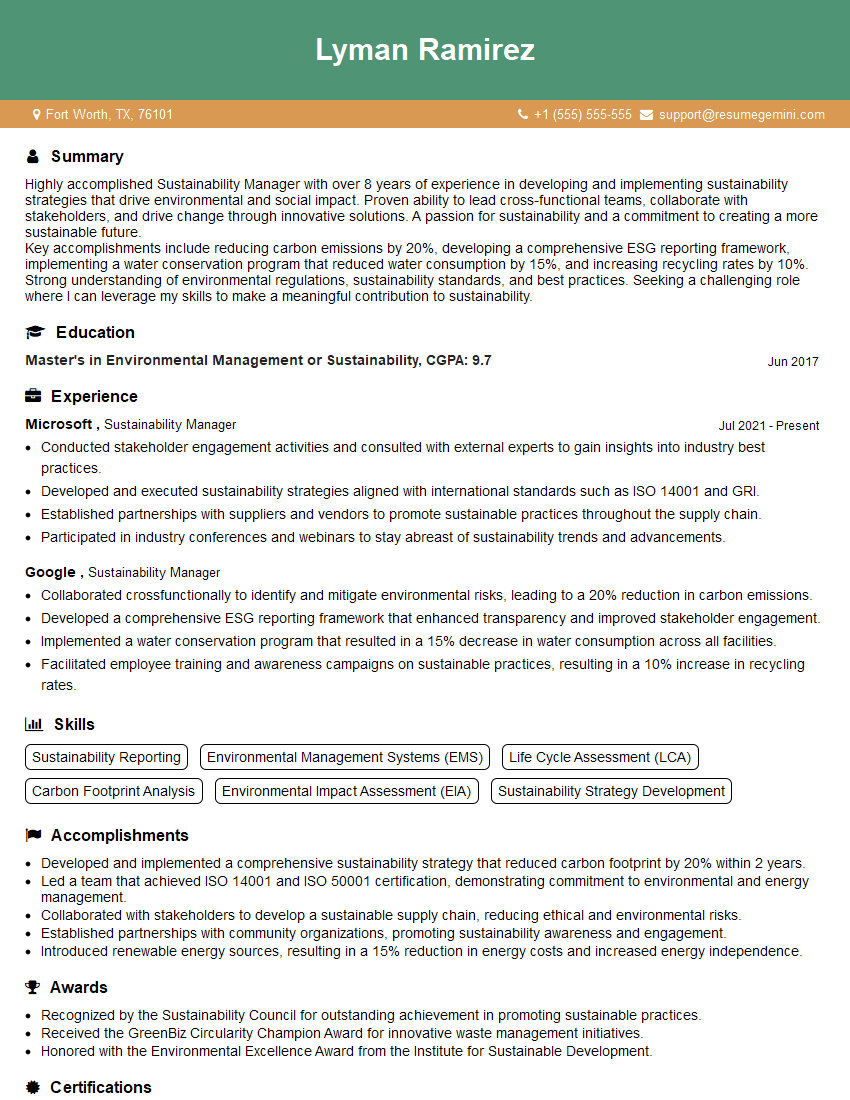
Sustainability Manager Resume Sample
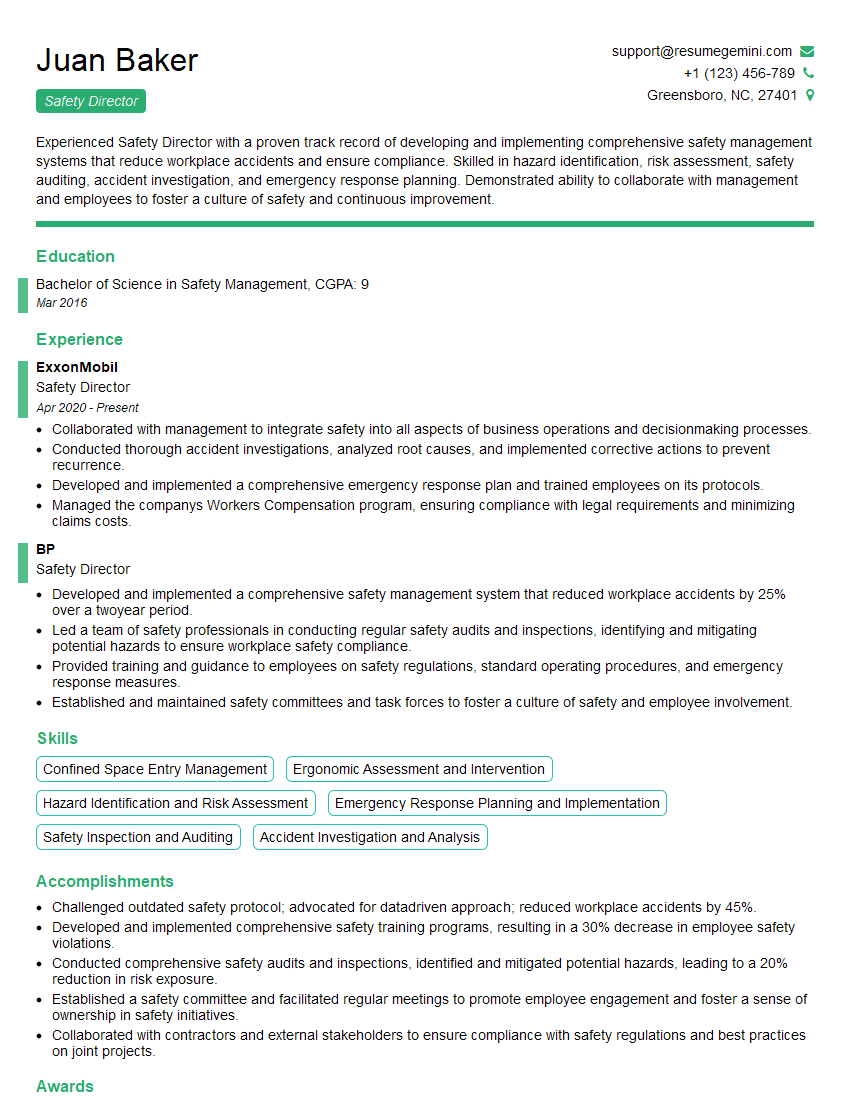
Safety Director Resume Sample

Compliance Officer Resume Sample
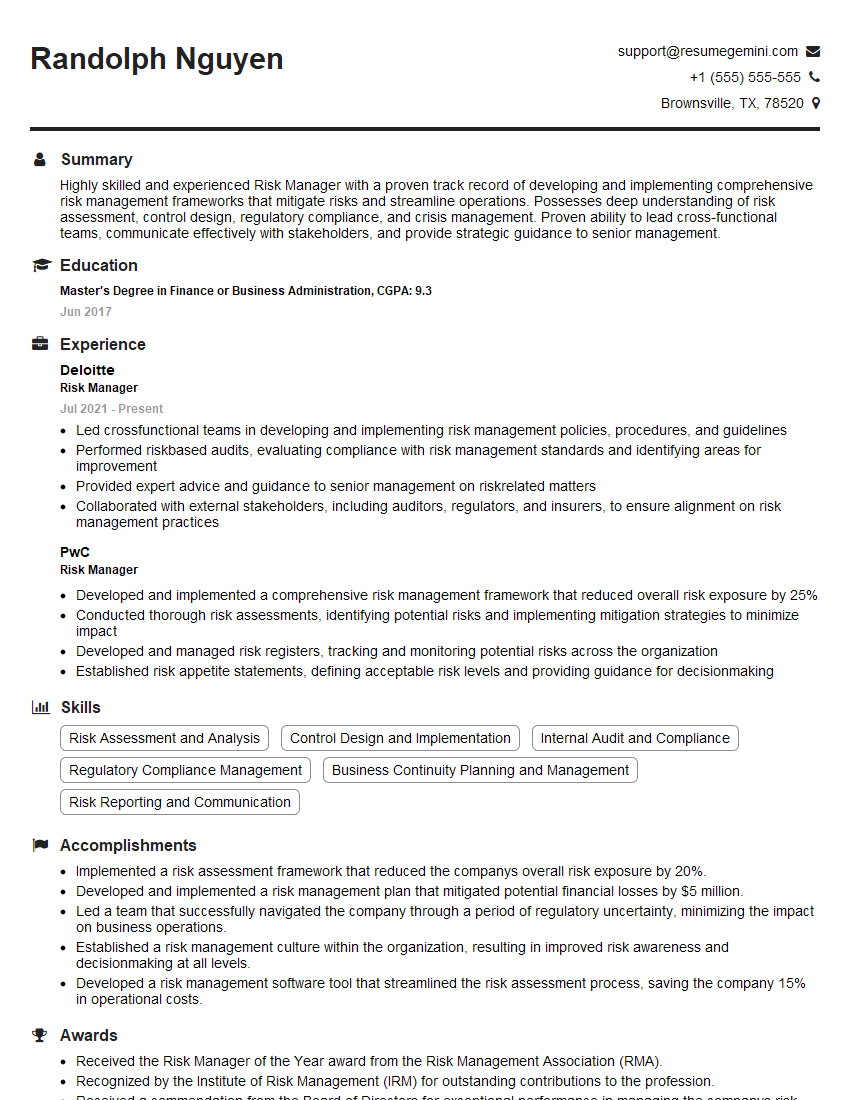
Risk Manager Resume Sample
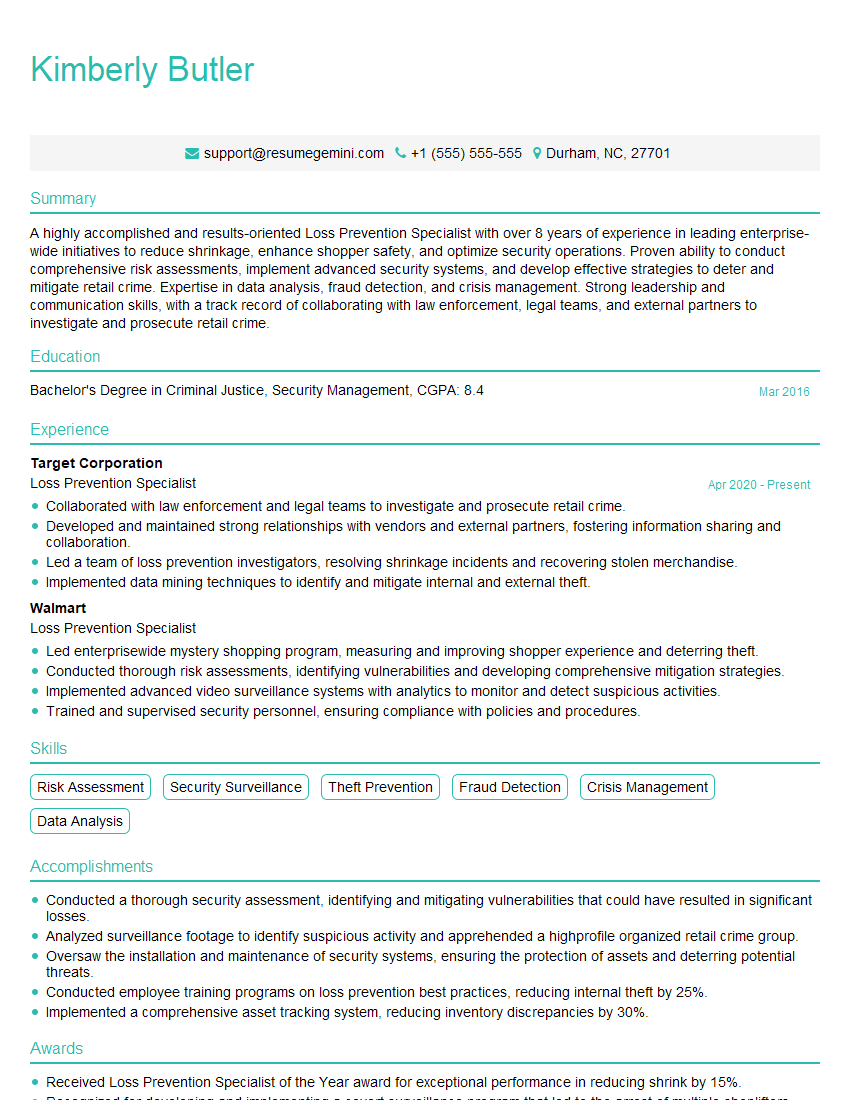
Loss Prevention Specialist Resume Sample
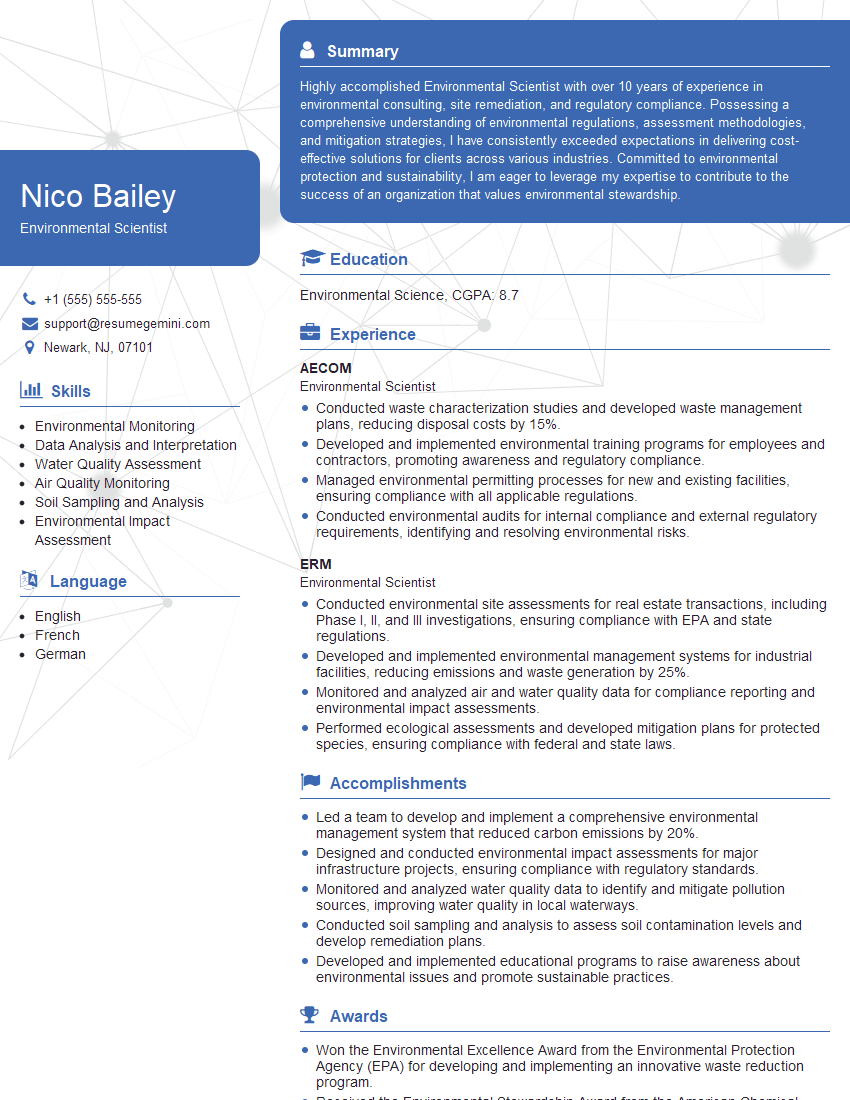
Environmental Scientist Resume Sample
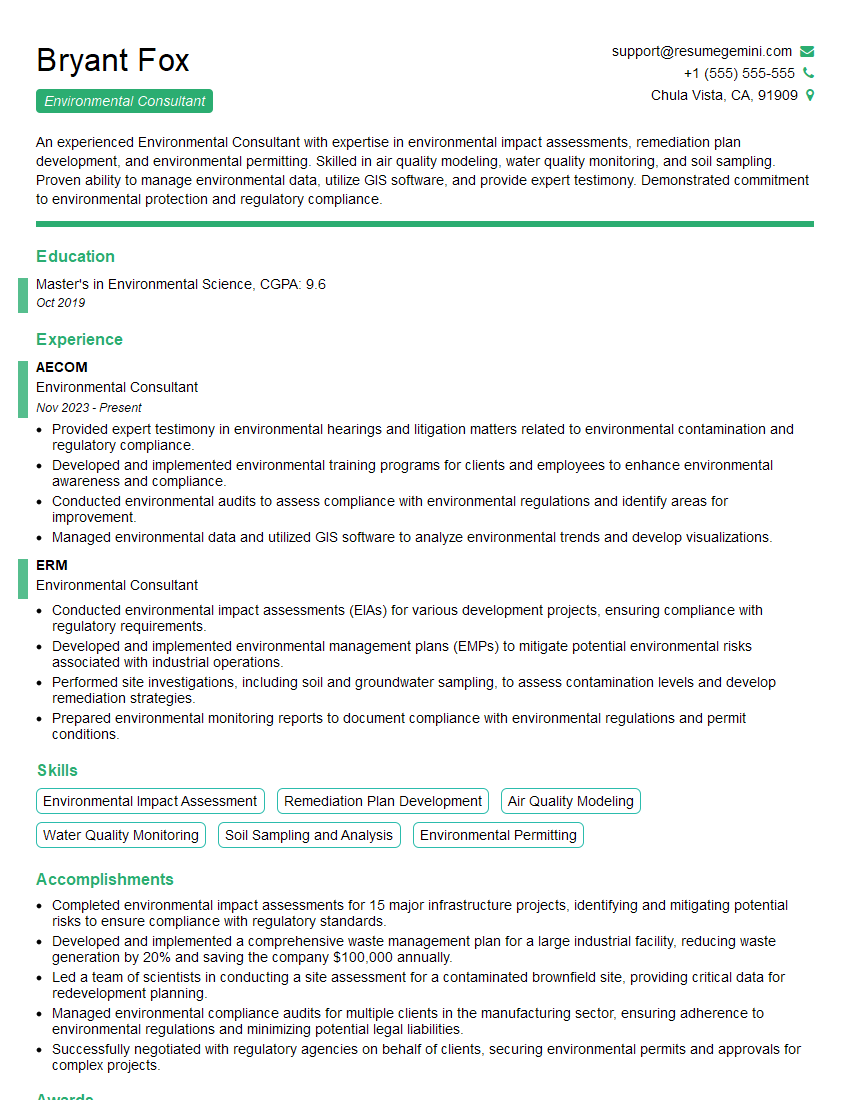
Environmental Consultant Resume Sample
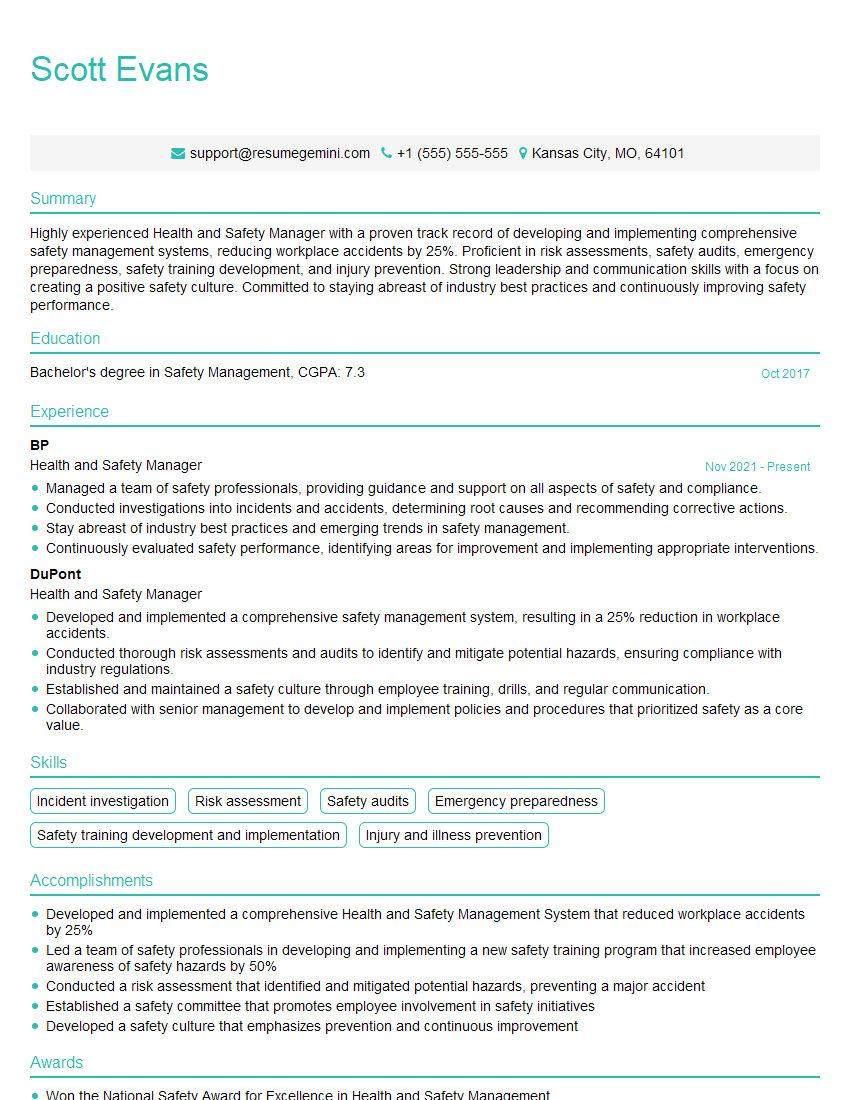
Health and Safety Manager Resume Sample
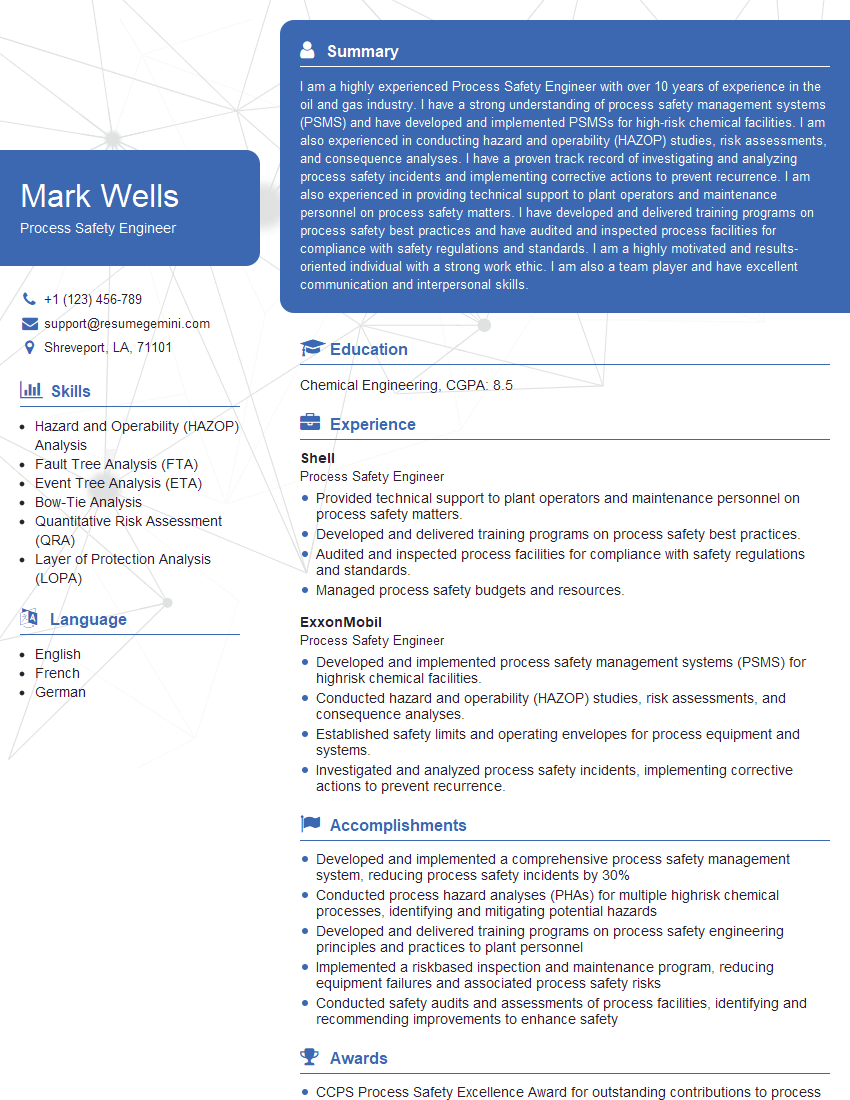
Process Safety Engineer Resume Sample
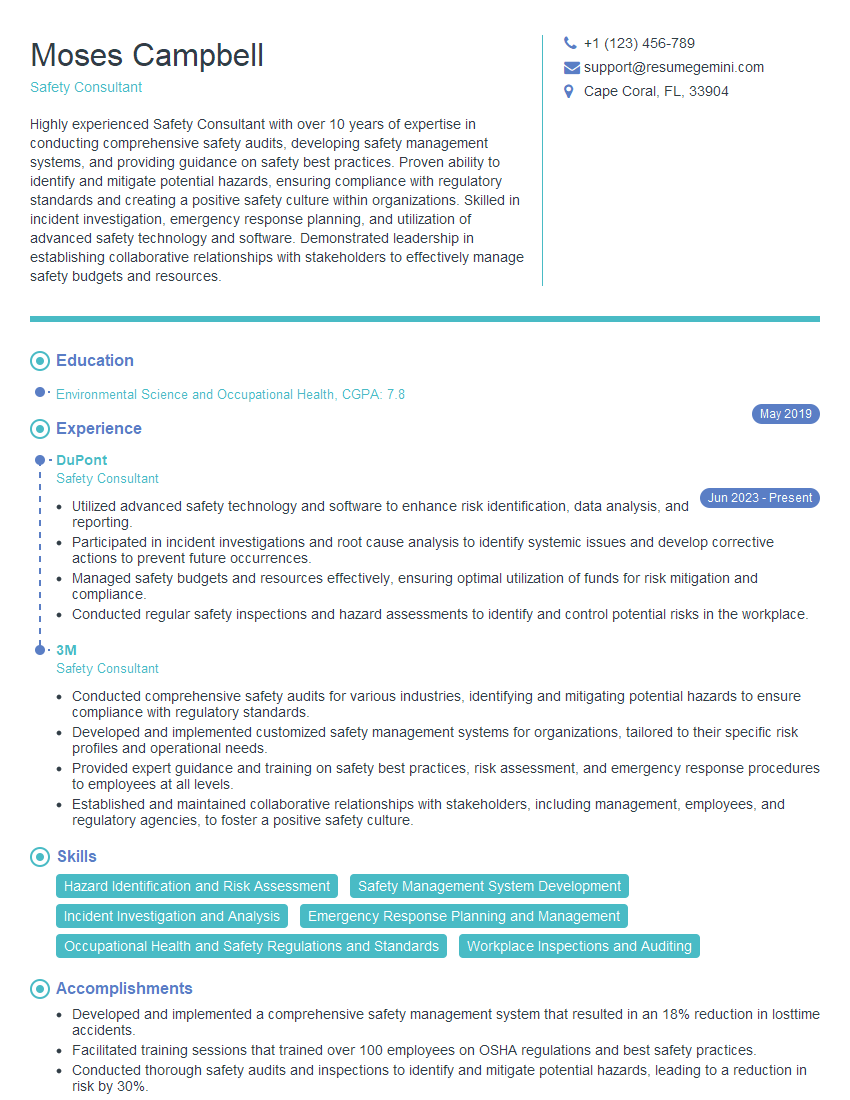
Safety Consultant Resume Sample
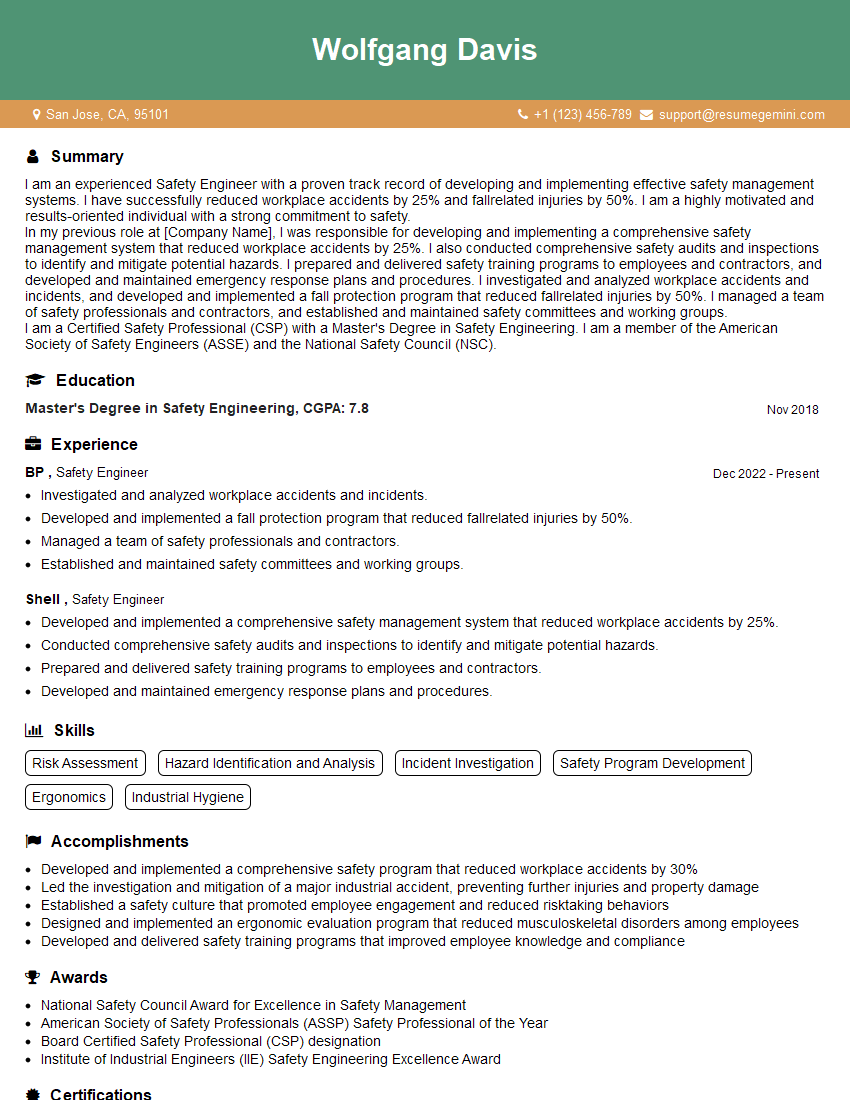
Safety Engineer Resume Sample
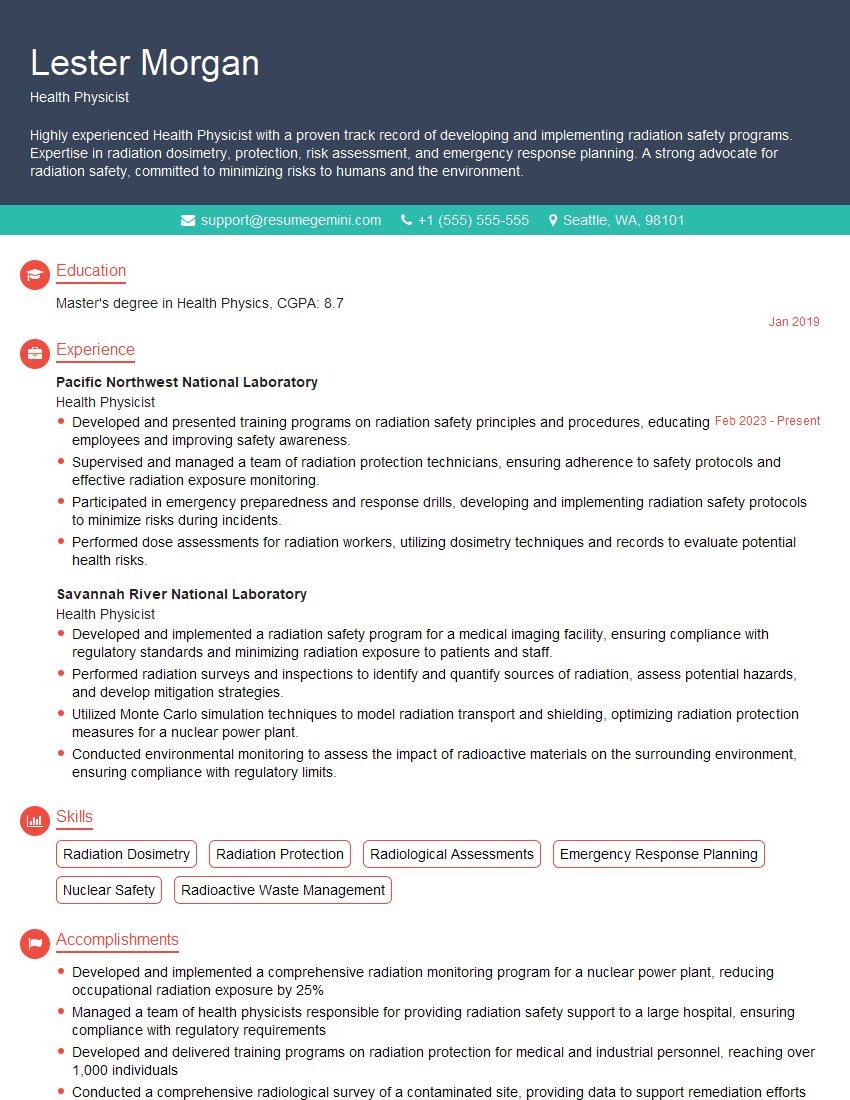
Health Physicist Resume Sample
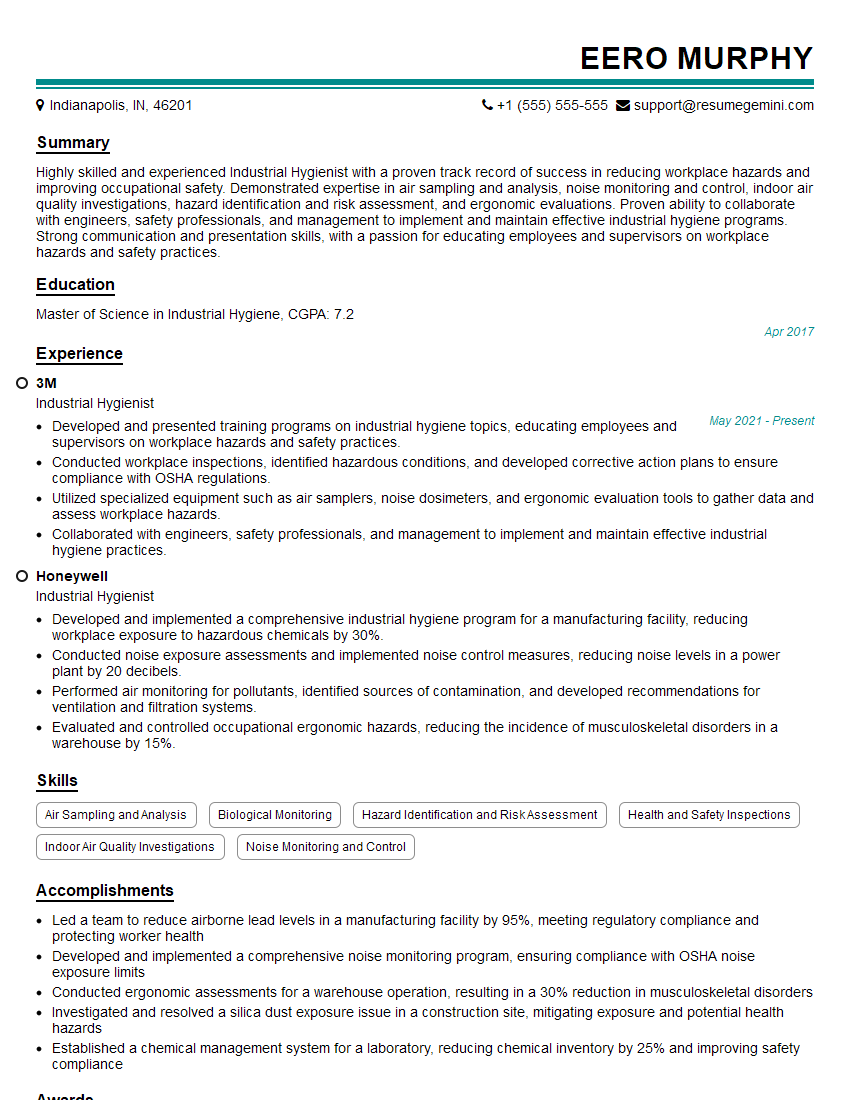
Industrial Hygienist Resume Sample
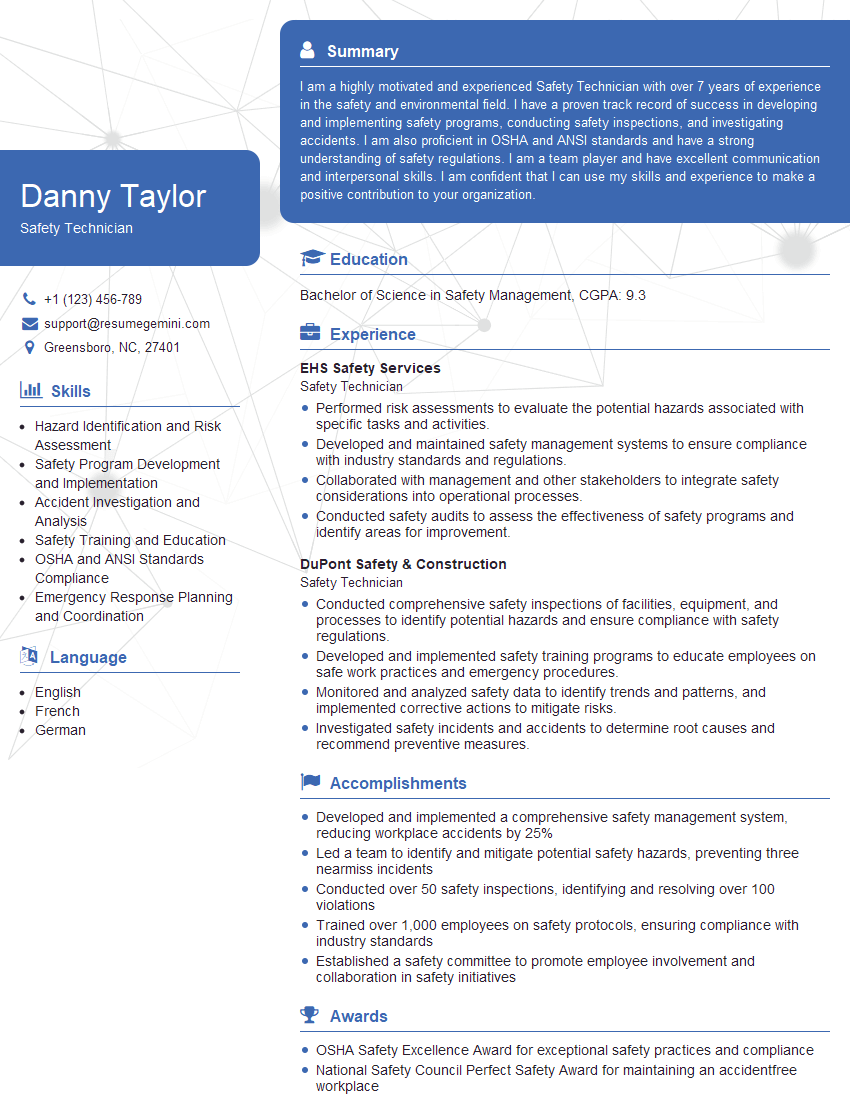
Safety Technician Resume Sample
Explore more articles
Users Rating of Our Blogs
Share Your Experience
We value your feedback! Please rate our content and share your thoughts (optional).
What Readers Say About Our Blog
Very informative content, great job.
good