Interviews are opportunities to demonstrate your expertise, and this guide is here to help you shine. Explore the essential Gallery and Museum Standards interview questions that employers frequently ask, paired with strategies for crafting responses that set you apart from the competition.
Questions Asked in Gallery and Museum Standards Interview
Q 1. Explain the importance of accessioning museum objects.
Accessioning is the formal process of documenting and registering an object into a museum’s collection. Think of it as giving each object its official museum ID and biography. It’s crucial for several reasons: it establishes legal ownership, protects the object’s provenance (history of ownership), and creates a permanent record for research, conservation, and future display. Without proper accessioning, an object essentially disappears into the void, losing its context and value.
The process typically involves detailed documentation, including photographs, condition reports, provenance research, and any associated information. This information is then entered into a database, providing a permanent record. For example, imagine a museum receives a donation of a 19th-century painting. Accessioning involves not only photographing the painting and noting its physical condition, but also researching its previous owners, any exhibitions it has been part of, and any restoration work it has undergone. This meticulous record-keeping ensures that the museum can manage and safeguard its collection responsibly.
Q 2. Describe the different levels of conservation treatment.
Conservation treatment in museums exists on a spectrum, ranging from minimal intervention to extensive restoration. We categorize treatments into three primary levels:
- Preventive Conservation: This is the most crucial level, focusing on minimizing future damage. Think of it as proactive healthcare. It involves creating stable environmental conditions (temperature, humidity, light), proper storage, and handling protocols to prevent deterioration. For example, keeping a painting in a climate-controlled environment and using acid-free storage materials helps to prevent fading and deterioration.
- Emergency Treatment: This addresses immediate risks to the object’s survival, such as stabilizing a cracked vase or cleaning up a spilled substance. It’s often quick and focused on mitigating immediate damage.
- Curative Conservation: This involves more invasive and complex treatments to repair damage that has already occurred, such as mending tears in a textile or repairing damage caused by pests or improper storage. This level usually requires specialized expertise and tools.
It’s important to remember that the goal of conservation is always to preserve the object in its current state as much as possible, with minimal intervention. We prioritize long-term preservation over immediate aesthetic improvements. Each level of treatment requires careful assessment, planning, and documentation, ensuring the interventions are reversible and respect the object’s integrity.
Q 3. What are the key elements of a successful exhibition plan?
A successful exhibition plan requires a blend of art, science, and logistics. Key elements include:
- Theme and Narrative: A clear, compelling theme that ties the exhibits together with a cohesive narrative. This provides a clear visitor experience and interpretation of the objects.
- Object Selection: Choosing relevant and engaging objects that support the narrative and are in suitable condition for display.
- Design and Layout: Creating an accessible and aesthetically pleasing design that considers visitor flow, object placement, lighting, and graphics.
- Interpretation and Education: Providing clear and engaging information through labels, wall texts, interactive displays, and guided tours, making the exhibition accessible and meaningful to a wide audience. This may include multilingual options and accessible elements for visitors with disabilities.
- Logistics and Budget: Careful planning for installation, security, insurance, marketing, and staff training, all within a realistic budget.
- Evaluation: A plan for assessing the exhibition’s success through feedback forms, attendance figures, and visitor studies.
For example, an exhibition on the history of fashion might use period garments, photographs, and interactive displays to create an immersive and informative experience for the visitor, using a narrative that explores evolving societal norms and design innovations.
Q 4. How do you ensure the environmental control of a museum’s collection?
Environmental control is paramount to preserving museum collections. We aim for stable conditions that mimic the environment in which the object was created or last stably existed. This typically involves:
- Temperature Control: Maintaining a consistent temperature, usually around 68-72°F (20-22°C), to minimize expansion and contraction of materials. Fluctuations in temperature can cause damage.
- Humidity Control: Maintaining a stable relative humidity (RH), typically around 45-55%, to prevent moisture damage or dryness. High humidity promotes mold growth, while low humidity can cause materials to become brittle.
- Light Control: Limiting exposure to light, especially ultraviolet (UV) and infrared (IR) radiation, which can cause fading and deterioration. This is usually achieved through the use of UV-filtering windows and lighting systems that minimize light intensity and exposure time.
- Air Quality Control: Minimizing pollutants in the air such as dust, gases, and airborne particulate matter, that cause damage. This often involves filtration systems to remove pollutants and regulate air circulation.
Monitoring these parameters using environmental sensors and logging data is essential for identifying and addressing any environmental issues and ensuring long-term preservation. We treat these as vital signs of the collection’s health. Consistent monitoring and maintenance are key.
Q 5. Explain the role of integrated pest management in museums.
Integrated Pest Management (IPM) is a holistic approach to pest control in museums, prioritizing prevention and non-toxic methods over the use of pesticides. It relies on several key strategies:
- Exclusion: Preventing pests from entering the building through physical barriers like screens, sealed windows, and air filtration.
- Monitoring: Regularly inspecting the collection and environment to detect pest activity early. This often involves traps and visual inspections.
- Sanitation: Maintaining cleanliness and removing potential food sources and breeding sites for pests. This includes regularly vacuuming, cleaning, and removing debris.
- Targeted Control: Employing non-chemical control methods such as freezing, heat treatment, or targeted application of approved pesticides (only as a last resort and after thorough assessment).
The goal is to prevent pest infestations and protect the collection with the least harmful impact on the environment and human health. A museum might use pheromone traps to monitor pest populations without resorting to broad-spectrum insecticides, or implement air filtration systems to improve air quality while minimizing airborne particles. IPM promotes a proactive and environmentally responsible approach to managing pests.
Q 6. What are the ethical considerations in acquiring museum objects?
Ethical considerations in acquiring museum objects are crucial to maintaining the integrity and reputation of a museum. Key ethical concerns include:
- Provenance: Ensuring the object’s history of ownership is clear and documented, and that it has been acquired legally and ethically. The acquisition of an object with a questionable provenance could raise significant concerns about human rights abuses, theft, or illicit trafficking.
- Repatriation: Acknowledging the rightful ownership claims of indigenous communities and considering the repatriation of objects that were acquired unjustly or without informed consent in the past.
- Cultural Sensitivity: Respecting the cultural significance of objects and ensuring their acquisition and display are sensitive to the cultural values and beliefs of the communities from which they originated. Ignoring these can cause considerable offense and resentment.
- Transparency: Maintaining transparency in acquisition processes and publicly documenting the source, history, and acquisition details of objects.
Many museums now have ethics committees that review acquisitions to ensure they align with their ethical guidelines and professional standards. Careful due diligence and transparent processes are vital in maintaining a museum’s reputation for responsible stewardship and ethical practice.
Q 7. Describe your experience with cataloging and database management systems.
I have extensive experience in cataloging and database management for museum collections, using both standalone systems and integrated platforms. My expertise spans several areas:
- Database Design: I have designed and implemented relational databases using systems such as
MySQLandPostgreSQL, adapting schema designs to meet specific collection requirements and facilitate efficient data retrieval and analysis. - Data Entry and Management: I am proficient in accurate and consistent data entry, adhering to museum standards and best practices for metadata creation. I understand the importance of controlled vocabularies and standardized data formats for optimal searchability and interoperability.
- Collection Management Systems (CMS): I’m familiar with various commercially available CMS platforms such as TMS (The Museum System) and PastPerfect, as well as open-source alternatives. I can implement and manage these systems, customize them to meet the museum’s specific needs, and train staff in their use.
- Data Migration: I’ve experience migrating data between different database systems, ensuring data integrity and accuracy throughout the process.
- Data Analysis and Reporting: I can create custom queries and reports to analyze collection data for research, exhibition planning, or collection management purposes.
My experience has enabled me to optimize database functionality, create efficient workflows, and ensure the long-term preservation and accessibility of collection information. For instance, I helped a small history museum migrate its collection data from a spreadsheet to a dedicated CMS, significantly improving their data management capabilities and access to their collection.
Q 8. How would you handle a damaged artifact?
Handling a damaged artifact requires immediate action and meticulous documentation. The first step is to ensure the safety of both the artifact and the personnel involved. We’d immediately secure the area, preventing further damage. Then, we’d carefully document the damage using photography and detailed written notes, including the date, time, location, and a description of the damage. This documentation is crucial for insurance claims and conservation efforts.
Next, we’d carefully stabilize the artifact to prevent further deterioration. This might involve using appropriate supports or temporary adhesives. The artifact would then be transported to a conservation lab, where a conservator would conduct a thorough assessment to determine the extent of the damage and develop a treatment plan. This might include cleaning, repair, or consolidation techniques. Throughout the entire process, meticulous documentation continues, including the conservation treatment methods used. For example, if a ceramic vase had a crack, we’d first support it to prevent further breakage, document the damage, and then consult a conservator to potentially use adhesive to mend the crack, again documenting every step.
Q 9. What are the different types of museum storage and their applications?
Museum storage is categorized into several types, each serving specific needs.
- Active Storage: This is for frequently accessed items—objects currently on display, in exhibitions, or regularly used for research and educational programs. It’s characterized by easy accessibility and well-lit, climate-controlled environments.
- Inactive Storage: This is for objects less frequently accessed, requiring less stringent environmental controls, but still needing protection from light, pests, and fluctuations in temperature and humidity. This could be in standard shelving units or more specialized storage for larger or unusually shaped items.
- Off-site Storage: Used for less frequently needed objects, including collections that might be too extensive for on-site storage. This often requires specialized facilities with climate control and high security. It’s crucial for this storage to adhere to strict environmental guidelines and security protocols.
- Specialized Storage: This includes tailored environments for unique artifact types. For example, textiles might be stored in acid-free tissue paper in climate-controlled vaults, while large sculptures might require specialized supports and padded areas within climate controlled warehouses.
The selection of storage type depends on the artifact’s fragility, value, and frequency of use. A highly valuable and fragile Ming vase, for example, would be in climate-controlled active storage if frequently used in exhibitions, but a less fragile, less valuable piece might reside in inactive storage.
Q 10. How do you ensure the security of a museum’s collection?
Museum collection security is a multi-layered approach encompassing physical security, environmental controls, and procedural safeguards.
- Physical Security: This includes robust alarm systems, surveillance cameras (both CCTV and potentially more advanced analytics-based systems), secure entrances and exits, controlled access systems (keycard access, etc.), and possibly even security personnel.
- Environmental Controls: Maintaining stable temperature and humidity levels protects artifacts from deterioration, a form of preventative security. Light levels are also controlled to limit fading and damage.
- Procedural Safeguards: This involves strict protocols for handling objects, inventory management, loan agreements, and access controls for staff and researchers. Detailed records are kept for all movements and handling of objects. Regular audits are also crucial to ensure compliance with security policies and procedures. For example, a detailed checklist for handling a specific artifact, or even a particular type of artifact, is created to make handling routine, safe, and consistent.
- Disaster Preparedness: A crucial part of security involves comprehensive disaster preparedness plans that detail procedures for evacuating the collection in case of fire, flood, or other emergency. This might involve pre-designated packing and transport procedures.
A layered approach ensures that various safeguards work together to protect the collection from theft, damage, and loss. Each level complements the others, creating a comprehensive security system.
Q 11. Describe your understanding of copyright and intellectual property in museums.
Copyright and intellectual property rights are critical considerations in museums. Museums must adhere to copyright laws when using images or information about objects in publications, online displays, or educational materials.
For example, a museum cannot freely reproduce a photograph of a painting unless it owns the copyright to that photograph or has obtained permission from the copyright holder. Similarly, the museum may own the physical object, but it needs to respect intellectual property rights related to the artist’s design, or other aspects of the item. The museum needs to clarify ownership and usage rights before displaying, reproducing, or using the information related to artifacts in its collection. This involves careful research into the provenance of each object and obtaining necessary permissions or licenses whenever applicable. Clear documentation of these permissions is vital. It is important to note that museums should also consider the moral rights of the artist and other creators associated with the collection and the display of the works. Often there are agreements, or aspects of the acquisition, which affect these parameters.
Q 12. What are the best practices for handling fragile artifacts?
Handling fragile artifacts demands meticulous care and adherence to strict protocols. The first principle is minimizing handling. Use appropriate tools, such as cotton gloves (to avoid transferring oils from hands), and specialized lifting equipment for heavier items. Avoid direct contact as much as possible.
Support the artifact during handling. If moving a piece of sculpture, use soft padding and supports to prevent stress on any weak points. If it’s a painting on canvas, use proper cradles or supports, and potentially specialized handlings tools. Proper lifting techniques are crucial, and training staff on these is paramount.
When cleaning fragile artifacts, use only approved methods and materials, ideally, using the assistance of professional conservators. Incorrect cleaning methods can cause irreparable damage. The principle of ‘do no harm’ is paramount. Any cleaning attempt is preceded by a careful assessment of potential risks and the choice of the least aggressive cleaning materials and approaches. For example, a delicate porcelain figurine might be carefully cleaned with a soft brush and distilled water, while a more robust piece might allow for more thorough methods. All processes are carefully documented.
Q 13. Explain the importance of risk assessment in museum collections management.
Risk assessment is fundamental to museum collections management. It’s a systematic process of identifying potential hazards that could harm the collection and developing strategies to mitigate these risks. This involves identifying vulnerabilities, assessing their likelihood and potential impact, and prioritizing actions based on severity.
For example, a risk assessment might identify risks such as fire, flood, theft, pest infestation, or environmental damage (e.g., fluctuating temperatures and humidity). The assessment would then determine the likelihood of each risk occurring and the potential consequences for the collection. High-risk scenarios are prioritized. A museum located in a flood-prone area, for instance, might prioritize flood prevention measures and offsite storage for crucial parts of the collection. The results of the risk assessment guide the development of preventive conservation measures, security protocols, and emergency plans. Regular reassessments are needed due to dynamic conditions.
Q 14. How do you develop educational programs based on museum collections?
Developing educational programs based on museum collections requires a multi-faceted approach that considers the target audience, the collection’s strengths, and educational objectives.
It starts with identifying key themes and narratives that can be effectively communicated through the collection. For example, a collection of Victorian-era clothing could be used to teach about social history, fashion, textiles, and even technological advances of the period. Then, we consider the target audience – children, adults, school groups, or university students – and tailor the program to their age and level of understanding. This might involve interactive exhibits, hands-on workshops, guided tours, lectures, digital resources, or online activities.
The program needs to be engaging and relevant to the audience. For instance, a program for school children might include interactive games or storytelling, while a program for adults might incorporate more in-depth discussions or specialized lectures. Assessment of the programs’ effectiveness, and gathering feedback is crucial for iterative improvement.
Q 15. Describe your experience with museum exhibitions and their design process.
Museum exhibition design is a multifaceted process requiring collaboration between curators, designers, conservators, and educators. It begins with a compelling narrative or theme, carefully selecting artifacts that best illustrate the story. The design phase involves creating engaging visitor experiences, considering factors like spatial arrangement, lighting, graphics, and interactive elements. I’ve been involved in numerous exhibitions, from small-scale thematic displays to large-scale traveling shows. For instance, in designing an exhibition on ancient Egyptian artifacts, we prioritized chronological sequencing to tell a clear story. This involved meticulous planning of object placement, creating informative panels with accessible language, and integrating interactive displays, such as a virtual reconstruction of a tomb, to enhance engagement. Careful consideration was given to environmental controls to protect the fragile artifacts. We even incorporated multi-sensory elements, including soundscapes, to immerse visitors further.
Another project involved a contemporary art exhibition where the focus was on creating a dynamic and interactive space. This necessitated a more flexible design approach, allowing for artist input and adaptable displays. In both cases, accessibility for diverse audiences was paramount – we ensured appropriate captioning, tactile elements for the visually impaired, and multilingual signage.
Career Expert Tips:
- Ace those interviews! Prepare effectively by reviewing the Top 50 Most Common Interview Questions on ResumeGemini.
- Navigate your job search with confidence! Explore a wide range of Career Tips on ResumeGemini. Learn about common challenges and recommendations to overcome them.
- Craft the perfect resume! Master the Art of Resume Writing with ResumeGemini’s guide. Showcase your unique qualifications and achievements effectively.
- Don’t miss out on holiday savings! Build your dream resume with ResumeGemini’s ATS optimized templates.
Q 16. Explain your understanding of museum deaccessioning policies.
Museum deaccessioning policies govern the removal of objects from a collection. These policies are crucial for ethical and legal reasons, ensuring transparency and accountability. Typically, deaccessioning is permitted only under specific circumstances, such as when an object is deemed a duplicate, is severely damaged beyond repair, or doesn’t align with the museum’s collection policy. The process usually involves rigorous documentation, internal review, and often, consultation with professional organizations. Proceeds from the sale of deaccessioned objects are typically reinvested in the collection or used for museum operational needs. For example, a museum might deaccession a duplicate bronze sculpture if it already possesses a nearly identical piece. The funds generated from the sale might then be used to purchase a significant artwork that better represents a gap in the collection.
Strict adherence to ethical guidelines is paramount. This includes ensuring proper provenance research is conducted to verify the object’s history and legality before any sale or transfer. Transparency with the public about deaccessioning decisions is vital for maintaining public trust.
Q 17. What are the common causes of deterioration in museum objects?
Museum objects are susceptible to various forms of deterioration. These can be broadly categorized into environmental factors, inherent vices, and human-induced damage. Environmental factors include fluctuations in temperature and humidity, which can cause warping, cracking, and fading of materials. Light exposure, particularly ultraviolet (UV) radiation, is a major culprit in color fading and material degradation. Pests like insects and rodents can also cause significant damage. Inherent vices refer to the material’s inherent weaknesses, such as the tendency of certain wood types to crack or metal to corrode. Human-induced damage can stem from improper handling, inadequate storage, and insufficient security measures.
- Example: A wooden sculpture might crack due to changes in humidity, a painting might fade from prolonged exposure to sunlight, and a textile might be damaged by insect infestation.
Understanding the causes of deterioration is crucial for implementing effective preventative conservation strategies.
Q 18. Describe your experience with preventative conservation techniques.
Preventative conservation focuses on minimizing deterioration by controlling the environment and improving storage and handling techniques. My experience involves implementing strategies like environmental monitoring using data loggers to track temperature and humidity levels. This ensures that the conditions within storage and display areas remain within safe parameters for the artifacts. I’ve also worked extensively on creating custom mounts and supports for fragile objects, designed to provide proper support without causing stress or damage. Proper packaging and storage, including the use of acid-free materials, is a key part of my work to protect objects from damage during transit and storage.
For example, a delicate porcelain vase might be carefully cushioned within acid-free tissue paper and placed in a custom-fit crate for transport. We also use appropriate pest control measures to prevent infestations. Regular inspections are crucial for early detection of any issues.
Q 19. How do you balance preservation with accessibility in a museum setting?
Balancing preservation with accessibility requires careful consideration and a multifaceted approach. The goal is to allow the public to engage with objects while ensuring their long-term survival. This often involves creating high-quality reproductions or digital surrogates for objects that are too fragile for frequent handling or display. Rotating displays allow for more objects to be showcased while reducing the exposure of any single artifact to environmental stresses. Controlled access policies, such as timed entry or limitations on touching artifacts, might be necessary. Similarly, the use of protective barriers and controlled lighting help to minimize risk without hindering viewing. The use of interactive digital displays also offers a solution, allowing for detailed examination of an artifact without direct handling.
For example, a rare manuscript might be digitized and made available online while the original is stored under optimal conditions. This allows for widespread access while protecting the original from potential damage. The creation of educational materials and interactive kiosks also helps to create richer, more inclusive experiences.
Q 20. Explain the role of provenance research in museum collections.
Provenance research is the investigation into the history of an object, tracing its ownership and movements from its creation to the present day. This is critical for establishing authenticity, verifying legal ownership, and understanding the object’s context. Provenance research involves examining documentation, such as bills of sale, letters, and auction records, as well as conducting interviews with previous owners or collectors. A well-documented provenance strengthens an object’s value and provides crucial historical context. It also helps to prevent the acquisition of stolen or illegally obtained artifacts. This is especially critical in the art world, where questions of forgery and theft are ever-present.
For instance, verifying the provenance of a painting might involve examining its documented sale history, tracing it back to the artist’s studio or early collectors. This process can involve extensive archival research and communication with other institutions and experts.
Q 21. What are the key components of an effective collections policy?
An effective collections policy is a foundational document guiding all aspects of a museum’s acquisition, management, and disposition of its collection. Key components include a clear mission statement defining the collection’s focus and scope; acquisition criteria specifying what types of objects are collected and under what circumstances; accessioning procedures outlining how objects are documented and cataloged upon entry; storage and handling guidelines to ensure proper care and preservation; deaccessioning policies addressing the removal of objects; and provisions for loans and exhibitions. Regular review and updates are crucial to ensure the policy remains relevant and effective. A well-defined policy ensures consistency, transparency, and accountability, promoting ethical and responsible collection management.
A well-written collections policy also details procedures for disaster preparedness and recovery, outlining steps to protect the collection in case of emergencies such as floods or fires. This is a critical aspect of long-term preservation.
Q 22. How do you manage a museum’s budget related to collections?
Managing a museum’s collection budget requires a multifaceted approach, balancing preservation needs with available resources. It’s not just about the acquisition of new items; it encompasses a wide range of expenses.
- Preventive Conservation: This is the largest portion, covering environmental controls (climate control, pest management), proper storage and handling, and routine inspections. For instance, a significant portion might be allocated to upgrading the HVAC system to maintain stable temperature and humidity levels crucial for preventing damage to delicate artifacts.
- Curatorial Activities: Salaries for curators, registrars, and conservators, as well as research and cataloging costs, represent a substantial investment. This includes funding for scholarly research on collection items to enhance their understanding and interpretation.
- Preservation Treatments: Restorative conservation treatments for damaged items can be expensive, requiring specialized skills and materials. A single piece might require thousands of dollars in conservation, for example, stabilizing a crumbling ancient manuscript.
- Insurance and Security: Protecting the collection from theft, damage, and loss through insurance and security systems is a non-negotiable expense. This includes security personnel, alarm systems, and insurance premiums for high-value items.
- Loans and Exhibitions: Costs associated with loaning out or exhibiting items include transportation, insurance, and handling fees. A major traveling exhibition requires careful budgeting for all aspects of transport, installation, and security.
Budgeting involves careful planning, prioritization, and regular review. We use a combination of long-term strategic planning and annual budgeting cycles, constantly assessing the condition of the collection and adjusting priorities based on needs and available funding.
Q 23. Describe your experience working with diverse museum stakeholders.
Working with diverse museum stakeholders is fundamental to successful museum operations. This includes curators, conservators, registrars, educators, fundraising staff, volunteers, donors, board members, and the wider community. My approach is one of collaboration and clear communication.
- Understanding Perspectives: I actively seek to understand the diverse perspectives and priorities of each stakeholder group. For example, a curator might prioritize research and exhibition opportunities, while a conservator focuses on the preservation of objects. Recognizing these differences is key to finding common ground.
- Collaborative Decision-Making: I facilitate open dialogue and encourage collaborative decision-making, bringing stakeholders together to discuss complex issues and find solutions that balance competing needs. This might involve creating a working group to address a particular challenge, such as developing a new collection management system.
- Transparent Communication: I prioritize transparent communication, keeping all stakeholders informed about relevant developments and decisions. Regular meetings, email updates, and progress reports ensure everyone is on the same page.
- Conflict Resolution: Inevitably, conflicts may arise. I approach these situations with diplomacy, seeking to understand the underlying concerns and find mutually acceptable solutions. Mediation techniques can be very useful in these cases.
In one instance, I successfully mediated a disagreement between the curator and the fundraising team regarding the acquisition of a new artwork. By facilitating open communication and highlighting the long-term benefits for both parties, I helped them reach a compromise that satisfied everyone involved.
Q 24. What are the best practices for documenting museum collections?
Best practices for documenting museum collections are essential for their long-term preservation, research, and accessibility. Comprehensive documentation goes beyond just a simple list; it’s a multifaceted process.
- Object-Specific Records: Each object needs a detailed record, including accession number, provenance (history of ownership), materials, dimensions, condition assessment, and any relevant contextual information. We use a Collections Management System (CMS) database to manage these records.
- Photography and Imaging: High-quality photographs and digital images are crucial for documenting the object’s appearance and condition. This includes various views, close-ups of details, and even 3D imaging for complex items. For example, using multispectral imaging to reveal details hidden to the naked eye.
- Condition Reports: Regular condition reports document the object’s state and any changes over time. This allows for tracking of any deterioration or damage and helps plan for appropriate conservation interventions.
- Metadata Standards: Adhering to established metadata standards (such as Dublin Core) ensures interoperability and facilitates information sharing. This ensures the data is findable, accessible, interoperable and reusable.
A robust documentation system makes the collection more accessible for research, exhibitions, and loans and is vital in the event of an insurance claim or a legal dispute. For example, precise documentation can substantiate the authenticity and value of an artwork.
Q 25. How do you handle conflicting requests regarding access to collection items?
Handling conflicting requests for access to collection items requires a systematic approach that prioritizes the preservation of the objects while ensuring equitable access.
- Prioritization System: Establish a clear prioritization system based on factors such as the object’s fragility, research value, exhibition opportunities, and the applicant’s qualifications. Requests are reviewed by a committee that takes all relevant factors into consideration.
- Loan Agreements: Formal loan agreements with clear terms and conditions are essential, outlining the duration of the loan, transportation arrangements, insurance coverage, and handling procedures.
- Condition Assessments: Before approving any loan or access, a thorough condition assessment is performed. This ensures the object’s safety and minimizes the risk of damage during handling and transportation.
- Scheduling and Coordination: Careful scheduling and coordination are necessary to avoid conflicts and ensure that the object’s availability aligns with different requests. A detailed calendar tracking all requests is crucial.
- Conflict Resolution: In case of competing requests, a committee will decide based on pre-established criteria. Transparent communication with all parties is essential to avoid misunderstandings and maintain positive relationships.
Once, I managed a situation involving competing requests for a highly sought-after artifact. By carefully assessing the requests based on research value and exhibition contexts, the committee developed a compromise that allowed both researchers and an exhibition to access the item, albeit at different times.
Q 26. What are the legal and ethical implications of museum loans?
Museum loans involve significant legal and ethical implications. They require careful consideration of ownership, copyright, insurance, and the responsible handling of cultural heritage.
- Ownership and Rights: Clear documentation of ownership and intellectual property rights is essential. The lender must have the legal authority to loan the object, and any copyright restrictions must be respected.
- Loan Agreements: Comprehensive loan agreements protect both the lender and the borrower, specifying terms and conditions including insurance, transportation, handling, and liability for damage or loss. These agreements should explicitly state responsibilities of both parties.
- Insurance: Adequate insurance coverage is vital to protect the object against damage or loss during transit and exhibition. Insurance requirements are usually stipulated in the loan agreement.
- Repatriation Rights: Ethical considerations concerning the repatriation of cultural objects are crucial, especially those that were acquired under questionable circumstances. Museums must consider the cultural significance of objects and the rights of their communities of origin.
- Ethical Handling: Objects should be treated with respect and handled according to established conservation standards. The loan agreement should outline procedures for handling, display and storage.
For example, a loan agreement for an indigenous artifact would include clauses reflecting ethical considerations, potentially involving consultation with the relevant community and ensuring appropriate representation of the object’s cultural significance.
Q 27. Describe your experience with disaster preparedness and response in a museum.
Disaster preparedness and response are crucial for museum collections. A comprehensive plan is essential to minimize damage and ensure the safety of staff and visitors.
- Risk Assessment: A thorough risk assessment identifies potential hazards, such as fire, flood, earthquake, theft, and pest infestations. The assessment helps prioritize mitigation strategies.
- Emergency Plan: A detailed emergency plan outlines procedures for evacuation, object salvage, and communication during various emergencies. This plan should be regularly reviewed and practiced.
- Environmental Controls: Implementing robust environmental controls (climate control, pest management, and security systems) is essential to prevent damage and loss. Regular maintenance and inspections are crucial.
- Collection Storage: Proper storage of collections, including offsite storage for high-value or vulnerable items, minimizes damage risk. Offsite storage should be in climate-controlled and secure facilities.
- Training and Drills: Regular training and drills for staff and volunteers ensure everyone is prepared to respond effectively during an emergency. This includes training in evacuation procedures, emergency communication, and first aid.
In my previous role, we developed a comprehensive disaster preparedness plan that included regular fire drills, offsite storage of irreplaceable items, and a detailed salvage procedure. This plan proved invaluable when a small fire broke out in a storage area; the rapid response and the pre-planned procedures limited the damage considerably.
Key Topics to Learn for Gallery and Museum Standards Interview
- Collection Management: Understanding principles of acquisition, cataloging, storage, preservation, and deaccessioning. Practical application: Discuss strategies for environmentally responsible storage of diverse artifacts.
- Environmental Controls: Knowledge of appropriate temperature, humidity, and light levels for artifact preservation. Practical application: Explain how different materials react to environmental fluctuations and the preventative measures needed.
- Exhibition Design and Installation: Principles of effective exhibit design, including visitor experience, accessibility, and security. Practical application: Describe your approach to designing an engaging exhibit for a specific target audience.
- Conservation Ethics and Practices: Understanding ethical considerations in conservation, including preventative conservation and interventive treatments. Practical application: Discuss the decision-making process when choosing a conservation method.
- Security and Risk Management: Implementing security protocols to protect collections and visitors. Practical application: Detail procedures for handling emergency situations or security breaches.
- Accessibility and Inclusivity: Designing exhibits and programs that are accessible to diverse audiences, including those with disabilities. Practical application: Explain how to make an exhibit inclusive and engaging for visitors with visual or auditory impairments.
- Legal and Ethical Considerations: Understanding copyright, provenance, and repatriation issues related to museum collections. Practical application: Discuss a scenario involving questionable provenance and how to address it ethically.
- Visitor Services and Education: Strategies for engaging visitors and providing educational experiences. Practical application: Describe innovative approaches to visitor engagement and interpretation.
Next Steps
Mastering Gallery and Museum Standards is crucial for career advancement in this field. A strong understanding of these principles demonstrates your commitment to the preservation of cultural heritage and your ability to contribute meaningfully to a museum or gallery setting. To maximize your job prospects, crafting an ATS-friendly resume is essential. ResumeGemini is a trusted resource to help you build a professional resume that highlights your skills and experience effectively. Examples of resumes tailored to Gallery and Museum Standards are available to guide you. Invest the time to create a compelling resume—it’s your first impression and a vital step in securing your dream role.
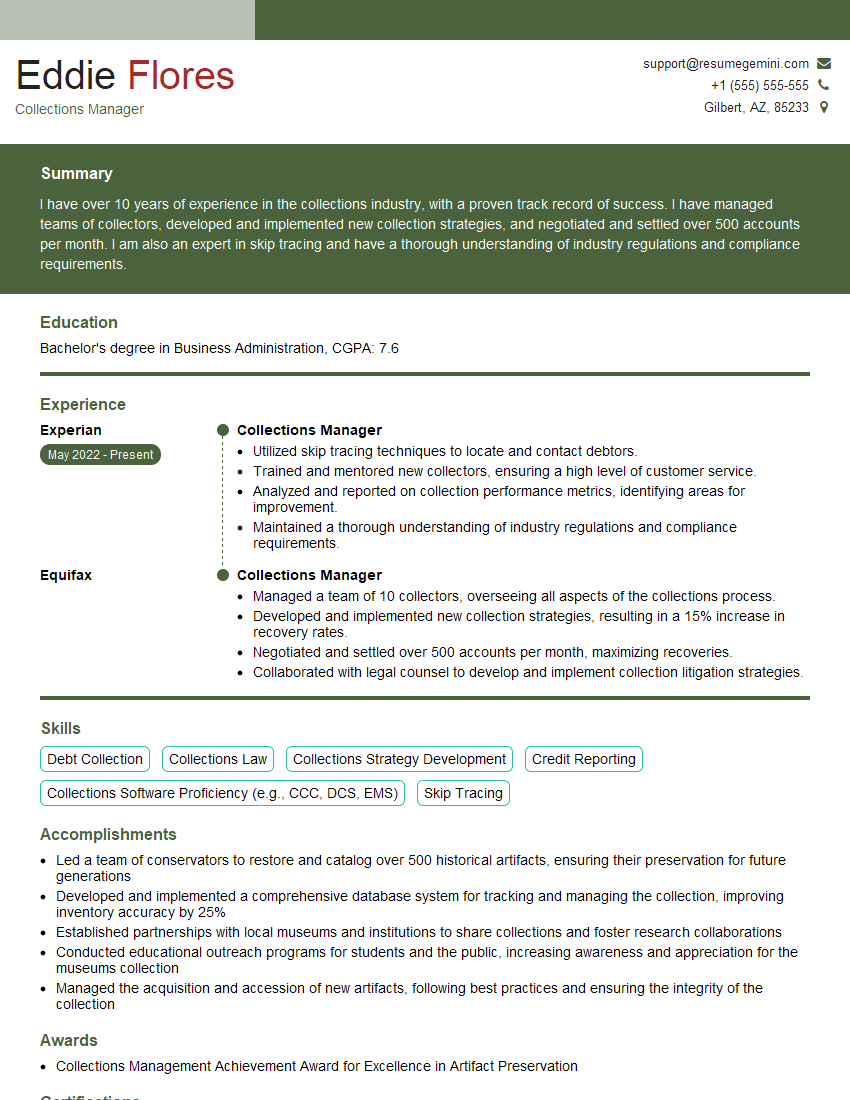
Collections Manager Resume Sample
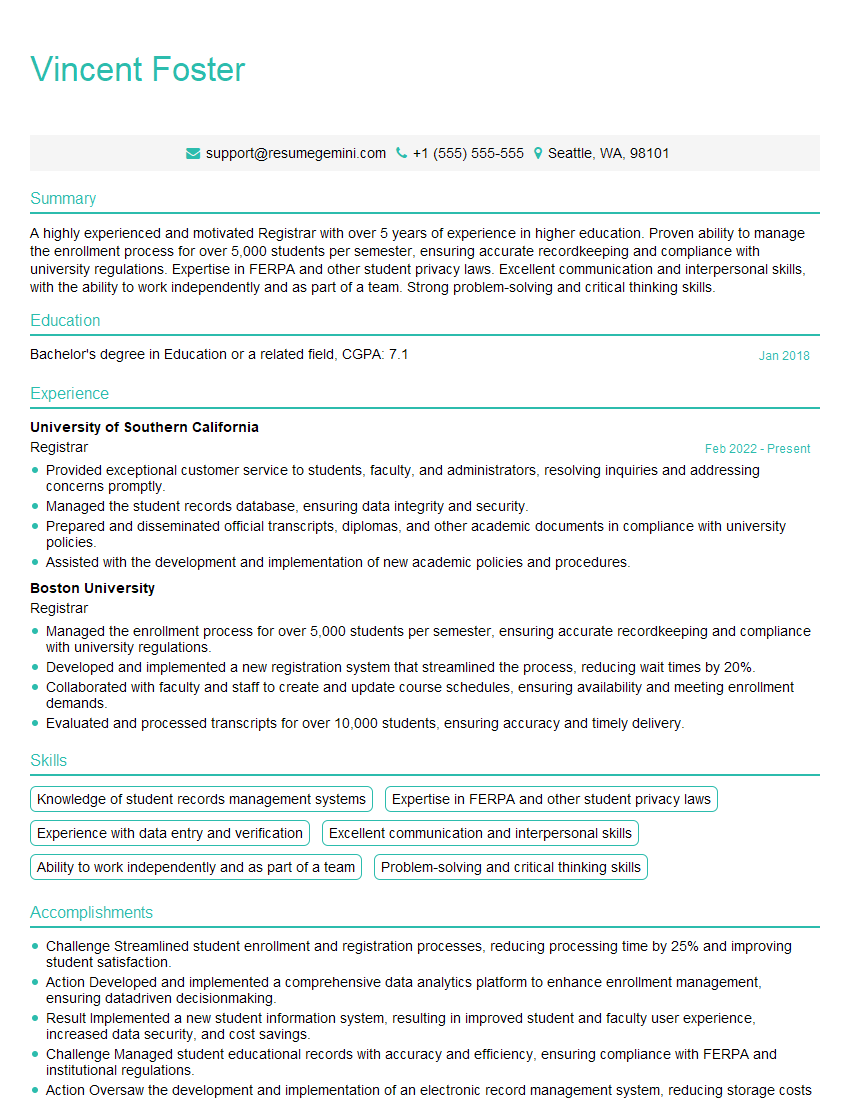
Registrar Resume Sample
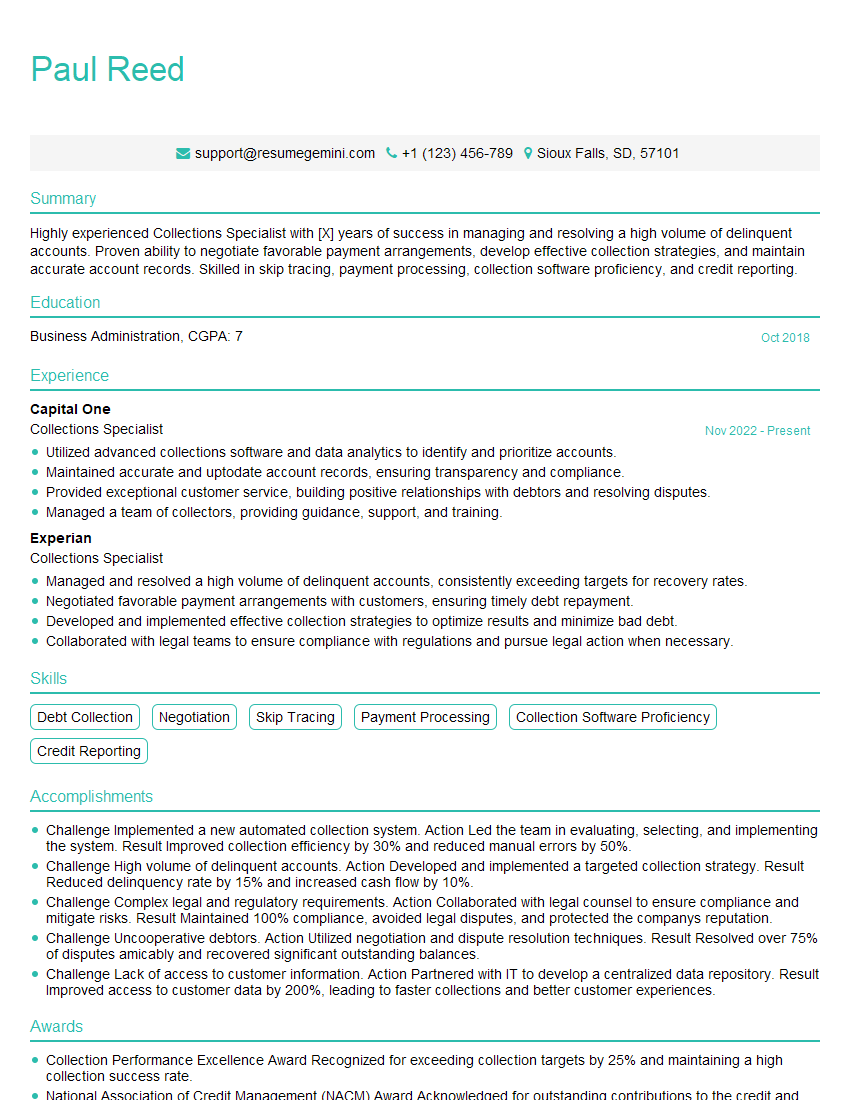
Collections Specialist Resume Sample
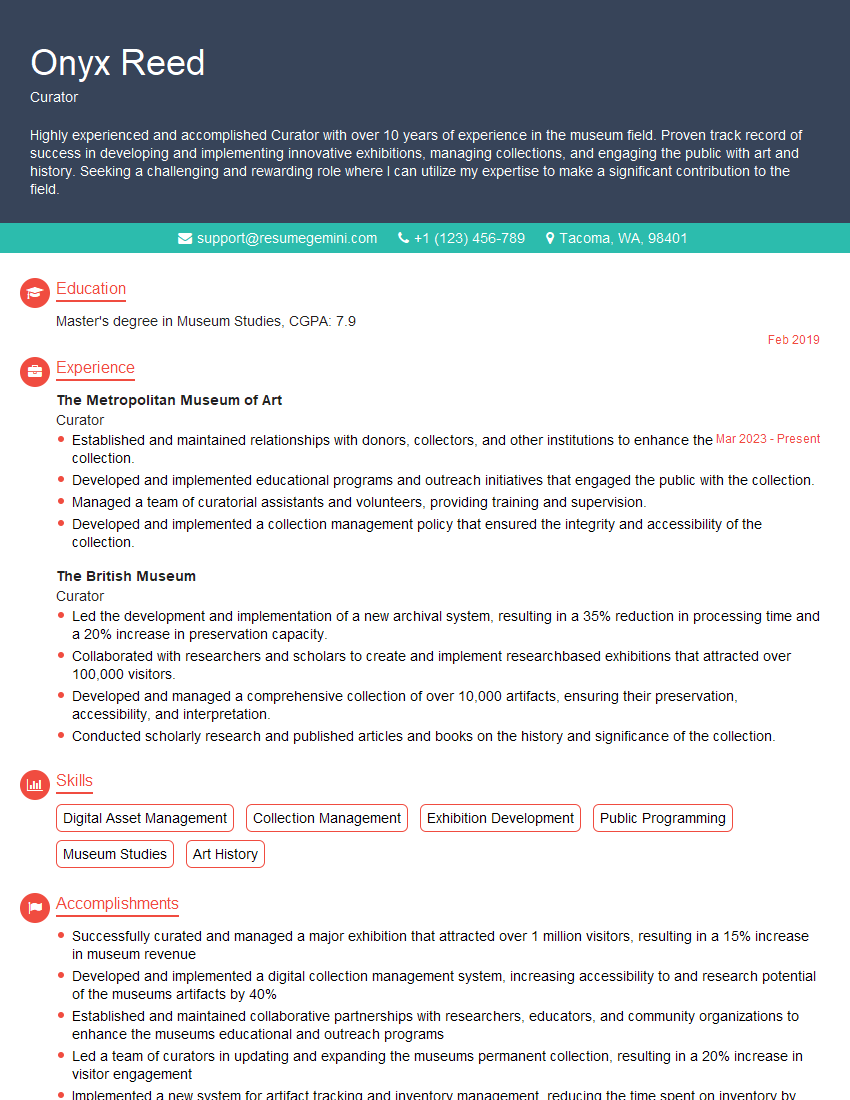
Curator Resume Sample
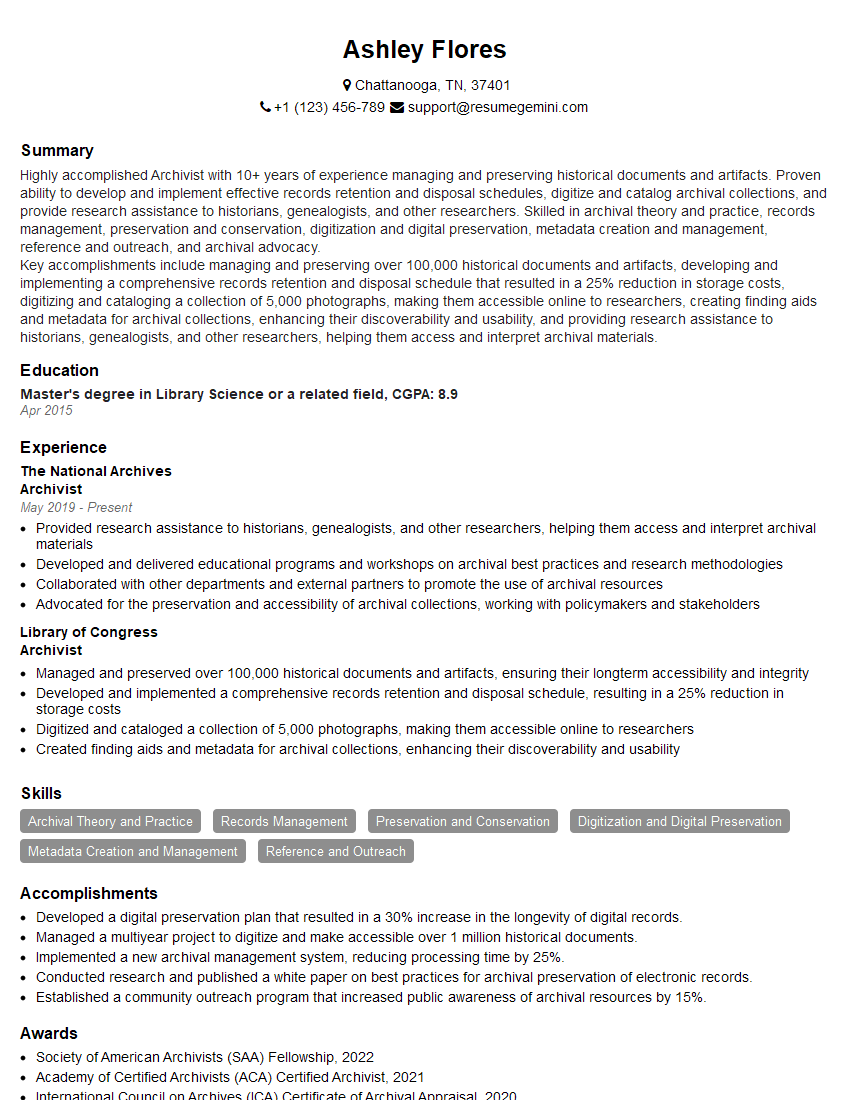
Archivist Resume Sample
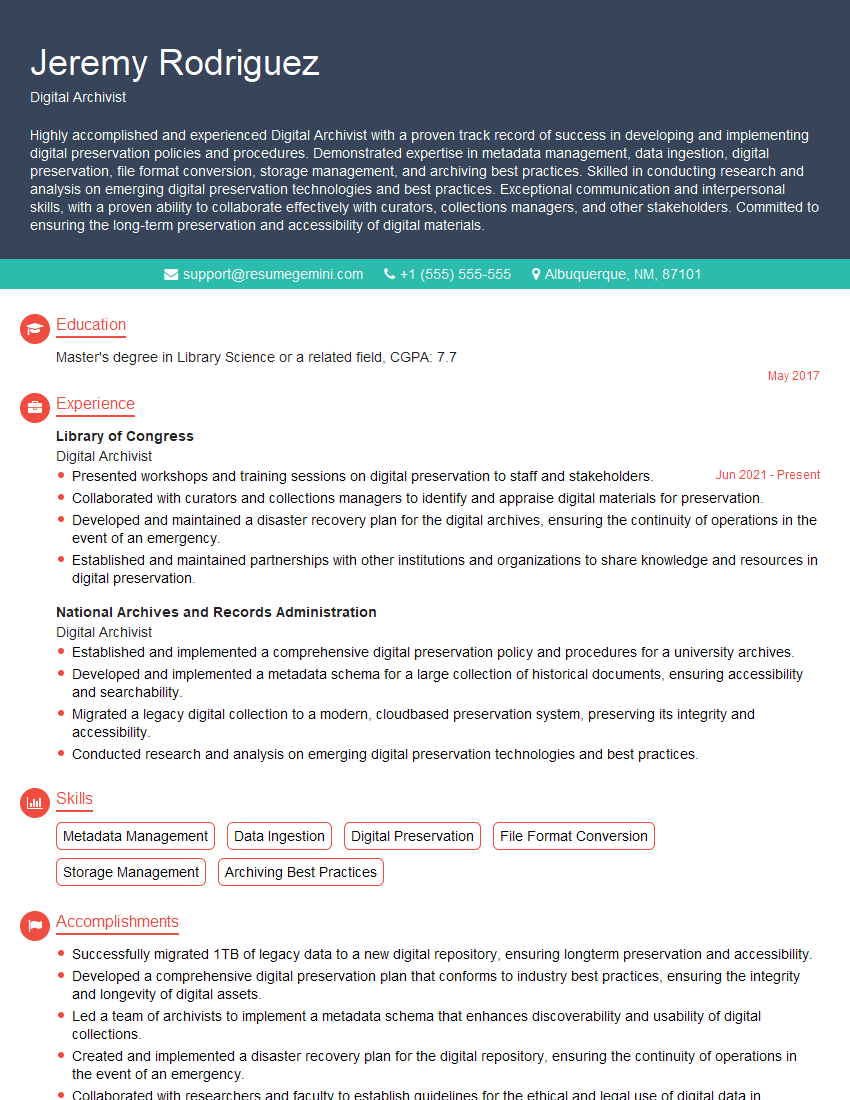
Digital Archivist Resume Sample
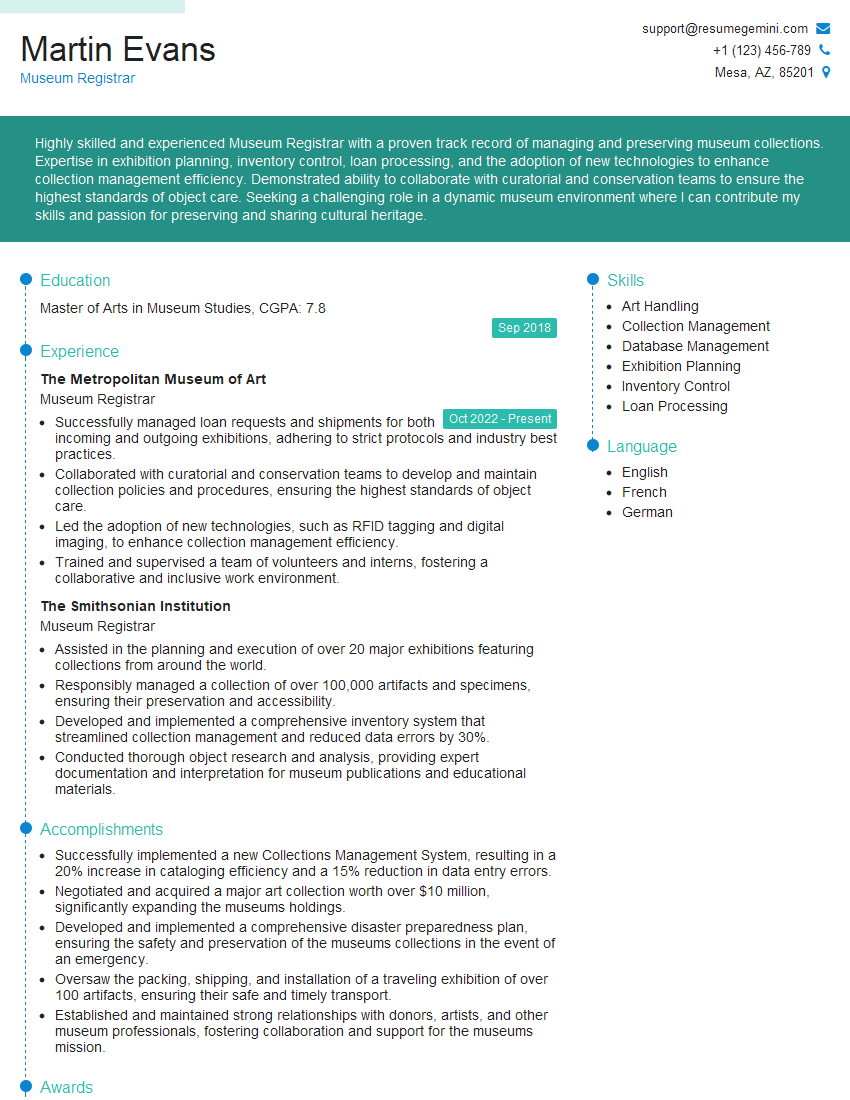
Museum Registrar Resume Sample
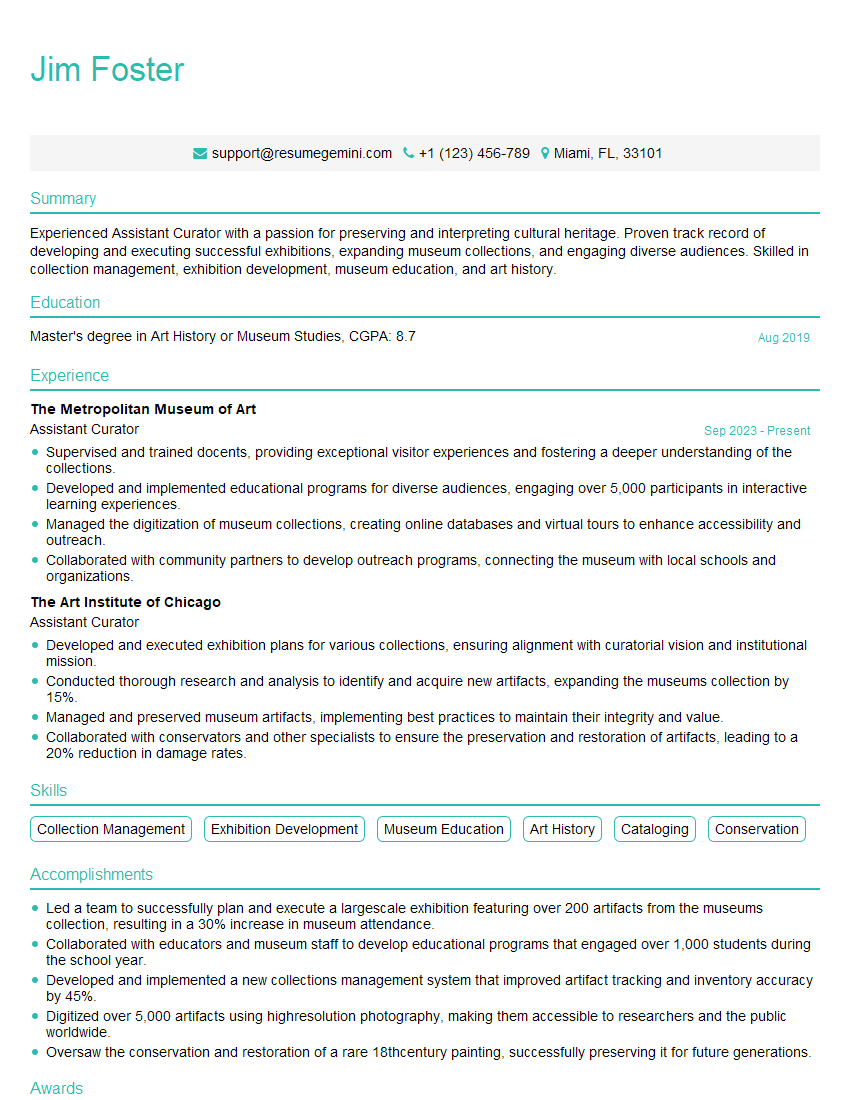
Assistant Curator Resume Sample
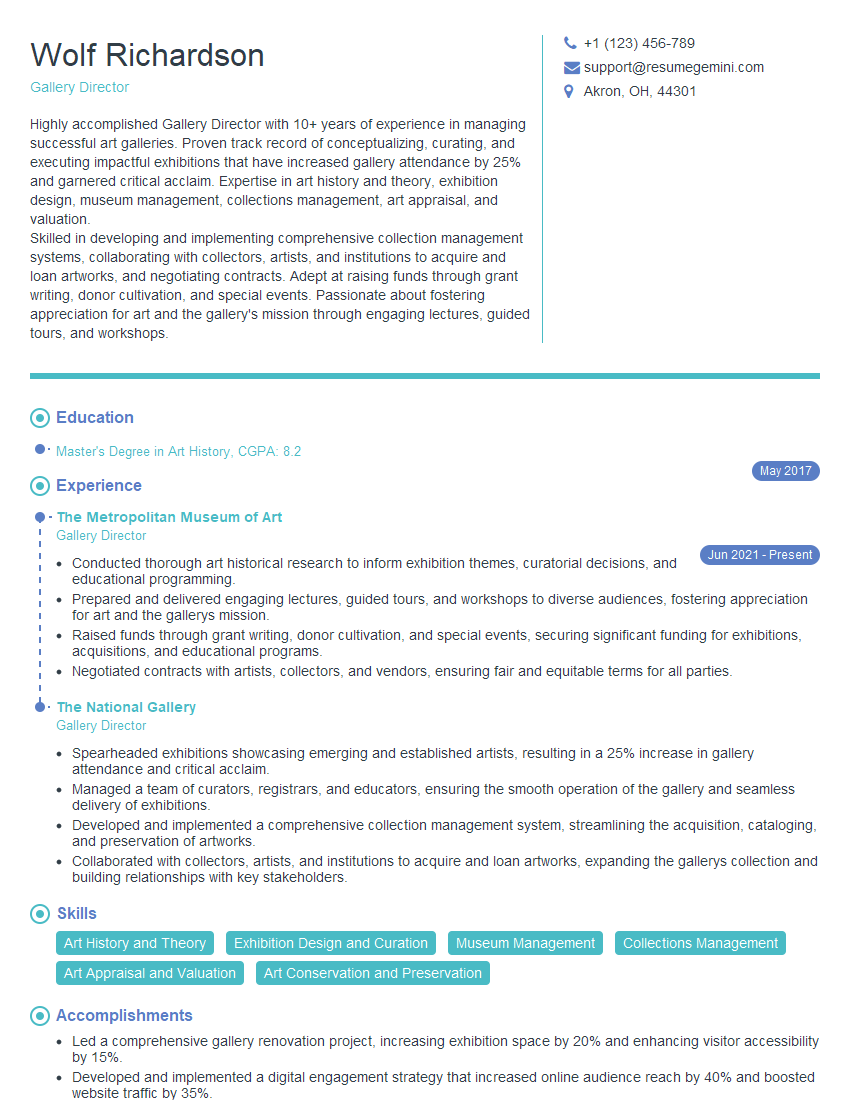
Gallery Director Resume Sample
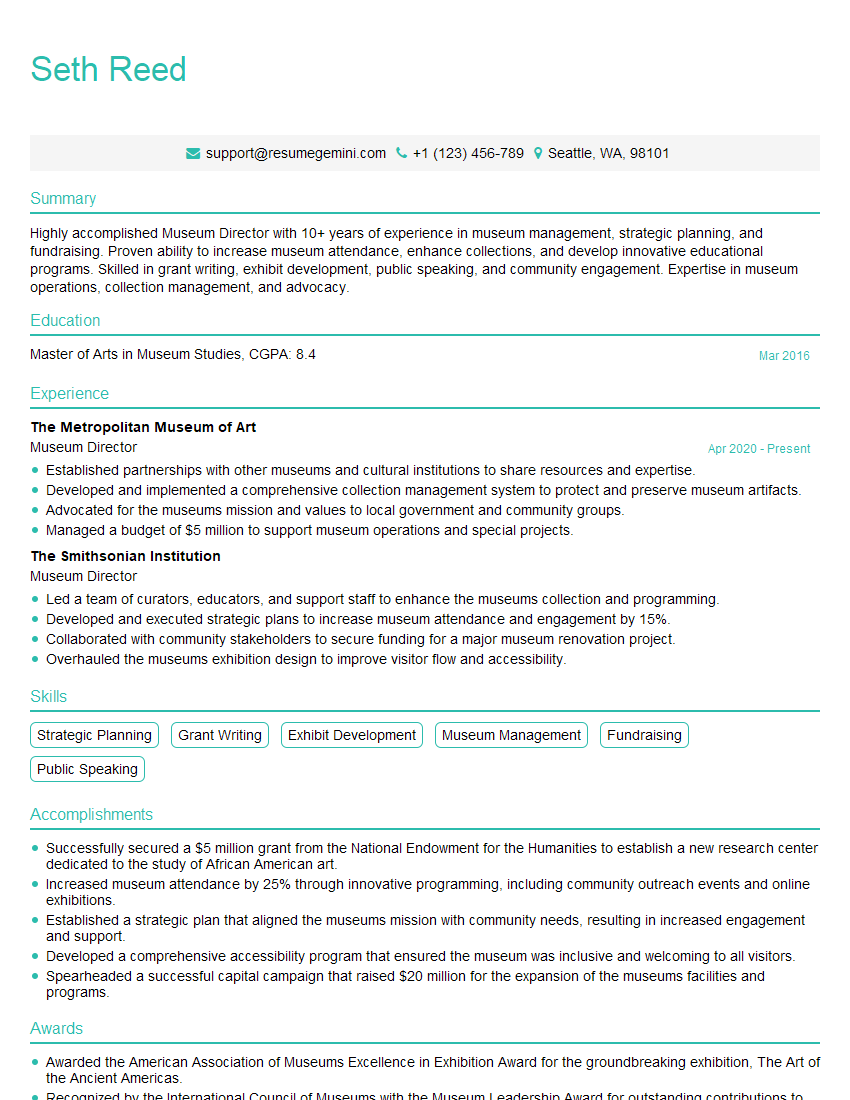
Museum Director Resume Sample
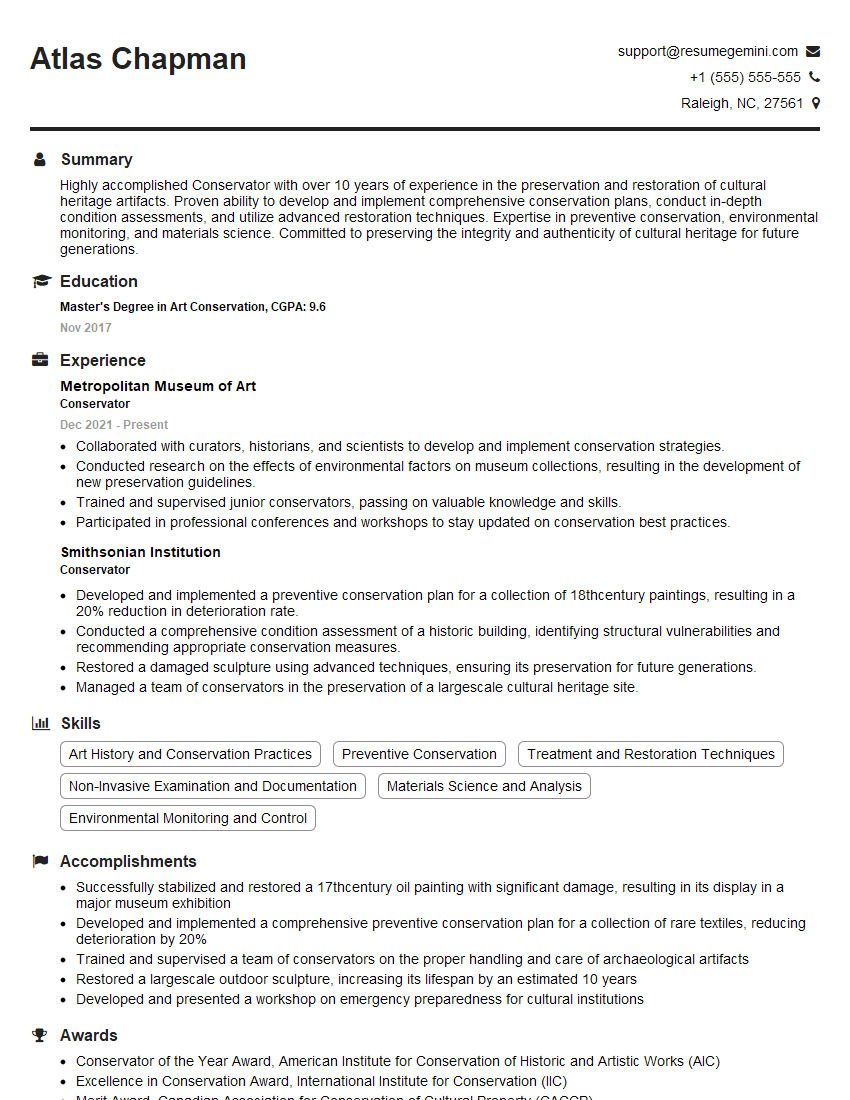
Conservator Resume Sample
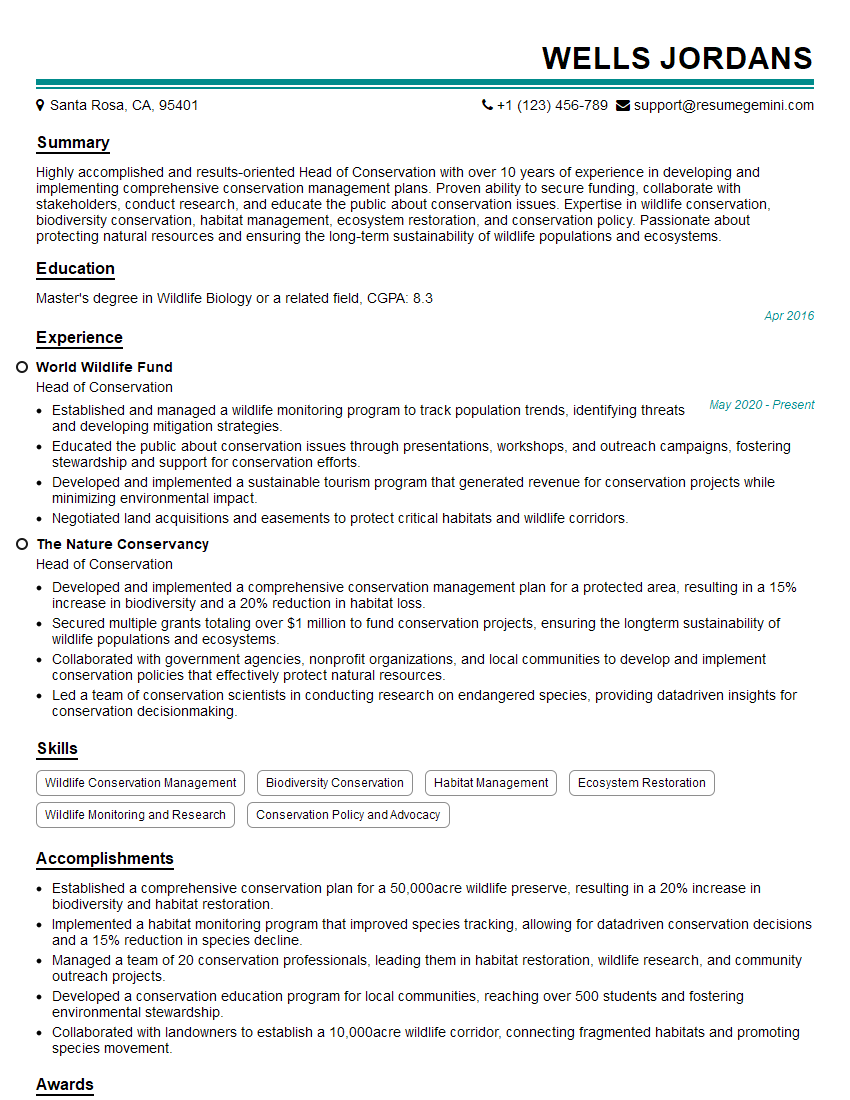
Head of Conservation Resume Sample
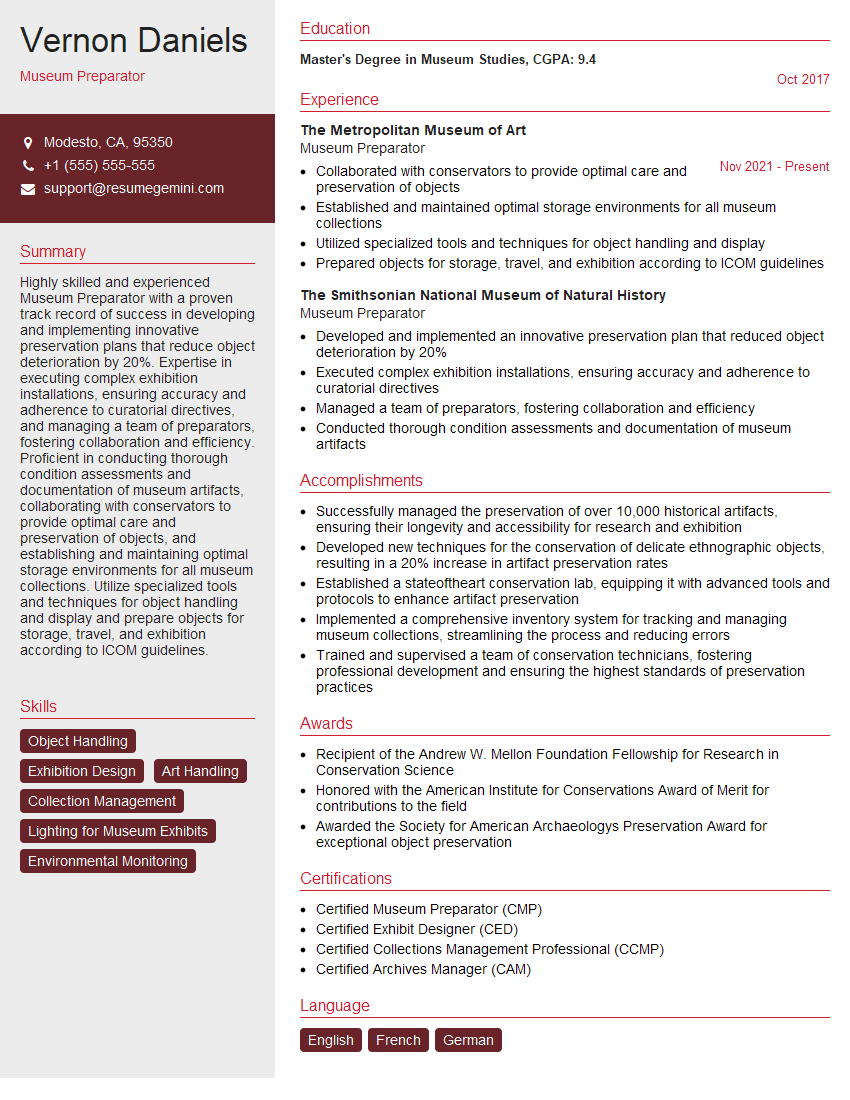
Museum Preparator Resume Sample
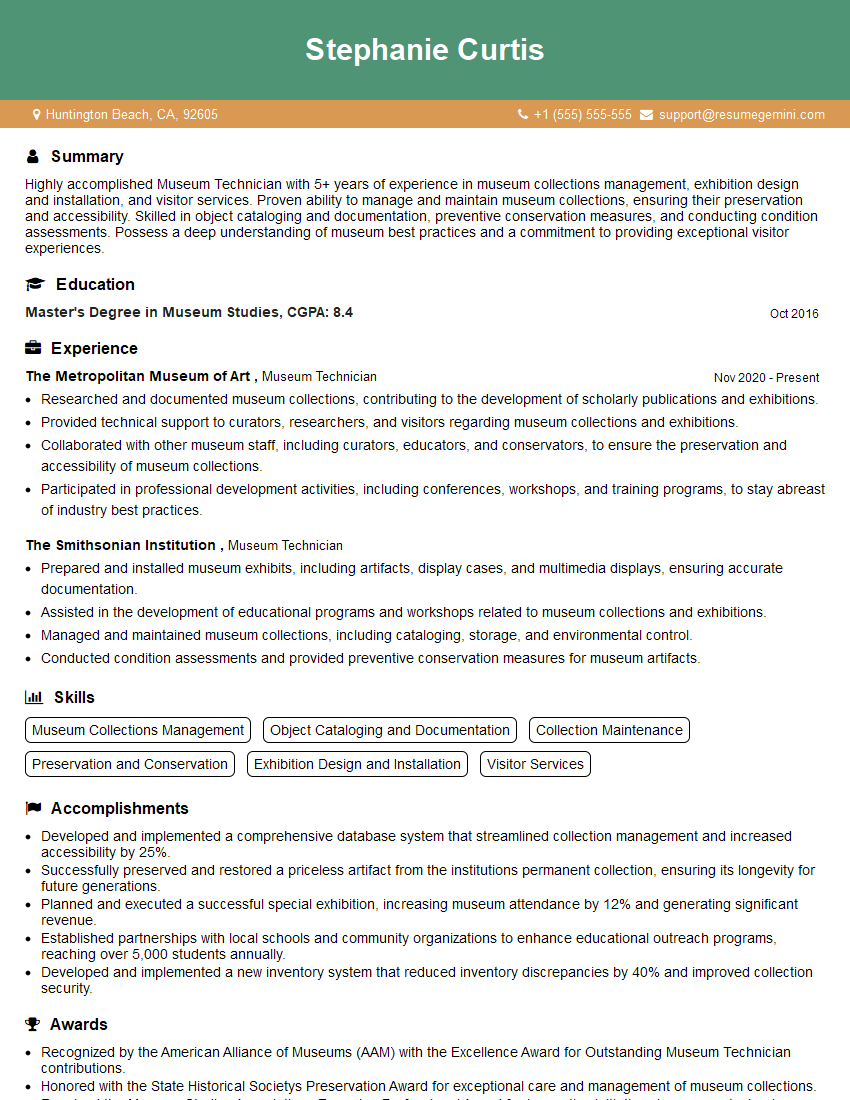
Museum Technician Resume Sample
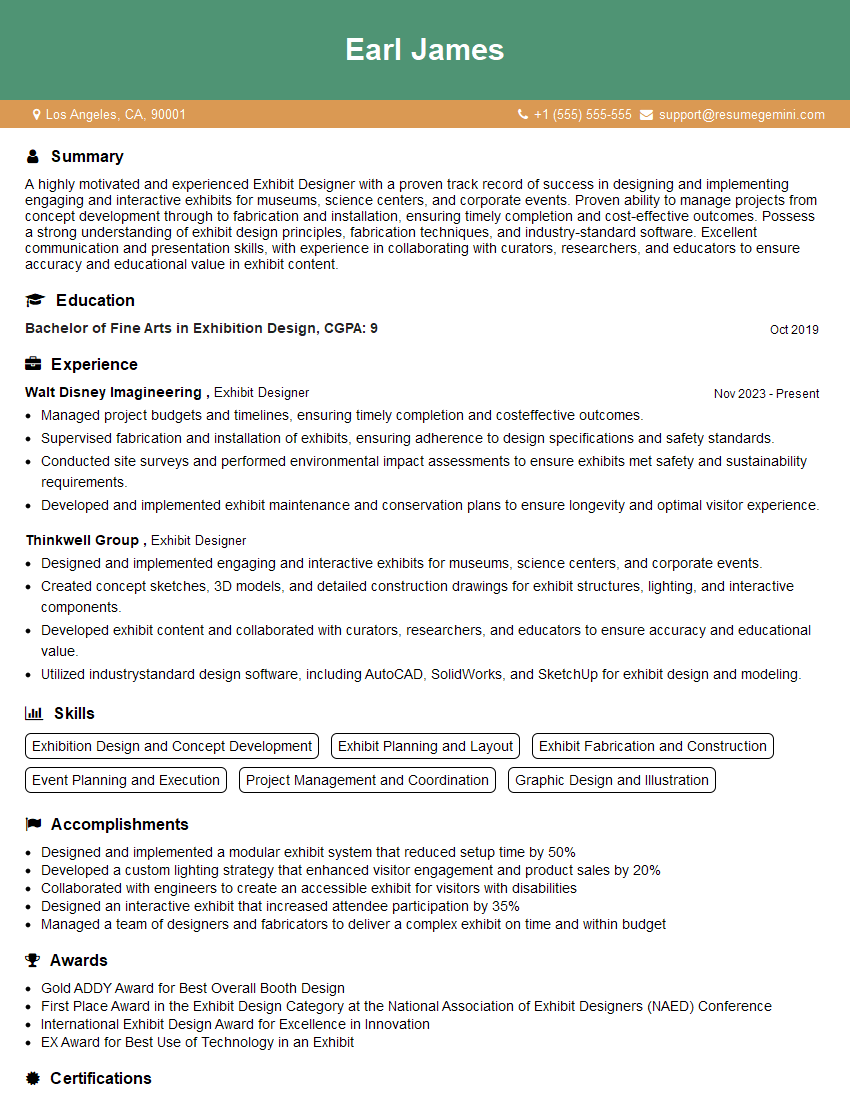
Exhibit Designer Resume Sample
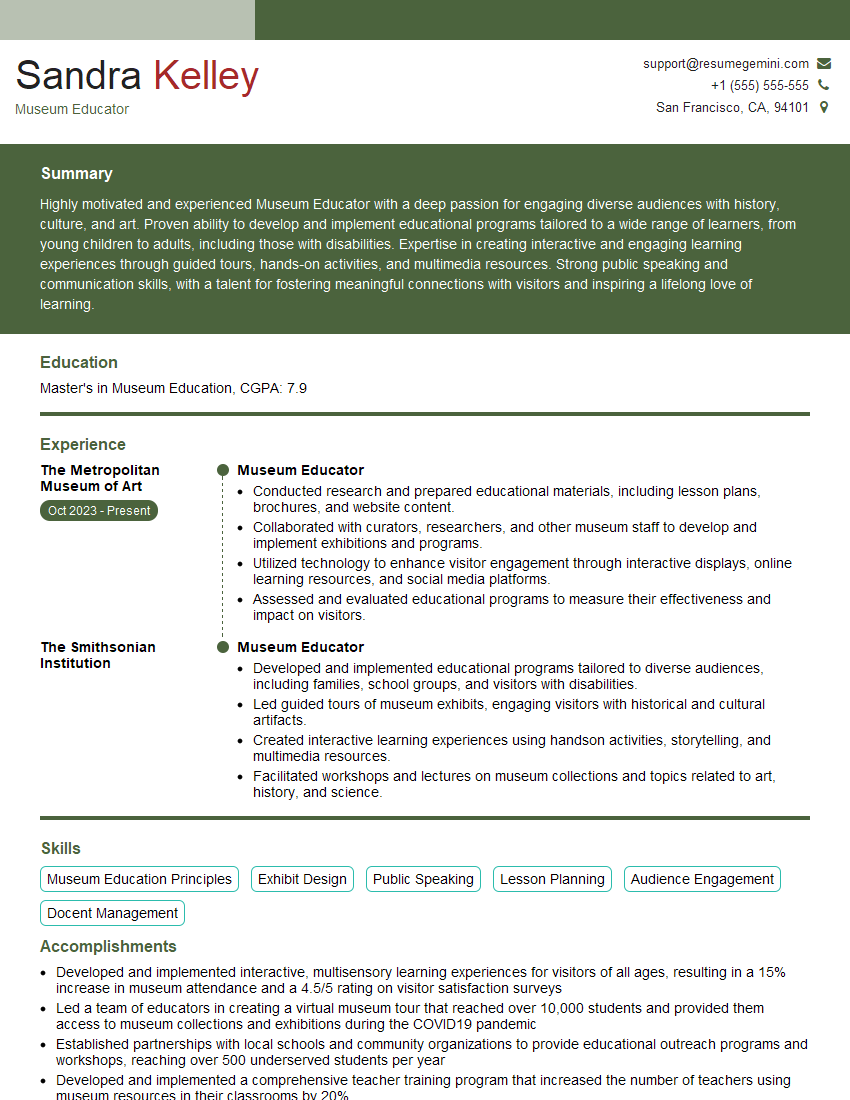
Museum Educator Resume Sample
Explore more articles
Users Rating of Our Blogs
Share Your Experience
We value your feedback! Please rate our content and share your thoughts (optional).
What Readers Say About Our Blog
Very informative content, great job.
good