Every successful interview starts with knowing what to expect. In this blog, we’ll take you through the top GAMP interview questions, breaking them down with expert tips to help you deliver impactful answers. Step into your next interview fully prepared and ready to succeed.
Questions Asked in GAMP Interview
Q 1. Explain the key principles of GAMP 5.
GAMP 5, the Good Automated Manufacturing Practice, provides a risk-based approach to computer system validation. Its core principles revolve around aligning validation activities with the risk posed by a system. Instead of a one-size-fits-all approach, GAMP 5 emphasizes proportionality, meaning the extent of validation should be commensurate with the risk. Key principles include:
- Risk-based approach: Focuses on identifying and managing risks associated with computer systems throughout their lifecycle.
- Proportionality: The rigor of validation should be proportional to the risk to the quality of the product or process. A high-risk system requiring extensive validation differs significantly from a low-risk system.
- Lifecycle approach: Validation activities are considered throughout the system’s lifecycle, from design and development to decommissioning.
- Reliance on vendors: GAMP 5 encourages leveraging vendor expertise and documentation to reduce validation efforts, especially for off-the-shelf software.
- Collaboration and communication: Effective communication and collaboration between stakeholders, including vendors, users, and validation specialists, are crucial for success.
Imagine a pharmaceutical company implementing a new LIMS (Laboratory Information Management System). GAMP 5 suggests prioritizing validation efforts on modules directly impacting critical data, like sample tracking and results reporting, while potentially reducing rigor for less critical modules like user management. This targeted approach ensures efficient resource allocation.
Q 2. Describe the different GAMP categories and their applications.
GAMP categorizes computer systems based on their complexity and impact on product quality. These categories guide the level of validation effort required. The categories include:
- Category 1: Simple Systems: These systems pose minimal risk and may require minimal validation efforts, often relying on configuration verification and user acceptance testing (UAT).
- Category 2: Off-the-shelf (OTS) Software: These are pre-packaged systems with vendor documentation and potentially pre-validated components. Validation focuses on the configuration and integration within the specific environment.
- Category 3: Bespoke or customized software: These require a more comprehensive validation approach due to their unique design and functionality, potentially involving detailed unit, integration, and system testing.
- Category 4: Complex Systems: These systems are often highly integrated, critical, and require significant validation efforts. They might involve multiple sub-systems and require extensive testing and documentation.
For example, a simple calculator used for non-critical calculations in a lab might fall under Category 1. A standard LIMS system would typically be Category 2, while a custom-built manufacturing execution system (MES) integrating various production and quality control systems might be Category 4.
Q 3. What is the difference between verification and validation?
Verification and validation are distinct but related concepts in GAMP. Think of it like this: verification confirms that you’re building the product right, while validation confirms that you’re building the right product.
- Verification: Ensures that a system meets its specified requirements. This involves checking the design, code, and configuration against predefined specifications. It answers the question: “Did we build the system according to the design specifications?”
- Validation: Demonstrates that the system performs its intended function. This confirms that the system consistently produces accurate and reliable results within the defined operational parameters. It answers the question: “Does the system do what it’s intended to do?”
Example: Verifying a software module confirms the code correctly calculates a particular formula. Validating that same module demonstrates that it consistently and accurately performs the calculation within the expected ranges and tolerances under various real-world conditions.
Q 4. How do you approach risk assessment in a GAMP project?
Risk assessment in a GAMP project is a crucial step, guiding the intensity and focus of validation activities. It’s a systematic process to identify hazards, analyze their potential impact, and implement appropriate controls.
A typical approach involves:
- Identify Hazards: List potential issues that could arise from using the system, such as data integrity breaches, incorrect calculations, or system failures.
- Analyze Risks: Evaluate the likelihood and severity of each hazard. This often uses a risk matrix, considering factors like frequency, impact on patient safety, and regulatory compliance.
- Implement Controls: Develop mitigation strategies to reduce or eliminate risks. These could include system design changes, additional testing, enhanced user training, or specific procedures.
- Document and Review: Maintain a comprehensive risk assessment document that outlines identified hazards, risk analysis, mitigation strategies, and a rationale for the chosen validation approach.
A well-structured risk assessment ensures validation efforts are focused where they are most needed, avoiding unnecessary overhead while mitigating significant risks. For example, a risk assessment might identify data integrity as a critical risk, leading to more stringent validation of data backup and recovery procedures.
Q 5. What are the key elements of a GAMP compliant validation plan?
A GAMP-compliant validation plan is a detailed roadmap outlining how a system will be validated. Key elements include:
- Scope and Objectives: Clearly defines the system to be validated and the specific objectives of the validation process.
- Risk Assessment: Details the results of the risk assessment, justifying the chosen validation approach.
- Validation Strategy: Describes the overall approach, including which validation methods (e.g., testing, inspection, review) will be used and their justification.
- Testing Procedures: Outlines the specific tests to be performed, including test cases, expected results, and acceptance criteria.
- Responsibilities and Timelines: Assigns responsibilities and sets realistic deadlines for each validation activity.
- Documentation Requirements: Specifies the type and format of all documentation to be generated.
- Approval Procedures: Defines the process for review and approval of validation documentation.
A well-defined validation plan ensures that the validation process is systematic, well-documented, and aligned with regulatory requirements.
Q 6. Explain the process of qualification in a GAMP context.
Qualification in a GAMP context refers to the documented verification that equipment, systems, and processes are suitable for their intended use. It’s a critical part of ensuring that validated systems consistently perform as expected. There are four main stages:
- Design Qualification (DQ): Verifies that the system’s design meets user requirements and regulatory expectations. This typically involves reviewing design documentation and specifications.
- Installation Qualification (IQ): Confirms that the system is installed correctly and that all components are functioning as expected. This includes checking the hardware, software, and network infrastructure.
- Operational Qualification (OQ): Demonstrates that the system performs as expected under defined operating conditions. This often involves executing pre-defined test scripts to verify that the system operates within specified tolerances.
- Performance Qualification (PQ): Verifies that the system continues to perform consistently over time and under various operating conditions. It evaluates the system’s performance in a real-world setting.
Imagine installing a new autoclave in a pharmaceutical manufacturing facility. DQ would involve reviewing the autoclave’s specifications to ensure it meets industry standards. IQ would verify that the autoclave is correctly installed and wired. OQ would test the autoclave’s temperature and pressure sensors, cycle times, and sterilization efficacy. PQ would involve monitoring the autoclave’s performance over several months to ensure consistent sterilization throughout its use.
Q 7. What are the critical aspects of documentation in GAMP?
Documentation is paramount in GAMP. It provides evidence that systems are correctly designed, installed, and performing as expected, demonstrating compliance with regulatory requirements. Critical aspects include:
- Completeness: All aspects of the validation process should be thoroughly documented, leaving no gaps in the audit trail.
- Accuracy: The documentation must be accurate and reflect the actual activities performed.
- Traceability: There should be clear traceability between requirements, design, implementation, and testing results.
- Readability: The documentation must be clear, concise, and easily understood by relevant personnel.
- Retention: Documentation must be retained for the required period, as mandated by regulations.
- Archival: Appropriate mechanisms must be in place to manage and maintain document integrity over the long term.
Poor documentation can severely compromise the integrity of a validation project, leading to non-compliance and potential regulatory issues. A thorough, well-organized documentation system is essential for demonstrating compliance and supporting audits.
Q 8. How do you manage deviations and change controls in a GAMP project?
Managing deviations and change controls in a GAMP project is crucial for maintaining the system’s validated state. Think of it like building a house – any change, however small, needs careful consideration to avoid compromising the structural integrity. We utilize a formal change control process, typically documented in a Change Control Procedure. This involves:
- Identifying the deviation or change request: This could range from a minor software bug to a significant hardware upgrade.
- Assessing the impact: We carefully evaluate the potential impact of the change on the validated system. Does it affect functionality, performance, or data integrity? A risk assessment is key here.
- Implementing the change: The change is implemented following a documented procedure, often involving testing and verification.
- Retesting and Revalidation (if necessary): Depending on the impact assessment, we may need to repeat parts or all of the validation process to ensure continued compliance. This could include IQ, OQ, and PQ retesting.
- Documentation: Meticulous documentation of the entire process is essential. This includes the initial deviation report, the risk assessment, the change implementation details, and the results of any retesting.
For example, if a software patch needs to be applied, we’d follow the change control process, document the patch’s impact, test the system after implementation, and update the validation documentation accordingly. Failure to follow these steps can lead to invalidated systems and regulatory non-compliance.
Q 9. Describe your experience with different validation lifecycle models (e.g., V-model, waterfall).
I have extensive experience with various validation lifecycle models, including the V-model and the waterfall model. The choice of model depends heavily on the project’s complexity and regulatory requirements. Let’s explore them:
- V-model: This model is a structured approach that emphasizes parallel testing activities throughout the lifecycle. Imagine it as a ‘V’ – the left side represents the development phases (requirements, design, coding), and the right side mirrors these phases with corresponding verification and validation activities (unit testing, integration testing, system testing).
- Waterfall model: This is a more linear approach where each phase must be completed before moving to the next. It’s a sequential process – requirements, design, implementation, testing, deployment, maintenance. While simpler to manage, it can be less flexible when changes are needed.
In practice, I’ve found that the V-model is often preferred for complex projects because it allows for earlier detection of issues. However, the waterfall model can be suitable for simpler systems with well-defined requirements. Often, a hybrid approach is used, combining elements of both models to leverage their respective strengths.
Q 10. Explain your understanding of 21 CFR Part 11 and its relevance to GAMP.
21 CFR Part 11 is a set of FDA regulations that govern the use of electronic records and electronic signatures in regulated industries. It’s directly relevant to GAMP because GAMP guidelines provide a framework for validating computer systems used in regulated environments. To comply with 21 CFR Part 11, systems must meet specific requirements for security, data integrity, audit trails, and user authentication.
Think of it this way: GAMP ensures that your system is built correctly (validation), while 21 CFR Part 11 dictates how that system needs to operate to be compliant with electronic record-keeping requirements. This means ensuring that all electronic records generated by your GAMP-validated system are trustworthy, attributable, legible, contemporaneous, original, and accurate (ALCOA).
For example, a GAMP-validated LIMS (Laboratory Information Management System) must comply with 21 CFR Part 11 by employing electronic signatures with proper authentication, maintaining detailed audit trails, and implementing robust access controls to prevent unauthorized modifications or deletions of data.
Q 11. How do you ensure data integrity in GAMP-compliant systems?
Ensuring data integrity in GAMP-compliant systems is paramount. We approach this through a multi-layered strategy, encompassing:
- System design: The system should be designed to prevent data corruption and manipulation from the outset. This includes features like data validation checks, audit trails, and robust error handling.
- Validation activities: Data integrity is a key aspect of IQ, OQ, and PQ. These activities verify that the system correctly captures, stores, retrieves, and processes data without loss or alteration.
- Access control: Strict access control measures prevent unauthorized access and modifications. This includes role-based access, password protection, and audit trails for all user actions.
- Data backup and recovery: Regular backups and a well-defined recovery plan are essential to protect against data loss due to hardware failure or other unforeseen events.
- Change control: As discussed earlier, a formal change control process ensures that all system changes are carefully evaluated and implemented without compromising data integrity.
For instance, during PQ, we might test the system’s ability to handle large datasets, identify any data loss during processing, and verify that audit trails accurately reflect all data changes. Data integrity is not a single activity, but an ongoing concern that permeates the entire lifecycle.
Q 12. Describe your experience with different validation methodologies (e.g., PQ, IQ, OQ).
My experience encompasses the three primary validation methodologies: Installation Qualification (IQ), Operational Qualification (OQ), and Performance Qualification (PQ). These are essential steps to demonstrate that a system consistently meets its intended use:
- IQ (Installation Qualification): This verifies that the system is installed correctly and that all components are functioning as designed. Think of it as checking that all the parts of a machine are in place and working independently. Example: verifying that the software is installed correctly on the appropriate hardware and that all required hardware and software components are in place.
- OQ (Operational Qualification): This verifies that the system performs as intended under various operating conditions. It confirms that the system operates correctly as a whole. Example: testing various system functions, such as data import/export, reporting capabilities, and user interface functionality, according to pre-defined parameters.
- PQ (Performance Qualification): This verifies that the system consistently produces accurate and reliable results within defined acceptance criteria. It ensures that the system meets its intended purpose under real-world conditions. Example: verifying that the system accurately processes samples and generates accurate and reproducible results consistent with pre-defined criteria.
In many cases, DQ (Design Qualification) also precedes the other qualifications. This stage ensures that the system is designed appropriately to meet the user requirements and regulatory standards.
Q 13. Explain your experience with different types of validation documentation (e.g., URS, FS, DQ, IQ, OQ, PQ).
I’m proficient in creating and reviewing various validation documentation types, each serving a specific purpose in the overall validation process:
- URS (User Requirement Specification): This document details the user’s needs and expectations for the system. It’s the foundation upon which the entire validation process is built.
- FS (Functional Specification): This document describes how the system will meet the user requirements. It bridges the gap between the user’s needs and the system’s design.
- DQ (Design Qualification): This demonstrates that the system design meets the user requirements and regulatory compliance standards.
- IQ (Installation Qualification): As described before, verifies the correct installation of the system.
- OQ (Operational Qualification): Verifies that the system operates as intended.
- PQ (Performance Qualification): Verifies that the system performs as expected and produces accurate and reliable results.
Each document is crucial. The URS sets the stage, the FS guides development, DQ assures proper design, and IQ, OQ, and PQ demonstrate that the system is fit for its intended use. Maintaining these documents throughout the validation lifecycle is a must for audit readiness and regulatory compliance. The quality of these documents is a reflection of the quality of the validation process itself.
Q 14. How do you handle deviations or failures during validation testing?
Handling deviations or failures during validation testing is a critical aspect of the process. It’s not a sign of failure, but rather an opportunity for improvement and a chance to demonstrate a robust and thorough approach to validation. The steps I typically follow are:
- Document the deviation: Thoroughly document the deviation, including the date, time, details of the failure, and the system’s state at the time of the failure.
- Investigate the root cause: Conduct a thorough investigation to determine the root cause of the deviation. This might involve reviewing logs, interviewing personnel, and analyzing data.
- Implement corrective actions: Based on the root cause analysis, implement appropriate corrective and preventive actions (CAPA) to prevent recurrence.
- Retest: After implementing corrective actions, retest the affected aspects of the system to verify that the issue is resolved.
- Update documentation: Update the validation documentation to reflect the deviation, the investigation, the corrective actions, and the results of retesting.
A well-documented deviation report and the subsequent corrective actions demonstrate a commitment to quality and compliance. Ignoring deviations can lead to significant regulatory issues and compromised data integrity.
Q 15. What are your experiences with automated testing tools and their use in GAMP validation?
Automated testing tools are crucial for efficient and thorough GAMP validation. They allow for repeatable, consistent testing, reducing the risk of human error and significantly speeding up the validation process. My experience spans various tools, including Selenium for UI testing, JUnit and TestNG for unit and integration testing, and HP ALM for test management. In GAMP compliant projects, we use these tools to execute test cases derived from the software requirements specification (SRS), ensuring traceability throughout the validation lifecycle. For instance, in a recent project validating a Laboratory Information Management System (LIMS), Selenium automated tests verified the user interface’s functionality, ensuring data integrity and correct report generation. This automated approach allowed us to execute hundreds of test cases rapidly and comprehensively, covering various scenarios, edge cases and user interactions, ultimately saving considerable time and resources compared to manual testing.
The key to successful implementation lies in integrating automated tests within a well-defined test strategy. This involves careful planning, scripting, execution, and reporting. We also utilize continuous integration/continuous delivery (CI/CD) pipelines to integrate automated tests into the development process, enabling early detection and resolution of defects.
Career Expert Tips:
- Ace those interviews! Prepare effectively by reviewing the Top 50 Most Common Interview Questions on ResumeGemini.
- Navigate your job search with confidence! Explore a wide range of Career Tips on ResumeGemini. Learn about common challenges and recommendations to overcome them.
- Craft the perfect resume! Master the Art of Resume Writing with ResumeGemini’s guide. Showcase your unique qualifications and achievements effectively.
- Don’t miss out on holiday savings! Build your dream resume with ResumeGemini’s ATS optimized templates.
Q 16. Describe your experience with specific GAMP compliant software or systems.
I’ve worked extensively with several GAMP compliant systems, including various Laboratory Information Management Systems (LIMS), Electronic Data Capture (EDC) systems, and Chromatography Data Systems (CDS). One specific example is my involvement in the validation of a custom-built LIMS system for a pharmaceutical client. This involved a thorough assessment of the system’s design, development, and testing processes, ensuring compliance with GAMP 5 guidelines. We meticulously documented all aspects of the validation process, including requirements traceability, test plans, test scripts, and deviation management. The system’s validation involved a combination of unit, integration, system, and performance testing, all executed using a mix of manual and automated methods as described in my previous answer. The ultimate outcome was a fully validated LIMS system, ensuring data integrity and compliance with regulatory requirements (e.g., 21 CFR Part 11).
Another project involved validating a commercially available Electronic Batch Record (EBR) system. This required a deep understanding of the system’s architecture, configuration, and data handling processes. We collaborated closely with the vendor to obtain necessary documentation and support. The focus was on confirming the vendor’s validation documentation aligned with our company’s standards and regulations.
Q 17. What is your experience with different types of software validation?
Software validation encompasses several types, each with its specific purpose and approach. I have experience with all major categories:
- Unit Testing: Verifying individual components or modules of the software function as designed. This often involves using automated unit testing frameworks like JUnit or TestNG.
- Integration Testing: Testing the interaction between different modules or components of the system. This helps identify defects in the communication and data exchange between various parts of the software.
- System Testing: Testing the entire system as a whole to ensure that it meets the specified requirements. This may involve functional testing (verifying the system performs according to specifications), performance testing (evaluating the system’s response time and stability under various loads), and security testing (assessing the system’s vulnerability to unauthorized access or attacks).
- User Acceptance Testing (UAT): Testing conducted by end-users to validate the system meets their needs and expectations. This is crucial to ensure the system is usable and practical in its intended environment.
- Performance Testing: Evaluating the system’s responsiveness, stability, and scalability under various workloads. This helps identify potential bottlenecks and ensure the system can handle the expected user load.
The choice of which testing types to employ depends heavily on the software’s complexity, criticality, and regulatory requirements. A risk-based approach is usually adopted to prioritize testing efforts.
Q 18. How would you approach a validation project for a new piece of software?
Approaching a new software validation project requires a structured and systematic methodology. I would follow these steps:
- Requirements Gathering and Risk Assessment: Thoroughly review the software requirements specification (SRS) and identify critical functionalities needing validation. A risk assessment will determine the level of rigor required for each function. This informs the validation plan.
- Validation Plan Development: Create a comprehensive validation plan outlining the scope, objectives, methodology, timelines, and resources required. This plan should clearly define the testing strategy, including the types of testing to be performed (unit, integration, system, UAT), the test environment, and the acceptance criteria.
- Test Case Development: Develop detailed test cases based on the SRS and risk assessment. These test cases should be unambiguous, repeatable, and traceable to specific requirements.
- Test Execution and Documentation: Execute the test cases, meticulously documenting the results. Any deviations or failures must be investigated and documented. Automated testing tools are heavily utilized here.
- Validation Report Preparation: Prepare a comprehensive validation report summarizing the findings, documenting all test results, deviations, and conclusions. This report serves as evidence of the software’s fitness for its intended purpose.
- Review and Approval: The validation report is reviewed and approved by relevant stakeholders, including quality assurance personnel, IT, and potentially regulatory authorities.
Throughout the process, meticulous documentation and traceability are paramount, ensuring compliance with GAMP 5 and relevant regulatory guidelines.
Q 19. What are some common challenges faced during GAMP validation projects and how have you overcome them?
GAMP validation projects often present challenges. One common issue is insufficient documentation from vendors. This makes it difficult to understand the software’s design and functionality, hindering effective validation. To overcome this, we proactively engage vendors early in the process, requesting comprehensive documentation and clarifying any ambiguities. We also employ reverse engineering techniques in cases where vendor documentation is lacking.
Another challenge is managing the scope creep. Requirements can change during the validation process, leading to delays and increased costs. To mitigate this, we use a change control process, carefully evaluating and documenting any proposed changes, assessing their impact on the validation plan and adapting the plan accordingly. This needs close collaboration with stakeholders to ensure everyone’s understanding and agreement.
Finally, resource constraints can impact timelines. We address this by careful planning and resource allocation, leveraging automated testing tools to optimize efficiency, and defining clear priorities to ensure critical validation activities are completed on time.
Q 20. Describe your experience with auditing GAMP compliant systems.
Auditing GAMP compliant systems involves a thorough review of the entire validation lifecycle, from requirements gathering to ongoing maintenance. My experience includes both internal and external audits. During audits, I assess the completeness and accuracy of validation documentation, including requirements specifications, test plans, test results, and deviation reports. I also verify that the implemented system complies with relevant regulatory requirements and GAMP guidelines. I check for proper change control processes and evidence of system maintenance. A key element of the audit is evaluating the overall effectiveness of the validation process, identifying any areas for improvement.
For example, in one audit of a LIMS system, I identified a weakness in the system’s audit trail functionality. This weakness could potentially impact data integrity. This was reported to the client, and corrective actions were implemented to address the deficiency.
Q 21. How do you ensure compliance with relevant regulatory guidelines in your work?
Ensuring regulatory compliance is paramount in my work. This involves staying abreast of the latest regulatory guidelines, such as 21 CFR Part 11, Annex 11 (EU GMP), and GAMP guidelines. I actively participate in industry conferences and training to maintain my expertise. I also ensure that all validation activities are conducted in accordance with established SOPs and regulatory requirements. This includes using validated systems and tools, maintaining comprehensive documentation, and performing regular audits.
Furthermore, risk assessment is an integral part of my approach. I identify potential regulatory risks and develop mitigation strategies to minimize the likelihood of non-compliance. This proactive approach ensures that our processes and systems remain compliant with the ever-evolving regulatory landscape.
Q 22. How do you stay up-to-date with the latest GAMP guidelines and regulations?
Staying current with GAMP guidelines is crucial for maintaining compliance. My approach is multifaceted. I subscribe to industry publications like the ISPE’s Journal of GxP Compliance and regularly attend conferences such as the ISPE Annual Meeting and relevant workshops. This allows me to network with other professionals and learn about emerging trends and interpretations of the guidelines. I also actively participate in online forums and professional organizations, such as the ISPE, to engage in discussions and access the latest regulatory updates. Furthermore, I meticulously track changes to the GAMP Good Practices Guide and ensure my understanding aligns with the latest version. Finally, I review regulatory agency updates from bodies like the FDA and EMA to stay informed about any evolving expectations concerning computer system validation.
Q 23. What is your experience with different types of validation lifecycle models?
My experience encompasses a range of validation lifecycle models, including the traditional waterfall model and more agile approaches. The waterfall model, characterized by its sequential phases (requirements, design, implementation, testing, etc.), is well-suited for projects with stable requirements. However, it can be inflexible when changes arise. In contrast, iterative models like V-Model and Agile methodologies allow for greater flexibility and adaptability. For example, I’ve successfully employed an Agile approach for a project involving a Laboratory Information Management System (LIMS) where evolving business needs necessitated a more iterative development process. This required close collaboration with stakeholders, frequent feedback loops, and incremental validation activities. Each model presents unique advantages depending on the complexity and specific requirements of the project. My selection hinges on a thorough risk assessment and careful consideration of project scope, timelines, and stakeholder expectations.
Q 24. Explain your experience with risk-based validation approaches.
Risk-based validation is a cornerstone of my approach. Instead of a blanket approach to validation, I focus on identifying and mitigating risks posed by computer systems. This involves a thorough risk assessment that considers factors such as the system’s criticality, complexity, and potential impact on product quality and patient safety. For instance, a system controlling a critical manufacturing parameter would require a more rigorous validation approach compared to a less critical system. The assessment uses tools like Failure Mode and Effects Analysis (FMEA) to identify potential failure modes and their associated risks. This allows us to allocate validation efforts proportionally to the risk, optimizing resources and ensuring that the highest risks are addressed effectively. Documentation is carefully tailored to reflect the risk-based approach, focusing on critical aspects and providing evidence of adequate control measures.
Q 25. Describe your experience with gap analysis related to GAMP compliance.
Gap analysis is a crucial component of achieving GAMP compliance. It involves a systematic comparison of the current state of a system or process against the requirements of GAMP guidelines. I typically use a structured approach, starting with a thorough review of relevant documentation, including system specifications, user requirements, and existing validation documentation. I then compare these documents against the GAMP guidelines to identify any discrepancies or areas where compliance is lacking. For instance, I might identify a gap if the system’s change control process doesn’t fully comply with GAMP’s recommendations. This gap analysis then forms the basis for a remediation plan, detailing the actions necessary to achieve full compliance. This plan is typically presented to stakeholders for review and approval before implementation.
Q 26. How do you handle communication and collaboration with cross-functional teams during a GAMP project?
Effective communication and collaboration are paramount in GAMP projects. I ensure clear and consistent communication using various tools and techniques. Regular meetings, documented with minutes, are crucial for keeping all stakeholders informed. I leverage collaborative tools such as shared document repositories and project management software to centralize information and facilitate efficient teamwork. Furthermore, I create a communication plan that outlines the frequency, methods, and stakeholders involved in communication. This proactive approach helps avoid misunderstandings, promotes transparency, and facilitates a smooth and successful project outcome. I also actively foster a culture of open communication, where team members feel comfortable raising concerns or seeking clarification. This collaborative environment is key to overcoming potential challenges and achieving shared goals.
Q 27. Describe a situation where you had to troubleshoot a GAMP related issue. What was your approach?
During a validation project for a chromatography data system, we encountered an issue with data integrity. Upon investigation, we found discrepancies between the raw data and the processed results. My approach involved a systematic troubleshooting process. First, we reviewed the system’s configuration and software specifications to identify potential causes. Then, we conducted a thorough review of the system’s audit trail to pinpoint the source of the discrepancies. We identified a flaw in the system’s data transformation algorithm. Next, we developed a corrective action plan, including fixing the algorithm, implementing improved data validation checks, and re-validating the affected data. Finally, we updated our validation documentation to reflect the corrective actions and lessons learned. This experience highlighted the importance of robust data integrity procedures and thorough testing throughout the validation process.
Key Topics to Learn for GAMP Interview
- GAMP Good Practices: Understand the core principles and guidelines outlined in GAMP 5, focusing on the risk-based approach to computer system validation.
- Lifecycle Management: Learn the phases of a system’s lifecycle (requirements, design, implementation, testing, operation, and maintenance) within a GAMP context. Be prepared to discuss practical applications like defining validation activities at each stage.
- Risk Assessment and Management: Master the techniques for identifying, analyzing, and mitigating risks associated with computer systems used in regulated environments. Discuss examples of how risk assessment informs validation strategies.
- Validation Strategies: Explore different validation approaches (e.g., qualification, verification, testing) and their appropriateness for various system types and functionalities. Understand how to choose the right strategy based on risk.
- Documentation and Traceability: Know the importance of thorough and well-structured documentation for all validation activities. Understand how to establish and maintain traceability throughout the lifecycle.
- Data Integrity: Discuss the principles of data integrity within a GAMP context, covering areas like ALCOA+ principles and how to ensure data reliability and trustworthiness.
- Specific GAMP Annexes: Familiarize yourself with relevant annexes within GAMP 5 that apply to your area of expertise (e.g., software development, data management).
- Deviation Management and CAPA: Understand how deviations from validated states are handled and how corrective and preventative actions are implemented and documented.
- Computer System Validation (CSV): Demonstrate a comprehensive understanding of CSV principles and their application within the pharmaceutical or related industries. Be prepared to discuss the various aspects of CSV and how it aligns with GAMP.
Next Steps
Mastering GAMP principles is crucial for career advancement in regulated industries. A strong understanding of GAMP demonstrates your commitment to quality, compliance, and patient safety – highly valued attributes by employers. To significantly improve your job prospects, create an ATS-friendly resume that highlights your GAMP expertise. Use ResumeGemini to build a professional and impactful resume. ResumeGemini offers valuable tools and resources, including examples of resumes tailored to GAMP roles, to help you present your qualifications effectively.
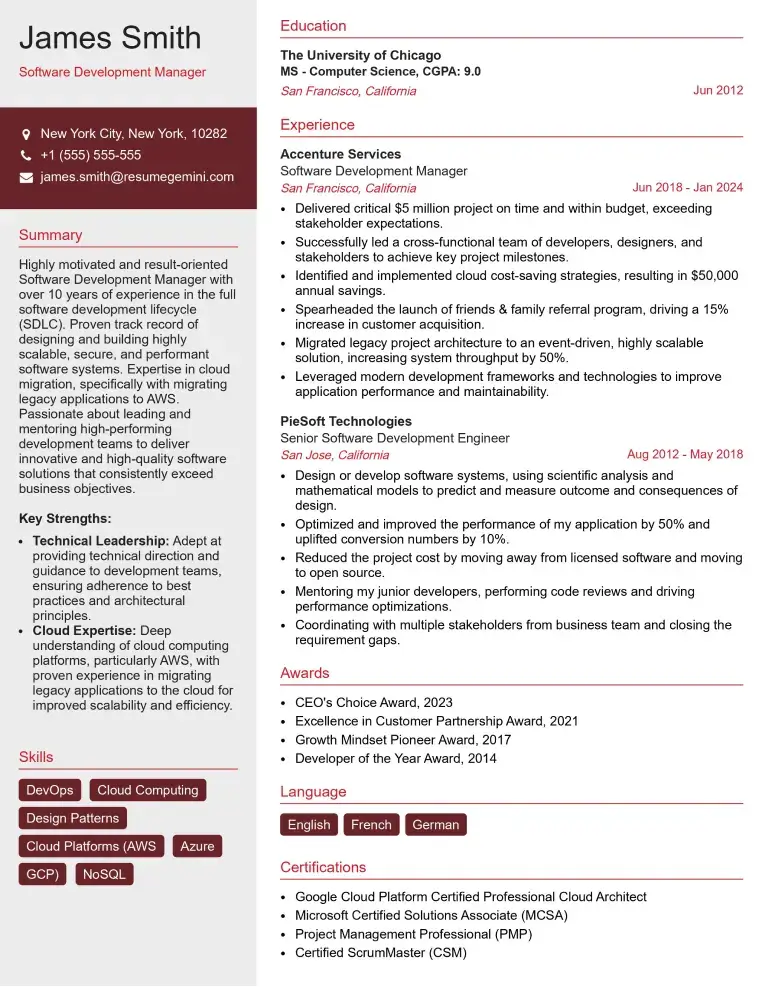
Check Out Resume Samples at ResumeGemini
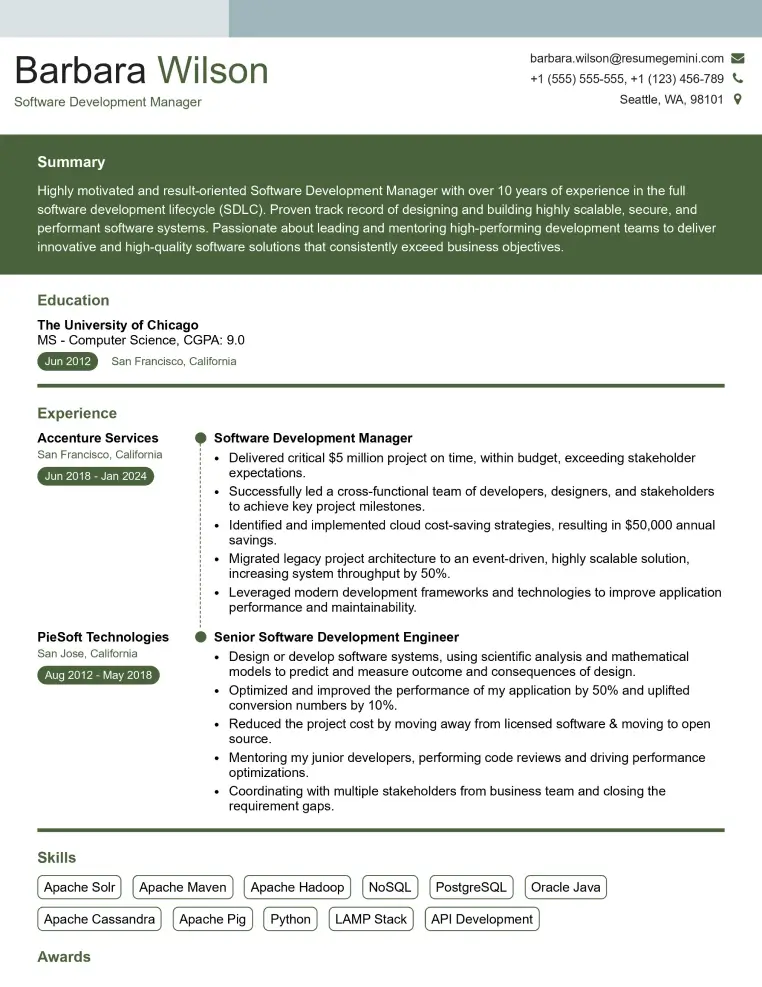
Check Out Resume Samples at ResumeGemini
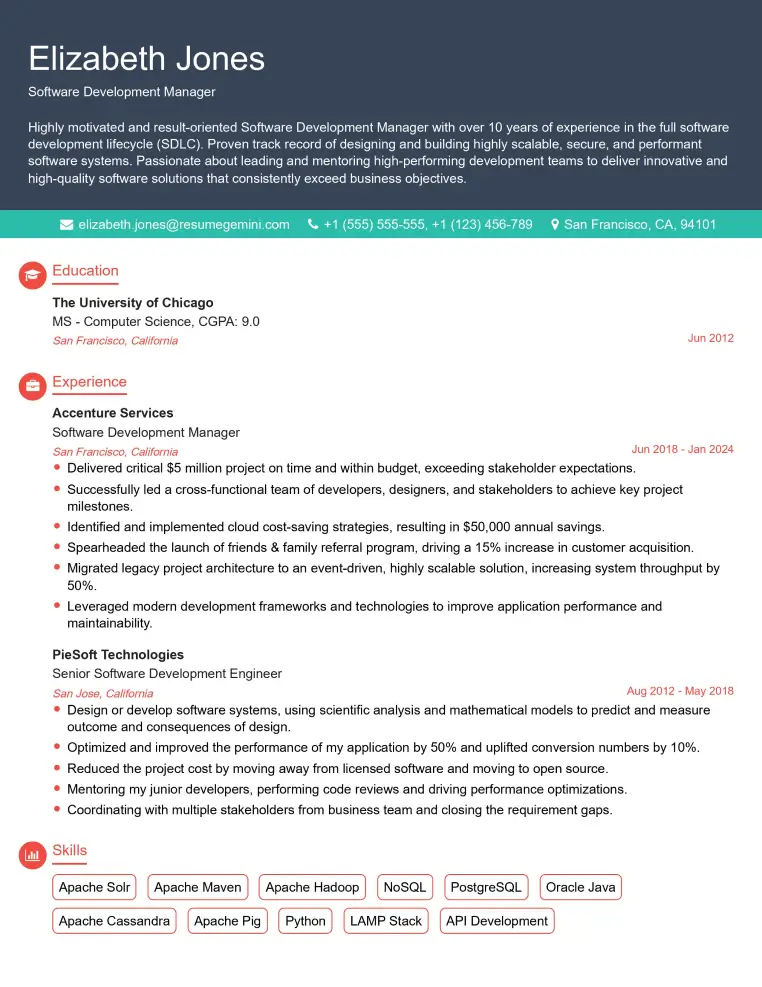
Check Out Resume Samples at ResumeGemini
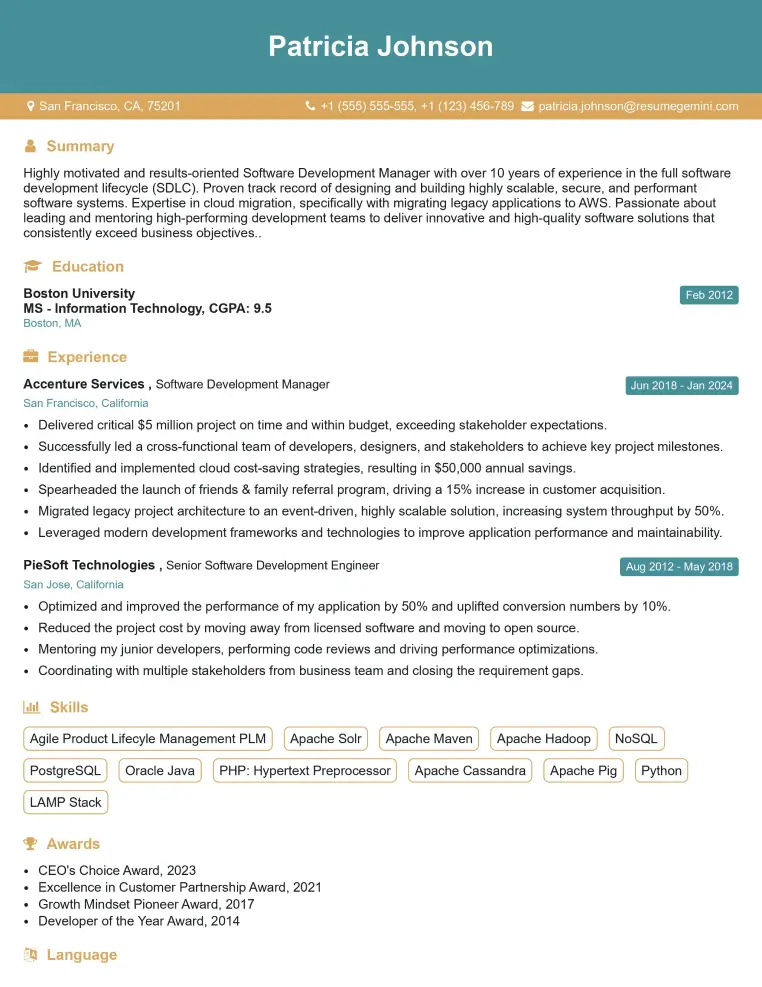
Check Out Resume Samples at ResumeGemini
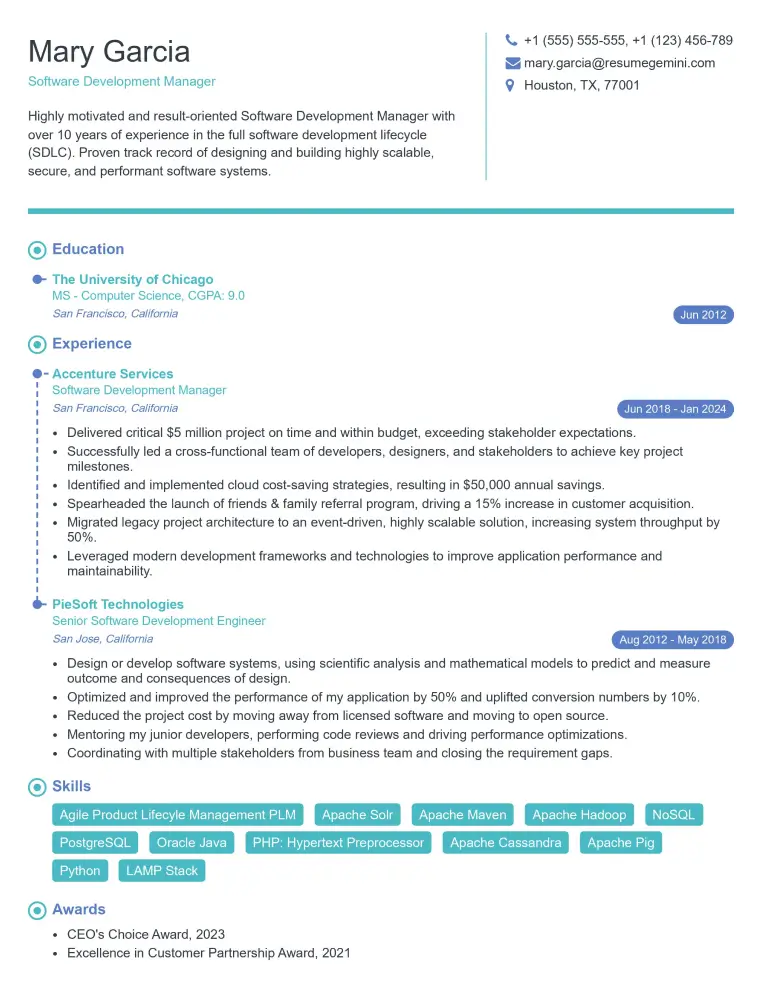
Check Out Resume Samples at ResumeGemini
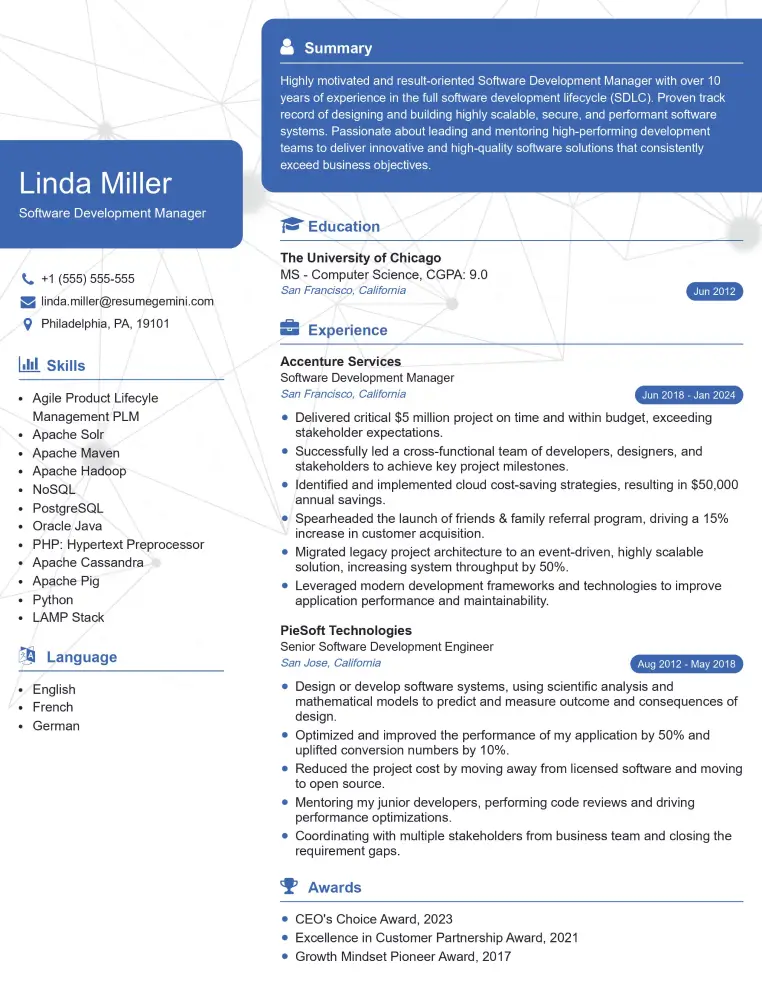
Check Out Resume Samples at ResumeGemini
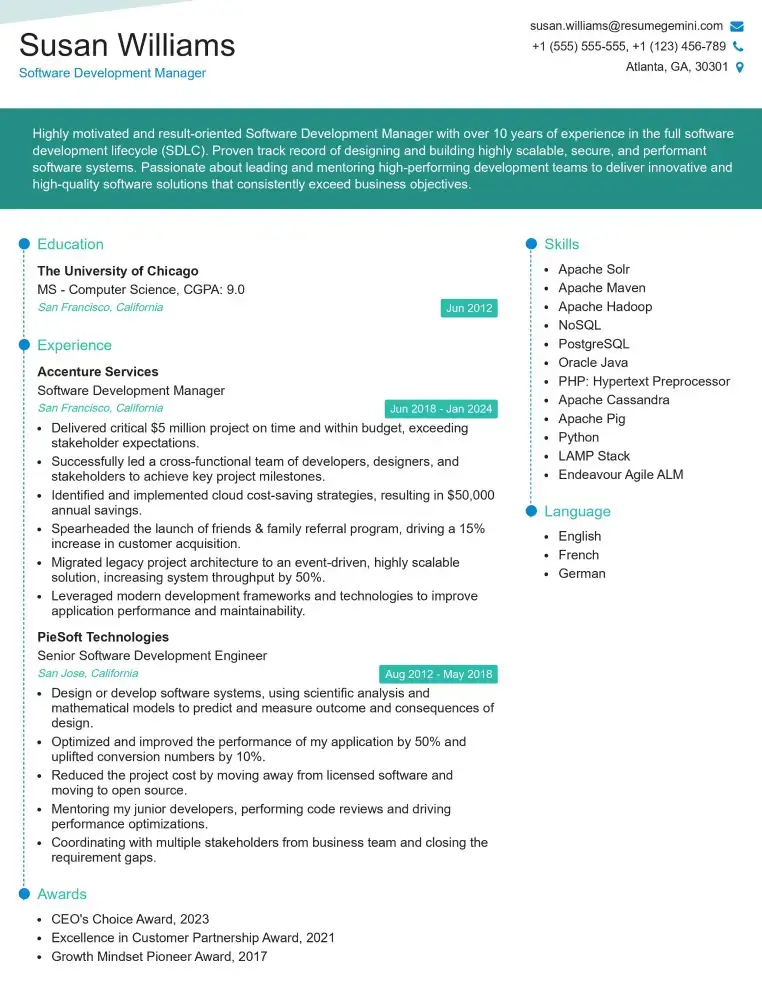
Check Out Resume Samples at ResumeGemini
Explore more articles
Users Rating of Our Blogs
Share Your Experience
We value your feedback! Please rate our content and share your thoughts (optional).
What Readers Say About Our Blog
Very informative content, great job.
good