Preparation is the key to success in any interview. In this post, we’ll explore crucial Genomics and Molecular Genetics interview questions and equip you with strategies to craft impactful answers. Whether you’re a beginner or a pro, these tips will elevate your preparation.
Questions Asked in Genomics and Molecular Genetics Interview
Q 1. Explain the central dogma of molecular biology.
The central dogma of molecular biology describes the flow of genetic information within a biological system. It’s a fundamental principle stating that DNA is transcribed into RNA, which is then translated into protein. Think of it like a recipe: DNA is the master recipe (the blueprint), RNA is a working copy of that recipe, and the protein is the final dish prepared from that copy.
- DNA Replication: DNA duplicates itself to ensure genetic information is passed on during cell division. This is a crucial step for maintaining the integrity of the genetic code.
- Transcription: The DNA sequence is copied into a messenger RNA (mRNA) molecule. This process occurs within the cell’s nucleus and involves enzymes like RNA polymerase.
- Translation: The mRNA molecule travels to the ribosomes, where the genetic code (codons) is translated into a sequence of amino acids. These amino acids are linked together to form a polypeptide chain, which folds into a functional protein.
Example: The gene for insulin contains the DNA sequence that codes for the insulin protein. Through transcription, this sequence is copied into mRNA, which is then translated by ribosomes to produce the insulin protein. This protein is essential for regulating blood sugar levels.
Q 2. Describe the different types of DNA sequencing technologies.
DNA sequencing technologies determine the order of nucleotides (adenine, guanine, cytosine, and thymine) in a DNA molecule. There are several generations of these technologies, each with its own advantages and disadvantages.
- Sanger Sequencing (First-Generation): This method, also known as chain-termination sequencing, uses dideoxynucleotides to terminate DNA synthesis at specific points. This allows for the determination of the sequence by analyzing the lengths of the resulting fragments. It’s accurate but low-throughput and expensive for large-scale projects.
- Next-Generation Sequencing (NGS) (Second-Generation): This encompasses several technologies (Illumina, Ion Torrent, SOLiD), that allow for massively parallel sequencing of millions or billions of DNA fragments simultaneously. This results in high throughput and lower cost per base compared to Sanger sequencing.
- Third-Generation Sequencing: This includes technologies like PacBio SMRT and Oxford Nanopore, which sequence single DNA molecules in real time without amplification. These methods offer very long read lengths, but can have higher error rates than NGS.
Each method has its place depending on the application. Sanger sequencing is still used for validation and specific tasks requiring high accuracy, while NGS is ideal for genome-wide association studies and large-scale projects. Third-generation sequencing is increasingly valuable for resolving complex genomic regions and studying structural variations.
Q 3. What are the advantages and disadvantages of Next-Generation Sequencing (NGS)?
Next-Generation Sequencing (NGS) has revolutionized genomics research, but it’s crucial to understand both its strengths and weaknesses.
- Advantages:
- High Throughput: NGS allows for sequencing millions or billions of DNA fragments simultaneously, making it much faster and more cost-effective than traditional methods.
- High Sensitivity: NGS can detect low-frequency variants which are often missed by other methods.
- Versatility: NGS can be applied to a wide range of applications, including genome sequencing, transcriptome analysis (RNA-Seq), and epigenomics.
- Disadvantages:
- High Initial Cost: The equipment and reagents for NGS can be expensive, although the cost per base has decreased significantly.
- Bioinformatics Challenges: Analyzing the massive datasets generated by NGS requires specialized bioinformatics tools and expertise.
- Potential for Bias: Certain DNA sequences can be more easily amplified than others during library preparation, leading to biases in the sequencing results.
Example: In cancer research, NGS is used to identify somatic mutations driving tumor growth. While expensive to initially set up, the high throughput allows researchers to rapidly sequence numerous patient samples, helping to identify personalized treatment targets much faster than Sanger sequencing ever could.
Q 4. How is PCR used in genomics research?
Polymerase Chain Reaction (PCR) is a crucial technique in molecular biology that allows for the amplification of specific DNA sequences. It’s like making millions of copies of a particular section of a book – very useful when you only need to focus on a specific part.
- Genome Walking: PCR is used to amplify unknown DNA sequences flanking a known region, helping to find the boundaries of a gene or other DNA element.
- Gene Cloning: PCR can amplify a specific gene of interest for insertion into a vector for further study or expression.
- Mutation Detection: PCR products can be sequenced to identify mutations associated with genetic diseases.
- Quantitative PCR (qPCR): This is a variant that allows for the quantification of DNA or RNA, making it useful for measuring gene expression levels.
Example: In forensic science, PCR is used to amplify small amounts of DNA found at crime scenes for analysis and identification. The amplification allows for enough DNA to be used in sequencing and other downstream applications.
Q 5. Explain the concept of gene expression and regulation.
Gene expression refers to the process by which information from a gene is used to synthesize a functional gene product, typically a protein. Gene regulation is the control of this process, determining when and where genes are expressed and at what levels. It’s like a light switch for your genes, controlling which genes are “on” (expressed) and “off” (not expressed).
- Transcriptional Regulation: Control of the initiation of transcription through the binding of transcription factors to promoter regions of genes. This is a major point of regulation where many environmental factors influence gene expression.
- Post-transcriptional Regulation: Regulation that occurs after the mRNA molecule has been synthesized, such as RNA splicing, RNA stability, and translation efficiency.
- Post-translational Regulation: Regulation of the protein’s function after it has been synthesized. This includes processes like protein folding, modification, and degradation.
Example: The expression of the gene encoding the enzyme lactase, which is necessary for digesting lactose, is regulated. In individuals who are lactose intolerant, the expression of this gene is low or absent after infancy.
Q 6. What are microarrays and how are they used in genomics?
Microarrays are tools used to measure the expression levels of thousands of genes simultaneously. Imagine a grid containing spots representing different genes. Each spot is probed with labeled RNA, and the amount of label bound to each spot reflects the expression level of the corresponding gene.
- Gene Expression Profiling: Microarrays can measure the expression levels of thousands of genes across different conditions or samples, identifying genes that are upregulated or downregulated under specific circumstances.
- Genotyping: Microarrays can also be used to detect genetic variations, such as single nucleotide polymorphisms (SNPs).
- Comparative Genomic Hybridization (CGH): This technique uses microarrays to compare the copy number of DNA sequences between two samples, such as a normal and a cancer cell.
Example: In cancer research, microarrays are used to study gene expression patterns in tumor cells compared to normal cells, identifying potential biomarkers for diagnosis or prognosis.
Q 7. Describe different types of genomic variations (SNPs, INDELS, CNVs).
Genomic variations are differences in DNA sequence compared to a reference genome. These variations are important because they contribute to phenotypic diversity and can be associated with diseases.
- Single Nucleotide Polymorphisms (SNPs): These are the most common type of variation, involving a change in a single nucleotide base. A single letter change in the DNA sequence (e.g., A to G).
- Insertions and Deletions (INDELS): These are variations involving the insertion or deletion of one or more nucleotides. They can cause frameshift mutations affecting downstream amino acids if they’re not a multiple of three.
- Copy Number Variations (CNVs): These are variations in the number of copies of a DNA segment. They can involve duplications or deletions of large genomic regions, impacting gene dosage.
Example: SNPs in genes related to drug metabolism can influence how individuals respond to certain medications. INDELS can result in genetic diseases such as cystic fibrosis, while CNVs are implicated in various conditions including autism spectrum disorder.
Q 8. Explain the concept of linkage disequilibrium.
Linkage disequilibrium (LD) refers to the non-random association of alleles at different loci on a chromosome. Essentially, it means certain alleles tend to be inherited together more often than would be expected by chance alone. This is because they are physically close together on the chromosome, and recombination events during meiosis (cell division that produces gametes) are less likely to separate them.
Imagine two genes, A and B, on the same chromosome. If allele A1 is frequently found with allele B1, and A2 with B2, we say these alleles are in LD. The stronger the LD, the less frequently recombination shuffles these alleles.
Example: A study might find a strong LD between a specific allele of a gene and a susceptibility allele for a disease. This finding can be very useful in genome-wide association studies (GWAS) because if you identify one marker allele (e.g., a SNP), you can infer the likely presence of the associated disease-linked allele. However, LD can also complicate genetic mapping since it can create the false impression of a direct causal link between genes that are merely linked.
Practical Application: LD is crucial in mapping disease genes and understanding the evolutionary history of populations. By analyzing patterns of LD, geneticists can identify regions of the genome that have been under recent selective pressure or regions associated with particular traits.
Q 9. What are the ethical considerations in genomic research?
Ethical considerations in genomic research are paramount due to the sensitive nature of genetic information. Key concerns include:
- Privacy and Confidentiality: Genetic data is highly personal and can reveal information about individuals and their families, including predispositions to diseases. Strict protocols are needed to protect this data from unauthorized access and misuse.
- Informed Consent: Participants in genomic research must provide informed consent, meaning they understand the study’s purpose, risks, and benefits before participating. This is particularly crucial since genetic information can have far-reaching implications for individuals and their families.
- Genetic Discrimination: Concerns exist about the potential for discrimination based on genetic information, such as in employment, insurance, or other areas. Laws and regulations are needed to protect individuals from such discrimination.
- Incidental Findings: Genomic research may uncover unexpected information about a participant’s health, such as a predisposition to a disease they didn’t know about. Ethical guidelines address how to handle such incidental findings and ensure appropriate counseling and support are provided.
- Equity and Justice: Genomic research must be conducted equitably and ensure that the benefits and burdens are distributed fairly across different populations. This includes considering potential biases in study design and ensuring access to genomic technologies and services is not limited to certain groups.
Example: The debate surrounding direct-to-consumer genetic testing highlights many of these ethical concerns. The potential for misinterpretation of results, lack of proper genetic counseling, and implications for insurance coverage all require careful ethical consideration.
Q 10. How is genome-wide association study (GWAS) performed?
A genome-wide association study (GWAS) aims to identify genetic variations associated with a particular disease or trait. It involves scanning the genomes of many individuals to look for single nucleotide polymorphisms (SNPs), which are common variations in DNA sequence, that occur more frequently in individuals with the trait compared to those without.
Steps involved in a GWAS:
- Sample Collection and Genotyping: Collect DNA samples from a large group of individuals, some with the trait of interest (cases) and some without (controls). Genotype these samples using high-throughput SNP arrays or sequencing technologies to identify SNPs across the genome.
- Statistical Analysis: Compare the frequency of each SNP in the case and control groups using statistical tests (e.g., chi-squared test). This identifies SNPs that are significantly more common in the case group, suggesting they may be associated with the trait. This analysis usually generates a p-value and odds ratio for each SNP.
- Data Interpretation: Identify SNPs with statistically significant associations after correcting for multiple testing (due to the large number of SNPs analyzed). These SNPs may be located near genes involved in the trait’s development or regulation. This often involves further bioinformatic analysis and validation.
- Replication and Validation: Replicate the findings in independent datasets to confirm the association and rule out false positives.
- Functional Studies: Once promising SNPs are identified, functional studies are conducted to understand their role in the disease mechanism. This might include experiments looking at gene expression or protein function.
Example: GWAS have been successful in identifying genetic variants associated with many complex diseases, such as type 2 diabetes, heart disease, and certain cancers. These findings contribute to a better understanding of disease etiology and potential therapeutic targets.
Q 11. Describe different bioinformatics tools for genomic data analysis.
Numerous bioinformatics tools are available for genomic data analysis, catering to various needs:
- Sequence Alignment Tools (e.g., BLAST, Bowtie2): These tools compare DNA or protein sequences to identify similarities and evolutionary relationships.
BLASTis used for searching sequence databases, whileBowtie2aligns short reads to a reference genome. - Genome Browsers (e.g., UCSC Genome Browser, Ensembl): These provide visual interfaces to explore genomic data, including gene annotations, SNPs, and other features.
- Variant Calling Tools (e.g., GATK): These analyze sequencing data to identify variations in DNA sequences, such as SNPs and insertions/deletions.
- Gene Expression Analysis Tools (e.g., DESeq2, edgeR): These analyze RNA-Seq data to quantify gene expression levels and identify differentially expressed genes between different conditions.
- Phylogenetic Analysis Tools (e.g., MEGA, PhyML): These tools construct phylogenetic trees to visualize evolutionary relationships among different species or sequences.
- Pathway Analysis Tools (e.g., GOseq, DAVID): These tools identify biological pathways enriched in sets of genes or proteins of interest.
The choice of tools depends on the specific research question and the type of genomic data being analyzed. Many tools are available as command-line applications, web servers, or integrated software packages.
Q 12. Explain the concept of phylogenetic analysis.
Phylogenetic analysis is the study of evolutionary relationships among different organisms or sequences. It aims to reconstruct the evolutionary history (phylogeny) of a group of organisms, typically represented as a phylogenetic tree (also called a cladogram).
Methods for phylogenetic analysis include:
- Distance-based methods: These methods calculate the pairwise distances between sequences based on the number of differences between them and use these distances to construct a tree.
- Character-based methods (e.g., Maximum parsimony, Maximum likelihood): These methods analyze the characters (e.g., DNA or protein sequences) directly to infer the most likely evolutionary relationships.
- Bayesian methods: These methods use Bayesian inference to estimate the posterior probabilities of different tree topologies.
Applications of phylogenetic analysis:
- Understanding evolutionary relationships: Phylogenetic analysis can help us understand how different organisms are related to each other and how they have evolved over time.
- Identifying the origins of pathogens: By analyzing the genomes of pathogens, we can trace their origins and track their spread.
- Inferring the functions of genes: Phylogenetic analysis can be used to infer the functions of genes in newly sequenced genomes based on their relationships to genes with known functions.
Example: Phylogenetic analysis has been used extensively to study the evolution of viruses, such as influenza and HIV, and to understand their origins and diversification.
Q 13. What are the applications of CRISPR-Cas9 technology?
CRISPR-Cas9 technology is a revolutionary gene-editing tool that allows precise modification of DNA sequences. It utilizes a guide RNA (gRNA) that directs the Cas9 enzyme to a specific target site in the genome, where it creates a double-stranded break. The cell’s natural DNA repair mechanisms then fix the break, either through non-homologous end joining (NHEJ), which often introduces insertions or deletions, or through homology-directed repair (HDR), which allows for precise gene editing using a provided DNA template.
Applications of CRISPR-Cas9:
- Gene therapy: Correcting genetic mutations that cause diseases.
- Drug discovery and development: Creating cellular models of disease for drug screening.
- Agricultural biotechnology: Enhancing crop yields and disease resistance.
- Biomedical research: Studying gene function and regulatory mechanisms.
- Diagnostics: Detecting specific DNA sequences for disease diagnosis.
Example: CRISPR-Cas9 has shown promise in treating genetic disorders like sickle cell anemia and beta-thalassemia by correcting the underlying genetic defects in blood stem cells.
Q 14. How is gene therapy used to treat genetic disorders?
Gene therapy aims to treat genetic disorders by introducing genetic material into cells to compensate for faulty genes or modify their expression. Different approaches exist:
- Gene addition: Introducing a functional copy of a gene to compensate for a defective gene. This often involves using viral vectors to deliver the gene into the target cells.
- Gene editing: Correcting mutations in a defective gene using technologies like CRISPR-Cas9. This is a more precise approach than gene addition.
- RNA interference (RNAi): Using RNA molecules to silence or reduce the expression of a specific gene. This can be useful for reducing the expression of harmful genes.
Challenges and considerations in gene therapy:
- Vector safety and efficacy: Viral vectors, while efficient, can sometimes trigger immune responses or cause insertional mutagenesis.
- Target cell specificity: Delivering the genetic material to the correct cells in the body can be challenging.
- Long-term effects: The long-term safety and efficacy of gene therapy need to be carefully evaluated.
- Cost and accessibility: Gene therapy can be expensive, raising concerns about access for all patients.
Example: Gene therapy has shown success in treating certain forms of inherited blindness and immunodeficiencies. Ongoing research is exploring its potential for treating a wider range of genetic disorders.
Q 15. Describe different methods for gene editing.
Gene editing technologies allow us to precisely modify an organism’s DNA. Several powerful methods exist, each with its strengths and weaknesses.
- CRISPR-Cas9: This revolutionary system uses a guide RNA to direct the Cas9 enzyme to a specific DNA sequence, where it can create a double-stranded break. The cell then repairs this break, either through non-homologous end joining (NHEJ), which often introduces errors and can disrupt the gene, or homology-directed repair (HDR), which allows for precise gene insertion or correction using a provided DNA template. Think of it like molecular scissors and paste, allowing for targeted modifications.
- Zinc Finger Nucleases (ZFNs): ZFNs are engineered proteins with zinc finger domains that bind to specific DNA sequences. These are linked to a nuclease domain that cuts the DNA at the target site. While highly specific, they are more complex and expensive to design than CRISPR.
- Transcription Activator-Like Effector Nucleases (TALENs): Similar to ZFNs, TALENs use engineered proteins to target specific DNA sequences. They offer higher specificity than ZFNs but are still more complex and costly than CRISPR.
- Base Editing: This is a newer technology that allows for single base changes (e.g., converting a C to a T) without causing a double-stranded break. It’s less error-prone than CRISPR-Cas9 with NHEJ but still requires careful design and optimization.
Each method has its own advantages and limitations regarding efficiency, specificity, off-target effects, and cost, making the choice of method dependent on the specific application.
Career Expert Tips:
- Ace those interviews! Prepare effectively by reviewing the Top 50 Most Common Interview Questions on ResumeGemini.
- Navigate your job search with confidence! Explore a wide range of Career Tips on ResumeGemini. Learn about common challenges and recommendations to overcome them.
- Craft the perfect resume! Master the Art of Resume Writing with ResumeGemini’s guide. Showcase your unique qualifications and achievements effectively.
- Don’t miss out on holiday savings! Build your dream resume with ResumeGemini’s ATS optimized templates.
Q 16. Explain the concept of epigenetics.
Epigenetics refers to heritable changes in gene expression that do not involve alterations to the underlying DNA sequence. It’s like adding annotations to your DNA that affect how it’s read and used, without changing the actual letters. These changes are often mediated by chemical modifications to DNA or histones (proteins that DNA wraps around).
- DNA methylation: The addition of a methyl group (CH3) to a cytosine base usually represses gene expression. Think of it as placing a sticker on a gene that silences it.
- Histone modification: Histones can be modified by adding or removing chemical groups like acetyl or methyl groups, altering the chromatin structure and influencing gene accessibility. This can either enhance or repress gene expression depending on the specific modification.
Epigenetic changes can be influenced by environmental factors such as diet, stress, and exposure to toxins, and can play a significant role in development, disease, and even transgenerational inheritance.
For instance, identical twins share the same DNA sequence but can develop different traits over time due to epigenetic differences accumulating from their unique life experiences.
Q 17. What are the challenges in analyzing large genomic datasets?
Analyzing large genomic datasets presents many significant challenges. The sheer volume of data requires substantial computing power and specialized software.
- Data storage and management: Genomic data is massive; storing and efficiently accessing it requires sophisticated databases and cloud computing solutions.
- Computational power: Analyzing complex relationships within large datasets demands powerful computing resources and algorithms designed to handle high-dimensionality.
- Data processing and cleaning: Raw genomic data often contains errors and inconsistencies. Thorough quality control and data cleaning steps are crucial to ensure accuracy.
- Data interpretation and visualization: Extracting meaningful biological insights from large datasets requires advanced statistical methods and visualization techniques. It can be challenging to identify patterns, relationships, and signals from the noise.
- Data integration and interoperability: Often researchers have to deal with data from various sources with different formats and structures. Integrating these disparate datasets needs careful planning and standardization efforts.
The integration of sophisticated bioinformatics pipelines and expertise in both statistics and biology is essential to overcome these obstacles.
Q 18. How do you interpret a Manhattan plot from a GWAS?
A Manhattan plot is a graphical representation of results from a genome-wide association study (GWAS). It displays the association strength (usually represented as -log10(p-value)) of each single nucleotide polymorphism (SNP) across the genome.
The x-axis represents the genomic position, and the y-axis represents the -log10(p-value). Points that reach above a specified significance threshold (-log10(p-value) typically above 7.3, corresponding to a p-value below 5×10⁻⁸) are considered significantly associated with the trait being studied. These points typically stick out like skyscrapers on the Manhattan skyline, hence the name.
Interpreting a Manhattan plot involves identifying these peaks representing SNPs strongly linked to the disease or trait. The genomic location of these significant SNPs can then be used to identify candidate genes in the vicinity that may be involved in the disease mechanism. However, it’s essential to remember that association does not imply causation.
Q 19. Explain the difference between germline and somatic mutations.
The key difference lies in where the mutation occurs in the body and whether it’s passed on to offspring.
- Germline mutations: These occur in reproductive cells (sperm and egg) and are heritable. They are present in every cell of the offspring and can be passed on to subsequent generations. Examples include mutations that cause cystic fibrosis or Huntington’s disease.
- Somatic mutations: These occur in non-reproductive cells and are not heritable. They arise during an organism’s lifetime, usually due to environmental factors or errors in DNA replication. Somatic mutations affect only the cells derived from the mutated cell and cannot be passed on to offspring. Examples include mutations that drive cancer development.
Germline mutations are crucial for understanding inherited diseases and evolution, while somatic mutations are critical for understanding cancer and aging.
Q 20. How can you identify candidate genes for a specific disease?
Identifying candidate genes for a specific disease involves a multi-step process often combining various approaches.
- GWAS: As mentioned earlier, GWAS can identify SNPs associated with the disease, which helps narrow down potential genomic regions containing candidate genes.
- Candidate gene approach: This involves selecting genes based on prior knowledge of their function or involvement in biological pathways related to the disease. This approach is often guided by existing literature and biological understanding.
- Gene expression studies: Analyzing gene expression patterns in affected individuals compared to controls can reveal genes showing differential expression, suggesting their involvement in the disease.
- Animal models: Studying animal models of the disease can reveal genes that, when mutated, produce similar phenotypes.
- Comparative genomics: By comparing the genomes of affected individuals with those of unaffected individuals, researchers can identify genetic variations or mutations that are uniquely present in the affected population.
Often, a combination of these strategies is employed to build a strong case for candidate genes. Further experimental validation is needed to confirm the role of the candidate genes in the disease mechanism.
Q 21. Describe different types of mutations and their effects.
Mutations are changes in the DNA sequence. These changes can range from single base pair substitutions to large-scale chromosomal rearrangements, and their effects vary greatly.
- Point mutations (single nucleotide polymorphisms or SNPs): These involve changes in a single nucleotide. They can be silent (no effect on amino acid sequence), missense (change in a single amino acid), or nonsense (creating a premature stop codon, resulting in a truncated protein). Sickle cell anemia is caused by a missense mutation in the beta-globin gene.
- Insertions and deletions (indels): These involve the addition or removal of one or more nucleotides. Indels that are not multiples of three can cause frameshift mutations, drastically altering the amino acid sequence downstream of the mutation.
- Chromosomal mutations: These affect larger segments of chromosomes and can include deletions, duplications, inversions, and translocations. These mutations can have significant consequences, often leading to severe developmental disorders or cancer.
The effect of a mutation depends on several factors including the type of mutation, its location within the gene, and the function of the affected gene. Some mutations have minimal effects, while others can be detrimental, leading to disease or even death.
Q 22. What are the applications of genomics in personalized medicine?
Genomics is revolutionizing personalized medicine by enabling us to tailor medical treatments to an individual’s unique genetic makeup. Instead of a ‘one-size-fits-all’ approach, we can now predict disease risk, diagnose illnesses more accurately, and optimize treatment strategies based on a person’s specific genome.
- Pharmacogenomics: This field uses genomic information to predict how individuals will respond to drugs. For example, knowing a patient’s genetic variation in a drug-metabolizing enzyme can help doctors select the most effective drug and dosage, minimizing side effects.
- Disease Risk Prediction: Analyzing an individual’s genome can identify genetic variations that increase their risk for certain diseases like cancer, heart disease, or Alzheimer’s. This allows for early intervention, lifestyle modifications, and preventive measures.
- Cancer Treatment: Genomic profiling of tumors is now routine in oncology. Identifying specific genetic mutations driving cancer growth allows doctors to select targeted therapies that are more effective and less toxic than traditional chemotherapy. For example, a patient with a specific EGFR mutation in lung cancer might respond exceptionally well to an EGFR inhibitor drug.
- Rare Disease Diagnosis: Genomics plays a vital role in diagnosing rare genetic disorders. Whole-genome sequencing can pinpoint the causative mutation, leading to a definitive diagnosis and potentially targeted therapies.
Q 23. Explain the concept of haplotype.
A haplotype is a set of DNA variations, or polymorphisms, that tend to be inherited together on a single chromosome. Think of it like a group of genes traveling together. These variations might include single nucleotide polymorphisms (SNPs), insertions, deletions, or other variations. Because they’re close together on the chromosome, they’re less likely to be separated during recombination (the shuffling of genes during meiosis).
For example, imagine a chromosome segment with three SNPs: SNP1, SNP2, and SNP3. A particular haplotype might be represented as A-C-G, meaning the individual carries allele A at SNP1, allele C at SNP2, and allele G at SNP3. Another individual might have the haplotype T-T-A. Haplotypes are important in genetic mapping, disease association studies, and understanding population genetics.
Q 24. How is copy number variation (CNV) detected?
Copy number variations (CNVs) are differences in the number of copies of a particular DNA segment compared to a reference genome. Some individuals might have one copy, others two, and some may have three or more copies of a specific gene or region. These variations can range in size from kilobases to megabases.
Several methods are used to detect CNVs:
- Comparative Genomic Hybridization (CGH): This technique compares the amount of DNA from a test sample to a reference sample. Differences in fluorescence intensity indicate CNVs.
- Array-based Comparative Genomic Hybridization (aCGH): This is a more high-resolution version of CGH, using microarrays with thousands of probes to detect CNVs across the genome.
- Next-Generation Sequencing (NGS): By deeply sequencing a genome, NGS allows for the precise detection of CNVs by analyzing read depth. Regions with more reads than expected suggest duplications, while regions with fewer reads indicate deletions.
The choice of method depends on the resolution needed and the resources available. For example, aCGH provides good resolution and is relatively cost-effective, while NGS offers the highest resolution but can be more expensive.
Q 25. Describe different types of RNA (mRNA, tRNA, rRNA).
RNA, or ribonucleic acid, comes in several forms, each with a unique role in gene expression.
- mRNA (messenger RNA): This is the intermediary between DNA and protein synthesis. mRNA carries the genetic information transcribed from DNA to the ribosomes, where it serves as a template for protein synthesis. Think of it as the blueprint that tells the ribosomes which amino acids to string together to build a specific protein.
- tRNA (transfer RNA): tRNA molecules act as adaptors, bringing specific amino acids to the ribosome during translation. Each tRNA molecule has an anticodon that matches a specific codon (three-nucleotide sequence) on the mRNA. They essentially deliver the building blocks according to the blueprint.
- rRNA (ribosomal RNA): rRNA is a structural component of ribosomes, the protein synthesis machinery. It forms a crucial part of the ribosome’s structure and plays a catalytic role in peptide bond formation, linking amino acids together to build the protein chain.
Q 26. Explain the process of RNA splicing.
RNA splicing is a crucial step in gene expression in eukaryotes. Pre-mRNA molecules initially contain both exons (coding sequences) and introns (non-coding sequences). Splicing removes the introns and joins the exons together to create a mature mRNA molecule that is ready for translation. This process ensures that only the coding sequences are translated into protein.
The splicing process is carried out by a complex called the spliceosome, which consists of several small nuclear ribonucleoproteins (snRNPs). These snRNPs recognize specific sequences at the intron-exon boundaries (splice sites) and catalyze the removal of introns and ligation of exons. Errors in splicing can lead to the production of non-functional proteins or proteins with altered functions, potentially causing diseases.
Alternative splicing adds another layer of complexity. A single gene can produce multiple different mRNA molecules and therefore proteins by selectively including or excluding different exons during splicing. This increases the diversity of proteins that can be produced from a limited number of genes.
Q 27. What are the applications of genomics in agriculture?
Genomics is transforming agriculture by providing tools to improve crop yields, enhance nutritional value, and increase resistance to pests, diseases, and environmental stresses.
- Marker-assisted selection (MAS): Genomics enables the identification of genes associated with desirable traits. Farmers can then select plants with the desired genetic markers, speeding up the breeding process and reducing the time needed to develop improved crop varieties.
- Genome editing: Technologies like CRISPR-Cas9 allow precise modifications to a plant’s genome. This allows scientists to introduce or modify genes to enhance traits like drought tolerance, disease resistance, or nutritional content.
- Genomic prediction: By analyzing a plant’s genome, we can predict its yield, nutritional content, and other characteristics. This helps farmers make informed decisions about which plants to cultivate.
- Understanding plant-microbe interactions: Genomics is revealing how plants interact with beneficial microbes in the soil. This knowledge can be used to develop sustainable agricultural practices that improve plant health and reduce reliance on chemical fertilizers and pesticides.
Q 28. Discuss the future of genomics and its potential impact.
The future of genomics is incredibly bright, with potential impacts across numerous fields. We can expect continued advancements in sequencing technologies, leading to faster, cheaper, and more accurate genome analysis. This will further enable:
- Precision medicine: The ability to tailor treatments to individual patients based on their genetic profiles will become more widespread and refined.
- Early disease detection and prevention: Genomics will play an increasingly important role in early detection of diseases, allowing for earlier interventions and improved outcomes.
- New drug discovery and development: Genomics will accelerate the process of discovering and developing new drugs, leading to more effective therapies.
- Synthetic biology: Genomics will be a key driver in developing new biological systems and organisms with tailored functionalities. This has implications for diverse areas such as biofuels, biomaterials, and bioremediation.
- Improved understanding of evolution and biodiversity: Genomics will provide more insight into the evolutionary relationships between organisms and the processes driving biodiversity.
However, ethical considerations, data privacy, and equitable access to genomic technologies will be crucial to ensure responsible development and deployment of genomics.
Key Topics to Learn for Genomics and Molecular Genetics Interview
- Genome Structure and Organization: Understanding chromosomes, genes, regulatory elements, and repetitive sequences. Practical application: Interpreting genomic data to identify disease-associated variants.
- Gene Expression and Regulation: Mechanisms of transcription, translation, and post-translational modification. Practical application: Designing experiments to study gene regulation in specific cellular contexts.
- Genomic Technologies: Next-Generation Sequencing (NGS), microarray analysis, PCR techniques. Practical application: Evaluating the strengths and limitations of different genomic technologies for specific research questions.
- Bioinformatics and Data Analysis: Working with genomic datasets, using bioinformatics tools for sequence alignment, variant calling, and gene expression analysis. Practical application: Interpreting results from genomic analyses and drawing meaningful conclusions.
- Molecular Genetics Techniques: Cloning, mutagenesis, gene editing (CRISPR-Cas9), and protein expression systems. Practical application: Designing and executing molecular genetic experiments to investigate gene function.
- Genetic Variation and Disease: Understanding single nucleotide polymorphisms (SNPs), insertions/deletions (indels), copy number variations (CNVs), and their roles in disease. Practical application: Identifying disease-causing mutations and developing diagnostic tools.
- Population Genetics: Analyzing genetic variation within and between populations, understanding Hardy-Weinberg equilibrium and population bottlenecks. Practical application: Studying the evolution of genes and diseases.
- Ethical Considerations in Genomics: Understanding the ethical implications of genomic technologies and data privacy. Practical application: Critically evaluating the ethical aspects of genomic research and applications.
Next Steps
Mastering Genomics and Molecular Genetics opens doors to exciting and impactful careers in research, diagnostics, and therapeutics. A strong foundation in these areas is crucial for career advancement and securing your dream role. To significantly improve your job prospects, crafting an ATS-friendly resume is essential. ResumeGemini is a trusted resource that can help you build a professional and impactful resume tailored to the specific requirements of Genomics and Molecular Genetics roles. Examples of resumes tailored to this field are available to help you create a winning application. Take the next step toward your successful career journey today!
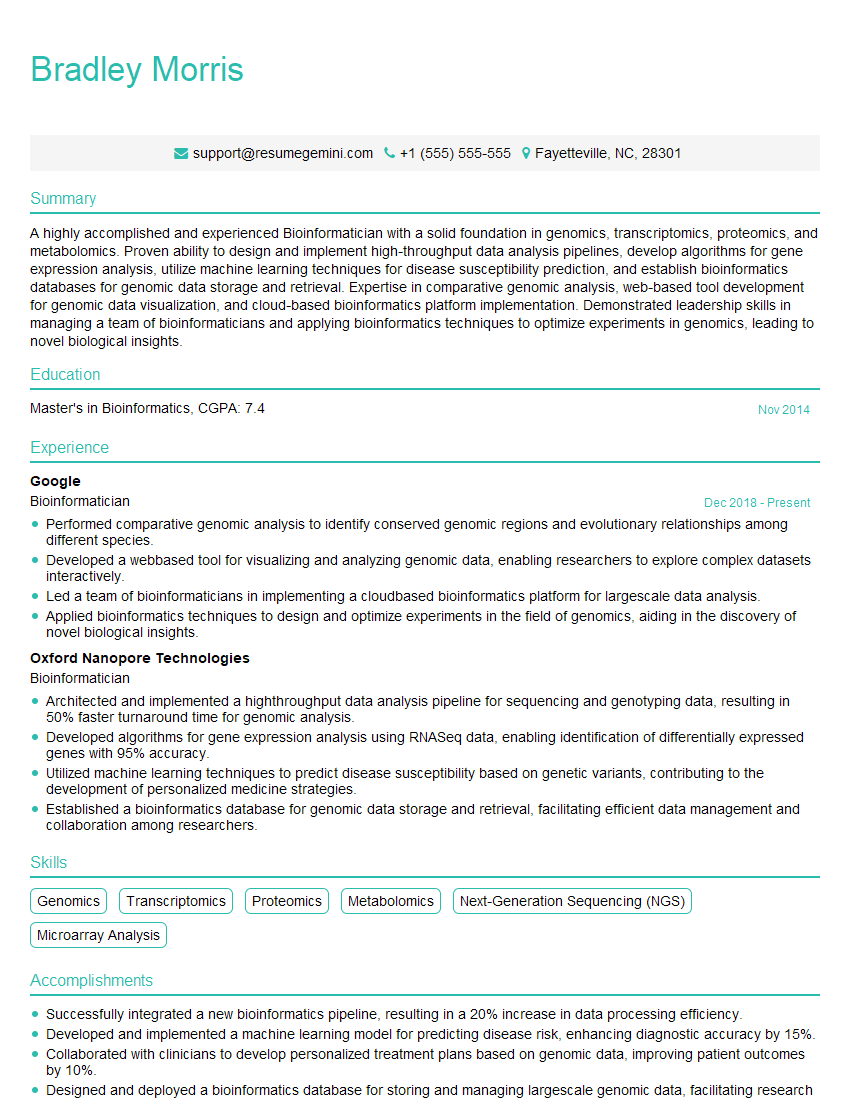
Bioinformatician Resume Sample
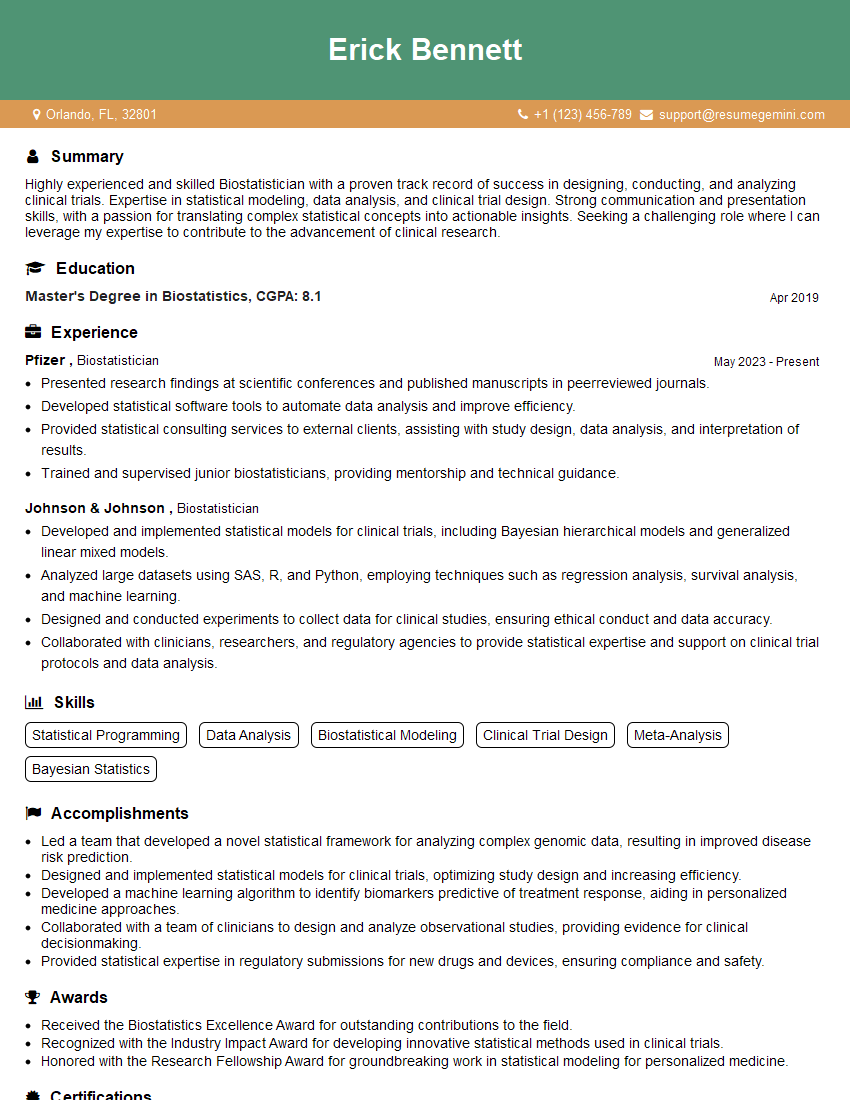
Biostatistician Resume Sample
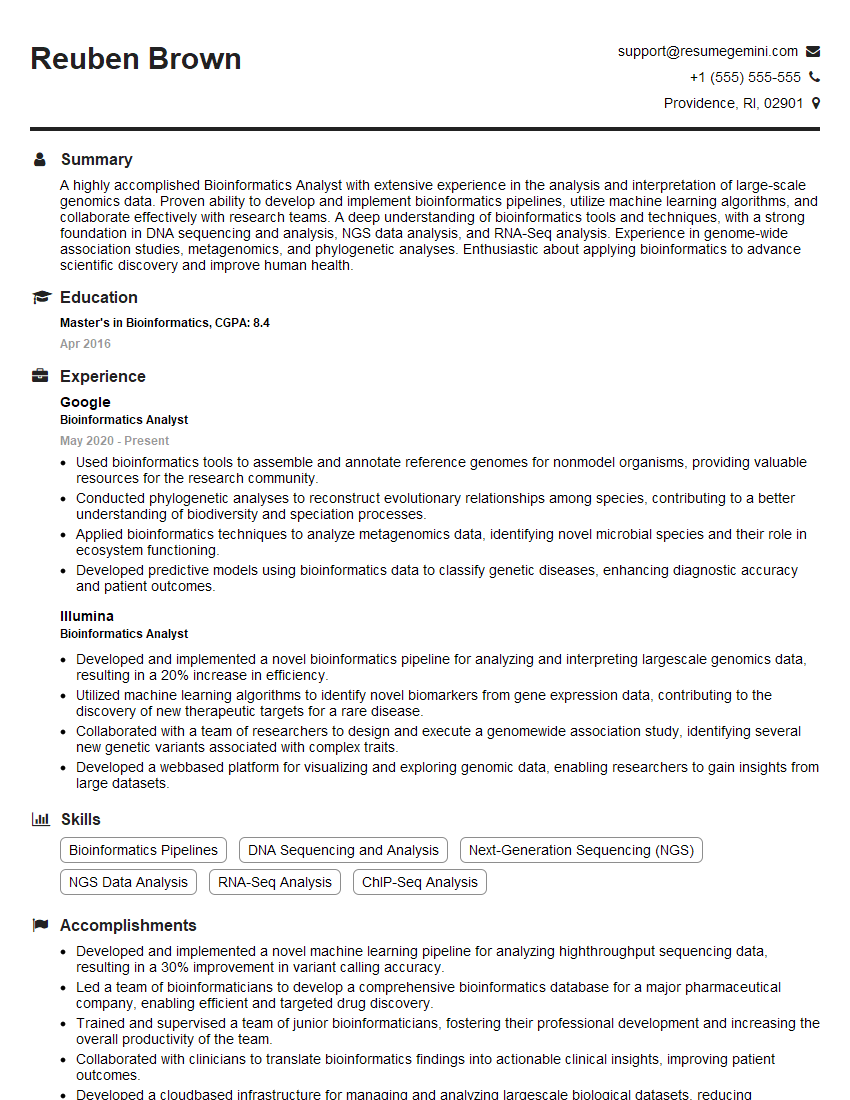
Bioinformatics Analyst Resume Sample
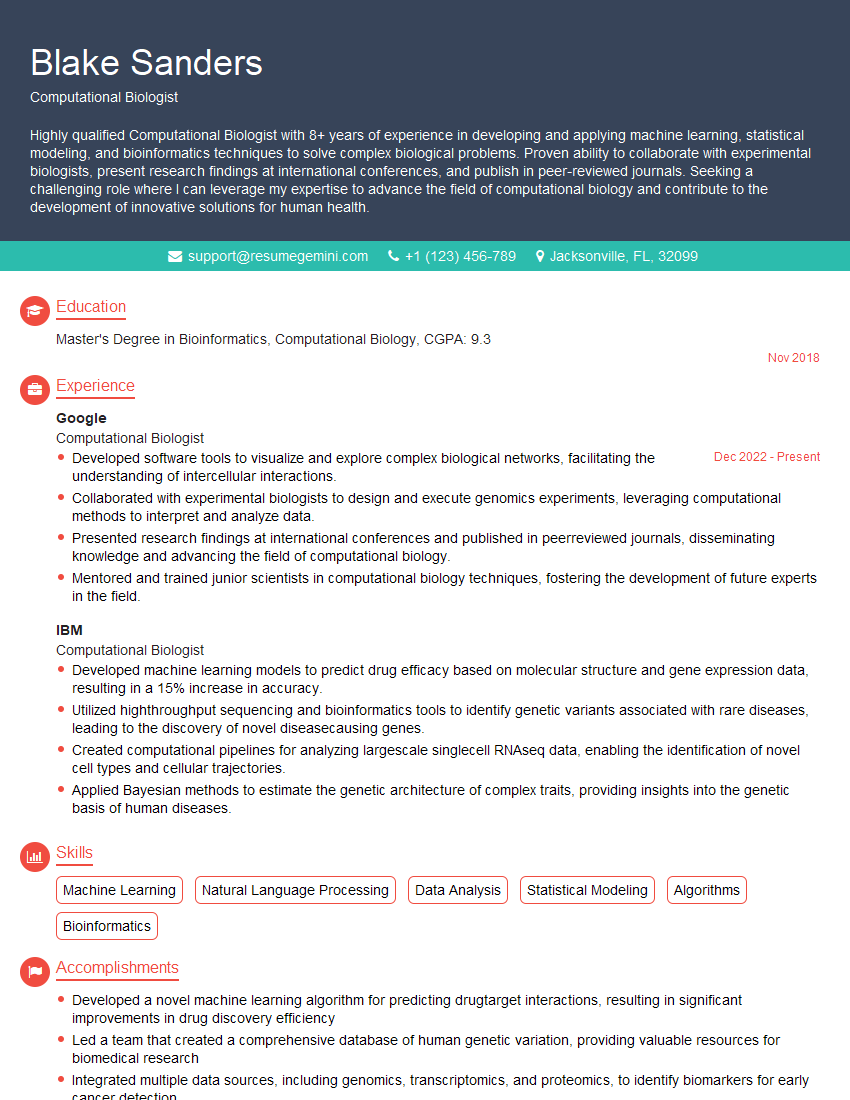
Computational Biologist Resume Sample
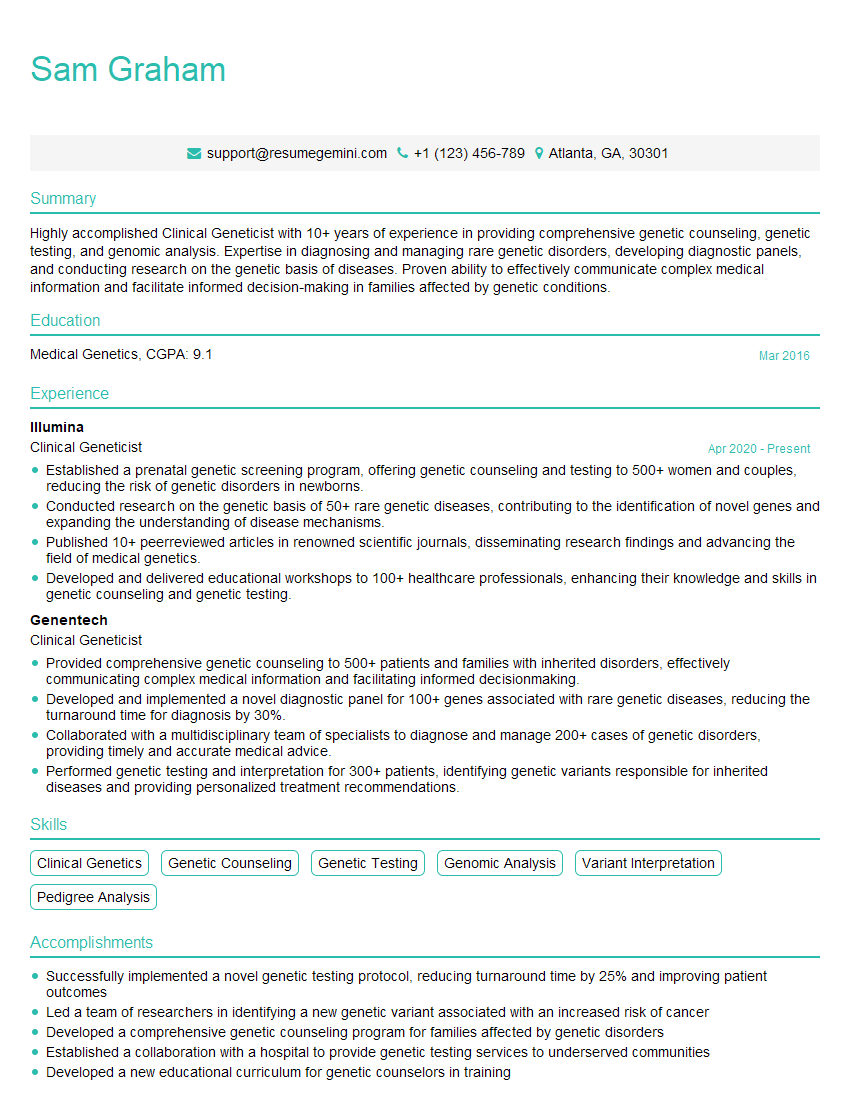
Clinical Geneticist Resume Sample
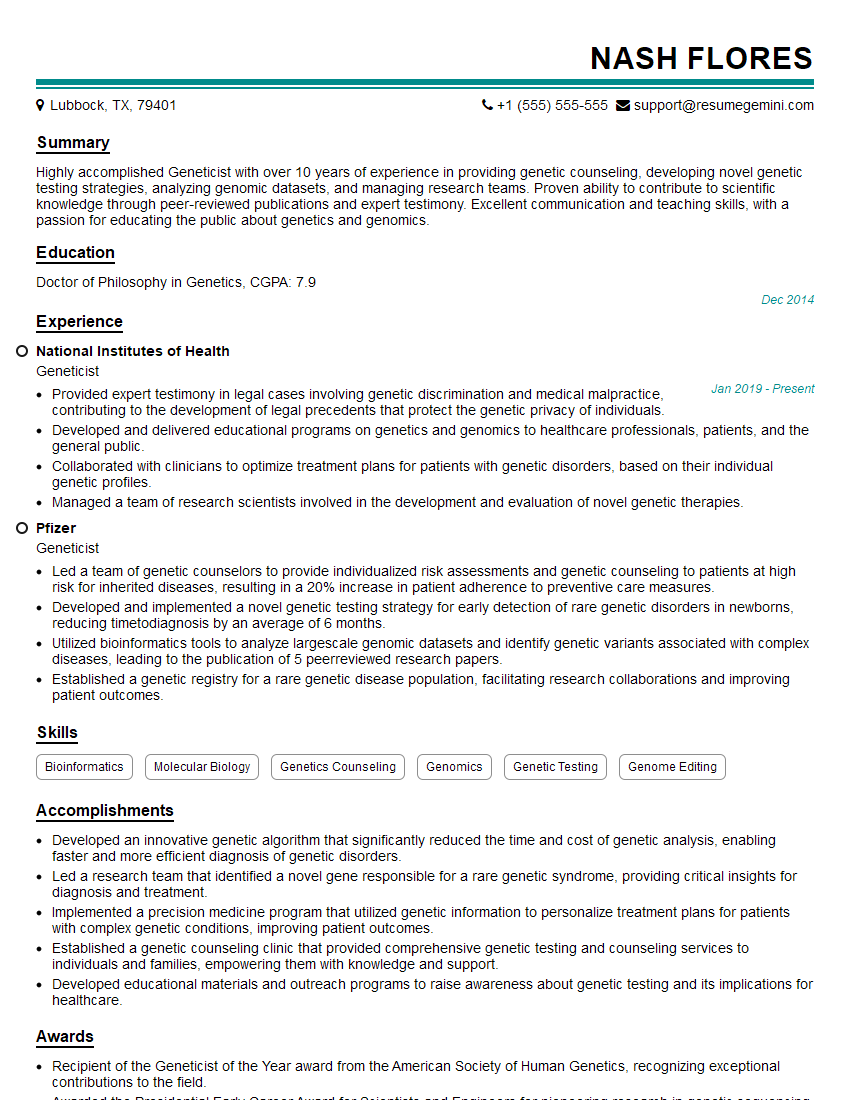
Geneticist Resume Sample
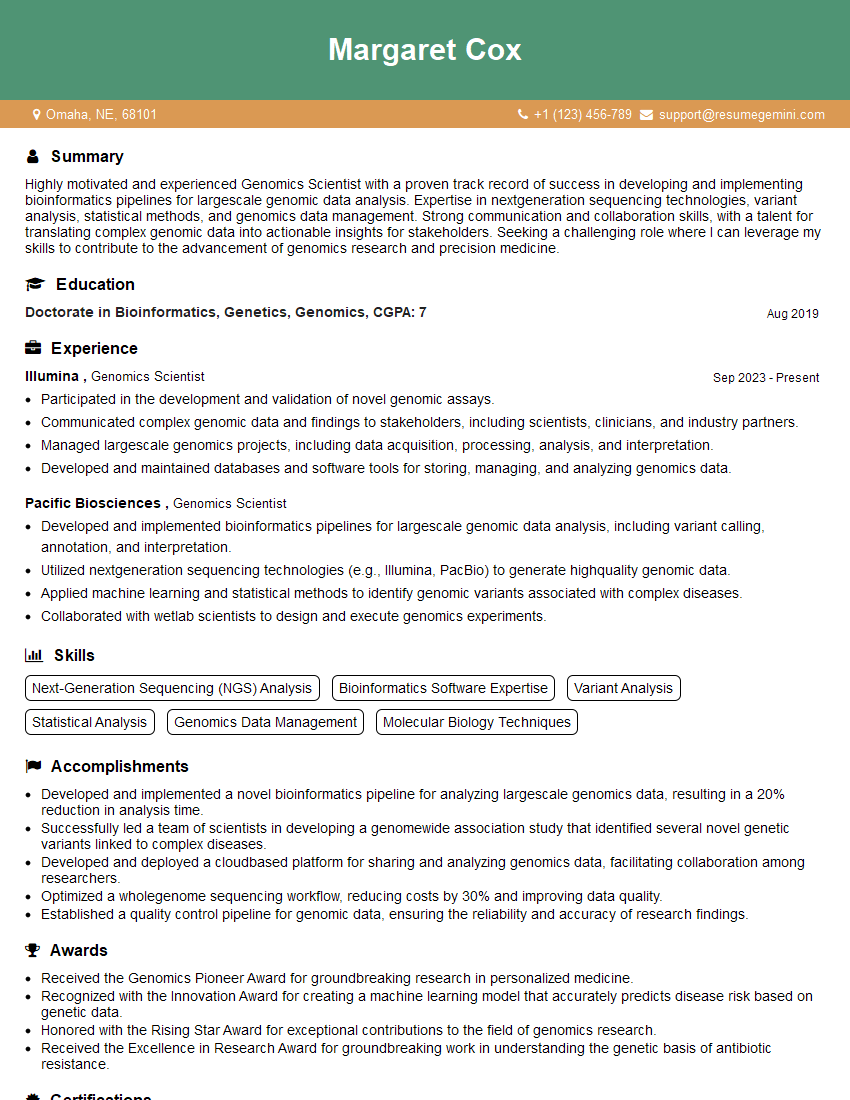
Genomics Scientist Resume Sample
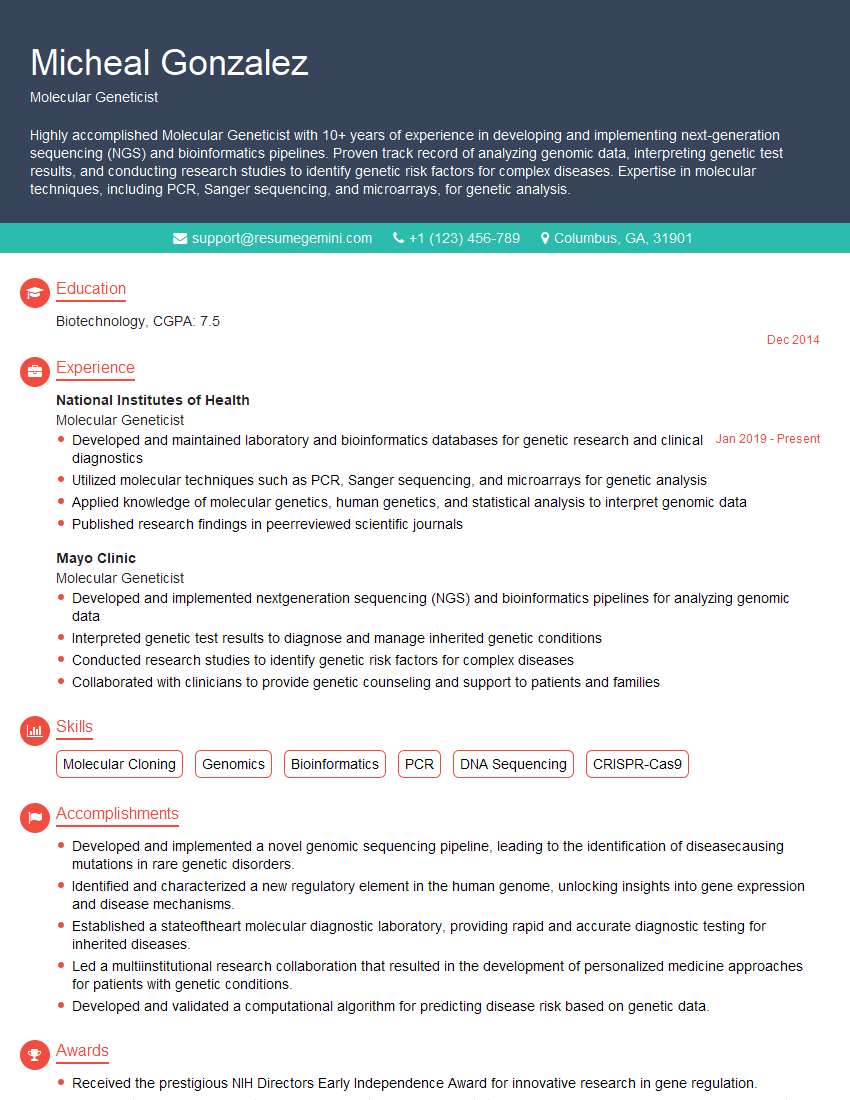
Molecular Geneticist Resume Sample
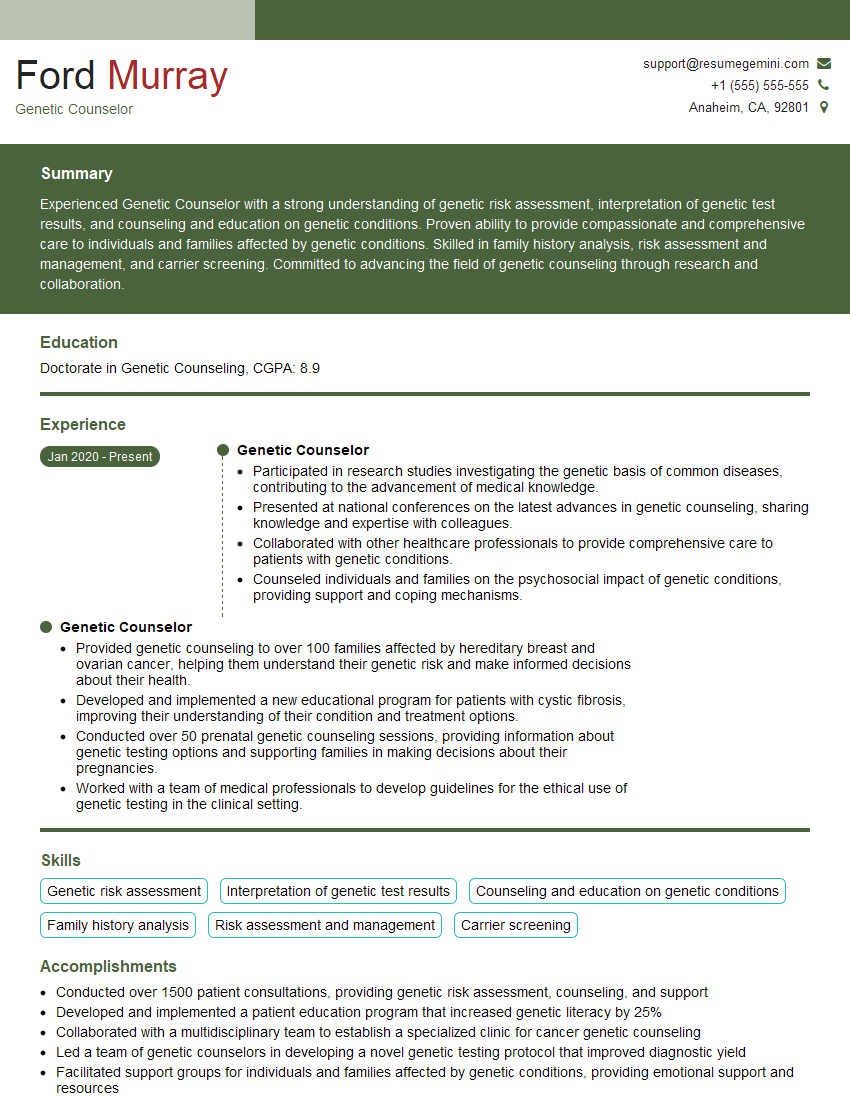
Genetic Counselor Resume Sample
Explore more articles
Users Rating of Our Blogs
Share Your Experience
We value your feedback! Please rate our content and share your thoughts (optional).
What Readers Say About Our Blog
Very informative content, great job.
good